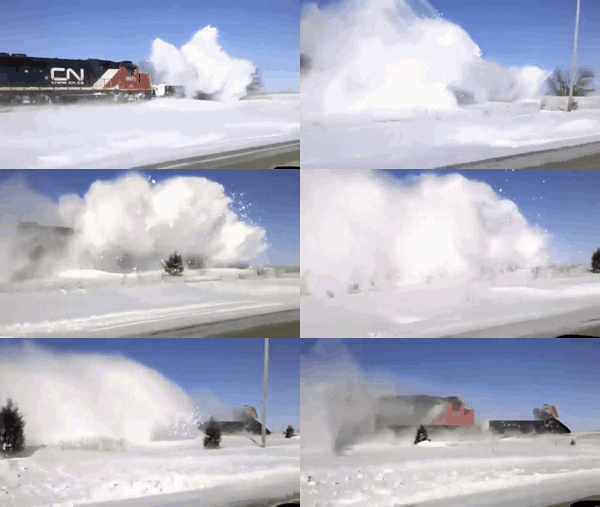
Train don’t give a fuck
CHOO CHOO MOTHER FUCKER SUCK MY DICK
~Dashing though the snow~
GET THE FUCK OUT OF MY WAY
yeriCHOO CHOO MOTHER FUCKER
Train don’t give a fuck
CHOO CHOO MOTHER FUCKER SUCK MY DICK
~Dashing though the snow~
GET THE FUCK OUT OF MY WAY
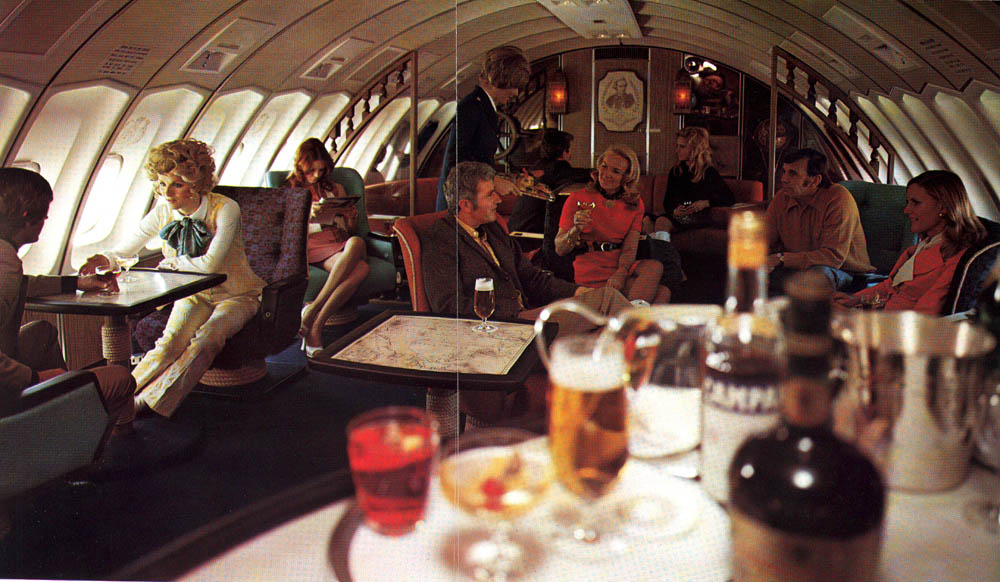
Airlines today just aren’t up for a good party anymore. Look at those fancy folks hanging out in comfy swivel chairs, ordering Martinis and asking attractive strangers, “So, do you come here often?“ Don’t they look like they’re about to have the best flight of their lives?
The 1970s was without doubt, a golden age of air travel. It was the era that saw the upper decks of Boeing 747s turn into full-scale cocktail lounges and restaurants for first class flyers. On the lower deck, there were also coach or economy lounges. Continental Airlines had a pub while American Airlines had an infamous piano bar.
Qantas Airline’s 747B boasted a luxurious “Captain Cook First Class Lounge” (pictured above). Here’s a closer peak into life on the upper deck…
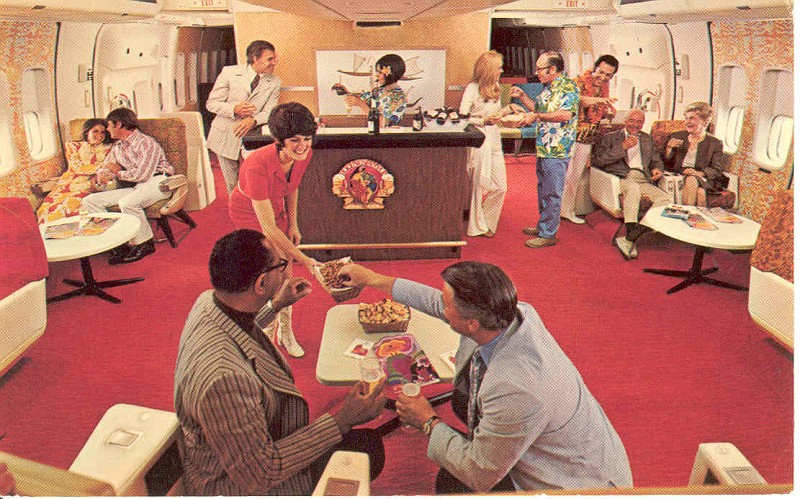
Pictured above is a Continental Airlines coach lounge in the 1970s, you know, back when you could say airlines actually cared about customer service … (burn)! Coach lounges were located on the lower deck, usually behind first class seating.

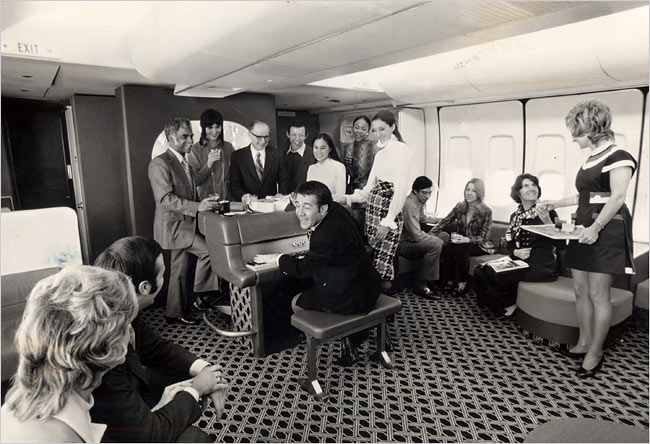
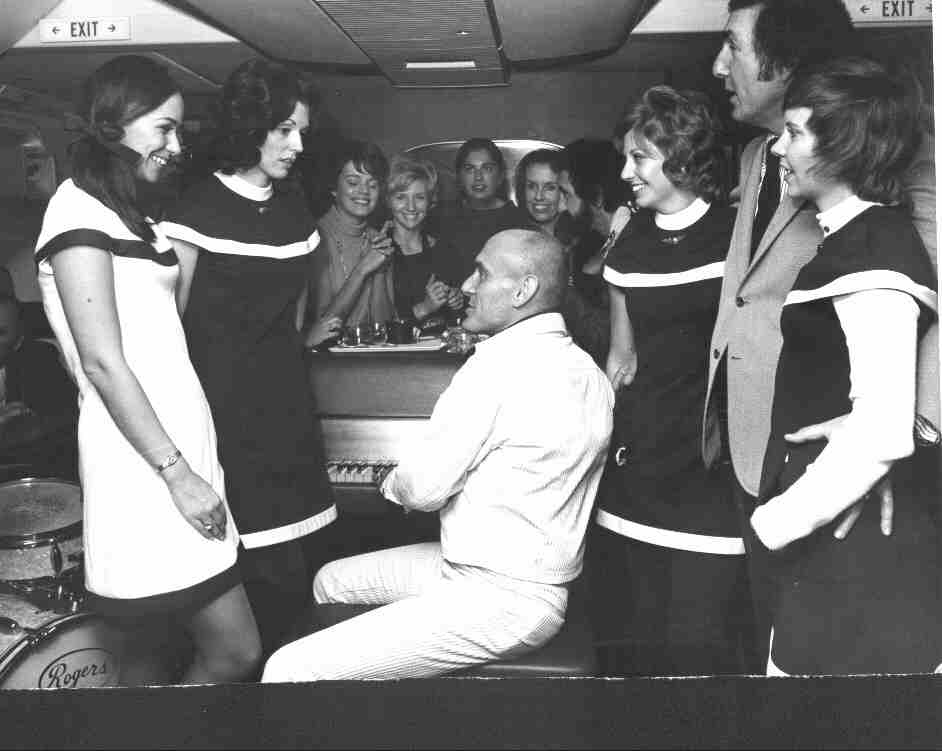
And here’s the American Airlines economy class piano bar, located at the rear of the 747-100 cabin. The piano was of course technically an electric Wurlitzer organ, but hey, it’s live music on a plane. Think of all the singalongs we’re missing out on.
Here’s the piano bar in action (and spot Fonzie at the 15 second mark)…
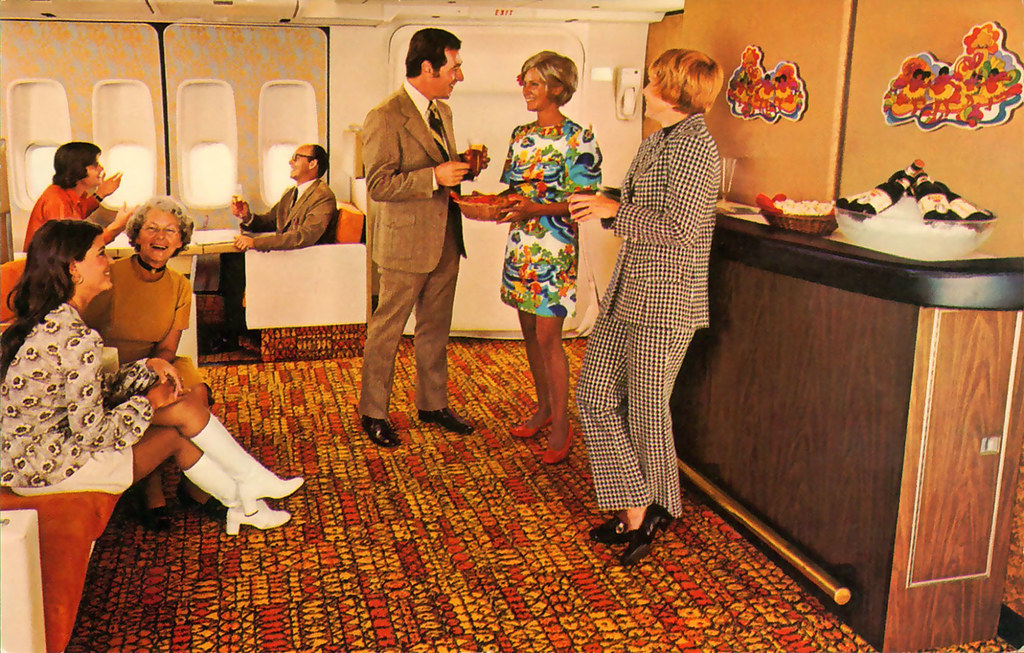
And just in case you were wondering what popping down to the pub with your mates would be like on an airplane …
Good times.
In their advertising campaigns, American Airlines called themselves a “747 Luxury Liner”.

I’m not going to argue with them.

And here are a few more first class lounges on the upper deck…


Is it just me or was the party better in coach?! To the piano bar!
And if you thought 1970s air travel was swanky, check out the 1930s Boeing Clipper…

Personal dressing rooms…
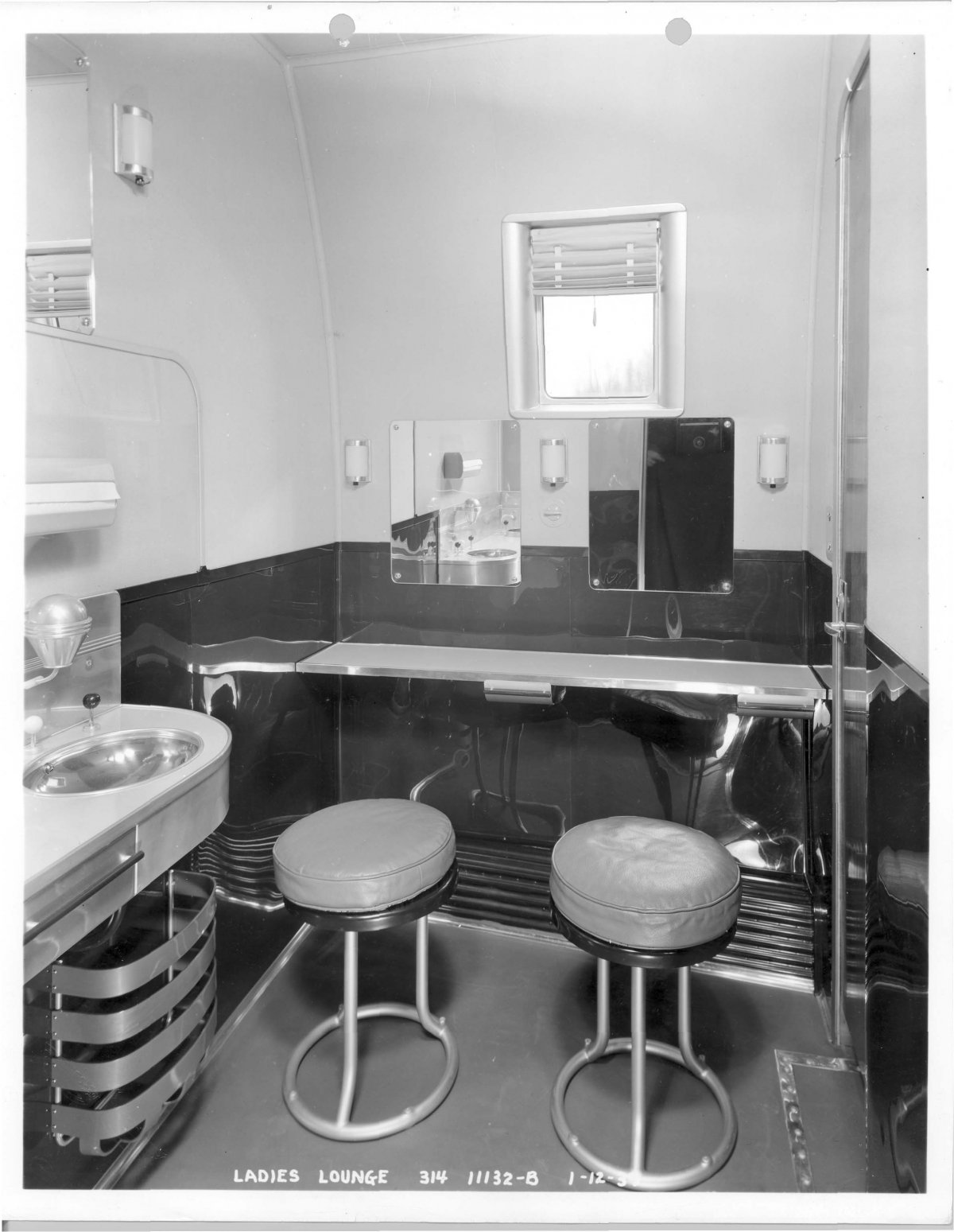
A ladies powder rooms…

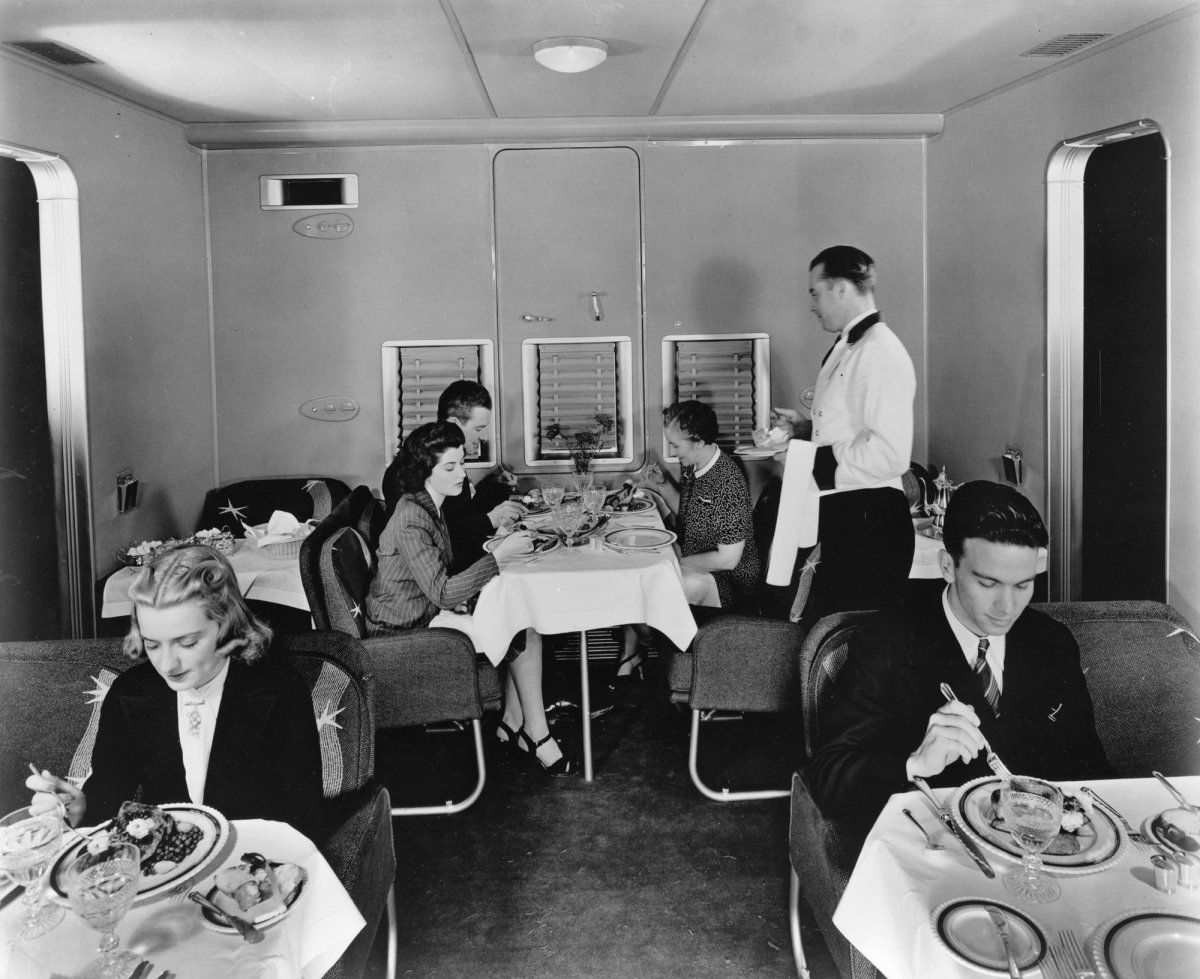
So what to you say airlines? How about we bring back the fun in flying?
Images (c) The Boeing Company
The post Let’s Reminisce over Airplanes that had Piano Bars, Cocktail Lounges, Pubs and Restaurants appeared first on Messy Nessy Chic.
yeriPretty awesome

O escultor japonês Yoshitoshi Kanemaki faz estas esculturas figurativas em tamanho real, a partir de peças gigantes de madeira de cânfora.
As peças estranhas lindamente bizarras, sempre envolvem dois ou mais personagens mesclados em uma única forma, o que poderia ser interpretado como um comentário sobre a mortalidade, ou personalidades e perspectivas múltiplas.


yeriSuch class
help me I can’t stop laughing
DID HE JUST RUN ALL THE WAY TO THE SEATS TO CLAP FOR HIS TEAM OMFG
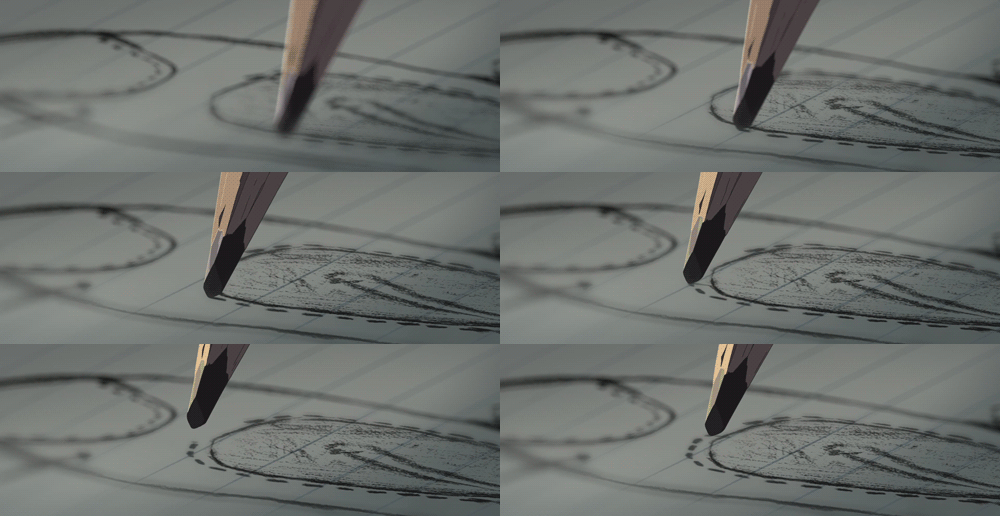

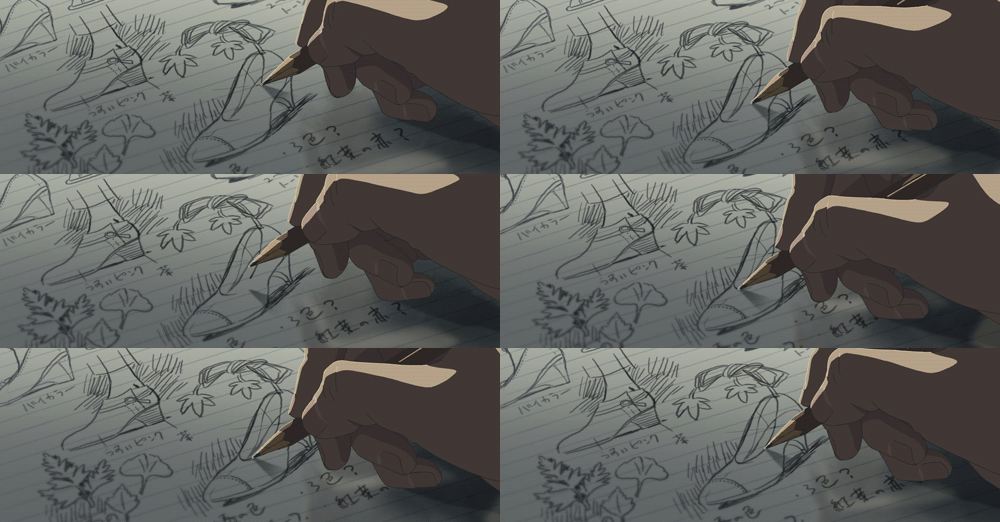

Can you appreciate that this is an animated drawing of someone drawing and it’s fucking perfect.

Boston Layers
An old Boston T map peeks out from underneath the broken remnants of a recent edition, somewhere along the Orange Line in May 2013. It’s interesting to see that while the two maps occupy the same physical space, their use of it is much different. The older, simpler map fills up its space with bold lines and large type, while the modern map is more geographically based and complex – with the addition of bus routes and the Silver Line – and the type on it is correspondingly smaller.
(Source: Boston Metropolitan Area Planning Council - MAPC/Flickr - Photographer: Jessie Partridge)
when did this
become hotter than this
yeribrilliant!
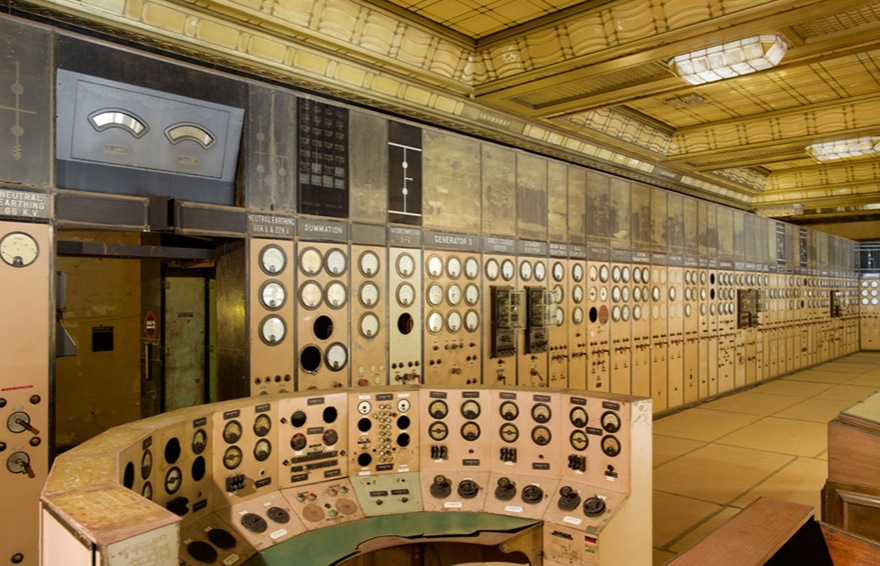
I lived in London for twenty-five years and never got to see the inside of the 1930s decommissioned Battersea Power Station. Nobody does! But the guy that took this picture (above), Peter Dazeley– he even got them to switch on the control room’s art deco lights for him. And it turns out, getting this kind of access wasn’t just a lucky coincidence. Peter Dazeley gets a backstage pass to hidden places all over London, because it’s his job. Veteran photographer, born and bred Londoner, Dazeley’s ongoing project “Hidden London” is about recording unseen, historic London buildings, their architecture and interiors as they stand in the 21st century. It’s an ongoing project that will soon be on show in both an exhibition and a book. For now, we get a little sneak peak of a selection of his discoveries so far, which he uploads onto his website and Twitter. So grab that backstage pass that Peter has so kindly offered us and let’s see his hidden London…
P.S. Most of the photograph’s locations were not identified, so I had to do a little digging of my own. If you have any fun facts about these hidden places, add them in the comments!
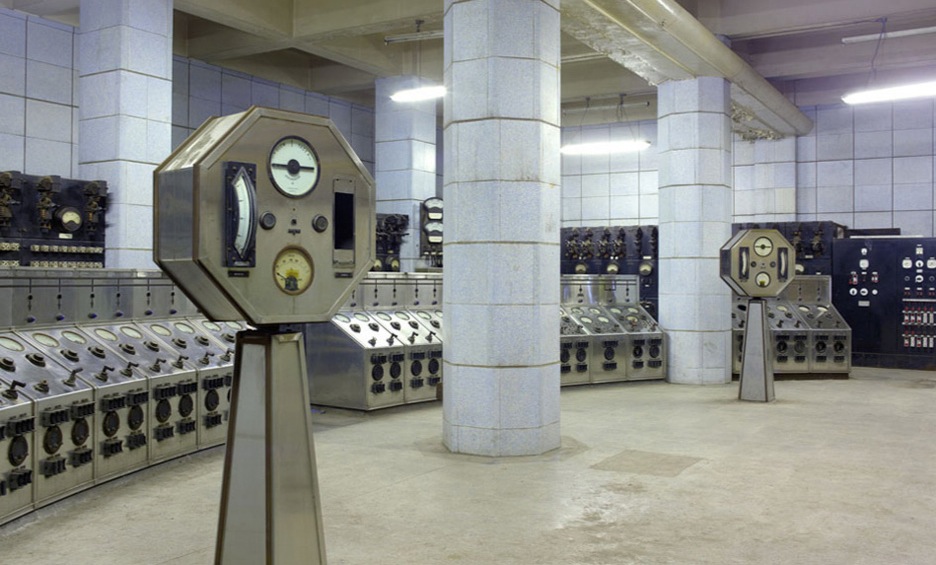
Inside the Battersea Power Station

The Whitechapel Bell Foundry, makers of the Big Ben and the Liberty Bell.
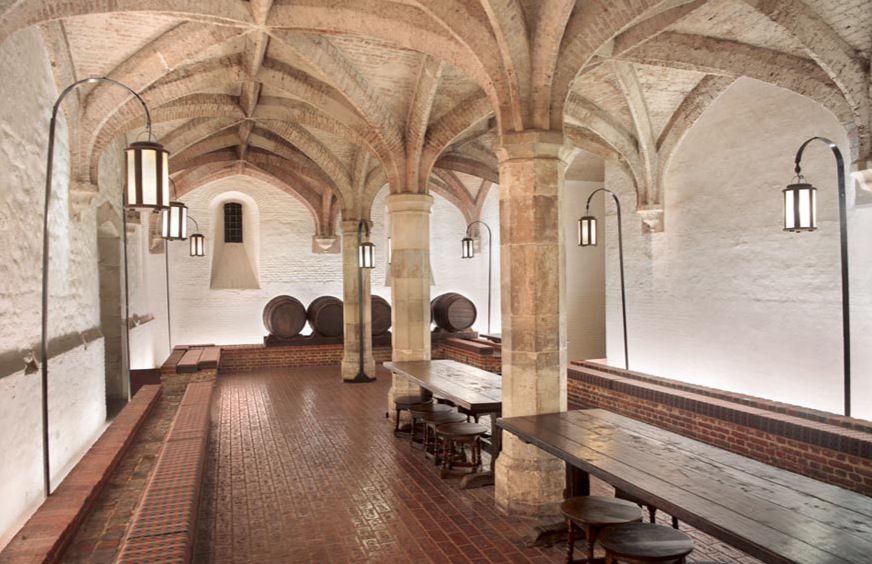
Henry VIII Wine Cellar under the Ministry of Defence. Perfectly preserved, this stone-ribbed, brick-vaulted undercroft was built in the early 1500s, more information here.
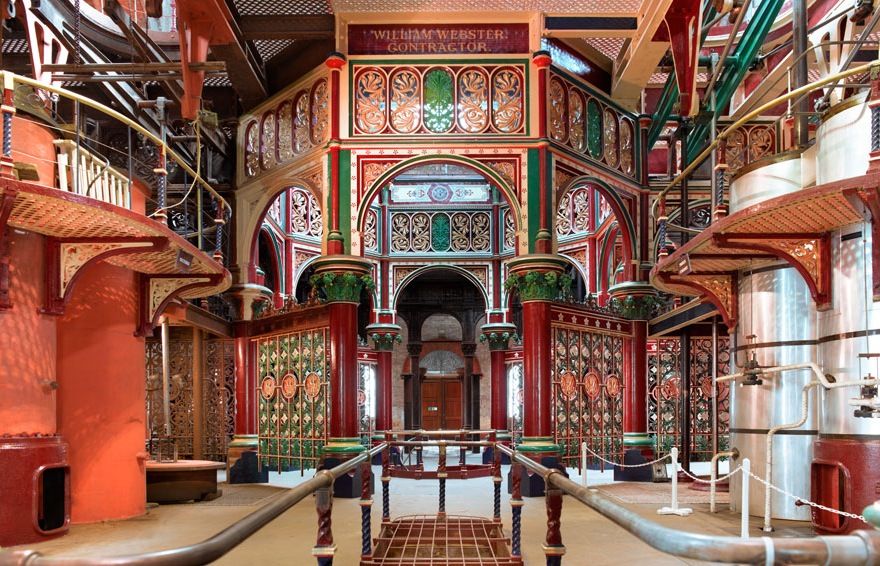
The main pump room of Crossness Pumping Station. The Beam Engine House is a Grade 1 Listed Industrial Building constructed in the Romanesque style and features some of the most spectacular ornamental Victorian cast ironwork to be found today.
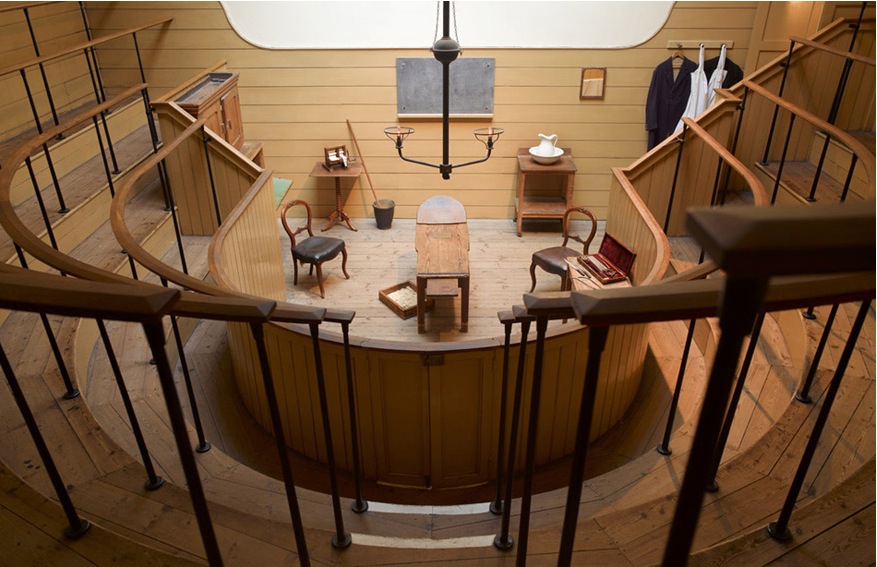
The old operating theatre at St. Thomas’ Hospital
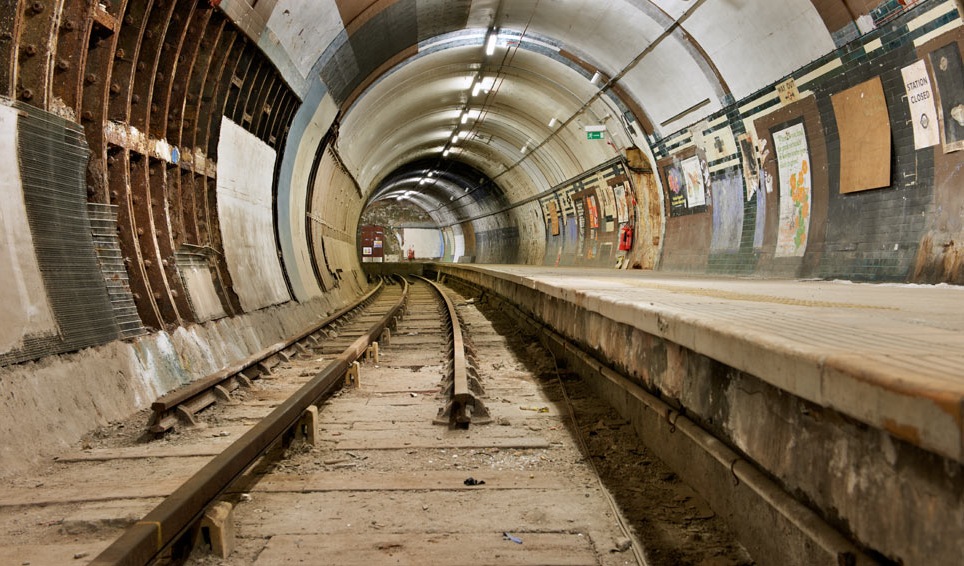
Aldwych Station disused platform. Opened in 1907, served by a shuttle train for most of their life and suffering from low passenger numbers, the station and branch were considered for closure several times. A weekday peak hours-only service survived until closure in 1994, when the cost of replacing the lifts was considered too high compared to the income generated. Disused parts of the station and the running tunnels were used during both World Wars to shelter artworks from London’s public galleries and museums from bombing.

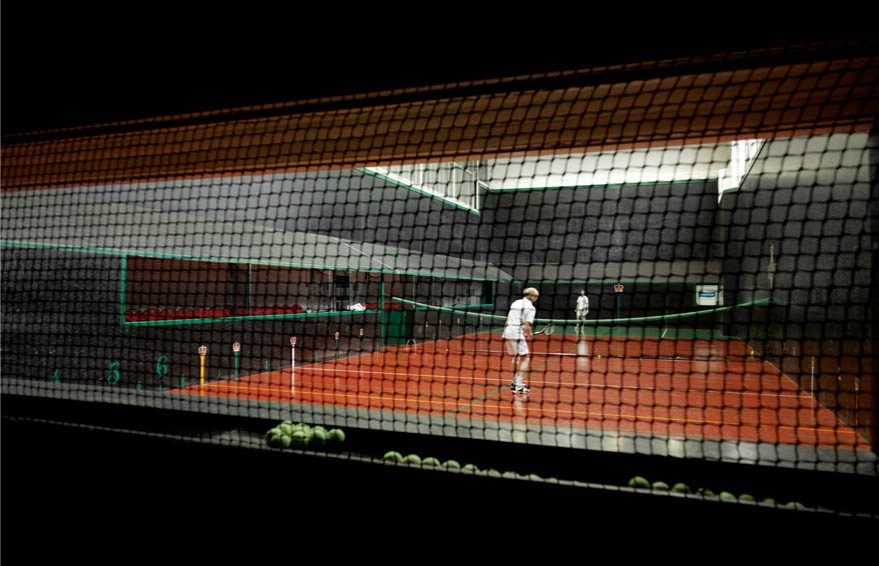
Queens Club “real tennis” courts, (real tennis refers to the original racquet sport from which the modern game of lawn tennis is descended).
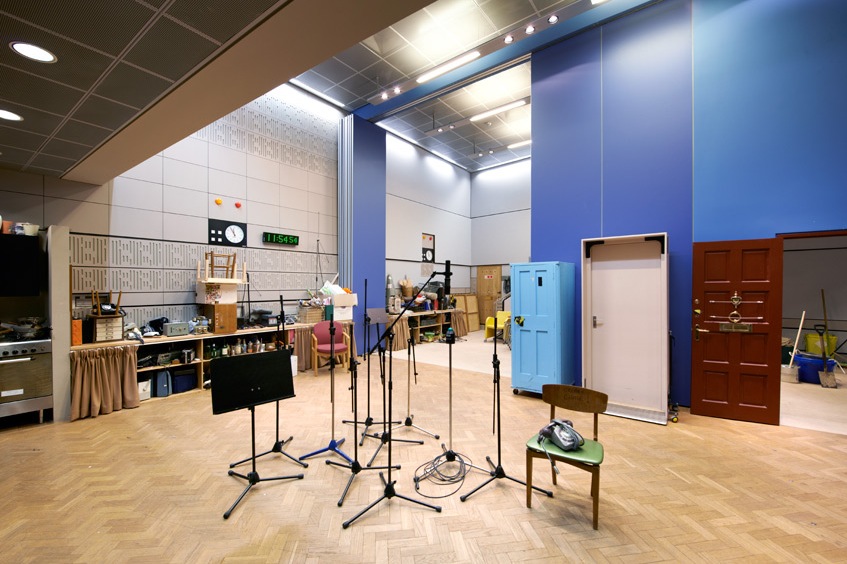
Sound Effects Drama Studio at the BBC Television Centre in White City

Transmitter Hall at the BBC Broadcasting House, Portland Place
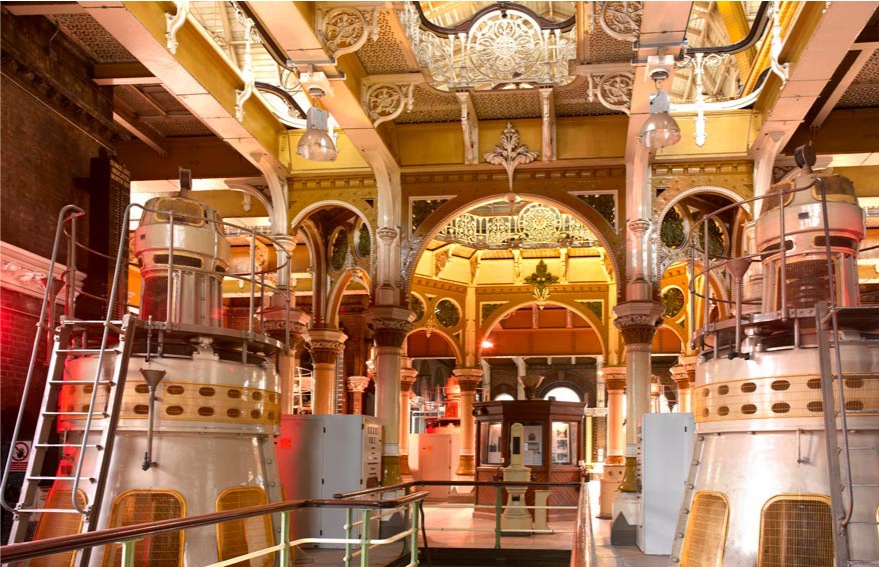
The original Abbey Mills Pumping Station, in Abbey Lane, London E15, is a sewage pumping station, designed by engineer Joseph Bazalgette, Edmund Cooper, and architect Charles Driver. It was built between 1865 and 1868.
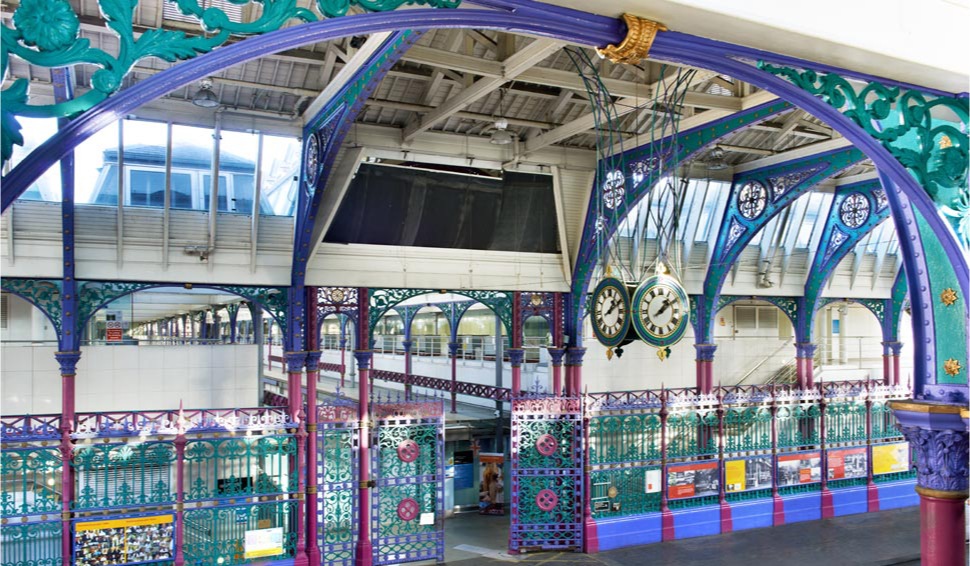
The Smithfield clock of Citigen Power Station. The buildings of Smithfield Market stand on top of a warren of tunnels: previously, live animals were brought to the market on the hoof (from the mid-19th century onwards they arrived by rail) and were slaughtered on site. The former railway tunnels are now used for storage, parking and as basements.
The Citigen cogeneration Power Station is now sited deep underground Charterhouse Street, converted from Smithfield Market’s former cold store. During World War II, it also served as the theatre of secret experiments led by Max Perutz on pykrete, a mixture of ice and woodpulp, alleged to be tougher than steel. The experiments were carried out by Perutz and his colleagues in a refrigerated meat locker in a Smithfield Market butcher’s basement, behind a protective screen of frozen animal carcasses. These experiments became obsolete with the development of longer range aircraft and the project was soon abandoned.An impressive cobbled ramp spirals down around the public park now known as West Smithfield, on the south side of the market, to give access to part of this area. Some of the buildings on Charterhouse Street on the north side have access into the tunnels from their basements. Since 2005, the General Market (1883) and the adjacent Fish Market and Red House buildings (1898), part of the Victorian complex of the Smithfield Market, have been facing a threat of demolition.
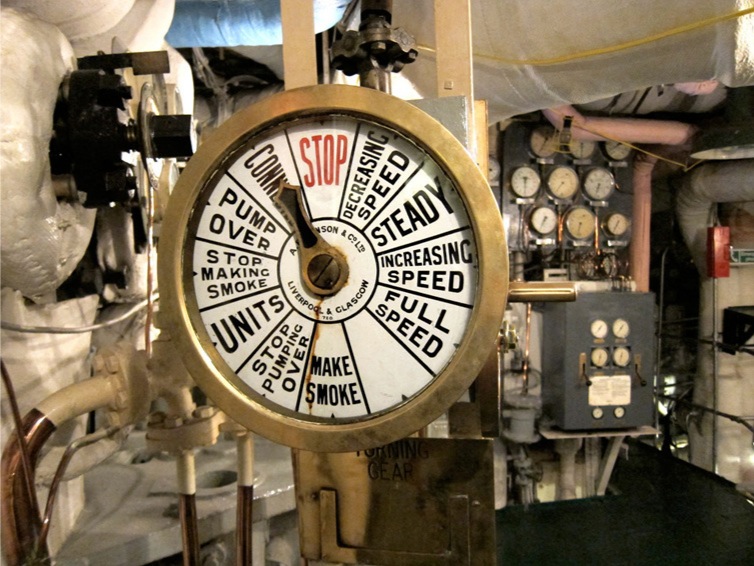
Inside the HMS Belfast at the Imperial War Museum
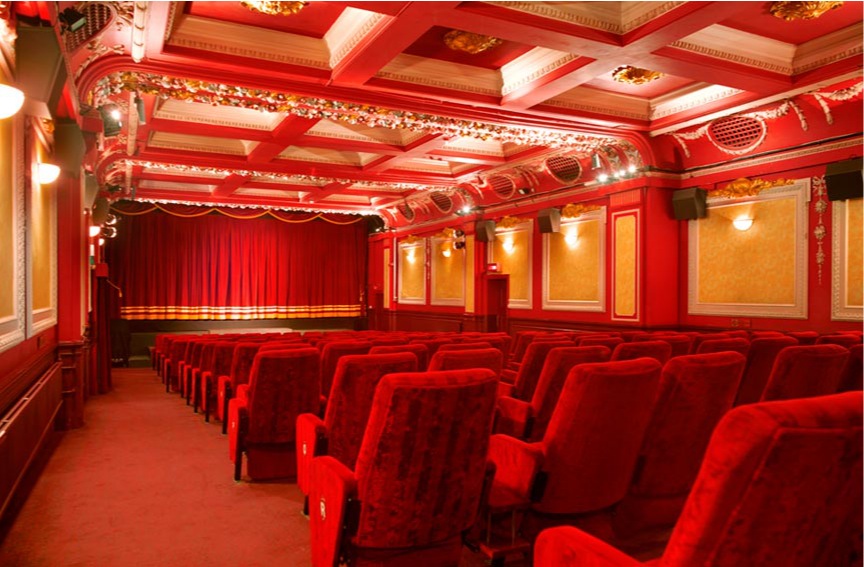
The Gate Cinema, Notting Hill
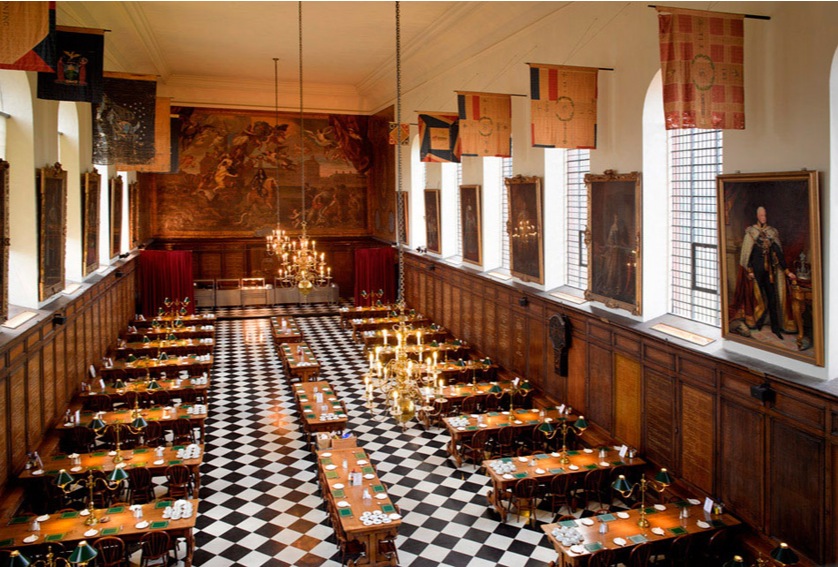
The Great Hall at the Royal Hospital Chelsea

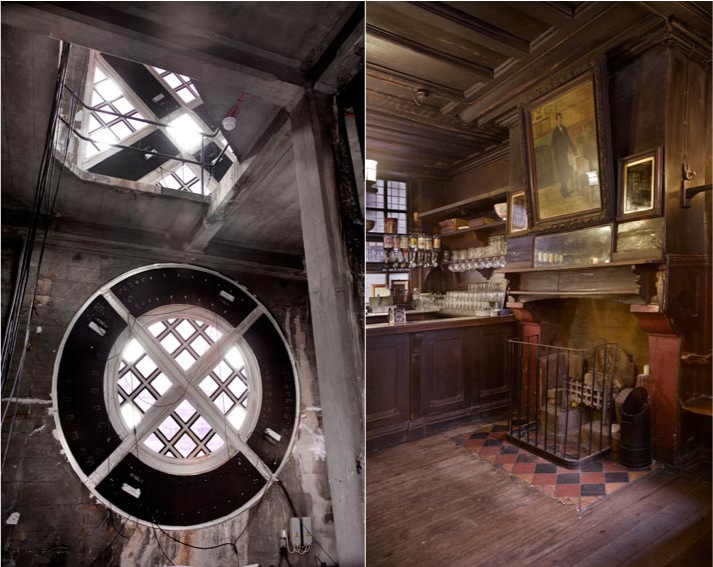
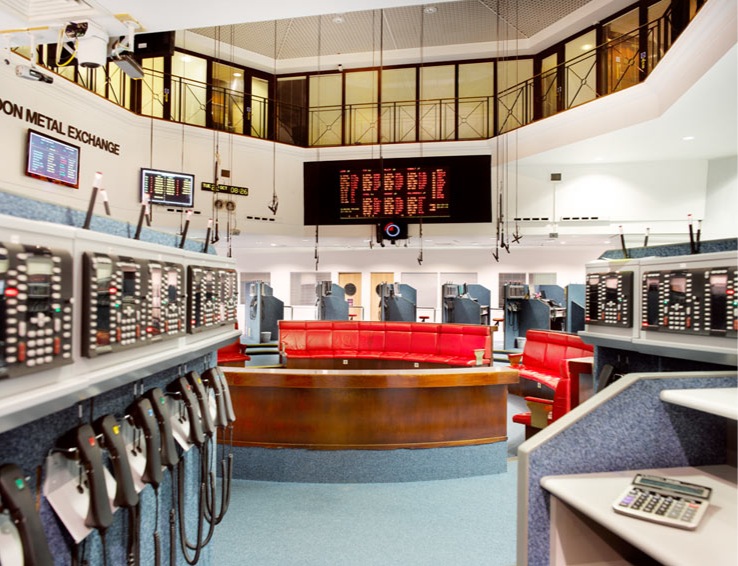
The London Metal Exchange, Aldgate
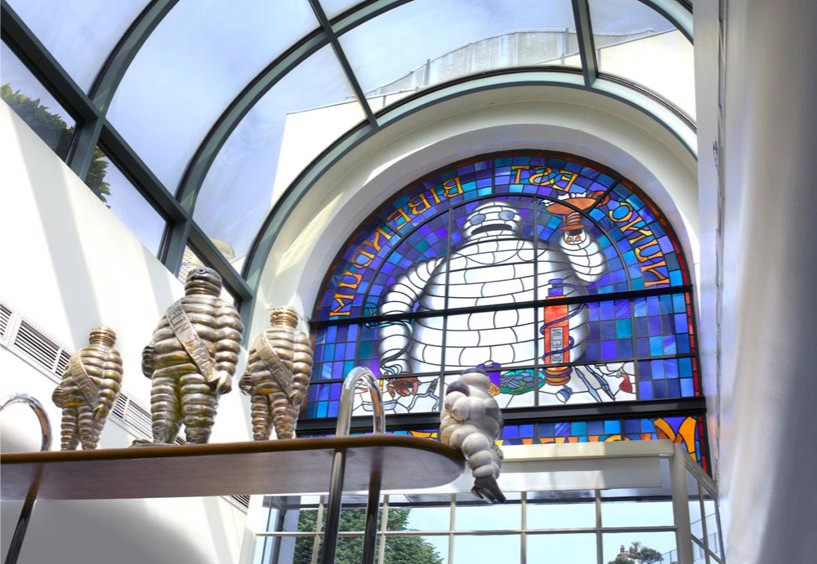
Bibendum Restaurant, South Kensington, former headquarters and tyre depot of Michelin. the building has three large stained-glass windows based on Michelin advertisements of the time, all featuring the Michelin Man “Bibendum”. Around the front of the original building at street level there are a number of decorative tiles showing famous racing cars of the time that used Michelin tyres. More tiles can be found inside the front of the building, which was originally a tyre-fitting bay for passing motorists.
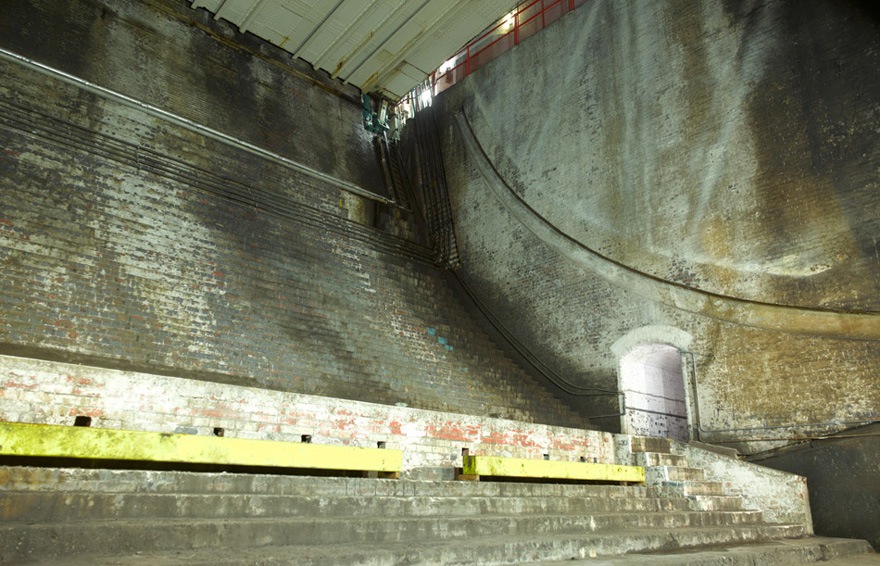
Tower Bridge Bascule Chamber
See more of Dazeley’s Hidden London photographs here and keep updated for the Hidden London exhibition and book release on his Twitter.
:::
YOU MIGHT ALSO LIKE:

yeriMiniature trains!
Sabe aquele ferrorama antigo que fica lá guardado em cima do armário? Tem gente que ainda faz coisas incríveis com ele. Tem gente que passou os últimos 35 anos fazendo coisas incríveis com ele. Bruce Williams Zaccagnino é um desses caras. Com a impressionante Northlandz, uma maquete de mais de 4.000 M2, espalhados por quase três andares de sua casa(olha que o projeto começou no porão!), o americano leva essa arte a um novo nível.
Para celebrar essa maravilha gigantesca, Sony trouxe o fotógrafo Matt Albanese, especialista em miniaturas (espantosas, aliás). Os dois, Bruce e Matt, trabalharam para criar o site Separate–Together, que utiliza a nova câmera/smartphone Qx100 em uma aventura pelos túneis e desfiladeiros das enormes paisagens em miniatura. O documentário resultante é bem interessante.
Segue a ficha (que, além da agência, tem a produtora web e a desenvolvedora do site):
Agência: Wieden + Kennedy, Portland, Ore.
Creative Directors: Mike Giepert, Dan Hon
Copywriter: Charlie Gschwend
Art Director: Devin Gillespie
Information Architect: Jason Sack
Creative Technologist: Billy McDermott
Head of Interactive Production: Pierre Wendling
Head of Production: Ben Grylewicz
Content Producer: Katie Reardon
Account Team: Trish Adams, Diana Gonzalez, Nick Larkin
Associate Director of Technology: Ryan Bowers
QA: Robb Hand, Rachel Mason
Executive Creative Directors: Joe Staples, Susan Hoffman
—Web Film Partners
Production Company: m ss ng p eces
Director: Josh Nussbaum
Executive Producers: Ari Kuschnir, Kate Oppenheim
Head of Production: Dave Saltzman
Line Producer: Veronica Balta
Director of Photography: Alex Khudokon
Editorial Company: m ss ng p eces
Editor: Adam McClelland
Post Producer: Amy Crowdis
Colorists: Nat Jencks, Adam Mcclelland
Composer, Original Score: Matt Abeysekera
Sound Design & Mix: Eli Cohn
—Interactive Experience Partners
Development Partner Company: BOSSA
Executive Creative Director: Hans Weiss
Creative Technologist: Jeramy Morrill
Lead Developers: Jeramy Morrill, Josh Gross, Matt Greene
Creative Director: Andrezza Valentin
Art Director: Sarah Skapik
Producer: Nic Santana