Shared posts

26 Sep 20:45

Soviet bus stops

Summary
Soviet bus stops. Among the styles: Gaudi knockoffs, open-fronted dodecahedrons, folksy mosaics. These ruins retain a surreal beauty

from spectator.co.uk

books1

The Soviet Union was a nation of bus stops. Cars were hard to come by, so a vast public transport network took up the slack. Buses not only bore workers to their labours, but also breathed life into the ‘union’ itself by taking travellers from town to taiga to desert to seaside. In remoter parts of the country, bus shelters mattered even more than buses, providing convenient places for people to gather, drink and socialise. They were caravanserai for the motor age, and while the empire they served no longer exists, most of them stand right where it left them.

If they are in various stages of ruin now, they are all the more attractive for it. ‘Bus pavilions’, as they were known, were the experimental territory, and ultimately the legacy, of architects who might otherwise have been thwarted by central planning. Many reflect local cultures, and make memorable landmarks. Christopher Herwig, a Canadian photographer, started documenting them when he cycled through the Baltic states in 2002, and kept going after he moved to Almaty a year later. He has since shot varying numbers of them in all the former Soviet republics except (to judge by this book) Russia and Azerbaijan, a labour of 12 years and more than 18,000 miles.

Herwig describes the pavilions as the work of ‘millions of individuals who liked to daydream… and wanted to push the limits of creativity’. Jonathan Meades, who writes the foreword, ironises about freedom of expression in the Evil Empire. Well, there is no doubt that the Soviet Union had the best bus shelters, but the Soviet world left so very much for the eyes that they are hardly sui generis. Their styles are not subversive. Many of them recall either 1920s Soviet modernism or the culture-specific ‘friendship of peoples’ imagery visible in the grander pavilions of the 1930s VDNKh exhibition complex in northern Moscow.

Bus stops in Karakol, Kyrgystan (top) and Kootsi, Estonia Bus stops in Karakol, Kyrgystan (top) and Kootsi, Estonia

This book, in any case, is an absorbing collection of high-quality photographs, handsomely laid out and designed. Anyone who delves in will find favourites. Kazakh and Kyrgyz designs draw on traditions of horsemanship and falconry. Ukrainian shelters bear vivid, folksy mosaics. Armenian examples are hard and foreboding, while Baltic inventions will please the Ikea crowd. One Moldovan creation, formed from open-fronted dodecahedrons, delivers an SF vibe. Most alien of all are the radiant Gaudi knock-offs in the disputed region of Abkhazia, where Soviet elites once took their beach holidays (inside one of these someone has written, ‘Bitches took away freedom’).

These Abkhazian shelters merit special attention, since they bear a living link to official Moscow. They are the work of Zurab Tsereteli, a well-connected Georgian artist who metamorphosed into an unstoppable schlockmeister of the post-Soviet period. (Cultured Muscovites deplore his 320-foot statue of Peter the Great in the Moscow River.) Tsereteli is the most powerful artist to emerge from the Soviet bus pavilion scene, and his early creations are eccentric and amusing, but his presence here somewhat subverts the harmless charisma of pieces by unknown architects. Herwig has produced an arresting and valuable collection, but one that reminds us that daydreaming and creativity can spawn new monsters.

Available from the Spectator Bookshop, £17.95 Tel: 08430 600033

This article first appeared in the print edition of The Spectator magazine, dated 12 September 2015

Tags: Architecture, Azerbaijan, Book review - photography, Buses, Kazakhstan, Kyrgyzstan, Moldova, Moscow, Soviet Union, Zurab Tserteli
26 Sep 20:35

We Need To Talk About Annika“The world was on fire and no one...


We Need To Talk About Annika


“The world was on fire and no one could save me but you.
It’s strange what desire will make foolish people do.“

From www.simonstalenhag.se.

26 Sep 20:30

writingbox: A very useful demonstration of the importance of...


writingbox:

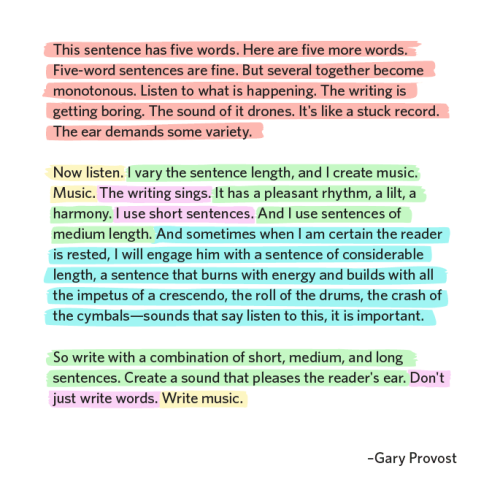
A very useful demonstration of the importance of sentence length.

26 Sep 20:26

Photo


26 Sep 20:26

256

by André Farias

Vida de Suporte

E em comemoração ao Dia do Programador a loja do Vida de Suporte está com promoção:

Utilize o cupom gerson e ganhe 10% de desconto e um adesivo de brinde.

Mas não demora que os cupons são limitados e válidos somente até o dia 15/09!


256 é um post do blog Vida de Suporte.
26 Sep 20:25

Global Pluto Mosaic From New Hi Res Imagery Reveals Bewildering Diversity and Complexity

by Ken Kremer
This new global mosaic view of Pluto was created from the latest high-resolution images to be downlinked from NASA’s New Horizons spacecraft and released on Sept. 11, 2015.   The images were taken as New Horizons flew past Pluto on July 14, 2015, from a distance of 50,000 miles (80,000 kilometers).  This new mosaic was stitched from over two dozen raw images captured by the LORRI imager and colorized.  Credits: NASA/Johns Hopkins University Applied Physics Laboratory/Southwest Research Institute/Marco Di Lorenzo/Ken Kremer/kenkremer.com

This new global mosaic view of Pluto was created from the latest high-resolution images to be downlinked from NASA’s New Horizons spacecraft and released on Sept. 11, 2015. The images were taken as New Horizons flew past Pluto on July 14, 2015, from a distance of 50,000 miles (80,000 kilometers). This new mosaic was stitched from over two dozen raw images captured by the LORRI imager and colorized. Credits: NASA/Johns Hopkins University Applied Physics Laboratory/Southwest Research Institute/Marco Di Lorenzo/Ken Kremer/kenkremer.com
See annotated version and new hi res Tombaugh Regio mosaic below

A new global mosaic of Pluto created from the latest high resolution images just beamed back from NASA’s New Horizons probe reveals a bewildering diversity of planetary landforms with unimaginable complexity – yielding undreamed of science discoveries.

But because of limited bandwidth the new image data sets were stored onboard the probe until days ago when they were transmitted back to Earth and released by the New Horizons team late in the day on Friday, Sept. 11.

This best yet view of far flung Pluto comes from raw images taken as New Horizons conducted the history making first flyby past Pluto on July 14, 2015, at a distance of (...)
Read the rest of Global Pluto Mosaic From New Hi Res Imagery Reveals Bewildering Diversity and Complexity (2,059 words)


© Ken Kremer for Universe Today, 2015. | Permalink | 24 comments |
Post tags: Alan Stern, Alice Bowman, Charon, JHU, JHUAPL, KBO, kuiper belt, Kuiper Belt Object, lorri, NASA, New Horizons, other Red Planet, Pluto, Tombaugh Regio

Feed enhanced by Better Feed from Ozh

26 Sep 19:57

typicalhope: coffee


typicalhope:

coffee

18 Sep 00:08

Pirate Movie

by Doug

Pirate Movie

Pirate chicken week continues!

13 Sep 17:58

Brazil welcomes refugees with open arms

by frombrazil
Syrian refugees learn Portuguese at the Guarulhos Islamic Society

Brazil president Dilma Rousseff declared last week that the country would welcome refugees “with open arms” and talked of the important role immigration has played in Brazilian history. But can such optimism survive the tensions that surround the issue? 

By James Young
Belo Horizonte

Surrounded by a withering economic crisis, the billowing Petrobras corruption scandal, a kick-in-the-teeth credit rating downgrade, and even the looming spectre of potential impeachment, Brazil president Dilma Rousseff must have been delighted to be able to send a positive message this week.

“Even in moments of difficulty and crisis, like we’re going through now, we have to welcome refugees with open arms,” she said in a message delivered via social media on Monday, Brazilian Independence Day. “I want to use today to reiterate the willingness of the government to receive those who, expelled from their homelands, want to come here and live, work and contribute to the prosperity and peace of Brazil,” she continued.

Citing the image of the lifeless body of Aylan Kurdi, the three-year-old Syrian boy who was found washed up on a Turkish beach, Rousseff also said that the world was facing a “humanitarian tragedy”.

Official figures say that Brazil is currently home to 2,077 Syrian refugees, representing 25% of the total number of refugees in the country and more, according to a BBC Brazil report, than the USA and a number of European countries have taken in. The number of refugees in Brazil has doubled in the last four years, rising from 4,218 in 2011 to 8,400 today.

The total has been boosted by a government policy to relax entry requirements for Syrian immigrants for “humanitarian reasons”, with those arriving in Brazil no longer needing to provide evidence of employment or means of financial support. In the coming weeks CONARE, the National Committee for Refugees, intends to extend such special conditions, which have been in place since 2013, for a further period.

One city that has taken in refugees is Belo Horizonte, Brazil’s third biggest urban area behind Rio de Janeiro and São Paulo, where, according to local consulate figures, 78 Syrians have arrived this year.

“Today I’m working as a security guard…but I’m happy. The Brazilians have welcomed us with open arms,” Alaa Kassab, a lawyer in his home city of Homs, told the Globo network. Belo Horizonte has been receiving Syrian refugees since 2012, mostly as a result of the work of Father George Rateb Massis of the Sagrado Coração de Jesus church, a Syrian himself, who has lived in Brazil for 15 years.

“They come from the airport with a Brazilian visa. Thank God the government isn’t denying them that. The job market is very limited for them. Even though they are all university graduates, doctors and engineers, the opportunities are very basic,” Massis told Globo.

This latest wave of arrivals is the most recent chapter in Brazil’s long history of immigration, which began with colonisation by the Portuguese, and the forced transport of an estimated 4.9 million African slaves to the country between the 16th and 19th centuries.

Immigration in the modern sense of the word arrived in the 1820s in the form of large numbers of German migrants, unsettled by political and social upheaval at home and drawn by the lure of a new world in the south Atlantic, filled with vast, untapped areas of verdant farmland. The south of Brazil, where most of them settled, with its mountains and chilly temperatures, would not even have seemed all that far from home. The growth of the coffee industry subsequently created further demand for manpower, propelling more Europeans towards Brazil.

According to the Museu da Imigração in São Paulo, around 5.5 million immigrants arrived in Brazil between 1870 and 1953, from countries such as Italy, Portugal, Spain, Germany, Japan, and Poland. The influences of these arrivals can be felt today, from the stories of the Ukrainian born, naturalised Brazilian writer Clarice Lispector and the Germanic architecture found in parts of states such as Espirito Santo, Santa Catarina, Paraná and Rio Grande do Sul, to the Italian restaurants of the Bixiga neighbourhood in São Paulo and their Japanese counterparts in nearby Liberdade.

Arab immigration to Brazil, mostly from Lebanon and Syria, began in the late 19th century, with sources estimating that around 140,000 people moved from the Middle East to the country between 1880 and 1969. While there are conflicting opinions about the number of Brazilians of Arab descent today – a 1998 survey by the IBGE research unit found that Arab-Brazilians make up 0.48% of the population, or around one million people, while other sources put the number closer to ten million – there is no doubting the profound influence Arab immigration has had on Brazil.

Comida Arabe restaurants and snack bars selling kibbehs (quibes/kibes) and sfihas (esfihas) are a staple in every Brazilian town and city, with the vast Habib’s chain one of the country’s biggest fast food networks. And many high-profile Brazilians – such as vice-president Michel Temer, whose family originally came from northern Lebanon, renowned author Milton Hatoum, TV presenter Sabrina Sato and actress Juliana Paes – are of Arab descent.

The welcome extended by Brazil towards refugees has not been without its critics, however, with some less globally-minded locals keen to point out the difficulty the country often faces in providing jobs, education and social care for its own citizens, let alone foreigners. “Before opening its arms to refugees, we should look after our own “refugees”, who have to live with violence and poverty,” commented one reader of the Folha de São Paulo coverage of Rousseff’s speech.

Tensions have risen too over the numbers of Haitian migrants in Brazil, with an argument breaking out between the governments of the entry point state of Acre in the north of the country, which lacks the infrastructure to deal with the volume of arrivals, and São Paulo, where the immigrants frequently end up.

And the kind of hostility and resentment that often surrounds the subject of migrants and refugees in the countries of the EU reared its ugly head a few weeks ago with the shooting of six Haitians by a man with a pellet gun in the centre of São Paulo, with the shooter reported to have shouted “you stole our jobs” after pulling the trigger.

“We Brazilians are a nation formed by people from a wide variety of origins, who today live in peace,” said Rousseff, when describing the country’s current stance on the refugee issue. With such tensions likely to grow as more and more immigrants arrive in the country, however, it is to be hoped that Brazil’s arms will remain open to refugees for as long as possible.

13 Sep 17:48

Luta de classes na Ilha Fiscal

Adam Victor Brandizzi

Que universo obscuro.

Há um grupo de empresários ativo na política da crise que "tolera" aumento de impostos mas "encaminha sugestões" de corte de despesas públicas, tem paciência limitada e pragmática com Dilma Rousseff e prefere que a saúde do governo se estabilize, ainda que em nível crítico, até antes de novembro.

Essa é a cara simpática da coisa. Algumas dessas pessoas não acreditam que o governo vá arranjar os mais de R$ 60 bilhões que faltam para que se entregue um projeto de Orçamento com superavit primário de 0,7% do PIB em 2016. A maioria, aliás, nem se ocupa desses detalhes.

Os bons economistas que trabalham para essas pessoas, quase todos com passagens pelo governo, fazem previsões disparatadas de resultado primário, de zero a deficit de 1% do PIB em 2016, diferença de mais de R$ 60 bilhões.

Então qual é a conversa? Sem novidades no front, afora a ideia de que o governo tem um mês, por aí, para arrumar qualquer coisa que ponha ordem na casa.

Todo mundo parece cônscio do calendário da crise: Lula ameaça largar Dilma, em outubro o TCU manda as contas condenadas da presidente ao Congresso e em novembro o PMDB pode pular do barco.

No mais, trata-se de:

1) Manter Joaquim Levy, por ora a âncora de um plano do que, acham, deve ser feito da política econômica. No mínimo, porque ainda não sabem o que viria após Levy ou Dilma-Levy, para nem falar do tumulto da transição e do "povo na rua";

2) Estabilizar a situação, dar "um jeito" no Orçamento de 2016, com cortes sociais "inevitáveis" e contenção de reajustes de salário mínimo e servidores. Tudo de modo a preparar talho mais "estrutural": reforma administrativa, revisão de contratos, Orçamento "base zero" e cadeado de gastos do INSS. Se necessário, algum "sacrifício": até imposto ruim (variantes de CMPF) e, ora vejam, sobre heranças ("não vai render grande coisa").

Essa é uma versão bem organizada do que se diz. Essas pessoas não estão preocupadas com tecnicalidades. Têm "programas" tão informais quanto isso que se aqui se chama de "grupo": são mais uma rede de banqueiros maiores, empresários grandes e consultores. Todos dão palpites discretos ou participam de discussões de assuntos públicos, mas de hábito se mantêm à margem da política. Pode-se chamá-los, por comodidade, de "Comitê Levy".

Há ao menos um outro "comitê", com muitos industriais, de gente mais envolvida em política, vários próximos do PMDB. Seguram-se para não pedir explicitamente a cabeça de Dilma. Como parte relevante do PMDB, vários têm birra de Levy. Quanto ao destino da presidente, importam-se mais com o "timing" político do que com a economia.

Fazem campanha furiosa contra impostos. Vários sentem saudade do "nacional-empresismo" do desenvolvimentismo dilmiano. Seriam o Comitê Industrialista. Alguém pode chamá-los de Linha Fiesp-Firjan-CNI, mas nesse mundo também há divergências grandes.

Aliás, é difícil ouvir empresário e executivo de qualquer ramo que não queira ver a presidente pelas costas já. Foram contidos graças às declarações públicas de banqueiros maiores pedindo "calma, pessoal" –muitas dessas pessoas temem banqueiros grandes. Mas a paciência parece se esgotar em todas as frentes.

vinit@uol.com.br

13 Sep 17:38

sagittaalitaso: In Finland we have these one-person benches in...


sagittaalitaso:

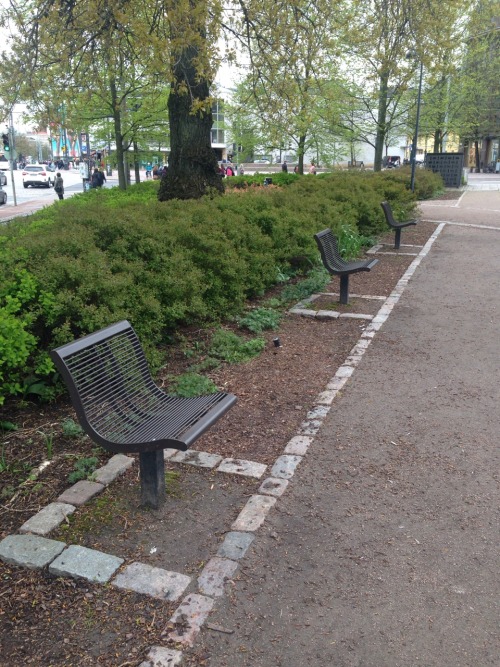
In Finland we have these one-person benches in the park because we don’t like sitting too close to other people.

13 Sep 09:56

Comic for September 13, 2015

by Scott Adams
 - Dilbert by Scott Adams

This entry passed through the Full-Text RSS service - if this is your content and you're reading it on someone else's site, please read the FAQ at fivefilters.org/content-only/faq.php#publishers.

13 Sep 09:55

Sleight of Hand

Adam Victor Brandizzi

Eu adoro esse truque!

Probably one of the best magicians in the world Magic trick performed at Le plus grand cabaret du monde Magic Stage Card Manipulation Song: Explosive - Bond ...
13 Sep 09:46

Comic for 2015.09.13

by Kris Wilson

This entry passed through the Full-Text RSS service - if this is your content and you're reading it on someone else's site, please read the FAQ at fivefilters.org/content-only/faq.php#publishers.

12 Sep 19:50

O paradoxo da crise fiscal

by João Villaverde
A presidente Dilma Rousseff

A presidente Dilma Rousseff

Em crise fiscal, o governo federal, está “nadando” em dinheiro. Esse paradoxo fica claro quando se analisa o total de recursos na Conta Única do Tesouro: nunca, na série histórica, houve tanto dinheiro no caixa do Tesouro Nacional quanto agora. A análise faz parte de estudo inédito do especialista em contas públicas José Roberto Afonso, que será publicado no fim deste mês e que o blog conseguiu acesso antecipado.

“Esse paradoxo de ter uma exuberância financeira com crise fiscal advêm da forma como se mede o resultado primário, que se dá pelo regime de caixa, e não de competência”, diz Afonso. Ele levantou a chamada “conta financeira” do governo, formada pelo dinheiro que entra nos cofres pela emissão de títulos públicos, por parte do Tesouro Nacional, e das operações compromissadas, feitas pelo Banco Central.

A venda de títulos tem sido tão grande que recentemente o Tesouro foi obrigado a aumentar o limite do Plano Anual de Financiamento (PAF) desse ano e o próprio Tesouro explicou, publicamente, que fez isso para fazer frente à demanda dos investidores por papeis do governo, que pagam juros elevados. Na teoria, esse dinheiro – chamado de financeiro – não pode ser usado para o superávit primário, usado para o pagamento de juros da dívida. No fim do ano passado, excepcionalmente, o governo editou medida (a MP 661) permitindo que a sobra de caixa financeiro pudesse ser usado para pagar despesas primárias, como aposentadorias. Mas aquilo foi excepcional. Via de regra, a conta financeira serve para gastos financeiros, com juros, por exemplo; enquanto que a conta primária (formada pela a receita que vem de impostos) serve para os gastos direcionados a programas obrigatórios, como salários de servidores e aposentadorias do INSS, e também discricionários, como os investimentos públicos.

Os cofres do governo estão inundados neste ano. Ao final de junho de 2015, o saldo das disponibilidades financeiras do governo federal no Banco Central superou R$ 774 bilhões, o equivalente a 13.6% do PIB. Este foi um recorde histórico. Pela série mais longa publicada, desde janeiro de 2000, nunca se observou um montante tão grande. Na média dessa década e meia foi de 9.6% do PIB – ou seja, o atual caixa está quatro pontos do PIB acima da média. Mesmo comparado com posição um ano antes, saldo aumentou em 1,6 pontos do PIB. “De onde veio tanto depósito para o caixa do governo?” questiona Afonso, que responde: “O governo se endividou para entesourar“.

O resultado prático desse aumento da quantidade de dinheiro nos cofres do Tesouro foi a elevação da dívida pública. Com mais títulos sendo vendidos, maior é a dívida (isso para não falar do patamar de juros que estão corrigindo esses papeis…). A dívida pública bruta chegou a 68,3% do PIB em junho e julho desse ano, percentual dez pontos porcentuais superior ao verificado no fim de 2008. “Não resta dúvida que, especialmente em 2015, o governo federal está entesourando como nunca e muito à custa de mais dívida em mercado.“.

Segundo Afonso, uma possível explicação para esse movimento de entesouramento é que o Ministério da Fazenda, comandado hoje por Joaquim Levy, que foi secretário do Tesouro, estaria “correndo por liquidez, objetivando montar um caixa monumental em caráter preventivo”. Seria uma estratégia de proteção para o caso do país perder o rating (o que aconteceu na quarta-feira à noite). “Daí investidores tentarem exigir do Tesouro juros mais altos, papéis mais curtos, e nesse caso aquele teria um poder de fogo proporcional ao tamanho do caixa nunca tão alto”, avalia o especialista.

Outra possível explicação seria justamente o “espelho” do setor privado: todos estão buscando títulos públicos, então inevitavelmente, a entrada de recursos financeiros nos cofres federais aumenta. “Nem mesmo para pagar impostos alguns contribuintes querem sacar o que possuem em caixa, que para o setor privado corresponde a dinheiro aplicado em papéis, com liquidez (no limite, que possam ser sacados no dia seguinte) e com segurança. Quem é
o responsável por oferecer isso? Nem os grandes bancos privados – que, aliás, nem estão querendo captar, porque não querem emprestar. O Estado é o grande provedor dessa liquidez, ainda mais na economia brasileira em que a maior parte da dívida nacional é de natureza pública.“, diz Afonso.

O paradoxo é interessante e, dado o patamar da taxa básica de juros (hoje em 14,25% ao ano), deve se aprofundar nas próximas semanas.

12 Sep 19:43

Como a intervenção da Rússia fortalecerá Assad?

by gustavochacra

A intervenção aberta da Rússia na Guerra da Síria, fortalecendo o regime de Bashar al Assad, pode ser um divisor de águas no conflito. Mais importante, dentro do atual cenário com centenas de milhares de refugiados chegando à Europa e a ameaça crescente de organizações como o ISIS (Grupo Estado Islâmico ou Daesh) e a Frente Nusrah (Al Qaeda na Síria), os países europeus, os EUA e mesmo as nações do Golfo não devem impor obstáculos.

Desta forma, Assad, que vem sofrendo perdas ao longo deste ano, tende a voltar a se fortalecer. Os russos se somarão ao Irã e ao Hezbollah, ampliando a força do regime. O objetivo inicial será evitar o avanço do ISIS, da Frente Nusrah e de outros grupos rebeldes para as áreas controladas pelo regime de Assad, que incluem a faixa de Damasco, passando por Homs e Hama, até a sólida costa Mediterrânea, onde estão Tartus e Latakia – com expressivas populações cristãs e alauítas, normalmente favoráveis a Assad ou, pelo menos, anti-oposição.

Em uma segunda etapa, o regime, com a ajuda dos russos, tentará controlar totalmente Aleppo – atualmente a cidade, segunda mais importante da Síria, está dividida. Recuperar a Província de Idlib não será uma tarefa fácil, mas também entrará na agenda. As áreas controladas pelos curdos, que mantêm neutralidade em relação a Assad, não serão alvo de operações militares.

Os territórios do ISIS, mais distantes, seguirão como alvo principalmente da coalizão comandada pelos EUA. Apenas no caso de vitórias em Aleppo e Idlib, o regime tentaria prosseguir em direção a Raqqa.

Noto que o cenário é extremamente fluído. Não dá para cravar que a estratégia russa de fortalecer Assad dará certo. No fim do ano passado, a avaliação era de que o líder sírio estava mais fortalecido do que nunca. Com a chegada do rei Salman ao trono saudita, Riad aumentou a intervenção no conflito, fortalecendo a Frente Nusrah e outros grupos rebeldes radicais, enfraquecendo Assad. A tendência é mais uma mudança com o maior envolvimento russo. Mas não se sabe até quando.

Guga Chacra, comentarista de política internacional do Estadão e do programa Globo News Em Pauta em Nova York, é mestre em Relações Internacionais pela Universidade Columbia. Já foi correspondente do jornal O Estado de S. Paulo no Oriente Médio e em NY. No passado, trabalhou como correspondente da Folha em Buenos Aires

Comentários islamofóbicos, antissemitas, anticristãos e antiárabes ou que coloquem um povo ou uma religião como superiores não serão publicados. Tampouco são permitidos ataques entre leitores ou contra o blogueiro. Pessoas que insistirem em ataques pessoais não terão mais seus comentários publicados. Não é permitido postar vídeo. Todos os posts devem ter relação com algum dos temas acima. O blog está aberto a discussões educadas e com pontos de vista diferentes. Os comentários dos leitores não refletem a opinião do jornalista

Acompanhe também meus comentários no Globo News Em Pauta, na Rádio Estadão, na TV Estadão, no Estadão Noite no tablet, no Twitter @gugachacra , no Facebook Guga Chacra (me adicionem como seguidor), no Instagram e no Google Plus

12 Sep 19:42

"If your compassion does not include yourself, it is incomplete."

“If your compassion does not include yourself, it is incomplete.”

- Buddha
12 Sep 19:40

How to learn 30 languages

Out on a sunny Berlin balcony, Tim Keeley and Daniel Krasa are firing words like bullets at each other. First German, then Hindi, Nepali, Polish, Croatian, Mandarin and Thai – they’ve barely spoken one language before the conversation seamlessly melds into another. Together, they pass through about 20 different languages or so in total.

Back inside, I find small groups exchanging tongue twisters. Others are gathering in threes, preparing for a rapid-fire game that involves interpreting two different languages simultaneously. It looks like the perfect recipe for a headache, but they are nonchalant. “It’s quite a common situation for us,” a woman called Alisa tells me.

It can be difficult enough to learn one foreign tongue. Yet I’m here in Berlin for the Polyglot Gathering, a meeting of 350 or so people who speak multiple languages – some as diverse as Manx, Klingon and Saami, the language of reindeer herders in Scandinavia. Indeed, a surprising proportion of them are “hyperglots”, like Keeley and Krasa, who can speak at least 10 languages. One of the most proficient linguists I meet here, Richard Simcott, leads a team of polyglots at a company called eModeration – and he uses about 30 languages himself.

With a modest knowledge of Italian and some rudimentary Danish, I feel somewhat out of place among the hyperglots. But they say you should learn from the best, so I am here to try to discover their secrets.

When you consider the challenges for the brain, it’s no wonder most of us find learning a language so demanding. We have many different memory systems, and mastering a different tongue requires all of them. There’s procedural memory – the fine programming of muscles to perfect an accent – and declarative memory, which is the ability to remember facts (at least 10,000 new words if you want to come close to native fluency, not to mention the grammar). What’s more, unless you want to sound like a stuttering robot, those words and structures have to make it to the tip of your tongue within a split second, meaning they have to be programmed in both “explicit” and “implicit” memory.

Speaking extra languages delays dementia by five years or more

That tough mental workout comes with big payoffs, however; it is arguably the best brain training you can try. Numerous studies have shown that being multilingual can improve attention and memory, and that this can provide a “cognitive reserve” that delays the onset of dementia. Looking at the experiences of immigrants, Ellen Bialystok at York University in Canada has found that speaking two languages delayed dementia diagnosis by five years. Those who knew three languages, however, were diagnosed 6.4 years later than monolinguals, while for those fluent in four or more languages, enjoyed an extra nine years of healthy cognition.

Those lasting benefits are a stark contrast to the failure of most commercial “brain training” games you can download – which generally fail to offer long-term improvements in memory or attention.

Learning a new language as we age is easier than you might assume

Until recently, however, many neuroscientists had suggested that most of us are too old to reach native-like fluency in a fresh language; according to the “critical period hypothesis”, there is a narrow window during childhood in which we can pick up the nuances of a new language. Yet Bialystok’s research suggests this may have been exaggerated; rather than a steep precipice, she has found that there is a very slight decline in our abilities as we age.

Certainly, many of the hyperglots I meet in Berlin have mastered languages later in life. Keeley grew up in Florida, where he was exposed to native Spanish speakers at school.  As a child, he used to tune into foreign radio stations – despite not being able to understand a word. “It was like music to me,” he says. But it was only as an adult that he started travelling the world – first to Colombia, where he also studied French, German and Portuguese at college. He then moved on to Switzerland and Eastern Europe before heading to Japan. He now speaks at least 20 languages fluently, almost all of which were learnt as an adult. “The critical period hypothesis is a bunch of crap,” he says.

The question is, how do hyperglots master so many new tongues – and could the rest of us try to emulate them? True, they may just be more motivated than most. Many, like Keeley, are globe-trotters who have moved from country to country, picking up languages as they go. It’s sometimes a case of sink or swim.

Yet even with the best intentions, many of us struggle to speak another language convincingly. Keeley, who is currently writing a book on the “social, psychological and affective factors in becoming multilingual”, is sceptical that it’s simply a question of raw intelligence.  “I don’t think it’s a major factor, although it does make it faster to have the analytical ability,” he says.

Cultural chameleons

Instead, he thinks we need to look past the intellect, into the depths of our personality. Keeley’s theory is that learning a new language causes you to re-invent your sense of self – and the best linguists are particularly good at taking on new identities. “You become a chameleon,” he says.

Psychologists have long known that the words we speak are entwined with our identity. It’s a cliche that French makes you more romantic, or Italian makes you more passionate, but each language becomes associated with cultural norms that can affect how you behave – it could be as simple as whether you value outspoken confidence or quiet reflection, for instance. Importantly, various studies have found that multilingual people often adopt different behaviours according to the language they are speaking.

Different languages can also evoke different memories of your life – as the writer Vladimir Nabokov discovered when working on his autobiography. The native Russian speaker wrote it first in his second language, English, with agonising difficulty, finding that “my memory was attuned to one key – the musically reticent Russian, but it was forced into another key, English”. Once it was finally published, he decided to translate the memoirs back into the language of his childhood, but as the Russian words flowed, he found his memories started to unfurl with new details and perspectives. “His Russian version differed so much he felt the need to retranslate to English,” says Aneta Pavlenko at Temple University in Philadelphia, whose book, The Bilingual Mind, explores many of these effects. It was almost as if his English and Russian selves had subtly different pasts.

Resisting the process of reinvention may prevent you from learning another language so well, says Keeley, who is a professor of cross-cultural management at Kyushu Sangyo University in Japan. He recently ran a survey of Chinese speakers learning Japanese to examine their “ego permeability” – with questions such as “I find it easy to put myself in other’s shoes and imagine how they feel” or “I can do impressions of other people”, and whether you can change your opinions to suit the people you are near. As he suspected, the people who score highly on these traits had much greater fluency in their new language.

It is not just about the amount of time spent learning and using languages

How come? It’s well known that if you identify with someone, you are more likely to mimic them – a process that would effortlessly improve language learning. But the adopted identity, and the associated memories, may also stop you from confusing the language with your mother tongue – by building neural barriers between the languages. “There must be some type of home in your mind for each language and culture and the related experiences, in order for the languages to stay active and not get all mixed together,” Keeley says. “It is not just the amount of time spent learning and using the languages. The quality of the time, in terms of emotional salience, is critical.” Indeed, that might explain why Keeley could switch so effortlessly between those 20-odd languages.

Of all the polyglots, Michael Levi Harris may demonstrate these principles the best. An actor by training, Harris also has an advanced knowledge of 10 languages, and an intermediate understanding of 12 more. Occasionally, his passion has landed him in some difficulty. He once saw an online ad for a Maltese meet-up. Going along, he hoped to find a group of people from Malta, only to walk into a room full of middle-aged women and their white lap dogs – an experience he recently relayed in a short film The Hyperglot. You can see a trailer below.

When I meet him in a cafe near the Guildhall School of Music and Drama in London, he effortlessly slips into a rather posh, “received pronunciation” English accent, despite being a native New Yorker. As he does so, his whole posture changes as he melds into the new persona. “I’m not really trying to consciously change my character or my persona. It just happens, but I know that I am suddenly different.”

Importantly, Harris thinks that anyone can learn to adopt a new cultural skin in this way – and he has a few tips for how to begin, based on his experiences of acting. The important thing, he says, is to try to imitate without even considering the spelling of the words. “Everyone can listen and repeat,” he says. You may find yourself over-exaggerating, in the same way that an actor may be a little over-the-top in their performance to start with – but that’s a crucial part of the process, he says. “In acting first, you go really big, and then the director says OK, now tone it down. And you do the same with a language.” He also suggests looking carefully at things like facial expressions – since they can be crucial to producing the sounds. Speaking with slightly pouted lips instantly makes you sound a little bit more French, for instance.

Finally, he says you should try to overcome the embarrassment associated with producing "strange" noises – such as the guttural sounds in Arabic, for instance. “You have to realise it’s not foreign to us – when you are disgusted, you already say ‘eugh’. And if you acknowledge and give your subconscious permission to do it in speech, you can make the sound.” That may sound a little silly, but the point is that all this should help you to get over your natural inhibitions. “It’s all to do with owning the language, which is what actors have to do to make the audience believe that these words are yours. When you own words you can speak more confidently, which is how people will engage with you.”

There’s one big factor that stops people learning languages efficiently…

Even so, most agree that you shouldn’t be too ambitious, particularly when starting out. “If there’s a single factor that stops people learning languages efficiently, it’s that we feel we have to be native-like – it’s an unreachable standard that looms over us,” says Temple University’s Pavlenko. “The ease of expression is what matters to me a lot – finding a better way to express myself, colloquially.”

Along these lines, you should also practice a little and often – perhaps just for 15-minute stints, four times a day. “I think the analogies with exercise are quite good,” says Alex Rawlings, who has developed a series of polyglot workshops with Richard Simcott to teach their techniques. Even if you are too busy or tired to do serious study, just practising a dialogue or listening to a foreign pop song can help, says Simcott.

In the UK, Australia and US, it is easy to believe that we don’t need to make that effort. Indeed, before I met the hyperglots, I had wondered if their obsession merited the hard work; perhaps, I thought, it was just about bragging rights. Yet all of the hyperglots I meet are genuinely enthusiastic about the amazing benefits that can only be achieved by this full immersion in different languages – including the chance to make friends and connections, even across difficult cultural barriers.

Harris, for instance, describes living in Dubai. “As a Jewish person living in the Middle East, I faced challenges. But it turns out that one of my best friends was from Lebanon,” he says. “And when I moved away, he said ‘when we first met I didn’t think I could be friends with you and now you’re leaving, I’m distraught’. It’s one of the most precious things to me.”

As Judith Meyer, who organised the gathering in Berlin, tells me, she saw Ukrainians and Russians, Israelis and Palestinians all conversing at the gathering. “Learning another language really does open up whole new worlds.”

Follow us on Facebook, Google+ or Twitter.

Bookmarked at brandizzi Delicious' sharing tag and expanded by Delicious sharing tag expander.
12 Sep 19:35

Photo


12 Sep 19:34

Engine Maintenance by concept artist Mac Rebisz. | Cinema Gorgeous

by brandpowder
11 Sep 13:57

bienenkiste: “Twice upon a time”. Madison Stubbington and Emma...


bienenkiste:

“Twice upon a time”. Madison Stubbington and Emma Laird photographed by Hellen Van Meene for Garage Magazine

11 Sep 12:41

An Underground WWII Bomb Shelter in London Has Been Converted Into the World’s Largest Subterranean Hydroponic Farm

by Johnny Strategy

WWII-underground-bomb-shelter-garden (1)

Over 100 feet below the bustling streets of London is a cavernous, abandoned space. Originally built to serve as a bomb shelter during World War II, it was designed to house and protect the lives of nearly 8,000 people. The space remained abandoned for close to 70 years until entrepreneurs Richard Ballard and Steven Dring decided to turn it into the world’s first subterranean farm called Growing Underground. And surprisingly, where the sun doesn’t shine turns out to be an ideal setting for a garden.

The vertically stacked hydroponic beds are best for growing small, leafy greens that have a short growth cycle like watercress, Thai basil and Japanese mizuna. And with a state-of-the-art computer controlling temperature, lighting and nutrients the subterranean farm can deliver consistent produce without sunlight (or pesticides!) and with 70% less water than conventional farms, hence the company’s parent name: Zero Carbon Food.

With the help of chef Michel Roux, the operation is now partnering with local restaurants to deliver farm-to-table produce in under 4 hours. Once fully operational, it’s estimated Growing Underground will be able to produce between 11,000-44,000 pounds of crops annually. (via Bloomberg)

WWII-London-underground-bomb-shelter-garden (2)

WWII-London-underground-bomb-shelter-garden (3)

underground-1

WWII-London-underground-bomb-shelter-garden (4)

WWII-London-underground-bomb-shelter-garden (5)

WWII-underground-bomb-shelter-garden (7)

underground-2

11 Sep 12:41

I Could Care Less

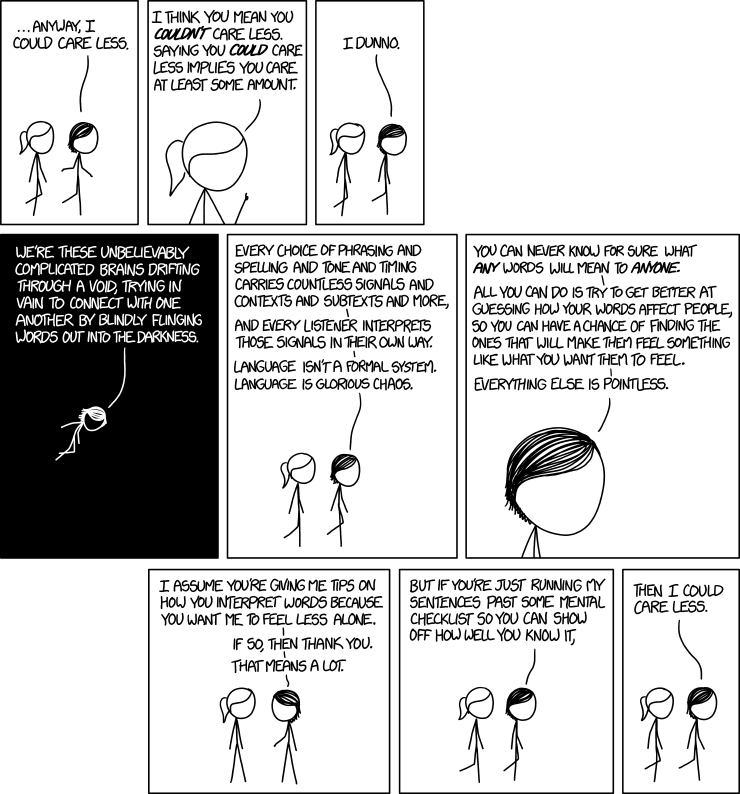
I literally could care less.
11 Sep 12:39

jacindaelena:   Steve Skafte

11 Sep 09:47

Uma fábula de improdutividade

João é inteligente e nasceu numa família de classe alta. Estudou em boas escolas e entrou para uma universidade pública, gratuita, no curso de Engenharia. Formado, viu que os melhores salários iniciais de engenheiros estavam em R$ 5 mil. Fez concurso para um cargo de nível médio num tribunal: salário de R$ 9 mil mais gratificações, aposentadoria integral, estabilidade, expediente de seis horas. O contribuinte custeou a formação de um engenheiro e recebeu um arquivador de processos sobrerremunerado. Amanhã João estará em frente ao Congresso, com seus colegas, todos em greve por aumento salarial. Não terá o dia de trabalho descontado nem se sente remotamente ameaçado de demissão.

Pedro não tem muito talento intelectual. Mas sua família pôde pagar uma boa escola, o que lhe garantiu uma vaga num curso não muito concorrido em universidade pública. Carente de habilidades acadêmicas, Pedro não se adaptou e mudou de curso duas vezes, deixando para trás centenas de horas-aula desperdiçadas e duas vagas que poderiam ter sido ocupadas por outros estudantes que jamais terão acesso àquela universidade. Foi fácil desistir dos cursos, pois Pedro nada pagou por eles. 

Após oito anos na universidade, Pedro finalmente se formou em Biologia. Sonha em ter um emprego igual ao de João. Entrou num cursinho preparatório para concursos públicos. Lá conheceu centenas de jovens formados em universidades públicas que, em vez de irem para o mercado de trabalho aplicar os seus conhecimentos, estão em sala de aula decorando apostilas para conseguirem um emprego público. 

Jorge, o dono do cursinho, é um brilhante advogado que poderia contribuir para a sociedade redigindo contratos empresariais. Mas descobriu que ganha mais dinheiro preparando candidatos ao serviço público.

Um dos professores do cursinho de Jorge é Manuel, que também abandonou sua formação universitária e mudou de ramo. Ao perceber que jamais exercerá a profissão original, ele pediu desfiliação do respectivo conselho profissional.

Mas não consegue, porque Márcia, funcionária daquele conselho, tem como missão criar todo tipo de dificuldade às desfiliações e manter em dia a arrecadação compulsória. Manuel desistiu e vai pagar a contribuição pelo resto de sua vida profissional, ainda que não se beneficie em nada e pouca satisfação seja dada pelo conselho profissional acerca do uso desse dinheiro. 

As limitações acadêmicas de Pedro o impedem de ser aprovado em concurso público. Ele vai ser um medíocre professor numa escola de ensino fundamental de segunda linha (pública ou privada), oferecendo ensino de baixa qualidade às novas gerações das famílias que não podem pagar por uma escola melhor. Pedro só conseguiu essa vaga porque há uma reserva de mercado: por lei, as escolas de ensino fundamental só podem contratar professores com diploma de nível superior. Fosse permitido contratar universitários, diversos graduandos em Biologia mais talentosos e motivados que o diplomado Pedro estariam em sala de aula, oferecendo boas aulas às crianças.

Antônio é tão brilhante quanto João. Daria um excelente engenheiro, mas nasceu em família pobre e estudou em escola pública. Teve professores limitados, no padrão de Pedro, e a desorganização administrativa da escola piorava as coisas: muitas vezes não havia professores em sala. Falta com atestado médico não dá demissão.

Antônio até conseguiu passar no vestibular de Engenharia em universidade pública, pelo sistema de cotas, mas sua formação deficiente em Matemática foi uma barreira intransponível. Abandou o curso, deixando mais horas-aula perdidas e mais uma vaga ociosa na conta dos contribuintes.

Antônio, porém, é empreendedor. Não se abalou com o insucesso universitário, aprendeu a consertar eletrônicos por meio de vídeos no YouTube. Montou um pequeno negócio de manutenção de smartphones e computadores. Seu talento poderia torná-lo um grande empresário. Mas para crescer ele precisa transferir sua empresa do regime de tributação Simples para a tributação normal, pagando impostos muito mais altos, porque o governo precisa de muito dinheiro para pagar altos salários, para custear a universidade gratuita que desperdiça vagas e para sustentar escolas públicas que não dão aula, entre outras despesas. Mesmo assim, o governo permanece em déficit e toma empréstimo para se financiar, aumentando a taxa de juros. Com impostos altos e crédito caro, Antônio prefere manter seu negócio pequeno. A grande empresa e seus empregos morreram antes de nascer.

Chico é um líder talentoso. Dirige uma central sindical que congrega os sindicatos dos companheiros do Judiciário e dos professores, entre outras categorias. Chico está em frente ao Congresso Nacional apoiando a greve de Pedro por melhores salários. Faz um discurso contra os neoliberais, que só pensam em cortar gastos públicos e arrochar os trabalhadores. Chico não tem muito do que reclamar (embora, como líder sindical, a sua especialidade seja, justamente, reclamar): além da remuneração paga pelo sindicato (e custeada pelo imposto sindical, cobrado obrigatoriamente dos contribuintes), ele está aposentado pelo INSS desde os 52 anos de idade. Até o fim da sua vida receberá muito mais do que contribuiu para a Previdência.

Nenhum dos personagens acima citados tem comportamento ilegal. Eles jogam o jogo de acordo com as regras que estão postas. O erro está nas regras. Mudá-las requer superar as dificuldades das decisões coletivas. Não mudá-las implica continuar com talentos profissionais e dinheiro público mal alocados, empregos improdutivos, potenciais inexplorados, gasto público excessivo, oportunidades perdidas, incentivos errados. Uma fábula de improdutividade. 

*Marcos Mendes tem graduação, mestrado e doutorado em economia, custeados pelos contribuintes, em universidades públicas. Não se anuncia como ‘economista’, pois não é filiado ao conselho regional de economia e não quer ser processado por isso. É servidor público bem remunerado

Bookmarked at brandizzi Delicious' sharing tag and expanded by Delicious sharing tag expander.
10 Sep 20:38

masterpiecedaily: Ivan Shishkin Swamp 1890


masterpiecedaily:

Ivan Shishkin

Swamp

1890

10 Sep 20:38

Saturday Morning Breakfast Cereal - Utilitarian Judgment

by admin@smbc-comics.com
10 Sep 14:40

Saturday Morning Breakfast Cereal - Philosophy

by admin@smbc-comics.com
10 Sep 14:31

Photo


10 Sep 14:30

Surfista salva-vidas resgata duas crianças de afogamento

POR ESTELITA HASS CARAZZAI, DE CURITIBA

A menina de cinco anos estava desacordada quando o surfista Jorge Porvilho, 33, a agarrou pela cintura e a levantou do fundo do mar.

“Quando eu a puxei, ela já estava molinha”, contou Porvilho. Ela e o irmão de sete anos estavam se afogando numa praia da Ilha do Mel, no litoral do Paraná, no primeiro fim de semana de agosto. O menino gritava ao surfista: “Me tira daqui, eu não quero morrer”.

A praia estava cheia –mas não havia nenhum salva-vidas, como é comum fora da temporada de verão no Paraná. O surfista, porém, conseguiu resgatar e salvar as duas crianças, graças a um treinamento dado pelo Corpo de Bombeiros e por uma ONG local.

O surfista Jorge Porvilho - Arquivo pessoal

O surfista Jorge Porvilho – Arquivo pessoal

“Não há um efetivo de guarda-vidas que possa proteger a população nessa época”, diz a diretora-administrativa da ONG Parceiros do Mar, Silvia Turra Grechinski.

Desde o ano passado, a instituição promove treinamentos com surfistas e moradores locais para orientá-los a salvar banhistas –especialmente fora da temporada. O projeto quer evitar casos de afogamento nesse período e orientar o público sobre técnicas de primeiros socorros.

A luta de Silvia começou na família: ela perdeu a irmã, Renata Turra Grechinski, por afogamento no litoral do Paraná, em fevereiro de 2012.

Renata surfava quando ficou enroscada em um artefato ilegal de pesca. Colegas e amigos viram o acidente e tentaram resgatá-la, mas não conseguiram agir a tempo. “Se houvesse pessoas capacitadas, quem sabe isso não teria ocorrido”, diz Silvia.

Porvilho, surfista desde os dez anos e profissional há sete, é um dos “salva surfers” treinados pelo projeto. Os 68 participantes promoveram oito salvamentos no litoral paranaense até agora.

BRUÇOS

“Na hora em que peguei a menina, eu lembrei das instruções dos bombeiros”, conta Porvilho.

A criança foi colocada de bruços na prancha, de modo a evitar que voltasse a se afogar com a água que expelia. O menino, que tentava puxar a irmã do fundo, se agarrou às costas do surfista. Assim, ele voltou remando à beira da praia.

Quando chegou à areia, a menina já havia acordado. Houve uma salva de palmas.

“Na hora, eu só pensava em salvar as crianças. Só mais tarde, quando entrei embaixo do chuveiro, é que comecei a chorar”, conta Porvilho. “Foi Deus quem me colocou lá.”

Os pais da criança agradeceram o surfista. Em uma mensagem, o chamaram de “anjo” e disseram que irão rezar diariamente por ele.

O projeto Salva Surf continua na próxima temporada. O treinamento, que dura três dias, é gratuito e feito em parceria com o Corpo de Bombeiros.