Adam Victor Brandizzi
Shared posts
Automatisch





Pornographic Presentation (SFW)



Your comment here


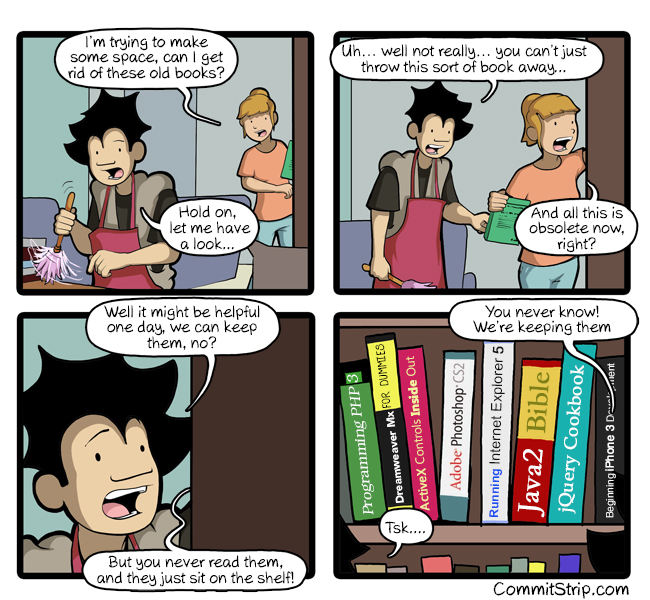
Coders bookshelf
Adam Victor BrandizziThat's why I almost never read (let alone buy) programming books.



Remarkable work, Gumbo!

Remarkable work, Gumbo!
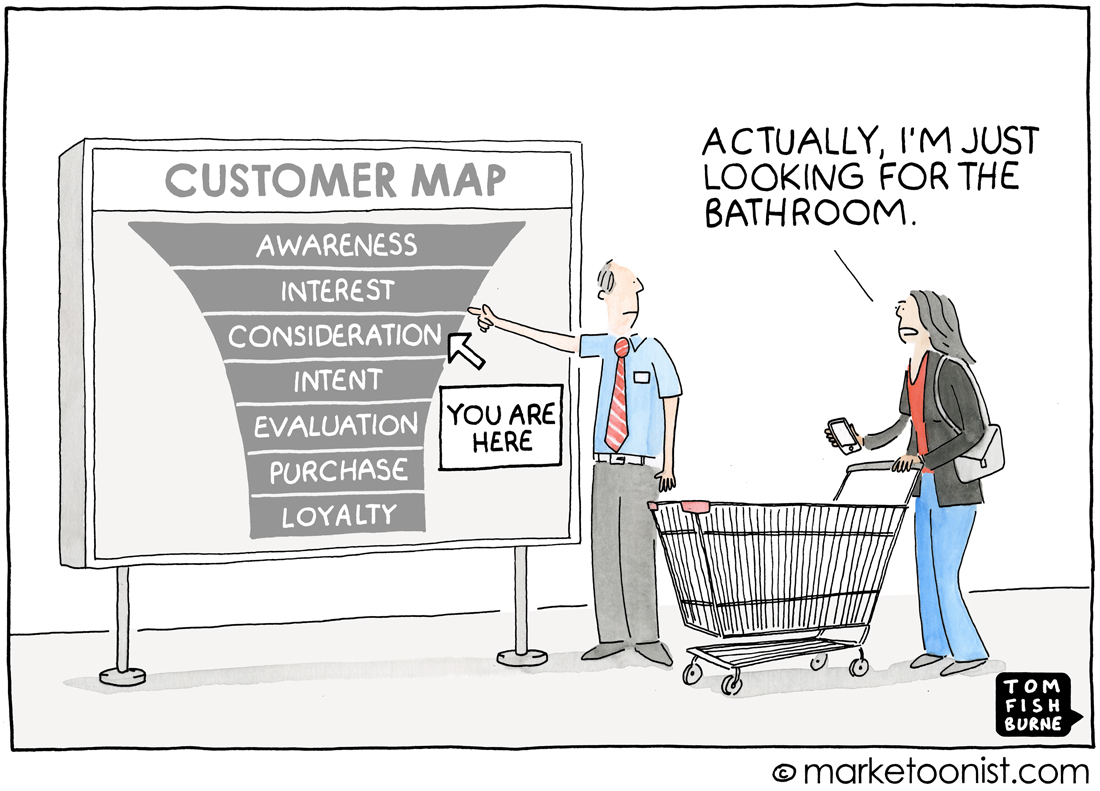
customer-centric marketing
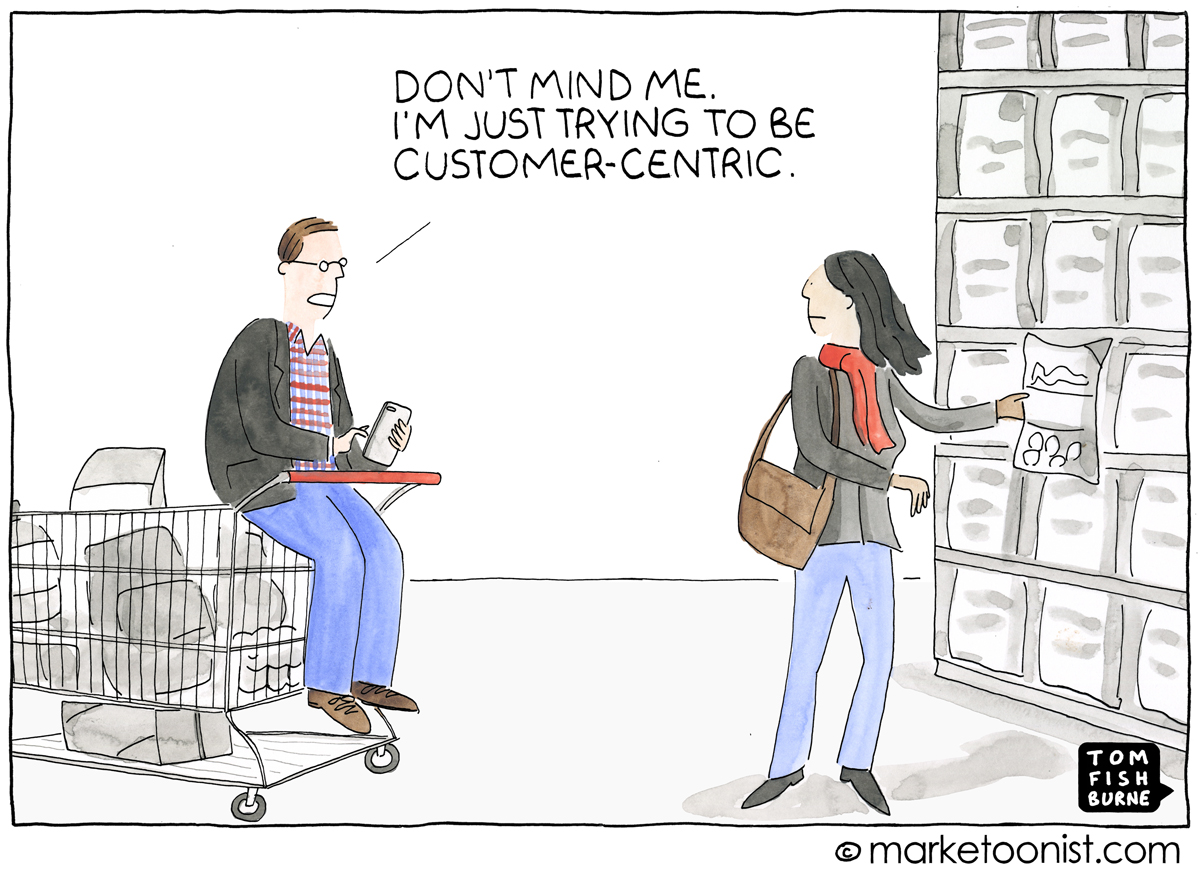
“Customer-centric” is frequently claimed by CMO’s to describe their marketing visions. But, like many feel-good marketing buzzwords, “customer-centricity” has lost much of its meaning. Many marketers give it lip service, but there’s not a lot of alignment on how to define it, or where to start.
Marketers aren’t as customer-centric as they think.
For all the hype, delivering on the promise of putting the customer at the core of the business is a struggle. It’s not just a technology challenge. It’s fundamentally an organizational and cultural effort. Trying to make an organization “customer-centric” through technology alone is relying on pixie dust.
Customer-centricity and omnichannel were key themes at the National Retail Federation’s Big Show in New York last week. I was struck by this comment from Jason Goldberg, SVP of commerce at Razorfish:
“A ton of those omnichannel things are checkbox items and a bunch of retailers have checked the box. If that was your attitude, then omnichannel is done. But if you’re doing this because customer behavior is fundamentally changing and you need to figure out how to cater to new expectations of the customer, we’ve just begun…
“Nobody can say we created this amazing store environment that people want to go to instead of Amazon. We’re very early days on that.”
It’s an exciting time for marketing, because every year brings new tools to reach our customers in more compelling ways than ever before. But the work is more than checking the box. It’s more than buzzword-deep.
Here are a few related cartoons I’ve drawn over the years.
“Tracking the Customer Journey“, July 2016
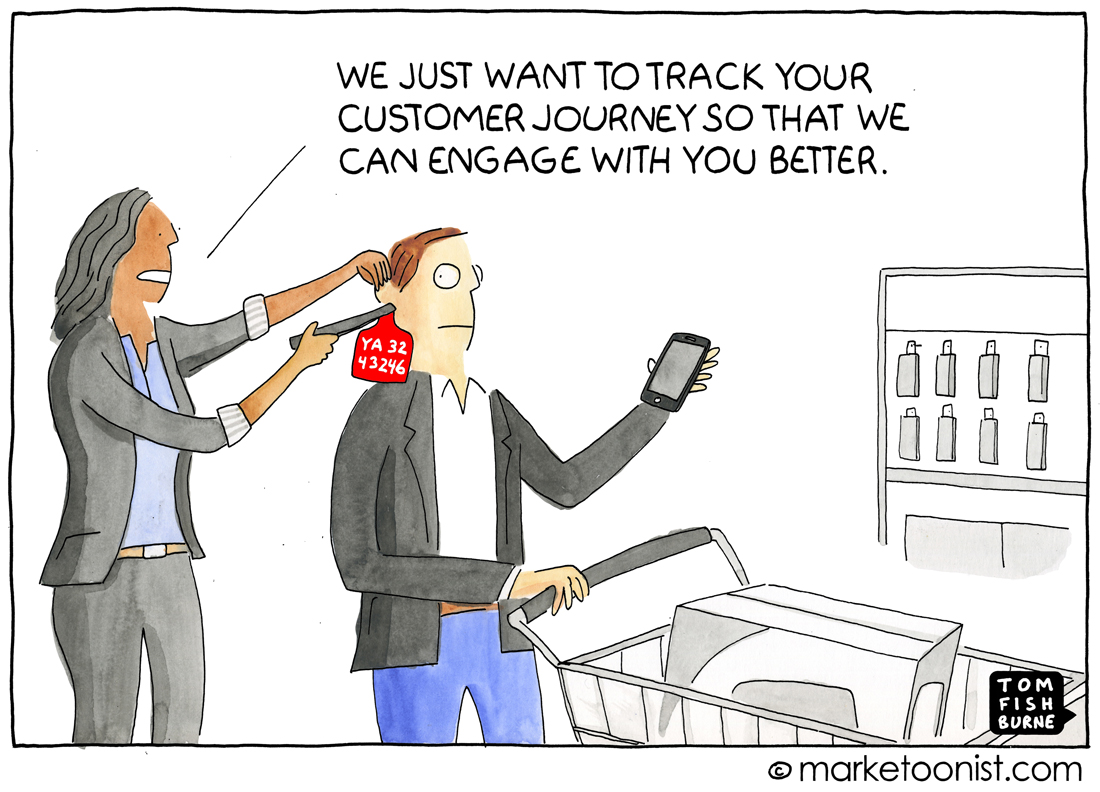
“Customer Journey Mapping“, April 2016
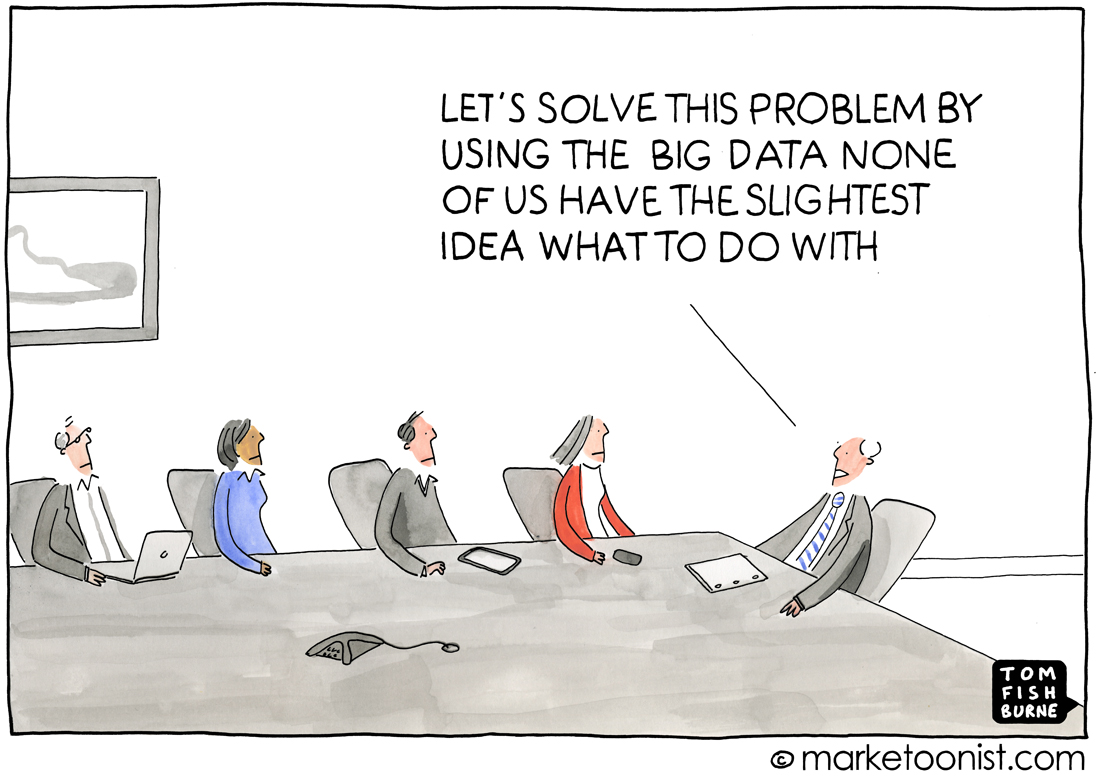
“Big Data“, January 2014


If Your Boss Could Do Your Job, You’re More Likely to Be Happy at Work

“People don’t quit bad jobs, they quit bad bosses,” according to an old saw. Our research suggests there’s truth behind this saying: bosses matter far more for employee job satisfaction than any other factor we measured. But what makes someone a great boss?
Studies of leaders often focus on their style or charisma, but we wanted to look at how workers are affected by their boss’s technical competence. That is, is the boss is a real expert in the core business of the organization? How much expertise does he or she have? Boss competence is, admittedly, a multifaceted concept. Hence we measured it in three different ways:
- Whether the supervisor could, if necessary, do the employee’s job.
- Whether the supervisor worked his or her way up inside the company.
- The supervisor’s level of technical competence as assessed by a worker.
Using these three measures of supervisor competence, we found that employees are far happier when they are led by people with deep expertise in the core activity of the business. This suggests that received wisdom about what makes a good boss may need some rethinking. It’s not uncommon to hear people assert that it’s a bad idea to promote an engineer to lead other engineers, or an editor to lead other editors. A good manager doesn’t need technical expertise, this argument goes, but rather, a mix of qualities like charisma, organizational skills, and emotional intelligence. Those qualities do matter, but what our research suggests is that the oft-overlooked quality of having technical expertise also matters enormously.
Research into the topic of expert leadership is recent but burgeoning. Modern evidence demonstrates, for example, that hospitals may do better if led by doctors rather than by general managers, that U.S. basketball teams do better when led by a former All Star basketball player, that Formula One racing teams do better if led by successful former racing drivers, and that universities do better when led by top researchers rather than talented administrators.
In our project, we studied 35,000 randomly selected employees and workplaces. The samples are from both the U.S. and Britain. We use traditional ways of measuring the job satisfaction of employees, like the survey question we asked in the U.S.: “How do you feel about the job you have now?” 1 = “dislike very much”, 2 = “dislike somewhat”, 3 = “like fairly well”, 4 = “like very much”. People’s answer on average was 3.2. In Britain, we asked: “Please answer on a 7-point scale from “I am completely satisfied with my job,….I am completely dissatisfied with my job.” We found the answer in Britain was, on average, approximately 5.3. Overall, these ratings seem to us to be good, but perhaps not great, news. Workers are fairly happy.
When we look closely at the data, a striking pattern emerges. The benefit of having a highly competent boss is easily the largest positive influence on a typical worker’s level of job satisfaction. Even we were surprised by the size of the measured effect. For instance, among American workers, having a technically competent boss is considerably more important for employee job satisfaction than their salary (even when pay is really high).
Although we found that many factors can matter for happiness at work – type of occupation, level of education, tenure, and industry are also significant, for instance – they don’t even come close to mattering as much as the boss’s technical competence. Moreover, we saw that when employees stayed in the same job but got a new boss, if the new boss was technically competent, the employees’ job satisfaction subsequently rose.
The bottom line is that employees are happiest when the boss knows what she or he is talking about, and that drives performance: there is growing evidence, from randomized trials done under laboratory conditions, that when you make workers happier they become more productive. One study found that quite small boosts in happiness went on to produce a reliable 12% extra in labor productivity. Moreover, employees who are happy at work are less prone to quit, and it is well known that a high level of quits is expensive for a company. Lastly, it has recently been demonstrated that firms with happy employees go on to have better stock-price growth in the future.
The boss casts a very long shadow. Your job satisfaction is profoundly molded by your boss’s competence; and your own team’s job satisfaction levels depend on your competence.
Tese do ressentimento da classe média carece de comprovação
Começa a se consolidar uma explicação padrão do impeachment dentro da esquerda. Em diferentes versões, ela tende a envolver alguma combinação de (a) efeitos do ajuste fiscal de Levy, (b) uma articulação política entre elite econômica, mídia e Judiciário e (c) a radicalização da classe média, ressentida com a diminuição da distância entre ela e os pobres. Essa coluna é sobre essa terceira tese.
Em seu livro "A Radiografia do Golpe", de 2016, o sociólogo e ex-presidente do Ipea Jessé Souza argumenta que, durante o ciclo de prosperidade lulista, "muitos, especialmente na classe média tradicional, não gostaram de ter de compartilhar espaços sociais antes restritos com os 'novos bárbaros'" (p. 82). Entre os espaços compartilhados Souza cita aeroportos (que tornaram-se acessíveis a brasileiros de menor renda na última década), shopping centers ("invadidos" por jovens de periferia durante os célebres "rolezinhos") e estradas congestionadas pela chegada dos novos motoristas.
Esse ressentimento diante da diminuição da desigualdade seria, segundo Souza, irracional: em que pese a ampliação do acesso às universidades, as desigualdades de capital cultural e social que distinguem as classes sociais permaneceram razoavelmente intocadas.
Assim, para Souza, a classe média, movida por esse ressentimento irracional, teria se deixado manipular por elites econômicas e políticas que teriam objetivos muito diferentes dos seus; e teriam constituído a base popular do processo de impeachment de Dilma Rousseff (o "golpe" do título do livro).
Em si, a tese do ressentimento não é absurda. É comum, por exemplo, que ricos de famílias tradicionais demonstrem ressentimento diante de "novos ricos". Em tese, algo semelhante poderia ter acontecido alguns andares abaixo na hierarquia social.
Mas o que salta aos olhos no trabalho de Souza, e nos outros que pude encontrar defendendo a mesma tese, é a falta de evidência empírica sistemática de que o ressentimento de classe média sequer exista em alguma escala relevante.
Eu conheço gente de classe média que, de fato, se ressentiu de ter visto pobres no aeroporto, mas era gente que já era bastante preconceituosa antes da mobilidade social do lulismo. E também conheço gente de classe média que viu na "Nova Classe C" novas oportunidades de negócio.
Mas se quisermos basear nossa explicação do impeachment no argumento do ressentimento, precisamos de evidências mais sistemática do que "eu conheço alguém": precisamos de pesquisas de opinião, trabalhos de campo, etc. Por enquanto, não temos nada disso.
E mesmo se o ressentimento tiver existido, como saber se foi ele o fator que levou a classe média às ruas? O próprio Souza admite que Dilma foi, em um certo momento, mais popular que Lula na classe média, e o processo de mobilidade social continuou durante a era Rousseff. Por que o ressentimento não levou a classe média às ruas antes, digamos, no auge da mobilidade?
É preciso enfatizar, como faz Souza, que muita gente que ajudou a derrubar Dilma Rousseff jogou pesado, jogou sujo, e tinha sua própria agenda. Mas começar a conversa supondo que os manifestantes da Paulista foram enganados soa demais como autocondescendência da parte da esquerda.
Artist Spotlight: Daliah L. Ammar

A selection of paintings by Daliah L. Ammar (previously featured here). More images below.
How to Talk a Great Deal Without Actually Saying Much of Anything

I am not what you’d call “outdoorsy.” My father is. As such, when I was a child, most of our family vacations involved fishing, clamming, crabbing, or picking blueberries.
For the first few years of my life we would sleep in tents, but then dad made a sort of home-brewed RV by building plywood furniture in an old van he’d bought as surplus from the phone company.
When I pointed out that our vacation consisted of spending our days looking for food, and our nights sleeping in a windowless van, I was chastised for my poor attitude.
As always, thanks for using my Amazon Affiliate links (US, UK, Canada).
Day Planner
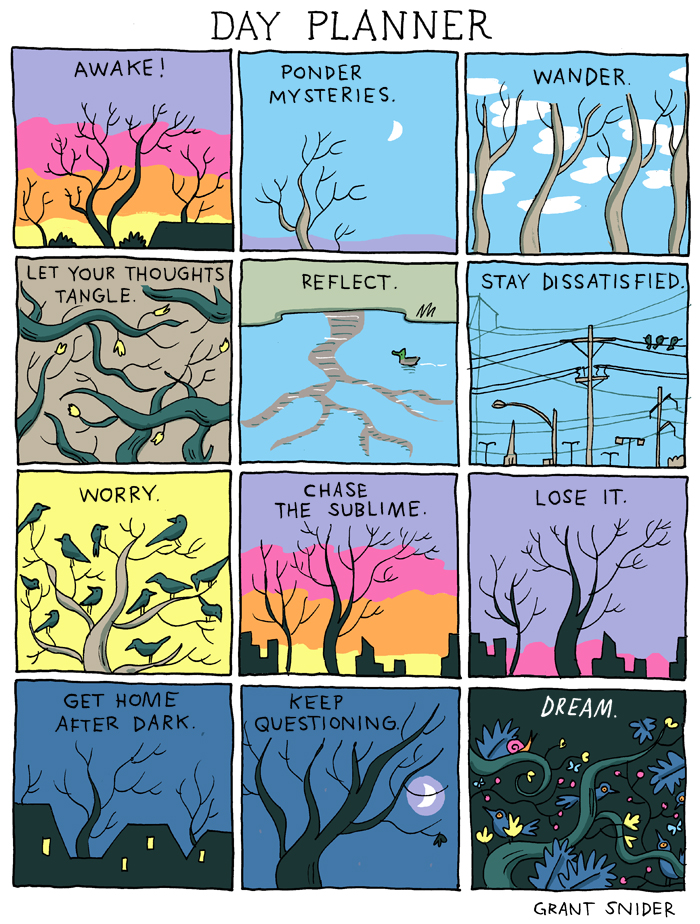
Posters are available at my shop.
My book, The Shape of Ideas, is available for pre-order.
To read process posts and unpublished comics, support Incidental Comics on Patreon.


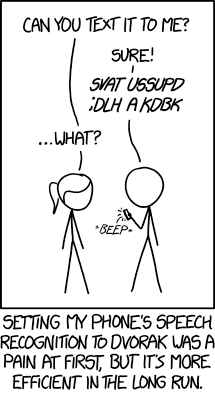



The Dickens
Adam Victor BrandizziHAHAHAH

