A Russian company has developed a new type of rifle bullets that split into three mid-flight, according to reports. This can help increase hit probability against high-speed drones.
Developed by Russia's Rostec, these multi-bullet "Mnogotochie" rounds can successfully hit drones. Reports have claimed that the first batches of these bullets have been delivered to Russian troops.
Effective option for combating drones
Vysokotochka, a subsidiary of Rostec, has developed "Mnogotochie". These bullets reportedly offer high-density fire for combating drones.
Bekkhan Ozdoyev, industrial director of Rostec's Armament Cluster, had earlier revealed that the Mnogotochie cartridges for rifled automatic weapons provide an effective option for combating drones. These are essentially standard 5.45x39mm and 7.62x39mm cartridges, but with a special bullet that splits into three parts upon exiting the barrel. This provides high-density fire. This means that shooting down a small drone with three bullets at once is much easier than with one.
Rostech previously also revealed that the 5.45x39mm caliber CT 226 and 7.62x54mm caliber CT 228 cartridges contain a three-element bullet that disintegrates in flight.
Standard cartridge case and standard propellant powder are used
The standard cartridge case and standard propellant powder are used, which simplifies serial production of the Mnogotochie at ammunition industry enterprises. Thanks to the design, all three elements are evenly separated upon exiting the barrel, improving firing accuracy and substantially increasing the probability of hitting small targets, reported TASS.
Earlier, Rostec also highlighted that small arms' performance characteristics remain unchanged when using the Mnogotochie, eliminating the need for modifications or installation of attachments. The cartridge can also be fired with a silencer installed.
Footage released by the company shows the 5.45mm variant downing a drone hovering about 10 meters (33 feet) above the ground from a distance of 100 meters (328 feet) after four shots. Full-scale production is underway, with the first batch already delivered to the Russian military. The Mnogotochie's three-piece nose separates after leaving the barrel, creating a controlled spread that allows a single shot to release three projectiles, reported NexGen Defense.
Reports indicate that the anti-drone round is effective at distances of up to 300 meters. While that range is relatively limited compared to dedicated air-defense systems, it is intended for situations where troops need to defend themselves against drones flying close to the battlefield.
Small commercial and military drones have become increasingly common in recent conflicts, performing reconnaissance, surveillance, and precision attack missions. Their relatively low cost and widespread availability have created new challenges for conventional military forces, driving demand for affordable countermeasures.
The development of specialized anti-drone ammunition reflects the changing nature of warfare, where inexpensive UAVs have become an important part of combat operations. Instead of relying solely on costly missile-based air-defense systems, militaries are exploring solutions that allow frontline troops to engage drones using standard firearms equipped with purpose-built ammunition.
If the new ammunition performs as intended in operational conditions, it could provide infantry units with an additional layer of defense against low-flying drones while complementing larger air-defense systems.
If you haven't yet used AI to make a simple website, you should. Its trivial at this point. SEO, the works....
Starbucks Using AI To Build Software Replacing Applications It Buys From Microsoft, IBM
Corporate America has been desperate to see a burst of productivity (i.e., cost cutting) emerging from the latest flood of agentic AI euphoria, and it is slowly starting to get it. Not everyone will be pleased.
Starbucks is developing in-house tools with the help of artificial intelligence that could replace some software applications it now buys from companies such as Microsoft and IBM.
According to Bloomberg, the coffee chain, whose stock price has gone nowhere in the past 3 years, is building alternatives to a Microsoft system that tracks inventory and an IBM tool that manages maintenance. Some of the Starbucks-developed software could roll out by the end of next year, pending the results of testing, the report notes.
Before the advent of advanced AI models, businesses were tethered for years to their technology vendors due to fear of business disruption and the complexity of building in-house tools. But AI is shifting that calculus as it makes it easier to develop applications from scratch and as companies push workers to use the technology (especially when it means those very same workers are teaching AI models how to do their work for them).
This is hardly new: at the start of 2026 the software sector cratered as Wall Street expressed doubts about the "terminal value" of business models that can easily be disrupted by AI. Since then, sentiment has stabilized but leading software companies still face concerns about whether they’ll be able to fend off competition from products built by upstarts, or their own customers, using AI. This phenomenon has weighed on software stocks this year, with Microsoft and IBM both trailing the S&P 500.
Shares of both companies fell during trading on Thursday, with Microsoft down 2.4% and IBM sinking 5.2% at 9:30 a.m. in New York, following the Bloomberg report..
Starbucks spends about $400 million a year on software alone, CTO Anand Varadarajan told workers in an internal forum earlier this year. “There’s clear opportunities to reduce the spend in software,” Varadarajan said. In-house software can be cheaper, an incentive for companies such as Starbucks, which is looking to cut $2 billion in costs as part of a broader turnaround effort. That said, in the long run, building can lead a company to pay higher maintenance and labor costs.
When it comes to technology, Starbucks company is reviewing “every contract and service,” according to the presentation seen by Bloomberg. In some cases, that includes building products to replace software that its engineers have to heavily tailor anyway. As an example, the company has been working for several years on building a point-of-sale system that would take the place of Oracle Simphony. In a blog post earlier this year, the company said AI and other technology advancements will support its long-term growth and free up baristas to focus more on customer service.
AI-assisted coding was also key to developing the platform that could replace the IBM tool. Starbucks has been pushing tech workers to use artificial intelligence, even factoring usage into their bonuses, which is ironic since the better the model, the less need for the person who created it meaning the bonus will likely be their last.
To be sure, there’s skepticism about how much, or how quickly, AI can speed up and automate work. Starbucks recently pulled an AI-powered system to track inventory at stores, reverting to manual counting; According to Reuters, that tool was part of CEO Brian Niccol's efforts to fix the coffee chain's persistent product shortages that he has blamed for hurting sales. The app - designed to improve Starbucks’ visibility into shortages at stores - frequently miscounted and mislabeled items, such as confusing similar milk types or missing them altogether. It also continues to use software from third-party vendors, including from companies such as Microsoft.
The Starbucks enterprise technology team is on track to reduce its budget by about $30 million in the fiscal year ending in late September, according to the internal presentation. That includes cutting about $10 million in software spending. Another $13 million will be saved mostly by cutting back on contractors from professional services firms and backfilling some roles with its own staff. Starbucks is setting up offices in Nashville and India that will house some tech workers, while others will remain at its Seattle headquarters. The company has cut about 2,300 jobs since February of last year, including many in tech.
The U.S. Navy has awarded defense technology startup Castelion its first production contract for the Blackbeard hypersonic missile. This $23.4 million deal includes 50 pre-production missiles and shows the Navy is ready to move the program past development and testing.
This contract comes as the Pentagon looks for faster, more affordable hypersonic weapons for long-range strikes. For Castelion, it is the first step toward making Blackbeard at a scale that could support future military missions.
Navy Moves Blackbeard Toward Operational Service
The contract helps further develop the Blackbeard weapon system and expands manufacturing at Castelion's Project Ranger site in Rio Rancho, New Mexico.
Blackbeard is designed to be a low-cost, easy-to-produce hypersonic missile capable of exceeding Mach 5, or over 3,800 mph (6,100 km/h). At these speeds, it can cover long distances quickly and is much harder to intercept than traditional weapons.
Most of the work for this contract will happen in Rio Rancho, with some activities in Torrance, California. Castelion expects to finish the work in 2027.
This new contract shows increasing confidence in the program as it moves from flight testing to limited production and future deployment.
"Blackbeard was designed from the beginning to support our nation's conventional deterrence," Castelion Co-Founder and CEO Bryon Hargis said in a press statement.
"This award reflects the Navy's continued commitment to rapidly advancing affordable, manufacturable long-range strike capability and moving Blackbeard toward early operational use."
Series Of Major Contracts Accelerates Program
This production contract comes after several major government deals Castelion has won this year.
In February, the company received a contract worth almost $50 million to accelerate development and produce prototypes of the Blackbeard system. This funding was intended to support testing and prepare the program for future needs.
Two months later, in April, Castelion landed another big contract worth $107 million. This deal aims to integrate Blackbeard with the Navy's F/A-18 fighter jets, giving the missile more ways to be used.
These back-to-back contracts show the program is gaining momentum as the Navy looks for new ways to use hypersonic weapons on different platforms.
Expanding Launch Options Beyond Aircraft
The company is also working on new ways to launch Blackbeard, which could make it more flexible in operations.
The company has teamed up with defense tech firm Saronic to put the missile on the Marauder unmanned surface vessel. They plan a demonstration in 2027, which could be the first time a hypersonic weapon is launched from an unmanned surface ship.
If the test works, it will show a new way to use hypersonic weapons from unmanned naval platforms, without needing a crew.
Project Ranger Becomes Production Hub
To support its long-term manufacturing plans, the defense firm has put over $250 million into Project Ranger, its large production campus in New Mexico.
The facility covers about 1,000 acres (405 hectares) and is the main site for Castelion's push to make hypersonic weapons more cheaply and in bigger numbers than traditional methods. The new Navy contract will help grow production at the site and support the delivery of the first 50 pre-production missiles.
this may be the proper way to do this. A resulting trial might garner enough support to rid them. Not a maniac, rather a shot hear round the world approach.
During divided times such as these, it's important to come together as Americans and admire the little things we agree on.
just give me a leased WAYMO with a slip in pod that holds all my stuff.....
Is Tesla About To Use Facial Recognition Before Activating Full Self-Driving
Tesla is reportedly preparing a series of updates, including one that would use a vehicle's cabin camera to verify a driver's identity before activating Full Self-Driving.
It sounds a bit dystopian, but this is likely the direction that connected smart-car brands are headed. As vehicles become more autonomous, automakers will increasingly need to verify who is behind the wheel before unlocking FSD functions.
The X account Tesla App Updatespenned a new report outlining a series of changes possibly headed to the mobile app, including deeper FSD integration, more owner-facing controls, and expanded software monetization infrastructure.
• Coastal Blue paint now properly supported in 3D vehicle rendering
• In-app searchable video tutorials with pinning/bookmarking
• Deeper FSD tracking + new “streak days” gamification…
— Tesla App Updates (iOS) (@Tesla_App_iOS) July 1, 2026
What stood out to us is the possibility of a new FSD identity-verification layer tied to the cabin camera. If the system cannot verify that the driver matches an authorized profile, FSD could be blocked.
Here's the full report:
Native Support for "Coastal Blue" Paint
Tesla has added support for a new paint color called Coastal Blue, currently exclusive to the base Model Y Rear-Wheel Drive built at Giga Berlin for the European market.
The strings COASTALBLUE, getCoastalblue, setCoastalblue, clearCoastalblue, and hasCoastalblue show that the app is being updated to properly render this color in its 3D vehicle models. The app can now dynamically load the correct material and shading when a vehicle with this paint code is detected, ensuring accurate representation on the home screen, climate menu, and widgets.
In-App Searchable Video Tutorials
Tesla is building a native, searchable video tutorial library directly into the mobile app. Users will have access to a dedicated tutorial hub (VideoTutorialContent and VideoSearchPanel) with a search bar (VideoSearchBar) that returns relevant results (VideoSearchResultItem). This allows owners to quickly find how-to videos for features like FSD, wiper blade replacement, or PIN to Drive without leaving the app.
Users can also pin important tutorials (setPinnedVideo, pinnedVideo) for quick access. These pinned videos are expected to sync across devices via mergePinnedVideos. The interface uses a clean card-based design (VideoListCard) with pagination (VIDEO_SEARCH_PAGE_SIZE) for better performance.
Deep FSD Telemetry, Streaks & Identity Verification
Tesla is expanding the amount of Full Self-Driving data and controls visible in the app.
Granular Mileage Tracking: New metrics such as FsdMonthlyMileage, fsdTotalMilesThisMonth, and FsdLast7DaysUsage allow the app to track autonomous versus manually driven miles with much greater detail.
FSD Streak Days (Gamification): The app is now tracking consecutive days of FSD usage (fsdStreakDays). This introduces a gamification element designed to encourage habitual use of the system, similar to the charging badge mechanics seen in previous updates.
Automated FSD Transfer Validation: During trade-ins, the app can now automatically validate whether a vehicle has a transferable FSD license using the tasks/trade-in/fsd-validate and shouldValidateFSDTransfer endpoints. This should streamline the FSD transfer process.
FSD Identity Verification: Strings such as fsdIdentityCheckFailedTitle and showFsdIdentityCheckFailedDialog suggest that the cabin camera may now perform driver identity verification before allowing FSD to activate. If the system cannot confirm the driver matches the authorized profile, it can block FSD and show a failure message in the app.
"App Share" – Deep Linking into the Tesla UI
Tesla is introducing an App Share feature that allows external applications to deep link into the Tesla app.
Using matchesAppShareLinkPath, the app can now handle special links that trigger specific actions (most likely sending a destination to the car’s navigation). Third-party apps like Google Maps, Yelp, or AllTrails could potentially share locations directly with the Tesla app.
The feature includes a compatibility check (getSelectedVehicleSupportsAppShare) to ensure the vehicle’s hardware and software support receiving these shared links.
Autopilot Base Tiers & Dynamic Override System
This is one of the more significant architectural updates in the app. Tesla is refactoring how it manages Autopilot and FSD ownership.
AutopilotBase – Permanent Tier: The vehicle now has a permanent AutopilotBase tied to the VIN (AUTOPILOTBASE_BASIC, AUTOPILOTBASE_ENHANCED, AUTOPILOTBASE_HIGHWAY, AUTOPILOTBASE_SELF_DRIVING). This represents what the car fundamentally owns.
AutopilotOverrideState – Temporary Upgrades: Tesla has introduced an “Override” system that sits on top of the base tier. This allows temporary activations such as trials or subscriptions (AUTOPILOTOVERRIDESTATE_TRIAL, AUTOPILOTOVERRIDESTATE_SUBSCRIPTION, AUTOPILOTOVERRIDESTATE_TIMEBOUND_TRIAL, etc.).
Live Expiration Tracking: The app can now read autopilotOverrideExpireTime directly from the vehicle, enabling accurate countdowns for when a trial or subscription will end.
Service & Loaner Management: The AUTOPILOTOVERRIDESTATE_VEHICLE_MANAGED state allows Tesla to temporarily enable enhanced Autopilot or FSD on service loaners or demo vehicles without permanently altering the car’s base configuration.
Ownership Quality Assurance Flow
A new authenticated endpoint and supporting UI components have been added for what appears to be an Ownership Quality Assurance process.
What This Feature Likely Does: This system introduces a dedicated Quality Assurance modal (QualityAssuranceModal / quality-assurance-modal) that displays ownership-related verification items to the user.
Key components include:
QualityAssuranceItemRow — suggests the modal presents a list of items or checks that need to be reviewed or confirmed.
quality_assurance_close_button — standard close functionality for the modal.
useQualityAssurance — a hook or function likely used to fetch and manage the quality assurance data.
Likely Use Cases
Given the endpoint path and UI elements, this flow is probably used in scenarios where Tesla needs to verify or document ownership status before certain actions. Possible contexts include:
Service drop-off or vehicle handoff — Confirming the person dropping off or picking up the vehicle is authorized.
Lease returns or trade-ins — A structured checklist to ensure all ownership-related items are in order.
High-security actions — Additional verification before enabling features, transferring software (like FSD), or making significant account/vehicle cha
If biometric facial-recognition systems are used to unlock Apple iPhones, then they are almost certainly coming to Tesla and other connected vehicles.
Carleen Noreus, who owned two nursing schools in South Florida, has pleaded guilty to her role in a scheme that sold nearly 3,000 fraudulent nursing diplomas, the Department of Justice (DOJ) said in a June 18 statement.
The defendant, 52, from Plantation, Florida, was president of the Carleen Home Health School Inc. in Plantation and vice president of Carleen Home Health School II Inc. in West Palm Beach.
"Noreus conspired with others to sell fraudulent nursing diplomas and educational transcripts to individuals who had not completed the required coursework or clinical training to earn Registered Nurse (RN), Licensed Practical Nurse/Vocational Nurse (LPN/VN), or Bachelor of Science in Nursing (BSN) credentials," the DOJ said.
"The fraudulent diplomas and transcripts falsely represented that purchasers had successfully completed the academic and clinical requirements of the schools when, in reality, they had not."
The documents allowed the buyers to take part in national nursing board examinations. Those who passed the exams obtained nursing licenses and employment in the healthcare sector.
In total, Noreus provided 2,956 fraudulent nursing diplomas through her two schools between April 17, 2018, and Oct. 8, 2025. Of the individuals who obtained fake credentials, roughly 2,274 passed the nursing exams, secured licenses, and gained employment in Florida and other parts of the United States. Both institutions have been shut down by state authorities.
The case is part of the second phase of Operation Nightingale, a multi-state law enforcement action launched in January 2023 to arrest individuals who sell fraudulent nursing degree diplomas and transcripts.
The operation led to 25 individuals being charged for the fraud scheme in January 2023. In a Jan. 25, 2023, statement, the DOJ said that more than 7,600 fake nursing diplomas were issued by three nursing schools in South Florida.
On Sept. 15, 2025, the DOJ said that 30 defendants were charged and convicted in 2023 as part of the operation. In addition, the department also announced charges against 12 people in phase two of Operation Nightingale.
Thirteen individuals have been charged in the second phase, including Noreus, the DOJ said in its latest statement. Noreus, who pleaded guilty to conspiracy to launder money and conspiracy to commit wire fraud, faces a maximum penalty of 20 years in prison for each count.
"Nursing licenses must be earned through education, training, and demonstrated competence, not purchased through fraud," said U.S. Attorney for the Southern District of Florida Jason A. Reding Quiñones.
"By selling thousands of fraudulent diplomas and transcripts, the defendant undermined the integrity of the nursing profession and our healthcare system. The Southern District of Florida remains committed to holding accountable those who profit by corrupting professional licensing processes and placing the public at risk."
Earlier this year, a Maryland man was sentenced to 21 months in federal prison in another case of nursing credential fraud, according to a DOJ statement issued on April 24.
The person sold fake documents in the name of a Virginia nursing school, which falsely affirmed that buyers had completed the required courses and training at the institution to secure nursing degrees. The individual also sold fraudulent nursing degrees from a Florida-based nursing school.
Nursing Shortage
The country's nursing workforce is projected to face a shortage in the coming years, according to a December 2025 report from the National Center for Health Workforce Analysis.
"At the national level, there are shortages projected until 2038. Specifically, there is a projected 8 percent shortage of registered nurses (RNs) in 2028. By 2038, the shortage is 3 percent (a shortage of 108,960 full-time equivalent [FTE] RNs)," the report stated.
"Nonmetro areas are projected to have a higher shortage of RNs than metro areas in each of the three interval years: 11 percent vs 2 percent in 2038, 18 percent vs 4 percent in 2033, and 24 percent vs 5 percent in 2028."
However, National Nurses United (NNU), a professional association of registered nurses with over 225,000 members nationwide, dismissed claims of shortages in a May 26 statement.
An analysis conducted by the group found that almost 1.15 million registered nurses in the country with active licenses were not working as nurses, the statement said.
NNU president Jamie Brown said the U.S. nursing sector is facing a "retention crisis" rather than a shortage, blaming "unsafe and unsustainable" working conditions for driving many nurses away from their jobs.
In debating a social media ban for minors, it appears we face a choice between two perceived harms.
One is the reported damage that social media is doing to the mental health of children and adolescents.
The other is the normalization of mass age verification systems—most likely involving biometrics—that would apply to everyone, not just minors.
This carries real risks of privacy invasion, data breaches, and future mission creep.
There is little dispute that many Western countries have experienced a rise in youth mental health problems beginning around 2010–2012 (when Smartphones and social media exploded). Anxiety, depression, self-harm, and suicide rates among adolescents, particularly girls, have increased dramatically since this period. There is disagreement, however, not over whether these spikes exist, but whether they can be attributed specifically to social media. The lingering effects of the pandemic and lockdowns, and family breakdown are just some of the other factors that could be in play.
Data debates aside, most Canadians with common sense and personal experience using social media for prolonged periods of time would admit that doing so is harmful for their mental health, no matter their age. So, what should we do?
Whatever steps we take, resorting to broad government-mandated bans and mass surveillance should not be one of them.
Australia offers the clearest real-world test of such a policy. Since its under-16 social media ban took effect on Dec. 10, 2025, platforms operating in the country, including Facebook, Instagram, Snapchat, Threads, TikTok, X, YouTube, Reddit, Twitch, and Kick, have been required to take “reasonable steps” to prevent users under 16 from creating or maintaining accounts. Platforms guilty of breaching this new law can reach up to AU$49.5 million.
Australia’s legislation “specifically prohibits platforms from compelling Australians to provide a government-issued ID or use an Australian Government accredited digital ID service to prove their age.” To comply with the law, platforms have implemented widespread use of behavioural analysis, device signals, and facial age estimation scans. By mid-December 2025, platforms had already removed access to approximately 4.7 million suspected under-16 accounts.
But large numbers of teenagers quickly found workarounds. Surveys conducted in early 2026 show that more than 60 percent of under-16s who had accounts before the ban continue to access at least one restricted platform. Common methods include using borrowed phones or parents’ ID, fake age declarations, VPNs, and printed mesh masks to fool facial recognition.
Without robust age verification systems, therefore, a meaningful ban doesn’t exist.
It might initially remove under 16s, but millions of ineligible minors will find a way to return to these platforms, as has taken place in Australia.
This begs an important question: What is the point of an age verification system that is only half effective?
This would create a new set of problems including the loss of privacy rights for everyone, without actually solving the underlying problem the legalization is reportedly designed to fix.
Canada is aware of this conundrum. What would Canada do, then, to both kick minors off the platforms and keep them off the platforms? There is no reason to think that parental oversight or enforcement will be any different here than across the Pacific.
One possibility is social media users must submit verification of identity every time they log in to the platform. The most obvious way to do this would be a government-mediated login system. This would essentially grant government an immense amount of metadata about who logs in to what, how often, etc.
Another possibility would be for social media platforms themselves to monitors users’ data, either by periodically scanning faces and matching it to submitted photo ID, or by evaluating user behaviour (i.e., what content is being accessed and predicting the age of users). This would give an immense amount of data to social media companies that, if retained, could lead to significant privacy violations. Imagine a camera monitoring you every time you use Instagram or Facebook. Think about the fact that biometric technology can already be used to predict age based on wrinkles, skin texture and elasticity, facial proportions, eye shape, hairline, and bone structure. Researchers have even found statistical correlations between typing speed, error patterns, touch pressure, and age.
In this latter possibility, Canadians would be handing highly sensitive biometric data (faces, fingerprints, typing style, etc.) to foreign corporations that are subject to foreign laws (U.S. CLOUD Act, Chinese national intelligence law, etc.). These companies can be compelled by their own governments to hand over your personal and identifiable data. This type of data is also permanent. If it gets hacked, leaked, or demanded by a foreign government, you cannot change it like a password.
Finally, a mandatory social media ban for minors under 16 would significantly restrict their ability to access information about the world. Freedom of expression under the Charter section 2(b) includes not only the right to speak, but also the right to receive information. Canadian courts have recognized this in several cases. Social media platforms have become one of the primary ways many young people receive news, public debates, educational content, and diverse viewpoints.
One doesn’t have to be an absolutist to value freedom and privacy, but the fact of the matter is we have not tried alternative strategies that would minimally impair this fundamental freedom of privacy for everyone, and freedom of speech for minors. Yes, facial recognition is already used voluntarily on some platforms (such as dating apps). And a driver’s licence is often required from gambling sites to ensure compliance with the law. But there is a profound difference between choosing to use one of these sites and being required by law to submit biometric data to participate in modern public discourse. The scale is also vastly different.
We should pursue less invasive strategies instead of choosing between an ineffective ban or a robust and draconian one. Aggressive cultural campaigns against early smartphone use, phone-free schools until at least Grade 9 or 10, and better parental control tools have all shown meaningful results for youth mental health in multiple studies. Stronger platform liability for addictive design specifically aimed at children could also be pursued.
At the end of the day, parents are responsible for their children’s social media use with or without a law that requires everyone share their digital data. In other words, even if a robust law existed, parents would still be responsible to ensure their children avoid workarounds.
The instinct to protect children is good, but we cannot protect them by quietly dismantling the privacy and freedom of the entire society. The cure must not be worse than the disease.
i do meals on wheels. One family, kid is on medicaid. He had a stroke, cant do shit. Family takes care of him. Seems medicaid is hard to get on, and if they can work, well, probably not.
The law should encourage able adults receiving taxpayer-funded benefits to contribute to the community while advancing their own self-sufficiency, and the new Medicaid rule does just that.
It turns out that the most generous funder of white supremacist groups in the United States was likely the Southern Poverty Law Center.
At least that’s what the Department of Justice’s superseding indictment against the SPLC alleges. The organization secretly paid informants to engage in the active promotion and funding of racist groups while denouncing and “fighting” the very same groups in public.
The SPLC purportedly created fictitious entities to hide funding from their donors.
The SPLC, for instance, is accused of bankrolling the 2017 “Unite the Right” rally, paying a leader nearly $300,000 to post racist messages, organize and even transport people to the infamous Charlottesville protest, where one person was killed.
In another instance, a pair of white supremacists who approached the SPLC about leaving the Klan were encouraged to stay in the group and recruit new members.
Given salaries, the two men were allegedly reimbursed for the costs of their activities, including those “incurred for cross-burning events, to include the wood and fuel used.”
In the end, I’m not sure what the legal jeopardy there is in engaging in this brand of duplicitous activity, but it is without a doubt corrupt, fraudulent, immoral, and bad for the country.
Many people correctly point out that SPLC is merely interested in keeping white supremacist groups operational to justify its existence. White nationalists and identitarian groups have no genuine political power or support, so it makes sense that SPLC and other groups would prop them up for fundraising. The notion that Americans live in a nation of deep-seated systemic and cultural racism is a foundational belief of the American left. Having a bunch of cartoonishly racist groups running around the country not only perpetuates the myth but helps raise money.
But a far more vital objective of the SPLC is destroying the reputations of effective legitimate organizations that are involved in mainstream political debates that have absolutely nothing to do with racism or extremism.
The purpose of the “hate” maps and enemies’ lists compiled by SPLC isn’t to alert Americans about local skinheads, but to associate those skinheads with the American College of Pediatricians, Family Research Council, Ben Carson, Turning Point USA, American Family Association, and Moms for Liberty.
In 2016, for instance, the SPLC “Hate and Extremism” list added Alliance Defending Freedom, a highly effective legal organization that’s won multiple religious freedom cases in front of the Supreme Court. Oftentimes the ADF represents minority clients. Its most high-profile case involved Jack Phillips, the persecuted cake maker from Colorado whose First Amendment rights were stripped by the government. But the group also takes on cases regarding state funding for abortion or the biological males competing in girls’ sports.
You may disagree with ADF’s positions on those issues, but only an extremist progressive actually considers it a “hate” group worthy of inclusion on a list with “neo-confederates.” It’s not the pinhead “Neo Volkisch” that concerns the SPLC, it’s the impressive lawyer with the ADF.
By making their case to the press, these conservatives are wisely appealing to the SPLC’s most powerful source of influence.
Yet, the SPLC’s “hate list” has been treated as an authoritative source on extremism by virtually every legacy media outlet for years.
During the height of BLM protests and riots, The New York Times cited the SPLC as an unimpeachable authority on hate groups in hundreds of stories over a one-year span. The group was cited by the paper thousands of times over the previous decade. That’s a single media organization. From the mid-2010s through 2025, when the SPLC was sending millions to prop up the worst right-wing extremists in the country, virtually any story about rising extremism on NBC News featured the SPLC.
The question is, how can any reputable media outlet, much less a government agency, ever use the SPLC as a source again?
They’ll try.
Even now, outlets like the Associated Press refer to the SPLC as “civil rights” group.
The SPLC, formed in 1971 by civil rights activists in Montgomery, Alabama, hasn’t been fighting for the rights of African Americans for a long time. By the mid 1980s, the SPLC had already shifted away from the civil rights fight to rooting out “right-wing extremism.” In 1986, the entire legal staff, save founder Morris Dees (who was pushed out of the organization in 2019 after allegations of sexual harassment and racial discrimination), quit over the change.
The SPLC, probably superfluous when it was formed, has long been a shady left-wing activist group with a near-billion-dollar endowment. The new indictment only further confirms it was worse than we thought.
i am rethinking my no-machines demand. One floated alternative is blockchain voting which would have even LESS people involved. "People involved" brings with it honesty.....
USPS Proposes Halting Mail Ballot Delivery To States That Refuse Voter Roll Verification
The US Postal Service (USPS) has proposed a new rule requiring states to share voter information related to mail-in and absentee voting. The proposal follows a March executive order from Trump aimed at tightening regulations governing mail-in voting in federal elections.
Trump has made election integrity a central focus of his second administration, issuing executive orders designed to require proof of citizenship for voters and combat mail-in voting fraud. The administration has argued that stronger verification measures are necessary to restore confidence in elections and safeguard the voting process.
Several of those initiatives have faced legal challenges. Courts have blocked certain provisions, including proof-of-citizenship requirements, while appeals remain pending. Democratic-led states have also filed lawsuits challenging the administration’s mail-in voting policies.
As litigation continues, the Postal Service has moved forward with a proposal directing states and the USPS to coordinate on identifying eligible mail-in and absentee voters.
Under the proposed rule, states would submit lists of voters requesting mail-in ballots, along with personalized barcodes assigned to each ballot.
The Postal Service would then return a finalized “Mail-In and Absentee Participation List” to each state’s chief election official. The list would contain the names of approved voters and the corresponding ballot barcodes associated with each voter.
Under the proposal, only voters included on the final participation list would be eligible to receive mail-in or absentee ballots.
The USPS said the new system would help improve transparency and provide election officials and law enforcement with additional tools to verify election procedures.
“This provision will help determine adherence to federal law and facilitate law enforcement efforts,” the proposal states.
“For example, the provided lists will evidence how many ballots have been mailed, and allow law enforcement officials to compare the total number of mailed ballots to the total number of received ballots to detect potential issues meriting further investigation.”
Election integrity supporters argue that the process would create a clearer chain of custody for mailed ballots and help identify irregularities that might otherwise go undetected.
The Postal Service issued the proposal May 29, one day after Trump-appointed US District Judge Carl J. Nichols denied a request from Democratic plaintiffs seeking to block the administration’s mail-in voting executive order.
Nichols ruled that the challengers failed to sufficiently demonstrate that the order would cause “imminent and irreparable harm.”
The plaintiffs have appealed that decision, and the Postal Service proposal remains subject to ongoing legal uncertainty while the broader litigation proceeds.
John Zito, co-president of Apollo Asset Management, sat for a fireside chat at the Morgan Stanley US Financials Conference on Wednesday, where he suggested to Bloomberg that measured per unit of intelligence delivered rather than per token, prices are collapsing - even as low-value usage drives the actual bills up.
"I think tokenmaxxing and token talk is - it's a lot of BS, honestly. Like, if you look at per unit of knowledge and cost per unit of knowledge, prices are collapsing. Prices are collapsing per unit of IQ, if you did it that way."
In other words: a token is not a unit of intelligence. Price the capability instead of the throughput - the way a 2026 laptop costs what a 2010 laptop did but is 50x more capable - and the cost of "IQ" is in freefall even while the bills explode.
He also suggested that we're screwed if AI isn't just hype:
"If AI is real, it's so hyper-deflationary to so many things over the long term that it's really hard to take risk."
So a few things are going on here - the spending problem is real. The metric everyone is using to describe it is wrong. And the resolution of that tension is where the entire AI trade goes next.
As Goldman's Rich Privorotsky noted five days earlier - consensus was already migrating to exactly this frame; that the relevant economic metric is not token volume but useful task completion per watt and per dollar; that customers facing usage-based pricing "will optimize for cost per completed task," routing simple work to local models, harder tasks to the cloud, and frontier models only when required; and, that we "maybe have allocated too much spend to the Data-Centric model." When Apollo and Goldman independently land on the same framework inside a week, we're looking at a new institutional consensus forming in real time.
The French toast economy
Zito's diagnosis of why enterprise AI bills exploded will sound familiar to ZeroHedgepremium subscribers: too many companies pointing frontier models at tasks that don't remotely justify the compute.
"Our IQs are so low that we're actually using [AI tools] to check out the recipe for, you know, French toast. That's where you're seeing the prices go up."
Swap "French toast" for "checking the weather" and that is, almost verbatim, the tokenmaxxing reductio we documented at Amazon - employees routing busywork through agents to climb the KiroRank leaderboard, frontier reasoning models deployed against questions a search bar answered in 2009. Zito even joked that his own IQ is "not high enough" to need what Anthropic's next flagship model - and something that only "a handful" of users genuinely need, and can monetize, the bleeding edge.
So - the mismatch between task and tool doesn't persist forever - it gets arbitraged into what he called a new economy for the sector: "The AMD chip, the Nvidia chip, all these different chips will be used and optimized for a certain use-case to solve the spend problem." Citadel and Jane Street pay anything for the frontier because their ROI is, in his word, massive. Everyone else's French toast queries get routed to something cheap.
And of course we watched this unfold over the last month. Bloomberg notes Uber set usage limits on tools like Claude Code after incinerating its AI budget, and Walmart capped an in-house AI agent - the one that helps employees with spreadsheets and presentations - after demand ran too hot. The caps are landing on exactly the low-IQ-task tier Zito is describing, while the frontier spend stays untouched.
How we got here
For readers just joining: this is the latest beat in a story that has moved very fast.
Last month we noted that the AI narrative had hit a serious snag, after Uber's COO Andrew Macdonald admitted the company couldn't draw a line between exploding token consumption and useful product output. This, after 5,000 engineers burned the entire 2026 AI budget by April. Data spanning 2,444 companies suggested only 18 cents of every AI dollar reaches users as stable product, with 44 cents going to fixing bugs the AI itself introduced.
Then came the $500 million mystery bill - an unnamed enterprise client, per Axios, torching half a billion dollars on Claude in a single month with no usage caps - landing the same week Amazon nuked its internal leaderboard and an SVP begged staff not to use AI for the sake of using AI.
Then, in Part II of our reporting: 'From Singularity To Tokenomics,' we noted that the subsidy formally ended: GitHub flipped Copilot to usage-based billing on June 1 - the same morning Anthropic confidentially filed its draft S-1 - and developers hit their monthly quotas before lunch. OpenAI, Google, and Microsoft all executed the same flat-rate-to-meter pivot within sixty days of each other. Sam Altman conceded that cost went from a non-issue in January to, in his words, a huge issue and a meme.
By Monday, Goldman's one-delta desk was flagging that the Silicon Data Token Spending Index had started to soften - Q1 may have been peak token-maxxing-as-KPI - and Citrini Research had coined the inevitable sequel: in a matter of weeks, the narrative went from tokenmaxxing to tokenpanic.
We're happy everyone is now looking at this chart... You're welcome?
Fresh comments from UBS paint an interesting picture. After polling actual IT execs at enterprise AI customers, the bank reports that token costs have become a real issue for roughly60% of the enterprises they spoke to - "this is not a made-up media story," in the bank's own words. One customer described the GitHub Copilot pricing change in a single word: "chaos." Another got their first AI bill and heard leadership say, flatly, "we don't have the money for this." A third admitted: "we overbuilt in certain areas and are starting to feel the wrath."
Butbears should pay attention to this part: not a single check was slamming on the AI brakes. UBS found the dominant behavior is guardrails, not retreat: caps, alerts, model-downshifting, pooled tokens - normal enterprise cost-containment. Several customers explicitly refused to throttle usage ("we don't want to throttle them... our aim is to just get our employees to start using AI") and are instead cannibalizing other IT spend - cutting external IT services, consolidating cloud, and notably, metering headcount growth - to make room for the AI line item. Even Uber, the poster child for budget incineration, has set per-engineer token caps around $1,500 a month - which, as UBS dryly notes, is still extremely high - and its CEO describes the company as full steam ahead.
So according to UBS, costs have been spiking because adoption is ramping, not because per-unit prices are inflating - the per-unit cost of intelligence is falling. Which is exactly Zito's "cost per unit of IQ" point.
Both things are true
So is tokenmaxxing "a lot of BS"? Zito is right about the denominator. Cost per unit of intelligence is collapsing, relentlessly. Open-source and Chinese models deliver near-frontier capability at 10-25x lower cost; Cursor's new model matches frontier coding performance at a tenth the price per task. Measured per unit of IQ, this is the most deflationary technology in living memory.
The CFOs are right about the numerator. Gartner has found that even a 90% collapse in inference costs won't make enterprise AI cheaper, because agents devour tokens faster than prices drop and providers don't fully pass the savings through. It is also the lived experience of every company in the UBS checks. A collapsing unit cost times an exploding unit count is still a bigger bill.
Token expenditure is a meaningless productivity metric and a decisive revenue metric. Nobody underwriting a near-trillion-dollar AI IPO can dismiss it as a measure of revenue durability. That is why the rollover in the Silicon Data index is worth watching: the chart measures nothing about value created, and everything about the thing the valuations are built on.
The same logic applies to the narrative itself. Zito calls the token talk noise; that noise doubled the market value of the semiconductor industry in two months on the way up and is unwinding it now. A fundamental investor can dismiss what a narrative measures. A trader cannot dismiss what it moves.
The unresolved question for traders: The infrastructure complex is priced for token demand going up and to the right at the frontier - Goldman's 24x by 2030. But if Zito's use-case economy arrives, a large share of that volume migrates to commodity inference: cheap chips, open models, local hardware. Volume can keep growing while the dollars - and the margins - pool somewhere other than where today's valuations assume. The UBS checks already show the mechanism in motion: enterprises aren't cutting AI, they're cutting around AI, and routing down-market wherever good enough will do.
Meanwhile, the token expenditure index printed its sixth straight down day - the longest streak since January - with Citadel's read attributing the drop to adoption becoming "less about what frontier models can do and more about the price," a shift toward cheaper models. Note what that means for the chart: six red days on an expenditure index isn't necessarily usage falling - it may be the deflation itself arriving in the spend line, the same work bought cheaper. The numerator and the denominator, colliding in one print. And savor the garnish: Citadel is one of the two firms Zito named as gladly paying anything for the frontier - and it's their desk narrating everyone else trading down.
Token prices down 6 days in a row: longest streak since January.
"Adoption is becoming less about what frontier models can do and more about the price... the recent drop in the token index may reflect some of this shift toward cheaper models"- Citadel
Trump Says Accountability Is Coming Over The 'Rigged' 2020 Election
In a new, wide-ranging interview on "Pod Force One" with Miranda Devine, President Donald Trump is saying out loud what he says a growing body of evidence increasingly supports: the 2020 election was rigged, the people responsible are known, and something is coming for them.
Trump was unambiguous. "We had a rigged election," he told Devine. "I used to say that a year and a half ago, the election was rigged. And the cameras would literally turn off. Yeah. And the anchor would say, 'Sir, you're not allowed to say that.' Now nobody ever turns off the camera because it's been proven to be rigged."
Trump added, "Look at what happened in Georgia. Look at all the stuff that we found out. It was a rigged election. Biden lost in a landslide."
Trump went further, connecting the consequences of that election and the disasters that followed, including Russia's invasion of Ukraine, which, Trump says, "would have never happened" had he still been in office. And, of course, there was Biden's border crisis, which resulted in, by Trump's count, 25 million illegal immigrants into the United States in four years, many of whom, he said, were criminals.
"And fentanyl deaths," Devine pointed out.
"Yeah. He was the worst president," Trump argued. "And we were laughed at all over the world as a country. We're not laughed at anymore. We have the hottest country anywhere in the world."
Devine pressed him directly on the accountability for what happened in the 2020 election. "So someone has to be punished, though, for that," she said. "So how do you do that?"
"Well, you don't have to punish them all," he said. "I'd rather not get into it. Let's see what happens. The election was rigged. We know who rigged the election. We know it. We know everything now. You know, we have information that nobody thought was possible. But when you get to office, all of a sudden, people start giving you things."
He knows what's coming... listen closely. 👀
TRUMP:
We had a rigged election, we can't have rigged elections
DEVINE:
So someone has to be punished for that... how do you do that?
TRUMP:
I don't want to get into it...
DEVINE:
Are you confident that something will happen?
Trump's comments may keep the issue alive, but this is hardly the first time voters have been told that major accountability is just around the corner.
FBI Director Kash Patel appeared on Fox News' Sunday Morning Futures in April and delivered a statement that left little room for interpretation. "We are going to be making arrests, and it's coming, and I promise you, it's coming soon," Patel told host Maria Bartiromo.
Bartiromo had been skeptical of all the claims that accountability was actually coming. "President Trump - he says this repeatedly - that the election was rigged in 2020. I mean, he says it all the time. We all know that. And it's almost getting lost because he says it so much. You've been at the FBI for 14 months now. Have you done anything about that? And do you have anything to tell us about that?"
Patel said the FBI has spent the past year uncovering records and restricted case files that he claims were deliberately hidden within the bureau. According to Patel, investigators now have all the evidence they need and are working with Acting Attorney General Todd Blanche and DOJ prosecutors to pursue accountability.
While offering few specifics, Patel signaled that the investigation is entering a new phase. "We've got all the information we need," Patel said, promising that more prosecutions are on the way.
KASH PATEL JUST SAID ARRESTS ARE COMING
James Comey is NOT going to be the only one facing CRIMINAL consequences! 🔥
They tried to stage a de facto COUP against Donald Trump and must pay for it.
Monica Crowley, the U.S. government's chief of protocol, added another layer a month later. "He did win in a landslide, and we will soon be able to give evidence about that," Crowley said.
The allegations are serious, but public fatigue has built up around them, too. Americans have been promised developments before and are still waiting for something to be done. If this story is going anywhere, it will need to move from repeated promises to something concrete.
online will be 100% fake, we will be 100% entertained.
It’s hard for people to tell the difference between AI-generated advertising and writing. So why do they respond better to the human-made stuff?
AI vs. Mad Men
Ipsos, along with faculty members from Syracuse University’s S.I. Newhouse School of Public Communications, just published a unique advertising study. They took 20 real ads from major brands, including Cheerios, Chewy, Febreze, Fiat, H&M, Old Navy, Herbal Essences, Ray-Ban Meta, TurboTax and Visa. They fed the same creative briefs used by the human ad creatives into Google Gemini, then used OpenAI’s Sora to generate fully AI-produced counterparts with no human intervention.
They showed the ads to 3,000 consumers. Only 25% of AI ad viewers were at least somewhat confident the spot was AI-made, and 40% of all viewers were uncertain either way — suggesting the public isn’t great at spotting ads that are AI generated.
But here’s the interesting part: While most people didn’t register that ads were AI-generated, they also didn’t respond to them like they did with human-generated ads. They consistently rated human-made work as more eye-catching and more imaginative.
In other words, people assumed AI ads were made by people, but didn’t particularly like them compared to human-generated ads. And that means human-generated ads performed much better.
Ads made by people without AI were 14% stronger on short-term sales impact and 17% stronger on long-term brand health.
To me, the data here suggests that while people can’t easily discern the difference between AI- and human-generated content, the AI stuff hits wrong on a subconscious level. And I think that’s happening with AI social posts, AI blog posts and AI slop in general.
In fact, I’ve noticed it strongly in my own response to AI-generated content. It often looks perfect but bothers me for reasons that aren’t immediately obvious.
The researchers explained AI’s inability to match human ad creativity by pointing out that AI draws from what already exists, while great advertising breaks new ground. AI can replicate the conventions of advertising, but it can’t transcend them, make a creative leap or engender emotion like people can.
A broad range of research beyond the Ipsos study suggests that skillful people working with AI tools will always outperform AI alone, and often outperform people not using AI tools. Ipsos’ advice? Ad agencies should keep people at the center of brand storytelling and emotive assets.
Can AI write right?
Another recent study looked at written web content and compared how human-written articles “performed” on search engines compared to AI-generated content. Semrush analyzed 42,000 blog pages across 20,000 keywords, ran every single one through GPTZero’s AI detector, and cross-referenced the results with actual Google Search results. It also surveyed 224 search-engine optimization (SEO) professionals about their AI habits and beliefs.
They found a disconcerting disconnect between what SEO people believe and what is actually true. Some 72% of SEO professionals who use AI content say it performs just as well or better than human-written content in search rankings. But it turns out that human-generated posts strongly outperform AI-generated.
Content classified as purely AI-generated appeared in the top spot in search result just 9% of the time. Content classified as human-written was there 80% of the time.” That’s a roughly 8-to-1 advantage. (Note that the coveted top link in search results typically gets around one-third of the clicks.)
For lower page-one positions — from the fifth position down (which get relatively few clicks) — AI- and human-generated posts perform more similarly. (The researchers also found that when people write posts with a little help from AI, their posts rank better much than AI-only content.)
Those Semrush results are consistent with previous research.
A Graphite/Common Crawl analysis found that 86% of articles ranking high on Google Search are human-written (only 14% AI-generated), and ChatGPT and Perplexity cite human-written articles 82% of the time (only 18% AI).
On LinkedIn, more than half of site’s long-form content in 2025 was classified as “Likely AI” by Originality.ai. Engagement on verified human content was 61% higher than the AI-marked posts.
Note that engagement performance varied by industry; that 61% result is an aggregate average across all industries. Ironically, in the category of “Leadership & Inspiration,” AI posts outperformed human posts by 75%.
The absurd lesson here: If you want to be a thought leader on LinkedIn, don’t lead with your own thoughts.
Quantity vs. quality
What all this research boils down to is that human-generated content (with or without help from AI) attracts far more traffic and higher engagement than AI-generated content. AI content is essentially invisible in high-value channels and while it might be high in quantity, it’s low in quality where it really matters — with reach and influence.
As with the ad creative study by Ipsos, the conclusion of all this research is the same: People (and search engines) respond much better to creative content produced by people compared with AI-generated content.
In short, AI is great at “flooding the zone” at high speed and low cost — and there’s a ton of AI-generated content out there. A quick check reveals that:
More than half of all written content on websites is now AI-written.
Almost half of all music uploaded is now AI-generated.
Nearly one-quarter of all videos uploaded are AI-generated or manipulated.
Around 40% of all podcast episode uploads are AI-generated.
More than 70% of all images uploaded to social media may be AI-generated or manipulated.
And wll over half of all social posts are AI-generated
The specific numbers are my best estimates, and they’re changing fast each month. The takeaway is that AI-generated content is exploding in volume.
But it isn’t reaching people the way human-generated content does. Take podcasts, for example. While roughly 40% of new podcast episode uploads are AI-generated, that 40% captures less than 1% of the listening hours. Of the top 100 podcasts, zero are AI-generated.
A clear picture is emerging about the use of AI for content generation. AI is great for churning out a lot of content at low cost. It can be good for some kinds of content — if a skillful person directs it. And AI can be a helpful tool for content creators.
But when it comes to direct comparisons between people and AI, it’s clear that the winning content — the stuff with the best “performance” on search, best reception by people and the most engaging — is always human-generated.
At the graduation ceremony for the University of Central Florida, the commencement speaker brought up AI.
“The rise of artificial intelligence is the next industrial revolution.”
BOOOOOO! HISS! The new college grads are not fans.
To understand how the public attitude toward AI has changed, watch the 1-minute video below of a commencement speech in Florida:
Gloria Caulfield, a real estate executive, was booed by the students when she mentioned AI during her commencement speech at the University of Central… pic.twitter.com/pFdeIbH2dg
— Luiza Jarovsky, PhD (@LuizaJarovsky) May 13, 2026
Gloria Caulfield, the speaker, was shocked by the negative response.
“What happened?”,she asked in a Long Island-tinted accent.
Eventually the speaker continued:
“Only a few years ago, AI was not a factor in our lives.”
And the crowd goes wild cheering at that nostalgic thought. But then…
“And now, AI capabilities are in the palm of our hands…”
The crowd absolutely hated this line. More, louder booing and hissing. The speaker said it hesitantly. She knew it wasn’t going to go over well, based on prior reactions. If this young crowd would have had rotten vegetables handy, a volley of tomatoes and eggplant would have been launched in Gloria’s direction.
Young People (Understandably) Hate AI
Put yourselves in the shoes of a young American for a moment.
Houses are unaffordable. Rent and food are almost as bad. To have children comfortably, you’ll need to be in the upper 10% of earners (depending on the area).
You’re watching the stock market zoom ahead, but have little or none invested.
Your country is importing hundreds of thousands of foreign workers, mostly from India, to fill tech jobs. They’re willing to work 60-80 hours a week for far less pay.
And now, along come AI agents. Autonomous artificial workers who plan, complete, test, and complete complex tasks. Coding is currently the primary target, but agents will rapidly expand to every corner of the white collar world.
Ken Griffin’s Revelation
Billionaire Ken Griffin, founder of giant hedge fund Citadel, has been an AI skeptic. Up until now.
With the latest agents, his team is making a disturbing amount of progress. Ken says he went home on a recent Friday afternoon “depressed” about the societal changes these agents would bring.
For Griffin, the most striking proof isn’t in coding or content—it’s in high-end financial research. Work that Citadel would previously have assigned to teams with master’s degrees and PhDs in finance, work that took weeks or months, is now being completed by AI agents in hours or days.
“To be blunt, work that we would usually do with people with master’s and PhDs in finance over the course of weeks or months is being done by AI agents over the course of hours or days,” Griffin said at Stanford.
We’ve entered the disruption stage now. And young people are on the front-lines. The first jobs cut were entry-level, but now AI is eating its way up the food chain.
Fortunately AI is still horrible at picking stocks and writing, which is our speciality. And honestly, I don’t see them getting significantly better anytime soon. AI models are trained on the entire internet, good, bad, and horrible. But anything is possible, and nobody is 100% safe from the coming wave.
Three Paths – Blue Collar, AI Master, or Entrepreneur
As I see it, young people today have three primary paths to choose from.
Path #1: Blue-Collar
First, they can take the blue collar route. As I’ve mentioned before, my 16-year old son will be starting an apprenticeship to become an electrician this summer. I’m proud he chose this path, and think it’s a great decision.
Opportunities for plumbers, electricians, welders, mechanics, and other blue collar workers are wide open. It will be many decades before robots replace these jobs.
And of all people, Nvidia CEO Jensen Huang recently acknowledged this trend.
“AI gives America the opportunity to build again. Electricians, plumbers, iron workers, technicians, builders—this is your time. AI is not just creating a new computing industry, it is creating a new industrial era.”
Isn’t it fascinating that the primary beneficiary of the AI boom is touting blue collar work? There’s a good reason for it…
Path #2: AI Masters
The second path young people can choose is a bit riskier, but has a higher upside. They can attempt to become an “AI master”. After all, there will still need to be people in the loop.
We will still need people checking the code AI writes, assigning projects, and overseeing progress.
Over the past few years a saying has taken hold, and it’s worth repeating. There are a few different versions, but here’s mine: “Your job won’t necessarily be taken by AI, but it will be taken by someone using AI better than you.”
Path #3: An Entrepreneurial Boom
The third path, of course, is becoming an entrepreneur. And AI makes this easier than ever. Even non-technical people can write solid code now, so the tech part of building a business has certainly become easier.
I expect many young people will take the entrepreneurial path. They may not have much of a choice in the matter, assuming they’re determined to enter the white collar world.
I fully expect a small-mid sized business boom over coming years. And though these businesses won’t hire as many people as they used to, there will still be significant opportunities to hire smart people.
A Breaking System
For many decades, the goal of most parents was to send their kids to college so they can find a good white collar job.
This era is ending. The transition may take another few decades to complete, but we are now headed in a different direction.
The future of white collar work will look like a smaller number of “AI masters” managing fleets of AI agents.
Blue collar work is on the rise. It will become an increasingly popular option. But many people are still stuck playing the status games, where the “rules” say we must send our kids off to university. They don’t want to tell the neighbors that little Billy’s going to be a plumber. This will change rapidly if AI plays out like I expect it to.
Young people today have many things to be upset about. And they’ve thought about these issues far more deeply than we have. So consider reaching out to the young people in your life, and asking them about their plans.
If they seem confused about what to do, ask if they’ve considered a blue collar career. I’m convinced that it’s the best path for millions of young Americans.
i stayed at airbnb in south DC. After dark 4wheelers take over the streets. It didn't scare me. I wanted to join in.....
D.C. Feds Launch "Summer Surge" To Crack Down On Youth Crime
U.S. Attorney Jeanine Pirro and federal law enforcement officials held a press conference around midday Friday to announce a "Summer Surge" under the D.C. Safe and Beautiful Task Force ahead of America 250 events across the Capital Beltway.
The urgency reflects a decades-long, disturbing pattern of elevated summer violent crime by youths, worsened by failed progressive policies from left-wing officials in the D.C. area and extending into the Baltimore metro area, which have allowed juveniles to terrorize law-abiding citizens with limited consequences.
NBC Washington reporter Mark Segraves, who attended the press conference earlier, said that D.C. law enforcement will "prosecute parents of juveniles breaking curfew"...
Local outlet NBC Washington reports that the summer surge is coming "about two weeks after the D.C. Council chose not to vote on extending Mayor Muriel Bowser's emergency youth curfew zones over the summer."
President Trump issued an executive order in early 2025 that established the task force. He declared a violent crime emergency and temporarily federalized the Metropolitan Police Department by late summer 2025.
DC-Baltimore metro area has a youth violent crime crisis:
The surveillance state has found its newest frontier: your car’s dashboard. What used to be a symbol of American freedom and independence is rapidly morphing into a high-tech cage that watches your every move and can override your decisions at will.
In a widely shared post on X, users detailed complaints pouring in about Subaru’s upgraded AI ‘EyeSight’ system now featured on the latest models.
Drivers report the system pouncing on brief glances away from the road – while Biden-era federal mandates prepare to make this level of surveillance mandatory in every new vehicle by 2027.
Subaru has released a new “EyeSight system” on their new vehicles
Drivers who bought the cars are saying if you glance off the road for a second to look at the mountains, or change a song, the vehicle starts alerting
As the video highlights, even a momentary glance to change a song or take in the scenery triggers relentless alerts. The technology doesn’t stop there.
Its new Emergency Stop Assist with Safe Lane Selection feature can detect what it calls an “unresponsive” driver, issue escalating warnings through sounds and steering wheel vibrations, and then take full control: automatically braking, slowing the vehicle, steering it to the shoulder, and activating hazard lights.
This isn’t some optional gimmick. It’s being rolled out as standard “safety” tech, but drivers are calling it exactly what it feels like – an overbearing electronic babysitter that treats competent adults like distracted children.
It serves as a chilling preview of where the entire auto industry is headed under government pressure.
This kind of intrusive monitoring is precisely the tool a police state would dream of to exert total control over personal movement. If authorities gain deeper integration with these systems, they could effectively decide when, where, and if you get to drive at all.
The Subaru rollout is just the latest flashpoint in a broader push toward vehicle surveillance that goes far beyond basic safety. A federal mandate buried in the 2021 Infrastructure Investment and Jobs Act requires all new passenger vehicles sold in the U.S. to include advanced impaired-driving prevention technology starting with 2027 models.
As detailed in reporting from the New York Post, this means infrared cameras and sensors constantly monitoring eyes, faces, head position, and behavior to detect distraction, drowsiness, or impairment – with the power to prevent the car from starting or limit its operation. https://nypost.com/2026/04/30/us-news/sinister-in-car-spy-tech-that-can…
Automakers are already patenting and deploying even more aggressive systems, including biometric scans that analyze everything from your gait to your heart rate. Privacy advocates warn the data won’t stay in the car – it could flow to insurers for risk scoring, law enforcement, or worse.
As we also recently highlighted, dystopian technology including AI face scanning, lip reading and emotion monitoring is being deployed in vehicles, as well as cross-checks for drivers against police databases before even allowing the vehicle to move.
And authorities are already signaling their eagerness to weaponize these tools for broader travel restrictions. In Massachusetts, Democrats advanced a bill aimed at reducing statewide vehicle miles traveled to meet climate targets, pushing policies that critics say amount to limiting how far people can drive in their own cars.
X users are reacting with the outrage this deserves, blasting the tech as the thin end of the wedge for total control:
Subaru just turned your car into a fvcking SNITCH. Look away for 2 seconds? BEEP BEEP, vibrate, and then it drives itself off the road like Karen on crack. Government wet dream 1984 Orwellian bullshit. 😒 Boycott these traitors. 🔥
So, this thing will go off if you look into your mirrors or over your shoulder to see if it's safe to take a turn, or change lane, or to brake. What a GREAT idea. Lets all tunnel vision on what's in front of us and ignore everything else. What could possibly go wrong?
It must be stopped and waiting for some genius aftermarket design to override. Kill it. Kill all surveillance that’s being rolled out. It must be destroyed.
Globalist climate agendas, big government overreach, and corporate-government collusion are converging to strip away the last vestiges of personal autonomy on the open road. What starts as “safety features” and “environmental goals” ends with your car deciding whether you’re allowed to leave your driveway.
Americans have always valued the freedom to get behind the wheel and go where they please without Big Brother riding shotgun.
These prison pods represent the opposite vision – one of constant monitoring, automated intervention, and restricted mobility.
The only real answer is rejection: refuse to buy these surveilled vehicles, support politicians who fight the mandates, and preserve the used car market as the last refuge of actual driving freedom.
Your support is crucial in helping us defeat mass censorship. Please consider donating via Locals or check out our unique merch. Follow us on X @ModernityNews.
Millions Of Student Borrowers Are Defaulting: They Are 40 Years Old On Average
The NY Federal published its latest report on Household Debt and Credit for the first quarter: the report showed total household debt increased by $18 billion, just a 0.1% increase, in Q1 2026, to $18.8 trillion.
Some details:
Mortgage balances shown on consumer credit reports grew slightly by $21 billion during the first quarter of 2026 and totaled $13.19 trillion at the end of March.
Balances on home equity lines of credit (HELOC) rose by $12 billion, marking the 16th consecutive quarterly increase. Outstanding HELOC balances now total $446 billion, $129 billion above the low reached in 2022Q1.
Non-housing debt balances declined by $15 billion, or 0.3%, from 2025Q4. This decline was driven primarily by a seasonal decrease in credit card balances, which fell by $25 billion and now stand at $1.25 trillion.
Student loan balances were essentially flat, decreasing by $6 billion and standing at $1.66 trillion.
Auto loan balances grew by $18 billion, to $1.69 trillion.
Other balances, which include retail cards and consumer finance loans, edged down by $2 billion to $562 billion.
The volume of newly originated credit held steady in the first quarter of 2026 for both mortgages and auto loans. Mortgage originations, measured as appearances of new mortgages on consumer credit reports and including both refinance and purchase originations, were largely steady with $530 billion newly originated in 2026Q1.
About 59,000 individuals had new foreclosures on their credit reports, a slight increase from the previous quarter.
There were $182 billion in new auto loans appearing on credit reports during the first quarter.
Aggregate limits on credit cards continued to rise, with a $60 billion (1.1%) uptick in the first quarter, to ~$5.5 trillion. Home equity lines of credit (HELOC) limits rose, albeit at a slightly slower pace, by $14 billion (1.4%), continuing an expansion in HELOCs that began in 2022.
The total balance of loans delinquent at least 30 days remained unchanged at 4.8% from the prior quarter after six quarters of steady increase. Still, the overall delinquency rate matched the highest level reported since 2017. Transition into early delinquency held steady for auto loans, but ticked down for credit cards, from 8.7% annually to 8.6%, and for mortgages from 3.9% to 3.8%.
“Aggregate household debt levels rose slightly, with modest increases in most debt types offsetting a seasonal decline in credit card balances,” said Daniel Mangrum, Research Economist at the New York Fed. “Delinquency transition rates were mostly steady, while student loan delinquencies are returning to pre-pandemic levels.”
More concerning is that the percentage of loan balances that are seriously delinquent and set to transition to default/discharge continues rising - student loan delinquency rate increased to 10.3% of balances 90+ days delinquent, up from the 9.6% observed in 2025Q4 - and while it hit a new post-covid high for student loans after the Biden moratorium ended last year, the credit card picture is most dire, with the percentage there on pace to surpass the financial crisis record in the next few quarters. As shown below, transition rates into serious delinquency were mostly unchanged for auto loans and credit cards, but increased slightly for mortgages from 1.4 % annually to 1.5%. The student loan delinquency rate increased to 10.3% of balances 90+ days delinquent, up from the 9.6% observed in Q4 2025.
Some more details:
The student loan transition rate into serious delinquency, measured as a four-quarter moving sum, declined from 16.2% in Q4 2025 to 10.9% this quarter, reflecting a slower pace of new student loan delinquencies in the first quarter relative to the previous year.
2.6 million student loan borrowers who were more than 120 days past due had their loans transferred to the U.S Department of Education’s Default Resolution Group.
About 124,000 consumers had a bankruptcy notation added to their credit reports in 2026Q1, a pace unchanged from the previous quarter. The percentage of consumers with a third-party collection account on their credit report worsened slightly to 5.0 percent
Taking a closer look at the army of defaulting "students", the WSJ writes that millions of borrowers are defaulting on their student loans, and they are nearly 40 years old on average. That is nearly 2½ years older than the profile of a student-loan defaulter before the pandemic. Borrowers 50 and older are now at higher risk of default than younger borrowers.
Since a pandemic-era pause on student-loan repayments ended in 2023, the federal government has been pushing people to start repaying their loans. In the fourth quarter of last year, those who failed to restart payments began defaulting, meaning they hit 270 days past due on their payments. The New York Fed estimated that more than 3.5 million people defaulted between October and March.
The Fed report offers a look at who is defaulting:
Most recently, the share of student-loan balances past due increased to just over 10%, nearing prepandemic levels.
The average borrower in default is more likely to live in the South, though borrowers are defaulting across the country.
Most of the newly defaulted borrowers weren’t past due on their student loans before the pandemic.
Borrowers who have defaulted on their student loans are struggling to make other debt payments, too. Nearly 40% of those with auto loans are past due, 56% with at least one credit card are past due and 20% with a mortgage are past due. Loan delinquencies have been broadly trending higher.
Some of these borrowers are likely parents who borrowed on behalf of their children, New York Fed researchers said.
The report found that Gen X borrowers, including those age 50 to 61, have the highest average student-loan balance of any age group. Many of them either reached college age as the modern federal student-loan system was forming or borrowed later, likely on behalf of their children.
Just as concerning is that in late 2024, borrowers who missed their student-loan payments saw steep drops in their credit scores for the first time in years.
The Trump administration has been revamping the federal student-loan system, emphasizing repayment. It is a reversal from the Biden administration, which pushed policies to reduce monthly payments for borrowers and get them closer to student-loan forgiveness.
The biggest consequence for defaulted borrowers is that they could have their wages, tax returns and Social Security garnished. But the Education Department has delayed its garnishment plans.
Finally, the Saving on a Valuable Education plan, or SAVE, one of the more affordable student-loan repayment plans introduced by the Biden administration, is ending, forcing millions of borrowers to transition to new plans. The new Repayment Assistance Plan, or RAP, is being introduced in July. As millions of borrowers transition out of SAVE, they will see their monthly payments increase under other income-based repayment plans. Many of them could also default on their student loans in the coming months, according to the Fed.
Estimated losses from global crypto wrench attacks reached $101 million in the first four months of 2026, with most attacks occurring in Europe, according to Web3 security company CertiK.
With just 34 documented crypto wrench attacks, the losses have nearly doubled those of 2025, which came in at $52.2 million. Europe accounted for 82% of incidents, according to CertiK.
“Our 2025 report documented a gradual tilt from Asia and North America toward Europe, and these first four months of 2026 mark a European hyper-concentration.”
The frequency of wrench attacks has increased since 2025. They involve physical force to gain access to a victim’s crypto holdings and have taken the form of home invasions, kidnappings and other extortion attempts. CertiK said there have been 34 attacks since the start of the year.
If the trend continues, CertiK predicts that by year-end the number of incidents could hit 130, and losses could reach “several hundred million dollars.”
There have been 34 verified wrench attacks worldwide since the start of the year. Source: CertiK
France is an epicenter of wrench attacks
Of the attacks, 24 crypto wrench attacks occurred in France this year, said CertiK. France’s National Prosecutor's Office for Organized Crime has reported a higher figure of 47 incidents in 2026.
CertiK said France has likely emerged as a hot spot for these kinds of criminals because of the presence of crypto executives from major crypto companies such as Ledger, Paymium and Binance.
Crypto holders in France are being targeted more than anywhere else in the world. Source: CertiK
It also pointed to numerous data leaks, such as the January breach at crypto accounting firm Waltio and tax official Ghalia C, who is accused of selling crypto asset holder data to criminal networks, and “a culture of flexing and voluntary doxxing that remains deeply embedded in the community.”
“Early 2026 marks the shift to a data-driven targeting model in which prior physical surveillance becomes unnecessary once attackers have the victim's full name, home address, financial profile, and so on.”
“The structural takeaway is clear: as the security of protocols and wallets tends to improve, the threat migrates toward the human link. As long as crypto-asset holdings remain associated with identifiable financial data, physical coercion will remain the economically most rational attack path,” CertiK added.
Blockchain intelligence company TRM Labs reported in May last year that wrench attacks have been on the rise because of the perceived pseudonymity of crypto transactions, the public visibility of wealth, and the ease with which bad actors can gather personal data online.
The criminal teams are often “complete amateurs”
Across recorded wrench attacks, CertiK said the orchestrators are often located outside the target country. The criminal teams on the ground usually consist of three to five people, and they frequently pose as delivery drivers or police officers, or lure victims into an ambush with a ruse such as a fictitious business meeting.
“Most of the time, they are recruited via messaging apps such as Telegram or Snapchat for a few thousand dollars. They don't know each other and are complete amateurs,” CertiK added.
Meanwhile, Casa chief security officer Jameson Lopp has recorded 31 crypto wrench attacks so far this year and reported in March that four cases he was tracking for his list turned out to be mistaken identity, with the thieves attacking the wrong targets.
In April, at least 88 people, including 10 minors, were indicted in connection with alleged wrench attacks on crypto owners in France.
“The growing proportion of minors signals an increasing externalization of criminal liability toward profiles less exposed to mandatory minimum sentences,” CertiK added.
 A comfortable couch and pillow is all you need to enjoy World Cup soccer. Enjoy the extra sleep, and hope for a scoreless game for maximum pleasure.


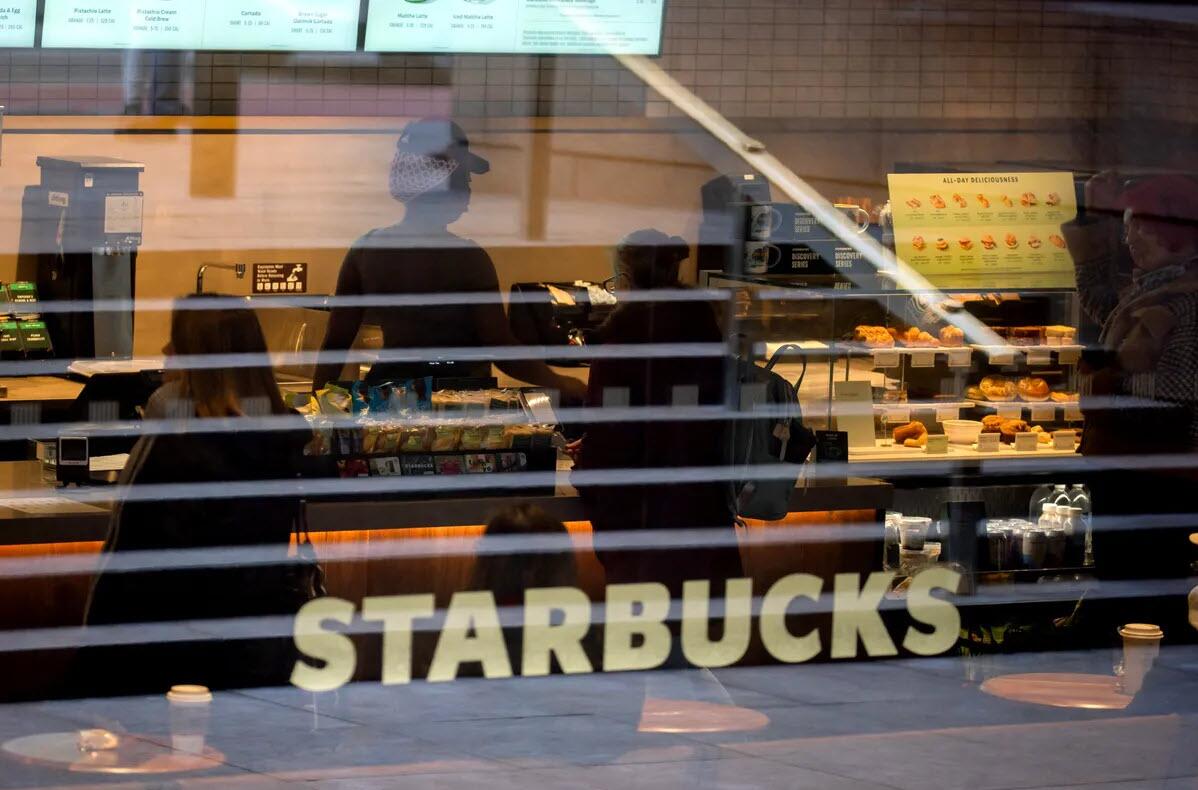
 The invesitgation aims to further President Trump's goal to end foreign violence on American soil and return jobs to the American people.





 A Federalist inquiry into the Federal Judicial Center uncovered the influence of a left-wing advocacy group in a manual advising judges.
 The law should encourage able adults receiving taxpayer-funded benefits to contribute to the community while advancing their own self-sufficiency, and the new Medicaid rule does just that.
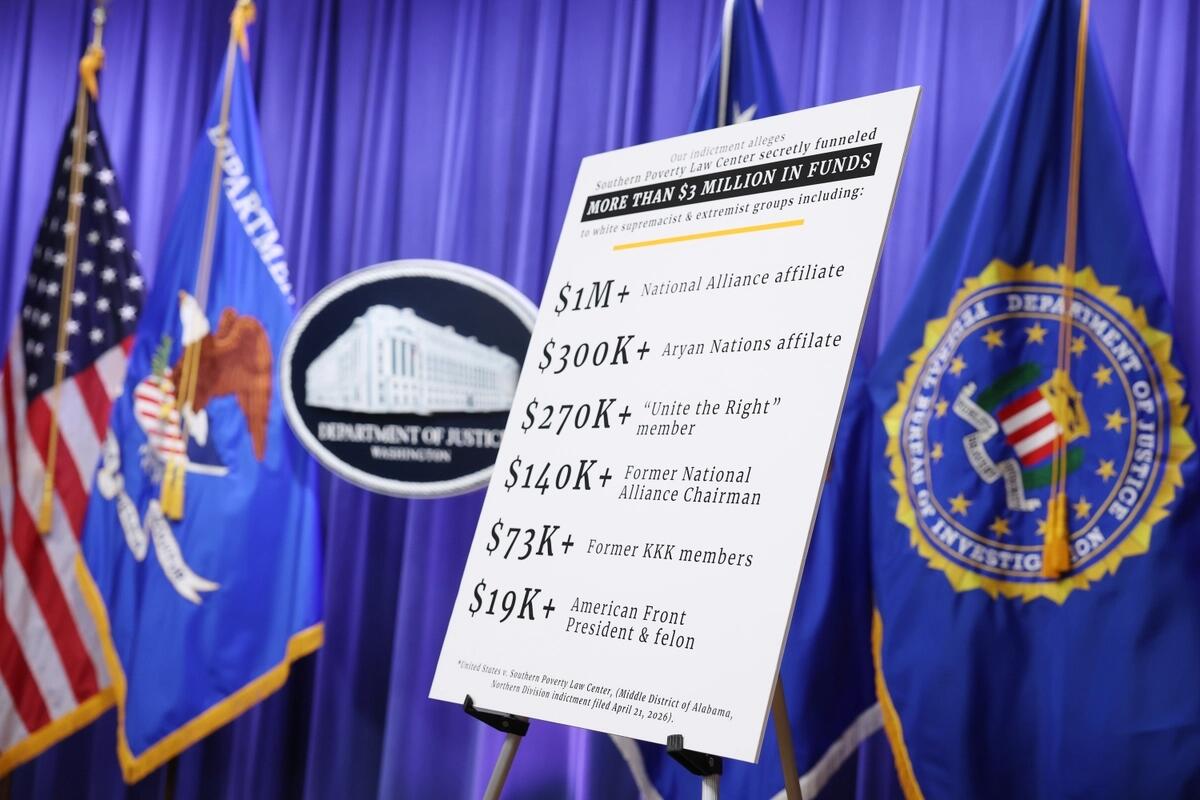
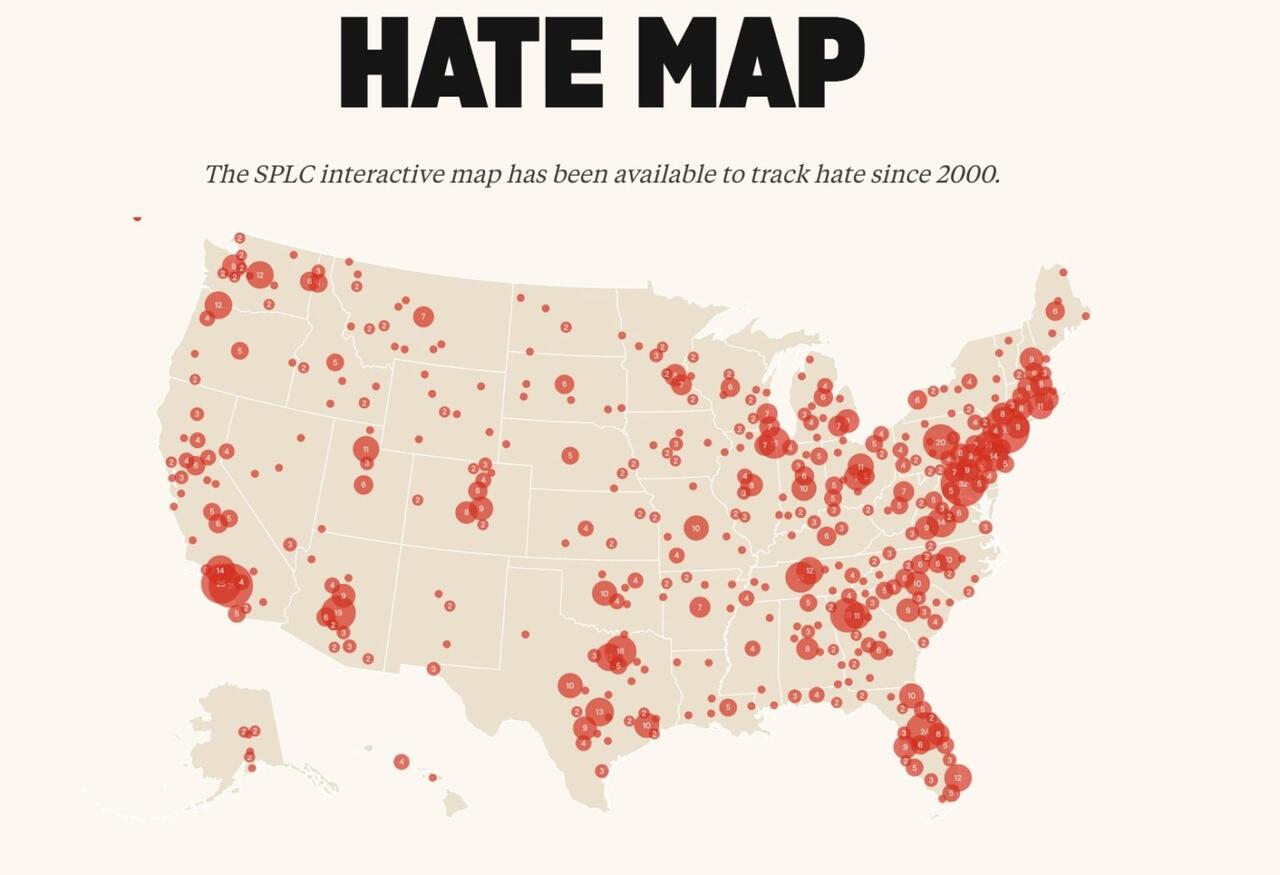

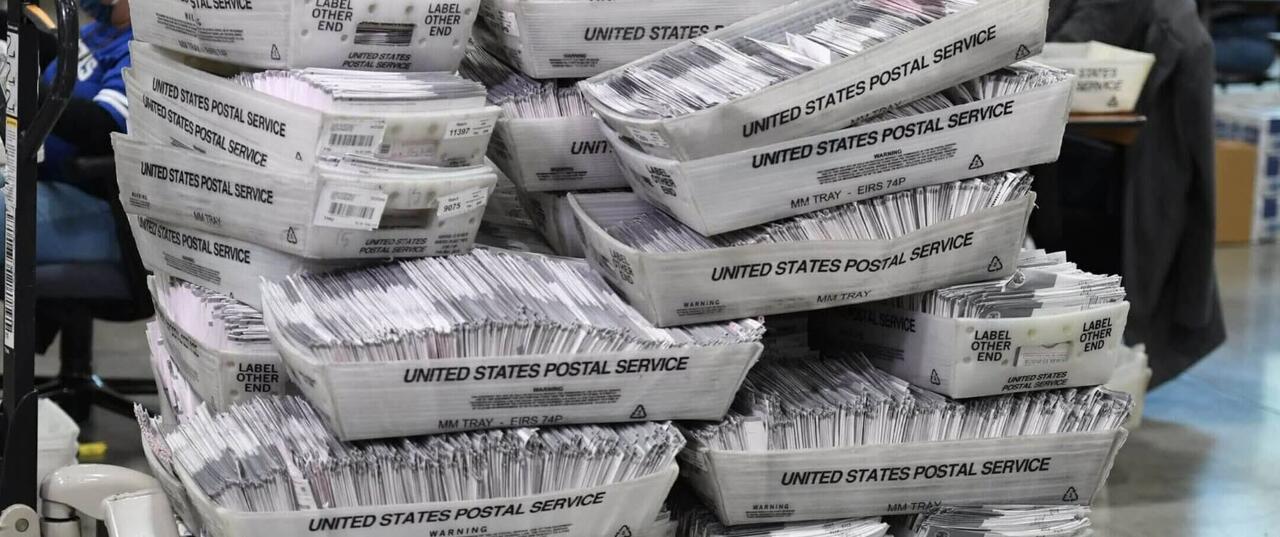
 Why there will be a groundswell of new small businesses and how the Trump administration can help them flourish.
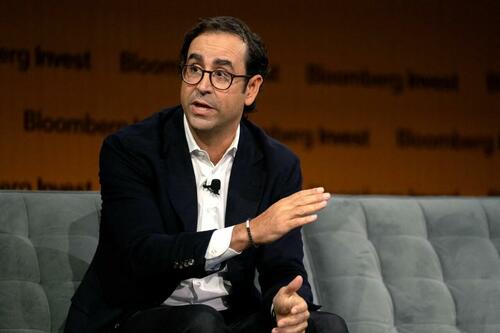
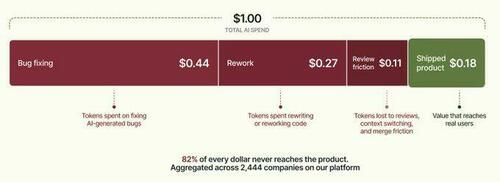

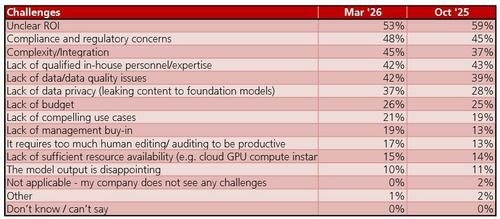
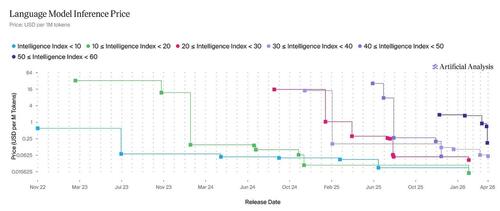

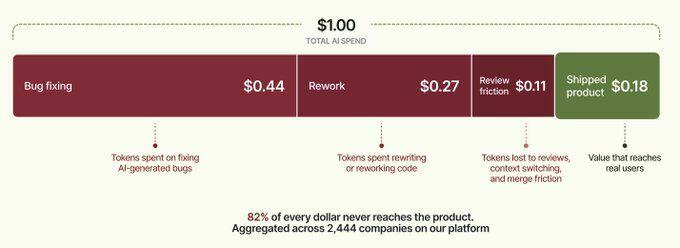

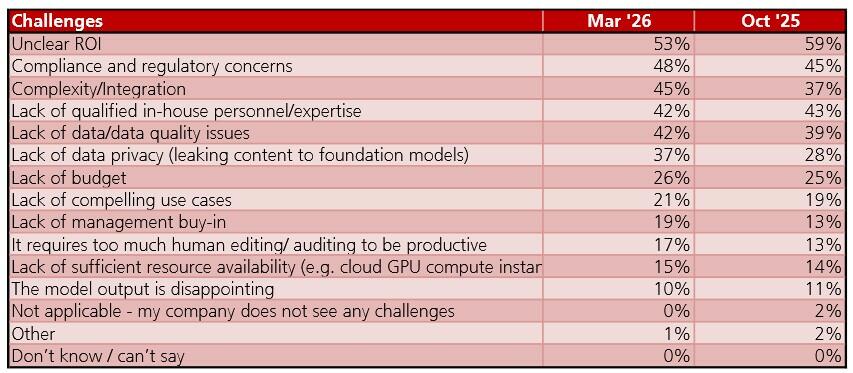
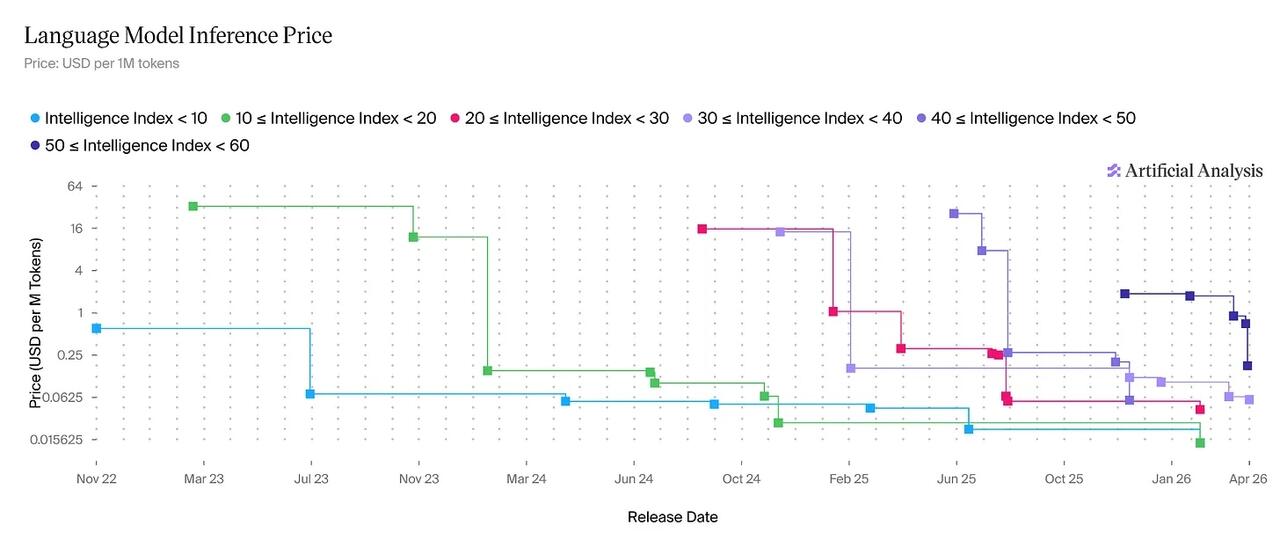


 According to the Department of Education’s definition of English learner, this grant funding may be used to help
someone 'who is migratory.'
According to the Department of Education’s definition of English learner, this grant funding may be used to help
someone 'who is migratory.'






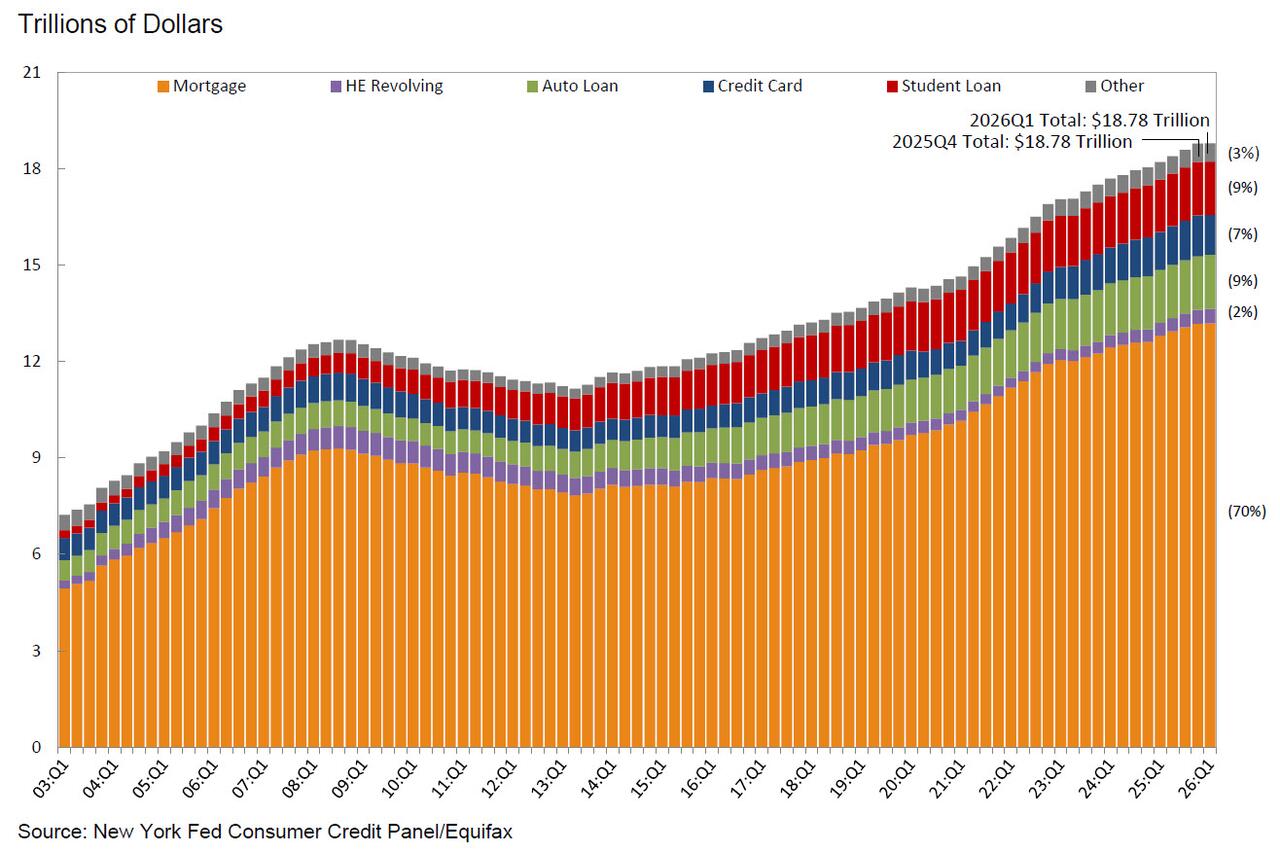
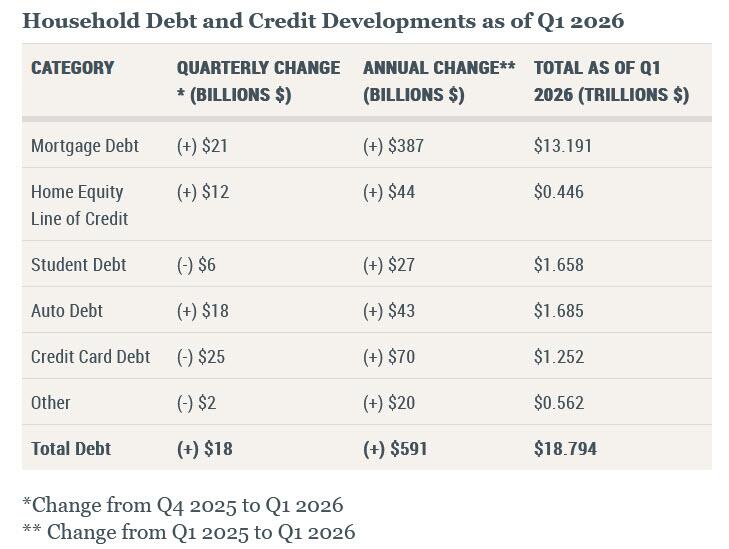
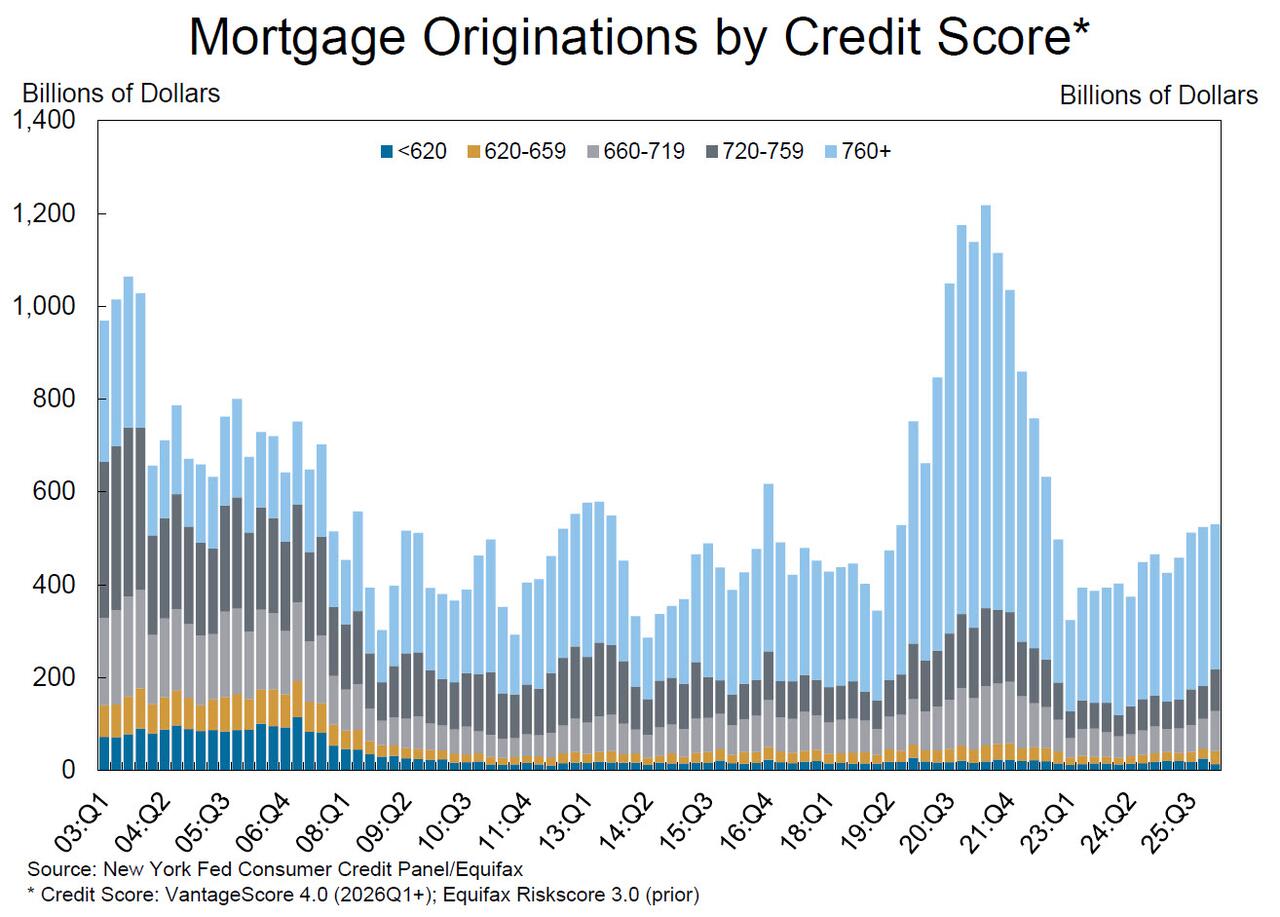
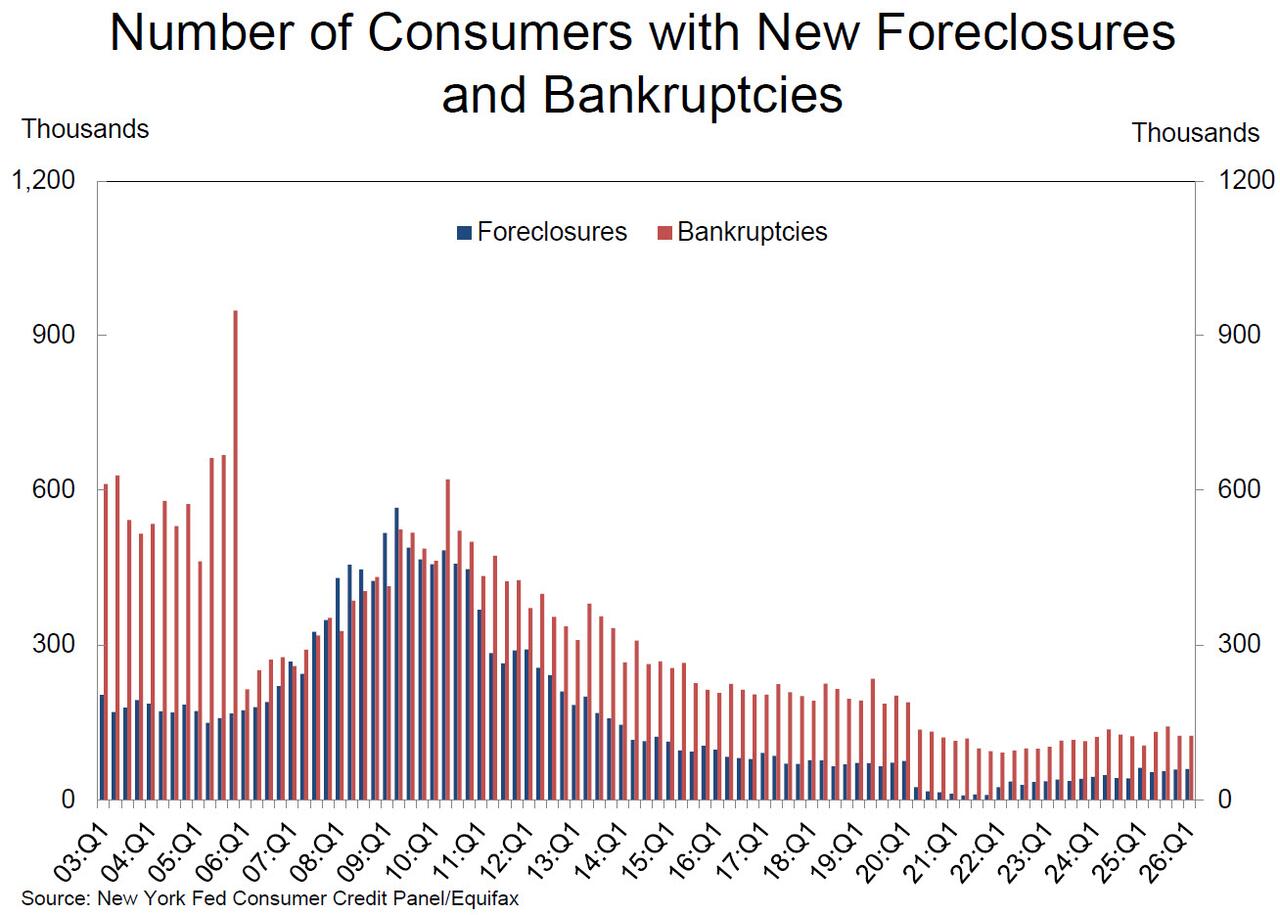
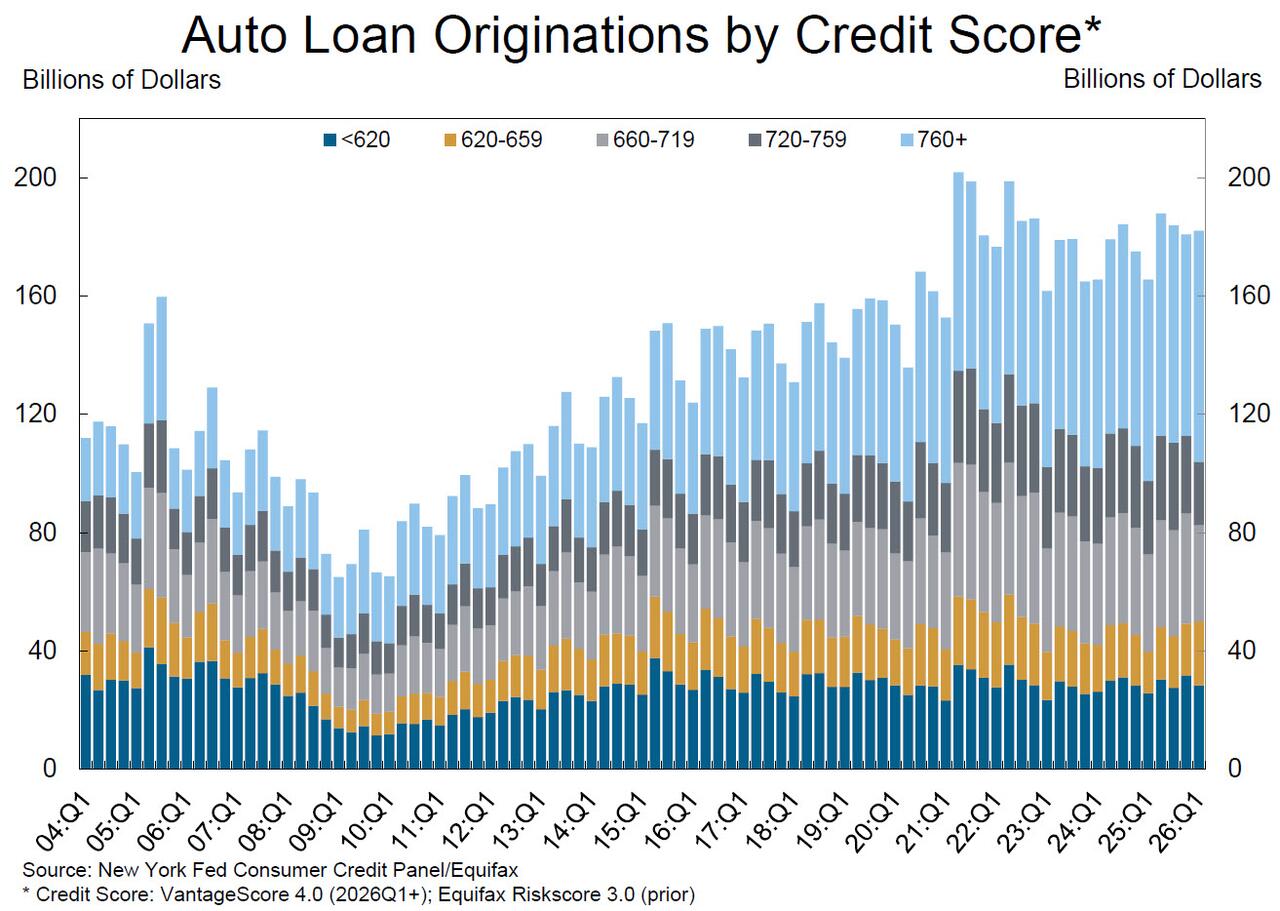
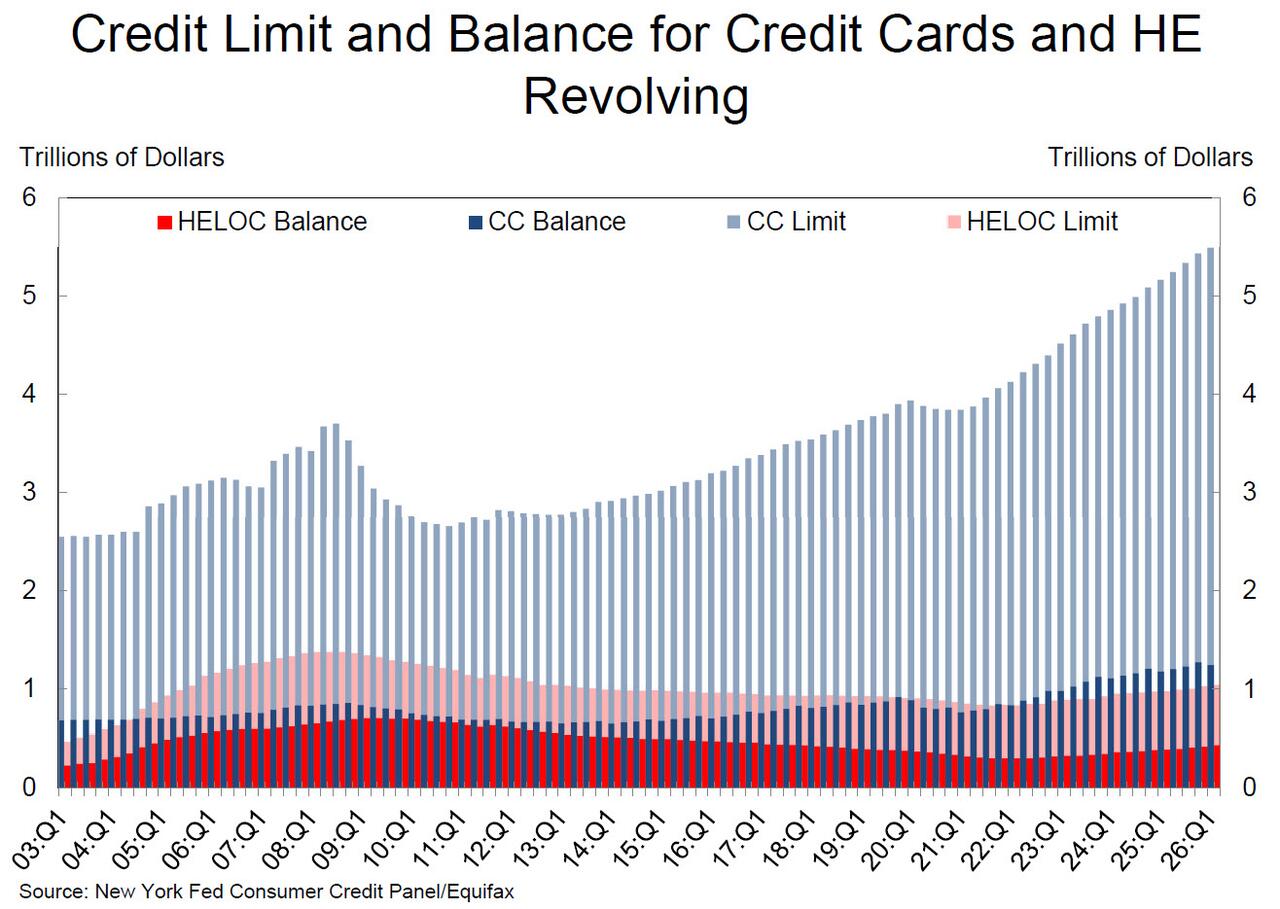
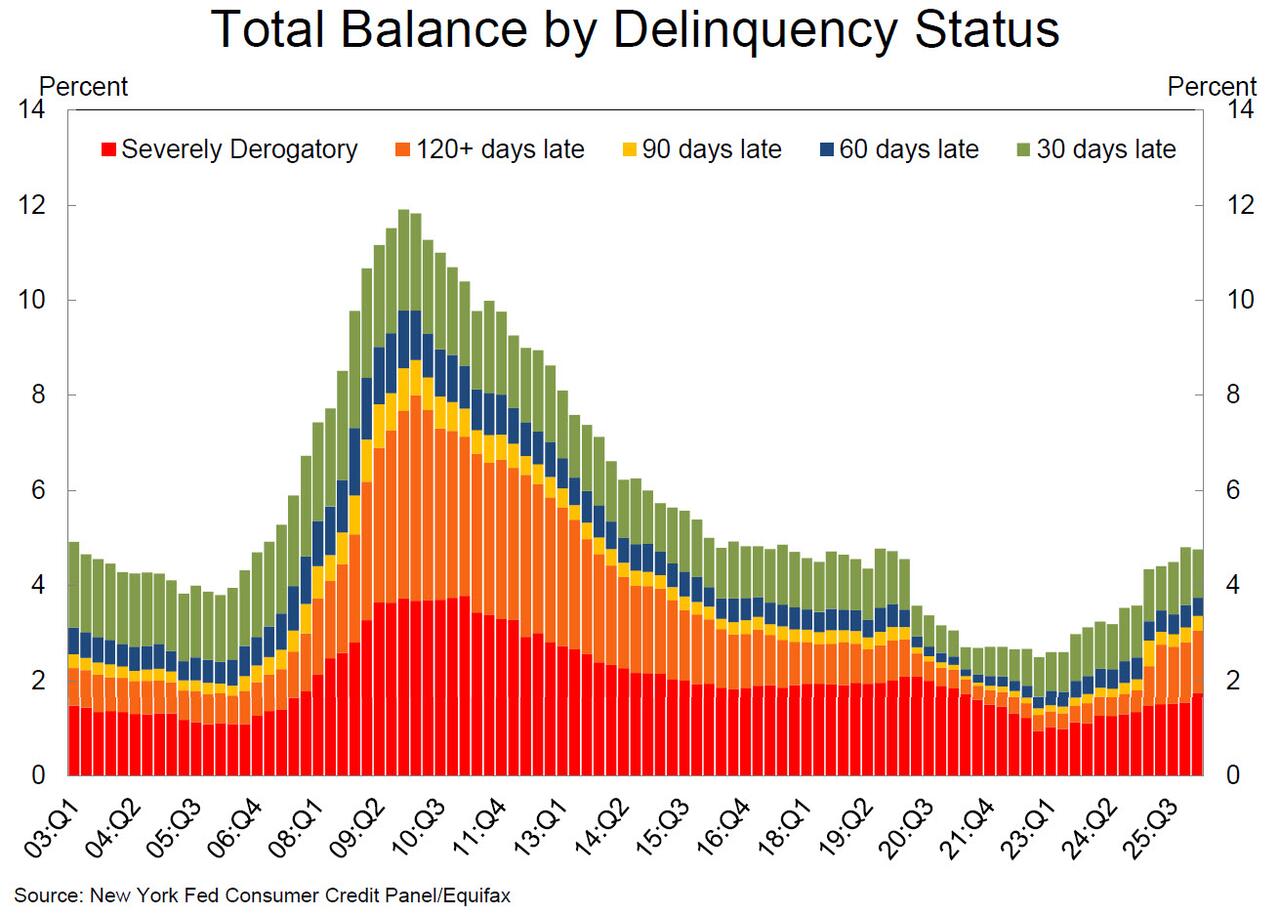
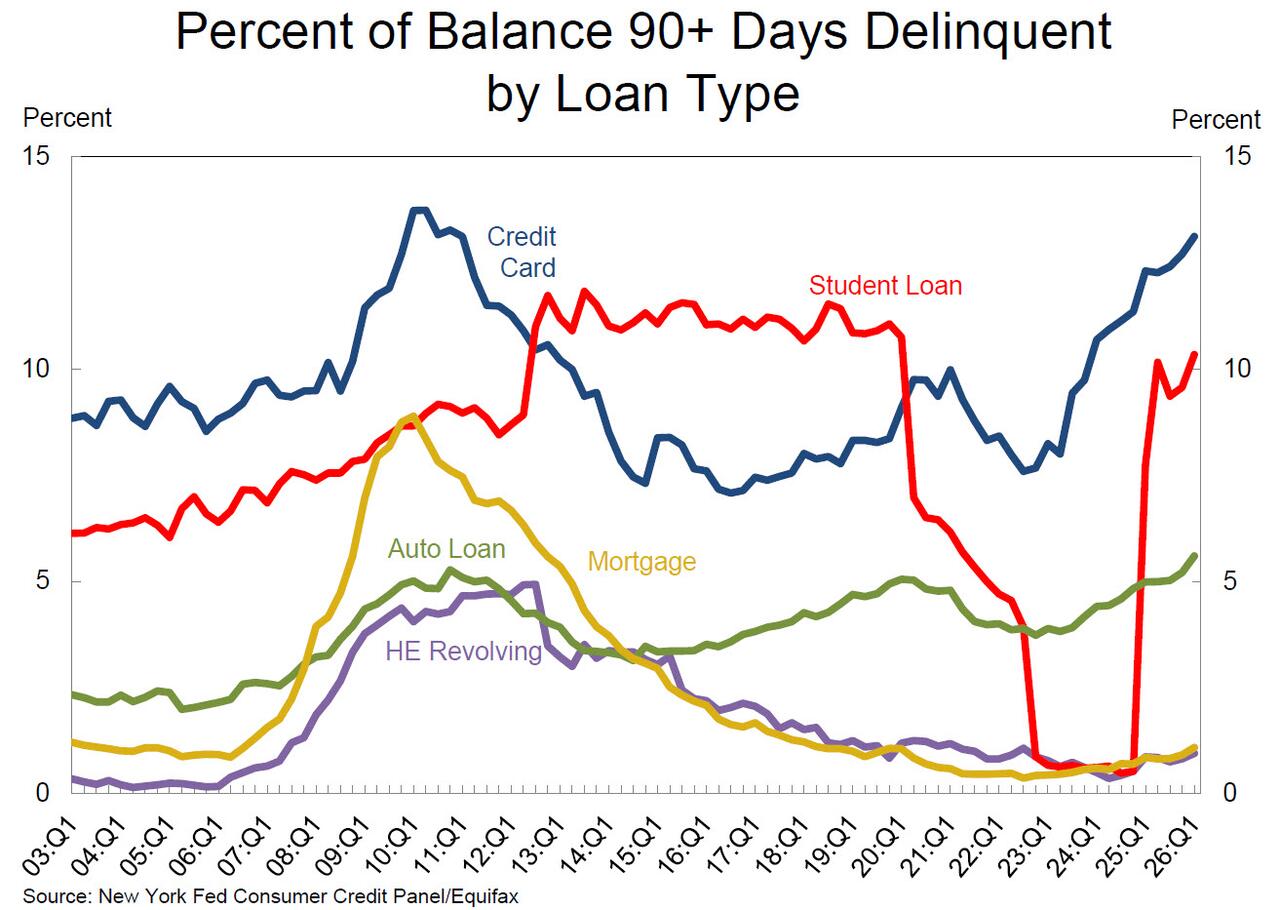
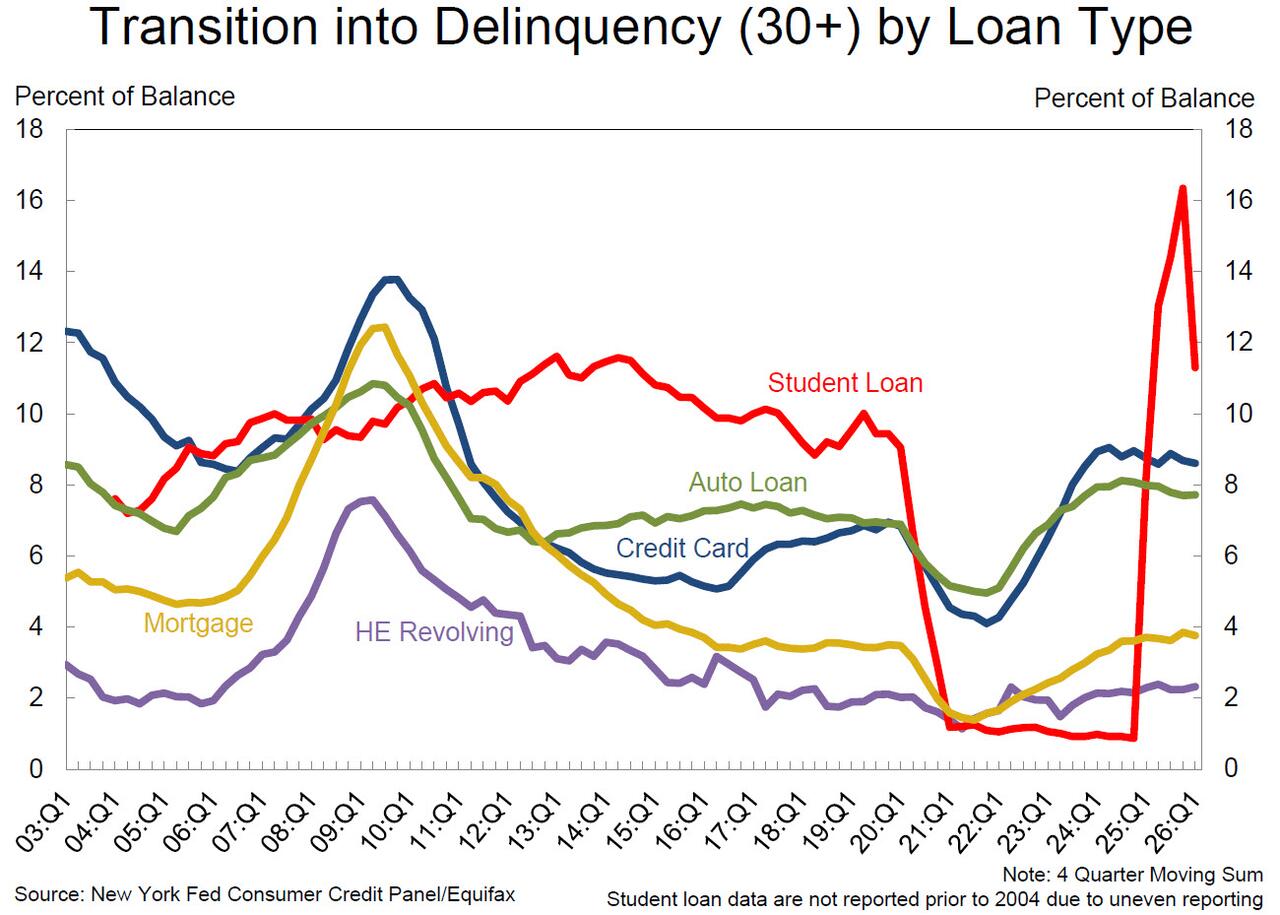
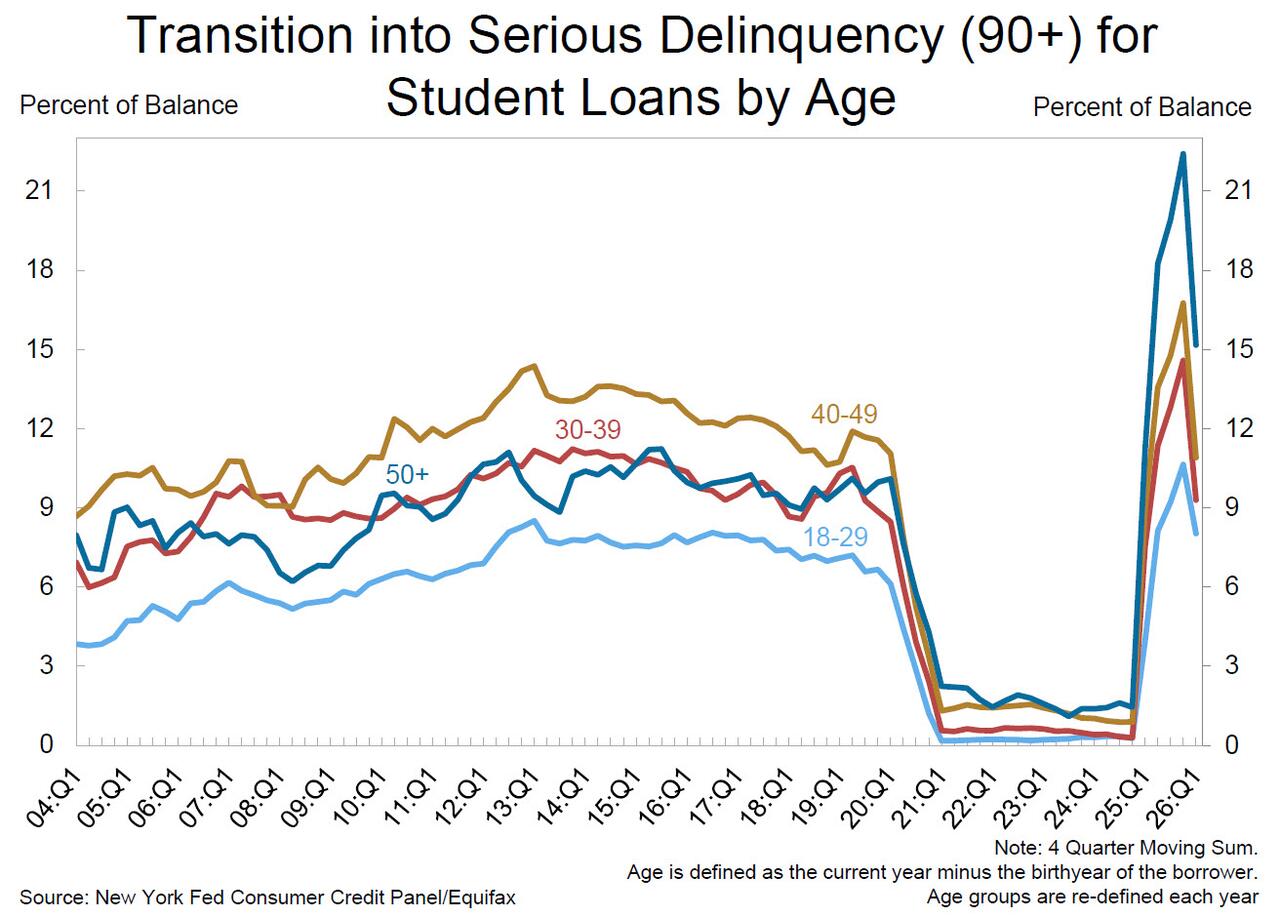

 'The constitution does not explicitly say that only a U.S. citizen can vote in federal elections,' ACV's Avi Fortenberry said.