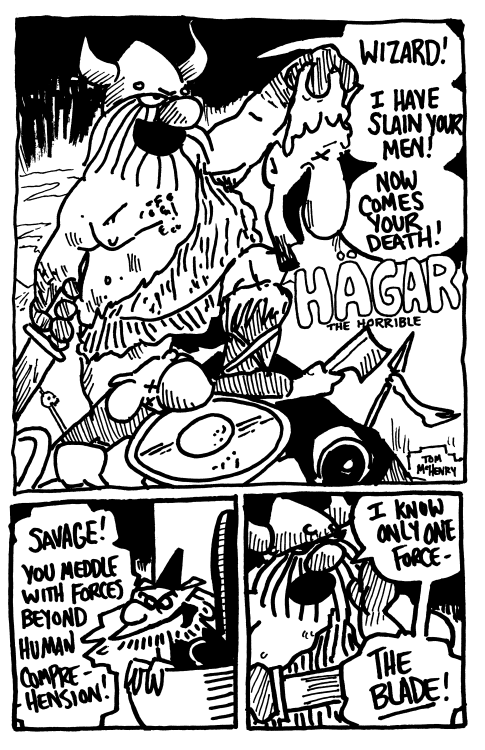


Six-page story I did for the Monster Milk Newspaper Comics anthology sometime early last year. Hagar vs. The Wizard of Id as a Conan story. One of the more successful short stories I’ve ever done, finally available online.
Solid
Six-page story I did for the Monster Milk Newspaper Comics anthology sometime early last year. Hagar vs. The Wizard of Id as a Conan story. One of the more successful short stories I’ve ever done, finally available online.
Solid
Here is a fun quiz: Linguistics or Band Name?
My list of linguistics terms that should be band names would include…
Move Alpha (HT Conjugate Prior)
Most of these terms come from the fields of syntax and semantics rather than, say, phonetics or sociolinguistics. It is certainly my impression that syntacticians and semanticians are the linguists most likely to spend an entire day listening to Phish and arguing about what “or” means.





I did some of these (a few of which were retweeted) and got a bunch of ‘gater pouting - they were clearly camping the tag just so they could piss and moan at people who don’t appear in their G A M E R G A T E tag searches. One of them took the opportunity to start spouting his conspiracy theories about how Aaron Diaz is a stalker.
Thanks for the validation, you shit-magicians.

the whole time i was in the theater, i was just trying to come up with a pun on the title to tweet. i guess i didn’t have to go, since i already knew what the title was. i didn’t actually see the movie
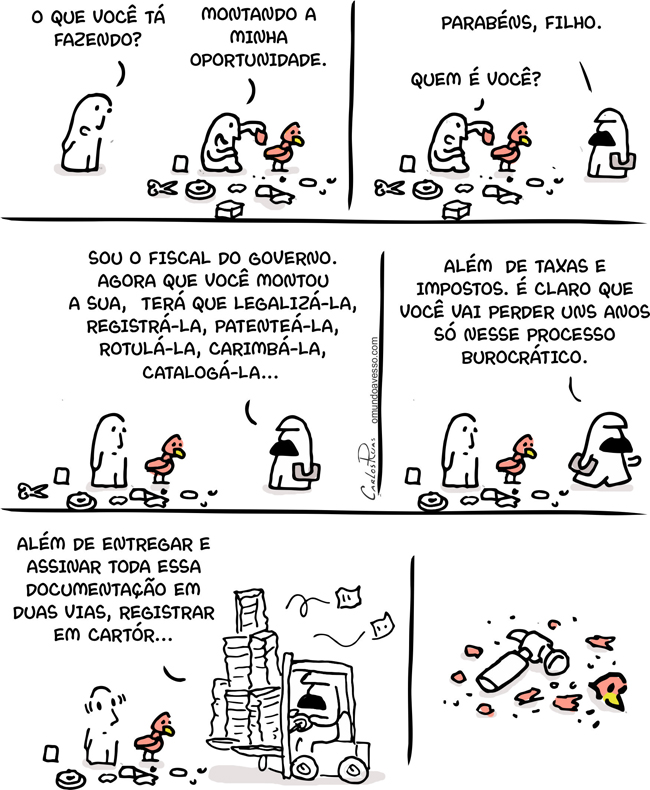
Um agricultor médio de Mato Grosso que deseja plantar soja terá dificuldades com a colheita.
A colheita é executada por imensas e moderníssimas colheitadeiras, vendidas ao preço de R$ 1 milhão a R$ 2 milhões cada uma.
O agricultor pode alugar a colheitadeira. Terá que contratar o tratorista –e não saberá o que fazer com ele no resto do ano- e será responsável por reparos de possíveis danos que ocorrerem quando estiver empregando o equipamento.
Finalmente o médio agricultor pode se associar a outros agricultores e comprar a colheitadeira em condomínio. Qualquer pessoa que já participou de reunião de condomínio pode imaginar as dificuldades. O equipamento danifica-se em uma propriedade. Quem é responsável pelo reparo? Quem assinará a carteira do tratorista? A lista é grande.
A dificuldade em contratar empresa terceirizada especializada no serviço de colheita e outros aspectos rígidos de nossa legislação acabam jogando o médio agricultor para a cidade. Ele arrenda ou vende a terra para um grande agricultor, que tem economia de escala para arcar com todos esses custos, e deixa o campo.
O projeto de lei 4.330 tem por objetivo permitir que empresas especializadas em colheita e outras especializadas na aplicação de inseticidas, e assim sucessivamente, possam ser criadas. Exemplifico com a agricultura para ser didático, mas evidentemente as implicações são para o conjunto da economia.
A colheita é atividade-fim. No entanto, como a narrativa nos parágrafos anteriores sugere, o custo de transação de o fazendeiro internalizar essa atividade-fim em seu próprio negócio é muito elevado. Ele terá que adquirir um equipamento caro, cuja manutenção é muito cara, terá que ter um profissional muito especializado, que operará o equipamento poucas semanas por ano etc.
Uma empresa especializada nessa atividade poderá ofertar o serviço de colheita de forma muito mais eficiente. A empresa será proprietária de inúmeras colheitadeiras, empregará pessoal especializado que poderá ser treinado na própria empresa, terá um relacionamento estreito com o fabricante do equipamento, poderá ter um setor de mecânica e manutenção etc.
Há muito tempo sabemos que a distinção entre atividade-meio e atividade-fim, além de difícil de ser feita, não é a distinção relevante para sabermos quais atividades devem ser internalizadas em uma mesma firma e quais devem ser adquiridas no mercado. A linha deve ser traçada levando em conta o custo da geração no interior da firma e o custo de aquisição no mercado.
É esse o objetivo do projeto de lei 4.330, em votação na Câmara. Por exemplo, é possível que uma montadora de automóvel considere que é mais eficiente terceirizar a atividade de pintura dos carros. Se esse for o caso –não tenho a menor ideia se é–, o PL permitirá que seja contratada uma empresa especializada de pintura automotiva que operará nas instalações da montadora.
Note que não será possível a contratação de empresa terceirizada para ofertar somente a mão de obra –o parágrafo 3º do artigo 4º é muito claro na vedação da intermediação de mão de obra– e o funcionário da empresa terceirizada terá os mesmos direitos de higiene, segurança e salubridade dos funcionários da contratante da terceirizada, como especificado no artigo 13.
Finalmente, o artigo 15 do PL estabelece que a "responsabilidade da contratante em relação às obrigações trabalhistas e previdenciárias devidas pela contratada é subsidiária, se ela comprovar a efetiva fiscalização de seu cumprimento, nos termos desta lei, e solidária, se não comprovada a fiscalização".
Os cuidados para evitar abusos foram tomados. O PL representa importante item na modernização das relações trabalhistas e visa aumentar a eficiência produtiva de nossa economia.
Difícil entender a grita contra a regulamentação dessa importante possibilidade contratual.
Third-year chemistry major, submitted by

|
|
|
|
|

Location: Brazil
Osias JotaI hate the onion
The point of inviting strippers...was to attract large crowds to the deceased’s funeral – seen as a harbinger of good fortune in the afterlife.

In her latest series of paintings, Barcelona-based artist and illustrator Cinta Vidal Agulló defies gravity and architectural conventions to create encapsulated scenes of intersecting perspectives. Painted with acrylic on wood panels, Vidal refers to the paintings as “un-gravity constructions” and says that each piece examines how a person’s internal perspective of life may not match up with the reality around them. The intersecting planes on many of her paintings are somewhat reminiscent of drawings by M.C. Escher, where every angle and available surface is inhabited by colorful characters going about their daily lives. She shares in a new interview with Hi-Fructose:
With these un-gravity constructions, I want to show that we live in one world, but we live in it in very different ways – playing with everyday objects and spaces, placed in impossible ways to express that many times, the inner dimension of each one of us does not match the mental structures of those around us. The architectural spaces and day-to-day objects are part of a metaphor of how difficult it is to fit everything that shapes our daily space: our relationships, work, ambitions, and dreams.
Vidal just opened a new exhibition of work at Miscelanea BCN in Barcelona and you can read an in-depth conversation with the artist on Hi-Fructose.


When the deer killed off the forest, they decided to let the wolves loose to fix it. We had no idea what exactly we had done.
If you haven’t seen this video, take a few minutes and watch it. You will be happy you did.
|
|
|
|
|
|
Osias Jotadá-lhe
dá-lhe dá-lhe Ê
o vulcão é o rei
Chile's Calbuco volcano erupted on Wednesday, spewing a giant funnel of ash high into the sky over a sparsely populated, mountainous area, triggering a red alert. Authorities ordered an evacuation for a 10-kilometer (six-mile) radius around the volcano. Calbuco is the second volcano in southern Chile to have a substantial eruption since March 3, when the Villarrica volcano emitted a brief but fiery burst of ash and lava.

Osias JotaÉ a crepusculização da múmia!
Where did this horror movie thing of mummies walking come from was it just some racist weird western notion to further exotify Egypt?? Did anyone actually believe this before The Mummy (the really old version) came out in the 20’s?
Buckle up, y’all, I wrote my thesis on this so I actually know the answer to it. Please take a moment to prepare yourself for white people being even grosser than you thought we were. No, grosser. NO, grosser than that. Okay, you’re ready.
Of course, many cultures have myths about the dead rising up, but the mummy occupies a really unique place in the Western imagination. As far as we can tell, Western anxieties about Egyptian mummies didn’t appear until until the Early Modern period of European history. During this time, Europeans had some…interesting ideas about medicine. Some of these ideas involved straight-up fucking cannibalism. Yep! Mummy parts were crumbled up and used as tinctures or ingested, most frequently to stanch internal bleeding. It wasn’t until people began to realize that eating other humans might contribute to the spread of disease that the practice died out. It’s very probable that fears & anxieties about Egyptian mummies specifically came from their association with disease.
Egyptian mummies continued to be used as raw material up to and throughout the 19th century; they were used to make paint pigment and paper, and some people claim they were also used as fertilizer and fuel. (The last part is almost certainly not true, because the “fuel” thing comes from a Mark Twain joke that subsequent writers took seriously.) They were also the subject of Pettigrew’s famous mummy demonstrations, in which a greasy amateur scientist and showman unrolled mummies in front of London high society. They were ALSO taken into people’s private homes and treated as curios - having looted artifacts was considered a sign of refinement and good personal curatorship.
Despite treating mummies as objects and resources, the Victorians must have known on some level that desecrating corpses was not 100% okay, because it’s around this time that we start to see mummy fictions.
Including Victorian mummy erotica.
Mummy fictions in the 19th century mostly focused on romantic conquest of the mummy, but there was an element of horror in them too; in these fictions (including ones by Bram Stoker and Arthur Conan Doyle, among others) we see a lot of fear & anxiety about the mystical powers of the mummy, which I’m pretty sure comes from Englishmen feeling vaguely guilty about having dead people in their houses. (Not guilty enough to put them back, though!) EDIT: if you’re wondering where, specifically, the idea of mummies walking is from, it’s from these stories.
As mummy romance fell out of vogue, the accompanying horror element stayed. When the tomb of Tutankhamun was opened in 1922 and a series of unfortunate events conspired to make people believe in a curse, Western anxieties about the mummy skyrocketed, and birthed the mummy-horror tradition we see today.
Of course, all of this history IS absolutely rooted in racism and exotification; as I said in my thesis:
It is tempting to dismiss the use and abuse of mummified bodies as a quirk of history, an unusual and unrepeatable phase of Western culture. However, to do so would be to dismiss years of imperialism, of colonialist thought, in which people of “the Orient” - a category in which Egypt was definitively included - existed in the Western imagination as curios, commodities, and curiosities, not as human beings.
This concludes the super long answer that no one asked for or wanted. If you take away anything from this, I hope it’s that if you’re European, your great-great-great grandfather was probably a cannibal and your great-grandma was probably into mummy porn. Sweet dreams!

For some advertisers, it’s not enough that ads constantly flash in front of your eyeballs. They want to make sure that you don’t just see their ads, but also interact with them in the hopes of searing their brands into your brain. Do these interactive ads actually entertain you? Or are they more trouble than they’re worth.

|
|
|

Osias Jotaseems legit
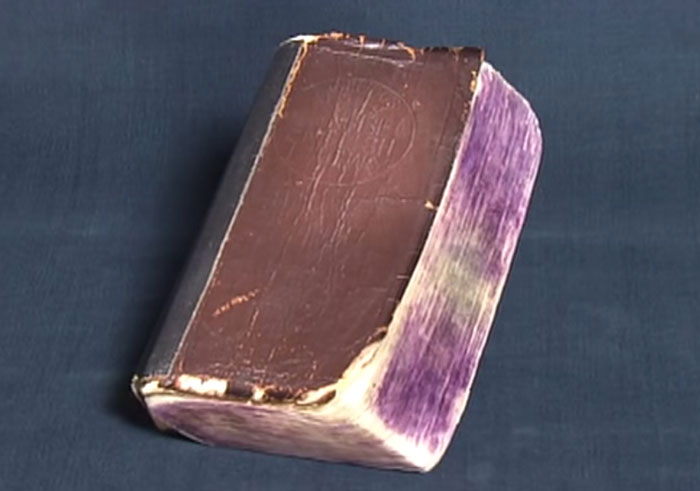
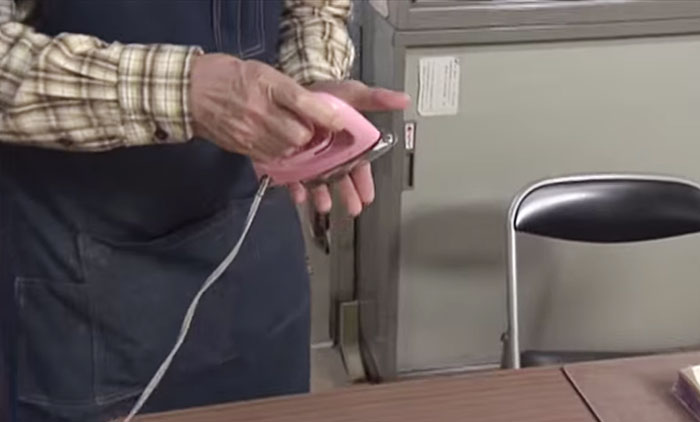
Instead of being lost to memory, an old, tattered 1,000-page English-Japanese dictionary was given new life when its owner handed it over to Nobuo Okano, a Japanese master craftsman who has spent 30 years perfecting the art of restoring old books.
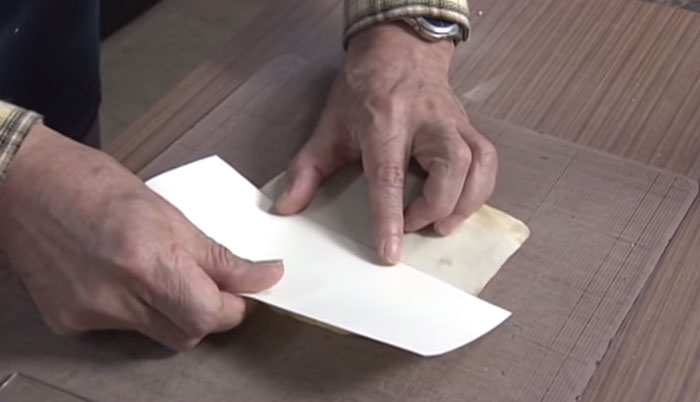
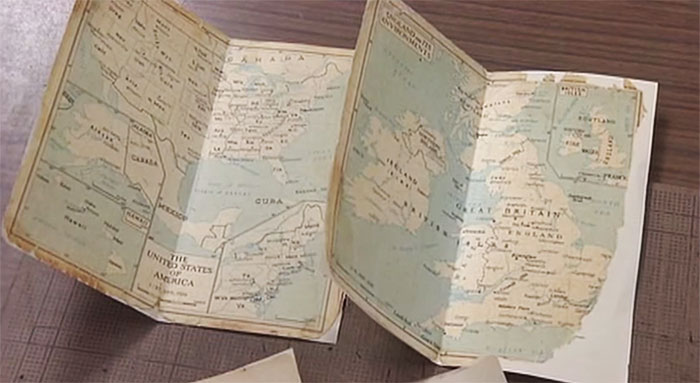
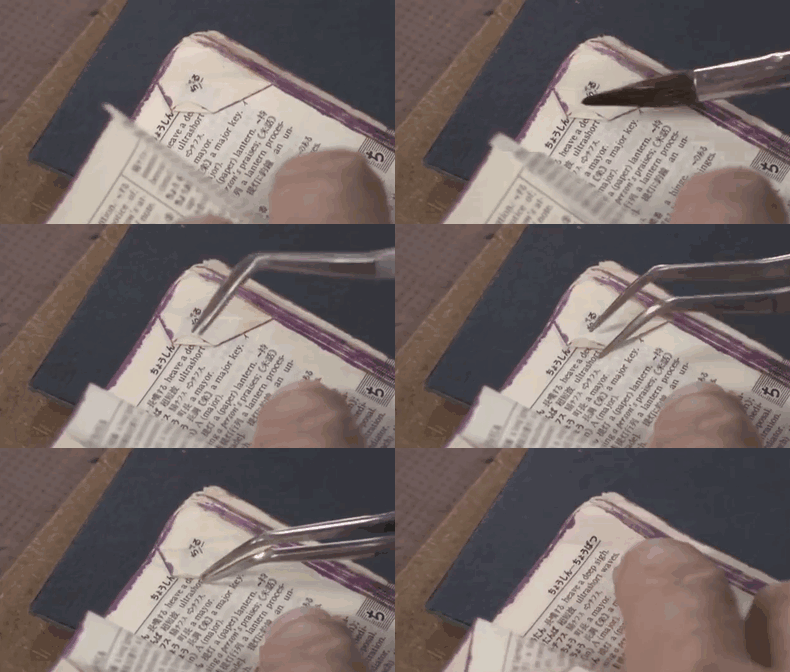
His process was detailed on a Japanese show called Fascinating Craftsman (Shuri, Bakaseru). The most painstaking part is probably when he individually unfolds every page’s corners with a tweezer and irons them! Read on for more about the process.
(h/t: rocketnews)








|
|
|

|
|
|
 Expanded from


 Super Opinionated.