
Shared posts


03 Jul 19:51
This graffiti artist's 'experiment' with the authorities escalated hilariously
Albener PessoaMust click to see the pictures
LONDON — A British graffiti artist's year-long battle with a local council – and how that squabble transformed an otherwise unremarkable brick building – has been recorded in a gloriously amusing photo series.
See also: 20 Colorful Bits of Graffiti That Make the World More Beautiful
The anonymous Mobstr, who runs a website that "documents images of work found on streets and other locations by persons unknown", gave Mashable permission to publish the series here.
"I cycled past this wall on the way to work for years," wrote Mobstr in an introduction to the photos. "I noticed that graffiti painted within the red area was "buffed" with red paint. However, graffiti outside of the red area would be removed via pressure washing. This prompted the start of an experiment. Unlike other works, I was very uncertain as to what results it would yield. Below is what transpired over the course of a year."
These images were re-published with the permission of the photographer. You can see more of Mobstr's work here.
Have something to add to this story? Share it in the comments.
03 Jul 18:02

AEP : 5 conselhos para você não se tornar um velho nerd chato
 Diz o senso comum que se conselho fosse bom não era dado de graça. Mas os mestres do zen-nerdismo me ensinaram que isso não é necessariamente verdade e não é o caso aqui. Na verdade são sugestões para você não se tornar um nerd mala com o passar do tempo, porque, com sorte, vamos todos envelhecer.
Então gostaria de compartilhar com vocês leitores, especialmente entre aqueles mais experientes, cinco recomendações para não se tornar um velho nerd chato. Não é fácil. Devo dizer que é um exercício diário, que é colocado à prova constantemente, mas vale a pena.
E por que cinco?

O número 5 representa o homem diante do Multiverso ou diante de Deus na tradição judaico-cristã. Também representa o movimento, a transformação. Se você está parado, então só há duas hipóteses: ou você está estagnado ou chegou à perfeição. E vamos convir: a segunda opção não é muito provável. Então seguem cinco conselhos para você não ficar parado no tempo.
De um nerd velho que tenta não virar um mala para outros que, espero, não se tornem.
1. Leia sempre coisas novas e procure encontrar o que há de bom nelas
Entre em contato com as novas produções de séries, filmes, quadrinhos etc. Ao invés de comparar com as coisas “da sua época” tente ver o que elas têm de interessante, de legal, de novo.

2. Não torça o nariz para reboots, remakes e mudanças em novos personagens
Essa aqui é um pouco mais difícil, eu admito. Todo mundo começou a acompanhar algum personagem ou franquia em algum momento e quando há alguma mudança a primeira reação é “Meu Deus, estão acabando com [insira o quadrinho/filme/série que você quiser aqui] ! Estão destruindo a essência de [insira novamente o quadrinho/filme/série que você quiser aqui! Já discuti isso em detalhes nesse post.
O Superman dos Novos 52 não é melhor nem pior que o Superman pré-Crise e ele não é pior nem melhor que o da Era de Ouro. A série clássica de Star Trek era muito legal, mas, se não fosse o filme do J. J. Abrams, seu filho talvez não curtisse tanto a Enterprise e por aí vai. Você pode aproveitar a novidade ou ficar dentro de seu museu. A escolha é sua.

3. Converse com gente jovem e veja do que estão gostando, sem julgar
Você curte quadrinhos? Pergunte para uma criança de 8, 12 anos ou aos adolescentes de 16, 18 que curtem quadrinhos o que estão lendo e gostando. Leia também, conheça, procure entender o motivo de acharem determinado quadrinho (ou série, ou filme, ou livro) tão legal. Tente não julgar. Olha, sei que é difícil no meio dos Crespúsculos da vida, mas… ninguém aqui disse que seria fácil.

4.Releia quadrinhos, veja novamente séries e filmes antigos que você gostava
E descubra que, talvez, eles não eram tão bons assim quanto você pensava. Esse é um exercício curioso que faço periodicamente. Às vezes consigo sentir exatamente a mesma empolgação quando li da primeira vez, outras não. Muitas vezes descubro que histórias que eu achava excelentes, no final das contas, não eram tudo isso. Isso ajuda você a não acreditar que tudo na sua época era melhor. Talvez algumas coisas até fossem, mas certamente não tudo.

Quando era moleque achava foda pra caralho, hoje acho apenas… nhé.
5. Não caia no discurso “na minha época era melhor”
Sua época era melhor? Sim, mas porque era sua. Em roteiro e na vida existe a lei dos retornos diminutivos. O nome varia, mas a ideia é mesma: a primeira vez que você experimentar algo vai ter a sensação mais incrível possível e vai querer repetir aquilo… quando você repetir, a sensação não vai ser a mesma, ela será menor e assim por diante. Você sempre vai tentar encontrar a sensação da primeira vez e nunca vai conseguir. Exemplo em filmes: lembra de Missão Impossível 2? A primeira vez que você é apresentado à possibilidade dos agentes mudarem totalmente sua aparência você é surpreendido… mas o recurso é usado tantas vezes no filme que, no final, invés de ser surpreendido, você fica esperando para ver quando vai acontecer novamente.
O professor Clóvis de Barros Filho explica essa mesma ideia, aplicada à vida no vídeo abaixo:
Você já leu inúmeros quadrinhos livros, assistiu mais filmes e séries que toda essa molecada. É difícil agradar você. A época de se empolgar imensamente com qualquer coisa já passou, não que não seja possível empolgar-se, mas isso, pela lei dos retornos, se tornou mais difícil. Para os mais jovens não, eles estão na fase de achar que tudo é bom pra caralho, foda mesmo, porque são as primeiras vezes deles, e não a sua. Respeite o momento da nova geração.
Resumindo: envelhecer, todos vamos. Transformar-se num chato e achar que tudo que é novo é ruim, é opcional. Você pode se fechar no seu “museu do passado mítico” e achar que tudo era melhor na sua época ou tentar desfrutar o sabor da novidade com os mais jovens. A escolha é sua.
Nota: sei que a leitura dinâmica que fazemos na internet muitas vezes não nos permite pensar sobre algo que lemos por mais de um segundo, portanto: do mesmo modo que tudo o que foi produzido no passado não era necessariamente bom, igualmente tudo o que está sendo produzido agora também não é. Existem coisas boas e ruins em todas as épocas. O que estou dizendo é “dê uma chance ao novo”, e não “acate o novo sem restrições”. Há um abismo entre uma coisa e outra. Como resumiu o Giulianno nos comentários: “mente aberta e senso crítico”.


 J
J
02 Jul 23:27
Can New Chicago Taxes On Netflix, Apple, Spotify Withstand Legal Challenges?
by samzenpus
Albener PessoaNum eh que sairam na frente do Brasil pra taxar p Netflix ...
Mr D from 63 writes: Today, a new "cloud tax" takes effect in the city of Chicago, targeting online databases and streaming entertainment services. Residents who stream movies and music from companies like Netflix and Spotify will now need to pay an additional 9% tax. This also applies to Chicago businesses that pay to use databases online. Chicago expects to collect $12 million a year as a result of the new tax ruling. From the 24/7 Wall St. story: "Also worth noting is that the city’s tax ruling in both cases avoids the issue of whether there is a close-enough connection (nexus, in legalese) to require providers like Netflix or others to collect either tax. International law firm ReedSmith weighs in on this point as well: '[O]nce the Department begins to audit and assess customers located within the city, many of those customers are likely to demand that providers collect the tax going forward. As a result, many providers will likely feel the need to register to collect the taxes, despite lacking nexus, and despite having strong arguments against the Department’s expansive interpretation of its taxing ordinances.'"


Read more of this story at Slashdot.
firehose likes this
01 Jul 19:11
Were All Those Rainbow Profile Photos Another Facebook Study?
-
Leigh Prather / Shutterstock Continue ReadingThe social network learns more about its users than they might realize.
Facebook, you may have noticed, turned into a rainbow-drenched spectacle following the Supreme Court’s decision Friday that same-sex marriage is a Constitutional right.
By overlaying their profile photos with a rainbow filter, Facebook users began celebrating in a way we haven't seen since March 2013, when 3 million peoplechanged their profile images to a red equals sign—the logo of the Human Rights Campaign—as a way to support marriage equality. This time, Facebook provided a simple way to turn profile photos rainbow-colored. More than 1 million people changed their profile in the first few hours, according to the Facebook spokesperson William Nevius, and the number continues to grow.
“This is probably a Facebook experiment!” joked the MIT network scientist Cesar Hidalgo on Facebook yesterday. “This is one Facebook study I want to be included in!” wrote Stacy Blasiola, a communications Ph.D. candidate at the University of Illinois, when she changed her profile.
-
Benjamin Myers / Reuters A Former Israeli Ambassador Takes Aim at Obama—and American Jewry
Continue ReadingThe historian and Knesset member Michael Oren accuses the president of distancing the U.S. from Israel, and calls out left-wing Jews and Israel’s Jewish critics in the American press.
In a recent post, I suggested that the intervention of two men, the former U.S. national security advisor Tom Donilon and the former Israeli ambassador to the United States, Michael Oren, might help improve the dysfunctional relationship between the Obama administration and the government of Israeli Prime Minister Benjamin Netanyahu.
At the time I wrote this, both men had reputations as people who were concerned about preserving the extraordinarily complicated, and extraordinarily close, U.S.-Israel relationship, and both had spent a good deal of time calming the waters between Obama and Netanyahu. Today, Donilon maintains that reputation. As for Oren …
Put it this way: If Goldblog readers would allow me to withdraw the suggestion, I’d be much obliged. Oren has created a new role for himself: acid critic of the Obama administration and of left-leaning American Jews (especially in the press and in the White House) who, he believes, are trading on their Jewishness when they criticize Israel. Oren’s critique, at its heart, is simple: Obama, in part because he wanted to reconcile the U.S. with the “Muslim world” (a very large, ill-defined, and politically complicated concept, in Oren’s mind), decided to distance the United States from Israel; to surprise Israel by altering U.S. Middle East policy without prior notice; and to negotiate with Israel’s most potent enemy without alerting Israeli leaders.
-
Brian Frank / Reuters The GOP Fails Its Empathy Test
Continue ReadingOver the last two weeks, Republican presidential candidates have repeatedly missed opportunities to demonstrate that they care about communities outside of their traditional base.
After Mitt Romney’s defeat in 2012, the Republican National Committee published an “autopsy.” “When it comes to social issues,” the autopsy declared, “the Party must in fact and deed be inclusive and welcoming. If we are not, we will limit our ability to attract young people.” The autopsy also added that, “we need to go to communities where Republicans do not normally go to listen and make our case. We need to campaign among Hispanic, black, Asian, and gay Americans and demonstrate we care about them, too.”
The last two weeks, more than any since Romney’s defeat, illustrate how miserably the GOP has failed.
Start with June 17, when Dylann Roof, a young white man enamored of the Confederate flag, murdered nine African Americans in church. Within three days, Romney had called for the Confederate flag’s removal from South Carolina’s capitol. Four days later, the state’s Republican governor and senators called for its removal too. But during that entire week—even as it became obvious that the politics of the flag were shifting—not a single GOP presidential candidate forthrightly called for it to be taken down. Instead, they mostly called it a state decision, a transparent dodge politicians deploy when they don’t want to make a difficult call.
-
HBO True Detective Season 2: Enter Birdman
Continue ReadingThe second episode of the new season was a slow burner with a dramatic twist.
-
Adam Levey A World Without Work
Continue ReadingFor centuries, experts have predicted that machines would make workers obsolete. That moment may finally be arriving. Could that be a good thing?
1. Youngstown, U.S.A.
The end of work is still just a futuristic concept for most of the United States, but it is something like a moment in history for Youngstown, Ohio, one its residents can cite with precision: September 19, 1977.
For much of the 20th century, Youngstown’s steel mills delivered such great prosperity that the city was a model of the American dream, boasting a median income and a homeownership rate that were among the nation’s highest. But as manufacturing shifted abroad after World War II, Youngstown steel suffered, and on that gray September afternoon in 1977, Youngstown Sheet and Tube announced the shuttering of its Campbell Works mill. Within five years, the city lost 50,000 jobs and $1.3 billion in manufacturing wages. The effect was so severe that a term was coined to describe the fallout: regional depression.
-
David Goldman / AP Obama’s Grace
Continue ReadingThe president delivers his single most accomplished rhetorical performance, and it’s one you should watch rather than read.
-
Carlos Barria / Reuters Renting: Awful for Just About Everyone Right Now
Continue ReadingTwenty-five percent of Americans are spending more than half of their income just to keep a roof over their head.
If you’ve gone through the painstaking process of renting a new apartment in the past few years, you probably faced some sticker-shock. Vacancy rates are low, really low. And despite ever-present scaffolding, construction in many cities is still slow, as new tenants move in but few move out. The result is that in almost every major metro area, the rent is, in fact, too damn high.
Basic wisdom (which was largely established by rules governing public housing eligibility) warns a healthy bank account means that one’s housing costs shouldn’t exceed about one-third of a person’s take home pay. While that might be a prudent suggestion because, after all, people do have other bills and savings goals, it’s become virtually impossible to adhere to for many who live in major metro areas.
-
AP/The Atlantic What ISIS Really Wants
Continue ReadingThe Islamic State is no mere collection of psychopaths. It is a religious group with carefully considered beliefs, among them that it is a key agent of the coming apocalypse. Here’s what that means for its strategy—and for how to stop it.
What is the Islamic State?
Where did it come from, and what are its intentions? The simplicity of these questions can be deceiving, and few Western leaders seem to know the answers. In December, The New York Times published confidential comments by Major General Michael K. Nagata, the Special Operations commander for the United States in the Middle East, admitting that he had hardly begun figuring out the Islamic State’s appeal. “We have not defeated the idea,” he said. “We do not even understand the idea.” In the past year, President Obama has referred to the Islamic State, variously, as “not Islamic” and as al-Qaeda’s “jayvee team,” statements that reflected confusion about the group, and may have contributed to significant strategic errors.
-
Wikimedia What This Cruel War Was Over
Continue ReadingThe meaning of the Confederate flag is best discerned in the words of those who bore it.
-
Edward Edmondson, Jr. / Dayton Art Institute / Wikimedia Colonial Americans Drank Roughly Three Times as Much as Americans Do Now
Continue ReadingIn 1784, the doctor Benjamin Rush described alcohol as a threat to morality—and a danger to the nascent republic.
Go ahead, have a small beer; it will bring “Serenity of Mind, Reputation, Long Life, & Happiness.” Even a strong beer would be fine, for that brings “Cheerfulness, Strength, and Nourishment,” as long as it’s only sipped at meals. So declared Benjamin Rush, one of the signers of the Declaration of Independence and the early republic’s most prominent physician. In his loquaciously named pamphlet, An Inquiry Into the Effects of Ardent Spirits on the Human Mind and Body, first published in 1784, Rush describes the “usual” downward spiral of drink. What starts as water and wine quickly turns into punches and toddies and cordials, ending with a hopeless vortex of gin, brandy, and rum, “day and night.”* In the pits of intemperance, one can expect such vices as “Idleness, Gaming, peevishness, quarrelling, Fighting, Horse-Racing, Lying and Swearing, Stealing and Swindling, Perjury, Burglary, [and] Murder,” with punishments including “Black eyes and Bags,” “State prison for Life,” or, worst of all, “Gallows.”**
-
Living Simply With a Flip Phone
Watch VideoIt's quite possible to live and date in New York without a smartphone.
-
A Rational Defense of Sleeping Alone
Watch VideoImagine a world where everyone sleeps well, because no one sleeps together.
-
The Case for the 32-Hour Workweek
Watch VideoRyan Carson, the CEO of Treehouse, discusses the benefits of a four-day workweek and why more companies can, and should, do it.
29 Jun 18:08
Faculdade faz até reunião de pais contra 'geração mimada'
O ingresso de alunos cada vez menos autônomos na graduação tem levado universidades privadas a adotarem práticas de colégio, como reunião de pais e boletins.
O centro universitário Belas Artes, na Vila Mariana (zona sul de SP), passou a promover, há um semestre, um encontro entre pais e professores depois da primeira prova. Além disso, a família pode acompanhar notas e a frequência do aluno no portal.
O intuito da reunião é discutir as dificuldades dos estudantes e passar confiança aos pais, sobretudo aos que se mostram superprotetores.
O coordenador do curso de publicidade, Eric Carvalho, 38, diz que a prática decorre da frequência com que estudantes, até nos anos finais da graduação, recorrem aos pais para reclamar de notas.
Segundo Carvalho, tendem a ser mais conscientes os alunos que pagam a própria mensalidade –de R$ 1.482 a R$ 3.513 na Belas Artes. Mas em instituições frequentadas pela classe média alta, a família costuma custear os estudos, e os jovens precisam de um empurrãozinho, diz.
Para ele, esses estudantes têm autonomia limitada e repertório incipiente. "Não quero generalizar, mas é uma geração um pouco mais mimada", afirma.
Na ESPM (Vila Mariana), com mensalidade na faixa de R$ 3.000, também se nota a presença dos pais. O diretor de graduação, Luiz Fernando Garcia, diz ter registro –"graças aos céus, poucos"– de mãe reclamar de reprovação em MBA (especialização).
Durante o vestibular, a escola convida as famílias para conhecer instalações e professores. Os aprovados podem assistir à aula inaugural com os pais. É como um rito de passagem. "A gente reforça o recado: 'Muito obrigado pela confiança. A partir daqui, é conosco'", diz Garcia.
Ele conta que se tornou comum mães acompanharem filhos até a sala de espera em entrevistas do estágio, "e ainda quererem entrar junto...".
A universidade Mackenzie, na Consolação (centro), passou, no ano passado, a fazer um encontro de início de curso com pais, que lotou um espaço de mais de 900 lugares.
O reitor, Benedito Aguiar, diz se preocupar com a "afluência" de estudantes a bares em horário de aula. Nesse sentido, analisa, falta maturidade para perceber que precisa de "afinco e dedicação" aos estudos.
Um indicador da mudança de perfil é a queda na procura pelo período noturno. Com curso pago pela família, alunos não precisam trabalhar e são mais "vigiados" em casa. "O protecionismo talvez contribua para a acomodação de alunos", afirma o reitor.
29 Jun 14:19
AEP : Harrassment Portuguese
Enjoy the cold, emotionless embrace of Robot Hugs.


©2009-2015 Robot Hugs | Powered by WordPress with ComicPress | Subscribe: RSS | Back to Top ↑
28 Jun 21:39

AEP : 15 classic science fiction and fantasy novels that publishers rejected

Science fiction's greatest authors have brilliant ideas, storytelling mojo... and plenty of stubbornness. Many of the field's greatest writers were buried in rejection slips, before they finally broke in. Here are 15 classic novels that publishers didn't want to touch.
When we were doing our list of 10 science fiction classics that the publishers originally considered a failure last week, we came across tons of examples of authors whose most well-known and beloved books were rejected over and over. So we decided to do a separate list of those.
Some of science fiction/fantasy's classic books failed to win over readers at first. And the… Read more Read more
1) The War of the Worlds by H.G. Wells (1897)
This alien invasion classic was rejected by publishers before it was serialized in Pearson's Magazine in 1897. One publisher's rejection letter described the book as "An endless nightmare. I do not believe it would 'take'...I think the verdict would be 'Oh, don't read that horrid book.'" Also, Wells' The Time Machine was rejected by one publisher with the note that it was "not interesting enough for the general reader and not thorough enough for the scientific reader."

2) Animal Farm by George Orwell (1945)
This rejection story's got everything: a crusader against censorship being censored, a Soviet spy, and famous poet T.S. Elliot. When Orwell first shopped the book around in 1944, everyone viewed it as excessively critical of the USSR, while the USSR was helping Britain defeat Nazi Germany. Four publishers rejected Animal Farm, including Orwell's regular publisher. Another publisher accepted the novel, but then rejected it at the request of Peter Smollett, an official working in the British Ministry of Information. Smollett was later revealed as a Soviet spy. Faber and Faber also rejected the book, with T.S. Eliot penning the letter himself. Refusing the book for being "generally Trotskyite," he added, "We have no conviction that this is the right point of view from which to criticise the political situation at the current time." In fact, the book would not be published until WWII was over.
After finding a publisher, Orwell wrote a preface to Animal Farm, "Freedom of the Press," about self-censorship during the war. In it he stated that, "Anyone who challenges the prevailing orthodoxy finds himself silenced with surprising effectiveness." The preface was not published. Source: Taylor, David John (2003). Orwell: The Life. H. Holt. p. 197. (Animal Farm cover by Shepard Fairey.)

3) Fahrenheit 451 by Ray Bradbury (1953)
The short story version, and even the original novel, had little trouble getting published. But back in the early 1950s, if you wanted eyeballs on your words or to get readers interested in your book you got it serialized. Not to mention that serialization rights sales meant you got paid again (sometimes more) for the same book. But nobody was willing to serialize Fahrenheit 451. Except Hugh Hefner. When no one else would serialize it, Fahrenheit 451 was published in Playboy magazine. Hefner and Bradbury recently appeared on stage together to discuss the history of this novel (video here) and Hefner explained that he'd just started Playboy in late 1953, and Bradbury's novel was already out in book form, but nobody had serialized it. "You have to realize what the 1950s were like. A story about book-burning in the future seemed so perfect for its time, and so perfect for the magazine that I was planning on publishing, that all I could do was contact Mr. Bradbury," says Hef. The novel appeared in the third, fourth and fifth issues of the magazine. Adds Bradbury in this other video, "So all of you young men who have stacks of Playboy under your bed, I put them there!"

4) The Once and Future King by T. H. White (1958)
White finished his masterpiece about King Arthur in 1941, only to have it rejected because the final section was considered too pacifist — and therefore against the British war effort. Various sections appeared in print thereafter, like The Sword In The Stone. White waited out the war and the publishers, and the book was finally published in its complete form in 1958. Source: Clute, John, and John Grant. The Encyclopedia of Fantasy. New York: St. Martin's Griffin, 1999. Pg 1010.

5) A Wrinkle In Time by Madeleine L'Engle (1962)
This classic children's novel of time travel was rejected 26 times by publishers. Not only did it win the Newberry Award, it helped lure in a new generation of science fiction lovers (especially girls). And it sold some eight million copies.

6) Dune by Frank Herbert (1966)
Every book publisher — 23 of them — rejected Herbert's masterpiece before it was accepted, for almost no money, by Chilton, a small Philadelphia publisher of business magazines and automotive manuals. Writes Dune's friend Frederik Pohl:
No book publisher was interested in acquiring the hardcover rights to this rapidly expanding mass of manuscript, however, until an editor at the quite small publishing house of Chilton Books managed to stitch the several existing stories into a single huge novel. He called it Dune, and when he published the result, it became a runaway bestseller, said to be the most profitable sf book ever written.
Dune won the Hugo Award and the first ever Nebula Award. And it has gone on to sell some 40 million copies. (Dune cover by Tony Easley)

7) Nova by Samuel R. Delany (1968)
John W. Campbell rejected the serialization rights to Nova, Delany's ninth book. Delany had already won his first Nebula Award, and was nominated for two more that year. Campbell's reason for rejecting Nova? American readers weren't ready to read science-fiction with a black main character. And yet American readers turned Nova into a bestseller. It was also nominated for the Hugo. Delany writes about this rejection, as well as other race-related experiences in the science-fiction world in this fantastic essay.

8) The Left Hand of Darkness by Ursula K. Le Guin (1969)
Yes, this book won both the Nebula and the Hugo, but at least one editor didn't think it was worth publishing. Le Guin has the letter up on her website. The highlight?
The book is so endlessly complicated by details of reference and information, the interim legends become so much of a nuisance despite their relevance, that the very action of the story seems to be to become hopelessly bogged down and the book, eventually, unreadable. The whole is so dry and airless, so lacking in pace, that whatever drama and excitement the novel might have had is entirely dissipated by what does seem, a great deal of the time, to be extraneous material. My thanks nonetheless for having thought of us. The manuscript of The Left Hand of Darkness is returned herewith.

9) The Forever War by Joe Haldeman (1974)
The Forever War wasn't just a best seller — it also won both the Hugo and the Nebula. And 18 publishers regret that they turned it down. Writes Haldeman in the foreword to one edition:
It was rejected by eighteen publishers before St. Martin's Press decided to take a chance on it. "Pretty good book," was the usual reaction, "but nobody wants to read a science fiction novel about Vietnam."
The book wasn't just rejected by book publishers, though — John W. Campbell rejected serializing the novel for Analog, because it had women fighting alongside men. His successor, Ben Bova, had no such qualms and agreed to serialize the book — but wouldn't publish the middle section, "You Can Never Go Back," because it was too grim. (That middle section first appeared in print, in a new edition of the book in 1991.)

10) Carrie by Stephen King (1974)
Stephen King's first published novel sold four million copies in paperback. And garnered 30 rejections from publishers. One of them wrote, "'We are not interested in science fiction which deals with negative utopias. They do not sell." Tired of rejection slips, King reportedly threw the manuscript into the garbage — but his wife fished it out again, and he decided to try one more time.

11) The Female Man by Joanna Russ (1975)
Russ wrote her second novel in 1970, but it took five years to find a publisher. Publishers rejected this classic of New Wave science fiction, writing things like: "We've already published our feminist novel this year, so we don't want another," and "I'm sick and tired of these kinds of women's novels that are just one long whiny complaint." Source: Larry McCaffery, ed., Across the Wounded Galaxies, (Chicago: University of Illinois Press, 1990), p. 194-195.

12) Kindred by Octavia Butler (1979)
Butler writes that she had "years of rejection slips" before her first novel saw print. According to her obituary in the Seattle Post Intelligencer:
Kindred was repeatedly rejected by publishers, many of whom could not understand how a science fiction novel could be set on a plantation in the antebellum South. Butler stuck to her social justice vision - "I think people really need to think what it's like to have all of society arrayed against you" - and finally found a publisher who paid her a $5,000 advance for Kindred.
Kindred became the most popular book by the MacArthur Genius award winner.

13) Harry Potter and the Philosopher's Stone by J.K. Rowling (1997)
The number bandied around the internet is that 12 major publishers rejected the first Harry Potter book, before someone was willing to take a chance. Rowling recently told Oprah Winfrey,
My agent knows better than I do... It was a lot of people. A lot of people just sent it back, virtually by return post. It was like a boomerang. I did really believe in it. I just though, This is a good story.... For some reason, I can even remember being quite pleased with the rejection letters. "F. Scott Fitzgerald got these. It's all part of being a writer!"
One publisher held onto it for six months before finally rejecting it — and then when Bloomsbury decided to take it on, this other publisher suddenly decided they wanted it too. But Rowling decided that she should go with the publisher that wanted the book right away, rather than the one that kept her waiting and then turned her down. According to the BBC, the entire series has sold more than 400 million books worldwide.

14) Farthing by Jo Walton (2008)
Even after this book was published in the US, Jo Walton had trouble finding a publisher. At least 10 UK publishers rejected this alternate history classic, which is set in a Britain that entered a peace treaty with Nazi Germany. Wrote Walton, "'Slipstream' and 'Interstitial' clearly aren't as in as people tell you they are, at least not in Britain." The book was nominated for a Nebula Award, the Locus Award, John W. Campbell Memorial Award for best science fiction novel, a Quill Award and the Sidewise Award for Alternate History.

15 This Immortal by Roger Zelazny (1966)
This book tied with Frank Herbert's Dune for the Hugo Award for best novel in 1966, but it had a slightly rough road to publication — although not as hard as Dune's. Piers Anthony writes in his book How Precious Was That While that an editor at Doubleday had rejected this book, originally titled And Call Me Conrad. And then after someone else published the book and it won the Hugo, this same editor wrote to Zelazny to chide him for not showing the Doubleday editor the book before sending it elsewhere. Writes Anthony:
Zelazny looked from one hand to the other, as if comparing the two letters from that editor: what was he to make of that?
Source: Anthony, How Precious Was That While, p. 275.
firehose likes this
28 Jun 20:57
This Is Pixar's Secret to Making Moviegoers Cry
+ READ ARTICLE
Editor Kevin Nolting, whose previous credits include Pixar’s Up, reteamed with Oscar-winning Up director Peter Docter on the studio’s inventive Inside Out, which follows an 11-year-old named Riley who moves to San Francisco, and how she’s guided by five emotions inside her head—Joy, Sadness, Fear, Anger and Disgust—which operate inside her “headquarters.”
Nolting talked with The Hollywood Reporter about working with Docter and the Pixar “brain trust” (Pixar’s lead creatives including John Lasseter), how the Inside Out story came together, and how—like with Up—he’s may again bring tears to your eyes.
THR: You made a generation of moviegoers sob during the ‘Married Life’ sequence in Up (during which we see Carl’s life with his wife Ellie before she died). Would you recommend they bring tissues to Inside Out?
Yes, definitely. (laughs)
What’s the secret behind these moments?
I think the secret is the combination of Pete Docter and (co-director) Ronnie Del Carmen. Pete has the initial idea and then he lets Ronny run with it and something magical happens. Also Pete isn’t afraid to go there; he’ll let us go too far and then we dial it back. He’s very conscious about being too sappy, and he has a good sense of that.
[The moments] are always very relatable but we have to earn it. We can’t just add a sad beat because we need a sad beat in the movie. We spend a lot of time making sure we can get to that sad beat, that the audience is ready and that we’re not forcing it on the audience. The character arc has to take you there.
In live-action production, you shoot and then edit. With animation it’s the other way around.
Yes, in animation, at least at Pixar, we spend 2-3 years creating the movie in storyboard form and we generally have 7-8 full screenings for our brain trust, before we go into (animation) production. After each screening, we are willing to rewrite the whole thing or tear it apart or rewrite things. And then in three months we put it up again and see where we’re at. All of the versions have to be edited, with dialog and effects. Essentially we make seven versions of the movie before we go into production, and then once we’re in production, we edit again while in layout, which is camera staging for us. The movie is essentially made first … the last thing we add is the lighting. It’s pretty much completely upside down.
You worked with Pete before. What is the collaborative process like?
Pete is very collaborative, probably the most collaborative director we have here. My editing room is set up so that we can bring in 2-3 story artists who can draw and hear while we’re working, and we have microphones set up so we can record dialog. With him, it’s sort of like making music; he has great ideas and will lay down the base line and bring in different people to add things.
And the brain trust, we screen for them. They give us feedback, positive and negative. Sometimes it’s really hard feedback, but it’s all pointing to making a better movie.
Tell us about editing the dinner table sequence, partly shown in the trailer? (This is a scene during which Riley is having dinner with her parents and the edits move between the dinner table, Riley’s headquarters, and the headquarters’ of her mother and father).
That was one of the first scenes we did, before we really understood what the interchange between the two worlds would be — headquarters and the real world. In that scene we decided to also go inside the parents’ heads and see what happens. That scene evolved over three years, as we learned more about the characters and the construction of the worlds. The challenge was to keep narrative going and the humor going without the audience getting lost, because we were cutting between three headquarters’ with five characters in each, and then out of the dinner table, while making it funny and picking up momentum at the end.
What does this movie meant to you personally?
It means a lot to me, I moved to San Francisco when my younger daughter was 10-years-old. I lived a lot of this movie. I have daughters and experienced their joy when they were young and later when they became more introverted. I think all of the parents that worked on this, had all gone through this.
This article originally appeared on The Hollywood Reporter
More from The Hollywood Reporter:
28 Jun 14:06

rosalarian: veggieheather:wertheyouth:Infographic: Legally...
Albener Pessoavia Firehose
 |
Courtney
shared this story
from  Super Opinionated. Super Opinionated.
|
Infographic: Legally Married and Legally Fired, Center for American Progress
THIS THIS THIS
I’m continuously terrified that people will think LGBT rights is a finished fight as soon as marriage equality passes nationally. There’s still so much extremely important stuff to get to. Marriage is not an end goal.
ThePrettiestOne, firehose and -1 others like this


27 Jun 11:39
Scalia, Thomas, Roberts, Alito Suddenly Realize They Will Be Villains In Oscar-Winning Movie One Day
WASHINGTON—Shortly after turning in dissenting opinions in landmark federal rulings today that struck down the Defense of Marriage Act and conferred full federal benefits to married same-sex couples, Supreme Court justices Antonin Scalia, Clarence Thomas, John G. Roberts, and Samuel Alito reportedly realized today that they would someday be portrayed as villains in an Oscar-winning film about the fight for marriage equality. “Oh, God, the major social ramifications, the political intrigue, all the important people involved in the case—I’m going to be played by some sinister character actor in a drama with tons of award buzz, aren’t I?” said Scalia, joining his fellow dissenting justices in realizing they would be antagonists in a film potentially titled Defense Of Marriage and probably written by Tony Kushner. “I’m going to be portrayed as a closed-minded Neanderthal and the very symbol of backward thinking. And at the end of the movie, when my character realizes he’s on the wrong side of history, the audience will feel emotionally fulfilled because the hero attorney, probably played by George fucking Clooney, will have won. Great.” While they added that they aren’t looking forward to being vilified on screen, Scalia, Roberts, Alito, and Thomas all agreed that the movie would probably be pretty good, and that they could see Paul Dano getting his first Academy Award nomination for his supporting role as a gay rights crusader.
26 Jun 21:58
Gardasil 9 Effectively Stops 90% Of Cancers Caused By HPV In Girls and Boys
Albener PessoaThe article: http://pediatrics.aappublications.org/content/early/2015/06/16/peds.2014-3745
And the text from from Richard Dawkins site:
AP Photo/John Amis, File
by Tara Haelle
The newest HPV vaccine safely and effectively prevents at least four different kinds of cancer in the population recommended to receive it, according to a study in Pediatrics today. Gardasil 9, manufactured by Merck, protects against nine strains of the human papillomavirus, an infection transmitted through direct or indirect contact with the genitals of an infected person.
Researchers tested the vaccine in preteens and teens, those that the CDC’s Advisory Committee on Immunization Practices recommends receive the vaccine, to ensure the vaccine works at least as well as it did in those in earlier clinical trials. The verdict? It works even better.
“With little kids, preteens and teens, you have to show that the antibodies are as good or better than in adult women, whom we know efficacy data in,” said Dr. Stanley Block, a pediatrician in Bardstown, Kentucky, and a co-author of the study, which was funded by Merck. “This vaccine is critically important because we’re talking about four cancers we know absolutely for sure that it prevents – cervical, vulvar, anal and vaginal – and about two thirds of all oral cancers that it should prevent.”
In the study, researchers gave 3,066 boys and girls, ages 9 to 15, a three-dose series of the HPV-9 vaccine. The second dose was administered a month after the first, and the third dose at six months later. A month after the third dose, more than 99% of the participants had sufficient antibody levels for all nine strains included in the vaccine.
study
firehose likes this
26 Jun 13:55


Motorista para em vaga de deficiente físico e tem carro adesivado em Maringá/PR (vídeo)
by Ricardo de Oliveira

Não é somente no Brasil que existem ações contra os motoristas que param em vagas para portadores de deficiência física ou idosos. No entanto, uma delas chamou atenção em Maringá, interior do Paraná.
Um motorista estacionou seu carro, um Fiat Palio Fire, numa vaga para deficiente físico em uma movimentada rua da cidade paranaense. Diante da infração, algumas pessoas adesivaram o veículo com folhas azuis e brancas, estas últimas reproduzindo o símbolo de um cadeirante.
No entanto, a ação de protesto contra o motorista – que não aparentava qualquer deficiência física – não passou despercebida pela polícia de trânsito, que logo tratou de autuar o veículo estacionado regularmente. O proprietário ficou nervoso e retirou parte dos adesivos para poder sair com o carro, fazendo-o cantando os pneus. Confira tudo no vídeo abaixo:
Agradecimentos ao Gustavo Calegari Pialarissi.
A noticia Motorista para em vaga de deficiente físico e tem carro adesivado em Maringá/PR (vídeo) foi publicada no site Notícias Automotivas - Notícias de carros.
26 Jun 11:02


Como é dar aula no ensino superior e a corrupção na universidade
Pensei em escrever um texto crítico e formal a respeito da educação e da sociedade. Mas dizer que a educação é a salvação já ficou meio fora de moda. Portanto, acho melhor apenas contar pra vocês como é dar aula. Lembrando que este texto não é uma crítica à profissão. É apenas uma exposição das frustrações diárias e um apelo a uma mudança urgente de postura, não só dos alunos, mas da sociedade como um todo. Aqui mostro como a postura corrupta está enraizada nos alunos e já virou parte da comunidade acadêmica.
Antes, uma pausa para minha relação com a profissão. Particularmente, gosto muito de ensinar. Gosto de matemática e gosto de entender matemática. Passar adiante minhas paixões é algo que faço por amor. Nunca houve problema sério o bastante para não desaparecer diante do quadro, dos alunos e sobre o tablado. Dar aula e pensar a respeito de matemática apagam, momentaneamente, claro, todos os meus problemas.
“faz prova fácil!”
Minha felicidade se esvai diante das avaliações, dos comentários, da falta de compromisso dos alunos. Ouve-se mais “alivia aí, fessô!” do que “bom dia”, “boa tarde” ou “boa noite.” Há liberdade para chorar, mas não há liberdade para a educação e cortesia.
Pai Rodrigo adivinhando o futuro: Esse mesmo aluno do “alivia aí, fessô!” vai mandar o mendigo que o incomodou pedindo R$ 0,10 ir trabalhar enquanto entra no carro que ganhou do pai porque passou no vestibular.
“vale ponto, fessô?”
Em sua maioria, aluno não faz nada sem receber algo em troca. E a moeda de troca é chamada de ponto. A única motivação é o ponto. Sugestão de livros? Só valendo ponto. Lista de exercícios? Só valendo ponto. Fazer pelo conhecimento é ser taxado de idiota.
trabalhos e listas
Tudo copiado. A cópia é quase sempre nítida. Conjecturo que numa turma de k alunos, apenas 
Pai Rodrigo adivinhando o futuro: Esse aluno que só copia vai taxar de vagabundo quem recebe bolsa família. Vai dizer: “emprego tem demais, basta querer!”
aulas de exercícios
Durante aulas de exercícios, ninguém faz nada. O pedido geral é um resumão bem estilo pré-vestibular. Melhor ainda se você dar dicas do que cairá na prova (e pensar que nem assim os resultado são bons.) Gente pra gritar “faz um resumão aí, fessô!” Nunca falta. Você dá aula por meses antes de avaliação e aí lhe aparece vários que não prestaram atenção em nada, mas no dia da aula de exercícios eles aparecem lá só pra gritar a frase anterior ou pra escolher um exercício aleatório que sequer tentaram. Qual a razão de dar aula se no fim é dado um resumo mágico que abre todas as provas e desvenda todos os segredos?
lista de presença
Como aluno, confesso, nunca gostei de ir às aulas. Sempre preferi estudar sozinho. Assim poderia estudar durante a madruga, horário que sempre fui mais produtivo. Nunca tive problemas com chamadas. A aprovação era minha absolvição. Por conta disso, a única postura que adotei como professor foi a de passar uma lista de chamada e reprovar por infrequência apenas aqueles que não obtiveram 60 pontos. Ou seja, não precisou ir à universidade para ser aprovado? Parabéns, campeão.
A regra da UFMG é reprovar aluno infrequente. Tenha ele a pontuação necessária para sua aprovação ou não. Portanto, estou isentando o aluno de um dever: frequentar a universidade. Qual o resultado? Alunos assinam as listas pelos colegas. O sujeito foi livrado de um dever, mas ele não quer dar nada como contra-partida. Ele ainda quer o direito de, caso reprovado na pontuação, fazer o exame especial.
Nem vou comentar que assinar um documento em nome de outra pessoa é crime. Tem até nome: falsidade ideológica.
Logo, se o professor deseja ser rigoroso com a lista de presença, ele deve chamar nome a nome, como lá nos tempos da escolinha infantil Girafinha Feliz.
Pai Rodrigo adivinhando o futuro: Esse mesmo aluno que pede pro colega assinar a chamada, acha um absurdo o médico que só bate ponto e vai embora. Vai reclamar também do deputado que estava batendo dedo lá pro outro. Vai postar lá na timeline “É um absurdo!”
provas e colas
Esta é a pior parte e a maior prova de que ninguém se preocupa com educação. Durante os meses de aula, o aluno não fez nada. Porém, chegada a prova, não foi possível estudar todo o conteúdo ou simplesmente não estudou mesmo. Qual o recurso utilizado? Cola. A pessoa não cumpriu com suas obrigações como aluno, nada fez até o momento da prova, porém ele ainda quer obter bom resultado. Apesar de totalmente irresponsável, o aluno ainda acha plausível apelar para a cola. Ainda quer uma boa nota. Isso é o absurdo dos absurdos. A incoerência da incoerência.
Existem ainda casos mais absurdos. Aqueles que os alunos pagam outros para fazer a avaliação em seus lugares (preciso lembrar que aqui também se comete crime?). Chegamos ao ponto ridículo de precisar olhar documento dos próprios alunos por conta dessa atitude patética. Isso é literalmente comprar o próprio diploma. É ridículo querer o diploma mas não querer fazer nada.
Pai Rodrigo adivinhando o futuro: O aluno colador, que hoje é engenheiro porque pagou gente mais esperta que ele pra se formar, vai gritar “Fora Dilma! Fora PTralhas! Abaixo a corrupção!” aqui na porta de casa. Ele também vai compartilhar um monte de reportagem sobre a Lava Jato e vai dizer que esse país não tem jeito.
o aluno, o patrão e o futuro
Enquanto considerou coisa de otário estudar quatro horas por dia, o aluno corrupto vai gastar 12h do seu dia, muito possivelmente, fazendo dinheiro pra outra pessoa. Ele não vai chegar pro chefe “alivia aí, chefe!”, “quebra essa aí, patrão!” porque ele sabe o destino de empregado molengão: rua. E ele vai dar duro, porque, ao contrário da educação superior, valoriza o emprego que tem. Sua timeline estará repleta de links contra o governo, contra a corrupção na política, contra desvio de verbas, enquanto continua perpetuando que colar não tem problema, assinar lista é “de boa” e pagar para fazerem suas avaliações é coisa de esperto. E assim continuaremos sendo essa sociedade que ainda não entendeu o valor moral e intelectual da universidade, pelos séculos dos séculos…
recomendações de leitura
Relacionado
Mostra das profissões UFMG 2011
A mostra de profissões da UFMG esse ano não será mais no campus e sim virtual. Há quem não goste da ideia, talvez as escolas que tinham a oportunidade de levar os alunos para conhecer o ambiente da universidade. Vantagem que talvez uma mostra virtual não consiga, por mais que…
Em "Ensino"
Cota racial
Hoje recebi um e-mail cujo assunto era: A pergunta mais desafiadora de todas. O e-mail mostrava vários negros que ocupavam posições de destaque na cena mundial e usava esse fato como argumento contra cota racial. Esse argumento é tão vagabundo e o assunto é tão delicado que decidi escrever sobre…
Em "Informativos"
Estudando diferente!
Depois da discussão sobre a validade, ou não, da lei que reserva metade das vagas nas universidades federais para alunos de escolas públicas, uma pergunta surge naturalmente: putz, e agora? A pergunta é simples e eu adoraria dar uma resposta mais simples ainda: ESTUDE. Mas talvez eu acrescente mais compartilhando…
Em "Ensino"


24 Jun 23:19

Churches against Prohibition
by Alex Tabarrok
The New England Conference of United Methodist Churches, a group of 600 churches, has issued a resolution calling for an end to the war on drugs. The resolution draws on ethical principles and also a remarkably astute reading of economics and social science:
Whereas: The public policy of prohibition of certain narcotics and psychoactive substances, sometimes called the “War on Drugs,” has failed to achieve the goal of eliminating, or even reducing, substance abuse and;
Whereas: There have been a large number of unintentional negative consequences as a result of this failed public policy and;
Whereas: One of those consequences is a huge and violent criminal enterprise that has sprung up surrounding the Underground Market dealing in these prohibited substances and;
Whereas: Many lives have been lost as a result of the violence surrounding this criminal enterprise, including innocent citizens and police officers and;
Whereas: Many more lives have been lost to overdose because there is no regulation of potency, purity or adulteration in the production of illicit drugs and;
Whereas: Our court system has been severely degraded due to the overload caused by prohibition cases and;
Whereas: Our prisons are overcrowded with persons, many of whom are non-violent, convicted of violation of the prohibition laws and;
Whereas: Many of our citizens now suffer from serious diseases, contracted through the use of unsanitary needles, which now threaten our population at large and;
Whereas: To people of color, the “War on Drugs” has arguably been the single most devastating, dysfunctional social policy since slavery and;
Whereas: Huge sums of our national treasury are wasted on this failed public policy and;
Whereas: Other countries, such as Portugal and Switzerland, have dramatically reduced the incidence of death, disease, crime, and addiction by utilizing means other than prohibition to address the problem of substance abuse and;
Whereas: The primary mission of our criminal justice system is to prevent violence to our citizens and their property, and to ensure their safety, therefore;
Be it Resolved: That the New England Annual Conference supports seeking means other than prohibition to address the problem of substance abuse; and is further resolved to support the mission of the international educational organization Law Enforcement Against Prohibition (LEAP) to reduce the multitude of unintended harmful consequences resulting from fighting the war on drugs and to lessen the incidence of death, disease, crime, and addiction by ending drug prohibition.

24 Jun 21:18
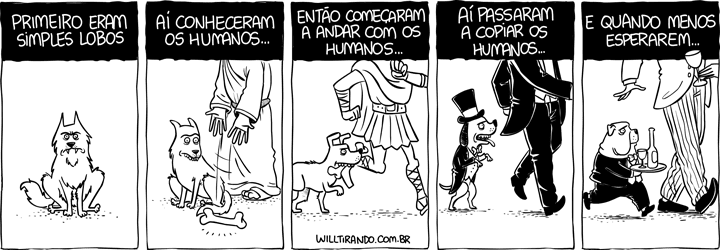
Alguns animais nunca aprendem
by Carlos Ruas

Drakkulea, Albener Pessoa and -1 others like this

24 Jun 21:14
Estou com a Dilma e não abro
by O Criador

Estou com o paraquedas e não abro =D
The post Estou com a Dilma e não abro appeared first on DrPepper.com.br.
Lucioc likes this