Submitted by: Anonymoose (via Art of The Catt)
Shared posts

16 Sep 16:13

jeremykaye: Coming this September. Throwin’ an oldie at...
Coming this September.
Throwin’ an oldie at ya!
Not much to say, still chugging along with the book and other things behind the scenes. Gonna have a new strip up later in the week!
Barciella and -1 others like this
16 Sep 16:06
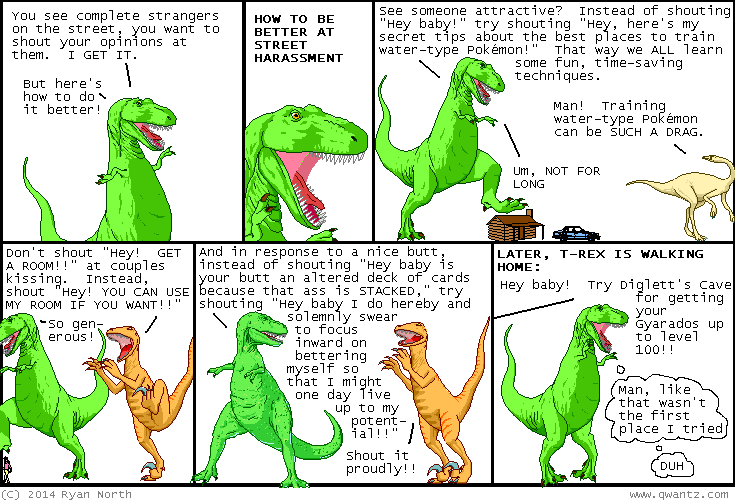
friggin' water-type Pokémon
Damiani.guilhermeHow to be better at street harassment LOLZ0RZ
| archive - contact - sexy exciting merchandise - search - about | |||
 |
|||
| ← previous | September 16th, 2014 | next | |
|
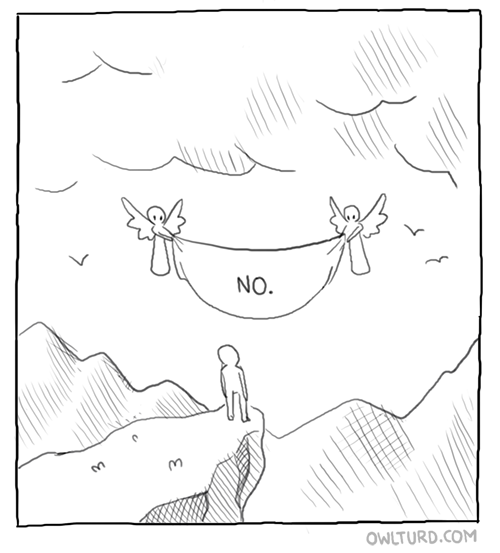
September 16th, 2014: Hey baby is whole body slightly below room temperature because from here you look pret-ty cool – Ryan | |||


15 Sep 19:05
You Do Not Want to Know Where Batmilk Comes From
Damiani.guilherme likes this
15 Sep 18:48
Hi. Did you do Computer Science at some point in your life? I'm currently doing Software Engineering, but slowly losing sight of my goal. Help?


Martin Schwendtner, Tadeu and -1 others like this
15 Sep 18:46
The Chicken and the Egg
Damiani.guilhermewirde
firehose, Albener Pessoa and one other like this
15 Sep 18:45
The Majority of Commentary During a Sports Game
Albener Pessoa, Tadeu and -1 others like this
15 Sep 18:44
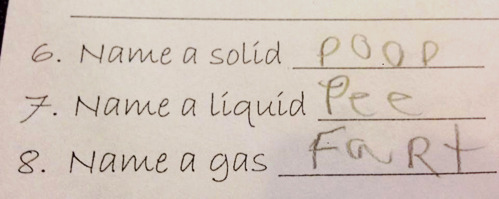
"I guess I have to give him credit…" -texaspuffin
Damiani.guilhermeiihhihihihohohohoohhouhhuuhuhuhuh
Damiani.guilherme likes this
15 Sep 18:38
the b.u.t.t. algorithm
by kris

the problem with having a facebook-style news feed on twitter is that it may be too good. it may tell you things about you you never wanted to know. specifically, how you love “dumb butts.”
this page is procedurally generated. no one else is seeing this comic today. it’s about you and how much your dumb butt hangup is ruining your life. this is a web intervention from me and your family.
Dave P likes this
15 Sep 17:07


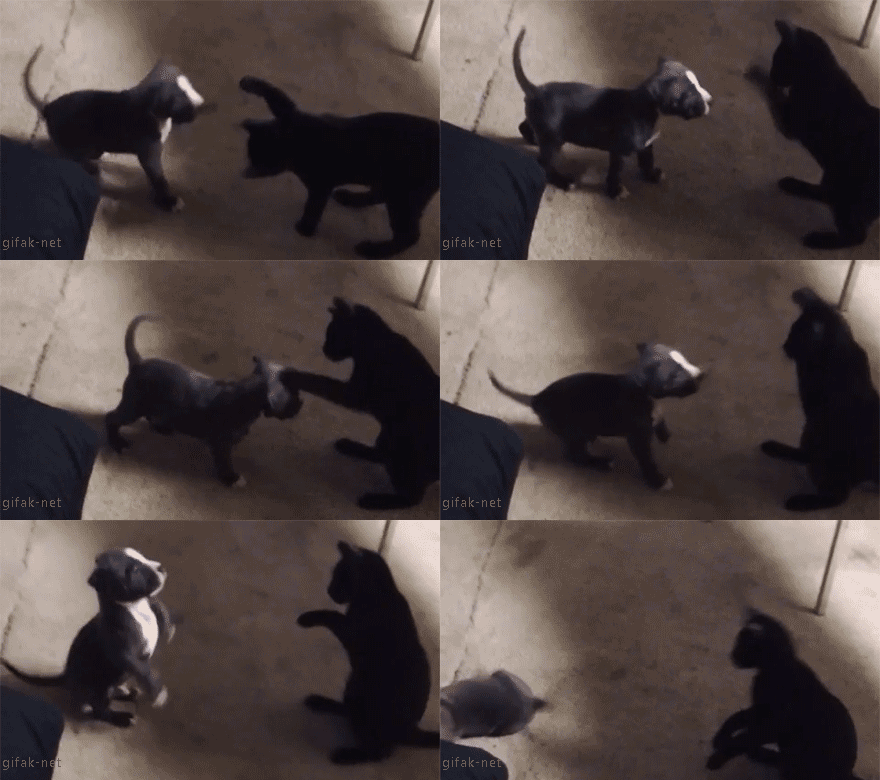
Artist Uses Forced Perspective Photography to Capture Whimsical Window Silhouettes
by DL Cade

Spanish artist Pejac has never been a man contained by the borders of a canvas; his art, often silhouette based, bleeds out of frames and into the real world.
Most of the time, this feat is achieved with nothing more than a disregard for those borders, but one of his series of works instead used forced perspective photography to achieve the same effect and create the illusion that his whimsical silhouettes were playing with the world outside his window.
These forced perspective photographs caught the public’s eye when Pejac posted the picture above to his Facebook. It was a tribute to French high-wire walker, Philippe Petit, created in honor of the 40th anniversary of Petit’s legendary walk between the Twin Towers of the World Trade Center, and people were enamored with it.

The magazine Hi-Fructose got in touch with the artist to inquire about it and, as it turns out, this wasn’t his first experiment with forced perspective photography and window silhouettes. In 2011 he created more of these illusions while living in an apartment surrounded by security cameras in Valencia.
Those images, along with the few he created as a tribute to the iconic Petit, are included in the gallery below:


And here are a few behind the scenes photos that show the artist at work, and the photography setup:


To see more of Pejac’s work — and trust us when we say it is truly stunning, even when it doesn’t have a photographic element — be sure to visit his website and give him a follow on Facebook and Instagram.
(via Fubiz)
Image credits: Photographs courtesy of Pejac.
Mihhalek and -1 others like this
15 Sep 17:01
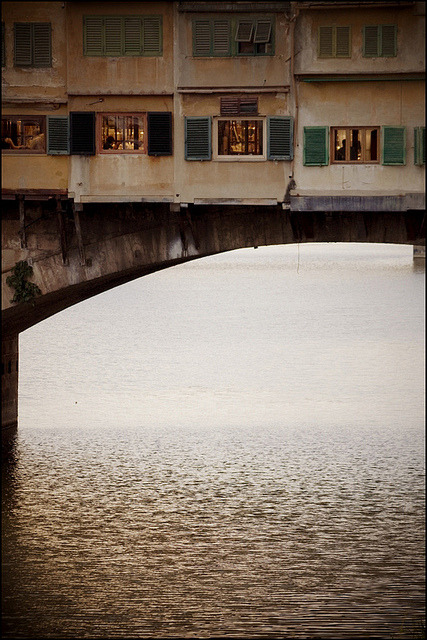
eccellenze-italiane: Ponte Vecchio - Old Bridge by Andrea Bosio...
Cooper Griggs, Tadeu likes this
15 Sep 16:54
Sebastian Selgado’s Revives The Astounding World We Live In
by Ariane Fairlie


Although he was educated as an economist, Sebastian Selgado understands the world most clearly in images, as demonstrated in his incredibly moving photography. His most recent series, Genesis, is his most ambitious and long-term project, spanning eight years as he visited 30 of the earth’s most pure and untouched sites. He was inspired to do the project because up until that point people had been the central subject of his work. He says that he “… wished to photograph the other animals, to photograph the landscapes, to photograph us, but us from the beginning, the time we lived in equilibrium with nature.”
His imagery is completely enthralling. It is obvious the time he spent for each one to capture just the right moment. The fact that his photographs are in black and white emphasizes their impact further, and creates a greater romanticism. What is truly incredible about Selgado is his investment that gives him such a great return in his artwork. For a while he was disillusioned by the world and his photography, having seen so much devastation as a photojournalist based mostly in Rwanda at the time.
Selgado returned home for his own health and sanity, to Brazil, where his parents had left him their land. It was almost completely cleared of the forest “paradise” it once was to him, and so he and a friend worked to replant the eco-system. This experience seems to have shaped Selgado’s view of the state of our planet as a whole. He has seen the atrocities we have inflicted upon it and ourselves, but he has also successfully restored a piece of it to its original strength and beauty. His images, therefore, are not caught in time as a momento of the world we were once a part of, but a reminder of what we might still participate in for the foreseeable future if we can recognize it as something worth reviving.
Selgado speaks about his practice and the Genesis photo-series in a TED talk that you can see here. (Quotations in this article from TED talk) (Via Dazed Digital)


The post Sebastian Selgado’s Revives The Astounding World We Live In appeared first on Beautiful/Decay Artist & Design.
15 Sep 16:53


Alienation: Strange Upside-Down Closeups Transform the Human Face Into Something Else
by DL Cade

The more you look at South-Africa based photographer Anelia Loubser‘s Alienation series, the more captivated you become. A simple idea on the surface — close-up, upside-down black-and-white portraits of people’s eyes and foreheads — the final images encourage you to dive deeper into each wrinkle and other so-called “imperfection” than almost any standard portrait might.
According to Loubser’s description of the series on Behance, Alienation was inspired by a profound Wayne Dyer quote:
If you change the way you look at things, the things you look at change.
With creative composition and excellent execution of a simple idea, she manages to put a picture to these words:


The concept reminds us of the famous upside-down drawing exercise. The idea behind this approach was to confuse the analytical left side of the brain, engaging the more abstract right side that would see the lines as they truly were and not as a group of already-defined concepts (i.e. nose, eyes, eyebrows, etc.).
Of course, some will inevitably be tempted to crane their necks or flip their computer screens to reframe the portraits in a more ‘normal’ light, but we hope you won’t do that. As Loubser says, “the work is on the one hand strangely aesthetic, on the other hand mysteriously eerie.” A little bit of discomfort isn’t just normal, it’s encouraged.
To see more from Loubser, head over to her Behance profile, check out her website, or give her Facebook page a like.
(via Photojojo)
Image credits: Photographs by Anelia Loubser, used under Creative Commons license
Albener Pessoa, Andris Ulpke and -1 others like this
15 Sep 16:49


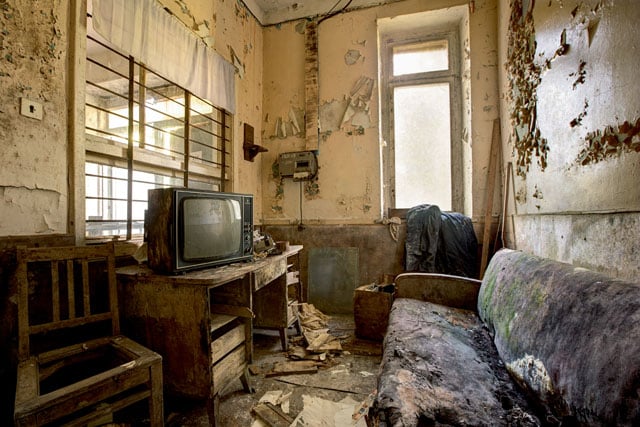
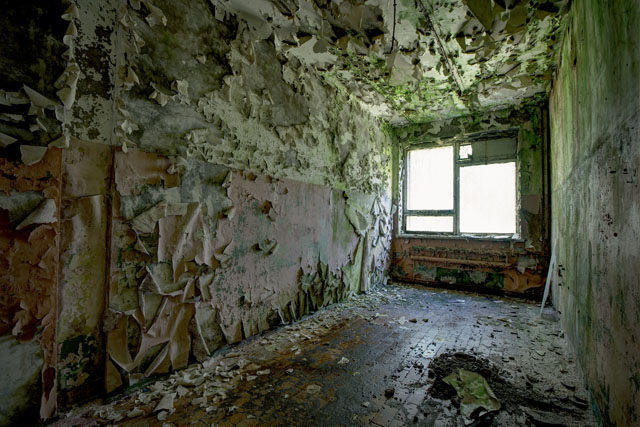
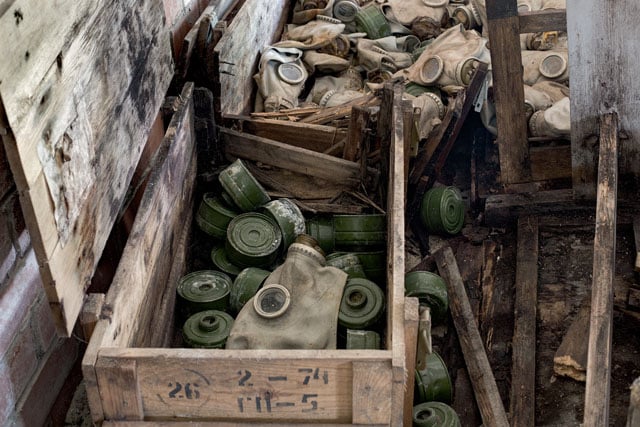
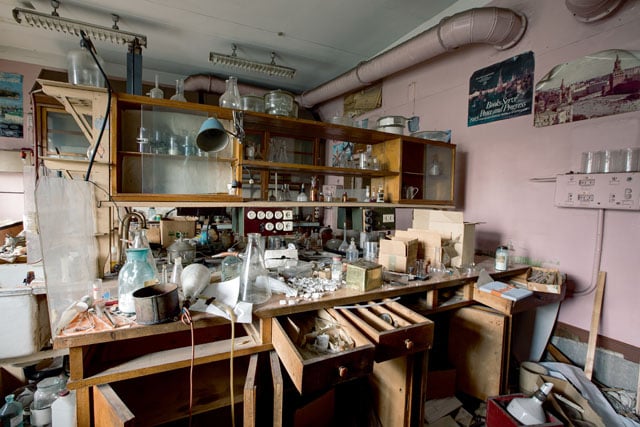
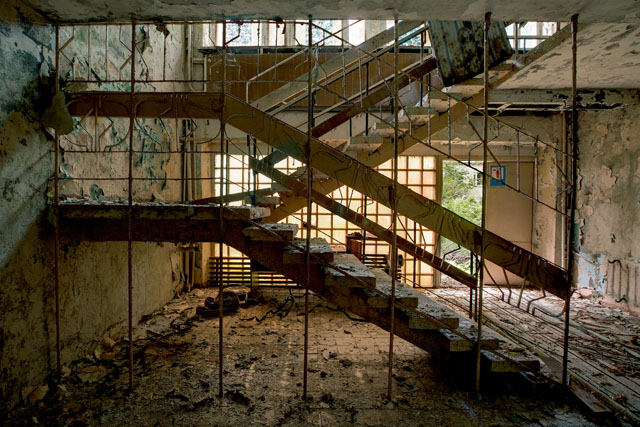
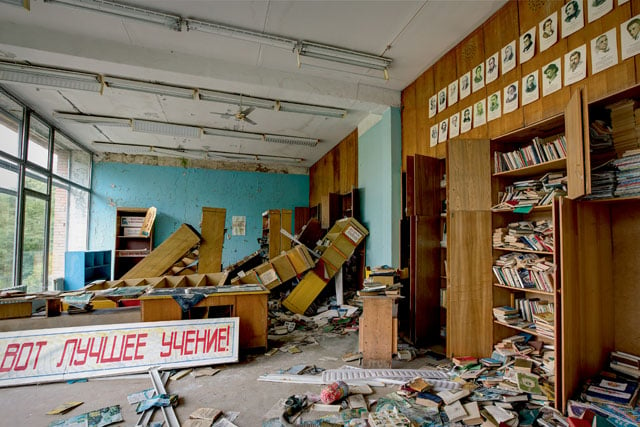
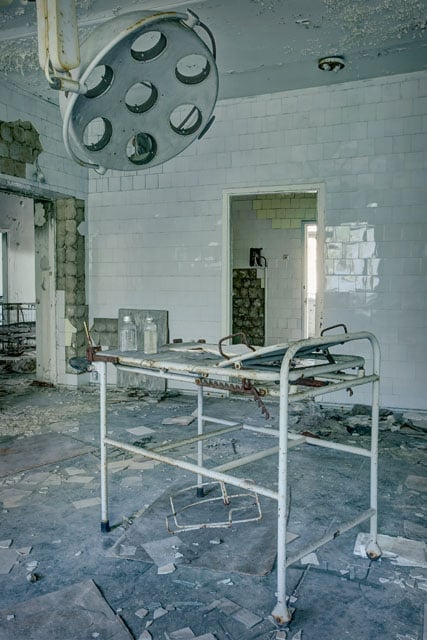
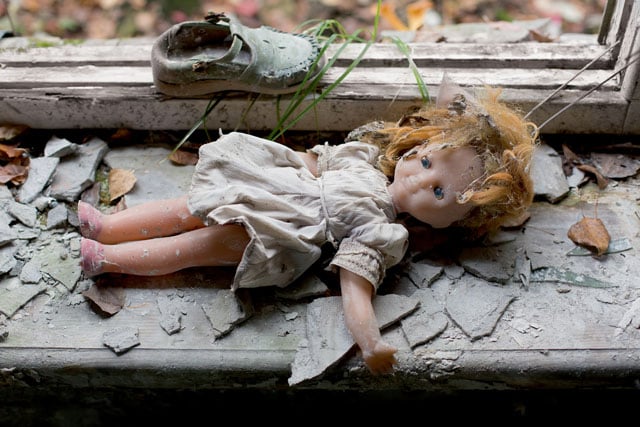
‘Soviet Ghosts’ Captures Post-Apocalyptic Scenes Left Behind by the Fall of the USSR
by Gannon Burgett
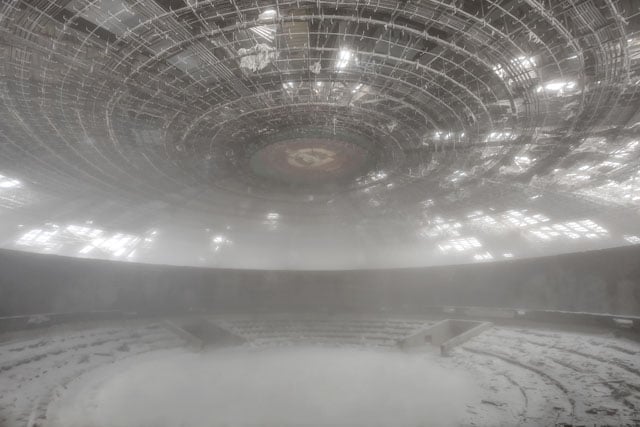
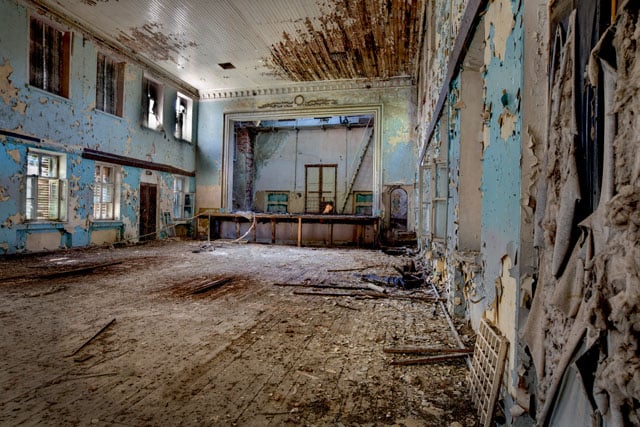
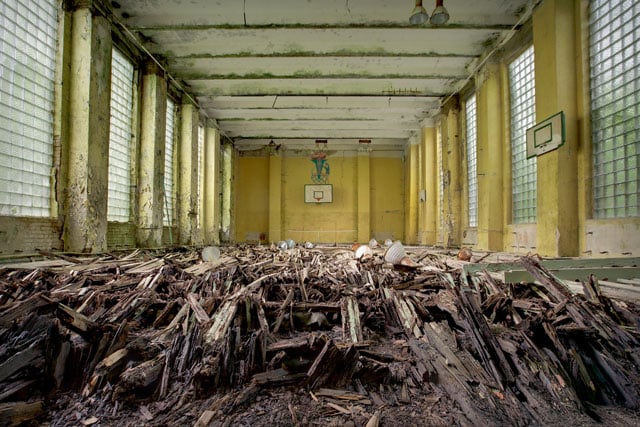
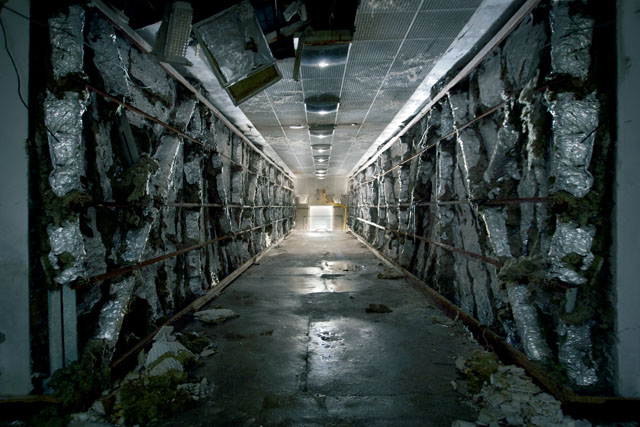
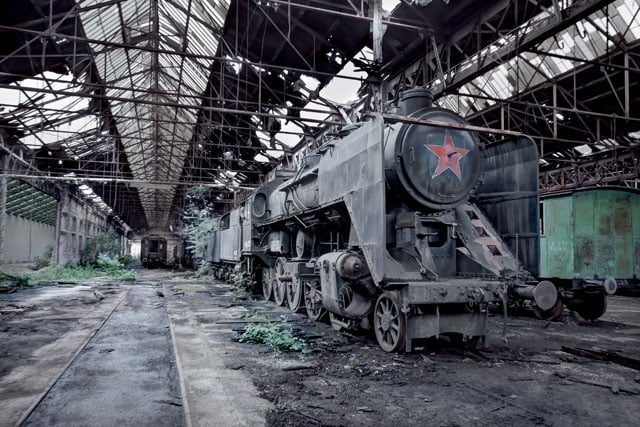
Rebecca Litchfield is a photographer who has faced radiation exposure risks, arrest and interrogations, and even accusations of espionage… all for the sake of her project “Soviet Ghosts.”
You see, Litchfield is an avid urban explorer who has been fascinated by scenes of decay found in countries that were formerly part of the USSR and the Eastern Bloc.
Photographing and exploring the old Iron Curtain isn’t the easiest thing to turn into a project, she says:
Not many explorers travel to Russia, where the rules are very different, locations are heavily guarded and a strong military presence exists everywhere. There are serious consequences for getting caught. We managed to stay hidden for all of the trip, we maximised our stealthiness, ducking and diving into bushes and sneaking past sleeping security. But on day three our good fortune ran out as we visited a top secret radar installation. After walking through the forest, mosquitos attacking us from all directions, we saw the radar and made our way towards it, but just metres away suddenly we were joined by military and they weren’t happy…
Fortunately for Litchfield, she was able to wiggle out of that tricky situation and continue her adventure through more than 10 different countries.
She says that her goal is to capture the scenes as they are, highlighting their beauty in decay, “like a memory hanging on that will soon be lost in a breeze, a museum that no one gets to see.”
Here are some of the haunting photographs in the project:
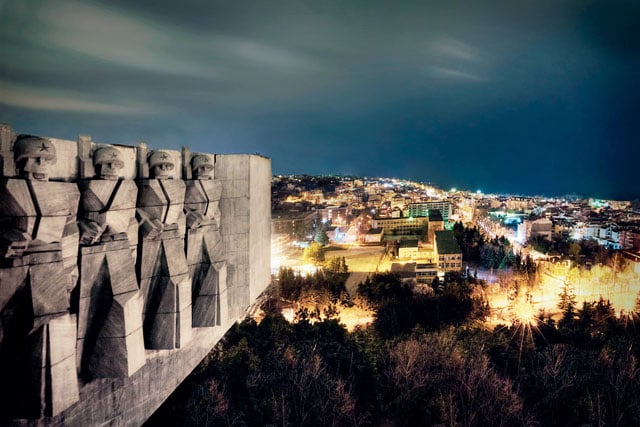
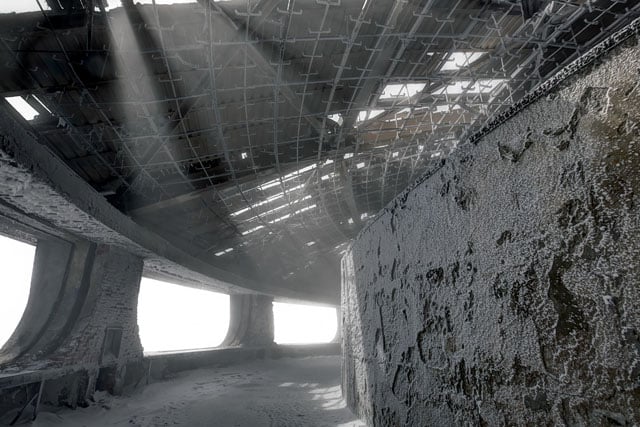
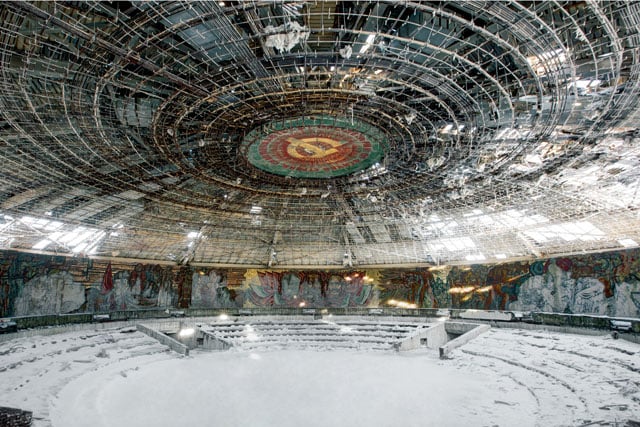
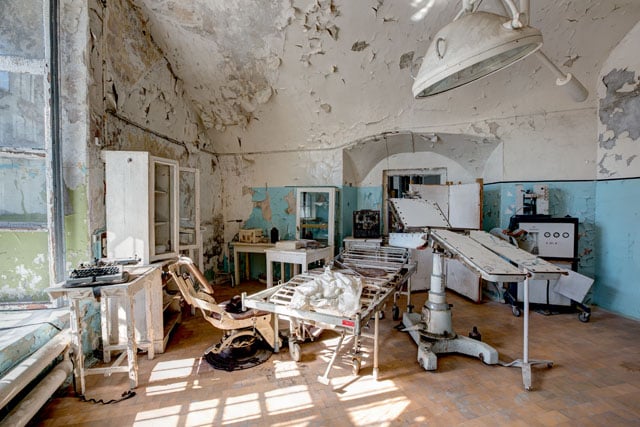
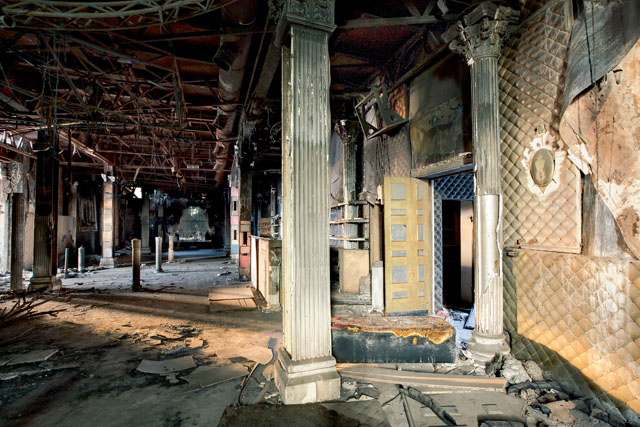
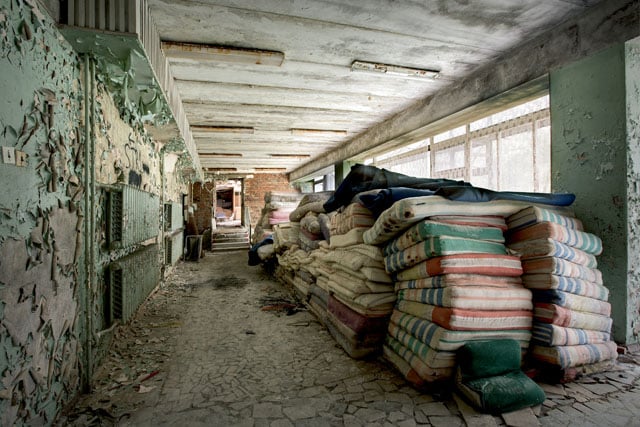
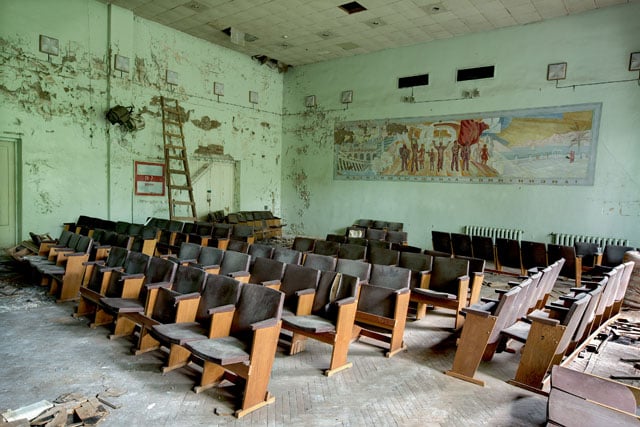
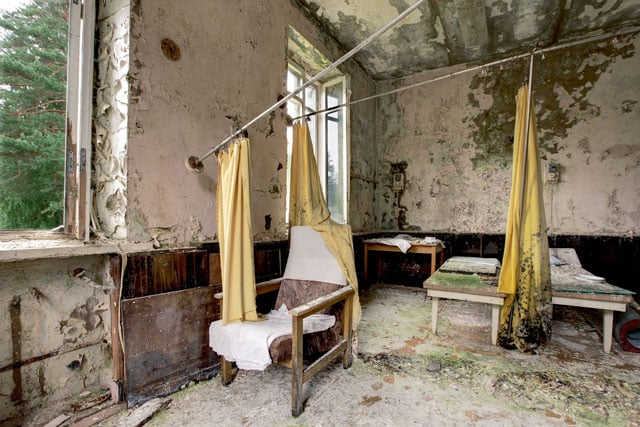
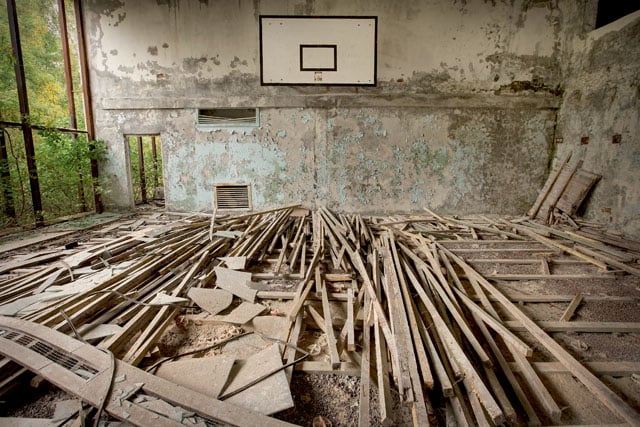
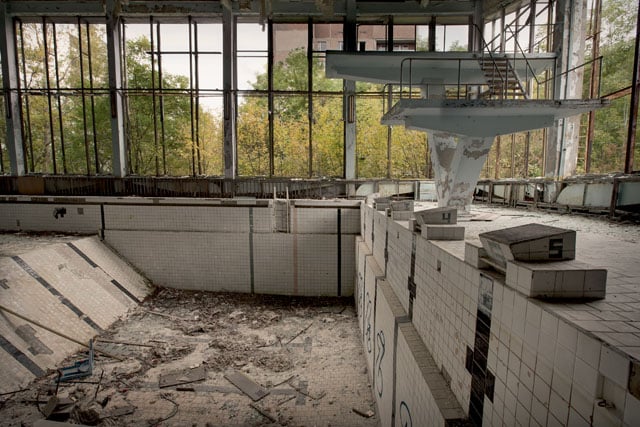
The photos in the project have also been published in a book that’s available from $28 over on Amazon. You can also find more of Litchfield’s work over on her website.
Image credits: Photographs by Rebecca Litchfield and used with permission
Juan Utrilla de Noriega, Sofía Henao and 6 others like this


12 Sep 22:41


A Kids Space Designed for the Re-Imagination of Drawing Tools
by Caroline Williamson
Damiani.guilhermeNão tem pra adulto nao? =D

Mathery Studio was tapped to design a space for children that “focused on transforming perception surrounding the simple act of drawing.” The firm came up with Pastello – Draw Act, which is derived from the Italian word for ‘pastel’ or ‘crayon’, a dedicated environment that lends itself to the National Gallery of Victoria’s commitment to programs that involve design and children. The result is a colorful, interactive, and inspiring space for children to draw and color in quirky and unique ways outside their comfort zone.

The team molded crayons, the principal material for the project, into really fun shapes, like a 9kg (almost 20lbs!) crayon sphere, and let the kids go wild during a 10-week exhibition/playground/installation.


The space itself was lively and colorful with various stations for the children to express themselves.


Instead of taking a normal crayon to a flat, horizontal coloring book, the kids had to jump in and get physical at times, like with helmets that have crayons embedded into them.


Products’ still life photography by Mathery Studio.
Interior photography by Tobias Titz.