


Uma vez estava em uma empresa de informática, ajudando um amigo a consertar um PC. Chega perto de nós uma analista de suporte da Petrobrás, aponta pra placa-mãe e pergunta: “o que são esses quadradinhos pretinhos?”
O desconhecimento dela não era raro. A maioria das pessoas tratam equipamentos eletrônicos não como quadradinhos, mas como caixas pretas, quando poderiam saber muito mais, ao menos conhecer os princípios que regem essa área da tecnologia.
Ser hobbysta de eletrônica era bem legal, mas sendo realista, não dá para colocar um ferro de solda na mão de uma criança de 5 anos. Quer dizer, até dá, mas vai deixar marca e a criança tende a gritar muito. Idealmente haveria uma forma de apresentar eletrônica para crianças, sem o inconveniente da eletrocussão.
E há: a linha Snap Circuits, da Elenco é projetada para para crianças a partir de 8 anos, mas tem gente de 5 se divertindo com o brinquedo.

O kit básico vem com 30 componentes, de capacitores e resistores até circuitos integrados e motores. São mais de 100 circuitos diferentes, fora os que a criança pode inventar por conta própria.
O melhor: esse Snap Circuits Jr SC-100 custa… US$ 20,00 na Amazon. Há vários outros kits mais caros, de LEDs e fibra óptica até um robozinho lindinho de controle remoto.

Em tempos onde até O Pequeno Químico foi banido de usar substâncias mais “perigosas” do que água, dá gosto ver brinquedos científicos que ainda têm potencial de estimular a curiosidade, direcionar crianças para futuras carreiras em tecnologia e que passem mensagens melhores do que soldados futuristas e fogões.
Claro, nem de longe esses brinquedos são tão divertidos quanto os de antigamente, mas não podemos ter tudo…

The post Snap Circuits — Um brinquedo sensacional – e barato – pra molecada aprender eletrônica appeared first on Meio Bit.


VIEW SLIDESHOW: The Food Lab: How to Make Parisian Gnocchi
[Photographs: J. Kenji Lopez-Alt]
It's time for another round of The Food Lab. Got a suggestion for an upcoming topic? Email Kenji here, and he'll do his best to answer your queries in a future post. Become a fan of The Food Lab on Facebook or follow it on Twitter for play-by-plays on future kitchen tests and recipe experiments.
We've all met gnocchi before. Those potato-based pasta pillows that at their best are light and bouncy, though more often then not come off as leaden and heavy. Well, those gnocchi are another story for another time. Today we're hear to talk about their even pillowier, and—most importantly—far easier-to-make cousins, gnocchi à la Parisienne. If you ask me, they're tastier, as well.
I often talk about how learning the basic techniques behind good cooking is far more important than mastering a specific recipe. I can't think of a better example than learning how to make a good pâte à choux. Once you've mastered the basics of the French-style hot water, flour, and egg-based dough, you've got the chops to pull off countless recipes. You can pipe decorative logs and fill them with pastry cream to make eclairs. You can sandwich dollops of chantilly or ice cream in it to make cream puffs or profiteroles. You can deep fry it into light and puffy beignets, or mix it with herbs and cheese to be baked into savory gougères.
Or, you can do them my favorite way: gently simmered, then fried or broiled until crisp and golden brown with a light, airy center.
Here's how to make 'em.
While the ratios of ingredients differ, the process of making Parisian gnocchi is identical, no matter who you ask. First, boil water and butter in a saucepan, then dump in flour all at once and stir it vigorously with a wooden spoon until a smooth ball of dough forms.

After the dough comes together in a ball and begins to gently steam (an indication that the flour in it is fully hydrated and cooked), finish by adding eggs one at a time and beating that dough like your life depends on it, in order to incorporate that egg without letting it curdle. I've lost more than one long-term companion to the wooden spoon gods performing this action.

You end up with a sticky, paste-like dough that holds itself together just well enough to be piped from a piping bag (or a zipper-lock bag with the corner removed).
That's your pâte à choux dough right there, and, from this point, its final form depends on how you complete it—baking and frying are common, but in the case of Parisian gnocchi, poaching in simmering water is the way to go. You pipe the gnocchi out and cut them with a sharp knife directly into the water a few at a time, then let them poach until they float to the surface for a few moments before fishing them out.

Finally, the poached gnocchi can be eaten either as-is, or finished by frying or broiling to crisp up their exteriors.
But before we get there, let's talk a bit about how hot water doughs work.
Parisian gnocchi are somewhat of an oddity in the Western repertoire, in that they're made with a hot water dough—much like Chinese-style dumpling or stretched noodle dough. With most Western breads and pastries, cold or room temperature liquid is added to flour before kneading it.
There are two kinked proteins in flour, glutenin, and gliadin. Get them lubricated and rub them around enough through mechanical action (like kneading), and they tend to stretch out and bind with each other, forming the stretchy protein matrix known as gluten.
Gluten is what gives dough structure, and the more it's kneaded and worked, the tighter and more elastic it becomes. A ball of well-kneaded cold water dough will spring back if you press it and contract if you stretch it. This is why, for example, pizza dough is extremely hard to roll out until it's had at least a couple hours to rest and allow this gluten to relax.

Stretchy gluten network. [Photograph: Donna Currie]
A hot water dough, on the other hand, works differently. By adding flour directly to boiling water, you actually end up not only denaturing the proteins, but smashing them into small pieces. Some degree of gluten can still form, but because cooked proteins aren't nearly as stretchy or clingy as raw ones, you won't get anywhere near the elasticity of a cold-water dough. Adding butter and other fats to the dough will further diminish its gluten-forming abilities. As a result, a pâte à choux dough isn't stretchy or bouncy; its more malleable and supple, kind of like Play-Do.
The beauty of a hot water dough is that, as you can see, it doesn't bounce back as much as a cold water dough does. This is important: as the gnocchi go through their primary poaching step in simmering water, water vapor and trapped gases will expand, causing the gnocchi to inflate slightly. This change in density caused by expanding gases is what causes them to gently float to the surface of the pot as they poach.

If we were to try and make gnocchi with a cold water dough, one with plenty of springy, elastic gluten, we'd have a heck of a time getting those gnocchi hot enough to expand to the point where they come out nice and airy; Instead, we'd end up with dense, chewy nubs that taste more like damp bread. With our tender, easy-to-shape hot water dough, however, the stretching is easy, and, what's more, the gnocchi keep their stretched-out shape even after they begin to cool, ensuring that they stay light and tender no matter how we choose to finish them off.
Remember how I said that pretty much all gnocchi recipes are identical? Well I lied a little bit. There are really two types of gnocchi recipes: those made the old school, wooden-spoon-and-elbow-grease way, and those made with the mechanical aid of a stand mixer. The latter, which I first saw in this Thomas Keller recipe is vastly easier, particularly if your beating arm is not quite in shape.
With this method, you start out the same way: beating the flour into a boiling mixture of water and butter. But from there, you transfer the dough to a stand mixer and beat the eggs in using the paddle rather than your bare hands.

Cooked side-by-side, there's absolutely no detectable difference between the wooden spoon and the stand-mixer method, provided you beat extremely vigorously. If you're even slightly lax with the hand-beating, then the stand mixer method will produce superior results every time.
This got me thinking: if the process can be simplified by using the stand mixer for the eggs, why not just do the whole thing in there? I added my flour and eggs to the mixer, then, with the mixer running, poured in the boiling water and butter mixture before discovering why it doesn't work.
Here's what I ended up with:

Turns out that just mixing the hot water with the flour isn't enough: the flour and water mixture actually needs to be cooked for a decent amount of time in order to fully hydrate the flour's starch and to develop its protein structure. Subsequently cooking the wet, batter-like dough in a saucepan produced what looked like decent pâte à choux, but simmering and frying it proved unsuccessful:

That's the light, airy, traditionally-made gnocchi on the left, and my dense, pasty, mix-it-all-together-and-sort-out-the-bodies-later attempt on the right.
Much as I'd love to be able to say, "Hey, check out this awesome new technique!," I'm afraid that in this case, tradition triumphs*
*and, unlike some other unnamed sources, I'm not going to try and crowbar in an inferior technique just for the sake of novelty.
After the basic dough is made, I like to add a few flavorings. Parmesan cheese is a given for me, adding a savory backbone and helping the gnocchi to brown better down the line. I take another cue from Thomas Keller and add a small dollop of Dijon mustard to my dough, as well as chopped herbs.
The most difficult part of making Parisian gnocchi—and it's really not that difficult at all—is in the piping, and it's really not all that hard. It just takes a bit of practice. To do it, you transfer the dough into a piping bag or a zipper-lock bag with the corner snipped off, then let it rest for 20 minutes or so. This will let it cool down slightly while allowing any vestiges of overworked gluten to relax and any under-hydrated starch to hydrate, helping the gnocchi to puff properly as they poach.

With the tip of the bag held out over gently simmering water, you use a paring knife held in the other hand to cut off 1-inch lengths of dough, letting them drop straight into the pot. If you've got a close friend or kitchen ally, this process is a snap—one person pipes, the other person cuts.
The goal is to pipe and cut as many gnocchi as you possibly can within about a minute, so that the last gnocchi that drops in won't be too far behind the first one that entered the pool. Once they've finished cooking, you fish them out and start again with the next batch.

The first few times you do this, it may be as few as a dozen or so at a time. As you practice and your speed goes up, you should be able to pipe 30 to 40 gnocchi per minute, which greatly reduces overall prep time.
The beauty of these gnocchi is that once they're poached, you can transfer them to a rimmed baking sheet, toss them in a bit of oil, and let them cool down. At this stage, they can be transferred to a sealed container and stored in the refrigerator for up to a few days until you're ready to fry or broil them just before serving. Just as with regular pasta, this means that if you make them in advance, dinner is only 20 to 30 minutes away.
How to serve the gnocchi? One of the easiest and tastiest ways is to broil them in a cast iron skillet.

I brown just enough butter to give them a nice coating, add the gnocchi and toss to combine, then cover them in a blanket of finely grated Parmesan cheese.

After a brief stint under the broiler, they come out puffed and crisp, ready to be served straight out of their skillet. That's a big ol' taste of comfort right there.
Want to get fancier? You can fry the gnocchi in a skillet to be used as a blank palate for any number of seasonally-based pasta dishes.

Toss them with chunks of squash cooked down in brown butter with sage and a squeeze of lemon, or with charred Brussels sprout leaves and shallots in the fall. Serve them with some great canned tomatoes in the winter. Toss them with some simply blanched fresh peas and asparagus tips in the spring.
This time of year, I like to catch the last days of summer's glory by combining them with some sautéed sweet corn, zucchini, and oven-roasted tomatoes with plenty of olive oil and Parmesan.

Did I say that the toughest part of Parisian gnocchi was the technique? That's not really true. The truly tough part is settling on the best way to serve them.
Click here for a step-by-step slideshow of the process, or check below for the complete recipes.
About the author: J. Kenji Lopez-Alt is the Chief Creative Officer of Serious Eats where he likes to explore the science of home cooking in his weekly column The Food Lab. You can follow him at @thefoodlab on Twitter, or at The Food Lab on Facebook.


expressive peregrine falcons
(photos by sdwildgene)
Thespian falcon.
I AM LAUGHING
SO HARD
C’EST PARFAIT
#to fly or not to fly—that is the question #whether ‘tis nobler in the mind to suffer the gusts and winds of outrageous fortune #or to take wing against a sea of fish and by opposing eat them
Paging kremro


denism79.deviantart.com
If Star Wars were a 1980’s High School movie.
A long time ago in a High School far away…
IS THAT HAN TRAPPED IN A VENDING MACHINE O.O
This. Is. Perfection.
I literally cannot stop giggling away at it :D
Good cast-iron cookware will last you a lifetime, if you take good care of it. We've shown you how to clean, how to season, and the best oils to use, but this video from America's Test Kitchen combines everything into one package that's easy to remember or share with someone whose cast iron pans have seen better days.

    
|
(I’m waiting in line behind a woman speaking on her cellphone in another language. Ahead of her is a white man. After the woman hangs up, he speaks up.)
Man: “I didn’t want to say anything while you were on the phone, but you’re in America now. You need to speak English.”
Woman: “Excuse me?”
Man: *very slow* “If you want to speak Mexican, go back to Mexico. In America, we speak English.”
Woman: “Sir, I was speaking Navajo. If you want to speak English, go back to England.”

Constantine P. Cavafy (1863-1933) was a Greek poet, although he was born and spent most of his life in Alexandria, Egypt. Ithaka is one of Cavafy’s most famous poems and is a tribute to the original Greek poet, Homer, and his poem The Odyssey (which along with it’s companion, The Iliad, are the two oldest known works of Western literature). The Odyssey revolves around the hero Odysseus and his long voyage home to Ithaka after the Trojan war.
My hero in the comic is NOT meant to be Odysseus. I used Cavafy’s words and drew upon my childhood diet of comic books and Ray Harryhausen movies to tell a different story.
RELATED COMICS: Mark Twain An Educational Journey and No Regrets. Christopher McCandless Into the Wild.
- There are many English versions of Ithaka. I used the translation by Edmund Keeley and Philip Sherrard, found on the official Cavafy website.
- The cyclops I drew is a homage/swipe of Ray Harryhausen’s cyclops from The 7th Voyage of Sinbad.
- For a sexy Scottish version of Ithaka, here’s a reading by Sean Connery.
- Thanks to everyone who sent in this poem, I’ve had it saved in my quotes folder for over a year now.
- For those interested, here’s a podcast interview I did recently.

Agora que a impressão 3D está mais difundida, o próximo passo naturalmente é a captura de objetos 3D. Aí esbarramos num problema: por mais potentes que as câmeras em nossos gadgets sejam elas não possuem essa capacidade, e nem todo mundo pode andar com o Kinect a tiracolo. E é pensando nisso que a startup Occipital lançou um projeto no Kickstarter apresentando o Structure Sensor, um acessório que permite qualquer smartphone ou tablet capturar o mundo à sua volta.
O CEO da Occipital Jeff Powers explica que as aplicações não se limitam apenas a capturar objetos e transferir os esquemas para uma impressora 3D: o Structure Sensor pode escanear uma sala inteira, graças ao alcance de até 3,5 metros. É possível escanear objetos e compartilhar os modelos com outras pessoas ou até mesmo jogar games de Realidade Aumentada, como é possível hoje no 3DS. E por fim ele é equipado com LEDs infravermelhos que adicionarão visão noturna a seus gadgets. E por falar em Kinect, a PrimeSense, empresa que desenvolveu o modelo original trabalhou junto com a Occipital para desenvolver o produto.
Num primeiro momento o gadget será otimizado para o iPad de quarta geração, atitude essa que foi considerada prioritário pelo fato do tablet da Apple “entregar a melhor experiência de uso, à frente de todos os outros tablets do mercado”, palavras do CEO. Embora não suportado de forma oficial o sensor é compatível com qualquer iGadget que possua uma porta Lightning, e a empresa distribuirá o SDK para empresas, hackers e desenvolvedores lançarem versões do app compatíveis com Android, Windows, Mac OS X e Linux.
O projeto entrou no Kickstarter hoje e se encerrará no dia 1º de novembro, mas a meta de US$ 100 mil muito provavelmente será atingida em breve, pois a startup já conseguiu arrecadar mais de 68 mil dólares. Aos interessados, uma contribuição de US$ 329 garante o dispositivo, cujo lançamento está previsto para novembro.
Fonte: Kickstarter.
The post Transfome seu gadget num scanner 3D com o Structure Sensor appeared first on Meio Bit.

Bubbles the ResQte Heffalump loves to play with Lab Pal Bella, as you can see! Deets via Mail Online : amazing photos by Barry Bland.


~Additional Creditos~
*Submitted by Phred’s Mom/Doris V-N.
*Video on YT posted by Myrtle Beach Safari.


[Photograph: J. Kenji Lopez-Alt]

Hi, I'm ramen. You may remember me from such bowls as "First Dish I Learned to Cook On My Own," the ever-popular "Morning After Peach Schnapps-Fueld College Dorm Room Party," "Don't Tell Mom The Microwave Is Dead," or, one of my more subtle, emotional works, "Oriental Flavor."
Despite its popularity among the cash-strapped and the sodium-starved, the world or ramen extends far beyond the instant variety we grew up on. Originating in China, alkaline noodles served in soupy broth have been in Japan for well over a century, but like pizza in America, only became widespread after World War II. Troops returning from overseas had developed a taste for the stretchy noodles, and the inexpensive ingredients—wheat flour, bones, and vegetables—made them an attractive dish for restaurants to serve.
Nowadays, ramen is high in the running for national dish of Japan. Museums have opened dedicated to its history. The instant ramen noodle was voted as the greatest Japanese export of the 20th century in a national poll (placing ahead of karaoke machines, walkmen, and Kurosawa films). And, just as with pizza in the U.S., regional styles and specialties abound with soups, noodles, and toppings, all varied according to local tastes, ingredients, and cultures.
I'm not going to even pretend that a comprehensive style guide of all the ramen out there is possible, but we'll do our best to give you something to noodle over.
You often see ramen categorized into four classes: shio (salt), shoyu (soy sauce), miso (fermented bean paste), and tonkotsu (pork), which doesn't make particular sense, as the first three are flavorings, while the fourth is the broth base. It's sort of like saying "there are four basic types of pizza: Neapolitan, Sicilian, New York, and pepperoni."
While it's true that even in Japan, some folks see those four classes as distinct styles, there are plenty of cases where there are overlaps and outliers. For instance, what would you call a creamy, opaque, heavy ramen that's made entirely with chicken bones? It doesn't fall neatly into any of those categories, but it certainly exists.
Instead, it makes much more sense to categorize ramen broth first by its heaviness, then by the soup base ingredients, and finally by the seasoning source. This classification system, used by some Japanese sources, can be combined to cover pretty much every bowl of soup-based ramen in existence.

A bowl of assari shio ramen. [Photograph: Brian Oh]
Heaviness is classified as either kotteri (rich) or assari (light). Kotteri broths will be thick, sticky, and usually opaque, packed with emulsified fats, minerals, and proteins from long-boiled bones. Opaque white bone broths are also known by their transliterated Chinese name, paitan. Assari broths are clear and thin, usually flavored with more vegetables, fish, or bones cooked relatively briefly at a light simmer so as not to cloud the broth.

A bowl of kotteri Sapporo-style ramen [Photograph: J. Kenji Lopez-Alt]
It's a sliding scale bordered on the kotteri side by Sapporo-style miso ramen that comes served with a pat of butter; and on the assari side with the lighter, clear seafood soups of Hakodate.

[Photograph: J. Kenji Lopez-Alt]
The broth base is the main ingredients simmered to make the soup. This can range from animal bones—pork, chicken, beef, and fresh fish being the most common—to even lighter broths made with sea kelp or or dried seafood. In addition to their main ingredient, ramen broths incorporate a variety of aromatics, such as charred onions, garlic, ginger, fresh scallions or leeks, and mushrooms.

A kotteri chicken broth [Photograph: J. Kenji Lopez-Alt]
The most widely recognized and celebrated broth worldwide these days is tonkotsu, a boiled pork bone broth. The best tonkotsu broths are a milkygolden color and leave a sticky sheen of gelatin on your lips as you slurp them. Check out our recipe for Tonkotsu Ramen Broth here.
The seasoning is the main salt source used to flavor the soup. It can be mixed directly into the soup base, but in many ramen shops, it's added to each individual bowl, making the menu a bit more customizable. The most common seasonings are:

[Photograph: Jiri Hera/Shutterstock]
Shio: Sea salt is the oldest form of ramen seasoning, and derives from the original Chinese-style noodle soups. Shio ramen is popular in Hakodate, a southern city in the Hokkaido prefecture where strong Chinese ties influence local cuisine, but the weather is still mild enough for lighter, salt-based soups to flourish.

[Photograph: J. Kenji Lopez-Alt]
Shoyu: Japanese soy sauce is a popular ramen seasoning in the Kanto region of central Japan, originally emanating from Yokohama. Typically it's paired with clear to brown chicken, seafood, and occasionally pork or beef-based broths, though these days shoyu is used willy-nilly by ramen chefs throughout Japan. It's very common to see creamy tonkotsu pork broths flavored with shoyu, for instance.

[Photograph: J. Kenji Lopez-Alt]
Miso: Miso ramen is the youngest form of ramen, having gained popularity only in the mid 1960's and originating from Northen Hokkaido, where cold weather demanded a bolder, heartier bowl of soup. Its youth has not stymied its popularity, and it can now be found all over Japan and the rest of the ramen-eating world, most often paired with heavier, more robust, and unique toppings like sweet corn or stir-fried pork belly and bean sprouts.
While in general, shio tends to be used to season ramen on the assari end of the scale and miso for the kotteri with shoyu somewhere in the middle, exceptions abound, and it's not uncommon to find rich bone broths flavored with plain salt or lighter seafood broths paired with miso.
With these categories, we can classify pretty much any bowl of ramen we come across. For instance, the creamy chicken paitan ramen at New York's Totto Ramen would be considered a kotteri ramen made with a chicken broth base and flavored with shoyu, while the shio ramen at Yebisu would be an assari, sea-based broth flavored with salt. Get it?
Some ramen shops will finish a bowl of ramen with a small ladleful of flavorful oil or fat—Clarified pork fat of various chili or sesame oils, for instance. More esoteric broth flavorings such as tahini-style sesame paste or powdered smoked and dried bonito can also be found. And of course, MSG usage is common—the Japanese don't have the same hang ups about it as we do here in the States.

Straight, thin noodles [Photograph: J. Kenji López-Alt]
There are more types of noodles in Japan than there are shapes of pasta in Italy. Okay, I don't know if that's 100% true, but it sure seems that way. Whether straight, thin, and narrow, thick and wavy, or wide and flat, ramen chefs will select noodles based on their bounciness, their ability to cling to broth, and their texture in the mouth, searching for a noodle that interacts harmoniously with the soup in the bowl.

Thick, wavy noodles [Photograph: J. Kenji Lopez-Alt]
Serious ramen chefs are notoriously militant about noodle-eating etiquette. They say that perfect noodles will only last for five minutes after they are added to the hot broth—any longer than that and they become overcooked and mushy—so as a patron, it's your duty to start eating as soon as the bowl is delivered and not stop until you're finished; Hence the wild slurping you'll find in a typical Japanese ramen shop. Order ramen to go and you'll get your noodles on the side, intended to be added to the reheated broth when you get it home—that is, if the ramen shop even allows to-go orders. Many refuse.
Still hungry after you're done slurping? Ask for kaedama, an extra serving of noodles to be added to the leftover broth in your bowl.
Some noodle classification is in order.
To begin with, let's define exactly what a ramen noodle is. Originating from China, ramen-style noodles are made with wheat flour, salt, water, and kansui, an alkaline water which gives the noodles their characteristic bounce and their yellowish hue. While it's possible to find noodles made with eggs in place of the kansui, this is far more common in China than it is in Japan.

Thin straight noodles and thicker wavy noodles [Photograph: J. Kenji López-Alt]
Fresh noodles are the norm for high-end ramen shops. While size and shape vary, you'll typically see thin, straight noodles paired with hearty tonkotsu-style broths—the noodles cling together and hold soup in via capillary action, delivering plenty of hearty pork flavor with each slurp—while wavy noodles tend to be paired with miso-flavored ramens, their waves capturing the nutty bits of fermented soy bean. Shio and shoyu-flavored lighter soups can get any type of noodle and the selection varies widely by region.
Just as spaghetti is not inherently better or worse than tagliatelle, trying to declare one style of noodle—thin and straight or thick and wavy—as the best is a futile effort.
Dried Noodles are made by drying fresh, uncooked noodles and are an excellent choice for home cooing, though they're occasionally used in restaurants as well (but you're much more likely to find more traditional Japanese-style noodles such as udon, women, and soba in dried form than Chinese-derived ramen). Generrally, with dried noodles, the thinner and straighter they are, the better they reconstitute.

Cheap de-fry-drated noodles on the left, fancy air-dehydrated noodles on the right. [Photograph: J. Kenji Lopez-Alt]
Instant Noodles were invented in 1958 by Momofuku Ando and were most likely your very first introduction to the world of ramen. What hungry college student hasn't nursed themselves out of a hangover over a 59¢ bowl of instant ramen? The most common method of production is to deep-fry par-cooked bricks of noodles to dehydrate them (aka "de-fry-drating"). Take a look at the fat content on a pack of inexpensive instant ramen. That all comes from the dehydrating process.
Higher-end instant noodle brands, such as Myoja Chukazanmai, are made by air-drying par-cooked noodles, resulting in an end product that's costlier to produce, but far more similar to traditional ramen.
Toppings on bowls of ramen are more than an afterthought. For many shops, it's their defining characteristic. Toppings can vary from simple vegetables and seasonings to far more complex meats and sauces that must be prepared separately and in advance. Here are some common ones you might find.

Chashu pork belly [Photograph: J. Kenji López-Alt]
Chashu pork is by far the most popular ramen topping. Though the name is derived from the Chinese char siu roast pork, the Japanese version is made by simmering pork in a sweet soy and mirin sauce until it's fall-apart tender. Pork loin is common, but I prefer the kind made with fatty pork belly. You can see my own recipe for chashu here.
Kakuni is similar to chashu in that it's simmered pork belly, but this version comes in chunks and is modeled after the Chinese method of red braising.

Bacon and cabbage ramen [Photograph: J. Kenji Lopez-Alt]
Bacon can be sliced and added to the simmering broth, or stir-fried briefly before topping the bowl.

Crispy shredded pork [Photograph: J. Kenji Lopez-Alt]
Shredded Pork made by braising pork shoulder then pulling and shredding the meat has become increasingly popular—it's what David Chang uses to top his bowls at Momofuku. For my own take, I like to crisp up the shreds of pork shoulder carnitas-style before topping the bowl.
Ground Meat is usually stir-fried with other ingredients like bean sprouts or cabbage before it's added.

Shrimp, scalliops, and mussels in a bowl of ramen [Photograph: J. Kenji Lopez-Alt]
Seafood such as scallops, shrimp, mussels, and crab are simmered gently and paired with lighter, sea-flavored broths.
Kamaboko is the familiar white and red fish cake that comes sliced on top of sea-flavored ramen. When it's formed into a spiral shape, it's called narutomaki.

Ajitsuke Tamao [Photograph: J. Kenji Lopez-Alt]
Eggs and ramen go hand in hand like Bert and Ernie. It's hard to imagine one without the other. A good soft boiled or poached egg is my favorite way to jazz up a bowl of instant ramen at home.
Boiled Eggs are easy, filling, and last a long time. If you want your eggs soft boiled, ask for them hanjuku. (Just don't ask for that in a Japanese manga shop or you will get something entirely different.)
Ajitsuke Tamago, which literally means "applied seasoning egg," is a soft boiled egg which has been marinated for several hours in a soy sauce and mirin solution. They come out lightly salty and sweet with a golden, liquid yolk. They're very easy to make at home and make a great snack. Check out my recipe here.

Onsen tamago served with furikake and soy sauce [Photograph: J. Kenji López-Alt]
Onsen Tamago are soft cooked eggs that were originally made in the onsen (hot springs) of Japan. These days you're more likely to find them coming out of high-tech sous-vide style water ovens. By slow-cooking eggs at around 140 to 145°F, you end up with a white that's barely set into custardy tenderness and a yolk that's still liquid and runny, perfect for stirring into your soup for extra richness.

[Photograph: J. Kenji Lopez-Alt]
Scallions: If eggs are the Ernie to Ramen's Bert, then scallions are the Jim Henson—the driving force that powers them and bring out their best qualities. No bowl of ramen is complete without a showering of finely sliced scallions. Even the most inexpensive bag of instant ramen will contain dried scallions in its seasoning packet.
Cabbage is a quick, easy, and inexpensive way to bulk up a bowl of ramen and add some modicum of nutritional value in the process. It can be shredded or cut into large squares and is generally stir-fried or simmered before being added to the bowl.
Corn is a popular addition in Japan, particularly in the northern prefecture of Hokkaido, where simmered corn and butter are used to top bowls of miso-based ramen.

[Scallions Photograph: J. Kenji Lopez-Alt]
Enoki mushrooms are added raw to the tops of bowl, then soften a bit in the heat of the broth, adding a sweet, mild earthiness.
Fresh garlic can be added in grated form.
Spinach is not too common in restaurants, but is a popular choice for time-strapped home cooks who want to bulk up their instant noodles.
Stir-fried vegetables are generally paired with robust miso ramens and can include everything from cabbage and carrots to bean sprouts and onions.
Menma is lacto-fermented bamboo shoots. Chinese in origin, with a nutty, slightly sweet flavor.

Wood ear mushrooms [Photograph: J. Kenji Lopez-Alt]
Wood Ear Mushrooms are a dehydrated fungus that is then rehydrated and sliced. They're rather bland in flavor but add a nice crunchy texture to the bowl.

Kimchi [Photographs: J. Kenji Lopez-Alt]
Kimchi is increasingly popular as a topping, particularly for home-made instant ramen. I like to add a bit of the kimchi juice along with the actual cabbage.

Nori [Photograph: J. Kenji Lopez-Alt]
Nori is sheets of dried and compressed laver, a type of seaweed. It's the same stuff used to wrap sushi rolls. It can be shredded and sprinkled on top of the bowl, or left as a larger sheet and stuck to the side of the bowl, adding subtle aroma and something to crunch on between bites of soup.
Wakame is another type of seaweed that you've probably eaten in bowls of miso soup. It's used almost exclusively to garnish bowls of shio ramen, where it adds an ocean-y aroma and a slippery texture.
Beni shoga is pickled ginger cut into thin shards. Bright red or pink in color, it tends to be sharper in flavor than the pickled ginger you'll find accompanying your sushi, and is paired almost exclusively with tonkotsu broth.
Whether aded in the kitchen or served at the table, spices and condiments are the final layer of flavor in a bowl of ramen.

[Photograph: Max Falkowitz]
Togarashi is Japanese chili powder. It typically comes in two forms. Ichimi togarashi is straight-up ground hot roasted chili, while shicimi or nanami togarashi is a spice blend made with chili, dried orange peel, sesame seed, nori, hemp, sansho (Sichuan) pepper, and ginger. It's sprinkled on tableside.
Sansho pepper is the Japanese version of the mouth-numbing aromatic Sichuan peppercorns from China. It's more common as a condiment for broiled eel, but you'll occasionally find it on the table at ramen shops.
Yuzukosho is a spice paste made with salted chili peppers and the rind of the yuzu, a japanese citrus fruit. It's used to flavor light broths and is usually added in the kitchen.
Black or white pepper.
Sesame seed pair very well with the nutty flavor of miso ramen. They can be added whole, or they can be finely ground in a mortar and pestle to incorporate more smoothly into the soup.
Ninniku-dare is a garlic past made by whipping together grated garlic and pork fat. It's got a milder flavor than straight-up grated garlic, and adds some nice, tasty fat to the bowl.
Curry powder or paste is stirred directly into ramen broth before adding the noodles. Japanese curry paste is based vaguely on Madras-style Indian curry mixes, but is catered to the Japanese palate. It adds body and spice to the broth. We recently come across a shop that incorporates Thai chili paste into their ramen in New York.

Black garlic oil [Photograph: J. Kenji López-Alt]
Mayu is made by slow-cooking garlic in sesame oil until it's completely black, then blending it. The flavor is slightly bitter, sweet, and rich. For our own version, we cook the garlic first in neutral canola oil before blending in the sesame to help achieve a lighter, less bitter flavor.

Butter Ramen [Photograph: Wikimedia Commons]
Butter is added in cold pats to miso ramen in northern Japan.
Trying to classify every regional Japanese ramen variation is like trying to draw a functional timeline for Back to the Future. There are so many twists, variations, and incestuous borrowings going on that trying to build a comprehensive list becomes an exercise in futility.
For the casual ramenologist, there are only three that you've got to know if you want to sound all intellectual as you slurp: Tokyo, Sapporo, and Hakata style.

Tokyo style ramen [Photograph: Brian Oh]
Tokyo ramen is made with pork and chicken broth and features slightly curly, moderately wide noodles. Very often in Toyko you'll find broths that are flavored with dashi, a broth made from dried smoked bonito flakes and sea kelp. This dashi-chicken hybrid is a cross-breed of Chinese-style soup broths with the lighter Japanese broths used in traditional Tokyo soba (buckwheat noodle) shops.
The bowls are generally seasoned with shoyu and are medium-bodied. Up until the recent popularity boom of tonkotsu ramen, Tokyo-style pork and shoyu ramen was probably the most widely known world-wide.
It's a kissing cousin of Yokohama ramen, which comes from across Tokyo bay. Yokohama's broth tends to be heavier, with a more meat-forward profile than the dashi flavors found in Tokyo ramen.

Sapporo style ramen [Photograph: Brian Oh]
Sapporo ramen comes from Japan's northernmost province of Hokkaido, the birthplace of miso ramen. Though its history as a ramen center hasn't yet hit 50 years, it's become one of the most widely influential styles. You'll find Sapporo-style miso ramen, with thick, robust noodles, all over Japan, from the ramenya of Tokyo down to the south in Kyushu.

Stir-frying toppings for Sapporo ramen [Photograph: Brian Oh]
Made with a rich chicken, fish, or pork broth, the soup is flavored with akamiso (red soybean paste) and commonly topped with stir-fried bean sprouts, cabbage, sweet corn, and ground pork. Hearty slices of chashu and soft boiled eggs are widely available as well. If you want to go extra-Sapporo, get a slice of butter.

Liquid pork: Hakata style ramen [Photograph: J. Kenji Lopez-Alt]
Hakata Ramen comes from Fukuoka, a prefecture in Japan's southern island of Kyushu famous for its pork dishes. Hakata is the home of tonkotsu, the no-holds-barred meatsplosion of porcine pleasure. While many ramen broths are gently simmered to develop nuanced, subtle flavors, tonkotsu broth is cooked at a rolling boil, giving the soup its rich body, opaque appearance, and rich texture. It's insanely popular and was the primary driver of the ramen boom in New York over the last decade or so. Fukuoka, of course, is the birthplace of the widely popular Ippudo chain of ramen-ya.
In Hakata, the tonkotsu broth is generally seasoned with shio, in order to preserve the milky white color of the soup, though both shoyu and miso variations are not uncommon. Some shops will serve shoyu tare (a seasoned soy sauce mixture) as a table side condiment. Typical toppings include thin slices of chashu, wood-ear mushroom, beni-shoga, and spicy mustard greens—all powerfully flavored or textured stuff that can stand up to the intense pork flavor. Crushed sesame seed and crushed garlic can be served table side to add to taste.

Tonkotsu ramen with mayu [Photograph: Brian Oh]
Drizzle some mayu into a bowl of Hakata ramen and you've traveled one prefecture south to Kumamoto.
Want to dive deeper into the ramen family tree? Check out the Rameniac's guide for a look at 19 other distinct regional ramen styles in Japan. It's one of the best ramen sites out there.
While noodles in soup continues to be the standard form of service, there are many other noodle dishes in Japan and around the world that have their roots in ramen, some of them quite old. Here are just a few of the more interesting and popular ones.

Abura soba [Photograph: J. Kenji Lopez-Alt]
Abura soba, or "oil noodles," is a soup-less dish consisting of cooked ramen noodles dressed with flavored oil and tare, a seasoned sauce that is generally soy based. It often comes topped with an egg, with the intent that you stir everything together in the bowl to form a creamy, emulsified sauce. Japanese carbonara, if you will.

Maze-men [Photograph: J. Kenji Lopez-Alt]
Maze-men, or "mixed noodles," is the new kid on the block, a specialty of Tokyo's (and soon to be New York's) Ivan Ramen. Similar to Abura soba, it's cooked noodles served with a small amount of strongly flavored sauce, sort of like Italian-style pasta dishes. Toppings and sauces vary wildly, and are often experimental in nature, like the cured salmon and camembert maze-men served at New York's Yuji Ramen

Tsuke-men [Photograph: Jay Friedman]
Tsuke-Men "dipped noodles" is a popular alternative to ramen, particularly during warmer summer months when a piping hot bowl of noodles isn't exactly appealing. With this form, the noodles come served separately on the side so that they cool slightly. You dip the noodles into a bowl of broth as you eat, pausing between bites to grab at the toppings. If the noodles are served cold on a bamboo mat in the style of soba, they're called zaru ramen.

Ramen orecchiette [Photograph: J. Kenji Lopez-Alt]
Ramen pasta is brand spanking new, and as far as we know, served only in one location: at Yuji Ramen in New York. The concept is to use a ramen-style alkaline water dough and shape it into Italian pasta shapes, paired with sauces inspired texturally by Italian sauces, but using Japanese ingredients and techniques. The result is wildly creative dishes like the squid bolognese ramen orecchiette above.

Tantan-men [Photograph: Nick Kindelsperger
Tantan-Men is the Japanese interpretation of Sichuanese dan dan noodles. Based on a pork broth, it comes with a scoop of heavily spiced ground pork and is generally served with spinach or bok choy.

Hiyashi chuka [Photograph: Roger Kamholz]
Hiyashi Chuka translates directly as "cold Chinese" and is a dish made with cold ramen noodles with various toppings including sliced omelet, ham, cucumber, carrot, and chicken, dressed in a light vinegar and soy-based sauce.

Chanpon [Photograph: Wikimedia Commons]
Chanpon is sort of the weird cousin to ramen that the rest of the family members don't like to talk about. It comes from Nagasaki and is made by boiling thick noodles directly in a viscous soup made from pork and seafood. It's considerably thicker and more stew-like than regular ramen.

Yakisoba [Photograph: Wikimedia Commons]
Yakisoba is the Japanese version of Chinese fried noodles. It's made with egg noodles stir-fried with a few vegetables and occasionally meat and seafood, all flavored with a Worcestershire-style vegetable and anchovy sauce. It's often topped with shaved bonito flakes and benishoga.
Despite the fact that we've gone almost 7,000 words deep into this guide, we're really just scratching the tip of the iceberg. New ramen styles are constantly being invented, and newer, wackier flavor combinations are ever on the horizon (check out a few of our instant ramen hacks for a taste of what we've got out there).
We'll try and keep this guide as updated as possible, but give the enormity of that task, we'll continue to rely on you, the Serious Eats community, to keep pointing us towards delicious new finds. Let us know if we've missed anything important!
About the author: J. Kenji Lopez-Alt is the Chief Creative Officer of Serious Eats where he likes to explore the science of home cooking in his weekly column The Food Lab. You can follow him at @thefoodlab on Twitter, or at The Food Lab on Facebook.
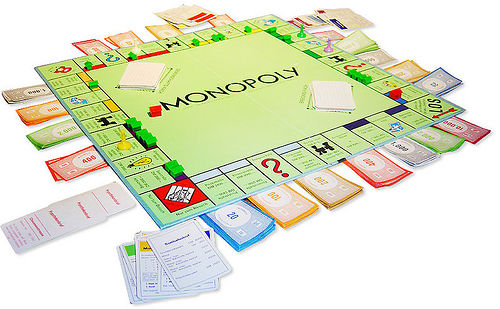
In 1941, as the British War Office searched for ways to help Allied prisoners escape from German POW camps, it found an unlikely partner: John Waddington Ltd., the U.K. licensee for Monopoly. “Games and pastimes” was an approved category of item to be included in care packages sent to captured soldiers, so Waddington’s set about creating special sets to be sent to the camps.
Under the paper surface of each doctored board was a map printed on durable silk showing “escape routes from the particular prison to which each game was sent,” Waddington’s chairman Victor Watson told the Associated Press in 1985. “Into the other side of the board was inserted a tiny compass and several fine-quality files.” Real French, German, and Italian currency was hidden in the stacks of Monopoly money.
MI-9, the intelligence division charged with helping POWs escape, smuggled the games into prison camps, where prisoners would remove the aids and then destroy the sets in order to prevent their captors from divining the scheme.
“It is not known how many airmen escaped thanks to these Monopoly games,” writes Philip Orbanes in The Game Makers, his 2004 history of Parker Brothers, “but 35,000 POWs did break out of prison camps and reach partisans who helped them to safety.”
(Thanks, Ron.)

Dungeons & Developers is a cute and useful "skill tree" in the style of an RPG levelling guide. It starts with basic HTML and works its way through various skills all the way to master Web developer. Each skill-box comes with links to free online tutorials and training materials, and the flowchart suggests a logical progression through all the varied topics.
Dungeons & Developers (via Hacker News) 
|
|

It's undoubtedly possible to turn a Raspberry Pi into a web server, but it's not always easy. Thankfully, Google just streamlined the process with its new Coder project. The open source tool lets developers build web apps for a ready-made Raspberry Pi web server using only a desktop browser. Coder manages all the files, including any media. The mini PC, meanwhile, only requires a network connection and an SD card reader to store the server. Beyond the hardware, Coder is free to use; if you've wanted a cheap testbed for web programming, you'll find one at the source link.
Filed under: Google
Source: Coder

If you flip a photo of bats hanging upside down, they look like they’re having a wicked dance-off.
“I see you’re having trouble with the ‘Karma Pretzel’ pose — Here, let me show you how it’s done.”


Submitted by: Unknown