Shared posts

31 Oct 16:03

Cat and Mouse

by Greg Ross

http://commons.wikimedia.org/wiki/File:Brown_rat_distribution.png

Rats have pretty well overrun the globe, but there’s one exception: Alberta, Canada, which has waged a successful war against the critters for 50 years. Owning rats is forbidden to Alberta residents; they can be kept only by zoos and research institutions. The province maintains a rat control zone 600 kilometers long along its eastern border, staffed by eight professionals, and any rats they find are poisoned, gassed, or shot.

“Alberta is the only province with rat-free status, and we take this very seriously,” Verlyn Olson, minister of agriculture and rural development, said in an August statement. “We have lived without the menace of rats since 1950, when our control program began.”

But it’s a constant battle. In 2003 pest specialist John B. Bourne told National Geographic that he worries the wily creatures will hitch a ride to the interior aboard a truck or train. “They are so adaptive, so intelligent, so successful and physically capable … that it would not surprise me if they show up in a place where you’d least expect a rat to show up. I have the greatest respect for this rodent’s resourcefulness, and [its] capabilities scare the hell out of me.”

31 Oct 16:01

Beyond the Pale

by Greg Ross

Expressions banned from use in New Zealand parliamentary debate:

1933
Blowfly-minded

1943
Retardate worm

1946
Clown of the House
Idle vapourings of a mind diseased
I would cut the honourable gentleman’s throat if I had the chance

1949
His brains could revolve inside a peanut shell for a thousand years without touching the sides

1957
Kind of animal that gnaws holes

1959
Member not fit to lick the shoes of the Prime Minister

1963
Energy of a tired snail returning home from a funeral

1966
Shut up yourself, you great ape
Snotty-nosed little boy
You are a cheap little twerp
Ridiculous mouse

1974
Could go down the Mount Eden sewer and come up cleaner than he went in
Dreamed the bill up in the bath
Frustrated warlord

The full list is here. In brighter news, saying that a fellow member “scuttles for his political funk hole” was deemed allowable in 1974.

31 Oct 15:53

Benjaman Kyle

by Greg Ross
Adam Victor Brandizzi

GENTE EU CONHEÇO A FAMÍLIA DELE ESTÁ DESESPERADA QUEM NÃO COMPARTILHAR REALMENTE NÃO TEM CORAÇÃO

On Aug. 31, 2004, this man was discovered, naked and unconscious, behind a Burger King restaurant in Richmond Hill, Ga. When he regained consciousness in the local hospital, he was unable to remember who he was or how he’d came there.

That was nine years ago, and he still can’t remember. Benjaman Kyle — a name he adopted simply because it shares initials with Burger King — has been diagnosed with dissociative amnesia. He believes his birthday is Aug. 29, 1948, and he has some fragmentary memories of Denver and Indianapolis. But beyond that his life is largely a blank. He has been the subject of numerous newspaper stories and has appeared on national television, but no one has recognized him. He is the only American citizen whose whereabouts are known and yet is officially listed as missing.

The lack of a name or a Social Security number makes the search uniquely difficult. Benjaman has snapshots of memory: buying a grilled cheese sandwich at the Indiana state fair in the 1950s, and public debates over mass transit in Denver in the 1980s. But these lead nowhere. The Indiana Bureau of Motor Vehicles tried and failed to match his face with anyone in its records, and the FBI has been unable to match his DNA or fingerprints.

In 2010 he told told the Guardian that he often refrains from telling his story to new acquaintances because “you get two reactions. They want to tell you their theories or they think you’re mad. Neither is much fun for me.”

He acknowledges that many stories such as his turn out to be hoaxes. “It sounds crazy, I know that,” he says. “All I can say is I’m telling the truth.”

31 Oct 14:08

Si en los años 50 contrataste los servicios de una puta en San Francisco, puede que la CIA te grabase

by Javier Sanz

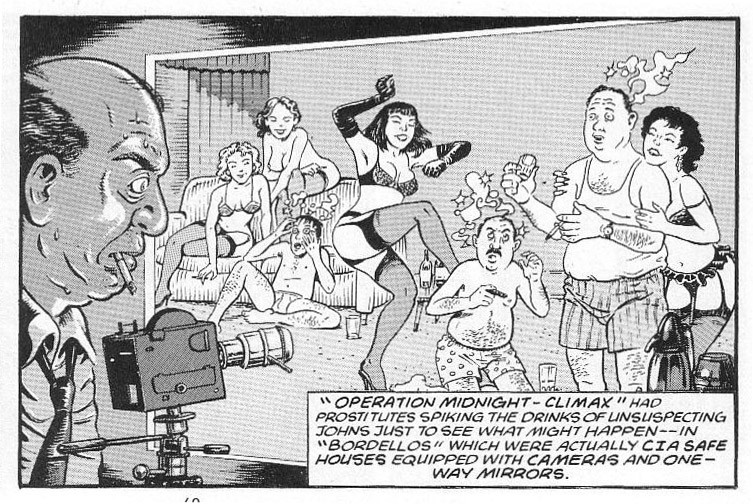
En la década de los años 50, cuando era director de la CIA Allen Dulles y bajo la denominación de Proyect MKULTRA, se iniciaron una serie de investigaciones y experimentaciones para manipular la conducta humana y estudiar sus consecuencias. A través de su División Científica, y con un prepuesto del 6% del total de la Agencia, se comenzó a experimentar con diversos métodos (hipnosis, privaciones sensoriales e incluso la administración de LSD y otras sustancias químicas) para alterar las funciones cerebrales y estudiar el comportamiento humano. Los experimentos comenzaron con voluntarios pero no conseguían los resultados esperados ya que los agentes no se empleaban a fondo y, además, los sujetos estaban condicionados por saber que iban a ser sometidos a examen. Así que, dentro del Proyecto MKULTRA se creó el programa Operation Midnight Climax (Operación Clímax de Medianoche).

Midnight Climax

Este programa, de sugerente nombre, iba a investigar los efectos del LSD y otras drogas en ciudadanos anónimos que nunca sabrían que fueron cobayas humanas. Para ello, la CIA contrató a varias prostitutas y montó varios prostíbulos en los que los ciudadanos que contratasen este tipo de servicios iban a ser narcotizados y vigilados (micrófonos, cámaras e incluso espejos tras los que los agentes de la CIA comprobaban en directo el espectáculo). El problema es que se les fue de las manos y, como consecuencia de excesivas dosis de LSD o por la mezcla con alcohol, un cliente se tiró por la ventana pensando que podía volar. El LSD fue desestimado finalmente por los investigadores porque sus efectos eran demasiado imprevisibles. Así que, si estuvisteis en San Francisco en los años 50 y contratasteis los servicios de una señorita de compañía en el barrio de Telegraph Hill, igual fuisteis utilizados como cobayas y la CIA os grabó “con el culo al aire“. También tenían establecimientos de este tipo en Nueva York.

La Operation Midnight Climax salió a la luz en la primavera de 1963 gracias a un informe del agente John K. Vance que lo puso en conocimiento de la Office of the Inspector General (organización encargada de controlar que los organismos gubernamentales y militares funcionen de acuerdo con las políticas establecidas). Se cerraron los establecimientos y se canceló la operación, pero el Proyecto MKULTRA siguió en vigor hasta que lo destapó el periódico The New York Times en los años 70. En 1975 se crearon dos comisiones de investigación en el Congreso de los EEUU para destapar aquel maquiavélico proyecto. A pesar de que la mayoría de la documentación relativa al proyecto fue destruida por Richard Helms, director de la CIA en aquel momento, gracias al testimonio de varios participantes y a algunos documentos encontrados se pudo demostrar el macabro proyecto de la CIA.

Ilustración: El Heraldo Psicotrónico

Si en los años 50 contrataste los servicios de una puta en San Francisco, puede que la CIA te grabase escrito por Javier Sanz en: Historias de la Historia
También puedes seguirnos en Twitter, Facebook y Google+

31 Oct 13:39

O som, a fúria e as cartas

Adam Victor Brandizzi

Isso aí, não jogue cartas fora.

1) Para mim, Ricardo 3º era um personagem shakespeariano, que conquistou o poder por caminhos tortos e, na véspera da batalha que lhe foi fatal, ouviu os fantasmas de suas vítimas lhe dizerem o inesquecível "Despair and die!", desespere-se e morra. Certo, eu sabia que Ricardo 3º fora mesmo o último rei da casa de York, no fim do século 15, cem anos antes que Shakespeare escrevesse sua história. Mas sabia sem saber. Isso, até quinta-feira passada, quando tive entre as mãos um documento assinado por ele (quando era duque de Gloucester, antes de dar um trato nos seus sobrinhos e se tornar assim rei da Inglaterra). Passei de leve um dedo sobre sua assinatura e foi como se sentisse a pegada de sua brutalidade, de sua ambição e de sua tragédia. Leia mais (10/31/2013 - 03h00)
31 Oct 12:35

True Facts About The CuttleFish

by zefrank1
Music : http://www.soundcloud.com/querflote Clips: Cuttlefish Love/ Michael McCue https://vimeo.com/17280832 Cuttlebone - cuttlefish bone - Cuttlefish shell/Free Photo Fun http://www.flickr.co...
From: zefrank1
Views: 6898160
73294 ratings
Time: 04:50 More in Education
31 Oct 11:55

Ancient Printing Rituals Form Intricate Sand Patterns

by katie hosmer


Sand Prints is a series of ephemeral art created by environmental artist Ahmad Nadalian. Each site-specific piece is a small sculpture naturally blended into a beach or desert landscape. The sculptures become a part of the surrounding land and provide viewers with the opportunity to explore, touch, and even disrupt the final images.

In all of his work, the artist redefines ancient rituals and symbols in contemporary ways. This project is inspired by an ancient printing technique that used carved cylinders to create repeating patterns. Nadalian's modern-day carvings include living creatures like fish, snakes, and crabs, as well as floral patterns that he rolls along the surface of the sand to produce the long rows of repetitive illustrations.

The beauty of each piece is that the loose earth can hold the designs for only so long before the wind disrupts the arrangement or the tide washes it away. Through this fleeting process, Nadalian believes he is making an offering to the Earth, hoping to heal the spirit of our neglected environment. He says, "Art offers a blessing and hope for harmony with the past, with the earth, and the heavens."


Ahmad Nadalian's website
via [I Heart My Art]

31 Oct 09:50

Photo


31 Oct 09:50

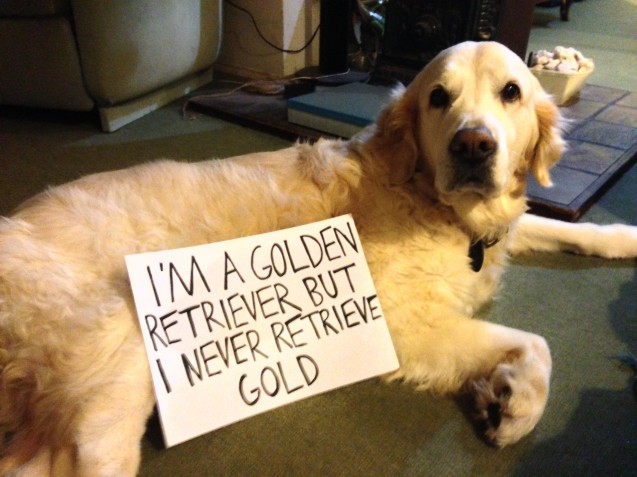
Dogshaming | cc3.jpg

cc3.jpg
31 Oct 09:49

Wikipedia editor profile: Tony the Marine

by Joe Sutherland

Antonio “Tony the Marine” Santiago

In 2004, Antonio Santiago, aka Tony the Marine, began editing Wikipedia by expanding upon the work that his son started on the free encyclopedia. Since then, he has become a passionate researcher, broadening and polishing articles about Puerto Rican military history. Six years after his initial edit, then Puerto Rican Secretary of State Kenneth D. McClintock called Santiago the Commonwealth’s foremost military historian.

Santiago, a Vietnam veteran, father of three, and loving husband of 40 years, said his contributions are a direct product of his background. Born in the South Bronx to Puerto Rican immigrants, he credited his perspective on history to his experience growing up Latino in the United States. In 1969 he was accepted into Columbia University, but chose to join the Marines, where he served until 1975. Though he grew up in New York City, Santiago said his abiding interest is in his parent’s homeland of Puerto Rico. His time in the military made him revaluate the role of Latinos in the United States, which, in turn, led him to view American politics towards Puerto Rico differently.

Santiago’s contributions to Wikipedia center on Puerto Rico’s military forces, something that prior to his involvement he said had very patchy coverage. “I have written over 500 articles on Wikipedia because of the principles that Wikipedia was founded on,” he says. “To be able to share my knowledge with thousands of people for free is beyond my comprehension. Only Wikipedia can make that possible.”

Santiago’s Wikipedia debut was a bit unconventional, considering that he began editing before he had really spent much time reading it. “I didn’t start by using it as a resource. I wanted to fix and add to the articles which my son had written,” he said. “When I saw the possibilities that Wikipedia presented, I started writing more articles.”

Santiago says he has met a number of high-profile people because of his work on Wikipedia.

Santiago wants to “make people aware of the good things that Latinos have done,” he said. “We’re living in an era, especially in the United States, where the anti-Latino sentiment is very high.”

“Most people do not know the contribution that Latinos have made. Wikipedia has provided me with the tools to help,” he added.

Santiago’s work has not gone unnoticed. He often catches the eye of Puerto Rican journalists and state officials. “I wrote an article once about Medal of Honor recipients who had died and the families got together because of that,” he said. “It came out in the newspapers. It made the headlines. That makes me proud of my work, and it makes me proud to know it’s making a difference.”

Santiago underscored Wikipedia’s impact on future generations as motivation for contributing. “As a father and a grandfather, I can appreciate that for the first time in history there’s somewhere providing children around the world with the tools of knowledge, allowing them the opportunity to use what they have learned to make this a better world.”

But don’t expect him to want too much credit for the value he’s added to the encyclopedia. “It’s not about me. It’s about Wikipedia and the opportunities it provides and the impact it has allowed me to make on people. I write for the love of it, you know, and for the love of my people. It’s an opportunity to educate people.”

Profile by Joe Sutherland, Wikimedia Foundation Communications volunteer
Interview by Victor Grigas, Wikimedia Foundation Visual Storyteller.

31 Oct 09:40

When I discovered this young woman, she was sitting on a nearby...


When I discovered this young woman, she was sitting on a nearby bench. A video camera was resting beside her, aimed at the tree/boulder sculpture.

She said that she was studying to be a sculptor. “Our teacher gave us an assignment,” she said. “We are supposed to sit and observe a sculpture for four hours. But I couldn’t just sit here, so I decided to do more.”

She pulled out a thick stack of charts and diagrams. “I’ve been collecting quotes from people who walk by, counting how many people read the official description, and charting where people accumulate to view it.” In addition to these, she had several other sketches and drawings made from different angles.

I was inspired by her devotion to a single piece of art. “So what do you like about it?” I asked. 

"I’m not sure what I like about it," she said. "But I can tell you what I think about it. Thinking is different than liking."

"So what do you think about it?"

"Well, most New Yorkers have grown accustomed to the tall buildings, so they tend to contrast the sculpture with the surrounding trees, and they observe the difference between the organic and inorganic. But I’m new to New York, so I compare it to all the rigid, manmade, vertical buildings. And I note their similarities. And I also love how it plays with gravity."

31 Oct 09:39

reallylameblog: siri ur a judgemental piece of shit


reallylameblog:

siri ur a judgemental piece of shit

30 Oct 13:20

October 30, 2013

30 Oct 12:06

How to Handle Life's Intrinsic Unfairness

by Scott Meyer
Adam Victor Brandizzi

"adding justice to your order now is just unrealistic" hehehe

Do yourself a favor. Please go read today’s Asking the Wrong Guy. It’ll take a while, it’s a long one, but it’s one of the funniest things I’ve ever read, and the last sentence nicely sums up Rick’s entire outlook on life.

As always, thanks for using my Amazon Affiliate links (USUKCanada).

30 Oct 12:00

Improved Keyboard

I'm always installing tons of weird experimental keyboards because it serves as a good reminder that nothing I was going to type was really worth the trouble.
29 Oct 23:04

Como o Iraque, aliado do Irã e da Síria, consegue ter apoio militar dos EUA?

by Gustavo Chacra

O governo de Bashar al Assad, na Síria, é laico, com suas Forças Armadas tendo uma presença proporcionalmente maior de alauitas e cristãos. Tem como maior aliado na região o Irã, com seu regime xiita, e como maior inimigo milícias radicais sunitas muitas vezes ligadas à Al Qaeda, como a Frente Nusrah e o ISIS (sigla em inglês para o Exército Islâmico do Iraque e da Síria).

O governo de Nouri al Maliki, no Iraque, também é laico, mas acima de tudo controlado por xiitas não religiosos. Tem como maior aliado o Irã e como maior inimigo milícias radicais sunitas muitas vezes ligadas à Al Qaeda, como o ISIS.

Como dá para ver, os governos da Síria e do Iraque são muito parecidos. Ambos também estão em meio a guerras civis. Inclusive, por incrível que pareça, Bagdá ainda é bem mais violenta do que Damasco. Apenas neste domingo foram dez carros-bomba na capital iraquiana.

Curiosamente, porém, os dois aliados do Irã são vistos de formas diferentes nos EUA. A Síria é um país inimigo. O Iraque, aliado. A ponto de o premiê iraquiano ter viajado a Washington em busca de mais ajuda militar para combater suas milícias adversárias. Que vem a ser justamente as mesmas que lutam contra Assad.

Será que, indiretamente, os EUA, ao ajudarem o Iraque a lutar contra o ISIS, não estariam também ajudando Assad? Enfim, este é apenas mais um exemplo de como o Oriente Médio é complicado. Ser amigo do Irã e da Síria, como é o caso do Iraque, não impede de ser aliado dos americanos.

Guga Chacra, comentarista de política internacional do Estadão e do programa Globo News Em Pauta em Nova York, é mestre em Relações Internacionais pela Universidade Columbia. Já foi correspondente do jornal O Estado de S. Paulo no Oriente Médio e em NY. No passado, trabalhou como correspondente da Folha em Buenos Aires

Comentários islamofóbicos, antisemitas e antiárabes ou que coloquem um povo ou uma religião como superiores não serão publicados. Tampouco ataques entre leitores ou contra o blogueiro. Pessoas que insistirem em ataques pessoais não terão mais seus comentários publicados. Não é permitido postar vídeo. Todos os posts devem ter relação com algum dos temas acima. O blog está aberto a discussões educadas e com pontos de vista diferentes. Os comentários dos leitores não refletem a opinião do jornalista

Acompanhe também meus comentários no Globo News Em Pauta, na Rádio Estadão, na TV Estadão, no Estadão Noite no tablet, no Twitter @gugachacra , no Facebook Guga Chacra (me adicionem como seguidor), no Instagram e no Google Plus. Escrevam para mim no gugachacra at outlook.com. Leiam também o blog do Ariel Palacios

29 Oct 21:12

IgorSeco

by leonardogomez

nao tem coisa melhor q acordar com um abraço carinhoso, um beijo e um “bom dia meu amor”, menos se tu ta na cadeia

29 Oct 21:11

fer1972: St. Michael defeating The Devil 1. Raphael 2....


fer1972:

St. Michael defeating The Devil

1. Raphael

2. Rubens

3. Guido Reni

4. Raphael again

29 Oct 21:11

fer1972: Street Art Skeletons by Aryz  


fer1972:

Street Art Skeletons by Aryz


29 Oct 19:28

Instagram | eda.png

eda.png
29 Oct 12:32

Photo


29 Oct 12:31

Tumblr | de2.jpg

de2.jpg
29 Oct 12:14

claudiasentada: uhum

29 Oct 09:53

Photo

Adam Victor Brandizzi

Quem nunca?


28 Oct 21:16

A Reportagem da Carta Capital sobre o IPEA

by mansueto
Adam Victor Brandizzi

Pô, pro Mansueto falar assim o pessoal deve ter falado merda mesmo! Faz sentido, a Carta Capital (doravante CaCa) já foi a melhor revista que li mas anda desgringolando legal.

A revista Carta Capital fez uma matéria sobre o IPEA, o tipo de matéria para criar intrigas e cujas as fontes têm medo de falar em “on”. A revista poderia ter falado com os técnicos que cita em “on” e nós poderíamos ter falado, confirmado ou não as declarações que a nós foram imputadas pelo jornalista.

No meu caso específico, o repórter afirma que eu ando me gabando no IPEA de escrever discursos para o candidato Aécio Neves. Quem escreve discurso de candidato são marqueteiros e não economistas. Eu teria que ser muito idiota e burro para fazer uma  declaração desse tipo. O que falei muitas vezes é que gosto do time de economistas por trás do programa do Senador Aécio Neves (também gosto do time que ajuda Eduardo Campos/Marina), que já conversei com o candidato Aécio Neves e sim, conheço o senador Aécio Neves. Mas conheço e converso com outros políticos, inclusive de uma ala do PMDB que é da base de apoio do governo  e com um grupo do PT que acha que o partido está fazendo tolice na área econômica. Mas vamos para o que interessa.

O IPEA está longe de ser uma casa liberal como insinua a matéria. Basta ler que, na chamada “imprensa liberal”, o IPEA sofre constantes ataques, muitos dos quais injustos, por defender o governo. Vamos dar uma olhada nos titulares das diretorias do IPEA.

O Diretor de Macroeconomia, Claudio Hamilton, foi na era Pochmann coordenador-geral de finanças públicas e, na gestão Marcelo Neri, foi promovido a Diretor. Ou seja, Neri promoveu um pesquisador da casa que já era coordenador na gestão Pochmann e que não compartilha de teses liberais como ele fala abertamente. É um pesquisador da casa e de fácil diálogo.

O diretor da Diretoria de Estudos e Relações Econômicas e Políticas Internacionais (Dinte), o economista Renato Baumann, foi por anos o chefe do escritório da  CEPAL em Brasília. Será que alguém de bom senso ou com conhecimento básico de economia chamaria Baumann de neoliberal? Baumann foi por muitos anos o chefe do Ricardo Bielschowsky na CEPAL, um economista da UFRJ da ala desenvolvimentista que participou fortemente da elaboração do PPA no primeiro governo Lula. Baumman é do grupo de economista que acredita na necessidade de fomento à indústria e no apoio do governo à exportação.  Alguém com esse perfil seria classificado de liberal?

O diretor de Estudos e Políticas Sociais (Disoc), Rafael Osório, é um técnico jovem que trabalha no IPEA há anos e que tem um bom relacionamento com todos os técnicos no instituto. Rafael quando ainda técnico contribuiu com o governo na definição de linha de extrema pobreza e sempre foi um técnico excessivamente preocupado com o resultado técnico das pesquisa e não com “desavenças ideológicas”.

A diretora de Estudos e Políticas Setoriais de Inovação, Regulação e Infraestrutura (Diset), Fernanda De Negri, estudou em Campinas, foi assessora de dois Ministros da Ciência e Tecnologia: Aloisio Mercadante e Marco Antonio Raupp. Ela é uma forte defensora de política industrial voltada à inovação e de avaliação de politicas públicas. Ela é minha chefe e sabe tanto estimular o trabalho quanto puxar a orelha quando agente precisa de um bem vindo puxão de orelha. Fernanda estimula o debate técnico interno e aumentou a interlocução do IPEA com outros órgãos da Esplanada dos Ministérios. Ela liberal? nunca, só se liberal tiver para Carta Capital uma definição muito peculiar de quem não defende Márcio Pochmann.

Bom, vamos agora para a Diretoria de Estudos Institucionais (DIEST). Eu me dou muito bem com o antigo diretor da área na era Pochmann, Alexandre Gomide, um técnico competente que inclusive me convidou para fazer trabalhos na DIEST que serão publicados agora. Um texto que escrevi com dois co-autores procura  entender o desenho de politicas industriais em um contexto mais democrático, a partir de dois estudos de caso: o papel do BNDES e Petrobras. O Diretor atual, Daniel Cerqueira, é pesquisador do IPEA e um estudioso na área de segurança pública. Nunca soube ou escutei Daniel defendendo redução do tamanho do estado ou maior abertura comercial, etc. teses identificadas como “liberais”. Daniel é um liberal? Acho que não, mas é muito inteligente e competente.

Bom, estou terminando, só falta eu comentar sobre duas diretorias. A Diretoria de Desenvolvimento Institucional, cujo titular é Luiz Cezar Loureiro de Azeredo, é uma diretoria que cuida de assuntos administrativos. Luiz Cezar tem feito um grande esforço para recuperar a capacidade de planejamento na instituição.

Por fim, tem a Diretoria de Estudos e Políticas Regionais, Urbanas e Ambientais, cujo o titular é o economista Rogério Boueri, também técnico da casa. Rogério é sim um liberal, mas que se destaca por duas qualidades: (i) respeita opiniões divergentes da sua; e (ii) é extremamente discreto e faz o seu trabalho quem quer que seja o seu chefe e não gosta de muita publicidade. É um dos melhores pesquisadores da casa e adora o Botafogo.

Infelizmente, um grupo muito pequeno na gestão Márcio Pochmann tentou fazer do IPEA um órgão de propaganda. É um grupo inclusive que não aceitava muito bem o fato de o PT ter escolhido a presidente Dilma como candidata. A gestão Marcelo Neri está recuperando o IPEA e o respeito a opiniões divergentes.

Depois de muito tempo, perdemos o medo de ter nossa carreira comprometida por falar o que pensamos e o que nossas pesquisas mostram ao invés do que “deveria ser o resultado da pesquisa”. E ao contrário do que sugere a revista, que eu seria um coordenador com amplos poderes, eu não tenho nenhum subordinado e nenhum estagiário. Ou seja, sou coordenador de mim mesmo sem equipe. A influencia que tenho é porque escrevo via meu blog e jornalistas, economistas, estudantes, etc gostam. Escrever é livre e sugiro aqueles que  defendem irresponsabilidade fiscal, uma lista grande dentro e fora do governo, a fazerem o mesmo. Escrever é livre e de graça!!

Não tenho absolutamente nada contra Márcio Pochmann e até simpatizo com algumas de suas idéias (apesar de eu ser segundo a revista um liberal).  Mas no seu mandato no IPEA no governo Dilma (na sua gestão no governo Lula, os problemas foram pequenos) alguma coisa deu errada e o ambiente de trabalho ficou insuportável. A Carta Capital poderia fazer algo interessante. Por que não convida técnicos do IPEA para um debate sobre o IPEA nos últimos 15 anos? Sei que nós técnicos poderíamos contar vários casos e contribuir para que os órgãos de impressa passassem a conhecer melhor o IPEA, que é uma casa cuja direção  voltou a respeitar a pluralidade de opinião como foi a tradição da casa na sua história, inclusive, ao longo de muitos anos do governo do Presidente Lula.


Arquivado em:Economia Tagged: carta capital, IPEA, Liberal, Márcio Pochmann
28 Oct 20:57

Louis Armstrong and Segregation

by Manoel Galdino
Adam Victor Brandizzi

Isso é especialmente legal porque Louis Armstrong tinha fama de ser apático ante o racismo institucional.

Limpando minha caixa de e-mail, deparei-me com esse texto do NYT.

The Day Louis Armstrong Made Noise

By DAVID MARGOLICK

Published: September 23, 2007

FIFTY years ago this week, all eyes were on Little Rock, Ark., where nine black students were trying, for the first time, to desegregate a major Southern high school. With fewer than 150 blacks, the town of Grand Forks, N.D., hardly figured to be a key front in that battle — until, that is, Larry Lubenow talked to Louis Armstrong.

On the night of Sept. 17, 1957, two weeks after the Little Rock Nine were first barred from Central High School, the jazz trumpeter happened to be on tour with his All Stars band in Grand Forks. Larry Lubenow, meanwhile, was a 21-year-old journalism student and jazz fan at the University of North Dakota, moonlighting for $1.75 an hour at The Grand Forks Herald.

Shortly before Mr. Armstrong’s concert, Mr. Lubenow’s editor sent him to the Dakota Hotel, where Mr. Armstrong was staying, to see if he could land an interview. Perhaps sensing trouble — Mr. Lubenow was, he now says, a “rabble-rouser and liberal” — his boss laid out the ground rules: “No politics,” he ordered. That hardly seemed necessary, for Mr. Armstrong rarely ventured into such things anyway. “I don’t get involved in politics,” he once said. “I just blow my horn.”

But Mr. Lubenow was thinking about other things, race relations among them. The bell captain, with whom he was friendly, had told him that Mr. Armstrong was quietly making history in Grand Forks, as he had done innumerable times and ways before, by becoming the first black man ever to stay at what was then the best hotel in town. Mr. Lubenow knew, too, that Grand Forks had its own link to Little Rock: it was the hometown of Judge Ronald Davies, who’d just ordered that the desegregation plan in Little Rock proceed after Gov. Orval Faubus of Arkansas and a band of local segregationists tried to block it.

As Mr. Armstrong prepared to play that night — oddly enough, at Grand Forks’s own Central High School — members of the Arkansas National Guard ringed the school in Little Rock, ordered to keep the black students out. President Dwight D. Eisenhower’s meeting with Governor Faubus three days earlier in Newport, R.I., had ended inconclusively. Central High School was open, but the black children stayed home.

Mr. Lubenow was first told he couldn’t talk to Mr. Armstrong until after the concert. That wouldn’t do. With the connivance of the bell captain, he snuck into Mr. Armstrong’s suite with a room service lobster dinner. And Mr. Armstrong, wearing a Hawaiian shirt and shorts, agreed to talk. Mr. Lubenow stuck initially to his editor’s script, asking Mr. Armstrong to name his favorite musician. (Bing Crosby, it turned out.) But soon he brought up Little Rock, and he could not believe what he heard. “It’s getting almost so bad a colored man hasn’t got any country,” a furious Mr. Armstrong told him. President Eisenhower, he charged, was “two faced,” and had “no guts.” For Governor Faubus, he used a double-barreled hyphenated expletive, utterly unfit for print. The two settled on something safer: “uneducated plow boy.” The euphemism, Mr. Lubenow says, was far more his than Mr. Armstrong’s.

Mr. Armstrong bitterly recounted some of his experiences touring in the Jim Crow South. He then sang the opening bar of “The Star-Spangled Banner,” inserting obscenities into the lyrics and prompting Velma Middleton, the vocalist who toured with Mr. Armstrong and who had joined them in the room, to hush him up.

Mr. Armstrong had been contemplating a good-will tour to the Soviet Union for the State Department. “They ain’t so cold but what we couldn’t bruise them with happy music,” he had said. Now, though, he confessed to having second thoughts. “The way they are treating my people in the South, the government can go to hell,” he said, offering further choice words about the secretary of state, John Foster Dulles. “The people over there ask me what’s wrong with my country. What am I supposed to say?”

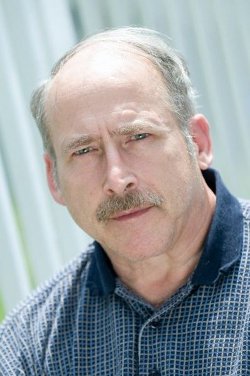
Mr. Lubenow, who came from a small North Dakota farming community, was shocked by what he heard, but he also knew he had a story; he skipped the concert and went back to the paper to write it up. It was too late to get it in his own paper; nor would the Associated Press editor in Minneapolis, dubious that Mr. Armstrong could have said such things, put it on the national wire, at least until Mr. Lubenow could prove he hadn’t made it all up. So the next morning Mr. Lubenow returned to the Dakota Hotel and, as Mr. Armstrong shaved, had the Herald photographer take their picture together. Then Mr. Lubenow showed Mr. Armstrong what he’d written. “Don’t take nothing out of that story,” Mr. Armstrong declared. “That’s just what I said, and still say.” He then wrote “solid” on the bottom of the yellow copy paper, and signed his name.

The article ran all over the country. Douglas Edwards and John Cameron Swayze broadcast it on the evening news. The Russians, an anonymous government spokesman warned, would relish everything Mr. Armstrong had said. A radio station in Hattiesburg, Miss., threw out all of Mr. Armstrong’s records. Sammy Davis Jr. criticized Mr. Armstrong for not speaking out earlier. But Jackie Robinson, Sugar Ray Robinson, Lena Horne, Eartha Kitt and Marian Anderson quickly backed him up.

Mostly, there was surprise, especially among blacks. Secretary Dulles might just as well have stood up at the United Nations and led a chorus of the Russian national anthem, declared Jet magazine, which once called Mr. Armstrong an “Uncle Tom.” Mr. Armstrong had long tried to convince people throughout the world that “the Negro’s lot in America is a happy one,” it observed, but in one bold stroke he’d pulled nearly 15 million American blacks to his bosom. Any white confused by the Rev. Dr. Martin Luther King Jr.’s polite talk need only listen to Mr. Armstrong, The Amsterdam News declared. Mr. Armstrong’s words had the “explosive effect of an H-bomb,” said The Chicago Defender. “He may not have been grammatical, but he was eloquent.”

His road manager quickly put out that Mr. Armstrong had been tricked, and regretted his statements, but Mr. Armstrong would have none of that. “I said what somebody should have said a long time ago,” he said the following day in Montevideo, Minn., where he gave his next concert. He closed that show with “The Star-Spangled Banner” — this time, minus the obscenities.

Mr. Armstrong was to pay a price for his outspokenness. There were calls for boycotts of his concerts. The Ford Motor Company threatened to pull out of a Bing Crosby special on which Mr. Armstrong was to appear. Van Cliburn’s manager refused to let him perform a duet with Mr. Armstrong on Steve Allen’s talk show.

But it didn’t really matter. On Sept. 24, President Eisenhower sent 1,200 paratroopers from the 101st Airborne into Little Rock, and the next day soldiers escorted the nine students into Central High School. Mr. Armstrong exulted. “If you decide to walk into the schools with the little colored kids, take me along, Daddy,” he wired the president. “God bless you.” As for Mr. Lubenow, who now works in public relations in Cedar Park, Tex., he got $3.50 for writing the story and, perhaps, for changing history. But his editor was miffed — he’d gotten into politics, after all. Within a week, he left the paper.

Arquivo em:Arte e Cultura, english, Política e Economia Tagged: EUA, Jazz, Louis Armstrong, negro segregação racial, racismo, segregação
28 Oct 20:19

kylemetcalf: New illustration for this months Alberta Oil...


kylemetcalf:

New illustration for this months Alberta Oil Magazine. The article was about on-site data storage for optimizing efficiency.

Art Direction by Colton Ponto

28 Oct 19:06

"Manual de Sobrevivência Universitária" de graça

by Leonardo Monasterio
...aqui (kindle br) e aqui (kindle eua). Por tempo limitado! (Eu queria deixar de graça para sempre, mas não sei como fazê-lo).
28 Oct 18:59

bjkdfkbjfd: This years Halloween costume: Saint Valter.

Adam Victor Brandizzi

Não sei quem é e sairia correndo, por garantia.


bjkdfkbjfd:

This years Halloween costume: Saint Valter.

28 Oct 18:55

October 28, 2013

Adam Victor Brandizzi

É válido notar que as pessoas em épocas diferentes tinham posições diferentes quanto aos filhos (algumas bem chocantes para nós, aliás). Ainda assim, LOL


Are you near New Jersey and a turbogeek? My friend is putting on a show for you!