Shared posts

06 May 16:58

Historiadores traduzem única autobiografia escrita por ex-escravo que viveu no Brasil

Capa com imagem de Baquaqua - Divulgação/Bruno Véras

RIO - “Que aqueles ‘indivíduos humanitários’ que são a favor da escravidão se coloquem no lugar do escravo no porão barulhento de um navio negreiro, apenas por uma viagem da África à América, sem sequer experimentar mais que isso dos horrores da escravidão: se não saírem abolicionistas convictos, então não tenho mais nada a dizer a favor da abolição.”

As palavras são de Mahommah Gardo Baquaqua, ex-escravo nascido no Norte da África no início do século XIX e que trabalhou no Brasil antes de fugir das amarras da servidão em Nova York, em 1847. O trecho consta do livro “An interesting narrative. Biography of Mahommah G. Baquaqua” (“Uma interessante narrativa: biografia de Mahommah G. Baquaqua”, em tradução livre), lançado assim mesmo, em inglês, pelo próprio ex-escravo, em Detroit, no ano de 1854, em plena campanha abolicionista nos EUA. A obra jamais foi traduzida para o português, permanecendo desconhecida do público brasileiro.

No entanto, com apoio do Ministério da Cultura e do Consulado do Canadá, o professor pernambucano Bruno Véras, de 26 anos, resolveu se debruçar sobre o documento, ajudado por outros dois pesquisadores. Ele viajou ao Canadá, onde buscou vestígios de Baquaqua e consultou os originais do livro, cuja primeira edição em português deve ser lançada no Brasil até o fim do ano que vem.

- Baquaqua sempre foi um personagem que me intrigou. Ele escreveu a única autobiografia de um africano escravizado em terras brasileiras. Nos EUA e na Inglaterra existem vários desses relatos, que tinham uma função abolicionista. No Brasil, só um. E, apesar disso, Baquaqua não é conhecido em nossa História nem em nossos livros didáticos - conta Véras.

Os historiadores Paul Lovejoy e Robin Law, por exemplo, republicaram o livro nos anos 2000, ainda no idioma de Shakespeare. Segundo consta dos registros da edição original, parte da obra foi ditada para o escritor Samuel Moore, responsável também por editar a história do escravo.

DUAS VEZES ESCRAVIZADO

A trajetória extraordinária desse personagem começa nos anos 1820, em Dijougou, onde hoje é o Norte do Benim. Filho de um proeminente comerciante, o pequeno Mahommah Baquaqua estudou em uma escola islâmica para ter acesso ao Corão, adquirindo conhecimentos de leitura e de matemática. Suas habilidades logo lhe permitiram atuar em importantes rotas comerciais que ligavam o então califado de Socoto e o extinto Império Ashanti, que rivalizavam no tráfico de escravos e no domínio de regiões da África Ocidental.

Baquaqua foi preso e feito escravo pelos Ashanti enquanto vendia grãos, noz de cola e outras especiarias para o front de guerra. Mesmo sendo recomprado e libertado pelo seu irmão, acabou novamente detido pouco tempo depois por tentar roubar e ingerir bebida alcoólica perto de Dijougou, algo próximo a um pecado capital para uma localidade dominada pelo Islã.

Baquaqua não pôde contar com a sorte daquela vez. Novamente escravizado, foi levado para a cidade litorânea de Uidá, importante porto de onde saía grade parte dos cativos destinados ao Novo Mundo. É a partir desse ponto que a autobiografia ganha seus contornos mais emocionantes:

“Quando estávamos prontos para embarcar (para as Américas), fomos acorrentados uns aos outros e amarrados com cordas pelo pescoço e, assim, arrastados para a beira-mar. Uma espécie de festa foi realizada em terra firme naquele dia. Não estava ciente de que essa seria minha última festa na África. Feliz de mim que não sabia”, escreveu o escravo.

Se, antes, os brasileiros tinham conhecimento do ambiente de um navio negreiro por meio das descrições de historiadores ou de famosos poemas como o de Castro Alves, agora poderão ter um relato vivo de uma testemunha de um dos piores capítulos da História da humanidade:

“Fomos arremessados, nus, porão adentro, os homens apinhados de um lado, e as mulheres de outro. O porão era tão baixo que não podíamos ficar de pé, éramos obrigados a nos agachar ou nos sentar no chão. Noite e dia eram iguais para nós, o sono nos sendo negado devido ao confinamento de nossos corpos.”

Comida e bebida eram escassos na viagem, havendo dias em que os escravos não ingeriam absolutamente nada. “Houve um pobre companheiro que ficou tão desesperado pela sede que tentou apanhar a faca do homem que nos trazia água. Foi levado ao convés, e eu nunca mais soube o que lhe aconteceu. Suponho que tenha sido jogado ao mar”, conta Baquaqua.

A incrível jornada de Baquaqua - Editoria de Arte

Pernambuco foi o destino do navio que levava nosso personagem, que desembarcou em 1845. De início, foi levado para uma lavoura nos arredores de Olinda, onde conheceu a dureza da escravidão brasileira: “o fazendeiro tinha grande quantidade de escravos, e não demorou muito para que eu presenciasse ele empregando livremente seu chicote contra um rapaz. Essa cena causou-me uma impressão profunda, pois, é claro, imaginei que em breve seria o meu destino”.

Baquaqua tratou da violência do senhor, chamando-o de “tirano”. Trabalhando como padeiro, o escravo inicialmente prestava os serviços com dedicação, mas ao ver que seu "patrão" nunca ficava satisfeito, entregou-se às bebidas e evitou o serviço. Acabou revendido para outro comerciante, desta vez no Rio de Janeiro.

"Meus companheiros não eram tão constantes quanto eu, sendo muito dados à bebida e, por isso, eram menos rentáveis para o senhor. Aproveitei disso para procurar elevar-me em sua opinião, sendo muito prestativo e obediente, mas tudo em vão; fizesse o que fizesse, descobri que servia a um tirano e nada parecia satisfazê-lo. Então comecei a beber como os outros e, assim, éramos todos da mesma laia, mau senhor, maus escravos."

Na capital do Império, devido aos seus conhecimentos de matemática e literatura, o escravo atuou dentro de um navio especializado no comércio de charque entre o Rio Grande do Sul e a Corte.

Mas foi uma encomenda de café para Nova York que mudou sua vida completamente. Naquela época, os estados do Norte dos Estados Unidos já tinham abolido a escravidão, fato que não passou despercebido por Baquaqua. “A primeira palavra que meus dois companheiros e eu aprendemos em inglês foi F-R-E-E (L-I-V-R-E); ela nos foi ensinada por um inglês a bordo e, oh!, quantas e quantas vezes eu a repeti.”

Baquaqua tentou fugir do navio ao desembarcar em Nova York, mas logo acabou preso. Com a ajuda de abolicionistas locais, o escravo conseguiu escapar da prisão e rumou para o Haiti. Ficou por lá durante dois anos, período em que se converteu ao cristianismo, ingressando na Igreja Batista Abolicionista. De volta aos Estados Unidos, em 1850, o já liberto africano frequentou aulas de inglês por três anos no Central College, numa localidade então conhecida como MacGrawville, hoje parte de Nova York.

RELATO SIMILAR AO DE FILME QUE GANHOU OSCAR

Mas foi em Detroit que Baquaqua publicou seu livro, numa tentativa de arrecadar fundos para a campanha abolicionista. A autobiografia - chave do seu engajamento na luta abolicionista (que o levou até mesmo à inglesa Liverpool, em 1857, último lugar onde se teve notícia de Baquaqua) - é contemporânea e guarda similaridade com a de Solomon Northup. Americano nascido livre e escravizado no Sul dos Estados Unidos, ele teve sua obra adaptada para o cinema em 2013, com o título “Doze anos de escravidão”. O filme americano venceu o Oscar em três categorias, inclusive a de melhor longa-metragem.

- O contexto em que o livro de Solomon Northup foi publicado é o mesmo do de Baquaqua. Abolicionistas incentivavam ex-escravos a escrever relatos do cativeiro e mobilizar a opinião pública. Nada melhor do que o próprio escravo para contar como era a escravidão - afirmou Véras, que também trabalha para lançar um site somente sobre o ex-escravo, reunindo vídeos, fotos e arquivos de época.

Essa fascinante história também virou tema de um pequeno documentário em 2012, produzido por pesquisadores da Universidade Federal de Pernambuco (UFPE), em parceria com professores da rede de ensino do estado. Paulo Alexandre, conhecido nacionalmente por reproduzir os principais acontecimentos da Segunda Guerra Mundial no Facebook, foi um dos que participaram da produção.

Segundo ele, o personagem pode ser trabalhado em sala de aula como uma história de superação e de luta contra os estereótipos em torno do escravo:

- Meus alunos ficam impressionados quando lhes conto sobre Baquaqua, pois todos tinham aquela velha ideia de escravo submisso, aquele indivíduo sem nome nem identidade, que só sabia apanhar e trabalhar. Ninguém imagina que ele poderia ser uma pessoa inteligente, empreendedora, que consegue a liberdade a partir do próprio esforço.

Assista abaixo às duas partes do documentário de 2012.

Bookmarked at brandizzi Delicious' sharing tag and expanded by Delicious sharing tag expander.
29 Nov 20:10

Photo


29 Nov 20:03

Bad Boyfriend for Hire [@nickyistaken]


Bad Boyfriend for Hire [@nickyistaken]

28 Nov 22:25

littlelimpstiff14u2: This 144-Year-Old Wisteria In Japan...


littlelimpstiff14u2:

These stunning photographs, which look like a glorious late evening sky with dashes of pink and purple, are actually pictures of Japan’s largest wisteria (or wistaria, depending on whom you ask) plant.

This plant, located in Ashikaga Flower Park in Japan, is certainly not the largest in the world, but it still comes in at an impressive 1,990 square meters (or half an acre) and dates back to around 1870 (the largest, at about 4,000 square meters, is the wisteria vine in Sierra Madre, California). Although wisterias can look like trees, they’re actually vines. Because its vines have the potential to get very heavy, this plant’s entire structure is held up on steel supports, allowing visitors to walk below its canopy and bask in the pink and purple light cast by its beautiful hanging blossoms.

Image credits: Takao Tsushima

28 Nov 22:25

Adeus, Chaves.

28 Nov 21:19

Prognosis

by Tom
Adam Victor Brandizzi

I love this comic but it breaks my webcomic expander pipe :(

Time to just lay down and die. There is no point anymore.

28 Nov 21:08

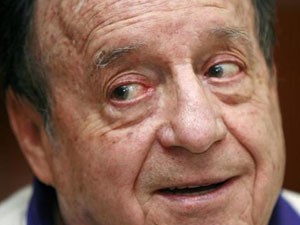
Morre aos 85 anos Roberto Gómes Bolaños, diz emissora

O comediante mexicano Roberto Gómez Bolaños abriu conta no Twitter (Foto: Henry Romero/Reuters)O comediante mexicano Roberto Gómez Bolaños
(Foto: Henry Romero/Reuters)

Morreu aos 85 anos Roberto Gomez Bolaños, criador dos seriados Chaves e Chapolin, disse nesta sexta-feira (28) a rede de TV Televisa. A emissora mexicana foi a responsável pela produção dos programas do humorista.

Em fevereiro deste ano, quando Roberto Bolaños completou 85 anos, um parente confirmou à agência de notícias Efe que a saúde dele é “frágil” e que ele permanecia quase o tempo todo na cama, com acompanhamento 24 horas por dia. “Mas é um homem forte, que não perde o senso de humor”, disse o parente, que preferiu não se identificar.

Bookmarked at brandizzi Delicious' sharing tag and expanded by Delicious sharing tag expander.
28 Nov 19:32

[happyjar]

28 Nov 19:31

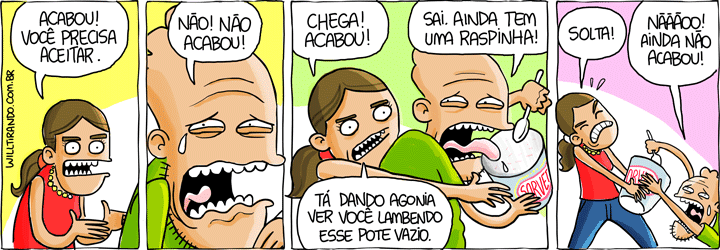
Aceita. Acabou!

28 Nov 19:30

Photo


28 Nov 19:29

infomedicos: infomedicos

28 Nov 11:47

Ad-hoc data breakpoints

by Ned Batchelder

A co-worker had a problem running a large test suite with nose. Modules were being imported from the wrong directory. Somehow, sys.path was having a "project/lib" directory stuffed into it, and we couldn't figure out why. (tl;dr: it was nose's fault, and we should have known about it, and it shouldn't have been doing it in the first place.)

We searched our code for "sys.path.insert" and found more of them than we liked, but none of them accounted for the modification we were seeing. What we wanted was to run the tests in a debugger, with a data breakpoint set: stop when sys.path is modified.

Unfortunately, pdb doesn't support breakpoints like that, maybe other debuggers do? So we whipped up an ad-hoc data breakpoint:

import pdb, sys

def trace(frame, event, arg):
    if sys.path[0].endswith("lib"):
        pdb.set_trace()
    return trace

sys.settrace(trace)

(Yes, it's a little irksome that there are two different spellings of "set trace" there...)

A trace function is a Python function registered with the interpreter with sys.settrace(). This function will be called for every line of Python executed. Trace functions are the basis of debuggers, profilers, and code coverage tools.

Here we've written a very simple one: check to see if sys.path has been modified in the way we care about, and if so, break into the debugger. To be honest, I wasn't quite sure what would happen if I tried to break into the debugger from inside a trace function, but when we ran the test suite with this code in place, it worked perfectly. We were dropped into the debugger just after nose added a "lib" directory to sys.path.

As it happens, nose tries to be helpful by adding a "src" and "lib" directory to the path, even though that's an unusual layout for Python projects. Luckily, there's a nose option to disable that bit of helpfulness, and our tests run just fine now.

If you find yourself in a similar situation, consider a simple trace function. It's an advanced technique, but you don't have to get too tricky, and can really tell you a lot about what your program is doing.

28 Nov 11:31

Cidade paulista lança 'disque-árvore' para plantar ipês e outras mudas

LUCAS SAMPAIO, DE CAMPINAS

Os moradores de Santa Bárbara d’Oeste, cidade a 135 km de São Paulo, agora podem pedir por telefone para ter uma árvore plantada gratuitamente na calçada de casa. A novidade existe desde que a prefeitura lançou um “disque-árvore” para melhorar a arborização da cidade.

Para ser contemplado, basta ligar para o telefone (19) 3464-9010 ou preencher um cadastro no site da Prefeitura de Santa Bárbara. Em até um mês, uma equipe da Secretaria de Ambiente do município vai até a casa do barbarense, abre um quadro na calçada e planta a árvore, sem custo.

Serviços semelhantes já existem no Estado em São Carlos e Fernandópolis.

Em Santa Bárbara, a medida faz parte do plano de arborização urbana da prefeitura, e as espécies disponíveis para o plantio são: aldrago, calabura, cassia-imperial, escova-de-garrafa, grevilha-anã, ipê-amarelo, ipê-branco, jacarandá-mimoso, melaleuca, magnólia-amarela, oiti, pata-de-vaca, pau-ferro, quaresmeira, resedá e sibipiruna.

“O morador podia fazer o pedido, mas desconhecia isso”, diz Fábio Diniz, biólogo da Secretaria municipal de Ambiente. “Antes, a gente tinha duas solicitações por mês –quando tinha. No primeiro mês [do “disque-árvore”], foram quase 70 pedidos. O que precisava era ter um mecanismo e divulgá-lo.”

Funcionários plantam muda de árvore em Santa Bárbara (SP) - Divulgação

Funcionários atendem pedido para plantar muda em Santa Bárbara d’Oeste (SP) – Divulgação

No site da prefeitura é possível ver fotos das espécies disponíveis e uma pequena descrição. Os ipês branco e amarelo, que estão entre as árvores mais pedidas ao lado do oiti e da quaresmeira, são descritos como “espécie nativa extremamente ornamental, com altura média de seis metros, adequada para o plantio em calçadas e sob fiação de energia elétrica”.

Desde agosto, foram feitos 189 pedidos, segundo a prefeitura. “Foi uma coisa simples, que teve grande procura. Chegou a ligar gente de Campinas pedido árvore”, conta Diniz, que considera a arborização atual da cidade um problema.

“A nossa arborização é bem falha, bem problemática. Tem muitas árvores no município que estão ruins e precisam ser podadas ou retiradas. Como a prefeitura não realizava esse serviço, os moradores foram extraindo as árvores, apesar de isso ser ilegal, e não plantavam outra no lugar. Aí o município foi ficando sem árvore.”

ESTIAGEM

A meta da secretaria é plantar 36 mil mudas em áreas urbanas da cidade nos próximos cinco anos -incluindo em margem de rios, áreas verdes, parques, jardins e calçadas (que deve responder por 30% do total).

Para isso, a prefeitura terceirizou o plantio e a poda de árvores em junho. O contrato de um ano inclui o plantio de 5.280 mudas em áreas públicas e calçadas, 2.880 podas, 1.008 supressões (retiradas de árvores), 1.104 retiradas de tocos de árvores e 300 ultrassonografias para verificar a “saúde” das plantas, por R$ 1,8 milhão.

Mas a estiagem prolongada que atinge o Sudeste do país pode atrapalhar os planos da prefeitura. “O maior problema que estamos enfrentando é com a aquisição de mudas. Elas têm de ter no mínimo 1,80 m, segundo a lei municipal, mas a seca afetou o tamanho das mudas”, diz o biólogo. “Está difícil encontrá-las no tamanho adequado.”

28 Nov 11:16

This paranoid turkey fled to Taiwan. Happy day of thanks to all...

Adam Victor Brandizzi

It is not paranoia if they are really after you.


This paranoid turkey fled to Taiwan. Happy day of thanks to all the yankees out there. 🍴 (at 林東芳牛肉麵)

28 Nov 11:15

Photo


27 Nov 12:25

A Sex Researcher At A Furry Convention

by Neuroskeptic
A report in the journal Archives of Sexual Behaviour describes an unusual field trip made by Canadian researcher Debra W. Soh - to a furry convention, expecting to witness some kind of sexual free-for-all (or free-fur-all). Soh opens by saying that I couldn’t wait to meet a furry, someone who adopts the identity or persona of an anthropomorphized animal in social - and often sexual - interactions. Since first discovering their existence two years ago while working as a research as
27 Nov 11:07

A Quirky Portrait Series that Features ‘Elderly Kids’

by Michael Zhang

2d4ef6b68befe94e18429751f11da424

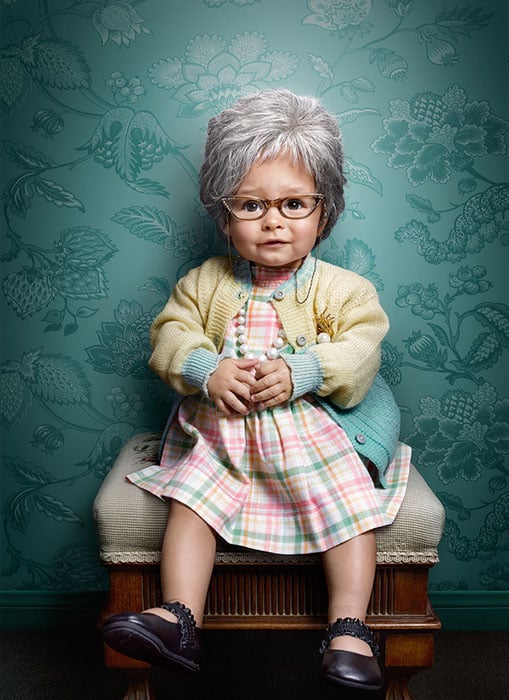
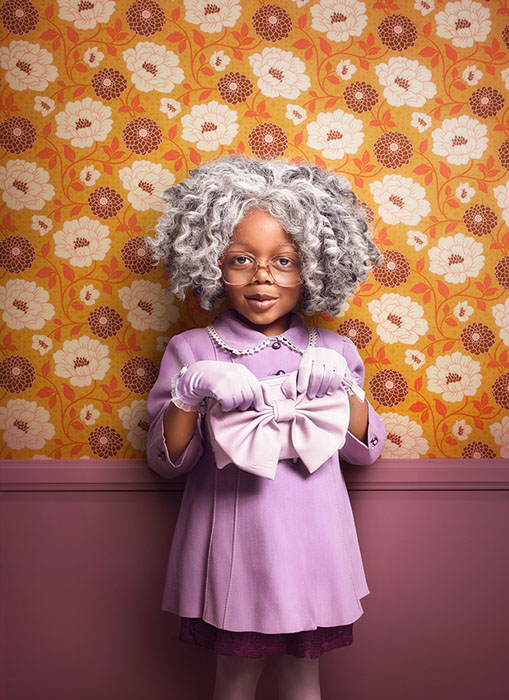
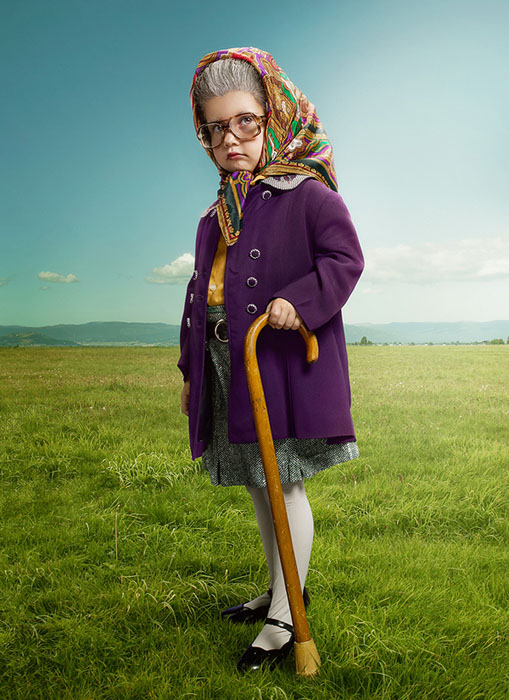
Los Angeles-based photographer Zachary Scott of Sharpe & Associates was recently commissioned by New York Times Magazine to shoot a quirky series of portraits for a feature titled, “What if Age Is Nothing but a Mind-Set?” The piece was about the area of reverse aging research, so Scott’s task was to make a group of kids look like they had instantly aged 70 years or so.

Scott and his team used props, prosthetic makeup, and digital trickery to create their “believable time warp effect.”

3ed11e455d885d36a17ec791e661f325

22ce1703aa1d689e37335de6c819c718

27bae2748ed915758c3c9b4751425290

84dfcd9af93d7407a29d7b4dcb26f815

92c439516f63f5a0d6c1f49248f49ad9

Scott definitely has a knack for this type of work, but unfortunately for him, most people wish to look younger in portraits rather than older.

You can find more of his work over in his online portfolio.

(H/T Visual News)

27 Nov 01:29

[voicelesselectrica]

27 Nov 01:28

Photo


27 Nov 01:25

O Estado de Bem Estar Social brasileiro e o futuro

Fernando Dantas

24 novembro 2014 | 15:54

A despesa pública no Brasil cresceu basicamente para atender a demanda da sociedade por mais justiça social e inclusão. Hoje, uma gigantesca teia de programas atende a dezenas de milhões de brasileiros, e o número de beneficiários não para de crescer. Tornar a rede de seguridade social mais eficiente, justa e compatível com a solidez fiscal é uma tarefa imprescindível, mas muito difícil politicamente. O diálogo com a população sobre essa agenda tem de começar já.

Existe um diagnóstico, amplamente aceito hoje em dia, de que a sociedade brasileira, por meio do voto, deu um mandato para que os sucessivos governos pós-redemocratização distribuíssem distribuir melhor a renda e corrigissem as graves injustiças sociais do Brasil. Mais recentemente, o economista Mansueto Almeida, do Ipea, mostrou que a explosão dos gastos públicos nas últimas décadas não deriva do inchaço da máquina, mas sim basicamente do crescimento contínuo das transferências previdenciárias, dos programas sociais e do custeio de funções sociais do Estado como saúde e educação.

Uma novidade dos últimos anos é o aumento do gasto com subsídios, uma conta que mistura um programa de significativo impacto social, o Minha Casa Minha Vida (MCMV), e subsídios a empresários do Programa de Sustentação do Investimento (PSI) do BNDES. Outra parcela dos subsídios ao capital corre por fora do Orçamento, no diferencial (excluindo PSI) entre as taxas cobradas pelo BNDES dos seus clientes e o custo de captação do Tesouro, que abastece o banco de fomento com boa parte dos seus recursos.

Assim, a despesa pública federal entre 1999 e 2014 (acumulada até setembro) aumentou 5,49 pontos porcentuais do PIB, de 14,49% para 19,98% do PIB. Deste incremento, uma parcela de 4,47 pontos porcentuais do PIB – ou 81% – vem do aumento de gastos com INSS, programas sociais e custeio de saúde e educação. Se forem incluídos os subsídios, chega-se a 5,31 pontos porcentuais, ou 97% do aumento da despesa da União como proporção do PIB. Se forem incluídos os investimentos, ainda pequenos (1,31% do PIB), o incremento da despesa vai para 6,12 pontos porcentuais do PIB, ou 111% do aumento total do gasto da União entre 1999 e 2014. Isto acontece porque, na verdade, dois itens recuaram como proporção do PIB: gastos com pessoal (incluindo Previdência do setor público), que caiu 0,29 ponto porcentual do PIB; e custeio administrativo, que caiu 0,34.

O diagnóstico é claro. Um Estado que reduz, como proporção do PIB, o quanto paga a seus funcionários ativos e inativos e que, na mesma óticaO , gasta menos com a máquina não pode ser acusado de sugar recursos da sociedade em benefício próprio (embora a Previdência do funcionalismo, muito mais generosa do que a do setor privado, permaneça como um exemplo de injustiça, ainda que contido como proporção do PIB). Na verdade, o Estado brasileiro cresceu nas últimas décadas para dar conta do mandato distributivo definido pela sociedade.

Uma outra questão é a eficiência para cumprir esse mandato. Com os mesmos recursos, pode-se fazer mais ou menos, ter mais ou menos qualidade na consecução dos objetivos. Além disso, nem todo o aumento das transferências previdenciárias e sociais pode ser considerado distributivamente justo. Há, por exemplo, evidentes exageros na benevolência das regras de pensão por morte (o tema inclui, naturalmente, o funcionalismo), que não necessariamente beneficiam os mais pobres. Da mesma forma, existe um claro uso oportunista do seguro-desemprego por pessoas que trocam de emprego num mercado de trabalho aquecido.

Dessa forma, uma agenda clara para as próximas décadas é aprimorar e tornar mais eficiente e justo o Estado de bem estar social brasileiro.

Clientelas gigantescas

Não será uma tarefa fácil. Um dos problemas centrais é que os programas se agigantaram, e hoje quaisquer mudanças mexem com clientelas de milhões ou até dezenas de milhões de pessoas. A última campanha eleitoral mostrou que há uma tendência invencível no discurso político de pintar qualquer tentativa do adversário de reformular os programas previdenciários e sociais como maléfica intenção de prejudicar a população – especialmente a mais pobre – em seus direitos e conquistas. Quando essas propostas envolvem imensas fatias do eleitorado, a sua simples menção torna-se quase um suicídio político.

Os números impressionam. As famílias atendidas pelo Bolsa-Família saltaram de 6,6 milhões em 2004 para 14 milhões em 2014. Se forem consideradas um pouco mais que três pessoas por família, os beneficiados em sentido amplo se aproximam do número mágico de 50 milhões tantas vezes brandido pela presidente Dilma Rousseff durante a campanha.

Já as transferências para idosos pobres que hoje estão principalmente no LOAS (a conta inclui também outros benefícios vitalícios, como os de deficientes) saltaram de 1,7 milhão em 1997 para 4,3 milhões em 2014. O abono salarial, no mesmo período, saiu de 4,5 milhões para 21,3 milhões de beneficiários. O seguro-desemprego, de 4,4 milhões para 9,1 milhões (mesmo com o superaquecimento do mercado de trabalho). As aposentadorias do INSS, de 10,1 milhões para 18 milhões. As pensões por morte, de 4,7 milhões para 7,4 milhões.

Essas massas gigantescas de beneficiários da expansão do Estado de bem estar social brasileiro terão de ser convencidas da necessidade de se mudar regras, para corrigir injustiças e melhorar a eficiência. As mudanças também terão de colocar o avanço social dentro das possibilidades econômicas do País. Não adianta continuar a estender direitos se um belo dia simplesmente não houver como pagá-los (a inflação não é solução para isso, pois reduz o valor real dos benefícios). Será uma conversa dura e difícil cujos resultados afetarão diretamente a maioria dos brasileiros – e, com certeza, a grande maioria dos brasileiros mais pobres. Quanto mais rápido o governo iniciar esse diálogo, melhor.

Fernando Dantas é jornalista da Broadcast (fernando.dantas@estadao.com)

Esta coluna foi publicada na AE-News/Broadcast em 20/11/14, quinta-feira.

Bookmarked at brandizzi Delicious' sharing tag and expanded by Delicious sharing tag expander.
27 Nov 01:24

The Skeptics Guide to Institutions – Part 3 | The Growth Economics Blog

This is the third in a series of posts regarding the institutions literature. The first two posts dealt with original cross-country work on institutions and the attempt to identify the effects using settler mortality.

The third generation of institutions work is, in large part, a response to the empirical problems of the first 2 generations. These new papers avoid vague measurement of “institutions” by drilling down to one very specific institution, and do their best to avoid identification problems by looking for natural experiments that give them good reason to believe they are looking at exogenous variation in the institution.

The following are some good examples of this third generation. There are others that I haven’t listed, but these are ones I talk specifically about in class:

  • Dell (2010). Household consumption and child health are lower in areas in Peru and Bolivia subject to the Spanish mita – forced labor in mines – than in areas just outside the mita.
  • Nunn (2008). The number of slaves taken from an African country is negatively related to income per capita today.
  • Banerjee and Iyer (2005). Agricultural output and investments in education and health are currently lower in areas of India where the British invested property rights in landlords as opposed to cultivators.
  • Iyer (2010). Areas of India subject to direct British colonial rule have lower investments in schooling and health today than areas ruled indirectly through Indian governors.
  • Michalopoulos and Papaioannou (2013). Pre-colonial ethnic political centralization in Africa is related to current levels of development within Africa.

So, problem solved, right? We’ve got solid empirical evidence that institutions matter. Not necessarily.

What these papers demonstrate is that economic development is persistent. If you like, they are evidence that there are poverty traps. If something happens to knock you below some threshold level of development – slaving activity, the mita, arbitrary borders, bad landlords – then you can’t get yourself out of that trap. You are too poor to invest in public goods like human capital or infrastructure because you are spending all your money just trying to survive. So you stagnate. Pushing you into the trap was the result of an “institution”, if we call these historical experiences institutions, but it isn’t institutions that keep you poor, it’s the poverty itself that prevents development.

Take Dell’s paper. She does not have evidence that the mita reduced living standards while it existed, she has evidence that contemporary development in the area covered by the mita is lower, roughly two hundred years after the mita was abolished. Dell shows that education is lower and road networks are less dense in mita areas than in their close neighbors. So what explains the historical persistence? One possibility is that there was some other institutional structure left behind by the mita that limited development. But we have no evidence of any institutional difference between the mita areas and others. We simply know that the mita areas are poorer, and that could be evidence of a poverty trap rather than any specific institution.

The papers on India have a similar flavor. The British no longer are in charge in India, but there are some differences today related to how they did govern. With regards to the effects of direct British, we don’t actually know what the channel is leading to the poor outcomes. We just know that there is an effect. With regards to the effect of landlords or cultivator property rights, this isn’t about institutions, it’s about the distribution of wealth.

Think of the question this way. What specific policy change do any of these papers suggest would lead to economic development? “Don’t get colonized, exploited, or enslaved by Europeans” seems like it would be hard to implement retroactively.

Of the papers I listed, probably the strongest evidence that institutions actually matter is the Michalopoulos and Papaioannou work using African ethnicities. Geographic homelands of ethnicities cross national boundaries, and one can measure the economic development in one of these homelands by using satellite data on lights at night. What MP (I’m not spelling those again) find is that ethnicities that had stronger political centralization prior to being colonized – they had political systems beyond simple chief-led villages – are rich today relative to other ethnic groups within the same nation. But this still leaves unanswered what specifically about pre-colonial ethnic political centralization has been transmitted to current populations. The policy implication for development here is just “be descended from a more coherent political unit”.

Those same authors have another paper, by the way, that looks at the question from the other direction. They look within an ethnicity that spans a national border. Does the economic development level of the two parts depend on the national-level institutions? No. Measures of national-level institutions like those discussed in Part 1 have no explanatory power for development differences between the two parts of a partitioned ethnicity.

Understanding how a country/region/ethnicity got poor is not the same thing as understanding what will make them rich. “Institutions mattered” is different from “institutions matter”. I think the better conclusion from the 3rd generation of institutions research is that economies can fall into poverty traps from which escape is difficult if not impossible. Would better institutions allow these places to escape these traps? I don’t think we can say that with any confidence, partly because we have no idea what “better institutions” means.

I think the right null hypothesis regarding existing institutions is that they likely solving a particular issue for a particular group. Let’s call this the Elinor Ostrom hypothesis. I don’t think that the existing empirical institutions literature has provided sufficient evidence to reject the null at this point. Certainly not to the point that we can pinpoint the “right” institutions with any confidence.

Could I be wrong to be this skeptical? Absolutely. We may come up with concrete definitions of institutions that we can measure and use empirically. There may be research in the works right now that gives some definitive evidence that “institutions matter” for development, in the present, and that appropriately tweaking them will generate growth. If so, hallelujah. But until then, I remain skeptical.

Like this:

Like Loading...

Related

Bookmarked at brandizzi Delicious' sharing tag and expanded by Delicious sharing tag expander.
27 Nov 01:24

Photo


27 Nov 01:24

peterdonyc: Kim


peterdonyc:

Kim

26 Nov 20:30

Cute <3

26 Nov 20:24

What do they know.

26 Nov 20:07

Artist Andrea Dezsö’s Enchanting Black-and-White Illustrations for the Little-Known Original Edition of the Brothers Grimm Fairy Tales

by Maria Popova

“Tales are powerful instruments and should be wielded skillfully.”

In December of 1812, Jacob and Wilhelm Grimm, then in their twenties, published the first volume of what would become the world’s most enduring and beloved fairy tales, which have raised generations of children and inspired endless reimaginings, most recently by Neil Gaiman. But what most of us know today — the most commonly known Grimm tales, those most continually reprinted, widely translated, and even more widely celebrated — is the 1857 edition, which has very little to do with the original. Over the forty-five years and six editions in between, the Grimm brothers refined, revised, and wholly rewrote the tales beyond recognition. But in the preface to the magnificent The Original Folk and Fairy Tales of the Brothers Grimm: The Complete First Edition (public library), translator and Grimm scholar Jack Zipes argues that “the first edition is just as important, if not more important than the final seventh edition of 1857, especially if one wants to grasp the original intentions of the Grimms and the overall significance of their accomplishments.”

The original tales were pioneering examples of elements of creative culture we celebrate today as modern inventions — desk-bound scholars and philologists, the brothers were visionary crowdsourcers and deft remixers of folktales they collected from oral storytelling traditions. To that end, the tales also bespeak the central but unsung role of women in literary traditions — several well-educated young women from two local families played a significant role in gathering the tales and reciting them for the Grimm brothers to record; but the most significant contribution came from a tailor’s wife named Dorothea Viehmann, who lived in a nearby village and told the brothers more than forty tales.

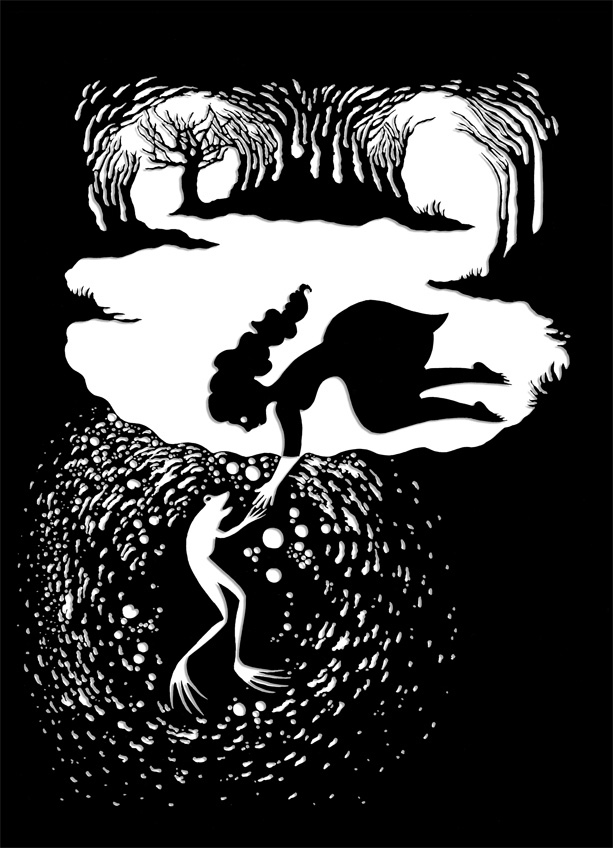
'The Frog King, or Iron Henry'

Most significantly, the tales as originally envisioned were beautifully blunt and unaffected, not moralistic or didactic — as Christian and puritanical ideology would later censor them into being — but celebratory of the ennobling effect of poetry itself. The Grimms capture this beautifully in the preface to the 1812 edition, where they also speak with great elegance to the notion — shared by Tolkien and echoed by Neil Gaiman — that children shouldn’t be shielded from the dark:

In publishing our collection we wanted to do more than just perform a service for the history of [poetry]. We intended at the same time to enable [poetry] itself, which is alive in the collection, to have an effect: it was to give pleasure to anyone who could take pleasure in it, and therefore, our collection was also to become an intrinsic educational primer. Some people have complained about this latter intention and asserted that there are things here and there [in our collection] that cause embarrassment and are unsuitable for children or offensive (such as the references to certain incidents and conditions, and they also think children should not hear about the devil and anything evil). Accordingly, parents should not offer the collection to children. In individual cases this concern may be correct, and thus one can easily choose which tales are to be read. On the whole it is certainly not necessary. Nothing can better defend us than nature itself, which has let certain flowers and leaves grow in a particular color and shape. People who do not find them beneficial, suitable for their special needs, which cannot be known, can easily walk right by them. But they cannot demand that the flowers and leaves be colored and cut in another way.

'The Three Sisters'

But what makes this newly released original volume especially enchanting are the breathtaking illustrations by Romanian-born artist Andrea Dezsö. Her delicate ink-drawing vignettes — intended to invoke the magical cut-paper sculptures for which Dezsö is known — illuminate scenes from the Grimms’ tales through an extraordinary interplay of darkness and light, both of color and of concept.

'The Wild Man'

'The Elves'

'The Godfather'

I had the pleasure of speaking with Dezsö about her creative process, the enduring enchantment of fairy tales, the singular allure of papercraft, the relationship between horror and whimsy, and the joy of making art at a public library.

MARIA POPOVA: Your artwork is so intricate, so delicately detailed. Where does each piece begin, both in your mind and on the paper?

ANDREA DEZSÖ: Images can arrive fully-formed as I read the text, if it comes this way then it just pops out. Images that don’t come to mind fully-formed begin vague and undetailed, like something seen from a distance at night. In those cases, I sketch on the margins of the text or in a small notebook using a thick, blunt pencil that does not allow for precision. Through the act of drawing the image gets clearer and clearer. I start from marking what I know, what I can already see taking shape.

I made most of the Grimm sketches at a public library in New Jersey that had sturdy tables, great light, lots of books, people reading — a quiet and uplifted environment that made it easy to focus. I love to work outside of the studio — at libraries, in meetings, on the subway, while waiting around. Since you’re not expected to create great artwork in those places, it’s easy to relax and let the mind wander and find unexpected images.

A lot of the creative work and visual thinking happen up front, in the sketch phase. Loose sketch, detailed sketch. I typically show clients only highly detailed sketches that very closely resemble the finished illustrations — that’s the first they see of how I’ve translated the text into imagery.

'The Twelve Brothers'

'Hans My Hedgehog'

MP: How did you choose which fairy tales and which particular scenes to illustrate?

AD: Jack Zipes asked that I illustrate the first and last tales (“The Frog King” and “The Golden Key”), and also suggested a group of other tales to consider, so I started by reading those. If I liked his suggestion, I illustrated it; if not, I picked another one. I chose tales to illustrate that gave me immediate, strong, clear mental images as I read them. The scenes to be illustrated popped into my mind, often fully formed — like the whale rearing from the water with a man sitting in a tiny boat in front of it. I love tales that feature the devil or other nonhuman creatures, so that influenced my choices, too.

'The Devil in the Green Coat'

MP: How long did each piece take, on average — both the mental incubation period and the physical crafting?

AD: This was a fast-paced project — I made the 20 illustrations and the cover over three months, working intensively. Each image took several days to complete. Some images took days just to conceptualize, while others popped into mind ready to be put on paper. Some of the sketch sheets are heavily worked-up, while others contain a single drawing which looks pretty much the same as the final image. Sketching takes hours, sometimes much longer. Once the publisher was happy with the direction of the sketches, I re-drew them from scratch, regardless of how detailed the sketch was, in order to get it perfect.

'Okerlo'

MP: Papercraft seems like a medium particularly well-suited to fairy tales — it is magical in and of itself. (Perhaps it’s no coincidence that Hans Christian Andersen was a paper-cutter himself.) Do you find that the magic of papercraft comes from the medium itself, or does the quality of immersive, patient attention imbue any medium upon which it is bestowed with magic? Or is it some combination of the two?

AD: I like the tension that arises from using a medium in a way that it’s not typically used. In the case of the Grimm book, these are ink drawings that I made to look like cut paper. This drawing technique presents a unique set of challenges, like solving a puzzle, so I didn’t simply cut paper to make these illustrations.

There’s an instinctive compatibility between folk and fairy tales and paper cutting, as you mention. When I first began cutting paper years ago, I cut and arranged detailed scenes into multi-layered tunnel books — cut paper sculptures of fantastical scenes from my imagination and nightmares in the guise of fairy tales. The initial impression of beauty conveyed by a delicate, lacy cut paper piece is challenged the moment the viewer realizes what’s actually taking place in the scene. The experience moves back and forth between the beauty of the medium and the edginess of the message.

This extends to media beyond paper, too. For example, I like to embroider images and words that subvert the notion of the feminine and domestic. These embroideries are decidedly outside the traditional sense of craft, though a superficial glance might signal quaint samplers.

'The Singing Bone'

MP: What drew you to papercraft in the first place?

AD: To me the perfect situation is when life and work are seamlessly integrated. I love the idea of working with everyday materials like pencils, papers, knives, thread and fabric, because those materials are always available, so nothing can prevent me from working. Paper is also just a perfect material in that way: ubiquitous, affordable and easy to work with. It’s versatile, physical, light yet strong, it folds flat but can also be made to pop up or built into three dimensional environments. It can be used large or small, cut, sewn, used as-is or painted, printed or glued, new or recycled, hand or machine made. A nice piece of paper never fails to inspire me.

My first notion of paper cutting came from Victorian toy theaters. From the start, I was interested in cut paper beyond its conveyance of narrative, and began experimenting with the possibilities of light and shadow and movement. After the initial tunnel book sculptures, I was invited to create gallery-sized cut paper installations and found it necessary to transition to laser-cutting in order to avoid destroying my hand from the repetitious act of cutting thousands of minutely-detailed figures. Making laser cuts involves drawing an image and digitizing it to send to the laser cutter; at that point the whole question of drawing and cutting has come full-circle. I started to play with that challenge.

'Herr Fix-It-Up'

MP: You, like myself, grew up in Eastern Europe, where the Grimm fairy tales weren’t sterilized out of their grimness. Many Western storytellers, including J.R.R. Tolkien, Maurice Sendak, Neil Gaiman, and Sophie Blackall, have argued that shielding children from the dark is a selfish act on behalf of grownups and that there isn’t really such a thing as writing “for children.” How do you, both as an artist and as someone with one foot in each culture of fairy tales, feel about the childhood/adulthood polarization and about the element of the dark in “children’s” storytelling?

AD: I don’t believe my grandmother, mother, or aunt left out any of the grimmer elements of the fairy tales they read to us as children. I guess there was a respect for the integrity of a tale — this idea that every story had a wholeness that should not be tampered with when it was told. I thought it entirely normal that scary things happened in fairy tales because scary things happened in the real world as well. Romania had serious food shortages when I was growing up and I remember thinking that my sister and I still had it pretty good compared to all those children in the fairy tales whose parents sent them off to the forest with a stale slice of bread when they could not feed them anymore.

The publishing industry has its conventions, but children like to be taken seriously sometimes. A few years ago I wrote and illustrated a children’s book, Mamushka, that appeared in Hungary. The book is a series of whimsical episodes, but is ultimately about a child working through her grief and finding consolation after the death of her grandmother. The illustrations are black-and-white graphite drawings. It’s an unconventional children’s book for Hungary, both because of the subject matter and the lack of color. Some readers indicated that they were ambivalent about giving the book to their children at first, but when they did the kids really took to the book and wanted it read over and over.

I guess it always depends on the individual child — some children may find some stories or characters disturbing, while others might find them relatable, and we as adults should be sensitive to that. There might be a cultural component at play — children raised in Eastern Europe might be expected to handle emotions provoked by folktales about betrayal and death, whereas in America maybe that’s considered challenging — though these same American kids see plenty of violence and death in popular culture, so there you have it. I think the right tale at the right time can be tremendously helpful, but tales are powerful instruments and should be wielded skillfully.

'The Golden Key'

You can see more of Dezsö’s enchanting work on her site. Complement The Original Folk and Fairy Tales of the Brothers Grimm: The Complete First Edition with the best illustrations from two centuries of Grimm tales, then revisit Italian artist Lorenzo Mattotti’s illustrations for Neil Gaiman’s retelling of Hansel and Gretel.

Donating = Loving

Bringing you (ad-free) Brain Pickings takes hundreds of hours each month. If you find any joy and stimulation here, please consider becoming a Supporting Member with a recurring monthly donation of your choosing, between a cup of tea and a good dinner.


♥ $7 / month♥ $3 / month♥ $10 / month♥ $25 / month


You can also become a one-time patron with a single donation in any amount.


Brain Pickings has a free weekly newsletter. It comes out on Sundays and offers the week’s best articles. Here’s what to expect. Like? Sign up.

Brain Pickings takes 450+ hours a month to curate and edit across the different platforms, and remains banner-free. If it brings you any joy and inspiration, please consider a modest donation – it lets me know I'm doing something right. Holstee

26 Nov 19:41

Photo


26 Nov 19:17

Photo


26 Nov 18:23

A Suspicious Death

by Doug
26 Nov 11:07

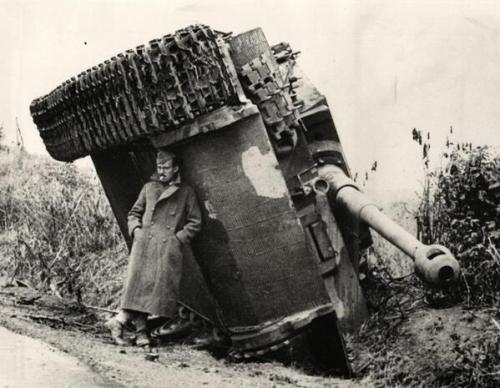
itwillalwaysgetworse: A British soldier hiding from the rain...


itwillalwaysgetworse:

A British soldier hiding from the rain under an overturned Tiger tank. Italy, 1944.