by generalfox


Cartoonist Darryl Cunningham tells the important story of tetanus and how we can stop it, as part of the Art of Saving a Life project.
Time to stop this disease in its tracks!
Find out more about Darryl here.
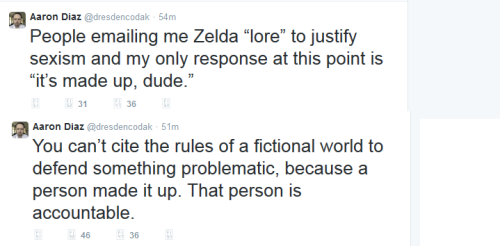
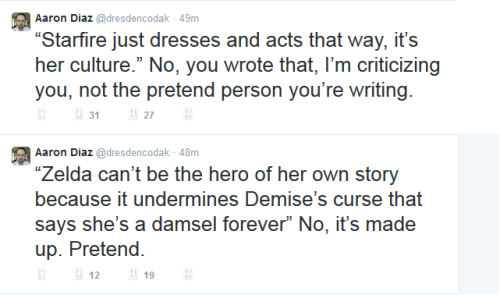
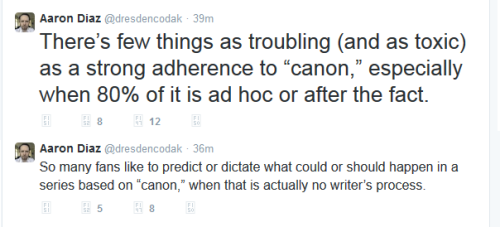
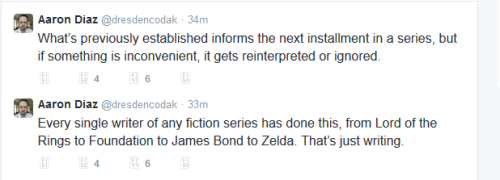

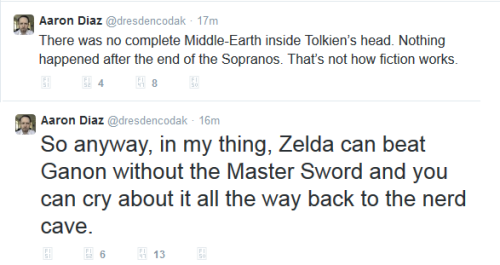
Aaron Diaz ( creator of Dresden Codak and my favourite LoZ au ) says things.
I feel like this bears repeating and in bold:
You can’t cite the rules of a fictional world to defend something problematic, because a person made it up. That person is accountable.
I feel this so much when people try to make excuses for authors who write terrible bisexual characters or whose writing is full of bi erasure, bi tropes, or conspicuously missing the b-word.
- Sarah

This story was originally published by Mother Jones and is reproduced here as part of the Climate Desk collaboration.
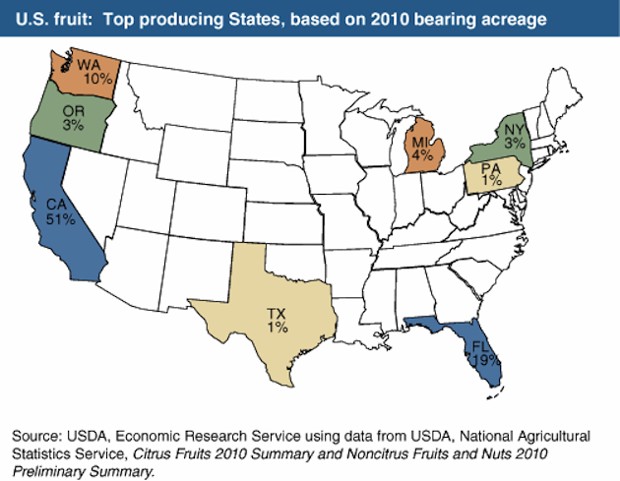
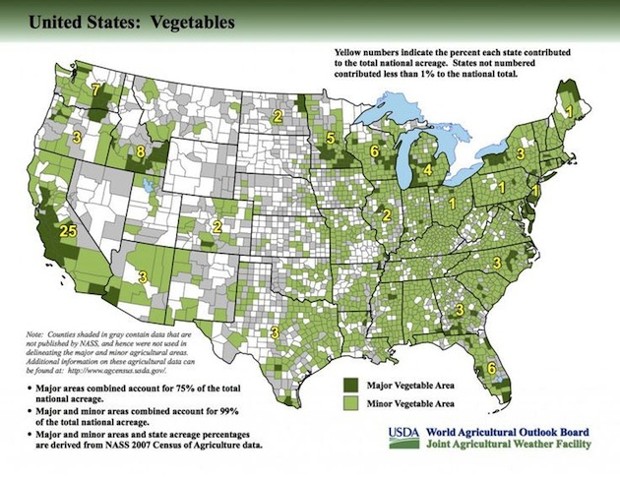
California is by far the dominant U.S. produce-growing state—source of (large PDF) 81 percent of U.S.-grown carrots, 95 percent of broccoli, 86 percent of cauliflower, 74 percent of raspberries, 91 percent of strawberries, etc.
But all three of its main veggie growing regions—the Imperial Valley, the Central Valley, and the Salinas Valley—face serious short- and long-term water challenges. As I recently argued in a New York Times debate, it's time to "de-Californify" the nation's supply of fruits and vegetable supply, to make it more diversified, resilient, and ready for a changing climate.
Here are maps of U.S. fruit and vegetable production:
Now check out this map depicting average annual precipitation. The data are old—1961 to 1990—and weather patterns have changed since then as the climate has warmed over the decades. But the overall trends depicted still hold sway: The West tends to be arid, the East tends to get plenty of rain and snow, and the Midwest lands, well, somewhere in the middle. So the map remains a good proxy for understanding where water tends to fall and where it doesn't, though the precipitation levels depicted for California look downright Londonesque compared to the state's current parched condition.
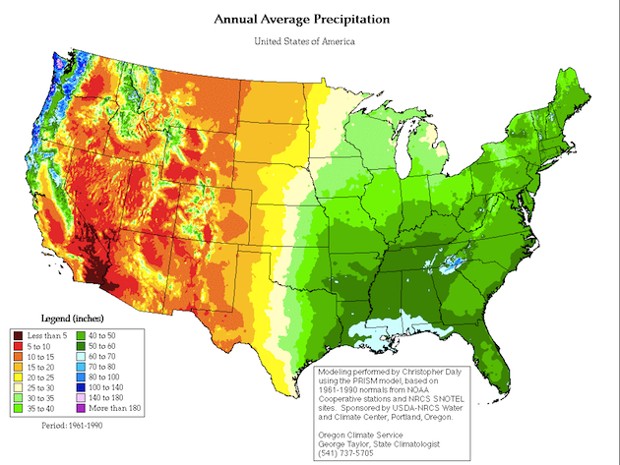
Not only is California gripped in its worst drought in at least 1,200 years, but climate models and the fossil record suggest that its 21st-century precipitation levels could be significantly lower than the 20th-century norm, when California emerged as a fruit-and-vegetable behemoth.
So here's an idea that could take pressure off California. In my Times piece, I looked to the Corn Belt states of the Midwest as a prime candidate for a veggie revival: Just about a quarter million acres (a veritable rounding error in that region's base of farmland) from corn and soy to veggies could have a huge impact on regional supply, a 2010 Iowa State University study found.
Now my gaze is heading south and east, to acres now occupied by cotton—a crop burdened by a brutal past in the South (slavery, sharecropping) and a troubled present (a plague of herbicide-tolerant weeds):
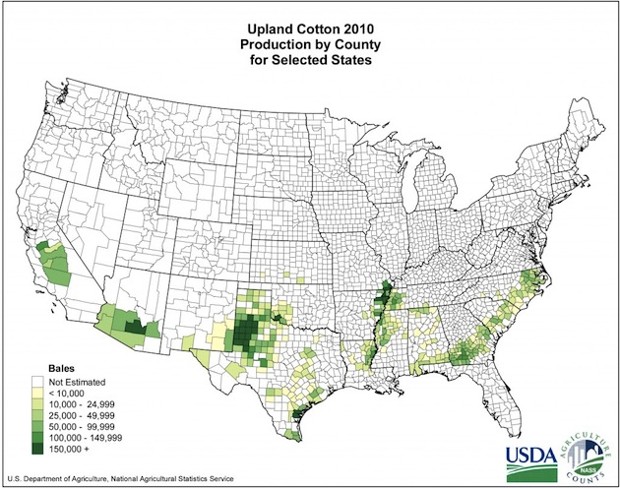
Let's leave aside all of the cotton growing on the arid side of the map. (The drought is already squeezing out production of the fluffy fiber in California; as for the Texas panhandle, cotton production there relies heavily on water from the fast-depleting Ogallala Aquifer—not a great long-term strategy.)
Small-scale fruit and vegetable farms are "already gearing up down there," said one expert.What I'm eyeing are those cotton acres on the water-rich right side of the map—the Mississippi Delta states Arkansas, Mississippi, Missouri, Tennessee, and Louisiana, along with the Carolinas, Alabama, and Georgia to the east. According to the USDA, mid-Southern and Southeastern states planted more than 4 million acres of cotton in 2014. This is what's left of the old—and let's face it, infamous—Cotton Belt that stocked the globe's textile factories during the 19th-century boom that delivered the Industrial Revolution (a story told in Sven Beckert's fantastic 2014 book Empire of Cotton).
Decades of low prices have already put a squeeze on Southern cotton acres, and the fiber has recently slumped anew in global trading. Why not transition at least some acres into crops with a robust domestic market? I bounced my idea of a Cotton Belt fruit-and-vegetable renaissance off a few experts to see if it was nuts. Ferd Hoefner, policy director of the National Sustainable Agriculture Coalition, called it "noncrazy." He pointed out that, as in most other parts of the United States, small-scale farms that sell directly to consumers are "already gearing up down there," and added that the region "seems ripe for entrepreneurial companies to come in, buy land, grow farmers, introduce a whole new vegetable supply chain on a bigger scale, especially with California's woes."
I'm not talking about a fantasy in which everyone eats from within 20 miles (although such locavore networks, which have thrived nationwide over the last two decades, certainly add diversification and resilience to the overall food system). I'm simply pushing a more regionalized, widely distributed scheme for filling our salad and fruit bowls, one less dependent on California and its overtaxed water resources.
Scott Marlow, executive director of North Carolina-based RAFI USA, a farmer advocacy organization, also said the idea makes sense—with caveats. One is credit. Marlow says that most farmers who still plant cotton are large enough that they rely on loans to start the growing season—and bankers understand and are used to cotton, but may find vegetables too exotic and risky. For such farmers, "if the banker won't lend for it, [they] are not doing it," he said. Reforms in the latest farm bill made it easier for "specialty crop" (i.e., fruit and vegetable) farmers to get good crop insurance, and that, in turn, made it easier to get loans, he said. But those changes take time to sink in.
He added that the South's high levels of precipitation can actually be a liability compared to California's aridity, because "rain spreads diseases through splash erosion, ruins product, screws up harvest, reduces product quality." California farmers, who meet their watering needs through controlled irrigation, don't have those problems.
But rain troubles can be addressed through low-tech means like high tunnels, which are already being adapted by Southern produce farmers to extend the growing season, but also to protect sensitive crops from rain, Marlow said. Black plastic mulch, another widely adapted practice, also helps keep crops healthy in rainy periods, he added. The South's farmers have demonstrated the ability to innovate, he said, but "there have to be markets, there has to be risk management, and there has to be access to credit."
Converting swaths of Dixie country to vegetables won't be a fast or easy process. But if California's water troubles drag on, as it appears they will, broccoli may yet emerge as the heir apparent to doddering King Cotton.
Top image: Jerry Horbert / Shutterstock.com



noo hedgefriend i will only let you down ;-;
 |
Courtney
shared this story
from  Super Opinionated. Super Opinionated.
|
Old Dude seeing me on my phone: Why don't you read the news instead of tweeting and texting.
Me: I'm actually reading an article from The Economist on my phone about Kazakhstan and Uzbekistan's mock elections. What are your thoughts on the topic?
Old Dude taken aback: I don't know.
Me: Well then why don't you read the news instead of chastising teenagers on their phones?
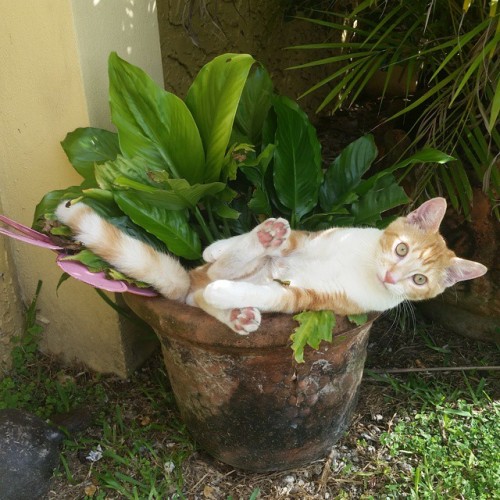


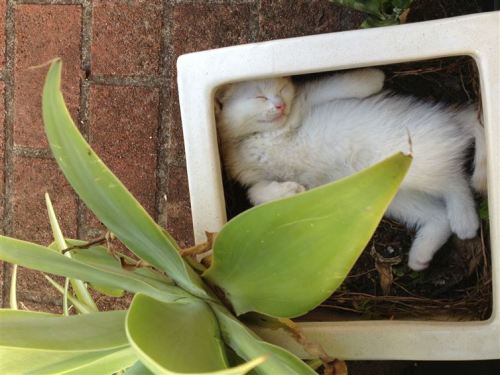
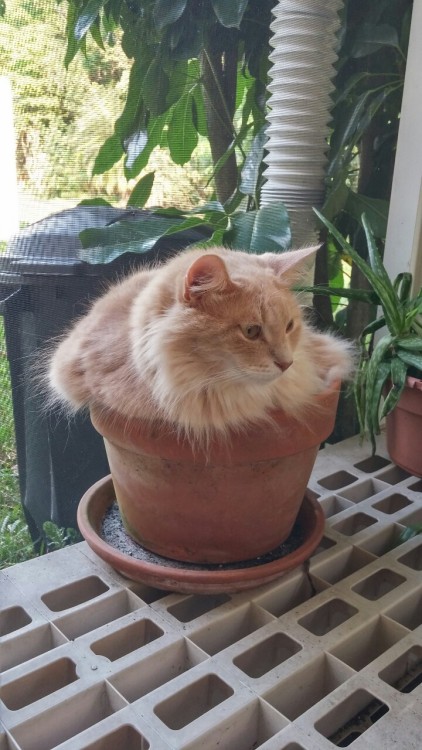

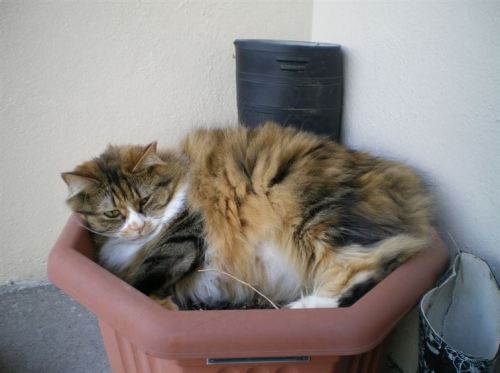

Cats Who Think They’re Houseplants
“Oh, there’s no need to water me. But thank you.” (photos via diply)


Surrounding an exhibition at Maker City LA, artist Paige Smith A.K.A. a common name (previously), began to install new crystalized rock formations around the streets of LA. The geodesic rock formations which she refers to as urban geodes are created mostly with paper and spray paint or cast resin in random cracks and crevices around the city. She’s also installed geodes in Spain, Istanbul, Jordan, South Korea, and elsewhere around the world over the last few years. For the most up-to-date news on her geological street art you can follow smith on Instagram.


Luke.stirlingOnce again, I find myself reading these so called critiques of "the left" and wonder what annoys me more, the absurd straw man arguments, or the weird Luddite thinking that employing people at below subsistence level wages instead of employing automation is somehow showing generosity to workers and/or is useful to society as a whole. If automation is cheaper than paying someone a living wage to do that task then hoo-fucking-ray! That's awesome. Once again, technology has found a way to ease the burden of human existence and potentially raise the quality of life for all human beings. That result is only possible however if we accept that capitalism has some serious problems for managing a complex economy where a substantial portion of the economic value is created by machines and not people.
The system is broken. The only way it's going to get fixed is if we are willing to accept that the world has changed far beyond the point at which capitalism makes sense, if it ever did. Pretending that people slaving away doing a task that technology makes redundant is somehow a good feature of our current economic systems is just abhorrent to me.
Well, the new meme on the Left in favor of higher minimum wages seems to be that since many minimum wage workers also receive government benefits, those benefits "subsidize" the employers paying minimum wage. Example from Kevin Drum here. This is utter madness. A few responses:
Luke.stirlingI'm so glad that this kind of thing is merely a vague and distant memory for me.
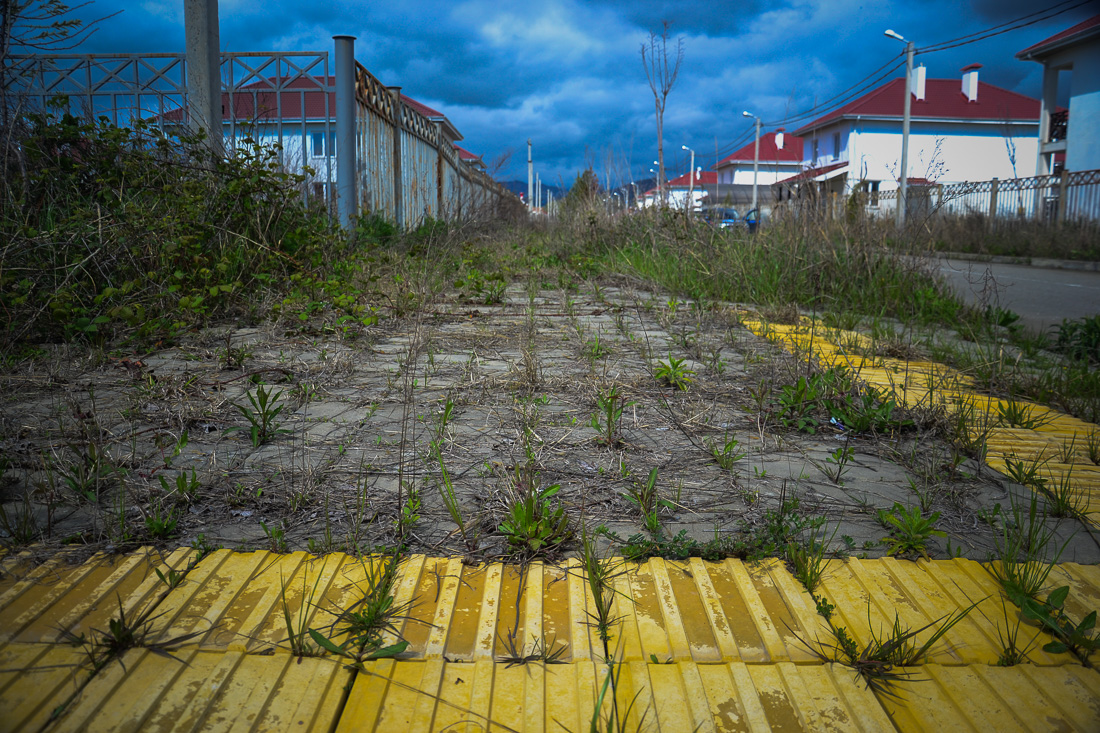





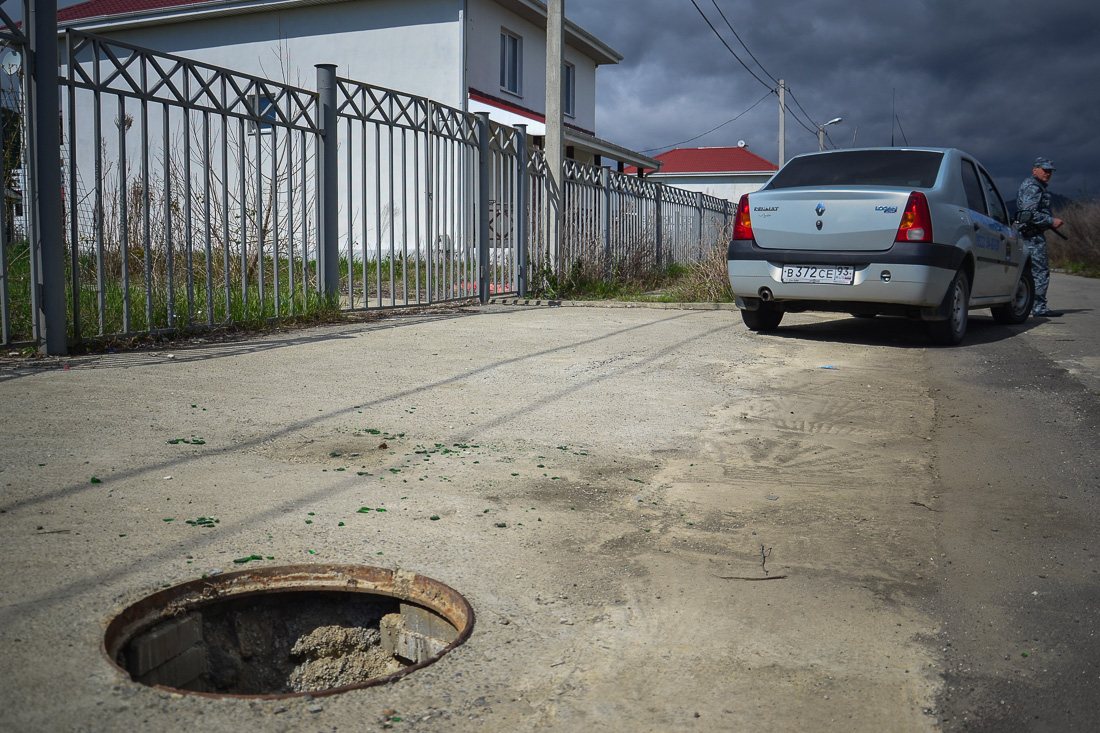






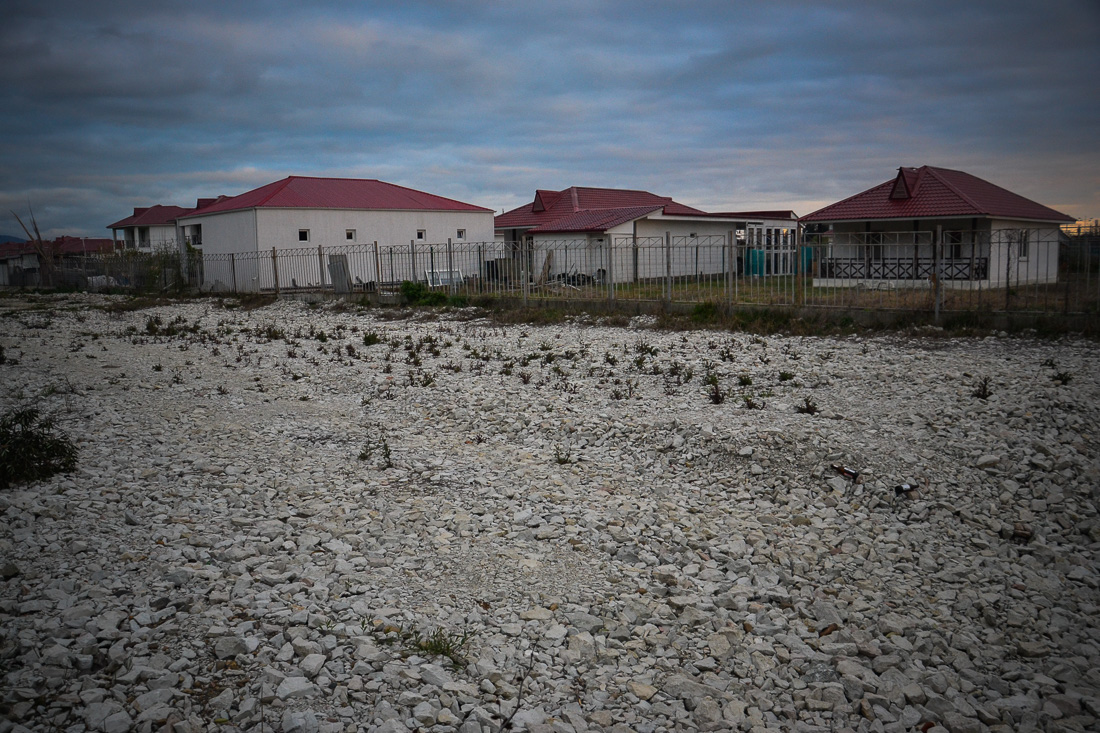



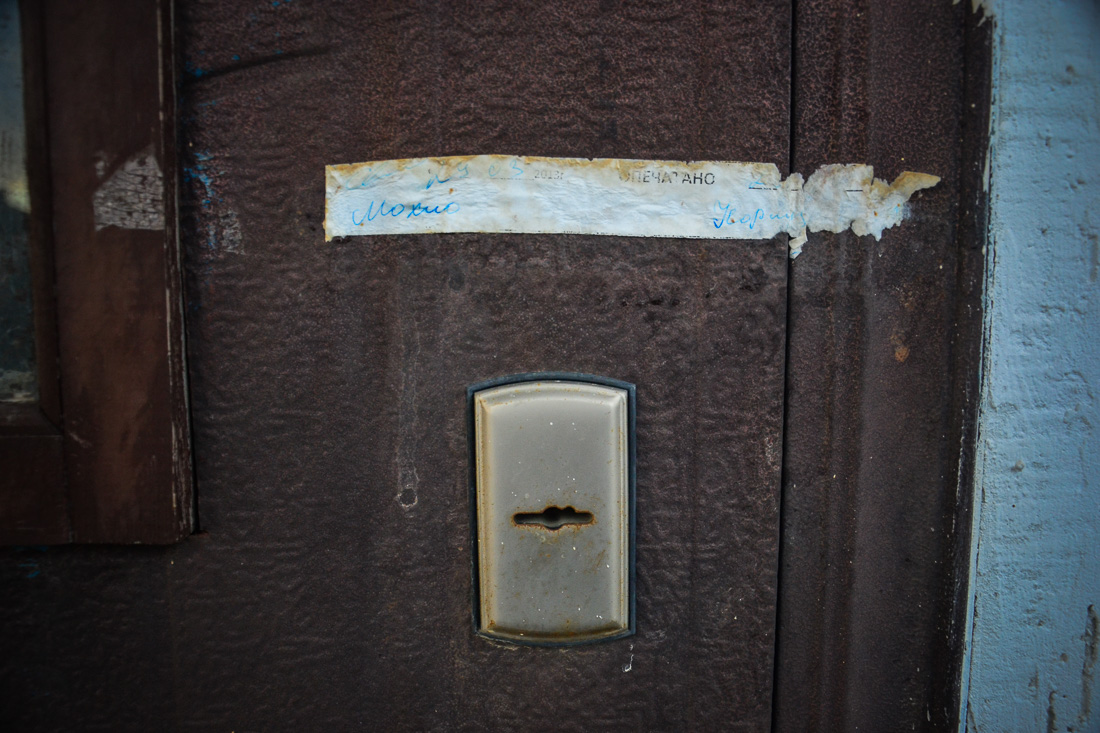
Мистер позитив из Омска |
Главная нелегальная свалка Москвы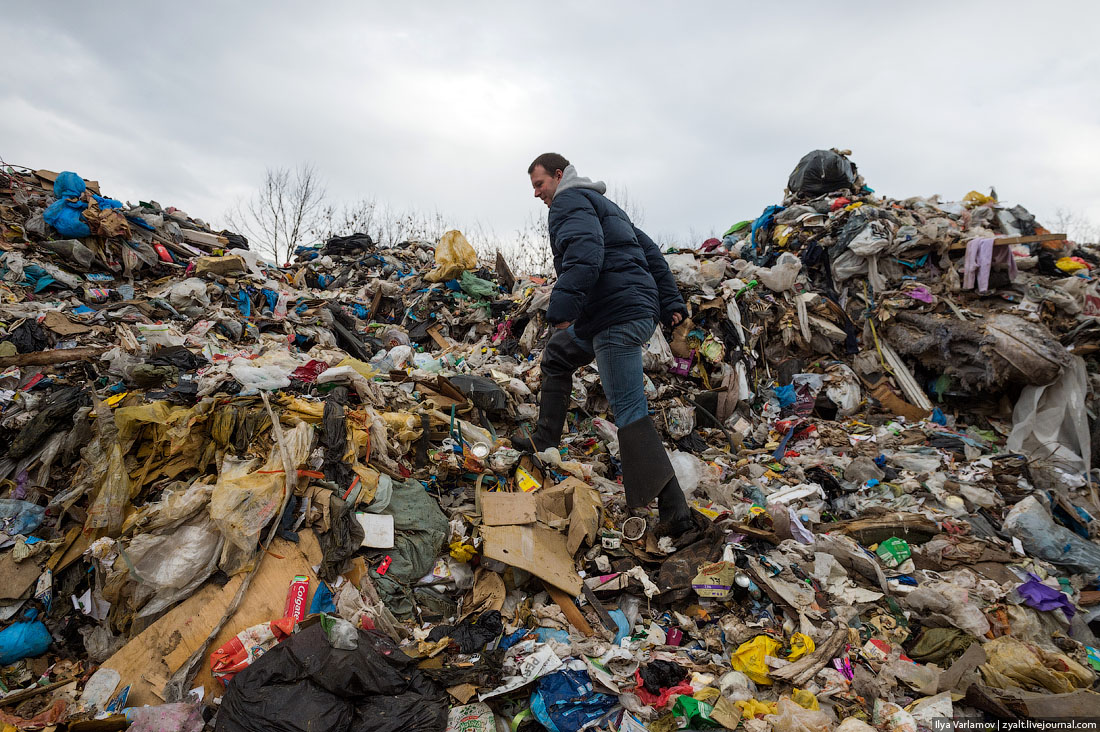 |
Новости отечественной урбанистики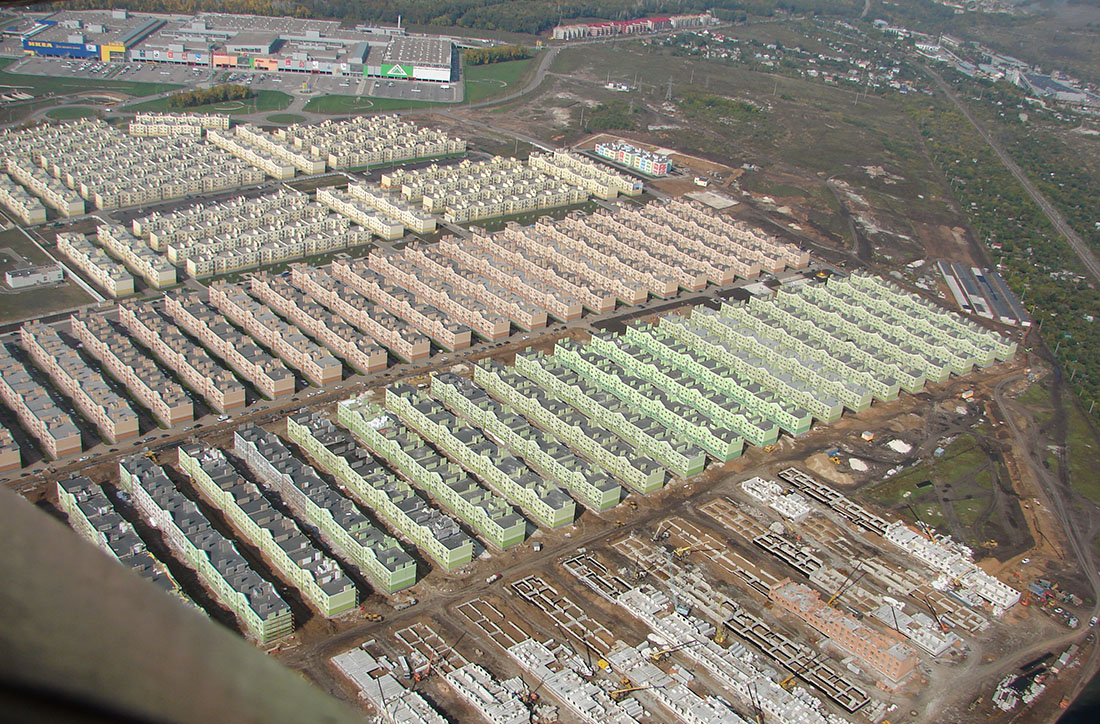 |
Очень плохой Адлер |
История одного распиздяйства из Сочи |
Олимпийский парк в Сочи год спустя |
 Фэйсбук
 ВКонтактик
 Основной Твиттер Спам Твиттер
  Одноклассники
Master paper crafting duo Lucie Thomas and Thibault Zimmermann of Zim & Zou (previously) continue to create some of the most eye-catching paper illustrations around. The two French designers focus mostly on handcrafted objects made from materials like paper, thread, wood, and leather for one-of-a-kind window displays, editorial illustrations, and posters. Some of their most recent projects include a lovely poster commissioned by the Bill & Melinda Gates Foundation to encourage childhood vaccinations as well as work for the SXSW Film Festival and Hermès Maison Shanghai. See more on Behance.


Hey, look, I’m home! Finally I’ll have a Hugo post whose comment thread I’ll be around to moderate. So let me present some not-terribly-organized thoughts on the current state of things (if you missed my previous Hugo-related posts on Whatever, they are here, here and here; also, File770 is doing a fine job keeping up with all the latest on the Hugos):
* I probably shouldn’t admit that I’m having a schadenfreudilicious time watching Larry Correia and Brad Torgersen now desperately try to put sunlight between themselves and that toxic bigot Vox Day, but I’m not going to lie: I am, and also, it’s not working for them at all, as there is a fairly obvious evidence trail to suggest there was hardly any sunlight between them until Day suddenly became inconvenient. Correia and Torgersen are two guys who brought an arsonist to a party, and when the arsonist started setting fires — as arsonists are known to do! — they tried to argue, while the flames rose around them, that they were not actually complicit in burning down the house. The time to disassociate themselves from Day would have been two years ago, before Correia, in a fit of unfathomable stupidity, decided that bruiting both Day and his interminably mediocre story as Hugo-worthy, and palling about with the fellow online, wouldn’t come back to bite him square on the ass.
My own supposition as to why neither Torgersen nor Correia realized what a bad idea it was to beclown themselves with Day’s company is that the two of them were, simply, too naive to think that the enemy of their enemy (i.e., the non-existent social justice warrior conspiracy designed to keep fun stories and/or conservative writers from the Hugo ballot) could be anything other than their friend. Certainly Mr. Day would validate their conspiritorial world view — hadn’t he just been kicked out of SFWA merely for expressing an opinion unpopular with the SJWs, and not at all because of his own actions? — and when he’s not performing for the crowd (that is, the Internet) or talking about something that specifically touches on his own expansive set of bigotries, Day is a perfectly lucid person.
He’s a fine con man, in other words, and Correia and Torgersen fell for his con. Day was looking for a way back into relevance in science fiction and fantasy and they very happily gave it to him, and didn’t realize until after the Hugo awards were actually announced, and the backlash against the slates in full force, just how thoroughly they had been played. Torgersen delirously announced after the Hugos came out that the Puppies had “stolen the Enterprise”; he wasn’t aware that he and Correia were the redshirts in that scenario, or just how much and how closely the two of them would then be associated with Day’s feculent character and actions.
Well, now they know. At this point Correia and Torgersen have to decide whether they want to be known either as Day’s fellow travelers, or his useful idiots. Or both! It could be both. Neither of these options makes them look good; nor, obviously, fits with their own self-image of being Brave Men Fighting the Good Fight™. But in fact, they aren’t fighting a good fight, and in fact, they got played. So: Fellow travelers or useful idiots. These are the choices.
* Also, can we please now stop pretending that this whole Puppy nonsense began for any other reason than that once upon a time, Larry Correia thought he was going to win an award and was super pissed he didn’t, and decided that the reason he didn’t had to be a terrible, awful conspiracy against people just like him (a conservative! Writing “fun” fiction!), as opposed to, oh, the voters deciding they just plain liked something and someone else better? Can we stop pretending that a fellow who practically begs people to nominate his work three years running, hiding the begging behind an oh-so-thin veil of “let’s stick it to the SJWs!” doesn’t desperately crave the external validation that he thinks the award will bring? Can we stop pretending that this is anything other than a grown up child stomping his feet, screaming look at me, look at me, loooook at meeeeee? Because, come on, folks. We’re well past the point of genteel here. Let’s call it for what it is.
(And yes, I know, Correia declined his nomination for the Hugo this year. Let’s talk about that for a minute, shall we. It takes a very special sort of fellow to allow himself to be on a slate to get nominated, marshal people to nominate him for the award as part of a slate, and then decline — and write a big ol’ puffed-up piece about why he was declining, social justice warriors, blows against the empire, blah blah blah, yadda yadda. Yes, nice he declined the nomination and let someone else on the ballot. But it’s a little like wanting credit for rescuing a baby squirrel when you knocked the baby squirrel out of the tree to begin with.)
To be clear, the Puppy nonsense now isn’t just about Correia really really really wanting validation in the form of a rocketship; Day’s stealing the Puppy movement right out from under Correia and Torgerson has changed things up quite a bit, and it’s certainly true at this point that this little campaign is about a bunch of people trying to shit in the punchbowl so no one else can have any punch. But at the beginning, it was Correia hurt and angry that someone else got an award he thought was his, and deciding that it was stolen from him, rather than being something that was never his to begin with. And I’m sorry for him that it didn’t go his way. But actual grown human beings deal with disappointment in ways other than Correia has.
Correia can bluster about this all he likes; he’s a lovely online bully, and certainly he wishes to project that he’s a Tough Guy Saying Tough Things, Toughly™. But, eh. If he was actually who he wishes he could project himself as, the Sad Puppy thing would have never happened. And, ironically, he would be better positioned to win the awards he craved, because he wouldn’t be seen as a petulant whiner about such things. As it is, all we can do for him now is let him show us on the cartoon face pain chart how much Worldcon hurt him, and offer him soothing hugs until all his pain goes away.
* I notice that Vox Day has been enjoying his moment, and has taken to making pronouncements along the line of “award this slate of things I managed to push onto the ballot or GOD HELP ME I WILL DESTROY THE HUGOS FOREVER BWA HA HA HAH HA HA.” Because that’s the sort of asshole shitbug of human he is.
So, a couple of things to know about Vox Day. One, he’s the sort of person for whom any scenario will be seen as a victory condition; if he were to be set on fire and pushed in front of a speeding train, he would cackle about how this was exactly what he had planned right up until the moment of impact turned him into flaming bits of kibble. So obviously he’s going to babble on about how he plans to destroy the Hugos forever if he doesn’t get his way. Why wouldn’t he. That’s a victory condition! Plus, he’s getting attention. In the grand pantheon of People Acting Like Children About the Hugos, he’s the Grand Baby, and attention is what he wants.
Two: Fuck that dude. If everything is a victory condition for him — and it is — then worrying about what he’s going to do is sort of pointless. What is he going to do? Why, declare victory! Regardless! So you might as well do what you want. And if that means voting “No Award” in the categories where there are only Puppy nominees, then by all means follow your joy. Yes, he’ll say that’s what he planned all along. You could open a can of peas and he would maintain that you’re doing exactly what he wanted. He wants you to see him as a mastermind, rather than as a general failure whose only successes lie in being terrible to other people, and encouraging others to be the same.
So, yeah. Ignore his shtick; focus on your thing, as it involves the Hugos.
* Many people are convinced this is The End of the Hugos. Guys, no. It’s really not, and if I may say so, running around as if one’s hair is on fire about it, as satisfying as it is in the short term, isn’t going to be useful — and besides gives the Puppies their glee, which is a thing I don’t think they should have. I am not saying that you shouldn’t feel angry, or upset, or exasperated, or whatever you feel. Feel that! Own that! Be that! And also, decide to do something about it.
First, by voting for the Hugos this year. There are some very good reasons to “no award” everything that’s on a Puppy slate, including entire categories — I understand Brad Torgersen is suggesting anyone who does so is a gigantic asshole, but at this particular moment in time, and given how he’s just been played by Vox Day, he should probably not be declaring anyone else an asshole, lest that mirror be put up to him — but there are also reasons not to, and you’ll have to decide for yourself the best course of action. But that starts with voting, which one can do with a supporting membership to Sasquan.
Second, by deciding to be part of the conversation about what to do with the Hugos from here on out, which may or may not include tweaking the award rules to better handle slates (which are a bad idea) and obvious block voting (which is not good either). I should note that I’m not personally entirely convinced a wholesale change in voting rules is needed, because to some extent I see this as self-correcting — honestly, after this year, would anyone want to be on a slate, much less a Puppy slate? Who wants that sort of asterisk on their Hugo? — but it’s a conversation to have. Specifically, it’s a conversation to have at the WSFS business meeting, which will take place at this year’s Worldcon, Sasquan.
Third, by understanding that this is a process, and it will take time. If a rule change is proposed at Sasquan and then passed, it has to be affirmed at the next Worldcon (in Kansas City) and then it will take effect the year after. Which means we may have at least another year of potential mischief along this line. Accept that this is a fact, be ready to deal with it (preferably with an eyeroll and the appropriate voting action), and recognize that the Hugos survive — or don’t — based on what the community around them decides to do. You can be part of that community. It takes effort and a bit of commitment. The good news is, there’s more to that community you’ll be part of than just the Hugos. And it’s a good community to be part of.
* Finally, on the subject of slates, for the avoidance of doubt, here’s my own personal position: I won’t ask to be put on a slate of nominees for a Hugo; If asked to be on a slate of nominees for a Hugo, I will refuse; If you see my name on a slate of nominees for the Hugo, you may assume I neither asked nor consented to be on that slate. I am fine with people recommending my work to others for consideration; I am not fine with people saying “vote this slate to get our nominees on the ballot for reasons.”
To be blunt about it, I don’t need to be on a slate — In my experience people have voted for me, or not, because they liked my work (or didn’t). Silly mutterings of conspiracy aside, everything of mine that’s been on the Hugo ballot got there under its own steam, by someone genuinely liking it and deciding to give it a slot on their nomination list. I’m proud of that; I wouldn’t want a work of mine on the final Hugo ballot (or any other ballot, for that matter) for any other reason.
I’m also opposed to slates in general — or in the case of the Sad Puppy slate, a weasely list of “recommendations” that had in their categories the number of slots as there are on the Hugo nomination list, nod, wink, nod — because, here’s a wacky idea, I think the point of popular awards is for people to vote for the things they actually like, not a slate designed to achieve some sort of political or social point (or, in the case of the Rabid Puppy slate, exist as advertisement for the slate-builder’s hobby-horse of a publishing house). Also, to be blunt, I don’t trust anyone else’s taste. I may or may not have terrible taste in science fiction and fantasy, but it’s my taste, and I’ll vote it.
In short: I don’t do slates — won’t voluntarily be on them, and won’t vote for them. And I’m not going to lie, from here on out, as regards the Hugos, I’ll think less of you if you participate on or vote for a slate. Because what you’re doing is showing that you don’t actually care about what the Hugos are (an award that acts as a snapshot, however imperfect, of the current state of science fiction and fantasy), but rather what the Hugos can do (draw attention to your own work, politics, social thoughts or whatever). The thing is, the latter happens because of the former. And that only happens when people vote their own nominees, not anyone else’s.


How many of these Chinese megacity names do you recognize? I recognize maybe five, probably four. Read the rest


The Ships Of The North
The Swedish magnetrine transportation industry, circa mid 1980s.
From simonstalenhag.se

Saw this on Reddit. It’s “Building the Atomium for the World Expo in Brussels, Belgium”, in 1957. I love how this could be artwork from a SF story.

Mark Zuckerberg's Internet.org project bribes corrupt, non-neutral carriers in poor countries to exempt Facebook and other services of its choosing from their data-caps, giving the world's poorest an Internet that's been radically pruned to a sliver of what the rest of the world gets for free.
Read the rest

always remember: all these systems of dominance rest on very fragile illusions. tap the glass.
Thank you for asking! I have a pretty fundamental understanding of economics.
This link answers your question pretty thoroughly.
But the short answer is: NO. Basic universal income is not the same as “printing money” so to speak, and inflation is not guaranteed. It simply redistributes money that is already in circulation more evenly. In fact, we have REAL WORLD EXAMPLES of places that have Basic Income systems or partial basic income systems that have seen very little, or NO increases in inflation as a result!
In that link I provided, for example, it cites two examples: “In 1982, Alaska began providing a partial basic income annually to all its residents. Until the first dividend, Alaska had a higher rate of inflation than the rest of the United States. But ever since the dividend was introduced, Alaska has had a lower rate of inflation than the rest of the United States. A partial basic income was also provided in Kuwait in 2011, when every citizen was given $4,000. Fears of increasing inflation were rampant, as Kuwait already had high inflation. Instead of bad inflation getting worse, it actually got better, decreasing from record highs to under 4 percent.”

You can follow Scott on Twitter at @Disalmanacarian and his book at @Disalmanac. We welcome your comments at ideas@qz.com.

(Being ‘on-call’ means that you get paid a little extra to answer your phone when at home and come in when needed over the weekend. My boss decides to take this from me due to ‘budget cuts.’)
Boss: “I tried to call you this weekend.”
Me: “Oh, did you? I didn’t have my phone with me.”
Boss: “We had a major issue; I needed you to come in.”
Me: “Oh, okay. Well, I was out with the family, so even if I took my phone I wouldn’t have had reception.”
Boss: “Not good enough! You need to have your phone with you at all times!”
Me: “Yeah… I’m not going to do that. When you paid me call out, I took it everywhere, on holiday, to the gym; I would have my phone by me all day and night, and always answer it no matter the time. Now that you’re not paying me, there is no chance I’m doing it for free.”
Boss: *suddenly silent* “Oh, I… uh… forgot about that. Do you want to go back on call?”
Me: “No, I don’t think I do.”
(Despite the drop in pay, it was the best decision I made, I had my weekends back and finally got a break from work.)






 Фэйсбук ВКонтактик Основной Твиттер Спам Твиттер Одноклассники