Submitted by: (via The Nug)
Shared posts

 facebook
 reddit
20 Jul 07:22

princesswhatevr: lilcochina: Yet ppl don’t understand how...
Yet ppl don’t understand how white privilege still exists in brown n black countries
And pooooor Europe doesn’t want any immigrants in their country :’(



11 Jul 18:08
fauxcyborg: men who are artists love showing girls, who are so sad, so beautiful - girls crying in...
men who are artists love showing girls, who are so sad, so beautiful - girls crying in showers, girls with delicate bones curled into a fetal position. they want our eyeliner to run but never for our eyes to get puffy. they want our sadness but our anger isn’t pretty.
and they love us being girls - infantile, dependent on men. they love us when we’re broken so long as our pieces aren’t jagged.

11 Jul 14:44








okkultmotionpictures: EXCERPTS >|
EXCERPTS >|Journey to the Center of a Triangle (1976)
| Hosted at: Internet Archive
| From: Academic Film Archive of North America
| Download: Ogg | 512Kb MPEG4 | MPEG2
| Digital Copy: not specified
A series of Animated GIFs excerpted from Journey to the Center of a Triangle (1977): another fabulous film by the Cornwells, created on the Tektronics 4051 Graphics Terminal. Presents a series of animated constructions that determine the center of a variety of triangles, including such centers as circumcenter, incenter, centroid and orthocenter. More on the Cornwells at http://www.afana.org/cornwell.htmAccording to son Eric Cornwell, here’s how the film was made: The 4051 produced only black and green vector images, not even grey scale. The film’s scenes were divided into layers in the programming, one layer for each of the colors in the scene, and each was shot separately onto high-contrast fine-grained b&w film stock. The final scene in “Journey” had 5 layers: one for each of the four colored dots, plus one for the white triangle and line.
These five clips were then multiple-exposed onto color film on an optical printer, using colored filters to add the desired color to each black&white layer as it was copied. The resulting color was much better than a film of an RGB display would have been because the color filters on the optical printer allowed access to the full range of the color negative film, allowing much more saturated colors. All of that color is pretty much lost now, between prints fading and/or transfers to the VHS, and then viewing them on a computer screen which has a much more limited color gamut. Please imagine it all in bright, brilliant colors. (from Internet Archive)
We invite you to watch the full video HERE.
EXCERPTS by OKKULT Motion Pictures: a collection of GIFs excerpted from out-of-copyright/historical/rare/controversial moving images.
A digital curation project for the diffusion of open knowledge.>|
11 Jul 14:32
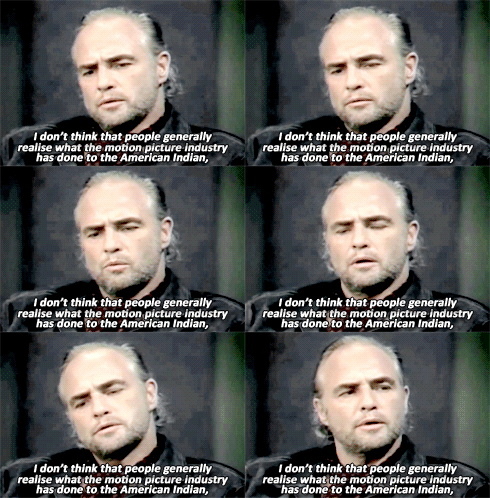

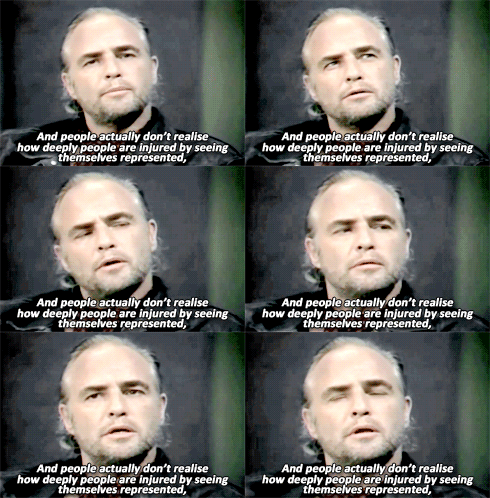
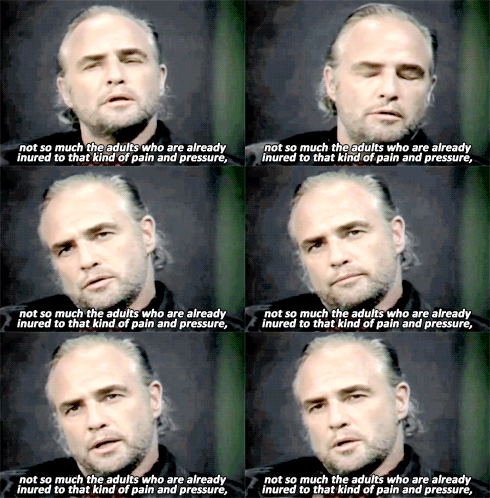


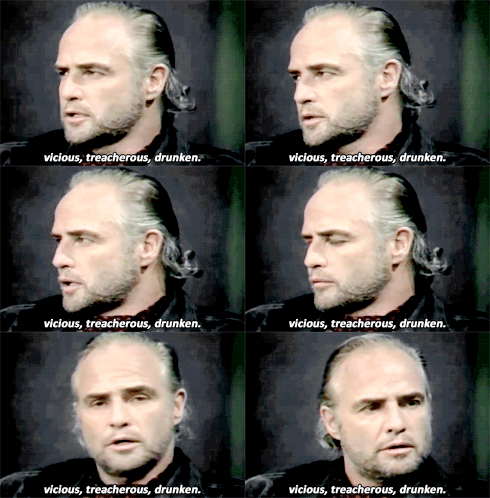
brandomarlons: I don’t think that people generally realise...
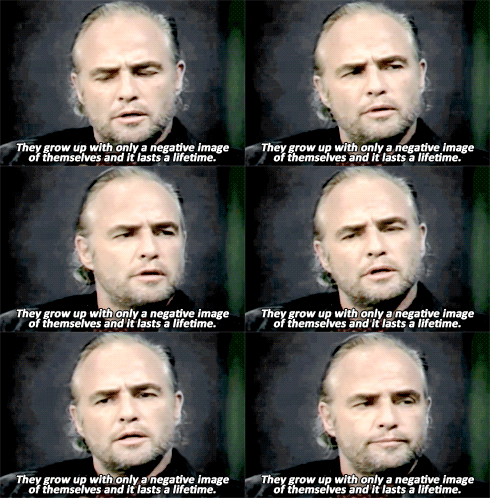
I don’t think that people generally realise what motion picture industry has done to the American Indian, as a matter of fact, all ethnic groups, all minorities, all non-whites. And people just simply don’t realise, just take it for granted that that’s the way people are going to be presented and these clichés are just, I mean on this network every night, well perhaps not every night, but you can see silly renditions of human behaviour, the leering Filipino houseboy, the wily Japanese, the kook or the gook, black man, stupid Indian. It just goes on and on and on. And people actually don’t realise how deeply people are injured by seeing themselves represented, not so much the adults, who are already inured to that kind of pain and pressure, but children. Indian children seeing Indians represented as savage, as ugly, as nasty, vicious, treacherous, drunken. They grow up only with a negative image of themselves and it lasts a lifetime.
Marlon Brando on why Sacheen Littlefeather presented a speech on his behalf during his Best Actor win for The Godfather at the 1973 Academy Awards
11 Jul 14:17




Do you ever read your scripts and think to yourself, “That...
by laurabuu
Do you ever read your scripts and think to yourself, “That still happens, yeah, that still happens in modern America?” The plight of women, while it has improved, has not advanced to the point where these are the types of mistreatments that are so unusual that they are extinct.

11 Jul 14:13





montypla: valkyria422: thebestoftimesendoftimes: pleasejuststo...
by aishiterushit
don’t be fuckin rude
This hurts my soul
That last kid in green speaks the damn truth
I feel so old right now
11 Jul 14:10
Mulheres maravilhosas: Carol Kaye
by Clara
O nome pode não ser familiar. A cara pode ser absolutamente desconhecida. Mas alguma dessas linhas de baixo você certamente já ouviu.
Manja o Pet Sounds, dos Beach Boys? Ela também, posto que nele tocou.
Monkees, já ouviu? Pois ela tocou baixo em várias faixas.
O baixo “These boots are made for walking”, da Nancy Sinatra? Coisa dela.
Sam Cooke, conhece? Então. Ela tocou em discos dele.
E sabe “La Bamba”, do Richie Valens? Ela tocou guitarra nessa faixa.
Ah e tocou também guitarra de 12 cordas no “Freak Out!” do Zappa.
Entre muitos, muitos, muitos outros.

carol e uzomi
Carol Kaye fazia parte do grupo de músicos de estúdio “Wrecking Crew“, que tocou em boa parte das gravações dos discos de sucesso produzidos em Los Angeles na década de 60. Ela começou a tocar guitarra profissionalmente aos 14 anos e já foi ganhando o mundo. Depois escolheu o baixo e o resto é história.
Ela apenas tocou em discos produzidos por: Brian Wilson, Michel Legrand, Phil Spector, Elmer Bernstein, Lalo Schifrin e mais uma caralhada. Essa maravilhosa também produziu várias trilhas sonoras para Steven Spielberg e Quincy Jones.

Aqui tem uma baita entrevista dela, vale a pena tirar uma horinha pra ver:
Maravilhosa, né?
Carol está vivona e você pode visitar o site oficial dela aqui.
Lori likes this
11 Jul 14:05
Sabe aquela lei que culpa a vítima? Eles sabem.
by Mari
Nas últimas semanas, enquanto o Fantástico™ apresentava uma série sobre países onde as mulheres são tratadas como seres inferiores, duas decisões nos constrangeram a relembrar como somos, sim, um desses países.
As coincidências da vida, né, gente.
Ta lá a maior rede de TV brasileira tentando nos convencer que aqui não está tão ruim (apesar dos dados alarmantes) e dois Tribunais de Justiça usam a culpabilização da vítima para inocentar os criminosos.
O primeiro inocentou um fazendeiro de estupro de vulnerável após ele ser pego em sua caminhonete, em um canavial no interior de SP, com uma criança de 13 anos.
Eu não sou advogada e não entendo muito bem como funciona, mas tudo indica que direitos só existem para alguns de nós, mesmo.
E minha alma morreu um pouco ao saber que o sujeito foi absolvido de crime hediondo por culpa da vítima. Segundo o vossa excelência, as vezes menores aparentam mais idade, especialmente quando se prostituem, usam drogas e bebem. Pobre homem, levado a crer que a criança não era criança.
Sério. Sujeito chegou a dizer exatamente isso: “em tais casos é evidente que não só a aparência física como também a mental desses menores se destoará do comumente notado em pessoas de tenra idade”.
 Vítima deveria o oposto de culpado
Minha cabecinha fraca de leiga compreende que o senhor desembargador e eu não somos da mesma opinião, pois eu acredito que são, exatamente, as crianças mais vulneráveis que precisam de mais proteção. Não menos.
E provando que não era só uma febre passageira, outro desembargador, agora do TJ de MG, condenou outra mulher sem valor. Neste caso, por ter tido fotos de momentos íntimos seus divulgados por um ex namorado. Para o vossa excelência da vez: “Quem ousa posar daquela forma e naquelas circunstâncias tem um conceito moral diferenciado, liberal”.
Ele ainda argumentou que a mulher tinha consciência do que fazia e sabia o risco ao qual estava se expondo. E deu um discurso sobre como mandar fotos em posições ginecológicas (não sensuais) para um ex-namorado com o qual se relacionou por menos de um ano era clara prova de que, bom, ela era vítima culpada da vez.
Enquanto o mundo se digladia por violações de privacidade, o cara basicamente disse que apenas mulheres de bem tem direito a isso.
Novamente, minha opinião é de leiga, mas como eu vejo, enquanto continuarmos considerando normal e legal culpabilizar a vítima, não vai ter vagão capaz de deter a tsunami de chorume e os crimes de ódio.


11 Jul 04:40
awwww-cute: We were worried they wouldn’t get along

Damiani.guilherme, Russian Sledges likes this
11 Jul 04:39
"you should act more your age"
"you should act more your age"

Damiani.guilherme, Lori likes this






11 Jul 04:08
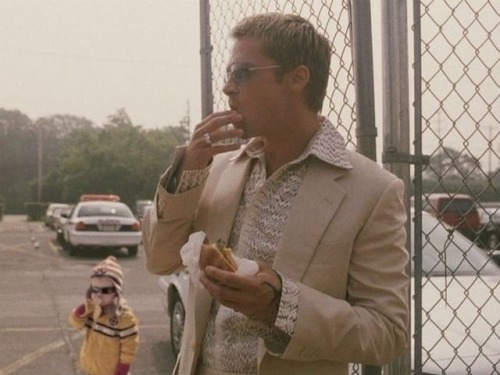
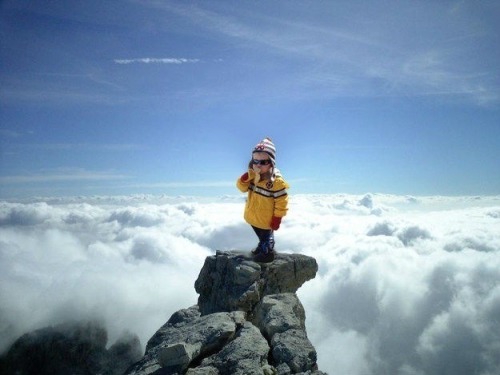
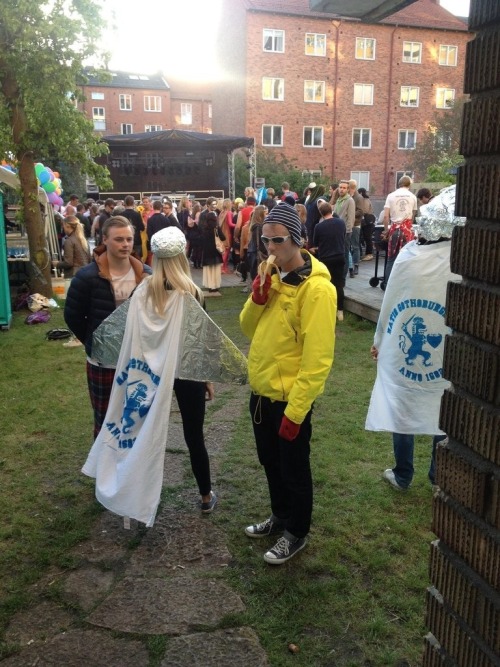
alrightevans: This is beautiful (x)
by wagatwe


Damiani.guilherme, Lori and -1 others like this



07 Jul 10:54
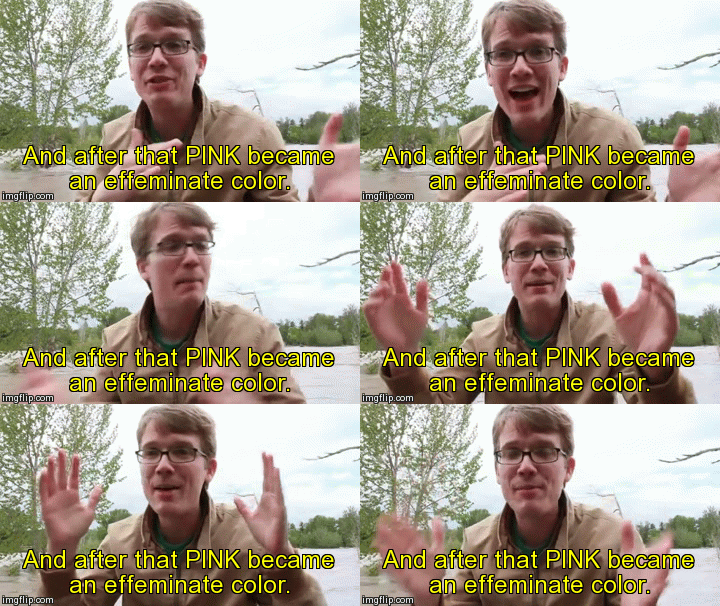
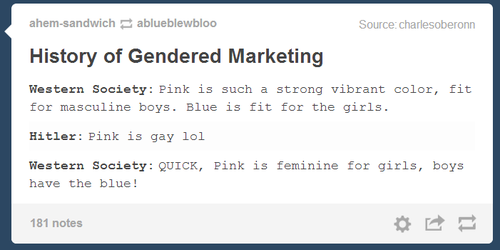
popculturesavvyangel: charlesoberonn: teamstarpluskid: mewchamp: mewchamp: "Ew you’re a guy and...
"Ew you’re a guy and like the color pink are you gay?"


I’ve been waiting for this post all my life







05 Jul 16:53
frillyxndrefined: By the dumpster Omfg the notes
LoriSadie é a melhor. <3


Lori and -1 others like this
05 Jul 13:55


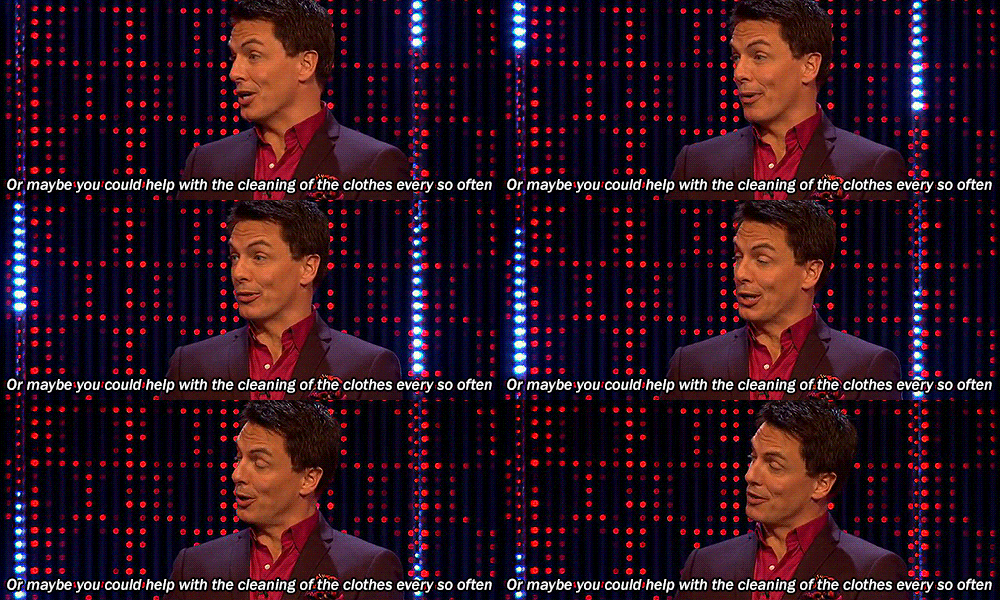

vixyish: solarbird: xgenepositive: mmmahogany: #john...
LoriJohn Barrowman <3 <3 <3 <3 <3 <3 <3 (não existem <3 o suficiente para esse homem)
i love that barrowman’s response also distances him from the contestant
"hahahaha women do laundry right john? you with me, john?"
"don’t lump me in with you, you fucking martian”This is what I’m talking about when I keep saying that men have to deny the endorsement. This guy wanted Barrowman’s tacit support or agreement for his sexism, as part of bonding through humour. John went nope.
Bolding mine.
05 Jul 12:38


Banal Nationalism
by Lisa Wade, PhD
Flashback Friday.
In his book by the same name, Michael Billig coined the term “banal nationalism” to draw attention to the ways in which nationalism was not only a quality of gun-toting, flag-waving “extremists,” but was quietly and rather invisibly reproduced by all of us in our daily lives.
That we live in a world of nations was not inevitable; that the United States, or Sweden or India, exist was not inevitable. I was born in Southern California. If I had been born at another time in history I would have been Mexican or Spanish or something else altogether. The nation is a social construction.
The nation, then, must be reproduced. We must be reminded, constantly, that we are part of this thing called a “nation.” Even more, that we belong to it and it belongs to us. Banal nationalism is how the idea of the nation and our membership in it is reproduced daily. It occurs not only with celebrations, parades, or patriotic war, but in “mundane,” “routine,” and “unnoticed” ways.
The American flag, for example, casually hanging around in yards and in front of buildings everywhere:

References to the nation on our money:
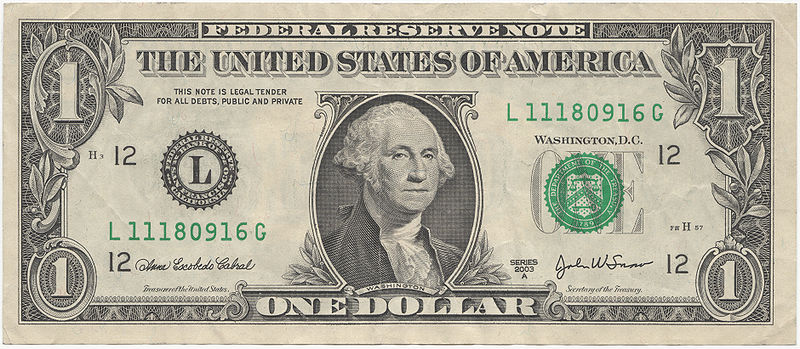
The way that the news is usually split into us and everyone else:

The naming of clubs and franchises, such as the National Football League, as specific to our country:

The performance of the pledge of allegiance in schools and sports arenas:

So, what? What could possibly be the problem?
Sociologists have critiqued nationalism for being the source of an irrational commitment and loyalty to one’s nation, a commitment that makes one willing to both die and kill. Billig argues that, while it appears harmless on the surface, “banal nationalism can be mobilized and turned into frenzied nationalism.” The profound sense of national pride required for war, for example, depends on this sense of nationhood internalized over a lifetime. So banal nationalism isn’t “nationalism-lite,” it’s the very foundation upon which more dangerous nationalisms are built.
You can download a more polished two-page version of this argument, forthcoming in Contexts magazine, here. Images found here, here, here, here, here, here, and here.
Lisa Wade is a professor of sociology at Occidental College and the co-author of Gender: Ideas, Interactions, Institutions. You can follow her on Twitter and Facebook.(View original at http://thesocietypages.org/socimages)

05 Jul 11:02
I couldn't figure out this optical illusion painting until the very end
by Mark Frauenfelder
"Found at Gallery at Ice in Windsor, UK painted by Brian Weavers."
Carlos André Oliveira, cincy_j and 3 others like this
04 Jul 05:01

Tumblr | 283.png
LoriAcho q elas não sabem.
Cooper Griggs, Lori and one other like this


