

Le photographe malaisien Ng Choo Kia, membre de SIPA Press, s’est rendu au sein du peuple des Bajau en Malaisie. Ses habitants ont la particularité de passer leur existence sur l’eau. Les maisons en bois sont montées sur pilotis et surplombent l’eau transparente et turquoise.















We love ’em no matter HOW big they are! It just means there’s more of ’em to love! (OK, well, maybe the St.Bernie in the first..GASP..can’t..breath..GASP..there goes a rib…gif.)


(Bored Panda.)


I’ve been promising for a long time to write a new book, framed as a reply to a free-market tract Economics in One Lesson by Henry Hazlitt, published in 1946, but still in print and popular among free market advocates. Its popularity reflects the fact that it’s a reworking of Bastiat’s “What is Seen and What is Not Seen”, still one of the best statements of the case for free markets.
Bastiat’s argument is implicitly based on the concept of opportunity cost but, since the term wasn’t coined until 1914, he doesn’t use it. Neither, more surprisingly, does Hazlitt. Once this is made explicit, Hazlitt’s rather ponderous, and misleading statement of his “One Lesson”
The art of economics consists in looking not merely at the immediate but at the longer effects of any act or policy; it consists in tracing the consequences of that policy not merely for one group but for all groups.
can be boiled down to the much simpler statement “Market prices reflect opportunity cost”. In important respects, this is true, particularly when we consider the problem from the perspective of choices about how to allocate an individual, family or government budget. With fixed aggregate levels of public expenditure, for example, more money for the military means less for schools, and vice versa.
There are plenty of other questions about private and public decisions for which Hazlitt’s One Lesson is useful. Another example is the well-supported finding that the best way to fight poverty is to give money to poor people. This is unsurprising given that poor people themselves will usually have a much better idea of the opportunity costs they face than will those seeking to help them.
But as a general statement, Hazlitt’s One Lesson is false, which is why my working title is Economics in Two Lessons”. Lesson Two is “Market prices do not reflect all the opportunity costs we face as a society”
To someone trained in mainstream economics, as I have been, the immediate examples of this Lesson are “market failures”, such as externality, monopoly and information asymmetries. I originally planned my book to focus on these market failures, making it a somewhat idiosyncratic take on what is usually called public economics. But I kept feeling that I was missing out too much that was important: unemployment, income distribution and many other issues.
After struggling with this for a long while, I reached the conclusion that a framing in terms of opportunity cost worked to deal with the issues with which I was most concerned, and allowed for a more fundamental critique of the free market position. My central point is that, before we even consider whether a set of market prices is subject to market failures in the usual sense), it is necessary to consider
* The allocation of property rights, broadly defined to include rights to pensions and social security, obligations to pay tax and so on, and the opportunity costs associated with alternative allocations
* Whether the market outcome is a full employment equilibrium or a recession/depression. In the second case (very common, as I will argue), markets don’t properly match supply and demand, so that prices and particularly wages do not determine opportunity costs in general.
My recent posts about the nature of property reflect some of my thinking on the first point, and I’ll soon be posting about the second also. As with Zombie Economics, though less systematically, I’m planning to put up draft extracts from the book for comment and criticism.

Discover the cosmos! Each day a different image or photograph of our fascinating universe is featured, along with a brief explanation written by a professional astronomer.
2015 May 17
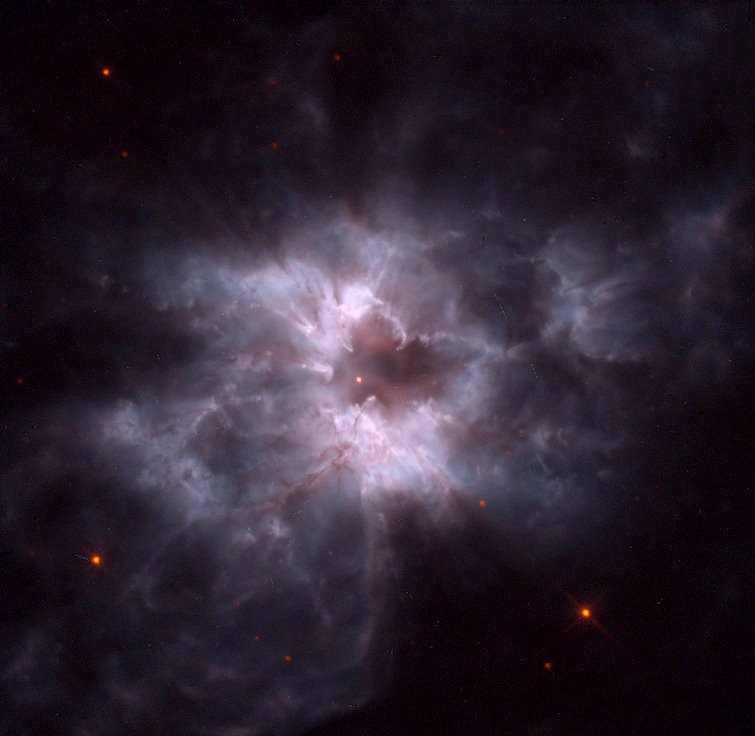
Explanation: Like a pearl, a white dwarf star shines best after being freed from its shell. In this analogy, however, the Sun would be a mollusk and its discarded hull would shine prettiest of all! In the above shell of gas and dust, the planetary nebula designated NGC 2440, contains one of the hottest white dwarf stars known. The glowing stellar pearl can be seen as the bright dot near the image center. The portion of NGC 2440 shown spans about one light year. The center of our Sun will eventually become a white dwarf, but not for another five billion years. The above false color image was captured by the Hubble Space Telescope in 1995. NGC 2440 lies about 4,000 light years distant toward the southern constellation Puppis.
Tomorrow's picture: aurora and ice < | Archive | Submissions | Index | Search | Calendar | RSS | Education | About APOD | Discuss | >
Authors & editors:
Robert Nemiroff
(MTU) &
Jerry Bonnell (UMCP)
NASA Official: Phillip Newman
Specific rights apply.
NASA Web
Privacy Policy and Important Notices
A service of:
ASD at
NASA /
GSFC
& Michigan Tech. U.

I started creating a "ground view" of my "Accretion" render but decided instead to use the scene I created for my revision of "Moonshadow" (that render will remain in the Pickle Jar here). The wider frame better suits the multiscreen "Accretion" and the resulting image is a little brighter and less gloomy.
The multiscreen finished rendering first in this case and then I had to wait until the single-screen was finished before I could post it here. Sorry for the wait!!
Nunca deixo de ter em mente que o simples fato de existir já é divertido!
(Katherine Hepburn)
 Send to Kindle

Permalink:
Loading...
All content is Copyright © 2000–2015 of Explosm, LLC.
This entry passed through the Full-Text RSS service - if this is your content and you're reading it on someone else's site, please read the FAQ at fivefilters.org/content-only/faq.php#publishers.
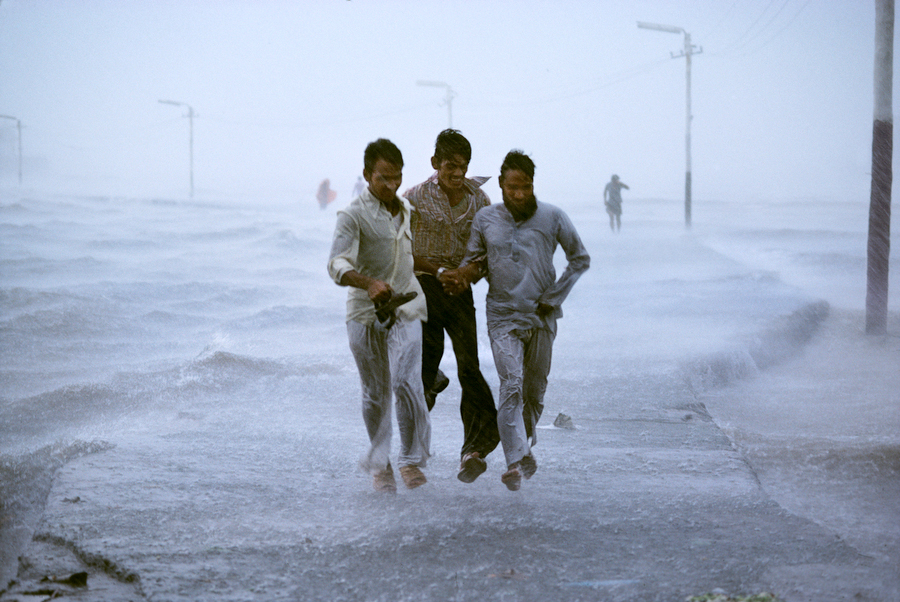
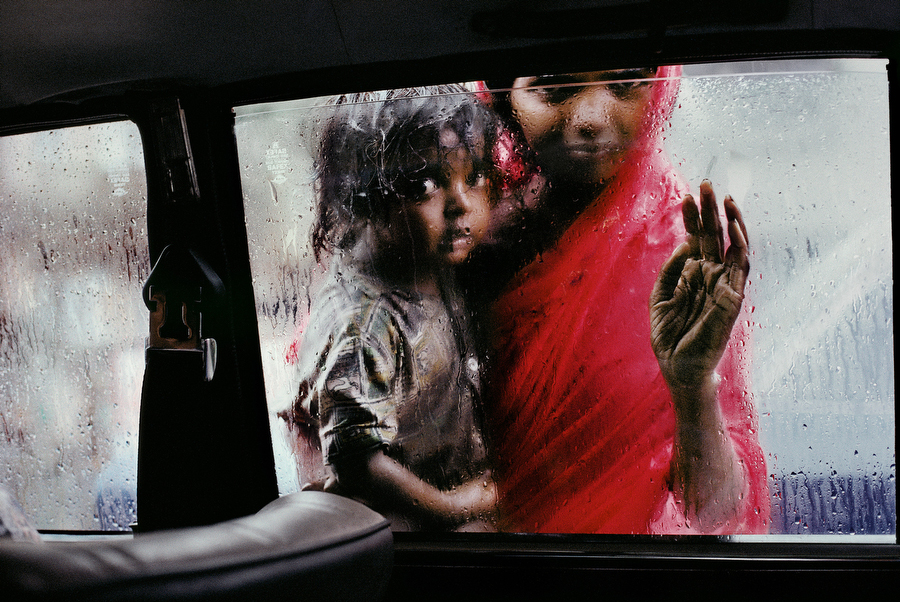
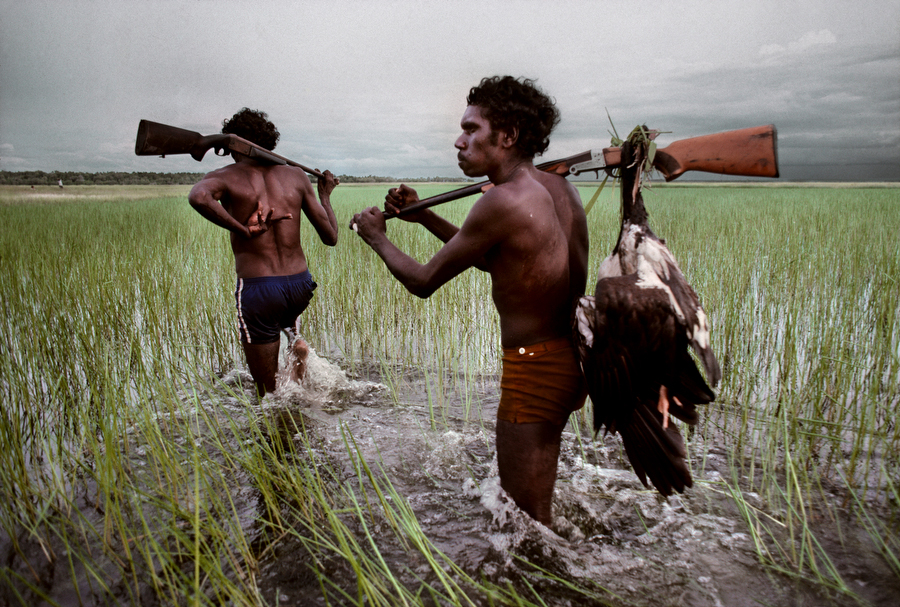
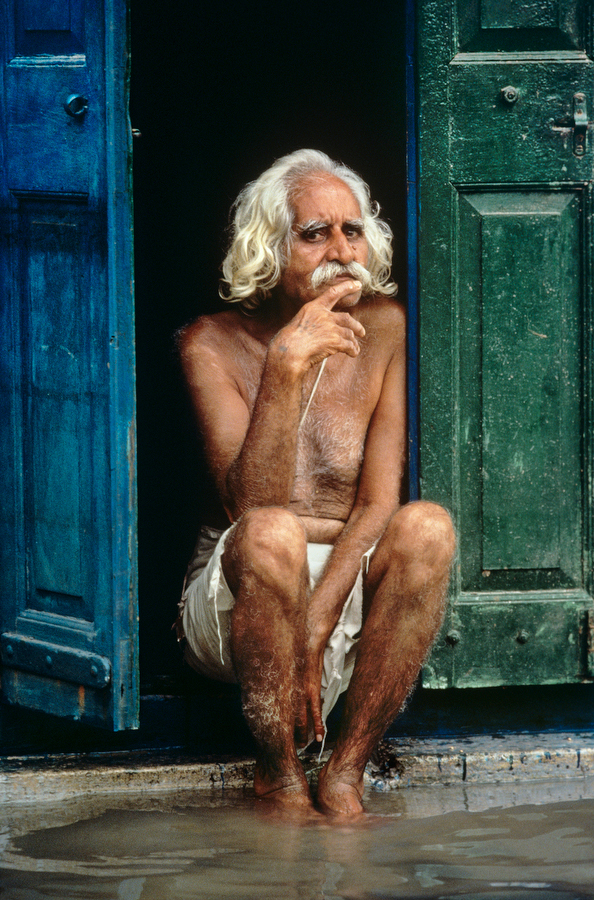
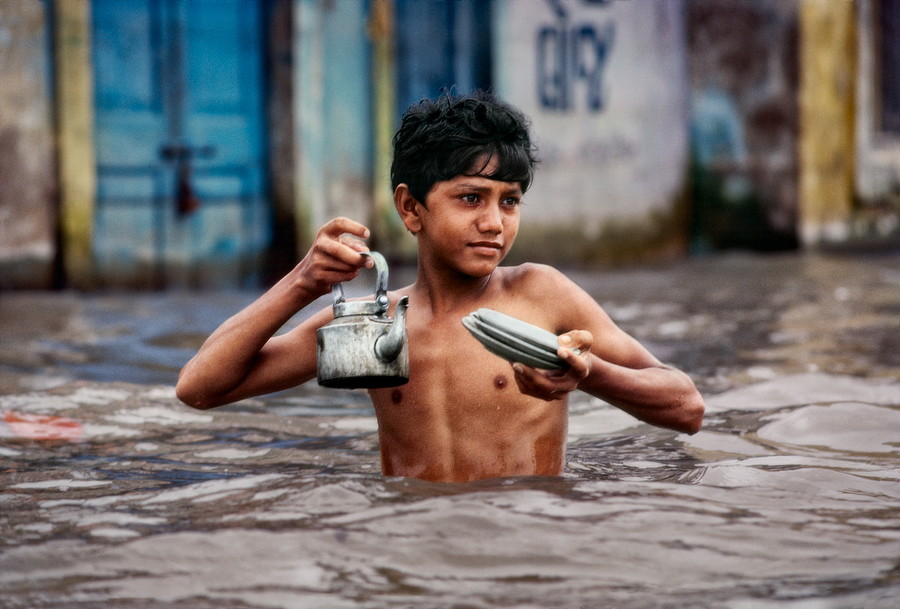
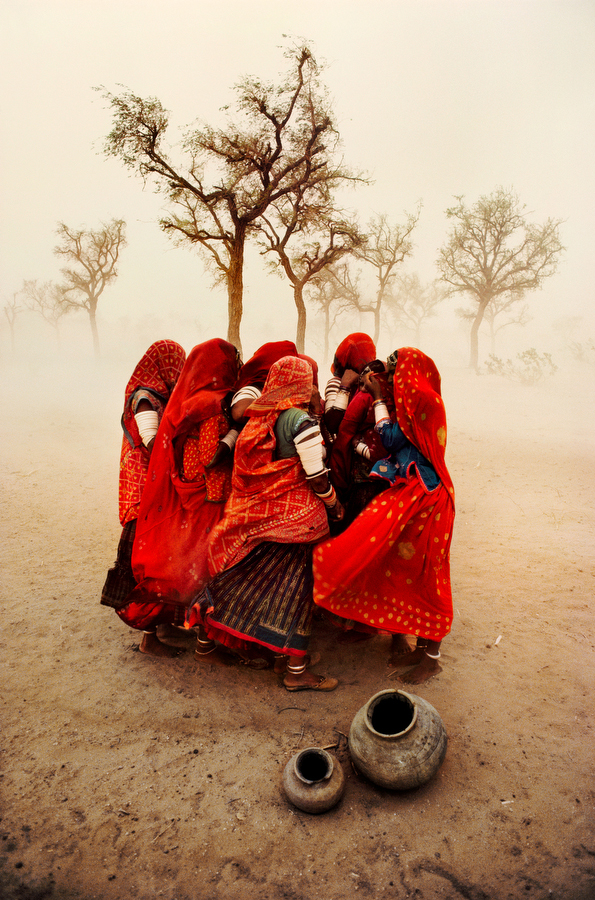 For months there is no rain, and then there is too much.
Half the world’s people survive at the whim of the monsoon.

I was eleven years old when I saw a photo essay on the monsoon in India in Life Magazine by Brian Brake, the New Zealand-born Magnum photographer. His work established his reputation as a master color photo essayist. Twenty years later, I proposed a story to National Geographic to photograph the monsoon.

Monsoon History
by Shirley Geok-lin Lim
The air is wet, soaks
into mattresses, and curls
In apparitions of smoke,
Like fat white slugs furled
Among the timber
Or silver fish tunnelling
The damp linen covers
Of schoolbooks, or walking
Quietly like centipedes,
The air walking everywhere
On its hundred feet
Is filled with the glare
Of tropical water.
Again we are taken over
By clouds and rolling darkness.
Small snails appear
Clashing their timid horns
Among the morning glory
Vines.
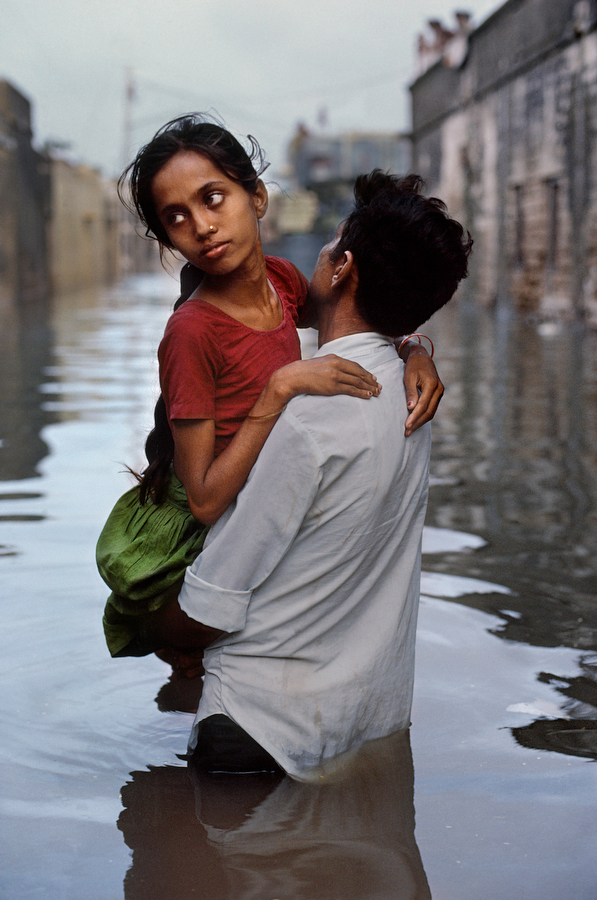
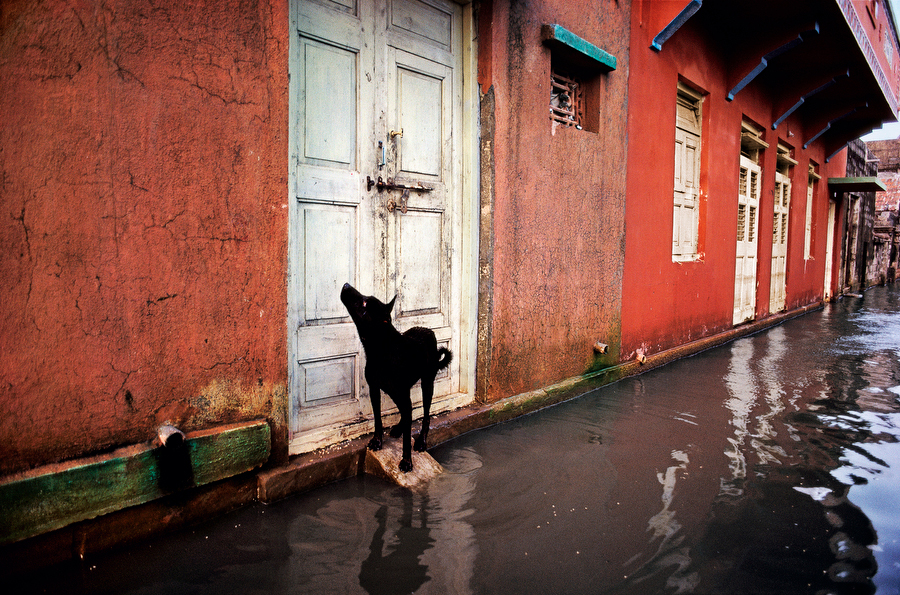
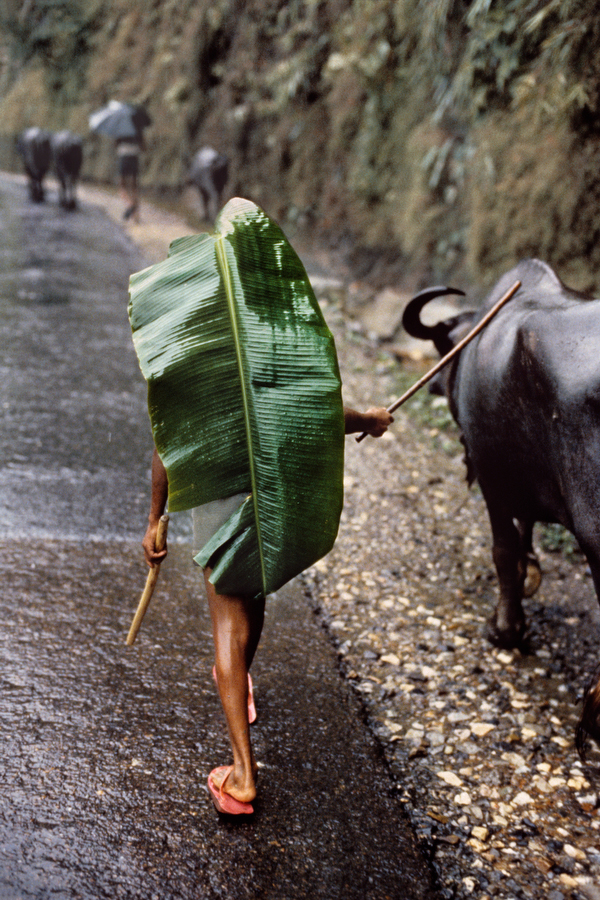
The rains fall on one horn of the buffalo, and not on the other.
-Indian Proverb
 Last Night the Rain Spoke to Me
by Mary Oliver
Last night
the rain
spoke to me
slowly, saying,
what joy
to come falling
out of the brisk cloud,
to be happy again
in a new way
on the earth!

 During the year I spent following the monsoon in a dozen countries, I learned to see it as a critically important event,
and not the disaster it had first seemed to my Western eyes.
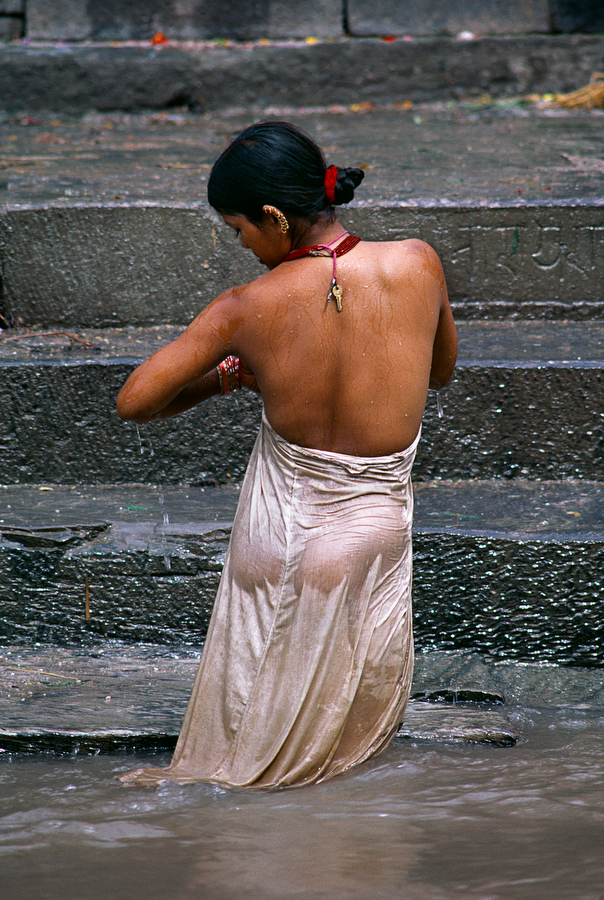
Rain is grace;
Rain is the sky descending to the earth …
– John Updike

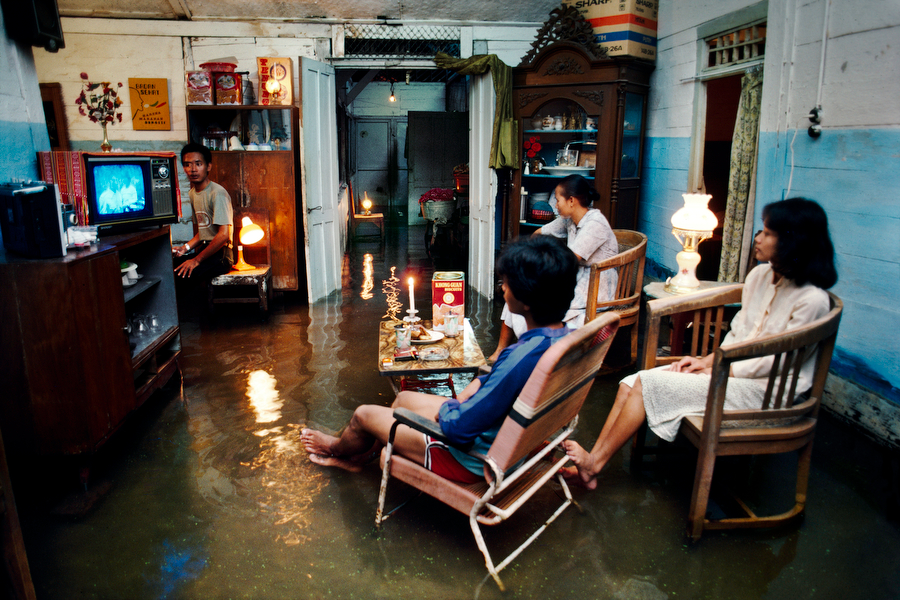

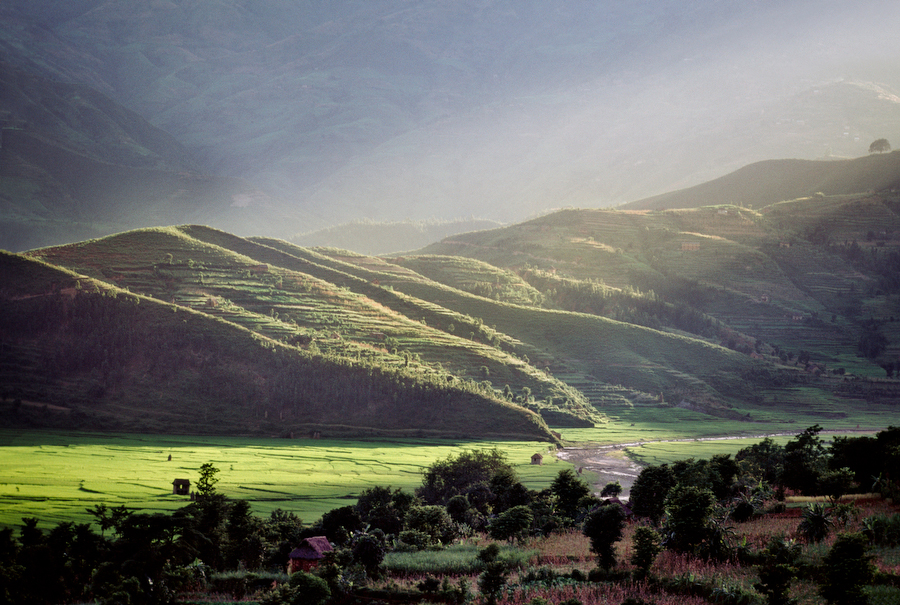
Farmers experience the monsoon as an almost religious experience as they watch their fields come back to life after being parched for half the year.

For half the world’s people, good monsoons, those rain-bearing winds of
Asia and the Subcontinent, mean life and prosperity.
Poor ones are marked by famine and death.
Only He shakes the heavens and from its treasures takes out the winds.
He joins the waters and the clouds and produces the rain.
He does all those things.
– Michael Servetus (1511-1553)
Spanish theologian, physician, cartographer



 Expanded from











 Expanded from