The tambourine is a percussive instrument with a wooden casing, animal-skin drumhead, and a number of small metal zils. Within its circular frame, it contains an ocean of suffering. No one who has ever held a tambourine has known joy. It is known colloquially among its players as "The Pain Hoop." It is a well-known saying among the mothers of France that it is "better to watch your child die than let her hold a tambourine." They say it all the time. Not when you're around, obviously, they don't say it to tourists. But they do say it.
like the tambourine, we exist only to be struck briefly, then put aside
like the tambourine, we are stretched tight on an endless rack
Stephanie Hughes, a student at Woodford County High School in Kentucky, found herself in the principal’s office on the very first day of school this year. Her crime? Exposing her collarbones.
Stephanie’s mother, Stacie Dunn, arrived at the school to to find “a group of female students standing in the office due to being out of dress code also,” Dunn wrote on Facebook on August 13. “Parents are being called away from their important jobs and students are missing important class time because they are showing their collarbones!”
Even after Dunn found her daughter a scarf to wear, she was still sent home. But Dunn’s condemnation of the dress code struck a chord: her original Facebook post has now been shared nearly 50,000 times. (The offending outfit is pictured at left.)
Woodford’s dress code stipulates that all students must wear pants and skirts that are at least knee-length as well as “rounded crewneck” shirts. “All scoop neck, v-neck and tank tops are prohibited,” though students can still wear turtlenecks and button-downs—with only one button unbuttoned.
But women students at Woodford say these requirements are subjectively and sporadically enforced. Maggie Sunseri, a Woodford student, released a 33-minute documentary on YouTube in March focusing on the 10-year-old dress code. In the video, titled, Shame: A Documentary on School Dress Code, Sunseri interviews numerous women students, many of whom had been called out by authority figures for “inappropriate” attire.
“My boyfriend, he wore a pair of his soccer shorts to school,” explains one woman in the documentary. “Soccer shorts come above your knee. And it was completely fine for him. I wore the exact same pair—he gave them to me—I wore the exact same pair and they told me not to wear it again, because they could see my knees. It was like a warning.”
Woodford Principal Rob Akers also appears in the documentary. While Akers was not at Woodford when the dress code was created, he says that he understands that it was intended to fight sexual harassment.
“Certain outfits that [women students] wore created a situation where guys would make inappropriate statements,” he says. “There was a distraction to the learning environment.”
“It sends the message to boys that it’s all girls’ fault,” remarks another student in the documentary. “It wasn’t [the boys’] fault that they were staring or got distracted. It was the girls’ fault.”
Dunn’s daughter was not in the video, but Dunn and Sunseri are now working together to change the school’s dress code. Following Dunn’s post, Sunseri proposed changes to the code, such as allowing shirt straps that are at least three fingertips wide and skirts that meet the “fingertip” rule. Meanwhile, Dunn launched a Change.org petition to encourage Woodford’s School-Based Decision Making (SBDM) Council to adopt Sunseri’s proposal. The SBDM Council will rule on the proposed changes on September 21.
Dunn is far from the only person taking to social media to express outrage over draconian school dress codes. Deanna Wolf’s daughter, a student at a Huntsville City Schools institution, was taken out of class for wearing an oversized grey sweater and leggings. Wolf posted on Facebook, “This whole situation clearly states that a girl’s education has less importance than a boy’s education, and that her right to said education is secondary to providing a distraction-free environment for the opposite sex.”
The hashtags #IAmMoreThanADistraction and #croptopday have also spread across Twitter. Canadian teenager Alexi Halket launched #croptopday in May, in protest of being sent to the principal over wearing a shirt that looked “too much like a sports bra.” The following Tuesday, Halket and her fellow classmates—as well as people across Canada—donned crop tops in protest of sexualizing women’s and girls’ bodies.
Photo courtesy of Stacie Dunn, licensed under Creative Commons 2.0.
Carter Sherman is a Ms. editorial intern and a rising senior at Northwestern University, where she studies journalism and international studies. Follow her on Instagram at @heyyymizcarter.
According to best researcher ever Dr. Paul Booth of Keele University, the earliest recorded usage of the word “fuck” dates all the way back to 1310. The good doctor discovered that (and I’m not joking) “Roger Fuckebythenavele,” whose (incredibly tragic) name appeared in court plea documents didn’t actually have that last name.
Dr. Booth believes that “Fuckebythenavele” was actually a nickname or a (hell of a) title. To him, the nickname means one of two things:
[It could] either mean an actual attempt at copulation by an inexperienced youth, later reported by a rejected girlfriend, or an equivalent of the word ‘dimwit’ i.e. a man who might think that that was the correct way to go about it.
A not so small part of me still thinks this is a joke, because seriously, how perfect is a name like “Fuckebythenavele”?
““Icarus. The original myth had two parts. Daedalus said to his son, ‘I fashioned these wings for you. Two rules. Don’t fly too high, or the sun will melt the wax. But, more important, son, don’t fly too low. Because if you fly too low, the water and the waves will surely weigh down the wings, and you will die.’ We’ve left out the second part of the myth. We don’t say to people anymore, ‘Don’t fly too low.’ All we do from the time they are 4 years old is warn them against hubris. We have created this industrially led structure that says: How dare you.””
When Scott Kalwei finally opens the doors to the Ruins, at 1715 Main, tentatively at the end of September, the saloon will feature a self-serve beer bar with 40 taps. Kalwei says it's the first digital self-help wall of taps in the metro.
Each of the taps has a computer screen and operates from a temporary card, the size of a credit card, and stops automatically after pouring precisely 32 ounces.…
In a first for donation-based crowdfunding, the creator of a Kickstarter campaign has been ordered by a state court to pay civil penalties, restitution, and court costs for failing to deliver products to his contributors. Edward J. Polchlopek, aka Ed Nash, and his company, Altius Management, have been ordered to pay a total of $54,851.29 for failure to deliver decks of ‘retro-horror themed’ playing cards.
Polchlopek successfully raised $25,146 on a $15,000 ask back in October 2012 for his crowdfunding campaign for Asylum Playing Cards. The campaign promised to ship contributors a single deck of the cards for a donation of $9 by December of the following year; however, it took until June 2015 before any contributors reported receiving their cards or any other rewards offered. Polchlopek also made no attempt to communicate with his contributors since July 2013. As a result, Washington Attorney General Bob Ferguson filed suit against Polchlopek and Altius Management under the state’s Consumer Protection Act in April 2014.
According to Ferguson, “Washington state will not tolerate crowdfunding theft. If you accept money from consumers, and don’t follow through on your obligations, my office will hold you accountable.”
Out of the 810 contributors to the campaign, 31 were from Washington. The $54,851.29 Polchlopek has been ordered to pay is based on $668 in restitution to those 31 contributors, $31,000 in civil penalties ($1,000 each), and $23,184 in court costs and fees. It should be noted here that court costs and fees accounted for about 42 percent of the fine.
The case against Polchlopek and Altius Management is considered to be the first to set a legislative precedent for crowdfunding theft, which according to Ferguson, will no longer be tolerated by Washington state. Ferguson has also encouraged affected contributors from other states to “file a complaint with their state attorney general to seek restitution,” so Polchlopek’s financial troubles may be far from over.
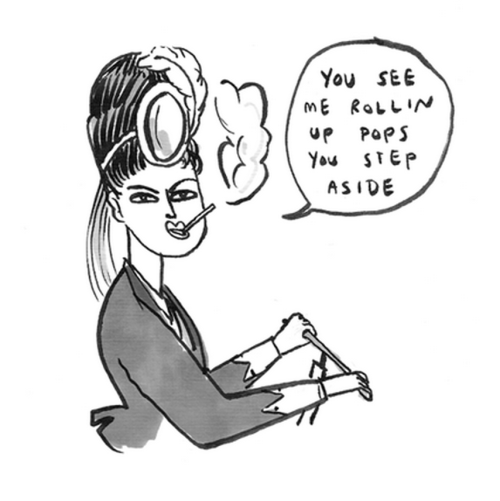
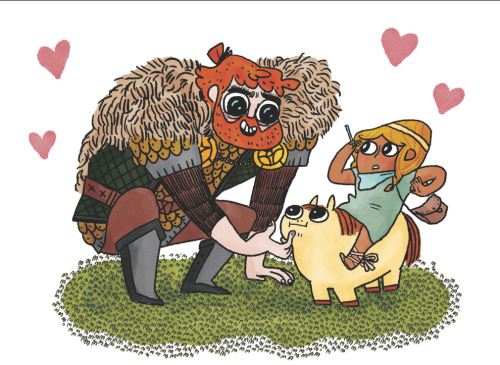
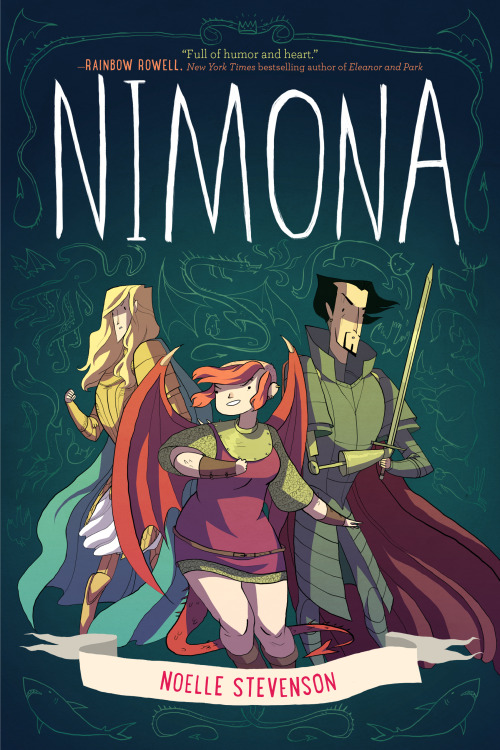
STEP ASIDE, I’M A SHARK! Two of our favorite creators sit down for a discussion of webcomics, writing for all ages, and their latest works. SPX is thrilled to present Kate Beaton, creator of “Hark! A Vagrant!”, “The Princess and the Pony” and her SPX 2015 debut “Step Aside, Pops: A Hark! A Vagrant! Collection” in discussion with Noelle Stevenson, creator of “Nimona” and co-creator of Eisner Award-winning series “Lumberjanes.” No sharks or ponies were harmed in the making of this panel. Moderated by Heidi MacDonald.
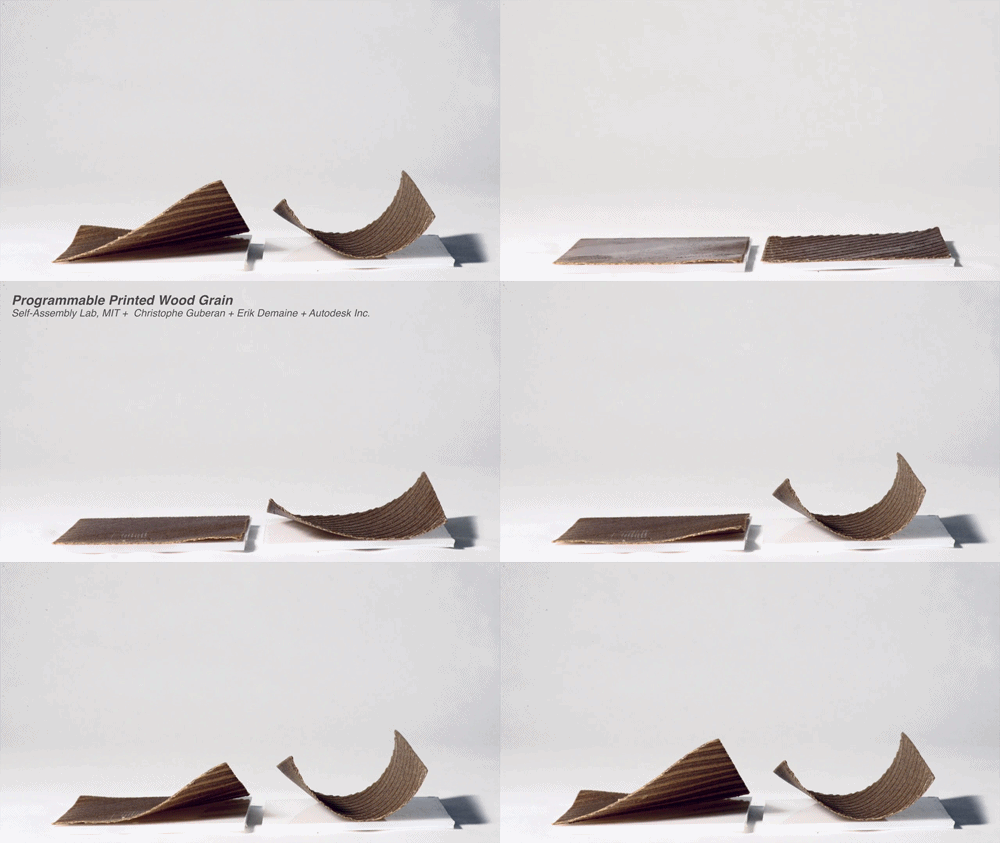
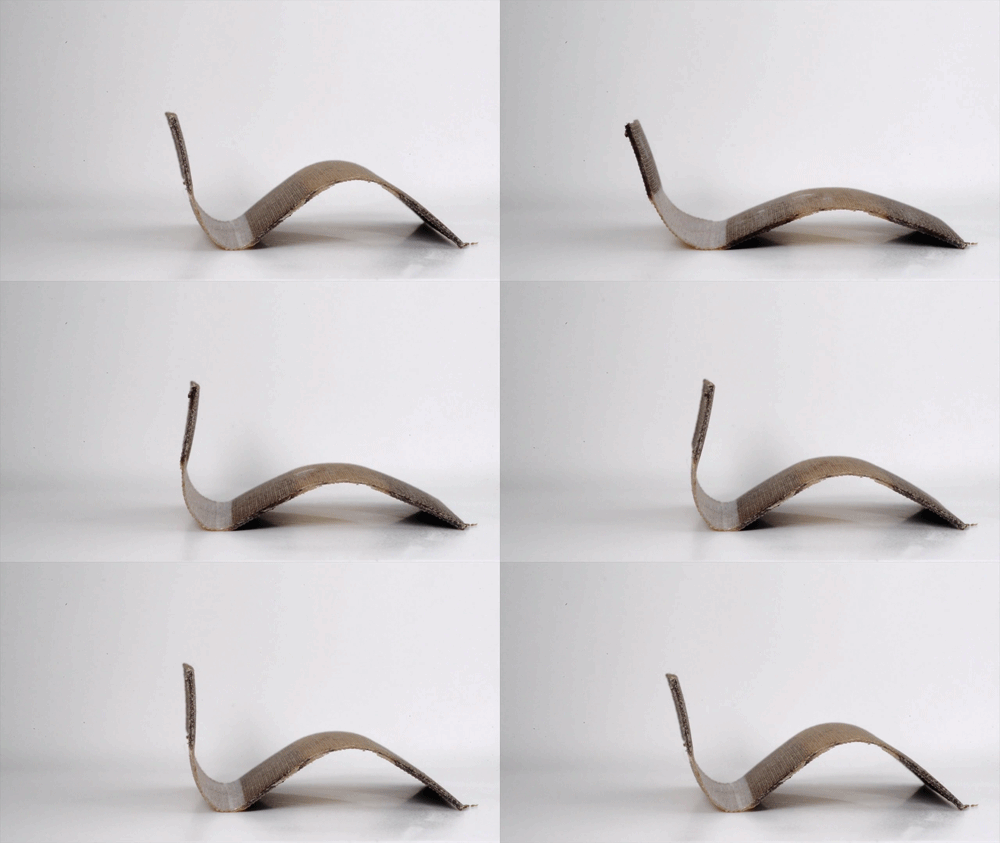
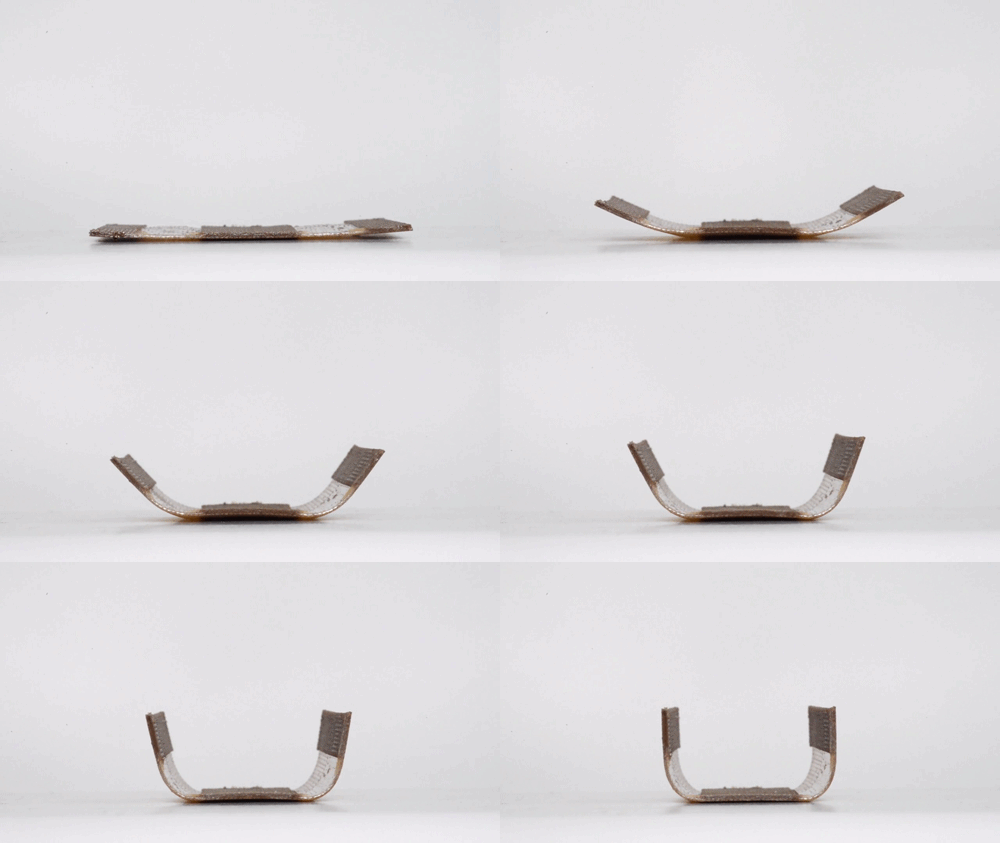
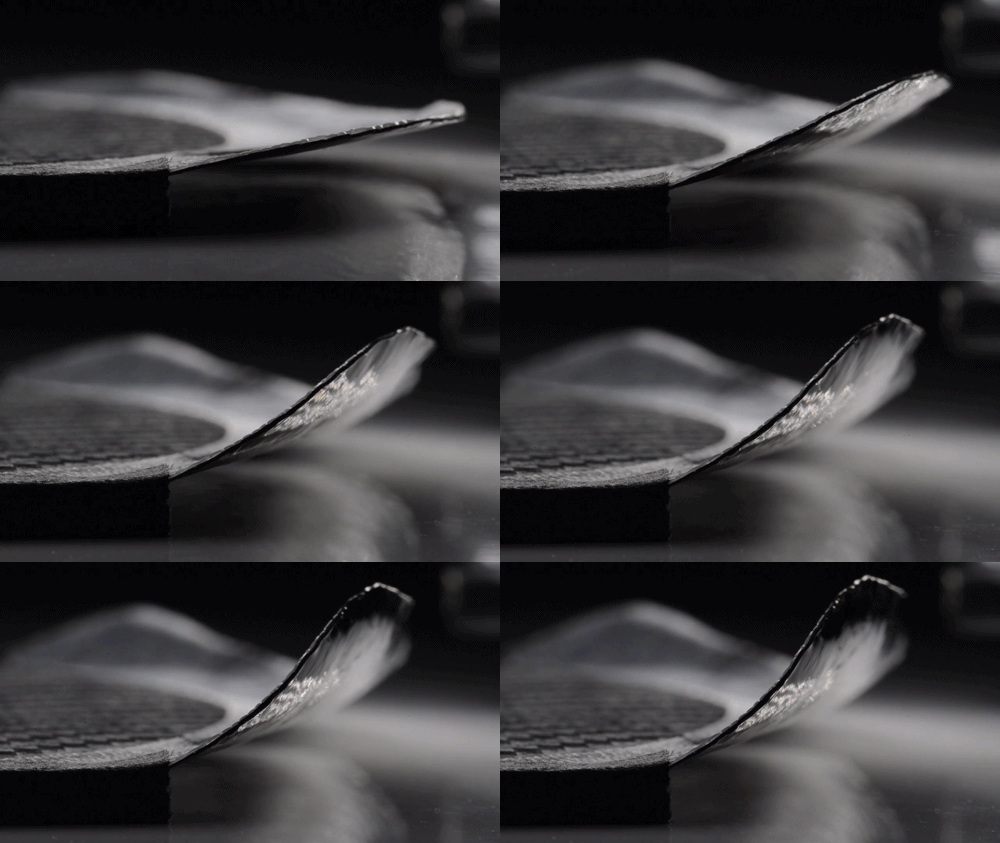
Project by Skylar Tibbits for MIT’s Self-Assembly Lab explores materials that can alter their shape under certain conditions, from carbon fiber and fabric to woodgrain:
Programmable Materials consist of material compositions that are designed to become highly dynamic in form and function, yet they are as cost-effective as traditional materials, easily fabricated and capable of flat-pack shipping and self-assembly. These new materials include: self-transforming carbon fiber, printed wood grain, custom textile composites and other rubbers/plastics, which offer unprecedented capabilities including programmable actuation, sensing and self-transformation, from a simple material.
Nearly every industry has long desired smarter materials and robotic-like transformation from apparel, architecture, product design and manufacturing to aerospace and automotive industries. However, these capabilities have often required expensive, error-prone and complex electromechanical devices (motors, sensors, electronics), bulky components, power consumption (batteries or electricity) and difficult assembly processes. These constraints have made it difficult to efficiently produce dynamic systems, higher-performing machines and more adaptive products, until now. Our goal is true material robotics or robots without robots.
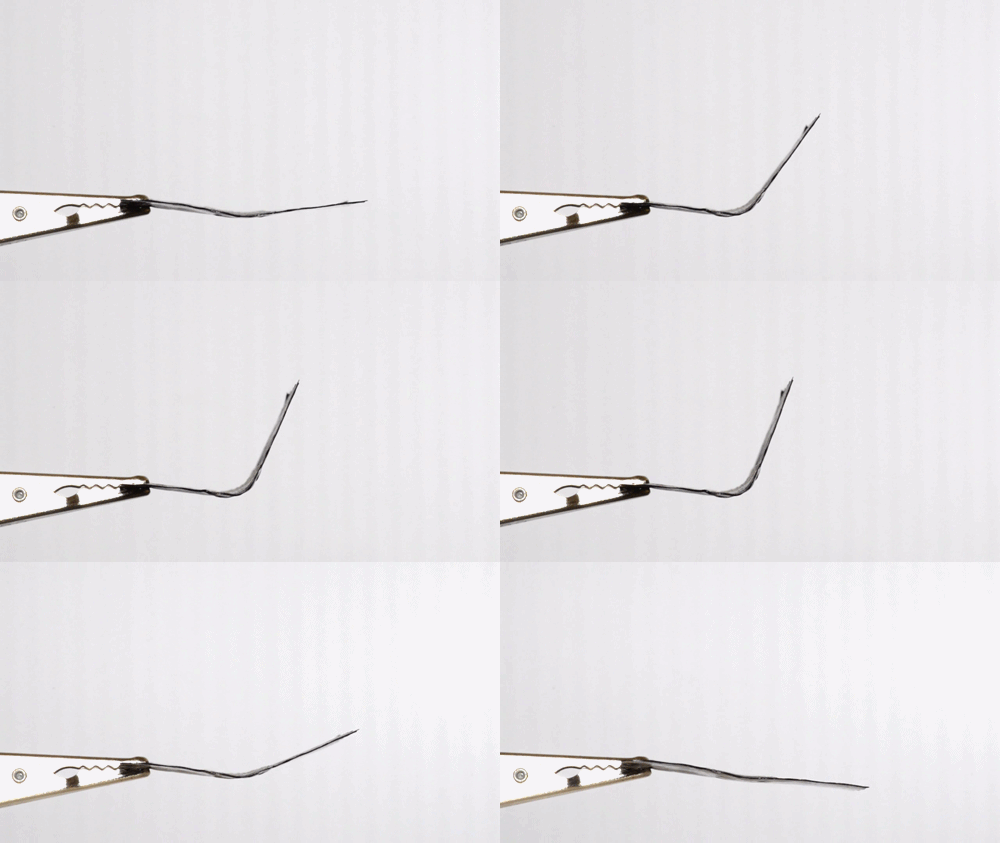
A couple of examples - here is a proof-of-concept adaptive airfoil which does not require any additional mechanical parts:
Here is a proof of concept demonstration of ‘programmable wood’:
Costume for Morticia Addams (Anjelica Huston) Addams Family Values, 1993 Costume designer Theoni V. Aldredge The Collection of Motion Picture Costume Design Larry McQueen
Hollywood Costume [2012], edited by Deborah Nadoolman Landis
Mike Kelley, “City 5” (2007–09) (all photos and gifs by the author for Hyperallergic)
Every hero has an origin story. In Superman’s case, legend and comic books have it that he was born on a planet called Krypton, whose capital city was Kandor. After Superman’s parents sent him to Earth, a villain named Brainiac stole Kandor and shrunk it to miniature size, just before Krypton was destroyed. Some time after that, Superman encountered Brainiac on Earth and discovered that he had the shrunken Kandor in his possession. The hero managed to wrest it from the villain’s control and, in an attempt to safeguard the city, placed it in a bell jar inside his Fortress of Solitude. There it sat, an inaccessible home within a home — a place that Superman both longed for and possessed, but could never fully return to.
Mike Kelley, “City 17” (2011) (click to enlarge)
This is the original version of the story, anyway. There are others, because from the Silver Age of comics (from whence the Kandor story originates) until now, a parade of authors has shifted and rewritten the narrative, revised the story and wiped the slate to make way for new ones. Among the most fascinating things about mainstream comics and superheroes is the way they constantly regenerate, taking on new forms and tales until they become almost like collages — their many tellings and interpretations layered atop one another under a single name.
This was what most interested artist Mike Kelley about Superman, and more specifically Kandor: the countless versions of it that exist. “The design of the city was never standardized, and the artists who illustrated the stories over the years depicted it in myriad ways,” he wrote. “I was fascinated by the fact that there were many different versions of the same city. It was impossible to reconstruct Kandor.” Naturally, that didn’t stop him from trying, for the last 12 years of his life.
Those attempts took many forms. The earliest was a truly visionary plan, in 1999, to create a website through which he could crowdsource information about Kandor from Superman fans online. The information would be used to construct physical and digital versions of the city, and everyone who participated in the project would be invited to attend the opening of the exhibition, a gathering Kelley termed “Kandor-Con 2000.” Neither the Con nor the website ever materialized because of financial constraints (the work was being made for a show at the Kunstmuseum Bonn, which couldn’t afford either), and so Kelley ended up receiving all his information about Kandor from a German comic book collector and hiring a digital animator and architects to create renderings and models.
Mike Kelley, detail of “Kandor 4”
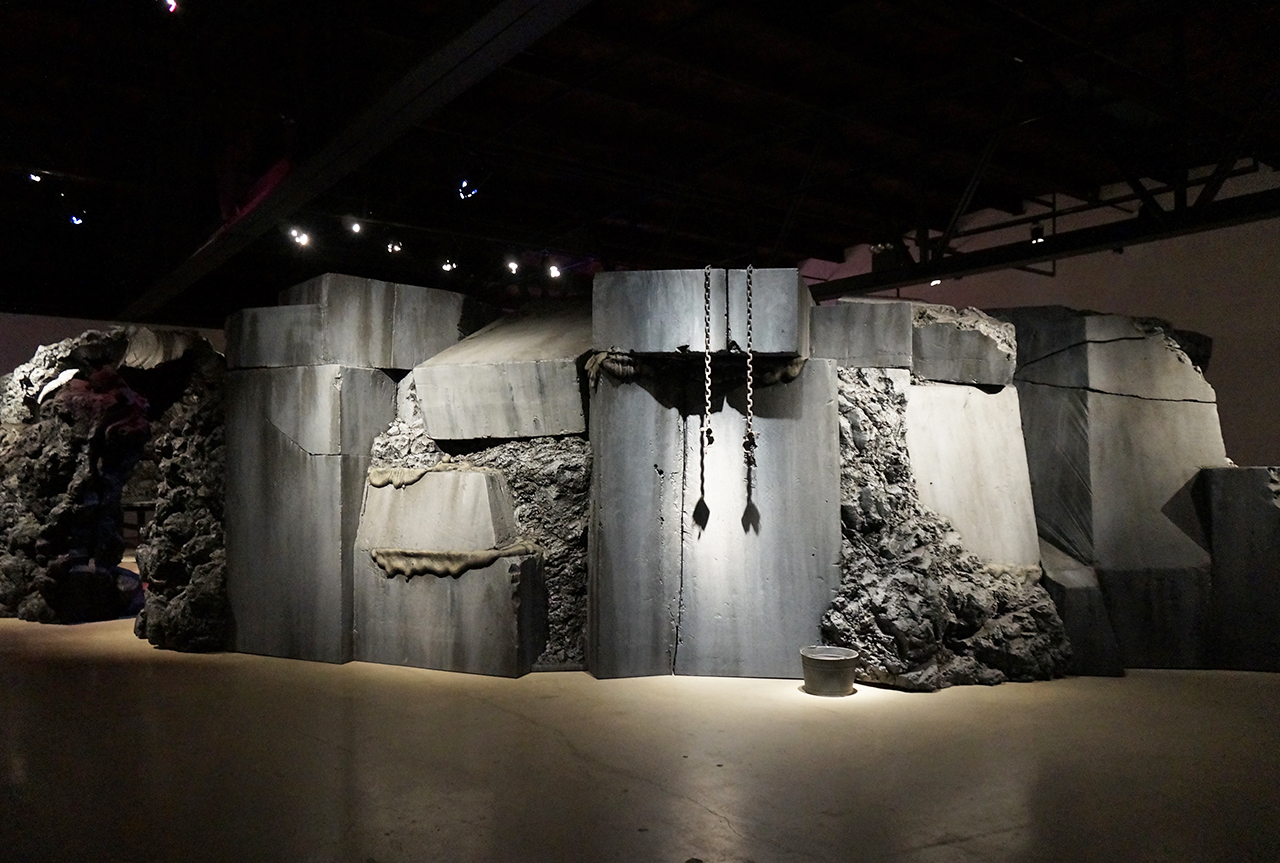
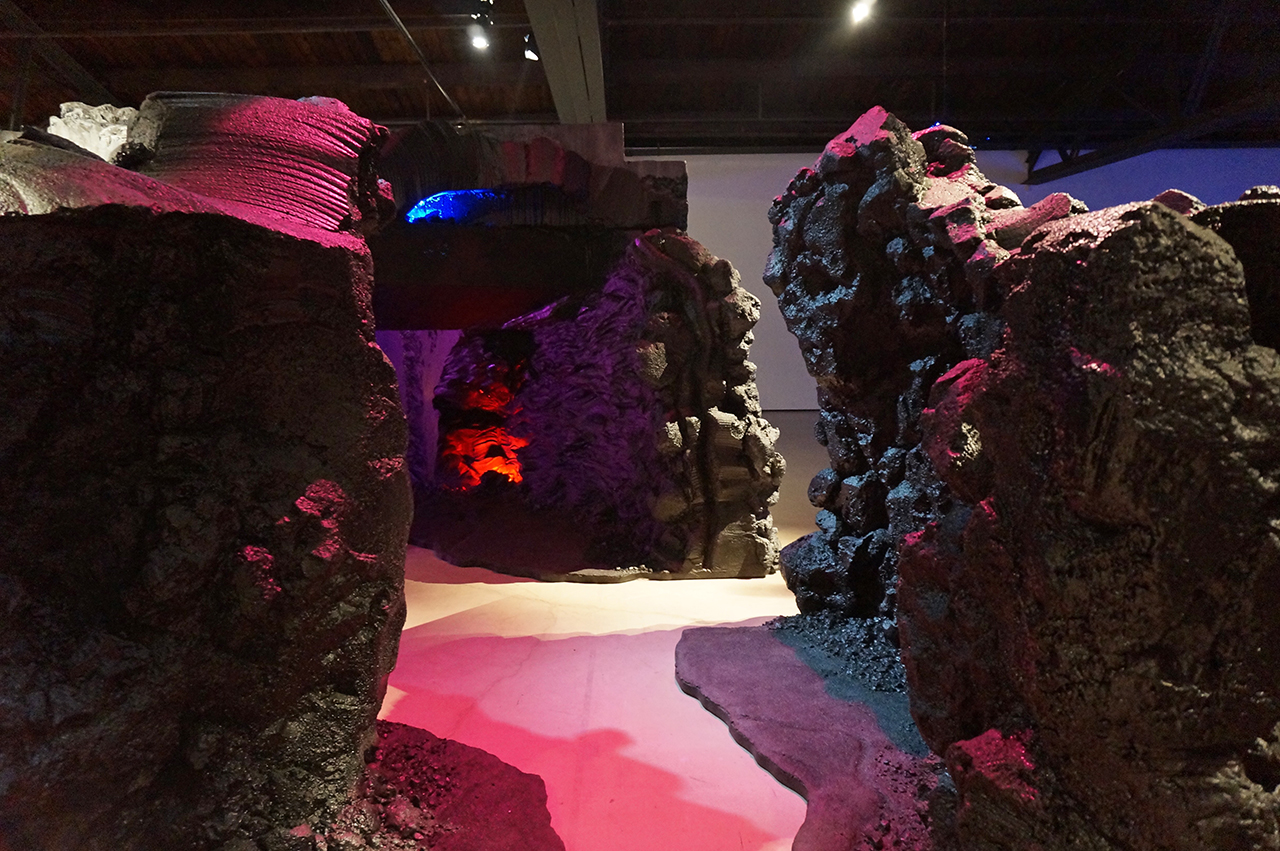
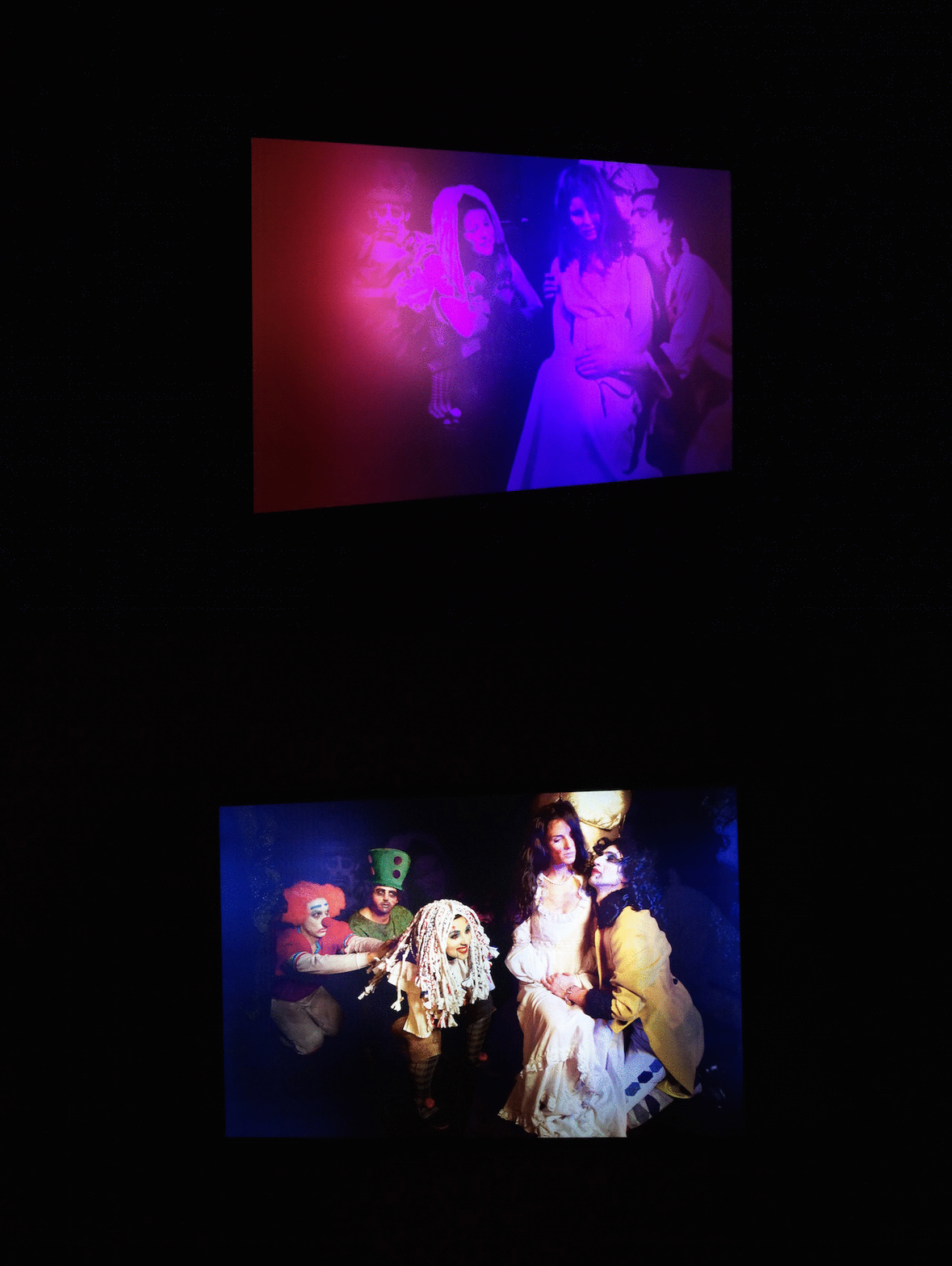
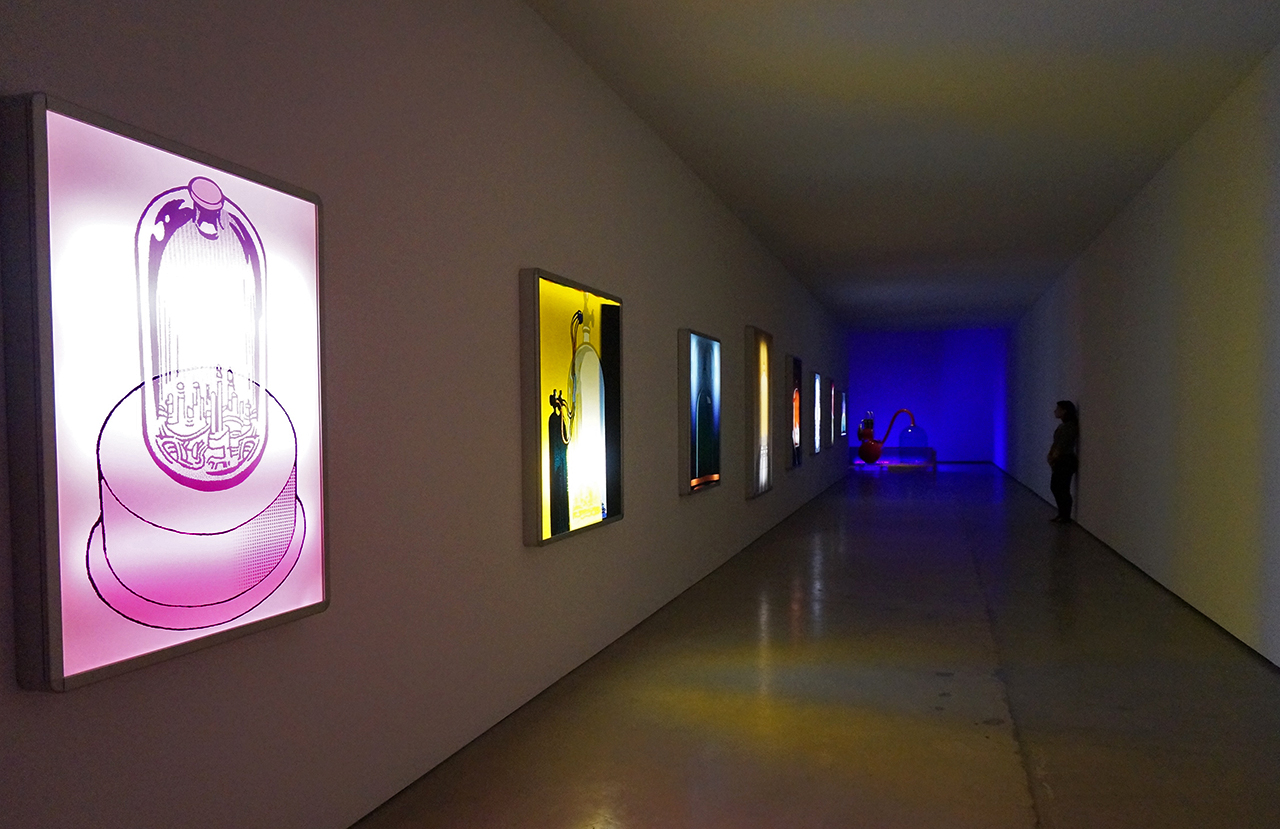
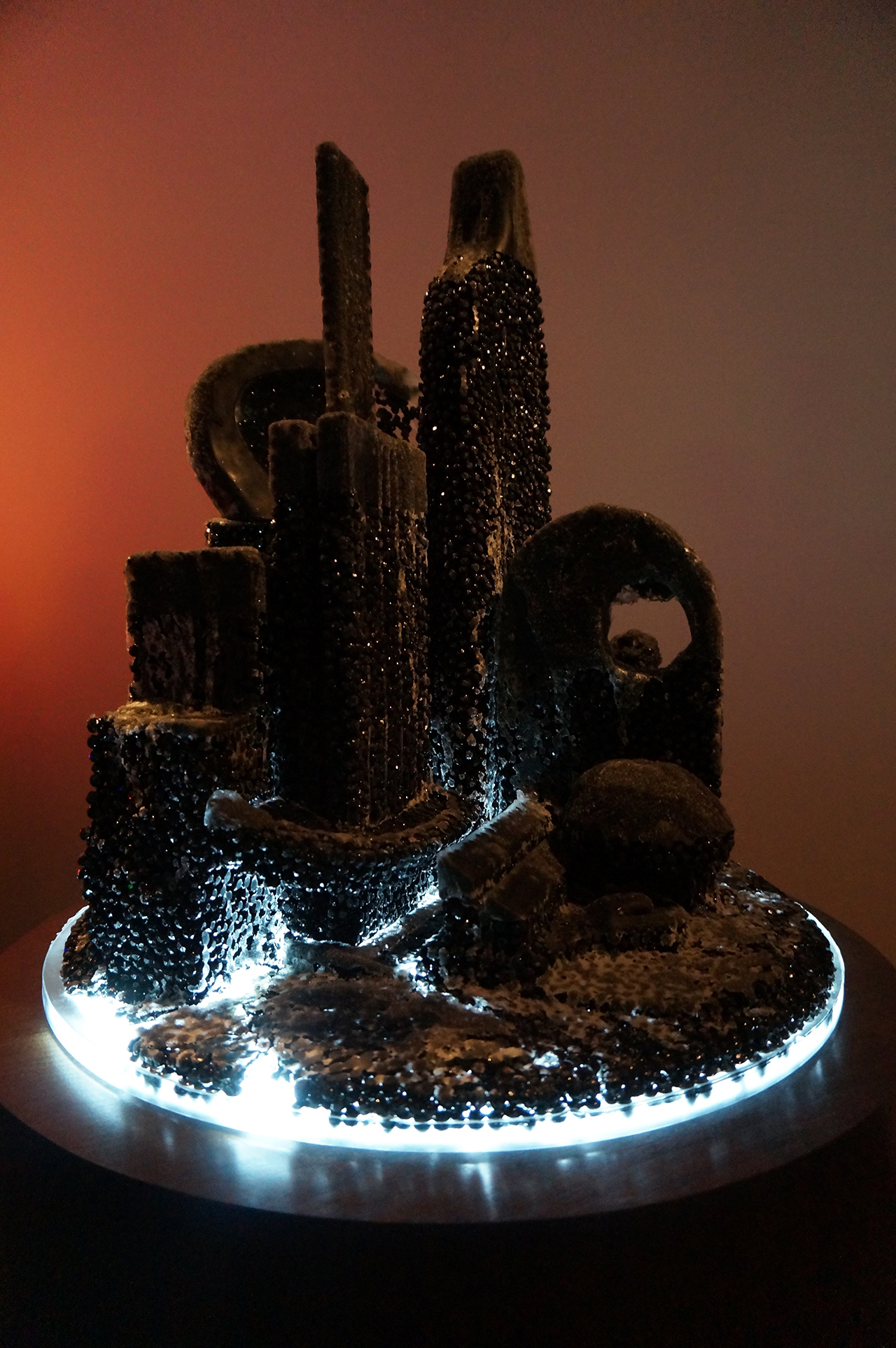
A while later, Kelley returned to the Kandors project but decided to “focus on the formal aspects of the … bottles.” This again led him on a quest — this time nearly impossible but not quite — in which he spent five years enlisting a glass factory in Czechoslovakia and a glass-coating company in Ohio to hand-make the unusually large vessels for him. He then created accompanying bases, videos, and resin sculptures of cities for each one, as well as lenticular lightboxes of the illustrations from which they were drawn. Kelley showed 10 of these at Jablonka Galerie in Berlin in 2007 and went on to make new Kandors and variations upon them in the following years — including, in the final year of his life, a massive installation titled “Kandor 10B (Exploded Fortress of Solitude)” (2011) that features large, craggy rocks and a cave, inside of which sits a glowing purple city inside a jar, as well as gold jewels encrusted in the wall. In the comic books, the Fortress of Solitude is Superman’s private palace/hideaway; in Kelley’s telling, it becomes the site of a ritualistic sadomasochism, played out in his short film “Extracurricular Activity Projective Reconstruction #36 (Vice Anglais)” (2011).
Mike Kelley’s “Lenticular 8” seen from three angles (2007)
More than 20 of the various pieces of these late, realized Kandors are currently on view at Hauser & Wirth’s Chelsea space in New York City. There is a room of colored, crystalline cities, which sit atop pedestals, radiating light and mystery; one complete Kandor set, number 4, whose combined parts feel like a children’s toy set blown up to giant size; a wall of lenticular prints, in which comics illustrations of Kandor and its jar fleetingly appear and disappear with each step; and the fortress and accompanying film, which teeter between seriously creepy and campy. A swirling, swooshing, ominous soundtrack accompanies it all.
The Kandors are, like so much of Kelley’s work, expertly crafted — perhaps to a fault. At the press preview last week, curator Paul Schimmel spoke of the painterliness of these works, how Kelley used the story of Kandor as a means of giving himself freedom to experiment with color, materials, and form. This is evident in the rich reds, blues, greens, and other hues here, the simple yet mysterious forms they’re attached to, the glowing lights and play of shadows. The sculptures and lightboxes are in fact so seductive, I found myself wondering what lay beneath the surface; their beauty seems to eclipse any further meanings.
Mike Kelley, “Kandor 10B (Exploded Fortress of Solitude)” (2011) (click to enlarge)
Schimmel also spoke, in regards to the fortress, of “a kind of epic, spiritual, otherworldly pursuit,” an “architecture of the mind,” a “monumental sculpture of the unconscious.” These are grandiose phrases for a sculpture that, although impressive in execution, again feels a bit too polished for its own good (which could also be a result of the gallery space it’s in). But they do get at what Kelley seemed to be after with his massive, unwieldy creation — the three-dimensional articulation of a mind. Its repressed subconscious takes the form of the puzzling, at times torturous “Extracurricular Activity” film (itself based on a found high school photograph), while the emotional center is the fortress’s cave. Inside, Kelley suggests, we all keep a pristine, timeless version of home; trapped under glass, it’s both our reality and our fantasy.
Inside the cave of Kelley’s “Kandor 10 (Exploded Fortress of Solitude)” (2011)
Jewel-covered wall of the cave
Detail of the treasure wall
Mike Kelley, “Kandor 10B (Exploded Fortress of Solitude)” (2011)
Mike Kelley, still from “Extracurricular Activity Projective Reconstruction #36 (Vice Anglais)” (2011)
Mike Kelley, detail of “Kandor 10B (Exploded Fortress of Solitude)” (2011)
Installation view, ‘Mike Kelley’ at Hasuer & Wirth
This version of Kelley’s “Extracurricular Activity Projective Reconstruction #36 (Vice Anglais)” (2011) is a lightbox that juxtaposes the original found photograph with a still from his film.
Wall of lenticular prints
Mike Kelley, “Kandor 4” (2007)
Mike Kelley, detail of “Kandor 4” (2007)
Mike Kelley, “City 20” (2011)
MIke Kelley, “City 15” (2011)
Mike Kelleycontinues at Hauser & Wirth (511 W 18th Street, Chelsea, Manhattan) through October 24.
As you may know from the little button on the sidebar, I’ve recently got involved with Scarlet Ladies, a new initiative encouraging women to be more open about sex. On Thursday, I was part of a panel where we discussed our quims.
Along with founding members Sarah and Janette, I joined burlesque performer Effie Vescent and orgasmic meditation instructor Claudia from TurnOn Britain in opening up a discussion of our nethers to a small intimate group in a pub. Occasionally, a member of staff would wander through looking mildly horrified, because this is not what we’re meant to do.
I first discovered the importance of talking very frankly about my cunt when I discovered the power of the Dear Nadine Dorries project. For those of you who don’t remember the halcyon days of 2011, this was when me and a bunch of other people (note: not just women) wrote crass letters to an anti-choice Tory MP in the hope of sating her desire to intrude on our uteruses. Her bill failed, and she whined about receiving letters describing bodily functions in graphic detail in Parliament, so technically, I might have had the most famous minge in the room since mine is recorded in Hansard. The thing the Dear Nadine Dorries project taught me most of all was the thirst to be able to talk openly about everything your cunt does: the good, the bad, and the downright queefingly disgusting.
With that in mind, I told a couple of stories pertaining to how I’d thought I wasn’t normal, but it turned out I was. I told the story of when I was 15 and I thought I’d wanked myself incontinent because I didn’t even know that squirting was A Thing. I told of my wonky flaps–which I describe as looking like the Before and After photos in a labiaplasty advert–and how I didn’t know that the wonkiness wasn’t some terrifying weird mutation until I started muff-diving. This was a natural segue into tale of when I wounded my cunt in a narrowboating accident, and just briefly, my flaps were the same size because of the swelling.
Later in the evening, I became part of a competition: to identify what my tattoo was.
Yes, that’s an anatomically correct, roughly life-sized clitoris, and unfortunately, nobody could recognise it. It’s hardly surprising; medical science didn’t recognise it until the nineties, or map it properly until 2009. And that’s part of the reason I have that tattoo, as a symbol of the abject failures of scientific disciplines in identifying something that has been right there all along: they’re fucking crap at listening to experience and believing in it.
The rest of the panel–and indeed the audience–had had radically different experiences to me. Most of the group, unless they’re queer like me and Effie, or their job involves quite a lot of cunt-based workshops, like Claudia, had never really seen another person’s cunt in the flesh, and this led to a resulting level of mystery. The mystery is deepened further in that it’s a pretty difficult body part to even get a good look at yourself. One of the guests, a Hindi speaker, contributed that there isn’t even a word for “vagina” in Hindi.
Experiences of living a cunt are highly diverse, and the Scarlet Ladies discussion was something I felt was much needed, although I wish it had been slightly more diverse. As far as I could tell, everybody was cis, and it would be nice to open up such discussions to a less cis audience.
Aside from that caveat, I had a thoroughly wonderful time. It really is a delight being in a room full of people and able to talk about such things with the assurance that nobody will go “eww”.
I’ve chosen two more poems by C.K. Williams to share with you. The first – ‘Shame’ – came to mind when I was writing my essay ‘On being Creepy‘.
I was half tempted to end that essay with this poem, it seemed so apposite to the humiliating stigma and destructive nature of that label, that identity.
Note how three concatenations of three adjectives (“odd, unacceptable, out-of-things”, “irrepressible, unselective, incessant” and “creepy, weird, whatever”) define the rhythm and texture of the poem, giving the impression of the poet groping through imprecise language towards a final clear and terrible statement of self-discovery.
Shame
Normality
The speech-marks which enclose the poem intrigue me. They give the impression that the poet is distancing himself from what he’s written.
Is it the poet reporting his own thoughts? or is he reporting someone else’s thoughts? a father’s, a mother’s even? The last two lines makes it clear that these thoughts, or words, are being directed at another person. But who? some imaginary individual? the reader? the poet? Society?
Did you know there's a term for what can make folks with anxiety, autism, ADHD, or OCD unable to get things done? It's not about being “lazy” – here's what you need to know about what's really going on.
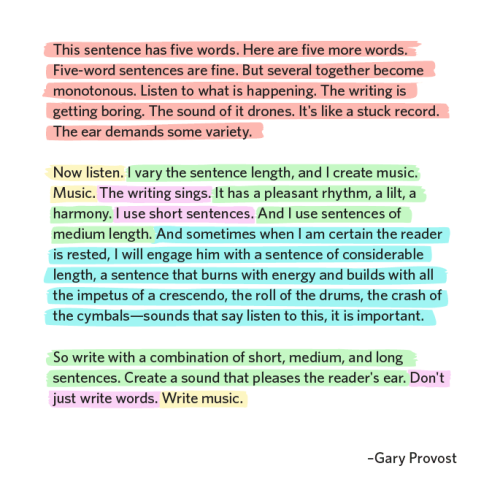
Part of why I always read my own work out loud before I hit "post." If it doesn't sound right, if it doesn't flow musically, if it doesn't "sing" -- it isn't ready.









 Stephanie Hughes, a student at Woodford County High School in Kentucky, found herself in the principal’s office on the very first day of school this year. Her crime? Exposing her collarbones.




































 Did you know there's a term for what can make folks with anxiety, autism, ADHD, or OCD unable to get things done? It's not about being “lazy” – here's what you need to know about what's really going on.