
For those of you currently celebrating 4/20. (photo via retroman360)

Hovertext: Tell me I'm not a remarkably predictable unit in an economic system beyond my control!

Handy aperture, shutter speed and ISO graphic.
Neat little info graphic to teach beginners how aperture, shutter speed and ISO affect a photo.
TadeuShit. The Cancer-weapon Drone Timeline.
 A drone marked with the radioactive sign and equipped with a camera, flare and water bottle, was found on the roof of Japanese Prime Minister Shinzo Abe’s Tokyo office. A police investigation is underway.
This week, scientists with the Dark Energy Survey (DES) collaboration released the first in a series of detailed maps charting the distribution of dark matter inferred from its gravitational effects. The new maps confirm current theories that suggest galaxies will form where large concentrations of dark matter exist.


Albert Einstein Told Marie Curie To Ignore The Haters | IFLScience.
In November 1911, Marie Skłodowska-Curie was weeks away from being awarded the Nobel Prize in Chemistry. She received her first Nobel in 1903 for Physics, and the new award meant that she was the first person ever to receive two Prizes. She remains the only person to be recognized in two different sciences. Though her extraordinary work as a scientist should have been all anyone cared about, it seemed that many were preoccupied with her personal life.
Get ready for some (subtle) lens flare.
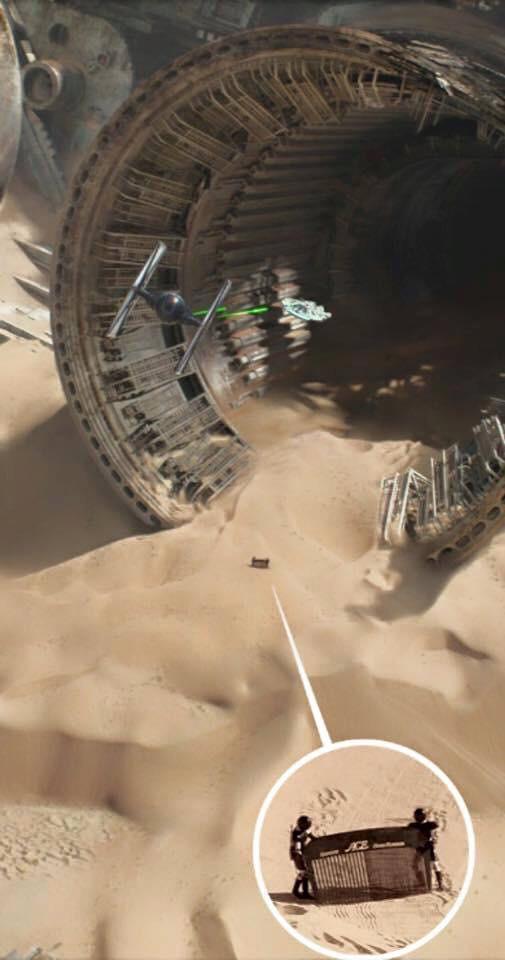
One of the great pleasures of the new Star Wars: The Force Awakens trailer is seeing a new director inject his own flourishes into an already visually distinctive series. The Star Wars visual catalog has a few staples that have stayed consistent throughout the series: think transitional wipes and pilot POV shots. Unfortunately, the prequels saw George Lucas expand the toolset with a lot of uninspired tricks: slow zooms on wide shots, Barbara Walters glow, and a stubborn use of a locked-down camera.
From the looks of the new Star Wars trailer, J.J. Abrams and his cinematographer, Dave Mindel, seem to be trading out the bad visual trademarks and replacing them with some of their own. Here are some examples of what we might be able to expect from Abrams’ visual take on the galaxy.

It’s a pretty basic camera move. The gist is that a camera, usually on a track or Steadicam rig, moves forward into the subject, going from a wide shot to a medium shot. J.J. Abrams does this a lot. Though it is a tried-and-true technique, what makes his dolly moves really dynamic is that while the camera moves forward on the Z-axis, there’s action moving on the X-axis.
So in this shot, you have the camera moving toward R2-D2 and embers flying from left to right. The combination of Z and X movement can also be seen in the previous Star Wars trailer. I won't add to the Star Wars visual repertoire, but it’s nice to see a killer dolly move in a series that rarely has them.

Wait, what? Where?!
It’s been exhaustively noted that J.J. Abrams loves his lens flares, and he hasn’t taken the criticism lying down. There was significantly less of it in Star Trek Into Darkness, for example. But if you think The Force Awakens will do away completely with this visual flourish, well you’d be wrong, yet also kind of right. There are lens flares in there, but they are subtle as all hell. J.J. Abrams actually falls in line with the Star Wars visual design. Anything more than what we saw in the Darth Maul fight scene would be pushing the boundaries. I think we can all agree with this amount of subtle lens flare; J.J. Abrams can love them all he wants.

It’s a visual holdover from his Star Trek films, and I think it will be a stake in the ground for the rest of the Star Wars saga. The smooth tracking shots we saw in the aerial battles of the prequels will be replaced with a visceral shaky cam perspective. Personally, this is my favorite trademark of his, and I’m glad to see it being put to use in Star Wars. The style really makes it feel like you’re in the environment, feeling the turbulence of the action.

We got a small taste of the director’s love of canted angles in the above shot. This is another one of Abrams’ visual choices that I love, because he really understands how to properly weigh the shot composition. The canted angle can be pretty hard to pull off correctly since it can quickly fall into hokeyness — a bad-looking canted angle has the subject in the center of the frame. But J.J. Abrams is really good at avoiding this pitfall, and creates a beautifully composed shot by populating one side of the frame more heavily than the other.
In the above shot, for example, you have the floaty TIE fighter lifting up the right side of the frame, while the explosions and the impact of the lasers pushing down the left side. It looks great, and the canted angle remains natural.

This snap zoom shot caused a lot of discussion among the Verge Staff. J.J. Abrams used the technique to great effect in the Star Trek films, and he’s using it again in Star Wars. It’s a precarious technique inspired by camcorder war footage. Surprisingly though, this technique actually fits within the Star Wars catalog of camera moves. You’ll see it used a couple of times in the Battle of Geonosis in Episode II. I’m ambivalent on the technique being used here. It can bring a sense of realism, but also make you feel like you’re in on the artifice of it all.
I think this is all great and has got me more excited about Star Wars than ever before. Based on the trailer it looks like J.J. Abrams and company are doing away with the series' stale camera work. In the end I hope this opens the gates for the Star Wars directors to have more authorship over the saga, avoiding the sameness that plagues the Marvel films.

Industrial design student William Root has submitted a proposal and prototype to Behance for a new process for creating customized prosthesis for lower extremities. Root suggests that the process could reduce costs, improve access, and create better compatibility. The Exo Prosthetic Leg relies heavily on modern 3D scanning and 3D printing technology, and could eliminate the costly and time consuming traditional methods of creating replacement limbs.

I once heard a lower limb amputee compare the process of getting a reliable and comfortable leg prosthesis to waiting in line at the post office two days before Christmas, only the line takes months to get through instead of hours. He said it was tedious, soul-crushing and a never-ending test of his patience and humanity. I’m sure he was half-joking, but because each prosthetic limb needs to be custom made for the wearer to ensure fit and comfort by highly trained – and it should be noted dedicated – artisans, it isn’t hard to imagine the process and wait time involved as being frustrating.

The process is even more delicate when dealing with lower limbs because fit and comfort need to be balanced with safety, and the mechanics involved in leg prosthetics are very expensive. Aesthetic concerns are very often the last thing considered, and this can produce unattractive and unnatural limbs that have a very mechanical appearance. Moreover, such a leg may contribute to a patient in need of a prosthetic feeling further alienated by their disability.
Root described his inspiration in his proposal: “There are over 2 million amputees in the United States with 185,000 amputations each year. Over 90% of those amputations are lower extremity amputations; millions of Americans are suffering from hindered mobility. Prostheses enable patients to regain their freedom and much of the functionality they had lost. At the same time they help to restore the amputees’ spirit and help with the psychological recovery from having lost part of oneself.”
The process proposed by Root could drastically reduce the amount of time,money and patience required for receiving custom fitted prosthetic limbs, thanks to some applied modern 3D scanning and 3D printing technology. Both the intact leg and any residual remaining parts of the missing limb are 3D scanned. This allows the final leg to be virtually identical to the remaining limb, and will often match the original within a matter of millimeters. The leg is then examined using MIT’s FitSocket technology, which tests specific tissue properties, so while designing the final product the residual limb’s internal anatomy can be considered. Here’s a video of the FitSocket technology in action:
Once all of the data has been collected it is given to a 3D designer, who combines the scans of the intact limb, the residual limb, and any required prosthetic mechanisms, like joints and motors, into the raw prosthetic model. The weight of the limb is then reduced by hollowing it out and creating a custom pattern on the surface of the exoskeleton that matches the patients style and aesthetic requirements.

The final step is printing the model in titanium, using a laser sintering process. Titanium would be used to create the leg prosthesis because it is extremely lightweight, very strong, and a hypoallergenic metal that makes it ideal for medical applications. The leg can then be assembled and fit very quickly with custom connectors designed and 3D printed directly into the prosthetic.

Root is currently a senior at Brooklyn’s Pratt Institute, studying industrial design and sustainability, so his prototype was printed out of Polyamide 12, not titanium, but his project is ongoing. He says that the sockets and connectors can also be 3D printed using various densities of flexible materials that would help cushion the limb and make it more comfortable for the wearer. You can read Root’s entire proposal for the Exo Prosthetic Leg over on Behance.


Un tren de levitación magnética o maglev es un tren que vuela, manteniéndose suspendido en el aire mediante unos poderosos electroimanes que también lo impulsan hacia adelante.
En Übergizmo, Japan’s Maglev Train Breaks Its Own Record At 590 km/h,
La velocidad máxima que los ingenieros han logrado alcanzar con estos trenes es de unos impresionantes 590 km/h, una velocidad a la que ni siquiera podrías mover la cabeza. Pero parece que este récord no va a durar mucho porque el fabricante esperar batirlo tan pronto como esta semana en una nueva tanda de pruebas en la que intentarán impulsar el tren hasta los 600 km/h.
Aunque el proyecto de los trenes maglev se remonta a los años 70 del siglo pasado, está previsto que estos trenes entren en servicio en el año 2027 rodando a una velocidad más moderada de 500 km/h.
Fotografía: JR-Maglev, por Yosemite
Relacionado, ¿Será posible? Londres – Nueva York en apenas una hora

|
|


The Mt Hood Railroad scenic train, which runs from Hood River to Parkdale. Lovely views this time of year with pear orchards in bloom.

by davidsutta

Mark Zuckerberg's Internet.org project bribes corrupt, non-neutral carriers in poor countries to exempt Facebook and other services of its choosing from their data-caps, giving the world's poorest an Internet that's been radically pruned to a sliver of what the rest of the world gets for free.
Read the rest



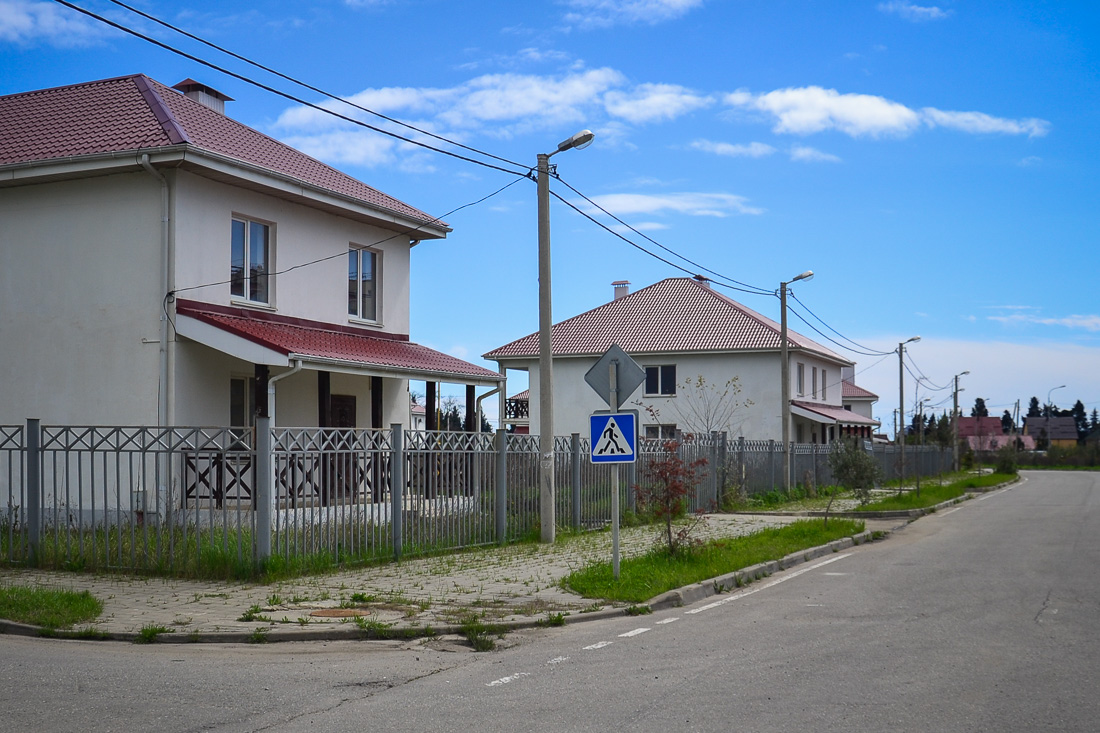


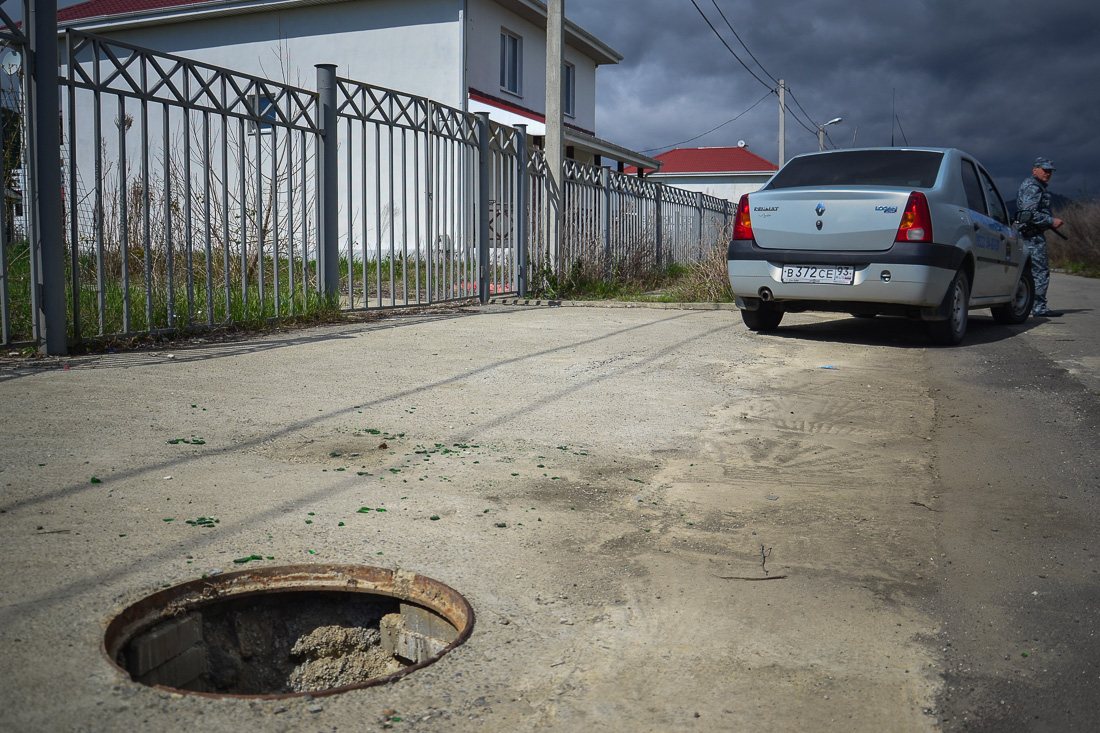






Мистер позитив из Омска |
Главная нелегальная свалка Москвы |
Новости отечественной урбанистики |
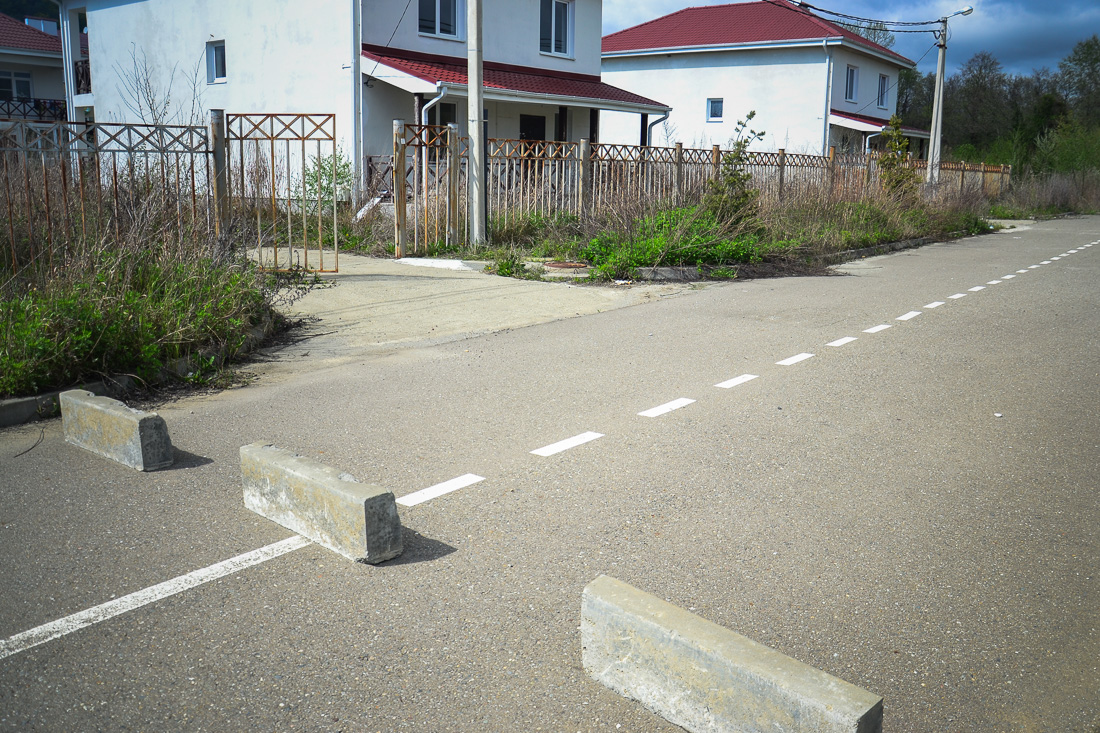
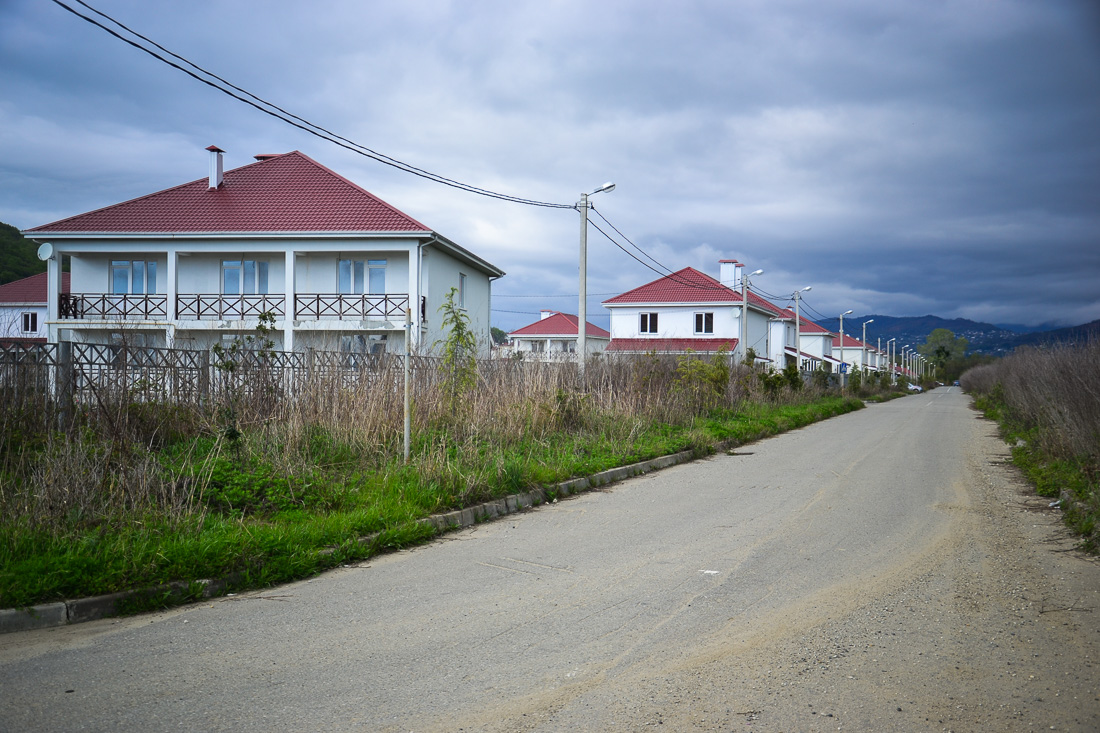
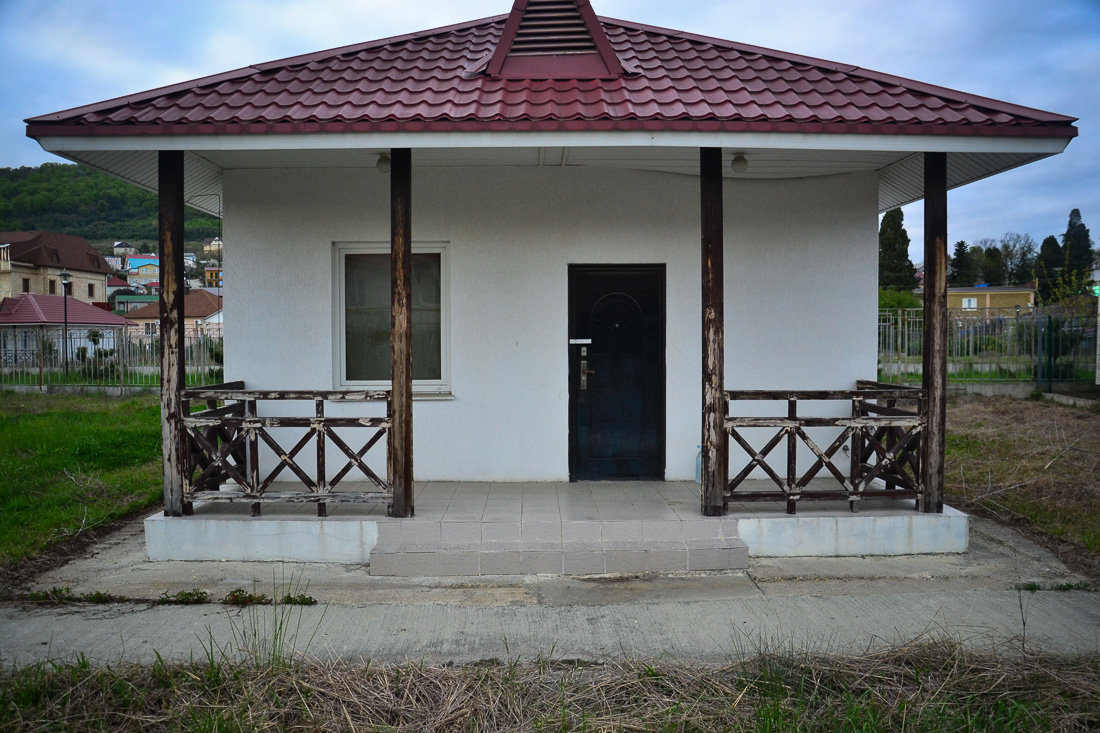
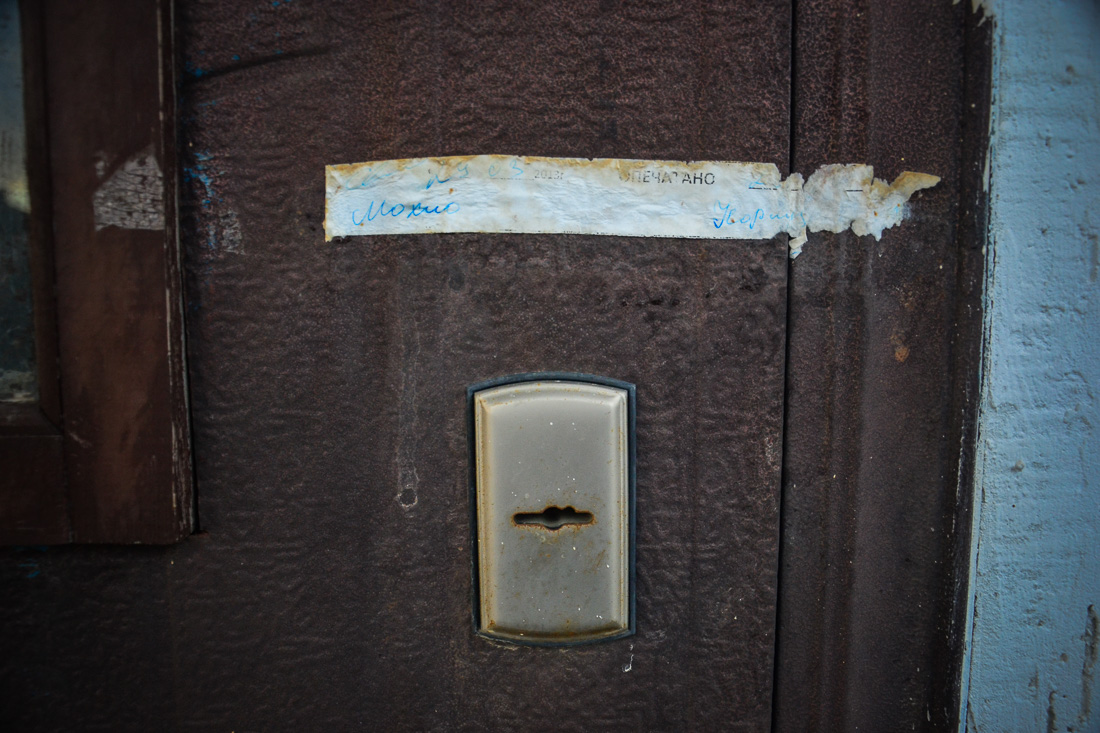
Очень плохой Адлер |
История одного распиздяйства из Сочи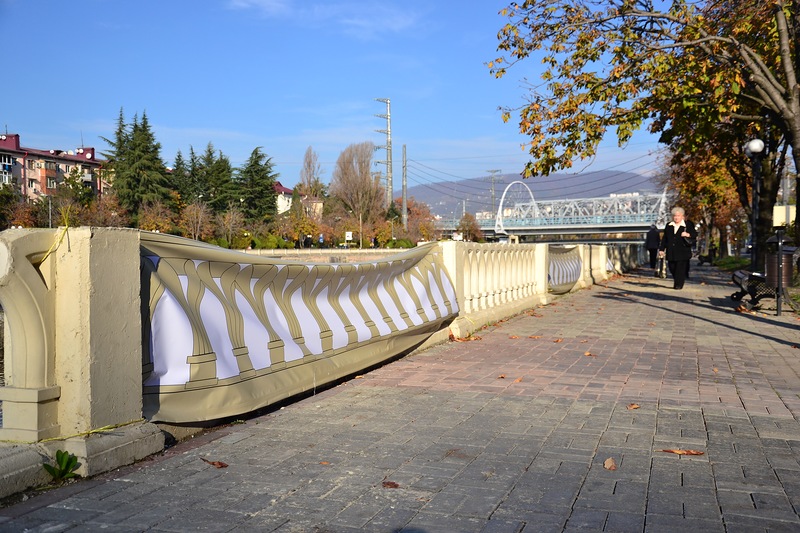 |
Олимпийский парк в Сочи год спустя |
 Фэйсбук
 ВКонтактик
 Основной Твиттер Спам Твиттер
  Одноклассники


By all means try this at home! National Geographic put together a much more detailed step by step (and bit more scientific background) over on their education blog.
If that seems too sticky, you can just WATCH THE VIDEO I made with saidandseen.
Yes. This is a thing. A thing we must do. For great justice. And FOR SCIENCE!

Hovertext: The Art Reconnaissance Team is listening. And recording. And transcribing into spoken word poetry.
TadeuSeal of Approval :P









Anthropomorphism + Wordplay = Awesome
We’ve already got a soft spot for anthropomorphic food so we love these playful minimal ink and acrylic illustrations created by Cape Town, South Africa-based illustrator and designer Jaco Haasbroek. From a bellicose birthday cake to what may be the world’s official all-purpose seal of approval, the series depicts adorably personified Food, Objects and Animals either speaking or captioned by painfully cute puns and other sorts of wordplay.
Click here to view the entire series.
To check out more of his work visit Jaco Haasbroek’s website, Flickr page, Instagram feed or follow him right here on Tumblr at haasbroek.
[via Free York]
Tadeu:~





Real students’ responses to what #IWishMyTeacherKnew will break your heart
Kyle Schwartz asked third-graders in her Denver classroom to write her notes about things they wish she understood about their lives. Schwartz told ABC News she knew her students came from underprivileged homes but wanted to truly understand how that affected their lives and education. The movement has now spread across the country.
Tadeuvia firehose
via Osiasjota
trains~

Some people consider traveling an unnecessary burden that you have to deal with from time to time out of sheer necessity. On the other hand, people who possess that spark of true wanderers and explorers can’t get enough of it. Wanderlust is the word that is most commonly used to explain the state of mind of these people are in. This incredible passion for traveling, experiencing new cultures and civilizations, and seeing new scenery is not easily quenched but also brings a lot of benefits for the traveler as a person. Modern means of transportation, like airplanes, are hardly a good choice when you are traveling with this specific purpose in mind.
This is why people like to take trains when traveling for the sake of traveling. Trains have always had that certain level of causality, as well as the air of mystique that makes them a desirable means of transportation. They are far more comfortable than buses, cars or airplanes, and they provide you with the opportunity to really enjoy magnificent sites during your travels. For this reason, we have decided to compose a list of the most beautiful train routes from around the globe, attempting to provide an option for anyone to experience a stunning train ride that will last through the ages.

Not many people living outside of Europe are aware how beautiful the scenery of Scandinavia really is. Riding from Bergen to Oslo, you will experience beautiful sights and the environment will change seemingly as if the seasons are changing as you go along. Beautiful fjords, snowy mountaintops and stunning grassy plains will compose this scenery.

Most travellers that go to Germany focus on Berlin and its immense history, high culture and vast cultural life. Still, Germany has a lot more to offer and one of the more beautiful parts is its wine country, the highlight of which is the Rhine valley. The railroad stretches from Mainz to Koblenz and there are a lot of things to see along the way.

The route this train ride will take you through is part of the Swiss Alps and has been put under official the protection of UNESCO as a world heritage. The Bernina Express Railway will take you through the magnificent scenery of the Swiss countryside, lakes and breath-taking glaciers. We recommend taking panorama cars for the best experience possible.

After the European Alps, let’s pop off to the Southern Alps train ride in New Zealand. If you take a train from Christchurch to Greymouth, you are in for a treat. Canterbury plains and the Waimakariri River, with its beautiful gorges await you along with the magnificent view over the Southern Alps, which will spread out before you.

Back to Europe, to north Portugal to be more specific. This scenic railroad line got its name from the Douro river and was first started in 1887. It follows the river the majority of the way and it’s a big part of the landscape you are going to feast your eyes on. The valley is also a key element of the picturesque scenery that this ride has to offer.

If you want a top-class luxurious experience, then you are going to enjoy the one The Royal Scotsman has to offer. Even the name itself echoes luxury and elegance! Take a trip from Edinburgh and enjoy the magnificent Scottish Highlands along with its lochs and beautiful green landscapes. The train itself is high quality and ensures maximum comfort.

When it comes to legendary sceneries in the USA, there is nothing more iconic than its deserts which always brings scenes from western movies to mind. There is simply something beautiful in the ruggedness of the desert and there is no better way to experience it than from the seat on The Sunset Limited! The train goes from Los Angeles and New Orleans and you are going to enjoy every minute of this 48 hour journey.

Another luxurious train ride that starts from Eastern Europe, in Budapest, all the way to the oriental Istanbul in Turkey. One of the countries that this very unique line passes through is Transylvania (Romania), home of the famous Vlad Tsepesh, more popularly known as Dracula and see the castle of the historical figure that the legendary vampire character was based on. The journey ends in Istanbul where you should visit the famous Haydarpaşa Terminal, one of the more famous train stations in the world.

Andalusia, a region of southern Spain, is considered one of the more beautiful landscapes in the world. Ever since 1930, Al Andalus Express has been giving people the opportunity to experience the Andalusia in a breath-taking and relaxing manner. This six-day journey starts from Seville and ends in Cordoba.

If you want to see the extravagant side of India, the Maharajas’ Express is the best option for you. This train ride has been titled “World’s Leading Luxury Train” and “World’s Most Expensive Luxury Train in Asia”, and these titles talk volumes about the quality of service and accommodation during the trip. From Mumbai to Delhi, prepare to be amazed!

There are very few places in the world that can match the primal beauty of the Alaskan landscapes. The route that the Denali Star takes will take you through many charming small towns and villages as well and bring you to the magnificent Denali National Park. The entire trip is over within a day, but keep in mind that this is a 12 hour expedition.

Ok, if you are a train enthusiast, then you certainly know about the Thomas the Tank Engine book and TV show. What if a I told you that you could ride the line that served as an inspiration for this character. Enjoy a charming ride through the Fathew Valley riding on a steam powered train line that dates all the way back to 1865.

One of the legendary train rides that isn’t recommended for novices. The 5,772 miles journey from Moscow, on the west of the country to Vladivostok in the east take somewhere around 13 days to complete in its entirety. An ominous number isn’t it? This is a real adventure through one of the harshest regions of the world.

South America always had a certain veil of mystery with legends about its rainforests, tribes and so on. One of the most famous archaeological sites of the pre-Columbian Peru is the citadel Machu Picchu. The Hiram Bingham train route can take you around the mountain in a journey that lasts six hours and includes exploring all the best sites.

This classic American train has been proclaimed “Best North American Train Trip” by National Geographic Traveller. The train route has been around since 1881 and travels a 45 mile journey between Durango and the town of Silverton.
The thing that makes train vacations a good idea is the fact that they can be a perfect summer or winter vacation and the dispute concerning which is better has gone on for ages. Pictures are worth a thousand words and experiences vary from train to train. The thing that is definitely true is that you will remember them for the rest of your life and once you try a scenic train journey, you will always love it.
The post 15 Most Magnificent Train Routes Around The World appeared first on Lifehack.