Kish, Iran
Quando Nina Horta e Danuza Leão começam a falar sobre empregadas domésticas se prepare que vai vir pérola. Essas duas senhoras formam hoje o núcleo duro do elitismo entre os colunistas da Folha. Esqueça Luiz Felipe Pondé, é nas colunas de Nina e Danuza que mora o elitismo hardcore, em seu estado bruto, sem disfarces ou elaborações. É lá que se confraternizam numa eterna conversa de elevador as madames decadentes da nossa classe média, rancorosa por ter perdido privilégios que antes eram quase direitos constitucionais de sua classe social, a exemplo da cobiçada empregada mensalista que dorme do serviço e vive às margens do patrão.
Nina e Danuza me fazem lembrar com tristeza dos tempos em que o Brasil tinha um outra cronista que gostava de falar de empregadas: Clarice Lispector. Vários de seus contos tinham empregadas como personagens centrais, a exemplo das histórias de “A Descoberta do Mundo”. Outros livros, como “A Paixão Segundo G.H” problematizavam a relação entre patroa e empregada.
Nos textos de Clarice a própria autora não se coloca como um exemplo a ser seguido, como a patroa ideal. Pelo contrário: vários deles deixam entrever seus preconceitos de classe e sua dificuldade em lidar com aquela pessoa estranha que vive em sua casa, para lhe servir.
Em “A Mineira Calada”, por exemplo, vemos o episódio em que uma das empregadas da escritora, Aninha, quer porque quer ler os livros da patroa, que menospreza sua capacidade intelectual:
“Um dia de manhã estava arrumando um canto da sala, e eu bordando no outro canto. De repente — não, não de repente, nada é de repente nela, tudo parece uma continuação do silêncio. Continuando pois o silêncio, veio até a mim a sua voz: ‘A senhora escreve livros?’ Respondi um pouco surpreendida que sim. Ela me perguntou, sem parar de arrumar e sem alterar a voz, se eu podia emprestar-lhe um. Fiquei atrapalhada. Fui franca: disse-lhe que ela não ia gostar de meus livros porque eles eram um pouco complicados. Foi então que, continuando a arrumar, e com voz ainda mais abafada, respondeu: ‘Gosto de coisas complicadas. Não gosto de água com açúcar’”. [Clarice Lispector]
Mesmo depois de ouvir que a empregada não gostava de água com açúcar, Clarice dá a ela um romance policial que ela havia traduzido — ou seja, uma aguinha com açúcar. Aninha lê, mas volta e responde: “Gostei, mas achei um pouco pueril. Eu gostava era de ler um livro seu”.
Nessa crônica, Clarice relativiza a diferença de classe entre patroa e empregada, desmascara seu próprio preconceito e mostra que a situação da escritora também não é a de uma vida feita somente de trabalhos intelectualizados: assim como Aninha limpa casas para viver e é mais do que uma trabalhadora manual, Clarice tem que traduzir livrinhos policiais para viver, mas não se resume a isso. Não sei que diabos Danuza e Nina fazem para viver, mas elas certamente se resumem a isso.
Ontem, em sua coluna no jornal, Danuza Leão atacou a “PEC das empregadas”, uma tentativa de assegurar mais direitos trabalhistas às empregadas domésticas. Ela compara o esquema brasileiro ao esquema de “países mais civilizados” [palavras dela], como Estados Unidos e França. Para a colunista, “a ideia de dar auxílio creche e educação para menores de cinco anos dos empregados é sonho de uma noite de verão, pois se os patrões mal conseguem arcar com as despesas dos próprios filhos, imagine com os da empregada”.
De onde Danuza tirou que uma pessoa que mal consegue prover educação para os próprios filhos deveria ter uma empregada mensalista? A única forma de assegurar a uma classe média falida o “direito essencial” a ter uma empregada doméstica é permitindo que mulheres pobres se sujeitem a remunerações pífias.
O emprego doméstico só deixou de ser a principal profissão das mulheres brasileiras em 2011. Eu e grande parte dos jovens de classe média da minha geração fomos parcialmente criados por mulheres que abdicaram de sua privacidade e vida individual para morar na casa de patrões, frequentemente sem carteira assinada. Muitas delas criaram seus filhos dentro do ambiente de trabalho, em condições pouco propícias para o desenvolvimento da autoestima de uma criança. Fico feliz em saber que se eu tiver filhos eles serão criados em um outro esquema. Será mais difícil e caro para mim e é também por isso que a minha geração tem filhos mais tarde, mas será indiscutivelmente melhor.
Quando era adolescente jantei na casa de um amigo cuja empregada tinha um filho de seis anos. Em dado momento a mãe do meu amigo disse que Vitor, filho da empregada, só vivia doente, até que se mudou para a casa dela e passou a beber “água boa”. Ela creditava a água de sua casa pela saúde de ferro que o menino apresentava. O comentário foi feito na frente do garoto e de sua mãe. Essa é uma criança que cresceu pensando que devia até sua falta de resfriados à patroa de sua mãe.
Em janeiro conheci uma garota de 17 anos com quem iniciei uma amizade — sou dessas que fazem amizades com garotas de 17. A menina era inteligente, tocava quatro instrumentos e era fã de Bob Dylan. No meio de uma conversa randômica ela contou que seus amigos caçoavam dos erros de português da empregada. “Mas caçoam de piada, sabe? Imitando e tal. Ela sabe que é brincadeira”.
A conversa evoluiu e descobri que a tal empregada ia na casa da garota todos os dias, mas não tinha carteira assinada. Ela achava normal porque era “um esquema de trabalho informal”. Ela não sabia que isso era fora da lei. Não sabia que se a empregada fosse mais de duas vezes por semana na casa dela a mãe era obrigada a pagar FGTS, férias e décimo terceiro. Ela achava que sua mãe tratava Maria muito bem e ficou surpresa quando eu disse que Maria poderia levar até o violão dela embora caso acordasse para a vida e fosse em busca de seus direitos.
O “sonho de uma noite de verão” de viver em um mundo do trabalho senão justo ao menos legalizado exige vigilância diária. Vivo em uma bolha de pessoas legais e inteligentes e frequentemente acho que questões como a empregada merecer ter os mesmos direitos que a faxineira de uma empresa já foram vencidas. Mas não foram. E é por isso que eu tenho um pequeno derrame cerebral cada vez que vejo o jornal ao qual dediquei dois anos da minha vida — sem carteira assinada, sem férias e sem décimo terceiro, como tantos jornalistas fazem — publicar uma besteirada dessas.
“Ser conservador em países que têm o que conservar é funesto, mas nos países novos é absurdo e criminoso”. [Manoel Bomfim]
Para ler em dias de coragem:
“Empregadas, mais um capítulo” — Para Nina Horta “empregada que veio do sertão” fala idioma estrangeiro
“Luta de classes” — Danuza Leão conta como teve de abdicar de seu espírito sonhador e reconhecer que empregado tem mesmo que se limitar à cozinha

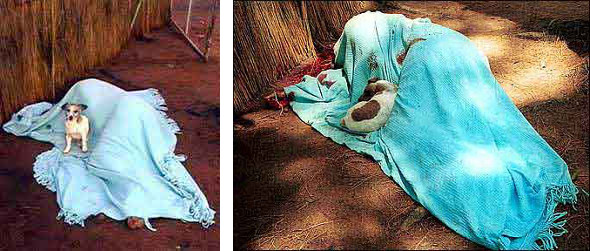
On March 18, 2002, Zimbabwean farmer Terry Ford was murdered on his farm outside Harare, apparently by government-backed invaders.
When authorities arrived they found a 14-year-old Jack Russell terrier guarding the body. “Squeak,” described as Ford’s best friend, had accompanied his master when he tried to escape by breaking down a fence with his car. When this failed, the attackers had pulled Ford from the vehicle, beaten him, tied him to a tree, and shot him through the head.
“When Terry Ford’s battered body was found under a tree, the little terrier was still at his side,” said Meryl Harrison of Zimbabwe’s SPCA. “The dog would not leave the farmer’s body.”
At Ford’s funeral, Squeak followed the procession up the church aisle and sniffed the coffin, evidently confused, before retreating to the arms of Ford’s fiancee. He was finally adopted by a friend of the family.
Adam Victor BrandizziEssa tirinha pode ser contra ou a favor a minha posição - e não importa o que será, será a favor.


Just look at this gorgeous thing. It’s called a Metallic Tarantula, and is found in only a small area of India. The species is highly prized by collectors, and it’s easy to see why.
The photo is from the blog Kodune eksootika, which Google Translate is telling me is Estonian for either “homemade exotics” or “exotics at home” (that latter seems slightly more likely). From what I can gather, it’s following the blogger’s excursion into tarantula ownership. There are only a few posts, but they contain loads of gorgeous photos.
Tarantulas make lovely, low-maintenance pets. They’re quiet, clean, and don’t take up much space. New World species (such as the Chilean Rose and Mexican Redleg) are docile enough to be handled, and they’re all fascinating to watch. A couple of drawbacks are that they are wild animals and can tend to be, y’know, bitey; many species throw tiny irritating hairs when they feel threatened; and some can live up to 30 years so there’s definitely a time commitment involved.
There are plenty of resources to help you explore whether tarantula ownership is right for you: Cornell University’s Spider Outreach program has some good tips (plus dynamite commentary like, “This is only a species to get if you feel calm about dealing with a fast spider that will eventually run up your arm.”), and tarantulas.com and Tarantula Guide are sites dedicated to tarantulas as pets.
Sure, dogs can do tricks and cats are snugglier, but neither of them have electric-blue fur and you never have to change a tarantula’s litterbox, take it for a walk in the rain, listen to it bark all night, or worry about it scratching the furniture. If you’re ready to care for a live thing only slightly more complicated than a houseplant, tarantulas are an excellent option.
Quando Nina Horta e Danuza Leão começam a falar sobre empregadas domésticas se prepare que vai vir pérola. Essas duas senhoras formam hoje o núcleo duro do elitismo entre os colunistas da Folha. Esqueça Luiz Felipe Pondé, é nas colunas de Nina e Danuza que mora o elitismo hardcore, em seu estado bruto, sem disfarces ou elaborações. É lá que se confraternizam numa eterna conversa de elevador as madames decadentes da nossa classe média, rancorosa por ter perdido privilégios que antes eram quase direitos constitucionais de sua classe social, a exemplo da cobiçada empregada mensalista que dorme do serviço e vive às margens do patrão.
Nina e Danuza me fazem lembrar com tristeza dos tempos em que o Brasil tinha um outra cronista que gostava de falar de empregadas: Clarice Lispector. Vários de seus contos tinham empregadas como personagens centrais, a exemplo das histórias de “A Descoberta do Mundo”. Outros livros, como “A Paixão Segundo G.H” problematizavam a relação entre patroa e empregada.
Nos textos de Clarice a própria autora não se coloca como um exemplo a ser seguido, como a patroa ideal. Pelo contrário: vários deles deixam entrever seus preconceitos de classe e sua dificuldade em lidar com aquela pessoa estranha que vive em sua casa, para lhe servir.
Em “A Mineira Calada”, por exemplo, vemos o episódio em que uma das empregadas da escritora, Aninha, quer porque quer ler os livros da patroa, que menospreza sua capacidade intelectual:
“Um dia de manhã estava arrumando um canto da sala, e eu bordando no outro canto. De repente — não, não de repente, nada é de repente nela, tudo parece uma continuação do silêncio. Continuando pois o silêncio, veio até a mim a sua voz: ‘A senhora escreve livros?’ Respondi um pouco surpreendida que sim. Ela me perguntou, sem parar de arrumar e sem alterar a voz, se eu podia emprestar-lhe um. Fiquei atrapalhada. Fui franca: disse-lhe que ela não ia gostar de meus livros porque eles eram um pouco complicados. Foi então que, continuando a arrumar, e com voz ainda mais abafada, respondeu: ‘Gosto de coisas complicadas. Não gosto de água com açúcar’”. [Clarice Lispector]
Mesmo depois de ouvir que a empregada não gostava de água com açúcar, Clarice dá a ela um romance policial que ela havia traduzido — ou seja, uma aguinha com açúcar. Aninha lê, mas volta e responde: “Gostei, mas achei um pouco pueril. Eu gostava era de ler um livro seu”.
Nessa crônica, Clarice relativiza a diferença de classe entre patroa e empregada, desmascara seu próprio preconceito e mostra que a situação da escritora também não é a de uma vida feita somente de trabalhos intelectualizados: assim como Aninha limpa casas para viver e é mais do que uma trabalhadora manual, Clarice tem que traduzir livrinhos policiais para viver, mas não se resume a isso. Não sei que diabos Danuza e Nina fazem para viver, mas elas certamente se resumem a isso.
Ontem, em sua coluna no jornal, Danuza Leão atacou a “PEC das empregadas”, uma tentativa de assegurar mais direitos trabalhistas às empregadas domésticas. Ela compara o esquema brasileiro ao esquema de “países mais civilizados” [palavras dela], como Estados Unidos e França. Para a colunista, “a ideia de dar auxílio creche e educação para menores de cinco anos dos empregados é sonho de uma noite de verão, pois se os patrões mal conseguem arcar com as despesas dos próprios filhos, imagine com os da empregada”.
De onde Danuza tirou que uma pessoa que mal consegue prover educação para os próprios filhos deveria ter uma empregada mensalista? A única forma de assegurar a uma classe média falida o “direito essencial” a ter uma empregada doméstica é permitindo que mulheres pobres se sujeitem a remunerações pífias.
O emprego doméstico só deixou de ser a principal profissão das mulheres brasileiras em 2011. Eu e grande parte dos jovens de classe média da minha geração fomos parcialmente criados por mulheres que abdicaram de sua privacidade e vida individual para morar na casa de patrões, frequentemente sem carteira assinada. Muitas delas criaram seus filhos dentro do ambiente de trabalho, em condições pouco propícias para o desenvolvimento da autoestima de uma criança. Fico feliz em saber que se eu tiver filhos eles serão criados em um outro esquema. Será mais difícil e caro para mim e é também por isso que a minha geração tem filhos mais tarde, mas será indiscutivelmente melhor.
Quando era adolescente jantei na casa de um amigo cuja empregada tinha um filho de seis anos. Em dado momento a mãe do meu amigo disse que Vitor, filho da empregada, só vivia doente, até que se mudou para a casa dela e passou a beber “água boa”. Ela creditava a água de sua casa pela saúde de ferro que o menino apresentava. O comentário foi feito na frente do garoto e de sua mãe. Essa é uma criança que cresceu pensando que devia até sua falta de resfriados à patroa de sua mãe.
Em janeiro conheci uma garota de 17 anos com quem iniciei uma amizade — sou dessas que fazem amizades com garotas de 17. A menina era inteligente, tocava quatro instrumentos e era fã de Bob Dylan. No meio de uma conversa randômica ela contou que seus amigos caçoavam dos erros de português da empregada. “Mas caçoam de piada, sabe? Imitando e tal. Ela sabe que é brincadeira”.
A conversa evoluiu e descobri que a tal empregada ia na casa da garota todos os dias, mas não tinha carteira assinada. Ela achava normal porque era “um esquema de trabalho informal”. Ela não sabia que isso era fora da lei. Não sabia que se a empregada fosse mais de duas vezes por semana na casa dela a mãe era obrigada a pagar FGTS, férias e décimo terceiro. Ela achava que sua mãe tratava Maria muito bem e ficou surpresa quando eu disse que Maria poderia levar até o violão dela embora caso acordasse para a vida e fosse em busca de seus direitos.
O “sonho de uma noite de verão” de viver em um mundo do trabalho senão justo ao menos legalizado exige vigilância diária. Vivo em uma bolha de pessoas legais e inteligentes e frequentemente acho que questões como a empregada merecer ter os mesmos direitos que a faxineira de uma empresa já foram vencidas. Mas não foram. E é por isso que eu tenho um pequeno derrame cerebral cada vez que vejo o jornal ao qual dediquei dois anos da minha vida — sem carteira assinada, sem férias e sem décimo terceiro, como tantos jornalistas fazem — publicar uma besteirada dessas.
“Ser conservador em países que têm o que conservar é funesto, mas nos países novos é absurdo e criminoso”. [Manoel Bomfim]
Para ler em dias de coragem:
“Empregadas, mais um capítulo” — Para Nina Horta “empregada que veio do sertão” fala idioma estrangeiro
“Luta de classes” — Danuza Leão conta como teve de abdicar de seu espírito sonhador e reconhecer que empregado tem mesmo que se limitar à cozinha
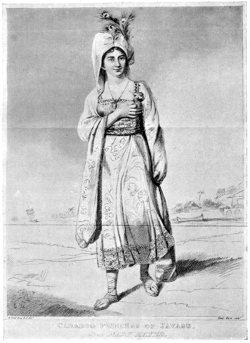
In April 1817 a strange young woman appeared in Almondsbury in Gloucestershire. She was 5 foot 2, with black hair and eyes, and wore a black shawl twisted like a turban around her head and a black dress with a muslin frill. She presented herself at a cottage in the village and pointed to the couch. The cottager, struck that she did not seem to understand him, summoned help, and she was sent to the county magistrate.
The woman spoke an unfamiliar tongue and looked blankly at those who spoke English. At first she sought to sleep on the floor, apparently not understanding what beds were for. The next morning the parish clergyman showed her a series of books and divined that she had come from China aboard a ship. She seemed to call herself Caraboo.
In the weeks that followed she taught her new friends the strange language that she spoke and wrote, and through it gave her story: She was a princess from an island named Javasu, and had been captured by pirates while walking in her garden. The pirates had sold her to the captain of a brig in exchange for a sack of gold dust. After some ill treatment, she jumped overboard and swam to the nearest shore, which happened to be England.
Throughout this time Caraboo exhibited strange behavior, wandering abroad with a gong, a tambourine, and a bow and arrow. She climbed trees dextrously and swam like a fish; she fenced capably and danced a peculiar sort of waltz.
Eventually a local scientist named Wilkinson published several letters in the Bath Chronicle hoping that someone might recognize a description of the strange woman. A woman named Mrs. Neale responded, and the truth came out. Princess Caraboo was Mary Baker, the daughter of a cobbler in Devonshire. She had wanted five pounds to pay passage to Philadephia on an emigrant ship, and had decided to beg for it while posing as a foreigner.
The magistrate’s wife forgave her and paid for her passage. She returned seven years later and tried to earn a living by exhibiting herself in her old guise, but few people came. She ended her days selling leeches in Bristol drugstores.
Adam Victor BrandizziQuero provas!
Every now and again one comes across an astounding result that closely relates two foreign objects which seem to have nothing in common. Who would suspect, for example, that on the average, the number of ways of expressing a positive integer n as a sum of two integral squares, x2 + y2 = n, is π?
– Ross Honsberger, Mathematical Gems II, 1976
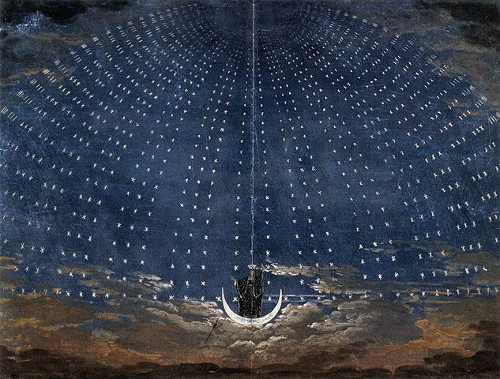
Twinkle, twinkle, little star,
How I wonder what you are.
Up above the world so high,
Like a diamond in the sky.
Twinkle, twinkle, little star,
How I wonder what you are.
Choose any word in the first two lines, count its letters, and count forward that number of words. For example, if you choose STAR, which has four letters, you’d count ahead four words, beginning with HOW, to reach WHAT. Count the number of letters in that word and count ahead as before. Continue until you can’t go any further. You’ll always land on YOU in the last line.
See Finding Religion and The Kruskal Count.


Reynard the Fox
Reynard the fox is a trickster figure from European folklore, much like Coyote or Raven from certain First Nation traditions. Primarily written in a satyrical context to poke fun at the aristocracy or the clergy, Reynard uses wit and cunning to get the better of his enemies. His favourite ploy seems to be faking his death and planning posthumous revenge, which says something about the naivety of his antagonists, as it totally works a bunch of times. In the anthropomorphic kingdom ruled by Leo the Lion (with other inhabitants like Bruin the bear or Tybalt the cat) Reynard has many enemies that often team up to bring the folk hero down, but none are as formidable as his nemesis Isengrim the wolf.
Luckily, Reynard has castle Maleperdius to seek refuge in, that has so many trap doors and secret passages that you’d think it was designed by the same guy that did Wayne manor or that mansion from Clue.
Reynard became so popular in France especially that his name actually became the word for fox. The original word “goupil” was replaced by “renard” as farmers once believed that saying “goupil” brought bad luck.
Maria Farinha Filmes, the company behind 2012's "Way Beyond Weight" (Muito Além do Peso), released the movie on Vimeo recently, so it's available for worldwide viewing.
The film sheds light on Brazil's child obesity epidemic, ranging from this terrifying statistic about infant soda consumption to the fact that on average, Brazilian kids spend three hours per day in school and five hours per day watching TV. The movie also looks at the fact that obesity in general is a growing problem in Brazil. It points out, for example, that Brazilians consume an average of 112 pounds of sugar a year.
But perhaps what's most interesting about the movie is putting Brazil's obesity epidemic into a global perspective as a result of deepening globalization. While interviewing Brazilians across the country from all levels of the socioeconomic spectrum, the movie also includes foreign voices, including people from the United States, the United Kingdom, China, and Mexico, among others. One Brazilian observer explains her perspective that a country is defined by the food it eats, and that it is not necessarily a good thing to be able to go anywhere in the world and eat the same exact thing. There's also an interesting point that applies to other large growing economies: parents sometimes send unhealthy processed food for children's school meals to show off a new ability to consume, and giving kids products they may not have had access to when they were young.
Watch the documentary here:
MUITO ALÉM DO PESO from Maria Farinha Filmes on Vimeo.
When British politician Michael Foot was put in charge of a nuclear disarmament committee in 1986, London Times subeditor Martyn Cornell came up with the headline FOOT HEADS ARMS BODY.
“I certainly wasn’t going to get ‘nuclear’ or ‘disarmament’ or ‘committee’ to fit,” he said. “To my astonishment, the headline was printed.”
Andrew Kyle later pointed out that if Foot had become prime minister and discovered that his defense secretary had approved the strongarm tactics of the National Front, the headline might have read FOOT KNOWS ARMS BODY HEAD BACKS FRONT MUSCLE.
Veja meus comentários na Globo News sobree O ATAQUE TERRORISTA EM DAMASCO e A VISITA DE OBAMA A ISRAEL E PALESTINA
Leia os posts das últimas 24 horas
UMA HISTÓRIA BLOGUEIRA DO CHIPRE
EM DISCURSO HISTÓRICO, OBAMA DEFENDE PALESTINA PARA ISRAEL SER JUDAICO DEMOCRATICO
O AVANÇO PARA OS CURDOS DA TURQUIA E OS BIDUN DO KUWAIT
OBAMA DECEPCIONOU OS PALESTINOS
Terrorismo é terrorismo e deve ser condenado sempre. Portanto quem condena a violência do regime de Bashar al Assad contra opositores, como eu, tem a obrigação também de condenar ataques terroristas cometidos por rebeldes na Síria contra alvos civis ou associados ao governo.
Na tarde de ontem, um ataque terrorista contra uma mesquita em Damasco matou a principal autoridade sunita da Síria, xeque Said Ramadan al Buti, e ao menos outras 40 pessoas. Os responsáveis foram rebeldes da oposição provavelmente de facções ligadas à Al Qaeda, como a Frente Nusra, e não à colcha de retalhos de grupos opositores de viés mais laico conhecido como Exército Livre da Síria.
O clérigo sunita tinha 85 anos e era fundamental para dar uma certa credibilidade ao regime em Damasco. Afinal, normalmente, Assad conta com o apoio de membros de sua religião (muçulmano alauíta), de cristãos e de sunitas laicos dos grandes centros urbanos. Os opositores são, por sua vez, majoritariamente sunitas, incluindo os mais religiosos. Al Buti era uma das exceções e apoiava o líder sírio.
A ação, porém, não pode servir de justificativa para Assad classificar todos os opositores de terroristas. Isso seria uma mentira. Alguns deles são, mas longe de ser maioria. A maior parte deles quer apenas o fim de um regime que se tornou sanguinário ao longo dos últimos dois anos.
Guga Chacra, comentarista de política internacional do Estadão e do programa Globo News Em Pauta em Nova York, é mestre em Relações Internacionais pela Universidade Columbia. Já foi correspondente do jornal O Estado de S. Paulo no Oriente Médio. No passado, trabalhou como correspondente da Folha em Buenos Aires
Comentários islamofóbicos, antisemitas e antiárabes ou que coloquem um povo ou uma religião como superiores não serão publicados. Tampouco ataques entre leitores ou contra o blogueiro. Pessoas que insistirem em ataques pessoais não terão mais seus comentários publicados. Não é permitido postar vídeo. Todos os posts devem ter relação com algum dos temas acima. O blog está aberto a discussões educadas e com pontos de vista diferentes. Os comentários dos leitores não refletem a opinião do jornalista
Acompanhe também meus comentários no Globo News Em Pauta, na Rádio Estadão, na TV Estadão, no Estadão Noite no tablet, no Twitter @gugachacra , no Facebook Guga Chacra (me adicionem como seguidor), no Instagram e no Google Plus. Escrevam para mim no gugachacra at outlook.com. Leiam também o blog do Ariel Palacios


When Redditor JoDiegoJo was dealing with short-term memory loss in 2011, her best friend found a way to make sure she was unforgettable
She drafted up this letter answering questions Jo was repeatedly asking since her memory only had a five-minute retention span. The letter is witty (note the dig on never being "aroused"), and it has the causal and goofy vibe that only two best friends share

Jo recently released the letter on Reddit and explained in comments that a nausea medication prescribed by the hospital reacted negatively with another medication, causing the memory loss. She added that her friend not only made this sweet letter, but took leave from her job and stayed at Jo's house with her kids, so Jo's husband could stay at the hospital with her

It has the spirit of the tale.
Adam Victor BrandizziNunca tinha ouvido falar de biduns...
Assista ao meu comentário na GLOBO NEWS SOBRE A CRISE NO CHIPRE
E leia mais os outros posts das últimas 24 horas no blog
OBAMA DECEPCIONOU OS PALESTINOS
E SE OS REBELDES USARAM ARMAS QUÍMICAS NA SÍRIA?
OBAMA É ÓBVIO E JOGA PELO EMPATE EM ISRAEL
Os palestinos não são o único povo sem país no Oriente Médio. Aliás, possuem a vantagem, em relação a outros, de ter o reconhecimento de seu Estado pela ONU. Os curdos e os bidun estão longe de ter a mesma importância para a comunidade internacional.
Hoje, porém, tivemos alguns avanços para estes dois povos. O líder curdo Abdullah Ocalan anunciou uma trégua com os turcos. Vale lembrar que ele está há 14 anos em uma jaula localizada em uma ilha grega. Seu objetivo deixou de ser uma nação independente e passou a ser apenas uma maior autonomia e direito à identidade.
Curdos em outros países, como o Iraque e a Síria, por sua vez, conquistaram esta autonomia em grande parte devido ao colapso das nações onde vivem. São praticamente áreas autônomas, mas não Estados.
Os bidun são praticamente desconhecidos na comunidade internacional. São dezenas de milhares de habitantes de países do Golfo Pérsico que vivem sem nacionalidade. O Kuwait fez um micro avanço ao conceder a cidadania para 4 mil deles. Uma fração do total.
Guga Chacra, comentarista de política internacional do Estadão e do programa Globo News Em Pauta em Nova York, é mestre em Relações Internacionais pela Universidade Columbia. Já foi correspondente do jornal O Estado de S. Paulo no Oriente Médio. No passado, trabalhou como correspondente da Folha em Buenos Aires
Comentários islamofóbicos, antisemitas e antiárabes ou que coloquem um povo ou uma religião como superiores não serão publicados. Tampouco ataques entre leitores ou contra o blogueiro. Pessoas que insistirem em ataques pessoais não terão mais seus comentários publicados. Não é permitido postar vídeo. Todos os posts devem ter relação com algum dos temas acima. O blog está aberto a discussões educadas e com pontos de vista diferentes. Os comentários dos leitores não refletem a opinião do jornalista
Acompanhe também meus comentários no Globo News Em Pauta, na Rádio Estadão, na TV Estadão, no Estadão Noite no tablet, no Twitter @gugachacra , no Facebook Guga Chacra (me adicionem como seguidor), no Instagram e no Google Plus. Escrevam para mim no gugachacra at outlook.com. Leiam também o blog do Ariel Palacios
Adam Victor BrandizziComeçou travado, mas melhora rápido.
Agora, ironicamente, termina com um clichê.
“Yeah, they say three years’ salary.”
Michael Scott, The Office

American males enter adulthood through a peculiar rite of passage - they spend most of their savings on a shiny piece of rock. They could invest the money in assets that will compound over time and someday provide a nest egg. Instead, they trade that money for a diamond ring, which isn’t much of an asset at all. As soon as you leave the jeweler with a diamond, it loses over 50% of its value.
Americans exchange diamond rings as part of the engagement process, because in 1938 De Beers decided that they would like us to. Prior to a stunningly successful marketing campaign 1938, Americans occasionally exchanged engagement rings, but wasn’t a pervasive occurrence. Not only is the demand for diamonds a marketing invention, but diamonds aren’t actually that rare. Only by carefully restricting the supply has De Beers kept the price of a diamond high.
Countless American dudes will attest that the societal obligation to furnish a diamond engagement ring is both stressful and expensive. But here’s the thing - this obligation only exists because the company that stands to profit from it willed it into existence.
So here is a modest proposal: Let’s agree that diamonds are bullshit and reject their role in the marriage process. Let’s admit that as a society we got tricked for about century into coveting sparkling pieces of carbon, but it’s time to end the nonsense.
The Concept of Intrinsic Value
In finance, there is concept called intrinsic value. An asset’s value is essentially driven by the (discounted) value of the future cash that asset will generate. For example, when Hertz buys a car, its value is the profit they get from renting it out and selling the car at the end of its life (the “terminal value”). For Hertz, a car is an investment. When you buy a car, unless you make money from it somehow, its value corresponds to its resale value. Since a car is a depreciating asset, the amount of value that the car loses over its lifetime is a very real expense you pay.
A diamond is a depreciating asset masquerading as an investment. There is a common misconception that jewelry and precious metals are assets that can store value, appreciate, and hedge against inflation. That’s not wholly untrue.
Gold and silver are commodities that can be purchased on financial markets. They can appreciate and hold value in times of inflation. You can even hoard gold under your bed and buy gold coins and bullion (albeit at a ~10% premium to market rates). If you want to hoard gold jewelry however, there is typically a 100-400% retail markup so that’s probably not a wise investment.
But with that caveat in mind, the market for gold is fairly liquid and gold is fungible - you can trade one large piece of gold for ten smalls ones like you can a ten dollar bill for a ten one dollar bills. These characteristics make it a feasible potential investment.
Diamonds, however, are not an investment. The market for them is neither liquid nor are they fungible.
The first test of a liquid market is whether you can resell a diamond. In a famous piece published by The Atlantic in 1982, Edward Epstein explains why you can’t sell used diamonds for anything but a pittance:
Retail jewelers, especially the prestigious Fifth Avenue stores, prefer not to buy back diamonds from customers, because the offer they would make would most likely be considered ridiculously low. The “keystone,” or markup, on a diamond and its setting may range from 100 to 200 percent, depending on the policy of the store; if it bought diamonds back from customers, it would have to buy them back at wholesale prices.
…
Most jewelers would prefer not to make a customer an offer that might be deemed insulting and also might undercut the widely held notion that diamonds go up in value. Moreover, since retailers generally receive their diamonds from wholesalers on consignment, and need not pay for them until they are sold, they would not readily risk their own cash to buy diamonds from customers.
When you buy a diamond, you buy it at retail, which is a 100% to 200% markup. If you want to resell it, you have to pay less than wholesale to incent a diamond buyer to risk their own capital on the purchase. Given the large markup, this will mean a substantial loss on your part. The same article puts some numbers around the dilemma:
Because of the steep markup on diamonds, individuals who buy retail and in effect sell wholesale often suffer enormous losses. For example, Brod estimates that a half-carat diamond ring, which might cost $2,000 at a retail jewelry store, could be sold for only $600 at Empire.
Some diamonds are perhaps investment grade, but you probably don’t own one, even if you spent a lot.
The appraisers at Empire Diamonds examine thousands of diamonds a month but rarely turn up a diamond of extraordinary quality. Almost all the diamonds they find are slightly flawed, off-color, commercial-grade diamonds. The chief appraiser says, “When most of these diamonds were purchased, American women were concerned with the size of the diamond, not its intrinsic quality.” He points out that the setting frequently conceals flaws, and adds, “The sort of flawless, investment-grade diamond one reads about is almost never found in jewelry.”
As with televisions and mattresses, the diamond classification scheme is extremely complicated. Diamonds are not fungible and can’t be easily exchanged with each other. Diamond professionals use the 4 C’s when classifying and pricing diamonds: carats, color, cut, and clarity. Due to the complexity of these 4 dimensions, it’s hard to make apples to apples comparisons between diamonds.
But even when looking at the value of one stone, professionals seem like they’re just making up diamond prices:
In 1977, for example, Jewelers’ Circular Keystone polled a large number of retail dealers and found a difference of over 100 percent in offers for the same quality of investment-grade diamonds.
So let’s be very clear, a diamond is not an investment. You might want one because it looks pretty or its status symbol to have a “massive rock”, but not because it will store value or appreciate in value.
But among all the pretty, shiny things out there - gold and silver, rubies and emeralds - why do Americans covet diamond engagement rings in the first place?
A Diamond is Forever a Measure of your Manhood
“The reason you haven’t felt it is because it doesn’t exist. What you call love was invented by guys like me, to sell nylons.”
Don Draper, Madmen

We like diamonds because Gerold M. Lauck told us to. Until the mid 20th century, diamond engagement rings were a small and dying industry in America. Nor had the concept really taken hold in Europe. Moreover, with Europe on the verge of war, it didn’t seem like a promising place to invest.
Not surprisingly, the American market for diamond engagement rings began to shrink during the Great Depression. Sales volume declined and the buyers that remained purchased increasingly smaller stones. But the US market for engagement rings was still 75% of De Beers’ sales. If De Beers was going to grow, it had to reverse the trend.
And so, in 1938, De Beers turned to Madison Avenue for help. They hired Gerold Lauck and the N. W. Ayer advertising agency, who commissioned a study with some astute observations. Men were the key to the market:
Since “young men buy over 90% of all engagement rings” it would be crucial to inculcate in them the idea that diamonds were a gift of love: the larger and finer the diamond, the greater the expression of love. Similarly, young women had to be encouraged to view diamonds as an integral part of any romantic courtship.
However, there was a dilemma. Many smart and prosperous women didn’t want diamond engagement rings. They wanted to be different.
The millions of brides and brides-to-be are subjected to at least two important pressures that work against the diamond engagement ring. Among the more prosperous, there is the sophisticated urge to be different as a means of being smart…. the lower-income groups would like to show more for the money than they can find in the diamond they can afford…
Lauck needed to sell a product that people either did not want or could not afford. His solution would haunt men for generations. He advised that De Beers market diamonds as a status symbol:
”The substantial diamond gift can be made a more widely sought symbol of personal and family success — an expression of socio-economic achievement.”
…
“Promote the diamond as one material object which can reflect, in a very personal way, a man’s … success in life.”
The next time you look at a diamond, consider this. Nearly every American marriage begins with a diamond because a bunch of rich white men in the 1940s convinced everyone that its size determines your self worth. They created this convention - that unless a man purchases (an intrinsically useless) diamond, his life is a failure - while sitting in a room, racking their brains on how to sell diamonds that no one wanted.
With this insight, they began marketing diamonds as a symbol of status and love:
Movie idols, the paragons of romance for the mass audience, would be given diamonds to use as their symbols of indestructible love. In addition, the agency suggested offering stories and society photographs to selected magazines and newspapers which would reinforce the link between diamonds and romance. Stories would stress the size of diamonds that celebrities presented to their loved ones, and photographs would conspicuously show the glittering stone on the hand of a well-known woman.
Fashion designers would talk on radio programs about the “trend towards diamonds” that Ayer planned to start. The Ayer plan also envisioned using the British royal family to help foster the romantic allure of diamonds.
Even the royal family was in on the hoax! The campaign paid immediate dividends. Within 3 years, despite the Great Depression, diamond sales in the US increased 55%! Twenty years later, an entire generation believed that an expensive diamond ring was a necessary step in the marriage process.
The De Beers marketing machine continued to churn out the hits. They circulated marketing materials suggesting, apropos of nothing, that a man should spend one month’s salary on a diamond ring. It worked so well that De Beers arbitrarily decided to increase the suggestion to two months salary. That’s why you think that you need to spend two month’s salary on a ring - because the suppliers of the product said so.
Today, over 80% of women in the US receive diamond rings when they get engaged. The domination is complete.
A History of Market Manipulation

What, you might ask, could top institutionalizing demand for a useless product out of thin air? Monopolizing the supply of diamonds for over a century to make that useless product extremely expensive. You see, diamonds aren’t really even that rare.
Before 1870, diamonds were very rare. They typically ended up in a Maharaja’s crown or a royal necklace. In 1870, enormous deposits of diamonds were discovered in Kimberley, South Africa. As diamonds flooded the market, the financiers of the mines realized they were making their own investments worthless. As they mined more and more diamonds, they became less scarce and their price dropped.
The diamond market may have bottomed out were it not for an enterprising individual by the name of Cecil Rhodes. He began buying up mines in order to control the output and keep the price of diamonds high. By 1888, Rhodes controlled the entire South African diamond supply, and in turn, essentially the entire world supply. One of the companies he acquired was eponymously named after its founders, the De Beers brothers.
Building a diamond monopoly isn’t easy work. It requires a balance of ruthlessly punishing and cooperating with competitors, as well as a very long term view. For example, in 1902, prospectors discovered a massive mine in South Africa that contained as many diamonds as all of De Beers’ mines combined. The owners initially refused to join the De Beers cartel, joining three years later after new owner Ernest Oppenheimer recognized that a competitive market for diamonds would be disastrous for the industry:
Common sense tells us that the only way to increase the value of diamonds is to make them scarce, that is to reduce production.
Here’s how De Beers has controlled the diamond supply chain for most of the last century. De Beers owns most of the diamond mines. For mines that they don’t own, they have historically bought out all the diamonds, intimidating or co-opting any that think of resisting their monopoly. They then transfer all the diamonds over to the Central Selling Organization (CSO), which they own.
The CSO sorts through the diamonds, puts them in boxes and presents them to the 250 partners that they sell to. The price of the diamonds and quantity of diamonds are non-negotiable - it’s take it or leave it. Refuse your boxes and you’re out of the diamond industry.
For most of the 20th century, this system has controlled 90% of the diamond trade and been solely responsible for the inflated price of diamonds. However, as Oppenheimer took over leadership at De Beers, he keenly assessed the primary operational risk that the company faced:
Our only risk is the sudden discovery of new mines, which human nature will work recklessly to the detriment of us all.
Because diamonds are “valuable”, there will always be the risk of entrepreneurs finding new sources of diamonds. Although controlling the discoverers of new mines often actually meant working with communists. In 1957, the Soviet Union discovered a massive deposit of diamonds in Siberia. Though the diamonds were a bit on the smallish side, De Beers still had to swoop in and buy all of them from the Soviets, lest they risk the supply being unleashed on the world market.

Later, in Australia, a large supply of colored diamonds was discovered. When the mine refused to join the syndicate, De Beers retaliated by unloading massive amounts of colored diamonds that were similar to the Australian ones to drive down their price. Similarly, in the 1970s, some Israeli members of the CSO started stockpiling the diamonds they were allocated rather than reselling them. This made it difficult for De Beers to control the market price and would eventually cause a deflation in diamond prices when the hoarders released their stockpile. Eventually, these offending members were banned from the CSO, essentially shutting them out from the diamond business.
In 2000, De Beers announced that they were relinquishing their monopoly on the diamond business. They even settled a US Antitrust lawsuit related to price fixing industrial diamonds to the tune of $10 million (How generous! What is that, the price of one investment banker’s engagement ring?).
Today, De Beers hold on the industry supply chain is less strong. And yet, price continue to rise as new deposits haven’t been found recently and demand for diamonds is increasing in India and China. For now, it’s less necessary that the company monopolize the supply chain because its lie that a diamond is a proxy for a man’s worth in life has infected the rest of the world.
Conclusion
“I didn’t get a bathroom door that looks like a wall by being bad at business”
Jack Donaghy, 30 Rock
We covet diamonds in America for a simple reason: the company that stands to profit from diamond sales decided that we should. De Beers’ marketing campaign single handedly made diamond rings the measure of one’s success in America. Despite its complete lack of inherent value, the company manufactured an image of diamonds as a status symbol. And to keep the price of diamonds high, despite the abundance of new diamond finds, De Beers executed the most effective monopoly of the 20th century. Okay, we get it De Beers, you guys are really good at business!
The purpose of this post was to point out that diamond engagement rings are a lie - they’re an invention of Madison Avenue and De Beers. This post has completely glossed over the sheer amount of human suffering that we’ve caused by believing this lie: conflict diamonds funding wars, supporting apartheid for decades with our money, and pillaging the earth to find shiny carbon. And while we’re on the subject, why is it that women need to be asked and presented with a ring in order to get married? Why can’t they ask and do the presenting?
Diamonds are not actually scarce, make a terrible investment, and are purely valuable as a status symbol.
Diamonds, to put it delicately, are bullshit.
This post was written by Rohin Dhar. He has a very patient wife. Follow him on Twitter here or Google.
On June 23, 1908, a messenger delivered a bottle of ale to the door of Philadelphia doctor William Wilson. “We are taking the liberty of sending a few physician’s samples of our new product,” read an accompanying letter, which bore the name of a well-known Philadelphia brewing company. “As the beneficial qualities of our ale is to be our strong talking point, we have decided to cooperate with physicians as far as possible in the introduction of our goods.” It asked him to sample the product and to respond if he felt he could recommend it to his patients.
Three days later, Wilson sampled the bottle. Within 30 minutes he was dead of cyanide poisoning.
On June 29, coroner Rush Jermon received a typewritten letter:
Dear Mr. Coroner:
I want to write you regarding the death of Dr. W.H. Wilson.
In some way he induced my wife to become a patient of his. As a result of poisonous injections he used, she died a few weeks ago. In order to protect her name, I did not give the last attending physician all the facts, and she was buried with another cause assigned.
To rid the community of this wholesale killer, I have removed him like a weed from a garden. …
Now that this service to the community is rendered and the death of my dear wife avenged, I am going to quit this part of the world. I don’t think you will ever find me but I don’t care much what happens anyhow.
My only regret is the grief caused his wife and child but I believe they are better off without him. I say let those who live by poison die by poison.
“By the time you get this on Monday morning, I will be far from here,” it concluded. It was signed “An outraged husband and father.”
An investigation showed that the killer must have mailed the first letter from a West Philadelphia postal station at 1 a.m. on June 23, but no one remembered seeing him there. A clerk at the messenger service described a clean-shaven, neatly dressed man of about 40 wearing a black derby, and a station agent at Bristol, Pa., recalled a man of that description jumping briefly off a train to mail a letter on June 27, the day after Wilson had died. This man had apparently bought a ticket at Torresdale, a small station between Philadelphia and Bristol, earlier that day.
But there the trail ended. The mystery became a nationwide sensation, but no further progress was made. An inquest on July 10 returned a verdict of death by cyanide of potassium poisoning at the hands of a person or persons unknown. The killer was never found.