Osias Jota
Shared posts
Eu odeio todos os políticos mas a dona lá da Argetina queredo que o papa ajude a conquistar as Malvinas é meio que um record.
Pesquisa com usuários e o erro do milk-shake

Certa vez, conta Clay Shyrk*, o McDonald’s encomendou uma pesquisa para aumentar a venda de seus milk-shakes. Esperavam saber quais eram as características que atraíam os consumidores e como poderiam melhorar seu produto para vender mais.
Dentre os diversos olhares dos pesquisadores e marqueteiros, um se sobressaiu – exemplo do que chamam de“pensamento fora da caixa”. Enquanto todos buscavam respostas no próprio produto “deve ser mais grosso, mais gelado, mais doce?”, Gerald Berstell, buscou respostas nas pessoas que compravam milk-shake.
Ele relata que passou horas em uma das lanchonetes da rede apenas observando os hábitos e comportamento das pessoas que compravam milk-shakes, de onde retirou os seguintes indícios:
- Muitos milk-shakes eram comprados de manhã;
- Compradores estavam sempre sozinhos;
- Na maioria das vezes compravam apenas o milk-shake;
- Raramente o consumiam na própria loja;
Berstell se concentrou em buscar respostas para essa questão “Para quê aquelas pessoas estavam comprando milk-shake às oito da manhã?”
Ele descobriu que o milk-shake se adequava à necessidade daquelas pessoas: elas precisavam tomar o café da manhã enquanto dirigiam para o trabalho, tinha que ser algo que pudessem comer com apenas uma das mãos, que não fosse muito quente e não fizesse muita sujeira. Também era desejável que fosse saboroso e ao mesmo tempo menos gorduroso, seria interessante também se demorasse mais para acabar.
Pesquisas centradas no produto ou mesmo em hábitos de consumo por perfil de clientes do Mc Donald’s talvez nunca se atentassem a tais indícios e formas de consumo, uma vez que não faziam parte do que era esperado de consumidores de café da manhã ou de consumidores de milk-shake.
Assim ficaram conhecidos os “erros milk-shake”:
- Concentrar-se principalmente no produto e deduzir que o que o faz desejado está implícito em seus atributos – deixando em segundo plano o papel que esse produto tem para quem o consume – ou “o trabalho para o qual essas pessoas estavam contratando o milk-shake”.
- Visão limitada das pessoas e seus hábitos – pressupostos feitos à partir do que se tem como “conhecido” de perfil de consumo – no caso, o tipo de refeição das pessoas no café da manhã – como se todos os hábitos fossem tradições profundamente arraigadas em vez de acasos acumulados.
Em “Cultura da Participação” Clay Shirky completa: a bebida em si ou o hábito de consumo no café da manhã não eram o mais importante, mas a necessidade dos consumidores, como eles contrataram o milk-shake, qual o uso faziam disso.
Esse curioso caso do mundo do Marketing (cronologicamente situado em 2007) foi analisado no ensaio publicado na Harvard Business Review “Finding the Right Job for Your Product”, a chave para compreender o fenômeno era deixar de lado as noções tradicionais da refeição matinal e analisar o produto em seu contexto. Clay Shyrk o usa para exemplificar que os fenômenos sociais são sim transformados pela tecnologia, mas muito mais pelo uso que as pessoas fazem delas.
Podemos trazer esse aprendizado e refletir como ele se enquadra na nossa UX do dia a dia. Somos, dentre todas as disciplinas e áreas de trabalho, aquela que mais deveria se empenhar em concentrar estudos no consumidor. Fazemos “Design Centrado no Usuário”, “Teste de Usabilidade”, “Pesquisa de Usuários” (e a lista de nomes é grande).
Mas será que ao fazer pesquisas e testes nos concentramos na ferramenta/produto em si ou nas pessoas? E mais importante ainda: o que o produto ou serviço representa efetivamente para seus consumidores? Se apenas buscamos respostas para métricas não atingidas, ou em como ampliar métricas, talvez nos escape a percepção de que há novos usos e potenciais novos usos para aquilo que projetamos.
Já falamos aqui no blog sobre a importância de ouvir e observar os usuários , que as pessoas compram coisas por causa daquilo que poderão fazer com elas e muito temos falado sobre conhecer o contexto de uso do que estamos projetando (aqui , aqui , aqui , aqui e aqui), as circunstâncias, a relação com outras atividades diárias e com os outros produtos que oferecemos deve sempre ser levada em conta.
Será que os relatórios de hábitos de consumo (quando feitos por perfil econômico-geográfico, por exemplo), as métricas de mídias sociais, as métricas de acesso são capazes de dimensionar o papel que seu produto ou serviço exerce para seu usuário?
Cada atividade realizada pelas pessoas na relação com produtos e serviços certamente terá uma faceta funcional, social e emocional. Podemos garantir que nosso projeto seja impecável no ponto de vista da usabilidade e adequação à estratégia de conteúdo, mas, no fim das contas, o que engaja, fideliza, empatiza está diretamente relacionado com o que faz sentido, com o que se encaixa na vida das pessoas.
É uma história legal para ter em mente da próxima vez que formos planejar uma pesquisa. Para evitar, é claro, de cairmos no erro-do-milk-shake ;)
SHYRK, Clay. “Cognitive Surplus: Creativity and Generosity in a Connected Age”. Cultura da Participação: Criatividade e generosidade no mundo conectado. Rio de Janeiro: Zahar, 2011 p .16-18

Admittedly Things Got a Little Out of Hand
Submitted by: Unknown
Tagged: Memes , water cooler , out of hand , monday thru friday , g rated Share on Facebookthefingerfuckingfemalefury: aneverydaynerd: I was at Target yesterday and this little girl wanted...
I was at Target yesterday and this little girl wanted to buy Halo 4, but this lady came up to her and said video games are for boys. This lady had a box of trix in her cart and so the girl grabs the box and said ‘and trix are for kids.’ and ran off with the cereal and the game.
GOD BLESS THIS GIRL :D
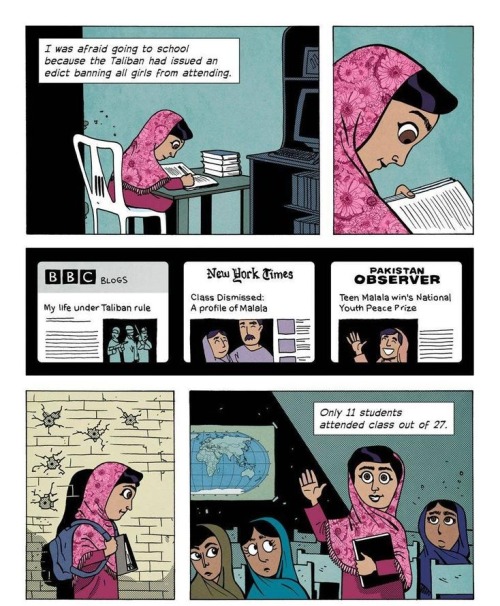




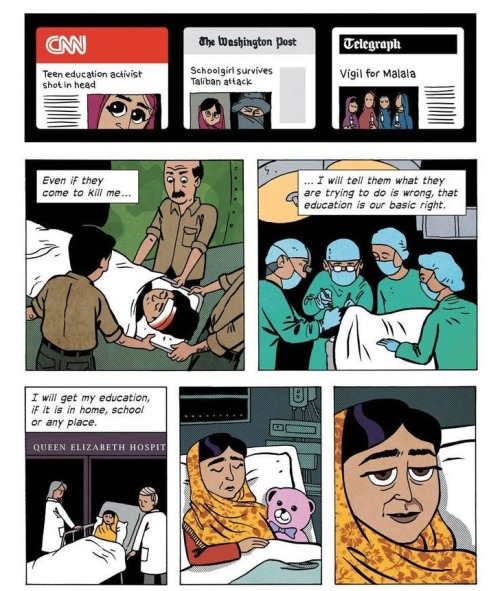









If Super Mario was made today.

Submitted by: erikjimenez
Posted at: 2013-03-18 07:43:29
See full post and comment: http://9gag.com/gag/6838803
Comercial de TV a cabo mostra Dany e Drogon na cidade


A Time Warner Cable, companhia de TV, internet e telefonia dos EUA, lançou há poucos minutos no Youtube esse spot sensacional convidando todo mundo a acompanhar Game of Thrones através das mídias e serviços que a HBO que a operadora oferecem. Drogon porcurando sua mãe pelas ruas da cidade foi a coisa mais fofa que eu vi em muito tempo. Assista:
gifs fonte: (x)
actionactioncut: “The stigma of being labelled a sex offender will follow those boys all their...
“The stigma of being labelled a sex offender will follow those boys all their lives because of one mistake.”
“We can’t be too quick to judge, we don’t know what really happened.”
“Who hasn’t done something regrettable back when they were young and foolish?”

March 12, 2013

Hey geeks! Our friends at GaymerConnect are raising funds for a documentary. Please give it a look and consider donating. You can get VIDEO GAMES for it!
slavin: “What happens when you can’t find the City Hall’s Bible...
Osias Jotajá shareei isso?

“What happens when you can’t find the City Hall’s Bible and you need to promote some firefighters to Battalion Chief and Fire Captain? If you’re the Atlantic City Fire Department of Atlantic City, New Jersey, you grab an iPad and load up your favorite Bible app to complete the swearing in ceremony.”
(iPad app replaces physical Bible in New Jersey swear-in ceremony | The Verge via Irwin)
"The most fascinating reaction (to Palmer’s TED talk) was that of a trumpet-player friend who..."
- Mad Art Lab | Amanda Palmer and the Privilege of Success


caffeinatedqueer: thescienceofobsession: luciawestwick: are...


are you ok, tumblr?
And that’s all it takes…
I tried to scroll passed without reblogging, but then I

Using Python and the NLTK to Find Haikus in the Public Twitter Stream
Osias Jotapelo jeito phyton ainda não foi portada para o hardware das máquinas de lavar


esse cachorro é que nem vampiro http://t.co/R2MZoGPsTi
Iguazu Falls, on the border of Argentina and Brazil....
Osias Jotagostinho do velho reader







Se o mundo acabar amanhã eu sei onde vou estar... CANDY MOUNTAIN!! http://t.co/qdGZRXGODh http://t.co/QfTNjVIgLH
Google Reader Still Drives Far More Traffic Than Google+
Osias Jotataí a razão
The beloved but doomed Google Reader is still a healthy source of traffic. Google+, on the other hand…

According to data from the BuzzFeed Network, a set of tracked partner sites that collectively have over 300 million users, Google Reader is still a significant source of traffic for news — and a much larger one than Google+. The above chart, created by BuzzFeed's data team, represents data collected from August 2012 to today. (Yesterday, Google announced that it would close Reader in July.)
We should add that this data isn't complete. Google Reader traffic became much harder to measure last year when Google began defaulting users to SSL encryption in such a way that masked referral data. And this doesn't include data from apps that use Google Reader as a sync service, such as Reeder. In other words, it's likely that we're actually missing some Reader traffic here.

The second graphic* shows measured Reader and Google+ referrals over time. This one, too, requires qualification: The changes in Reader's numbers can be explained mostly by the addition of new sites to BuzzFeed's partner network, not growth in Google Reader (the total number of visitors to partner sites increased, in other words).
But the relative numbers are still surprising: Despite claims that it has over 100m monthly active users, Google+ barely moves the needle for sites across the network, while Reader is a healthy source of readers.
*For reference: in August of 2012, according to the same data, Facebook drove over 70m visitors to sites in the network while Google Reader was well under 10m.

ArtsBeat: ‘Django’ Composer Takes Aim at Tarantino

First a baby, now 14 adults "functionally cured" of HIV
Osias Jotaorkutizou a cura da aids

Earlier this month, doctors announced that a baby had been cured of an HIV infection. Now, using a similar technique, it appears that 14 adults have likewise been successfully treated for the disease. The trick, say the scientists, is to tackle the infection early.
The research was conducted by Asier Sáez-Cirión of the Pasteur Institute and his results now appear in the open source journal PLOS Pathogens. His team analyzed 70 people with HIV who had been treated by combination antiretroviral therapy (cART) just a short time after infection, a range spanning 35 days to 10 weeks. This is much sooner than people are normally treated. And in fact, these patients, called the Visconti Cohort, were all diagnosed with HIV early (and by chance) when they turned up at hospitals to be assessed for other conditions.
The cohort stuck to the antiretrovirals (ARVs) for an average of three years, during which time the drugs kept the virus in check (they do not eradicate HIV from the body). Eventually, all of the patients stopped taking the ARVs for various reasons (personal choice, different drug protocols, etc.).
Normally, HIV will return when patients stop taking their ARVs. But this time, something interesting happened. The authors of the study described it this way:
We identified 14 HIV patients (post-treatment controllers [PTCs]) whose viremia remained controlled for several years after the interruption of prolonged cART initiated during the primary infection.
That's roughly one in ten of the patients, a group that included four women and 10 men. On average, they were off the medication for seven years.
It's important to note that the patients still have the HIV infection. Also, they're not "supercontrollers" (the <1% of people who are naturally resistant to HIV). But their bodies are able to keep it in check — and without the assistance of medication. Sáez-Cirión suspects that the early treatment limits the reservoir of HIV that can persist, limits the diversity of the virus, and it preserves the immune response to the virus that keeps it in check. That said, he's not entirely sure why only a fraction of the patients were functionally cured.
Ultimately, Asier Sáez-Cirión's work shows that, in the words of the study, "early and prolonged cART may allow some individuals with a rather unfavorable background to achieve long-term infection control and may have important implications in the search for a functional HIV cure."
Read the entire study at PLOS Pathogens. Find out more about this remarkable breakthrough at New Scientist and BBC.
Top image: Scanning electron micrograph of HIV-1 budding from cultured lymphocyte. Multiple round bumps on cell surface represent sites of assembly and budding of virions. Via CDC.
