O post Mentirinhas #497 apareceu primeiro em Mentirinhas.
O post Mentirinhas #497 apareceu primeiro em Mentirinhas.
Osias Jotavia firehose
o mesmo para a copa
Osias Jotavia firehose
i just saw a post like “kids these days dont even know what a vhs is” like why do people think kids of modern day dont know about past events like i know what fucking morse code is but i dont use it to order a pizza
1. Go to Youtube and select a video. This one is perfect.
2. Pause the video.
3. Click outside the video area and type 1980.
4. ???
5. Profit
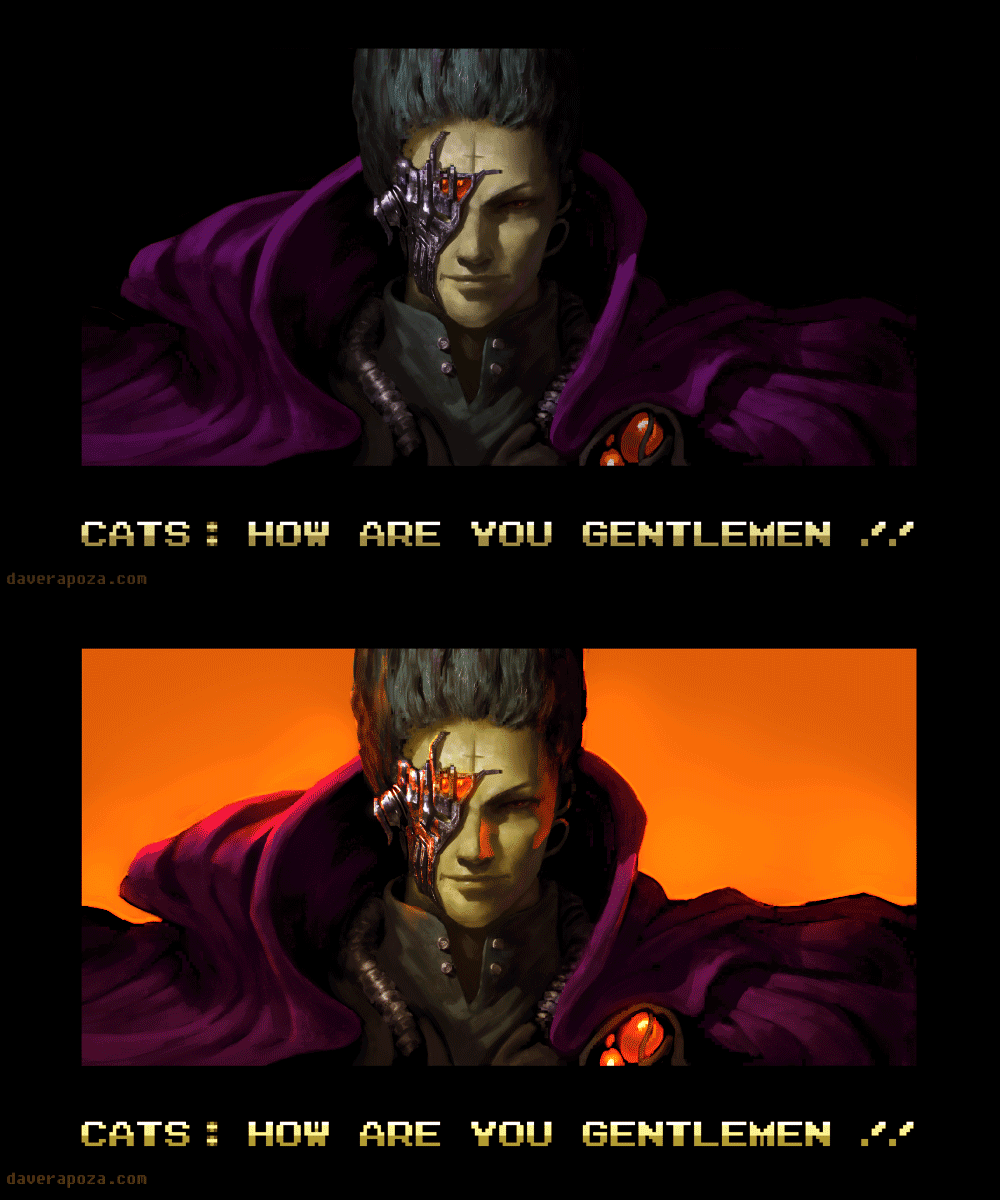
Is it wrong that I want to see the entire opening from Zero Wing redone in high-res?
Submitted by: Unknown
Todo mundo tem um amigo que um dia (ou todos os dias) repetiu exaustivamente que você deve assistir “Breaking Bad”. E não é uma simples recomendação, inclua aí doses de histeria: “assista logo!”, “é a melhor série!”, “quem não vê está por fora!”, “se você não assistir sua vida não terá sentido!”, e outras alegações do tipo. Um comportamento talvez, só talvez, um pouco exagerado, e que virou motivo de piada, tipo fã do Iron Maiden, mas que tem fundamento. Eu mesmo fui influenciado assim, e passei os últimos anos recomendando de forma pouco controlada para quem ainda não assistia/assiste, sem vergonha de ser chato. Peço desculpas se fui irritante, mas me dê licença para ampliar o discurso a partir de agora.
O fato é: Quando o último episódio da série for exibido, em 29 de setembro de 2013, não importa se você acompanhou ou não a saga de Walter White e sua família – e nem qual seja o aguardado destino dos personagens – o sarrafo das produções televisivas terá atingido o seu ápice. Pode-se até argumentar que muitos outros programas ainda estão em andamento, e tantos ainda virão, mas o ciclo narrativo e técnico do show da AMC terá impactado as indústrias criativas de forma indelével.
“Breaking Bad” é um exemplo impecável da televisão como forma de arte, competindo em um terreno antes exclusivo do cinema. A mídia televisiva, que por muito tempo foi demonizada como um viciante e alienador antro de programação popular e vulgar, se tornou na última década também sinônimo de cultura e entretenimento adulto de qualidade. Bem, é verdade que a maior parte da TV ainda é recheada de realitys e programas de auditório de gosto duvidoso, mas, quando se fala em dramaturgia, estamos testemunhando uma inversão de papéis entre as emissoras e os estúdios de Hollywood.
Uma revolução criativa que permitiu à TV ter o impacto cultural, o conteúdo autoral e os investimentos antes exclusivos do cinema

Dois livros recentes – “The Revolution Was Televised” de Alan Sepinwall, e “Difficult Men” de Brett Martin – falam dessa revolução criativa e mercadológica que permitiu à TV ter o impacto cultural, o conteúdo autoral e os investimentos que antes eram dominados pelo cinema. Enquanto Hollywood tornou-se conservadora, tentando ser a prova de falhas com uma obsessão crescente por franquias e blockbusters, os canais de televisão assumiram um comportamento rebelde e arriscado. Claro que números importam, mas as emissoras pagas decidiram que, muitas vezes, o buzz e a influência valem mais do que métricas quantitativas de audiência.

Uma das consequências disso como marca é que, em uma época de fragmentação do público, os canais de TV estão conseguindo estabelecer conexão e fidelidade com o espectador, algo que os grandes estúdios de cinema – exceto a Disney/Pixar – não tem. Ninguém espera ansiosamente para ver o próximo filme da Warner Bros. ou da Paramount, por exemplo, esse sentimento depende muito mais do elenco e profissionais envolvidos, mas certamente tem muita gente na expectativa pelo que a HBO, AMC ou Showtime farão a seguir.
Outro ponto que também era tido como exclusivo de Hollywood, e que agora migra para a televisão, é a força dos criadores. Os diretores de cinema sempre foram vistos como as estrelas do show, mas na TV os responsáveis por séries também tem conquistado o status de celebridade, contando com liberdade para controlar todo o processo de produção e sendo reconhecidos por isso.
Cresce também o intercâmbio entre meios, com diretores e atores de filmes atuando na televisão, antes considerada lugar de profissionais de segundo escalão. Aliás, os estúdios é que estão atrás dos ícones das séries para trabalharem em seus filmes. Bryan Cranston ter sido escolhido para viver o novo Lex Luthor, por exemplo, não foi apenas pela careca brilhante.
“Breaking Bad” é prova cabal de todo esse cenário, definindo o ponto mais alto da mídia até o momento e culminando no que Brett Martin chama de “a terceira Era de Ouro da TV”. Porém, não custa lembrar que tudo começou antes. 14 anos antes, para ser exato, com um rechonchudo (quase careca) de roupão e que se encantou com patos na piscina de sua casa.

Apesar de “Oz”, o drama prisional da HBO, ter ido ao ar quase dois anos antes, marcando a entrada em conteúdo original da emissora, a estreia de “The Sopranos” em 1999 é notoriamente tida como a pedra fundamental dessa revolução, onde novos tipos de estórias e estrutura formal permitiria que dezenas de outras séries fossem possíveis no futuro. Vince Gilligan, criador de “Breaking Bad”, afirmou que Walter White não existiria sem Tony Soprano.
David Chase e sua equipe de roteiristas modificaram a arquitetura de storytelling comumente praticada. Nada mais é garantia de final feliz.
Quando David Chase criou um mafioso no divã, que se dividia entre uma rotina de crimes e dedicação familiar, deu vazão ao surgimento de muitos outros anti-heróis. Quebrando convenções, “The Sopranos” mostrava que nada mais era garantia de final feliz. A morte de personagens regulares passou a ser comum, algo antes impensável na TV. Tony Soprano é um protagonista que causa empatia, mas ainda assim violento e assassino, um tipo de personagem que as pessoas viam e gostavam no cinema, mas não aceitavam “dentro de suas casas”.
Além disso, sem a obrigação de saciar o apetite das emissoras de TV aberta por mais e mais episódios, e no menor tempo possível, Chase e sua equipe de produtores e roteiristas modificaram a arquitetura de storytelling comumente praticada. Cada episódio de “The Sopranos” é sólido por si só, mas também faz parte de um arco maior de temporada, e se conectam de forma coerente uns aos outros. Não funciona como uma sitcom, em que você pode ligar a TV e assistir o que estiver passando fora de ordem.
Ao contrário das séries procedurais, que apresentam uma premissa no piloto e dependem da mesma fórmula nos episódios subsequentes – inclua aí os sucessos “E.R”, “Greys Anatomy”, “West Wing”, “CSI”, “House”, e tantas outras – a produção da HBO apostava principalmente na construção paulatina de personagens. Cliffhangers não tinham tanta importância, os espectadores eram fisgados pelas personas da história, com dezenas de capítulos que acabavam no mais absoluto silêncio.

James Gandolfini e David Chase
Agressivamente artístico e violento, “The Sopranos” foi recusado por diversas empresas. CBS, NBC, ABC e Fox, naturalmente, julgaram muito pesado para uma emissora aberta. E ainda bem. Um grande trunfo da HBO, que por muito tempo trabalhou o slogan “It’s Not TV”, era a não existência de uma grade de programação fixa, de um horário nobre. Ninguém estava esperando pela estreia de “The Sopranos”.
Recorde de audiência na TV paga, “The Sopranos” foi um acontecimento televisivo que permitiu e influenciou a origem de outras tantas séries dos anos 2000
Isso permitiu que David Chase tivesse o luxo de escrever, filmar e editar todos os 13 episódios da primeira temporada da série antes que uma única chamada fosse ao ar. A HBO, por sua vez, não tinha anunciantes com os quais se preocupar. Não importava se o programa seria considerado violento, denso e pouco acessível. Ao contrário do canais abertos, a quantidade de executivos a se agradar era bem menor.
Os planos da HBO passavam muito além de satisfazer as massas e as marcas, e sim estava focado na importância do buzz que citei no começo desse texto. O canal investia em produções originais com pretensões artísticas pois queria criar uma poderosa percepção no público: A de que uma pessoa aculturada não poderia viver sem ter a assinatura da HBO. Mesmo que essa pessoa só assista uma hora por semana, ela precisa acompanhar o que o canal faz ou estará perdendo conteúdo de qualidade superior, estará por fora das conversas com os amigos.

Na outra ponta dessa mudança está o papel da tecnologia. As vendas de DVD’s com temporadas inteiras permitiu que a série ganhasse fãs continuamente, e estes passassem então a acompanhar os novos episódios pela TV. Atualmente isso é ainda mais crucial, considerando os variados serviços de streaming e a pirataria, a ponto da própria HBO se dizer feliz e satisfeita com os milhões de downloads ilegais de “Game of Thrones”, por exemplo.
Mudou-se também a maneira de se fazer críticas de séries. Sempre foi padrão das publicações especializadas escrever reviews baseadas em um ou alguns episódios apenas. Os produtores de “The Wire, que foi ao ar três anos depois da estreia de “The Sopranos”, enviavam temporadas completas para os críticos, adotando uma nova estratégia de divulgação. O pensamento é de que, assim como você precisa ler pelo menos umas 100 páginas de um livro para ser agarrado pela história, também precisa assistir quatro ou cinco horas de um seriado, no mínimo, para “se viciar”. Com a internet, virou comum a prática do “recap”: Centenas de sites e blogs analisando episódio por episódio, assim que vão ao ar, repercutindo a série por um longo período e gerando conversação entre os fãs.
Com tudo a favor, “The Sopranos” se tornou canônico da história da televisão, alcançando 14.4 milhões de espectadores em média por episódio, um número assombroso para um canal pago, e o recorde da HBO até hoje (nem o hype de “Game of Thrones” ainda supera essa estatística). Foi um acontecimento televisivo que definiu e permitiu a origem de outras tantas séries, entre elas: “24 Horas”, “Lost”, “Six Feet Under”, “Dexter”, “The Wire”, “Deadwood”, “The Shield”, “Weeds”, “Rome”, “Boardwalk Empire”, “Homeland”, “Mad Men”, “The Walking Dead” e, claro, “Breaking Bad”.


Assim como o protagonista de “The Sopranos”, David Chase nunca fez cara de bons amigos para a maior parte das pessoas que trabalharam com ele. Sua relação com a indústria é descrita como temperamental. Talvez o motivo esteja no fato de que sempre quis trabalhar com cinema, e revelou em entrevistas que por várias vezes pensou se não deveria ter se dedicado a produzir filmes nos anos em que fez a série. Mas a pergunta de um jornalista o deixou sem resposta: “Que filmes?”
Vince Gilligan também era um desses que sonhava em trabalhar em Hollywood. Chegou a escrever alguns roteiros, um deles foi produzido com Drew Barrymore e Luke Wilson no elenco, e também co-roteirizou “Hancock”, mas tantos outros foram reprovados. Porém, logo encontrou seu lugar na série “Arquivo X”, um totem da cultura nerd, onde escreveu um total de 27 episódios e co-produziu outros tantos.
Um de seus companheiros na sala de roteiristas era Thomas Schnauz. Um dia, numa conversa telefônica, ambos se queixavam da indústria do cinema, de como a burocracia e a politicagem travam o processo criativo. Gilligan, com um pé no desemprego, disse: “Talvez a saída seja virarmos funcionários do Walmart”. Thomas respondeu:
“Ou podemos comprar uma van e transformar num laboratório de metanfetamina”.
A sugestão absurda foi o ponto de partida para Vince Gilligan, no mesmo dia, anotar dezenas de outras ideias e pensar em arcos que deram origem a “Breaking Bad”. Schnauz, claro, entrou no bonde, ou melhor, na van, e nesses seis anos de existência da série não apenas co-roteirizou diversos episódios, como também é creditado como co-produtor executivo.

Vince Gilligan
A essência – Mr. Chips que vira Scarface – estava lá desde o início, assim como a metáfora sobre a crise de meia idade, os questionamentos morais, parceiros e prováveis adversários que Walter White enfrentaria em sua jornada. Porém, Gilligan se perguntava se essa história deveria ser um filme ou uma série de televisão. Anos antes, seria um filme sem dúvida, mas em 2005 (quando botou as ideias no papel) só podia ser TV.
Com as ideias no papel, Gilligan se perguntava se essa história deveria ser um filme ou uma série de televisão
Começou então a via crúcis por possíveis emissoras interessadas. Executivos da TNT adoraram a ideia, mas questionaram: “Precisa mesmo ter metanfetamina? Se comprarmos sua ideia, seremos demitidos”. Showtime acabara de estrear outra série sobre drogas, “Weeds”. FX só produzia uma série por ano, e já tinham se comprometido com “Dirt”, de Courtney Cox, cancelada pouco tempo depois. A HBO nunca retornou após uma primeira reunião. Será que arrependimento mata?
Se tem algo que um canal de TV detesta, aliás, é ver uma ideia rejeitada virar série de sucesso na concorrência. O FX até se propôs a comprar os direitos de “Breaking Bad” e filmar o piloto, mas deixariam numa gaveta, sem previsão de produzir uma temporada. Vince Gilligan, obviamente, não topou a proposta, e restava a AMC, onde o primeiro episódio de “Mad Men” tinha acabado de ser filmado.


A televisão é uma mídia que, desde sua origem, necessita de uma narrativa que possa se estender indefinidamente. Faz parte do negócio. Uma empresa investe milhões, emprega milhares de pessoas, abre divisões corporativas e coloca sua reputação em risco confiando apenas em uma hora de vídeo ou num novo quadro de programa. O criador, por sua vez, mergulha num abismo criativo, se comprometendo de que a história vai continuar pelo maior tempo possível.
A quebra dessa estrutura formal é um dos grandes trunfos de “Breaking Bad”. Concebida desde o início como uma trama com começo, meio e fim, menor quantidade de episódios, mais tempo dedicado ao roteiro e produção e, principalmente, mais risco criativo na tela. Uma série com essa proposta pode fazer sempre a história caminhar pra frente, com grandes acontecimentos e mudanças entre os personagens, sem a necessidade de passar anos andando de lado pois a emissora não tolera desagradar a audiência. Alguém lembrou de “Dexter” e seu declínio criativo nos últimos anos?
Assim como “The Sopranos”, cada episódio de “Breaking Bad” é um trabalho de arte em si. David Chase, em 1999, fez o que era normal: Tinha todo o arco de uma temporada descrito em uma lousa, mas precisava montar uma sala de roteiristas para desenvolver cada episódio. Essa linha de produção é comum na televisão. Episódios saem como carros em uma fábrica. Enquanto um está sendo filmado, outro já está sendo escrito e produzido por diferentes equipes. Chase quebrou esse padrão, decidindo que queria manter o controle de todo o processo e colocar suas ideias em todos os capítulos.
Vince Gilligan repetiu o formato, com a diferença de ser considerado um cara mais afável para se trabalhar. Mesmo autocrático, acredita na colaboração, equilibrando sua visão e gerenciamento microscópico de cada detalhe da série com atuação em equipe. Em entrevistas, já disse que todos são iguais em sua sala de roteiristas.
Cada episódio é um trabalho de arte por si só. Benefício de uma trama com começo, meio e fim pensados desde o início.
Toda discussão de Gilligan com seu grupo de escritores – sete no total – passa por duas perguntas: 1. Para onde os personagens estão indo?; e 2. O que acontece depois?; É como um jogo de xadrez: “Se movermos esse personagem daqui para lá, quais serão os movimentos das outras peças?”, disse Gilligan num recente Writer’s Panel.
Toda ideia supõe uma ação, assim como suas consequências. Lembra do que eu falei sobre andar pra frente e não de lado? O modo como “Breaking Bad” lida com o ritmo da trama é um dos elementos chave da genialidade da série. Corta caminhos quando você acha que ainda tem muito pra acontecer, deixando para o espectador juntar as peças; ou segura a onda quando parece que o confronto é inevitável, introduzindo flashbacks ou flashforwards de maneira intrigante.

“Breaking Bad” é, de longe, a série de TV mais estilizada visualmente. Antigamente, a falta de verba fazia personagens descreverem acontecimentos, falando muito mais do que mostrando. Já a atração da AMC se beneficia dessa migração de dinheiro, e investe em produção e truques de camera, com os famosos takes com GoPro em objetos, ponto de vista em primeira pessoa, e outras maneiras criativas de se capturar uma cena.
Escolhida por causa de incentivos fiscais, a cidade de Albuquerque ficou enraizada visualmente na tela, permitindo um novo cenário dramático para os roteiristas
O roteiro padrão de um episódio de “Breaking Bad” pode conter diversas páginas sem um único diálogo, com acontecimentos mostrados em silêncio ou apenas com ruídos diegéticos. Claro que o impacto da história é o principal, mas não seria igual sem o storytelling visual trabalhado por Vince Gilligan, bem como o excelente design de som que colabora de forma essencial para a crescente tensão de determinados momentos.
As locações contribuem muito nesse sentido, e são consideradas pelo próprio criador como um personagem a parte. Originalmente, Walter White e sua família morariam na California, como tantas outras figuras do entretenimento, mas questões financeiras – leia-se: incentivos fiscais – transferiram a trama para a cidade de Albuquerque, no estado do Novo México.
Com média de 310 dias ensolarados por ano, a região está para “Breaking Bad” assim como New Jersey está para “The Sopranos”. Não dá pra imaginar a série sem esse palco, que teve a geografia e topografia enraizada visualmente na tela, permitindo um novo cenário dramático para os roteiristas. As conversas (e ameaças) no deserto, que transformam “Breaking Bad” praticamente num faroeste, são icônicas. Impossível pensar nisso tudo acontecendo com uma praia ao fundo.
A próxima década do audiovisual terá “Breaking Bad” no seu encalço
Também é notório o jogo de cores da série, que brinca com o figurino dos personagens para criar simbolismos. O design de produção e de som fazem de cada episódio uma experiência cinemática. Rimas visuais conectam cenas e dão pistas do que está por vir, composições retratam sentimentos e situações em segundos, a fotografia frequentemente mergulha os personagens em luz ou sombras. Outro destaque é o uso do princípio narrativo do dramaturgo Anton Chekhov – Chekhov’s gun – de que todo objeto da trama deve ser essencial e insubstituível, com a série resgatando elementos que, se inicialmente pareciam banais, reaparecem em momentos críticos.
Isso tudo fez “Breaking Bad” ter sua porção de “Lost”, aliás, com fãs interagindo com a série e desconstruindo meticulosamente cada episódio na tentativa de desvendar possíveis pistas. Mais uma prova da televisão que deixou de ser mídia passiva, tendo, praticamente em tempo real, elementos como cores, locais, números, placas, e etc, discutidos pelos espectadores nas redes sociais. Provavelmente, muito disso não passa de mera especulação, mas inspira os criativos na busca pela TV social.

No mundo ideal da televisão, nada acaba. Todo o modelo financeiro da TV depende de longevidade, e são raras as produções que reconhecem que tem data de validade. “Breaking Bad” sairá de cena como uma produção cultural com o carimbo de “essencial” justamente por saber que boas histórias terminam.
Restam apenas cinco episódios para o fim – e estes três últimos exibidos foram particularmente brilhantes – um momento difícil para criadores e fãs, mas ainda assim inevitável, nas palavras do próprio Vince Gilligan. Não é exagero dizer que ele deixará um legado no mesmo nível, ou ainda maior, do que David Chase fez com “The Sopranos”. A próxima década do audiovisual terá “Breaking Bad” no seu encalço, com comparações e lembranças, para o bem ou para o mal. Caberá aos estúdios, emissoras e criativos seguirem essa trilha, onde a ousadia é premiada com sucesso e a certeza de que os espectadores estão preparados para ela.
Lá no primeiro parágrafo, eu disse que encheria um pouco mais o saco de quem ainda não assiste a série. Mas não quero fazer através dos argumentos desse longo texto. Eu poderia até dizer que é obrigação de quem trabalha com comunicação e nas indústrias criativas em geral e ponto final, mas não, não assista porque é rotulado de canônico, de fundamental ou de o melhor drama da TV.
Assista porque é divertido. Muito, mas muito divertido. Assista pelos momentos (vários deles) em que você levará a a mão à boca pois não consegue acreditar no que está acontecendo. Assista pelas cenas que farão você gritar com a TV, sentar na ponta do sofá, xingar um personagem, e torcer como se fosse um jogo de futebol. Veja também pelos momentos de humor e de questionamento moral, onde você chega a conclusão de que faria a mesma coisa – “é tudo pela família!” – só para no minuto seguinte dizer que chega, não dá pra confiar em mais ninguém. E claro, assista também para chamar Vince Gilligan de sádico, pois esse filho da p* sabe como terminar um episódio como ninguém. Um dos poucos que, atualmente, faz 50 minutos passarem como se fossem 10. Sentirei saudade.

 Post originalmente publicado no Brainstorm #9
Twitter | Facebook | Contato | Anuncie


I-I want to… no…
… I NEED to do this…
halloween costume found
Osias Jotamenos, whedon, menos.

Watching the films of some of our most revered filmmakers, it’s often difficult to point out exactly why their work is so much better than others. It’s when they discuss their work, how they did it and views on other films that we truly see where their genius comes from.
Joss Whedon did a long interview with Entertainment Weekly this week and lots of the opinions expressed there have been highlighted. The possibility of killing characters in Avengers: Age of Ultron and his problem with The Empire Strikes Back are two examples. Now a new quote has been called out where the director of The Avengers points at one specific scene in Steven Spielberg‘s 1984 film Indiana Jones and the Temple of Doom as a perfect example of what’s wrong with not only cinema today, but culture in general.
Here’s the quote from Entertainment Weekly (via the Huffington Post):
A movie has to be complete within itself; it can’t just build off the first one or play variations. You know that thing in Temple of Doom where they revisit the shooting trick? … That’s what you don’t want. And I feel that’s what all of culture is becoming — it’s becoming that moment.
If you need a refresher, in Raiders of the Lost Ark, Indiana Jones kills an Arab swordsman by smugly shooting him, an iconic moment improvised because Harrison Ford was sick that day, and one which became a comic highlight of the film. In Temple of Doom (a sequel by release, but prequel on the timeline) Jones has escaped the temple and two similar-looking swordsman confront him. He slyly reaches for his gun as a reference to his action in the previous film (which hasn’t happened yet in the diegetic space) but it’s not there. He fumbles around, smiles at the camera — at us — as a brief music cue from the previous film is played. Then he fights them another way. I couldn’t find the video, but here’s a screen cap.

Whedon’s claim is this scene is a great example of self-reference for the sake of self-reference ruining culture. While I do think culture copying itself for no reason, over and over again (as seen in pop music, fashion, sequels, reality TV, etc.) is the antithesis of creativity, I’m not so sure this moment is the one to point at as “the problem.” First of all, it’s a funny scene. Second of all, this kind of playful winking is part of the entire Indiana Jones saga. There’s the Ark on the wall in Last Crusade, Club Obi-Wan in Temple of Doom, Henry Jones’ photo in Crystal Skull and much more. (The fact that it doesn’t make sense in the story timeline is a different issue all together.)
The bigger issue Whedon is getting at here is that Spielberg relied on what had already happened for a cheap joke. Magnify that onto a larger scale and you have Saw VII, The Amazing Spider-Man reboot, The Real Housewives of Atlanta, and One Direction. Things that are simply copying creative endeavors that have proven to be successful. Whedon’s issue is very few people create something new these days. And, even scarier, no one seems to care. They simply consume the same crap over and over again. This sentiment is a valid one.
But to blame poor old Indy? That seems a bit harsh.
Do you put stock into Whedon’s claim? Is this scene worthy of such scrutiny, or is it just one, small example of a problem that’s growing exponentially bigger with each passing day?
Currency is a crossroads for many free market advocates.
Monetarists, including Nobel laureate Milton Friedman, have long argued in favor of central banks stabilizing price levels. They say the institution would provide a sense of comfort to debtors and creditors wary of inflation. Constitutionalists, albeit embracing a general disdain for the Federal Reserve, still see Article I, Section 8 as healthy advice. They say giving Congress the exclusive power to coin money would lead to increased transparency, incentivizing legislators to slash the budget.
It really isn’t until we reach the Misesian ideals of minimal government that we begin to see worthwhile considerations of private currencies. Austrian economist Murray Rothbard explains, “Many people—many economists—usually devoted to the free market stop short at money… . They never think of state control of money as interference in the free market; a free market in money is unthinkable to them… . So it is high time that we turn fundamental attention to the life-blood of our economy.”
One of the first media of exchange in the United States was classic whiskey. For men and women of the day, the alcohol did more than put “song in their hearts and laughter on their lips.” Whiskey was currency. Most forms of money were extremely scarce in our country after the Revolutionary War, making monetary innovation the key to success. The economy east of the Appalachian Mountains flourished during this period, but migration to the west was slow. This meant Western farmers drew fewer customers and, therefore, smaller salaries if they weren’t willing to travel eastward. So, they began to distill their excess grain into whiskey. The supplemental income kept them in business, and the whiskey was easier to transport through the mountains.
Indeed, it was easier to transport everywhere. Westerners began to use the whiskey as a medium of exchange, allowing them to trade with and travel to the east more frequently. Everyone from bartenders to surgeons needed alcohol, and its use as an intermediary became custom, verifying AustrianSchool founder Carl Menger’s analysis of the development of natural currencies: “The exchange of less easily saleable commodities for commodities of greater marketability is in the economic interest of every economizing individual… . Money is not an invention of the state. It is not the product of a legislative act. Even the sanction of political authority is not necessary for its existence.”
The acceptance of whiskey as money was spontaneous, incremental, and voluntary. And, since its value was based on efficiency and not on political decree, the practice continued many years into the future, surviving then-Treasury Secretary Alexander Hamilton’s whiskey tax—an effective income tax passed off as an excise tax—long enough for Thomas Jefferson’s administration to repeal it.
Experiments came and went as people grew familiar with the alcohol’s value, and many local businessmen offered their customers an even more convenient medium of exchange: coins. These business owners—primarily distillers and grocers—would mint, engrave, and then distribute tokens redeemable for commodities at their stores. If a grocer were to price his dough at, say, ten grams of silver per loaf, he would mint a 10-gram silver coin, engrave on it the phrase “Good for One Loaf of Bread,” and distribute it to select customers.
These coins helped out in two ways. First, customers could buy to sell. This was essentially an extension of the easy-to-carry trend. Sellers could walk through town carrying on-demand receipts for an amount of bread or whiskey that they otherwise could not physically carry, attracting new customers many miles away. The coins played a second role, too, as low-denomination change. A variety of situations—the wartime economy, lagging technological advancements, or plain sour luck—have historically left certain areas of the country without a straightforward way to purchase inexpensive items.
Distillers and their customers were occasionally faced with a situation in which neither party could get their hands on anything less than a 30-gram silver coin (or find a way to fraction it) when a bottle of whiskey only cost 10 grams of silver. Instead of turning these customers away or forcing them to carry out two extra bottles of whiskey, owners simply began issuing their own versions of “change”: customized tokens, each guaranteeing on-demand redemption of one bottle of whiskey when presented. Customers, then, knowing full well that everyone needs alcohol at some point, were free to trade distillers’ tokens exactly as they would trade 10-gram coins, effectively creating a low-denomination monetary system through which the community could conduct business.
Coins backed by random commodities were inferior to the classic gold standard, but everyone accepted the coins as necessary adaptations to lousy economic conditions. “Hard-times tokens,” as people referred to them, were the market’s way of meeting a vital demand until things got better.
As time went on, the American monetary system was tried and tried again by political intervention. Yet the market flourished, continuing to adapt to ever-changing circumstances. An inflationary central banking institution, the Roosevelt administration’s obscene gold seizures, and numerous faulty reserve plans like the Bretton Woods agreement were no match for private entrepreneurs on the black market who kept their customers’ savings accounts afloat through competition.
And then came Bitcoin.
These days, many government agencies can scan bank accounts by issuing a boilerplate subpoena. Engaging in private transactions with physical currency became risky business, even through online banking. So, an anonymous developer (known only as “Satoshi Nakamoto”) created Bitcoin.
He designed the coins as virtual mirrors of that which was heretofore considered authentic money. Bitcoins are unearthed through a process called “mining,” much like with dirt and a shovel, except with algorithms and a computer. Miners who solve the pre-established algorithms are rewarded with Bitcoins. However, the underlying program can detect how many people are mining for coins; as demand increases, so does the difficulty of the algorithms, emulating competition in the marketplace. Only those miners with the highest level of determination and skill come out on top. Furthermore, Nakamoto controlled for scarcity. There is no threat of runaway inflation because his blueprint ensures that no more than 21 million coins will ever remain in circulation, and analysts calculate that Bitcoin miners won’t even reach this number until around 2140 A.D.
Nakamoto realized that, like Pennsylvanians who distilled grain into whiskey in order to transport it through the rugged Appalachian Trail, Internet users yearned for currency befitting the digital age. Our generation’s “mountains” are surveillance networks. And Bitcoins fit the bill for passage. They’re secured through public-key encryption (i.e., only Bitcoin owners have the access code to their digital wallets, which can be created without handing over any personal information), easily utilized in the marketplace when sellers are willing, and came into existence through the natural mechanisms of word-of-mouth reputation and voluntary, incremental adoption.
The digital currency came to fruition in the right place at the right time because the market chose it. No legislation, no statute, and no politician granted its legitimacy—customers did. And that’s why the government is now vying for oversight. New York’s financial regulator recently issued subpoenas to more than 20 companies associated with Bitcoin, including the prestigious venture capital firm Andreessen Horowitz.
Whereas historical private monies were created in order to bypass physical barriers, though, this digital currency was explicitly created as a means of bypassing regulations, so it’s quite unclear what will happen next. Bitcoin will likely stand the test of time, though, at least as long as whiskey did.
Brian LaSorsa is a writer in Phoenix, Arizona. His work has appeared in the Washington Examiner, Huffington Post, and Ludwig von Mises Institute.
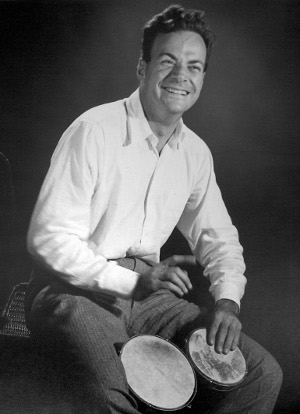
In 1966 a Swedish encyclopedia publisher requested a photograph of Richard Feynman “beating a drum” to give “a human approach to a presentation of the difficult matter that theoretical physics represents.” Feynman responded:
Dear Sir,
The fact that I beat a drum has nothing to do with the fact that I do theoretical physics. Theoretical physics is a human endeavor, one of the higher developments of human beings, and the perpetual desire to prove that people who do it are human by showing that they do other things that a few other human beings do (like playing bongo drums) is insulting to me.
I am human enough to tell you to go to hell.
Yours,
RPF
Submitted by: Unknown

¿Estás lejos de casa? ¿Te sientes solo? ¿Echas de menos a tu mamá? ¿Necesitas una mujer que te dé calor y confort? Los japoneses no tienen estos problemas porque desde hace ya un tiempo tienen la Hizamakura Lap Pillow, una relajante almohada que te hará sentir que estás acurrucado sobre la falda de una mujer sentada al estilo japonés.
Este curioso invento –made in Japan, como no podía ser de otra manera- lleva siendo todo un éxito de ventas desde su lanzamiento, allá por el año 2000, como “cura contra la soledad”.

Según describen en la web, se trata de una comodísima almohada relajante de tacto suave y blando, perfecta para reposar tu cabeza sobre el regazo de una mujer con falda increíblemente real. Está hecha en poliuretano, con una falda –roja o negra- de poliéster.
La almohada Hizamakura Lap Pillow está agotada tanto en la web Japan Trend Shop como en la tienda japonesa de Amazon, pero se puede encontrar en las tiendas duty free de los aeropuertos de Tokio y Narita, como reconfortante compañera en los vuelos retrasados y las largas horas de espera. Además, se ha convertido en un divertido objeto de regalo o suvenir para los que se pasan por estos aeropuertos.

Si bien la Hizamakura Lap Pillow se trata de un artilugio unisex, está claro que quienes más disfrutan de él son los hombres. ¿Qué pasa con las japonesas solas que desean descansar sobre un abrazo masculino? Tranquilos, en Japón piensan en todo y todos. Echad un ojo si no a esta blandita almohada para dormir sobre el brazo del hombre de vuestros sueños sin cortarle la circulación.

O si queréis ir más allá, también es posible dormir abrazada a una mullida pero siniestra “réplica” del actor de Crepúsculo, Robert Pattinson (o cualquier otro personaje famoso por el que suspiréis).

Aunque, siniestros cojines a un lado, mucho mejor sería que la sociedad nipona se organizase como dios manda y se emparejasen los unos con los otros para no tener que tirar de artificiales recursos para paliar la soledad.
Vía: Japan Trend Shop, Daily Mail y BBC
The post La almohada que simula un regazo de mujer triunfa en Japón appeared first on Cooking Ideas.
A couple of weeks ago, I was scheduled to take a trip from New York (JFK) to Los Angeles on JetBlue. Every year, my family goes on a one-week pilgrimage, where we put our work on hold and spend time visiting temples, praying, and spending time with family and friends. To my Jewish friends, I often explain this trip as vaguely similar to the Sabbath, except we take one week of rest per year, rather than one day per week.
Our family is not Muslim, but by coincidence, this year, our trip happened to be during the last week of Ramadan.
By further coincidence, this was also the same week that I was moving out of my employer-provided temporary housing (at NYU) and moving into my new apartment. The night before my trip, I enlisted the help of two friends and we took most of my belongings, in a couple of suitcases, to my new apartment. The apartment was almost completely unfurnished - I planned on getting new furniture upon my return - so I dropped my few bags (one containing an air mattress) in the corner. Even though I hadn’t decorated the apartment yet, in accordance with Hindu custom, I taped a single photograph to the wall in my bedroom — a long-haired saint with his hands outstretched in pronam (a sign of reverence and respect).
The next morning, I packed the rest of my clothes into a suitcase and took a cab to the airport. I didn’t bother to eat breakfast, figuring I would grab some yogurt in the terminal while waiting to board.
I got in line for security at the airport and handed the agent my ID. Another agent came over and handed me a paper slip, which he said was being used to track the length of the security lines. He said, “just hand this to someone when your stuff goes through the x-ray machines, and we’ll know how long you were in line.’ I looked at the timestamp on the paper: 10:40.
When going through the security line, I opted out (as I always used to) of the millimeter wave detectors. I fly often enough, and have opted out often enough, that I was prepared for what comes next: a firm pat-down by a TSA employee wearing non-latex gloves, who uses the back of his hand when patting down the inside of the thighs.
After the pat-down, the TSA agent swabbed his hands with some cotton-like material and put the swab in the machine that supposedly checks for explosive residue. The machine beeped. “We’re going to need to pat you down again, this time in private,” the agent said.
Having been selected before for so-called “random” checks, I assumed that this was another such check.
"What do you mean, ‘in private’? Can’t we just do this out here?"
"No, this is a different kind of pat-down, and we can’t do that in public." When I asked him why this pat-down was different, he wouldn’t tell me. When I asked him specifically why he couldn’t do it in public, he said "Because it would be obscene."
Naturally, I balked at the thought of going somewhere behind closed doors where a person I just met was going to touch me in “obscene” ways. I didn’t know at the time (and the agent never bothered to tell me) that the TSA has a policy that requires two agents to be present during every private pat-down. I’m not sure if that would make me feel more or less comfortable.
Noticing my hesitation, the agent offered to have his supervisor explain the procedure in more detail. He brought over his supervisor, a rather harried man who, instead of explaining the pat-down to me, rather rudely explained to me that I could either submit immediately to a pat-down behind closed-doors, or he could call the police.
At this point, I didn’t mind having to leave the secure area and go back through security again (this time not opting out of the machines), but I didn’t particularly want to get the cops involved. I told him, “Okay, fine, I’ll leave”.
"You can’t leave here."
"Are you detaining me, then?" I’ve been through enough "know your rights" training to know how to handle police searches; however, TSA agents are not law enforcement officials. Technically, they don’t even have the right to detain you against your will.
"We’re not detaining you. You just can’t leave." My jaw dropped.
"Either you’re detaining me, or I’m free to go. Which one is it?" I asked.
He glanced for a moment at my backpack, then snatched it out of the conveyor belt. “Okay,” he said. “You can leave, but I’m keeping your bag.”
I was speechless. My bag had both my work computer and my personal computer in it. The only way for me to get it back from him would be to snatch it back, at which point he could simply claim that I had assaulted him. I was trapped.
While we waited for the police to arrive, I took my phone and quickly tried to call my parents to let them know what was happening. Unfortunately, my mom’s voicemail was full, and my dad had never even set his up.
"Hey, what’s he doing?" One of the TSA agents had noticed I was touching my phone. "It’s probably fine; he’s leaving anyway," another said.
The cops arrived a few minutes later, spoke with the TSA agents for a moment, and then came over and gave me one last chance to submit to the private examination. “Otherwise, we have to escort you out of the building.” I asked him if he could be present while the TSA agent was patting me down.
"No," he explained, "because when we pat people down, it’s to lock them up."
I only realized the significance of that explanation later. At this point, I didn’t particularly want to miss my flight. Foolishly, I said, “Fine, I’ll do it.”
The TSA agents and police escorted me to a holding room, where they patted me down again - this time using the front of their hands as they passed down the front of my pants. While they patted me down, they asked me some basic questions.
"What’s the purpose of your travel?"
"Personal," I responded, (as opposed to business).
"Are you traveling with anybody?"
"My parents are on their way to LA right now; I’m meeting them there."
"How long is your trip?"
"Ten days."
"What will you be doing?"
Mentally, I sighed. There wasn’t any other way I could answer this next question.
"We’ll be visiting some temples." He raised his eyebrow, and I explained that the next week was a religious holiday, and that I was traveling to LA to observe it with my family.
After patting me down, they swabbed not only their hands, but also my backpack, shoes, wallet, and belongings, and then walked out of the room to put it through the machine again. After more than five minutes, I started to wonder why they hadn’t said anything, so I asked the police officer who was guarding the door. He called over the TSA agent, who told me,
"You’re still setting off the alarm. We need to call the explosives specialist".
I waited for about ten minutes before the specialist showed up. He walked in without a word, grabbed the bins with my possessions, and started to leave. Unlike the other agents I’d seen, he wasn’t wearing a uniform, so I was a bit taken aback.
"What’s happening?" I asked.
"I’m running it through the x-ray again," he snapped. "Because I can. And I’m going to do it again, and again, until I decide I’m done". He then asked the TSA agents whether they had patted me down. They said they had, and he just said, "Well, try again", and left the room. Again I was told to stand with my legs apart and my hands extended horizontally while they patted me down all over before stepping outside.
The explosives specialist walked back into the room and asked me why my clothes were testing positive for explosives. I told him, quite truthfully, “I don’t know.” He asked me what I had done earlier in the day.
"Well, I had to pack my suitcase, and also clean my apartment."
"And yesterday?"
"I moved my stuff from my old apartment to my new one".
"What did you eat this morning?"
"Nothing," I said. Only later did I realize that this made it sound like I was fasting, when in reality, I just hadn’t had breakfast yet.
"Are you taking any medications?"
The other TSA agents stood and listened while the explosives specialist and asked every medication I had taken “recently”, both prescription and over-the-counter, and asked me to explain any medical conditions for which any prescription medicine had been prescribed. Even though I wasn’t carrying any medication on me, he still asked for my complete “recent” medical history.
"What have you touched that would cause you to test positive for certain explosives?"
"I can’t think of anything. What does it say is triggering the alarm?" I asked.
"I’m not going to tell you! It’s right here on my sheet, but I don’t have to tell you what it is!" he exclaimed, pointing at his clipboard.
I was at a loss for words. The first thing that came to my mind was, “Well, I haven’t touched any explosives, but if I don’t even know what chemical we’re talking about, I don’t know how to figure out why the tests are picking it up.”
He didn’t like this answer, so he told them to run my belongings through the x-ray machine and pat me down again, then left the room.
I glanced at my watch. Boarding would start in fifteen minutes, and I hadn’t even had anything to eat. A TSA officer in the room noticed me craning my neck to look at my watch on the table, and he said, “Don’t worry, they’ll hold the flight.”
As they patted me down for the fourth time, a female TSA agent asked me for my baggage claim ticket. I handed it to her, and she told me that a woman from JetBlue corporate security needed to ask me some questions as well. I was a bit surprised, but agreed. After the pat-down, the JetBlue representative walked in and cooly introduced herself by name.
She explained, “We have some questions for you to determine whether or not you’re permitted to fly today. Have you flown on JetBlue before?”
"Yes"
"How often?"
"Maybe about ten times," I guessed.
"Ten what? Per month?"
"No, ten times total."
She paused, then asked,
"Will you have any trouble following the instructions of the crew and flight attendants on board the flight?"
"No." I had no idea why this would even be in doubt.
"We have some female flight attendants. Would you be able to follow their instructions?"
I was almost insulted by the question, but I answered calmly, “Yes, I can do that.”
"Okay," she continued, "and will you need any special treatment during your flight? Do you need a special place to pray on board the aircraft?"
Only here did it hit me.
"No," I said with a light-hearted chuckle, trying to conceal any sign of how offensive her questions were. "Thank you for asking, but I don’t need any special treatment."
She left the room, again, leaving me alone for another ten minutes or so. When she finally returned, she told me that I had passed the TSA’s inspection. “However, based on the responses you’ve given to questions, we’re not going to permit you to fly today.”
I was shocked. “What do you mean?” were the only words I could get out.
"If you’d like, we’ll rebook you for the flight tomorrow, but you can’t take the flight this afternoon, and we’re not permitting you to rebook for any flight today."
I barely noticed the irony of the situation - that the TSA and NYPD were clearing me for takeoff, but JetBlue had decided to ground me. At this point, I could think of nothing else but how to inform my family, who were expecting me to be on the other side of the country, that I wouldn’t be meeting them for dinner after all. In the meantime, an officer entered the room and told me to continue waiting there. “We just have one more person who needs to speak with you before you go.” By then, I had already been “cleared” by the TSA and NYPD, so I couldn’t figure out why I still needed to be questioned. I asked them if I could use my phone and call my family.
"No, this will just take a couple of minutes and you’ll be on your way." The time was 12.35.
He stepped out of the room - for the first time since I had been brought into the cell, there was no NYPD officer guarding the door. Recognizing my short window of opportunity, I grabbed my phone from the table and quickly texted three of my local friends - two who live in Brooklyn, and one who lives in Nassau County - telling them that I had been detained by the TSA and that I couldn’t board my flight. I wasn’t sure what was going to happen next, but since nobody had any intention of reading me my Miranda rights, I wanted to make sure people knew where I was.
After fifteen minutes, one of the police officers marched into the room and scolded, “You didn’t tell us you have a checked bag!” I explained that I had already handed my baggage claim ticket to a TSA agent, so I had in fact informed someone that I had a checked bag. Looking frustrated, he turned and walked out of the room, without saying anything more.
After about twenty minutes, another man walked in and introduced himself as representing the FBI. He asked me many of the same questions I had already answered multiple times - my name, my address, what I had done so far that day. etc.
He then asked, “What is your religion?”
"I’m Hindu."
"How religious are you? Would you describe yourself as ‘somewhat religious’ or ‘very religious’?"
I was speechless from the idea of being forced to talk about my the extent of religious beliefs to a complete stranger. “Somewhat religious”, I responded.
"How many times a day do you pray?" he asked. This time, my surprise must have registered on my face, because he quickly added, "I’m not trying to offend you; I just don’t know anything about Hinduism. For example, I know that people are fasting for Ramadan right now, but I don’t have any idea what Hindus actually do on a daily basis."
I nearly laughed at the idea of being questioned by a man who was able to admit his own ignorance on the subject matter, but I knew enough to restrain myself. The questioning continued for another few minutes. At one point, he asked me what cleaning supplies I had used that morning.
"Well, some window cleaner, disinfectant -" I started, before he cut me off.
"This is important," he said, sternly. "Be specific." I listed the specific brands that I had used.
Suddenly I remembered something: the very last thing I had done before leaving was to take the bed sheets off of my bed, as I was moving out. Since this was a dorm room, to guard against bedbugs, my dad (a physician) had given me an over-the-counter spray to spray on the mattress when I moved in, over two months previously. Was it possible that that was still active and triggering their machines?
"I also have a bedbug spray," I said. "I don’t know the name of it, but I knew it was over-the-counter, so I figured it probably contained permethrin." Permethrin is an insecticide, sold over-the-counter to kill bed bugs and lice.
"Perm-what?" He asked me to spell it.
After he wrote it down, I asked him if I could have something to drink. “I’ve been here talking for three hours at this point,” I explained. “My mouth is like sandpaper”. He refused, saying
"We’ll just be a few minutes, and then you’ll be able to go."
"Do you have any identification?" I showed him my drivers license, which still listed my old address. "You have nothing that shows your new address?” he exclaimed.
"Well, no, I only moved there on Thursday."
"What about the address before that?"
"I was only there for two months - it was temporary housing for work". I pulled my NYU ID out of my wallet. He looked at it, then a police officer in the room took it from him and walked out.
"What about any business cards that show your work address?" I mentally replayed my steps from the morning, and remembered that I had left behind my business card holder, thinking I wouldn’t need it on my trip.
"No, I left those at home."
"You have none?”
"Well, no, I’m going on vacation, so I didn’t refill them last night." He scoffed. "I always carry my cards on me, even when I’m on vacation." I had no response to that - what could I say?
"What about a direct line at work? Is there a phone number I can call where it’ll patch me straight through to your voicemail?"
"No," I tried in vain to explain. "We’re a tech company; everyone just uses their cell phones". To this day, I don’t think my company has a working landline phone in the entire office - our "main line" is a virtual assistant that just forwards calls to our cell phones. I offered to give him the name and phone number of one of our venture partners instead, which he reluctantly accepted.
Around this point, the officer who had taken my NYU ID stormed into the room.
"They put an expiration sticker on your ID, right?" I nodded. "Well then why did this ID expire in 2010?!" he accused.
I took a look at the ID and calmly pointed out that it said “August 2013” in big letters on the ID, and that the numbers “8/10” meant “August 10th, 2013”, not “August, 2010”. I added, “See, even the expiration sticker says 2013 on it above the date”. He studied the ID again for a moment, then walked out of the room again, looking a little embarrassed.
The FBI agent resumed speaking with me. “Do you have any credit cards with your name on them?” I was hesitant to hand them a credit card, but I didn’t have much of a choice. Reluctantly, I pulled out a credit card and handed it to him. “What’s the limit on it?” he said, and then, noticing that I didn’t laugh, quickly added, “That was a joke.”
He left the room, and then a series of other NYPD and TSA agents came in and started questioning me, one after the other, with the same questions that I’d already answered previously. In between, I was left alone, except for the officer guarding the door.
At one point, when I went to the door and asked the officer when I could finally get something to drink, he told me, “Just a couple more minutes. You’ll be out of here soon.”
"That’s what they said an hour ago," I complained.
"You also said a lot of things, kid," he said with a wink. "Now sit back down".
I sat back down and waited some more. Another time, I looked up and noticed that a different officer was guarding the door. By this time, I hadn’t had any food or water in almost eighteen hours. I could feel the energy draining from me, both physically and mentally, and my head was starting to spin. I went to the door and explained the situation the officer. “At the very least, I really need something to drink.”
"Is this a medical emergency? Are you going to pass out? Do we need to call an ambulance?" he asked, skeptically. His tone was almost mocking, conveying more scorn than actual concern or interest.
"No," I responded. I’m not sure why I said that. I was lightheaded enough that I certainly felt like I was going to pass out.
"Are you diabetic?"
"No," I responded.
Again he repeated the familiar refrain. “We’ll get you out of here in a few minutes.” I sat back down. I was starting to feel cold, even though I was sweating - the same way I often feel when a fever is coming on. But when I put my hand to my forehead, I felt fine.
One of the police officers who questioned me about my job was less-than-familiar with the technology field.
"What type of work do you do?"
"I work in venture capital."
"Venture Capital - is that the thing I see ads for on TV all the time?" For a moment, I was dumbfounded - what venture capital firm advertises on TV? Suddenly, it hit me.
"Oh! You’re probably thinking of Capital One Venture credit cards." I said this politely and with a straight face, but unfortunately, the other cop standing in the room burst out laughing immediately. Silently, I was shocked - somehow, this was the interrogation procedure for confirming that I actually had the job I claimed to have.
Another pair of NYPD officers walked in, and one asked me to identify some landmarks around my new apartment. One was, “When you’re facing the apartment, is the parking on the left or on the right?” I thought this was an odd question, but I answered it correctly. He whispered something in the ear of the other officer, and they both walked out.
The onslaught of NYPD agents was broken when a South Asian man with a Homeland Security badge walked in and said something that sounded unintelligible. After a second, I realized he was speaking Hindi.
"Sorry, I don’t speak Hindi."
"Oh!" he said, noticeably surprised at how "Americanized" this suspect was. We chatted for a few moments, during which time I learned that his family was Pakistani, and that he was Muslim, though he was not fasting for Ramadan. He asked me the standard repertoire of questions that I had been answering for other agents all day.
Finally, the FBI agent returned.
"How are you feeling right now?" he asked. I wasn’t sure if he was expressing genuine concern or interrogating me further, but by this point, I had very little energy left.
"A bit nauseous, and very thirsty."
"You’ll have to understand, when a person of your… background walks into here, travelling alone, and sets off our alarms, people start to get a bit nervous. I’m sure you’ve been following what’s been going on in the news recently. You’ve got people from five different branches of government all in here - we don’t do this just for fun."
He asked me to repeat some answers to questions that he’d asked me previously, looking down at his notes the whole time, then he left. Finally, two TSA agents entered the room and told me that my checked bag was outside, and that I would be escorted out to the ticketing desks, where I could see if JetBlue would refund my flight.
It was 2:20PM by the time I was finally released from custody. My entire body was shaking uncontrollably, as if I were extremely cold, even though I wasn’t. I couldn’t identify the emotion I was feeling. Surprisingly, as far as I could tell, I was shaking out of neither fear nor anger - I felt neither of those emotions at the time. The shaking motion was entirely involuntary, and I couldn’t force my limbs to be still, no matter how hard I concentrated.
In the end, JetBlue did refund my flight, but they cancelled my entire round-trip ticket. Because I had to rebook on another airline that same day, it ended up costing me about $700 more for the entire trip. Ironically, when I went to the other terminal, I was able to get through security (by walking through the millimeter wave machines) with no problem.
I spent the week in LA, where I was able to tell my family and friends about the entire ordeal. They were appalled by the treatment I had received, but happy to see me safely with them, even if several hours later.
I wish I could say that the story ended there. It almost did. I had no trouble flying back to NYC on a red-eye the next week, in the wee hours of August 12th. But when I returned home the next week, opened the door to my new apartment, and looked around the room, I couldn’t help but notice that one of the suitcases sat several inches away from the wall. I could have sworn I pushed everything to the side of the room when I left, but I told myself that I may have just forgotten, since I was in a hurry when I dropped my bags off.
When I entered my bedroom, a chill went down my spine: the photograph on my wall had vanished. I looked around the room, but in vain. My apartment was almost completely empty; there was no wardrobe it could have slipped under, even on the off-chance it had fallen.
To this day, that photograph has not turned up. I can’t think of any “rational” explanation for it. Maybe there is one. Maybe a burglar broke into my apartment by picking the front door lock and, finding nothing of monetary value, took only my picture. In order to preserve my peace-of-mind, I’ve tried to convince myself that that’s what happened, so I can sleep comfortably at night.
But no matter how I’ve tried to rationalize this in the last week and a half, nothing can block out the memory of the chilling sensation I felt that first morning, lying on my air mattress, trying to forget the image of large, uniformed men invading the sanctuary of my home in my absence, wondering when they had done it, wondering why they had done it.
In all my life, I have only felt that same chilling terror once before - on one cold night in September twelve years ago, when I huddled in bed and tried to forget the terrible events in the news that day, wondering why they they had happened, wondering whether everything would be okay ever again.
Osias Jotavia Andreidignart

Em Ghana quando o cartaz oficial de um filme Hollywoodiano não pode ser importado, artistas locais fazer melhor o que podem dentro de suas habilidades.

E isso não é uma exclusividade do país. As interpretações locais são incontáveis, e existem em todo o mundo. O site awesome-robô.com tem tudo isso e mais um monte, confira.


| via