Shared posts

14 May 00:43

Making small culture changes

A lot of the time we say that “culture comes from the top” and talk about the responsibility of CEOs / executives / managers to set the culture. I think this is super true, but I am not a CEO or manager or anything. I work as a software engineer.

It’s also true though that individual software engineers have some power! So I want to talk about a few positive experiences me and my partner have had making tiny changes at work! It turns out I’ve mostly worked on interviewing / recruiting in engineering.

Here are a few examples of things my partner and I have tried to make a little different at our jobs over the years.

fairer interviews

When I started doing phone interviews (a few years ago now), I wasn’t given any clear standards to evaluate the people I was interviewing. And I didn’t feel like I was doing as good of job as I should be, so I asked some friends for advice! One of my amazing friends suggested that I write down a rubric (a set of clear guidelines to determine whether the candidate passed the interview or not) for myself to use. So I did! I found some other rubrics we were using internally, and wrote “Julia’s phone screen rubric”. I put it in a public document and said other people could use it if they wanted too.

Eventually some colleagues gave me some suggestions about things to add to my rubric, a few people started using it for themselves, and I made some changes. Then one day people decided to standardize how we evaluated phone screens, it got adopted as the standards everyone in engineering was going to use to evaluate phone screens, and a few more changes were made to make it even better.

It turns out that having consistent standards is really cool! There are a ton of different possible things to care about in interviews (do they test their code? How are their debugging skills? Do they write ‘idiomatic’ code? how charismatic is the person?). Having a clear rubric helps make sure that.

I definitely didn’t change this by myself (in particular, somebody else made the decision that all interviewers should use consistent standards, and many many other people contributed) but I think I helped a little bit and that made me happy!

Also I think this is an interesting example of how the best way to make change changes over time – like, today if I wanted to change our interview rubrics I probably wouldn’t just announce “hey, I’m changing how I do it!” because we have an existing process and I think it’s important to respect that. But back then I think that was a totally fine thing to do, because there wasn’t a consistent standard anyway so introducing a new standard didn’t cause any conflict.

building postmortem culture

My partner Kamal started at an (awesome) new job recently, that he really likes. They’re still relatively small, and hadn’t built a habit of regularly writing postmortems for every incident yet. After the first incident he worked on, he wrote a very detailed postmortem about what happened.

A few weeks later, he told me “huh, other people have started regularly writing postmortems for their incidents too! It looks like we have a culture of regularly writing postmortems for incidents now!“.

I thought this was really cool because it’s an example of how doing something yourself once or twice can make it way easier for people to do the same! It’s way easier to write a postmortem for an incident if you have an existing template to work with that your coworker wrote last week.

what to expect in interviews

A few years ago my awesome coworker Kiran and I were talking about how a lot of candidates don’t know what to expect when interviewing at our company. We basically wanted to write down the same tips we’d give to a friend about how to prepare for the interview, except, well, just put them on the website and give them to everyone. There are a lot of basic things that aren’t obvious like:

  • Should I bring a computer?
  • What should I wear?
  • One of the interviews involves the basics of the HTTP protocol so it’s important to be familiar with that!
  • We expect people to code on their computer so it’s useful to set up some common project boilerplate in advance
  • We really like it when people bring questions to ask their interviewers!

I thought this was important because when I interviewed for jobs last, the interviews and what kind of preparation people expected were often quite different from company to company, and as a candidate (and especially as a candidate who doesn’t already have a friend there!) it can be unnecessarily stressful.

So we wrote up a “what to expect when interviewing” document, someone else made it into a pretty PDF, and we put it on the website!

I just googled (“what to expect stripe”) and found out that today we publish 6 different “what to expect” documents for different jobs, and that there have been a lot of changes to the original document to improve it / keep it up to date as our interview process has changed. So cool!!

a more welcoming job description

A bunch of our job descriptions got revamped recently. One thing I sometimes see in job descriptions is “you should have experience in $EXACT_THING_YOU_WILL_BE_DOING”. I always find that frustrating because, well – lots of the best people I konw didn’t have any experience with the specific technologies we work with before they started here (including me!) so why should it be a requirement?

So I was like “I know! I will write a job description that I think is a fair description of what we need!“. I wrote a job description for the job I have. In particular I added a new “Projects you could work on” section with specific examples of projects so that people could see what they might actually work on. And then I got the appropriate people to review it, we made some changes, and it got posted! This was a pretty small thing but I think it is a good job description.

And last week a manager on another team asked me for advice about how to make their job description more clear about what the job is and sound more inclusive and I told them what I thought!

For this one my manager at the time helped me a lot – I said “hey, I want to write a job description for our org”, and he told me “awesome, here’s who I you need to talk to to get that done!” and gave me some useful advice. It didn’t matter that I’m not a manager or team lead or anything which I thought was cool.

better documentation

Until recently my team didn’t have that much documentation for the infrastructure / tooling we maintain. There were a lot of things that lots of people knew, and that if you asked someone they would definitely explain to you, but just weren’t… written down anywhere. I made it one of my personal goals this quarter to improve our documentation a lot. So I’ve written a bunch of documentation myself, sometimes I’ll pair with someone to document a system that needs it, and other people have been writing new docs too. I’m excited about it and I think it’s easier for a new person to come in and start reading to learn how our systems work than it was 6 months ago.

As an example of something that didn’t work that well: when I joined, I wanted to make our documentation better, but I think I tried to make changes / ask people to make changes kind of all over the place and it was too scattered. Doing it in a more focused way (“I’m just going to document stuff on my team”) has been a lot better.

some changes are too big, though!

I spent some time last year advocating for us having concrete goals around making the engineering team more diverse. We did end up setting some goals, but I don’t know whether I made a difference at all – some things really do need someone higher up to decide them. (I actually think the approach they came up with is pretty cool, but it is not my thing to write about here)

So while there are lots of changes you can make by leading by example and from the bottom up, this approach definitely doesn’t work for everything.

you can make changes, maybe

Not all of the changes I’ve tried have worked (and I’ve left out the things that haven’t worked :)), so this is a pretty optimistic view. But I really do think that software engineers at tech companies sometimes have a bunch of influence, and if I do the work to help make the change happen, sometimes things can be a little bit different! I see a lot of other individual software engineers making changes to make things on their teams a little better and I think it’s awesome. All companies are a work in progress and things cannot be good unless we make them that way together :)

Some things that have helped me:

  • Work on one thing at a time. I have a regular engineering job to do, so I only do one “side project” like this at once. So if I’m working on organizing an event, I’m not allowed to write a job description.
  • Doing the work myself to start is easier than asking somebody else to change how they’re doing something.
  • Trying small changes first. Even if what I want is for all of our interviews to have standard evaluation guidelines (today that’s true!!), I can’t make that happen all at once, it’s easier to say “ok, I’m just going to make some guidelines for myself to use”.
  • Work with other people!
  • Remember my coworkers are probably on the same side as me :)

Some other examples of making this kind of change:

22 Apr 07:32

Pray to your gods


Pray to your gods

22 Apr 07:32

by For Lack of a Better Comic (bonus panel).

22 Apr 07:31

The Fun

by Reza

22 Apr 07:24

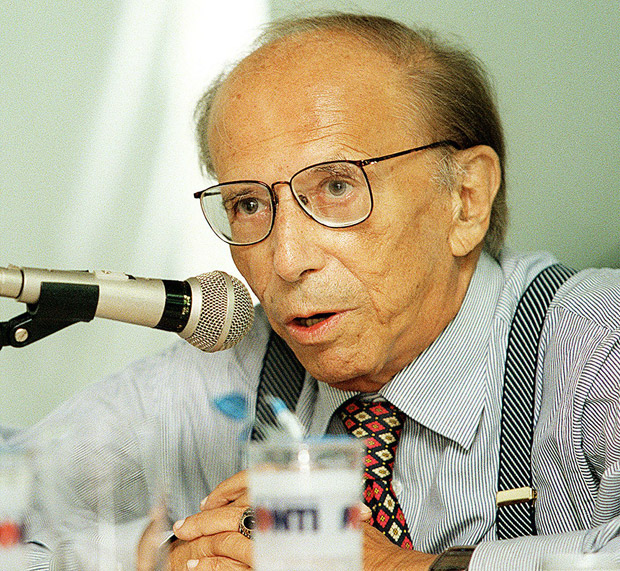
Os dois aniversários de Roberto Campos

Na segunda-feira, dia 17, completaram-se cem anos do nascimento de Roberto Campos, o corifeu do liberalismo econômico brasileiro. Na sexta, dia 28, completam-se 36 anos da noite em que ele foi esfaqueado em São Paulo, num episódio que expõe as artes, conexões e malandragens do andar de cima nacional.

As celebrações do centenário tratam do intelectual que ajudou a reformar a economia do país enquanto foi ministro do Planejamento, de 1964 a 1967, e iluminou-a com sua verve inigualável até 2001, quando morreu. A história das facadas é outra.

Na noite de 28 de abril de 1981, Roberto Campos encontrou-se num apart-hotel, na Vila Nova Conceição, em São Paulo, com sua namorada, Marisa Tupinambá. Conheciam-se desde 1969, quando ele tinha tinha 52 anos e ela, 23. À época Campos vivia sua única –e desastrosa– experiência de empresário privado, como banqueiro. Em 1975, ele foi nomeado embaixador em Londres e pendurou Marisa na folha da embaixada em Paris. Ela xeretou o que não devia, foi demitida e desceu em Londres. Lá Roberto Campos conseguiu-lhe um apartamento, que usava também para suas festinhas. Depois de muitas idas e vindas, a relação azedou e em 1981 ela foi ao apart-hotel para negociar o fim do caso. Desentenderam-se, apareceu uma faca, e o embaixador teve o abdômen e o tórax perfurados.

Amigos, parentes e protetores de Campos informaram que ele fora esfaqueado durante uma tentativa de assalto ao sair do edifício onde vivia, na avenida São Luís (a quilômetros de distância do apart-hotel da Vila Nova Conceição). O presidente da República, general João Figueiredo, telegrafou ao embaixador, e o governador de São Paulo, Paulo Maluf, exigiu que a polícia prendesse os assaltantes em 48 horas e dezenas de pedestres foram detidos. (Ao ouvir a versão do assalto num noticiário de televisão, o general Octavio Medeiros, chefe do SNI, perguntou: "Pra cima de mim?")

O matutino carioca "O Dia" salvou a pátria e desmontou a operação abafa narrando, com exageros, a cena das facadas e identificando Marisa Tupinambá. A esta altura ela estava escondida e calada, sob orientação de um mandarim da indústria petroquímica.

Falando à Lava Jato, Emilio Odebrecht mostrou que tem razão e boa memória quando diz que "o que nós temos no Brasil não é um negócio de cinco ou dez anos. Estamos falando de 30 anos." Mais que isso. Quando Marisa Tupinambá estava em Londres, era a Odebrecht Overseas que lhe pagava uma mesada de 700 libras.

Em 1984, Madame Tupinambá publicou um livro, intitulado "Eu fui testemunha", mas ele sumiu das estantes. Teria sido proibido pela Justiça ou apenas não teria sido reeditado, depois que o Sebastião Camargo, o fundador da Camargo Corrêa, comprou todos os exemplares disponíveis. (O general Ernesto Geisel, que detestava Roberto Campos, guardou seu volume por mais de uma década.)

O centenário de Roberto Campos é uma boa oportunidade para se relerem alguns de seus esplêndidos artigos e discursos. Os 36 anos das facadas de Marisa Tupinambá são uma oportunidade para se pensar como o Brasil melhorou. Se um juiz de primeira instância pudesse ter corrido atrás da história da senhora, a Lava Jato teria chegado muito antes, ao tempo em que o país era governado por generais.

Let's block ads! (Why?)

22 Apr 07:21

Como chegamos a esse ponto?

É um imenso alívio poder parar de comentar política brasileira como se tudo não estivesse prestes a explodir com a delação da Odebrecht. Explodiu, como todos esperávamos. Nem todo mundo na lista de Fachin é igualmente culpado, mas ficou claro que o cartel das empreiteiras controlava o sistema político brasileiro. Quem acompanhava política brasileira já suspeitava disso, e é uma satisfação poder parar de fingir surpresa. O "Lehman Day" da política brasileira chegou. A música parou de tocar.

A essa altura, você pode estar se perguntando como foi que a política brasileira chegou a este ponto. A resposta tem uma parte fácil e uma parte difícil.

A parte fácil é a seguinte: a política brasileira funcionou tão bem quanto possível dado que não estava submetida à lei. Políticos só começaram a ser presos no processo do mensalão. Até então, o risco de receber suborno era mínimo. E, veja bem, para que tenhamos chegado a esse ponto não é necessário que todos os políticos brasileiros já fossem predispostos a aceitar suborno.

Se não houver punição, alguém vai aceitar. O que aceitar vai ter muito mais dinheiro para sua campanha. Daí em diante, ou os outros também aceitarão para conseguir competir, ou serão derrotados e sairão do jogo. Repita durante muitas décadas e o resultado será sempre, em qualquer país do mundo, o que se viu na semana passada.

Isto é, embora todos estejamos elogiando juízes e policiais, quem demorou para chegar na democracia brasileira foram juízes e policiais fazendo seu trabalho diante do sistema político. Há hipóteses interessantes sobre porque só chegaram há pouco tempo. Suspeito que a primeira alternância de poder da história brasileira, que só ocorreu em 2003, tenha tido algo a ver com isso.

O outro motivo, um pouco mais complexo, é que as campanhas brasileiras são muito caras. O cientista político Bruno Reis já mostrou que a legislação eleitoral brasileira encarece as campanhas. Um sistema como o brasileiro, com distritos grandes (cada unidade da federação) e lista aberta, é algo raro no cenário internacional.

Um candidato a deputado por São Paulo, por exemplo, compete com todos os outros candidatos a deputado do Estado, inclusive com os de seu próprio partido. Isso é caro. Um sujeito que depende de arrumar muito dinheiro para não ficar desempregado por quatro anos terá grande propensão a aceitar suborno.

Agora é administrar a crise, punir quem tiver que ser punido, e procurar reconstruir a política brasileira.

O fundamental é não esquecer que temos tradições políticas respeitáveis que merecem ser preservadas. PT e PSDB como, antes deles, PTB e UDN, tinham esquemas de corrupção, mas não eram só esquemas de corrupção. As coalizões que lideraram nos últimos vinte anos agregaram interesses legítimos e ideias dignas de discussão, e o Brasil não pode largar no meio as conversas que petistas e tucanos conduziram. Desde a semana passada, a disputa pela liderança dessas coalizões está aberta.

E façam como Sergio Moro no aeroporto: ignorem quem defende a ditadura, que teria mandado fuzilar como comunistas toda a força-tarefa da Lava Jato na primeira vez que as investigações chegassem a um ministro. É em horas como esta que pé-de-otário dá mais fruto: não seja um deles.

Let's block ads! (Why?)

17 Apr 22:54

16-10-2016

by Laerte Coutinho

17 Apr 22:53

09-10-2016

by Laerte Coutinho

17 Apr 22:53

Saturday Morning Breakfast Cereal - Dead

by tech@thehiveworks.com


Click here to go see the bonus panel!

Hovertext:
I dare anyone out there to spend 30 years becoming a respected figure in a religious community, then ruin it all by doing this. I'll give you 100 Internet points.

New comic!
Today's News:

Only 30% of tickets are left if you wanna see me, Marc Abrahams and more at BAHFest MIT!

17 Apr 22:52

Comic for 2017.04.17

by Rob DenBleyker
17 Apr 22:52

Watch Out!

by Doug
17 Apr 22:51

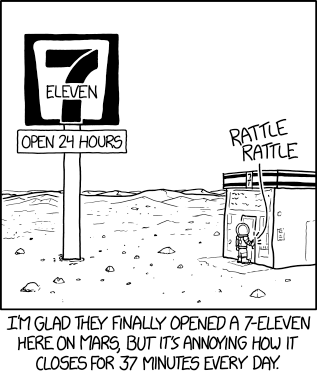
7 Eleven

Really, the only honest 24-hour stores are the ones in places like Arizona and Hawaii, and many of them are still wrong in certain years.
17 Apr 22:51

Saturday Morning Breakfast Cereal - The Ugly Duckling

by tech@thehiveworks.com


Click here to go see the bonus panel!

Hovertext:
And everything worked out for everyone who wasn't dead. The End.

New comic!
Today's News:

Last week to grab BAHFest East tickets! We're sold out of student tickets, but there are other options available!

16 Apr 12:38

Sacred Principles As Exhaustible Resources

by Scott Alexander

From Inside Higher Ed: a group of Harvard students is going to raise awareness of free speech by inviting controversial speakers like Charles Murray and Jordan Petersen to their school.

I strongly believe that if somebody wants to hear Charles Murray or Jordan Peterson speak, then they should have that right. But I’m not sure these students have thought things through very carefully.

Suppose that some very generally beloved person like the Dalai Lama endorsed some very unpopular person like Kim Jong-Un. On the one hand, insofar as we respect the Dalai Lama, we might be willing to be a little more tolerant of Kim Jong Un. On the other hand, insofar as we hate Kim Jong-Un, we might be a little less tolerant of the Dalai Lama.

In the same way, every time we invoke free speech to justify some unpopular idea, the unpopular idea becomes a little more tolerated, and free speech becomes a little less popular.

The more often people hear about free speech being used to defend NAMBLA, the less that anti-paedophiles are going to like free speech. The more often people hear about free speech being used to defend the KKK, the less anti-racists are going to like free speech. The more often people hear about free speech being used to defend radical Islamist mosques, the less anti-Muslims are going to like free speech, and so on.

The extremely predictable consequences of anti-political-correctness activists marching under the banner of free speech are that a large part of the social justice movement now thinks of free speech itself as the enemy, that Twitter personalities make mocking references to “freeze peach”, that increasing numbers of people say the First Amendment “goes too far”. Meanwhile, pundits have perfected the argument that since the First Amendment only applies to the government it’s great and praiseworthy for everyone else to restrict speech as much as they want, leaving a pro-free-speech side whose arguments too often come down to “well, it’s in the First Amendment, so you’ve got to respect us” kind of flat-footed.

I think of respect for free speech as a commons. Every time some group invokes free speech to say something controversial, they’re drawing from the commons – which is fine, that’s what the commons is there for. Presumably the commons self-replenishes at some slow rate as people learn philosophy or get into situations where free speech protects them and their allies.

But if you draw from the commons too quickly, then the commons disappears. When trolls say the most outrageous things possible, then retreat to “oh, but free speech”, they’re burning the commons for no reason, to the detriment of everybody else who needs it.

(this is how I feel about everything Milo Yiannopoulos has ever done or said.)

If Charles Murray sincerely believes what he says, thinks it’s important, and thinks that saying it makes the world a better place, then he is exactly the sort of person whom free speech exists to defend. And if someone in a college reads The Bell Curve, likes it, and wants to learn more, then free speech exists to defend them too. But if your thought process is “Who’s the most offensive person I can think of? Charles Murray? Okay, let’s invite him to give a big talk, put up flyers everywhere, and when people get angry we’ll just say FREE SPEECH”, I worry that you are drawing from the commons for no reason. And that sometime later, when people need to use the commons for things they actually believe, there won’t be any left. People will have gotten so reflexively hostile to the idea of “free speech” that they’ll reject even the barest amount of tolerance for even slightly divergent views.

This is even more pressing in the context of growing partisanship and tribalism. Because the debate centers on mostly-leftist areas like universities, conservatives are turning free speech into a conservative principle. This is a disaster, because something being a conservative principle pretty automatically means that liberals will be tempted to conspicuously desecrate it. If people actually care about free speech, the number one thing they can do right now is very loudly invoke it every time a liberal is silenced. We should be having giant free speech parades supporting everyone who’s punished for supporting Palestine, just to make sure liberals don’t get the impression that free speech is a weapon pointed at them.

The nightmare scenario is that “free speech” goes the way of “family values” – a seemingly uncontroversial concept gets so tarnished by its association with unpopular/conservative ideas that it becomes impossible to mention or invoke in polite company without outing yourself as some kind of far-right weirdo. Right now I think we’re on that path.

And this is a more general principle: associating X with Y won’t just make supporters of X like Y more, it will also make opponents of Y hate X. I even sort of worry about this in terms of things like the Scientists’ March Against Trump. The hope is that people who like Science will stop liking Trump. But the other possibility is that people who like Trump will stop liking Science.

If principles are stronger than partisanship, then invoking principles is a great idea to rally people to your cause. If partisanship has grown stronger than principles, then even an incontrovertible proof that a certain principle supports your own tribe is going to turn out to be a gigantic booby prize. It won’t make the other side reconsider what errors have led them to contradict such hallowed ideals. It’s just going make half the population start hating the sacred principles necessary for society to function.

[EDIT: Please read this post very carefully if you believe I am attacking Charles Murray, or if you believe I am saying we should refuse to use free speech to defend sufficiently unpopular views. I’m not intending to say either of those things and I would disagree with both.]

[EDIT 2: Further clarifications]

15 Apr 18:48

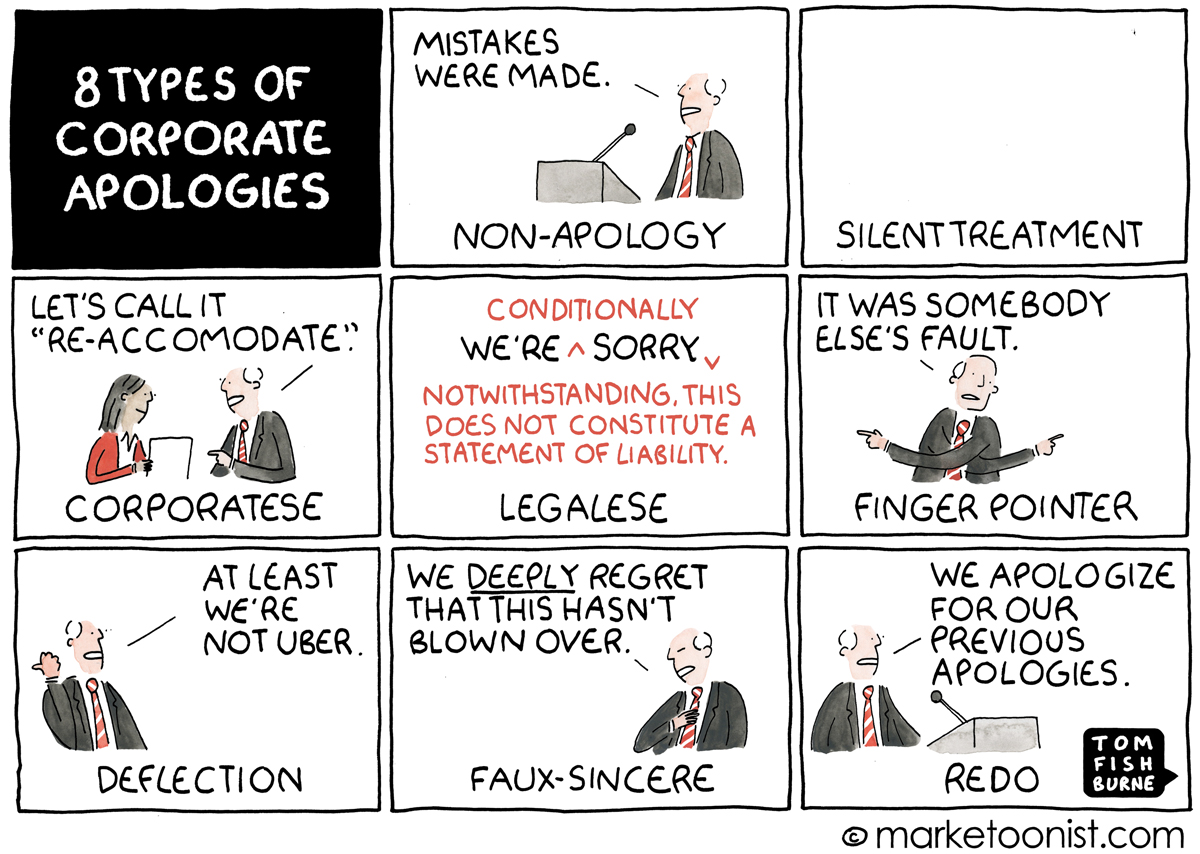
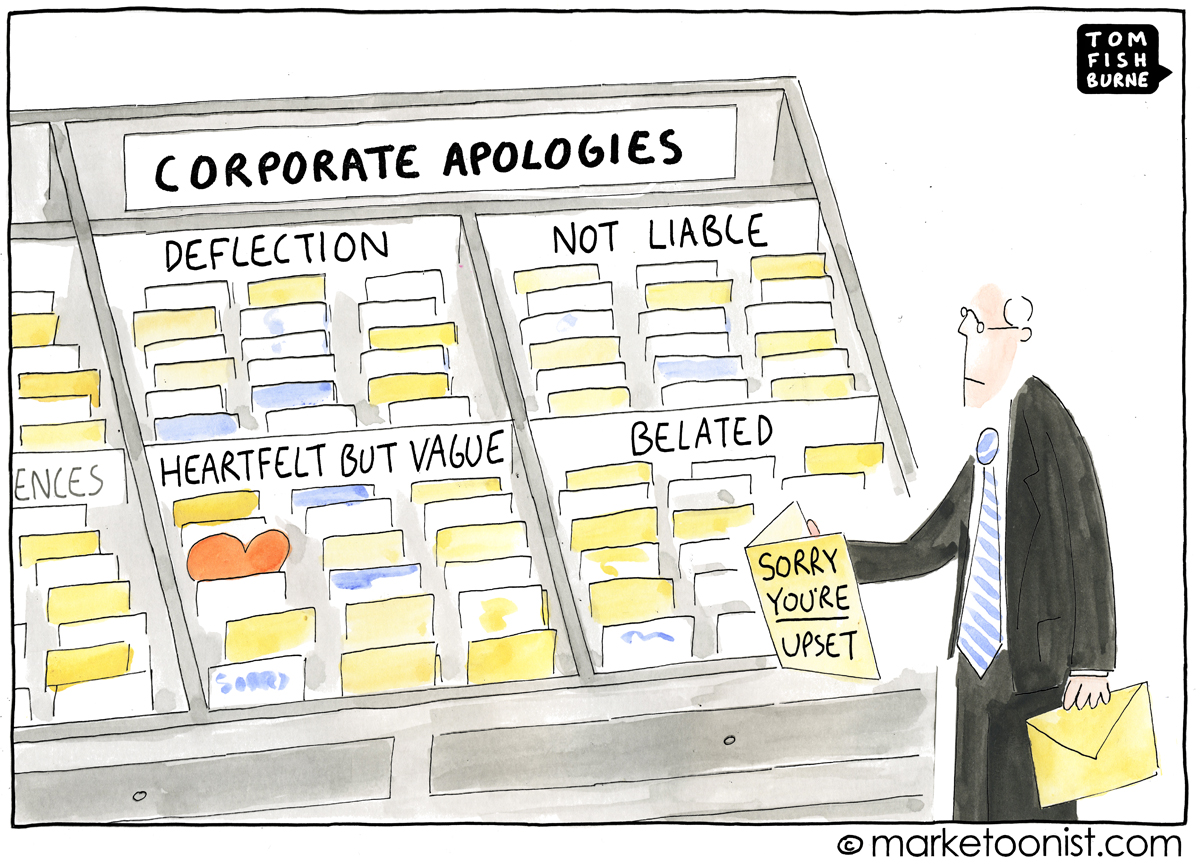
8 Types of Corporate Apologies

by tomfishburne

When last month’s “Communicator of the Year” can turn into this month’s PR disaster, there’s a lesson for any brand on the perils of flubbing a corporate apology. Any brand can go from hero to zero.

Much has been written in the last week about the missteps of United and its CEO. Given that it was PRWeek that so recently awarded Oscar Munoz as “Communicator of the Year”, I thought the PRWeek postmortem was particularly interesting:

“No company or brand can rest on its laurels when it comes to its reputation. Protecting and enhancing it is a 24/7, 365 days a year undertaking.

“Communication, especially in a service business such as an airline, starts with every member of staff that interacts with the public. You earn your reputational chops every day, from the CEO down.

“CEOs and companies have to engage their consumers from a customer-service standpoint. As United – and PRWeek – is finding out, social media is always-on and unforgiving.

“Reputational risk is a huge concern for modern enterprises and relates to the value of a brand or company just as much legal and liability risk — lawyers cannot be the first line of a communications defense.

I agree with PRWeek that brand reputation trumps liability risk. Yet I think what trumps both is just being human. In the mother of all brand crises, the 1982 Tylenol poisoning, J&J went above and beyond, not because they wanted to preserve their brand’s reputation, but because they wanted to ensure public safety first. The brand’s reputation was ultimately preserved as a byproduct of doing the right thing, not the reason for doing the right thing.

Here are a few related cartoons I’ve drawn over the years.

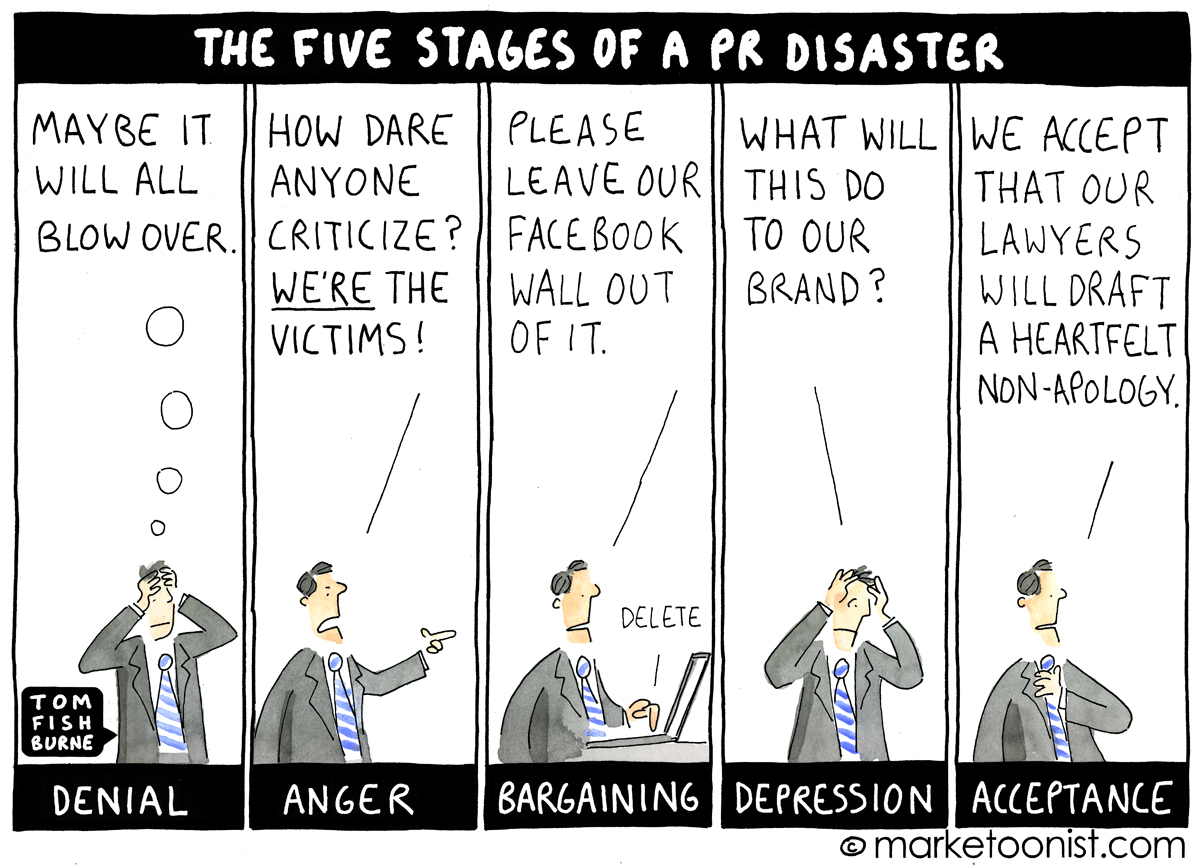
The 5 Stages of a PR Disaster February 2012

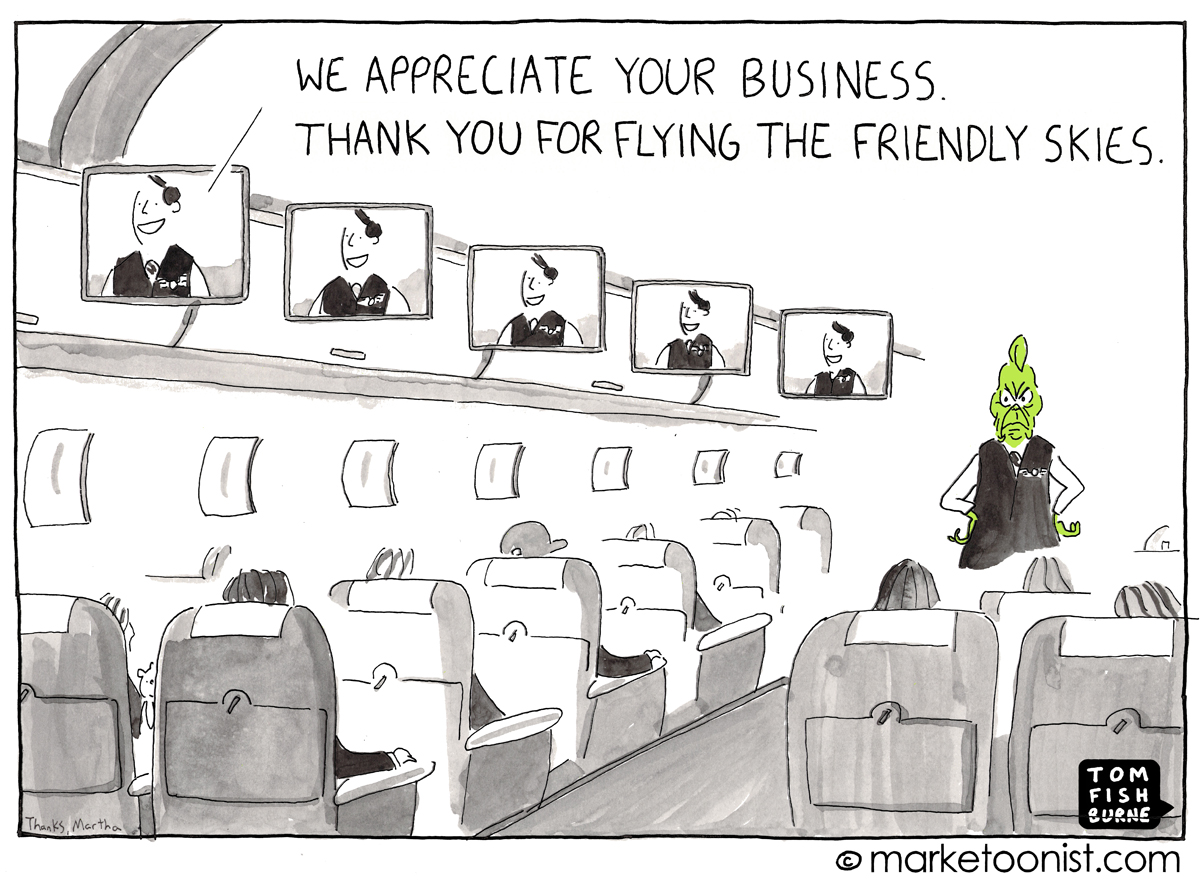
We Appreciate your Business August 2012

Corporate Apologies September 2012

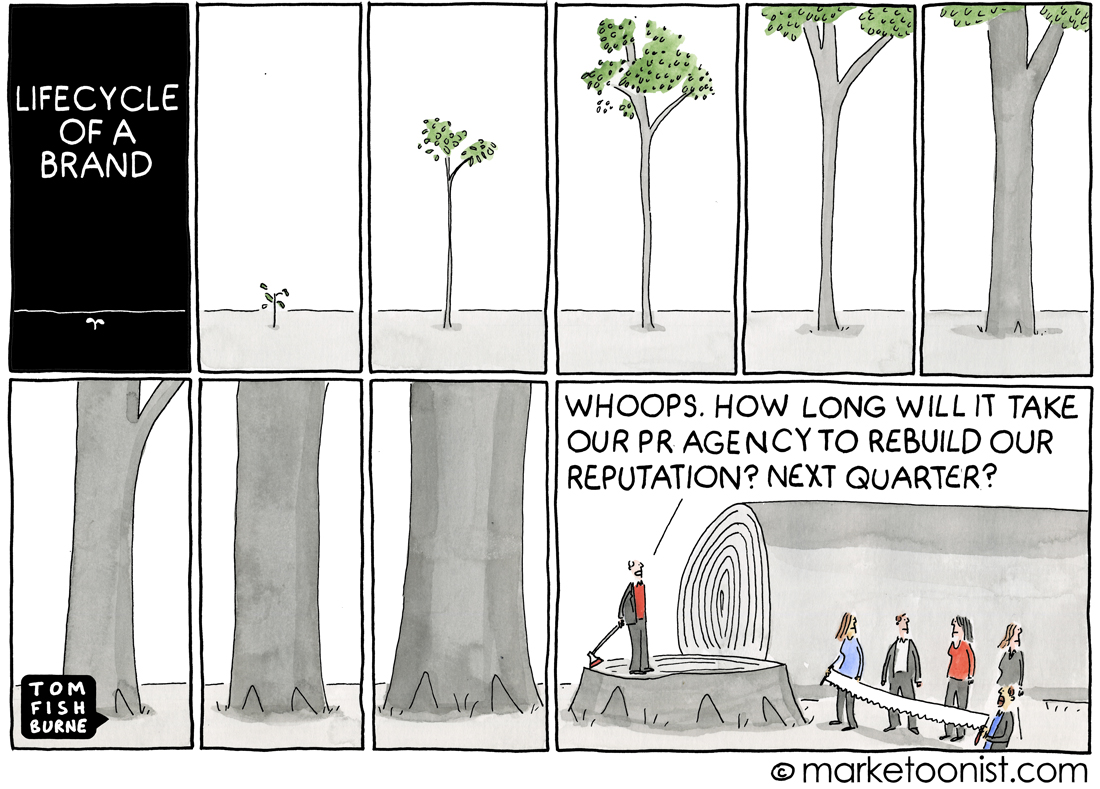
Brand Reputation October 2015

15 Apr 00:42

For Programmers, the Ultimate Office Perk is Avoiding the Office Entirely

by msmash
From a report on Quartz: Over the past decade, designers and engineers have invented dozens of new tools to keep us connected to the office without actually going there. Unsurprisingly, those same engineers have been among the first to start using them in large numbers. More programmers are working from home than ever and, among the most experienced, some are even beginning to demand it. In 2015, an estimated 300,000 full-time employees in computer science jobs worked from home in the US. Although not the largest group of remote employees in absolute numbers, that's about 8% of all programmers, which is a significantly larger share than in any other job category, and well above the average for all jobs of just under 3%. [...] Programmers not only work from home more often than other employees, when they do they are more likely to work all day at home. From 2012 to 2015, the average full-time programmer who worked from home said they spent an average of five and a half hours doing so. That's an 92% increase in the average time spent at home from 2003 to 2005, and nearly double the average for all jobs.

Share on Google+

Read more of this story at Slashdot.

15 Apr 00:36

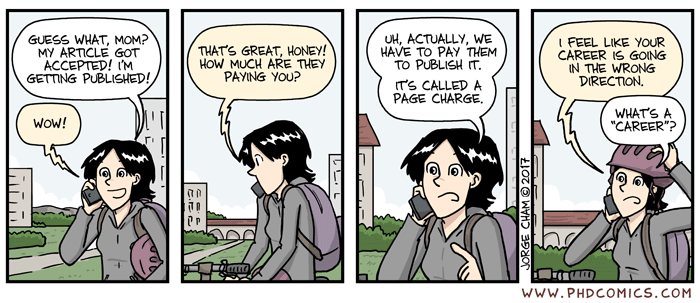
04/14/17 PHD comic: 'Page charge'

Piled Higher & Deeper by Jorge Cham
www.phdcomics.com
Click on the title below to read the comic
title: "Page charge" - originally published 4/14/2017

For the latest news in PHD Comics, CLICK HERE!

15 Apr 00:36

Pray to your gods


Pray to your gods

14 Apr 14:04

Comic for April 10, 2017

by Scott Adams
14 Apr 14:03

Comic for April 11, 2017

by Scott Adams
14 Apr 14:03

Comic for April 12, 2017

by Scott Adams
14 Apr 14:01

Anésia # 338

by Will Tirando

14 Apr 14:01

Unforgettable Birthday

by Brian
14 Apr 13:59

How to Tell a Kid How Lucky They Are

by Scott Meyer

People often say that Millennials are lazy, unfocused, and entitled. As near as I can tell, the primary difference between Millennials and Generation X is that we Gen-Xers had the good taste to wear flannel and listen to Pearl Jam while our parents told us that we were lazy, unfocused, and entitled. We were also a clear improvement over the Baby Boomers, who wore bell bottoms and listened to Country Joe and the Fish while their parents told them that they were lazy, unfocused, and entitled.

Of course, the Baby Boomers’ parents were the Greatest Generation, many of whom spent their twenties fighting Nazis. But I’m pretty sure that many of those Nazis told them that they were lazy, unfocused, and entitled.

(NOTE: I write these commentaries several days in advance. In the time between when I wrote this and when it published, John Scalzi published some similar sentiments about millennials on his blog. This is a complete coincidence, and we don't say the exact same things, but I thought the similarity was striking enough to mention.)


As always, thanks for using my Amazon Affiliate links (USUKCanada).

14 Apr 13:58

Comic for April 12, 2017

Dilbert readers - Please visit Dilbert.com to read this feature. Due to changes with our feeds, we are now making this RSS feed a link to Dilbert.com.
14 Apr 13:57

Saturday Morning Breakfast Cereal - Smalltalk

by tech@thehiveworks.com


Click here to go see the bonus panel!

Hovertext:
I wonder what percentage of my comics are just me scolding my younger self.

New comic!
Today's News:
14 Apr 13:55

Hottest Editors

Elon Musk finally blocked me from the internal Tesla repository because I wouldn't stop sending pull requests for my code supporting steering via vim keybindings.
14 Apr 13:55

Clarification To “Sacred Principles As Exhaustible Resources”

by Scott Alexander

Since about half the commenters in yesterday’s post seem to have misunderstood me as saying something I don’t believe, I guess I had better explain.

(serves me right for writing a mere 1000 word post – how could I fit all the necessary caveats and clarifications?)

First, I am not saying that Jordan Peterson and Charles Murray are bad people who don’t deserve the protection of free speech. I don’t know much about Peterson, and my impression of Murray is positive (he’s the only public figure I know who shares my view that genetic meritocracy is really scary insofar as it means that many people are poor through no fault of their except but bad genes, and who agrees with me that the most ethical response would be a universal basic income). I think both of these people deserve the protection of free speech, and I tried to make that clear throughout the essay.

My qualm wasn’t with the Harvard students’ choice of Murray and Peterson, it was with the process they used to select those choices: invite the most controversial person they can think of. Now for all I know maybe that wasn’t quite their strategy: they did mention rejecting Milo because of his heckling, so there seems to have been some screen for palatability. But insofar as it was even sort of their process, I think the process is wrong no matter what names it spits out. If for some reason they spit out Abraham Lincoln and Mahatma Gandhi, I would still think it was a dumb process. This wouldn’t mean I think Lincoln and Gandhi are bad people who don’t deserve free speech, it means I think you shouldn’t be trying to maximize controversy and offense, no matter how decent the names you eventually come up with.

One hopes Charles Murray pursues what he thinks is true, and any offense caused is unintentional. But somebody “looking for the most controversial speakers” is pursuing what they think is offensive, and any truth caused is unintentional. Even if they end up with Charles Murray as their speaker, and even if Charles Murray is an okay person on the object-level, they are making a serious meta-level mistake.

[EDIT: I DON’T KNOW HOW TO SAY THIS ANY MORE CLEARLY, SO I WILL JUST SAY IT IN ALL CAPS AND HOPE THAT HELPS. I AM NOT AGAINST DEFENDING CHARLES MURRAY AND I DON’T THINK THAT PEOPLE SHOULD AVOID INVITING HIM TO CAMPUS IF THEY’RE INTERESTED IN HIS IDEAS. I TOTALLY SUPPORT MIDDLEBURY INVITING CHARLES MURRAY AND I AM AS UPSET ABOUT WHAT HAPPENED THERE AS YOU ARE. I AM SAYING THAT IF YOU INVITE CHARLES MURRAY TO CAMPUS, IT SHOULD BE BECAUSE YOU ARE INTERESTED IN HIS IDEAS, AND NOT BECAUSE YOU WANT TO INVITE A GENERIC OFFENSIVE PERSON AND HE FITS THE BILL.]

Second, I wasn’t saying we should avoid using free speech to defend people beyond a certain level of badness. Everybody deserves the protections of free speech no matter how bad their opinions. I was saying that we should avoid deliberately seeking out the worst people we can find and turning them into highly public test cases. Publicizing a good case improves public support for free speech; publicizing bad cases drains it.

The NAACP decided to support Rosa Parks’ refusal to give up her seat on a bus because they thought she was photogenic and likeable. They’d stayed out of previous similar cases because the people involved didn’t seem likeable enough. Another black lady named Claudette Colvin refused to give up her seat, and the NAACP decided not to make a big deal of it because she was a teenager pregnant with a married man’s baby and “looked lower-class”. They thought that people would be more sympathetic to a clean-living middle-class defendant as a test case, so they waited until they found Parks – who was perfect.

And you can say what you want about that – maybe they were a bit Machiavellian, maybe this is to their discredit. But it worked. Thanks to Rosa Parks, everybody – pretty or ugly, rich or poor – has the right to sit where they want on a bus. I feel like the free speech movement is trying the opposite tactic: looking for the most hideous, deformed, universally loathed axe murderer to sit on that bus and become their test case. Not only does that make them more likely to lose their test cases, it makes things harder for everyone else. I understand the temptation, because free speech as a principle is about protecting the unpopular. But this doesn’t mean that the political process of defending free speech needs to be.

I am not saying that free speech is only for attractive popular people. I’m saying that if you are looking for a test case specifically to promote the value of free speech, and you do it by deliberately searching for the ugliest and most hate-able person you can find, you’re doing it wrong.

If your pitch to potential supporters is “our science club was trying to learn about science, and we invited a well-known scientist, and now oh no we’re embroiled in a controversy, please help”, that’s a good test case. If your pitch is “our controversy club was trying to cause controversy, and we invited a well-known controversial person, and now oh no we’re embroiled in a controversy, please help”, that’s a bad test case. Even if you invited the same person both times.

Attempts to “promote free speech” and “raise awareness of free speech” are basically about test cases – done to promote the principle, rather than to use the principle. And if you’re going to do that, you had better do it well.

14 Apr 13:50

Dor

by André Farias

Vida de Suporte

Pergunta difícil.


Dor é um post do blog Vida de Suporte.
13 Apr 00:13

Holding the baby.

I'm pure instincts motherfucker.