
Adam Victor Brandizzi
Shared posts
19 May 03:19



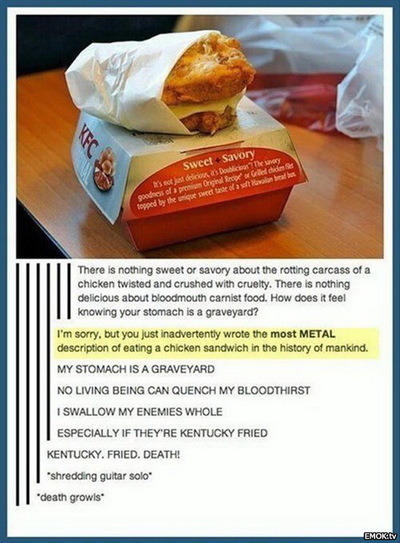
“you want me to finish him?” ” no no no, we...
“you want me to finish him?” ” no no no, we got it.”
David Pelaez, Anaís Ferrer and -1 others like this





19 May 03:10


Até o mesmo livro em Kindle é mais caro no Brasil
by Pedro Sette-Câmara
Adam Victor BrandizziUma boa pergunta
Em função de uma investigação pessoal sobre o duplo angélico, decido comprar O alquimista, de Paulo Coelho. Como sempre dou preferência ao formato digital, vou até a Amazon procurar o livro em formato Kindle. Eis que descubro que o mesmo livro, ou o mesmíssimo arquivo, no mesmo formato, no mesmo idioma, é vendido pela mesma Amazon a preços diferentes em países diferentes. Não sei a razão disso, não deixo de ser fã da Amazon, mas gostaria de saber de onde vem esse preço. Sei que, no Brasil, o acordo das editoras com a Amazon permitiu que elas tivessem mais controle sobre os preços dos livros – é importante dizer isso antes de botarmos a culpa de tudo no “custo Brasil”.
A versão Kindle de O alquimista custa, na loja brasileira, R$14,99:

Se você for até a Amazon americana, O alquimista sai a US$3,98, ou neste sábado, 18 de maio, R$8,09 – um tiquinho a mais do que a metade do preço na Amazon brasileira.

Porém, a minha conta Kindle na Amazon é francesa. Passei um tempo na França, quis adquirir títulos digitais em francês e coloquei meu endereço francês na loja. Por querer manter na França a minha conta Kindle, paguei R$12,90 – mais aqueles tantos reais que virão de imposto pelo uso do cartão de crédito internacional etc.

Agora, por quê? É o mesmo arquivo digital, provavelmente enviado do mesmo servidor no mesmo lugar. Não precisa passar no porto, não precisa passar pelo correio. Foi o acordo com as editoras brasileiras que elevou esse preço? Ou tem questões jurídicas aí que desconhecemos?
Tadeu, Adam Victor Brandizzi likes this
19 May 03:07


Indiana Jones' Final Test for the Holy Grail
by Matt Petronzio
In the 1989 film Indiana Jones and the Last Crusade, the title hero sets out to find the Holy Grail with only a diary and a map without any labels — and he has to find the grail before anyone else does.
SEE ALSO: More Comics on Mashable
In this comic, Josh Mecouch of Formal Sweatpants shows us that there was an even more difficult final task than the one we saw in the film — and it's one that we non-adventurers often fail.

Comic illustration by Josh Mecouch, Formal Sweatpants. Published with permission; all rights reserved. Read more...
Nosolonin, Albener Pessoa and 3 others like this
18 May 15:49
Sobre a tia dos patins e uma proposta de relativização do estranhamento no ocidente
by joão baldi jr.

No meu prédio tem uma senhora que costuma ficar andando de patins, segurando sacolas e falando sozinha numa língua desconhecida toda noite, ali entre as 20h e 22h, circulando exclusivamente entre a área do portão e da portaria, sempre apoiada na grade e olhando pra tudo e todos com cara de surpresa. No começo eu tentava achar justificativas racionais para aquele comportamento – a violência no rio, a dificuldade inerente ao processo da patinação, o fenômeno de pentecostes no qual o espírito santo desceu nos apóstolos e os caras saíram por aí falando outras línguas, o que pode parecer forçado pra você mas eu fiz crisma e eu também acreditava no teste de fidelidade do joão kléber, então qual o problema, certo? – mas com o passar o tempo e a repetição constante do ritual eu acabei aceitando a realidade de que, como bem considerou um amigo quando ciente do evento, se tratava apenas de uma tia esquisita pra cacete.
E tudo ia bem, naquele nível de estranhamento normal da vida cotidiana que eu sempre reservei pro amigo que fala sozinho, pro colega de trabalho que cuspia no carpete como se fosse grama e pra tia avó que me chamava por um nome de menina quando eu era pequeno – ainda que eu notasse que possivelmente havia ali um certo grau de ironia que eu não captava direito na época – até uma noite em que, pegando uma correspondência na portaria, eu entreouvi um comentário dessa mesma vizinha dizendo que o cara do 103 era estranho porque chamava a própria namorada de darth vader no telefone. E o cara do 103, como vocês podem imaginar e minha namorada bem sabe, sou eu.
E isso me levou, é claro, não apenas a questionar o meu próprio nível de estranheza pessoal – se a mulher de meia idade que anda de patins sozinha com sacos de pão velho praguejando em esperanto na sua portaria te acha estranho, em que direção a sua vida está indo, amigo ? – quanto também a refletir sobre a minha própria visão do estranho que me cerca, seja entre amigos ou desconhecidos.
Afinal, se eu tenho uma excelente explicação para os dias em que chamei minha namorada de darth vader – ela estava com sono, respirava fundo demais no telefone, fazia um barulho engraçado, começamos a fazer piadas sobre isso, ela começou a construir uma estrela da morte no quintal com uns amigos – não teriam todas as pessoas que eu porventura considero incomuns, esquisitas ou apenas estranhas pra cacete também justificativas plenamente razoáveis para seus comportamentos e qualquer tipo de estranhamento da minha parte seria baseado apenas num amplo desconhecimento dos fatos? Não estaria o mendigo que eu considero falar sozinho apenas segurando um celular muito pequenininho? Não poderia a mulher dos patins estar praticando pra um campeonato de hóquei indoor gradeado com sacolas que meu futebolcentrismo e o descaso da sportv ainda me impede de conhecer? Não estaria aquele antigo colega de colégio que comia cascas de parede apenas ingerindo nutrientes essenciais para uma dieta específica? Não estaria o cara que cuspia no carpete aqui no escritório apenas tentando matar ácaros afogados? [no caso desse último item a resposta é não, ele apenas era meio doido e bem porco mesmo].
E diante disso tudo,ficam apenas duas grandes lições: a primeira é a de que devemos sempre tentar entender melhor o que nos cerca antes de definir nossas opiniões. O que para nós é insanidade, bizarrice ou um possível desvio psicótico pode ser na verdade uma coincidência, uma peculiaridade, ou talvez até mesmo um real desvio psicótico, não podemos dar mole. E a segunda é que nunca, nunca, nunca mesmo, devemos confiar em porteiros. Tipo, o cara super gente boa comigo mas quando a vizinha maluca chega ele se junta com ela pra falar mal de mim? Muito vacilo um lance desses.
Adam Victor Brandizzi, Albener Pessoa and -1 others like this
18 May 08:27
 E, de bonus track, veja o Facebook da editoria de Internacional do Portal do Estadão, aqui.
Serial killer & piromaníaco: Videla, o ditador que queimava bibliotecas
by Ariel Palacios
Adam Victor BrandizziA burrice quase choca mais que a brutalidade.

 A morte do general Jorge Rafael Videla, ocorrida nesta sexta-feira dia 17 de maio, salvou o ex-ditador de ser julgado neste ano por “genocídio cultural”, uma nova figura jurídica que debutaria no julgamento que transcorreria na cidade de Rosário, província de Santa Fe.
Videla, de 87 anos,condenado em 2010 à prisão perpétua por torturas, sequestros e assassinatos durante a ditadura militar (1976-83), também estava sendo acusado de ser o responsável pelo saque e queima dos 80 mil livros da Biblioteca Popular Constancio Vigil no dia 25 de agosto de 1977 em Rosario.
Grande parte dos livros dessa biblioteca – que valeria hoje US$ 40 milhões – foram queimados por serem considerados “subversivos” pelos militares. Outra parte foi roubada e revendida pelos oficiais. O caso desta biblioteca também foi enquadrada na área de delitos econômicos da ditadura. “O ataque foi pensado e planejado para destruir a obra educativa e cultural, e atrás disso estava também a intenção de negociatas”, afirmou o promotor Gonzalo Stara.
O julgamento estava marcado para meados neste ano, embora não tenha uma data definida, segundo fontes da Assembleia Permamente de Direitos Humanos de Rosario. Outros envolvidos no caso da destruição da biblioteca serão levados ao banco dos réus.

Videla, Jorge Rafael: nesta sexta-feira ele morreu de uma parada cardíaca em sua cela na prisão de Marcos Paz, onde cumpria pena por torturas, sequestros e assassinatos de civis. O curriculum vitae do ex-general também incluía sequestros de bebês. Ele estava a ponto de ser julgado por “genocídio cultural”. Mas, Caronte o salvou dessa.
PIROMANÍACO - O ex-ditador, além de piromaníaco, foi uma espécie de serial killer com cargo presidencial. Protagonista do golpe que em março de 1976 implantou a ditadura militar mais sanguinária da História da América do Sul, seu regime teve um saldo de 30 mil civis assassinados nos centros clandestinos de detenção. A ditadura também sequestrou 500 bebês, dos quais somente 108 recuperaram sua identidade até hoje.
A ditadura protagonizou várias incinerações de livros em diversas cidades do país. O general Luciano Benjamin Menédez – com a autorização de Videla – transformou-se em um dos principais protagonistas das queimas, para as quais organizava solenidades que presidia e que imitavam as queimas de livros feitas pela Inquisição e o nazismo.
“Da mesma forma como destruímos pelo fogo a documentação perniciosa que afeta o intelecto e nossa maneira cristã de ser, serão destruídos os inimigos da alma argentina”, disse Menéndez em abril de 1976.
Em junho de 1980 a ditadura queimou 24 toneladas de livros confiscados do Centro Editor América Latina.
Na lista de autores suspeitos dos militares estavam escritores como Gabriel García Márquez, passando por Julio Cortázar, Sigmund Freud e até Marcel Proust.
O regime proibiu o ensino da teoria matemática dos conjuntos, por considerar que era “subversiva”. A palavra “vetor” também foi proibida nas escolas, já que os militares consideravam que era utilizada na terminologia marxista.

Soldados chilenos queimam livros após o golpe de 11 de setembro de 1973, que instaurou a ditadura do general Augusto Ramón Pinochet.
 INTELIGÊNCIA MILITAR - Em setembro de 1980 as autoridades da ditadura de Videla proibiram o uso do livro “O pequeno príncipe”, do francês Antoine de Saint-Éxupery, nas escolas, por considerá-lo “subversivo”.
As autoridades também proibiram um livro de engenharia elétrica, o “Cuba electrolítica” (isto é, ‘célula eletrolítica’). Os censores acreditaram que o ‘cuba’ referia-se à ilha caribenha, controlada pelo regime comunista de Fidel Castro.
O general Ramón Camps, o chefe da polícia da província de Buenos Aires, que instalou dezenas de centros de detenção e tortura e era declarado admirador de Adolf Hitler. Camps defendia o sequestro de bebês, filhos das desaparecidas políticas, alegando que a subversão era “genética” e que era necessário combatê-la criando as crianças em “lares cristãos”.
LÉXICO
Biblioclasmo ou Livrocídio: Denominações das práticas de destruir – em alguns casos, com cerimônias incluídas – livros e outros tipos de material escrito.
A queima de livros é uma forma clássica de regimes opressivos que pretendem censurar ou silenciar algum aspecto da cultura de uma nação.

Na ilustração acima, a queima de livros protagonizadas pelos nazistas no dia 11 de maio de 1933 na Praça da Ópera em Berlim (foto dos Arquivos Gerais da Alemanha).
Heinrich Heine, poeta alemão, escreveu em 1821: “ali, onde queimam-se livros, depois acabam queimando seres humanos”.
Sigmund Freud, pai da psicanálise, quando ficou sabendo que os nazistas haviam queimado livros seus, comentou com um misto de ironia e estupefação: “como o mundo avançou…na Idade Média teriam me queimado” (pouco tempo depois da morte de Freud o Terceiro Reich começaria a queimar pessoas nos campos de concentração)

Lista de bibliotecas destruídas ao longo da História mundial: http://en.wikipedia.org/wiki/List_of_destroyed_libraries

 PERFIL: Ariel Palacios fez o Master de Jornalismo do jornal El País (Madri) em 1993. Desde 1995 é o correspondente de O Estado de S.Paulo em Buenos Aires. Além da Argentina, também cobre o Uruguai, Paraguai e Chile. Ele foi correspondente da rádio CBN (1996-1997) e da rádio Eldorado (1997-2005). Ariel também é correspondente do canal de notícias Globo News desde 1996.
Em 2009 “Os Hermanos“ recebeu o prêmio de melhor blog do Estadão (prêmio compartilhado com o blogueiro Gustavo Chacra).
 Acompanhe-nos no Twitter, aqui.
 …E leia os supimpas blogs dos correspondentes internacionais do Estadão:
E, the last but not the least, siga o @inter_estadão, o Twitter da editoria de Internacional do estadão.com.br .
Conheça também os blogs da equipe de Internacional do portal correspondentes, colunistas e repórteres.
E, de bonus track, veja o Facebook da editoria de Internacional do Portal do Estadão, aqui.
.………………………………………………………………………………………………………………………………………………….
Comentários racistas, chauvinistas, sexistas, xenófobos ou que coloquem a sociedade de um país como superior a de outro país, não serão publicados. Tampouco serão publicados ataques pessoais aos envolvidos na preparação do blog (sequer ataques entre os leitores) nem ocuparemos espaço com observações ortográficas relativas aos comentários dos participantes. Propaganda eleitoral (ou político-partidária) e publicidade religiosa também serão eliminadas dos comentários. Não é permitido postar links de vídeos. Os comentários que não tiverem qualquer relação com o conteúdo da postagem serão eliminados. Além disso, não publicaremos palavras chulas ou expressões de baixo calão (a não ser por questões etimológicas, como background antropológico).












17 May 22:13
The Pseudo-Business of the NCAA
Adam Victor BrandizziNem terminei de ler e já tô chocado.

College sports are an $8 billion industry. Without even accounting for the revenues that private companies like CBS and ESPN make from college sports, that is roughly the value of the National Football League.
Given that college athletes are considered “amateurs” for whom sports are an extracurricular activity, the scale of college athletics is incredible. The University of Michigan football stadium, known as “The Big House,” seats over 100,000, making it the 3rd largest stadium in the world. Over 80 million fans watch March Madness, the Division I college basketball championship tournament. In 2010, CBS and Turner Broadcasting signed a $10.8 billion, 14 year deal for broadcasting rights to the tournament.
This has made college coaches the best compensated public employees in America. It has turned athletic directors and administrators into high-powered executives that earn six or seven figure salaries and sign million dollar contracts with corporate America. Everyone seems to be enjoying record paydays from the popularity of college sports - everyone but the players, who lose their eligibility if they profit so much as a cent off their status as stars in a billion dollar industry.
Addressing the presence of millions of dollars of corporate money in college athletics, National Collegiate Athletics Association (NCAA) vice president Wallace I. Renfro attempted to clarify his association’s position:
“To be clear, student-athletes are amateurs; intercollegiate athletics is not. The enterprise itself may not be professional, but those employed to administer and coach clearly are.”
The explanation seems simple enough. Just as an accomplished pianist or talented professor will be hired as a professional to work with amateur musicians, the coaches and administrators of college athletics are professional hires and paid accordingly. If corporate sponsors are a necessary component to the management of a large, national athletic association, then they too have their place. They are just the college version of the local ice cream parlor sponsoring jerseys for little league teams.
In 2001, a former university president asked Sonny Vaccaro, a man who made millions by pioneering shoe contracts for brands like Nike and Adidas, whether college athletes should be an “advertising medium for [Vaccaro’s] industry.” He responded cheerfully:
“They shouldn’t, sir. You sold your souls, and you’re going to continue selling them. You can be very moral and righteous in asking me that question, sir, but there’s not one of you in this room that’s going to turn down any of our money. You’re going to take it. I can only offer it.”
The existence of well-funded athletic departments that sell tickets, purvey merchandise, and sign multi-million dollar media deals is unique to the United States. College athletes in the rest of the world operate mostly on a club model. Athletes raise funds themselves to pay for competitions, equipment, and travel.
Are universities taking advantage of student-athletes? Or are they merely running a largescale, amateur pursuit with hard nosed business strategy?
The answer seems to lie somewhere in between.
The marriage of commercialized sports and academic institutions has turned the situation of a small but high profile group of elite athletes into one resembling exploited workers as much as talented student-athletes. But the image of profitable sports teams subsidizing the entire athletic departments or making money for the university is a myth. The sports professionals managing elite college athletics are prospering, but universities are bleeding cash. As college athletics becomes a bigger and bigger industry with ever larger stakes, colleges risk sacrificing huge amounts of funding as well as their academic culture in the race to keep up.
The 1% of College Sports
College sports are an $8 billion industry, but 1% of college athletes are responsible for 99% of the revenue. All this money, commercialization, and national exposure applies to only a very small number of college athletes.
The majority of student-athletes play in Division III, the largest and least competitive of the divisions in the NCAA, which does not offer athletic scholarships or pursue revenue. Many more play in lower divisions (that are not part of the NCAA) or in club sports. In Division II, only a handful of games are televised nationally. Some money exchanges hands between fans, colleges, and private companies, but it is limited.
Within Division I, the majority of revenues are in football and men’s basketball. Texas, the top national football program in terms of revenue, made $103.8 million in revenue in 2011-2012. Ten teams had revenues above $50 million. The Louisville basketball team brought in over $40 million in revenue, with the next most profitable teams earning well over $10 million. In contrast, only two hockey teams had revenues above $5 million and only 4 women’s basketball teams had revenues above $4 million.
Even the elite, big-money sport divisions are sharply divided in terms of commercial size. In Division 1A football, the biggest programs generate 14 times as much revenue as smaller teams. Among the conferences, the most successful (the Big Ten Conference) distributes over $150 million to its members while the tiny Sun Belt Conference splits just over $1 million.
In the most lucrative sports - Division I football and men’s basketball - every player receives a full scholarship. Other Division I athletes receive full scholarships or, more commonly, a partial scholarship or none at all. But regardless of whether an athlete draws 50,000 paying fans to the stadium or plays for an audience of several hundred, his or her max “compensation” is the same: a scholarship.
Student-Athletes
The term student-athlete sounds like it was invented by a particularly talented disciple of Plato who competed in the Olympics, but the phrase has a sordid history.
The NCAA invented the term as college sports gained prominence in the 1950s as a way to describe the status of young students competing in a very commercial industry. Its first use was to make sure that courts did not grant legal protections like worker’s compensation to college athletes. Author and historian Taylor Branch describes the birth of the term:
“The term came into play in the 1950s, when the widow of Ray Dennison, who had died from a head injury received while playing football in Colorado for the Fort Lewis A&M Aggies, filed for workmen’s-compensation death benefits. Did his football scholarship make the fatal collision a ‘work-related’ accident? Was he a school employee, like his peers who worked part-time as teaching assistants and bookstore cashiers? Or was he a fluke victim of extracurricular pursuits?
“…The Colorado Supreme Court ultimately agreed with the school’s contention that he was not eligible for benefits, since the college was ‘not in the football business.’”
Since the fifties, corporate logos have been plastered on athletes’ jerseys and the fact that colleges are in the football business seems clear. Nevertheless, Branch notes that the “student-athlete defense” continues to defeat liability cases in court. Universities have no obligation to cover all the costs of athletes’ medical care. An upset mother testified before Congress in 2011 that she received a $10,000 bill for an MRI performed on her injured son after a basketball game. Players that develop chronic injuries playing college sports often receive nothing from schools once their careers end. They are left to wallow in debt as they try to pay medical bills and overcome their handicaps.
Lack of medical coverage is just one example of the hypocrisy resulting from a billion dollar industry sitting on top of a supposedly amateur sports league. Another is that a profitable activity that would get a player suspended is business as usual for athletic departments. Branch notes this in the case of a player selling a jersey:
“At the start of the 2010 football season, A. J. Green, a wide receiver at Georgia, confessed that he’d sold his own jersey from the Independence Bowl the year before, to raise cash for a spring-break vacation. The NCAA sentenced Green to a four-game suspension for violating his amateur status with the illicit profit generated by selling the shirt off his own back. While he served the suspension, the Georgia Bulldogs store continued legally selling replicas of Green’s No. 8 jersey for $39.95 and up.”
College athletes also have no right to profit off their own likeness, even as the NCAA does so. Media giant Electronic Arts pays the NCAA to use the names of its teams, bowl games, and whatnot in video games like NCAA Football and NCAA Basketball. It also pays the NFL to produce the Madden series - video games based on the NFL. In the case of Madden, Electronic Arts pays over $35 million in royalties to the NFL players union for using players’ names and images. The only difference between Madden and NCAA Football is that the college version does not include names, yet the NCAA did not share any money with the players.

The NCAA waves away these inconsistencies by pointing to athletes’ amateur status and arguing that student-athletes receive the most valuable benefit of all: a college education. But waiving tuition and providing an education can be two distinct things.
Athletic time commitments are so high that only very productive individuals get the full benefit of their tuition. That is particularly true for the many basketball and football players who come from disadvantaged backgrounds and need more time to catch up with the skills of their peers. The time requirements of elite college athletics are 50 plus hours a week, not including travel time. The NCAA and athletic conferences also frequently schedule games during exam periods and playoffs into the following semesters.
Further, the practice of universities shepherding athletes toward easy classes and even minimizing academic obligations through fake classes and academic fraud seems systemic. Articles on scandals of this sort occur frequently. There are no good statistics or sources investigating whether it is systemic because the NCAA - the protectors of the student-athlete ideal - allow athletic departments to self-report students’ grades and only investigate when accusations of fraud are made public. But the one public metric the NCAA requires to maintain academic standards is revealing: their Academic Progress Rate requires that a mere 50% of teams’ players be on track to graduate.
There are student-athletes in football and basketball that excel academically and value the discipline, teamwork, and enjoyment of their athletic commitments as a valuable complement to their time in college. There are also students who are eager to shirk their academic obligations.
But given that an education is the justification of college sports, the NCAA and many college programs are cavalier about seeing athletes get one. A 1973 NCAA rule, for example, bans all but one year scholarship offers for athletes. Instead of offering 4 years guaranteed, universities must decide whether to renew every year. As a result, it is not uncommon for new coaches to take away an athlete’s scholarship in order to recruit a new prospect or to drop a scholarship belonging to a player who gets a career-ending injury.
In a trial over academic fraud, football powerhouse Georgia University explained how they still helped football players who did not receive the same level of education as other Georgia students:
“We may not make a university student out of him, but if we can teach him to read and write, maybe he can work at the post office rather than as a garbage man when he gets through with his athletic career.”
College athletes are not going completely unpaid. The scandal of athletes being paid under the table has been national news since 1929, when a report found that “Of the 112 schools surveyed, 81 flouted NCAA recommendations with inducements to students ranging from open payrolls and disguised booster funds to no-show jobs at movie studios.” Today’s strengthened NCAA does much to fight the system of college boosters and unscrupulous agents giving money to athletes, threatening athletes with suspensions if caught.
When these scandals come to light, it’s easy to see athletes in the wrong. Often they take money to fund parties or make frivolous purchases. But that does not take away from the exploitive nature of college sports culture.
Critics point out that athletes’ “full scholarships” provide $3,222 less per year than the real cost of their education and leave 85% of student-athletes living under the federal poverty line. And it is the NCAA that maintains a system that profits commercially off students while actively prioritizing a full-time commitment to sports over education.
Put another way, why does the NCAA target full compliance with the amateur idea of not being paid, but only a 50% graduation rate?
Where Does the Money Go?
A college degree can be a priceless opportunity. But it does have a price tag, and it is far below the value contributed by players at elite football and basketball schools.
The National College Player’s Association (NCPA), an advocacy organization, finds that the NCAA’s amateurism policy amounts to a “$6 billion heist.” While the average athletic scholarship at these schools is worth $23,204 per year, the NCPA finds that football and basketball players would command salaries of $137,357 and $289,031 respectively. As a result, over a 4 year college athletic career, football players at an elite program lose out on $456,612 and a men’s basketball player $1,063,307.
So where does that money go? According to sports economist Andrew Zimbalist, much of that money goes to the coach:
“In a normal marketplace, when you hire a worker, you pay the employee what they’re worth to you in a competitive circumstance. In this marketplace, you’re not allowed to pay the employee, right? So how do you recruit players? Presumably it has to do with the coach’s personality, the coach’s reputation, how well the coach is able to come on to the player and the parents of the player and so on and so forth.
So it’s not money that brings the player; it’s the coach: his reputation, his charisma, his charm… And so in that system, the coach ends up getting paid the money that would otherwise go to the player.”
One piece of evidence Zimbalist offers is to compare college coaches’ salaries to their professional counterparts. Since professional teams in the National Football League have revenues in the hundreds of millions and college football teams in the tens of millions, you would expect professional coaches to make much more. But they don’t. The best paid coaches in the National Football League make $5-$7 million. The highest paid college football coaches make $3-$5 million, plus perks like free use of private planes, cars, and country clubs.
If we take a college football coach at an elite athletic program to be overpaid by $2 million, that represents $23,529 of value taken from each player and given to the coach. In basketball, where teams have only 10-20 players, that number is over $100,000.
In some cases, the profits of college football and basketball teams subsidize non revenue generating sports. Teams don’t operate as silos; their financing all falls under the discretion of a single athletic director. As a result, a successful football team may generate $10 million of profit that subsidizes other sports like track and field and swimming. Of course, if athletes were paid, that profit would be lower. But as we’ll see, cases of profitable teams subsidizing other sports or otherwise returning money to the university are rare.
So where is the rest of the missing money? It’s likely padding the salaries and bottom lines of everyone profiting off college athletics: the assistant coaches, NCAA administrators (the president of the NCAA makes a cool $1.6 million per year), television companies, marketing companies, and so on.
We can only conjecture that private companies receive more favorable terms due to college players not getting wages (it does make good economic sense), but we can see in the figure below how a bloated and/or overpaid staff takes up that surplus money. In the NFL, teams spend roughly 60% of their budgets on player salaries. As we see below, the biggest teams spend only 15% to 20% on scholarships. But they do spend 35% to 40% of their budget on staff salaries.

Source: Knight Commission on Intercollegiate Athletics Primer
The Commercialized Nonprofit Frankenstein
Seventy-eight percent of Americans believe that college athletic departments are profitable. Given the ever increasing salaries of coaches, price tags of facilities, and national exposure, the belief is understandable. But this common perception of lucrative football and basketball programs covering the costs of entire athletic departments is a myth. No one knows this better than the colleges themselves. University presidents overwhelmingly view the high cost of athletics as a problem and athletic directors are busy cutting their budgets - a process only accelerated by the recession. Just over half of elite football and basketball programs turn a profit. Only 14 out of 120 athletic departments in the upper tier of Division I cover their costs. The remainder run a median deficit of $10 million.

One could respond calmly that college athletic departments are not in the business of making money. Who cares if they operate at a loss? No one expects Division III athletics, or high school athletics for that matter, to make money. No one demands that the history department be shut down because it loses money each year. (Well, almost no one.) Colleges’ athletic expenditures represent only 6% on average of their annual budget. Athletics are a part of university life - isn’t it natural that it cost some money to run them?
However, there are a number of reasons to be critical of the deficits run by college athletic departments. College athletics’ blending of academic institutions with commercialism is at the heart of each.
The first is that deficits appear to be growing unsustainably. Economist Andrew Zimbalist estimates that if costs increase as they have over the past ten years, median yearly deficits will increase to $44 million in 2020.
One of the biggest factors behind this increase in prices is an “arms race” between elite teams. Professional football and basketball leagues have only 32 and 30 teams each, yet the highest division of college sports has 120 teams. There are far too many teams trying to be elite. In their competition over windfalls from March Madness appearances and BCS bowl games, universities spend large sums of money, gambling that a better coach, stadium, or marketing campaign can deliver them to the top of the pack. A report from the Knight Commission on Intercollegiate Athletics sums up the problems facing a team in a small sports market:
“Iowa State University of the Big 12 is an example of a have-not school in a big-time conference. It brings in a respectable $17 million per year in football revenue. Among its competitors are Texas, with $73 million in football revenue, and Nebraska, with $49 million in football revenue. But Iowa State’s fans and boosters expect its program to retain coaches and build facilities at the same level as their richer Big 12 colleagues. Keeping up with the Joneses is increasingly difficult, if not impossible.”
This arms race is enabled by the fact that college coaches are chasing commercial success in a nonprofit institution. The professionals running college athletics, particularly the coaches that hop between gigs at universities and in professional leagues, are hired to win. The incentives are to spend, spend, spend, not to achieve a level of success commensurate with the school’s market size, or to return a surplus to support the school’s academic mission. Coaches and college administrators simultaneously justify their high salaries and expensive facilities by pointing to the commercial nature of the league, and are shielded from their failure to turn a profit by the institutions’ nonprofit status and subsidies from the general budget.
The frankenstein marriage of big business and academic institutions also leads to runaway spending on sports that don’t generate income. To live up to its rhetoric about supporting the athletic experience for all students, rather than just those in profitable sports, the NCAA requires the highest level of Division I schools to field at least 15 division one teams. In the spirit of equality, schools feel pressure to spend large amounts of money on these other, non-revenue generating sports that could otherwise operate more like club sports, or at least be run more modestly.
Similarly, colleges’ commitment to gender equity - even if it is often half hearted - results in big expenditures on women’s sports. Complying with Title IX legislation, which bans sex-based discrimination at institutions receiving federal funding, is codified into NCAA rules. Schools do not need to spend equally on men and women’s sports, but they do need to facilitate equal opportunity to play. This mean, in particular, an equal number of athletic scholarships. As a result, even if providing 85 athletic scholarships reflects only the necessary spending to compete at a commercialized, elite level, that means that 85 scholarships still need to be found for women in non revenue generating sports.
Although not codified NCAA policy, the rhetorical commitment to gender equity of public institutions also puts upward pressure on the salaries of coaches of female sports. Although their sports don’t bring in revenue, they point to the salaries of their colleagues in men’s basketball and football in salary negotiations to demand similar paychecks.
While gender equity and the support of a diverse array of sports is admirable, it may be problematically that they take a commercialized sport as a benchmark. If a few sports were not so commercialized, couldn’t these other sports function more like club sports as they do overseas?
Another reason to scrutinize athletic departments’ deficits is that since the majority of the big athletic powers are public universities, and even private institutions enjoy nonprofit status, taxpayers are essentially footing the bill for the large and growing costs of college sports. In this light, costs are also incredibly understated. The largest source of athletic departments’ revenues is donations and contributions from alumni, often through “booster clubs” that support a specific sport. Like any donation, these contributions are tax-exempt, meaning that the government misses out on getting that money. Tax-exempt donations to support part of the college experience is a traditional part of how colleges operate, but is it justifiable to support elite athletic programs that make millions of dollars for coaches, select administrators, and executives of clothing brands and media companies?
There’s also the question of how the presence of a highly-commercialized, high revenue industry on campus affects college life. Football and basketball coaches are the most highly compensated public official in almost every state, with salaries typically 5 to 10 times higher than those of the university president. Since the recession, journalists have reported frequently on the phenomenon of professors being laid off and research budgets cut while coaches receive record salaries and bulldozers break ground on new stadiums. It is a cliché that college students don’t care about academics, and that they just care about beer, partying, and football. But how much more do universities need to prioritize sports over academics before it becomes university policy?

Too Big To Fail
In 1984, hometown hero Doug Flutie launched a hail mary pass as the last seconds ticked away in the Orange Bowl. His receiver improbably caught the pass in the endzone. The last minute throw became a staple of highlight reels and the game considered a classic. Flutie went on to win college football’s highest award, the Heisman Trophy.
Commentators like to say that this put Flutie’s school, Boston College, on the map. Among college administrators aware of the financial losses incurred by athletic departments, the spending is often justified as necessary to experience their own “Flutie effect”: achieving a level of nationwide recognition through sports that inspires bigger donations from alumni, better applicants, and a superior student body.
Research studies on these claims, however, find that these positive effects of athletic success are nonexistent or negligible. Summaries of the research in a Knight Commission report find that there is no meaningful correlation between athletic success and higher SAT scores of applicants, that the number of applicants may increase 2% to 8% after nationally publicized victories, but only for a short period, and that bowl game appearances seem to lead to modestly bigger donations, but often for the athletic department rather than financial aid or academics.
Instead, it seems that college administrators see the deficits and culture of college sports as a problem, but cannot tackle it. A survey of university presidents at schools with elite athletic programs found:
“Presidents would like serious change but don’t see themselves as the force for the changes needed, nor have they identified an alternative force they believe could be effective.”
The scale of elite athletics programs has made them simply too big to fail. Debt payments and spending on new facilities is a large expense for schools - as much as 20% of athletic spending. Any wholesale attempt at reform, especially a move to an amateur model of sports, would face the barrier of ongoing expenses and multi-million dollar, long term deals with private companies for selling merchandise, broadcasting rights, and employee salaries. Locked into these big expenses, universities can only hope to succeed wildly and become one of the few programs with a profitable or sustainable athletic budget. But most are trying to dig themselves out of a whole.

Source: Knight Commission on Intercollegiate Athletics Primer
The other barrier to change is the sheer popularity of college athletics and power of school pride. The animal spirits that bristle in defense of elite athletic programs are strong. One university president describes how presidents all know that taking on the athletic department is the best way to an early retirement:
“The presidents who have had their heads handed to them? A high percentage of them had that happen because it was something to do with athletics.”
Board members, alumni benefactors, and even state politicians want to see their school win big on the national stage. When university presidents try to restore athletics to a subordinate role in an academic institution, they find themselves pressured or removed by the university’s most important supporters. Presidents’ number one job is fundraising, and no one feels they can fundraise when they undercut the chances of the school’s popular sports teams.
In 2011, the president of Penn State fired Joe Paterno, the longtime and very successful coach of the football team. Paterno had failed to act on knowledge that one of his assistant coaches was sexually assaulting children, at one point in campus facilities. In response, Penn State students rioted. When facing such deep-seated emotions, what chance do brainy college presidents have?

Conclusion
The majority of college athletes are able to enjoy the student-athlete ideal. Competing is a choice, and can be a valuable complement to their college education. Among the elite programs, however, the introduction of corporate sponsors and huge television deals has benefitted many coaches, administrators, and other college athletes, but not necessarily the football and basketball players themselves. Instead, they find themselves performing a full-time job without the benefits and protections of employment, and all too often as students in name only.
Despite the huge revenues of elite college sports, athletic departments are losing money. By combining the risks and costs of a commercial enterprise with the subsidies and goals of a nonprofit institution, universities face runaway costs. The biggest expense is the arms race between schools to outspend each other on coaches and facilities in the hope of winning championships and becoming one of the few schools with an athletic department that balances its budget.
When they fail, however, everyone pays. As public institutions, the subsidies pouring into college sports are student fees and taxpayer dollars. That spending also challenges the academic culture of universities, as academics face budget cuts while athletics lavishes money on coaches and facilities. College presidents and a number of reformers recognize the problem, but don’t see how to solve it. Between long term television contracts and large debt payments on new stadiums, the rat race over college sports’ spoils is simply too big to fail. Those presidents that do take on the college sports juggernaut find themselves looking for a new job. They are no match for the passion that college sports can inspire in fans, alumni, board members, and political officials in defense of their beloved teams.
With the foolish passion of an injured player returning to the field or of rioting fans burning cars to defend their school’s pride, college athletics looks set to keep rushing forward on its destructive path.
This post was written by Alex Mayyasi. Follow him on Twitter here or Google Plus. For a comprehensive critique of college sports, see Taylor Branch’s article in The Atlantic. To get occasional notifications when we write blog posts, sign up for our email list.
Adam Victor Brandizzi and -1 others like this
17 May 21:16
Mujica se opõe a maconha e aborto, mas prefere legalizá-los
O presidente do Uruguai, José Mujica, disse em entrevista que se opõe ao consumo de maconha e à prática do aborto, mas que prefere legalizá-los para que não cresçam e causem mais prejuízos à população.
A maconha é "uma praga", mas o narcotráfico é "muito pior", disse o líder em referência a seu projeto de lei para legalizar o consumo e a venda de cannabis, cedendo o controle do setor ao Estado.
Sobre o aborto, Mujica disse que "acontece algo parecido". Contra esse fenômeno "estamos todos", mas "por impedimentos sociais, problemas econômicos ou outros" abortos continuam sendo realizado "nas sombras".
Leia mais (17/05/2013 - 12h45)
Adam Victor Brandizzi, Massa and 2 others like this




17 May 16:34
pleatedjeans: New Misheard Song Lyrics! It’s a 90’s Edition!
Adam Victor BrandizziO que, claro, faz lembrar o clássico http://www.youtube.com/watch?v=oeiWKchdCA8
Adam Victor Brandizzi and -1 others like this
17 May 13:36
E, de bonus track, veja o Facebook da editoria de Internacional do Portal do Estadão, aqui.
A Guerra do Papel Higiênico: Revolução Bolivariana trava batalhas na retaguarda (e uma contribuição sobre o debate da orientação da ponta do rolo do papel higiênico)
by Ariel Palacios

O Império contra-ataca: soldados imperiais de Star Wars sobem por rolo de papel higiênico, prestes a realizar mais um inesperado ataque. “The force be with you”, teriam dito os jedis.
 O governo do presidente Nicolás Maduro anunciou nesta terça-feira que importará 50 milhões de rolos de papel higiênico para uso urgente no mercado interno da Venezuela. Segundo as autoridades chavistas, o objetivo é “saturar” o mercado local com papel higiênico e assim derrotar os agentes do imperialismo. Desta forma, afirma o governo em Caracas, a Revolução Bolivariana acabará com a suposta “campanha midiática” que a oposição e a “oligarquia” estiam fazendo sobre este visceral assunto.
O governo acusa a oposição e os empresários de estocar e provocar o sumiço de diversos produtos – do papel higiênico aos alimentos – para tentar derrubar o presidente Maduro, que tomou posse recentemente.
A administração Maduro deixa claro que não se intimidará, pois o ministro do Poder Popular para o Comércio, Alejandro Fleming afirmou que ”a Revolução trará ao país 50 milhões de rolos de papel higiênico para que nosso povo se tranquilize!”.
Mas, para eliminar dúvidas sobre a capacidade industrial nacional, o ministro Fleming destacou que ”não existe deficiência na produção de papel higiênico”. Isto é: não há problemas com o papel fabricado dentro da pátria venezuelana.

Nunca antes na História da Humanidade o papel higiênico esteve presente nas teorias de conspiração de um governo.
No entanto, Fleming admitiu que a Venezuela está registrando uma demanda adicional de papel higiênico por parte dos cidadãos (se bem que não explicou o motivo para o aumento da demanda).
Segundo Fleming, a Venezuela possui um consumo mensal costumeiro de 125 milhões de rolos de papel higiênico. Mas, explica o ministro, a demanda extra atual para esse insumo imprescindível para a limpeza dos esfíncteres é de 40 milhões de rolos.
Fleming – para dar uma demonstração de força – sustentou que o governo chavista levará mais rolos para os venezuelanos. E explicou o motivo: “vamos trazer 50 milhões de rolos para demonstrar a esses grupos que não conseguirão nos derrotar!!”.
O cenário de escassez papiro-higienística gerou piadas a granel na Venezuela. Uma delas indica que o governo fará uma distribuição equitativa dos rolos, a 1,78 rolo por pessoa (50 milhões de rolos divididos entre 28 milhões de habitantes). Outras piadas indicam que o presidente Maduro, com intenso approach à realização de redes nacionais de TV (foram 26 redes nos últimos 21 dias) fará um anúncio especial em todos os canais para celebrar a chegada do primeiro carregamento de rolos de papel higiênico.

Yan Zhitui, a quem devemos o primeiro comentário registrado sobre o uso do papel higiênico. Ou, pelo menos, do uso que ele não faria.
CHINESES E RABELAIS
O primeiro registro histórico sobre o uso do papel higiênico é da China Medieval, século 6, citado pelo filósofo Yan Zhitui, que também era funcionário público. “Papéis nos quais existem citações ou comentários dos cinco clássicos, ou que contenham nomes de sábios, não ouso utilizar no vaso sanitário”, disse o acadêmico em seus escritos.
Na Europa, uma menção famosa é do século 15, por François Rabelais, em sua novela “Gargântua e Pantagruel” (o personagem Gargantua menospreza na obra o uso do papel para fins higiênicos).
O produto começou a ser industrializado em sua forma moderna a partir de 1857 nos Estados Unidos,
Falando em papel higiênico, não podemos esquecer do inventor do vaso sanitário, o inglês Sir John Harrington, que em 1590 descreveu sua idéia no livro “Metamorfose de Ájax”, obra na qual fala sobre o vaso sanitário, embora com algumas alusões escatológicas e anatômicas que irritaram a rainha Elisabeth I, madrinha de Harrington, que ficou furiosa com a repercussão e suspendeu a construção do aparelhos dentro das residências.
Mas, a rainha manteve um retrete para ela própria e permitu que seu sobrinho tivesse um também.
Sir John está saindo gradualmente do esquecimento histórico. Ele até ficou “pop”, pois apareceu como fantasma em um episódio de South Park.

Sir John, criador do vaso sanitário moderno, um incompreendido em sua época. Acima, o inventor e poeta aparece como fantasma em um epispódio da escatolíógica série “South Park”.
ORIENTAÇÃO DO ROLO DE PAPEL HIGIÊNICO: PORCIMISTAS VERSUS PORBAIXISTAS

Posição “por cima”, à esquerda. Posição “por baixo”, à direita. Um debate interminável.
Os rolos de papel higiênico possuem posições. Na Venezuela, a pesar da escassez desse produtos, por enquanto não surgiram discussões ideológicas (por enquanto, pelo menos) sobre qual deveria ser a forma na qual os rolos são colocados nos suportes nos banheiros.
Mas, just in case – mais além da Venezuela – explicaremos aqui os pontos básicos da orientação do papel higiênico e as discussões que surgem em vários pontos do planeta sobre esta questão:
A ponta do rolo de papel pode ficar …
a) pendurada por cima
b) pendurada por trás
Esta escolha é o resultado de uma decisão pessoal de cada usuário (ou de quem arruma o banheiro).
Pesquisas feitas nos EUA indicam que existe uma tendência à uma maioria (que dependendo dos relatórios vai de 55% a 70%) de pessoas que optam por colocar a ponta do rolo do papel “por cima”.
O debate envolveu economistas nas últimas décadas, que argumentam, com teorias e estatísticas próprias, que “por cima” ou “por baixo” implicam em maior gasto de papel higiênico (o argumento é que na hora de puxar – e partir/cortar – o papel, em uma posição determinada, gasta-se mais do que deveria).
No debate também entraram engenheiros, arquitetos e decoradores. A seguir, um breve resumo das discussões sobre as posições papiro-higienísticas:
A favor de “por cima”
- Reduz o risco de tocar a parede com os dedos. Isto é, reduz o contato com germes e outras coisa. Urgh.
- É uma posição mais fácil para localizar a ponta, e assim, puxar o papel (na posição contrária, segundo um estudo de 2011 nos EUA, uma pessoa perde em média meia hora por ano procurando a ponta).
- Nos hotéis é a posição mais fácil para dobrar a ponta e mostrar que o quarto foi arrumado.
A favor de “por baixo”
- Dá uma sensação de limpeza, pois não se vê a ponta
- Torna mais difícil que um bebê ou o cachorrinho encontre a ponta e puxe dali…algo como tornar o papel uma espécie de “red carpet”, sem ser red, nem carpet, nem noite do Oscar ou equivalente. E sem Anne Hattaway passando por ali.
- No caso de terremoto, tornaria mais difícil as chances de desenrolar (desconheço os argumentos sobre o assunto que envolve o movimento de placas tectônicas)
E, evidentemente, estão os “indiferentes”, também chamados “neutros”, que indicam que não possuem posições ideológicas sobre o caso, e que não estão contra nem a favor de uma tendência ou outra.
O debate é longo e promete durar séculos. Os especialistas indicam que, no caso do compartilhamento de um banheiro por duas pessoas que tenham divergentes opiniões sobre a posição da ponta do rolo, uma alternativa pacifista é a de colocar dois suportes de rolo, um ao lado do outro. Desta forma, aplica-se a solução da presença simultânea de dois rolos com pontas em posições diferentes.
Além disso, os especialistas indicam que existem pessoas que, ao visitar a casa de outros, ao entrar nos banheiros dos anfitriões, trocam a posição do rolo.
LATERALISTAS - Também existe uma alternativa para esquivar este debate que confronta os “porcimistas” os “porbaixistas”: o suporte vertical para o papel higiênico, tal como na ilustração abaixo.

Lateralismo, uma eventual alternativa para os confrontos?
Desta forma, não existe como puxar por cima ou por baixo, fato que elimina o debate que gera o confronto. A puxada papiro-higienística, com esta alternativa vertical, passa a ser “lateral”.
Assim, em vez de um mundo dividido em “porcimistas” e “porbaixistas”, todos poderiam ser “lateralistas”.
No entanto, este suporte vertical gera outra discussão: a posição do papel deve ser no sentido horário ou anti-horário?
 Além destes, surgem outros debates no âmbito banheirístico, entre os quais o clássico
- A tampa do vaso sanitário deve estar aberta sempre? Ou fechada?
O Feng Shui, recordo, indica que a tampa deve estar para baixo.
Algumas contribuições adicionais sobre o uso dos banheiros:
- Dinâmicas do papel higiênico (uma análise cinética): http://www.mfractal.esimez.ipn.mx/integr…
- Bathroom politics: Introducing studentes to sociological thinking from the bottom up: http://www.jstor.org/discover/10.2307/32…
 E para encerrar, o grupo cômico-musical argentino “Les Luthiers” canta ” Louvor ao banheiro”:
PERFIL: Ariel Palacios fez o Master de Jornalismo do jornal El País (Madri) em 1993. Desde 1995 é o correspondente de O Estado de S.Paulo em Buenos Aires. Além da Argentina, também cobre o Uruguai, Paraguai e Chile. Ele foi correspondente da rádio CBN (1996-1997) e da rádio Eldorado (1997-2005). Ariel também é correspondente do canal de notícias Globo News desde 1996.
Em 2009 “Os Hermanos“ recebeu o prêmio de melhor blog do Estadão (prêmio compartilhado com o blogueiro Gustavo Chacra).
Acompanhe-nos no Twitter, aqui.
…E leia os supimpas blogs dos correspondentes internacionais do Estadão:
E, the last but not the least, siga o @inter_estadão, o Twitter da editoria de Internacional do estadão.com.br .
Conheça também os blogs da equipe de Internacional do portal correspondentes, colunistas e repórteres.
E, de bonus track, veja o Facebook da editoria de Internacional do Portal do Estadão, aqui.
.………………………………………………………………………………………………………………………………………………….
Comentários racistas, chauvinistas, sexistas, xenófobos ou que coloquem a sociedade de um país como superior a de outro país, não serão publicados. Tampouco serão publicados ataques pessoais aos envolvidos na preparação do blog (sequer ataques entre os leitores) nem ocuparemos espaço com observações ortográficas relativas aos comentários dos participantes. Propaganda eleitoral (ou político-partidária) e publicidade religiosa também serão eliminadas dos comentários. Não é permitido postar links de vídeos. Os comentários que não tiverem qualquer relação com o conteúdo da postagem serão eliminados. Além disso, não publicaremos palavras chulas ou expressões de baixo calão (a não ser por questões etimológicas, como background antropológico).
Adam Victor Brandizzi likes this
17 May 13:17
Sleepy Cat
by Doug
Adam Victor BrandizziEsse é o clima aqui em Recife no momento, com a chuva, as enchentes etc.

This is me every morning.
This one’s dedicated to Aviv and her cat, Stinker – both are celebrating their birthdays tomorrow!
Here are more cats.
Carb944, Adam Victor Brandizzi and -1 others like this
17 May 09:07
Dutch Design Year
by kim
Adam Victor Brandizziresumo: neerlandeses gostam der piano de prato.
Marleen wrote us about a shop in the Netherlands called Dutch Design Year and while we try to stay away from blogging products, these shots are fantastic so I thought I'd break our rule this time because I love me a great photo! (P.S. I want this pendant lamp!)


r3d likes this
16 May 21:36


This is the Look of Total Heartbreak
Adam Victor BrandizziForça, cara, você já é nosso herói.
Submitted by: Unknown
Ahmed Almoqbel, Osiasjota and 8 others like this
16 May 21:26


Photo
Adam Victor Brandizziopa, qual era o nome desse programa mesmo?
Adam Victor Brandizzi and -1 others like this

16 May 20:23
RSS is dead! Long live RSS! An Interview with The Old Reader
by Dan Patterson
Adam Victor BrandizziEntrevista com o pessoal que criou isso aqui tudo. Mencionam inclusive o dia da nossa invasão.
RSS is dead! Long live RSS! This interview was recorded the week after Google announced the death of beloved feed parsing app, Google Reader. The headlines regarding Reader’s demise have been predictably and wonderfully hyperbolic. Elena Bulygina and Anton Tolchanov, two of the three co-founders of The Old Reader, help us make sense of a post-Google Reader world. Props to @ChazFrench for […]
Tadeu, Adam Victor Brandizzi and 3 others like this
16 May 18:07
Filed under: Desocupações, homens trabalhando, Sem Categoria, Televisão, vida profissional Tagged: aí sim, aceito propostas, faço humor profissional e amor até mais tarde, humor de borda, me contrate e não se arrependa, paulo silvino, por conta desse texto fiz a busca "paulo silvino sensual" nas imagens do google e minha chefe chegou na minha mesa logo na hora acredito que jamais serei gerente, propostas, roteiros, sinopses, talvez não o multishow ok mas a record eu acho que poderia agregar aí, também tenho ideias para quadros com o miele, uma vez eu fiz uma sinopse pra uma sitcom com o felipe dylon interpretando a si mesmo eu interpretando a mim mesmo e o castrinho interpretando uma foca apenas pela zoeira, vida profissional, zorra total


Quadros que venho desenvolvendo para Paulo Silvino na próxima temporada do Zorra Total #1 e #2
by joão baldi jr.

#Esse quadro começaria com o personagem de Paulo Silvino, um homem cuja aparência é a do Paulo Silvino e o jeito de andar e falar nos recordam muito o Paulo Silvino, ainda que não se chame Paulo Silvino, entrando em um prostíbulo em Manaus, repleto daquelas garotas seminuas que atuam como figurantes no programa, usando trajes mínimos. Chegando lá ele tentaria abordar as garotas de programa com papinhos do tipo “oi gatinha, quer subir com o papai” ou “o que eu preciso fazer pra dar um beijinho nessa boquinha linda” sendo sempre rechaçado com demonstrações extremas de sinceridade como “não quero, seu velho feio” ou “só nascendo de novo, tio”, que deixariam ele confuso e aturdido. Também teríamos interlúdios com outros clientes do bordel nos quais eles fariam perguntas retóricas que as prostitutas responderiam de forma sincera (“e aí, tá gostando do papaizão aqui?” – “não, estou nessa apenas pelo dinheiro”), momentos esses que seriam usados para piadas tópicas envolvendo política, futebol ou novelas da globo (“mas Moreira, sabe porque esse país não vai pra frente?” – antes que o Moreira responda uma das prostitutas dá uma declaração sobre como isso é culpa das altas taxas de juros praticadas pelo infeliz governo Dilma). O quadro terminaria com Paulo, chocado diante de tamanha sinceridade, olhando para a câmera e dizendo desconsolado “mas essa zona tá franca demais!” e uma música do tipo “CUEN CUEN CUEN” tocando ao fundo.
#Esse quadro começaria com o personagem de Paulo Silvino, um homem cuja aparência é a do Paulo Silvino e o jeito de andar e falar nos recordam muito o Paulo Silvino, ainda que não se chame Paulo Silvino, entrando em uma filial do Starbucks em São Paulo, repleta daquelas garotas seminuas que atuam como figurantes no programa, usando trajes mínimos e óculos máximos, para parecerem hipsters. Paulo também estaria vestido como tal, já que seu personagem estaria tentando, sem sucesso, se enturmar no ambiente. Ele tentaria abordar as garotas, mas sua diferença de idade faria com que ele cometesse erros de terminologia e de abordagem, perguntando onde fica o cabo da internet discada pra conectar seu IBM, confundindo Arcade Fire com Originais do Samba e dizendo que Lollapalooza bom era aquele que a avó dele fazia com milho no interior de Minas. Também teríamos interlúdios com outros clientes do Starbucks onde seriam retratadas as ironias e diferenças de estilo e convivência entre os jovens de hoje e as demais parcelas da sociedade, além de um belo espaço para product placement de notebooks, celulares e roupas. O quadro terminaria com Paulo, chocado diante da impossibilidade de fagocitar romanticamente alguma das cocotas irônicas, olhando para a câmera e pedindo desconsolado para o atendente “me vê um venti…com caninha!” e uma música do tipo “CUEN CUEN CUEN” tocando ao fundo.
Admito que ainda preciso trabalhar melhor alguns conceitos, mas aguardo contato de produtores interessados.
Filed under: Desocupações, homens trabalhando, Sem Categoria, Televisão, vida profissional Tagged: aí sim, aceito propostas, faço humor profissional e amor até mais tarde, humor de borda, me contrate e não se arrependa, paulo silvino, por conta desse texto fiz a busca "paulo silvino sensual" nas imagens do google e minha chefe chegou na minha mesa logo na hora acredito que jamais serei gerente, propostas, roteiros, sinopses, talvez não o multishow ok mas a record eu acho que poderia agregar aí, também tenho ideias para quadros com o miele, uma vez eu fiz uma sinopse pra uma sitcom com o felipe dylon interpretando a si mesmo eu interpretando a mim mesmo e o castrinho interpretando uma foca apenas pela zoeira, vida profissional, zorra total
Raphael Pawlik, Alvaro Freitas likes this
16 May 17:49
Google adds sending money to Gmail
no fee for Google Wallet funds or bank transfers, 2.9% for credit/debit
Tadeu, Adam Victor Brandizzi and -1 others like this

16 May 12:46
theregoesmygun: things like this should not be allowed to...




Adam Victor Brandizzi and -1 others like this

16 May 10:02

“You look kinda like Ernest Hemingway.”
“And we’re both from Key West.”
“You’re from Key West?”
“Well, I used to smuggle coke out of there.”
Фотографии из проекта 'Humans of New York' американского фотографа Брэндона Стэнтона.

“Anniversary? Birthday?”
“Just because.”

“What’s your favorite thing about him?”
“No matter what, he makes the best of it.”
“What’s your favorite thing about her?”
“Her sense of adventure.”

“I want to draw cartoons.”

“She saved my life.”

“Who’s that on your shirt?”
“My ex-boss. We made these to make fun of him. Because he’s bald.”

“What’s the most romantic thing he’s ever done?”
“Oh God, he’s hopeless. During our first year of marriage, he celebrated our anniversary every single month.”

“If you could give one piece of advice, what would it be?”
“Be nice and like people!”

“What was the happiest moment of your life?”
“There are two: when my son was born, and last night.”

“Just sittin’ here contemplatin’ how I’m gonna get home.”

“What’s your favorite thing about your dad?”
“He lets me beat him up and doesn’t cry.”

“My town in Colombia is very beautiful. I don’t travel because I want to leave my home. I travel because I need to know why I’m staying.”

“I’ve been photographed in the same dress as Kim Kardashian. I wore it better, though. She was too short for it.”

“What’s your favorite thing about New York?”
“The women.”

She told me her name was “Edge-E-Sledgehammer,” then she started laying down some spoken word poetry.
“Is this stuff on the internet?” I asked.
“Nah,” she said, “I’m completely underground.”

“People see my buttons and think I’m a radical, but I just stand for peace! Except North Korea. We should handle them.”

“I did a little bit of everything. Was never great at anything… but I survived.”

“What’s the best day you’ve ever spent together?”
“Probably that day on the Ponts des Arts.”
“What’d you do?”
“Just held hands.”

“Back in 1978, she came knocking on my door to yell at me for using up three machines in the laundry room. We’ve been friends ever since.”

“Do what you want. Don’t listen to anyone else. Just do what you want.”

“When I was younger, I spent a lot of time wanting to be like ‘this guy’ or ‘that guy.’ Then at a certain age I realized that I’m probably going to stay me, and I should learn to be OK with that.’”

“When my husband was dying, I said: ‘Moe, how am I supposed to live without you?’ He told me: ‘Take the love you have for me and spread it around.’”

“I drive the truck.”

“You ever try a Vitamin B shot? That’ll get you high!”

When I asked for his photo, he asked for a few bucks to help him get lunch. I thought it was a fair trade. But a few minutes later, he chased me down and begged me to take it back. When I wouldn’t, he gave me a huge hug.

“I don’t understand her. And I love that.”

“What’s the best part about being a grandfather?”
“I get to love her so much.”

“He was training to be a surgeon when we got married. One night he came home from two days straight on the job, and I’d cooked him dinner. Right before he fell asleep in his plate of food, he asked me what movie I’d like to watch. I thought it was so sweet.”

“The only rules of the club are: you’ve got to be over 50, you’ve got to wear red, and you’ve got to like having fun.”

“I’m homeless, and I’m an alcoholic. But I have a dream.”
“What’s that?”
“I wanna go fishing.”

“I had heart surgery in October. Today I’m going to try to get on the train for the first time. Hope I don’t get knocked over!”

“We’ve been best friends since 1967.”

“You want me to hold my boys?”

“The neighbor’s dog got loose!”

After they finished kissing, she took off her blue cape, and laid it over a woman sleeping on a nearby bench. It was such an unbelievably poetic moment, I actually chased them down to fact-check my own eyes.
“Excuse me. Was that your blue blanket?”
“Yes.”
“And you just gave it to her?”
“….Yes, why?”
“Oh nothing.”

“Where are you hiking?”
“The liquor store.”

“We were both involved in the Civil Rights Movement. We met 47 years ago on a picket line.”

“What’s your favorite thing about your wife?”
“She’s sexy.”
photos by Brandon Stanton
“You look kinda like Ernest Hemingway.”
“And we’re both from Key West.”
“You’re from Key West?”
“Well, I used to smuggle coke out of there.”
Фотографии из проекта 'Humans of New York' американского фотографа Брэндона Стэнтона.
“Anniversary? Birthday?”
“Just because.”
“What’s your favorite thing about him?”
“No matter what, he makes the best of it.”
“What’s your favorite thing about her?”
“Her sense of adventure.”
“I want to draw cartoons.”
“She saved my life.”
“Who’s that on your shirt?”
“My ex-boss. We made these to make fun of him. Because he’s bald.”
“What’s the most romantic thing he’s ever done?”
“Oh God, he’s hopeless. During our first year of marriage, he celebrated our anniversary every single month.”
“If you could give one piece of advice, what would it be?”
“Be nice and like people!”
“What was the happiest moment of your life?”
“There are two: when my son was born, and last night.”
“Just sittin’ here contemplatin’ how I’m gonna get home.”
“What’s your favorite thing about your dad?”
“He lets me beat him up and doesn’t cry.”
“My town in Colombia is very beautiful. I don’t travel because I want to leave my home. I travel because I need to know why I’m staying.”
“I’ve been photographed in the same dress as Kim Kardashian. I wore it better, though. She was too short for it.”
“What’s your favorite thing about New York?”
“The women.”
She told me her name was “Edge-E-Sledgehammer,” then she started laying down some spoken word poetry.
“Is this stuff on the internet?” I asked.
“Nah,” she said, “I’m completely underground.”
“People see my buttons and think I’m a radical, but I just stand for peace! Except North Korea. We should handle them.”
“I did a little bit of everything. Was never great at anything… but I survived.”
“What’s the best day you’ve ever spent together?”
“Probably that day on the Ponts des Arts.”
“What’d you do?”
“Just held hands.”
“Back in 1978, she came knocking on my door to yell at me for using up three machines in the laundry room. We’ve been friends ever since.”
“Do what you want. Don’t listen to anyone else. Just do what you want.”
“When I was younger, I spent a lot of time wanting to be like ‘this guy’ or ‘that guy.’ Then at a certain age I realized that I’m probably going to stay me, and I should learn to be OK with that.’”
“When my husband was dying, I said: ‘Moe, how am I supposed to live without you?’ He told me: ‘Take the love you have for me and spread it around.’”
“I drive the truck.”
“You ever try a Vitamin B shot? That’ll get you high!”
When I asked for his photo, he asked for a few bucks to help him get lunch. I thought it was a fair trade. But a few minutes later, he chased me down and begged me to take it back. When I wouldn’t, he gave me a huge hug.
“I don’t understand her. And I love that.”
“What’s the best part about being a grandfather?”
“I get to love her so much.”
“He was training to be a surgeon when we got married. One night he came home from two days straight on the job, and I’d cooked him dinner. Right before he fell asleep in his plate of food, he asked me what movie I’d like to watch. I thought it was so sweet.”
“The only rules of the club are: you’ve got to be over 50, you’ve got to wear red, and you’ve got to like having fun.”
“I’m homeless, and I’m an alcoholic. But I have a dream.”
“What’s that?”
“I wanna go fishing.”
“I had heart surgery in October. Today I’m going to try to get on the train for the first time. Hope I don’t get knocked over!”
“We’ve been best friends since 1967.”
“You want me to hold my boys?”
“The neighbor’s dog got loose!”
After they finished kissing, she took off her blue cape, and laid it over a woman sleeping on a nearby bench. It was such an unbelievably poetic moment, I actually chased them down to fact-check my own eyes.
“Excuse me. Was that your blue blanket?”
“Yes.”
“And you just gave it to her?”
“….Yes, why?”
“Oh nothing.”
“Where are you hiking?”
“The liquor store.”
“We were both involved in the Civil Rights Movement. We met 47 years ago on a picket line.”
“What’s your favorite thing about your wife?”
“She’s sexy.”
chris, Rafaelh.souza and one other like this
16 May 03:13
Terra: A low-level counterpart to Lua
A very interesting project developed by Zachary DeVito et al at Stanford University:
Terra is a new low-level system programming language that is designed to interoperate seamlessly with the Lua programming language:
-- This top-level code is plain Lua code.
print("Hello, Lua!")

-- Terra is backwards compatible with C
-- we'll use C's io library in our example.
C = terralib.includec("stdio.h")

-- The keyword 'terra' introduces
-- a new Terra function.
terra hello(argc : int, argv : &rawstring)
    -- Here we call a C function from Terra
    C.printf("Hello, Terra!\n")
    return 0
end

-- You can call Terra functions directly from Lua
hello(0,nil)

-- Or, you can save them to disk as executables or .o
-- files and link them into existing programs
terralib.saveobj("helloterra",{ main = hello })
Like C, Terra is a simple, statically-typed, compiled language with manual memory management. But unlike C, it is designed from the beginning to interoperate with Lua. Terra functions are first-class Lua values created using the terra keyword. When needed they are JIT-compiled to machine code.
Seems as if the target use case is high-performance computing. The team has also released a related paper, titled Terra: A Multi-Stage Language for High-Performance Computing:
High-performance computing applications, such as auto-tuners and domain-specific languages, rely on generative programming techniques to achieve high performance and portability. However, these systems are often implemented in multiple disparate languages and perform code generation in a separate process from program execution, making certain optimizations difficult to engineer. We leverage a popular scripting language, Lua, to stage the execution of a novel low-level language, Terra. Users can implement optimizations in the high-level language, and use built-in constructs to generate and execute high-performance Terra code. To simplify meta-programming, Lua and Terra share the same lexical environment, but, to ensure performance, Terra code can execute independently of Lua’s runtime. We evaluate our design by reimplementing existing multi-language systems entirely in Terra. Our Terra-based auto-tuner for BLAS routines performs within 20% of ATLAS, and our DSL for stencil computations runs 2.3x faster than hand-written C.
16 May 03:07
originally posted by @christiannightmares
by ringtales

Nylonthread, Adam Victor Brandizzi and one other like this