Shared posts

29 Nov 22:33

Adding musical scores to Wikimedia

by Matthew Roth

Sound and musical content have long trailed behind other subjects on Wikipedia, but that is beginning to change with a new musical scores extension for MediaWiki, the software running Wikipedia and thousands of other wikis. The Score extension was added to a MediaWiki deployment earlier this year and allows users to render musical scores as PNG images and transform them into audio and MIDI files.

Score utilizes the free music-engraving program LilyPond to produce musical notations and insert them into wiki code. This code is then passed on to a LilyPond renderer, which produces images that can be uploaded to Wikipedia articles. “This is somewhat similar to the way mathematical formulas are rendered in Wikipedia,” said Markus Glaser, a Wikimedian who helped develop the extension and gave a presentation on musical scores at Wikimania in 2012. Glaser said it made sense to use LilyPond because, in addition to being free and open source, “it’s text-based, can be easy, but possesses the complexities needed to fit the needs of advanced and professional notation.”

Over time, the hope is to expand on this extension and grow it into a viable resource, encouraging music teachers, music historians and the musicology community to use Score to share their knowledge.

“Studying music on the Internet is something that remains a bit confusing and fragmented. If you are after a musical performance, you can try and hunt one down on YouTube, Spotify or other similar sites,” said Chris Keating, Chair of Wikimedia UK and an amateur violinist, who explained how many of the necessary tools to analyze music still remain largely absent on the Internet. “If you’re after free sheet music, you will probably end up looking on IMSLP. And finally, if you want to read about something, say, music theory, you are likely to come to Wikipedia.”

After setup, users can embed simple LilyPond notation into wikitext using score tags.


Using the score extension, Keating added the opening bars to Johann Sebastian Bach‘s Sonata No. 1 in G minor, BWV 1001 from the Sonatas and Partitas for solo violin series. “It took me about 45 minutes to figure out, from scratch, how to do 8 bars of unaccompanied Bach violin music,” said Keating.

Keating said that a Wikipedia article is great for understanding why and how a song was written, for whom it was written and whether it was successful or a flop, well-received or controversial. But, he argued, “It is impossible to convey a piece of music without sound – whether it’s Beethoven or Lady Gaga, words will never suffice. If you want to examine a musical theme, or illustrate point of harmony or expression, it’s impossible without using musical notation.”

Keating pointed to the musical triads article as an example of the process Wikipedians have had to rely on, where they combine musical notation and sound samples together to explain a musical concept. “Editors working on this have had to create the music notation and sounds in an external application, upload them to Wikimedia Commons, and then insert them into the file,” he said. “People have done that to good effect. But until very recently it has literally been easier to contribute to the Wikimedia projects in Ancient Egyptian hieroglyphs than in the music notation millions of people use every day.”

Glaser said with LilyPond notation, editing scores, correcting mistakes and improving musical notation will be easier. “A good start might be to replace images of musical notation with scores,” he said, but “it needs to be considered whether Wikipedia editors will find this ok. Better drop a note on the discussion page first.”

Lyrics can also be added, as shown above.

Another issue that Score addresses is copyright. Many recordings are under restrictive copyright and cannot be added to Wikipedia. That includes recordings of public domain compositions. “Recordings of a particular public domain piece may be available, but they may not be in the public domain themselves. For some pieces, there may be no recordings at all, as that can require resources up to, and including, a full orchestra,” said Wikisource contributor Adam B. Morgan. “A computer generated performance, as created by Score, may not have the full versatility of a human performance, but it is free of copyright. This might be the only way to freely hear some pieces of music.”

Morgan noted that Score would be nice for the British national anthem God Save the King (as it was in 1917), but it would be even more valuable for pieces that are not nearly as easy to find, such as the anthems of now defunct nations like Imperial Japan or Tsarist Russia.

Morgan hopes the new resource will transform the types of contributions that editors can make to Wikimedia projects. “The score extension opens up new possibilities for Wikimedia,” he said. “As part of making the sum of all human knowledge available to all, Wikimedia can now make the the sum of all human music available as well.”

(Special thanks to Wikimedia volunteers Brian Wolff, GrafZahl, Markus Glaser, Beau, Anja Ebersbach, River Tarnell, Johannes E. Schindelin, as well as Tim Starling and the other WMF staffers who worked on the extension. You can find LilyPond notation documentation here. Additional thanks to Chis Keating, Markus Glaser, Adam B Morgan, Sumana Harihareswara and Carlos Monterrey for their contributions to this blog post.)

Matthew Roth
Global Communications Manager, Wikimedia Foundation
29 Nov 17:02

November 29, 2013


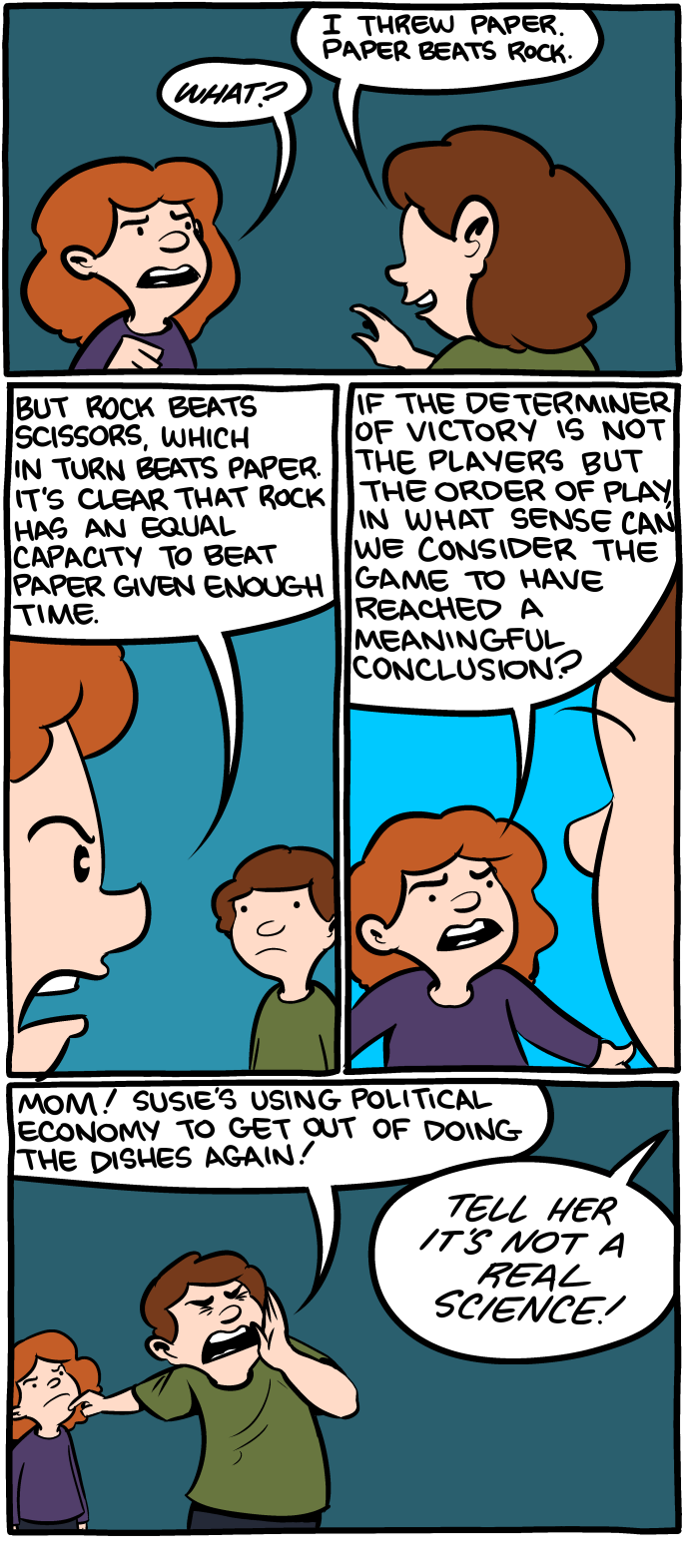
Everything in the SMBC Store is 15% off, today only!

AND BONUS, the new SMBC BOOK (of 100% nerd jokes) is now available for sale!

29 Nov 13:27

cnwarforged: hardhatpartycat: sydneyflapper: nudiemuse: ersas...


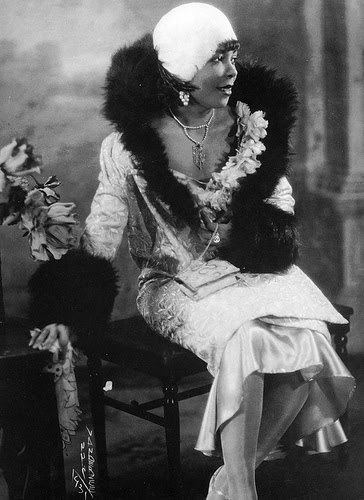
Josephine Baker


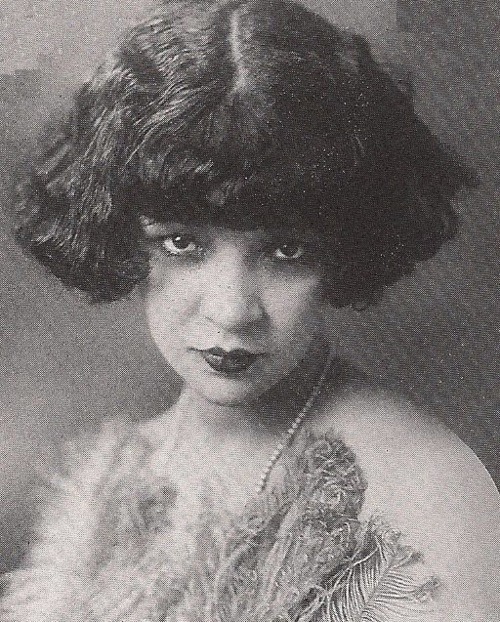
Mae Fanning, Vaudeville actress


cnwarforged:

hardhatpartycat:

sydneyflapper:

nudiemuse:

ersassmus:

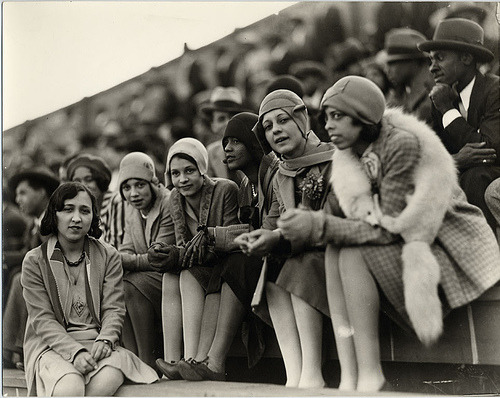
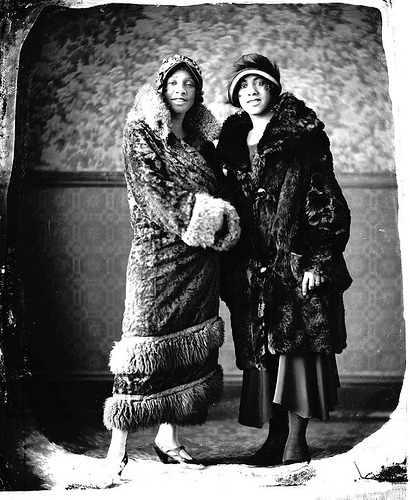
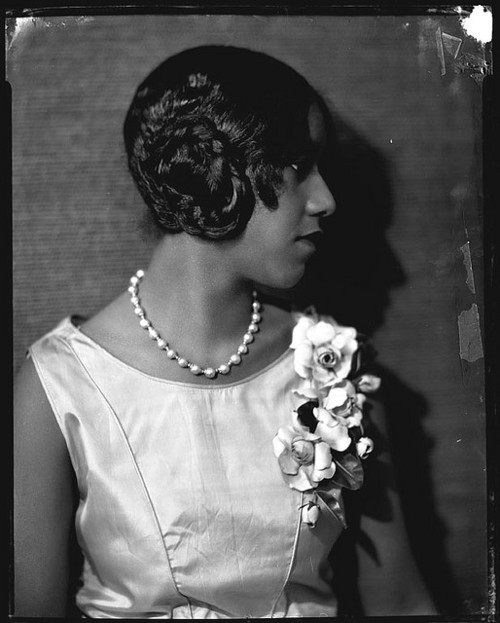
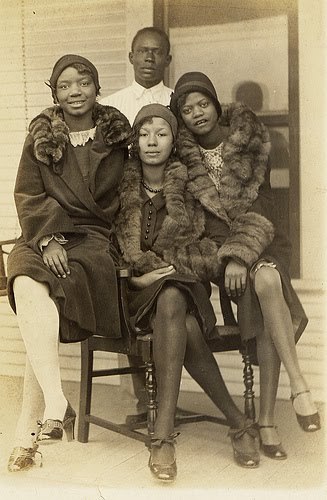
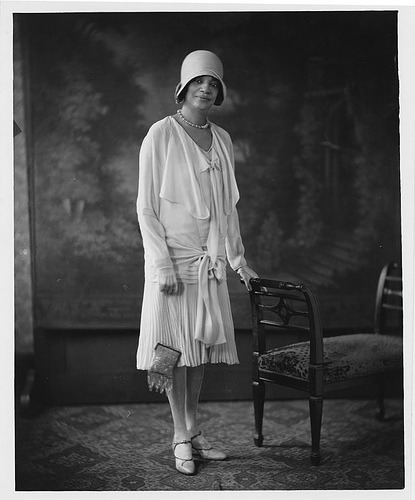
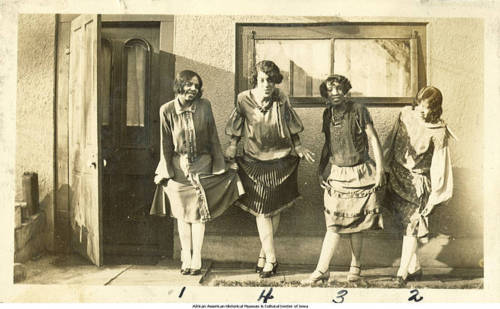
African American flappers and Jazz Age women

HOLY SHIT I HAVE NEVER SEEN BLACK FLAPPERS BEFORE!

There were many fabulous African American flappers. No wonder - it was African American musicians who put the Jazz in “The Jazz Age”! The Charleston dance iteself, which so epitomizes the era, made its debut in the all-Black musical “Runnin’ Wild”, and no one danced that flapper number better than Josephine Baker…save possibly for fellow Black artist Florence Mills, who claimed credit for inventing it (she said she debuted it in her “Plantation Revue” in the early 20s, developing it from a dance popular among slaves). The Charleston song was written by Black composer James P Johnson. Without women and girls like those above, the 1920s would never have roared.
without black women there’d be no flappers, no jazz babies, no liberated (white) women.

Reblogging for flappers and a piece of history that never makes it to movies.

29 Nov 10:22

"Ai, caceta!", eu gritei, e nem fui eu que pulei.


"Ai, caceta!", eu gritei, e nem fui eu que pulei.

29 Nov 10:19

collectivehistory: Allied soldiers mock Hitler atop his balcony...


collectivehistory:

Allied soldiers mock Hitler atop his balcony at the Reich Chancellery, by Fred Ramage, 1945

28 Nov 19:28

beingblog: I can’t even imagine how grueling it must be having...

Adam Victor Brandizzi

O lutador de sumô muçulmano e o Ramadã


beingblog:

I can’t even imagine how grueling it must be having to wrestle sumo and fast for Ramadan. Big ups!

On the first day of Ramadan, Egyptian sumo wrestler Osunaarashi (right), whose real name is Abdelrahman Ahmed Shaalan, pushes Satoyama out of the ring during the second-day bout of the 15-day Nagoya Grand Sumo Tournament in Nagoya in Aichi prefecture in Japan. The Arab world’s first professional sumo wrestler says fasting for Ramadan will give him courage during his inaugural tournament in the famously weighty elite ranks of the sport.

(Photo by Jiji Press/AFP/Getty Images)

~Trent Gilliss, senior editor

28 Nov 12:54

Bestia y bruto

28 Nov 12:47

Tumblr | de8.jpg

de8.jpg
28 Nov 11:40

Suele ser gente muy fea por @SirDrogata


28 Nov 11:40

Bueno... gracias por especificarlo


28 Nov 11:38

Thankful

by Doug

Thankful

Happy Thanksgiving to my American readers!!

Here are some turkeys for the occasion.

28 Nov 11:38

À la carte

by ricardo coimbra
Clique na imagem para aumentar
27 Nov 12:49

“Apex”

by Greg Ross
Adam Victor Brandizzi

Acho que esse cara teve uma experiência difícil.

The lion tamers wrestle with the lions in a cage,
With but a fragile whip they dare their charges’ feral rage.
They put their heads in tigers’ mouths and do not flinch a grain,
But … they never tried to take a cat five hundred miles to Maine.

You hunters who bring back alive from Afric’s roaring shore
The nilghai and the elephant, the rhino and the boar;
Who load them on a steamer and evince no sign of strain –
Let’s see you drive a cat five hundred miles to Maine.

Go cope with your rhinoceros bare-handed and alone,
Or kick a famished grizzly if for harmless fun you hone,
Or aggravate a timber wolf with pokings of a cane,
But do NOT try to drive a cat five hundred mile to Maine.

There is no word, there is no tongue, there is no ink to tell
One tenth of what one cat can raise of concentrated hell,
When after two hours’ driving to mistaken qualms you yield
And take poor puss to stretch her limbs in some adjacent field.

And if you’ve done the things set forth in stanzas two and three,
You stand a chance, when Krazy from the leash has wriggled free
(Provided you are clad in steel with hat and gloves to match),
To get her back into the car without a bite or scratch.

Ye lion tamers, naturalists, and big-game hunters eke,
When I’m around be chary of your tendency to speak.
To hear you boast your petty deeds gives me a shooting pain
For I have driven Krazy — phew! — five hundred miles to Maine!

– Baron Ireland

27 Nov 11:39

YouTube | 736.png

736.png
27 Nov 09:12

How to Understand Stereotypes

by Scott Meyer

Hey, just a reminder that any holiday gifts purchased through my Amazon Affiliate links (USUKCanada) would, in theory, throw a little money my way without costing you a dime extra! Just Sayin'.

26 Nov 23:23

"Um caçula de Borgonha, Foulque de Jur, apaixona-se pela nobreza e pela excelência do conde Hilduin..."

“Um caçula de Borgonha, Foulque de Jur, apaixona-se pela nobreza e pela excelência do conde Hilduin de Roucy; e pretende por esposa uma de suas numerosas filhas, Adèle. Ao pedido, o pai “francês” opõe de início uma recusa, com base em sua nacionalidade estrangeira. Mas algum tempo depois, viajando a serviço do Rei Filipe I, ele cai numa emboscada armada por Foulque: a mão de sua filha resgata sua liberdade e seus tesouros. Tendo-a prometido, é imediatamente tratado com honra, recebendo os presentes de uso. Mais elegante e mais facilmente perdoável, sem dúvida, que um rapto direto, essa iniciativa ousada funda um casal fecundo; a maior parte dos filhos vive e faz carreira na órbita de sua “família” materna.”

- História da Vida Privada, volume 2, p. 131.
26 Nov 22:39

Balloons

by thuudung

Balloons, said Victor Hugo, would liberate mankind from the “tyranny of gravity.” They would also end war. Naive, sure, but glorious… more»

26 Nov 22:37

Shop

Shop
26 Nov 19:39

Os caminhos divergentes de Brasil e Argentina

by Luciano Sobral

Os dados de Brasil e Argentina fornecerão material riquíssimo para os historiadores econômicos de um futuro não muito distante. Ao fim de um período de câmbio fixo e muto valorizado (final dos anos 1990 / início dos anos 2000), os dois países partiram de níveis similares de renda per capita e desde então vêm aprofundando a divergência entre a condução de suas políticas econômicas. O Brasil trocou a âncora nominal do câmbio por metas de inflação e de resultado fiscal (duas pernas do famoso “tripé macroeconômico”); a Argentina, após o maior calote de dívida externa da história, tem se dedicado a abandonar qualquer espécie de âncora e navegar ao gosto do casal de capitães Kirchner. A recente ascensão ao posto de ministro de Axel Kicillof, o arquiteto da nacionalização da petrolífera YPF e representante de uma nova geração da longa tradição de economistas heterodoxos no continente, parece ser uma reafirmação desse caminho.

Os dados reportados ao FMI (comentados adiante) mostram que o crescimento argentino tem, há muito tempo, superado o brasileiro. Nos últimos dez anos, o PIB real brasileiro cresceu 45%, enquanto a Argentina cresceu 68%. Desde 1994, a mesma medida dobrou para a Argentina e cresceu 79% para o Brasil. Isso leva parte da academia brasileira a prontamente concluir que estamos perdendo ao não copiar o “modelo de sucesso” dos vizinhos e suas implicações: mais controles de preços, nacionalizações, tolerância com inflação, desvalorização do câmbio (e possível adoção de mais de uma taxa, beneficiando diretamente quem tem acesso a dólares ao preço oficial) e interferência generalizada do governo no maior número possível de setores da economia.

Contra isso, pode-se argumentar, primeiro, que há algum tempo as estatísticas oficiais argentinas deixaram de ser confiáveis, entre manipulações dos índices de preços e tentativas de fazer com que o crescimento oficial não implique em pagamentos maiores para os detentores dos títulos (oferecidos na renegociação da dívida, em 2002) atrelados a essa variável. Dessa forma, a comparação muda radicalmente se usarmos medidas alternativas de inflação, e os dados oficiais do PIB estarão sujeitos a grandes revisões quando cessar a interferência do governo federal no INDEC, o equivalente argentino do IBGE.

Segundo, a Argentina cresce em espasmos seguidos por períodos de profunda depressão, consequência direta da escolha de um modelo que prefere acumular e disfarçar grandes desequilíbrios de preços relativos antes de tentar resolvê-los. Uma das evidências em comum no padrao de crescimento dos países que se tornaram ricos são longos períodos de crescimento constante, (média perto de 2% ao ano), sem grandes quebras, mas não espetacular. Por essa ótica, talvez tenhamos algo a comemorar da nossa aparente mediocridade estável. Por fim, talvez vivemos em um período em que os tais desequilíbrios estejam próximos de causar outra crise na Argentina, enquanto no Brasil os mercados já refletem certa desilusão e o governo tenta, ainda timidamente, voltar a alguma ortodoxia na condução da política econômica.

Se pouco se sabe do que será da política econômica brasileira após as eleições presidenciais do ano que vem, por enquanto temos estabelecida uma diferença fundamental: mesmo sem grande convicção, o Brasil tem deixado os fundamentos do país serem refletidos no mercado financeiro, fugindo da tentação de manipular preços e indicadores (a mais clara exceção estã nos preços de combustíveis). Também evitamos outra grande tentação: a de voltar a contar com a inflação para financiar o déficit público, caminho seguido tanto pela Argentina quanto pela Venezuela e, em menor escala, Índia. O fato disso parecer inaceitável para a maioria dos envolvidos no debate econômico no país parece-me uma saudável indicação de que, devagar, evoluímos na direção de debater os verdadeiros problemas no país, sem acreditar em soluções mágicas e jovens ministros com ideias revolucionárias.


Este artigo foi publicado originalmente na AE-News/Broadcast

26 Nov 18:25

Georgia's World

by Grant


This comic first appeared as the seventh of ten strips in my series "Who Needs Art?" for Medium.com. It was inspired by a trip to the Georgia O'Keeffe Museum in Santa Fe, New Mexico.
26 Nov 16:26

Differences

by Enzo
Adam Victor Brandizzi

Sério que existe isso entre as pessoas de China e Taiwan?

2013-11-25_differences

26 Nov 15:35

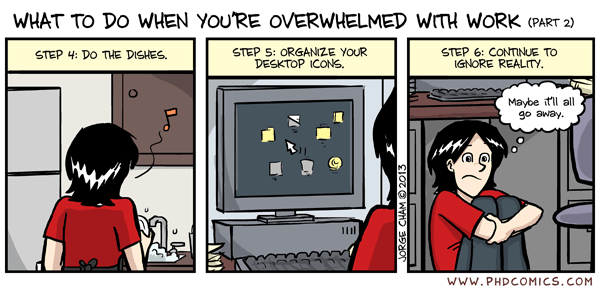
11/22/13 PHD comic: 'What to do when you're overwhelmed, Part 2'

Piled Higher & Deeper by Jorge Cham
www.phdcomics.com
Click on the title below to read the comic
title: "What to do when you're overwhelmed, Part 2" - originally published 11/22/2013

For the latest news in PHD Comics, CLICK HERE!

26 Nov 14:31

Tumblr | fb2.jpg

fb2.jpg
26 Nov 09:36

Also-Ran

by Greg Ross
Adam Victor Brandizzi

Sacanagem...

http://commons.wikimedia.org/wiki/File:Georg_Nicolaus_Nissens_gravsten.JPG

The tombstone of Constanze Mozart’s second husband calls him “the husband of Mozart’s widow.”

26 Nov 09:34

Photo

Adam Victor Brandizzi

Neither did I.


26 Nov 02:20

Tucano-toco (Ramphastos toco) (by Renata Souza)


Tucano-toco (Ramphastos toco) (by Renata Souza)

26 Nov 02:20

joebagofdoughnuts: I had a real bad case of Haiku once, but I...


joebagofdoughnuts:

I had a real bad case of Haiku once, but I got over it….

26 Nov 02:20

Anime | 4ca.jpg

4ca.jpg
26 Nov 00:26

The Strange Secrets of the World’s First Obstetricians

What if you invented something that could save the lives of babies and their mothers during childbirth? Would you spread the technology freely, or ration its access to maximize your profits? The Chamberlen family, inventors of the forceps, chose the profits route.

Read The Blog Post Here »

25 Nov 21:50

Photo