

Women struggling to drink water
> “Yes. This is precisely what I thought modeling would be like.”
> Guys this isn’t funny. Its a serious problem that needs addressing.

When Wiley wanted to publish a history of Superman in time for this month’s Man of Steel, they contacted the right guy to write it. Glen Weldon covers comics for NPR’s Monkey See blog and is also the resident comics expert on the Pop Culture Happy Hour podcast. He’s insightful and funny, the perfect person to guide someone through the confusing, 75-year history of the Man of Tomorrow, which is what he does in Superman: The Unauthorized Biography.
Superman’s history isn’t just confusing because of the legal battle between his creators and the publisher whose marketing and licensing made the character a household name, although there is that, too. There are also the countless (well, I would have said countless; Weldon proves me wrong by counting them) retcons and reboots and reinterpretations that have affected the Last Son of Krypton and his supporting cast for three quarters of a century. Weldon navigates all of that in his book and finds the through-line that defines Superman and what he really stands for.
This is something I’ve been thinking about myself lately, so I was eager to not only read Weldon’s book, but to talk to him about it and get some more insight. I learned a lot in the process, including the true meaning of Kryptonite, the importance of Electric Superman, and the real failure of Superman Returns.
Michael May: I want to start with something that’s going to sound like a statement, but I promise there’s a question at the end. Superman’s fathers play an important role in shaping the man he becomes. In the comics, Jonathan Kent is traditionally the primary force in grounding Clark to humanity and giving him his moral code, but the trailers for Man of Steel are playing up Jonathan’s fear that people won’t understand or accept a superman.
In contrast, it’s Russell Crowe’s Jor-El in the recent trailers who talks about his son’s moral responsibility. And of course there’s Marlon Brando’s “my only son” speech in Superman: The Movie. I’m not asking you to pass judgment on a movie you haven’t seen, but I’m wondering if you could talk a bit about Superman’s two dads and the role each plays in his development.
Glen Weldon: I wrote a piece for Monkey See when that (second?) trailer came out, showing Pa Kent expressing fear. My reaction then stands — I kind of like it. It makes sense to me. Ma and Pa Kent have always been treated as secondary characters whose role, in the hero’s journey, is to instill Midwestern values in him, outfit him with a few homespun homilies, and send him on his way. Which is fine — you need to surround your protagonist with characters that help define and delineate him.
But what if they weren’t secondary, flat characters? What if they had internal conflicts of their own, conflicts that served to complicate the wisdom they impart as parents? Smallville touched on this, a little, in its way. It may not work, but it certainly serves to make Pa Kent a character in his own right.
 In the ’78 film, Jor-El and Pa Kent represented head and heart, respectively. Jor-El supplied him with knowledge, and a respect for the rules. Pa Kent taught him that he has the power to help people – to save them – and that’s what matters. So his final decision, in the last act, to hit the temporal reset button is effectively a rejection of his cold, Kryptonian heritage and an embrace of his status as a child of Earth.
Years later, in the Man of Steel miniseries, Bryne would turn that subtext into the explicit text. And years after that, Waid’s Birthright would invert it again. It will continue to see-saw back and forth, as new writers put their spin on the guy.
You talk in the book about Kryptonite as a symbol of Superman’s past. If his powers and attitude are metaphors for unlimited potential and looking to the future, the harmful relic of his old home represents the ability of the past to hold us back and potentially even to harm us. That’s a brilliant way of looking at it. It also raises the question: How important should Krypton continue to be to Superman? Is the character damaged by stories in which he wallows in grief or nostalgia for his homeworld? Or is there value in revisiting that concept every so often?
The Weisinger Silver Age was obsessed with Krypton, because it effectively infused the stories with the primal, Freudian emotions of early kid-hood that readers felt in their guts: loneliness, fear of abandonment, etc.
 When Kryptonite was introduced in the movie serial, on the radio, and (years later) in the comics, it did more than just weaken Superman – it was the means by which he learned who he was and where he came from, for the very first time. That was information the audience knew well, but not Superman himself.
So this relic of the past, this thing that can kill you, is the thing that literally tells you who you are. That is some heady symbolism – if we were to break into response groups to unpack it all, it’d take days.
For the first 20 or so years of his existence, Krypton wasn’t a particularly big deal. Then, during the Silver Age, it became his melancholy obsession. That diminished a bit in the Bronze Age, as the pursuit of Relevance had writers struggling to make Superman more Earth-bound and “relatable.” Byrne turned Krypton into a cold technological nightmare world to be shunned, and Waid turned it back into a science-fiction utopia.
All of these interpretations seem equally valid to me, inasmuch as they provide fodder for interesting stories – I have my personal preferences, but they have more to do with me than they have to do with the character.
Another surprising observation in your book is the importance of Electric Superman. A lot of fans would love to pretend that phase of Superman’s career never happened, but it uniquely illustrates a vital part of Superman’s character.
 I admit I would have loved it if Superman’s electric phase look didn’t evoke “Olympic Figure Skater” as strongly as it did, but that bold experiment helped me understand that Superman isn’t his costume, or his powers.
What makes a firefighter a hero isn’t his flame-retardant uniform. It’s what he does, and why he does it. Superman: Same deal.
So all the outward signifiers – costume, powers, spit-curl, etc. – are just that.
Superman: 1. Puts the needs of others over those of himself, and 2. Never gives up. Those are the two elements that any story about Superman require. As I detail in the book, when either or both of those elements are missing, we instinctively reject it — it feels wrong, off-base; just not Superman.
Superman is a powerful character because he symbolizes the best of humanity. He gives us something to aspire to. But as you point out in the book, the specific ideal that he represents has changed over the years and decades. In the ‘30s, he was all about social justice, but during the ‘40s he came to represent World War II patriotism. In the ‘50s and early ‘60s, he turned into a defender of conservative domesticity and the status quo. I’ll ask about the late ‘60s and beyond in a minute, but which of those early decades is your favorite from the standpoint of Superman’s symbolizing an ideology?
 Personally, I like the progressive reformer Superman, the defender of the little guy. Those early stories have a raw, propulsive, rough-around-the-edges energy; this Superman is looking out for us, but he’s not safe.
Again, that progressive aspect to his character is what makes him the Man of Tomorrow – he inspires us forward, like the Socio-Realist murals of the time, into the golden, sunlit future.
Is it fair to say that Superman’s representation of human perfection reflects a distinctly American perspective?
In one sense, he’s the ultimate Immigrant Who Makes Good, and that aspect resonates strongly with the can-do American psyche. And certainly, Superman is powered by an ideological fuel mixture that strikes me as uniquely American – our noblest ideals (Truth! Justice!), our propensity for violence (and our struggle to rein it in), and our unabashed love of garish spectacle (the guy’s basically a July 4 fireworks display stuffed into a pair of blue long johns).
But after all, one of his creators was Canadian. And the idea of him – that of a powerful protector who does the right thing because it is the right thing – isn’t unique to America. It’s one of the oldest ideas in the world, and it appears in every culture’s myths and folklore.
Starting in the late ‘60s, Americans became divided about what the ideal American should look like. As large parts of the country lost trust in the government, how well do you think Superman functioned as a symbol of perfection?
 The mood of the country soured with Vietnam and Watergate, and Superman came to represent the capital-E Establishment. But keep in mind his primary audience was young kids, who seek assurance that Good will triumph over Evil, that their place in the world is secure.
As I note in the book, the late-sixties was a time when parodies of Superman and super-heroes proliferated (Batman! Underdog! Super Chicken! Mighty Heroes! Atom Ant! Captain Nice! etc etc) because older kids and adults found the whole notion of a costumed do-gooder – at least one without some kind of psychological hangup — ridiculous.
What do you think prevented him from keeping up with the times?
As I touched on above, Superman was written for young kids – by middle-aged men. DC didn’t know what to do about what the newsmagazines were calling “the growing youth culture” – so they simply peppered their usual stories with references to “hip” things like “the Beatles rock music”. It was fine for kids, but suddenly kids weren’t buying as many comics as they used to – teenagers were.
Marvel had taken another tack – adopted by writers who were just as middle-aged as their DC counterparts, but who were savvy enough to pitch their comics to adolescents. They made comics about angst-ridden, hormonal teens FOR angst-ridden, hormonal teens. Bingo.
 DC, convinced that they needed to make Superman more relatable and relevant, did what they thought they should, though it didn’t work. Denny O’Neil wrote a more grounded, less powerful Superman in the ’70s, Swan and Anderson adopted a more photorealistic, Neal-Adams-esque style, and there were repeated, earnest, well-intentioned attempts to get Superman to address issues of race, poverty, sexism, etc. But it’s a mug’s game: Such stories don’t bridge the distance between his simple, iconic, four-color world and our own – they only serve to widen it.
Has Superman ever found his way back to being a consistent, ideal representation of humanity (American or otherwise)?
There’s the idea of Superman that exists in the public consciousness, and there’s the Superman of the comics. In 1978, with the appearance of Superman: The Movie, the comics lost what little ability they’d retained to shape the notion of Superman that exists in the cultural ether. When it comes to what my sweet, silver-haired Aunt Fay thinks of Superman, it’s about the movies, not the comics.
In that regard, the fragmentation of media means that many different versions of Superman, new and old, are available at any one time. Smallville, the animated series, Superman IV, Superboy, Justice League, the comics, the Elseworlds, the trade paperbacks of old storylines … they all exist, ready for sampling. On one hand, this lowers the barriers that keep new audiences from sampling his adventures, but it also makes the prospect more overwhelming and confusing: Where to start?
 Me, I always suggest Superman: The Animated Series – an effective synthesis of classic iconography and contemporary concerns.
Also, they are awesome.
What was your introduction to Superman?
Super Friends, I think. Or that cartoon short of him on Sesame Street, in which teaches kids about the letter S. Which led me to the old Superman TV cartoons (voiced by Bud Collyer, of the original radio show), which led me to George Reeves, and that was it.
It seems like a lot of fans get to Superman through a similar route. I know I’ve logged many many more Superman hours in movies and TV than I have in reading his comics. How important are comics to Superman stories? Can people get the same experience from other media?
As I’ve mentioned, one of the most important things I learned in writing the book was how pervasive — how important — the movies (and to a lesser extent the TV shows) have been to ensconcing Superman in the public mind.
The engagement I feel to the Superman of the comics is strong and binding. But, on a population level, there’s only a handful of people like me. There are trillions of non-comics readers in the world, and most of them have a pretty good idea of who Superman is. Their level of engagement is nowhere near as deep as mine, but it is real, and in many ways theirs is a cleaner, purer vision of him, as its unencumbered by the decades of trivia and reboots and retcons I carry around with me. For them, he’s simply an icon. For me, he’s a character.
 Speaking of Superman in other media, you mention in the book that Phyllis Coates was working on a sitcom that prevented her from returning to Adventures of Superman as Lois Lane in Season 2. This is a totally self-indulgent question, but do you know what sitcom that was? She’s probably my favorite Lois, so I’m curious.
Michael J. Hayde’s book Flights of Fantasy, a much deeper dive into the Adventures of Superman era, tells me she left to co-star with Jack Carter in a sitcom called Here Comes Calvin. IMDb says it never went to series, though.
One of the complaints people make about Superman is that they can’t buy altruism as a motive for doing heroic things. That probably says more about readers than about the character, but what’s your response to that?
I feel like I shouldn’t have to point this out, but people who do the right thing unquestioningly do exist. As Greg Rucka pointed out in the wake of the Boston bombing, amid all the horror captured in those videos, you see people running to help out, people whose instinct was to step in and do what they can.
True, most of us would run. But some of us wouldn’t. Some of us don’t. Some of us never do. Superman is a guy who does the right thing because it’s right – but also because he knows he can. That doesn’t make him any less a hero. It makes him a guy who does what he firmly believes is his job.
 That brings to mind the section of your book where you write about Superman Returns. Most of the criticism I hear of that movie is about the lack of action or the idea that Superman and Lois have a son or that it’s just too similar to previous movies. You have a different complaint, though.
The theatrical cut of the film shows Superman returning to Earth after abandoning it for five years, as he went in search of his people.
No. Sorry. Wouldn’t happen.
He puts the needs of others over those of himself. He never gives up. Spider-Man? He’d leave. He often has. He’s the reluctant hero. Superman isn’t. You can try to graft a self-centered motivation onto his character, but we won’t buy it.
Superman Returns shows us a Man of Steel who turns his back on the people he’s sworn to protect, out of a desire to find his people. This is what the screenwriters want to explore – what would happen when a hero lets us down. The film proceeds to punish him for his betrayal – he is rejected by Lois, brought low by Luthor.
But the movie never bothers to provide an emotionally satisfying explanation for why he let us down in the first place. His departure is treated as a plot point – we don’t see him making the decision to leave, so when we watch him get punished for a crime we never witnessed, that crime hangs in the air between us and the story.
 Before we finish, let’s talk about endings for a bit. Superman’s probably never been more popular than he was when he died in the ‘90s and most of the general public thought he wasn’t coming back. Is there a message in that? Do people just want the end of the story? Is the continuing nature of corporate-owned superhero comics a drawback in bringing in new readers?
Like soap opera characters, a mainstream and heavily licensed comics property like Superman is denied the one thing that turns a series of events into a story – he is denied an ending.
Endings shape narrative, but Superman’s narrative is simply endless, Sisyphean iteration. That’s why the Silver Age started churning out Imaginary Stories – many of which found Lois and Superman attaining some measure of suburban domestic bliss, in an age when the American Dream consisted of backyards, barbecues and bridge nights.
It’s why Elseworlds became a whole thing, why we hunger to imagine an ending, any ending for a character like Superman.
As for new readers, the wealth of stories in all kinds of media can be daunting. I think they just want a good story. It’s nerds like me, who’ve seen the same stories iterated again and again and again, who are forever seeking closure, often unconsciously.
You close the book by talking about how Superman will always endure. This is a controversial question, but do you have an opinion on how that should happen? Should Superman stay in the sole custody of DC or would you like to see him eventually enter the public domain?
 The idea of Superman long ago transcended the various media that deliver him to us. As a thought experiment, I love the idea of Superman as a public domain character like Sherlock Holmes and Dracula. But one of the reasons he’s managed to pervade the culture is all the heavily licensed transmedia cross-platform synergistic revenue stream blah de blah that DC and Warners will never let go of. I’d like to see it happen, but I’m not holding my breath.
What Superman comic book stories would you recommend to someone interested in learning why he’s so awesome?
All-Star Superman is a fantastic Superman story, but I think it makes a lousy introduction to the character. It’s a feat of synthesis that taps into Superman’s Jungian archetypal blah blah blah, and it’s got a nice solid ending (and a tremendous characterization of Luthor). But the whole thing is fed by a substrata of Superman’s comics history; without even a passing understanding, it’d be like reading a poorly translated book of poetry. You’d miss the music.
So I’d start with Action Comics #5, in which, for the first time, all the classic Superman elements come together. Big huge set-piece – a dam is threatening to burst, Superman must race a train to stop it, all depicted in Shuster’s raw, kinetic linework.
I love that first Mxyzptlk comics story [Superman #30], which shows Superman outwitting a foe, not simply relying on his amazing strength.
 I’d want something from the Silver Age. I’m a sucker for “The Red Headed Beatle of 1,000 BC” but that’s a Jimmy Olsen story, technically. Either “Superman’s Return to Krypton” [Superman #141] or “The Death of Superman” [Superman #149], then, which is filled with high weirdness (a rocket with a warhead the shape of Luthor’s head) and the salty (Choke! Sob!) emotionalism of the age.
“Whatever Happened to the Man of Tomorrow” [Superman #123; Action Comics #583] provides a nice if deeply melancholic walking tour of classic Superman, and “For The Man Who Has Everything” [Superman Annual #11] is smart about a lot of things, and somehow got me to like Jason Todd.
Man of Steel is of interest to show how Byrne overhauled the character to suit the Reagan era.
I’m not a fan of the ’90s “Death of Superman”, so I’d skip that in favor of the entire run of Superman Adventures, which told a lot of great, kid-friendly stories with economy, style and humor.
Round it out with Birthright, Secret Identity, and Greg Rucka’s Adventures of Superman run.
 What’s your greatest fear and greatest hope for the Man of Steel movie?
Snyder makes great trailers, but soulless films. Nolan fully imagines the worlds he puts on screen, but lends them all the same chilly, distant, brooding tone. I worry that the marriage of the two filmmakers will exacerbate the worst traits of both.
In other words: Superman doesn’t brood. We’ve got a guy who does that. Superman isn’t him.
I’m cautiously optimistic, however. The quotes from Birthright and All-Star Superman are encouraging. Hearing the word “hope” mentioned: Yes. The way Pa Kent reacts when Clark ask if the boy can keep pretending to be his son: Also good.
I’m a pretty cynical d-bag in most areas of my life, but when it comes to Superman I’m a romantic. A Superman film needs heart, needs hope, needs earnestness – you catch a glimpse of it in that shot in the trailer, showing the kid running around his backyard with a towel around his neck, putting his hands on his hips. Boom. That’s the moment. The Superman Shot. That’s what I, and many thousands of nerdlings like me, have been doing in our backyards for 75 years. That’s Superman.
If the film can capture that, I’m in.
O guichê é a linha de frente da nacionalidade. É ali, diante do atendente, que o brasileiro se apresenta de armadura. Quando há queixa sobre um serviço, é no guichê que explode a nossa Grande Conciliação – nem tanto como uma bomba de hidrogênio, mas mais como um estalinho recheado de nitroglicerina. Na arena daquela bancada, invadida pelo grito e pelo dedo, uma porção dos nossos males imensos se exorciza de forma abastardada, para prejuízo de quem ouve e encara.
Penso no aeroporto. Lá, o que voa atrasa, o que opera engasga: se a aviação em si permanece improvável (ainda mais para medrosos de corte mágico, como eu), os serviços em torno dela seguem funcionando entre o ruim-ruim e o mediano-disfarçado de sofisticado, entre a gestão do bovino e o enfeite do trivial. Voa-se mal em qualquer lugar do mundo, sob quase qualquer perfil de orçamento – Trump ainda deve voar bem, Eike nem tanto. Diante da ruindade disseminada, o que faz da reclamação do brasileiro no aeroporto diferente? O que torna o guichê brasileiro tão especial?

Um: especialmente quando gritada, a reclamação do brasileiro no aeroporto é também um desabafo sobre a nação, sobre o destino e sobre a corrupção do outro. “Senhor, os voos foram fusionados, vamos estar reposicionando o senhor num outro voo, com mais duas escalas, daqui a doze horas”, e daí se rebate com uma litania sobre tudo o que nos falta, a começar pelo passaporte americano ou europeu. “Vamos estar hospedando os senhores em hotéis da rede credenciada, tudo bem pertinho, oitenta quilômetros, para embarcar cedo”, e então a fúria santa, o grito do impotente frente ao que não controla dentro do aeroporto nem fora dele, no mundo.
Dois: a intensidade da reclamação do brasileiro no aeroporto é inversamente proporcional ao nível hierárquico do destinatário imediato da queixa. Se for atendente, é berro. Se for supervisor, é reprimenda. Se for dono, é foto tirada e piada sobre a barrinha de cereal.
Três, relacionado ao anterior: o imaginário do queixoso de aeroporto é o da elite em chamas; da única elite que, até outro dia, conseguia voar; da mesma elite que se apresenta como de classe média para efeitos de não-expor-as-joias-da-família, mas que nega a classe média em corpo e espírito – seja pelo esnobismo de denúncia (“a classe média é fasciiiiiiista”), seja pelo esnobismo de afirmação (“não posso falar isso diante deles, mas…”, “nós somos diferentes, sabe?”). Ao reclamário aeroportuário, a elite brasileira legou o temor da massa, mal disfarçado de desprezo. Da mesma forma que, no passado, abandonava os sobrados dos centros decadentes aos imigrantes e aos desgraçados, a elite voadora deixou à nação a sua raiva, para uso público, na forma de frases-herança como “Além de tudo, o aeroporto virou rodoviária”.
Quatro: a reclamação de aeroporto é o voz de uma casa atacada, ao menos no caso dos turistas. Quando a família brasileira viaja, a bandeira segue desfraldada: a casa se move, e, com ela, o altar da casa, com Deus ou sem Deus. O turista brasileiro é uma procissão, e o atendente é o porteiro a lhe negar entrada no Éden dos seus valores, a lhe desmentir o santo de devoção. Fúria santa pela casa.

(No mito grego, Ícaro voa com asas feitas de cera e pena de gaivota. Foge do labirinto, mas esquece das recomendações do pai: sobe para perto do sol, e cai. Pois minha tese é a de que o corpo encontrado no Mar Egeu não era dele, e sim de um porteiro cretense. Encerado como o altar recém-abandonado duma capela, o Ícaro havia é pousado no Brasil, já na última gota da asa, na última pena. O labirinto era passado, a terra nova era franca, só que Ícaro queria o entretanto: voltar ao sol. Inteirado dos tempos, sem cera, nem pena, tomou a via do aeroporto. Trabalhou de engraxate, ajudou os táxis da bandalha, fez dinheiro para a passagem. Em vão. A passagem nunca valia. Seu voo sempre era um ex-voo, ainda que mudasse de destino: cancelado. Ícaro berrava, “troquei um labirinto por uma gaiola”: cancelado. Ícaro nunca chegava e nunca chegará ao sol: cancelado.)
O aeroporto é só um símbolo. O lugar é ali e além. Quando tudo dá errado, o atendente, o pequeno na linha de frente, é alvo de um ataque de direitos, uma forma de expressão que se resolve mais em si mesma, na enunciação, do que na ação posterior. Os direitos formam só a casca do que é, à vera, um ato de poder.
O atendente é o Judas do curto prazo, mas aí é que aposto: o próximo grande intérprete da vida brasileira será, para sair do aeroporto, um operador de telemarketing. Neste momento, o próximo Sérgio Buarque de Holanda deve estar cobrando contas atrasadas. Ele ouve as fúrias, conhece os temas, sabe das correntes doutros sentimentos a correr sob nosso riso, tem o pulso das transformações que fingimos ignorar. Em pelo menos um sentido, Marcio Guilherme pode estar certo ao anunciar que “a revolução brasileira vai ser feita por atendentes” e que, sim, “um espectro vai estar rondando”.

(Falo de ódio, mas também de amor, de sexo. Perto da virada da década, um pedreiro cearense foi preso por mandar trotes aos serviços de emergência, total de 118 mensagens falsas, 118 desculpas para escutar a voz das telefonistas: cancelado.)
******
Comentário de Ronaldo Pelli:
Parece a nossa capacidade única e protestar individualmente, caso nossos “direitos” individuais sejam cassados por [aos nossos olhos] indivíduos isolados, principalmente os mais pobres que nós. Somos uma sociedade de um homem só que só muda de endereço, né?
Luiz Carlos Pontes:
O guichê, este repositório da alma brasileira. Última trincheira de quem acreditou que o consumo lhe redimiria, lhe tornaria o cidadão do qual outrora só ouvira falar. Lá, o brasileiro escancara a carteirada oral. Lá, as instituições funcionam: a justiça, o Procon. Certa vez um professor de sociologia gringo estabeleceu o paralelo: Brasil-Você-Sabe-Com-Quem-Está-Falando versus EUA-Quem-Você-Pensa-Que-é-Para-Falar-Assim-Comigo. No guichê – república de iguais – contudo, deveria reinar o lema suplicyano: Brasil-Relaxa-E-Goza.
Ricardo Granja:
Já foi dito que o enfrentamento na internet é esporte sem contato, podendo se proferir os maiores absurdos contra o alheio na segurança do lar. Tal situação é resumida na velha máxima de que “de longe todo mundo é corajoso”. Contudo, não há virtualidade capaz de proporcionar distância mais segura do que aquele meio metro do guichê separando atendente e atendido. Uma vez do lado certo da fita, todo mundo é destemido. A base da cadeia alimentar agora é o homem atrás do balcão.
É fato, todo Pacato que enfrente um guichê sairá Gato Guerreiro. A linha que divide o guichê cria hemisférios. O hemisfério da coragem avoca o senso comum contra o hemisfério “Inimigo do Povo” (ver Ibsen, admite-se Ibson). São tantos os corajosos que vira até covardia. Não há tímidos no hemisfério da coragem.
Até que a revolução se instaure, sugiro que o SENAC promova um tatuamento coletivo aos atendentes que ali se formam todo ano, grafando o apelo “NE NUNTIUM NECARE” na fronte de cada um deles. E admitam, será irônico na ocasião dos fuzilamentos.

Andrea Gorenstein:
Reza a lenda que Santos Dumont enforcou-se em razão do desgosto provocado pela utilização bélica do avião. Penso que o inventor teve sorte. Tivesse sobrevivido até o século presente e a corda lhe pareceria um método demasiado rápido e indolor. Vilipendiada de todos os modos e em tantas línguas, sua mãe lhe estenderia uma lixa de unhas e ordenaria: “SERRA TEUS PULSOS, MEU FILHO. E NÃO TE APRESSES DEMAIS.”
Oto Vale:
Ideia para um reality-show (se é que já não existe): a vida dos atendentes. Naquele esquema dos programas de competição de cozinha, etc, a cada programa um é eliminado. O ganhador leva como premio aposentadoria integral imediata.
Franz Bibfeldt is unusual among theologians — he doesn’t exist. In 1947, divinity student Robert Clausen invented the name for a fictitious footnote in a term paper at Concordia Seminary in St. Louis, and his classmate Martin Marty then wrote a review of Bibfeldt’s book The Relieved Paradox in the seminary magazine. The book was imaginary, but the conspirators arranged for it to be cataloged at the school library and always checked out.
When the hoax was discovered, the perpetrators were reprimanded and Marty was sent to Chicago, where he eventually rose to become a dean at the University of Chicago divinity school. So, Marty said, “Bibfeldt had more influence on me than any other theologian.”
Under Marty’s influence, Bibfeldt grew into an invisible mainstay at the school. A display case in the entry hall was filled with signed photographs of mayor Richard Daley, Spiro Agnew, Illinois senator Charles Percy, former Georgia governor Lester Maddox, and the 1971 Playmate of the Year, all inscribed to Bibfeldt, and an annual symposium featuring bratwurst and beer was held each year on the Wednesday closest to April Fool’s Day. Graduates eventually spread Bibfeldt’s gospel elsewhere — he’s noted in the Oxford Encyclopedia of the Reformation; a session at the American Association of Religions meeting in 1988 was devoted to Bibfeldt; and in 1994 the evangelical magazine The Wittenberg Door named him theologian of the year.
Bibfeldt himself is characteristically modest — reportedly he has given only one interview, and that to Howard Hughes — but his acts are famous:
“We use him very mildly, gently, to satirize the whole theological system,” Marty said. “There’s really no malice in it.”

Hahahaha! Ai meu deus! Olha que coisa mais fofa!
Dá uma olhada nesse urso polar de um zoológico de Minnesota, nos Estados Unidos. Ele fica encantado e todo bobo quando vê um menino vestido de… urso! Hahaha!
Como contaram os funcionários do local, ele achou a figura familiar e quis interagir fofamente.
A cena foi registrada com câmera de celular por Kelly Lillibridge, funcionária do zoo, segundo o site Page Not Found.
Af pelo amor de deus esse mundo tem solução e amor!
O Valor Econômico publicou recentemente caderno especial que discutiu os motivos do baixo crescimento do país. Os diagnósticos apontam, corretamente, para uma combinação de alto e crescente gasto público, tributação elevada e complexa, baixa escolaridade, economia excessivamente fechada, infraestrutura precária e juros elevados. Se essas causas do baixo crescimento estão claramente identificadas há bastante tempo, por que o país não foi capaz de encaminhar a solução dos problemas? Reclama-se há anos da infraestrutura e as estradas continuam no buraco; os economistas estão roucos de apontar os malefícios do gasto público excessivo, e ele continua a crescer. Reforma tributária simplesmente não acontece…
Essa aparente inércia decorre do fato de que as causas acima apontadas são, em grande medida, consequência de uma característica histórica da sociedade brasileira: a desigualdade de renda e de patrimônio. Uma sociedade desigual é tipicamente composta por uma grande maioria de pobres e um pequeno grupo muito rico. Após à transição para a democracia, em 1985, a classe política gradativamente percebeu que a maioria dos votos está entre os pobres: sem atender os interesses imediatos desse grupo não se ganha eleição. Daí a expansão do gasto público e a dificuldade em conter seu crescimento: aumentos reais para o salário-mínimo, expansão da aposentadoria rural, universalização da saúde, etc. Iniciou-se vigorosa “redistribuição para os pobres”.
Por outro lado, os muito ricos dispõem de poder financeiro para influenciar as decisões governamentais, de onde decorrem: proteção comercial para a indústria, crédito subsidiado para empresas escolhidas a dedo, políticas de desenvolvimento regional capturadas pelos ricos das regiões pobres, fundos de pensão de estatais prontos a financiar projetos “geniais” de pessoas bem conectadas, agências reguladoras frágeis que facilitam a vida dos grupos regulados. Essa “redistribuição para os ricos” também custa dinheiro e pressiona o gasto público e a dívida pública, além de impedir a livre concorrência e envenenar o ambiente de negócios.
Nos primeiros anos da nova era democrática, essas pressões redistributivas (em favor dos pobres e dos ricos) foram financiadas pela inflação. Quando o custo desta alternativa se tornou insuportável para a sociedade, foi possível fazer avanços institucionais que resultaram em maior controle fiscal e monetário. Mas a desigualdade continuou pressionando o gasto público. Para manter o equilíbrio fiscal foi preciso jogar a tributação para as alturas e abandonar os investimentos em infraestrutura (que geram ganhos para todos no longo prazo, mas não são prioridade de curto prazo para nenhum dos dois grupos situados nos extremos da distribuição de renda). Ainda assim persiste significativo déficit público, que drena a poupança da sociedade e pressiona a taxa de juros para cima.
As causas imediatas do baixo crescimento, listadas no primeiro parágrafo são, na verdade, as consequências do caminho que a sociedade brasileira encontrou para evitar que a
desigualdade levasse à instabilidade política: os pobres são atendidos e não se revoltam, os ricos são atendidos e deixam de sonhar com golpes de estado. E graças a isso já temos quase trinta anos de estabilidade democrática. A Constituição de 1988 é a segunda mais longeva da história da República, perdendo apenas para a Carta de 1891, que ficou 43 anos em vigor.
Porém, no meio do caminho há uma classe média que não se beneficia dos gastos direcionados para os ricos e para os pobres, e que está sufocada por impostos, má infraestrutura, juros elevados e por ambiente de negócios inóspito, sem espaço para empreender e prosperar.
As perspectivas de longo-prazo tornam-se medíocres, pois no longo-prazo só se muda de patamar de desenvolvimento através do crescimento da economia.
A notícia positiva é que a desigualdade aos poucos vem caindo, em boa medida devido às políticas de “redistribuição para os pobres”. É possível que em alguns anos a chamada nova classe média passe a pressionar menos por redistribuição pró-pobres; aumentando sua demanda por políticas que facilitem a prosperidade da iniciativa privada, o que criaria suporte político para o controle do gasto público, racionalização tributária, etc. Nesse caso, o baixo crescimento de hoje seria o preço a pagar pelo maior crescimento no futuro.
Há, contudo, o risco de que o redistributivismo atual (para ricos e pobres) persista por muito tempo, e que o país viva décadas de baixo crescimento, o que pode até mesmo romper a estabilidade política, pois muitos anos de estagnação fará o cobertor ficar curto para atender às demandas dos extremos da distribuição de renda, além de saturar a paciência da classe média, que paga a conta do atual modelo.
Para evitar esse cenário negativo, e facilitar o caminho do país em direção a maior crescimento e maior igualdade, é necessário dar prioridade a políticas redistributivas pró-pobres mais eficazes e de menor custo. Investimentos em saneamento básico e educação fundamental, por exemplo, são bons para os pobres e para o crescimento econômico ao mesmo tempo. Reajustes elevados para o salário-mínimo, por outro lado, reduzem a competitividade das empresas e pressionam os gastos públicos. É verdade que tais reajustes redistribuem renda para os mais pobres, mas a um custo muito mais alto do que outras políticas, como o Bolsa Família, que além de mais barata tem maior impacto redistributivo. Subsidiar universidades de qualidade duvidosa para os jovens pobres talvez não seja tão eficaz quanto gastar mais em ensino fundamental para crianças pobres.
Tão desafiador quanto reorientar a política de redistribuição para os pobres é conter a redistribuição para os ricos. Não é fácil extinguir privilégios e reformar instituições: justiça lenta e enviesada, feudos políticos dentro da administração pública, corporações viciadas em subsídios públicos. É preciso fortalecer a democracia e a transparência, para que tais políticas percam legitimidade. E continuar martelando a necessidade das reformas institucionais.
Os óbices que a desigualdade impõe ao desenvolvimento não são uma armadilha inescapável. O Chile tem uma história de desigualdade bastante semelhante à nossa, mas encontrou caminhos produtivos para lidar com ela e fortalecer conjuntamente a democracia e a economia. O Brasil precisa encontrar o seu próprio caminho.
(Texto originalmente publicado no jornal Valor Econômico de 3 de junho de 2013.)
Download:
Refugiado sírio é uma expressão usada para designar milhões de pessoas que deixaram as suas casas. Mas o destino delas depende da região onde ela mora, se apoia o regime ou a oposição e se possui recursos financeiros.
Hoje estive na fronteira do Líbano com a Síria. Não está diferente do que era antes do início da guerra civil síria. Inclusive, muitas pessoas continuam indo de Beirute a Damasco sem problemas. O regime controla integralmente a estrada e não houve nenhum episódio de violência até agora.
Tampouco há milhares de pessoas chegando. Todos os dias, cruzam algumas centenas de refugiados em direção ao Líbano. Os que possuem dinheiro e são contra Bashar al Assad seguem em direção a Beirute, onde já alugaram um apartamento ou se hospedam em hotéis.
Já os mais pobres podem ir a um trailer logo depois da fronteira bancado por uma organização islâmica do Qatar. Pegam um colchão, uma manta e uma caixa de comida. Não existe campo de refugiados da ONU para sírios no Líbano porque os libaneses temem que eles permaneçam indefinidamente.
Sem alternativa, os sírios vão para alguns campos montados por estas organizações do Golfo Pérsico. Não existe nenhuma ajuda de países ocidentais, apenas para ficar claro. Estes campos lembram muito os que eu vi no Haiti.
Caso a pessoa seja simpatizante de Assad, não há necessidade de deixar a Síria. É o que acontece com os cristãos de Aleppo. Como a cidade está em guerra, eles partem para Damasco, totalmente nas mãos do regime. Outras opções são Tartus e Lataquia, outros bastiões de Assad, na costa Mediterrânea.
Refugiados na Jordânia estão em uma situação bem melhor pois existe estrutura da ONU. O mesmo se aplica à Turquia, mas lá há o complicador da língua.
O certo é que teremos por muitos anos mais um problema com refugiados, repetindo o que aconteceu com os palestinos e os iraquianos. Mas, pelo que conversei hoje com alguns sírios, a principal questão não é mais a queda de Assad. Eles querem mesmo o fim da guerra, independentemente do resultado. Só não querem continuar vivendo de ajuda.
Guga Chacra, comentarista de política internacional do Estadão e do programa Globo News Em Pauta em Nova York, é mestre em Relações Internacionais pela Universidade Columbia. Já foi correspondente do jornal O Estado de S. Paulo no Oriente Médio e em NY. No passado, trabalhou como correspondente da Folha em Buenos Aires
Comentários islamofóbicos, antisemitas e antiárabes ou que coloquem um povo ou uma religião como superiores não serão publicados. Tampouco ataques entre leitores ou contra o blogueiro. Pessoas que insistirem em ataques pessoais não terão mais seus comentários publicados. Não é permitido postar vídeo. Todos os posts devem ter relação com algum dos temas acima. O blog está aberto a discussões educadas e com pontos de vista diferentes. Os comentários dos leitores não refletem a opinião do jornalista
Acompanhe também meus comentários no Globo News Em Pauta, na Rádio Estadão, na TV Estadão, no Estadão Noite no tablet, no Twitter @gugachacra , no Facebook Guga Chacra (me adicionem como seguidor), no Instagram e no Google Plus. Escrevam para mim no gugachacra at outlook.com. Leiam também o blog do Ariel Palacios
The North Carolina State graduate student Joshua Katz has compiled a set of maps that tracks regional variations in American English. A comparison of pronunciations and vocabulary for 122 variables, the maps are a treat for lovers of accent and dialect.
Some of the results are unsurprising: everyone knows that Easterners drink “soda”, while Midwesterners prefer “pop” (I can’t wrap my mind around the fact that Southerners refer to all brands and flavors of sweet, fizzy drinks as “Coke”). Others are strange and wonderful. Who knew that food is sold at a “groshery” in the upper Midwest? It’s also fun to place your own speech. I talk like a New Yorker who has spent a lot of time in New England, which is exactly what I am.
But the headline under which Business Insider published the maps is misleading. Far from showing “how Americans speak totally differently from each other”, the maps indicate a remarkable linguistic homogeneity. As far as I can tell, none of the differences that they record poses a serious challenge to understanding speakers from another region. Most regional and even international variations in English are humorous rather than obstacles to communication.
This fundamental consistency is among the strengths of English and the countries that speak it. Although each has a standard version used for official purposes, languages like Chinese, Arabic, Hindi, and even German are really families of dialects so distinct that they are not always mutually intelligible. That has important consequences, namely a much stronger sense of regional and ethnic identity. It may not be coincidental that societies in these language groups have been characterized by counterbalancing tendencies to balkanization and to strong central states that hold the various regions and peoples together by force.
Language isn’t everything. Like English, Spanish is fairly consistent among hundreds of millions of speakers around the world, but hasn’t been associated with stable, limited government. Even so, I share Dos Passos’ view that “USA is the speech of the people.” We’re lucky to have one language after all, and should make sure that it is spoken by all who live here.

Oh who that ever lived and loved
Can look upon an egg unmoved?
The egg it is the source of all,
‘Tis everyone’s ancestral hall.
The bravest chief that ever fought,
The lowest thief that e’er was caught,
The harlot’s lip, the maiden’s leg,
They each and all come from an egg.
The rocks that once by ocean’s surge
Beheld the first of eggs emerge –
Obscure, defenseless, small and cold –
They little knew what egg could hold.
The gifts the reverent Magi gave,
Pandora’s box, Aladdin’s cave,
Wars, loves, and kingdoms, heaven and hell
All lay within that tiny shell.
Oh, join me gentlemen, I beg,
In honoring our friend, the egg.
– Clarence Day, Scenes From the Mesozoic, 1935









The first television appearance of Gru from Despicable Me! (x)
“I’m going to destroy your chair!”
GO BURQUE!!!!!
O regime sírio, com a ajuda do grupo xiita libanês Hezbollah, derrotou os rebeldes na batalha de Qusayr, uma das mais importantes desde a eclosão da guerra civil que já dura mais de dois anos e contabiliza cerca de 80 mil mortos. Com esta vitória, as forças de Bashar al Assad controlam todo o território que vai de Damasco, capital do país, passando pela estratégica Província de Homs e chegando à costa Mediterrânea.
Os rebeldes, sem Qusayr, perdem uma importante rota de suprimento de armas a partir do Líbano. Mais grave, nos últimos meses, os opositores apenas perderam território. Controlam somente uma das 14 capitais de Província do país, além de áreas espalhadas pelas fronteiras com a Turquia e o Iraque. Sua única verdadeira “joia” é metade da cidade de Aleppo.
Agora, o regime sírio, mais uma vez com o apoio do Hezbollah, deve concentrar as suas forças para consolidar o domínio na estrada que liga Damasco a Aleppo para depois ir para a grande batalha e tentar retomar o controle desta cidade que é o centro econômico da Síria. Neste caso, porém, a tarefa será mais árdua pois os rebeldes ainda conseguem se reforçar para combater o regime nesta gigantesca metrópole que se transformou em uma Beirute dos anos 1980.
Falando em Líbano, cheguei ao país hoje. Está relativamente normal em relação a outras vezes que estive aqui. Os bares e cafés da região de Hamra, perto da Universidade Americana, estão lotados de jovens. E, além disso, há meio milhão de refugiados sírios espalhados pelo território. Alguns são ricos, outros pobres. Tem de tudo e a presença deles certamente afetará a balança sectária libanesa, da mesma forma que ocorreu com os palestinos.
O Hezbollah, por enquanto, é vitorioso na Síria. Mas sua imagem no Líbano se deteriorou devido ao seu envolvimento no conflito no país vizinho, especialmente entre os sunitas, que tendem a apoiar os rebeldes. Há o temor ainda de áreas xiitas de Beirute, como Dahieh, serem alvo de atentados terroristas cometidos por grupos opositores sírios – vale lembrar que alguns deles, como a Frente Nusrah, são assumidamente ligados à Al Qaeda.
Neste momento, o Líbano não ruma para uma guerra civil. Mas a instabilidade pode aumentar cada vez mais com o envolvimento direto do Hezbollah na Guerra Civil da Síria. Por outro lado, a consolidação da vitória de Assad deve reduzir a possibilidade de um conflito generalizado no território libanês.
Guga Chacra, comentarista de política internacional do Estadão e do programa Globo News Em Pauta em Nova York, é mestre em Relações Internacionais pela Universidade Columbia. Já foi correspondente do jornal O Estado de S. Paulo no Oriente Médio e em NY. No passado, trabalhou como correspondente da Folha em Buenos Aires
Comentários islamofóbicos, antisemitas e antiárabes ou que coloquem um povo ou uma religião como superiores não serão publicados. Tampouco ataques entre leitores ou contra o blogueiro. Pessoas que insistirem em ataques pessoais não terão mais seus comentários publicados. Não é permitido postar vídeo. Todos os posts devem ter relação com algum dos temas acima. O blog está aberto a discussões educadas e com pontos de vista diferentes. Os comentários dos leitores não refletem a opinião do jornalista
Acompanhe também meus comentários no Globo News Em Pauta, na Rádio Estadão, na TV Estadão, no Estadão Noite no tablet, no Twitter @gugachacra , no Facebook Guga Chacra (me adicionem como seguidor), no Instagram e no Google Plus. Escrevam para mim no gugachacra at outlook.com. Leiam também o blog do Ariel Palacios

Abie’s Irish Rose became a fixture on Broadway in the 1920s, running for more than five years. That was bad news for Robert Benchley, who had to think up a new capsule review of the play each week for Life magazine:
In despair he finally wrote, “See Hebrews 13:8.”
That verse reads “Jesus Christ the same yesterday, and today, and for ever.”

O melancólico céu de meia-noite em Recife.
….
Brincadeirinha, isso aí foi às 18h.
“What Old People Think About Gay Sex”
“How do you identify?”
“Old”
I’ve never hit reblog so fast in my life.
what the actual fuck
The award for best use of a YouTube thumbnail goes to…

Adam Victor BrandizziBasicamente, é o que acontece há duas semanas aqui. Só que com mais Wikipédia.
Adam Victor BrandizziÉ tipo quando a gente faz aquele trabalho extremo de dias e alguém apaga/destroi, né?

Books were so precious in the Middle Ages that monks invoked curses against any who might steal them:
This book belongs to S. Maximin at his monastery of Micy, which abbat Peter caused to be written, and with his own labour corrected and punctuated, and on Holy Thursday dedicated to God and S. Maximin on the altar of S. Stephen, with this imprecation that he who should take it away from thence by what device soever, with the intention of not restoring it, should incur damnation with the traitor Judas, with Annas, Caiaphas, and Pilate. Amen.
Should anyone by craft or any device whatever abstract this book from this place may his soul suffer, in retribution for what he has done, and may his name be erased from the book of the living and not be recorded among the Blessed.
This book belongs to S. Alban. May whosoever steals it from him or destroys its title be anathema. Amen.
May whoever destroys this title, or by gift or sale or loan or exchange or theft or by any other device knowingly alienates this book from the aforesaid Christ Church, incur in this life the malediction of Jesus Christ and of the most glorious Virgin His Mother, and of Blessed Thomas, Martyr. Should however it please Christ, who is patron of Christ Church, may his soul be saved in the Day of Judgment.
These are from The Care of Books, by John Willis Clark, 1901. Happily, in 1212 a council met at Paris to decree that “We forbid those who belong to a religious Order, to formulate any vow against lending their books to those who are in need of them; seeing that to lend is enumerated among the principal works of mercy. … From the present date no book is to be retained under pain of incurring a curse, and we declare all such curses to be of no effect.”

Let me play you the song of my people.

There are many different versions of naga (females are called nagi or nagini), but essentially they are snakes and may have human features. I didn’t get too creative with the interpretation, but I really wanted to draw two snake people cuddling ever since I saw an adorable picture of a pair of snakes curled up drinking dew off one another. I like the idea of them as nature deities that protect wells, rivers, and springs.
1. Harpy2. Centaur3. Bake-kujira
4. Naga
5. Mermaid/Merman
6. Manussiha
7. Diwata
8. Belu
9. Kapre
10. Succubus/Incubis
11. Nawa Rupa
12. Manananggal
13. Tengu
14. Dullahan
15. Dragon
16. Kappa
17. Akateko
18. Lon MacLoimtha (and his magic spanish cow)
19. Pamola
20. Kee-wakw
21. Banshee
22. Changeling
23. Pukwudgie
24. Skin-walker
25. Fetch
26. Kelpie
27. Apotamkin
28. Scylla and Charybdis
29. Baobhan sith
30. Baykok
In an old piece making the rounds on Twitter, the British sociologist Michael Young, who coined the term “meritocracy”, urges its removal from the public lexicon. Although a lifelong man of the Left, Young sounds remarkably like Charles Murray:
Underpinning my argument [in The Rise of the Meritocracy] was a non-controversial historical analysis of what had been happening to society for more than a century before 1958, and most emphatically since the 1870s, when schooling was made compulsory and competitive entry to the civil service became the rule.
Until that time status was generally ascribed by birth. But irrespective of people’s birth, status has gradually become more achievable.
It is good sense to appoint individual people to jobs on their merit. It is the opposite when those who are judged to have merit of a particular kind harden into a new social class without room in it for others.
Ability of a conventional kind, which used to be distributed between the classes more or less at random, has become much more highly concentrated by the engine of education.
A social revolution has been accomplished by harnessing schools and universities to the task of sieving people according to education’s narrow band of values.
With an amazing battery of certificates and degrees at its disposal, education has put its seal of approval on a minority, and its seal of disapproval on the many who fail to shine from the time they are relegated to the bottom streams at the age of seven or before.
The new class has the means at hand, and largely under its control, by which it reproduces itself.
Young’s diagnosis of pretensions of the modern elite seems unimpeachable to me. As I and others have argued on this site, the current system of educational credentialing has the function of preserving and transmitting privilege, even though it was designed for much the opposite end. The conceptual hinge of this transformation is the ambiguity of the term “merit”. If we’re not careful to specify what we mean by merit, the (strong) instrumental argument for distributing tasks and responsibilities to those best able to fulfill them tend to slips into the (weak) moral argument that the most capable few deserve greater power and wealth.
What’s more, the close association of merit with educational achievement tends to depreciate abilities and dispositions that may be more suited to many positions. Consider what happened when bankers learned to consider themselves the smartest guys in the room.
It’s too late to get rid of meritocracy: both the word and the ideal it represents have been too deeply ingrained in our ethical culture. What we can do is insist that its ambiguities and disadvantages be acknowledged, particularly by those who claim to act in the public interest. As Young’s example indicates, this is a task in which many socialists, libertarians, and traditionalist conservatives can cooperate. As much as we disagree on other matters, we know that meritocracy is a dangerous illusion.
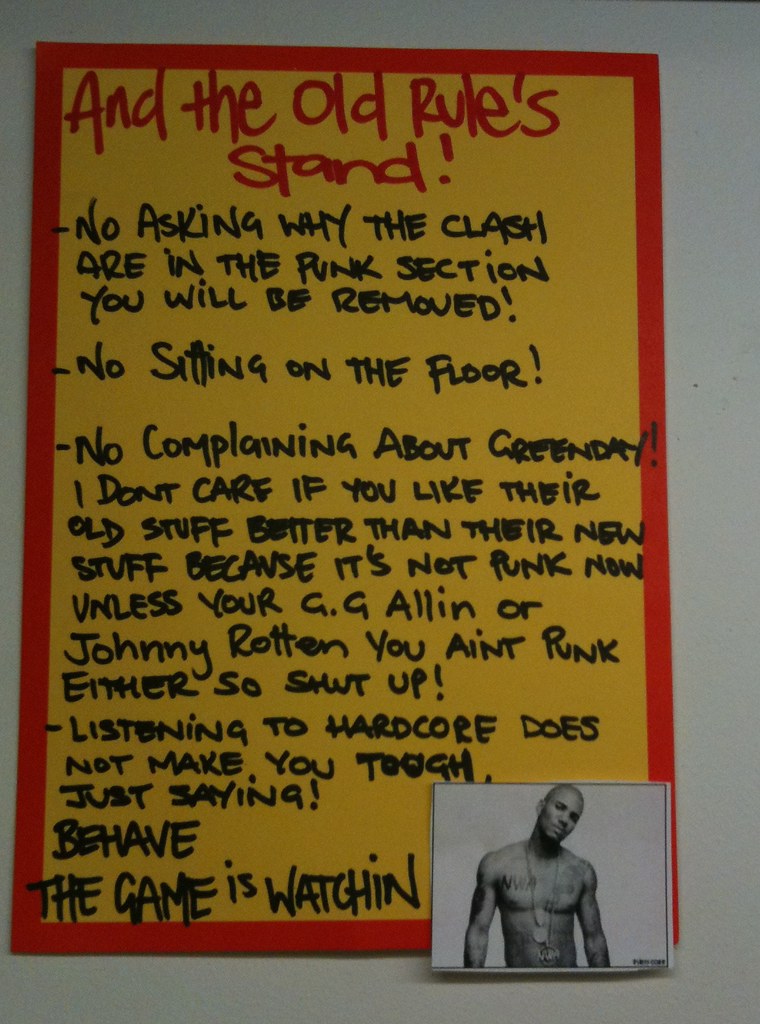
Kay spotted these signs while shopping for CDs at a store named JB Hi-Fi in Melbourne. “I personally agree with everything said on there,” Kay says, “but the two 17-year-olds who brought the note to my attention clearly didn’t. (One of them actually said ‘Who the fuck is Johnny Rotten?’) I thought it was priceless.”
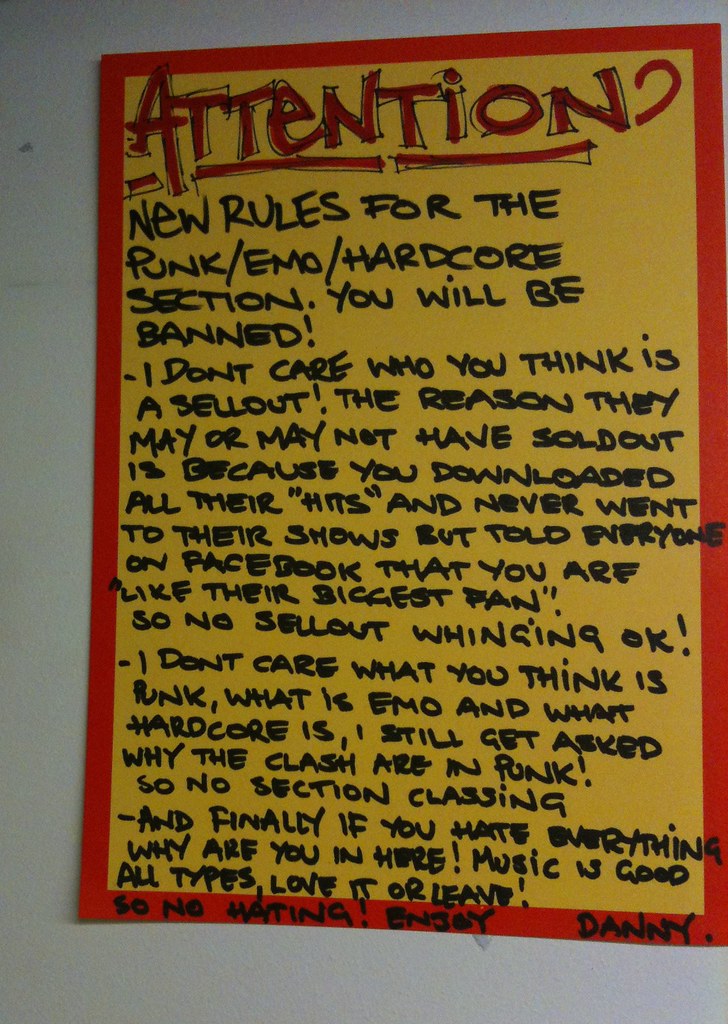
related: Top five musical crimes perpetrated by record store customers in the 90s and 2000s
Adam Victor BrandizziMuuuuuito bem sacado.
Excellent analysis of the murky semantic subtleties surrounding the terms ‘Geek’ and ‘Nerd’ by multitalented data lover Burr Settles.


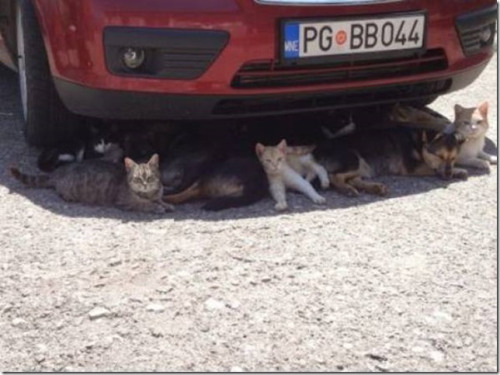




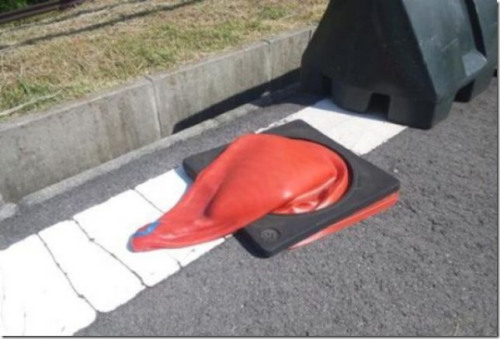
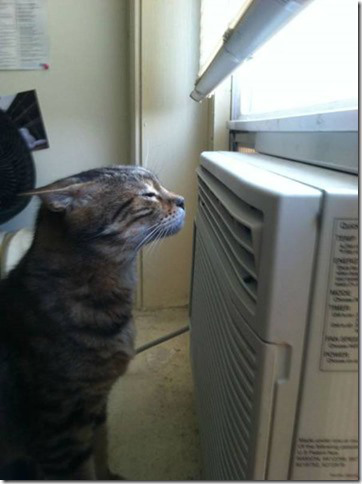


the heat wave in Australia last week
that is some of the most intense “nope”ing i’ve ever seen
yeah, that would be quite enough of that.