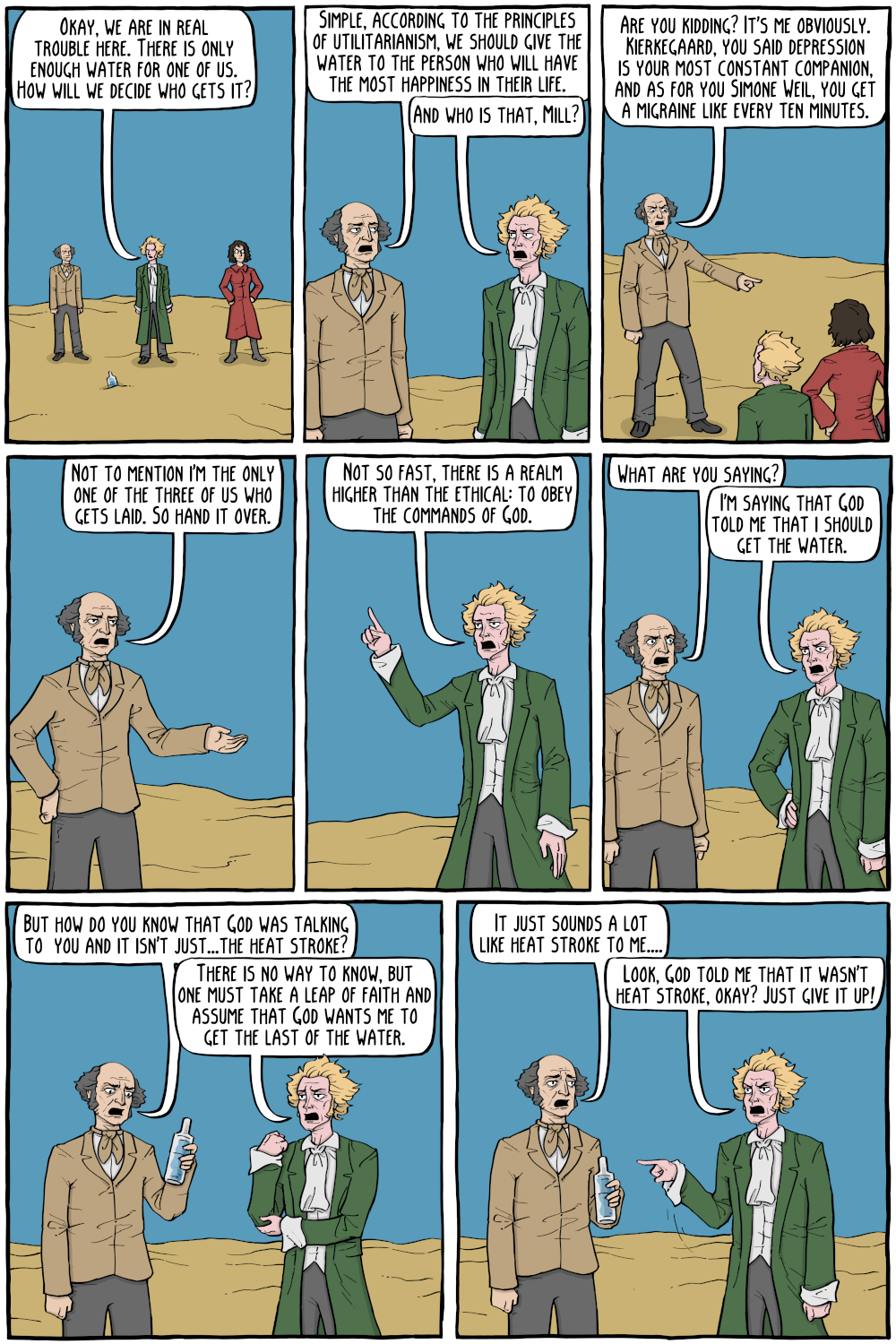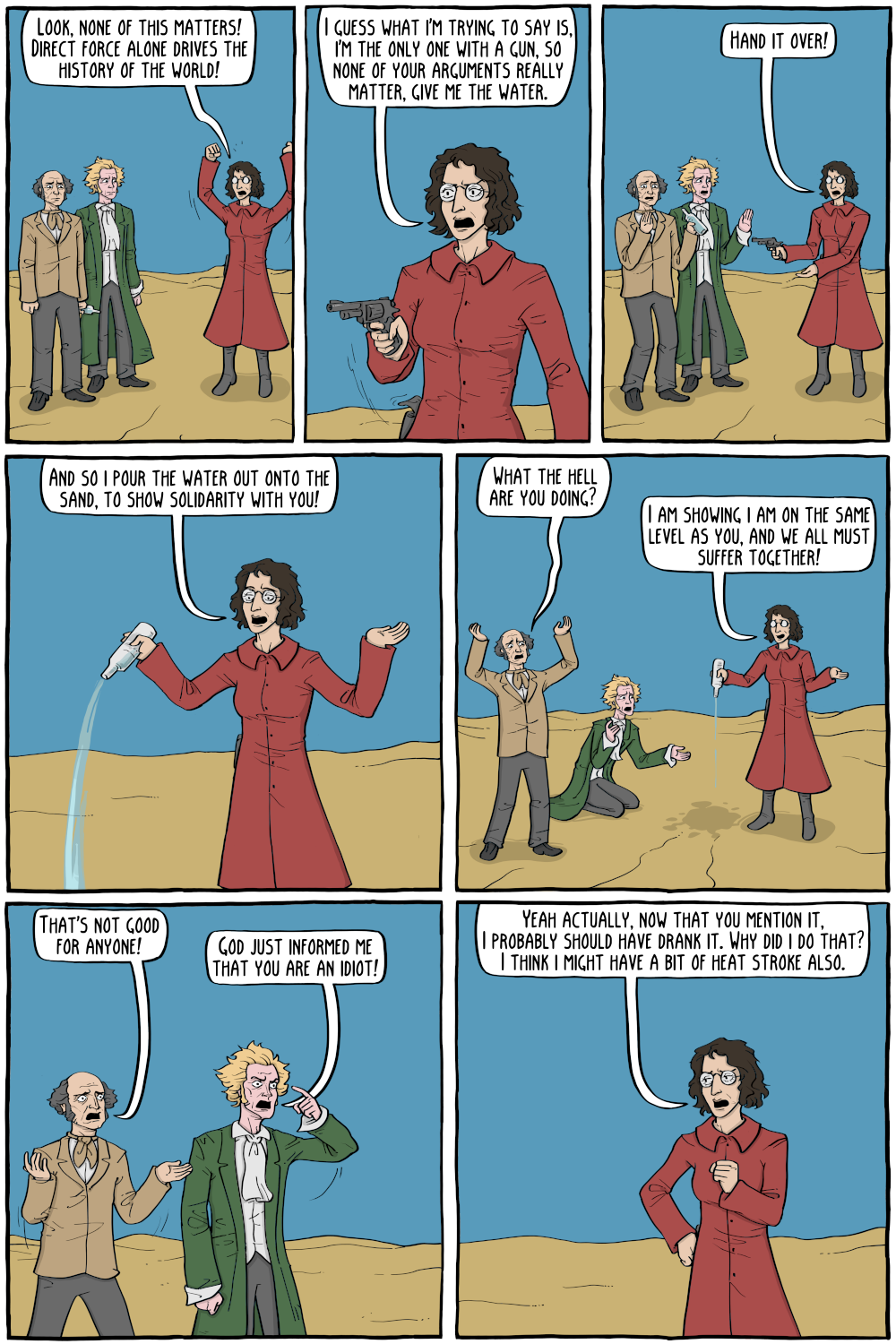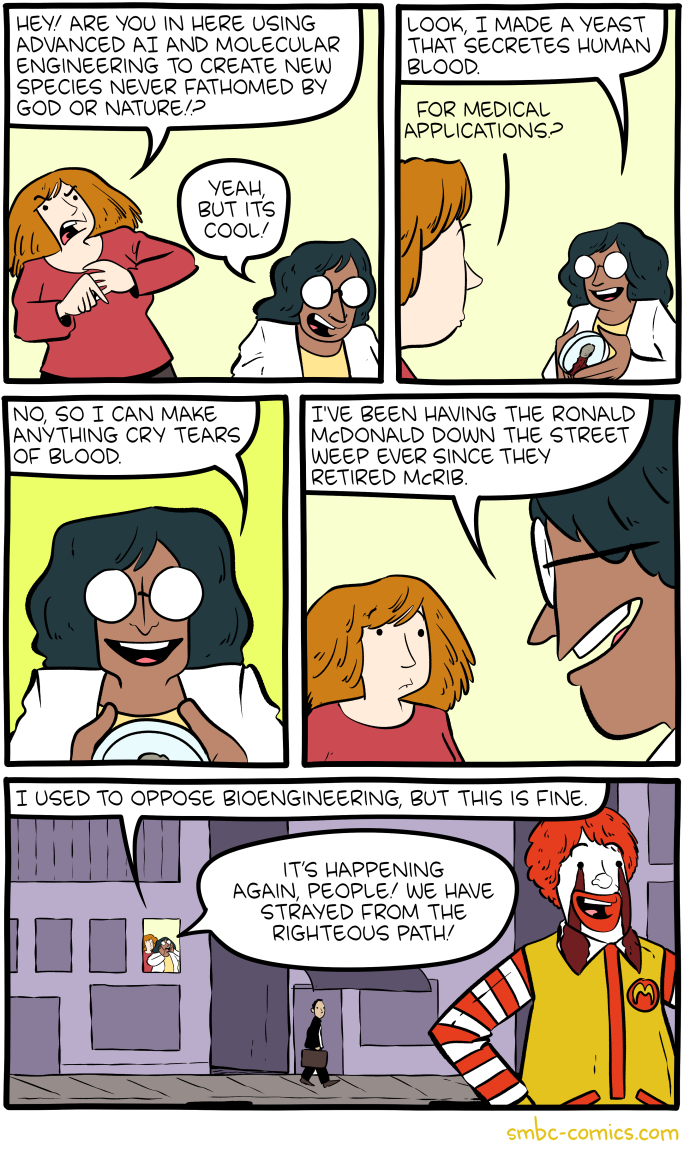
Click here to go see the bonus panel!
Hovertext:
My daughter saw me drawing and asked if it was kid appropriate, and I don't know.
Today's News:
Hovertext:
My daughter saw me drawing and asked if it was kid appropriate, and I don't know.

Enlarge (credit: Getty Images | Anton Petrus)
The Federal Communications Commission said it has issued a space debris enforcement action for the first time ever by imposing a fine of $150,000 on Dish for failing to properly deorbit a TV satellite.
"To settle this matter, Dish admits that it failed to operate the EchoStar-7 satellite in accordance with its authorization, will implement a compliance plan, and will pay a $150,000 civil penalty," the FCC said in an order issued yesterday. The FCC said the action is "a first in space debris enforcement" and part of its increased focus on satellite policy that included the establishment of a Space Bureau. The FCC added:
The FCC's investigation found that the company violated the Communications Act, the FCC rules, and the terms of the company's license by relocating its direct broadcast satellite ("DBS") service EchoStar-7 satellite at the satellite's end-of-mission to a disposal orbit well below the elevation required by the terms of its license. At this lower altitude, it could pose orbital debris concerns.
FCC Enforcement Bureau Chief Loyaan Egal called the consent decree "a breakthrough settlement, making very clear the FCC has strong enforcement authority and capability to enforce its vitally important space debris rules."
This post was written by Alison Green and published on Ask a Manager.
Remember the letter-writer whose employee kept putting papers on her desk, even after she had asked them to stop? Here’s the update.
Your response was validating and helpful! The very next day after my question went live, I was returning from getting coffee when I saw my direct report, Lauren, leaving my office after placing papers on my desk! I’m not sure if she’d planned it that way, but this gave me a perfect avenue to use our next meeting to ask why she insisted on this after I’d asked her not to. She looked shocked, but shared she did it because she thought it was the best method. I realized she had also historically been stacking (and maybe tidying) her papers on top of my existing documents and folders (papers on my desk for active projects, or folders with worksheets for sessions I facilitate), which is why I wouldn’t “see” the new papers.
Thanks to your advice, I was clear and didn’t waffle about giving her alternatives. I appreciated the commenter suggestions for an inbox or inflatable penguin — so cute! — and will keep those in my pocket for the future. A commenter helped me remember that we already use a shared digital file to track our meeting agendas that I review prior to every meeting, and asking Lauren to link or upload information into this document would catch both of the issues of keeping only physical copies and not digitizing information that should be searchable.
I also added some organization to my desk so even though it has the same amount of things on it, it looks much more intentional and less messy! Thanks Alison and everyone for your advice!
A few years ago during one of our Greenhouse forums, activist Terique Boyce wrote about how an all-volunteer army had been spending their days deploying free broadband to NYC residents. It’s the latest example of frustrated communities building their own infrastructure after decades of being ripped off and underserved by powerful, local broadband monopolies.
NYC Mesh is the brainchild of a bunch of ex-Charter (Spectrum) employees who got unceremoniously shitcanned after participating in what was one of the longest ongoing strikes in U.S. history. They funneled their angst into a sort of guerilla activist project that installs wireless mesh networking antennas and routers on the top of buildings to deliver affordable (sometimes free) broadband.
CNET has done a good profile piece on the project, which charges users a $50 fee for the installation and a pay-what-you-can monthly donation to keep the network operating. DIY’ers can install the service for free. Subscribers are encouraged to share their connections with other locals. The organization says it never disconnects users for non-payment.
These aren’t the kind of next-gen fiber connections you want to run a business off of, but they do provide essential access to marginalized neighborhoods that can’t afford broadband from their regional monopoly (in NYC that’s usually Charter/Spectrum or Verizon):
“NYC Mesh is not an internet service provider, but a grassroots, volunteer-run community network. Its aim is to create an affordable, open and reliable network that’s accessible to all New Yorkers for both daily and emergency internet use. Santana says the group’s members want to help people determine their own digital future and “bring back the internet to what it used to be.”
Around a thousand U.S. communities have built some flavor of community-owned and operated broadband network, whether it’s something like NYC Mesh, fiber deployed by the city-owned utility, a local cooperative, or a direct municipal broadband build. As always, these communities wouldn’t be deploying their own networks if not for market failure at the hands of regional monopolies.
“ISPs are always trying to maximize profits. We are just trying to connect our members for the lowest cost possible,” says Brian Hall, one of the lead volunteers and founders of NYC Mesh.
Federal policymakers talk a lot about the “digital divide,” yet routinely fail to address the core reason for it: we turned broadband into a luxury good dominated by a handful of extremely political powerful regional monopolies, hellbent on nickel-and-diming customers trapped by a lack of competition. We didn’t block mergers, we didn’t hold them accountable, and we somehow act surprised at the result.
Instead of directly tackling monopoly power (in fact the folks at the FCC under both parties routinely can’t even admit there’s a problem in public facing statements), we enjoy throwing billions in taxpayer subsidies at said monopolies in the hopes that this time, our “bad luck” will finally change.
Meanwhile, a growing list of communities countrywide have grown tired of waiting for competent federal broadband policy, and continue to take matters into their own hands. Often with zero messaging or policy support from federal regulators purportedly dedicated to “bridging the digital divide.”


SPRINGDALE, UT—Claiming the overly trusting elderly woman was being taken advantage of more and more, family sources told reporters Monday that grandmother Gladys Murphy had been scammed by every piece of technology in her house. “I don’t know how the air purifier got her to give it her credit card number, but she’s…

WASHINGTON—Concluding that the patriotic gesture was a significant drain on the country’s resources, a new report out Monday from researchers at Georgetown University found that the U.S. economy loses $5 billion every year to Americans rising for the national anthem. “According to our estimates, standing for ‘The…
This post was written by Alison Green and published on Ask a Manager.
A reader writes:
I am the sole proprietor and member of an LLC that sells products and related services, specifically consulting on a topic of my expertise. I’ve recently learned that for an upcoming workshop I’ll be delivering, one of the co-hosts is someone who didn’t pay me in the past for agreed upon work. I’m not sure what to expect, and I’m not sure what my specific question is – I guess just looking for insight in how to prepare for whatever may happen.
The background is that in 2021, I made a consultation visit and a follow-up design plan for a project at a client’s home. I informed the client up-front of the cost for each item. I billed them after completing both and giving them the design plan. They didn’t pay, I sent the invoice reminder two times, and when it still wasn’t paid, I let it go. The total amount was just over $600. This is the only experience I have had with a client not paying. I learned a lesson from it, so I now bill and receive a 50% deposit for projects that exceed a certain amount before putting further work into a project.
This is no big deal in the grand scheme, and I hardly think of it at all anymore.
In the period when I was dealing with it, there were times when I was being more generous in my reflection, explaining to myself that the reason they hadn’t paid could be because they somehow never got the bills, or because they were experiencing financial hardship and did not communicate that. Being less generous, the reason could be that they were jerks who didn’t hold up their side of the transaction. Or other reasons, who knows.
Fast forward to the present. A local organization has hired me to deliver a workshop on my topic of expertise. The organizer has arranged four locations that the group will visit as part of the workshop. Today I learned when I looked at the workshop map that one of those locations is the home of this client, and the workshop subject overlaps with the consultation and design work I did. The client will be present at the workshop.
I’m not confrontational, I’m professional, and really, this was behind me. I’ve thought about mentioning it to the workshop organizer – since the client’s inclusion in the workshop confirms that the organization is providing services to them, and I could see the value to the organization to know my experience with this client. I wouldn’t say anything to the client about the non-payment, but I am anticipating some awkwardness (although maybe we’ll all keep it hidden inside) when we’re in the workshop together. This presumes that they’ll remember me and the unpaid bill. Maybe the awkwardness will only be for me. I am also curious to see if or how they used my design at their home.
I think you’ve got two options here, and either is legitimate; it just depends on what you feel the most comfortable with.
The first is to speak up. I know you said this isn’t an option you’re considering, but I want to make the case for at least thinking about it! It was one thing to decide to write off the cost when you couldn’t get a response … but this person stole from you, probably figuring they wouldn’t ever see you again. It’s going to take an incredible amount of chutzpah for them to co-host a talk with you that’s at least in part about the work you did that they never paid for, so this could be a perfect time to get the invoice in front of them again.
To do that, you could email them ahead of time and say something like, “I just saw that we’re co-hosting the Gardens of Oatsville event at your home. I’m looking forward to it. Before the event, I’m hoping you will take care of the outstanding payment for the work I did at your home in 2021. I sent several invoices in 2021 but didn’t hear back so I’m attaching the invoice again here. Thanks in advance for taking care of this.” That’s perfectly professional, and you’d be on solid ground in doing it.
It could be worth mentioning it to the event organizer too, in case the client tries to misrepresent the situation to them. If you want to do that, you could say, “I want to be transparent with you about a potentially awkward situation around co-hosting with Jane Valentine. Unfortunately, she never paid the bill for the work I did at her home a few years ago despite several reminders. I’m going to do one final nudge about payment now so that hopefully it’s not still outstanding when we’re discussing the work at the event. Ideally we can just take care of it with no hard feelings! But it has the potential to be a little awkward, so I wanted to mention it to you in case it comes up when she speaks to you.”
The other option, of course, is not to say anything and just go to the event with a detached curiosity to see how they’ll handle it. Will they feel awkward? Will they apologize? Do they even remember it? (What I really want to know is whether this is out of character for them and they’ve felt ashamed of their actions this whole time — in which case they might even take this opportunity to apologize — or was it so par for the course for them that it won’t even register with them as An Issue when they see you?)
It sounds like that’s the option you’re leaning toward, but I hope you’ll consider the first one. Either this person deliberately and knowingly ripped you off, in which case they don’t deserve the polite fiction that they didn’t … or it was an honest oversight on their part, in which case if they’re a decent person they’ll be glad you told them and genuinely eager to make it right. Either possibility warrants speaking up.
I think I hear in your letter a sense that there’s a certain kind of dignity and grace in choosing not to chase after payment in a situation like this — a certain power in writing the person and the lost payment off. And you’re not wrong about that; there can be! But I’d argue there’s also a dignity and power in standing up for what you’re owed for your labor, and in calmly and steadily asserting what you’re due.
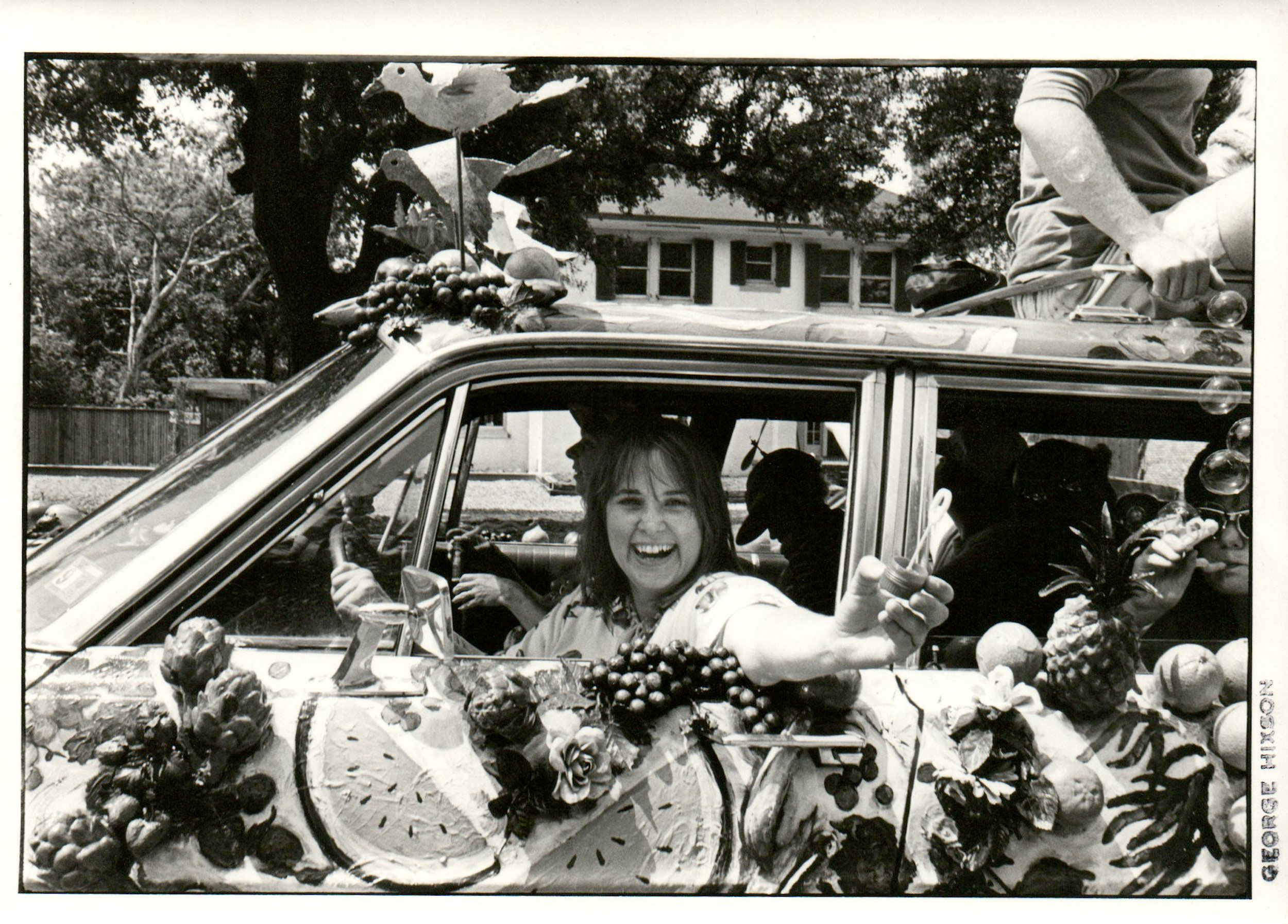
Susanne Theis driving Jackie Harris’ “Fruitmobile” art car, 1986.
The Orange Show is a folk art environment and visionary art space that was constructed by artist Jefferson Davis McKissack from 1956 to 1979. Weird and wonderful, the monument is a sprawling, maze-like, and multi-level architectural structure created with concrete, brick, steel, mosaics, and found objects. Among the many strange and fabulous elements are a pond and a stage, both of which have been used for concerts, poetry readings, and performance art pieces over the years.
There has been a long history of collaborations between artists from The Orange Show and University of Houston (UH). The Orange Show Show, which happened earlier this year, is part of an effort to reforge this history. Other recent and ongoing initiatives include the Conservation Corps, led by visionary artist Jonathan Paul Jackson (JJ), and The Happening, a monthly series of performance events curated and organized by UH artist Alexandra Lechin. The Orange Show Show was an exhibition and print sale featuring sixty UH printmaking students; the event was co-organized by artist and G5 Collective co-founder Liz Gates (disclosure: I co-founded the collective with her), Orange Show curator Pete Gershon, and JJ. This event was a positive sign for those of us who want to see more innovative collaborations between The Orange Show and UH.

Silkscreen and relief prints at “The Orange Show Show.” Photo: Felipe Harker
It’s important to Gates that her students realize “everyone, everywhere, can make art, and every effort is equal and valid.” This is especially true in Houston, a city with a rich history of visionary, self-taught, and outsider artists. With that in mind, Gates brought her silkscreen and relief students to The Orange Show to learn about its art historical significance and to sketch for future prints. It was only later that she envisioned an exhibition and print sale at the space itself, featuring her student’s prints inspired by the monument. This idea aligned with another aspect of Gates’ educational philosophy: she wants her students to feel that a career in the arts is possible, that they belong in the art world, and that they have the necessary tools to exhibit and sell their work. Families, friends, and local professional artists attended the event, which validated the students’ efforts.
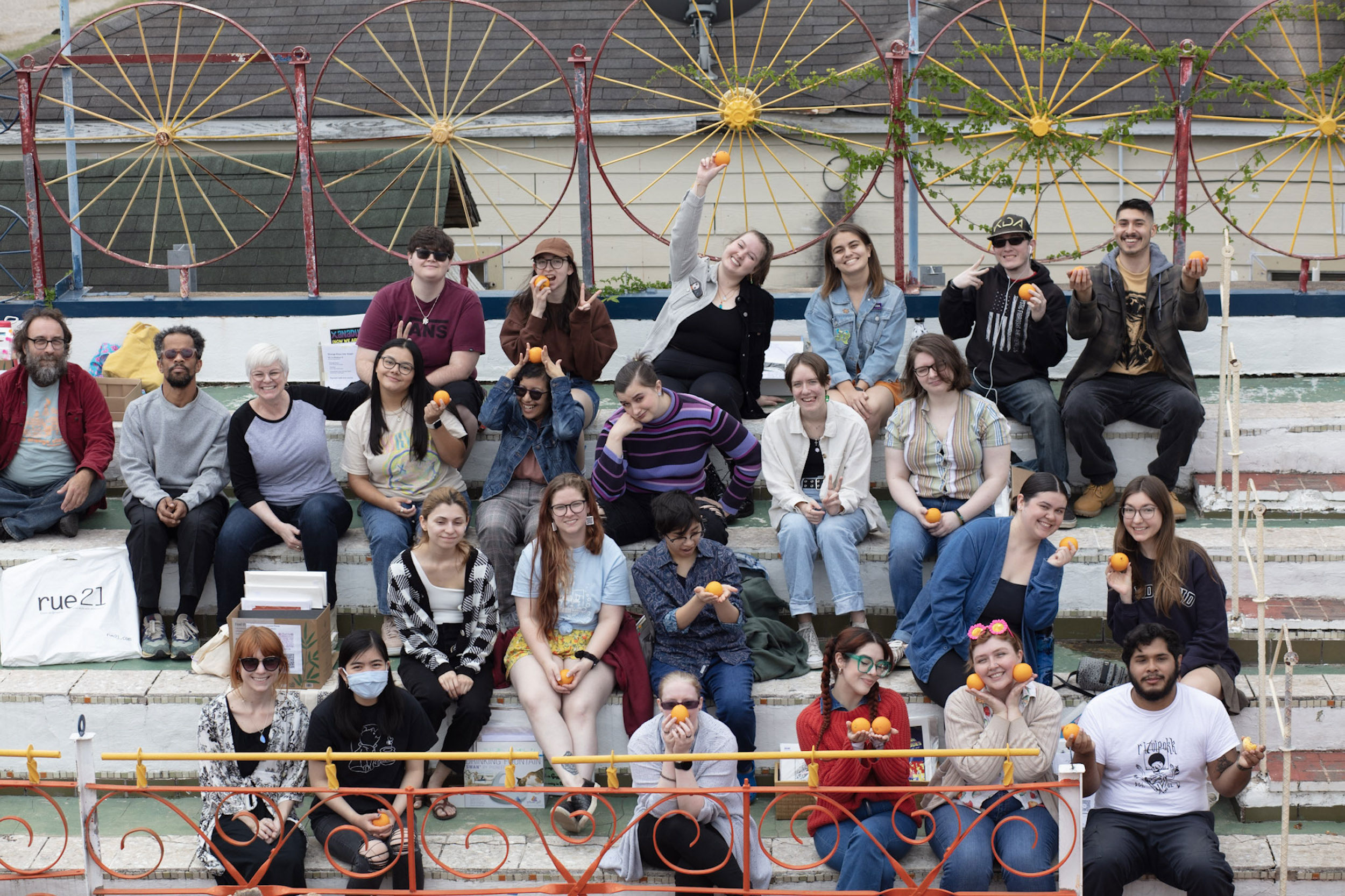
Pete Gershon, Jonathan Paul Jackson, Liz Gates (third row, from left) and UH printmaking students at “The Orange Show Show.” Photo: Felipe Harker
Printmaking has always been a uniquely democratizing medium — produced in multiples, editioned prints are generally more affordable and accessible than other forms of art. Gates described this quality to me as “irreverent.” There is a kind of artistic purity and rebelliousness at the core of printmaking. For Gates, The Orange Show possesses a similar sense of irreverence. The space is dedicated to the preservation and promotion of visionary arts, by artists who historically were isolated from the world of fine art; as such, both the folk art environment and the organization that runs it make up a uniquely democratizing arts institution. That was part of the reason why Gates wanted to present the exhibition and print sale at The Orange Show.
Gershon shared with me some of the rich history of collaboration between UH and The Orange Show. Less than a mile from each other, the institutions’ close proximity has been a major reason for their natural synergy. After graduating from UH, Susanne Theis was the original director of The Orange Show Center For Visionary Art when it became a nonprofit organization. Tasked with preserving McKissack’s monument, Theis organized volunteer groups to assist with the effort. UH strongly supported the idea of preserving the monument, which strengthened the relationship between both organizations.
Gershon told me that “Susanne Theis was a catalyst for this symbiotic relationship.” Baked in from the beginning, there was extensive programming that wove UH and The Orange Show together, led by Sharon Kopriva, Paul Kittelson, Noah Edmondson, David Kidd, Jackie Harris, and countless other artists. When describing this collaborative history, Gershon told me, “It was kind of like a UH art club at The Orange Show… and we want that back!”

Alexis Cross, Taylor Bussell, and Ceara Colvin. Photo: Adrian Martinez
Most of the student artists in The Orange Show Show had never participated in an exhibition at an art space outside of an academic setting. For Gates, it is important that students have real-life experience to further their art careers. With this in mind, she kept her students in the loop at every stage in organizing the show, so they could learn and develop skills around putting together exhibitions. Gates is an exceptionally gifted teacher, who is completely invested in her students’ artistic and professional growth.
Aubree Hughes (UH class of 2023) told me, “Liz is a huge advocate for selling our work and getting out there.” With seemingly few opportunities for emerging artists, breaking out of the haven of academia can be a daunting task, but it’s much less intimidating as a group. Carly Bancroft (UH class of 2023) said that because of The Orange Show Show, “we are more like an artist cohort than just classmates.” Thanks to Gates, Gershon and JJ, these young artists are equipped to organize and participate in future exhibitions.

Nina V, Adrian Martinez, Alexis Cross, and Jen Miller. Photo: Ceara Colvin
When I asked JJ about The Orange Show Show, he said, “Jeff McKissack would have loved it.” The idea of emerging artists from UH presenting an exhibition and print sale at The Orange Show, with work inspired by the monument, is probably how McKissack envisioned the space being used when he created the monument. Art spaces like The Orange Show matter more when people engage with them. And with such close proximity to UH, Gates, Gershon and JJ hope that faculty and students will again take up the legacy of collaborative magic between both organizations. This exhibition and print sale is a spark for more fruitful art experiences and dialog. The Orange Show Show is a strong reminder that we get to decide what kind of an art world we want to have.
To join The Orange Show Conservation Corps, contact Pete Gershon: pete@orangeshow.org. For more information about The Happening, go here.
The post Rekindling Collaboration: The University of Houston and “The Orange Show Show” appeared first on Glasstire.
I have been waiting to write this post for four months.
For four very, very long months.
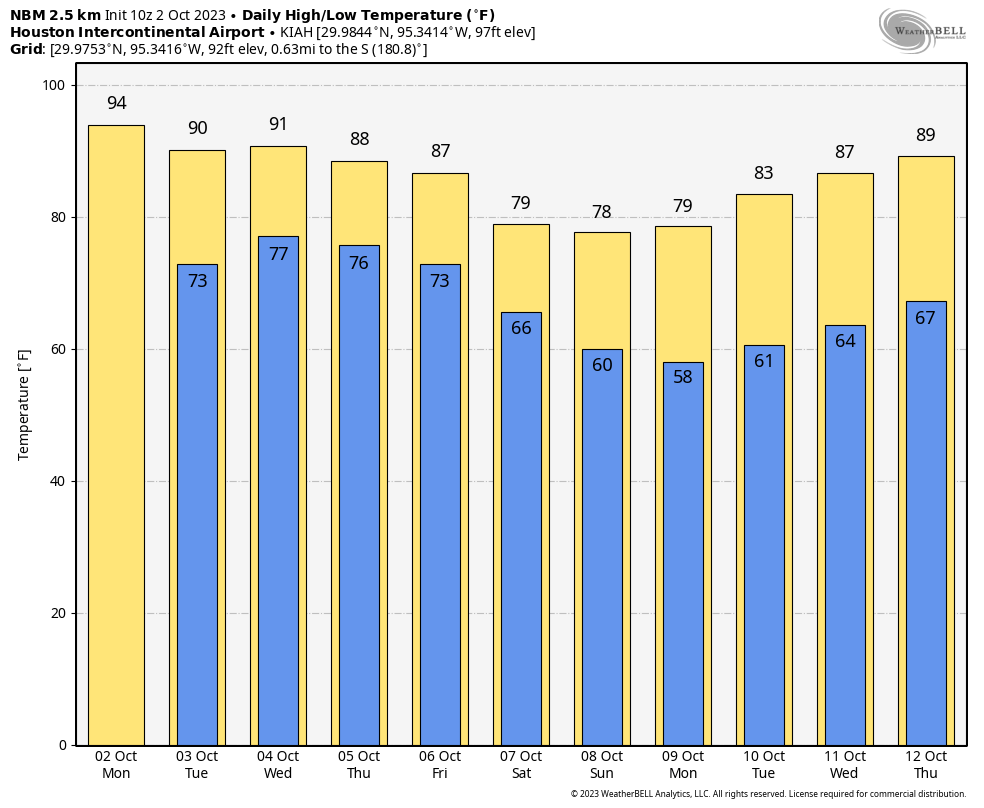
The four hottest months of summer in Houston on record, in fact. This summer was absolutely brutal in terms of daytime highs, overnight lows, and a drastic drought. So yeah, I’ve been waiting to write that the greater Houston region is going to see some meaningful rainfall, to be followed by the season’s first bonafide cold front. Relief is coming, and boy oh boy, is it going to be sweet. Look for high rain chances on Tuesday through Thursday, followed by a frontal passage on Friday. And then? Low humidity and cool nights!
As long as we’re writing about happy tidings and Houston, I’d also like to congratulate the Houston Astros and Texans. Like many of you, we’re big fans of the hometown teams, and Sunday was a big day. The Astros came from behind to sneak past the Texas Rangers to win their division, and set themselves up nicely for the playoffs. And behind the stellar play of their new rookies and head coach DeMeco Ryans, the Texans won their second game in a row. For the first time in a long time they look like a bonafide pro football team with great leadership. So, good tidings all around.
Today will see a continuation of this weekend’s weather, which is to say hot, sunny, and summer-like. Look for highs generally in the mid-90s, with an easterly wind that will at times be a bit gusty, and plenty of humidity. Lows tonight will drop only into the mid-70s for most of the area. Rain chances are near zero.
By Tuesday the pattern will begin to change, as the ridge of high pressure that has dominated our weather begins to back away. This will start to open up our region to tropical moisture that will move north from the central Texas coast. Rain chances will increase starting on Tuesday, and remain fairly high through Thursday. Most areas will at least see some light showers each day, with total accumulations likely between 1 to 3 inches over the three day period. A few areas will see more than this, possibly leading to some brief street flooding. Rain chances will be highest to the southwest, near Matagorda Bay, and lowest to the northeast of Houston.

Skies will turn partly to mostly cloudy and this, in concert with the on-and off-again showers should hold high temperatures to around 90 degrees, or slightly above, for much of the region. Expect plenty of humidity, with generally easterly to southeasterly winds.
We’re now fairly confident in the passage of a cold front on Friday, and this should bring an end to the showers later in the day. Highs on Friday will be highly dependent on your location, but generally we should be in the 80s, with drier air steadily moving in during the afternoon and overnight hours. Lows should drop into the 60s for all but the coast.
These look like a fine pair of sunny days with highs of around 80 degrees with drier air. Lows will drop to around 60 degrees in Houston, with some 50s for inland areas. We’ll work out just how cool things will get as we get closer to the weekend, but Sunday and Monday mornings are going to feel absolutely fall like for everyone.

The cooler weather will hang around at least into Tuesday or so, but after that we’re probably headed back into the upper 80s. As for this mid-90s nonsense we’ve been experiencing of late in Houston, I think we’re done with that for the year.

This post was written by Alison Green and published on Ask a Manager.
It’s five answers to five questions. Here we go…
1. Coworker obsessing over being laid off
Our company announced a couple months back that they are assessing headcount reductions.
I have a colleague on my team who I need to work very closely with to do my job. We are in many of the same meetings and are in close IM communication each day.
Since the organizational announcement, tensions are high across the board, but this colleague in particular has been obsessed. I get multiple IM’s from him every day — “Just waiting for them to send me my pink slip,” “This email I’m sending will probably be the nail in my coffin,” “I was up all night thinking about layoffs,” “My wife and I spent all weekend reviewing our finances in case I get fired.” Most meetings we’re in he makes comments like, “Well, this initiative would be great if we’re still here,” or “This won’t matter anyway because we’ll all be fired by then.”
Immediately after the announcement, I tried to be reassuring despite my own stress. After a couple of weeks, I just ignore the comments and move right on to work topics. But now it’s been two months of this and my mental health is tanking hearing this each and every day. Do you have a good script to dial this back without me coming across as being overly sensitive? It’s not healthy!
“I know you don’t intend it this way, but it makes it so much harder for me to manage my own worries when you talk about layoffs all the time! I’ve got to call a moratorium on it so I can get through the day — thanks for understanding.”
If he continues after that, remind him that you asked him to stop. It’s not cool for him to keep doing it if you tell him it’s making things harder on you. He can vent to his wife and friends outside of work! You’re in the same boat he is, and however entitled he feels to manage his stress the way he’s doing, you’re just as entitled to manage yours by not discussing the situation in every communication.
2. My coworker is ignoring me over a miscommunication
I work in a small satellite office of a larger corporation. I started six months ago and things were going really well until about a month ago.
I sensed my coworker, Lisa, was upset with me but couldn’t figure out why. I tried acting like everything was normal but the situation has just gotten worse each week. Last week, we had to talk with a supervisor about it and it went terribly. Lisa is upset with me about a misunderstanding and said she will only talk to me about work from now on.
This week she is refusing to speak with me at all. If she needs to communicate, she sends a Slack message, even though we sit in the same room. I am so stressed about going to work I feel physically ill, and the tension is palpable to everyone in the office. I am having a hard time not crying when she ignores me but talks and laughs with coworkers. My supervisors are supportive and see what’s happening and aren’t upset with me; they say they appreciate how I’m handling the situation, and to just keep doing my best to rise above it. I think they hope she will quit or transfer, but that won’t happen overnight. In the meantime, things get more awkward by the day. It’s hard for us to function as a team when someone won’t talk to you.
I am at a loss as to what I can do. I don’t think the relationship is salvageable, and other than quitting a job I like I don’t see a way out. I can’t stop tearing up and it’s just so frustrating.
Your managers suck for not handling this! They should be telling Lisa that her behavior is unacceptable and she needs to treat you pleasantly and civilly. They shouldn’t try to make her socialize with you, but they should have told her she needs to handle work-related conversations differently. It’s ridiculous that they’re sympathizing with you behind the scenes but not actually doing anything about it.
That said, your reaction to this is unusually intense! Is there any way for you to reframe it in your mind so it’s not so upsetting? Ideally you’d figure this is Lisa’s issue and if she wants to spend a lot of energy pointedly ignoring you, she’s just making herself look bad and it’s not about you. If you can’t, you can’t — but it would be a shame to end up leaving over this if there’s a way for you to move closer to just shrugging it off. I’m not suggesting you shouldn’t be bothered by it at all — of course it’s unpleasant to have someone treating you that way — but you’re giving her a lot more power over your internal state than she deserves!
3. Sending my resume months after someone offered to circulate it
My question is about the etiquette of sending in my resume late to people who have offered to take it and pass it around to people they know. I freelance in the entertainment industry, so I get jobs based on recommendations and referrals. I’m lucky enough that I’ve had a couple bosses/higher-ups let me know that they’d take my resume and pass it along to people. The problem is, I’m a major procrastinator, and it often takes me months to update my resume after someone offers. Is it still okay to send in my resume to someone, even though a couple of months have gone by since they last offered to pass it along?
It depends on whether it’s someone who knows you well, like a former boss, or someone you just met once or twice. If the latter, sending it a few months later raises the chances that they won’t remember enough about you to recall why they made the offer or to be able to talk you up in the same way they could have right after you met, and at that point it may just reflect badly on you that you took so long. I might be annoyed if I made that offer to someone I didn’t know well and they waited months to respond and then assumed the offer still stood (unless they had a compelling explanation once they resurfaced; if they’d been hospitalized or stuck in a well or similar, that would change things).
But if it’s someone who knows you well — i.e., someone who you could have reached out to on your own to ask them to do it, before they’d even offered — obviously it’s still not ideal, but you should still send it! You should acknowledge the delay, though — something like, “It’s been a few months since you offered to pass my resume along to contacts, and I hope the offer still stands! I apologize for the delay. The types of roles I’m really interested in are…”
4. Should I mention a serious problem we had with a vendor during an interview?
I was able to use your advice to brush off my resume and get an interview next Wednesday. The position will be working with a product I currently use and have a lot of experience with … not all of it pleasant. Some years back we had to briefly stop using the product due to a serious issue, think HIPAA-level privacy breach due to a problem with how the product was configured.
This was a second strike in the course of two months, and leadership asked us to temporarily pull out from using the product. The issue was fixed by the vendor, but it took about two months of security review and us using workarounds I configured. The changes made were comprehensive, and the vendor has since released a new version.
I am proud of the work I did in identifying what the issue was and creating the contingency plan. I was a key part of a working group with leadership many levels above me. It is easily my best anecdote for questions about facing adversity.
My question is, do I mention the situation during the interview? Even though I didn’t sign an NDA, I’ve always felt very hush hush about discussing the situation with staff from other clients of the vendor during user conferences. I also know that the company I am interviewing at feels the vendor has over-promised and under-delivered, which is a common feeling among their clients.
Discuss it in the interview if it comes up! It’s not like you’re badmouthing the product just to badmouth it; the experience you’re talking about directly relates to your qualifications for the job. In fact, that experience could make you a stronger candidate by demonstrating a level of experience that a lot of people won’t have! If I had concerns about a product and someone I was interviewing to work with it had a lot of experience with its weaknesses and how to work around those, I’d be pretty glad about that.
You’re under no obligation whatsoever to hide the product’s weaknesses from other companies, particularly when they’re potentially highly relevant to the work you’re discussing.
5. Is it a bad idea to include “union steward” on my resume?
Professional employees (of which I am one) at my university unionized two years ago, and we are now in the first full year of our union contract. I became a steward and have been involved in helping fellow staff navigate questions about their job descriptions and job classifications, performance improvement plans, and other issues that inevitably come up when there are big changes at an institution. I’m also on the labor/management committee that tries to proactively deal with issues that come up before they reach the level of a grievance.
In the course of working in these roles, I’ve realized they require a lot of skill: tact and diplomacy, plus knowledge of our contract and the employee handbook, and the ability to understand how they apply to a person’s situation. In some cases it also requires a kind of dogged willingness to advocate for someone when management would rather not deal. I’ve definitely felt stretched in these areas, like I am developing skills I didn’t have before, but I’ve wondered how I can represent those skills on my resume. Is it a bad idea to put “union steward,” with a list of accomplishments like a normal position, on my resume? Will I be marking myself as a potential wild-eyed rabble rouser to prospective employers?
It will hurt you with some managers who will worry that it means you’re more likely to be a pain in the ass or hard to manage. You might decide you’re happy to screen out managers with that view of unions, though.
It will help you with other managers who see unions as a positive or a neutral and who appreciate the sorts of skills you’re talking about here (but spell them out very clearly; don’t rely on people to connect the dots themselves). It will also help if you can frame the accomplishments as working collaboratively with management to improve policies, to the extent you can (as opposed to anything that sounds adversarial).

Attendees at Trump’s autoworkers rally outside Detroit reportedly confessed to journalists that they were not union autoworkers, despite the signs they were holding saying “Autoworkers For Trump.” What do you think?
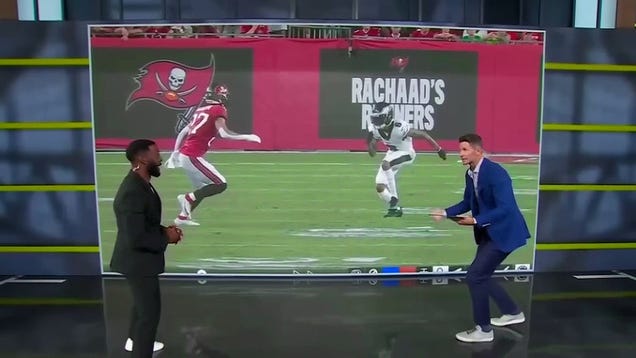
BRISTOL, CT—Viewers of the nation’s leading sports network were treated to a brilliant display of analysis Monday when ESPN NFL Live spent a full 10-minute segment meticulously breaking down a player running in a straight line for three yards. “Two yards in, [DeVonta] Smith is already got his body positioned to…
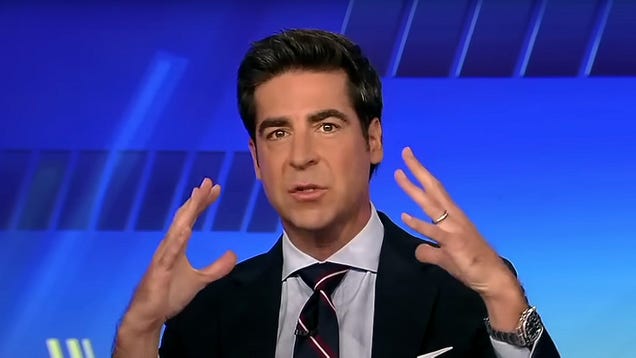
NEW YORK—Saying the footage clearly showed the chaos that Democratic leadership had created in cities across the country, Fox News host Jesse Watters expressed outrage Monday at a viral video showing a mob of thugs using coupons to save money. “Look at the tape, people, these are essentially roaming gangs out there…
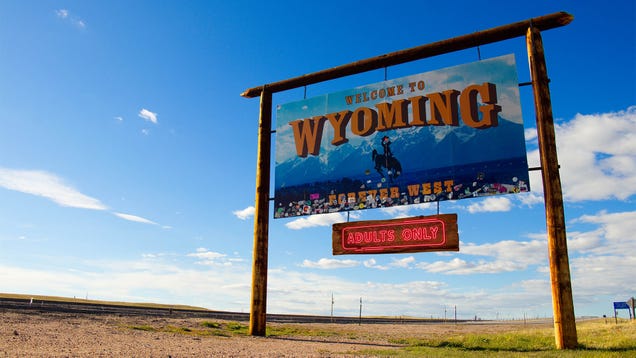
CHEYENNE, WY—Noting that the new legislation would go into effect almost immediately, Wyoming officials announced Monday that the state would now be adults only. “Wyoming is now a child-free zone,” said Gov. Mark Gordon (R), explaining that children currently inside of the Western state’s borders would have until 6…

Hovertext:
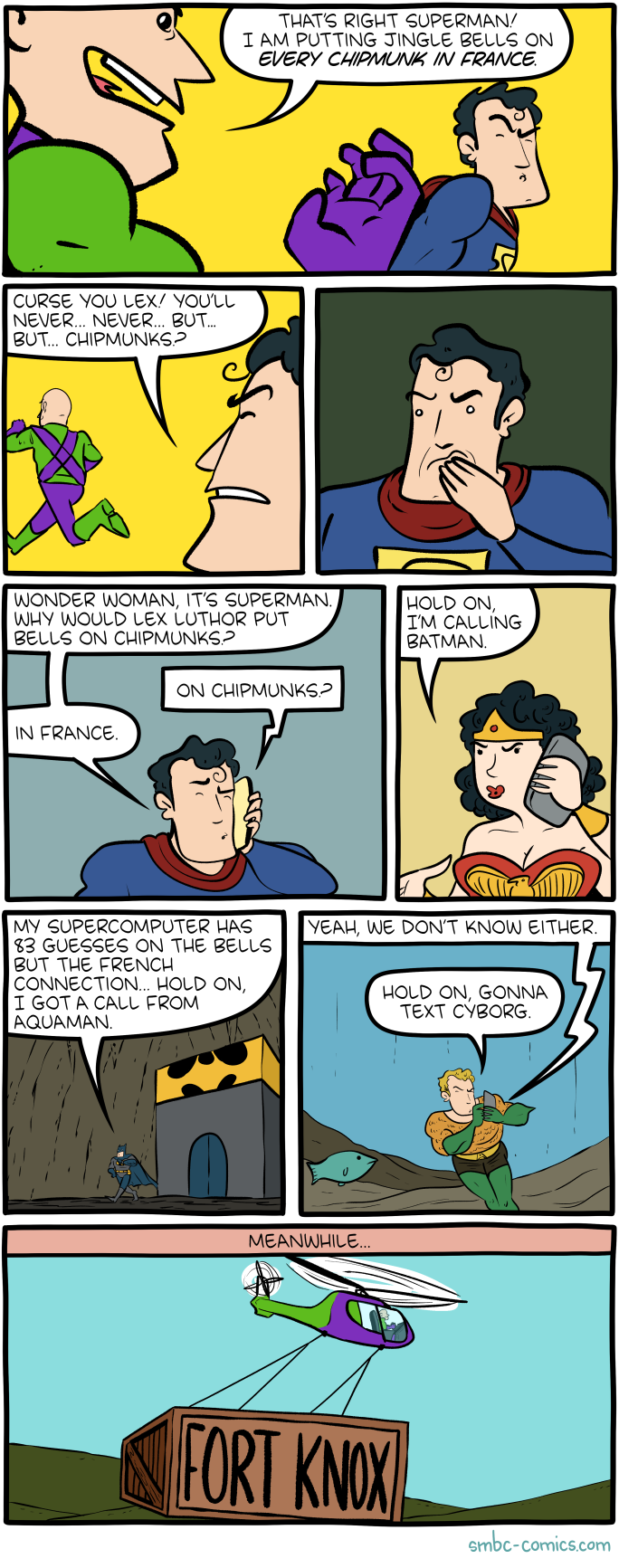
Conveniently they just pack the gold in boxes like that.

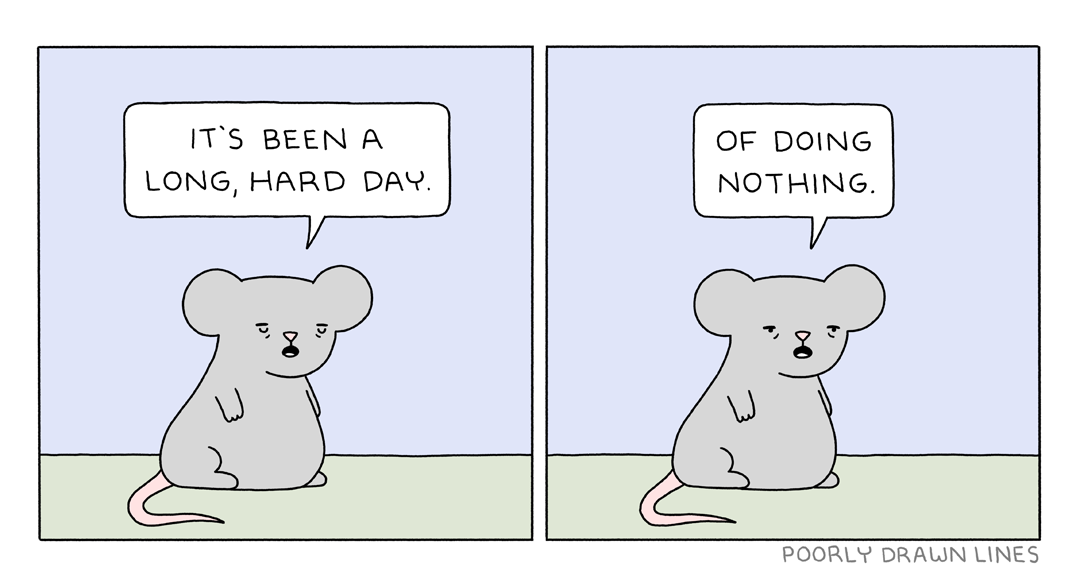
![[after a minute] "Okay, I think I've got it, thanks. Can I--" "oOOOooOOooo!"](https://imgs.xkcd.com/comics/a_halloween_carol.png "[after a minute] \"Okay, I think I've got it, thanks. Can I--\" \"oOOOooOOooo!\"")