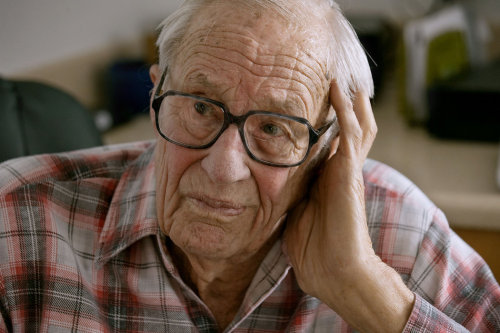
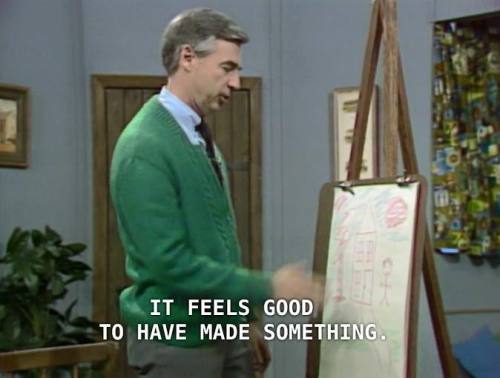
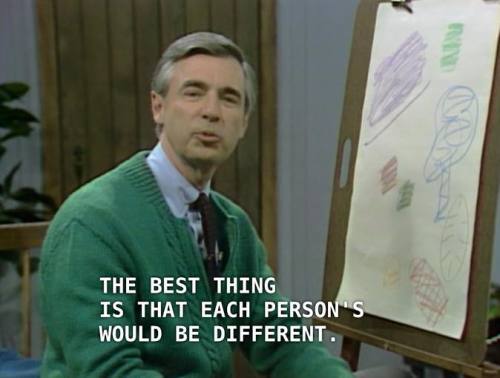
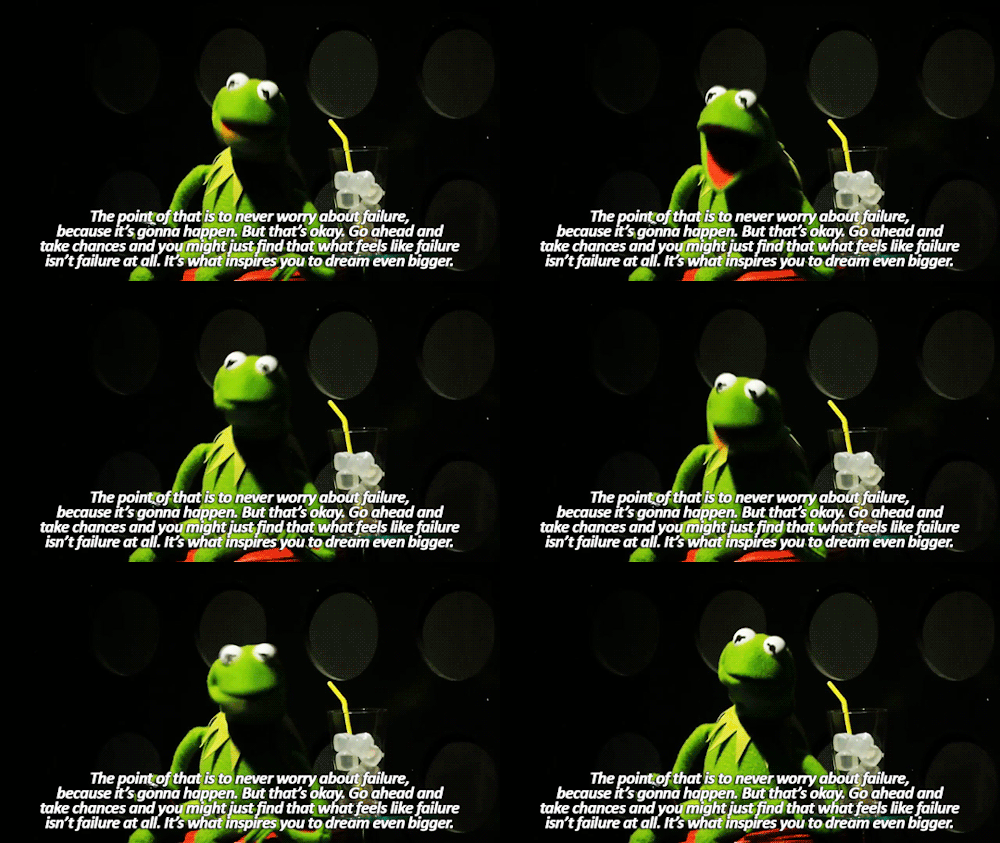
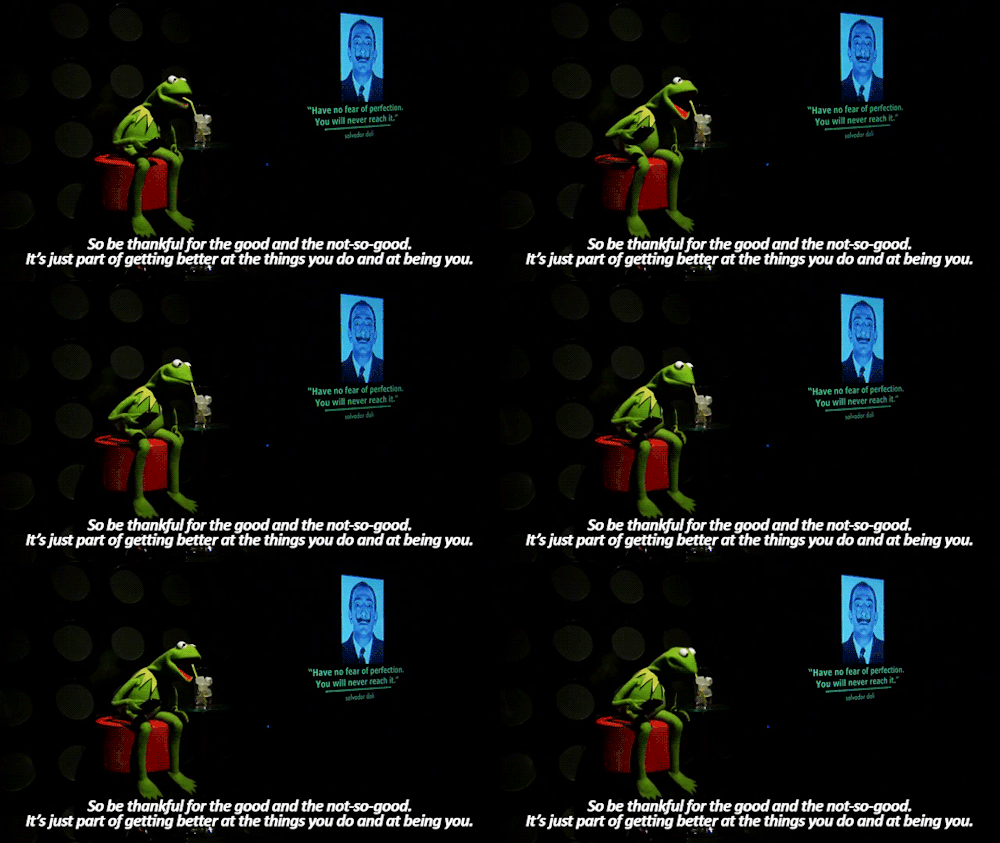
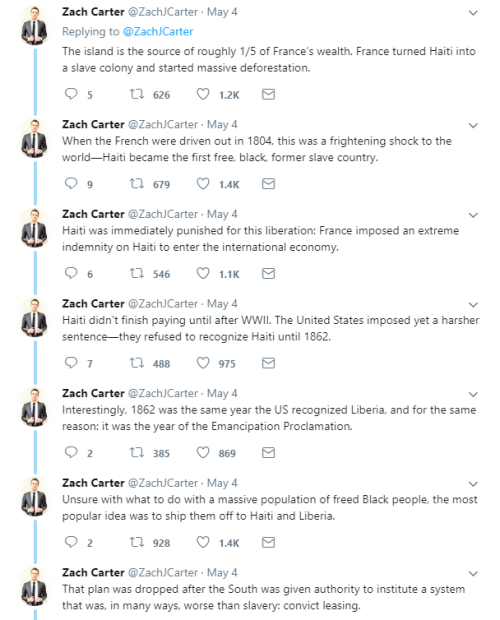
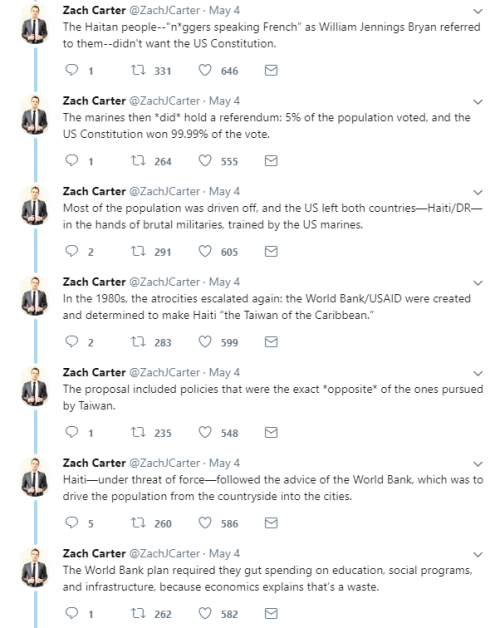
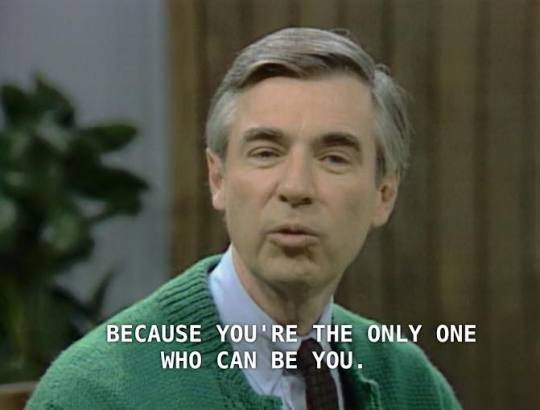
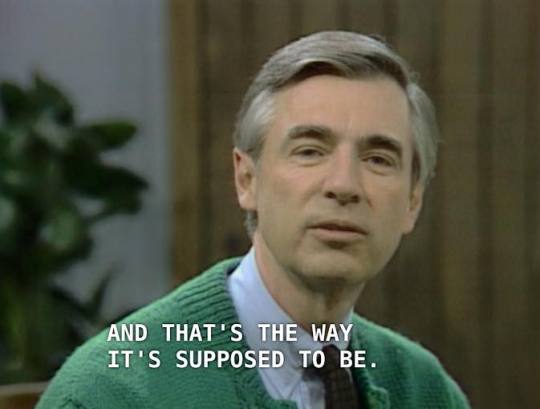
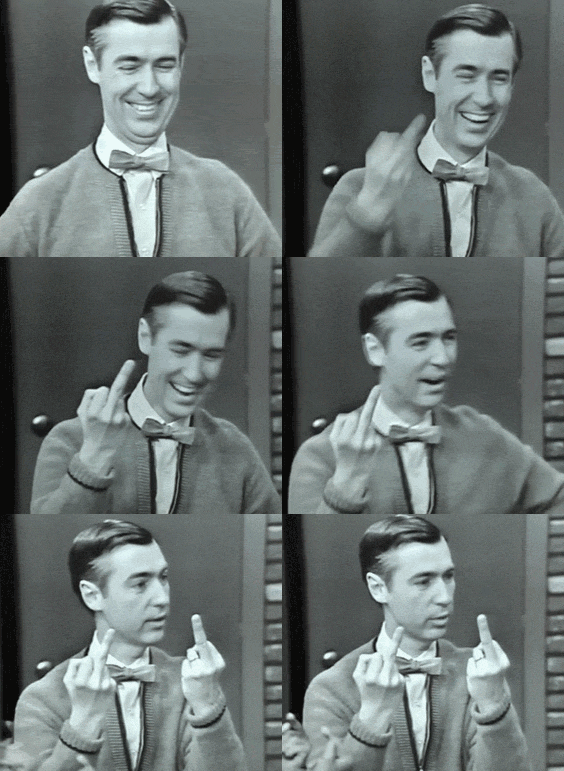
He basically saved public television. In 1969 the government wanted to cut public television funds. Mister Rogers then went to Washington where he gave an amazing merely six minute speech. By the end of the speech not only did he charm the hostile Senators, he got them to double the budget they would have initially cut down. The whole thing can be found on youtube, a video called “Mister Rogers defending PBS to the US Senate.”
“Certain fundamentalist preachers hated him because, apparently not getting the “kindest man who ever lived” memo, they would ask him to denounce homosexuals. Mr. Rogers’s response? He’d pat the target on the shoulder and say, “God loves you just as you are.” Rogers even belonged to a “More Light” congregation in Pittsburgh, a part of the Presbyterian Church dedicated to welcoming LGBT persons to full participation in the church.”
According to a TV Guide piece on him, Fred Rogers drove a plain old Impala for years. One day, however, the car was stolen from the street near the TV station. When Rogers filed a police report, the story was picked up by every newspaper, radio and media outlet around town. Amazingly, within 48 hours the car was left in the exact spot where it was taken from, with an apology on the dashboard. It read, “If we’d known it was yours, we never would have taken it.”
Once, on a fancy trip up to a PBS exec’s house, he heard the limo driver was going to wait outside for 2 hours, so he insisted the driver come in and join them (which flustered the host). On the way back, Rogers sat up front, and when he learned that they were passing the driver’s home on the way, he asked if they could stop in to meet his family. According to the driver, it was one of the best nights of his life—the house supposedly lit up when Rogers arrived, and he played jazz piano and bantered with them late into the night. Further, like with the reporters, Rogers sent him notes and kept in touch with the driver for the rest of his life.
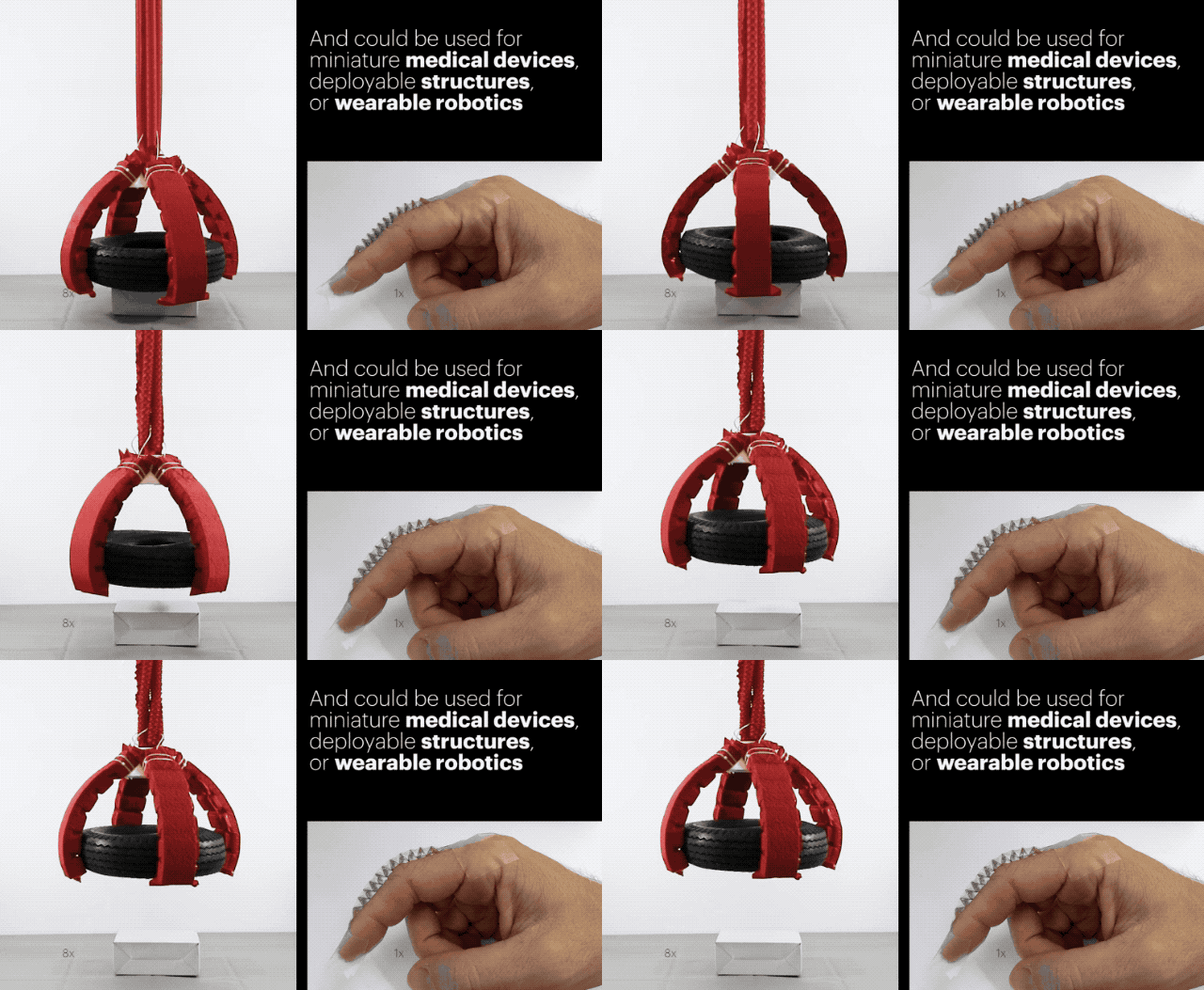
MIT’s Computer Science and Artificial Intelligence Laboratory has teamed up with Harvard’s Wyss Institute to create a super strong, affordable artificial muscle that could be used to create soft robots with “superpowers,” including the ability to lift up to 1000 times their weight. The new soft robotic artificial muscles are inspired by origami, and can be constructed in… Read More
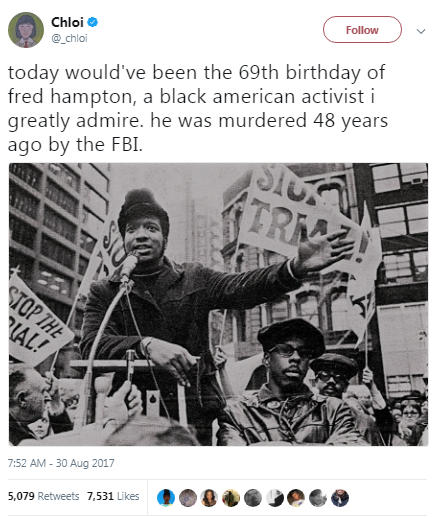
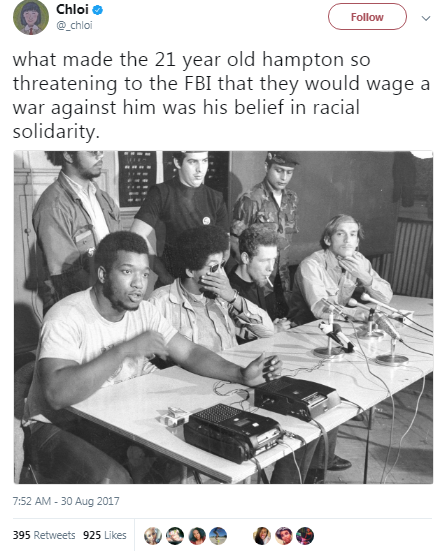
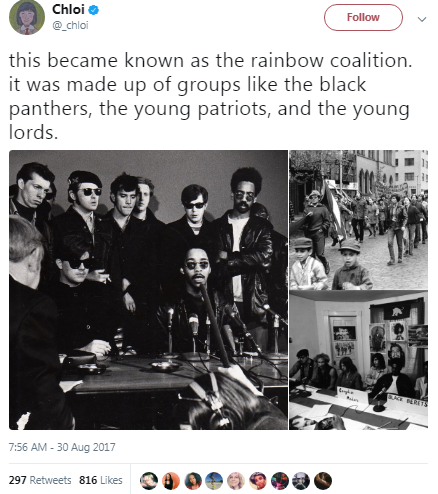
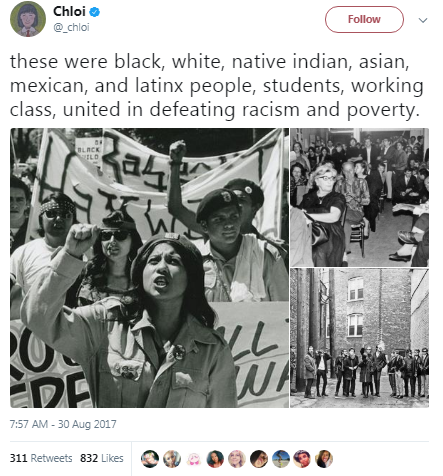
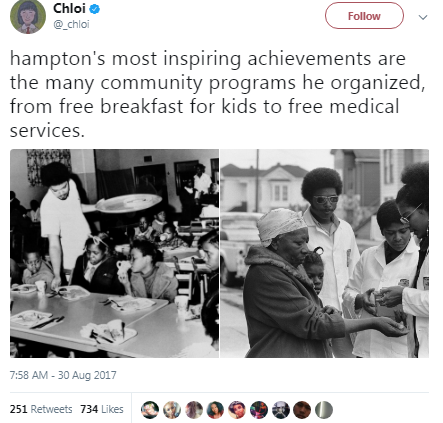
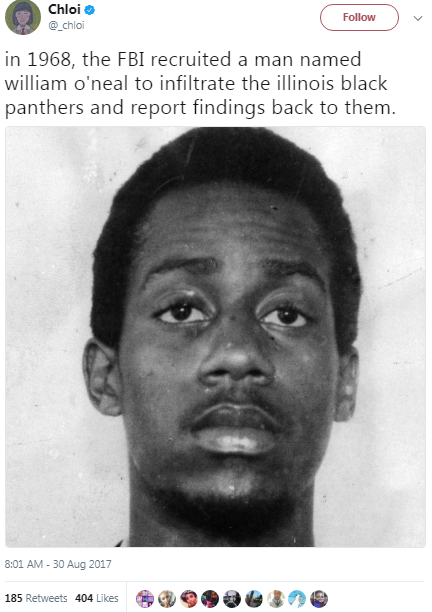
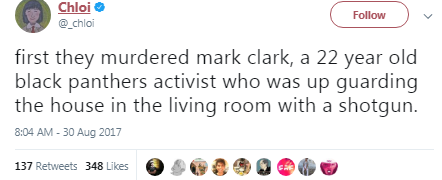
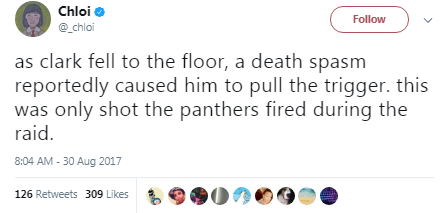
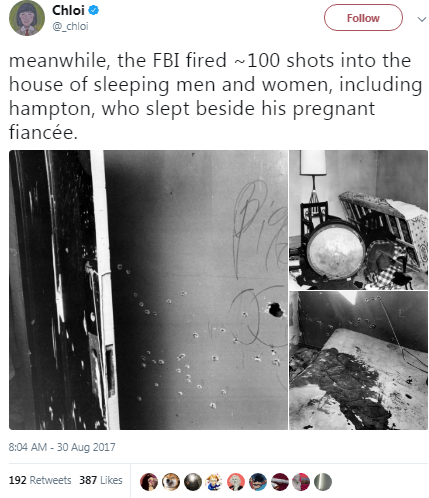
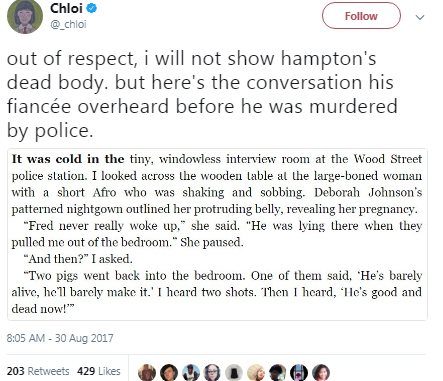
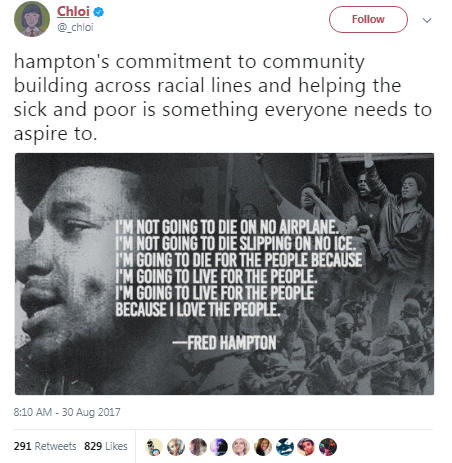
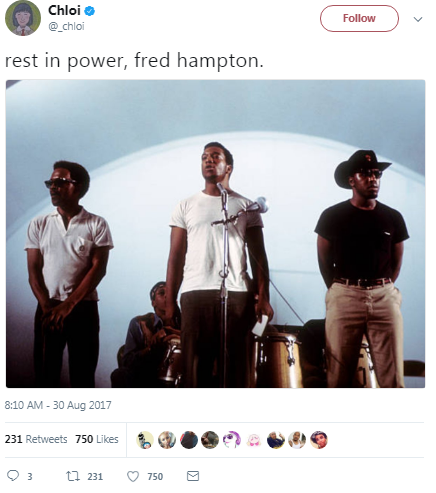
He was an activist who inspired millions to fight for their rights. He knew what was wrong with our country and risked his life to help his people achieve equality. In the society where black were treated like animal he did everything possible to change this. His brave soul, his will and courage changed the history of America , changed the people. He made us believe we can win this war. He payed for it with his life. He will always be remembered.
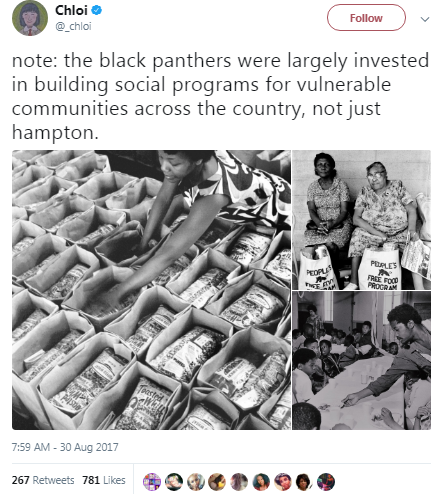
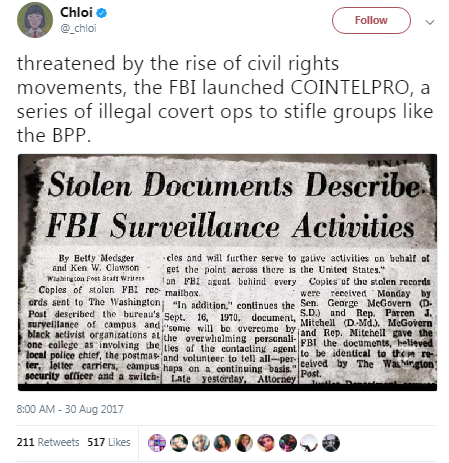
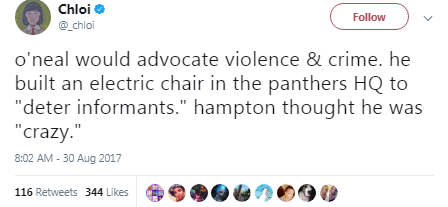
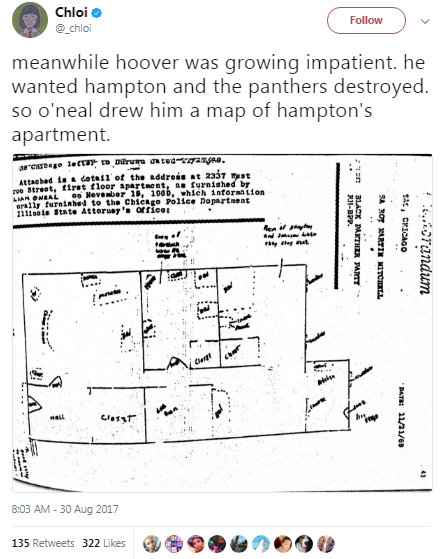
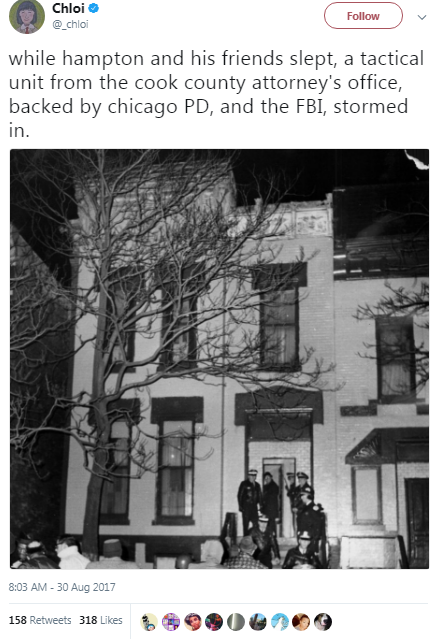
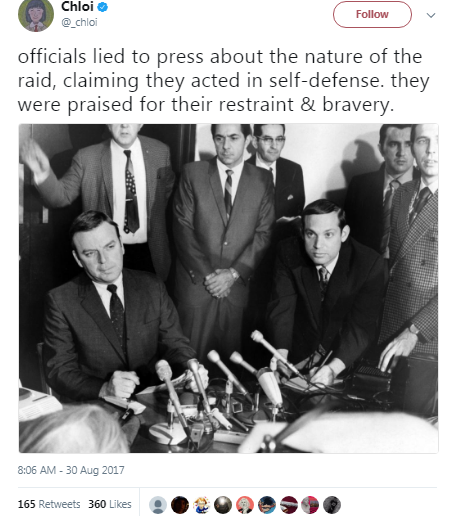
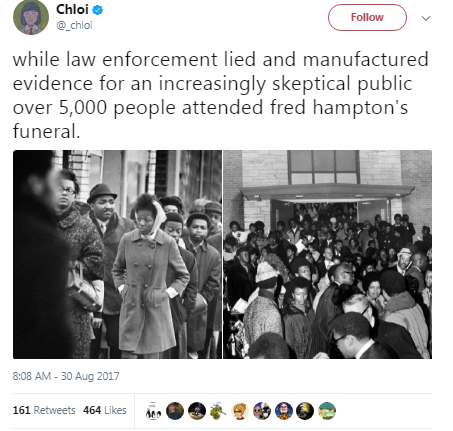
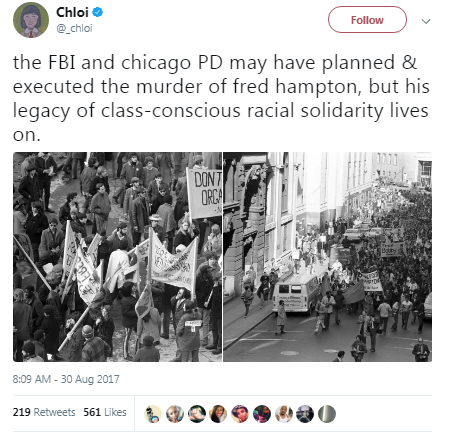
Respecting his memory also means acknowledging that his fight is far from over, black people are facing the same issues that ha birth to the Black Panthers, and that the FBI is basically trying to launch COINTELPRO 2.0 against BLM and other black activists. Hampton should be more than a history lesson, he should be a rallying point.
Bob
Fletcher, a former California agriculture inspector who, ignoring the
resentment of neighbors, quit his job in the middle of World War II to
manage the fruit farms of Japanese families forced to live in internment
camps, died on May 23 in Sacramento. He was 101.
His
death was confirmed by Doris Taketa, who was 12 when Mr. Fletcher
agreed to run her family’s farm in 1942, the year she and her extended
family were relocated to the Jerome War Relocation Center in Arkansas.
“He saved us,” Ms. Taketa said.
After
Japan bombed Pearl Harbor on Dec. 7, 1941, the United States government
forced 120,000 Japanese-Americans on the West Coast out of their homes
and into internment camps for the duration of the war.
Near
Sacramento, many of the Japanese who were relocated were farmers who
had worked land around the town of Florin since at least the 1890s. Mr.
Fletcher, who was single and in his early 30s at the time, knew many of
them through his work inspecting fruit for the government. The farmers
regarded him as honest, and he respected their operations.
After
President Franklin D. Roosevelt signed an executive order in February
1942 that made the relocation possible by declaring certain parts of the
West to be military zones, Al Tsukamoto, whose parents arrived in the
United States in 1905, approached Mr. Fletcher with a business proposal:
would he be willing to manage the farms of two family friends of Mr.
Tsukamoto’s, one of whom was elderly, and to pay the taxes and mortgages
while they were away? In return, he could keep all the profits.
Mr.
Fletcher and Mr. Tsukamoto had not been close, and Mr. Fletcher had no
experience growing the farmers’ specialty, flame tokay grapes, but he
accepted the offer and soon quit his job.
For
the next three years he worked a total of 90 acres on three farms — he
had also decided to run Mr. Tsukamoto’s farm. He worked 18-hour days and
lived in the bunkhouse Mr. Tsukamoto had reserved for migrant workers.
He paid the bills of all three families — the Tsukamotos, the Okamotos
and the Nittas. He kept only half of the profits.
Many
Japanese-American families lost property while they were in the camps
because they could not pay their bills. Most in the Florin area moved
elsewhere after the war. When the Tsukamotos returned in 1945, they
found that Mr. Fletcher had left them money in the bank and that his new
wife, Teresa, had cleaned the Tsukamotos’ house in preparation for
their return. She had chosen to join her husband in the bunkhouse
instead of accepting the Tsukamotos’ offer to live in the family’s
house.
“Teresa’s
response was, ‘It’s the Tsukamotos’ house,’ ” recalled Marielle
Tsukamoto, who was 5 when she and her family were sent to the Jerome
center.
Mr.
Fletcher’s willingness to work the farms was not well received in
Florin, where before the war some people had resented the Japanese
immigrants for their success. Japanese children in the area were
required to attend segregated schools. Mr. Fletcher was unruffled by
personal attacks; he felt the Japanese farmers were being mistreated.
“I
did know a few of them pretty well and never did agree with the
evacuation,” he told The Sacramento Bee in 2010. “They were the same as
anybody else. It was obvious they had nothing to do with Pearl Harbor.”
After
the war, resentment against the Japanese in Florin continued. If Mr.
Tsukamoto tried to buy a part at the hardware store only to be told that
the part was not in stock, he would ask Mr. Fletcher to buy it for him.
Robert
Emmett Fletcher Jr. was born in San Francisco on July 26, 1911, when
the city was still rebuilding after the great earthquake five years
earlier. He attended the University of California, Davis, and later
managed a peach orchard before taking the job as a state shipping point
inspector.
Survivors
include his wife, the former Teresa Cassieri, to whom he was married
for 67 years; their son, Robert Emmett III; three granddaughters; and
five great-grandchildren.
The
Fletchers bought their own land in Florin after the war and raised hay
and cattle. Mr. Fletcher was a volunteer firefighter in Florin for many
decades before becoming the paid fire chief. He was also active in
historical groups.
He
was never much for celebrating his role in the war, and he noted that
other Florin residents had helped their Japanese neighbors.
“I
don’t know about courage,” he said in 2010 as Florin was preparing to
honor him in a ceremony. “It took a devil of a lot of work.”
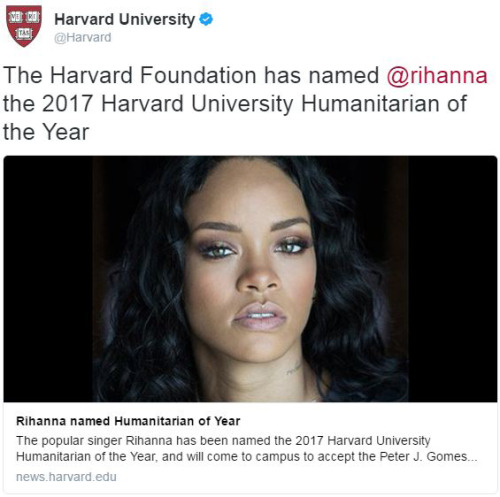
“Rihanna has charitably built a state-of- the-art center for oncology and nuclear medicine to diagnose and treat breast cancer at the Queen Elizabeth Hospital in Bridgetown, Barbados. She has also created the Clara and Lionel Foundation Scholarship Program [named for her grandmother and grandfather] for students attending college in the U.S. from Caribbean countries, and supports the Global Partnership for Education and Global Citizen Project, a multiyear campaign that will provide children with access to education in over 60 developing countries, giving priority to girls and those affected by lack of access to education in the world today.” ~ S. Allen Counter, the Harvard Foundation’s director.
IM SO FUCKING PROUD OF HER! A GIRL FROM THE WEST INDIES ACHIEVING SO MUCH IN HER 20s.
i only heard about this 2 months ago. its been 3 years????
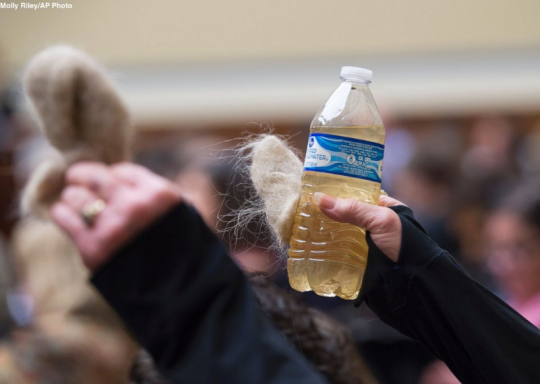
Remember this started because Snyder switched Flint from a freshwater mountain lake to the polluted Flint River simply to allow his wife’s company to use the lake for bottling instead. This is a manufactured crisis of corruption and capitalism.
Also remember that the pipes corroded because they refused to pay for the chemical used to make the water less acidic.
Remember that when the first E. coli outbreak from the water popped up, the city hall was given water coolers by the state, free of charge, all while denying that the water could be unsafe to drink.
Remember that, despite having a huge budget surplus and a “rainy day fund,” set aside that could easily cover the cost of relocating the residents by buying their houses/paying their debt, or could cover a large chunk of the cost of replacing the pipes, the state has decided to continue to only put in the minimal amount of effort.
Remember that flint is majority POC, majority impoverished, and is still being faced with crippling water bills from the Detroit water supply company, where they are often charged $50 a month just to use the service, on top of the cost of their water bill.
Remember that there will now be an entire generation of children who will now be damaged by lead poisoning and damage from the multitude of neurotoxins.
Remember that this is what privatized natural resources looks like. Remember that these people are being punished for having the audacity to dare to be poor in an economy that won’t let them be anything but.
At every level, this has not been a mistake.
The State and City are most upset that people know its happening and are resisting nation-wide.
But if we lose focus they lose even the small amount of aid they’ve managed to get.
This is how they do it. It’s a siege on the public empathy. Eventually we become numb to the problem and despair. Or something bigger happens.
Watch as Australian musician Alan Gogoll delightfully plays his guitar (and makes the strings vibrate) from inside of the instrument’s sound hole. Somehow, I have the feeling that if everyone watched this video, the world would indeed be a better place.
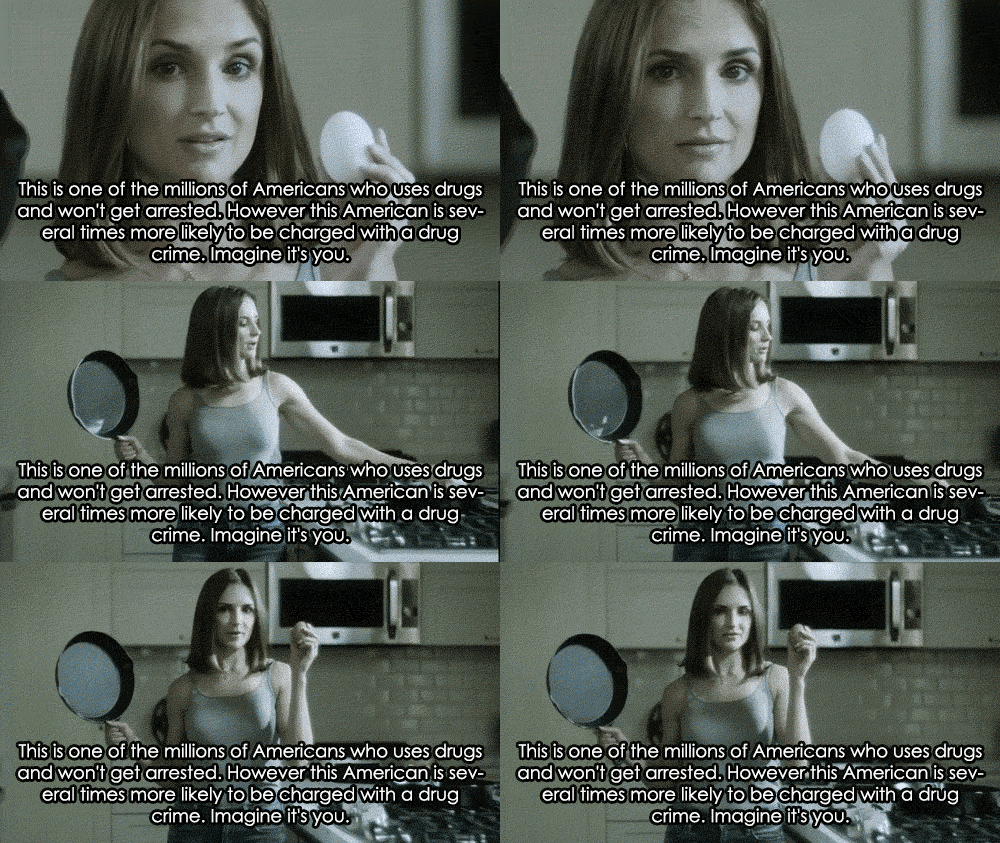
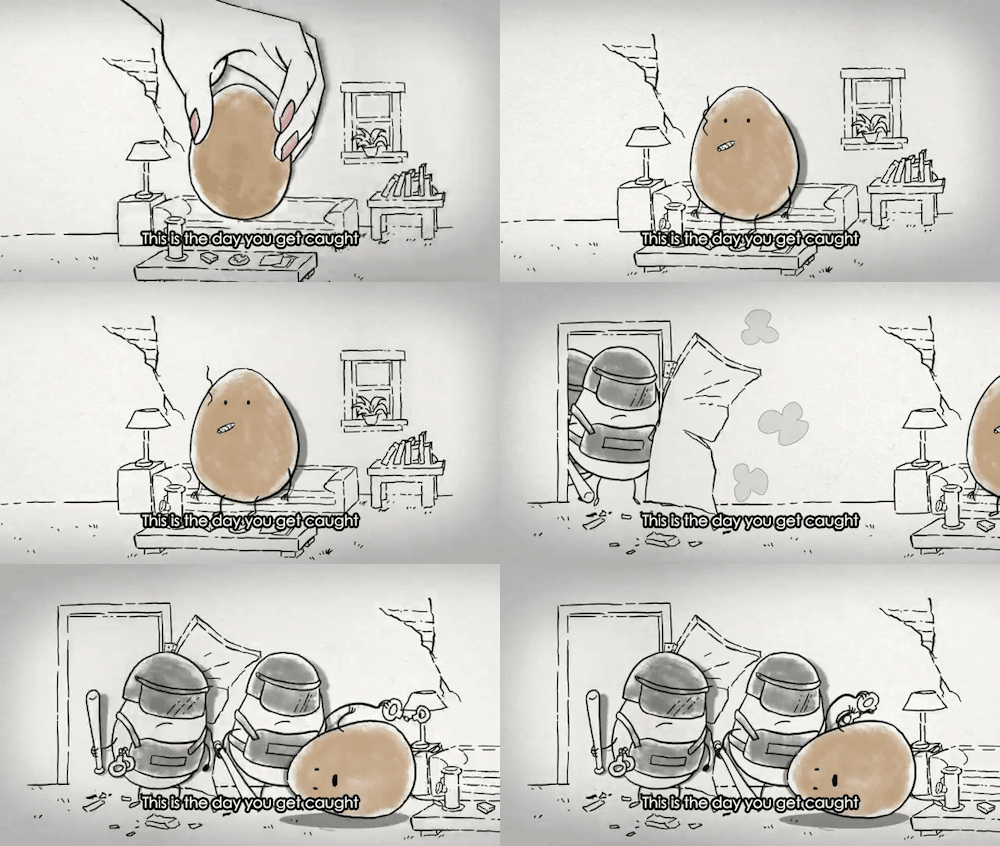
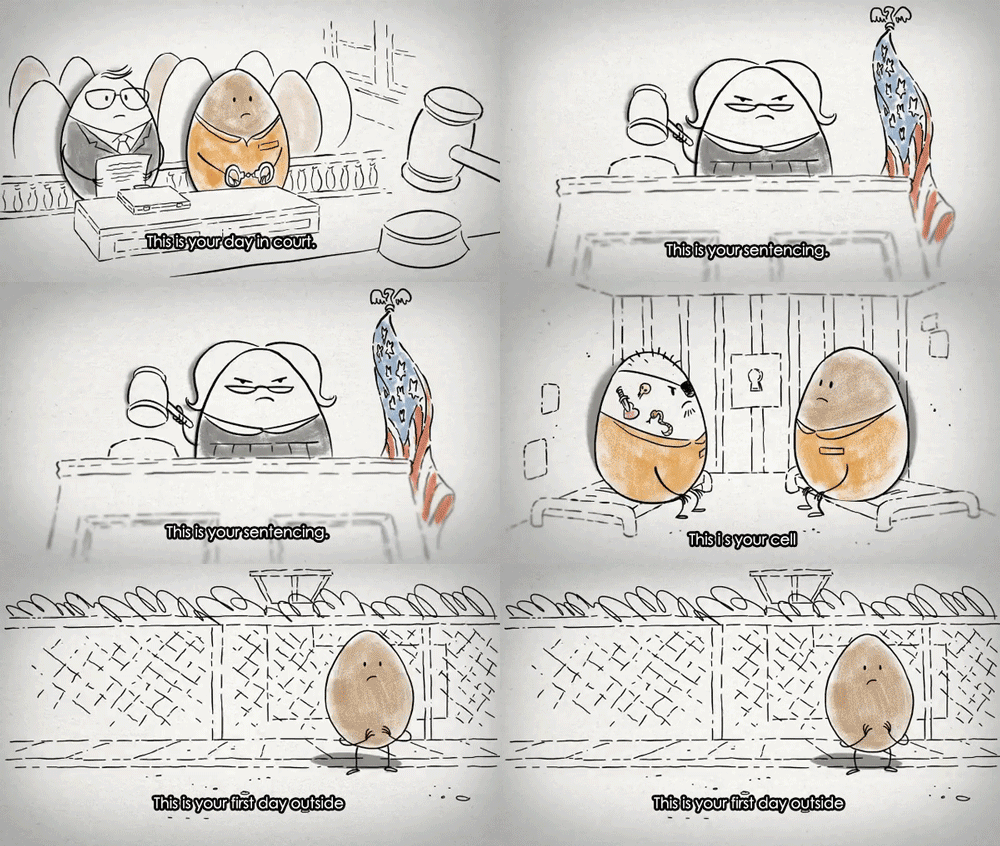
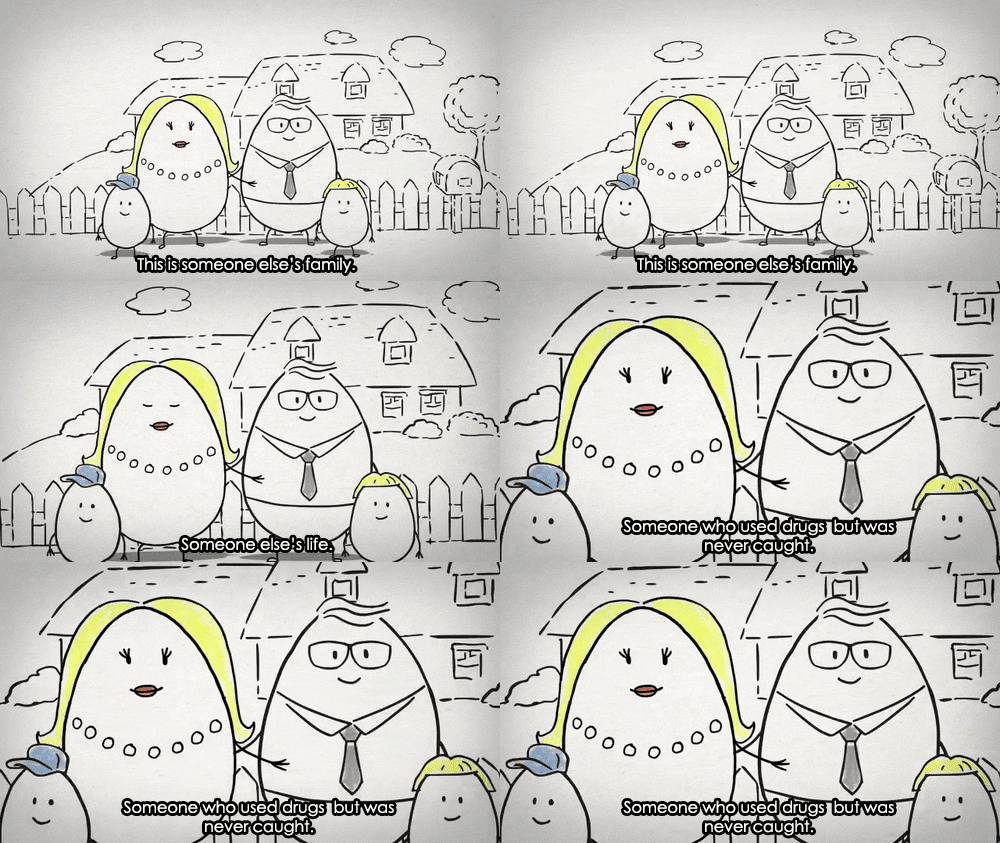
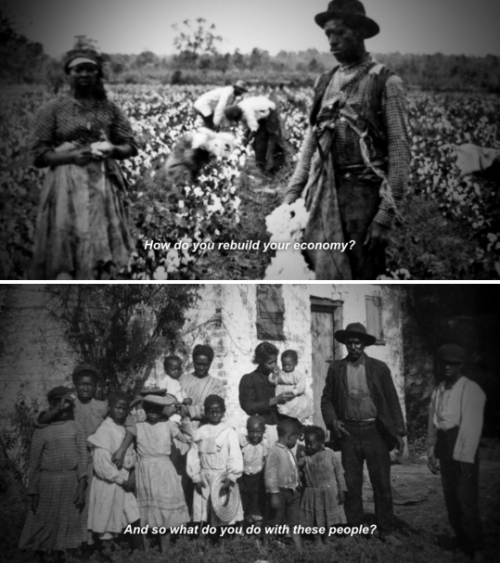
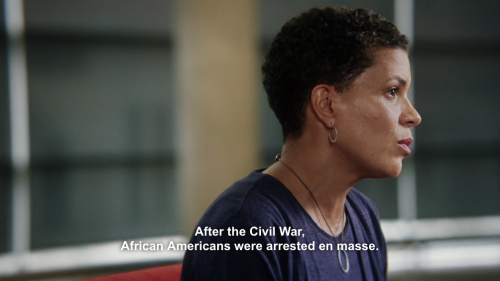
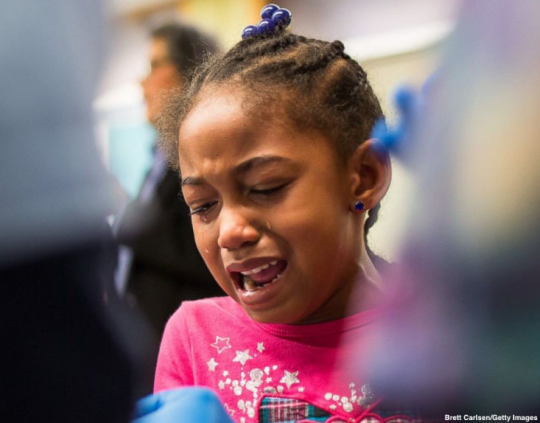
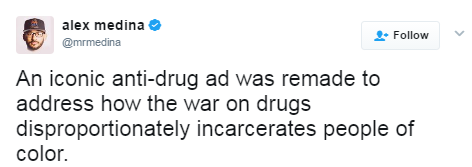
The war on drugs is rooted in racist policies . The failure of the war and drugs is obvious. We need to find a better solution, because people of color should never be the victims of racist policies. White Americans are more likely than black Americans to have used most kinds of illegal drugs, including cocaine and LSD. Yet blacks are far more likely to go to prison for marijuana, which is not a hard drug. Moreover , even when white people get caught , they get less time in prison.
Plus you know Nixon’s aid admitted all this too:
“You understand what I’m saying? We knew we couldn’t make it illegal to be either against the war or black, but by getting the public to associate the hippies with marijuana and blacks with heroin. And then criminalizing both heavily, we could disrupt those communities,” Ehrlichman said. “We could arrest their leaders. raid their homes, break up their meetings, and vilify them night after night on the evening news. Did we know we were lying about the drugs? Of course we did.”
And that’s a real quote.
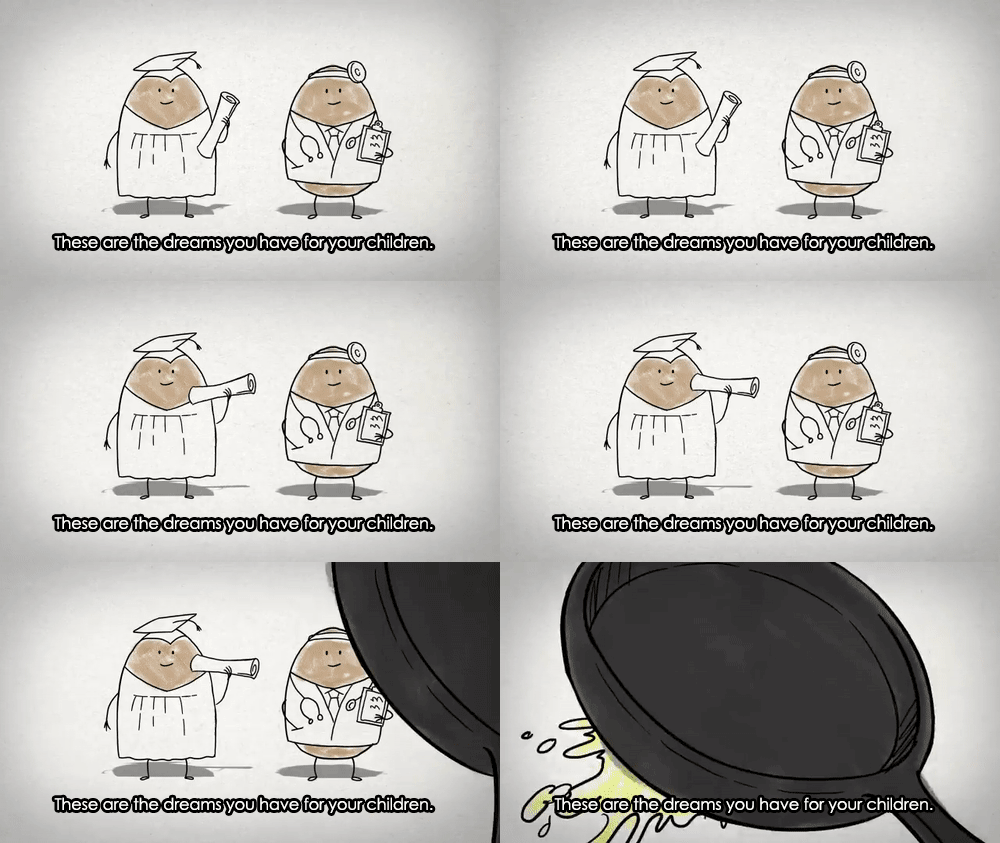
The War on Drugs is a cruel, ongoing, profitable system that disrupts and destroys lives, families, communities, futures. It’s needed to end since before it began.
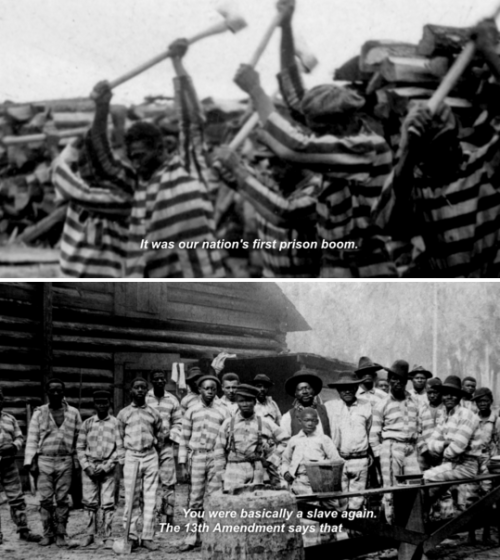
But can we also talk about the justice system, prisoner treatment, prison labor, ex-prisoner rights (and prisoner rights!), and prisoner solidarity?
We don’t have to talk about them all at once, but at the very least, this already brings up ex-convicts’ rights… jobs, housing, loans, financial aid, voting, many services and resources and important aspects of life, including socially.
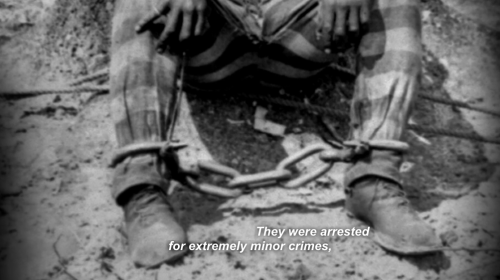
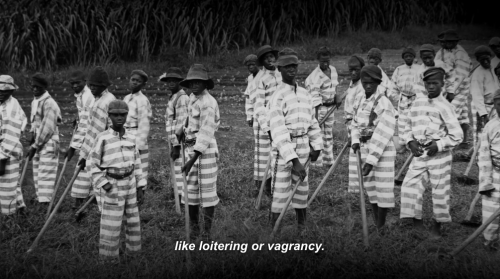
Our prisons are set up as punishment. Not justice. Not crime deterrent (or else we would have a lower recidivism rate). Not rehabilitation.
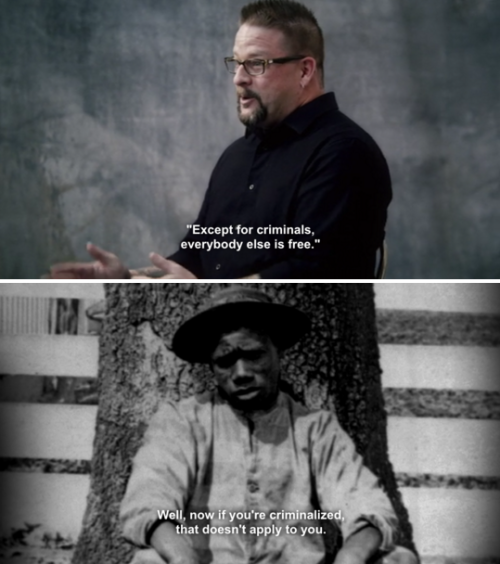
The moment someone is convicted of a crime, they cease to be human in many ways in the eyes of the law and society.
The way we look at and treat crime and criminals from the very beginning is more than flawed, it’s sick, cruel, dehumanizing, oppressive, violent, and dangerous. Just something to think about.
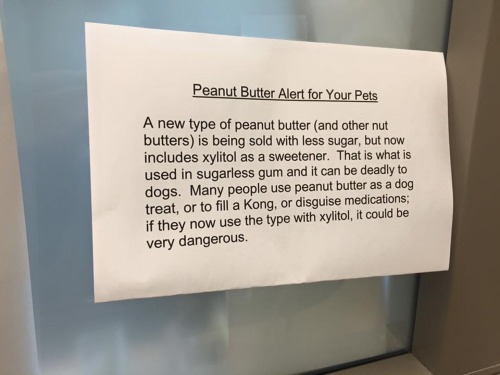
This is Snopes-confirmed. Also be aware this is very common in sugar free food of many kinds. The retriever puppy who I know of who died of xylitol poisoning got hold of a pack of sugar-free gum.
For an all-time zelda fan, sounds like a sweet deal...
For today’s edition of deals of the day, here are a few great deals we stumbled on on the web today, starting with the pre-order on the upcoming Zelda Encyclopedia.
1. hates donald trump
2. got his ear pierced at claires because why not
3. legit asks people to beat him up in action scenes EVEN NOW AS AN OLD MAN
4. is arguably one of the most iconic star wars characters yet couldnt give less of a crap abt star wars
5. the universe tried to kill him (or at least permanently incapacitate him) twice in 2015 and it only mildly inconvenienced him
6. flies helicopters in search and rescue missions
7. was in his 40s for the majority of the indiana jones series which is insane when you think about all the stunts involved
8. quote “the director yells cut and harrison cracks open a beer and then builds a fucking shed”
9. arguably sexy
10. points angrily and its super effective
11. is just a really sweet person 12. no really my dad worked with him on firewall as the tech advisor and he was just a really swell guy 13. got my mom’s birth date from my dad and sent her flowers 14. he sent my mom flowers for her birthday 15. he didn’t even know her he just wanted to be sweet
this was a beautiful and necessary edition to this post thank you oh my god
When he was asked to be in Jimmy Kimmel’s “I’m Fucking Ben Affleck” video, in which he pulled up alongside them in a car and gave Jimmy a little wink and an air-kiss, when he showed up at the set he looked kind of put out. Kimmel was afraid he wasn’t down with what they were asking. But he just said, “I don’t know, this wardrobe…don’t you have anything mesh that I could wear?”
When he was filming “Witness” he rented a small farm from a friend of mine. At the end of the filming my friend went and checked out the property as usual. He noticed the barn door had been leveled so it no longer would swing open on it’s own. Went into the house and saw the closets had been redone, in the kitchen the cabinets had been replaced and all the drawers now opened really well. Turns out that there were thousands of dollars of work and materials put into fixing up everything at the place.
My friend called Ford and asked him how much he was asking for the work. Ford told him doing that kind of thing helped him relax and stay sane when he was filming. Would not take a dime. Plus he paid for a new water heater and got the sewage system cleaned out.
And he paid rent to live there the entire time.
Local Carpenter Stumbles Into Stardom, Worries This May Interfere With His Carpentry
My step sister was driving through Wyoming once, near Ford’s ranch. She stops for gas, and as she’s filling up, this huge motorcycle roars in behind her, scared the pants off her. The rider, dressed in all black steps off, and she yells at him “who do you think you are blasting in here like that, you Darth Vader looking motherfucker?”. He takes off the helmet, and it’s Harrison Ford, and without missing a beat he says
“Hey! I’m not Darth Vader, I’m Luke Skywalker”
From the co-production designer on The Force Awakens, Darren Gilford:
“The Millennium Falcon was the first thing we were actually building. I had been in London and I came home back to L.A. for Christmas. So I go to Sports Chalet to do some last-minute shopping; I get there early, run to the back of the store, get what I need. I’m coming back through the store, and I just happen to pass this person holding up a pair of ski pants, and it’s Harrison Ford. I look at him, he looks at me and puts his head right down. I can tell he doesn’t want to be bothered; I’m sure from the look on my face he knew I knew who he was.
So I walk past him, and after about 10 feet I think, ‘If there’s ever a time to say hello to Harrison Ford, I’m building the Millennium Falcon!’ So I turn around very hesitantly and go, ‘Harrison, I’m sorry to bother you. I’m co-production designer on the new Star Wars, I’m just back from London, and I’ve been building the Falcon.’ A big smile came across his face, he put his hand out, and we had such a great conversation — he couldn’t have been sweeter.
As I’m walking away, he goes, ‘Darren!’ and calls me back. He goes, ‘The toggle switches.’ I go, ‘Toggle switches.’ He goes, ‘The toggle switches on the Falcon. When they built it the first time, they bought cheap toggle switches without any springs in them. Every time I threw a toggle switch, it fell back; it wouldn’t hold. It drove me crazy. Please, make sure the toggle switches are fixed this time.’ I go, ‘No problem! I’ll take care of it!’
So months go by, I’m back in London, we’re getting close [to principal photography], and I get a phone call saying J.J.’s headed down to check out the cockpit, and Harrison’s with him. I run down there and I see J.J. in the passenger seat and Harrison in the pilot seat. They’re just giddy; they’re having so much fun. And then I see Harrison look up, and he just starts throwing all the toggle switches: boom, boom, boom, boom. [Laughs.] And I remember thinking, ‘Phew, minor victory. Take solace in that and move on. Next task.’ That’s my favorite story.”
HARRISON FORD SMILES WHEN MEETING CREW MEMBERS AND IS A NERD FOR FUNCTIONING PRODUCTION DESIGN
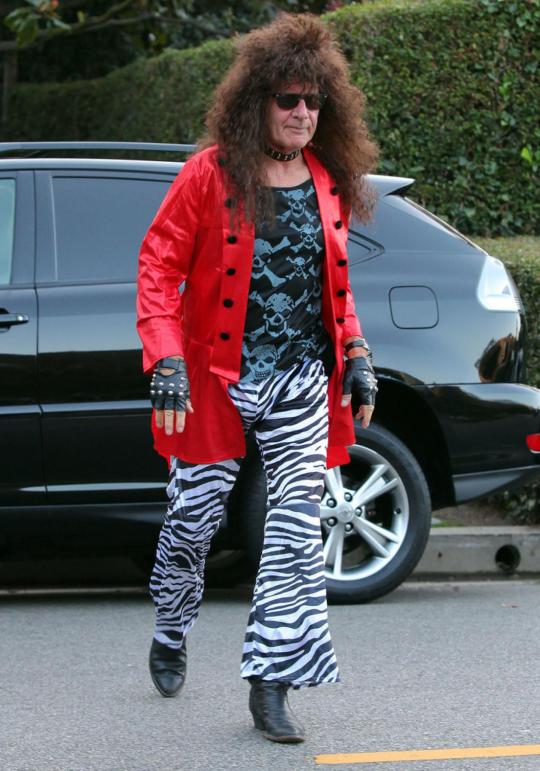
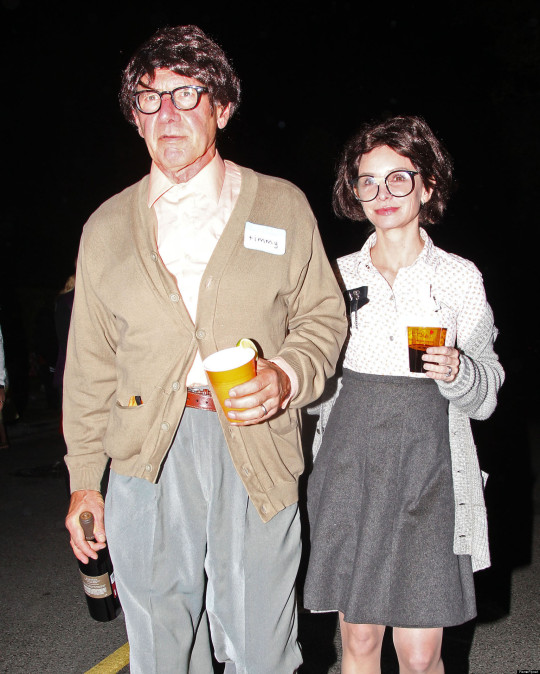
Don’t forget about his Halloween costumes
Harrison ford is a chaotic-good-aligned cryptid, confirmed





 MIT’s Computer Science and Artificial Intelligence Laboratory has teamed up with Harvard’s Wyss Institute to create a super strong, affordable artificial muscle that could be used to create soft robots with “superpowers,” including the ability to lift up to 1000 times their weight. The new soft robotic artificial muscles are inspired by origami, and can be constructed in… Read More