
Shared posts


30 Jun 22:06
1110 – Deus não sabe brincar
by Carlos Ruas

Mindsnoop Marketing, Clauchow and one other like this

30 Jun 17:45
Weaknesses
by Doug

Here are more interviews.
Tony Gibson, Tadeu and one other like this
30 Jun 17:44
Weakness
by Doug

A sort of alternate ending for this one.
Tony Gibson, Tadeu and 4 others like this
30 Jun 13:10
Secrecy and Privacy
by schneier
Interesting article on the history of, and the relationship between, secrecy and privacy
As a matter of historical analysis, the relationship between secrecy and privacy can be stated in an axiom: the defense of privacy follows, and never precedes, the emergence of new technologies for the exposure of secrets. In other words, the case for privacy always comes too late. The horse is out of the barn. The post office has opened your mail. Your photograph is on Facebook. Google already knows that, notwithstanding your demographic, you hate kale.
30 Jun 13:09
Lessons from Biological Security
by schneier
Nice essay:
The biological world is also open source in the sense that threats are always present, largely unpredictable, and always changing. Because of this, defensive measures that are perfectly designed for a particular threat leave you vulnerable to other ones. Imagine if our immune system were designed to deal only with a single strain of flu. In fact, our immune system works because it looks for the full spectrum of invaders low-level viral infections, bacterial parasites, or virulent strains of a pandemic disease. Too often, we create security measures such as the Department of Homeland Security's BioWatch program that spend too many resources to deal specifically with a very narrow range of threats on the risk spectrum.Advocates of full-spectrum approaches for biological and chemical weapons argue that weaponized agents are really a very small part of the risk and that we are better off developing strategies like better public-health-response systems that can deal with everything from natural mutations of viruses to lab accidents to acts of terrorism. Likewise, cyber crime is likely a small part of your digital-security risk spectrum.
A full-spectrum approach favors generalized health over specialized defenses, and redundancy over efficiency. Organisms in nature, despite being constrained by resources, have evolved multiply redundant layers of security. DNA has multiple ways to code for the same proteins so that viral parasites can't easily hack it and disrupt its structure. Multiple data-backup systems are a simple method that most sensible organizations employ, but you can get more clever than that. For example, redundancy in nature sometimes takes the form of leaving certain parts unsecure to ensure that essential parts can survive attack. Lizards easily shed their tails to predators to allow the rest of the body (with the critical reproductive machinery) to escape. There may be sacrificial systems or information you can offer up as a decoy for a cyber-predator, in which case an attack becomes an advantage, allowing your organization to see the nature of the attacker and giving you time to add further security in the critical part of your information infrastructure.
I recommend his book, Learning from the Octopus: How Secrets from Nature Can Help Us Fight Terrorist Attacks, Natural Disasters, and Disease.
BG and -1 others like this
30 Jun 13:07
Pre-9/11 NSA Thinking
by schneier
This quote is from the Spring 1997 issue of CRYPTOLOG, the internal NSA newsletter. The writer is William J. Black, Jr., the Director's Special Assistant for Information Warfare.
Specifically, the focus is on the potential abuse of the Government's applications of this new information technology that will result in an invasion of personal privacy. For us, this is difficult to understand. We are "the government," and we have no interest in invading the personal privacy of U.S. citizens.
This is from a Seymour Hersh New Yorker interview with NSA Direcor General Michael Hayden in 1999:
When I asked Hayden about the agency's capability for unwarranted spying on private citizens -- in the unlikely event, of course, that the agency could somehow get the funding, the computer scientists, and the knowledge to begin making sense out of the Internet -- his response was heated. "I'm a kid from Pittsburgh with two sons and a daughter who are closet libertarians," he said. "I am not interested in doing anything that threatens the American people, and threatens the future of this agency. I can't emphasize enough to you how careful we are. We have to be so careful -- to make sure that America is never distrustful of the power and security we can provide."
It's easy to assume that both Black and Hayden were lying, but I believe them. I believe that, 15 years ago, the NSA was entirely focused on intercepting communications outside the US.
What changed? What caused the NSA to abandon its non-US charter and start spying on Americans? From what I've read, and from a bunch of informal conversations with NSA employees, it was the 9/11 terrorist attacks. That's when everything changed, the gloves came off, and all the rules were thrown out the window. That the NSA's interests coincided with the business model of the Internet is just a -- lucky, in their view -- coincidence.


28 Jun 14:11
Renan Calheiros comemora corrupção como crime hediondo em festa com dinheiro desviado
by Vinicius Antunes
O senador Renan Calheiros declarou ontem que está muito feliz que o projeto que transforma corrupção como crime hediondo tenha sido aprovado. Para comemorar, ele deu uma festa de primeira com salmão, caviar e muita champanhe, toda patrocinada com dinheiro público.
Segundo Renan Calheiros, a festa é uma saideira: “Já que vai virar crime hediondo, e tem que virar mesmo, deixa a gente dar a última aproveitadinha, não é Brasil?”
28 Jun 14:10
Ações de marketing espetaculares – parte 3
by Vinicius Antunes
Para ver a parte 1, clique aqui.
Para ver a parte 2, clique aqui.


Para ver a parte 1, clique aqui.
Para ver a parte 2, clique aqui.
27 Jun 14:31
What the World War Z movie has in common with the book
by Matthew Inman

János Rusiczki, Lblock and -1 others like this
27 Jun 14:31


Credible Hulk tee
by Cory Doctorow

For a mere $16, you can own this "CREDIBLE HULK ALWAYS CITES HIS SOURCES" tee. Goes well with the (as-yet-nonexistent) [CITATION NEEDED] shoelaces.
The Credible Hulk Always Cites His Sources : Reasonist Products (via Tor Teen Tumblr) 
    
|
27 Jun 14:28


The Boy Who Loved Math: The Improbable Life of Paul Erdős -- great kids' book
by Cory Doctorow
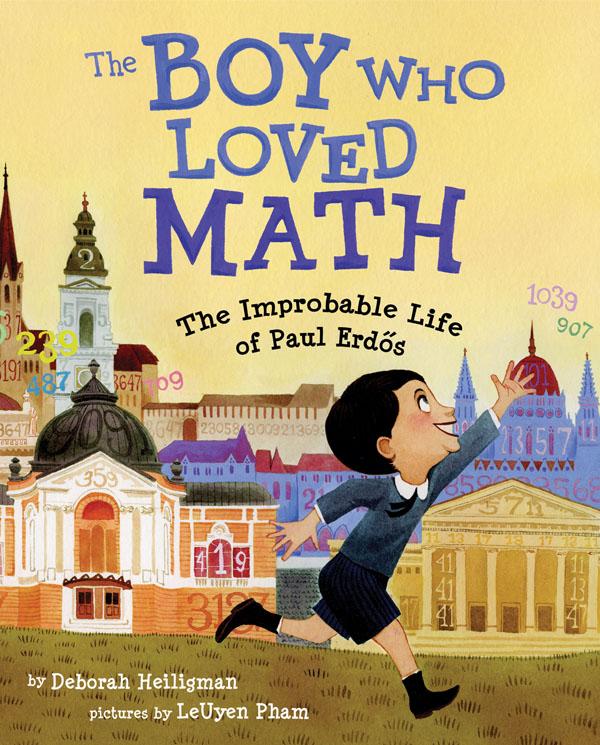
The Boy Who Loved Math: The Improbable Life of Paul Erdős is a beautifully written, beautifully illustrated kids' biography of Paul Erdős, the fantastically prolific itinerant mathematician who published more papers than any other mathematician in history.
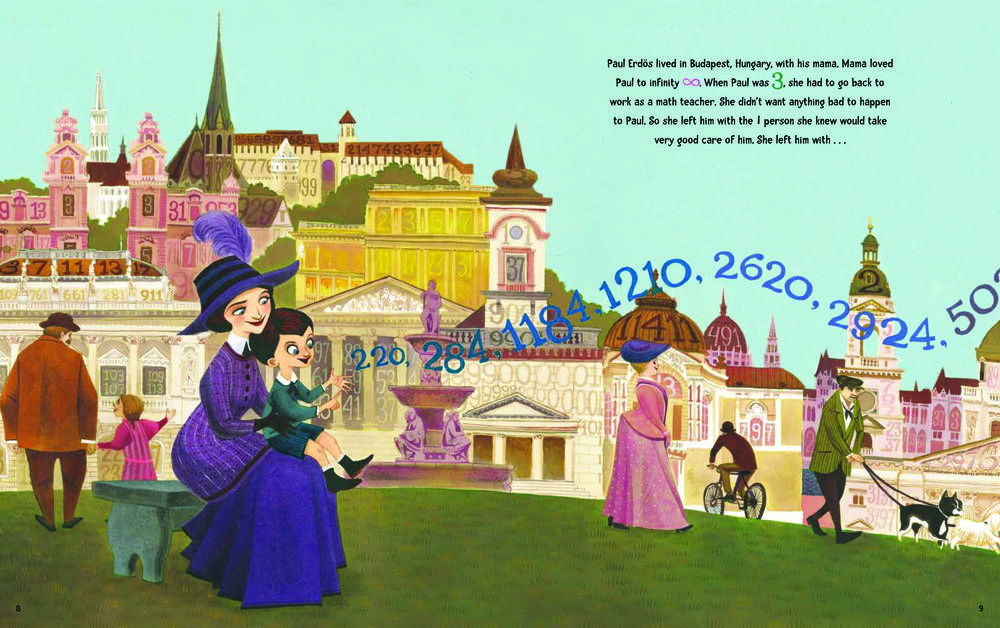
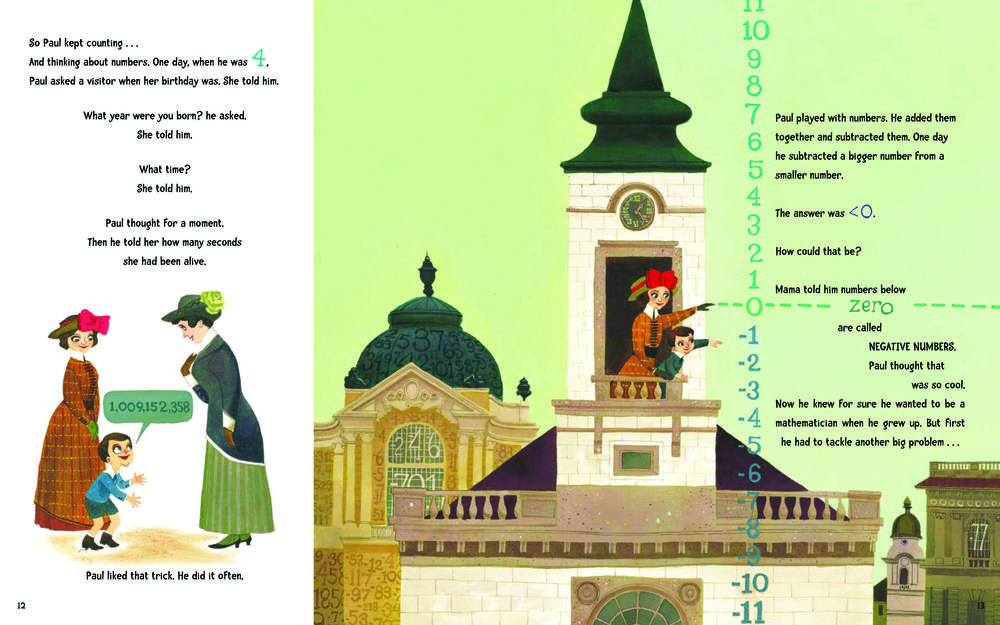
Boy is written by Deborah Heiligman, with illustrations by LeUyen Pham, and the pair really worked to weave numbers and mathematics through the text, with lively, fun illustrations of a young Erdős learning about negative numbers, becoming obsessed with prime numbers and leading his high-school chums on a mathematical tour of Budapest. They also go to great lengths to capture the upside and downside of Erdős's legendary eccentricity -- his inability to fend for himself and his helplessness when it came to everyday tasks like cooking and doing laundry; his amazing generosity and brilliance and empathy in his working and personal life.
Ultimately, this is a book that celebrates the idea of following your weird, wooing the muse of the odd, and playing to your strengths rather than agonizing over your weaknesses. It's an inspiring and sweet tale of one of humanity's greatest mathematicians, and a parable about the magic of passion and obsession.
My daughter, who is five, demanded that I read it to her three times in a row, over three bedtimes, which is always a vote of confidence.
The Boy Who Loved Math: The Improbable Life of Paul Erdos
The illustrations and layouts in Boy are fabulous, and Roaring Brook was kind enough to supply us with three spreads (click each to embiggen):



|
|
Tadeu, Russian Sledges and 3 others like this
27 Jun 14:27
The State of Web Articles
by DOGHOUSE DIARIES

Matthiasvdh, János Rusiczki and 6 others like this
27 Jun 14:27
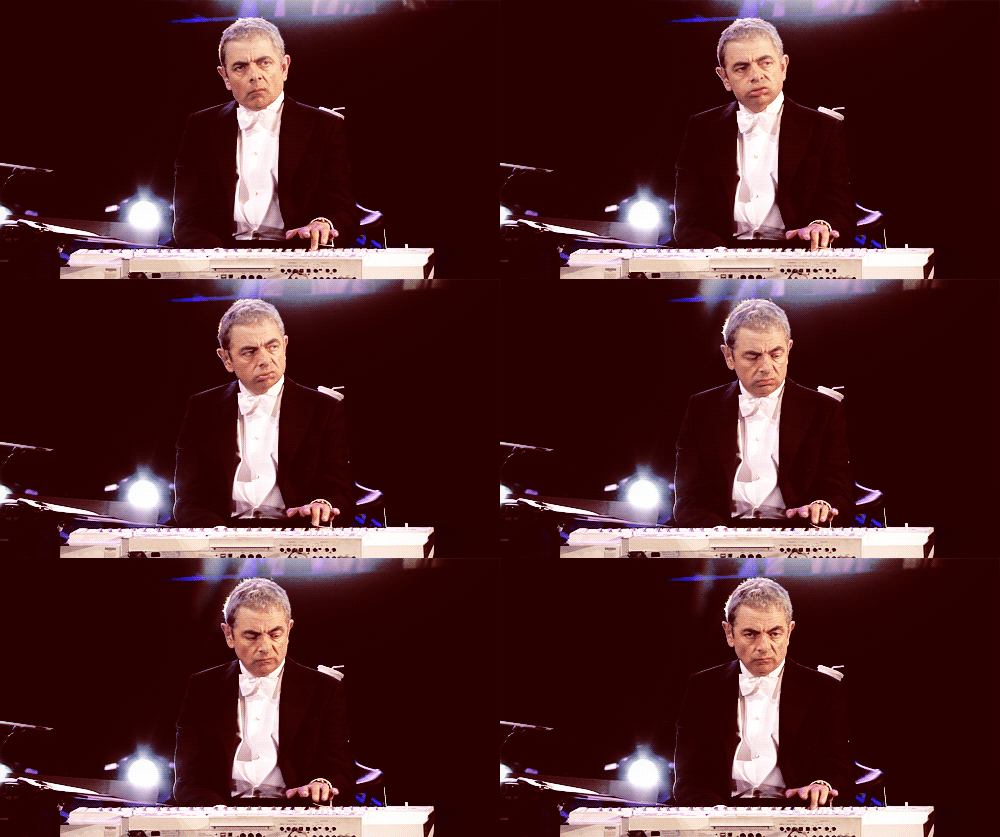
Stepping a long loop when debugging
by sharhalakis
by tkrugg
Doctor.Salar, Renato Cerqueira and one other like this
27 Jun 14:27

Only The Lonely
by Stephen Fry
There isn’t any point in denying that the outburst of sympathy and support that followed my confession to an attempt at self-slaughter last year (Richard Herring podcast) has touched me very deeply.
Some people, as some people always will, cannot understand that depression (or in my case cyclothymia, a form of bipolar disorder) is an illness and they are themselves perhaps the sufferers of a malady that one might call either an obsession with money, or a woeful lack of imagination.
“How can someone so well-off, well-known and successful have depression?” they ask. Alastair Campbell in a marvelous article, suggested changing the word “depression” to “cancer” or “diabetes” in order to reveal how, in its own way, sick a question, it is. Ill-natured, ill-informed, ill-willed or just plain ill, it’s hard to say.
But, most people, a surging, warm, caring majority, have been kind. Almost too kind. There’s something a little flustering and embarrassing when a taxi-driver shakes you by the hand, looks deep into your eyes and says “You look after yourself, mate, yes? Promise me?” And there’s something perhaps not too helpful to one’s mental health when it is the only subject people want to talk to you about, however kindly or for whatever reasons.
But I have nothing to complain about. I won’t go into the terrible details of the bottle of vodka, the mixture of pills and the closeness to permanent oblivion I came. You can imagine them and I don’t want to upset the poor TV producer and hotel staff who had to break down my door and find me in the unconscious state I was in, four broken ribs thanks to some sort of convulsive fit that must have overtaken me while I lay almost comatose, vomit dribbling from my mouth. You can picture the scene.
The episode, plus the relationship I now have with a magnificent psychiatrist, has made made my mental health better, I think, than it’s ever been. I used to think it utterly normal that I suffered from “suicidal ideation” on an almost daily basis. In other words, for as long as I can remember, the thought of ending my life came to me frequently and obsessively. But then it’s the thought behind the most famous speech in all history. To be, or not to be.
To be, or not to be: that is the question:
Whether ’tis nobler in the mind to suffer
The slings and arrows of outrageous fortune,
Or to take arms against a sea of troubles,
And by opposing end them? To die: to sleep;
No more; and by a sleep to say we end
The heart-ache and the thousand natural shocks
That flesh is heir to, ’tis a consummation
Devoutly to be wish’d. To die, to sleep;
To sleep: perchance to dream: ay, there’s the rub;
For in that sleep of death what dreams may come
When we have shuffled off this mortal coil,
Must give us pause: there’s the respect
That makes calamity of so long life;
For who would bear the whips and scorns of time,
The oppressor’s wrong, the proud man’s contumely,
The pangs of despised love, the law’s delay,
The insolence of office and the spurns
That patient merit of the unworthy takes,
When he himself might his quietus make
With a bare bodkin? who would fardels bear,
To grunt and sweat under a weary life,
But that the dread of something after death,
The undiscover’d country from whose bourn
No traveller returns, puzzles the will
And makes us rather bear those ills we have
Than fly to others that we know not of?
Thus conscience does make cowards of us all;
And thus the native hue of resolution
Is sicklied o’er with the pale cast of thought,
And enterprises of great pith and moment
With this regard their currents turn awry,
And lose the name of action…
Take time to read it slowly to yourself or out loud. I don’t have Hamlet’s wit (or Shakespeare’s of course) but every logical or doubtful step from line to line expresses better how hard I thought about the advantages and cursed (as I thought) disadvantages against suicide. The speech, for the most part, stayed my hand. As it did Hamlet’s.
But medicine, much as some don’t like to hear it, can help. I am on a regime of four a day. One is an SNRI, the other a mood-stabilizer. I haven’t considered suicide in anything other than a puzzled intellectual way since this pharmaceutical regime “kicked in”.
But I can still be sad. Perhaps you might go to my tumblr page and see what Bertrand Russell wrote about his abiding passions (it’s the last section of the page). I can be sad for the same reason he was, though I do so much less about it than that great man did. But I can be sad for personal reasons because I am often forlorn, unhappy and lonely. These are qualities all humans suffer from and do not qualify (except in their worst extremes) as mental illnesses.
Lonely? I get invitation cards through the post almost every day. I shall be in the Royal Box at Wimbledon and I have serious and generous offers from friends asking me to join them in the South of France, Italy, Sicily, South Africa, British Columbia and America this summer. I have two months to start a book before I go off to Broadway for a run of Twelfth Night there.
I can read back that last sentence and see that, bipolar or not, if I’m under treatment and not actually depressed, what the fuck right do I have to be lonely, unhappy or forlorn? I don’t have the right. But there again I don’t have the right not to have those feelings. Feelings are not something to which one does or does not have rights.
In the end loneliness is the most terrible and contradictory of my problems. I hate having only myself to come home to. If I have a book to write, it’s fine. I’m up so early in the morning that even I pop out for an early supper I am happy to go straight to bed, eager to be up and writing at dawn the next day. But otherwise…
It’s not that I want a sexual partner, a long-term partner, someone to share a bed and a snuggle on the sofa with – although perhaps I do and in the past I have had and it has been joyful. But the fact is I value my privacy too. It’s a lose-lose matter. I don’t want to be alone, but I want to be left alone. Perhaps this is just a form of narcissism, vanity, overdemanding entitlement – give it whatever derogatory term you think it deserves. I don’t know the answer.
I suppose I just don’t like my own company very much. Which is odd, given how many times people very kindly tell me that they’d put me on their ideal dinner party guestlist. I do think I can usually be relied upon to be good company when I’m out and about and sitting round a table chatting, being silly, sharing jokes and stories and bringing shy people out of their shells.
But then I get home and I’m all alone again.
I don’t write this for sympathy. I don’t write it as part as my on going and undying commitment to the cause of mental health charities like Mind. I don’t quite know why I write it. I think I write it because it fascinates me.
And perhaps I am writing this for any of you out there who are lonely too. There’s not much we can do about it. I am luckier than many of you because I am lonely in a crowd of people who are mostly very nice to me and appear to be pleased to meet me. But I want you to know that you are not alone in your being alone.
Loneliness is not much written about (my spell-check wanted me to say that loveliness is not much written about – how wrong that is) but humankind is a social species and maybe it’s something we should think about more than we do. I cannot think of many plays or documentaries or novels about lonely people. Aah, look at them all, Paul McCartney enjoined us in Eleanor Rigby… where do they all come from?
The strange thing is, if you see me in the street and engage in conversation I will probably freeze into polite fear and smile inanely until I can get away to be on my lonely ownsome.
Make of that what you will.
Sx
The post Only The Lonely appeared first on Official site of Stephen Fry.
firehose, Dan Riggins and one other like this
27 Jun 14:13


20 Online Resources for Free E-Books
by Lana Winter-Hébert
Many people are turning from traditional paper-based books to e-readers these days, and though the demand for printed books might be lessening somewhat, folks are certainly not reading any less! If anything, the ability to download e-books has made it easier for many people to feed their voracious reading habits.
Note: regardless of whether you’re reading e-books on a Kindle, Kobo, Nook, tablet, or even a laptop, you should get a copy of Calibre E-book Management software (a free download): it helps to manage and file all of your e-books, and can convert files to the format that your particular device needs to display everything properly.
1. Libraries
Many libraries around the world are now loaning e-books as well as printed copies, so look up your area’s local library website to see if they offer this service.
2. Amazon
When you go to Amazon.com (or any of its international sites), click on the Kindle tab, go to e-books, and then search for the word “free”. Just keep in mind that e-books downloaded from Amazon cannot be read on a competitor’s e-reader, so Nooks and Kobos are incompatible. You can, however, read Kindle e-books on your computer, smartphone, tablet, iPad, or any other device; you just need the Kindle App in order to do so.
3. GetFreeEbooks.com
This site has thousands of titles to choose from in just about any genre imaginable, and if you don’t mind wading through some truly horrendous book cover design, you can find some real treasures. Most of their books are by independent, self-published authors, and they also have titles in Hindi, Tamil, and Marathi.
4. EReader IQ
Daily free e-books are the main feature on this site, and there are some spectacular titles to choose from, including a large number of children’s books and young adult novels. The format is specific to Kindle though, so unless you have a conversion program, you might be out of luck if you’re using a different e-reader.
5. Free Book Spot
The website might not be terribly impressive or polished, but they have an extensive selection of books ranging from reference materials to fiction novels. You can find some absolute gems on this site, but be aware that you may come across some broken links on occasion: please report them if and when you do.
6. ManyBooks.net
If you’re in need of something new to read but aren’t quite sure what you’d like, you can go through the most popular titles and recommendations on this site and read reviews from those who have stopped by before you: maybe you’ll find something brilliant to delve into. There are over 21,000 titles on this site, and they can be downloaded for iPods, PDAs, and e-book readers.
7. Baen Free Library
Baen, a free e-book library specifically for sci-fi/fantasy novels, is unique in that all of the books that are available there have been uploaded (or approved for upload) by authors themselves. This is done in the hope that if people enjoy the work they’ve read for free, they will either contribute what they can, or buy print versions of the books.
8. Free E-Books
This site requires you to create an account in order to access their library, but registration is free, and you then have the ability to download as many e-books, magazines, and academic papers as you like. Be forewarned that the vast majority of books on there are self-published, so although you may find the occasional well-written novel on the site, there’s also a lot of dross to sort through.
9. Free Computer Books.com
If you’re looking for e-books on computer languages, web design/programming, or any number of specific programs, this is one of the best places for free resources that you can find online.
10. Scribd.com
A great venue for self-published authors, Scribd gives people the opportunity to upload their own work, and download books by other authors. There’s a small catch: not all the books are free. You can read free excerpts of some novels and then purchase them in their entirety for a nominal fee, but rest assured that there are many spectacular titles available for no charge whatsoever.
11. Planet Ebook.com
This is the place you want to visit if you’re in love with classics. Works by Arthur Conan Doyle, the Brontë sisters, Jane Austen, Tolstoy, and Victor Hugo are just a few of the fabulous reads you can download free of charge here.
12. Daily Free E-Books
A great site with a wide array of read-ables, Daily Free E-books will also send you free reading materials in your genre(s) of choice. It also provides you with an app that can convert the Kindle format to suit whichever device you’re using.
13. Ereader Love
The majority of books on this site are in the sci-fi/fantasy and romance genres, but there are little gems to be found in the other sections as well. Young adult readers may find some unique stories to dive into, and there are a few hundred mystery and horror novels to plough through too.
14. Project Gutenberg
This site deals specifically with older books such as classic novels and reference materials, and are free in the United States because their copyright has expired. Gutenberg has over 42,000 free e-books available, so even the most voracious reader will have plenty of material to chew through.
15. Booksie
Over 400,000 titles reside on the Booksie website, and all can be downloaded for free. They’re all self-published books, so be aware that the content will vary as far as quality is concerned. They do have a large selection of decent children’s books available, so your literary little ones will have plenty of content to enjoy.
16. Barnes and Noble
For U.S. readers who use the Nook for their e-books, Barnes and Noble has an extensive collection of free materials to download. Now, by “extensive collection” I mean nearly 2 million titles, so you can go hog wild on this site if you’re up for it.
17. ManyBooks
Hundreds of free e-books are available on this site, with subjects ranging from African-American studies to Zoroastrianism. Take your pick and download away.
18. ReadAnyBook.com
I don’t know how legit this site is, but there are thousands of popular books by well-known authors available for free, and you can either read the texts right on the site, or download them in formats such as PDF, Epub, RTF, and more.
19. The Baldwin Online Children’s Project
Consider this “Project Gutenberg”, but for the younger crowd: all the classic books on this site are geared towards the 12-and-under crowd, with titles ranging from Aesop’s fables to faerie tales, mythology, history, and spiritual stories.
20. Google Books
Last, but certainly not least, Google Books allows you to search for the title, genre, author, or keyword that you’re most interested in so you can delve into bookish glee without having to shell out any cash.
If you have an Amazon Kindle, then you’ve probably already discovered that the site has a pretty nice library of free books available for download. : Finding Free Books For Your Amazon Kindle
The post 20 Online Resources for Free E-Books appeared first on Lifehack.
|
|
Peuaguilar, Jantdp and -1 others like this
27 Jun 12:59
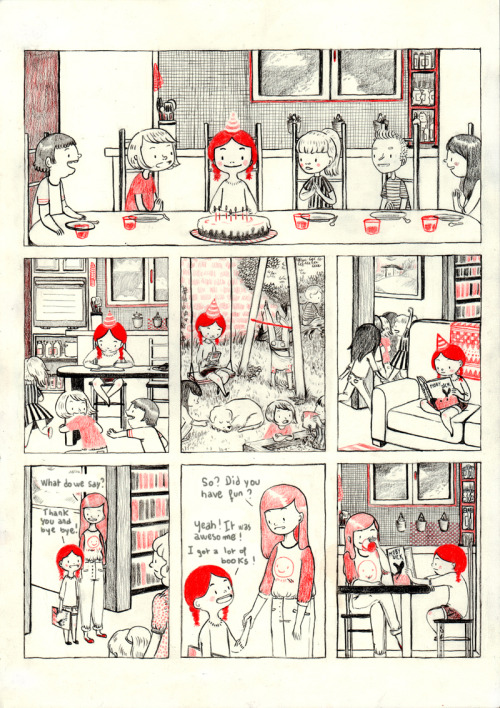
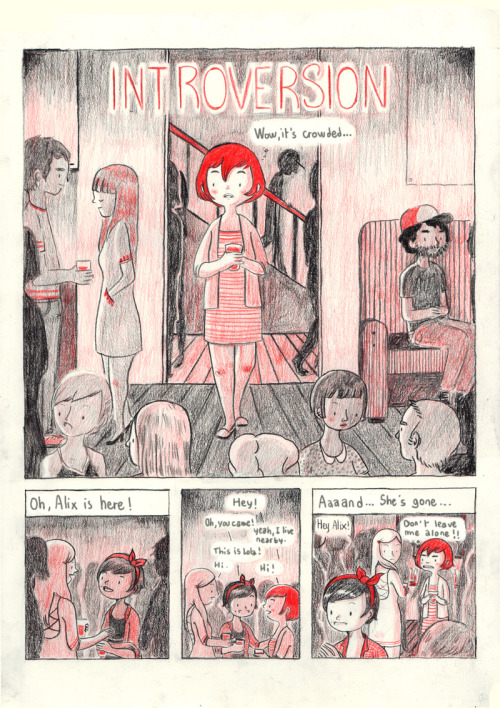
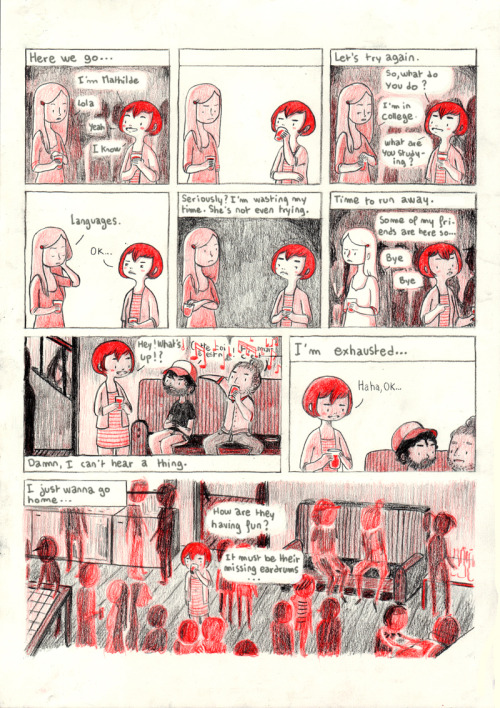
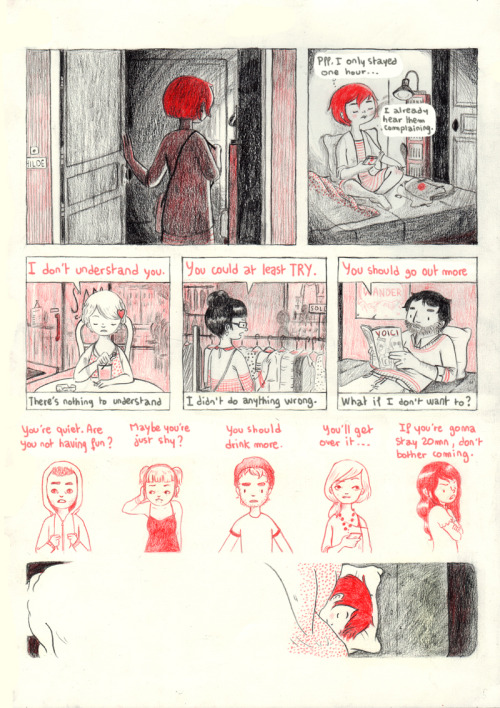
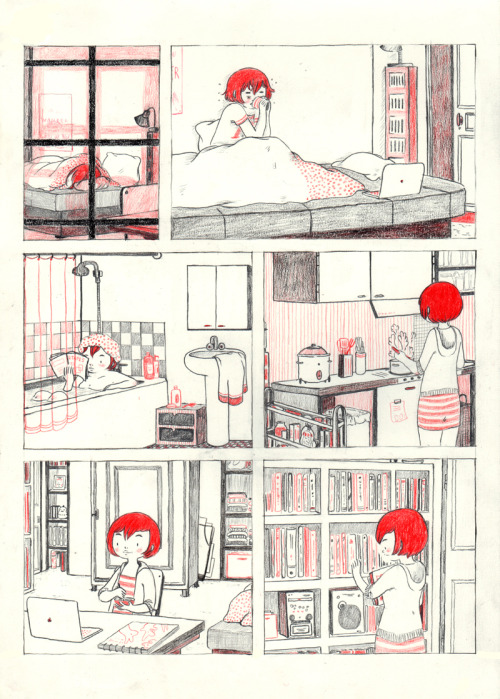
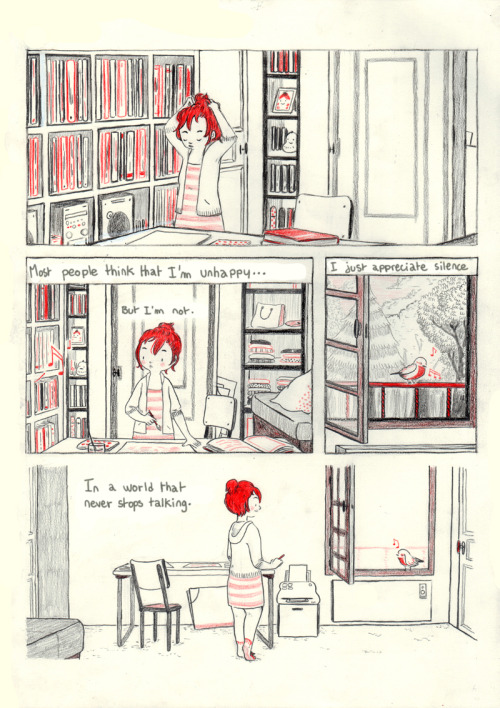
Uma das melhores coisas que eu li hoje, essa semana e...
Albener PessoaLooks like my life too
Alvaro Freitas and -1 others like this
27 Jun 12:49


Comentários em portais - pt. 2
by Fernanda Nia
Fico tipo a Branca de Neve, correndo no bosque amaldiçoado no início do filme. A diferença é que quando eu caio no chão e começo a chorar, nenhum passarinho colorido vem me acordar pra dizer que está tudo bem. Um minuto de silêncio pela humanidade...
[Tirinha: Comentários em portais - pt.1]
27 Jun 10:35
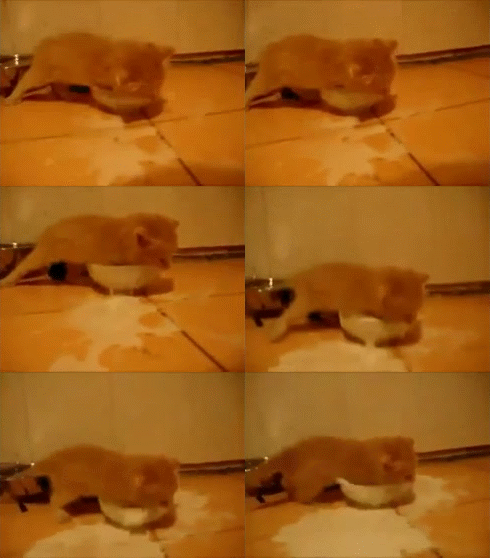
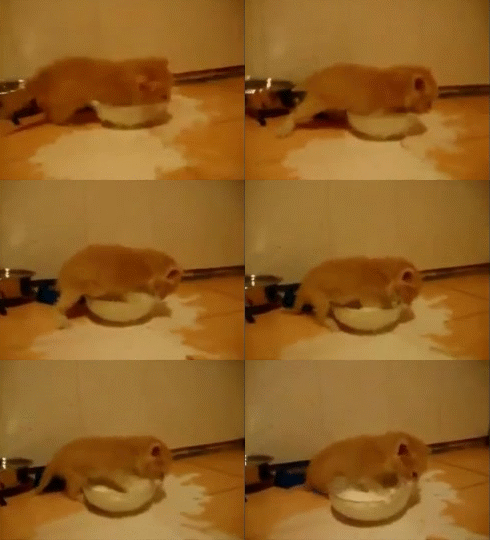
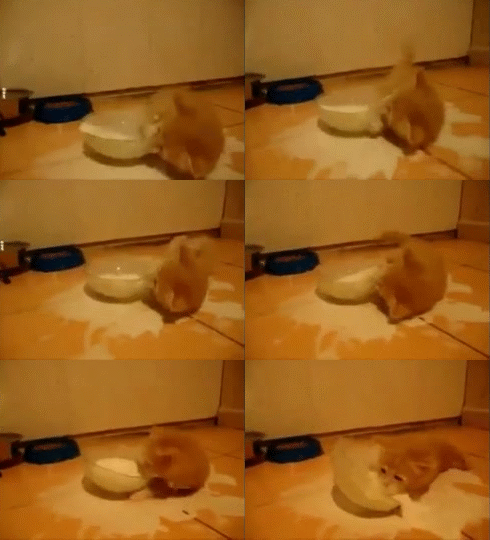
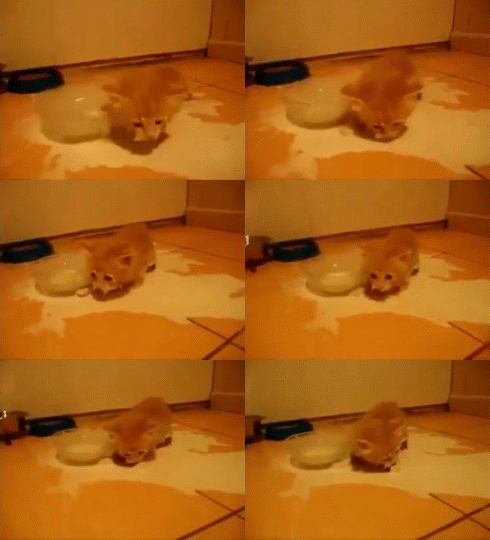
sweet-land-of-libertea: thackerybinxx: shinga-tumblr: It’s...
It’s okay kitten, I too have been that drunk
OH my GOD
infomercial kitten.
why is no-one willing to sell him a special kitten straw for $19.95
Sthevens, Adam Victor Brandizzi and -1 others like this
26 Jun 23:47
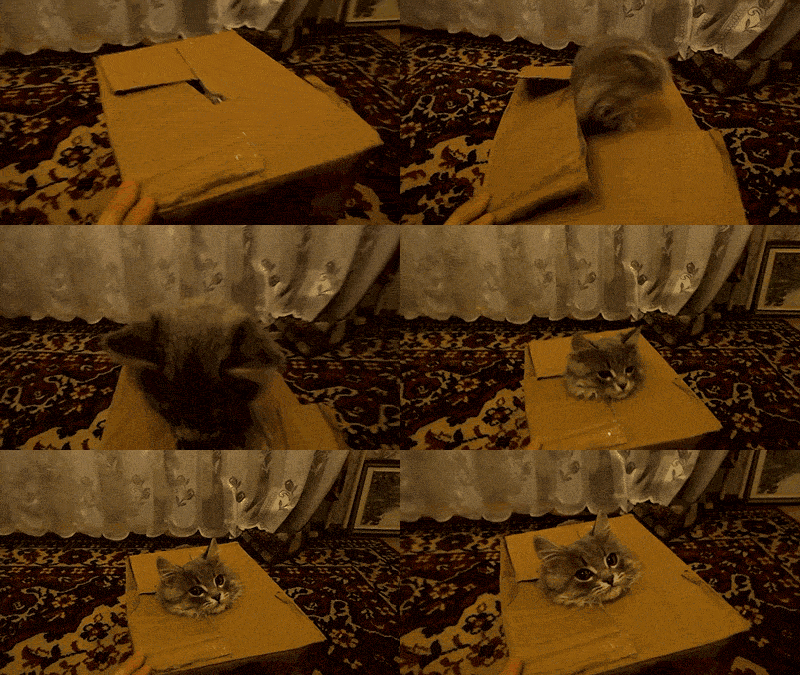
anomalousdata: oreosforbreakfast: ohaielly: someone didn’t...
someone didn’t think this through.Laughed for like 3 days.
You can see the exact moment where it realizes its mistake.
Tertiarymatt, firehose likes this
26 Jun 18:48
Mendigos apoiam campanha “Vem pra Rua”
by Vinicius Antunes
Mendigos do Centro do Rio de Janeiro apoiaram a campanha #VemPraRua. Um morador de rua falou com a nossa equipe de reportagem: “Finalmente o povo tá acordado e querendo saber como é que a gente dorme, se alimenta e vai no banheiro, né? O problema é que esse povo é meio agitado demais, fica fazendo barulho de noite, é ruim pra dormir, ainda mais com o cheiro de perfume de pimenta que eles usam.”
As manifestações de apoio não param com os mendigos. Diversas favelas também apoiaram o movimento, uma moradora do Borel falou com a gente: “Eles agora, mesmo sendo da Zona Sul do Rio, estão sabendo o que é ter caveirão na porta de casa, né? Eles do asfalto estão fazendo o movimento deles e querem apoio, queremos ver quem vai apoiar quando fizermos o #VemProMorro!”
Leonardo Lanna e Vinícius Antunes
26 Jun 14:55

What’s the most intellectual joke you know?
by Tyler Cowen
That query is from AskReddit, the link is here, and here are a few of the nominations:
It’s hard to explain puns to kleptomaniacs because they always take things literally.
And:
Jean-Paul Sartre is sitting at a French cafe, revising his draft of Being and Nothingness. He says to the waitress, “I’d like a cup of coffee, please, with no cream.” The waitress replies, “I’m sorry, Monsieur, but we’re out of cream. How about with no milk?”
And:
Werner Heisenberg, Kurt Gödel, and Noam Chomsky walk into a bar. Heisenberg turns to the other two and says, “Clearly this is a joke, but how can we figure out if it’s funny or not?” Gödel replies, “We can’t know that because we’re inside the joke.” Chomsky says, “Of course it’s funny. You’re just telling it wrong.”
I don’t find that latter one funny at all, as they are telling it wrong.
The pointer is from Jodi Ettenberg of Legal Nomads fame.
What are your picks? You get mine every day.