Shared posts

18 Sep 18:50

Bad Mandates and Dirty Water

by Francis Fukuyama

I could spend the next ten posts or so describing how poorly crafted legislative mandates have led to bad administrative outcomes, but I’ll provide just one here that is quite typical of many developing-world public agencies.

The city of Hyderabad, India, has been one of the fastest growing over the past two decades, and one of the centers of the country’s IT-based service industry.  But like much of the rest of India, it has failed dramatically to promote infrastructure development at an adequate pace to keep up with private demand.

This failure to provide basic public services is one of the biggest points of contrast between democratic India and authoritarian China.  The latter succeeded in increasing the rate of access to tap water for its urban population from 48 percent in 1990 to 96.1 percent by 2009.  Singapore’s performance has been even better, not only providing its own population with clean water, but creating an internationally competitive water industry.

By contrast, the city of Hyderabad, capital of Andhra Pradesh, has been able to supply less than half the amount of rationed demand for water in recent years.  This shortfall has meant that many residents of the city have access to water only a few hours of the day, and often from communal taps that have to be shared with many other people.  This has led to the unsustainable pumping of ground water by residents rich enough to be able to dig private wells, and to companies importing water privately from other jurisdictions in order to ensure continuous supplies.

An earlier reform had consolidated the city’s utilities into a single Hyderabad Municipal Water Supply and Sewerage Board.  But the resulting organization could not achieve even basic cost recovery, much less generate the kinds of revenues that would be necessary to fund a major expansion of capacity.  The system’s infrastructure was old and inefficient.  Some fifty percent of the water it distributed was lost, some to leaky pipes that had not been updated, but a larger amount in the form of illegally diverted water, stolen mostly by the poorer residents of the city.

The solution proposed by the World Bank and other international donors was the one popular during the 1990s, which was to privatize water supply and turn its management over to an outside operator like Suez or Vivendi that would have an incentive to recover costs and turn municipal water into a profitable business.  This was not to happen, however, because of politics within the state of Andhra Pradesh.  Privatization would have served the interests of the commercial users of water in Hyderabad like the city’s fast-growing IT companies.  But the city’s million and a half slum dwellers were represented by politicians who argued that privatization would have raised rates on the poor, absent a credible scheme of cross-subsidization.  Even cracking down on the illegal diversion of water met stiff political opposition, since many politicians argued that this was the only way that slum dwellers would have guaranteed access to clean water.

The problem Hyderabad couldn’t solve was thus a political one:  it could not reconcile the interests of large commercial users, who wanted reliable supply and were willing to pay for it, with the interests of the poor, who were highly price sensitive and politically powerful.  Clean water is not usually considered simply a private good for which individuals are expected to pay the full marginal costs of provision.  Like electricity, sewerage, and telecoms it is considered a necessary condition of life and thus something akin to a fundamental right.  The municipal water authority was under conflicting political mandates to do contradictory things:  to expand supply for commercial users, do cost recovery, and yet provide highly subsidized water to the entire population.

Privatizing municipal water supply, achieving cost recovery, and yet maintaining universal access through cross-subsidies is not an insuperable task.  Indeed, many Chinese cities (particularly in the south) have invited in private suppliers to manage their municipal water.  But doing so requires substantial state capacity.  The private supplier is often put in the position of being a monopoly provider of a critical public resource, and if it is not adequately regulated, will simply seek to extract monopoly rents.  The Indian municipal authority did not have the credibility to convince stakeholders that it could handle this task adequately.  In this respect they were very different from the EPM utility in Medellin described in the previous post.

Hyderabad’s problem is unfortunately an all-too-common one in developing countries.  An even more glaring case is that of the Nigerian Electric Power Authority, whose frequent blackouts and brownouts led residents to say that its acronym NEPA stands for “No Electric Power Anytime.”  You cannot solve any of these problems in public sector service delivery without solving the underlying political problem of how to distribute costs and benefits across a diverse political constituency.

[thanks to Selina Ho for background on the Chinese and Singaporean water systems]

03 Sep 02:42

Bee Orchid

Adam Victor Brandizzi

Pô, Randal, por que eu tô quase chorando?

In sixty million years aliens will know humans only by a fuzzy clip of a woman in an Axe commercial.
03 Sep 02:39

Baby Logic

by DOGHOUSE DIARIES

Baby Logic

As it turns out, toy shoes are poor substitute for the real thing.

03 Sep 02:38

nevver: Alternative ending

03 Sep 02:21

A problematização do problema alheio

by Mari P.

tumblr_mjlyj26Srh1qzy5spo1_500


Antes de tudo já quero fazer aqui o meu mea culpa:

O lema da minha vida é evitar problemas e discussões desnecessárias (quase todas elas), e por isso eu acabo quase sempre em cima do muro, ou me forço a ficar ali enquanto vejo as pessoas se digladiando pelos mais diversos assuntos, digamos que de kit kat x bis a ser a favor ou não das manifestações.

Só que não posso deixar de me pronunciar sobre algo que venho notando, e de como tem havido um crescente em um comportamento muito específico, principalmente na internet  – a problematização do problema alheio, ou em português bem claro, a patrulha do cu do outro. Explico: ontem o Fantástico iniciou a nova temporada do Medida Certa, até aí tudo bem, tudo joia. Só que, duas celebridades femininas, conhecidas por se assumirem como gordinhas e levantarem a bandeira do ~plus size~ estão participando do quadro.

E aí, meus amigos, nós começamos o embate, a problematização do problema alheio. De repente a rede social se torna um: “se eras tão orgulhosa de ser gorda porque está num quadro feito para as pessoas perderem peso, Preta Gil e Gaby Amarantos?”.

Não quero entrar no mérito sobre o quadro ser bom ou não, ou se incentiva ou atrapalha quem tem problemas com peso. A única questão que vale aqui é: o corpo é de quem? Delas.

Que existe uma patrulha ideológica sobre o corpo feminino é notável, se é gorda – falam, se é magra – também falam (E vai muito além disso. Pessoas mais habilitadas já disseram mais e melhor sobre isso, não cabe a mim me estender no assunto.) Cada vez mais vivemos num mundo em que somos julgados e questionados por escolhas pessoais e que só dizem respeito à pessoa que tomou a decisão, não é questão só de engordar ou emagrecer, é questão de seu corpo ser problema seu. É a partir desse tipo de intolerância e patrulhamento que vamos a casos extremos como embates entre religiões, sexualidade e etc. Há uma intolerância grande no que diz respeito a pessoa escolher ser aquilo que quer.

Alguns podem questionar o que digo aqui, dizendo que tanto a Preta como a Gaby são figuras públicas, mas me desculpe a franqueza, a decisão do que fazer ou deixar de fazer com o corpo delas só cabe as duas e considere certo ou errado, a sua opinião também é problema seu.


02 Sep 17:15

Photo


02 Sep 16:19

The Art of Conversation 8 – 10

by Doug

The Art of Conversation 8 - 10

Earlier lessons: 1 – 5, 6, 7

02 Sep 16:19

nevver: Happy Labor Day

Adam Victor Brandizzi

Você pode até não gostar deles, mas há de convir que a tirada é boa :)

02 Sep 16:18

iraffiruse: Frozach Submitted

02 Sep 13:51

Sobre vinte centavos: como se calculam tarifas de ônibus no Brasil e que modelo devemos buscar?

by Rodrigo Ribeiro Novaes
Adam Victor Brandizzi

Está muito fez é excelente este artigo sobre como é calculado o preço da passagem de ônibus, os problemas com esse método e as propostas de soluções.

As manifestações populares que tomaram as principais cidades brasileiras no último mês de junho tiveram como estopim os aumentos das tarifas do transporte público urbano. Rapidamente, porém, divulgou-se o mote de que os protestos não eram por causa dos vinte centavos, valor da majoração na capital paulista. Desde então, discute-se na mídia e nas redes sociais tarifa zero, financiamento de campanha e até eventuais “criatividades” na contabilidade das empresas de ônibus, mas pouco se falou sobre a origem dos vinte centavos da discórdia.

Como é calculado o valor das tarifas de ônibus no Brasil, afinal? Boa parte das prefeituras e dos governos estaduais fixa a tarifa tomando como base um documento intitulado “Cálculo de Tarifas de Ônibus Urbanos”, produzido pela Empresa Brasileira de Planejamento de Transportes. Não confundam com a EPL, criada em dezembro de 2012; a autoria da planilha é do GEIPOT, que foi criado em 1965 e entrou em liquidação em 2002 após ter sido, por várias décadas, a principal referência em planejamento de transportes no Brasil.

A “planilha do GEIPOT”, como ela é conhecida entre os profissionais da área, foi revista pela última vez em 1996. Portanto, quando a última versão saiu, a maioria dos manifestantes ainda nem tinha aprendido a fazer uma subtração simples para calcular o troco da passagem. Os valores, é claro, são sempre atualizados, mas e quanto às premissas que norteiam a aplicação do documento? Elas continuam válidas e presentes?

Sem entrar em detalhes muito técnicos, a planilha busca calcular o custo incorrido pelas empresas de ônibus na operação, com base em estimativas de despesas como compra de veículos, pneus, óleo diesel e salários dos trabalhadores. Adicionalmente ao custo, é prevista uma remuneração a uma taxa de retorno fixada pelo poder concedente, com base no capital investido. O valor total é dividido pelo número

de pessoas que usam o serviço. O resultado final de toda a matemática é a chamada “tarifa de equilíbrio”, que é o preço que permite a cobertura integral dos custos incorridos na prestação dos serviços, devidamente rateados entre os usuários pagantes, desconsideradas as gratuidades.

Essa tarifa de equilíbrio é, em geral, usada pelo poder público como base nas negociações com os empresários sobre a tarifa real do sistema, que pode ser maior ou menor. As premissas que estão embutidas nesse método devem ser postas mais claramente para o debate.

A primeira premissa é a de que, por meio de informações técnicas da planilha, o poder público tem condições de conhecer o custo de uma empresa de ônibus com um grau de precisão razoável. Isso não é verdade. A assimetria de informações entre os operadores do sistema e o poder concedente é brutal. Durante os anos 80, era comum que as administrações municipais e estaduais tivessem suas próprias empresas públicas de transporte, que, ainda que ineficientes, poderiam então servir como parâmetro de comparação com as informações fornecidas pelos operadores privados, além de capacitar servidores públicos a analisar tais números. Hoje, isso é exceção. O poder concedente recebe os números dos operadores, mas tem poucas condições de analisar sua razoabilidade ou o quanto os parâmetros refletem uma operação eficiente. Em alguns casos, sequer há capacidade operacional de fiscalizar sua veracidade. É fácil perceber que, nesse caso, o operador privado tem muito pouco a ganhar cooperando com o poder público. Aliás, como é politicamente interessante, da parte governamental, tentar negociar uma tarifa menor do que a tarifa de equilíbrio da planilha, mesmo um operador que não buscasse lucros extraordinários (acima da taxa de retorno estabelecida) teria incentivo para apresentar custos artificialmente inflados.

A segunda premissa é a de que se deve procurar garantir a cobertura de todos os custos e a remuneração de todos os investimentos do empresário, reduzindo assim o risco do negócio. Nessa situação, muito embora os parâmetros de cálculo de custos possam ser ajustados caso a caso, a variável que mais influencia o lucro do empresário é o capital investido, e não o grau de eficiência da operação. Ora, se o operador recebe uma taxa de retorno sem risco, normalmente bastante atraente, que é proporcional ao capital investido no negócio, que incentivo teria para buscar eficiência e redução de custos operacionais? Sem dúvida, melhor negócio é fazer cada vez mais investimentos, mesmo que pouco contribuam para a produtividade e a qualidade do serviço. Para uma empresa remunerada pela planilha do GEIPOT, mais valem dois ônibus parados no congestionamento do que um ônibus em corredor expresso. Afinal, a planilha remunera o dobro de capital no primeiro caso, além de garantir a cobertura dos custos excedentes com combustível e salários. O risco principal do empresário é o grau de aderência do poder público à planilha tarifária, e não o nível de retorno dos seus investimentos.

A terceira ideia por trás da tarifa de equilíbrio, finalmente, é de que a demanda por transporte público urbano é inelástica em relação ao preço. Ou seja, supõe-se que o usuário do transporte público é majoritariamente “cativo” ou “dependente”, o que o torna pouco sensível ao preço cobrado pelo serviço. O fato de que parte das passagens é custeada não pelos usuários, mas pelos empregadores formais, por meio do vale-transporte, serve como argumento para justificar essa falsa ideia.

De fato, existem dois tipos de elasticidade: a de curto prazo e a de longo prazo, sendo que a segunda é sempre maior. O usuário do transporte público pode não mudar imediatamente seu padrão de viagens com um aumento de vinte centavos, mas, ao longo do tempo, conforme os aumentos se sucedem, ele considerará modos substitutos. Com a queda dos juros ao consumidor, é cada vez mais atraente para a nova classe média a compra de um automóvel popular e mesmo as classes de menor poder aquisitivo conseguem, com os preços atuais do transporte público nas grandes cidades, substituí-lo por uma motocicleta. Quando nada disso é possível, o cidadão caminha – às vezes percursos bastante longos – ou deixa de realizar a atividade para a qual a viagem era necessária.

Os efeitos da substituição pelo transporte individual por conta da elasticidade de longo prazo são nefastos. Mais automóveis causam mais congestionamentos que, quase sempre, atrasam também a viagem dos usuários que permanecem nos ônibus. Mais motos causam mais acidentes, cujos custos em perda de produtividade e para o Sistema Único de Saúde são arcados por toda a sociedade. Ambos poluem mais e ocupam mais espaço viário por passageiro transportado do que os ônibus. E, de acordo com a metodologia empregada na planilha do GEIPOT, menos passageiros pagantes implicam automaticamente aumento da tarifa por passageiro para cobrir os custos do sistema, o que aumenta o incentivo para a troca modal, retroalimentando o ciclo.

Portanto, a planilha do GEIPOT é útil para se ter uma ideia aproximada dos custos do sistema, mas não deve servir como único ou principal parâmetro para fixação da tarifa, já que daí derivam incentivos indesejáveis para os operadores e para os usuários. Se quisermos um transporte público mais barato e eficiente do que o atual, temos que avançar no modelo de regulação desse mercado, incluindo-se aí os incentivos aos operadores e a determinação das tarifas.

A primeira medida deve ser reduzir as assimetrias de informação no mercado. Se, pelo lado do custo, isso não é possível, o poder público deve tomar posse pelo menos das informações de oferta, demanda e receita. Hoje, a tecnologia de bilhetagem eletrônica permite que o poder público controle o caixa dos sistemas de ônibus, e que a população fiscalize, em tempo real, as informações das catracas. Infelizmente, não é o que se vê. Pelo contrário, tais informações são quase sempre de propriedade das empresas de ônibus ou de seus sindicatos patronais, são raramente repassadas ao poder público e nunca chegam à população em geral. Mesmo nos sistemas integrados, na maioria das vezes, a câmara de compensação que permite o repasse dos valores cobrados na entrada do sistema para os operadores dos veículos seguintes não tem participação efetiva do poder concedente.

Uma vez de posse das informações de mercado, o poder público terá condições de melhorar a regulação e aumentar a competição, o que levará a maior eficiência na prestação do serviço de transporte urbano. Aqui, é importante notar que há, nesse mercado, dois tipos de competição: a que se dá no mercado, ou seja, na operação, com a superposição de linhas; e aquela pelo mercado, isto é, pelo direito de operar determinadas linhas do sistema. Sem dúvida, o segundo tipo tem ganhos potenciais muito maiores.

Para auferir esses ganhos, o transporte público deve ser licitado (em muitas cidades, a operação ainda se dá a título precário), sendo importante que as concessões e permissões tenham prazos curtos, em torno de cinco anos, renováveis por igual período caso a prestação do serviço esteja satisfatória. O poder público deve estabelecer os critérios de remuneração pelo serviço por meio do processo licitatório, e não mais em negociações a cada aumento das tarifas, afastando, na medida do possível, o risco político. Assim, o poder público terá condições de, a cada certame, selecionar o prestador mais eficiente e repassar o aumento de produtividade aos usuários; o operador, por sua vez, deverá se preocupar com o aprimoramento do serviço, em vez de se concentrar em aumentar sua própria influência política junto aos responsáveis pela determinação da tarifa.

Havia, até pouco tempo, a ideia de que o ônibus era um custo afundado (irrecuperável) e, por isso, o empresário precisaria de muitos anos para amortizar seus investimentos. O próprio fato de que a maioria das capitais estabelece sete a dez anos como idade máxima dos ônibus já comprova a falácia do argumento e a impropriedade de se fazer licitações com prazos de vinte ou trinta anos que não estejam associadas à construção concomitante de infraestruturas.

Porém, sem informações públicas de demanda e receita, o operador já estabelecido terá sempre uma enorme vantagem no certame, e as licitações não representarão mais do que o cumprimento burocrático da lei. Aliás, elas podem até colocar em risco a continuidade do serviço, já que uma empresa pode fazer hipóteses excessivamente otimistas sobre a demanda e apresentar um preço que se revelará, posteriormente, impraticável.

A providência final seria considerar a existência de custos fixos e variáveis, tanto para a empresa de ônibus, quanto para o usuário que tem outros meios de transporte à disposição. A tarifa calculada segundo a metodologia do GEIPOT embute no mesmo preço tanto os custos fixos quanto os custos variáveis da operação do serviço. Em um cenário em que o cidadão tenha que optar entre dois meios de transporte – ônibus e motocicleta, digamos –, o custo fixo do transporte individual é um gasto já realizado pelo cidadão, enquanto a tarifa do transporte público é paga apenas com o uso do sistema. O ideal seria que a tarifa cobrada do usuário do transporte coletivo arcasse apenas com a parcela relativa aos custos variáveis (ou o custo marginal de utilização). Isso evitaria que, ao tomar a decisão do modo de viagem, o cidadão seja levado a comparar maçãs com laranjas, isto é, confrontar o custo variável do transporte individual com o custo total do transporte coletivo.

Como financiar o custo fixo do transporte público sem depender da tarifa é uma discussão bastante complexa, mas que acaba recaindo sobre a escolha entre quatro grupos: a sociedade como um todo, por meio de um aumento geral de impostos; os usuários de automóveis, com cobrança de estacionamento ou pedágio urbano; os proprietários de imóveis urbanos, em especial os localizados próximos às infraestruturas de transporte; e os empregadores, como já ocorre com o vale-transporte.

Os estados e municípios deveriam aproveitar o clamor das ruas para assumir o caixa dos sistemas de ônibus, realizar licitações dos serviços o mais rápido possível e, com a melhoria de qualidade advinda dessas providências, reabrir a discussão sobre o financiamento do transporte público no Brasil. Percorrer esse caminho pela contramão – reduzindo tarifas no curto prazo sem, contudo, discutir um modelo sustentável no longo prazo – é apenas jogar dinheiro público no ralo da ineficiência, quando não do desvio por falta de fiscalização.

Precisamos com urgência avançar duas décadas na discussão acerca da regulação do mercado de ônibus. E a forma de fazer isso é redefinir a repartição de riscos, melhorando a estrutura de incentivos. Nesse sentido, é mister retirar o preço do serviço do âmbito de negociações políticas, que, ainda por cima, acabam sendo pautadas por informações fornecidas pelas próprias empresas interessadas no aumento. O preço eficiente deve ser revelado pelas forças de mercado a cada licitação competitiva, com regras claras e estáveis durante o contrato. O Governo Federal poderia assumir a tarefa de propor um menu de modelos para precificação e concessão de transporte por ônibus, para que estados e prefeituras escolhessem o de sua preferência. Assim, mesmo as prefeituras com menor capacitação técnica poderiam se beneficiar de um sistema mais eficiente e justo.

Download:

  • veja este artigo também em versão pdf (clique aqui).
02 Sep 13:45

Os boi boiando

by noreply@blogger.com (Permafrost)
Três mês atrás, este blogue publicou o seguinte:
«Vodzeumacoiprocêis, viu. O prosaico, banal, superficial, sentimenalóide, genérico, singelo, &c predomina SEMPRE. É inescapável. É um fato da vida.»

Evidência disso, encontra-se todo dia: desde posicionamentos ideológico à crenças milagrosa, desde análises auto-elogiosa à conselhos regurgitado da tia Candoca, o estouro da boiada cor-de-rosa derruba todo prédio mal-estruturado q encontra pela frente, cai em todo buraco mal-tampado, carrega longe toda carroça desatada do chão firme do bom-senso.

Ou, em outras palavra, o hipoplausivírus ataca novamente.

Vejam como funciona a coisa. Põe-se na mesa um dado indestituído de realidade, tal como uma foto:


À seguir, abre-se a porteira da manada cor-de-rosa, q cria toda uma narrativa completamente baseada no suave embalo do colo materno amamentando sonhos com seu perfumado leite delicadamente sugado das volumosa úbere repleta de pastiche.

Sobre a foto acima, surgem mugidos como:
• no meio duma tourada, o toureiro, sentindo-se oprimido pela barbárie de seu ofício, repentinamente arrepende-se e é milagrosamente consolado pela nobreza trans-humana do próprio touro…
• o toureiro sùbitamente acometido de tonturas, tem q sentar-se pra recompor-se; o touro apieda-se do sujeito, e, apesar de ferido mortalmente, demonstra sua solidariedade; ¿qual dos dois é o verdadeiro animal?

HAHAHAHAHAHAHAHAHAHA

Há outras variação da narrativa, mas a tônica é sempre contra a tourada, tentando mostrar q o touro tbm demonstra réstias de ãã… “humanidade”.

Nosso exclamatório doutor abomina touradas. Mas tbm boiadas: bois boiando nos próprio eflúvio vacum são um espetáculo constrangedor –embora, claro, hilário. O hipoplausivírus despreocupa seu portador de verificar a informação, de tentar substanciar sua percepção sobre uma base factual alicerçada pela plausibilhança da realidade crua –q, no mínimo, NÃO É um conto de fadas.

Longe de ser uma cena edificante de singelo boiadismo, a cena da foto chega à ser aviltante. A verdadeira história aí é q a pose do toureiro é um ato de desafio e sarcasmo perante o touro já atingido e enfraquecido. Ele senta-se pra demonstrar ao público sua bravura e técnica. Na verdade, é preciso pouca coragem: ao ver o toureiro curvado, com o pano entre eles formando uma elevação flácida q flutua entre ser chão e ser parede, o touro fica confuso e não ataca. É o acinte da trucagem contra a bruteza. É mais barbárie por ser humilhante do q por ser cruel.

O touro tá sendo vilmente humilhado pelas espada, pelo sujeito sentado, pelo público, pelo dinheiro q roda ali, antes de ser sacrificado por covardes e esquartejado por fracotes e… e… além dessa humilhação na arena, ¿tbm é insultado pela boiada cor-de-rosa q o declara digno de clemência pq, na foto, supostamente mostra sinais não de taurinidade mas de ¡¿HUMANIDADE?!? O touro nem sequer é reconhecido como touro. ¿Era pra ser elogio?

HAHAHAHAHAHAHAHAHAHAHAHAHAHA

O q acontece na arena só é espetáculo pq é simbólico do q acontece na cidade em volta. Mas a boiada não aprende. Continua seu estouro em busca do prosaico, do banal, do superficial, do sentimenalóide, do genérico, do singelo. Não entende a trucagem de q é vítima ao posicionar-se ideològicamente, ao crer em milagres, ao analisar-se elogiosamente, ao regurgitar os conselho da tia Candoca. Tem alguém ali diante da boiada, atrás do pano vermelho q não é chão nem parede, atrás da imagem q flutua entre realidade e narrativa, alguém q, por puro acinte, encena um pensamento profundo, antes de enfiar-lhe a espada até o coração pra depois usar todo mínimo naco do cadáver desabado na areia.

¿Não é engraçado?
02 Sep 00:15

ENIAC Programmers Project

ENIAC Programmers Project:

Querem fazer um documentário sobre as programadoras do ENiAC. Estou deveras interessado!

31 Aug 21:46

Flying Blind in Egypt

by Philip Giraldi
Adam Victor Brandizzi

Impressionante a descrição da fiscalização egípcia de seus agentes.

If it seems as if the United States possesses little to no leverage over the deteriorating situation in Egypt, a contributing factor might be the evident cluelessness of policymakers in Washington. That might reasonably be attributed to the inability on the part of the intelligence community and diplomatic service to obtain the kind of information and exploit the type of personal contacts that pay off when a crisis develops. But as in the breakdown in Benghazi one year ago, developments that have a certain transparency in hindsight are very often opaque while they are unfolding. Why, asks Congress, does a country that receives $1.5 billion in aid annually blowing us off and why do we know so little about what is happening in Cairo?

The simple answer is that in a multipolar world empowered by the internet, even impoverished third world countries are quite savvy about what is going on around them, allowing them to have many options to play as they pit one foreign interest against another. For the generals in Cairo, if Washington blocks funding, Riyadh will step in, or friends in Israel will force the U.S. Congress to come to its senses. And, quite frankly, at the end of the day no one considers Washington to be a reliable friend. Based on what they have seen and experienced, few trust the United States either to serve as an honest broker or to stay the course when things get tough.

Egypt might appear to be an American client, but it is nevertheless particularly sensitive to United States interference in its affairs, which is in part why the information vacuum has developed. American diplomats operate out of a huge embassy in Cairo, but it is a given that their phones are tapped and they will be surveilled when they leave the building. The Mubarak government long ago made clear that meetings with opposition politicians were inadvisable, so the embassy chose discretion and was unable to develop any independent channel to the parties that sprang up after the revolution.

In Egypt anyone tagged as an intelligence officer, often because he or she does not behave like a normal diplomat and is particularly active on the cocktail party circuit (referred to as “working a room”), will be subject to around-the-clock scrutiny involving entire teams of surveillants. If the American walks into a shop, an undercover policeman will enter after he or she departs to demand a detailed account of what occurred and will likely search the premises to see if anything was left behind as a signal or a dead drop message. When the intelligence officer is actually detected doing something suspicious, the surveillance will step up a notch and become harassing.

In such a working environment, the ability of CIA and Foreign Service officers to obtain information on what is actually occurring is often nil. And don’t rely on the embassy’s NSA station. Many governments now assume that their diplomatic codes have been broken and are fully aware of what NSA can do, so they have adopted the al-Qaeda model. They no longer distribute truly sensitive information electronically or by phone. Back to basics, reports of important meetings are typed out and distributed manually in a numbered series with deliberate mistakes worked into the separate copies so if a breach in security does occur it can be traced back to the individual leaker.

CIA does know how to securely meet agents in places where surveillance is constant, but the procedures are extremely time and labor intensive and would not work well in a situation like Cairo where the surveillance would be swarming. For those who are interested in how the CIA operates in what the it refers to as “denied areas,” I would highly recommend Red Sparrow a recent work of fiction by former CIA officer Jason Matthews. The first fifty pages are virtually a textbook description of running agent meetings in Moscow, an eye-opening narrative for the New York Times reviewer, who enthused “A primer in 21st-century spying. Matthews’ former foes in Moscow will be choking on their blinis when they read how much has been revealed about their tradecraft…terrifically good.”

But Moscow is not Cairo, where middle-American looking CIA officers would stand out in any crowd, even if they don a galabiya. Particularly if they don a galabiya. CIA has tried to solve the problem of a dearth of reporting sources by attempting to recruit Egyptian intelligence officers and senior diplomats when they are overseas, expecting them to provide information when they return home. They have proven to be an extremely hard target to convince. In my own experience, a senior Egyptian intelligence officer with whom I had become quite close, obviously expecting a pitch from me to work with the CIA, preempted my inquiry by telling me why he would never do it. He explained that when he returned to Egypt he would carefully be “debriefed” by counter-intelligence officers on his time overseas to determine if he had not reported any foreign contacts. His luggage and household effects would be carefully searched, with furniture taken apart and every electronic device and kitchen appliance dismantled to check for possible communications devices or other intelligence paraphernalia. For his first six months back in Cairo, he and his family would be followed all day every day. If he were to drop a letter into a postbox, the entire box would be emptied and his mail would be found and examined. Any mail he receives at home or in the office would be opened and all his phones would be tapped. He would not be allowed to travel outside Egypt until he had undergone a sanitation period of six months to a year, ensuring that he was not meeting anyone and passing on information. Getting caught would mean summary execution, he concluded, so thanks for thinking of me but no thanks, the game just isn’t worth it.

He added that Egyptian diplomats are subjected to a version of the same scrutiny based on the assumption that an American or European intelligence officer would have approached them to obtain cooperation while they were on assignment overseas. And for what it’s worth, the Egyptian diplomatic and intelligence services are highly professional, probably the best in the Arab world after Jordan. In the country where we were stationed my Egyptian intelligence officer friend ran a senior military officer agent right under the noses of the local counter-intelligence service, which was aware that he was up to something but could never catch him even when they doubled and tripled his surveillance coverage. They did catch me, however, photographing us a number of times while my friend and I had lunch together.

So did intelligence fail in Egypt? It depends on whether one believes that no intelligence target is impossible should you throw enough resources at it. But that kind of Gatsbyesque “run a little faster, try a little harder” thinking is very often the cause of American failure, as it leads to analyzing the problem in purely material terms – e.g. if we launch enough drones and kill enough people on the ground, terrorism will go away. Or if we give CIA more money and tell it to concentrate on Egypt, there will of necessity be a good result even if we don’t have very many Arabic speaking case officers and the Egyptians themselves don’t like us very much. As the experiences in Iraq and Afghanistan have demonstrated, it is becoming particularly hard to obtain critical information even in countries where there is a massive American footprint, much less in places like Syria, Libya, Yemen, and Egypt where the regimes and their opponents alike question American intentions and have no particular reason to want to be cooperative.

Philip Giraldi, a former CIA officer, is executive director of the Council for the National Interest.

31 Aug 21:28

Photo


31 Aug 15:43

Cthulhu fhtagn: In Defense of H.P. Lovecraft, George R.R. Martin, and Other Bad Writers

by Samuel Goldman

August 20th was the birthday of the beloved “weird fiction” author H.P. Lovecraft. Like many writers, I confess that I failed to honor the occasion. But Peter Damien did notice that Lovecraft would have turned 123 this year. He wonders why anyone cares:

Because the fact is…he was a godawful writer. He was so bad. I really cannot stress this enough. I’m aware that the quality of a writer’s fiction is very much a matter of personal taste and not objective (and those people who mistakenly believe it is objective and matches up to their own tastes are always wrong). Still, I think we can safely agree that he was really awful as a writer, given that even people who are fans of Lovecraft don’t seem to defend his writing very much.

Damien’s aesthetic judgment is irreproachable. There’s not much to be said in defense of passages like this one from “The Call of Cthulhu“:

Cthulhu still lives, too, I suppose, again in that chasm of stone which has shielded him since the sun was young. His accursed city is sunken once more, for the Vigilant sailed over the spot after the April storm; but his ministers on earth still bellow and prance and slay around idol-capped monoliths in lonely places. He must have been trapped by the sinking whilst within his black abyss, or else the world would by now be screaming with fright and frenzy. Who knows the end? What has risen may sink, and what has sunk may rise. Loathsomeness waits and dreams in the deep, and decay spreads over the tottering cities of men. A time will come – but I must not and cannot think! Let me pray that, if I do not survive this manuscript, my executors may put caution before audacity and see that it meets no other eye.

Yet Damien’s definition of good writing is too narrow. He argues that Lovecraft’s “ideas were themselves amazing things. It’s just that Lovecraft lacked the capability to do anything useful with them himself.” If that were simply true, however, no one would read Lovecraft–or remember anything that he wrote. Lovecraft was a terrible crafter of sentences and had a rather distinctly brute-force approach to exposition. Despite these shortcomings, the fictional universe he created is unforgettable, right down to the ludicrous pseudo-languages he invented for his various creations.

Lovecraft’s profound influence as a creator of worlds suggests that he was a better writer, in the crucial sense of articulating and communicating his ideas, than his more technically accomplished competitors. To criticize his stilted dialogue or Gothic affectations is to miss the point. Clumsy as he is, Lovecraft is remarkably good not only at transporting his readers to places that don’t exist, but at bringing them back with mementos from the journey. What more can we ask of a writer in the overlapping group of genres that includes SF, horror, and fantasy?

Lovecraft has a recent counterpart in George R.R. Martin, the author of the Game of Thrones series. Like Lovecraft, although in a rather different style, Martin writes terrible sentences. But he has other virtues, particularly the ability to balance and pace dozens of parallel storylines and viewpoints.

I’m not suggesting that Lovecraft or Martin belong to the first rank of English literature. Still, I’d rather read their stuff than exercises in technical perfection inspired by, say, Raymond Carver. Is it “good” writing? Who cares. Ph’nglui mglw’nafh Lovecraft R’lyeh wgah’nagl fhtagn!

Follow @swgoldman

31 Aug 15:40

buzzfeed: This is Foo-Chan, the Japanese equivalent of Grumpy...



buzzfeed:
This is Foo-Chan, the Japanese equivalent of Grumpy Cat. But instead of being grumpy, he just looks like he’s disappointed all of the time. 

31 Aug 02:30

A Crowning Puzzle

by Greg Ross
Adam Victor Brandizzi

Sempre bom lembrar

http://commons.wikimedia.org/wiki/File:Saturn_north_polar_hexagon_2012-11-27.jpg

There’s a hexagon of cloud at Saturn’s north pole. It surrounds the pole at 77 degrees north latitude, making it wider than two Earths. First discovered by Voyager in the early 1980s, it was still there in 2009, nearly 30 years later.

“The longevity of the hexagon makes this something special, given that weather on Earth lasts on the order of weeks,” said Caltech astronomer Kunio Sayanagi. “It’s a mystery on par with the strange weather conditions that give rise to the long-lived Great Red Spot of Jupiter.”

No one knows what causes the hexagon or how it has remained organized for so long. JPL atmospheric scientist Kevin Baines called it “one of the most bizarre things we’ve ever seen in the solar system.”

31 Aug 00:04

The best cat adoption commercial

by Rob Beschizza

Tired of cleaning up your own vomit? [Tenthlifecats via Arbroath]


30 Aug 21:22

thebonegirl: Yet another sketch! I’m determined to do all of...


thebonegirl:


Yet another sketch! I’m determined to do all of these, though I don’t know why I thought I’d try to use watercolor on this paper again. 

There are many different versions of naga (females are called nagi or nagini), but essentially they are snakes and may have human features. I didn’t get too creative with the interpretation, but I really wanted to draw two snake people cuddling ever since I saw an adorable picture of a pair of snakes curled up drinking dew off one another. I like the idea of them as nature deities that protect wells, rivers, and springs.

1. Harpy
2. Centaur
3. Bake-kujira
4. Naga
5. Mermaid/Merman
6. Manussiha
7. Diwata
8. Belu
9. Kapre
10. Succubus/Incubis
11. Nawa Rupa
12. Manananggal
13. Tengu
14. Dullahan
15. Dragon
16. Kappa
17. Akateko
18. Lon MacLoimtha (and his magic spanish cow)
19. Pamola
20. Kee-wakw
21. Banshee
22. Changeling
23. Pukwudgie
24. Skin-walker
25. Fetch
26. Kelpie
27. Apotamkin
28. Scylla and Charybdis
29. Baobhan sith
30. Baykok

30 Aug 20:06

The Price of a Child

Adam Victor Brandizzi

Pois é, a moral morte de crianças não foi sempre considera uma tragédia. Que bom que isso mudou, enfim.

image

Children are our future, but it’s only recently that they’ve been valued as such.

Read The Blog Post Here »

30 Aug 19:06

Family Plot

by Greg Ross

Some years ago, when Macready was performing in Chicago, he was unfortunate enough to offend one of the actors. This person, who was cast for the part of Claudius in ‘Hamlet,’ resolved to pay off the star for many supposed offenses. So, in the last scene, as Hamlet stabbed the usurper, that monarch reeled foward, and after a most spasmodic finish, stretched himself out precisely in the place Hamlet required for his own death. Macready, much annoyed, whispered:–

‘Die further up the stage, Sir!’

The monarch lay insensible. Upon which, in a still louder voice, Hamlet growled:–

‘Die further up the stage, Sir!’

Hereon Claudius, sitting up, observed:–

‘I bleeve I’m King here, and I’ll die where I please.’

– Olive Logan, Before the Footlights and Behind the Scenes, 1870

30 Aug 19:05

Por que a Rússia apoia Assad na Síria? Leia a resposta

by Gustavo Chacra

Leia também

Uma tentativa de explicar a crise das armas químicas na Síria

Por que Assad teria usado armas químicas? Respostas curiosas neste post

Uma intervenção militar contra Assad será péssima para os cristãos sírios

Como seria a resposta de Assad a bombardeios dos EUA e seus aliados

Um resumo das armas químicas na Síria

Qual estratégia de Obama para a Síria? Um bombardeio punitivo, sem derrubar Assad

Uma amiga me escreveu ontem perguntando os motivos de a Rússia apoiar o regime de Bashar al Assad na Síria. Abaixo, segue a lista

1. O regime de Assad, primeiro com o pai, Hafez, e depois com o filho, Bashar, sempre foi um aliado leal de Moscou

2. O regime sempre foi um cliente importante na compra de armamentos russos, pagando em dia

3. Os cristãos sírios, que representam 10% da população, apoiam em sua absoluta maioria o regime de Assad. Assim como a maior parte dos russos, são cristãos ortodoxos e veem Moscou como defensora do cristianismo no Oriente e no mundo árabe

4. Há dezenas de milhares de russos vivendo na Síria, especialmente mulheres, e elas costumam dizer que Assad garante a liberdade enquanto a oposição implementaria um conservadorismo maior no país, o segundo mais liberal do mundo árabe, depois do Líbano

5. A oposição síria é extremista islâmica, com facções ligadas à Al Qaeda e também a movimentos salafistas. Lembra, para os russos, alguns grupos separatistas no Cáucaso

6. A única base militar russa no Mediterrâneo, ainda que pequena, se localiza na Síria

7. Os EUA e seus aliados intervieram, apenas na última década, no Afeganistão, no Iraque e na Líbia. Em todas, na avaliação de Moscou, fracassaram. Bagdá tem carros-bomba diários e a guerra civil retornou com confrontos entre sunitas e xiitas. O Taleban se fortalece no Afeganistão mais uma vez. Na Guerra da Líbia, morreram proporcionalmente mais pessoas do que na Síria e o país hoje é dominado por milícias

8. A Rússia é pragmática e avalia que, nesta guerra civil, a maior chance de estabilidade seria Assad vencer a guerra. A alternativa seria mais caos e fragmentação do país, com o fortalecimento de grupos extremistas e transformando o território sírio em um oásis de terrorismo 

Guga Chacra, comentarista de política internacional do Estadão e do programa Globo News Em Pauta em Nova York, é mestre em Relações Internacionais pela Universidade Columbia. Já foi correspondente do jornal O Estado de S. Paulo no Oriente Médio e em NY. No passado, trabalhou como correspondente da Folha em Buenos Aires

Comentários islamofóbicos, antisemitas e antiárabes ou que coloquem um povo ou uma religião como superiores não serão publicados. Tampouco ataques entre leitores ou contra o blogueiro. Pessoas que insistirem em ataques pessoais não terão mais seus comentários publicados. Não é permitido postar vídeo. Todos os posts devem ter relação com algum dos temas acima. O blog está aberto a discussões educadas e com pontos de vista diferentes. Os comentários dos leitores não refletem a opinião do jornalista

Acompanhe também meus comentários no Globo News Em Pauta, na Rádio Estadão, na TV Estadão, no Estadão Noite no tablet, no Twitter @gugachacra , no Facebook Guga Chacra (me adicionem como seguidor), no Instagram e no Google Plus. Escrevam para mim no  gugachacra at outlook.com. Leiam também o blog do Ariel Palacios

30 Aug 19:01

sigmund-floyd: Without lifting the pencil from the...


sigmund-floyd:

Without lifting the pencil from the paper.

these are amazing

30 Aug 18:59

nypost:New York Post front page for Friday, Aug. 30


nypost:New York Post front page for Friday, Aug. 30

30 Aug 18:58

Painting the Mona Lisa with paintballs

by Jonco

Painting the mona lisa

via

30 Aug 18:58

http://filmdrunk.uproxx.com/2013/08/florida-friday-labrador-retri...

30 Aug 13:54

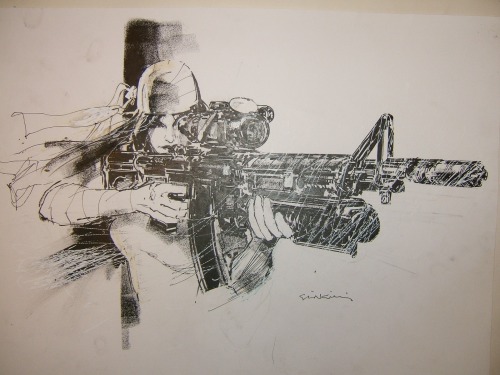
Bill Sienkiewicz’s Elektra. that first Elektra was drawn...

by brianbendis


Bill Sienkiewicz’s Elektra.

that first Elektra was drawn entirely on wax paper

30 Aug 13:51

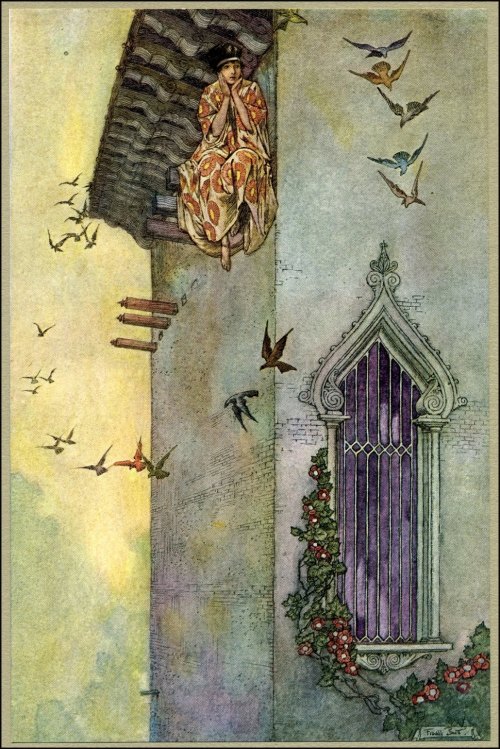
Spraivoll, the Tune-Fool "And pray, where is she perched, This...


Spraivoll, the Tune-Fool

"And pray, where is she perched,
This wild-bird woman with her wondrous throat?”

From The Flying Islands of the Night, James Whitcomb Riley, illustrated by Franklin Booth

30 Aug 13:40

Morning scenery

by Arnold Chao

For England

Good Morning Sunshine

Pull-ups in the early morning

Freedom of the Hills *Explore*

wake up in the morning

morning sun

We wondered what the early risers have been up to with their photography and were pleasantly greeted by a wide variety of captivating scenes of mist-filled hills, summertime on the lake, a dewy dragonfly doing pull-ups, a mountaineer’s contemplative pose below the sun, and the warm orange tones of dawn in a rural and urban settings.

See, and share, more photos in the Morning Light gallery and Mornings group.

Photos from Russ Barnes Photography, neatmummy, Siegfried Tremel, West Leigh, Davide Gabino, and benman31.


30 Aug 01:59

Creatures on the Web

by Francis Fukuyama
Adam Victor Brandizzi

Velho, o Francis Fukuyama PROGRAMA!

Damir Marusic, The American Interest’s associate publisher and general web wizard, has created a Javascript version of my program Creatures which was described in the last post.  The web version has a smaller pond, lacks statistical information about the population, and the running dialogue of what’s happening in the pond (like the creatures meeting and having sex), but at least you can get an idea of what the simulation looks like.  It’ll run if you click here.  As in the full program, you can create more creatures by left-clicking anywhere in the pond.

You’ll notice that the creatures sometimes get trapped between two sources of food, like a donkey caught between two haystacks.  They almost always get liberated by another creature who comes along and eats one of the food sources.