Shared posts

08 Sep 17:46

Star Trek: Lower Decks Season 3 Brings Back A Trek Character With A Bizarre History

by Valerie Ettenhofer

This post contains minor spoilers for the latest episode of "Star Trek: Lower Decks."

In the world of "Star Trek," space isn't just a place of infinite exploration: it's also a reflection of self. Since the series' inception, "Star Trek" series have often employed plot devices that hold up a mirror to our heroes, allowing characters to see their own fears and desires more clearly through the lens of advanced technology or otherworldly phenomena. Many times, these turn out to be the basis for some of the franchise's most meaningful episodes. Other times, they turn out like the awkward case of Dr. Leah Brahms.

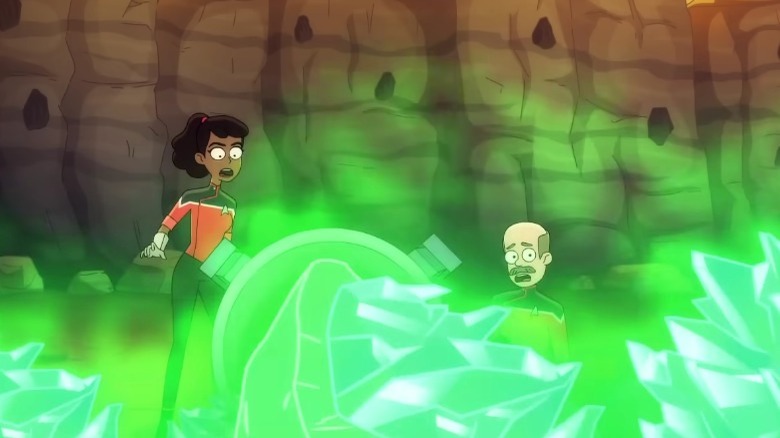
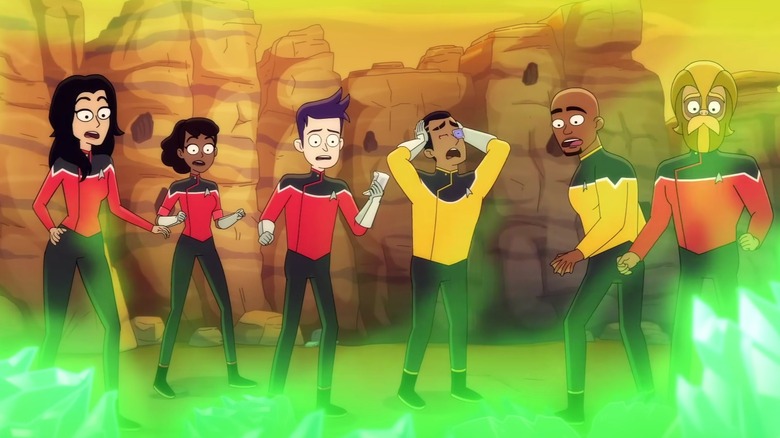
This week's episode of "Star Trek: Lower Decks" introduced a clever riff on this trope when the U.S.S. Cerritos team visit Jengus IV, a planet that initially seems deserted but is actually inhabited by a literal data mine. The system on Genghis collects information about each Cerritos crew member via glowing green rocks, then uses it against them by creating illusions of their deepest fears and desires. In a different series, this premise could've been the perfect plot device to reveal the secret feelings the team hides from one another, but since "Star Trek: Lower Decks" always chooses the wackiest, deep-cut-driven path imaginable, writers used the episode to do something unexpected: remind us of one of the most uncomfortable "Star Trek: The Next Generation" subplots.

A Creepy TNG Romance

When the planet starts creating physical manifestations of the group's desires, Rutherford (Eugene Cordero) is one of the first to be impacted. A short-haired woman with a turquoise Starfleet outfit appears, seductively asking, "Hey Samanthan, you wanna come over here and help me design some Galaxy class starship engines?" When Boimler (Jack Quaid) questions his fantasy, Rutherford explains the advancements Dr. Brahms made in her field, and she coos at him about needing a "big-brained engineer." He soon waves away the illusion, but for "Trek" fans, this is a joke that goes a lot deeper than a brisk cameo.

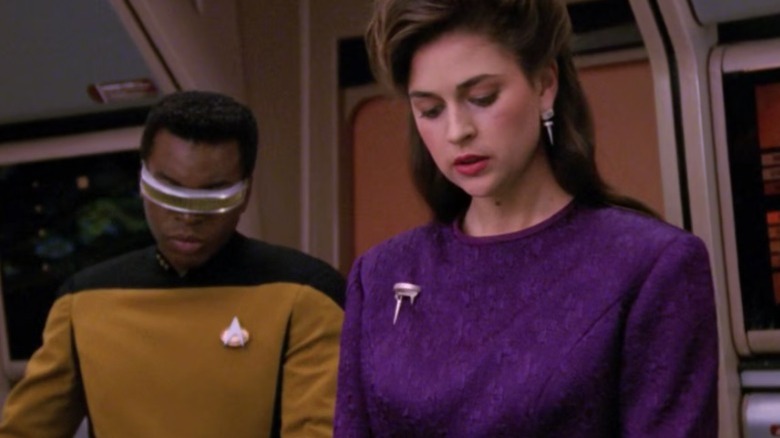
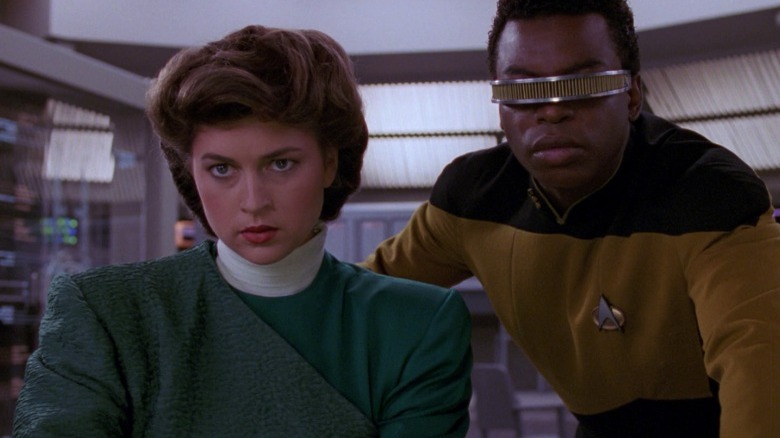
Warp field specialist Dr. Brahms appeared in just two episodes of "Star Trek: The Next Generation," but they're unforgettable in the worst way. Her first appearance came in the season 3 episode "Booby Trap," only the character we saw on screen, played by Susan Gibney, wasn't the real Brahms. Officer Geordi (LeVar Burton), lonely and tired of having no game, accidentally discovers mid-mission that he can create a ship-saving "propulsion design model" by pulling from the file of a scientist he admires. He creates a lifelike holographic version of Dr. Brahms, "Lower Decks" turquoise suit and all, and the pair have a bizarrely sensual encounter in which they mostly just solve geeky technical problems.

When Fantasy Meets Reality

This episode of "Star Trek: The Next Generation" is pretty creepy, especially given the entitled language Geordi uses when talking about his dating prospects. He gets irritated when his voice assistant denies him access to files, saying, "Great, another woman who won't get personal with me on the holodeck." He also constantly makes references to his intellect, as if his brain should be the only qualification he needs to gain companionship with any woman. Plus, the version of Dr. Brahms who appears is super into Geordi for reasons that don't exactly make sense given that she wasn't actually created to be his dream girl. She gives him a shoulder rub, offers to cook him Italian food, and the two share a kiss before he leaves the holodeck at episode's end.

It's a weird plot, one that gets even weirder a season later when the real Dr. Brahms comes aboard the Enterprise. Not only is she nothing like the holodeck version of herself, but she's also married, a fact that upsets Geordi despite his original declaration that he only expects friendship from her. Dr. Brahms eventually finds the simulation of herself and is understandably put off, but the episode ends with the two somehow becoming friends.

It's an unusually un-self-aware episode of "Star Trek," one that permanently changes the way we feel about Geordi while not actually reconciling with its unsettling consent issues by the time the credits roll. Instead, it tries to make the pair's ability to work together in a time of crisis a stand-in for an actual resolution, a decision that sidesteps whatever deeper conversations it meant to inspire about male fantasy.

Dr. Brahms' Surprise Return

Fans of "Star Trek: The Next Generation" aren't the only people who didn't love the Dr. Brahms plot. In a Rolling Stone interview last year, Burton said that when it came to imagining Geordi's love life, "whether they are aware of it or not, those white men who wrote the show had an unconscious bias that was on display to me and to other people of color." He points out that the Dr. Brahms plot may have been an "attempt to be cute," but that it "inadvertently created an aspect of Geordi's character that is very uncomfortable."

Burton is making his return to the franchise with "Star Trek: Picard" season 3, so hopefully the series will finally course correct and give Geordi a proper love interest, but it surely won't be Dr. Brahms. That makes this week's "Star Trek: Lower Decks" episode's throwaway gag all the better, since Gibney actually got the chance to reprise the character for the sake of a surprising and hilarious bit. After receiving such a non-ending on "Star Trek: The Next Generation," the scientist gets the last laugh here as a well-respected (but still inexplicably sultry) manifestation of Rutherford's imagination.

Read this next: Every Star Trek Show And Movie In Chronological Order

The post Star Trek: Lower Decks Season 3 Brings Back a Trek Character With a Bizarre History appeared first on /Film.

08 Sep 13:16

the employee who quit via cod and other dramatic resignations

by Ask a Manager

This post, the employee who quit via cod and other dramatic resignations , was originally published by Alison Green on Ask a Manager.

When you quit your job, the process is usually pretty mundane — a meeting to deliver the news and a discussion of how to wrap up items you’re working on — but occasionally a resignation is more memorable. A while back, I asked readers to share the most dramatic resignations they’ve witnessed. Over at Inc. today, I’ve got some of my favorites — including a landscaping disaster, an unspeakable act in the garden area, and a message delivered in cod.

You can read it here.

08 Sep 13:02

the organization will fall apart if I quit, how rare are nice coworkers, and more

by Ask a Manager

This post, the organization will fall apart if I quit, how rare are nice coworkers, and more , was originally published by Alison Green on Ask a Manager.

It’s five answers to five questions. Here we go…

1. If I quit my job when everyone else is quitting, the organization will fall apart

I am the executive director for a small nonprofit with three staff. One of the staff members, “Abby,” has been there for 10 years and is in a leadership position. She reports to me but because of our organization structure, I don’t have hiring/firing power. Abby can be very difficult to work with when she’s in a mood and refuses to accept responsibility or accountability. For example, I updated our database policy so that all conversation notes/summaries are recorded in there for historical purposes. Abby HATES this policy because she does not take notes during conversations and “remembers” everything. She said verbatim, “I don’t see the point of this and I’m not going to do it.” So of course she isn’t following it, nor is her direct report. There’s a slew of other issues, including her snapping at program participants, board, other staff, and me.

It all came to a head earlier this year when Abby *reamed* her direct report during a staff meeting for asking to take vacation time in two months — plenty of notice. Abby’s employee has since announced that they are leaving the organization to pursue other opportunities. When I talked to Abby about it afterward, she “didn’t remember” what she said, then told me I was misremembering, then said that she didn’t mean it like that, then stated that she has a “direct” communication style and I’m too “sensitive.” I called for a mediation process from our board per our conflict resolution policy, but that has stalled out because Abby is convinced she did nothing wrong and that she has been “harmed” by the process. I’m BIPOC and Abby is white, so I have some resentment on how she has co-opted.

Here’s my dilemma: Abby announced last fall that she will be leaving the organization — in spring 2023. I don’t want to invest anymore time or bandwidth into dealing with her attitude. Our board chair asked me if we need to ask Abby to leave sooner. YES — but I think at the end of the day my heart is just not into this job anymore. I’m burned out from our mission area (think never-ending, like the environment or civil rights) and nonprofit life in general. Abby’s attitude definitely accelerated my wanting to leave.

So, would I be an awful human if I left the organization soon, too? It will likely fall apart since it’s a staff of three and all three left within six months. I feel incredibly guilty but I also feel like I’m stuck between a rock and a hard place.

No. You aren’t obligated to stay in a job you’re ready to leave just because others are leaving too. People leave! Sometimes it’s really inconvenient for the organization, but that’s just how this goes. If they care about keeping you on, there are all sorts of things they can try to incentivize you to stay if they care to (like more money or real authority rather than this “executive director without any real power” sham they have going).

On that last point — it sounds like you’ve been … well, not necessarily set up to fail, but set up for extreme frustration. You can’t lead an organization or do the ED job with no hiring/firing power or when your board forces you to rely on “mediation” instead of managing. The fundamental set-up here is unworkable; it’s bad for you and bad for the organization. And frankly, if the board wants to be involved at this level (which isn’t appropriate for a professional org with full-time staff), they’re already set up to be plenty involved when three of three staff members depart for green pastures.

I know nonprofits have a special way of making people feel obligated to them, but please don’t lose sight of the fact that even in nonprofits, you are simply trading your labor for money. That doesn’t mean you shouldn’t care about the organization or its mission or your work, but it does mean that at whatever point you decide the trade is no longer serving your interests, you get to end the arrangement without guilt or agonizing. (There should be a law requiring this to be printed on every paycheck.)

2. My colleagues are really nice; how rare is this?

I’ve spent the last decade working in manufacturing. A couple of years ago I realized I’d need a postgrad degree if I wanted to get promoted, so I quit my job and went back to school. I picked up some part-time TA work to make a bit of extra cash.

The people I work with at my teaching job are so nice. They’re always kind and respectful. Even when there are urgent deadlines, nobody shouts. When I pitch in to complete urgent tasks, people say thank you. There are loads of professional development opportunities, and as a result I’ve been promoted and am now working at the same level (and pay grade!) as full-time permanent staff. In every other job I’ve had, I’ve always felt like I have to manage other people’s feelings about me whilst simultaneously pretending that I don’t personally have feelings (I guess that comes with being a youngish woman in a male-dominated environment, where my entire existence is somehow never “professional” enough.) Here, I can be enthusiastic, I can be weird, I don’t get criticized if I speak in a way that feels normal to me (too fast! too high! too girly!) and what’s more, I got promoted because people like the way I am.

My manager told me that she would support me if I apply for a full-time position with the department when I graduate. I think it would be the best job I’ve ever had. But moving into teaching full-time would likely kill my manufacturing career, since I wouldn’t use any of my technical skillset. I also feel weirdly guilty about dropping out of the STEM pipeline, like I lost a fight I’ve spent half my life (and my entire career) fighting.

How rare is it to find a workplace where there isn’t conflict and where people are always kind, and how much should it factor into your decision about whether to take a job?

I don’t think it’s terribly rare. It’s not something you should take for granted, but it’s not something you should fear you’ll never find again either.

I’d be wary of changing your entire career path because of the culture at this one job, especially since cultures can change, new leadership can come in and blow everything up, etc. However, I do wonder if what you encountered at previous jobs was about the culture in manufacturing as a whole; if it is, then you’d need to decide if you want to sign up for years of that, or if you’d rather move into another field. In other words, leave if you don’t like the industry’s culture, but not just because you like the culture of one office outside of it.

I can’t speak to the culture in manufacturing, but it would probably be useful to talk to women who are in that field to get their take on whether what you’ve experienced so far is typical and hard to avoid. Whatever you decide, though, try to take guilt out of it. You don’t owe anyone your happiness or quality of life just because you originally thought you’d fight this fight.

3. I got a parking ticket while staying late to cover for a coworker

A coworker was 40 minutes late in relieving me from my work station and I got a parking ticket, since my parking was only paid up until a few minutes after my shift was supposed to be over. Any possibility of recourse in having the employer reimburse for it? Is this a cost of “doing business”?

Notes: the coworker is salaried and I am hourly. They are not in my chain of command. The amount I made in the extra 40 minutes was still less than the parking ticket. This is a business that regularly pays mileage/parking when traveling, but only outside of normal job duties/radius.

In theory, if you incurred costs because of your job, your employer should reimburse you for that. This is a little trickier, though, since it’s not clear if your employer could have reasonably known you’d be incurring costs or whether you flagged it for them ahead of time. Ideally when you needed to stay late, you would have made someone aware of the situation — “I can stay until Cecil gets here, but my parking meter is about to run out and I’ll get ticketed if I don’t go add more money to it.” If you didn’t do that, you can still try asking about reimbursement now, pointing out that the pay you received for staying late was less than the cost of the ticket for doing so … but your employer could reasonably feel that you should have raised it at the time, before either of you incurred that cost. If it comes up in the future, definitely flag it in the moment!

4. Hidden instructions in job ads

I’ve been aggressively job searching for a while now, and I’ve seen some weird stuff in job ads. I just noticed this today in a job ad that otherwise looked great and it really turned me off. The employer “hid” a word in the job description and then asked applicants to include it in their cover letter. (They literally buried the words “the magic word is XYZ” in the list of job requirements.)

I’m not sure if I’m feeling raw coming off of approximately 100 rejections, but this seems really patronizing and and weird. Just wondering how you feel.

Yeah, it’s patronizing and not even very effective at its intended purpose of screening for attention to detail. Lots of qualified candidates apply for jobs without reading every word of a posting even though they have good attention to detail on the job (it’s a cost/benefit analysis; since people know they might never even hear back after applying, it’s reasonable to skim rather than scrutinize, particularly given the amount of boilerplate most ads contain) and lots of people who have poor attention to detail on the job are capable of following a single instruction in an application. It rarely seems to be high-quality jobs that try this.

5. I’ve followed up about a job three times — am I just their back-up?

I’ve been waiting for about four weeks after a second panel interview. I have followed up with the company weekly for the past three weeks. They’ve been replying to my emails and in the last email, HR stated that the hiring manager might need another week to make a decision. When I read that, I felt like they already made an offer to another candidate and I’m their back-up. Is that true? I haven’t followed up this week. I want to follow up again this week but my fiancée told me that I’ve been following up for three weeks and it seems like I am rushing them. I truly don’t know whether I am their back-up candidate or they are in the decision-making process. Do you think I should follow up with them again? I don’t want to rush them if they still interview other candidates. Or is it okay for me to ask them if they are still interviewing other candidates?

Don’t follow up with them again. You’ve followed up three times; they know you are interested! If they want to offer you the job, they’ll do that when they’re ready to; you’re not going to speed anything up by continuing to email them.

There’s nothing here that indicates that they’ve made an offer to someone else and you’re the back-up. That could be the case — that’s a very normal thing to happen — but it’s equally likely (if not more likely) that the process is just taking longer than they thought. Hiring nearly always takes longer than anyone expects it to, including the people managing the process. Higher priorities come up, decision-makers are away, questions need to be ironed out before things can move forward … that’s just how it goes. But even if you are their back-up, that’s not a bad thing. This isn’t like dating, where you wouldn’t want to go out with someone who had their heart set on someone else. Second-choice candidates get hired all the time and thrive, and no one thinks about them being the back-up at all once they accept the offer. It’s normal for hiring processes to produce multiple candidates who could do the job well; there’s no shame in not getting the offer first.

But give them space. They know you’re interested.

08 Sep 12:53

Retro Crochet

by Mary Kelly

decorating with crochet

Decorating with Crochet
Halliday
1975

There are some lovely decorating tips in this book for all of you looking for a “retro” look for your home. Particularly fetching is the wall hanging of a grandfather clock and the homage to macrame wall hanging on the last picture below.

As a mediocre to poor knitter/crocheter, I can appreciate the skill set, but I just cringe at these projects. It is a waste of yarn. I am also old enough to remember 1970s decor, so I can also tell you that this would have been awful in the 1970s. (At least in my opinion.)

Mary

inside flap

crochet grandfather clock

patchwork crochet

bedspread

giraffe pillow

love pillow

crochet wall hanging

The post Retro Crochet appeared first on Awful Library Books.

08 Sep 12:52

Comic for 2022.09.07 - Rough Start

New Cyanide and Happiness Comic
08 Sep 00:22

Commonly-supported Windows shortcuts for pasting without formatting

by Raymond Chen

Sometimes you just want to paste as plain text.

Microsoft Edge, Google Chrome, and Mozilla Firefox all support Ctrl+Shift+V as a keyboard shortcut for “paste as plain text.” This means that Ctrl+Shift+V also works in browser-based apps, like Teams.

Programs in the Microsoft Office suite naturally do things a little differently, and the way to paste as plain text is to hit Ctrl+Alt+V and then select “Unformatted Text”. Alternatively, you can do Alt, H, V, T. Note that the keys are pressed and released in sequence, not held simultaneously.

One trick I use if I need to strip formatting from the clipboard is to use the key sequence Win+R, Ctrl+V, Ctrl+A, Ctrl+C, Esc. This opens the Run dialog, pastes the clipboard into the edit box, then copies the text back out.

If I’m on a Web page, I use Ctrl+F instead of Win+R, using the Web browser’s “Find text on page” dialog as the temporary edit control.

The post Commonly-supported Windows shortcuts for pasting without formatting appeared first on The Old New Thing.

08 Sep 00:20

It rather involved being on the other side of this airtight hatchway: Replacing a service binary

by Raymond Chen

In the category of dubious security vulnerability, we have this report:

I have found a security vulnerability in Windows that permits an unprivileged user to gain system privileges.

  • Look for existing services that runs as local system.
  • For each service, check its corresponding C:\Program Files subdirectory to see if the directory is writable.
  • When you find one, replace the binary with a hacked version that opens a reverse shell.
  • The next time the service starts, it will run the modified binary and open a reverse shell.
  • Connect to the reverse shell and control the system.

Yes, if you can find a system that runs as local system which sits in a world-writable directory, then you can replace it, and Windows will blindly execute it the next time it needs to start the service.

This is another example of creating an insecure system and then being surprised that it’s insecure.

The attack hinges on finding a writable binary that runs with local system privileges. But anybody who does that created an insecure system: They created a binary that runs with system privileges and left it world-writable! Furthermore, everything in C:\Program Files defaults to “writable only by administrators”, so somebody who leaves a world-writable file in the C:\Program Files directory must have gone out of their way to do so.

This security vulnerability report presupposes that such a misconfigured program exists and shows how it can be exploited. While it’s interesting to know that such an attack is possible, it doesn’t carry any security consequences for Windows. The security vulnerability is in the program installer, which installed a service insecurely.

And since the program is, so far, purely hypothetical, you haven’t even found a vulnerability in any program. All you’re saying is “If there is a vulnerability, then I can exploit a vulnerability.”

If you put it that way, it’s clear that this claim by itself is not an interesting security statement.

The post It rather involved being on the other side of this airtight hatchway: Replacing a service binary appeared first on The Old New Thing.

07 Sep 18:41

12 Fantasy Novels That Deserve To Be Adapted To TV That Aren't Game Of Thrones

by Adam Wescott

Fantasy is once again resurgent on our television screens. "House of the Dragon," a spin-off of the mega-hit "Game of Thrones," is in the middle of its first season. Meanwhile, Amazon has launched "The Lord of the Rings: The Rings of Power," one of the most expensive television productions ever made. As a fan of genre fiction, I suppose I should be celebrating. Instead, I can't help but be frustrated. The genre of fantasy includes countless weird and fascinating works, including the award-winning "Broken Earth" trilogy published in just the past few years. Yet several of the novels being adapted are epic fantasy stories published in the 1990s. What about everything else?

The following is a list of fantasy works I believe would make excellent television. Some are set in other worlds, others are set in ours. Some are short stories, others are long-running works of webfiction. I sought to strike a balance between canonical classics, recent masterpieces, and oddball picks. As far as I know, none of them have been optioned. I took care to note in each entry what challenges there might be in bringing these works to the screen, and how the cast and crew of each production might overcome those challenges. If you have not yet read everything on this list, I can vouch for all of them; however, one may require you to learn Chinese.

Fafhrd And The Grey Mouser
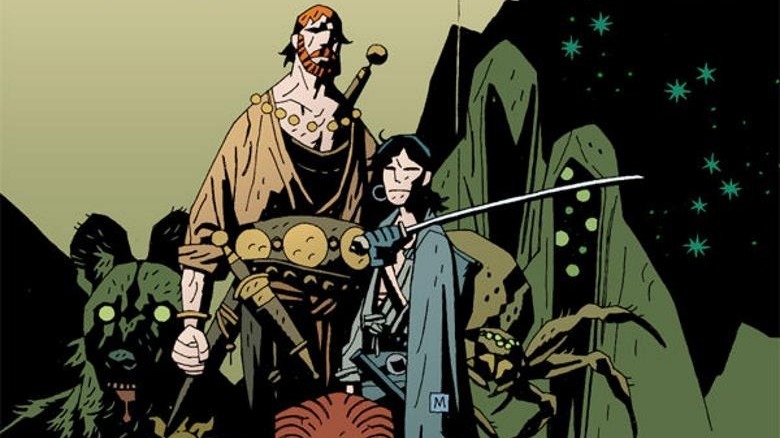
Dungeons & Dragons is more popular than ever, buoyed by the success of actual play podcasts like "Critical Role" as well as cameos on television shows like "Stranger Things." (Plus, it has its own movie coming up.) So why not bring back "Fafhrd and the Grey Mouser," whose adventures defined the tone and range of countless roleplaying campaigns? Unlike the heroes of fantasy epics like "The Lord of the Rings," Fritz Lieber's rapscallion duo prefer food, sex, and money to honor and duty. The only time you'll catch them saving the world is when two eldritch wizards scam them into doing so. But then, their human frailty is just what makes these two characters appealing. Not to mention their filthy but wondrous home city of Lankhmar, which Terry Pratchett would spoof as Ankh-Morpork in his popular "Discworld" novels.

The other appealing aspect of the Fafhrd and Grey Mouser stories, especially for a television adaptation, is just how weird the best of them are. In one of them, Fafhrd and the Mouser break up and spend the whole story apart. In another, the city is threatened by an extra-dimensional shopping district promising too-good-to-be-true deals. A talented writers' room willing to cut judiciously and adapt these stories for the times could have a field day with this series.

The Sarantine Mosaic
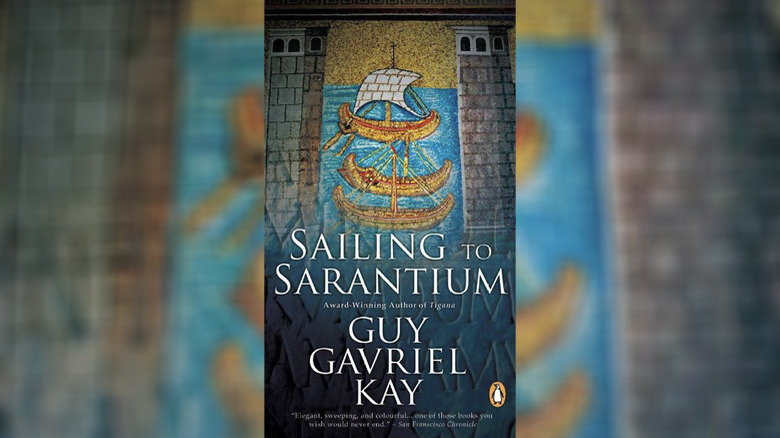
That there has not yet been a television adaptation of Guy Gavriel Kay's work is befuddling. Not only is Kay an award-winning fantasy author whose novels precede "Game of Thrones" in their evocation of real history, he's also an author with a direct connection to the Tolkien family, having assisted Christopher Tolkien in editing "The Silmarillion." You would think that executives would be tripping over each other in a rush to adapt his work to the screen. Perhaps the problem is that Kay himself isn't much for writing multi-entry stories. While his novels share a setting, the majority are standalones featuring distinct characters whose tales are over and done with by the end of each book.

"The Sarantine Mosaic" is an exception. A duology of novels about empire, chariot-racing, and art-making, it's a fan-favorite among Kay's body of work. It serves as a historical prequel to the similarly beloved "Lions of Al Rassan," providing the production team with a follow-up project if a "Mosaic" adaptation is successful. There's even a bit of numinous, world-shaking magic, although Kay's work tends to be even more restrained than George R.R. Martin in this regard. Kay is a deft hand at both writing memorable characters and building tangible worlds, and "The Sarantine Mosaic" represents his most sustained effort until his recent trilogy starting with "A Brightness Long Ago."

Swordspoint
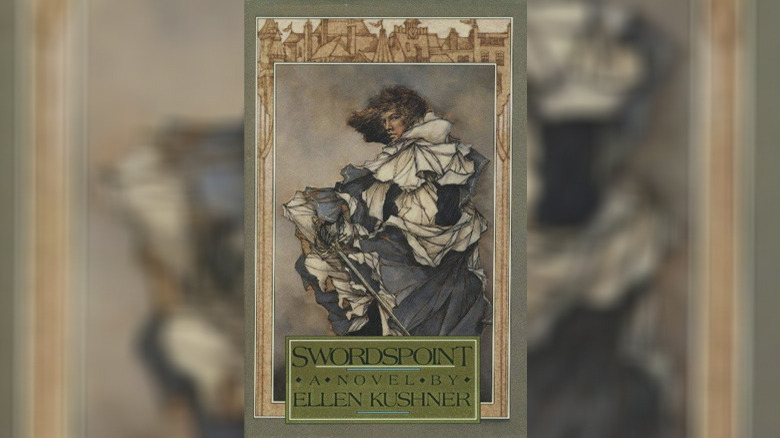
Ellen Kushner's "Swordspoint" takes place in a decadent city, where powerful nobles hire professional duelists to fight each other's battles. Richard St. Vier is one of the best duelists there is, and his boyfriend Alec is a temperamental genius with a suspicious family heritage. The on-again, off-again relationship between these two larger-than-life figures and their descendants forms the core of a surprisingly short body of work, which includes the ambitious but flawed follow-up "The Fall of the Kings" (co-written by Delia Sherman), the excellent coming-of-age tale "The Privilege of the Sword," and the recent "Tremontaine" serialized on Realm by a team of authors led by Kushner.

The majority of Kushner's novels are witty regency melodramas featuring politics and good old-fashioned dueling, with hardly any magic. But then, while "The Fall of the Kings" would add plenty of magic to the equation, I don't know if these books really needed it. Jo Walton has written that the "Swordspoint" books are less traditional epic fantasy than they are a classic family saga in the vein of Trollope. These are stories about big emotions, schemes within schemes, and close-knit relationships between difficult people who you can't help but root for anyway. It's an awkward sell in a fantasy market, but an easy pitch in today's TV market, especially in the wake of a show like "Our Flag Means Death."

The Farseer Trilogy
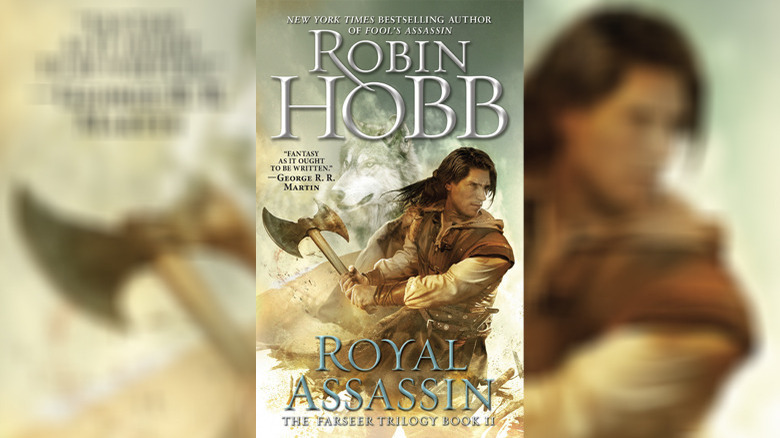
Robin Hobb's books follow a simple formula: Take a flawed but sympathetic character and have them eat dirt for 800 pages at a time until they are forced to change out of necessity. That might sound like painful reading material, but fantasy fans of a certain age devoured Hobb's books. She is very good at putting the reader directly into the shoes of her characters, developing them through what they notice as well as what they leave out of the stories they tell. Her initial "Farseer Trilogy" does a fantastic job fleshing out its protagonist Fitz, subjecting him to an adolescence that feels as brutal and frustrating as the real thing -- even as it is exaggerated beyond belief. Later series, like the "Liveship Traders" trilogy, increased the number of characters in play while further perfecting Hobb's craft.

The author's novels lend themselves well to television for several reasons. She prioritizes complex, messy characters over epic plots, providing plenty of great material for actors to dig into. The magic in her settings is prominent but more often includes body-swapping, telepathy, and brainwashing than fireballs or dragons (although dragons do eventually appear). She's written many novels running for hundreds of pages, most of which are set in the same world. Many of these books include prominent animal parts, but if HBO kept the direwolves in "Game of Thrones," they might as well give Fitz a pet wolf on television.

So You Want To Be A Wizard
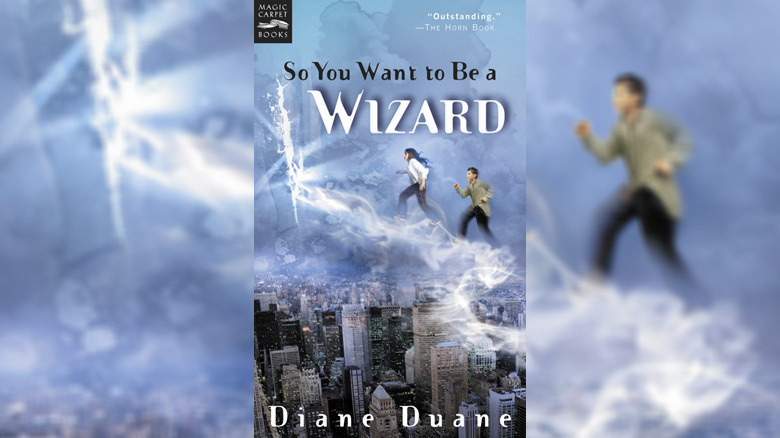
Harry Potter casts such a long shadow in the history of publishing that it's easy to forget that it was not the first novel about child wizards -- not by a long shot. Diana Wynne Jones's "Chrestomanci" novels followed the life and career of a wizarding government official regulating the use of magic across the multiverse. Jane Yolen's "Wizard Hall" told a less sprawling but still memorable story about Henry, a boy who attends a magic school despite exhibiting little in the way of magical talent. (It also features the Quilting Beast, who remains frightening to this day.) I love both of these stories and would love to see them adapted. But the best fit for a television series has to be Diane Duane's "Young Wizard" books, starting with "So You Want to Be a Wizard" from 1982.

"So You Want to be a Wizard" follows the adventures of Nita and Kit, two children given the responsibility of magical powers. Unlike Harry, though, the two of them are thrown immediately into the action, fulfilling their duties everywhere from the deep ocean to Mars to a mythic Ireland. Their foe is the Lone Power, a being of entropy that can be fought off or even befriended, but never truly defeated. Duane has a fascinating career that includes several well-received "Star Trek" tie-in novels as well as contributions to the influential animated series "Gargoyles." The "Young Wizard" books have as much to do with "Star Trek" as they do with traditional fantasy stories, including elements of science fiction along with difficult ethical quandaries. The rawest of these books, like 2001's "The Wizard's Dilemma," rival the best contemporary young adult literature in their fearlessness.

Little, Big
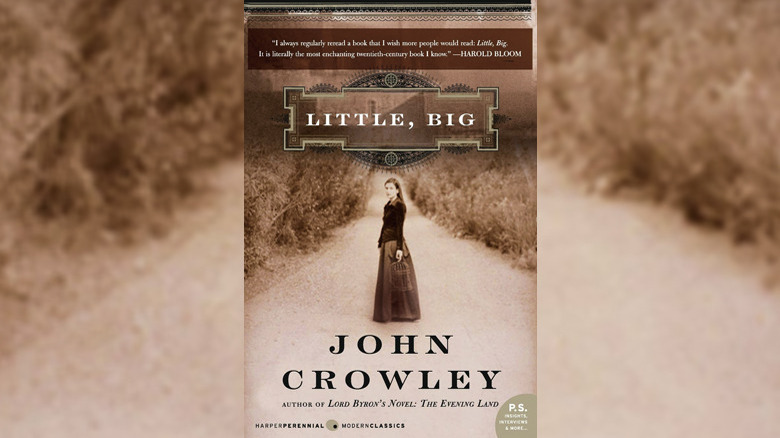
John Crowley's "Little, Big" begins with the marriage of a man named Smoky Barnable to a woman named Daily Alice Drinkwater. Smoky travels to live with Alice and her family in a house that is many houses. Over the course of the novel, the reader comes to learn of the many members of the Drinkwater family, the strange coincidences that dog their footsteps, and an old contract binding them to a future that has not yet been written. "Little, Big" is a love story, a family story, and a fairy story. At times it's a weirdly prescient political tale. And at the very end, it is a novel about the apocalypse, and the function that stories serve. "LIttle, Big" is slow, but the final pages hit with the strength of a star collapsing into a black hole. Few other fantasy novels are as successful at evoking the numinous without ever losing sight of its characters.

"Little, Big" is baggy enough that a film adaptation would likely come up short. A television series would allow for episodic storytelling, giving the novel's many characters and timelines a chance to breathe. The danger of a "Little, Big" adaptation lies in diluting its heady sense of awe into a facile twee-ness. The strength of Crowley's novel is that the world of Faerie lurking beneath its pages inspires fear and awe as much as it does beauty. An adaptation that recognized this, while still centering the relationships of its characters and their small joys, could really be something special.

The Sorcerer Of The Wildeeps
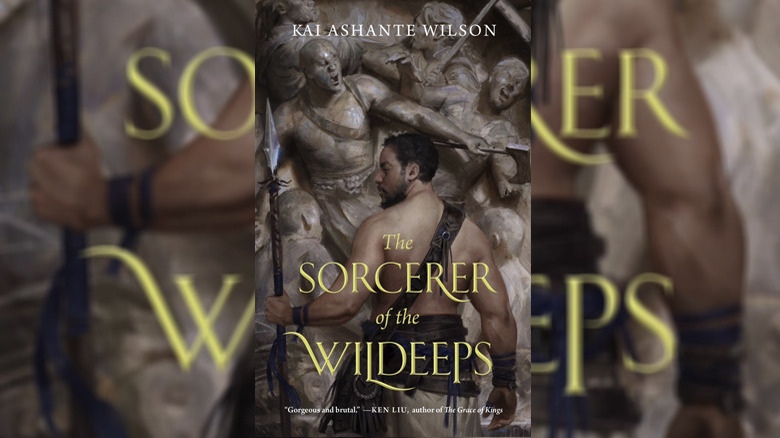
Over the past few years, the publishing imprint Tor.com has been putting out novellas spanning genres and subject matter, written by a murderer's row of talented and diverse authors. My personal favorite is "The Sorcerer of the Wildeeps," a sword and sorcery tale that takes place in a future setting so far removed from the modern day that it might as well be magic (my favorite kind!). It's the tragic story of Demane, a Sorcerer who carries the power of a monster in his blood, and Isa, a god-blessed captain who briefly joins his caravan. Despite the sad ending, the novella crackles with energy throughout. Wilson switches on a dime between everyday dialogue loaded with modern slang, and an alien and quite frightening high fantasy register. The result is a novel that impresses not just through its ideas, but through the inspired delivery of those ideas.

There are many challenges that might face an adaptation of "The Sorcerer of the Wildeeps." Translating the appeal of the dialogue from the page to the screen would require a careful hand. Additionally, the novella is built around its ending in such a way that a film may be a better fit for this story. But the framework of Demane traveling from place to place, inching closer to his inevitable estrangement from humanity despite his best efforts, is as good a fit for the medium of television as any.

Tai Sui

"Tai Sui" is a webnovel by Priest, a prominent web novel author whose most acclaimed works are to be found in the "danmei" (or "boy's love") scene. Her works "Guardian" and "Word of Honor" have been already been adapted to television. Compared to these, "Tai Sui" deemphasizes the romance element, but is perhaps even more ambitious. It represents her attempt at a "cultivation fantasy," telling the story of a foppish noble named Xi Ping, who is unexpectedly selected among the people of his city to train as an immortal in the mountains. It's a chance that many his age would kill for, an opportunity to transcend the limitations of the body and attain unlimited power. But Priest is too sneaky to give the reader a straightforward power fantasy, and so Xi Ping is soon possessed by the ghost of an "evil cultivator" known as Tai Sui. As the secrets of the world unravel and Xi Ping is radically changed by his experiences, "Tai Sui" imagines a society in revolt against the conventions of Chinese pulp fiction.

Featuring grand-scale set pieces, a large cast of characters, and some memorable creatures, "Tai Sui" would certainly be a challenging story to adapt to TV. But then, "The Untamed" survived the transition to screen (adapted from "Grandmaster of Demonic Cultivation" by Mo Xiang Tong Xiu) to become the biggest pop culture export from China in years. "Tai Sui" represents an opportunity to take an even bigger swing, just as danmei becomes increasingly popular abroad. (Assuming an upcoming TV adaptation of Priest's "Sha Po Lang" doesn't beat it to the punch.)

Berserk
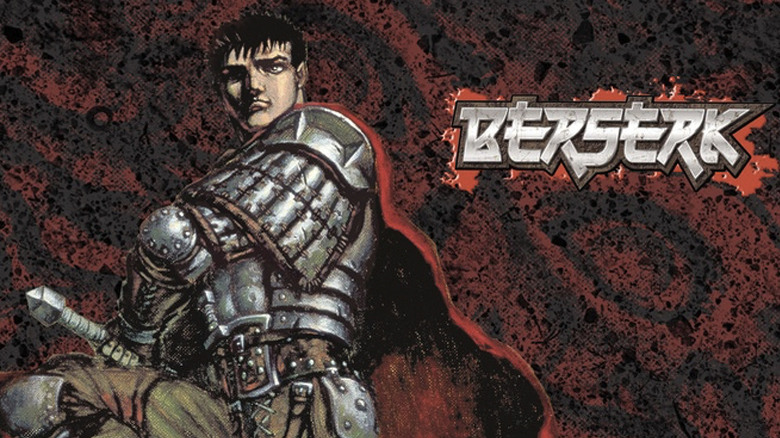
"Berserk" is one of the most influential comics of all time. This year's biggest hit video game, "Elden Ring," took its big golden tree directly from "Berserk." Guts, the hero of "Berserk," swung a sword as long as he was tall years before Cloud did the same in "Final Fantasy VII." There have already been two animated series and a movie trilogy. So why adapt "Berserk," which defined the language of dark fantasy in Japan and abroad, into a live-action television series? After all, creator Kentaro Miura passed away just last year. While his talented assistants at Studio Gaga are doing their best to follow up his work, the series currently lacks an ending.

There are certainly aspects of "Berserk" that would be exceedingly challenging to adapt for television. Recent volumes of the series feature monsters the size of buildings and all kinds of ambitious set pieces that would push even the most generous special effects budget to the max. At the same time, a "Berserk" live-action series would present certain opportunities that the anime adaptations could not afford. Miura's art is so detailed that even the well-loved first anime series had to compromise in order to be feasible. Real-life props and sets could provide a texture that no adaptation so far has been able to replicate. As for the story itself: Dated as it is, the tragedy and rebirth of Guts remains as heartbreaking now as it was in the '90s.

The Islanders
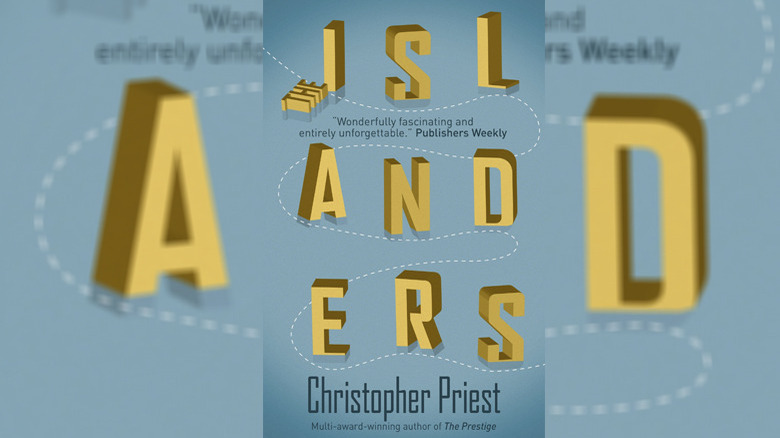
Christopher Priest is best known today for his novel "The Prestige," which was adapted in 2006 into a well-liked Christopher Nolan film. But Priest has written many other novels, all of which interrogate the stories we tell ourselves and others. Most of these are relatively short and feature big, reality-shattering twists, making them a better fit for film than television. But his 2011 novel "The Islanders" is an exception, if only because of its unusual format.

The novel is an alphabetical travel guide to what Priest calls the "Dream Archipelago," a cluster of islands whose names and distance from each other are mutable. A central mystery winds through this guide, with a solution that is tantalizingly within reach and yet seemingly contradictory. Yet "The Islanders" is as much a short story collection as it is a novel, with plenty of time for detours (or are they?) into art criticism, dry comedy, and bone-chilling horror. When Ursula K. Le Guin says "[t]he thryme lives on the island of Aubrac Grande, and you really do not want to meet it," believe her!

Darkmans
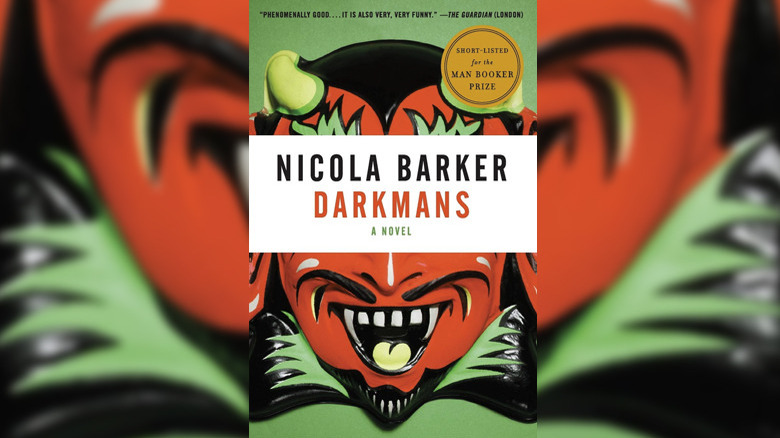
Nicola Barker's "Darkmans" was nominated for the 2007 Man Booker Prize, but did not win. At over 800 pages of absurd digressions, quirky characters, and genre-bending brio, it is not a novel for everyone. Personally speaking, though, I find "Darkmans" even more relevant today than it was on its publication. Years before fascism and social media discourse became a popular topic of discussion, Barker predicted an age of spectacle that would link the opacity of the present day with the Middle Ages. The cast of "Darkmans," who struggle to find happiness in the town of Ashford, are repeatedly thwarted by the ghost of a jester from the 14th century. It's like a very British "Twin Peaks," if BOB was a real person instead of a monster possessing a familiar face.

"Darkmans" wasn't marketed as a fantasy, and folks may find its inclusion confusing on a list that includes relatively straightforward genre fiction like "The Farseer Trilogy." But fantasy is just as useful an ingredient as it is a genre onto itself. The novel is satisfying enough as a black comedy about broken people, but it's the constant destabilizing presence of the ghost that makes it really great. I don't trust a team in the United States to handle this material, but a talented crew located in the United Kingdom could do something fascinating with it.

Babel
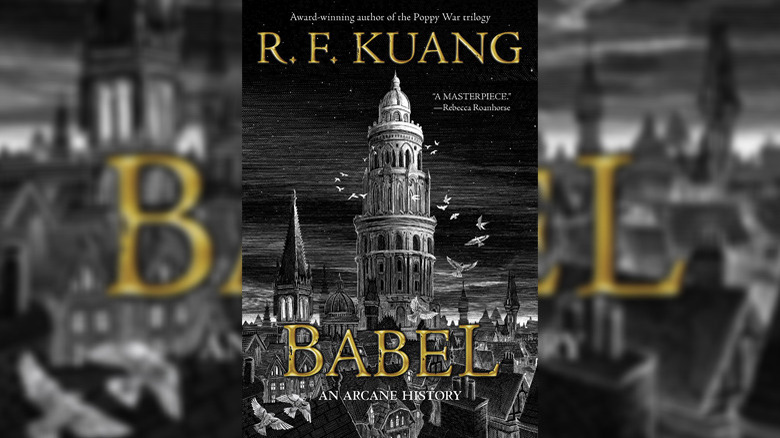
R.F. Kuang made her name with "The Poppy War" and its sequels, a ruthless epic fantasy trilogy riffing on 20th century Chinese history. Her newest work is "Babel," a novel that embodies the cutting edge of modern genre fiction. It is a story about academia, drawing on Kuang's own experiences as a teacher and a student. It is also a story about empire, and whether reform is a practical or hopelessly foolish means of changing corrupt systems. "Babel" speaks to the beauty of language, but also to how language is rigorously controlled by a system of power that persists today.

While "Game of Thrones" sought to invest the epic fantasy of Martin's time within the texture of real history, several prominent writers in modern fantasy ask direct questions about the here and now. What does it mean to live and thrive within an imperial system? How does one navigate the ruins of its collapse? Can a fairer, more equitable system be constructed from the rubble, built by and for the marginalized? There are authors right now busy imagining what that imperfect utopia might look like. At the same time, there are also artists like Kuang who have occupied themselves with tearing into those fantasies constructed, deliberately or unknowingly, by the makers of our current imperial reality. Considering the industry of think-pieces that sprung up around the "Game of Thrones" television series, I would hope that a "Babel" adaptation would frustrate and inspire just as many people.

Read this next: The Most Controversial Scenes In Sci-Fi Movies

The post 12 Fantasy Novels That Deserve to Be Adapted to TV That Aren't Game of Thrones appeared first on /Film.
07 Sep 17:28

Religious employers need not cover PrEP in their health plans, federal judge rules

by Eleanor Klibanoff and Karen Brooks Harper
U.S. District Judge Reed O’Connor’s ruling could threaten access to sexual and reproductive health care for more than 150 million working Americans on employer-sponsored health care plans. The ruling will likely be appealed.
07 Sep 11:24

BioShock is unplayable for Linux users with new update

by Noelle Warner

We don't want it, 2K

Fifteen years laterBioShock remains one of the most recognizable and beloved series in gaming, and publisher 2K is still releasing updates to support the series. Or, more specifically, to make the games run through their own launcher, as evidenced by the patch notes from both older updates and a new one (via PC Gamer). This time around they even labeled the patch as a "Quality of Life Update," when all it did was enable linking to 2K accounts and added the new launcher "which includes a store to purchase new content."

So they're forcing yet another game launcher on us, but what really has fans peeved is that this new update has rendered the games unplayable for players running them on Linux. At first, it seemed to just be BioShock Infinite that was affected, but now it's looking like the entire series is a bust. The Linux Gaming subreddit is full of players decrying the changes, and trying to find solutions to fix the problem. Some players are expressing their wish that Steam would let them access earlier builds rather than forcing them to use the most recent version, and I'm kind of surprised that wasn't an option already.

Naturally, fans took to the review section on Steam to voice their discontent, where one user said that 2K's launcher is riddled with bugs, crashes, and corrupted saves.

I have my BioShock collection on my PlayStation so I'm in the clear, but man, I am feeling the frustration on behalf of PC gamers. Here's hoping that 2K gets the message soon and decides to scrap the launcher altogether, or at the very least releases a patch to fix the games for Linux users.

Recently I've been partial to arguments about why it's important to own physical media, and I have to say this situation is only pushing me further into that camp. If I spent money on a game, I certainly want to be able to play it without the meddling of a company years after the game's release.

The post BioShock is unplayable for Linux users with new update appeared first on Destructoid.

07 Sep 01:17

Ted Cruz says he will vote against bill to codify same-sex marriage protections

by Stephen Neukam
On an episode of his podcast Tuesday, the U.S. senator said the bill would be an attack on religious liberties.
07 Sep 01:07

91 Texas state troopers responded to the Uvalde massacre. Their bosses have deflected scrutiny and blame.

by Lomi Kriel, The Texas Tribune and ProPublica, and Zach Despart, The Texas Tribune
State troopers outnumbered local law enforcement 2-to-1 outside Robb Elementary, but the Department of Public Safety has blocked the release of records and carefully shaped the narrative to cast local authorities as incompetent.
06 Sep 19:43

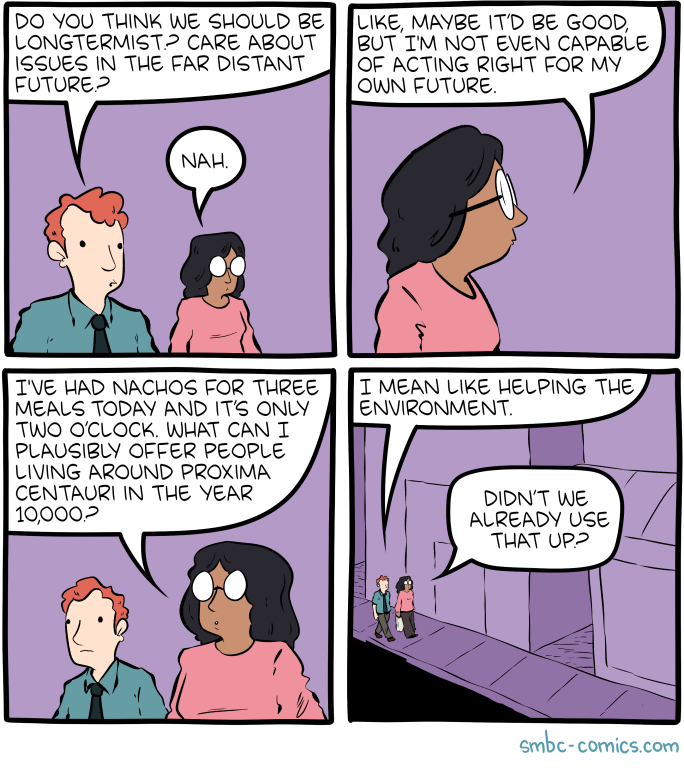
Saturday Morning Breakfast Cereal - Longtermism

by tech@thehiveworks.com


Click here to go see the bonus panel!

Hovertext:
In your citations, please simply refer to this argument as Weinersmith's Nacho.


Today's News:
06 Sep 02:25

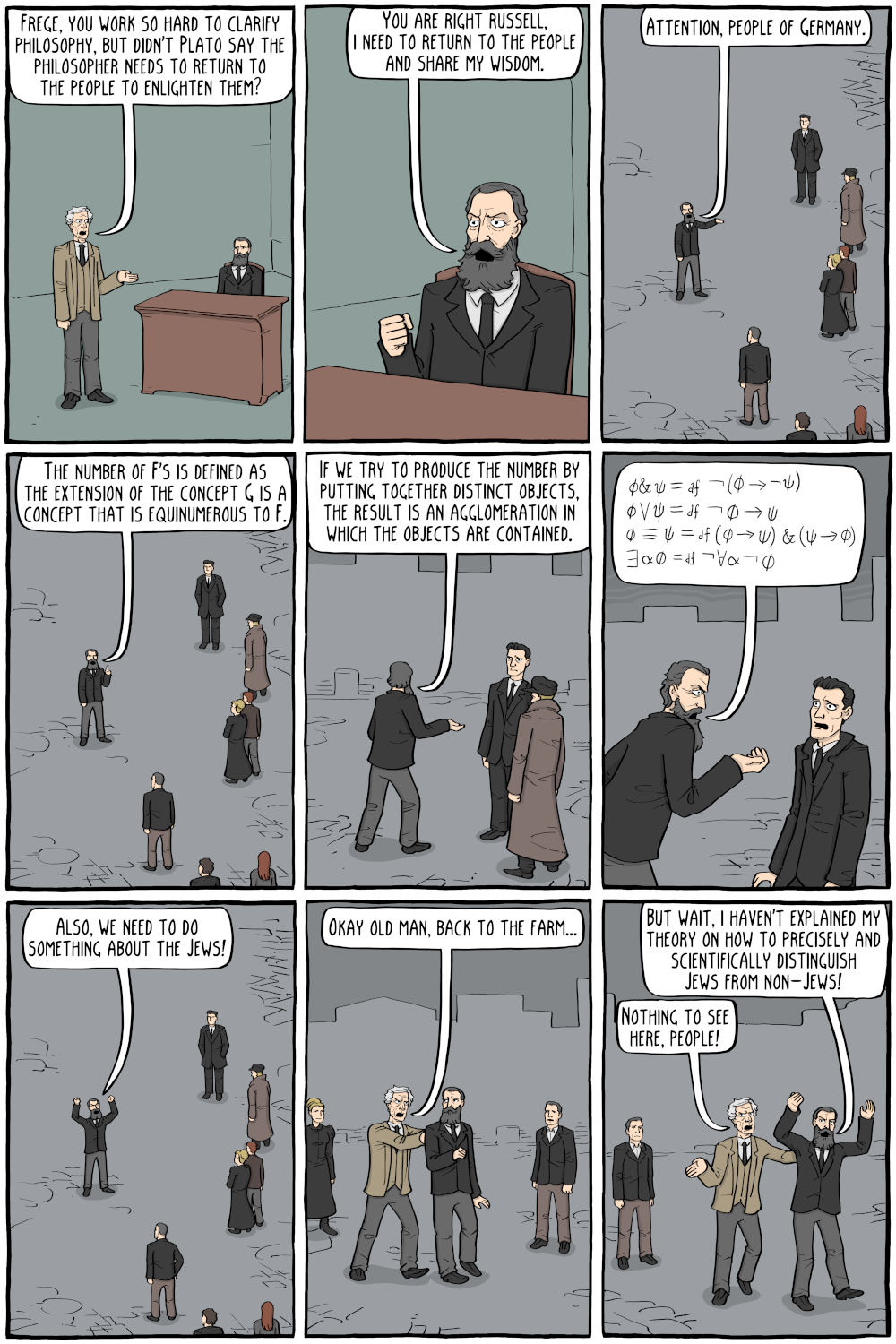
Frege in the Public Square

by Corey Mohler
05 Sep 21:23

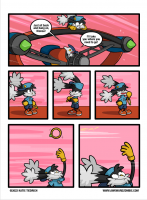
Awkward Zombie - Fallen Idle

by tech@thehiveworks.com

New comic!

Today's News:

That thing probably wasn't important.


This is a comic that Norrin wrote! It is about some guy named Klondo, I think.

05 Sep 17:58

Comic for 2022.09.04 - Nerf Gun Fight

New Cyanide and Happiness Comic
05 Sep 17:58

Comic for 2022.09.05 - Genie Bong

New Cyanide and Happiness Comic
05 Sep 17:57

Bridge Club

https://www.oglaf.com/bridgeclub/

04 Sep 14:11

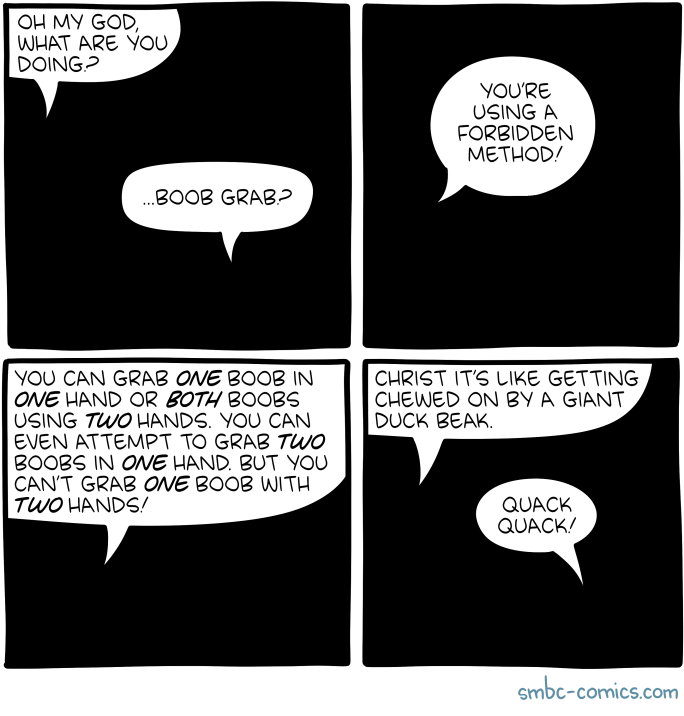
Saturday Morning Breakfast Cereal - Hands

by tech@thehiveworks.com


Click here to go see the bonus panel!

Hovertext:
In my dreams, this ruins at least a thousand sexual encounters.


Today's News:
03 Sep 12:48

Internet Archive Opposes Publishers in Federal Lawsuit

by Peter M. Routhier

On Friday, September 2, we filed a brief in opposition to the four publishers that sued Internet Archive in June 2020: Hachette Book Group, Harper Collins Publishers, John Wiley & Sons, and Penguin Random House. This is the second of three briefs from us that will help the Court decide the case.

Read: Hachette v. Internet Archive – Internet Archive’s Opposition to Motion for Summary Judgment

As many of you know, these four publishers sued the Internet Archive to try to shut down our digital lending program. The lawsuit has been ongoing for over two years now. In addition to the papers that have gone in so far, there will be one more opportunity, later this fall, for the parties to file arguments with the court. These will be the “reply” briefs. At that point, the filing of papers tends to cease. The Court will then decide whether or not it wants to hear from the parties in person–through “oral argument.” After that, the Court will make a decision on this set of briefs. That could resolve the case in its entirety, or it could lead to a trial and/or appeal. In the end, the lawsuit could take some years to resolve.

Our opposition brief responds to the arguments raised in the publisher’s motion for summary judgment. There, some of the world’s largest and most-profitable publishers complained that sometimes “Americans who read an ebook use free library copies, rather than purchasing a commercial ebook.” They believe that copyright law gives them the right to control how libraries lend the books they own, and demand that libraries implement the restrictive terms and conditions that publishers prefer.

Our opposition brief explains that “[p]ublishers do not have a right to limit libraries only to inefficient lending methods, in hopes that those inefficiencies will lead frustrated library patrons to buy their own copies.” The record in this case shows that publishers have suffered no economic harm as a result of our controlled digital lending–indeed, publishers have earned record profits in recent years. “[D]igital lending of physical books costs rightsholders no more or less than, for example, lending books via a bookmobile or interlibrary loan. In each case, the books the library lends are bought and paid for, ensuring that rightsholders receive all of the financial benefits to which they are entitled.”

The future of library lending is at stake in this lawsuit. We will keep fighting to prove that copyright does not stand in the way of a library’s right to do what libraries have always done: lend the books it owns to one patron at a time.

The post Internet Archive Opposes Publishers in Federal Lawsuit appeared first on Internet Archive Blogs.

03 Sep 12:47

Comic for 2022.09.03 - Temple

New Cyanide and Happiness Comic
02 Sep 23:19

Alexis Rossi announced as RFC Series Consulting Editor

by chrisfreeland

Alexis Rossi, the Director of Media & Access at the Internet Archive, was announced yesterday as the new RFC Series Consulting Editor for the Internet Engineering Task Force (IETF).

The RFC Series contains documents that define how the Internet functions. The first RFC was published in 1969, when just a few organizations were trying to figure out how to communicate digitally. Now, 53 years later, more than 9,200 RFCs have been written by thousands of volunteers and these documents and protocols are the underpinnings of the Internet systems we use every day.

Alexis joins the IETF team to help maintain the archival quality of the RFC Series, and to provide guidance on the policies and processes for publishing these important documents. She will also continue in her role with the Internet Archive, managing the organization’s millions of digital items.

The Internet Archive’s founder, Brewster Kahle, who has his own informational RFC (RFC 1625) published in 1994 for WAIS (Wide Area Information Servers), said of Alexis’s new role, “From my own days working on WAIS, I know how important these documents have been to the development of today’s Web. I’m glad to know that someone with so much experience will be helping to keep this Series preserved.”

We wish Alexis well in her new endeavor!

The post Alexis Rossi announced as RFC Series Consulting Editor appeared first on Internet Archive Blogs.

02 Sep 23:17

I Am Your Immigrant Parent and You Will Accept My Byzantine Displays of Love

by Ruth Madievsky

I saw on Instagram that this Caroline you worked with in 2014 had a baby. Here are twelve pounds of nipple cream I compounded myself.

Why are you using IKEA plates instead of the hand-wash-only, crepe-thin ones grandpa passed down to you? What do you mean they “tested positive for lead”?

Do NOT get that cavity filled. I emailed your X-rays to your aunt’s childhood friend’s hair lady’s stepdaughter-in-law. She works with a very respected dentist in Queens, and he says you’re being scammed. Also, he has a son who’s finishing up his cardiology fellowship…

You’ve been sitting on the sidewalk again, haven’t you? I can see it in your eyes. Here’s a bronze samovar and an unreadable Cyrillic recipe for rosehip tea to unfreeze your womb.

You’re writing a novel? Here are forty-two historically accurate nicknames for a male cow in Soviet-era Ukraine. Don’t embarrass us with this “Spot” nonsense.

I need more copies of your book for my office. I sold the last twenty you gave me to my patients.

I see you’re having an excavating heart-to-heart with your American friend about her childhood trauma. Here’s a plate of cut apples. Make sure to eat the skin; that’s where all the vitamins are. Stop crying, Shannon—your tears are washing the vitamins off.

You have a cold? How many times have I told you not to leave the house with wet hair? Put this raw garlic beneath your pillow and flash this quarter at the full moon. Here’s enough chicken bouillon to drown a mountain lion.

A pimple! Now I know you’ve been touching your face again. I got you an emergency appointment with my facial lady in an hour. Give her this fifty-pound box of Ferrero Rocher. But ask that cardiology fellow to carry it—your womb is damaged enough from sitting on the sidewalk as is.

You’re giving how much money as a wedding present? After her babushka’s florist let us sleep on his pullout for a week in 1993 when we came to this country with no money? Slip this extra hundred dollars into your card. I won’t let you embarrass me.

Why aren’t you using the camel-fur comforter your cousin gave you? He waited in line for six hours with only a heel of bread to chew on while a rabid pregnant dog mauled his legs. In the hospital, they gave him the wrong antidote. That’s why he’s… you know.

If you get an animal, I swear to God, I’ll never step foot in your apartment again. We didn’t sacrifice everything for you to become one of those Americans who kisses her dog on the lips. Here’s fifty dollars for tickets to the zoo. Invite that cardiology fellow to join you…

Are you hungry? Papa just shelled three hundred sunflower seeds.

02 Sep 23:12

How to Determine Whether It’s Labor Day or Memorial Day

by Zach Moser

If you see teachers from nearby schools out late drinking and crying, it is Labor Day.

If you see teachers from nearby schools out late drinking and crying tears of joy, it is Memorial Day.

If you have recently reconnected with a dozen people you never talk to in a fantasy football group chat, it is Labor Day.

If you have recently made plans with four different couples to go on four separate beach vacations, it is Memorial Day.

If your children have begun frantically reading books you have never seen before, it is Labor Day.

If your children are tossing their books into empty oil drums and lighting them on fire, it is Memorial Day.

If there has been a noticeable uptick in people recommending you rewatch Saving Private Ryan, it is Memorial Day.

If there has been a noticeable uptick in people recommending Cider House Rules to you, it is Labor Day.

If the number of people attending your gym suddenly increased, it is Memorial Day.

If the number of people deciding to just get chicken fingers and fries for lunch at the pool snack bar has increased, it is Labor Day.

If someone asks whether you would like to donate to a veterans’ fund even though you thought “vet” only referred to, like, people who fought in Vietnam, it is Memorial Day.

If someone asks whether you would like to donate a sapling to a community garden, they are just confused and think it is Arbor Day. But it is Labor Day.

If veterans politely respond “I’m not dead” to people’s “Happy Memorial Day Weekend!” it is Memorial Day.

If the working people halt their conveyor belts and shake each other’s hands, shouting, “Hurrah for doing our part!” it is Labor Day.

If the warm winds of spring are blowing flower blossoms down your cobblestone street in the golden afternoon light, it is Memorial Day.

If there is a heat advisory and invasive beetles from Asia are devouring your trees, it is Labor Day.

If you are comparing surf school prices and times, it is Memorial Day.

If you are pitifully struggling to stay on top of a boogie board, it is Labor Day.

If you are drinking margaritas and Kona beer, it is Memorial Day.

If you have given up and are back on Manhattans, it is Labor Day.

If you are jealously watching your neighbors move on a perfect seventy-degree day, it is Memorial Day.

If you are fighting with your girlfriend in 90 percent humidity and the U-Haul you picked for that day is too small to move in one trip, it is Labor Day.

If you and your classmates are all staring up at an analog clock on the wall and the minute hand seems to be slowing down as if by magic, and the teacher is droning on even though there wouldn’t be any work assigned on the last day of school, and then finally the hand strikes three o’clock, and everyone’s eyes widen in unison before they run out of the school, including the principal, who is unloosening his tie and putting on sunglasses, as old papers and reports are all thrown into the air as if the very speed of the students’ exits propelled them out of their backpacks, it is Memorial Day.

If you are standing on a beach in California singing “Summer Nights,” you are Danny Zuko, and you’ll have to straighten up if you want to keep her, kid, because it is Labor Day.

02 Sep 23:06

Mad at You

by Reza
02 Sep 23:05

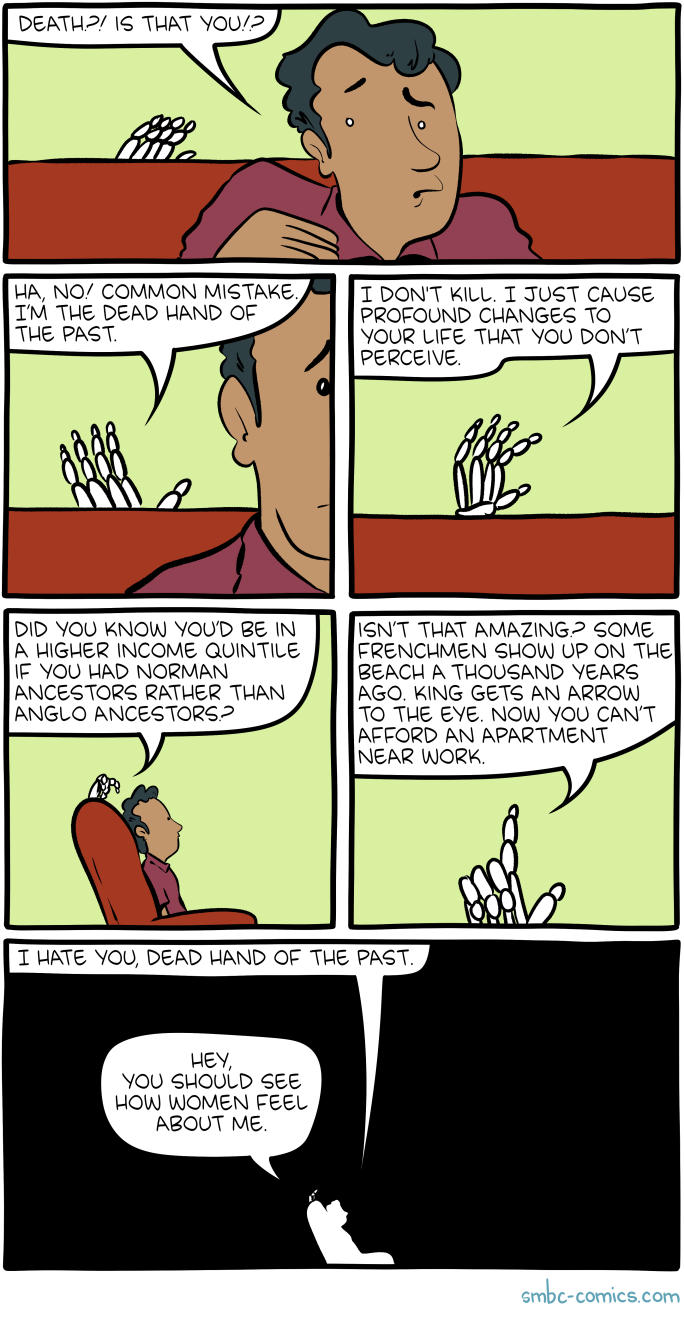
Saturday Morning Breakfast Cereal - Dead

by tech@thehiveworks.com


Click here to go see the bonus panel!

Hovertext:
Of course you really gotta look out for the live hand of the future.


Today's News:
02 Sep 23:02

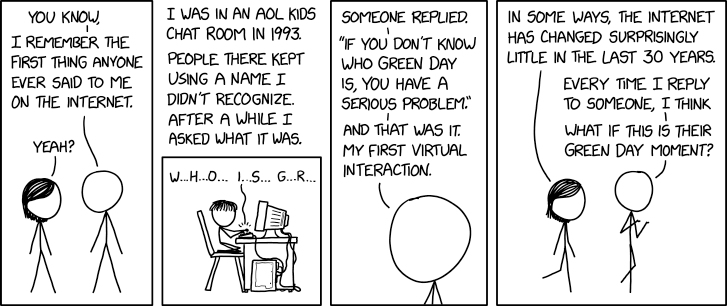
First Internet Interaction

To that stranger on the KOOL Tree House chat room, I gotta hand it to you: You were, ultimately, not wrong.
02 Sep 22:58

VA: 'Very well...abortions for some, abortions for everyone else" [Hero]

02 Sep 11:24

Comic for 2022.09.02 - Only 209 Kids Will Get This

New Cyanide and Happiness Comic
02 Sep 11:22

PARTYING WITH RUX!

by noreply@blogger.com (JerryMaguire)