Scientists have discovered the first known Neanderthal family, identifying the fossilized bone fragments of a father, teenage daughter, and possibly cousins in a Siberian cave that may have served as a seasonal home for their nomadic lifestyle 54,000 years ago. What do you think?
AUSTIN—Following a meeting with investors, reports surfaced Friday alleging that business magnate Elon Musk’s purchase of Twitter would include cutting the current staff down to a single devoted hunchback who laughs hysterically at all of his boss’s brilliant tweets.
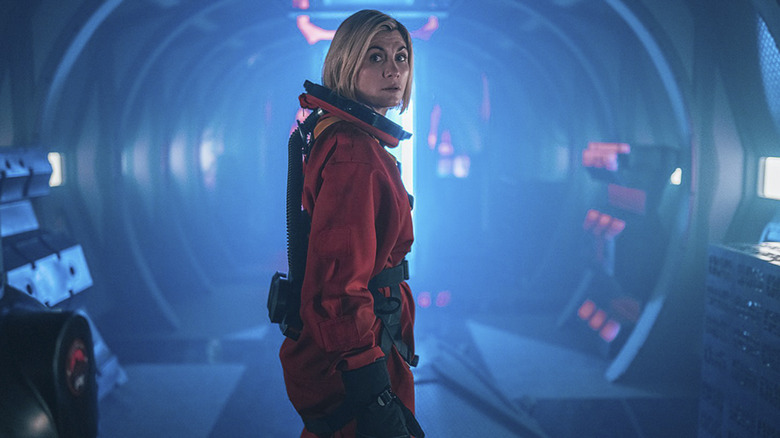
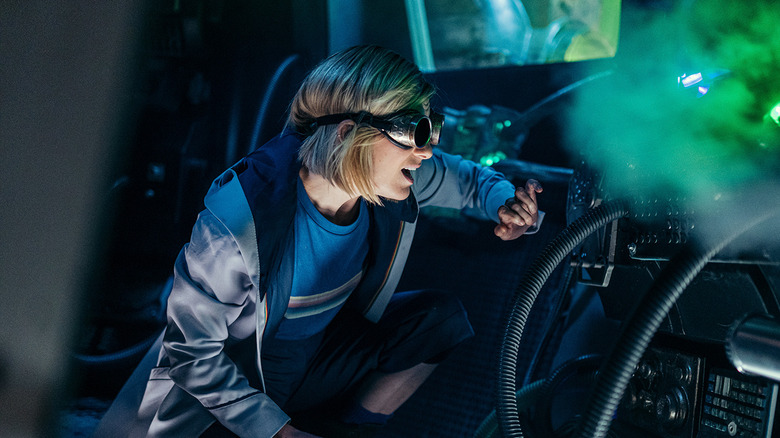
The best way to describe Chris Chibnall and Jodie Whittaker's era of "Doctor Who" is "stuff happened." And in the centenary special "The Power of the Doctor," which served as Whittaker's Thirteenth Doctor swan song, stuff certainly happened. Was any of that stuff emotionally, narratively, or thematically resonant? Well, that's another story.
Jodie Whittaker's run as the first female Doctor in "Doctor Who" history has been mired in clunky writing, nonsensical plots, half-realized characters, and empty spectacle — which on the surface, sounds par for the course for a show as silly and weird as "Doctor Who." But it's been missing the heart that made those kinds of quirks bearable, and as a result — despite some genuine bright spots through this four-year run — has felt like a chore to watch more than anything. And Whittaker's final episode as the Thirteenth Doctor certainly felt like a laundry list of fan service and confusing plot beats — none of which cohered into a good, emotionally satisfying episode. Instead, what we got was a mess of a two-part episode that ended as many a Chibnall-era finale did: it just ... ended.
Putting Out Fires
In a behind-the-scenes video for the first episode he penned for "Doctor Who," Chris Chibnall described the Doctor as at their best when they're constantly putting out tons of fires. And gosh, golly has he stuck by that belief. Rather than establish any real stakes, Chibnall will constantly manufacture suspense by having the Doctor run from one crisis to the other — never really solving any of them. And "The Power of the Doctor" is no different, introducing many, many conflicts after the other, prioritizing the plot over the story and hoping the audience never catches onto the fact that the whole episode is held together by prayer and spit.
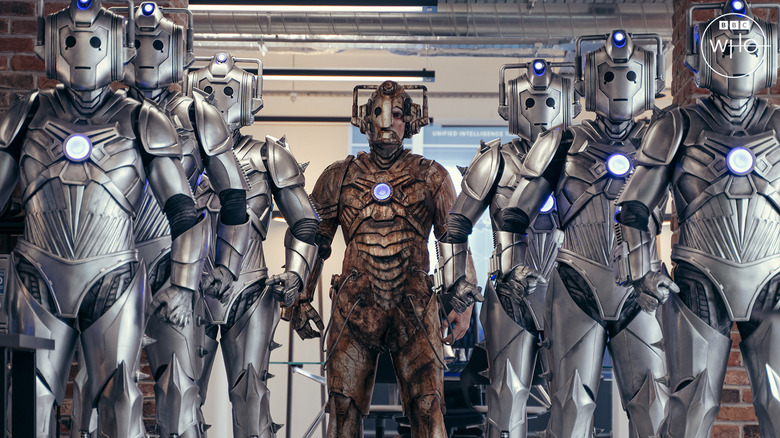
A quick rundown of those plots: First, a group of the CyberMasters (who are still alive and kicking after half of the universe got swallowed up, apparently!) hijack a train and steal its precious cargo, a little girl. Also, the Master is also alive and kicking, now masquerading as Rasputin in 1916 Saint Petersburg, which has seen the appearance of a second moon in the sky. Also, that second moon was created by Cyber technology and is powered by a dead TARDIS. Also, the Daleks are harnessing the power of volcanoes to dominate the world, or something. Also, Classic Who companions Ace (Sophie Aldred) and Tegan (Janet Fielding) have received mysterious messages from the Doctor and are reunited with her after decades. Also, Vinder (Jacob Anderson) found a wormhole. Oh wait, now the Master is posing as a seismologist, giving a lecture in front of a group of seismologists that he's miniaturized (and subsequently killed) to lure the Doctor and Yaz (Mandip Gill) into his trap. And with each new development, the Doctor rushes toward it with a breathlessly delivered line of dialogue and a feeling that she's as many steps behind as we are.
Up until her very last episode, the Thirteenth Doctor is still frustratingly passive, and as much a victim to the plot as the rest of the episode. The hilarious thing is, the episode even gently lampshades this when Yaz asks the Doctor, "Are you still doing this? Running from one place to the next, never explaining?" but never stops to acknowledge that this is a problem. But what if — to give "The Power of the Doctor" the benefit of the doubt — we were to ignore the plot altogether and focus on what has always been the greatest strength of "Doctor Who," its characters? Unfortunately, they're not the saving grace the episode thinks they are.
Quick Goodbyes And Awkward Reunions
The TARDIS might as well have rotating doors, with the amount of new and old companions leaving and reuniting with the Doctor in this episode. After immediately stealing the show with his appearances in "Flux" and the holiday specials, Dan (John Bishop) has a very normal reaction to his close brush with death and leaves the TARDIS. It's actually quite a bittersweet farewell scene, with Bishop's understated delivery of the line, "You don't need to come back for me," and the Doctor's quietly sad response. But like much of the episode, his goodbye is oddly rushed (hope your house gets fixed, my guy?) — the Doctor doesn't have much time to mourn the departure of her newest companion when she's suddenly reunited with two former companions.
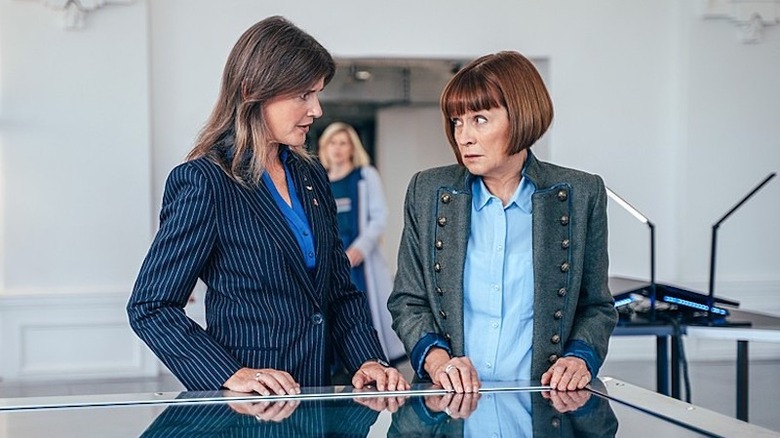
Ace, the Seventh Doctor's (Sylvester McCoy) companion, and Tegan, the companion of the Fourth (Tom Baker) and Fifth Doctor (Peter Davison), are still fighting the good fight, but are dragged back into the Doctor's orbit with a mysterious message and a Russian Doll of a Cyberman that Tegan receives in the mail. Working for Kate Stewart's (Jemma Redgrave) newly revived UNIT to investigate the strange case of classic art pieces vandalized with the face of Rasputin (aka the Master), they're reluctantly reunited with the Doctor when Kate Stewart urgently calls her to help investigate. They're still bearing their grudges with the Doctor — Tegan over the death and destruction that led to her departure, Ace over some unseen slight — but despite an awkward introduction, they become a highlight of the episode.
Ace and Tegan's appearances are total fan service wedged in for the purpose of this centenary special (the celebration of 100 years of BBC), but Aldred and Fielding are so immediately game and enthusiastic that it's hard to resist cracking a smile when Ace calls the Doctor "Professor" and whips out her old bat and bomber jacket, or feeling a twinge of sympathy for Tegan's lonely life post-TARDIS. It's these small character moments with legacy characters that make the episode, and "Doctor Who," but alas, we must service Chibnall's plot gods and get on with it.
A Master Plan
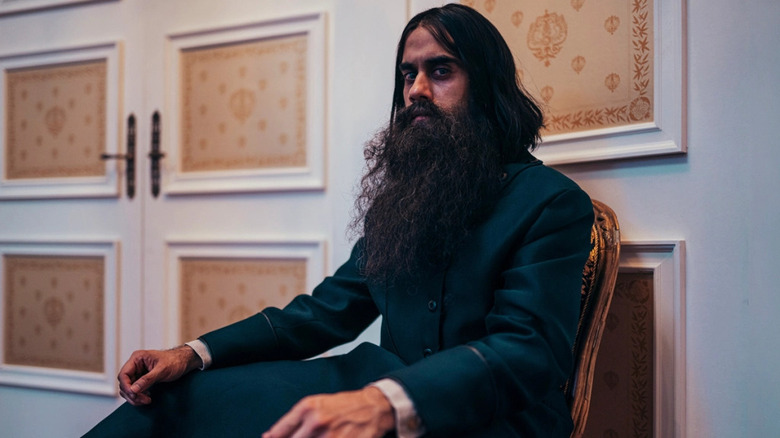
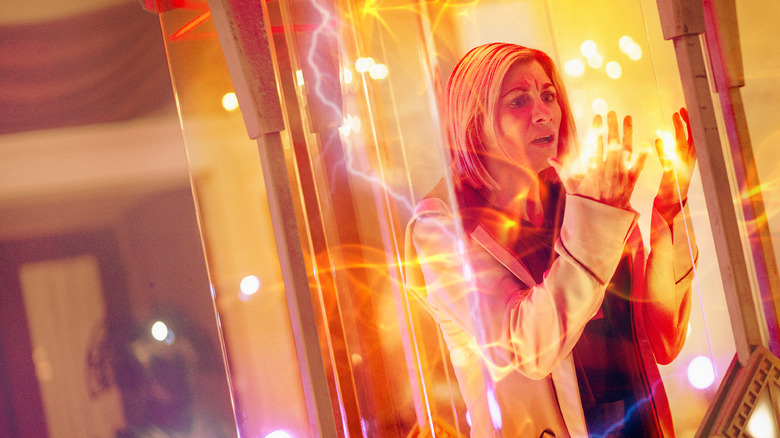
One thing I will say is that Sacha Dhawan deserves more than John Simm's leftovers. A fantastic actor who brings charisma and range to a role that has once again been reduced to Joker knockoff, Dhawan is probably the closest to the episode's MVP — even if his Master's plan makes zero sense. The Cybermen and Dalek plots (including a traitorous Dalek who offers the key to the Daleks' destruction to the Doctor) end up not mattering much and even grand returns of one of Chibnall's all-time villains (Ashad!) are given little more than a quick "Oh he was cloned!" explanation. And in the end, as with half of the Chibnall finales, the Doctor spends most of it captured and frozen while the Master monologues his plan to her.
What is the Master's master plan (or as he cheekily jokes, the Master's Dalek plan)? To force her to regenerate into the Master, so that he can commit evil throughout the universe in her name, dragging her reputation in the mud. And he succeeds, transforming Jodie Whittaker into Sacha Dhawan with an earring. Which, you might now realize, didn't really need to be done at all because the Master could easily achieve the same thing by just wreaking havoc around the universe and calling himself the Doctor. And this might have been more sinister when the Master did this before in the season 3 finale, when he replaced the entire human race with himself. Wouldn't the Master's plan in this episode have been more efficient if the Doctor kept her form but had her personality replaced by the Master? It would've given Whittaker a chance to play evil and would've been richer narratively too — though it is undeniably fun to see Dhawan prance around in Whittaker's clothes.
Oh well, at least we have the genuinely fantastic scene of the Master dancing to Boney M's "Rasputin" while dressed as Rasputin. Now that's camp.
The Doctor, Erased
But this is not the end for the Thirteenth Doctor. She wakes up in a dream world where she's greeted by the First Doctor (David Bradley, reprising the role after "Twice Upon a Time"), the Fifth Doctor, the Sixth Doctor (Colin Baker), the Seventh Doctor, and the Eighth Doctor (Paul McGann), all clad in austere Time Lord robes except for the still ruggedly handsome Eighth Doctor, who looks like he just wandered off of the cover of Big Finish's Time War audio drama. "You're not finished," they tell Thirteen, introducing themselves as Guardians of the Edge, that being the "edge" of existence.
It's a cool scene, and a welcome appearance by the Classic Who Doctors, especially McGann, who makes his first official appearance on the main TV series. But it's also the scene where the episode switches gears — backgrounding Whittaker's Doctor and suddenly becoming a Doctor-lite episode — not exactly ideal for the Thirteenth Doctor's last hurrah.
Journey's End ... Again
Whittaker's era has always lived in the shadow of the David Tennant era — her characterization is clearly a combination of both the Tenth and Eleventh Doctors, while her second (and strongest) season was a clear retread of the Russell T Davies era stories and tone. And her last episode continues to thrive under that shadow with a story that basically rehashes Tennant's season 4 finale, "Journey's End." (The power of the Doctor is the friends you made along the way, get it?)
You've got your reunion of new and legacy characters, your return of old monsters, your interplanetary threats, and a scene where everyone pilots the TARDIS together. But while a few reunions do manage to eke out genuinely emotional moments — the hologram Fifth Doctor's "brave heart" to Tegan is especially touching, and Kate Stewart's noble gesture of self-sacrifice (which is naturally thwarted at the last minute) is a highlight — the episode just feels like Chibnall throwing everything at the screen with less emotional and narrative finesse than Davies or Moffat. The AI Doctor hologram barely holds the episode together, and with Yaz acting more like the Doctor in this episode than the Doctor was, "The Power of the Doctor" doesn't feel like a fitting goodbye for Thirteen.
To add insult to injury, an anticlimactic death, after Yaz and Vinder manage to reverse the forced regeneration, leads to an even more anticlimactic parting for the Thirteenth Doctor's incredibly large ensemble. The Master defeated, everyone goes their separate ways, only asking Yaz with slight concern in their voices, "Is she all right?" She is not all right, she is in fact dying. And Yaz, her stalwarts companion with whom she shared an intense connection that was frustratingly never truly acknowledged, a companion who waited years and traveled continents to be reunited with the Doctor, just ... leaves?
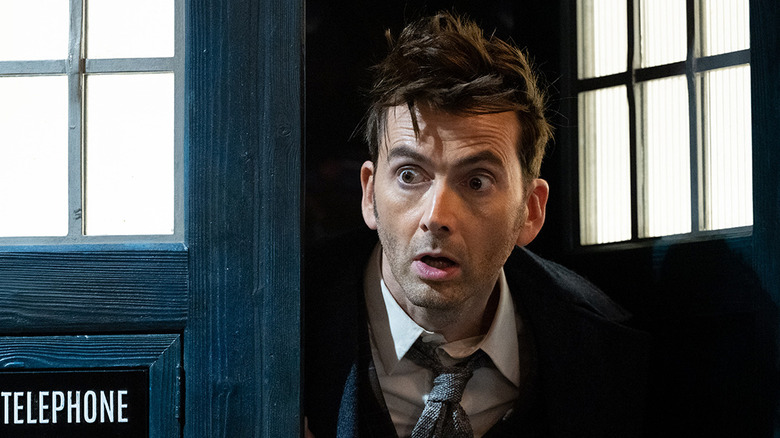
"Gonna take in one last sunrise," the Doctor tells her, which seems to be an unspoken declaration that they're parting ways, and Yaz leaves without a word which feels uncharacteristic, but hey this is a Chibnall episode and people just do things. But the cherry on top of this disappointing farewell for the Thirteenth Doctor, never really given her due and outshined in most of her episodes including this, is the regeneration reveal. Out of her botched regeneration, David Tennant emerges, fully clothed in a new outfit (weird!)."I know those teeth," he says, in a callback to one of the Tenth Doctor's very first lines. Confused, he lets out a three-pronged, "What?!" and the episode ends.
Farewell, Thirteen. Maybe you were just unlucky.
Tidbits In Time And Space
I was glad to see Jodie Whittaker don that familiar orange spacesuit a least once during her tenure.
RIP the Chibnall exposition dump, I won't miss you.
Chibnall's short-term memory when it comes to the Steven Moffat era once again rears its ugly head (I'm still mad about the erasure of Missy's arc), with the introduction of a Dalek that hates the Dalek race. That's Rusty. Bring back Rusty.
"I was only trying to teach you good habits Ace" feels like a dramatic misinterpretation of how the Seventh Doctor manipulated Ace when they traveled together.
Graham (Bradley Walsh) just shows up in a volcano?? Then appears again only to lead a companion group therapy session? Feels like Dan's exit may have been even more rushed than appeared.
Why did the Tenth Doctor 2.0 regenerate with an all-new wardrobe, something that has never happened in "Doctor Who" history? Guess we'll find out in the 60th anniversary special!
History repeats itself. I’ve been bitten by an obscure Yellowstone bug related to 6502 phantom reads, and it’s exactly the same problem that I struggled with 13 years ago during the design of my BMOW 1 homebrew wire-wrapped CPU. In both cases, I designed some hardware where CPU reads from a specific address would have side-effects that changed the machine state. And in both cases, I later encountered baffling bugs where the CPU would perform unintentional reads from those special addresses, thanks to the CPU’s implementation details, even though the program instructions never specified a read there. It’s an especially sneaky bug when examining the source code listing reveals nothing, and you need to break the abstraction barrier and look at how the CPU actually implements each instruction.
With a traditional Apple II disk controller, in order to read the data bitstream from the disk, the program must continuously poll a shift register and check if the MSB is 1. This checking and polling loop eats CPU time, creating an upper bound on the fastest bit rate that a 1 MHz Apple II can process reliably. Yellowstone takes a different approach. When the program reads from the special address $CFF8, the Yellowstone hardware halts the CPU by deasserting the 6502 RDY signal until the shift register is filled. When the CPU resumes and the program reaches the next instruction, it’s guaranteed to have a good value with an MSB of 1, so checking the value isn’t needed. This provides just enough time savings in the inner loop for a 1 MHz Apple II to handle the faster bit rate of 3.5 inch disks, which is twice as fast as 5.25 inch disks. Pretty neat!
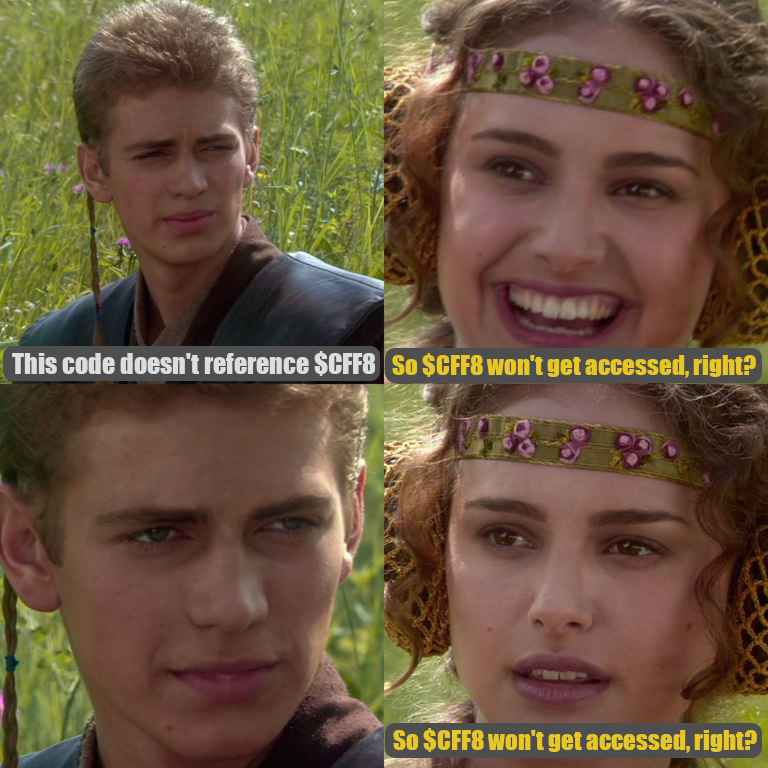
If the program code ever accidentally read from $CFF8 when it didn’t intend to fetch disk data, that would create a big problem by halting the CPU and desynchronizing the disk bitstream. But accidental reads should be trivial to avoid – just don’t use $CFF8 for any other purpose. If the code doesn’t reference $CFF8, then $CFF8 won’t be read… right? RIGHT? Wrong. It turns out that was a safe assumption for the 65C02, the second-generation version of the CPU that included various improvements and new instructions, and that’s present in the enhanced Apple IIe and Apple IIc. But for the original NMOS 6502, as found in the Apple II+ and unenhanced Apple IIe, it’s a different story.
Total Replay, Yellowstone, and the Unenhanced IIe
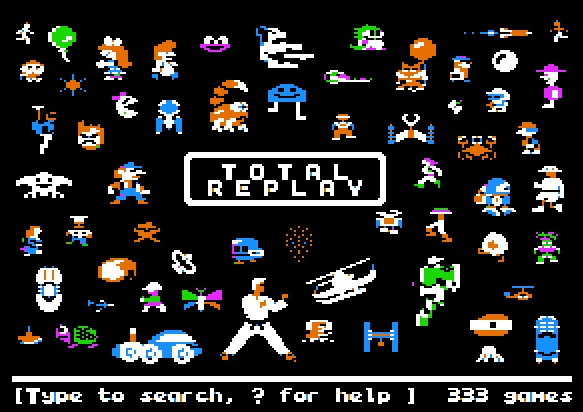
I first became aware of a possible problem after a few Yellowstone owners reported that Total Replay was freezing during startup, before ever reaching the main menu. Putting all the reports together, it emerged that everyone with this problem was running on an unenhanced Apple IIe system. For quite a while I assumed this was probably a Total Replay bug. Maybe it used one of the instructions only available on the 65C02, or relied on some ROM code only present in the enhanced IIe ROM.
Recently with the help of Peter Ferrie, I began digging into the mystery in more detail. Peter shared that Total Replay was running without trouble on unenhanced IIe systems with other disk controllers, so this was apparently a Yellowstone-specific problem. Where could I begin troubleshooting? I don’t own an unenhanced IIe, but I have an enhanced Apple IIe and some ROMs and a spare NMOS 6502, so I could make an unenhnaced IIe. I could even create a Frankenstein hybrid system with a 65C02 but the unenhanced ROMs, or a plain 6502 and the enhanced ROMs. My experiments found that the problem was caused by the NMOS 6502 CPU, not by any difference in the ROM. But why?
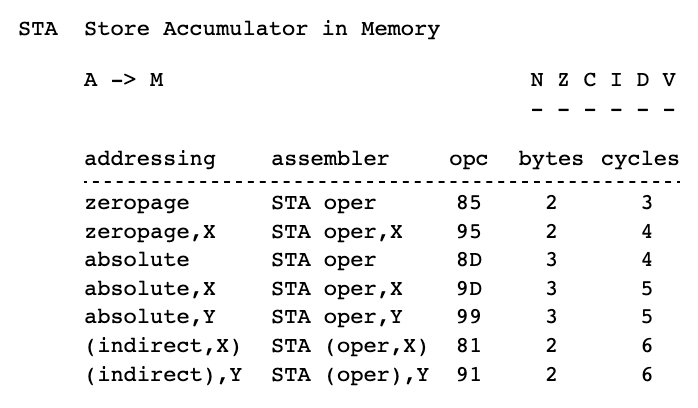
STA (indirect),Y
Deep in the Yellowstone firmware for Smartport hard disk reads, you’ll find the instruction STA ($4B),Y. This instruction stores one byte from the disk into a user-supplied buffer, using a 16-bit buffer pointer stored at $4B-$4C plus an 8-bit offset from the Y register. For reasons of program efficiency, and using the Y register for two purposes at once, the code subtracts a fixed value from the $4B-$4C pointer and adds the same value to Y in order to compensate. For example if the buffer begins at $D000, then to store a byte at $D0F1, the code might use a Y value of $F9 and a $4B-$4C value of $CFF8. Queue the spooky foreboding music here.
On the 65C02, STA (indirect),Y requires five clock cycles to execute: two cycles to fetch the opcode and operand, two cycles to read two bytes in the 16-bit pointer, and one cycle to perform the write to the calculated address including the Y offset. All good. But for the NMOS 6502 the same instruction requires six clock cycles. During the extra clock cycle, which occurs after reading the 16-bit pointer but before doing the write, the CPU performs a useless and supposedly-harmless read from the unadjusted pointer address: $CFF8. This is simply a side-effect of how the CPU works, an implementation detail footnote, because this older version of the 6502 can’t read the pointer and apply the Y offset all in a single clock cycle. But it means that when Yellowstone reads a Smartport disk block into address $D000 using an NMOS 6502, it triggers a phantom read from $CFF8 and halts the CPU. That’s what was happening to Total Replay on the unenhanced Apple IIe.
Now What?
Peter suggested it would be possible to modify Total Replay to avoid loading blocks directly to $D000. I hope to save him that effort, and fix the root problem in the Yellowstone firmware instead, because other software may have the same problem when running on the NMOS 6502. I haven’t found another example yet, and standard software like DOS 3.3 and ProDOS appear to work OK. But there are probably other examples lurking out there somewhere.
How can the Yellowstone hardware tell the difference between an intentional read of $CFF8 and a phantom read? It can’t, not really. It just sees that $CFF8 appears on the address bus, the proper address decoding signals are asserted, and that’s the end of the story.
Fortunately Yellowstone is built around an FPGA, which creates the possibility for more complex address decoding behavior than would be possible with just a couple of discrete logic chips. My plan is to save information about what happened on the preceding bus cycles, and when $CFF8 appears on the address bus, use that extra information to help decide whether it was an intentional read. The details may be tricky but I think this approach should work. Meanwhile I’ll have more respect for the unintended consequences of phantom reads, and hopefully avoid making the same mistake again 13 years from now. Check back in 2035.
“Quiet quitting” is the new buzzword sweeping workplaces across the country, although the issues it really reflects can be confusing. The Onion answers common questions about the “quiet quitting” phenomenon.
A developer came to me a week ago with a project they’d been working on for over a year. The proposition of what they offered and the importance of what it would mean to historical software at Internet Archive was so compelling that within 48 hours, we’d announced it to the world.
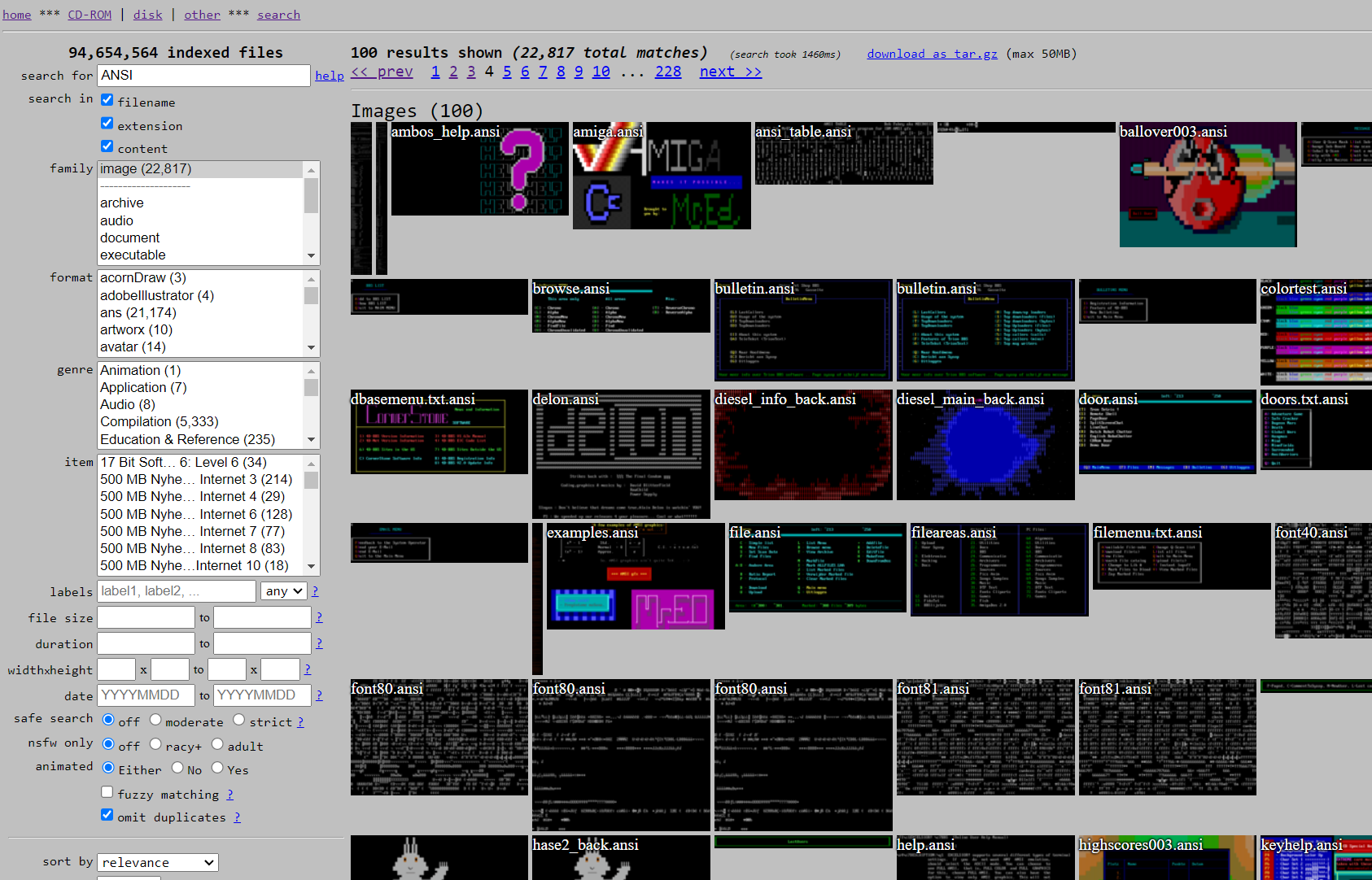
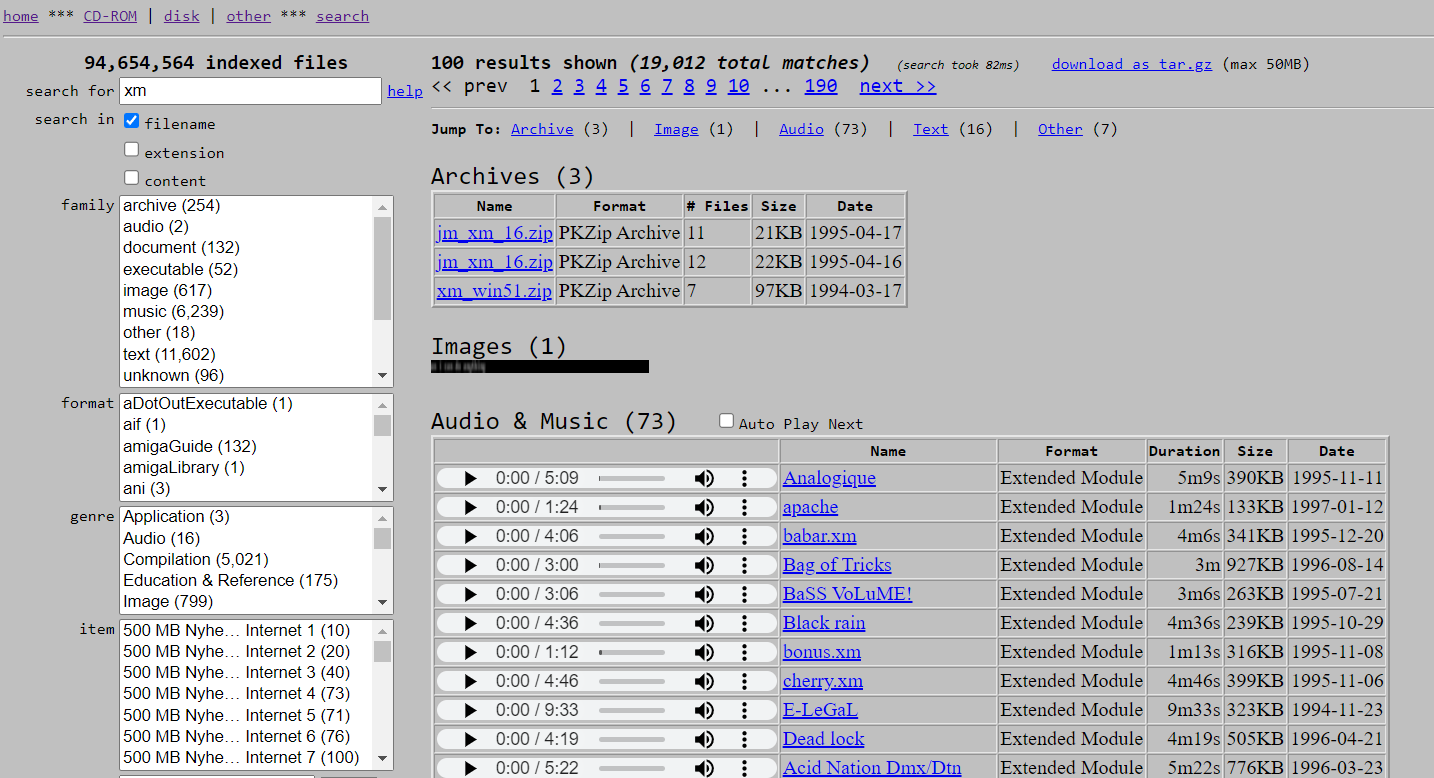
The site is DISCMASTER.TEXTFILES.COM, and within its stacks lie multitudes of previously hidden software treasure, and a directed search engine that makes it a top-notch research tool.
More than a fascinating site, though, it represents some philosophies regarding the Archive’s stacks that are worth exploring as well.
The first thing that strikes a visitor to the site is either how strange, or how nostalgic it looks. The site is strikingly simple and references the first few years of the world wide web, when backgrounds were grey by default, and the width of the screen was almost always under 640 pixels. Same with the link colors, and use of (to the modern era) small icons next to the words and links. This is a version of the world wide web long gone.
However, underneath this simple exterior beats the heart of a powerful search engine and an astounding amount of processing that has analyzed millions of files to make them easy to interact with. If your area of research or interest is vintage/historical software, we’ve all been handed a top-class tool to discover long-lost files and bring them back instantly.
A Quick Reminder about CD-ROMs
From (very roughly) 1989 through to the early 2000s, CD-ROMs (and later DVD-ROMs) were one of the primary ways to transfer heaps of software or large-sized programs to end users. Instead of spending hours or literal days transferring software you may or may not have wanted after you received it, you could go to stores or on-line and purchase a plastic disc that contained between 600-700 megabytes of information on it.
The potential of this, in fact, was so strong, that there was an entire industry of providing databases, news summaries, and even all-digital magazines using this format. Booklets of CD-ROMs became resplendent, and libraries could allow patrons to check out these discs to do research with them.
Besides these more institutional compilations, an industry rose up of companies compiling software, artwork, music and more and selling them to end users. Companies with names like Walnut Creek, Wayzata, Valusoft, and Imagemagic would have catalogs of CD-ROMs to buy. Starting out with software from bulletin board systems and gathered from FTP sites, these CD-ROMs quickly ran out of easy-to-find material to fill, and an era of “shovelware” began, allowing these products to claim “thousands of files, gigabytes of materials” while pulling from more and more out-of-date sources.
As websites, torrents and other means of transport brought the era of physical media for software to a close, the world was left with a finite, contained pile of titles that had come out on CDs. And, as luck would have it, people have been uploading those out of date files to the Internet Archive for years.
The Final Piece
Therefore, sitting on the Archive, are tens of thousands of these CD-ROMs of the past. And for a very long time, it’s been possible to download a Disc image, analyze its contents, search for useful or potentially interesting items, and then find a way to make them work again.
That last piece, in fact, is the hardest – not just knowing where the files you’re looking for are located, but to be able to browse them without a massive host of helper applications scattered to the four winds. There are dozens of archive types, dozens and maybe hundreds of multimedia formats, and, even more frustrating, archives within archives – making everything that much harder to find.
DiscMaster has fixed this.
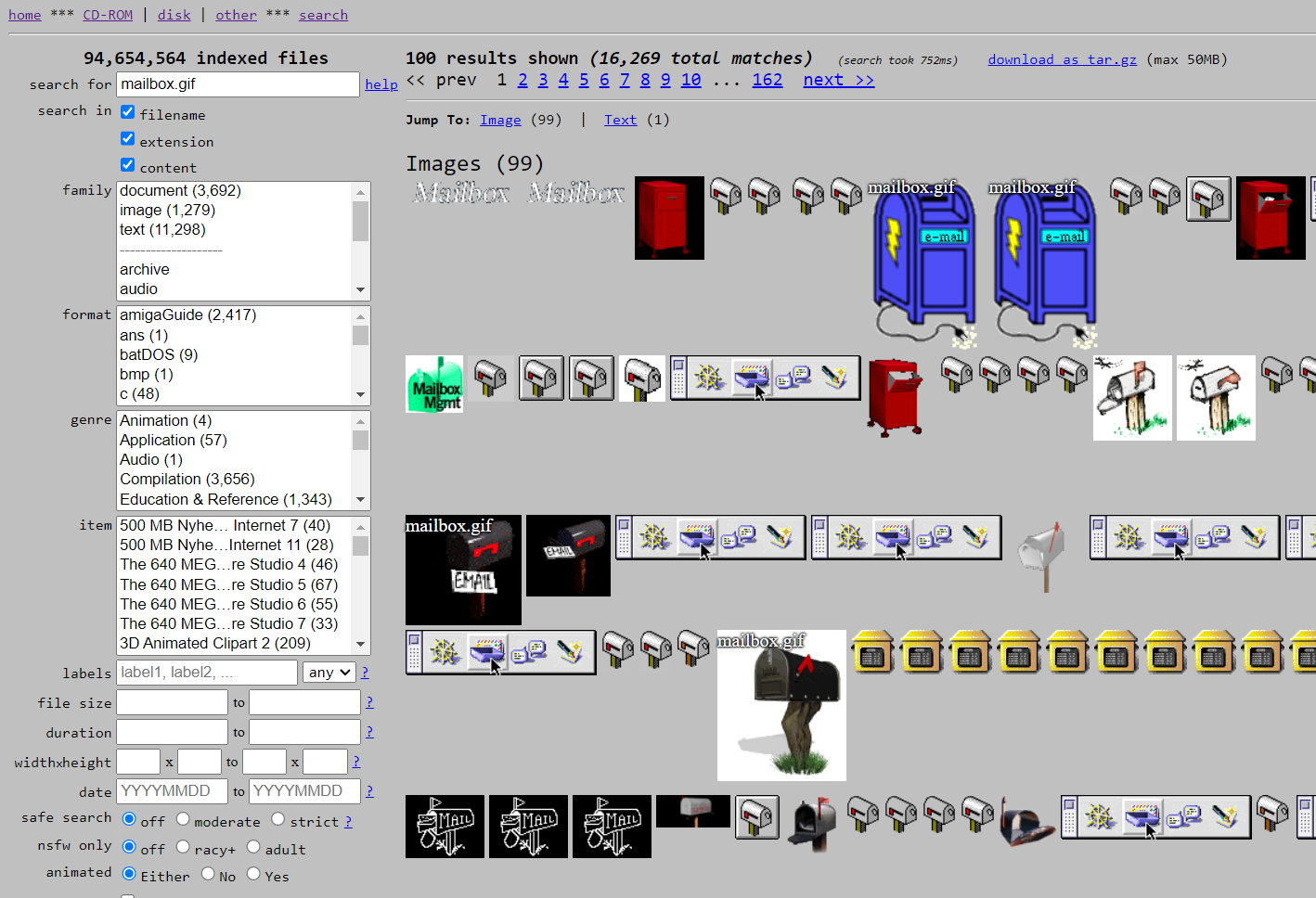
Within the search engine is the ability to find millions of files, categorized by type or size or date or extension, and then be presented them instantly. Three decades of computer software with layers upon layers of obfuscation are brought immediately to the top.
The developer wrote applications to grind through the contents of a CD-ROM and present them with previews that wouldn’t require anything but a browser to see. This can take hours to pull out of a single CD-ROM, but the results are breathtaking.
Audio and music files play in the browser. Flash, IFF, Bitmaps, Fonts and more display in preview. Macintosh, PC, Commodore, Atari and more are presented simply, without a mandate to track down the proper utility to figure out what they are.
In other words, vintage and historical software is back from the obfuscated darkness.
In the short time that Discmaster has been online, success stories are appearing. Authors are finding shareware programs they lost track of decades ago. Original versions of software that were thought impossible to track down just pop up in the search engine. And organizations dedicated to creating catalogs of now-dormant formats are suddenly handed a thousands-of-items to-do list on a silver platter.
The Philosophy of the Support Site
The ramifications and discoveries from Discmaster are going to be coming for a very long time – even if a researcher has a light memory of something they’re looking for, the search results will guide them in the right direction faster than ever before.
But beyond that, this site shows a different approach to the Internet Archive’s materials that’s worth seeing more of.
With over 100 petabytes of data, representing a mass of materials with all sorts of containers, metadata, and approaches by contributors, the Internet Archive has to be as general as possible. This generality extends to the presentation, search engine, and storage of the items.
It is a major effort to ensure the data stays secure, the metadata is searchable, and the ability to upload nearly anything results in a usable item details page.
But that’s kind of where it has to stop.
It’s asking an awful lot to both maintain an entity like this, and also design, say, a specifically-geared site for a relatively smaller set of people and needs. It can be done, but when energy and funding are limited, it’s sometimes best to stick to basics.
Discmaster shows one way it could be done. After working hard on its specific set (software from CD-ROMs), the entire site is constructed with its singular goal in mind. If it’s not obvious, the simple, almost-no-javascript and straightforward design lends itself to an entire family of browsers that run on those original machines. You’ll be able to download Amiga software through your Amiga, your Atari software to your Atari and so on. A thousand little touches and flourishes live easily on this custom experience – because it has the freedom to allow them.
Perhaps seeing Discmaster in action will encourage others to interact with the Internet Archive as a pool, a container of resources that could receive some of the powerful analysis along specific lines. If they can then be fed back to the Archive at the end, even better; but let a hundred supporting sites bloom.
After this announcement came out, a not-insignificant amount of people have come forward to ask some form of:
You’re the Emulation In The Browser People – will DISCMASTER allow you to emulate the programs that are found in these floppies and CD-ROMS?
The short answer is no, there are no current plans to do emulated previews.
The longer answer is that the wonderful emulation in the browser that the Internet Archive has covers over the amount of work that needs to be done in selecting, refining, and in some cases modifying original programs to make them work. If a program requires all of Windows 3.1 installed, for example, someone went through the process of determining that, configuring the item to know to load Windows 3.1, and then added custom settings in the item to ensure it would all boot up correctly. Often this work can be automated to a degree, but the time involved is considerable.
Multiply these issues by the dozens of platforms that are emulated, and you can see why it would be more trouble than it would be worth. Additionally, some programs just don’t make sense to be emulated – running a printer utility “in the browser” will probably just show a prompt and nothing else, as it is loaded in the background – many, many programs of the past don’t make sense without additional context.
A much more likely scenario will be DISCMASTER revealing long-lost vintage software that is so interesting and/or fun that it will get uploaded to Internet Archive separately and those configurations done to allow it to be played in the browser.
If you find interesting items along DISCMASTER’s millions, feel free to contact me, Jason Scott, or take a shot at uploading the program yourself and doing the configurations.
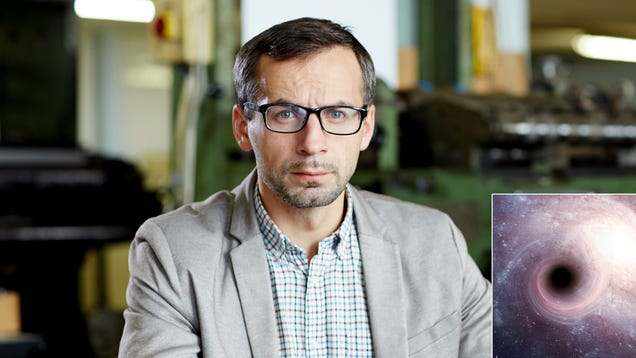
HOUSTON, TX—Severing ties as soon as the employee’s outside allegiances came to light, NASA reportedly fired engineer Mike Langevin Monday after it was revealed he was secretly working on behalf of a black hole. “After receiving evidence that one of the agency’s engineers had an undisclosed working relationship with…
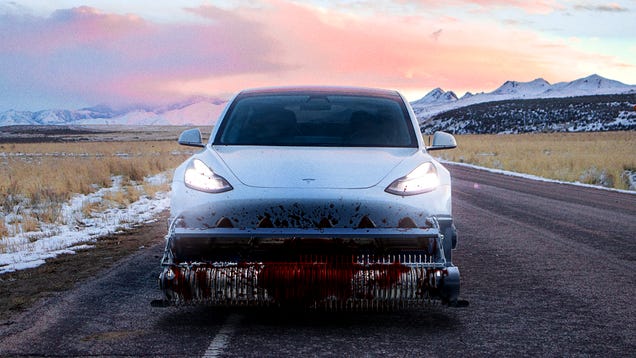
AUSTIN, TX—Touting the feature as the future of hands-free driving, Tesla unveiled schematics for its model Y+ Monday that included an undercarriage thresher to shred all evidence of running someone over. “Starting in 2024, all Teslas will be outfitted a series of high-speed titanium blades beneath the main cabin,…
Today, cookbooks are a dime a dozen, with every celebrity chef—and celebrity-turned-home-chef—coming out with their own (usually accompanied by a line of kitchen-related products). But we only have to go back a generation or two to get to a time when cookbooks had an indispensable role in most American households—not…
Happy Sunday to you. Eric and I wanted to offer a quick update on the weather for ALCS game 4 in New York, the potential clincher. Additionally, we have some more clarity on our rain chances here in Houston for tomorrow.
Astros weather
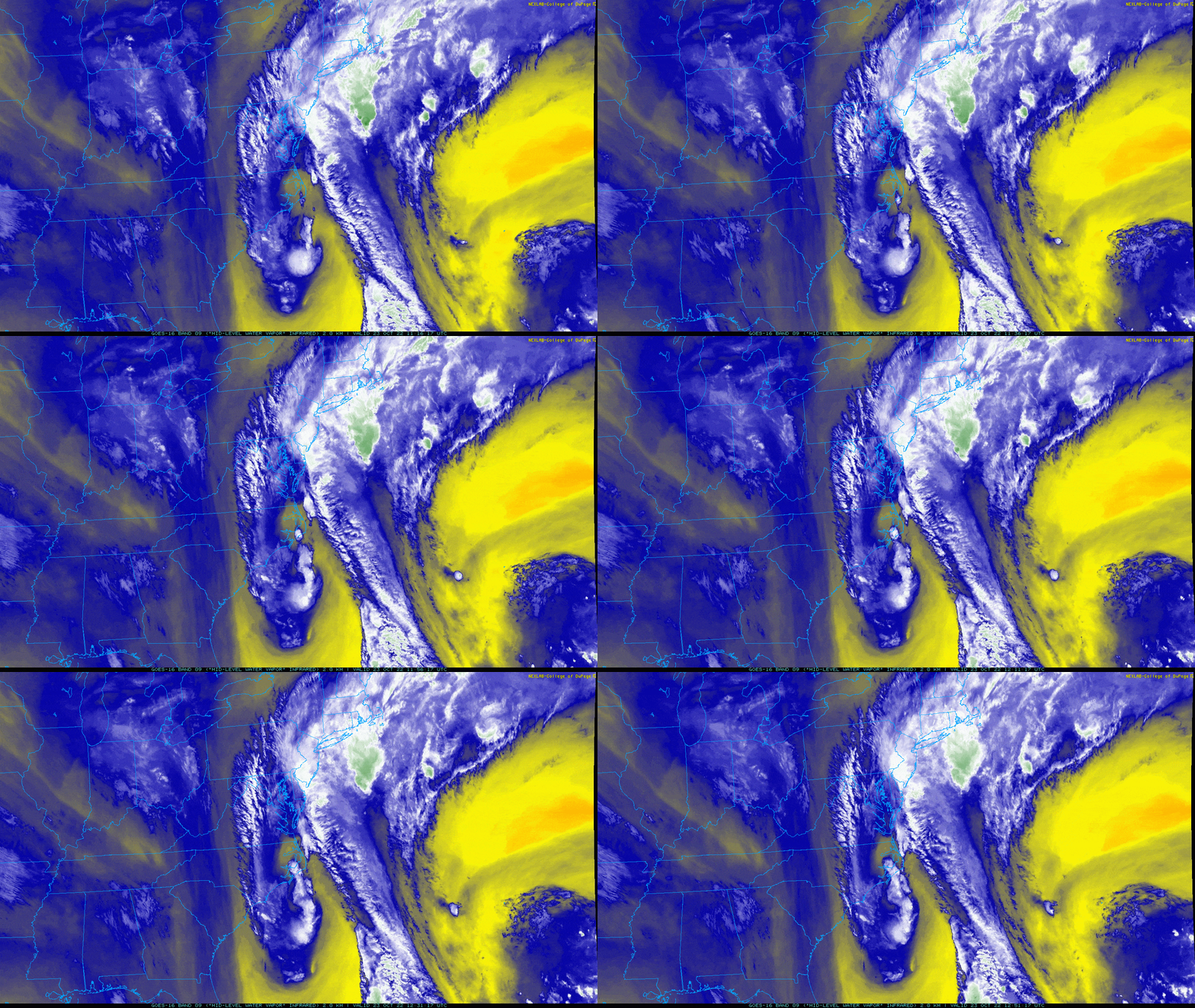
In a perfect world, the Yankees would simply close the roof for game 4 tonight, and we’d play ball without any weather concerns. It would surely give them a bit less to complain about. Alas, the world is not perfect. You don’t need to be a meteorologist to look at the water vapor satellite image below and see that there’s a lot of something aimed at New York City.
A deep plume of moisture extends from the Caribbean into New York City and New England, which will help offer a good chance of rain into this evening. (College of DuPage)
As it turns out, it’s a deep plume of subtropical moisture that is aimed right at New York and New England and extends back to the Caribbean. In English, this means rain is likely in the Bronx today. The first pitch tonight is just after 7 PM Eastern time. The latest HRRR model forecast radar shows rain still in the area at this time.
One forecast model has rain in New York at first pitch and for a couple hours beyond that. (Weather Bell)
Will it be raining enough in New York City at the planned start time to mess things up? No model is perfect, but a few have shown this outcome, so I am becoming more and more pessimistic that we’ll get a game in without some kind of scheduling issue today. Obviously, this is a problem because there are no off-days for the rest of the series. But that’s Major League Baseball’s problem to deal with. Our message is: If you have the brooms out tonight, there is at least some chance they may need to stand by until very late or tomorrow.
If the game does somehow on as planned tonight, you can expect temperatures in the 50s and a northeast wind (which at Yankee Stadium is blowing in) around 10 mph. Additionally, you’d almost certainly have intermittent showers, light rain, or drizzle. Philly will have similar issues today as well. So if you’re scouting the other side, you may have some issues there too. Tuesday’s weather won’t be perfect, but it looks better if they need to slide things a day.
Houston weather
Locally, we have no issues for Sunday so if you have an Astros watch party planned you might just have to find other ways to entertain yourselves. We will have a few extra clouds today, as some of the high clouds from Pacific hurricane Roslyn head this way. Otherwise, it will be warm and humid with 80s. Much like yesterday, there will be a healthy breeze off the Gulf today, gusting to 20 to 25 mph, possibly a bit more over the water. A shower is possible south of I-10 today, but it would likely be light and brief…maybe just enough to wet the ground.
Our cold front begins to arrive later tomorrow. Ahead of it, look for more clouds, a few isolated sprinkles or showers, and yes, more wind. Other than that, daytime Monday looks fine.
Monday night is when things get interesting. The good news is that Hurricane Roslyn will get shredded over Mexico. So, we don’t need to worry about that. But the remnant moisture and some of the “oomph” from Roslyn is going to interact with the cold front as it moves through Houston. This should allow for a developing, if not strengthening line of storms to push in Monday night with the front.
The Storm Prediction Center has the entire region in a level 2, slight risk of severe storms for Monday night. (NOAA)
As the storms move in, there is at least some chance they could become strong to severe, with gusty winds being the main threat. This would, again, be late in the evening, if not after midnight. Eric will have the latest for you on Monday morning regarding any severe weather risk. Most of the area, especially north of I-10 should see a quarter to half-inch of rain, with isolated higher amounts possible. Helpful, but it won’t do much for the drought.
While the front tomorrow night will bring widespread showers and storms, most areas will see less than 1 inch of rain. (Pivotal Weather)
Tuesday should be much cooler and windy. It will feel like autumn again. More from Eric in the morning!
The nine-member Texas Supreme Court has the power to make sweeping decisions that interpret the meaning of the state’s constitution, impacting the lives of Texans across the state. Three seats are on the ballot this year.
Texans will vote on three seats for the state’s highest criminal court in November. Here’s what the court does, who is running for office and what issues candidates are running on.
An injured hiker was trapped in the Colorado wilderness with a broken leg for two days. She was rescued after a train passenger spotted her frantically waving from the other side of a river.
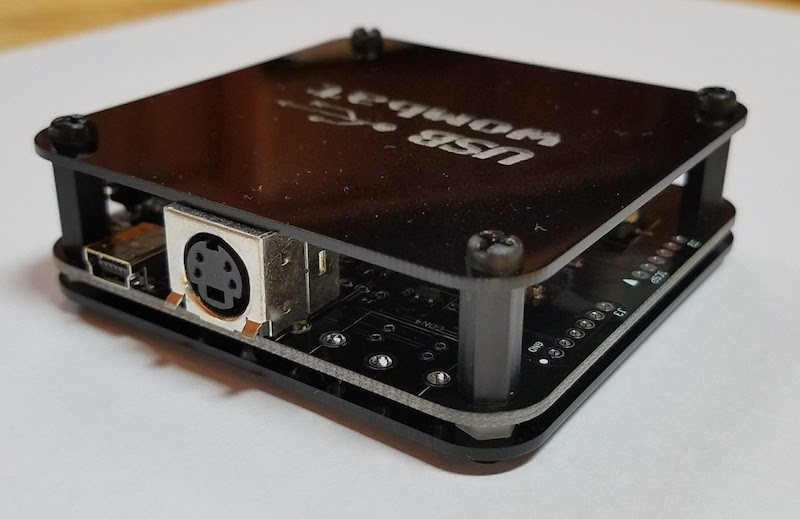
Firmware version 0.3.8 is now available for the Wombat ADB-to-USB input converter. This version fixes a minor problem with the latching Caps Lock key on ADB keyboards in ADB-to-USB translation mode. If you accidentally bumped the Caps Lock key without depressing it fully, you could sometimes end up with Caps Lock enabled even though the key wasn’t latched down. Firmware 0.3.8 resolves this little annoyance. You can download the latest Wombat firmware from the project home page.
Are you new to the Wombat? It’s a bidirectional ADB-to-USB and USB-to-ADB converter for keyboards and mice. With the Wombat you can connect modern USB keyboards and mice to a vintage computer like an ADB-based Macintosh, Apple IIgs, or NeXT. Or you can do the reverse, and hook up vintage ADB keyboards and mice to a modern USB-based computer running Windows, OSX, or Linux. Want to rock an AEK II on your new M2 MacBook Air? The Wombat is your solution. Get yours now from the BMOW Store.


/https://static.texastribune.org/media/files/25a1130a35d1301f6f0935446f50c052/Election%20Day%202020%20HTX%20AM%20TT%2010.jpg)















/https://static.texastribune.org/media/files/33d079f62c7ba62a8ed62c3a3be7e88f/Texas%20Supreme%20Court%20MG%20TT%2013.jpg)

/https://static.texastribune.org/media/files/bbe71ba10f29b1bc51d8ff678f5c028b/Texas%20Court%20of%20Criminal%20Appeals%20MG%20TT%2001.jpg)