.לאלה שלא אוהבים את הטעם של הגלידה
מחיר מומלץ: ₪0
מחיר אצלנו: ₪32.25

.לאלה שלא אוהבים את הטעם של הגלידה
מחיר מומלץ: ₪0
מחיר אצלנו: ₪32.25
Yuval Pinterמדויק
The Edinburgh Festival season is almost over. Giant tents are already being taken down at the BBC site on university land below my office window. Soon (Sunday, August 31) will come the final outdoor concert in the Princes Street Gardens, with the Scottish Chamber Orchestra sitting below a thousand-year-old castle playing dramatic music (Ride of the Valkyries, War March of the Priests from Athalie, Marche Écossaise, 1812 Overture) as hundreds of thousands of dollars' worth of fireworks explode in perfect computer-synchronized time to the music.
The Festival Fringe, an enormous array of performances and events dwarfing the actual Edinburgh International Festival, turns the entire city into one huge crazy street party, with jugglers and escapologists and buskers performing in every nook and cranny of the ancient streets and pay-for-tickets performances in every rentable club or hall or church or room that can be turned into performance space. Literally millions of tickets have been sold for literally thousands of performances at literally hundreds of venues (there's a reason I haven't been writing much for Language Log this past month). The Fringe is far too big to provide grammatical advice to performers; one show I went to, a fabulous taiko drumming exhibition, advertised itself under the totally ungrammatical phrase "Japan Marvelous Drummers".
Every comedian in the country has been here this month to try out new material for the fall season in the clubs and theaters, and in consequence I can now bring to Language Log (in case you missed the British newspapers reporting it about a week ago) the Best Joke of 2014.
Much standup comedy is basically linguistic, turning on a word or phrase that suddenly assumes a meaning in context that is not the one you thought it was going to have. And for this one you need a dialect lesson first: in British English the manufacturer's name Hoover has undergone that transition to a common noun that trademark holders are so afraid of (it terrifies the Xerox corporation when you refer to xerocopies as xeroxes). The train has left the station for the poor Hoover company: Hoover now means "vacuum cleaner".
And with your dialect training now complete, You are ready for the best joke of the Edinburgh Festival Fringe standup comedy category for 2014. It came from Tim Vine, and he received an award for it. Here it is:
"I've decided to sell my Hoover. Well, it was just collecting dust."
If your appetite is whetted for 29 more such gems (some of them very good ones), try this link.

The Canadian Joint Delegation to NATO tweeted some advice for Russian soldiers entering Ukraine. Moscow claims that the soldiers are mistakenly crossing over, according to NPR.
Yuval Pinterסתם רציתי להגיד שפגשתיהוהו בכנס הראשון שאי פעם הצגתי בו
Geoffrey Leech, one of the giants of corpus-based computational linguistics, passed away yesterday. With the death of Chuck Fillmore in February, the field has lost two of its pillars this year.
The following tribute was posted by Andrew Hardie on the blog of Lancaster University's Centre for Corpus Approaches to Social Science (CASS).
It is with great sorrow that we report the death on 19th August of Professor Geoffrey Leech.
Geoff was not only the founder of the UCREL research centre for corpus linguistics at Lancaster University, he was also the first Professor and founding Head of the Department of Linguistics and English Language. His contributions to linguistics – not only in corpus linguistics, but also in English grammar, pragmatics and stylistics – were immense. After his retirement in 2002, he remained an active member of our department, not only continuing his own research but also, characteristically, providing advice, support and encouragement for students and junior colleagues.
All our thoughts are with Geoff’s wife Fanny, and with his family.
It is still hard for us to find the right words at this time. For many of us he was an inspirational teacher and mentor, but for all of us, he was a kind and generous friend.
The video below was recorded by Tony McEnery in conversation with Geoff in late 2013 for Lancaster’s online course in corpus linguistics. In it, Tony and Geoff discuss the history of the field. We present it now publicly as a first tribute to Geoff’s life and work.
Yuval Pinterשוב על הסוס
הקורא הנאמן (כאילו יש בכלל מה לקרוא פה בזמן האחרון, עונת מלפפונים לפנים) דן (יותר מסתם קורא: הוא הבוס!) העיר את תשומת לבי (מה ארבע מילים רצופות בלי סוגריים מה) לביטוי מוזר שהולך ורוחש בעולם המושגים המלבב שנקלענו אליו בחודשים האחרונים: מַשגר פצמ"רים. הרי האקזמפלר:

והרי כמה נוספים. יש גם דוגמאות רבות היכולות להיקרא כאדם מבצע הפעולה (מְשגר פצמ"רים), אבל גם זה אינו ביטוי הכרחי.
מה הבעיה בעצם? ובכן, פצמ"ר הוא ראשי תיבות של "פצצת מרגמה". פצצת מרגמה, מעצם שמה, נורית מתוך מרגמה. למיטב הבנתי, אפילו מבחינת דקדקנות טרמינולוגית צבאית אין משגר פצמ"רים שאינו מרגמה, שכן זהו פשוט השם לקטגוריית כלי הנשק היורים פצצות פשוטות באופן תלול-מסלול מעמדה נייחת. לראיה הדוידקות ממלחמת השחרור, שלא היו כלי תקני אך נחשבות למרגמות. בקיצור, הביטוי אינו טבעי בערך כמו "מַרסס כדורי מקלע". מותר להתפלא מהעובדה שהדוגמה לעיל לקוחה דווקא מאתר רשמי של צבא ההגנה לישראל, ושהביטוי מופיע גם בסרטוני דובר צה"ל.
איך הגיח הביטוי החריג ללשוננו? המסלול כנראה קל לשחזור, לא בשונה ממסלול הפצמ"ר עצמו (ברכות יובל, זכית בפרס הקישור הנושאי חסר הטעם בהבלוג לשנת תשע"ד). סוג הקליע יוצא-עזה שזכה למירב תשומת הלב בשנים האחרונות הוא הרקטה. רקטה אכן יורים ממשגר. כשנכנס לתמונה הרכיב האנלוגי למשגר של פצמ"ר, מתבקש לקרוא גם לו משגר. שמו האמיתי מתחבא בתוך ראשי תיבות, ועוד ראשי תיבות שלא משמרים את התנועות של המילים המקוריות (פְּצצת או פִּצְצת? זה לא משנה, בראשי תיבות הוגים /pa/) או את המין הדקדוקי של הביטוי המקורי, ולכן קל לשכוח שבכלל מדובר בראשי תיבות. תוסיפו את העובדה שאין עוד דוגמאות נפוצות לקליע שגוזר את שמו מהנשק ממנו הוא נורה (כדורים מקוטלגים לפי מידה, פצצות מוטסות לפי משקל, רקטות וטילים נושאים לרוב שם ייחודי) ונקבל עילה סבירה למחילה על חוסר-הזהירות. (אגב, בהמשך להערה שמתחת לתמונה – האדם המשגר נקרא רגם).
ומה השם המתאים לתופעה? סקרנו כאן בעבר תופעות לא בלתי-דומות לדבר הזה. היה לנו את התי"מ המיותר, גם שם כיכב הצבא בדוגמאות (המוכר ביותר הוא ככל הנראה סס"ל לבן, כאשר ה-ל בראשי התיבות מסמנת בעצמה "לבן"). לא בלתי-דומה, אבל לא זהה: בתי"מ מיותר קיים אלמנט שחוזר על עצמו בשתי צורות (בתוך ראשי תיבות או מילה קפואה ובתור המילה הרגילה), אבל כאן כל הביטוי כולו זהה במשמעותו לחלק מתוכו. שזה יכול להזכיר סינקדוכה (לא לבלבל עם הכינוי הנפוץ לאקדוחן סיני), התופעה שבה חלק מייצג את השלם או להפך (כשאומרים "אמריקה" ומתכוונים לארצות הברית של אמריקה; בעבר היה מקובל לומר "רוסיה" ולהתכוון לברית המועצות), אבל כאן יחסי החלק-שלם מתייחסים לביטויים הלשוניים ולא לישויות המיוצגות על-ידם. אז שלחתי מייל בהול בנושא לג'ף פולום, אבל אפילו הוא אבד עצות. אז אם בספינת האם נפלה שלהבת, זה הזמן של אזובי הקיר להמציא מונחים! ובכן, התופעה הכי קרובה שהצלחתי לחשוב עליה באיזושהי רמה של אנלוגיה היא גזירה-לאחור: יש לנו מילה שנראית כמו תוצר של הטיה, אפילו שהיא לא. נאמר פָּנים או שוליים. אם נחליט שיש לה צורת בסיס, כמו פן או שול בהתאמה, נסתדר כבר עם להתאים לה משמעות. אז במקרה שלנו, מדובר על צורה שהיא כן תוצר של פעולה לשונית (אבל לא בדיוק גזירה. "ראשי-תיבותיזציה"?) ובמקום לגזור אותה לאחור, גוזר אותה הדובר "לפנים". ממש כמו במשחק הדמקה! ובכן, חברים חברות, עוקבים ועוקבות, חברי האקדמיה, אני מתכבד בזאת להכריז על המושג גזירת-דמקה, שמצטרף לחבריו הגאים סתירונים, תי"מ מיותר, עצטרובל, סנובון, ובטח עוד כמה ששכחתי. [עדכון, 26/11: משאול!]
עם תמונת נצחון זו נסיים. הפסקת אש בלתי-מופרת שתהיה לכולנו.
רפרנס כותרת למי שפספס. ביזיון שאין את המילים בשירונט, או קליפ ביוטיוב שאינו בביצוע אסי כהן.


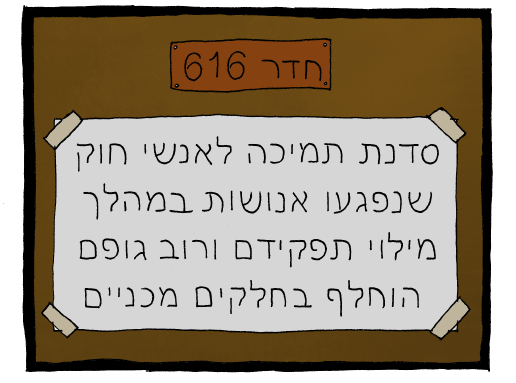
האופטימיסט והפסימיסט. לפעמים יש עוד קומיקסים שצוירו במהרה בעמוד שלי.
שתפו ותהנו (כמו כן, ניתן לשתף מבלי להנות):


Yuval Pinterלפעמים הפיד הזה מוצדק
I am a (female) fashion designer. I create unique dresses, mostly for cocktail parties and weddings.
Me: So here is my quote for the cocktail gown that we discussed last week.
Client: Thanks… I understand the lines for fabric and other material, but what is the last line about?
Me: That’s for my design work and the time necessary to stitch and build the gown.
Client: I don’t understand. How does that account for that sum of money?
Me: Based on our initial conversation and preliminary design, I estimated X hours of work.
Client: You charge money for drawing designs?
Me: Yes.
Client: I don’t get it. Doesn’t your husband make enough money?
Yuval Pinterזהה את השגיאה הטרמינולוגית
The Spanish language uses reflexive verbs more than English, and one of my favorite has always been “se cayo.” Roughly translated that means “it fell itself down” or “it broke itself.” The closest English might be the use of the passive voice, as in “the glass broke” or “the glass fell down” in place of “I broke the glass” or “I dropped the glass.”
This Spanish lesson is occasioned by the press coverage of what happened last Friday. The facts are clear: there had been a 72-hour cease fire, and Hamas broke it by rocketing Israel again.
Here’s NPR:
The end of the latest cease-fire in the Gaza Strip has been marked by intense Israeli airstrikes against Hamas targets….NPR’s Alice Fordham, reporting from Gaza, says “The barrage came after Palestinian officials expressed frustration with peace talks in Cairo. They want more freedom of movement and goods into and out of the Gaza strip, among other demands. But Israel, which controls most crossings, has not yet budged on the issue, and since rocket fire re-started has suspended its engagement in the talks.
Right: the cease fire came to an end, apparently after the cease fire made a decision to do so; the barrage came, apparently because the barrage decided to do so; and rocket fire restarted, apparently because the rockets decided to do so. The headline is also precious: “Israel Intensifies Airstrikes In Wake Of Gaza Cease-Fire.” Hamas is not mentioned.
Here’s NBC’s Today Show:
Fighting in Gaza resumes as cease fire ends: Israel and militants from Gaza are back to exchanging fire after the expiration of a three-day cease-fire.”
The old cycle of violence again: they just exchange fire, and the cease fire apparently ended itself. No Hamas.
Try BBC‘s headlines:
Air Strikes and rocket attacks after Gaza ceasefire ends: Israel has resumed air strikes in Gaza after Palestinian militants fired rockets following the end of a three-day truce.
There are too many other examples to cite, and there are also examples of getting the story straight: Hamas broke the ceasefire by shooting rockets into Israel. Not complicated. But perhaps that kind of simplicity offends too many journalists’ desire to appear even-handed, so they do not let facts get into the way of the “balanced” report. In numerous other cases, the lead–Hamas broke the cease-fire–is buried in the story under a headline that says something like “Cease Fire Breaks Down.” This ensures that the millions of readers who do not read the full story come away with the old “se cayo” impression: the cease-fire somehow broke itself. In Spanish, it almost works. In English, it’s just bad journalism.
Yuval Pinterכותרת השנה
Yuval Pinterהתמונה מספיקה
Max Pinton sent in this menu and said he "thought it was a refreshing approach":
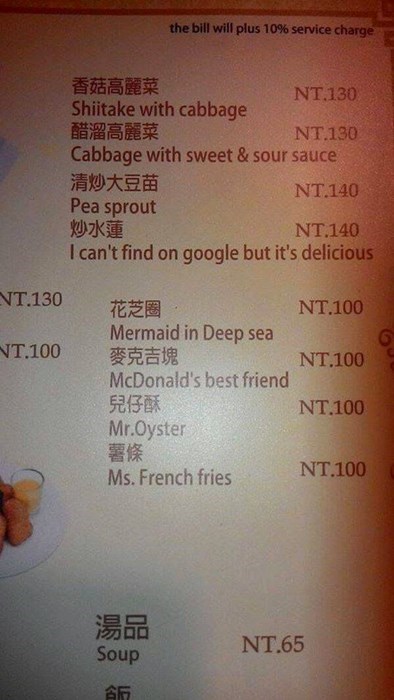
Cheezburger, where this menu was posted, gave it the title "Google Failed, but This Restaurant Probably Won". Actually, Google didn't fail.
For chǎo shuǐlián 炒水蓮, which is straightforward, Google Translate, Baidu Fanyi, Bing Translator, and even iciba correctly give "fried lotus", so there's no excuse for saying "I can't find on google".
So what's going on here?
In the first half of the menu, aside from the zany "I can't find on google but it's delicious", the other three items, although translated somewhat sloppily, are within the ball park. In the second half of the menu, simply looking at the English, you can tell that the translator was just playing games and wasn't making a serious effort to render the names of the Chinese entries. They also were careless about the Chinese inputting.
A couple of examples:
Where they typed huāzhī quān 花芝圈 (lit., "flower fungus circle"), which they translate as "Mermaid in Deep sea", it should probably be the homophonous huāzhī quān 花枝圈 ("squid rings; deep-fried calamari rings").
Where they typed màikè Jíkuài 麥克吉塊 ("Mike's lucky pieces"), which they cutely translate as "McDonald's best friend", it should probably be the near-homophonous màikè jīkuài 麥克雞塊 ("Mike's chicken pieces [i.e., nuggets]").
The other two items are of a similar goofy, slipshod quality.
How do we account for this strange combination of slapdash Chinese and hit-or-miss English? My surmise is that this menu might have been put together by Koreans or Japanese (or some other group who are not native speakers of Mandarin) in Taiwan.
First of all, the prices are in New Taiwan dollars, so this menu is from Taiwan. Second, the menu twice refers to cabbage as "Gāolí cài" 高麗菜 ("Korean vegetable"), whereas I know at least half a dozen other Chinese words for cabbage that, at least to me, are more common than "Gāolí cài" 高麗菜 ("Korean vegetable"). Third, huāzhī 花芝 (lit., "flower fungus") doesn't really mean anything in Mandarin, but it is at least a pronounceable name in Japanese: Hanashiba. Fourth, érzǎisū 兒仔酥 is a rare expression for a mock oyster crisp (hézǎisū 蚵仔酥) such as might be found in a vegetarian restaurant associated with Japan (see the caption to the 14th photograph here for an explanation of the name of this dish).
Or maybe the menu was made by some Taiwanese person who was lazy or tipsy, in which case there might be some interference from Taiwanese language which I haven't been able to detect. Overall, though, this menu seems to be quite an inept way for a restaurant to present itself to the public.
Yuval Pinterclassy
After about five weeks of not receiving payment, and lots of emails and phone call reminders to my client, I finally received the following text message:
"Sorry, I was in prison for beating up a bloke. Will pay you tomorrow lol."
Yuval PinterStory of my life
Yuval Pinterfound using our LOL-detection algorithm (srsly)

It’s no secret - we all know Answers has some pretty funny questions and answers. So, we decided to highlight a few questions that made us laugh recently!
1.
2.
3.
4.
5.
6.
7.
Obviously, we found some other funny questions, but we can’t post them on here. ;)
If you see a funny question you’d like us to feature next time, submit the link to the question in the comments below or tweet it to us!
Thanks for reading,
Yahoo Answers Team
(gif via xxfallingslowlyxx)