Shared posts
22 Apr 18:41


Rumor: Apple devolveu cerca de 8 milhões de iPhones defeituosos à Foxconn
by Ronaldo Gogoni
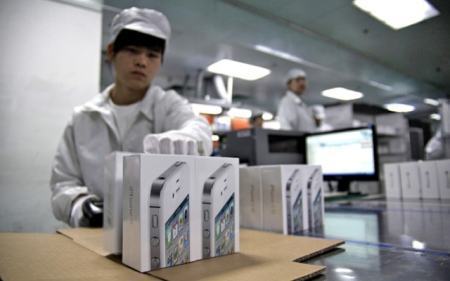
A situação na Foxconn ficou um tanto complicada. De acordo com um empregado não identificado, a empresa fez caquinha num dos últimos lotes de iPhones e a Apple não teve dó: devolveu uma cacetada de aparelhos, após considerá-los inadequados para venda ou, nas palavras da companhia, “devido a aparência precária ou problemas disfuncionais”.
Segundo a fonte, a Apple mandou de volta uma quantidade absurda de iPhones: entre 5 e 8 milhões de unidades. Como cada aparelho custa em média US$ 200 para ser produzido, o prejuízo da empresa pode girar entre US$ 1 e US$ 1,6 bilhão. Apesar de se tratar de um rumor não confirmado, a Foxconn já havia declarado anteriormente que o iPhone 5 era “o aparelho mais difícil de montar” quando a requisição foi feita em 2012, apesar de que nos últimos meses não houve nenhuma reclamação acerca da montagem do smartphone.
Caso o aparelho envolvido nesse rolo seja o 5 ou ainda o 4S, a Apple pode sofrer um buraco no abastecimento de aparelho de duas a três semanas, considerando que a empresa vendeu 47,8 milhões de iPhones no último trimestre.
Uma presepada dessas pode custar caro para os funcionários da Foxconn, dado o histórico dela. Um prejuízo desses, se real, pode gerar um corte de funcionários mas os restantes serão obrigados a manter a produção. Apesar de Tim Cook aparentemente se preocupar com a situação dos colaboradores da montadora, nós sabemos que numa situação dessas, a corda sempre arrebenta do lado mais fraco.
Fonte: The Register.
 |
 |
22 Apr 17:00


Cinco formas de aprender idiomas usando internet
by Bárbara Pavan
Internet no solamente es una fuente de entretenimiento ni una herramienta laboral, sino que también puede ser un aliado del aprendizaje. Hace algunos días, repasamos una práctica extensión de Chrome para estudiantes llamada MyHomework, y en esta oportunidad trabajaremos con algunas aplicaciones para aprender idiomas online. Aprender una lengua no es tarea fácil, pero si tenemos determinación y paciencia, encontraremos en internet todo lo necesario para hacerlo.

Duolingo
Duolingo es un proyecto iniciado por Luis von Ahn, el creador del concepto captchas, y la propuesta es simple. Traducción crowdsourced. La idea de Duolingo es permitir la traducción de sitios web al mismo tiempo que aprendemos un idioma. En lugar de aburrirnos con ejercicios, estamos contribuyendo a la universalización de los contenidos que se encuentran disponibles en internet. En este video podemos ver la presentación de Duolingo en español:
La propuesta de aprendizaje de Duolingo es interesante, puesto que nos tira al mundo de un empujón. Como aprender a nadar, quizás, de una forma un poco brusca. Sin embargo, hay muchas dudas alrededor del modelo que plantea y de la profesionalización de las traducciones. Si lo miramos solamente desde el lado del aprendizaje, Duolingo es una herramienta interesante para aquellos que ya tengan una base en el idioma y quieran profundizar.
Busuu
Disponible tanto en la web como en su versión para Android, Busuu nos brinda una respuesta más estructurada a nuestra necesidad por aprender idiomas. De hecho, esta plataforma pone un énfasis importante en la conversación del día a día y las formas de llevarla a cabo. Esta no es la manera en la que usualmente se enseñan idiomas, y por supuesto, allí reside su encanto y la posibilidad de aprender rápidamente.
Busuu cuenta con una comunidad grande de usuarios que aprovecha sus cursos interactivos disponibles online, ejercicios para practicar lo que vamos aprendiendo, practicar con el resto de los usuarios, y acceder a guías gramaticales. Los de Busuu se jactan de contar con impresionante material didáctico para ayudarnos a aprender, pero además, tenemos diferentes idiomas: inglés, español, francés, portugués, ruso, polaco, alemán, italiano, turco, árabe, japonés y chino.
LiveMocha
Cuando aprendemos un idioma, no significa que quedaremos con este conocimiento por siempre, como sucede con muchas cosas. Por eso, es fundamental que practiquemos. Pero, por otro lado, también podemos usar la práctica como una forma de aprendizaje. Con esto en mente, presentamos a LiveMocha, una de las mejores aplicaciones para aprender idiomas online. Es una plataforma completa, con énfasis en la práctica inmediata y en la exploración a través de conversaciones con personas alrededor del mundo.
En esto reside, por así decirlo, la magia de LiveMocha. La plataforma está construida en tres patas separadas pero que se interconectan para mejorar el proceso de aprendizaje. Por un lado, tenemos la sección de aprendizaje, donde aprenderemos justamente el idioma nuevo. En segundo lugar, también tenemos un sector dedicado a los profesores que se encargarán de enseñarnos –un sector que particularmente no tendrá mucho uso para nosotros-. Y finalmente, la parte de Exploración, donde podremos, como dicen ellos, explorar el mundo a través de conversaciones.

Word2Word
Quizás el diseño de Word2Word no sea tan elegante como las plataformas que repasamos anteriormente, pero su utilidad reside en los recursos que nos ofrece. Word2Word está dedicada a romper las barreras idiomáticas que se encuentran en el mundo, pero además, cuenta también con recursos para aquellos que se dedican a los idiomas como profesión, ya sea los que los enseñan o los que los traducen. Para nosotros, interesados en aprender, también tenemos nuestro sector.
Como LiveMocha, pero sin la facilidad de navegación, Word2Word está dividido en diferentes sectores. Por un lado, tenemos un foro de usuarios donde podemos interactuar con el resto de la comunidad. Por el otro, también encontramos una sección llamada Comunidades de Lenguaje, hay también un espacio para traductores, y secciones muy prácticas para aprender cómo pronunciar para palabras, escuelas de idiomas virtuales, y mucho más.
BBC Languages
La BBC es sinónimo de aprendizaje y conocimiento. Por eso, no sorprende que también cuenten con un centro de recursos idiomáticos. Aunque la página no ha sido actualizada por un buen tiempo, eso no quita que las herramientas que tenemos para aprender en su interior sean siendo útiles. BBC Languages también está dividido en diferentes sectores, pero el problema más grande que vamos a encontrar es que, si queremos aprender inglés… Pues toda la página está en inglés.
Sin embargo, si nos tomamos el tiempo para explorar, encontraremos que también tenemos la posibilidad de aprender inglés como un segundo idioma. También tenemos herramientas para mejorar nuestro conocimiento del inglés, así como también aprender francés, español, alemán, italiano, portugués, chino, griego, y otros 33 idiomas más. Hasta tiene videos informativos y tutoriales, para los que recién están aprendiendo.
La entrada Cinco formas de aprender idiomas usando internet aparece primero en Bitelia.
Tadeu, Albener Pessoa and one other like this


22 Apr 16:49
the little 5 year old girl I babysit
me: What you do think about the princess marrying another princess?
her: Instead of the prince?
me: Instead of the prince
her: So her daughter would have two mommies?
me: Yes
her: two princess mommies...
me:
her:
me:
her: fabulous
her: Instead of the prince?
me: Instead of the prince
her: So her daughter would have two mommies?
me: Yes
her: two princess mommies...
me:
her:
me:
her: fabulous
22 Apr 16:12
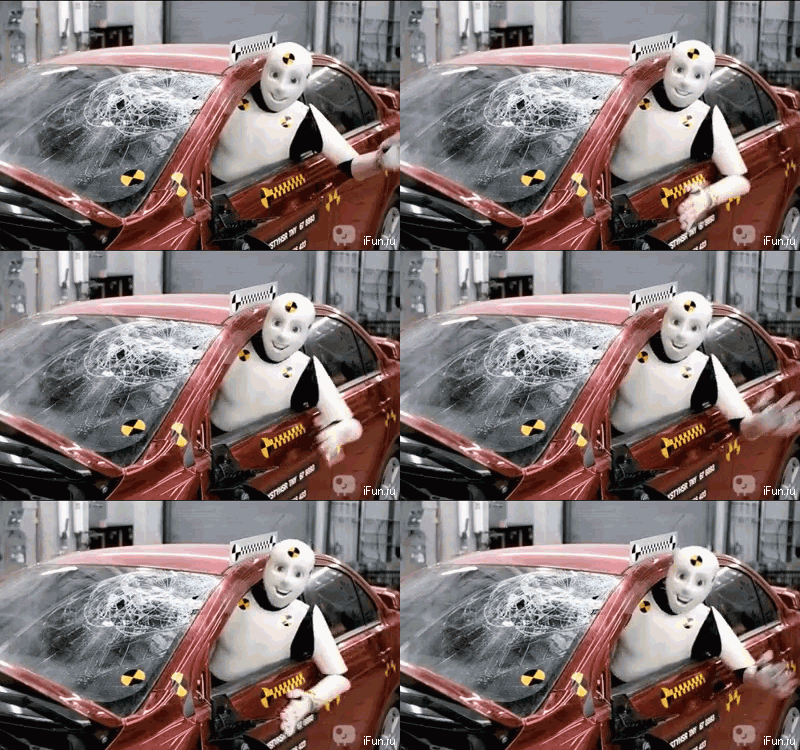
Whole suite of automated tests passed
by sharhalakis
by roots
Scott Weigand, Guillermo Quiroga and -1 others like this
22 Apr 01:50

Why did Cuba become healthier during the economic meltdown of the 1990s?
by Tyler Cowen
Albener PessoaThe upside of economic meltdown ? :-) That it with a ton of salt
One should interpret anything about Cuba, or coming out of Cuban data, with extreme caution. Nonetheless I thought this was interesting enough to pass along:
The economic meltdown should logically have been a public health disaster. But a new study conducted jointly by university researchers in Spain, Cuba, and the U.S. and published in the latest issue of BMJ says that the health of Cubans actually improved dramatically during the years of austerity. These surprising findings are based on nationwide statistics from the Cuban Ministry of Public Health, together with surveys conducted with about 6,000 participants in the city of Cienfuegos, on the southern coast of Cuba, between 1991 and 2011. The data showed that, during the period of the economic crisis, deaths from cardiovascular disease and adult-onset type 2 diabetes fell by a third and a half, respectively. Strokes declined more modestly, and overall mortality rates went down.
This “abrupt downward trend” in illness does not appear to be because of Cuba’s barefoot doctors and vaunted public health system, which is rated amongst the best in Latin America. The researchers say that it has more to do with simple weight loss. Cubans, who were walking and bicycling more after their public transportation system collapsed, and eating less (energy intake plunged from about 3,000 calories per day to anywhere between 1,400 and 2,400, and protein consumption dropped by 40 percent). They lost an average of 12 pounds.
It wasn’t only the amount of food that Cubans ate that changed, but also what they ate. They became virtual vegans overnight, as meat and dairy products all but vanished from the marketplace. People were forced to depend on what they could grow, catch, and pick for themselves– including lots of high-fiber fresh produce, and fruits, added to the increasingly hard-to-come-by staples of beans, corn, and rice. Moreover, with petroleum and petroleum-based agro-chemicals unavailable, Cuba “went green,” becoming the first nation to successfully experiment on a large scale with low-input sustainable agriculture techniques. Farmers returned to the machetes and oxen-drawn plows of their ancestors, and hundreds of urban community gardens (the latest rage in America’s cities) flourished.
And this:
During the special period, expensive habits like smoking and most likely also alcohol consumption were reduced, albeit briefly. This enforced fitness regime lasted only until the Cuban economy began to recover in the second half of the 1990s. At that point, physical activity levels began to fall off, and calorie intake surged. Eventually people in Cuba were eating even more than they had before the crash. The researchers report that “by 2011, the Cuban population has regained enough weight to almost triple the obesity rates of 1995.”
That is by Richard Schiffman, the full article is here, and for the pointer I thank Jim Oliver.
22 Apr 00:11
Enganos acontecem
by noreply@blogger.com (Di Vasca)
De:
Victor Saldanha
Enviada em: terça-feira, 1 de março de 2011 16:20
Para: Luis Di Vasca
Assunto: Só mais uma
Fala meu!
Cara, rola fazer só mais uma carica aí no capricho? A gente fecha todo o material hoje na madruga, por volta de uma hora e a galera viu agora que tem faltando uma do Tim Maia que a gente esqueceu de colocar no pacote, mas já tava combinado naquele valor que a gente combinou, beleza? rola fazer meu? Vlw!
De: Luis Di Vasca
Enviada em: terça-feira, 1 de março de 2011 18:36
Para: Victor Saldanha
Assunto: RE: Só mais uma
Olá Victor, tudo bem?
Confesso que nunca fui o melhor aluno de matemática em toda minha vida escolar e, apesar de todos os meus esforços, durante o vestibular, eu tive uma nota tão baixa nesta matéria que se a avaliação fosse como a Tele-Sena - que premia também "menos pontos" - teria passado com louvor. Mas mesmo assim, o não entendimento deste cálculo tão simples deixa-me sinceramente desconcertado, então peço que me ajude nessa. Vamos lá:
-Combinamos o valor para 3 (Três) caricaturas. Elas já foram enviadas
-Agora você pede mais uma, até a madrugada de hoje para amanhã, então preste atenção para não perdermos o raciocínio numérico. Vamos lá: 3 + 1 = 4 (Peço que verifique o cálculo com atenção)
Entendi perfeitamente que foi somente agora que a galera do barulho, aprontando as maiores confusões, viu que está faltando uma, a do Tim Maia. Mas como esta, que acabo de tomar conhecimento, pode estar contemplada no valor das 3 (três) que combinamos?
Ansiosamente, aguardo o retorno.
Atenciosamente,
Di Vasca
De: Victor Saldanha
Enviada em: terça-feira, 1 de março de 2011 18:48
Para: Luis Di Vasca
Assunto: RE: RE: Só mais uma
Não cara. Desculpa, mas eram 4 mesmo
De: Luis Di Vasca
Enviada em: terça-feira, 1 de março de 2011 19:09
Para: Victor Saldanha
Assunto: RE: RE: RE: Só mais uma
Olá Victor, tudo bem?
Então minha deficiência em matemática é mais profunda do que eu imaginava. Estou com dificuldade de decifrar os próprios símbolos dos algarismos indo-arábicos. Eu imaginei ter visto este símbolo "3" que julgava significar "três" nos seus contatos iniciais.
Atenciosamente,
Di Vasca
De: Victor Saldanha
Enviada em: terça-feira, 1 de março de 2011 19:15
Para: Luis Di Vasca
Assunto: RE: RE: RE: RE: Só mais uma
Poooxa meu, eu tinha mandado 3 cara, mas foi erro meu. Na verdade são 4, quando me passaram eu não tinha entendido direito. Não dá pra fazer logo em vez de ficar discutindo, por favor? Estamos com pressa. Enganos acontecem cara, temos que ser profissionais e contorná-los
De: Luis Di Vasca
Enviada em: terça-feira, 1 de março de 2011 19:21
Para: Victor Saldanha
Assunto: RE: RE: RE: RE: RE: Só mais uma
Olá Victor, tudo bem?
A pressa tem um preço
O valor que combinamos eram para 3 caricaturas, com o prazo até hoje. Para uma caricatura, com o prazo para esta madrugada, o valor se altera.
Atenciosamente,
Di Vasca
De: Victor Saldanha
Enviada em: terça-feira, 1 de março de 2011 19:38
Para: Luis Di Vasca
Assunto: RE: RE: RE: RE: RE: RE: Só mais uma
Não vai rolar bicho. É aquele valor mesmo...
De: Luis Di Vasca
Enviada em: terça-feira, 1 de março de 2011 19:42
Para: Victor Saldanha
Assunto: RE: RE: RE: RE: RE: RE: RE: Só mais uma
Está bem, uma da manhã te envio Tim Maia, ok?
De: Victor Saldanha
Enviada em: terça-feira, 1 de março de 2011 19:47
Para: Luis Di Vasca
Assunto: RE: RE: RE: RE: RE: RE: RE: RE: Só mais uma
Valeu!
De: Luis Di Vasca
Enviada em: quarta-feira, 2 de março de 2011 01:02
Para: Victor Saldanha
Assunto: RE: RE: RE: RE: RE: RE: RE: RE: RE: Só mais uma
Olá Victor, tudo bem?
Aqui está seu Tim Maia.
Atenciosamente,
Di Vasca

De: Victor Saldanha
Enviada em: quarta-feira, 2 de março de 2011 01:11
Para: Luis Di Vasca
Assunto: RE: RE: RE: RE: RE: RE: RE: RE: RE: RE: Só mais uma
Mandou desenho errado veio... Manda o Tim Maia aí... hehehe
De: Luis Di Vasca
Enviada em: quarta-feira, 2 de março de 2011 01:16
Para: Victor Saldanha
Assunto: RE: RE: RE: RE: RE: RE: RE: RE: RE: RE: RE: Só mais uma
Olá Victor, tudo bem?
Não está errado. É um Tim Maia.
Atenciosamente
Di Vasca
De: Victor Saldanha
Enviada em: quarta-feira, 2 de março de 2011 01:26
Para: Luis Di Vasca
Assunto: RE: RE: RE: RE: RE: RE: RE: RE: RE: RE: RE: RE: Só mais uma
Mano, a gente tá fechando veio! Fica de piada não!
De: Luis Di Vasca
Enviada em: quarta-feira, 2 de março de 2011 01:35
Para: Victor Saldanha
Assunto: RE: RE: RE: RE: RE: RE: RE: RE: RE: RE: RE: RE: RE: Só mais uma
Olá Victor, tudo bem?
Ah, você estava falando do cantor? Pooooxa, desculpa. Erro meu, quando você falou eu não tinha entendido direito.
Atenciosamente,
Di Vasca
De: Victor Saldanha
Enviada em: quarta-feira, 2 de março de 2011 01:40
Para: Luis Di Vasca
Assunto: RE: RE: RE: RE: RE: RE: RE: RE: RE: RE: RE: RE: RE: RE: Só mais uma
Caralho caralho caralho caralho! q FDP... E agora, o que eu faço?
De: Luis Di Vasca
Enviada em: quarta-feira, 2 de março de 2011 01:47
Para: Victor Saldanha
Assunto: RE: RE: RE: RE: RE: RE: RE: RE: RE: RE: RE: RE: RE: RE: RE: Só mais uma
Olá Victor, tudo bem?
Não se preocupe, enganos acontecem. Temos que ser profissionais para contorná-los. Só isso
Atenciosamente,
Di Vasca
Enviada em: terça-feira, 1 de março de 2011 16:20
Para: Luis Di Vasca
Assunto: Só mais uma
Fala meu!
Cara, rola fazer só mais uma carica aí no capricho? A gente fecha todo o material hoje na madruga, por volta de uma hora e a galera viu agora que tem faltando uma do Tim Maia que a gente esqueceu de colocar no pacote, mas já tava combinado naquele valor que a gente combinou, beleza? rola fazer meu? Vlw!
De: Luis Di Vasca
Enviada em: terça-feira, 1 de março de 2011 18:36
Para: Victor Saldanha
Assunto: RE: Só mais uma
Olá Victor, tudo bem?
Confesso que nunca fui o melhor aluno de matemática em toda minha vida escolar e, apesar de todos os meus esforços, durante o vestibular, eu tive uma nota tão baixa nesta matéria que se a avaliação fosse como a Tele-Sena - que premia também "menos pontos" - teria passado com louvor. Mas mesmo assim, o não entendimento deste cálculo tão simples deixa-me sinceramente desconcertado, então peço que me ajude nessa. Vamos lá:
-Combinamos o valor para 3 (Três) caricaturas. Elas já foram enviadas
-Agora você pede mais uma, até a madrugada de hoje para amanhã, então preste atenção para não perdermos o raciocínio numérico. Vamos lá: 3 + 1 = 4 (Peço que verifique o cálculo com atenção)
Entendi perfeitamente que foi somente agora que a galera do barulho, aprontando as maiores confusões, viu que está faltando uma, a do Tim Maia. Mas como esta, que acabo de tomar conhecimento, pode estar contemplada no valor das 3 (três) que combinamos?
Ansiosamente, aguardo o retorno.
Atenciosamente,
Di Vasca
De: Victor Saldanha
Enviada em: terça-feira, 1 de março de 2011 18:48
Para: Luis Di Vasca
Assunto: RE: RE: Só mais uma
Não cara. Desculpa, mas eram 4 mesmo
De: Luis Di Vasca
Enviada em: terça-feira, 1 de março de 2011 19:09
Para: Victor Saldanha
Assunto: RE: RE: RE: Só mais uma
Olá Victor, tudo bem?
Então minha deficiência em matemática é mais profunda do que eu imaginava. Estou com dificuldade de decifrar os próprios símbolos dos algarismos indo-arábicos. Eu imaginei ter visto este símbolo "3" que julgava significar "três" nos seus contatos iniciais.
Atenciosamente,
Di Vasca
De: Victor Saldanha
Enviada em: terça-feira, 1 de março de 2011 19:15
Para: Luis Di Vasca
Assunto: RE: RE: RE: RE: Só mais uma
Poooxa meu, eu tinha mandado 3 cara, mas foi erro meu. Na verdade são 4, quando me passaram eu não tinha entendido direito. Não dá pra fazer logo em vez de ficar discutindo, por favor? Estamos com pressa. Enganos acontecem cara, temos que ser profissionais e contorná-los
De: Luis Di Vasca
Enviada em: terça-feira, 1 de março de 2011 19:21
Para: Victor Saldanha
Assunto: RE: RE: RE: RE: RE: Só mais uma
Olá Victor, tudo bem?
A pressa tem um preço
O valor que combinamos eram para 3 caricaturas, com o prazo até hoje. Para uma caricatura, com o prazo para esta madrugada, o valor se altera.
Atenciosamente,
Di Vasca
De: Victor Saldanha
Enviada em: terça-feira, 1 de março de 2011 19:38
Para: Luis Di Vasca
Assunto: RE: RE: RE: RE: RE: RE: Só mais uma
Não vai rolar bicho. É aquele valor mesmo...
De: Luis Di Vasca
Enviada em: terça-feira, 1 de março de 2011 19:42
Para: Victor Saldanha
Assunto: RE: RE: RE: RE: RE: RE: RE: Só mais uma
Está bem, uma da manhã te envio Tim Maia, ok?
De: Victor Saldanha
Enviada em: terça-feira, 1 de março de 2011 19:47
Para: Luis Di Vasca
Assunto: RE: RE: RE: RE: RE: RE: RE: RE: Só mais uma
Valeu!
De: Luis Di Vasca
Enviada em: quarta-feira, 2 de março de 2011 01:02
Para: Victor Saldanha
Assunto: RE: RE: RE: RE: RE: RE: RE: RE: RE: Só mais uma
Olá Victor, tudo bem?
Aqui está seu Tim Maia.
Atenciosamente,
Di Vasca
De: Victor Saldanha
Enviada em: quarta-feira, 2 de março de 2011 01:11
Para: Luis Di Vasca
Assunto: RE: RE: RE: RE: RE: RE: RE: RE: RE: RE: Só mais uma
Mandou desenho errado veio... Manda o Tim Maia aí... hehehe
De: Luis Di Vasca
Enviada em: quarta-feira, 2 de março de 2011 01:16
Para: Victor Saldanha
Assunto: RE: RE: RE: RE: RE: RE: RE: RE: RE: RE: RE: Só mais uma
Olá Victor, tudo bem?
Não está errado. É um Tim Maia.
Atenciosamente
Di Vasca
De: Victor Saldanha
Enviada em: quarta-feira, 2 de março de 2011 01:26
Para: Luis Di Vasca
Assunto: RE: RE: RE: RE: RE: RE: RE: RE: RE: RE: RE: RE: Só mais uma
Mano, a gente tá fechando veio! Fica de piada não!
De: Luis Di Vasca
Enviada em: quarta-feira, 2 de março de 2011 01:35
Para: Victor Saldanha
Assunto: RE: RE: RE: RE: RE: RE: RE: RE: RE: RE: RE: RE: RE: Só mais uma
Olá Victor, tudo bem?
Ah, você estava falando do cantor? Pooooxa, desculpa. Erro meu, quando você falou eu não tinha entendido direito.
Atenciosamente,
Di Vasca
De: Victor Saldanha
Enviada em: quarta-feira, 2 de março de 2011 01:40
Para: Luis Di Vasca
Assunto: RE: RE: RE: RE: RE: RE: RE: RE: RE: RE: RE: RE: RE: RE: Só mais uma
Caralho caralho caralho caralho! q FDP... E agora, o que eu faço?
De: Luis Di Vasca
Enviada em: quarta-feira, 2 de março de 2011 01:47
Para: Victor Saldanha
Assunto: RE: RE: RE: RE: RE: RE: RE: RE: RE: RE: RE: RE: RE: RE: RE: Só mais uma
Olá Victor, tudo bem?
Não se preocupe, enganos acontecem. Temos que ser profissionais para contorná-los. Só isso
Atenciosamente,
Di Vasca


21 Apr 12:42

Apprenticeships need more respect
by Alex Tabarrok
Ed Luce in the FT reports on increased interest in the German model of apprenticeships:
Germany channels roughly half of all high-school students into the vocational education stream from the age of 16….More than 40 per cent of Germans become apprentices. Only 0.3 per cent of the US labour force does so.
Luce, however, thinks that “In the US that would be seen as too divisive, even un-American.” In the United States we obsess about getting a college degree so much that anything else looks like second best. But what is so special about college? As I said in Tuning in to the Dropping Out:
The U.S. has paved a single road to knowledge, the road through the classroom. “Sit down, stay quiet, and absorb. Do this for 12 to 16 years,” we tell the students, “and all will be well.” Most of them, however, crash before they reach the end of the road–some drop out of high school and then more drop out of college. Who can blame them? Sit-down learning is not for everyone, perhaps not even for most people. There are many roads to knowledge.
German apprenticeship students are well-educated, highly skilled and employable and they are in no way second-class relative to college graduates. Going to college is neither necessary nor sufficient to be well educated. Moreover, as Luce goes on to note, even for those who do complete a college degree, all is well no longer.
Fifteen per cent of taxi drivers in the US have a degree, up from 1 per cent in 1970. Likewise, 25 per cent of sales clerks are graduates, against 5 per cent in 1970. An astonishing 5 per cent of janitors now have a bachelor’s degree.
21 Apr 02:08
10 Things to Stop Saying to Your Kids (and What to Say Instead)
by Tessa Miller

Current research shows that some of the most commonly used and seemingly positive phrases we use with kids are actually quite destructive. Despite our good intentions, these statements teach children to stop trusting their internal guidance system, to become deceptive, to do as little as possible, and to give up when things get hard.
This is a guest post by Shelley Phillips via Lifehack.org.
Here’s a list of the top ten things to eliminate from your vocabulary now. I’ve also included alternatives so that you can replace these habitual statements with phrases that will actually encourage intrinsic motivation and emotional connection.
“Good job!”
The biggest problem with this statement is that it’s often said repeatedly and for things a child hasn’t really put any effort into. This teaches children that anything is a “good job” when mom and dad say so (and only when mom and dad say so).
Instead try, “You really tried hard on that!” By focusing on a child’s effort, we’re teaching her that the effort is more important than the results. This teaches children to be more persistent when they’re attempting a difficult task and to see failure as just another step toward success.
“Good boy (or girl)!”
This statement, while said with good intentions, actually has the opposite effect you’re hoping for. Most parents say this as a way to boost a child’s self-esteem. Unfortunately, it has quite a different effect. When children hear “good girl!” after performing a task you’ve asked them for, they assume that they’re only “good” because they’ve done what you’ve asked. That sets up a scenario in which children can become afraid of losing their status as a “good kid” and their motivation to cooperate becomes all about receiving the positive feedback they’re hoping for.
Instead, try “I appreciate it so much when you cooperate!” This gives children real information about what you’re wanting and how their behavior impacts your experience. You can even take your feelings out of it entirely and say something like, “I saw you share your toy with your friend.” This allows your child to decide for himself whether sharing is “good” and lets him choose to repeat the action from his internal motivation, rather than doing it just to please you.

“What a beautiful picture!”
When we put our evaluations and judgments onto a child’s artwork, it actually robs them of the opportunity to judge and evaluate their own work.
Instead try, “I see red, blue and yellow! Can you tell me about your picture?” By making an observation, rather than offering an evaluation, you’re allowing your child to decide if the picture is beautiful or not, maybe she intended it to be a scary picture. And by asking her to tell you about it, you’re inviting her to begin to evaluate her own work and share her intent, skills that will serve her creativity as she matures and grows into the artist she is.
“Stop it right now, or else!”
Threatening a child is almost never a good idea. First of all, you’re teaching them a skill you don’t really want them to have: the ability to use brute force or superior cunning to get what they want, even when the other person isn’t willing to cooperate. Secondly, you’re putting yourself in an awkward position in which you either have to follow through on your threats—exacting a punishment you threatened in the heat of your anger—or you can back down, teaching your child that your threats are meaningless. Either way, you’re not getting the result you want and you’re damaging your connection with your child.
While it can be difficult to resist the urge to threaten, try sharing vulnerably and redirecting to something more appropriate instead.“It’s NOT OK to hit your brother. I’m worried that he will get hurt, or he’ll retaliate and hurt you. If you’d like something to hit, you may hit a pillow, the couch or the bed.” By offering an alternative that is safer yet still allows the child to express her feelings you’re validating her emotions even as you set a clear boundary for her behavior. This will ultimately lead to better self-control and emotional wellbeing for your child.
“If you _____ then I’ll give you _____”
Bribing kids is equally destructive as it discourages them from cooperating simply for the sake of ease and harmony. This kind of exchange can become a slippery slope and if used frequently, you’re bound to have it come back and bite you. “No! I won’t clean my room unless you buy me Legos!”
Instead try, “Thank you so much for helping me clean up!” When we offer our genuine gratitude, children are intrinsically motivated to continue to help. And if your child hasn’t been very helpful lately, remind him of a time when he was. “Remember a few months ago when you helped me take out the trash? That was such a big help. Thanks!” Then allow your child to come to the conclusion that helping out is fun and intrinsically rewarding.
"You’re so smart!"
When we tell kids they’re smart, we think we’re helping to boost their self confidence and self-esteem. Unfortunately, giving this kind of character praise actually does the opposite. By telling kids they’re smart, we unintentionally send the message that they’re only smart when they get the grade, accomplish the goal, or produce the ideal result — and that’s a lot of pressure for a young person to live up to. Studies have shown that when we tell kids they’re smart after they’ve completed a puzzle, they’re less likely to attempt a more difficult puzzle after. That’s because kids are worried that if they don’t do well, we’ll no longer think they’re “smart.”
Instead, try telling kids that you appreciate their effort. By focusing on the effort, rather than the result, you’re letting a child know what really counts. Sure, solving the puzzle is fun, but so is attempting a puzzle that’s even more difficult. Those same studies showed that when we focus on the effort — “Wow you really tried hard on that!” — kids are far more likely to attempt a more challenging puzzle the next time.

"Don’t cry."
Being with your child’s tears isn’t always easy. But when we say things like, “Don’t cry,” we’re invalidating their feelings and telling them that their tears are unacceptable. This causes kids to learn to stuff their emotions, which can ultimately lead to more explosive emotional outbursts.
Try holding space for your child as he cries. Say things like, “It’s OK to cry. Everyone needs to cry sometimes. I’ll be right here to listen to you.” You might even try verbalizing the feelings your child might be having, “You’re really disappointed that we can’t go to the park right now, huh?” This can help your child understand his feelings and learn to verbalize them sooner than he might otherwise. And by encouraging his emotional expression, you’re helping him learn to regulate his emotions, which is a crucial skill that will serve him throughout life.
"I promise..."
Broken promises hurt. Big time. And since life is clearly unpredictable, I’d recommend removing this phrase from your vocabulary entirely.
Choose instead to be super honest with your child. “I know you really want to have a play date with Sarah this weekend and we’ll do our best to make that happen. Please remember that sometimes unexpected things come up, so I can’t guarantee that it will happen this weekend.” Be sure you really are doing your best if you say you will too. Keeping your word builds trust and breaking it deteriorates your connection, so be careful what you say, and then live up to your word as much as humanly possible.
One more note on this, if you do break your word, acknowledge it and apologize to your child. Remember, you’re teaching your kids how to behave when they fail to live up to their word. Breaking our word is something we all do at one time or another. And even if it’s over something that seems trivial to you, it could matter a lot to your child. So do your best to be an example of honesty, and when you’re not, step up and take responsibility for your failure.
"It’s no big deal!"
There are so many ways we minimize and belittle kids feelings, so watch out for this one. Children often value things that seem small and insignificant to our adult point of view. So, try to see things from your child’s point of view. Empathize with their feelings, even as you’re setting a boundary or saying no to their request.
“I know you really wanted to do that, but it’s not going to work out for today,” or “I’m sorry you’re disappointed and the answer is no,” are far more respectful than trying to convince your child that their desires don’t really matter.
"Why did you do that?"
If your child has done something you don’t like, you certainly do need to have a conversation about it. However, the heat of the moment is not a time when your child can learn from her mistakes. And when you ask a child, “Why?” you’re forcing her to think about and analyze her behavior, which is a pretty advanced skill, even for adults. When confronted with this question, many kids will shut down and get defensive.
Instead, open the lines of communication by guessing what your child might have been feeling and what her underlying needs might be. “Were you feeling frustrated because your friends weren’t listening to your idea?” By attempting to understand what your child was feeling and needing, you might even discover that your own upset about the incident diminishes. “Oh! He bit his friend because he was needing space and feeling scared, and he didn’t know how else to communicate that. He’s not a ‘terror,’ he’s a toddler!”
5 Things To Stop Saying to Your Kids and What to Say Instead | Lifehack
Shelly Birger Phillips is passionate about being the best human she can possibly be and supporting others to do the same. She has helped hundreds of clients overcome personal challenges and develop the skills to live happier, more authentic lives. You can find her conscious parenting blog here, and Her Authentic World team here: Follow her on Twitter here or email her at shelly at awakeparent.com.
Images via Katsiaryna Pleshakova, Ilike, and Inara Prusakova (Shutterstock).
Want to see your work on Lifehacker? Email Tessa.
Sepp Ruchti, Sakis.koltsidas and one other like this
21 Apr 02:00


Fujitsu apresenta tecnologia que transforma papel em interface touchscreen
by Ronaldo Gogoni
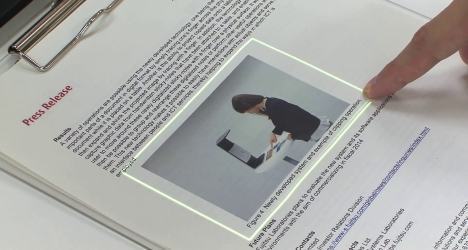
Hoje em dia temos telas touchscreen em todo lugar, desde smartphones até computadores AIO lindões (e gigantescos). Mas e papel? Há quem reclame que ele não é interativo o bastante (sic), além de ser retrógrado. O fato de termos publicações que resistiram a milênios enquanto um smartphone não sobrevive mais do que dois anos parece um tanto irrelevante.
Porém a Fujitsu apresentou uma tecnologia para tornar a interação com papel (e quase qualquer outra superfície) mais dinâmica: um dispositivo capaz de escanear um objeto e transformá-lo em uma interface sensível ao toque.
O aparelho da Fujitsu consiste apenas de uma webcam e um projetor. Basta aproximar um objeto com uma página e selecionar uma área arrastando o dedo, como se fosse o cursor do mouse. A área se transforma numa interface que pode ser manipulada, movida e rotacionada, até mesmo linkada com o objeto.
Apesar do hardware simples, o pulo do gato é seu software de processamento que segundo Taichi Murase, pesquisador dos laboratórios da Fujitsu, é capaz de reconhecer o movimento de um dedo, numa velocidade de 300 milímetros por segundo. O sistema é tão apurado que ignora movimentos triviais.
O sistema consegue escanear superfícies curvas (como um livro aberto) e não é afetado por diferenças de tonalidade. Foi mostrado inclusive que ele pode manipular objetos renderizados em 3D através do punho fechado, mas infelizmente não foi exibido se ele escaneia o objeto inteiro em tempo real.
Por enquanto ele está em fase de testes, mas a Fujitsu está otimista o bastante e pretende lançr uma versão comercial já em 2014.
Fonte: The Register.
|
|
Albener Pessoa and -1 others like this
21 Apr 01:57


Uma caneta com pederneira é o tipo de coisa que salva vidas
by Ronaldo Gogoni

Imagine a situação: você junta todas as suas tralhas e está indo acampar feliz e contente. Você arma a barraca, prepara o almoço mas na hora de cozinhar, você percebe que simplesmente esqueceu os fósforos ou o isqueiro. Desesperador, certo?
Felizmente as pessoas esquecem a cabeça mas sempre têm uma caneta no bolso (eu pelo menos sempre ando com uma; papel são outros quinhentos) e se possuírem uma Tactical Pen como a da foto que está à venda na ThinkGeek, poderão se safar dessa numa boa.
No meio dela há uma simples pederneira, que deve ser esfregada com a tampa da caneta para produzir faíscas. Pronto, o almoço está salvo.
O Cardoso já falou dessas canetas multi-função que parecem ser uma coisa boba, mas instrumentos simples como chaves-de-fenda e pederneiras deveriam fazer parte dos kits de sobrevivência de qualquer um. Já vi pessoas que saem de casa sem nem os documentos, que dirá alguns utensílios importantes dentro do carro ou no bolso? Parece até que nunca leram o Manual do Escoteiro-Mirim…
Eu não ando com isqueiro porque não fumo, porém reconheço que numa emergência ele pode fazer a diferença. Essa canetinha une o útil ao agradável e US$ 40 não me soa tão caro assim para se safar de alguns problemas.
Fonte: Gizmodo.
|
|
Albener Pessoa likes this
21 Apr 01:52

is feminism the radical notion that women are people?
by Vanessa Negrão
menina, façavor de se dar ao respeito!
Eu sei que tem gente que vai questionar o timing desse post, mas considerando que neste exato momento em que eu edito esta frase aqui em cima faz um mês que eu tô escrevendo, não fiquem se preocupando que não é recado pra ninguém.
Temos vivido um tempo em que todo mundo é tão extremista com relação às coisas que acredita que o convívio social presencial ou pela internet está ficando impossível.
Eu nunca dei muita bola pra feminismo. Cresci numa casa onde cada um lavava sua roupa, o pai sabe cozinhar, a mãe sabe arrumar chuveiro, todo mundo faz um pouquinho aqui, um pouquinho ali e todo mundo faz parte das tarefas de manter a casa funcionando.
Nunca fui proibida de vestir cor nenhuma, de ter cabelo de qualquer tamanho, de brincar de carrinho, de ter bicicleta azul, de ter um GI Joe, uma Barbie, vídeo game, mini game, brinquedos de cozinhar, kit de chave de fenda, esquadros, bola, cabaninha da Branca de Neve, ursinho, skate. Tenho um irmão que pediu uma blusa cor de rosa pra minha mãe e ela costurou do jeito que ele queria. E ele podia usar na rua e na escola. E nunca se importou com a opinião dos amiguinhos. Também teve cabelo comprido, tingido, pintou o olho de lápis preto por anos, lava as próprias roupas e sabe cozinhar. Tão entendendo o processo? Eu cresci numa casa em que as pessoas são respeitadas nas suas vontades e iguais nas obrigações.
Ninguém nunca diz “pai, tem que trocar o gás”. As meninas vão lá e trocam. Ninguém diz “mãe, tem que lavar a louça”. Os meninos vão lá e lavam. Todo mundo na minha família sabe onde fica o sabão e o martelo.
Mas a gente não vive na bolha do lar e um dia eu estava entre pessoas que eu considerava modernas. Até que alguém veio me tirar do repouso de uma doença séria - que vou omitir pra preservar minha paz e ninguém se reconhecer - pra reclamar que eu estava deitada enquanto um homem lavava a louça e todo mundo sabia que era uma HUMILHAÇÃO um homem ter que se sujeitar a isso.
Cê jura?
Nesse mesmo ano, pela primeira vez na vida, eu comprei roupas pra mim. Até ali minha mãe comprava roupas e a gente ia usando, todas as meninas juntas. Sei lá se era preguiça, pobreza, falta de senso fashion. O caso é que ela comprava as roupas todas e a gente usava (eu, ela, minha irmã) sem muito critério. Foi quando eu ganhei a incrível fortuna de 300 dinheiros pra gastar como quisesse, desde que fosse em roupas e foi a primeira vez que eu pude pensar a respeito do que gostaria de usar.
Cresci esquelética. Nunca tive orgulho disso, era apenas o formato do meu corpo. E minha mãe, que também tinha crescido magricela, sempre teve vergonha das pernas finas, dos ossos salientes. De modo que sempre comprou roupas largas. Então, minha primeira compra continha apenas vestimentas justíssimas. Calça jeans grudada na pele. Camisetas infantis, pra ficarem completamente coladas. Blusas daquele tricô tão bizarro que ela parece 8 números menor que o seu quando você não está dentro dela. Eu não queria mostrar o corpo, queria só usar roupas do meu tamanho, pra variar.
E foi a primeira vez que eu me dei conta de como mulher é um tipo imbecil de ser humano, quando uma coleguinha da minha sala na faculdade veio me avisar que não era de bom tom sair de casa com uma camiseta que não cobrisse o bumbum. E o pior: eu acreditei. Tinha acabado de mudar de cidade, de estado, de nível escolar. Vai que eu passei tempo demais no interior e perdi a noção, né? Fui lá de novo comprar um lote de blusas com 4 vezes o meu tamanho, só pra que cobrissem meu derriére e ninguém fosse agredido pela visão do meu bumbum seco.
Depois foi com decote, maquiagem, esmalte, cabelo. Era o tempo todo censura pela aparência. Se falasse com os meninos, cesura no comportamento. Se fosse na festa de fulano, se olhasse, se pensasse, se respirasse. Todo mundo julgando você o tempo todo.
E foi só aí, atravessando a barreira dos 20 anos, que o feminismo bateu à minha porta. E eu resisti, porque eu sempre tive essa noção radical que um gênero não precisa de vantagem em relação ao outro. Mas aos 30 eu percebi que acreditar que todo mundo é igual estava muito errado e eu entendi que não, eu não sou feminista, nem machista, só um tanto egoísta. Eu não acredito em direitos iguais, eu não acredito em superioridade. Eu acredito em necessidades especiais. Eu acredito em direitos especiais.
Vou explicar.
Eu não acho que eu sou MAIS que um homem apenas por ele ter nascido homem. Obviamente não acho um que um homem seja mais que eu em nenhuma situação. Mas eu também não sou IGUAL a um homem.
Eu não sou igual a um homem quando eu saio da barriga da minha mãe e imediatamente todo mundo acha que devo vestir rosa, mas se um bebê menino se aproxima dessa cor, um pai morre de ataque cardíaco fulminante.
Eu não sou igual a um homem quando eu entro numa loja de brinquedo e peço um soldado em vez de uma boneca e uma vendedora muito fofa me diz que a seção de meninas é ali ó. E um homem não é igual a mim se cai na desgraça de desejar uma boneca.
Eu não sou igual a um homem quando fico menstruada pela primeira vez na escola, no meio da aula e o professor de história não sabe como lidar e a diretora me repreende por ter falado a respeito no meio da sala, com um homem, na frente dos meninos. Como se o que aconteceu comigo não fosse obra da natureza, que acontece com metade da população e independente da minha vontade.
Eu não sou igual a um homem quando fico menstruada todos os meses na escola e tenho que fazer as aulas de educação física com as primeiras cólicas da minha vida, que nem eu mesma consigo entender como funcionam, sob o sol, porque o homem que me dá as aulas diz que menstruação não é desculpa.
Eu não sou igual a um homem quando tenho que passar uma semana inteira fora da piscina e usando roupas escuras no verão, porque ninguém me explica muito bem como passar aqueles dias e a sociedade não aceita saber que me encontro nessas condições.
Eu não sou igual a um homem quando começo a sair à noite e tenho que ouvir meus pais dizendo pra jamais deixar meu copo sozinho, que não posso beber demais, que não posso sair com aquela saia de jeito nenhum, que tenho fechar o decote, que tenho que me dar ao respeito, senão os meninos vão saber que eu não valho nada e terão automaticamente direito sobre meu corpo.
Eu não sou igual a um homem quando resolvo que vou sair de saia se eu quiser e vou rir se eu quiser e vou falar com quem eu quiser e um deles acha que isso significa que eu estava me oferecendo a noite toda e pode praticamente arrancar meu lábio ao forçar me beijar. E se revolta quando leva uma bofetada no meio da cara como resposta, porque eu.estava.pedindo.
Eu não sou igual a um homem quando não posso voltar desacompanhada pra casa à noite, porque alguém pode querer me machucar apenas por ser naturalmente mais forte do que eu.
Eu não sou igual a um homem quando gosto de futebol e de outros esportes, porque isso me masculiniza e nenhum menino vai querer uma menina assim tão desleixada e com as canelas roxas.
Eu não sou igual a um homem quando cada vez que eu me relaciono com alguém do sexo oposto, eu sou automaticamente a pessoa que está se insinuando. Se o homem for comprometido, eu sou automaticamente a destruidora de lares.
Eu não sou igual a um homem quando chego aos 25 anos sem um relacionamento significativo com uma pessoa do sexo oposto. Eu não sou igual a um homem quando a sociedade me expulsa repetidamente de grupos sociais em que todos acabam comprometidos depois de um tempo, porque tem alguma coisa errada com uma mulher sem homem. Sem alguém pra proteger, cuidar dos interesses sociais e das rédeas da vida em geral.
Eu não sou igual a um homem quando escolho estudar um curso tipicamente masculino e tanto colegas como professores me perguntam se minha intenção é arrumar um marido e se tenho alguma ideia de como usar uma calculadora científica com 50 botões.
Eu não sou igual a um homem quando escolho uma profissão tipicamente masculina e ninguém respeita minha autoridade pela única razão: ter nascido menina.
Eu não sou igual a um homem 3 semanas no mês, quando meus hormônios tomam o melhor de mim e eu tenho que controlar cada reação. Eu não sou igual a um homem quando meu corpo dói sem que eu tenha feito nada pra que isso acontecesse. Quando não posso controlar meu humor. Quando sinto dores que um homem JAMAIS vai experimentar e não tenho o direito nem mesmo de fechar a cara, de respirar mais fundo e até mesmo de chorar, por que não? Eu não sou igual nem mesmo às mulheres nesse momento, porque algumas iluminadas nasceram mais aptas para a sociedade e não sofrem com a mesma intensidade e acham que podem julgar a minha experiência pela delas.
Eu não sou igual a um homem se decido que meu corpo é meu e eu faço dele o que eu quiser. Inclusive expondo a maior extensão possível da minha pele, se me der vontade. E isso não quer dizer que eu esteja me exibindo ou pedindo ou querendo nada.
Eu não sou igual a um homem se decido que não quero procriar. Eu obviamente não brado contra os homens nem acho que gravidez seja violência ou qualquer outra dessas ideias perturbadas. Eu só acho que não quero a experiência nem a responsabilidade. Se um homem decide que não quer ter filhos, é só a opinião dele, uma escolha dele e mulher nenhuma vai deixar de se juntar a ele emocionalmente por causa disso. Se uma mulher decide que não quer ter filhos, ela é louca, frustrada, rebaixada, incompleta, invejosa. E nunca, NUNCA a sociedade entende um homem que se junta a esse ser mitológico incompreensível. Essa mulher que vai contra a natureza.
Eu não sou igual a um homem se decido que não quero me casar, que não quero dividir uma casa, um quarto, uma cama, um cobertor, uma conta bancária. A sociedade duvida da minha sexualidade – que a propósito, não é da conta de ninguém – e da minha sanidade mental se eu me recuso a me ligar a alguém de forma tão profunda apenas porque.eu.não.quero. Um homem que passa a vida sozinho é um solteirão independente desejado. A mulher que passa a vida sozinha é uma coitada que ficou pra titia.
Eu não sou igual a um homem quando eu engravido contra a minha vontade. [Um parêntese aqui: eu sou moralmente e pessoalmente contra o aborto. Mas essa sou eu, sobre a minha vida, a única em que eu posso opinar. Socialmente, eu acho que todo mundo tem que ter direito de fazer o que achar melhor.] E eu sinceramente acho que um homem que não esteja envolvido genética e diretamente no processo de fabricar a criança em questão, não tem direito de opinar no rumo da gravidez.
Eu não sou igual a um homem se eu divido uma casa. Ainda que o homem não esteja romanticamente envolvido comigo, se eu e um homem moramos no mesmo lugar, a obrigação de limpar, cozinhar, arrumar, é socialmente minha. E eu, enquanto viver, jamais lavarei as roupas de outra pessoa que não sejam as minhas. Limparei a bagunça de uma pessoa que não for eu. Cozinharei qualquer coisa que eu não esteja interessada em comer fora da hora que me interesse comer.
Eu não sou igual a um homem se eu tenho filhos. Desconsiderando o fato de que biologicamente eu sou a única que pode alimentar a criança pelos primeiros 6 meses, todo o resto também será minha responsabilidade. As fraldas, a alimentação, as broncas, as roupas, a higiene, o colo. Se meu filho fica doente, sou eu e não o homem que pede pra sair do trabalho pra levá-lo ao médico. Se a nota é baixa, sou eu e não o homem que recebe a ligação da escola. Se a roupa está amarrotada, sou eu e não o homem que leva a fama pelo desleixo. Eu não sou igual ao homem quando preciso faltar ao trabalho por 3 dias porque meu filho não melhora. Sou eu o alvo das fofocas de escritório sobre a falta de comprometimento com o trabalho. Sou eu que tenho apenas 4 ou 6 meses de licença maternidade, mas sou cobrada constantemente pela atenção que deixo de dar à criança, que ouço palpites sobre alimentação, educação e todas as outras tarefas que não tenho a quem delegar.
Eu não sou igual ao homem quando cresço aprendendo que não posso andar por ruas escuras, que não posso andar sozinha à noite, que não posso andar por ruas desertas em nenhum horário do dia, que não posso demorar pra travar a porta do meu carro depois de entrar nele, que não posso usar roupas curtas e justas se for usar o transporte público, quando a sociedade passa minha vida me ensinando que não devo ser estuprada, em vez de ensinar aos homens que eles não devem estuprar.
Eu não sou igual ao homem quando qualquer coisa sobre meu comportamento pode me classificar como santinha ou como safada, como puritana ou vagabunda, como pra casar ou pra comer.
Eu não sou igual ao homem quando as outras meninas todas também estão me julgando pelo que não querem ser julgadas, pelas minhas roupas, pelo comportamento que elas acham que eu deveria ter, pela forma como elas acreditam que uma mulher deve ser.
Então me digam: pra quê eu quero direitos iguais aos dos homens? Eu nunca vou ser tão forte, eu nunca vou ter as mesmas habilidades, modos de raciocínio. Eu não sou igual e não quero ser igual. Eu quero ser respeitada pelo que eu sou. Não quero que alguém role os olhos e solte um suspiro se eu disser “não posso fazer isso agora, estou quase cega de cólica e preciso de uma hora até que meu remédio faça efeito”. Eu quero que a pessoa REALMENTE entenda o que eu estou sentindo e volte uma hora depois, sem me tratar como um indivíduo inferior ou mágico por causa disso.
*****
E eu ainda tenho sorte. Eu sou uma mulher heterossexual revoltada, independente e com ideias não convencionais. A vida já não é fácil, mas não consigo imaginar o que homens e mulheres homossexuais passam apenas por não serem... iguais. Todo mundo palpitando demais em situações que não lhes dizem respeito. Se cada um cuidasse só dos próprios interesses (de verdade, e não daqueles que você ACHA que são seus, como o casamento entre duas pessoas em que uma delas NÃO É VOCÊ), todo mundo teria muito mais chances de ser feliz.
Eu entendo o feminismo. Entendo a importância dele. Entendo o que leva as meninas da minha geração abraçarem tão fervorosamente. Mas eu não sou feminista. Eu sou egoísta. Eu quero o que é melhor pra mim. Não porque eu sou mulher, não porque eu acho que mereço mais que ninguém. Eu só acho que mereço respeito, independente do gênero de cada um. Independente da forma que eu me comporto, desde que não afete DE FATO a vida de ninguém. Você deveria querer também.
PS - 01 DICA: ser uma menina bradando por respeito enquanto julga o comprimento da saia da coleguinha NÃO ESTÁ PERMITIDO.
Adam Victor Brandizzi and -1 others like this


20 Apr 20:28
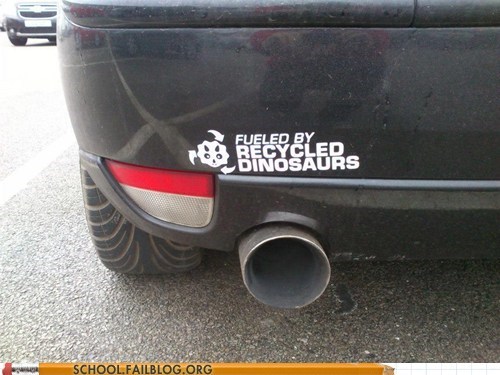


YAY DINOSAURS!
Submitted by: Unknown
Tagged: car , dinosaurs , science , Recycled , g rated , School of FAIL Share on Facebook
firehose, Albener Pessoa and 3 others like this
20 Apr 20:28



OMNI Magazine collection on the Internet Archive
by David Pescovitz
The complete run of Omni, one of my all-time favorite magazines, is now available for free on the Internet Archive! In its late-1970s and 1980s heyday, Omni was a wonderful blend of technology, science, art, fiction, futurism, and high weirdness. It really inspired my own writing and interests. OMNI Magazine Collection (via Warren Ellis)
In fact, as I've posted before, if I could launch a new Boing Boing print magazine I'd want it to have this logo, courtesy of Mr. Beschizza:
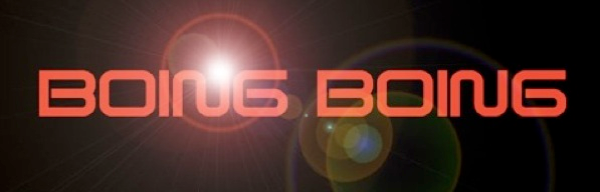
UPDATE: Rob now says that this is what Boing Omni would look like... 

    
|
Patrick Gobeil, Sean.inglis and -1 others like this

20 Apr 20:25


Desiccate Scrubs Personal Data from iTunes and Amazon-Bought Tunes
by Alan Henry

Windows: You may already know that when you buy music from iTunes, Amazon, and other digital music stores, some personal information like your account ID or username are embedded in the track metadata. Desiccate is a free Windows utility that scrubs them clean.
|
|
Tadeu, Jakewastaken and 2 others like this


20 Apr 14:16

Viva Intensamente # 107
- Um abraço pra toda galera pug que já sofreu com isso na vida.

20 Apr 06:35
Hindus rezam para abóbora tida como reencarnação de Deus
by Carlos Ruas

Moradores de Bokaro (Índia) estão rezando para uma abóbora tida como reencarnação do deus Shiva.
O fruto de 87 quilos vem sendo venerado pelos hindus da região e atraindo multidões. A abóbora foi encontrada por um comerciante e chamou atenção pelo seu tamanho.
“Vendo a abóbora, tive uma intuição de que se tratava do deus Shiva. A abóbora oval tem a forma dele. Então rezei para a abóbora e ofereci a ela flores e doces”, disse o comerciante, de acordo com o “Times of India”.
A abóbora ganhou instantaneamente vários devotos. Muitos dizem que ela abençoa as famílias.
O comerciante já recebeu várias ofertas pela abóbora, mas resiste.
“Como posso vender um deus?”, argumentou.
É Deus, a concorrência tá grande…

Fonte: globo.com

19 Apr 01:00
 One of the first would-be owners of the coveted Google Glass computer eyewear abruptly halted an eBay auction of the device today fearing reprisals from Google, which forbids the resale of the gadget.
Google Is Forbidding Users From Reselling, Loaning Glass Eyewear
by DAVID KRAVETS and Roberto Baldwin
One of the first would-be owners of the coveted Google Glass computer eyewear abruptly halted an eBay auction of the device today fearing reprisals from Google, which forbids the resale of the gadget.
