
Shared posts


16 Aug 14:36
Book Review: Rise of the Warrior Cop
by schneier
Rise of the Warrior Cop: The Militarization of America's Police Forces, by Radley Balko, PublicAffairs, 2013, 400 pages.
War as a rhetorical concept is firmly embedded in American culture. Over the past several decades, federal and local law enforcement has been enlisted in a war on crime, a war on drugs and a war on terror. These wars are more than just metaphors designed to rally public support and secure budget appropriations. They change the way we think about what the police do. Wars mean shooting first and asking questions later. Wars require military tactics and weaponry. Wars mean civilian casualties.
Over the decades, the war metaphor has resulted in drastic changes in the way the police operate. At both federal and state levels, the formerly hard line between police and military has blurred. Police are increasingly using military weaponry, employing military tactics and framing their mission using military terminology. Right now, there is a Third Amendment case -- that's the one about quartering soldiers in private homes without consent -- making its way through the courts. It involves someone who refused to allow the police to occupy his home in order to gain a "tactical advantage" against the house next-door. The police returned later, broke down his door, forced him to the floor and then arrested him for obstructing an officer. They also shot his dog with pepperball rounds. It's hard to argue with the premise of this case; police officers are acting so much like soldiers that it can be hard to tell the difference.
In Rise of the Warrior Cop, Radley Balko chronicles the steady militarization of the police in the U.S. A detailed history of a dangerous trend, Mr. Balko's book tracks police militarization over the past 50 years, a period that not coincidentally corresponds with the rise of SWAT teams. First established in response to the armed riots of the late 1960s, they were originally exclusive to big cities and deployed only against heavily armed and dangerous criminals. Today SWAT teams are nothing special. They've multiplied like mushrooms. Every city has a SWAT team; 80% of towns between 25,000 and 50,000 people do as well. These teams are busy; in 2005 there were between 50,000 and 60,000 SWAT raids in the U.S. The tactics are pretty much what you would expect -- breaking down doors, rushing in with military weaponry, tear gas -- but the targets aren't. SWAT teams are routinely deployed against illegal poker games, businesses suspected of employing illegal immigrants and barbershops with unlicensed hair stylists.
In Prince George's County, MD, alone, SWAT teams were deployed about once a day in 2009, overwhelmingly to serve search or arrest warrants, and half of those warrants were for "misdemeanors and nonserious felonies." Much of Mr. Balko's data is approximate, because police departments don't publish data, and they uniformly oppose any attempts at transparency or oversight. But he has good Maryland data from 2009 on, because after the mayor of Berwyn Heights was mistakenly attacked and terrorized in his home by a SWAT team in 2008, the state passed a law requiring police to report quarterly on their use of SWAT teams: how many times, for what purposes and whether any shots were fired during the raids.
Besides documenting policy decisions at the federal and state levels, the author examines the influence of military contractors who have looked to expand into new markets. And he tells some pretty horrific stories of SWAT raids gone wrong. A lot of dogs get shot in the book. Most interesting are the changing attitudes of police. As the stories progress from the 1960s to the 2000s, we see police shift from being uncomfortable with military weapons and tactics -- and deploying them only as the very last resort in the most extreme circumstances -- to accepting and even embracing their routine use.
This development coincides with the rhetorical use of the word "war." To the police, civilians are citizens to protect. To the military, we are a population to be subdued. Wars can temporarily override the Constitution. When the Justice Department walks into Congress with requests for money and new laws to fight a war, it is going to get a different response than if it came in with a story about fighting crime. Maybe the most chilling quotation in the book is from William French Smith, President Reagan's first attorney general: "The Justice Department is not a domestic agency. It is the internal arm of national defense." Today we see that attitude in the war on terror. Because it's a war, we can arrest and imprison Americans indefinitely without charges. We can eavesdrop on the communications of all Americans without probable cause. We can assassinate American citizens without due process. We can have secret courts issuing secret rulings about secret laws. The militarization of the police is just one aspect of an increasing militarization of government.
Mr. Balko saves his prescriptions for reform until the last chapter. Two of his fixes, transparency and accountability, are good remedies for all governmental overreach. Specific to police departments, he also recommends halting mission creep, changing police culture and embracing community policing. These are far easier said than done. His final fix is ending the war on drugs, the source of much police violence. To this I would add ending the war on terror, another rhetorical war that costs us hundreds of billions of dollars, gives law enforcement powers directly prohibited by the Constitution and leaves us no safer.
This essay originally appeared in the Wall Street Journal.
Related essay.
16 Aug 14:33
Stories from MI5
by schneier
This essay is filled with historical MI5 stories -- often bizarre, sometimes amusing. My favorite:
It was recently revealed that back in the 1970s -- at the height of the obsession with traitors -- MI5 trained a specially bred group of Gerbils to detect spies. Gerbils have a very acute sense of smell and they were used in interrogations to tell whether the suspects were releasing adrenaline -- because that would show they were under stress and lying.Then they tried the Gerbils to see if they could detect terrorists who were about to carry a bomb onto a plane. But the gerbils got confused because they couldn't tell the difference between the terrorists and ordinary people who were frightened of flying who were also pumping out adrenaline in their sweat.
So the gerbils failed as well.
Albener Pessoa likes this
16 Aug 14:30
The NSA is Commandeering the Internet
by schneier
It turns out that the NSA's domestic and world-wide surveillance apparatus is even more extensive than we thought. Bluntly: The government has commandeered the Internet. Most of the largest Internet companies provide information to the NSA, betraying their users. Some, as we've learned, fight and lose. Others cooperate, either out of patriotism or because they believe it's easier that way.
I have one message to the executives of those companies: fight.
Do you remember those old spy movies, when the higher ups in government decide that the mission is more important than the spy's life? It's going to be the same way with you. You might think that your friendly relationship with the government means that they're going to protect you, but they won't. The NSA doesn't care about you or your customers, and will burn you the moment it's convenient to do so.
We're already starting to see that. Google, Yahoo, Microsoft and others are pleading with the government to allow them to explain details of what information they provided in response to National Security Letters and other government demands. They've lost the trust of their customers, and explaining what they do -- and don't do -- is how to get it back. The government has refused; they don't care.
It will be the same with you. There are lots more high-tech companies who have cooperated with the government. Most of those company names are somewhere in the thousands of documents that Edward Snowden took with him, and sooner or later they'll be released to the public. The NSA probably told you that your cooperation would forever remain secret, but they're sloppy. They'll put your company name on presentations delivered to thousands of people: government employees, contractors, probably even foreign nationals. If Snowden doesn't have a copy, the next whistleblower will.
This is why you have to fight. When it becomes public that the NSA has been hoovering up all of your users' communications and personal files, what's going to save you in the eyes of those users is whether or not you fought. Fighting will cost you money in the short term, but capitulating will cost you more in the long term.
Already companies are taking their data and communications out of the US.
The extreme case of fighting is shutting down entirely. The secure e-mail service Lavabit did that last week, abruptly. Ladar Levison, that site's owner, wrote on his homepage: "I have been forced to make a difficult decision: to become complicit in crimes against the American people or walk away from nearly ten years of hard work by shutting down Lavabit. After significant soul searching, I have decided to suspend operations. I wish that I could legally share with you the events that led to my decision."
The same day, Silent Circle followed suit, shutting down their e-mail service in advance of any government strong-arm tactics: "We see the writing the wall, and we have decided that it is best for us to shut down Silent Mail now. We have not received subpoenas, warrants, security letters, or anything else by any government, and this is why we are acting now." I realize that this is extreme. Both of those companies can do it because they're small. Google or Facebook couldn't possibly shut themselves off rather than cooperate with the government. They're too large; they're public. They have to do what's economically rational, not what's moral.
But they can fight. You, an executive in one of those companies, can fight. You'll probably lose, but you need to take the stand. And you might win. It's time we called the government's actions what they really are: commandeering. Commandeering is a practice we're used to in wartime, where commercial ships are taken for military use, or production lines are converted to military production. But now it's happening in peacetime. Vast swaths of the Internet are being commandeered to support this surveillance state.
If this is happening to your company, do what you can to isolate the actions. Do you have employees with security clearances who can't tell you what they're doing? Cut off all automatic lines of communication with them, and make sure that only specific, required, authorized acts are being taken on behalf of government. Only then can you look your customers and the public in the face and say that you don't know what is going on -- that your company has been commandeered.
Journalism professor Jeff Jarvis recently wrote in the Guardian: "Technology companies: now is the moment when you must answer for us, your users, whether you are collaborators in the US government's efforts to 'collect it all -- our every move on the internet -- or whether you, too, are victims of its overreach."
So while I'm sure it's cool to have a secret White House meeting with President Obama -- I'm talking to you, Google, Apple, AT&T, and whoever else was in the room -- resist. Attend the meeting, but fight the secrecy. Whose side are you on?
The NSA isn't going to remain above the law forever. Already public opinion is changing, against the government and their corporate collaborators. If you want to keep your users' trust, demonstrate that you were on their side.
This essay originally appeared on TheAtlantic.com.
Slashdot thread. And a good interview with Lavabit's founder.
Tadeu, Netreaper80 and 3 others like this




15 Aug 23:33
A cena de luta com um leão mais realista da história do cinema
by Jesus Manero

Efeitos especiais de primeira, roteiro excepcional, atuação digna de Oscar, coreografia treinada por Steven Seagal. Todos esses fatores juntos formam a melhor cena de luta com leão já vista na longa história da sétima arte.
Obs: Nenhum animal foi ferido durante as filmagens. Juro.
Tadeu, Albener Pessoa and -1 others like this
15 Aug 22:06

If you enjoy my work, please subscribe to Sunny Street...
If you enjoy my work, please subscribe to Sunny Street at
http://www.gocomics.com/sunny-street/2013/08/05
: )
15 Aug 22:06

If you enjoy Sunny Street, please subscribe ( for free ) at...
If you enjoy Sunny Street, please subscribe ( for free ) at gocomics


15 Aug 02:08


Motores 1.0 e as cicatrizes deixadas pelo cenário brasileiro
by Eber
Albener PessoaBom resumo da historia
Motores 1.0 e as cicatrizes deixadas pelo cenário brasileiro é um post do blog Notícias Automotivas - Carros
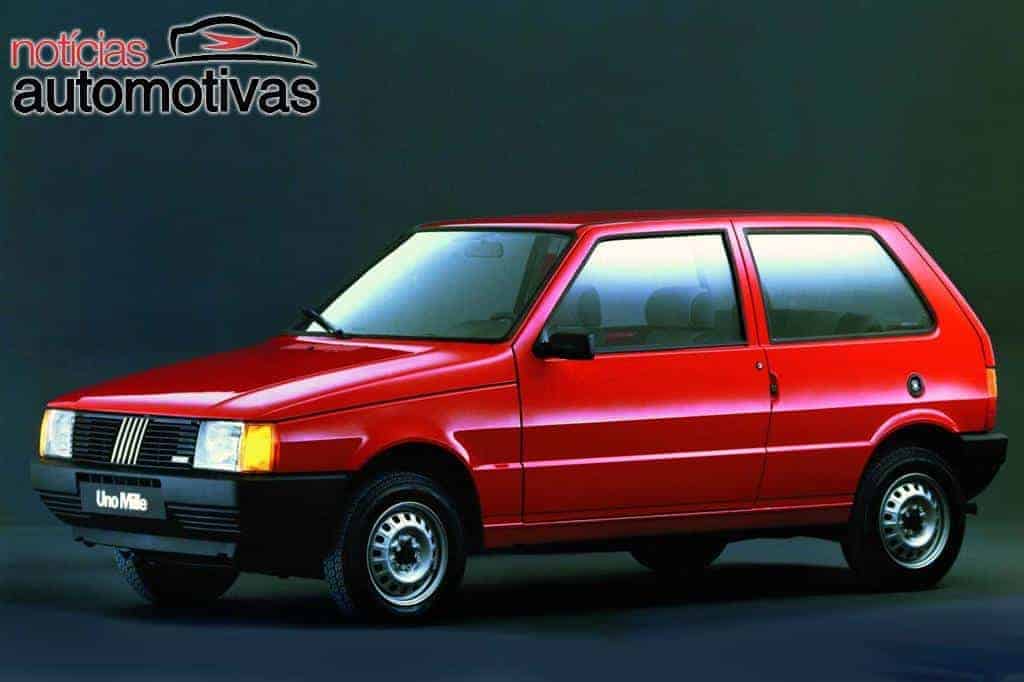
Os motores com aproximadamente um litro de deslocamento são sinônimo de modernidade e economia em países desenvolvidos, mas por grande parte dos leitores são considerados “pés de boi”, “carros de plástico”, entre outros apelidos pejorativos. Mas de onde e por que surgiu esta opinião geral?
Diante dos testes realizados pela Latin NCap nos últimos tempos e com a adoção de padrões mais rigorosos, percebemos cada vez mais que os carros chamados de “populares” são considerados verdadeiras armas para seus donos e demais ocupantes. Mas a pergunta que ecoa é: “de quem é a culpa por esta situação?”
Do governo, que criou impostos e ditou uma nova política às fabricantes na década de 1990? Das fabricantes, que diminuem a qualidade de seus modelos produzidos no Brasil? Ou de nós, brasileiros, que, diante de preços mais “atraentes”, optamos por alimentar este sistema sem grandes preocupações? Este artigo pretende mostrar os diversos lados desta situação, que deveria ser repensada pela nossa sociedade em geral.
O advento dos carros populares
Durante sua campanha eleitoral, Fernando Collor de Melo causou agitação e revolta na indústria automobilística nacional ao afirmar: “Comparados com os carros do mundo desenvolvido, os carros brasileiros são verdadeiras carroças”. O Brasil se encontrava fechado para as tecnologias externas, não era possível nem mesmo a importação de máquinas modernas para produção de veículos. Logo, a frase tinha bastante coerência.
O Brasil possuía uma indústria automobilística pouco diversificada, sendo todos os modelos taxados em mais de 30% de IPI, com pequena margem de diferença dependendo da cilindrada. A única exceção eram “automóveis movidos por motor de até dois cilindros e de cilindrada inferior a 800 cm³, com comprimento inferior a 320 cm e peso em ordem de marcha inferior a 650 kg”, que recolhiam 5% de IPI, sendo que apenas o Gurgel BR 800 se encaixava nesta categoria (a Gurgel possuía um incentivo do governo).
Em 27/06/1990 entrou em vigor o Decreto Lei 99.349/90, o qual tinha o único propósito de reduzir para 20% a alíquota do IPI para veículos até 1.000 cm³. Até este ponto tudo bem, já que era um incentivo para a produção de carros para uso urbano. Porém, apenas dois meses depois a Fiat “inovou” e lançou o Fiat Uno Mille.
O Uno Mille era, na realidade, um Uno S modificado, mas não só na motorização: possuía chapa com espessura de 0,5mm mais fina, não possuía frisos de proteção lateral, não possuía apoios de cabeça, não possuía entrada de ar externo e espelho retrovisor no lado direito, o carpete era mais fino, os bancos não possuíam sistema de reclinação (fixos, apenas se movimentavam para a frente para possibilitar a entrada dos passageiros na parte traseira), não havia lavador elétrico do para-brisa e temporizador do limpador, não possuía barra estabilizadora (item que até hoje não consta dos catálogos da maioria dos 1.0 nacionais), platinado em vez de ignição eletrônica, sem tampa do porta-luvas e ausência de luz de cortesia, ausência do revestimento antitérmico que isolava a cabine do motor. Foi pensada na possibilidade de o carro ser comercializado sem servofreio, mas devido à ação massiva da imprensa especializada na época, este item foi mantido. [1]
Além disso, o motor 1.0 era o mesmo do Fiat 147, com virabrequim modificado de 1.049 cm³ pra 994 cm³. Cerca de US$ 1.500,00 de diferença para a versão S (no lançamento, pois em pouco tempo a Fiat elevou o valor do Uno S). Fizeram do Uno Mille um sucesso de vendas e sem concorrentes à altura por quase dois anos. As demais fabricantes correram atrás do prejuízo e lançaram seus modelos modernos: Chevrolet Chevette Junior foi o primeiro a ser lançado em março de 1992, VW Gol 1000 e, por último, o Escort Hobby, todos com ausências de itens de segurança e conforto como o Uno Mille.
Cabe agora a grande questão: De quem é a culpa por estes modelos? Da Fiat por ter sido a pioneira e lançado um veículo tão inseguro? Do Governo por incentivar este tipo de veículo? Ou de nós consumidores que tornarmos estes modelos um sucesso?
Novas tributações e novas mudanças
Apesar da motorização 1.0, o Uno Mille era uma carro leve e com isto respondia adequadamente frente a modelos 1.6 da época. Mas era necessário retirar tantos itens, entre eles a barra estabilizadora? As demais concorrentes acabaram por adaptar modelos bem mais pesados com um motor menor e com isto não correspondiam adequadamente numa relação peso x torque.
Por exemplo, o Gol CL 1.6 conseguia atingir 0 a 100km/h em 13,5 s e velocidade máxima de 157km/h, enquanto a versão Gol 1000 atingia em 18,5 s e 135km/h, com consumo de combustível idêntico. Logo, a falta de projetos adequados para utilização dos motores 1.0 deflagrou um novo mercado de automóveis no Brasil, alimentado por uma população ingênua, fabricantes não tão ingênuos e um governo sem engenheiros…
Voltando a 1990, em 9 de maio as importações de veículos foram liberadas pelo governo Collor, além da abertura do mercado para outros 300 produtos. O impacto trazido por esta medida foi importantíssimo para o mercado automotivo nacional. Para se ter uma ideia, a indústria da informática também teve a reabertura com esta medida. Logo, as indústrias puderam importar novo maquinário e investir em tecnologia para nossos veículos. Além disso, com a importação de veículos, as novas tecnologias da época como air bag, ABS, começaram a ser de conhecimento geral.
Em 1994, a Chevrolet lançou o Corsa Wind, primeiro veículo a competir de verdade com o Mille. A indústria começou a se modernizar, com novos modelos e novas tecnologias aplicadas. Mas a fórmula inicial para os carros de entrada e populares foi mantida, conforme podemos observar nos últimos testes da Latin NCap.
Em 2001, o IPI dos veículos até 1.000 cm³ era de 10% e acima disto 25%, uma diferença gritante e que acabava por influenciar diretamente nos modelos de veículos e suas motorizações. No ano seguinte foi então realizada nova alteração na tributação através do decreto 4.317/02, alterando a tributação dos veículos com cilindrada entre 1.000 cm³ e 2.000 cm³ para 16%, além de incentivar um novo mercado ainda engatinhando, dos carros flex, com tributação de 14% para veículos, com cilindrada entre 1.000 cm³ e 2.000cm³ e 20% para motores acima de 2.000 cm³. Incentivo aos veículos 1.6?
Nem tanto, com um novo limite intermediário de 2.0, as novas vítimas se tornaram os veículos acima de 2.0, como o Vectra, que em 1998 teve alteração na motorização de 2.0 para 2.2 devido ao motor “inadequadamente amarrado” e que passou a ser adequado após a lei.
Soma-se a isto o fato de que o ICMS é tributado com base no IPI, sendo dessa forma pago “imposto sobre imposto” na aquisição do veículo. Logo temos os preços dos veículos observados no Brasil sem qualquer identificação com questões de engenharia, uma lei baseada apenas sobre um único fator técnico e não em um conjunto de fatores, como segurança, emissão de poluentes, etc.
Motorização 1.0 não deve conflitar com qualidade dos veículos, devemos ser mais exigentes, adquirir veículos compatíveis com as nossas necessidades e que atendam aos padrões mínimos de segurança como na Europa, proporcionando conforto e satisfação a nós, clientes. Assim, as fabricantes irão produzir carros adequados à motorização e nossas exigências de mercado.
Abaixo temos a tabela de tributação dos veículos com a alíquota reduzida.
| IPI de Automóveis de Passageiros | ||||
| Cilindrada | Gasolina | Álcool/Flex | ||
| pp | Plena | Reduzida | Plena | Reduzida |
| Até 1.000 | 7% | 2% | 7% | 2 |
| De 1.000 a 2.000 | 13% | 8% | 11% | 7% |
| + de 2.000 | 25% | 25% | 18% | 18% |

Figura 1 – Exemplo de veículos com e sem barra estabilizadora (http://www.vwsantana.net/artigos/01/index.htm)
Fontes:
[1] Carro Mil – a desgraça do Brasil, Thyago Szoke, http://www.vwsantana.net/artigos/01/index.htm
[2] 1,0, UMA ABERRAÇÃO TRIBUTÁRIA, Carlos Mauricio Farjoun, http://autoentusiastas.blogspot.com.br/2012/04/10-uma-aberracao-tributaria.html
[3] Há 20 anos, o Brasil reabria os portos aos carros importados, Eduardo Sodré, http://www.zap.com.br/revista/carros/ultimas-noticias/historia-ha-20-anos-o-brasil-reabria-os-portos-aos-carros-importados-20100331/
[4] 10 coisas sobre: carros 1.0, Gustavo Zucchi, http://www.icarros.com.br/noticias/geral/10-coisas-sobre:-carros-1.0/9496.html
[5] Veículos flex e a gasolina de até 1.000 cilindradas terão alíquota de 2% até o final deste ano http://www.fazenda.gov.br/portugues/releases/2013/abril/r010413.asp
Por Felipe dos Santos Rosa
 |
 |
15 Aug 01:23

pasturemud: iampetershervheim: rkidd: d0esntmakesense: This...
This is probably the coolest GIF I’ve ever seen.
now there’s some perspective.
I once saw a storm roll like this once. It was beautiful.
i love watchin rain roll in
Tomfhaines, ivan and 2 others like this
14 Aug 15:06


Saab: Fábrica volta a funcionar na Suécia
by Ricardo de Oliveira
Saab: Fábrica volta a funcionar na Suécia é um post do blog Notícias Automotivas - Carros

Morta e enterrada. Era isso o que poderíamos dizer da Saab algum tempo atrás, mas agora ela mostra que venceu o fim e a luz apareceu do outro lado do túnel. Os primeiros trabalhadores de Trollhättan voltaram aos antigos postos na fábrica da montadora sueca.
Ainda sem produzir carros, a unidade fabril da Saab passará por um processo de modernização, sendo essa a função inicial dos operários locais, que estão muito felizes com a volta à ativa. As linhas de montagem serão atualizadas para produção de um modelo, mas ainda não há confirmação de qual será.
O que tudo indica, inclusive uma misteriosa imagem de um estúdio de design na Suécia, mostra que a NEVS – nova proprietária da Saab – vai relançar o sedã 9-3 com visual modificado e opções de motor a gasolina/diesel e puramente elétrico. A expectativa é de que a produção recomece ainda este ano.
[Fonte: SaabsUnited]
|
|
14 Aug 15:04


Inovar-Auto define investimentos em engenharia, pesquisa e desenvolvimento
by Ricardo de Oliveira
Inovar-Auto define investimentos em engenharia, pesquisa e desenvolvimento é um post do blog Notícias Automotivas - Carros

O governo definiu os detalhes do Inovar-Auto quanto a investimentos em engenharia, pesquisa e desenvolvimento através da Portaria 772. Até 2017, as montadoras continuarão fazendo o que fazem hoje, mas com alguns pontos novos. Os fabricantes poderão realizar pesquisa básica ou aplicada; desenvolver produtos, sistemas e processos inovadores e desenvolvimento experimental para desenvolvimento de produtos novos ou adaptação dos já existentes.
Dessa forma, as montadoras na prática continuarão adaptando tecnologias criadas no exterior, tirando parte do objetivo do Inovar-Auto. Além disso, sistemas de segurança também contarão como inovação, exceto os itens obrigatórios, como ABS e airbags, por exemplo. A adaptação destes sistemas será levada em consideração como engenharia se for importada.
No patamar mínimo, as montadoras deverão investir em engenharia, inovação, pesquisa e desenvolvimento, treinamento de pessoal, capacitação de fornecedores, tecnologia industrial básica, processo básico de produção, maquinário, certificação de produtos, ferramental e construção de laboratórios. A capacitação de fornecedores ainda não teve o processo definido.
Os fabricantes instalados no país precisam investir 0,15% do faturamento bruto em P&D esse ano, 03% em 2014 e 0,5% até 2017. No caso de engenharia, processo industrial e capacitação de fornecedores o percentual será de 0,5% em 2013, 0,75% em 2014 e 1% até 2017.
[Fonte: Automotive Business]
|
|

13 Aug 23:52

That’s not cartoon. I’m tripping balls
Albener PessoaLembra o Mangini
That’s not cartoon. I’m tripping balls
13 Aug 23:50

That moment when you know you’re in trouble
That moment when you know you’re in trouble
firehose likes this
13 Aug 14:15

Finally I have time to study physics again. Brace yourselves.
August 13, 2013
Finally I have time to study physics again. Brace yourselves.
Vvicked, James.galbraith and 2 others like this
12 Aug 15:19
New Nexus 7 Plagued by GPS Glitch
by John Gruber
Lance Whitney, reporting for CNet:
The GPS signal works for a certain amount of time, anywhere from 2 to 30 minutes, and then it simply conks out, leaving the user without a connection. The Nexus then tries to hunt for a signal without any success. Rebooting the tablet seems to restore GPS, but then the pattern repeats itself with the signal again dying out after several minutes.


11 Aug 18:47
Respect
by Doug

Here’s a little more respect.
RaptoR, David Pelaez and 3 others like this
09 Aug 22:55
How Sergey Aleynikov Learned Never to Talk to the Police

It is frighteningly easy for speaking with a police officer to land an innocent person in prison. Especially when you’ll confess in exchange for a soda.
Adam Victor Brandizzi, firehose likes this

06 Aug 23:20
Just got home from GaymerX. What a glorious time.
August 06, 2013
Just got home from GaymerX. What a glorious time.
esmeyny, Harry Garrood and 3 others like this