This unlikely pair are best of friends – playing, sleeping and even eating together 24 hours a day. Bullet the Jack Russell became pals with the jaguar, fondly known as Jag, after he was moved to the Akwaaba Lodge in South Africa
For more cute dogs and puppies
Adam Victor Brandizzi
Shared posts
01 Jul 11:52
aplacetolovedogs: This unlikely pair are best of friends –...
Adam Victor Brandizzi and -1 others like this
28 Jun 21:24
O Golem de Cartório
by beneduvida

O Golem de Cartório é filho da nossa vontade, feito de poeira e papel picado numa noite sem lua, cinza e branco num cartório de subúrbio. Sozinho, tomado por si, o Golem de Cartório não passa duma pilha morta de sobras, dum espantalho de artesanato cartorial. Isso até quando surge a palavra, o pedaço de papel, a lei vital que o anima para uma missão: a missão de ser perfeito, cidadão perfeito, político perfeito. O Golem de Cartório é o Campeão da Reforma do Bem, o messias-cobaia que vem anunciado por essas campanhas que parecem dizer “Trago a política perfeita em duas eleições”.
Movido pelo “certo”, pela lei que remove outras leis aparentemente escritas para corromper o homem e lhe negar a essência, o Golem de Cartório nunca pode errar. Ele tem a pilha certa, seu passo deve ser justo e firme na trilha de um país dourado e desenhado aqui, no presente. O Golem do Cartório é delegado das melhores intenções, representante no amanhã dos justos de hoje.
De acordo com a tradição judaica, o Rabino Elias de Chelm empregou seus conhecimentos de Cabala para criar um golem de barro, no século XVI. Na cabeça da criatura, estava um pedaço de papel com a palavra “Emet” (Verdade). Num primeiro momento, a presença do Golem assustava os moradores de Chelm (cidade hoje na Polônia), mas logo o sentimento mudou: o Golem auxiliava o rabino e os outros judeus da cidade em trabalhos braçais, e fazias as vezes de leão-de-chácara da comunidade inteira. O Golem não falava, não pensava sozinho, apenas cumpria ordens e com força demais: seus músculos de barro só cresciam, assim como o estrago causado e a desconfiança do próprio rabino. Elias de Chelm, que temia pela integridade do mundo inteiro, agiu: retirou o “Aleph”, primeira letra de “Emet”, e transformou Verdade em Morto (“Met”). O Golem de Chelm voltou a ser puro barro, não antes de ferir seu criador.

Outro golem bem mais famoso, o de Praga, foi tema de um poema de Jorges Luis Borges. Num trecho, o poeta argentino fala sobre como, após receber o sopro de vida na forma de uma série de nomes de Deus, a criatura se tornara limitada como nós mesmos:
Gradualmente se vio (como nosotros)
aprisionado en esta red sonora
de Antes, Después, Ayer, Mientras, Ahora,
Derecha, Izquierda, Yo, Tú, Aquellos, Otros.
E eis aí, na mistura de Chelm com Praga, o dilema do Golem de Cartório: quando se levantar, ele não será mais perfeito. Por mais belas que venham a ser as nossas palavras a animá-lo, sua existência será limitada: seja pela contingência, seja pela sua força desastrada ou seja ainda pela imperfeição de quem o criou. Testada pelo real, a Verdade se desgastará em Morte, na decadência das nossas próprias visões. Até o dia em que surgir um outro aprendiz de feiticeiro, a sugerir um novo fragmento para reviver o monstro de poeira e papel com novas, brilhantes e perfeitas palavras.

(O Bem precisa ser detido. Devemos nos guardar contra o Bem, criar barreiras contra a anestesia ética de seus apelos. Temos de evitar a anulação da escolha em nome de um caminho “limpo” no nome – sempre “um” único caminho. Nos assuntos públicos, a caravana de homens com olhos úmidos, o Bonde do Bem, quer atropelar a própria escolha na linha férrea: no limite, o Bem desfraldado como bandeira pode ser antiético.
“Ficha Limpa”, “Eleições Limpas”: o Bem parece ter um futuro brilhante no Brasil. Para o Bem, os canais estão abertos. Seus emissários podem caminhar em paz, na certeza de que serão ouvidos e festejados: no Evangelho do Bem, são os reis magos que recebem ouro, incenso e mirra. Não há, entre nós, oposição organizada contra o Bem, apenas o muxoxo dos cínicos e o berro dos loucos – berro que, filtrado pelos amigos do Bem, soa como “Bem-vindo à Cracolândia do Real”. No nosso país, o Bem é um Barcelona com Messi, joga fácil.
“Ficha Limpa”, “Eleições Limpas”: no Brasil, o pensamento mágico trabalha na faxina. Suas vassouras antes limpam do que voam. Nosso Bonde do Bem quer varrer o desvio, nem que, para isso, tenha de tratar o cidadão como um Golem de Cartório.)
Estamos enterrados no abracadabrismo.
******
Comentário de Rafael Cal:
Agora, o comentário: Um problema ainda maior da “limpeza, faxina & futuro brilhante” é o hábito do perfume: ele faz esquecer da parte dura que é o esfregar.
Marcelo Lins:
O maior problema do Bem é que ele se alimenta de hipocrisia, enquanto o mal, esse, só tem compromisso com a verdade.
Rodrigo Bertoni:
Do pó retorna ao pó, na caricatura do Golem, é um processo que flutua da verdade à morte, como uma verdade inevitável de retorno à origem e, desta, para um novo retorno, tudo dentro dos conformes cartoriais.
Quanto a existência de Deus como início e fim do processo não tenho a menor dúvida. Meu problema é crer que o homem é um Deus em potência, eis que, como pó, ainda se tornará um Golem de verdade e, para sua renovação, o Emet fica Met num continuum de morte e vida… severina.
Adam Victor Brandizzi likes this
28 Jun 21:22
Weakness
by Doug

A sort of alternate ending for this one.
Tony Gibson, Tadeu and 4 others like this
27 Jun 18:36


Unexpected Baby Survives Front Yard Birth
by Cassie Boss

Quick-acting police officers saved a newborn’s life after a woman who didn’t realize she was pregnant gave birth outside her New Jersey home according to NBC News.
Elizabeth Whitehead, a 21-year-old woman from New Jersey, had already been on her way to the hospital for what she had believed was a stomach ailment.
The woman was shocked to find out that she was in fact pregnant and giving birth in her front yard.
Police officer Vinnie Damiano arrived at the Barnegat Township residence to find both the child and mother on the home’s front lawn according to Medical Daily.
Damiano says the baby, who appeared to be about three months premature, was not breathing.
Damiano and Moore, carefully performed CPR on the baby boy, revived him and helped an ambulance crew clear his airway before he was brought to the hospital.
Moore stated, “Once I heard a little bit of the cry, it kind of made me jump a little bit.”
Medical Daily reported Whitehead was also taken to Southern Ocean Medical for treatment to make sure no further health concerns persisted due to the premature birth.
NBC News said neighbor where stunned, “Can’t say that I noticed that she was pregnant,” said Pat Faraldi. “She carries well.”
Earlier this month, there was also the case of 33-year-old Trish Staine who had expectantly given birth after a half marathon training session.
The husband was possibly even more shocked in this case of unexpected pregnancy considering he had undergone a vasectomy:
“Whose baby is that? It’s not possible. She didn’t gain any weight. Her face was even thinner.”
The claim “I didn’t know I was pregnant,” is always faced with skepticism, but it seems to be more common than some would choose to believe.
Dr. Diane Horvath-Cosper of Regions Hospital in St. Paul, Minnesota says she’s seen women arrive for treatment only to give birth to a surprise baby … seven times in seven years, she says, and that’s just births the doctor was present during.
Horvath-Cosper explains:
“I think people look at it and say, ‘How can that possibly happen?’ I can assure you it does … There’s a wide range of what’s normal in a normal pregnancy.”
In the case of Elizabeth Whitehead, the child’s father told NBC10 Philadelphia that both mother and baby are doing OK.
[Image via Shutterstock/Steve Lovegrove]
Unexpected Baby Survives Front Yard Birth is a post from: The Inquisitr
27 Jun 18:35
 In the present day, it is very tough to hide anything, especially if people have a name and a photograph and an address to start their search. Lori Erica Ruff though is proving a big challenge. Lori killed herself two years ago. She lived in East Texas, was a vegetarian, and a mother and wife. After she died, her husband opened a strong box that Lori had kept in the closet. Inside was another identity. She had been someone else and then created an identity 20 years earlier. When she began dating her husband she told him her parents were dead and she had destroyed all the photos from earlier in her life because she did not want to remember some bad things that had happened.
When the lockbox was discovered, the husband's family started searching for who the woman had been, but had no luck. They passed it along to their Congressman who had no luck and he passed it on to the Social Security Administration. They have been investigating for two years. With no luck. It was as if Lori Ruff appeared suddenly in 1988 and it is a crazy story and a woman who clearly had the pressure building up inside her until she burst. The story in The Seattle Times goes into much more detail and is a great way to spend a Thursday. Maybe you can solve the mystery.
Who Was Lori Erica Ruff?
by ent lawyer

When the lockbox was discovered, the husband's family started searching for who the woman had been, but had no luck. They passed it along to their Congressman who had no luck and he passed it on to the Social Security Administration. They have been investigating for two years. With no luck. It was as if Lori Ruff appeared suddenly in 1988 and it is a crazy story and a woman who clearly had the pressure building up inside her until she burst. The story in The Seattle Times goes into much more detail and is a great way to spend a Thursday. Maybe you can solve the mystery.
Adam Victor Brandizzi and -1 others like this
27 Jun 18:33


medicalmikku: coffee coffee coffee coffee coffee coffee coffee...
coffee coffee coffee coffee coffee coffee coffee coffee coffee coffee coffee coffee coffee coffee coffee coffee coffee coffee coffee coffee coffee coffee coffee coffee coffee coffee coffee coffee coffee coffee coffee coffee coffee coffee coffee coffee coffee coffee coffee coffee coffee coffee coffee coffee coffee coffee coffee coffee coffee coffee coffee coffee coffee coffee coffee coffee coffee coffee coffee coffee coffee coffee coffee coffee coffee coffee
Albener Pessoa, Adam Victor Brandizzi and -1 others like this

27 Jun 18:30

What’s the most intellectual joke you know?
by Tyler Cowen
Adam Victor BrandizziA primeira é muito boa, mas precisou de um estalo.
Via Girino.
That query is from AskReddit, the link is here, and here are a few of the nominations:
It’s hard to explain puns to kleptomaniacs because they always take things literally.
And:
Jean-Paul Sartre is sitting at a French cafe, revising his draft of Being and Nothingness. He says to the waitress, “I’d like a cup of coffee, please, with no cream.” The waitress replies, “I’m sorry, Monsieur, but we’re out of cream. How about with no milk?”
And:
Werner Heisenberg, Kurt Gödel, and Noam Chomsky walk into a bar. Heisenberg turns to the other two and says, “Clearly this is a joke, but how can we figure out if it’s funny or not?” Gödel replies, “We can’t know that because we’re inside the joke.” Chomsky says, “Of course it’s funny. You’re just telling it wrong.”
I don’t find that latter one funny at all, as they are telling it wrong.
The pointer is from Jodi Ettenberg of Legal Nomads fame.
What are your picks? You get mine every day.
27 Jun 18:28
brandnewechelon: I HAVE BEEN WAITING FOR THIS GIFSET
by littlemissbuzzybuzz










Adam Victor Brandizzi and -1 others like this
27 Jun 18:15
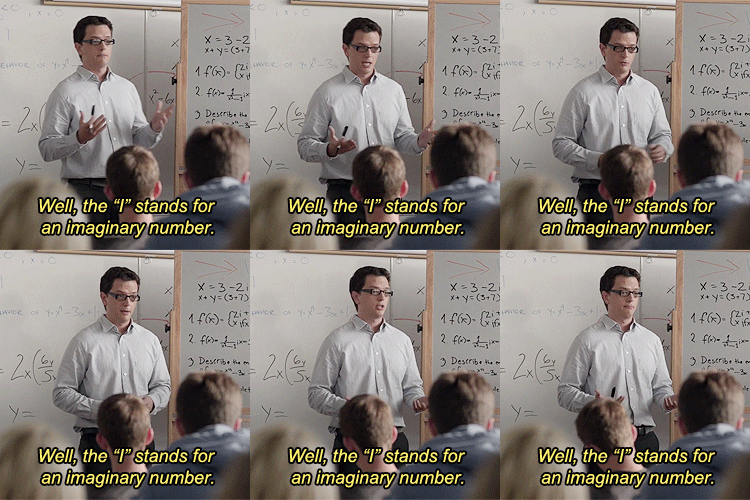
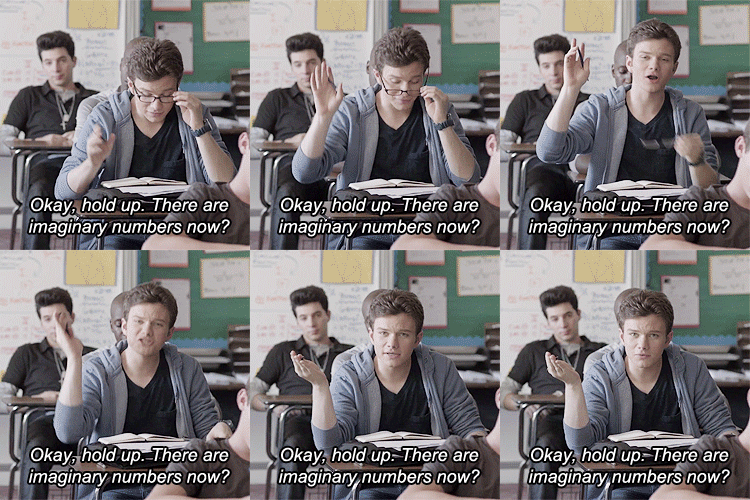


scientiststhesis: dr-archeville: 8bitstickmod: nightguardmod: ...
Adam Victor BrandizziExcelentes comentários
my entire math life
This is basically the problem with the entire modern educational system.
Time to do unpopular opinion? Time to do unpopular opinion.
Balancing a checkbook is applied addition and subtraction, stuff of the third grade. Okay, yeah, it is a failure of the modern educational system if he hasn’t learned it by now.
Imaginary numbers interact with real numbers (1, 2, π, 1.5, etc) for complex numbers, and are useful if you want to get into engineering or science — you know, high paying jobs.
Remember Tomb Raider? How they make her turn? Quaternions, which use THREE sets of imaginary numbers.
Like how your cell phone gets reception? That requires resonance, the understanding of which can be aided by complex numbers.
And don’t even get me started in the more exotic physics like fluid dynamics or quantum mechanics. That is, the forefront of how planes fly and how computer chips work.
There’s this term, innumeracy, that is to math what illiteracy is to english. One thing that bugs me is when ignorance is paraded about, when one acts as if math is an optional knowledge. Doubly so when it’s the very thing holding them back.
The failure is not in teaching these things, but the lack of teaching about why we should care about these things.
Thank you maths side of tumblr
The failure is not in teaching these things, but the lack of teaching about why we should care about these things.
Come to think of it, that’s applicable to how a lot of subjects are taught.
But I’m afraid maths gets the worst of it, really. I mean, how often have you heard people complaining about history? Social sciences? Even chemistry, which is more specialised than maths? No, maths gets the worst of it by far, and everyone demonises it because no one ever tells them that maths is a language, and a quite difficult one at that, because it’s the language of the Universe (of god, if you will).
Not only that, but it’s also the only language that’s truly universal (we’re certain aliens will arrive at the same maths we have) and that can truly explain everything that’s in principle conceivable. Human language can describe the stuff we see, and some extrapolations we imagine; maths can describe everything that is, was, will be, has never been, and could ever be.
Everything is maths.
Tadeu, Adam Victor Brandizzi likes this


27 Jun 18:09

Photo
Adam Victor BrandizziCOOOON TEEEEEEEEE PARTIIIIIIIIIIIROOOOOOOOOOOOOO
-- Legenda por Fernanda Campello
Adam Victor Brandizzi and -1 others like this
27 Jun 12:51


Monks message of humility
Adam Victor BrandizziFiquei emocionado.
Reuters photographer Ricardo Moraes spent time documenting a religious fraternity called O Caminho, (The Way), a group of Franciscan monks and nuns who help the homeless on the streets of Rio de Janeiro. They consider the election of Pope Francis, the first pontiff to take the name of St Francis of Assisi, to be a confirmation of their beliefs in poverty and simplicity. -- Reuters ( 20 photos total)
Brother Jose Wellington Damasio Antonio, a member of the Franciscan fraternity O Caminho, prays in the chapel of fraternity's house in the Campo Grande neighborhood of Rio de Janeiro on April 2. (Ricardo Moraes/Reuters)
    
|
Brecht.roose, Adam Victor Brandizzi and -1 others like this
27 Jun 12:49
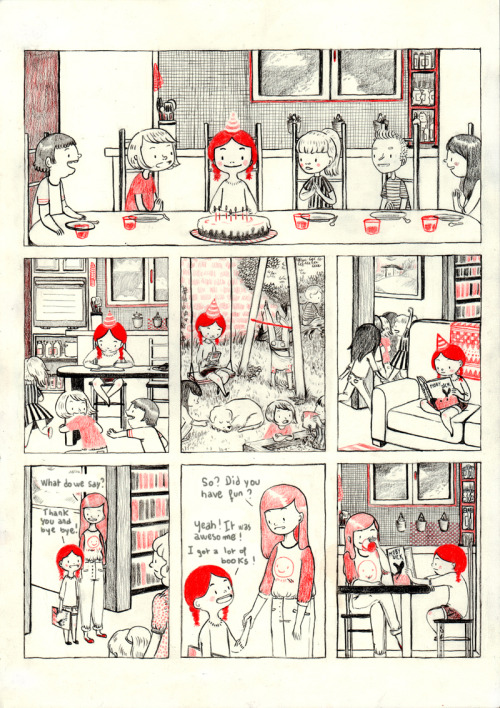
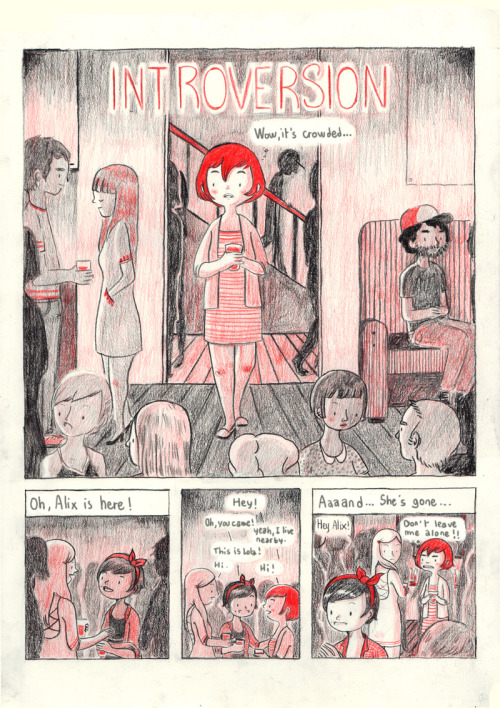
Uma das melhores coisas que eu li hoje, essa semana e...
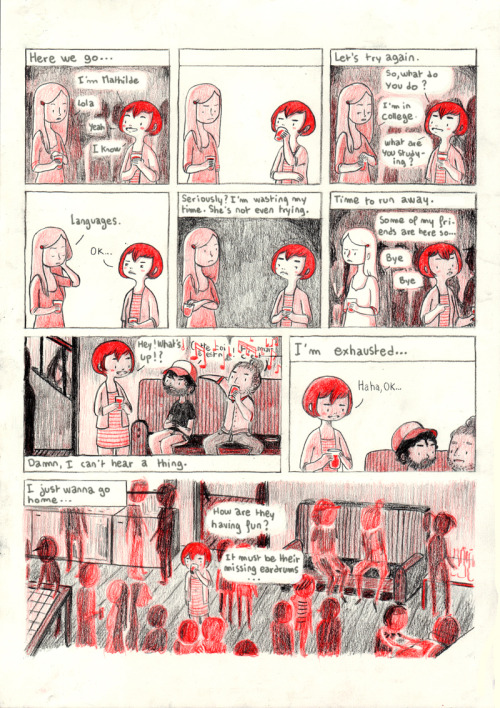
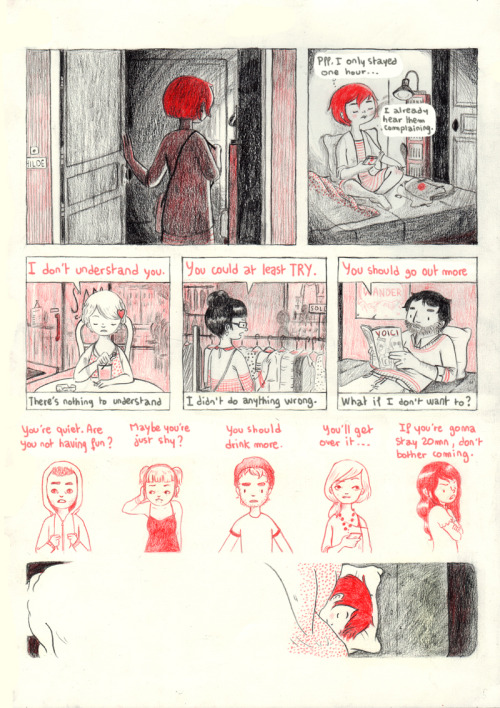
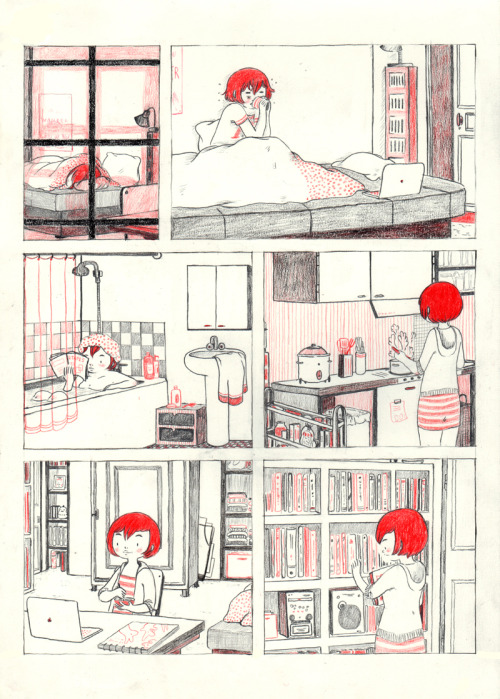
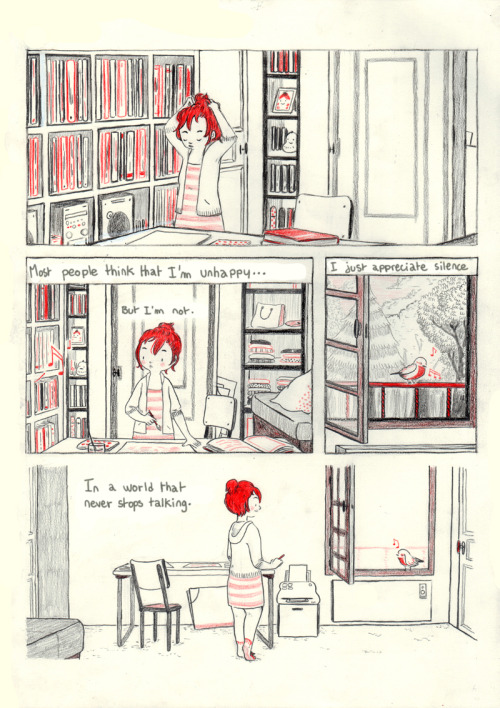
Adam Victor BrandizziUm trabalho simplesmente lindo: no traço, no texto, no sentimento. Me pareceu um tanto narcisista - o que, paradoxalmente, o torna melhor, porque mais humano.
Alvaro Freitas and -1 others like this
27 Jun 12:19
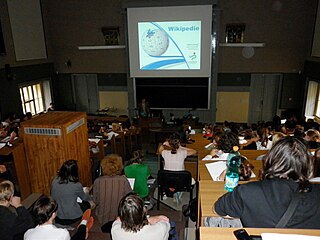
Starting an education program for small chapters 1.0
by Vojtěch Dostál

Education program leaders have to be didactic teachers of Wikipedia principles.
Hundreds of Czech university students have had a “different” homework during the past two years. Instead of writing essays that end up in the teacher’s drawer (or worse, garbage bin), they took part in the Czech program “Students Write Wikipedia” and made a Wikipedia entry which will last and serve as a source for thousands of Internet users. Similar university programs are running essentially worldwide and notable initiatives have grown in the United States, Canada, and Brazil. However, smaller Wikipedia communities (i.e., those writing in a less common language, such as Czech with 12 million native speakers) sometimes still struggle to develop a “Wikipedia education program” of their own. This article is meant to be a guide for Wikimedians from all those small communities, explaining the most important steps in the way toward a representative, yet organisationally simple education programs.
I originally intended to name this post something like “Education program in 10 days” or “10 steps toward your own education program”. Then I decided to go for a less cheesy heading – but the essence remains that this light-hearted post should present a simple and straightforward way towards cooperation with universities in your country.
Be modest in the beginning
I remember how excited I was when I decided to start the Czech education program. The important thing, however, is not to overdo the whole process. Easily, you may end up as a tired Wikimedian who replies to dozens of e-mails every day and motivated teachers haunt him/her in dreams. Really, start by running one or two pilot projects. Choose teachers in which you have a high confidence (e.g., your own ex-professors) and assist them as much as possible. Not only will it guarantee a successful project, but the teachers will feel good about the cooperation and will tip off their colleagues.
Learn to be a teacher of Wikipedia
One of your key duties is to be able to explain what Wikipedia is, how you can edit existing articles and how to add new. This is not as easy as it may sound. In your first lecture, you will try hard to say everything that can be said about Wikipedia. The students will, naturally, feel very confused. Over time, you will find out that there is really LITTLE that your students have to know in order to become Wikipedians:
- Everyone can edit Wikipedia. You do not own or sign your articles. Everything is released under a free licence.
- Every article must not plagiarize, must cite sources, must be neutral and deal with a “notable” topic.
- This is the edit button, this is the editing window. Here you have buttons to add hypertext links, images and citations. Be bold!
And give them places to ask questions – as many as possible: Wikipedia environment, chat, social sites, e-mail, … be thoughtful of students’ preferences.
Tell the community about your work
Whenever you try to change something in the Wikipedia environment, two kinds of people may emerge. The first kind of them, “conservatives”, may question the meaningfulness of your project and provide all kinds of arguments why it is generally a bad idea to start such a program. You should not give these people an opportunity to claim that your education program is a “country within a country”, running without a consent of the community. Remember: always announce your plans and development of your project to the community; give them a chance to discuss it with you. I said that there are TWO kinds of people reacting to your education program: the second – and rarer – are volunteers. These people will be crucial in the next steps of your program and you have to keep them informed as much as possible – this is another reason why informing the community is such an important aspect.
Create a platform rather than a company
In small communities like Czech Wikipedia, it is very difficult to find volunteers who have time and willingness to become responsible managers of a Wikipedia education program in their free time. Often, however, you will meet people who can do something here and there – draw a logo, lead a project at a certain university, do some bot work for you or give a lecture on Wikipedia when you do not have time, etc. Volunteers like those are invaluable to you: learn to outsource as much work to them as possible.
Your education program should become an open platform for everyone who wishes to connect Wikipedia and education. Wikipedians will come and pair with teachers to create Wikipedian-Teacher duos. It will only be their, not your responsibility to lead the project successfully. According to our experience, this “asterisk” model leads to better results then directively controlling each program in a pyramid-like manner.
No bureaucracy
You should centralize all the information at one place, your Wikipedia program homepage. The page should be concise and give all the essential information to teachers, students, Wikipedians as well as to journalists. Also, never ask your teachers to fill in long questionnaires or submit complicated course statistics. Professors tend to be busy people and hate their day-to-day office work. All in all, you only need name of the course, number of students and a list of articles that they are about to write.
Advertise your results
Last but not least, devote some of your time to popularizing your results. Journalists use Wikipedia every day and they will love to ask you about all sorts of funny things. Also, they essentially provide an advertisement of your program free of charge! Many teachers found out about our program through the numerous articles published in education-oriented press or weekend sections of nationwide newspapers. Do not forget to post stories on social sites – they are easy to maintain and they draw attention of potential collaborators as well.
Vojtěch Dostál, Wikimedia Czech Republic
Adam Victor Brandizzi likes this

27 Jun 09:40
Synopsis of every House episode aired
Really, how hard could this be?
CHASE: House, we need to cure this patient. He is very sick.
HOUSE: Did you try the medicine drug?
CHASE: I did try the medicine drug.
HOUSE: Only stupid people try the medicine drug. You are stupid.
PATIENT: I would rather not be sick.
HOUSE: You are stupid too. Did you take stupid drug?
FOREMAN: I gave patient stupid drug.
HOUSE: You are a black man.
FOREMAN: This vexes me.
PATIENT: I have blood from my nose that is dripping.
CAMERON: That’s bad!
PATIENT: Also I was bitten by mice due to my poor hygiene.
CUTTY: You need hygiene drug. Also, I have not spoken in awhile.
HOUSE: No! Hygiene drug will kill Patient! He needs mouse bites to live!
CHASE: [Shocked]
CAMERON: [Shocked]
FOREMAN: [Vexed]
HOUSE: More mouse bites!
CUTTY: I forbid this.
HOUSE: Don’t care.
CHASE: [Gets mice]
HOUSE: [Makes mouse bite serum]
PATIENT: I feel better. No more nose blood! Thank you doctor!
HOUSE: I am very smart.
WILSON: I, too, am in this episode.
FOREMAN: This vexes me.
~FIN~
Seriously, Hollywood? My phone number’s in the book. Give me a call.
posted to Metafilter by robocop is bleeding at 15:24 on November 2, 2007
Adam Victor Brandizzi and -1 others like this
27 Jun 01:05
The Consolations of Philosophy
by Samuel Goldman
Adam Victor BrandizziRapaz mais deveras interessante...
The philosopher Carlos Fraenkel has a beautiful piece in the Jewish Review of Books about his experience teaching an “underground seminar” on philosophy to Hasidic Jews. Although most were active businessmen with large families and heavy religious obligations, Fraenkel’s students sat up nights reading and discussing Spinoza, Maimonides, and Nietzsche. In addition to the demands on their time, these amateur philosophers faced a serious risk of ostracism from the ultra-Orthodox world that circumscribes their lives. ”From the point of view of our community,” one explains, “studying these books is much worse than having an extramarital affair or going to a prostitute. That’s weakness of the flesh, but here our souls are on the line-apikorsus (heresy) means losing our spot in olam ha-ba (the world to come).”
It’s easy to ridicule the limits on intellectual freedom imposed by ultra-Orthodox Judaism. But they may be partly redeemed by their consequence: an overriding sense of the importance of thought, study, and right conduct. For Fraenkel, the emphasis on things of the soul over things of the body that traditional Judaism shares with philosophy is the core of Hasidim’s paradoxical appeal. Asked why he is interested in the ultra-Orthodox community, Fraenkel explains that “while I am not attracted to its content, I am intrigued by its form—a world that revolves around wisdom and God, rather than wealth, sex, power, and entertainment. [The students] are surprised when I say that from Plato to Spinoza most philosophers endorsed this ranking, if not the same accounts of wisdom and God. And they are stunned to learn that I would be very disappointed if my 2-year-old daughter grew up to value lipstick, handbags, and boys in sports cars more than education and ethics.”
But it often takes an outsider to envy the members of a closed community. Where Fraenkel sees an authentic thirst for wisdom in his rebellious students, they speak first hand of the superstition, prejudice, and conformity against which they struggle day after day. Fraenkel would rather see his daughter follow the Satmar Rebbe than Kim Kardashian. But some of his students have stopped having children to avoid enlarging their sects.
Many academic philosophers bristle when their work is associated with broad claims about the “meaning of life”. Fraenkel and his students provide a vivid reminder that, while philosophy is more than a dorm-room bull session or self-help mantra, its significance is based on reflection on the purposes of human existence rather than feats of technical sophistication or analytic ingenuity. As a college teacher, I wish that I could impart to my bright, hard-working, well-credentialed students even a small portion of the seriousness and maturity that Fraenkel’s black-hatted friends brought to their reading and discussion. Although not scholars, the members of the underground seminar seem to be philosophers in the original and highest sense: lovers of wisdom.
Adam Victor Brandizzi likes this
26 Jun 22:44
The Teenage Liberation Handbook
by mark
Adam Victor BrandizziQuero muito ler - mas me sinto hipócrita por querer ler depois de ter feito até curso superior, ainda mais pois teria medo de dar isso a meu filho. Talvez seja um bom livro para deixar entre os outros para, quem sabe, ser encontrado?
* * *
A resenha é muito boa, muito balanceada. Lembro de ler muitos textos bons do Mark Frauenfelder anos atrás, mas aleatoriamente. Talvez seja hora de encarar o feed.
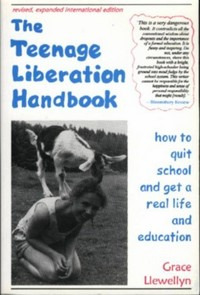
This book is radical. It tries to persuade teenagers to drop out of high school — in order to “get a real life and education” as its subtitle says. This is a dangerous thing to give to your child, because there is a significant correlation between amount of formal education and almost any outcome you care about, including longevity, divorce and poverty rates. Yet informal homeschoolers and unschoolers are outside of that measurement, and by most accounts are doing super. As a college dropout myself, I am sympathetic to alternatives to school.
The purpose of this book is to encourage the teen to make their education their own responsibility. They can remain at school, or as a homeschool take only some classes, or find apprenticeships, volunteer, or even skip directly to college. In short they are designing their own self-education, where ever it may happen. Along the way they develop a better idea of themselves and many more life skills then they would in formal school.
Today as the quality of the average public education declines these ideas are not as extreme as when the book was first written in 1991, but they still aren’t as accepted and common as they should be either.
This is a dense, packed book, overflowing with ideas, tips, anecdotes, cautions, and multiple views — all speaking to the teen and not to parents. It does not lay out a 1, 2, 3 plan. It is messy, challenging. The book itself is probably a pretty good filter for whether the idea of self-education is a match for a young person.
Our son petitioned us to be unschooled, and it turned out that one year when he was 12 was sufficient. It was one of the best years in our lives. Yet in his liberation from school, he discovered what learning “on his own” really meant. It’s challenging. He then choose to go to high school, but with a new attitude that he was in charge of how much and how well he learned. That new found responsibility for his own education made that one year of unschooling totally worthwhile.
There is a whole slew of homeschooling textbooks, advice, and well-crafted tutorials. All directed to parents. This is not one of those. This is a scribbled permission slip giving a teenage permission to consider alternatives for their own education.
-- KK
The Teenage Liberation Handbook
Grace Llewellyn
1998, 435 pages
$20
Available from Amazon
Sample Excerpts:
This book is a wild card, a shot in the dark, a hopeful prayer.
This book wants you to quit school and do what you love. Yes, I know, that’s the weirdest thing you ever heard. Hoping to make this idea feel possible to you, I tell about teenagers who are already living happy lives without school, and I offer lots of ideas and strategies to help you get a real life and convince your adults to cooperate.
“Excuse me?” you interrupt, “Quit school? Right. And throw away my future and pump gas all my life and get Addicted to Drugs and be totally lost in today’s world. Right.”
If you said that, please feel free to march straight to the nearest schoolperson and receive a bushel of gold stars, extra credit points, and proud smiles. You’ve learned exactly what they taught you. After you get tired of sticking stars to your locker, do please come back and read further.
*
Suggest a trial run. you could start unschooling in the middle of August, so they have a couple weeks to see how you manage. Also, that would allow you to recover from the previous school year. You could agree that if they’re not satisfied with your way of educating yourself, that you go to school. A drawback to this sort of timing is that you may feel cheated out of your normal summer vacation, and thus not as exhilarated as you would if you quit in, say, October. Also, the whole idea of being watched and evaluated runs contrary to the idea of pursuing interests because you want to. Still, you could probably psyche yourself into it and make it work.
*
If you are completely confused as to how to start structuring your life, here’s one way: Do “academics” for two hours each day–not necessarily lots of subjects, or the same ones every day. You are not going to dry up in you don’t do 45 minutes every day of “social studies.” Do some kind of “work” or project for four hours. In your leftover time, read, see friends, talk with mom and pop, make tabouli. Take Saturdays and Sundays off. Sound arbitrary? It is. I made it up, although it is based on a loose sort of “average” of the lives of a hundred unschoolers, mostly college-bound. Once you try this schedule for month, you will know how you want to change it.
*
This book has said a lot of nasty things about school. Now it’s going to say something nice. Schools have darkrooms, weight rooms, computers, microscopes, balance beams, libraries. They have choirs, bands, track teams, maybe even a Spanish class you want to take. Many enterprising homeschoolers have found ways to use the school resources they want without having to endure everything else.
This chapter tells about a few of those ways schools can cooperate with homeschoolers, and gives examples of particular homeschoolers who have taken advantage of school resources. If the schools in your area have never tried anything like this, you can pass this information along to them, and assist them in setting up a program that helps both you and them. Yes, them.
Adam Victor Brandizzi and -1 others like this
26 Jun 22:34
Quanto custa um estádio de futebol? Ou: ainda temos tempo de economizar 42 Maracanãs
by Marcos Mendes e Alexandre Guimarães
Adam Victor Brandizzi"Há atualmente no Brasil um projeto de engenharia que tem “toda pinta” de, assim como os estádios da Copa, ser um caso clássico de baixa prioridade associada à superestimativa de retorno econômico-social. Trata-se do chamado trem-bala, que ligará o Rio a São Paulo."
Apesar do caráter difuso dos protestos populares que tomaram conta do país neste mês de junho de 2013, um ponto parece claro: a população está indignada com as prioridades adotadas pelos governantes. Tomou-se consciência de que os governos federal, estaduais e municipais preferiram construir estádios de futebol a investir na superação dos nossos crônicos problemas de transporte urbano ou na melhoria da oferta de serviços de saúde e educação.
A indignação não é apenas com a inversão de prioridades, mas também com os custos totais dos estádios, que levantam suspeitas acerca de superfaturamento e corrupção.
Será que os estádios brasileiros realmente custaram caro, quando comparados com outros construídos para copas do mundo anteriores? Essa comparação pode ser feita consultando-se a base de dados da ONG Play the Game (www.playthegame.org), uma entidade com sede na Dinamarca, cujo objetivo é fortalecer a ética no esporte. O critério básico de custo utilizado por essa entidade é o custo total dos estádios dividido pela sua capacidade (custo por assento).
A Tabela 1 compara o custo médio por assento dos seis estádios brasileiros já concluídos e dos estádios utilizados nas Copas de Japão/Coréia do Sul, Alemanha e África do Sul. Observa-se que o custo por assento da Copa brasileira ficou 10% acima do observado na Copa da África do Sul e 14% superior ao da Copa de Japão e Coréia do Sul. Há grande diferença em relação à Alemanha, cujo custo de estádios foi quase 40% menor que o brasileiro.
Ainda que diferenças no poder de compra das moedas possa afetar essa comparação, é surpreendente que o Brasil não tenha gasto muito mais que Japão e Coréia do Sul, que são países muito mais produtivos e com processo de engenharia mais avançado que o Brasil. Todos aqueles que conhecem o Brasil esperariam preços muito acima da média internacional, não só devido a uma percepção de alta corrupção e ineficiência, como também pelo fato de que o custo de investir no Brasil é elevado1.
A grande diferença entre a Alemanha e as outras sedes de Copas se deve ao fato de que aquele país já dispunha, antes de sua Copa, de diversos estádios que atendiam ao padrão da FIFA, e que necessitavam de apenas alguns ajustes. Isso reduziu fortemente os custos de reforma e construção. Para a Copa brasileira todos os 12 estádios foram construídos do zero ou fortemente reformados. Um exemplo oposto ao do Brasil foi o da Copa dos EUA, para a qual não foi preciso construir um estádio sequer, pois bastou adaptar os já existentes campos de futebol americano.
Paira a dúvida se todos os estádios brasileiros realmente precisavam ser totalmente reconstruídos, ou se faltou capacidade de negociação de nossas autoridades junto à FIFA, no sentido de flexibilizar exigências. Principalmente no caso do Maracanã, que passou por ampla reforma há poucos anos.
Tabela 1 – Custo Médio dos Estádios das Últimas Quatro Copas do Mundo (US$ por assentos)

Fontes:www.playthegame.org (estádios internacionais) e Portal da Transparência da Copa 2014. Elaborado pelos autores.
(*) Seis estádios já concluídos em junho de 2013 e utilizados na Copa das Confederações.
(**) Os valores dos estádios internacionais foram corrigidos de US$ de 2010 para US$ de 2013 pela taxa de inflação ao consumidor dos EUA. Os valores dos estádios brasileiros foram convertidos para dólar pela taxa média do período janeiro de 2012 – maio de 2013 (R$ 1,97).
A Tabela 2, abaixo, apresenta estádios dos outros países que foram inteiramente construídos ou sofreram grandes reformas, para tornar a comparação mais equilibrada com as arenas brasileiras, que, como afirmado acima, estão todas na categoria de nova construção/grande reforma. Para tanto, utilizamos os estádios de maior custo porque o relatório da Play the Game não especifica quais foram os estádios das três copas passadas que estão na categoria construção/grandes reformas2.
Tabela 2 – Custo por Assento de Estádios Construídos ou Submetidos a Grandes Reformas para as Últimas Quatro Copas do Mundo (US$ por assentos)

Fontes: Fontes:www.playthegame.org (estádios internacionais) e Portal da Transparência da Copa. Elaborado pelos autores.
(*) Valor inclui despesas a realizar relativas à infraestrutura no entorno dos estádios
(**) Todos os estádios brasileiros incluem custos de infraestrutura no entorno, tais como acesso viário e estações de metrô.
(***) Os valores dos estádios internacionais foram corrigidos de US$ de 2010 para US$ de 2013 pela taxa de inflação ao consumidor dos EUA. Os valores dos estádios brasileiros foram convertidos para dólar pela taxa média do período janeiro de 2012 – maio de 2013 (R$ 1,97).
Nessa comparação os estádios brasileiros não parecem estar fora do padrão de preço internacional. Apenas o Mané Garrincha, em Brasília, e o Maracanã estão entre os mais caros, mas há na experiência internacional estádios que custaram ainda mais caro. Quatro dos seis estádios brasileiros representados na amostra estão abaixo da média da amostra. É verdade que estamos comparando com os estádios mais caros de cada um dos demais países, mas o retrato mostrado na Tabela 2 não parece ser o de um “desastre” generalizado de custos unitários. O que as Tabelas 1 e 2 estão mostrando é que estádio de futebol custa muito caro: aqui e no exterior.
A Tabela 3, por sua vez, compara o custo projetado para cada um dos estádios em 2010 com a despesa efetivamente verificada. Existem três casos distintos. O Maracanã e o Mané Garrincha sofreram claros estouros de orçamento, o que os levou a serem os dois estádios mais caros.
O Mineirão também estourou o orçamento, porém devido a uma mudança de planos no meio da execução da obra. Após a demolição resolveu-se alterar o projeto. Pelos custos estimados para o novo projeto, no momento da sua reformulação, praticamente não houve estouro de orçamento. Porém, a necessidade de alterar o projeto durante a execução da obra revela fragilidade técnica e/ou excesso de otimismo inicial.
Por fim, há os três estádios da Região Nordeste, que foram executados dentro da expectativa e, em dois casos, custaram menos que previsto.
Tabela 3 – Diferença entre o custo final da obra e a estimativa inicial de custo (%)

Fontes: Matriz de responsabilidade da Copa 2010 e Tabelas 1 e 2. Elaborado pelos autores.
O que diferencia o Maracanã e o Mané Garrincha dos demais estádios é que ambos foram reformados pelos respectivos governos estaduais, por meio de contratação de empreiteiras. Nos demais casos a execução da obra foi pela modalidade de PPP, em que as empresas que construíram as arenas serão responsáveis por sua gestão, contando com uma subvenção estatal. Tais empresas tinham, portanto, incentivos para reduzir os custos, pois quanto maiores fossem seus custos, menor o retorno que elas obteriam com a gestão do estádio. Já no caso do Maracanã e do Mané Garrincha esse incentivo não existia, pois as empreiteiras envolvidas na construção não iriam gerir os estádios posteriormente; estavam apenas recebendo pelo serviço de construção.
A história que parece ser contada pelas Tabelas 1 a 3 não é simplesmente de superfaturamento e corrupção na construção de estádios. Isto pode ter ocorrido, em especial nos estádios que tiveram maior custo por assento. Mas há outros fatores envolvidos.
Em pelo menos três casos (Maracanã, Mané Garrincha e Mineirão) o custo inicialmente apresentado era muito otimista, quando comparado com a experiência internacional e com a obra que efetivamente se executou.
Além disso, mesmo nos estádios em que não houve otimismo na estimativa de custos, houve superestimação dos benefícios a serem proporcionados pela Copa: investimentos complementares nas infraestruturas urbanas, estímulo à economia pelo aumento do turismo, melhoria da imagem internacional do país.
Com alguns estádios tendo seu custo subestimado e o evento como um todo tendo benefícios superestimados, a diferença entre benefícios e custos tornou-se douradamente positiva.
Igualmente otimista foi o argumento adicional de que parte substancial dos investimentos seria feita pela iniciativa privada, não onerando o erário. Na prática, mesmo nos projetos contratados sob a forma de PPP, há significativos recursos públicos envolvidos, seja na participação direta dos governos estaduais no financiamento das obras, seja no financiamento subsidiado concedido pelo BNDES, que, em última instância, obtém seus recursos por meio de receitas tributárias federais e de transferências do Tesouro Federal.
Superestimou-se, também, a capacidade de planejamento e execução do setor público brasileiro. Acreditou-se que seria possível fazer não só estádios, mas também ampla reformulação da infraestrutura urbana. Na prática, o esforço financeiro, de logística e organização para a construção dos estádios subtraiu recursos, capacidade de planejamento e tempo de trabalho que se pretendia investir na ampliação da infraestrutura urbana. Em vez de mais e melhores meios de transportes e equipamentos urbanos, a Copa deixará como legado um conjunto de estádios que implicarão custos de manutenção. Mesmo os que estão contratados sob a forma de PPP requererão participação pública em sua manutenção.
Muitos estádios não gerarão receita suficiente para cobrir tais custos. Compare-se, por exemplo, o Mané Garrincha com o Saporo Dome, do Japão. Este é o estádio mais caro entre os elencados na Tabela 2. No entanto, de acordo com o já citado relatório da Play the Game, o estádio japonês é intensamente utilizado e lucrativo, recebendo eventos tão distintos quanto competições de esqui, jogos de baseball e de futebol. Já o Mané Garrincha tem poucas possibilidades de utilização após a Copa, dada a fragilidade da liga brasiliense de futebol e a baixa flexibilidade do estádio para receber outros tipos de eventos.
O excesso de otimismo em projetos de engenharia e a consequente apresentação de relação benefício-custo superestimada é um fenômeno muito comum em todo o mundo sendo, inclusive, objeto de estudos acadêmicos. Bent Flyvbjerg3, por exemplo, afirma que:
A psicologia e a economia política explicam a imprecisão das estimativas. A psicologia explica a imprecisão em termos de viés de otimismo, ou seja, uma predisposição cognitiva, encontrada na maioria das pessoas, para julgar os eventos futuros em uma perspectiva mais positiva do que aquela oferecida pela experiência passada. A economia política, por sua vez, explica a imprecisão em termos de deturpação estratégica. Nesse caso, os planejadores deliberadamente superestimam os benefícios e subestimam os custos para aumentar a probabilidade de que os seus projetos, e não os projetos rivais, recebam aprovação e financiamento. (…)Embora os dois tipos de explicação sejam diferentes, o resultado é o mesmo: estimativas imprecisas e relação benefício-custo inflada. (tradução livre – grifo nosso)
Com relação aos estádios brasileiros, o leite está derramado ou, como gostam de dizer os economistas, o custo dos estádios está “afundado”. Não há como recuperá-lo. Mas ainda há como a população brasileira tirar proveito da experiência e obter um legado efetivamente positivo. As instituições públicas e privadas, tais como o TCU, o Ministério Público, as comissões temáticas do legislativo, as associações de classe, a imprensa e as ONGs precisam tomar consciência da existência do viés de otimismo e da deturpação estratégica. Cada vez que um planejador público apresentar um projeto de alto custo, é preciso questionar as estimativas de custos e benefícios que são apresentadas.
Outra lição fundamental a ser aprendida pelos brasileiros é de que é fundamental elencar os investimentos por ordem de prioridade. Não é possível fazer tudo ao mesmo tempo, ainda mais com a restrição fiscal e a baixa capacidade de planejamento/execução do nosso setor público. O governo, ainda que conte com a participação da iniciativa privada, não consegue, ao mesmo tempo, construir estádios, ampliar metrôs, redesenhar corredores de ônibus, ampliar o saneamento básico, construir hospitais ou aperfeiçoar a educação. É imperioso ter uma lista de prioridades.
Há atualmente no Brasil um projeto de engenharia que tem “toda pinta” de, assim como os estádios da Copa, ser um caso clássico de baixa prioridade associada à superestimativa de retorno econômico-social. Trata-se do chamado trem-bala, que ligará o Rio a São Paulo.
O projeto não é prioritário porque será um meio de transporte de luxo, com passagens caras, destinado a transportar pessoas de renda alta entre Rio e São Paulo. O nó urbano em que vivemos evidentemente indica que o prioritário é fazer São Paulo, Rio e demais cidades saírem do engarrafamento permanente que existe dentro de cada cidade, em vez de investir em transporte rápido, acessível a poucos, entre as cidades.
Quando questionado sobre quão prioritário seria o trem-bala em relação a outros projetos de infraestrutura, uma autoridade governamental diretamente encarregada de desenvolver o projeto deu clara demonstração de não estar preocupada com o adequado ordenamento de prioridades:
o que temos que entender no Brasil é que esse falso dilema de prioridades levou o País a parar. Quer dizer, vai lá no Pará e no Amazonas e vê se a Transamazônica não tem nenhuma funcionalidade lá hoje, se ela não gerou nenhuma transformação naquela região.
Quer dizer, a gente tem que perceber que temos que olhar este País no que ele precisa e buscar fazer o que ele precisa. Vamos supor: vamos abandonar o trem de alta velocidade, vamos puxar um projeto e colocá-lo em pé. E qual será o projeto?4(grifo nosso)
Fazer uma lista de prioridades é, para essa autoridade, um “falso dilema”, ou seja, uma perda de tempo. Não importa buscar o projeto de maior retorno econômico e social: escolha-se qualquer um e toque-se em frente. É esse mesmo raciocínio que coloca estádios de futebol à frente de saneamento básico, transporte urbano e outras prioridades gritantes da realidade urbana brasileira.
Os sinais de subestimativa de custos e superestimativa de benefícios no projeto do trem-bala estão por toda a parte. O leitor que se interessar pode vê-los em outro artigo neste site (Vale a pena construir o trem-bala?5).
O enredo da novela é muito parecido com o dos estádios da Copa. Inicialmente, as autoridades afirmavam que não haveria um centavo de dinheiro público no projeto. Na formatação atual o governo já admite forte envolvimento de recursos públicos e subsídios do Tesouro via financiamento do BNDES, bem como está disposto a dar todo tipo de garantias e a absorver riscos.
Mesmo antes do início das obras, a estimativa de custo já pulou de R$ 18 bilhões para R$ 35,6 bilhões. Este é o valor atualmente apresentado pelas autoridades, mas com a ressalva de que está a preços de 20086. Corrigindo-se tal custo pelo índice de preços da construção civil (INCC) chegamos a R$ 50 bilhões! Essa é a estimativa oficial, provavelmente subestimada, como analisado nos estudos acima citados, que apontam indícios de viés de otimismo e deturpação estratégica no projeto do trem de alta velocidade.
R$ 50 bilhões são nada menos que 42 Maracanãs! Se a experiência negativa da sociedade brasileira com os estádios da Copa servir para que possamos definitivamente interromper o projeto do trem-bala, recanalizando os recursos para prioridades mais urgentes, isso valerá mais que um hexacampeonato.
*Agradecemos a Gustavo Mendes que contribuiu para o levantamento estatístico usado neste texto.
________________
1 Sobre esse ponto ver, por exemplo, http://fernandonogueiracosta.wordpress.com/2013/05/24/preco-do-investimento-no-brasil/
2 Relatório completo sobre os estádios das Copas Coréia/Japão, Alemanha e África do Sul está disponível em http://www.playthegame.org/knowledge-bank/theme-pages/world-stadium-index.html
3 Flyvbjerg,B. Curbing Optimism Bias and Strategic Misrepresentation in Planning: Reference Class Forecasting in Practice, European Planning Studies, v. 16, n. 1, p. 3-21, 2008.
4 Transcrição do depoimento de Bernardo Figueiredo, então presidente da ANTT, atual presidente da Empresa de Planejamento e Logística (EPL) à Comissão de Infraestrutura do Senado, em debate sobre o trem-bala, em 12/4/2011.
5 Análises mais detalhadas estão publicadas nos seguintes textos para discussão Trem de Alta Velocidade: caso típico de problema de gestão de investimento e Trem de Alta Velocidade: novas informações para debater o projeto
6 Fonte: http://www.epl.gov.br/tav
Download:
- veja este artigo também em versão pdf (clique aqui).
26 Jun 22:27

A Caged Bird
by Greg Ross
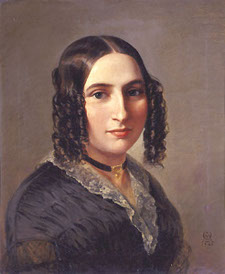
At least six of Felix Mendelssohn’s songs were written by his sister. Like Felix, Fanny Mendelssohn had trained as a child with Carl Friedrich Zelter, who wrote to Goethe in 1816 that she “could give you something of Sebastian Bach. This child is really something special.” But the bias of the times restricted a woman’s ambitions, and a lady of leisure could not be seen to pursue a profession publicly. Like the Brontës, George Sand, and George Eliot, Fanny found an outlet by publishing under a man’s name.
In an 1842 visit to Buckingham Palace, Mendelssohn found a copy of his Opus 8 songs on the piano in Queen Victoria’s sitting room. When he asked to hear her sing, she chose Fanny’s song Italien. Mendelssohn wrote to his mother, “After I had confessed that Fanny had written the song (which I found very hard, but pride goes before a fall) I begged her to sing one of my own works.”
26 Jun 22:25

Fair Enough
by Greg Ross
Adam Victor BrandizziMelhor maneira de apresentar essa história
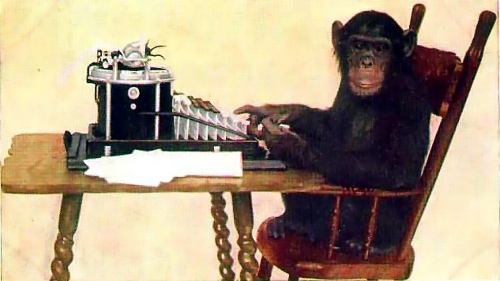
Apocryphal but entertaining: During one of Norbert Wiener’s talks on cybernetics, a student raised an esoteric point.
Wiener said, “Why, that’s as improbable as a bunch of monkeys having typed out the Encyclopaedia Britannica.”
The student said brightly, “But that’s happened once, anyway.”
mkvande, Adam Victor Brandizzi and one other like this
26 Jun 22:17


On-the-Job Training
by Greg Ross
Adam Victor BrandizziTirando o fato que não é legal treinar golfinhos... Uau.
Image: Wikimedia Commons
In the 1960s, biologist Karen Pryor was training two female rough-toothed dolphins to perform in a show at Hawaii’s Sea Life Park. Each dolphin had a different repertoire, and they were trained separately, though they could watch one another through a gate.
At one performance something was clearly wrong — each animal did everything she was asked to do, but with great agitation and sometimes in the wrong sequence. Pryor confessed her puzzlement to the audience and was pleased when the show concluded successfully. Afterward her assistant said, “Do you know what happened?”
“No.”
“We got the animals mixed up. Someone put Malia in Hou’s holding tank and Hou in Malia’s holding tank. They look so much alike now, I just never thought of that.”
Each dolphin had performed the other’s act, with no prior training, having only observed it in the earlier sessions. Hou had duplicated tricks that Malia herself had invented, an upside-down jump, a corkscrew, and coasting with her tail in the air, and Malia, wearing a blindfold, had retrieved three sinking rings in a sonar demonstration. Hou had jumped through a hoop held 6 feet above the water, a feat that normally requires weeks to train.
“I stopped the departing audience and told them what they had just seen,” Pryor wrote. “I’m not sure how many understood or believed it. I still hardly believe it myself.”
(From Pryor’s 1975 book Lads Before the Wind, quoted in Thomas I. White’s In Defense of Dolphins, 2007.)
26 Jun 21:47




milkywaywhite: Cute Arctic Fox Pups The arctic fox, also known...
Cute Arctic Fox Pups
The arctic fox, also known as the white fox, polar fox or snow fox, is a small fox native to Arctic regions of the Northern Hemisphere and is common throughout the Arctic tundra biome. Arctic fox babies are called either pups or kits. The Arctic fox is an incredibly resilient animal that can live in temperatures as low as -59° F and as warm as temperatures we experience in Southern California.
Adam Victor Brandizzi and -1 others like this
26 Jun 21:47


Stop What You’re Doing And Watch This Little Girl Sing A Metal Song On ‘America’s Got Talent’
by Danger Guerrero

Four things:
1) Singing/talent competition shows doing the “Whoa, how did that voice come out of that body?” switcheroo is nothing new. We saw it with Clay Aiken and Susan Boyle, and more recently with Travis Pratt belting out a little opera moments before proposing to his girlfriend. The formula is simple and effective, but it seems like these shows are going back to it more and more frequently to try to recreate that magic, and you can only pull the same trick on the audience so many times before you shout “TADA!” and they respond by yawning.
2) This clip from last night’s America’s Got Talent auditions features a 6-year-old girl named Aaralyn who walks on stage in a polka dot dress and pink stockings and proceeds to absolutely WAIL on a death metal song titled “Zombie Skin” that she wrote herself.
3) Ignore everything I said in my first point, because this is awesome.
4) I am terrified of her now.
(via Hypervocal)
Adam Victor Brandizzi, Alvaro Freitas likes this


26 Jun 21:42
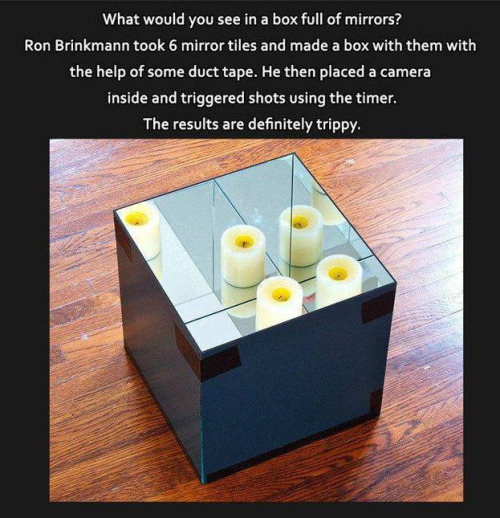


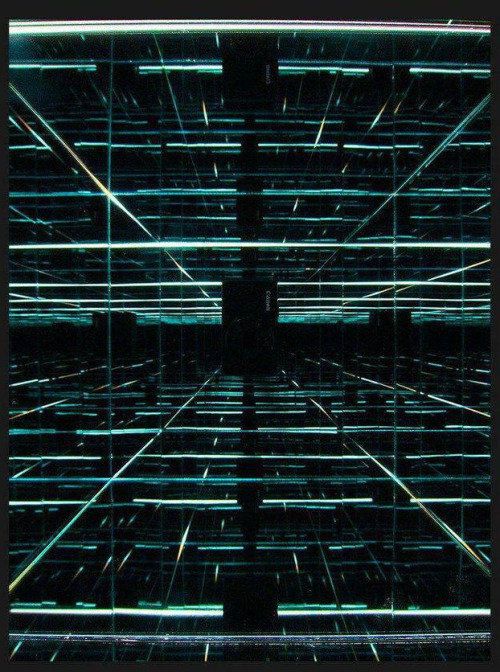
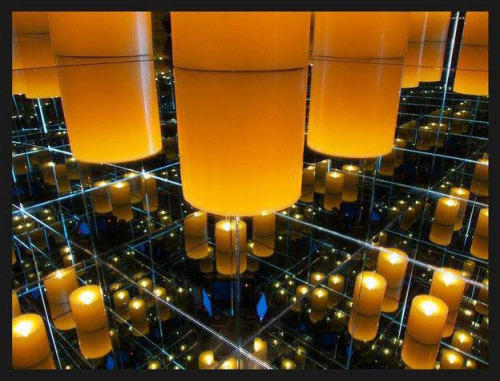
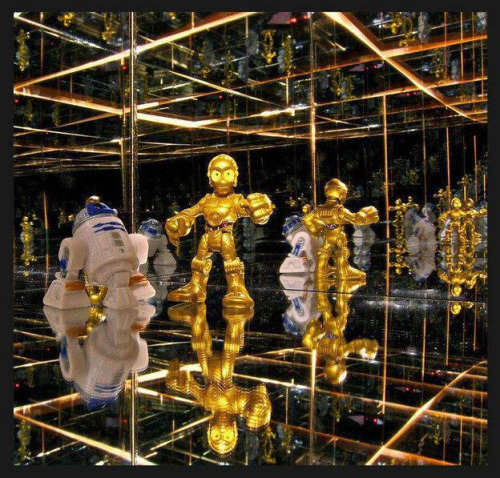

via thatscienceguy: I have always wondered what would happen...
via thatscienceguy:
I have always wondered what would happen with an infinite loop in all directions…
Trippy.
claudzim, Digitman801 and one other like this










26 Jun 21:17
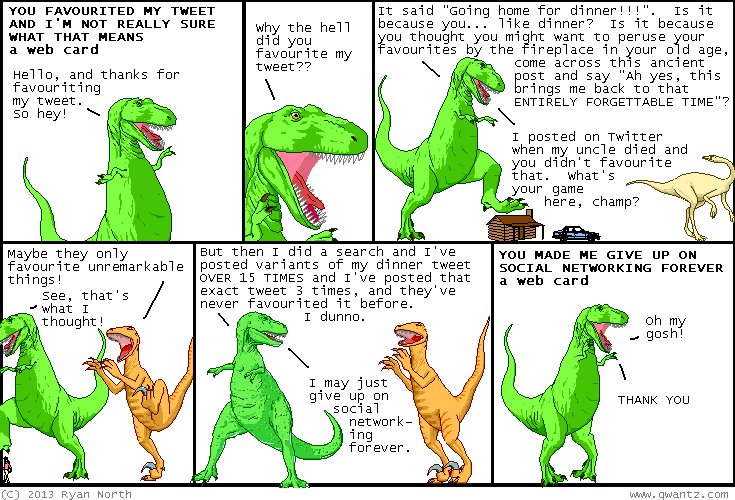
regarding champs and the questions about the particulars of their game at this locale
Adam Victor BrandizziUMA QUESTÃO IMPORTANTE
| archive - contact - sexy exciting merchandise - cute - search - about | |||
| dinosaur comics runs mon / wed / fri this week due to me kiiiinda signing thousands and thousands of books!
|
|||
| ← previous | June 26th, 2013 | next | |
|
June 26th, 2013: I am still in Austin, Texas! I have signed thousands and thousand of books! There are still a few thousand books left to sign! Sometimes life is funny that way! One year ago today: time went forward and they got sucky: the univac story – Ryan 
| |||

Snipergirl, Shadow and one other like this