Shared posts

21 Mar 23:51

The Wil Wheaton Story That Will Make You Sob In Your Cheerios

by Dustin Rowles

I am not one of those Wil Wheaton fanboys. I think he’s great and all, but I wasn’t into any of the Star Trek television series, and a place like Comic-Con or Mega-Con or Nerd-Con or Neckbeard-Con is as close to my idea of hell as you can get. Wil Wheaton to me is still Gordie from Stand by Me, a movie I taped off of television and watched every day on a crappy VCR after school for something like 3 months in the 90s. I don’t have a particularly strong sense of affection for Wheaton, though: He seems like a nice guy, and he’s been great for nerd culture, his appearances on Big Bang Theory notwithstanding.

But last night, I was sitting in my car about to go into pub trivia and checking Facebook on my phone, when I ran across a story that many of you have may have also seen on your Facebook walls. I’m not sure what compelled me to read it, but five minutes later, my heart may have swollen 3 sizes and there was definitely something in my eye.

The whole Facebook post is great (as the 11,000 likes suggests). The first half of it talks about Wheaton’s experiences at these fan conventions, how he tries to please everyone without giving himself up completely. Everyone who attends these conventions and signings thinks they know him, and he wants to be able to listen to everyone’s story and sign their stuff, but it’s also important for him to be able to move the line along, be respectful of everyone, and not get too intimate with strangers (for instance, no, he will not go have a beer with you, dude who he’s never met).

But then he gets to the point of the story, and it’s a doozy.

On Saturday, a young woman walked up to my table with her husband and her two children. She handed me a typed letter and told me that she knew she wouldn’t be able to get through what she wanted to say to me, and would I please read it.

I unfolded it, and read her story. When she was a young girl, she had a serious complication due to her Lupus, and her doctors told her that she would never walk again. She had a photo of me, though, that she took with her to physical therapy every day, and the therapists would hold it up for her and encourage her to walk toward it — toward me — while she recovered. She made a promise to herself, she said, that she would walk again some day, and if I was ever in her town, she would walk up to meet me. At the end of her letter, she thanked me for being there, so she could *walk* to meet me.

I looked up at her through tears, and she looked back at me through her own. I stood up, walked around my table, and put about fifteen feet between us. I held my arms open, and asked her to walk over to me. She began to cry, and slowly, confidently closed the distance between us. I embraced her, and we stood there for a minute, surrounded by thousands of people who had no idea what was going on, and cried together.

“I’m so proud of you,” I said, quietly, “and I am so honored.”

We wiped the tears away, and I sat back down to sign a photo for her. I looked at her young children. “Your mom is remarkable,” I said, “and I know you don’t get it, because she’s, like your mom? But you have to trust me: she is.”

The kids nodded, and I could tell that they were a little freaked out by the emotion of the thing, even if they didn’t understand it. They looked at their father, who said, “Mommy’s okay. Mommy’s okay.” That made me tear up again. Mommy was okay, and she is a remarkable woman who defied the odds and her doctors, and *walked* up to meet me. I’m still overwhelmed when I think about what that means, and how I was part of it.

The power of celebrity can be amazing, if it’s in the right hands. I don’t think, however, that there’s very many people who handle that responsibility with as much grace, respect, and kindness as Wil Wheaton. He’s a good goddamn guy. Read the whole post here, and give the guy a “like” to show your appreciation.

The post The Wil Wheaton Story That Will Make You Sob In Your Cheerios appeared first on UPROXX.

21 Mar 16:44

Mirror’s Edge Style POV Video

by Steve Napierski

I am not too proud to admit that I first watched this video because of screencap associated with it. I seriously wanted to know what was in that silver briefcase and why the guy holding it was in such a hurry to get away. Didn’t you?

source: Vimeo
via: Kotaku
21 Mar 00:50

Clarice Falcão

by Andrezza Velloso
Alvaro Freitas

Eu gosto das músicas dela porque ela fala bastante de loucura :D

Semana passada eu citei, em um post, a Clarice Falcão e algumas pessoas vieram me perguntar quem era essa menina. O que me parece meio inédito, porque a onda do momento vem sendo essa carioca de 23 anos que, além de cantora, é também atriz e roteirista.
O boom da Clarice veio quando o canal Parafernalha fez um set de gravações com as músicas do até então álbum dela, EP. A música, de pegada calma e tranquila, guarda toda a obsessão de Clarice pelo seu amado Gregório Duvivier (que faz parte da galera do canal Porta dos Fundos onde, aliás, Clarice agora também faz parte). Como atriz, ela teve seu primeiro papel grande em A Favorita e pequenas pontas em filmes como Lisbela e o Prisioneiro e Apenas o Fim. Faz parte também de um programa humorístico no Multishow; Vendemos Cadeiras.

Apesar de ter uma vida conjugal bem feliz e estável, segundo ela, todas as músicas falam sobre a sua paixão e a grande maioria, sobre as tristezas de um término de relacionamento. Ela tem, inclusive, um espetáculo no Rio de Janeiro em que ela interpreta a si própria intitulada O Fantástico Mundo de Gregório. O namorado também faz parte do elenco.
É o tipo de música que me agrada intensamente. Daquelas que você pega o violão, foge pra algum lugar e fica só com os teus pensamentos.

Já deu pra perceber que todos os meus posts de segunda-feira tem uma pegada mais romântica, né? Então eu preparei logo uma list com todas as músicas da Clarice pra vocês aproveitarem esse clima de amor comigo.

20 Mar 19:47

When Did People Reach South America?

by saraceni@verizon.net (Jessica E. Saraceni)

SERRA DA CAPIVARA NATIONAL PARK, BRAZIL—Sharp-edged stones, found at Brazil’s Toca da Tira Peia rock shelter, have been dated to 22,000 years ago using luminescence techniques. Geochronologist Christelle Lahaye of the University of Bordeaux and archaeologist Eric Boёda of the University of Paris think that the stones are tools made by humans. “We have new, strong evidence that the Clovis-first model is out of date,” said Lahaye. Similar tools have been found at Chile’s Monte Verde site. Tom Dillehay of Vanderbilt University estimates that Monte Verde was settled by 14,000 years ago, and perhaps as early as 33,000 years ago. The Toca da Tira Peia rock shelter is located in the same national park as the Pedra Furada rock shelter, where sharp-edged stone tools and bits of burned wood have been dated to 50,000 years ago. If people were living in South America at this time, “this is the type of archaeological record we might expect: ephemeral and lightly scattered material in local shelters,” commented Dillehay.

20 Mar 19:45

Mind Control and Sexual Assault

by Ryan Davidson
Alvaro Freitas

Como sempre, Law & The Multiverse vale a leitura - se você curte questões legais em ambientes ficcionais. Esse artigo trata de um assunto particularmente espinhoso: estupro.

This post was inspired by an email from Cameron, who asks whether vampires with the ability to glamour people could potentially be liable for rape or sexual assault. That is a really good question, and we’re going to take a look at it here.

But before we do, a few preliminaries. First, we understand that sexual assault is a really touchy subject, personally, emotionally, and even politically. Please do not think that by examining the fictional issue of mind control that we’re taking this lightly. We aren’t. Second, the way the criminal justice system deals with sexual assault charges is widely recognized to be problematic. We understand this too. Indeed, it’s perhaps the single most conspicuous area of dysfunction in the criminal legal system. It’s far from the only area in which injustice is routine, but in most of the rest of the legal system, the laws are basically doing what they were passed to do. Not so here. So when we conclude that something is/is not legal or will/will not lead to a conviction, understand that we are not thereby saying that this is a desirable outcome. But the fact is that in real life, sex crime cases rarely go well for anyone involved. If we’re going to look at the implications of something like mind control in this context, we need to be able to discuss things the way they are, even if we wish they were different.

Further, there really isn’t any way of talking about these issues without being fairly graphic. We will attempt to be sensitive and circumspect about this where possible, but this is necessarily going to be one of our more family-unfriendly posts. We think this is an important enough subject to be worth posting about, but those who don’t want to read about this sort of thing should feel free to come back on Wednesday, when we’ll return to our usual fare.

With those things in mind, let’s think about this.

I. Sexual Assault Defined

First things first: we need to understand what we’re talking about here. This blog is about the law. So we are concerned here with the legal definition of sexual assault, not its meaning in the context of sexual ethics generally. For instance, some advocates and activists who work on behalf of rape/sexual assault victims argue that any sexual activity that is not preceded, at every step, by explicit verbal consent from both parties, constitutes sexual assault. An example. Whether or not this is good practice is neither here nor there: that is not what the law says in most states, nor what juries require. In the context of a sexual assault crime, consent need not be explicit and can be inferred from both the parties conduct and the surrounding circumstances. Again, we are concerned with the legal definition of sexual assault. Just because a particular action might not count as sexual assault in terms of the law does not by any means mean that it’s an okay thing to do. That’s an entirely different analysis, and we do not pretend to be able to advance anything like a generally-accepted framework for sexual ethics here. But it seems indisputable that using mind control to make someone have sex with you is clearly wrong, even if it is not necessarily illegal. We’ll look at why in a minute, but understand that we are only concerned with the law here, not the standards of decent human conduct.

But that actually complicates things a bit, because the terms “rape” and “sexual assault” have a fairly wide range of legal meanings across jurisdictions. Sex crimes are defined by statute these days, and the differences between different states’ sex crime statutes display a lot more variation than in many other criminal areas. Some statutes eliminate the term “rape” from their statutes entirely, calling all sex crimes “sexual assault” or some other term and then sorting by degrees. Other states limit “rape” to non-consensual sexual intercourse, i.e., vaginal penetration with the penis, and classify all other sex crimes under other terms. Under such a scheme, it would be impossible, by definition, for a man to “rape” another man, but whatever crime it would constitute is usually of the same severity as “rape” in that jurisdiction. Still other states have defined crimes for “criminal deviant conduct” or other like terms, carving up various kinds of sexual assault by the kind of conduct. For our purposes, these distinctions are largely unimportant. We’re going to use the term “sexual assault” to refer to all sex crimes with an intent element and a consent element. Thus we’re not concerned with precisely what sexual activity occurs in a particular encounter. Which sex crimes, if any, the vampire could be charged with will depend significantly on state law. All we need is for something to happen that, if intentional and non-consensual, would be some kind of sex crime, and we’re lumping all of those into the term “sexual assault”. Nor are we concerned with the various species of statutory rape, as that is generally a strict liability offense without a consent element. When an adult has sexual contact with a minor, it doesn’t matter whether mind control was used or not: it’s a crime, period.

So the question becomes: if a vampire (or anyone else for that matter) uses mind control on a victim, and then engages in some kind of sexual activity with said victim, is the vampire guilty of sexual assault? And if so, will the prosecution be able to prove it?

II. Consent and Sexual Assault

As suggested above, prosecuting sexual crimes is very difficult. Only about 9% of the estimated total number of sexual assaults are ever prosecuted, and only about half of those result in a felony conviction. About 5% of the total. Contrast with murder, which even pessimistic estimates suggest has a conviction rate in excess of 40%, nationwide, with police department closure rates higher than that.

There are two main difficulties here. The first is something that causes problems for all prosecutions, i.e., ambiguity is bad for the prosecution’s case. Crimes must be proven beyond a reasonable doubt. A jury needs to be convinced, not simply that there was something sketchy going on—if that was the standard, there would be no acquittals—but that the only reasonable conclusion is that the defendant committed the crime(s) of which he or she stands accused. So when the defendant’s actions are subject to multiple interpretations, that makes the prosecutor’s job more difficult. If there is at least one reasonable interpretation that would exonerate the defendant, he or she may well walk. But this is especially problematic in sexual assault cases, because the facts which give rise to those cases tend to be rife with ambiguities. According to one advocacy group, only about 27% of sex crimes are committed by a stranger, and 28% are committed by an intimate partner (current or former). The fact that sex usually happens in the inherently messy and ambiguous context of human relationships makes obtaining convictions exceptionally difficult.

But the second difficulty, while related to the ambiguity issue that plagues all criminal cases, is unique to sex crimes, i.e., consent is the only thing that separates legal, even ethical sexual conduct from criminal sexual conduct. Granted, the presence or absence of consent is a huge issue from an ethical standpoint, but from an evidentiary standpoint, there’s very little to distinguish one from the other in many cases. It is presumptively legal to have sex with anyone you like. Adultery and promiscuity have not been prosecuted for the better part of a century. Precisely the same physical act can be legal tonight and illegal tomorrow night solely depending on whether or not there is consent. For instance, most people go on dates, and many of those dates end with some kind of sexual activity. The vast majority of the time, this is okay, legally speaking, and most people would say there’s no ethical problem there either. Juries know this. Juries can and will infer consent from the totality of the circumstances, including previous conduct by the victim, the circumstances of the alleged assault, and any relationship between the victim and the defendant. So if the victim and the defendant were in a romantic relationship, even the beginning of one, or were simply mutual attendees a party where the alcohol was flowing and lots of people were “hooking up,” convincing a jury that this time it was non-consensual can be an extraordinarily difficult sell.

Contrast with, say, bank robbery. Call it a “non-consensual withdrawal” to make the analogy easier to see. Making a withdrawal from one’s own bank is okay the vast majority of the time. But the criteria which make a legal withdrawal from an illegal one are supported by mounds of evidence. One either has sufficient money for the withdrawal or one does not, and the bank will have readily available evidence that does not admit much in the way of ambiguity. The presence of masks and guns makes it even easier. But where sex is involved, and there’s no overt violence—and there isn’t in many, many cases—the prosecution frequently does’t have much to go on. It’s the victim’s word against the defendant’s. That can be enough. But it frequently isn’t.

Further, sexual activity is only sexual assault when it is non-consensual at the time. Having consensual sex with someone and later regretting it does not transform that encounter into a sexual assault. You can change your mind the morning after, but that doesn’t change the nature of what happened last night. Juries know this too, and it muddies the waters even further.

III. Mind Control and Sexual Assault

This is what makes the interaction of mind control and sexual assault so problematic. Let’s say we’ve got a defendant vampire, and a victim who claims that she was induced to have sex by the power of the defendant’s glamour. Even if we stipulate to the fact of the sexual contact, all the defendant needs to do is create reasonable doubt as to whether the alleged victim consented or not. This can be accomplished in a variety of ways.

First, he could simply deny having “glamoured” her at all. Who’s going to provide evidence to the contrary? Assuming that the effect of “glamouring” people is to make them involuntarily or even willingly do whatever the vampire wants, all the victim is going to know is that she had sex with the vampire and thinks she was glamoured at the time. That does’t leave the prosecution with much of a case. Unless the use of the glamour leaves physical, detectable traces (and it doesn’t in most versions of these stories), the case is no different from any other cases where it’s the victim’s word against the defendant’s. Indeed, depending on who’s doing the writing, many vampires could plausibly assert that they don’t need to use their glamour to get people to have sex with them. Given the prevailing modern trend of portraying vampires as fascinatingly beautiful rather than repulsively ugly, that could be a pretty effective argument in many fictional worlds. Throw in prejudice and/or bias by the jury, and anything goes.

Second, and this is where we really get into it, whether sexual activity engaged in while under the influence of mind control would even count as non-consensual is a thorny question which will depend significantly on state law. New York, for instance, has an pretty detailed, granular statute (N.Y. Penal Law 130) dealing with sexual assault. The statute distinguishes between the “mentally disabled,” i.e., the permanently mentally deficient, and the “mentally incapacitated,” i.e., the temporarily mentally impaired, and makes it a crime to have sex with either. A “mentally incapacitated” person is “temporarily incapable of appraising or controlling his conduct” because of any act to which he did not consent. The section seems specifically designed to deal with spiked drinks, but it covers “any. . . act committed upon him without his consent.” Would glamouring count?

Probably. Glamoured people move and act much like non-glamoured people in terms of the way they do things, so they can arguably “control” their actions within the meaning of the statute, or at least the prosecution will have a hard time proving otherwise. But glamoured people do seem to lack the capacity to “appraise” their conduct, i.e., make reasoned decisions about what it is they’re doing. So even if their actions are arguably voluntary, they’re not really knowing actions. That isn’t enough by itself—getting hammered of one’s own accord does not automatically render one “mentally incapacitated”—but if the prosecution can prove both that the victim was glamoured (good luck) and that it was done without the victim’s consent (ditto), that would seem to fit the bill. A prosecutor who could prove both of those things could well get a conviction, but he’s got a fight on his hands.

But consider the law in Indiana, which has its own, somewhat narrower sex crimes statute. Ind. Code 35-42-4-1 makes it a crime to have sex with someone who is “compelled by force or the threat of force.” This sounds good, and the courts have interpreted that fairly broadly, but all of those interpretations focus on the perception of the victim. Anything that a victim reasonably perceives as a threat of force can serve to ground a conviction for sexual assault, but the victim must perceive it. As glamoured persons don’t typically perceive themselves being glamoured—they may realize it later, but they don’t experience it at the time—that isn’t going to work. Further, the courts seem to interpret “force” to mean “physical force” or “the threat of physical injury.” The court’s require sex with an unwilling victim. If the victim is willing, and was made so by anything other than the threat of physical violence, that doesn’t seem to count as sexual assault in Indiana. But even if it did, the prosecutor would still need to prove that the glamouring happened, and now we’re right back to the evidentiary problems we discussed above.

The Indiana statute also prohibits sex with anyone who is “so mentally disabled or deficient” that they cannot give consent, but the relevant cases seem to limit this to what the New York statute classifies as “mentally deficient,” i.e., the permanently mentally impaired. There does not appear to be an analog to the “mentally incapacitated” category, and the statute treats spiked drinks and the like as an aggravating factor, not an independent ground for a charge. So an Indiana prosecutor couldn’t use the same legal theory of mental incapacitation as a New York prosecutor could. On the other hand, Indiana does specifically criminalize sexual activity with someone who is “unaware” that the activity is occurring. But if the glamoured victim was aware of what was going on, as they seem to be in most of these accounts, that won’t help either. So even though making someone have sex with you by using a glamour is clearly wrong, it might not constitute sexual assault under a statute like Indiana’s.

IV. Conclusion

Thinking about this issue exposes a lot of the difficulties in sexual assault cases. Take what may be an already messy, ambiguous situation, say two people meeting at a bar. Add a supernatural power to manipulate people, combine with diverse state criminal statutes, and you get a legal result that sometimes runs counter to our ethical intuitions. Using a glamour or mind control to get someone to have sex with you is clearly wrong. But it might not be illegal everywhere. It all depends on how the power works and how the state law is written. But even if it is illegal, such a case would be difficult for a prosecutor to win, regardless of jurisdiction, even by the already difficult standards of sexual assault cases in general. It’s a tough one. If nothing else, it may suggest that legislatures really need to rethink their sexual assault statutes. But there’s already a lot of pressure to do this, and there don’t seem to be many obvious fixes.

20 Mar 19:02

Comercial de TV a cabo mostra Dany e Drogon na cidade

by Ana Carol Alves
Alvaro Freitas

Achei cute.


A Time Warner Cable, companhia de TV, internet e telefonia dos EUA, lançou há poucos minutos no Youtube esse spot sensacional convidando todo mundo a acompanhar Game of Thrones através das mídias e serviços que a HBO que a operadora oferecem. Drogon porcurando sua mãe pelas ruas da cidade foi a coisa mais fofa que eu vi em muito tempo. Assista:


gifs fonte: (x)
20 Mar 15:21

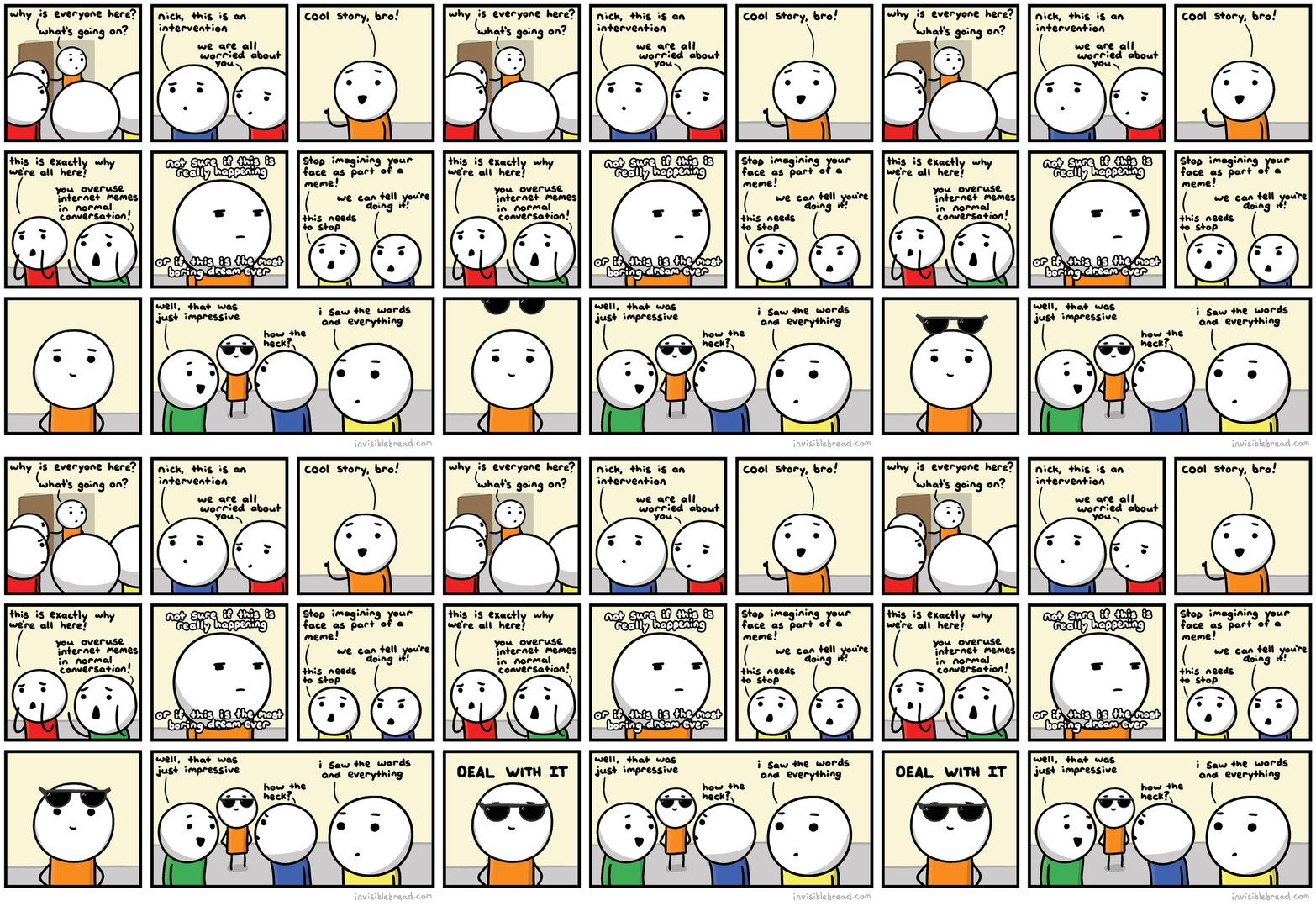
Intervention

by Justin Boyd

Intervention

Well, in that case!

20 Mar 13:39

CONTOS DE HOFFMANN: DER SANDMANN

by Mauro A.

sandmann1 sandmann2 sandmann3 sandmann4 sandmann5 sandmann6 sandmann7 sandmann8 sandmann9 sandmann10 sandmann11 sandmann12


19 Mar 13:36

(Image)

Alvaro Freitas

my mind hurts

19 Mar 13:13

Thailand

by noreply@blogger.com (Felipe Iturrieta)
Both flights with Malaysia Airlines were quite good, specially the second one, Kuala Lumpur - Bangkok (the first one being Amsterdam - Kuala Lumpur). Time flew (tududum pash) and before I knew it, I was in Thailand. The first impression was great - the train from the airport to the city is excellent: modern, fast and clean. But then the good impression started to fade as the scenario started to remind me more and more of São Paulo. A big city with an endless skyline, it shows lots of grey, and the green you can see is filled with rubbish. Maybe it is true that all big cities are alike. Of course, the temples are impressive, but they are, nevertheless, temples, and I cannot help but dislike the grandeur and luxury of faith being shown right next to the misery of common men. 
Mixed feelings dominated my first days in the Kingdom of the Thailand: on one hand, I felt it is too similar to Brasil. People are lazy, streets are dirty, buildings are not taken care of (unless they are a temple, of course), stray dogs roam the streets during the day while cockroaches and rats are often seen during the night. The amounf of people sleeping in the streets is appalling - I saw hundreds of people lying everywhere, sleeping and eating on the sidewalks. On the other hand, the atmosphere is peaceful, people are gentle and generous, and that aggression that overflows in Brasil is nowhere to be found in this clearly buddhist land. The food is tasty though not very varied, and the prices are quite good for foreigners. 
Going out during the day means facing the scorching sun and the pollution of the heavy traffic, which is 'inverted', like in the UK. Going out during the night means facing the hordes of tourists, the impressive quantity of prostitutes (both girls and boys dressed as girls) and the risk of stepping on unseen animals due to poor lighting.

I went out one morning and was stopped by an extra-friendly man who was opening his restaurant. He told me I should go see this and that, and wrote down a few Buddha statues I should check out. He also told me I was lucky to be wearing yellow that day, because that was the colour of their monarchy, and that today was some holy day for them. A day in which the government offers Tuk Tuk rides for free. That was, of course, the beginning of the most well known scam in Bangkok. I was oblivious to any such thing, and knowing how lucky I am, I thought "Hey! Got lucky again! Let's ride that Tuk Tuk for free!". Their idea of a scam is - the Tuk Tuk driver takes you around to see main touristic points for free, and stops at certain shops, which pretend to have great deals and offers, so you spend lots of money in them. The shops give the drivers some money for helping with the tourist trap. So there I went, riding the Tuk Tuk, visiting many temples and quite some shops. I saw the giant Buddha, the standing Buddha, the lucky Buddha, the bored Buddha, the black Buddha, the harlem shake Buddha, you name it. In between, the Tuk Tuk driver made me go into shops so he could get his bonuses for taking the idiot tourist around. It was their loss; the jewelry shopkeepers who claim to have rare stones and gems (which are fake, I've later been told) at low prices, which you can buy cheaply in Thailand and sell back in the country where you live for higher prices, were disappointed to know they were dealing with a nomad who has no intention of buying shiny things for far away women. The travel agencies that want to sell overpriced packages to naive tourists were disappointed to know that I was thoroughly going through all of them with a notebook with the sole intention of writing down prices and looking at pictures. And finally, the tailor who took my measures to produce a beautiful silken shirt did not expect me to have so much Arab blood in me; I bargained until the price was excellent. In the end, they fell for my scam.


Created with Admarket's flickrSLiDR.

After a few days in Bangkok, I was quite ready to leave, as many people I met were. Tourists said they wanted to get away from it as soon as possible, and migrants were of the same idea. I spoke to several people, but I'll mention two that said the exact same thing. A prostitute from Laos and a bellboy from Burma. They both have about another month in their visa, and they both said they had enough, that their homeland is a corrupt and dirty place, but still their lives were better there than in Bangkok, and that they were looking forward to going back. It reminded me of some Africans I talked to in Italy - they wanted to experience that 'western' something, and realized it just sucks, and they're better off in their own land. I am of the opinion that the tourists ruin the few things that the Thai manage to do right.

The next evening I took the night bus to Suratthani, 700 km away, so the next morning I could take the ferry to Koh Samui, the biggest island in Thailand. After all that research with the travel agencies, I found a nice bungalow 10 steps away from a quiet, peaceful beach. That is where I spent the rest of my week, lying in the hammock, watching the sunrise, the sunset and the beautiful, clear sea. Now, that was much better than Bangkok. Most tourists go on elephant rides, safaris, marine parks, scuba diving, etc. I saw them going out each day early in the morning and coming back exhausted at the end of the day. I stayed around, with the locals, thinking about the meaning of life, eating good food, listening to the wind and taking these pictures whenever I was not napping. Now I will leave Thailand, before this good impression also fades. I know 12 days are not enough to be considered an expert in any subject, and I probably went around in touristic areas, but I have been to the capital and to the main island, and I guess I had a good sample of what Thailand probably is.

Next stop: Vietnam.


Created with Admarket's flickrSLiDR.

PS- Dear Bhumibol Adulyadej, King of the Thai,
Have you ever taken a stroll around your Kingdom? Have you noticed half of it smells of urine? Have you noticed that your subjects are sleeping in the streets? Have you ever used a 'public' toilet in your own kingdom? I'm not talking about the free ones, I'm talking about the ones you have to pay to use. Have you noticed that most of them don't have a flushing system, and that you have to fill a dirty bucket with water to get rid of your own waste? And have you noticed that many places still don't have a waste treatment system? Also, have you noticed that the Wikipedia entry for your name has been blocked by the Ministry of Information here in your own Kingdom?
18 Mar 20:02

Photo


18 Mar 19:57

What Glows Green In Space?

by Elizabeth Howell

The Wreath Nebula (Barnard 3) glows green in space in this Wide-field Infrared Survey Explorer (WISE) image. Credit: NASA/JPL-Caltech/UCLA

The Wreath Nebula (Barnard 3) glows green in space in this Wide-field Infrared Survey Explorer (WISE) image. Credit: NASA/JPL-Caltech/UCLA

While a quest for green beer in space would be difficult, we’re happy to report there are other ways you can celebrate Saint Patrick’s Day while looking at the night sky. Just check out the nebulae and aurorae in these pictures!

A word of caution, these pictures are taken by cameras that expose light for a very long time, sometimes using different filters, to bring out the colors. A nebula, for example, seen with our own eyes does not look quite as stunning.

The picture above shows the Wreath Nebula, which apparently is filled with warm dust bits that are about the same composition as smog.
(...)
Read the rest of What Glows Green In Space? (415 words)


© Elizabeth Howell for Universe Today, 2013. | Permalink | 2 comments |
Post tags: auroras, nebulas, stars

Feed enhanced by Better Feed from Ozh

18 Mar 19:43

Death Star: An Inside Job

by Steve Napierski

While not “completely” gaming related, there are more than enough Star Wars titles that I could piece together a mediocre argument as to why this video is relevant. Nonetheless, I thought this was awesome and wanted to share it with as many people as possible. Enjoy!

source: YouTube
18 Mar 19:31

serif – sans serf, the final battle

by David Plain
Alvaro Freitas

Adorei.

Have you ever wondered why you rarely see beautiful serif fonts on the internet? Well wonder no more. The website UrbanFonts.com has created this handy infographic that explains the differences between serif and sans serif fonts and why you should choose one over the other.


Via.
18 Mar 17:26

O sujeito mais hipster da história

by administrador@bytequeeugosto.com.br (Marcel Dias)
Alvaro Freitas

Mano, não entendo esses 'outrages'. O problema é do cara, porra, não é como se Starbucks fossem lugares silenciosos. Se ele levasse a máquina pra uma biblioteca, ia ser foda, claro, mas whatever.

O artigo O sujeito mais hipster da história faz parte do conteúdo do Byte Que Eu Gosto! - Nerd, Geek, Dicas, Cinema, Games e mais!.

Esse cara certamente é o desgosto da família. Para nas vagas de idosos, mija e não abaixa a tampa do vaso, coloca purê no hotdog entre outros comportamentos socialmente questionáveis. O sujeito é hipster de tal maneira que teve a ousadia de levar uma máquina de escrever para o Starbucks. A vergonha alheia chegou a níveis estratosféricos.

Look-at-This-Idiot-Using-His-Typewriter-in-a

Via

O artigo O sujeito mais hipster da história faz parte do conteúdo do Byte Que Eu Gosto! - Nerd, Geek, Dicas, Cinema, Games e mais!.

18 Mar 14:31

No Decent Woman or Girl is Ever Seen Wearing Trousers: 12 Conduct Rules for Women from Rural Spain

by Maria Popova

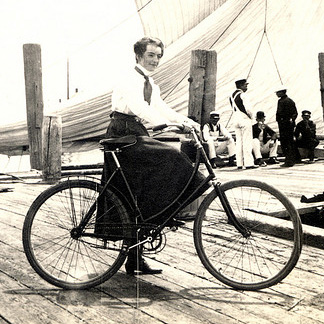
“No decent woman or girl is ever seen on a bicycle.”

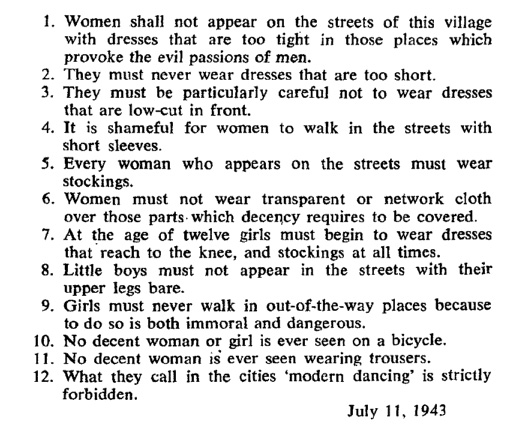
It’s one thing to look at a Victorian list of don’ts for women on bicycles with amusement-softened outrage, perhaps because we have the luxury of looking back on those times with the detached smugness of an evolved society. But it’s quite something else to encounter a similar list from an era too uncomfortably close to our own. Such is the case of a poster James Michener makes note of in Iberia, which he encounters pinned to a church door while traveling across rural Spain in the late 1960s. Dated July 11, 1943, and laid out by a bishop as a code of conduct for local life, the twelve-point directive bespeaks religion’s persistent, matter-of-factly subjugation of women:

  1. Women shall not appear on the streets of this village with dresses that are too tight in those places which provoke the evil passions of men.
  2. They must never wear dresses that are too short.
  3. They must be particularly careful not to wear dresses that are low-cut in front.
  4. It is shameful for women to walk in the streets with short sleeves.
  5. Every woman who appears in the streets must wear stockings.
  6. Women must not wear transparent or network cloth over those parts which decency requires to be covered.
  7. At the age of twelve girls must begin to wear dresses that reach to the knee, and stockings at all times.
  8. Little boys must not appear in the streets with their upper legs bare.
  9. Girls must never walk in out-of-the-way places because to do so is both immoral and dangerous.
  10. No decent woman or girl is ever seen on a bicycle.
  11. No decent woman is ever seen wearing trousers.
  12. What they call in the cities ‘modern dancing’ is strictly forbidden.

The most jarring part, however, is that the poster is made all the more tragicomic by new evidence that, in many ways, things have hardly gotten better.

The Atlantic @FaisalSethi

Brain Pickings has a free weekly newsletter and people say it’s cool. It comes out on Sundays and offers the week’s best articles. Here’s what to expect. Like? Sign up.

Brain Pickings takes 450+ hours a month to curate and edit across the different platforms, and remains banner-free. If it brings you any joy and inspiration, please consider a modest donation – it lets me know I'm doing something right. Holstee


17 Mar 12:41

Osama

by Bruno

osamaComo todo noir que se preze, Osama abre com uma femme fatale adentrando o escritório de um investigador particular. A missão que ela traz também é típica: encontrar o autor recluso dos romances da série Osama bin Laden: Vigilante, da qual nada se sabe exceto o seu pseudônimo, Mike Longshott.

Estamos em um mundo um pouco diferente do nosso, como se pode ver: um século XXI alternativo onde o terrorismo global não existe exceto como literatura barata. A busca de Joe, o detetive, no entanto, o levará a descobrir um mundo secreto sob a superfície, uma região de sombras habitadas por entidades fantasmagóricas chamadas Refugiados. Na medida em que se envolve com elas, entre os trechos dos romances que investiga e encontros surreais com viciados em ópio, a sua própria identidade começará também a se fragmentar, enquanto ele se aproxima da verdade misteriosa por trás daquele universo literário.

É difícil imaginar uma trama dessas se desenvolvendo sem conotações políticas, e é claro que elas estão lá de alguma forma, mas o ponto que o autor Lavie Tidhar quer fazer diz muito mais respeito à própria alma humana e a sua relação com acontecimentos catastróficos. Israelense de nascimento, ele e sua esposa estiveram mais de uma vez muito próximos de ataques da Al-Qaeda na África, Europa e Ásia; o sentimento que ele busca evocar com a sua obra tem muito mais a ver com a sensação de estranhamento da própria realidade que nasce destas situações, aquele momento em que ela parece, como diz a famosa frase, mais inverossímil que a ficção.

Se estruturando como um neo-noir weird, é possível ver no livro algum eco do premiado The City and The City, de China Miéville; mas é claro que a principal referência é o clássico O Homem no Castelo Alto, de Phillip K. Dick, provavelmente a mais conhecida obra de história alternativa, e não há como não se remeter diretamente a ele durante a leitura. Abraçando com mais intensidade a fantasia e o surrealismo, no entanto, Tidhar parece se aproximar mais de um Borges ou, principalmente, Kafka, com seu enredo labiríntico e melancólico, que funciona em última análise como uma metáfora para a própria confusão mental e isolamento do protagonista. Nisso, há algo nele que me lembrou também O Alienado, do brasileiro Cirilo S. Lemos.

Osama é, enfim, um livro bastante interessante, daqueles que causam uma impressão forte durante a leitura. É difícil não devorá-lo em poucos dias, e há muito nele a se refletir mesmo após o ponto final.


16 Mar 18:45

What Mount Sharp Would Look Like on Earth

by Jason Major

Gale crater's central peak as it might look under Earthly lighting (NASA/JPL-Caltech/MSSS)

Gale crater’s central peak as it might look under Earthly lighting (NASA/JPL-Caltech/MSSS)

Ahh — there’s nothing like a beautiful sunny day in Gale crater! The rusty sand crunching beneath your wheels, a gentle breeze blowing at a balmy 6º C (43º F), Mount Sharp rising in the distance into a clear blue sky… wait, did I just say blue sky?

I sure did. But no worries — Mars hasn’t sprouted a nitrogen-and-oxygen atmosphere overnight. The image above is a crop from a panoramic mosaic made of images from NASA’s Curiosity rover, showing Gale crater’s central peak Mount Sharp (or Aeolis Mons, if you prefer the official moniker.) Don’t let the blue sky fool you though — the lighting has been adjusted to look like a sunlit scene on Earth, if only to let geologists more easily refer to their own experience when studying the Martian landscape.

Click the image to see the full panorama, and a view of the same scene under more “natural” Martian lighting can be found below:
(...)
Read the rest of What Mount Sharp Would Look Like on Earth (145 words)

© Jason Major for Universe Today, 2013. | Permalink | One comment |
Post tags: Aeolis Mons, Curiosity, Gale crater, Mars, Mount Sharp

Feed enhanced by Better Feed from Ozh

16 Mar 18:38

While parachuting, an American aviator downed a Japanese fighter...


While parachuting, an American aviator downed a Japanese fighter plane by shooting the pilot in the head with his sidearm.

source

15 Mar 15:30

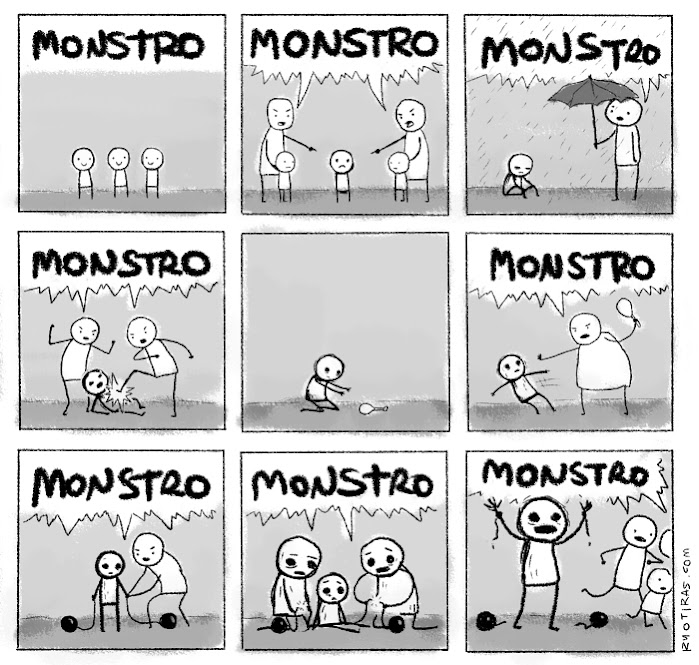
Dilema

by Marco Oliveira
15 Mar 02:19

A while ago, I drew a little pic of Cloud and Red XIII leaning...


A while ago, I drew a little pic of Cloud and Red XIII leaning on a railing together. For the heck of it, I tried to imagine what sort of conversation they were having annnnnddddd then I remembered that Hojo tried to force Aeris and Red XIII to mate in captivity. True story. It’s in the game. Look it up. I’d blocked it out of my mind as well.

Sorry for the prolonged absence! I’ve been crazy busy working on a ton of awesome new projects! You’ll see soon!

14 Mar 14:03

Will we ever regenerate limbs?

by Ed Yong

Here’s the 16th piece from my BBC column

In Spider-Man comics, scientist Curt Connors injects himself with a serum based on lizard DNA and re-grows his amputated arm. He also transforms into a giant humanoid lizard and becomes evil. Unfortunate side-effects aside, the Lizard’s story reflects a real and longstanding scientific quest – to understand the extraordinary regenerative powers of animals, and duplicate them in humans.

If I cut my arm off, I will end up with a permanent stump that’s covered in scar tissue. By contrast, if a newt or salamander loses its leg, it will grow a new one. The wound will close and, over time, it will create new bones, muscles, nerves and skin.

Healing powers of this kind were first discovered in 1740, when Abraham Trembley discovered that a green pond animal could regenerate its tentacle-crowned head if it was amputated. He called it Hydra after the head-renewing monster from Greek mythology. Since then, scientists have discovered more animals with regenerative powers. Lizards restore lost tails. Starfish grow dismembered arms back. Some flatworms can rebuild their entire bodies from a single cell.

But despite centuries of research, we’re a long way from even understanding how regeneration works, much less replicating the feat in our own bodies. The latter should be possible, according to James Monaghan, who studies regeneration biology at Boston’s Northeastern University, although he adds that “we are not even close, and putting a timeframe on it is difficult.”

Partly, this is because the field has only ever attracted a small cadre of scientists, with little coordination between them. Largely, it’s because the list of animals that are easy to keep and work with in a lab – so-called “model organisms” – is very different from the list of animals that regenerate well. Chickens, mice, flies and roundworms have been mainstays of lab science and have helped scientists to understand how a ball of cells can develop into a fully-formed embryo. But they’re not great at renewing lost limbs. Salamanders are the ideal choice, since they regenerate very well and have limbs with the same basic structure as ours. But they make for poor laboratory subjects. “It can take a month for the limb to regenerate,” says Ashley Seifert, who studies tissue and organ regeneration at the University of Florida. “That really slows down your experimental progress.”

Making things worse, salamander genomes are oddly bloated. They have ten times the amount of DNA as ours, and no one has ever fully sequenced them. And until very recently, scientists had no ways of adding foreign genes into a salamander, or knocking out one of its existing set. Without these powerful techniques, salamanders – and the science of regeneration – were left behind by the molecular biology revolution.

Healing acts

Despite these hurdles, we know the basic steps that a regenerating limb must go through. After an amputation, cells from the outermost layer of skin climb over to seal the wound. At this point, humans would lay down lots of scar tissue, and that would be that. But in salamanders, the new cells transform into a structure called the wound epidermis, which sends chemical instructions to those below it. In response, nerves in the stump to start to grow again, while mature cells such as muscles and connective tissues revert to an immature mass called a blastema. This is what restores the limb. Regeneration is about taking a few steps back to take many steps forward.

“Somehow, the cells know their positions, and they’ll only regenerate what’s missing,” says Enrique Amaya, developmental biologist at the University of Manchester. If the limb is amputated at the shoulder or hip, the blastema creates the full leg. If it’s amputated at the wrist, the blastema makes just a hand and digits. As they grow and divide, the cells take up specific positions, so they know up from down, or left from right. They fashion a miniature version of the full limb, which eventually grows to full size.

The basic outline is there, but the details have been hard to fill. Why does the wound epidermis form, and what does it do to the cells beneath it? The limb won’t regenerate if the nerves inside don’t start growing, but what exactly do the nerves do? When cells in the stump rewind their fates to become a blastema, how far back to they go?

Most importantly, how do the cells of the regrowing limb know where they are and how take on the right shape? How do they make a working limb and not a useless, deformed tube? Or even a tumour? “It’s such a difficult problem because you’re going from a complex stump into a mass of cells that all look and act the same, but that somehow recapitulate development,” says Monaghan.  “People are just starting to figure these processes out, but we don’t understand how a cell at the end of a limb is different from one at the tip.”

Instead of asking how salamanders pull off their healing acts, one might equally ask why mammals like ourselves cannot. There are no solid answers, but several guesses. Perhaps cancers are more of a problem for mammals? The same checkpoints that stop our cells from growing uncontrollably into tumours might also stop a blastema from forming. Amaya wonders if it’s because we are warm-blooded. “If an amphibian chews off one of its arms, it could hide away for weeks without eating and regenerate,” he says. “That’s out of the question for an animal whose high metabolic rate requires it to feed constantly. It has to heal quickly and dirtily.”

Not all mammals flunk the regeneration test, though. Just last year, Seifert discovered that African spiny mice escape from predators by jettisoning huge chunks of their own skin. Miraculously, they can regenerate these flayed patches in record time. They even seem to form blastemas when wounds close up in their ears. This suggests that mammal regeneration may not be as distant a hope as many had feared.

Body patterns

But even if we could understand and replicate the mouse’s powers, Seifert doubts we will ever have an injectable cocktail of molecules that triggers regeneration. There’s too much complexity in the transition from wound to blastema to new limb, he says. It will also be a lengthy process. While the comic-book Lizard can regenerate a fresh limb in minutes, one of Seifert’s small salamanders took 400 days to grow back a leg that’s less than 4 millimetres across. The largest ones need more than a decade to finish the job. “Even if a human could grow a limb back, it might take 15-20 years,” says Seifert. A finger might be more realistic.

Would that be worth it? While the study of animal regeneration has been slow, other areas of medicine have sped ahead. Stem cell research and tissue engineering promise to make lab-grown organs from a patient’s cells, and both have attracted hordes of researchers with big budgets. With such breakneck progress, is it still relevant to chip away at the healing powers of salamanders and other animals?

Seifert thinks so. “For one thing, there are a lot of unintended benefits,” he says. Regeneration in salamanders has many similarities to wound healing in mammals. We may never be able to sprout new arms in comic book fashion, but we may learn how to close an injury more quickly. Doing so without scarring would also be a boon. Many nasty human diseases, from heart attacks to cirrhosis, involve some sort of fibrosis, where the body deals with injuries by laying down connective tissue. “Fibrosis is the antithesis of regeneration,” says Seifert. Understanding how animals avoid it could tell us how to stop scar tissue from building up on our vital organs.

And forget the science-fiction aspects. The study of regeneration is ultimately about how our bodies produce patterns – how our cells know where they are, and how they organise themselves to make organs. That knowledge will be invaluable, no matter what technique is used to produce new body parts. “I’d argue that stem cell researchers need the kind of work that we do,” says Amaya,  we’re still damn ignorant about how cells behave, and how to control their behaviour.”

More from Will we ever…?

14 Mar 14:01

Cê Lá faz Idéia

by ricardo

regras do mundão
13 Mar 22:26

A história dos dados

by Álvaro "Jamil" Freitas

Somos jogadores de RPG; e tradicionalmente, usamos dados como instrumento de randomização, de definição de fatores aleatórios. Claro que há jogos que prescindem dos dados, mas eles são mais exceção que regra. Se você pedir para alguém resumir o que é necessário para jogar RPG, dificilmente não vão mencionar dados.

Mas de onde vêm os dados? Há quanto tempo eles estão no mundo? Quem os inventou? Essas e outras perguntas são respondidas no infográfico abaixo, traduzido por mim e projetado pelo Tiago “Oriebir” Ribeiro. O original é do site Awesome Dice.

Historia dos Dados A história dos dados

A imagem de capa é reproduzida deste site.

13 Mar 17:00

O Presente

by Rob Gordon

- Gostou do seu presente?

- Gostei...

- Tem certeza? Você não parece muito feliz...

- Deixa.

- Pode falar.

- Não, deixa.

- Não. Pode falar o que você está pensando. Somos seus pais.

- É que eu não queria uma boneca. Eu queria uma bola.

- Como assim? Uma bola?

- É. De futebol.

- Mas você sempre ganhou bonecas.

- Sim. E eu gosto. Mas vocês nunca me perguntaram...

- É claro que você gosta. Você tem um monte de bonecas. Sempre brincou com elas...

- Eu sei. Mas eu também gosto de futebol. Por isso eu queria uma bola.

- Mas qual o problema em brincar de bonecas? As outras crianças...

- Nenhum. Mas desta vez eu queria uma bola.

- Mas de onde você tirou isso?

- De lugar nenhum. Eu só queria uma bola porque eu gosto.

- Bom, tudo bem. No seu aniversário, eu te dou uma bola. Até lá, continue brincando com sua boneca. Você vai se divertir muito.

- Tá...

Em momento algum, eu identifico se a criança é um menino ou uma menina. Deixo isso a critério do leitor, e apresento dois finais diferentes.

Se você quiser que a criança seja uma menina, saiba que ela foi para o seu quarto e deixou a boneca num canto, junto com as outras. E foi dormir pensando se um dia seus pais entenderiam que o motivo dela querer uma bola não era porque não gostava dos “brinquedos de menina”, mas sim porque, naquele dia, ela queria uma bola. E, no aniversário seguinte, ganhou uma nova boneca, ouvindo seus pais sexistas falarem que “bola e futebol são coisas de menino, você é menina e deve brincar com suas bonecas”, dando ênfase no deve.

Se você quiser que a criança seja um menino, saiba que ele foi para o seu quarto e deixou a boneca num canto junto com as outras. E foi dormir pensando se um dia seus pais entenderiam que o motivo dele querer ganhar uma bola não é porque achava que boneca era coisa de menina, mas sim porque, naquele dia, ele queria uma bola. E, no aniversário seguinte, ganhou uma nova boneca, ouvindo seus pais politicamente corretos falarem que “não existe mais brinquedos de meninos e meninas, você é criança e pode brincar com suas bonecas”, dando ênfase no pode.

Já o epílogo é igual nos dois casos:

As duas crianças tiveram uma infância que poderia ser mais feliz. Porque, na verdade, elas não eram sexistas tampouco politicamente corretas. Eram apenas crianças. E, como tal, queriam escolher seus próprios presentes.
12 Mar 14:57

Eu não sou cicloativista

by Júlio César

Segundo o Endomondo, pedalei 1.521 km em menos de um ano. Se mantiver essa média, em dez anos terei dado a volta na Terra. Tudo isso na cidade de São Paulo, indo da Paulista para o Tucuruvi, de Pirituba para Pinheiros. Usando calçada, pista da direita, corredor da pista da direita, ciclovias, ciclofaixas. E nesse quase um ano tendo a bicicleta como principal meio de transporte, acompanhei no mínimo três mortes e alguns acidentes graves divulgados pela mídia na Avenida Paulista.

É foda andar de bicicleta em SP. Todo mundo têm pressa, ciclistas e motoristas. Não sei dizer qual pressa é resultado de outra, mas ela está lá. Na Rebouças, por exemplo, me sinto obrigado a ir pela calçada por receio dessa pressa paulistana. É uma subida, e a minha velocidade deve ser de 10 km/h. Imagina aquele senhor no seu BMW tendo que aguentar o gordinho aqui pedalando. Baixa um Exu Vin Diesel no homem vindo das mais profundas trevas das videolocadoras e sites de torrent. E ele dá aquela acelerada, buzinada, roncada de motor alemão que dura toda uma eternidade.

Na Paulista, exceto aos domingos quando tem ciclofaixa, a direita é a melhor pedida. Dos ciclistas e dos ônibus. Alguns são legais, te dão espaço para passar e ficam atento às suas buzinadas. Outros encarnam o Piquet e são paus-nos-cus com ou sem o volante. Nela, eu costumo passar os faróis vermelhos para pedestres, porque temos ônibus, táxis e carros com pressa.

Na Faria Lima tem ciclovia. E tem aqueles que, quando vão fazer a conversão para a outra pista, insistem que é uma boa ideia parar em cima da faixa destinada às bicicletas e ali ficar, preso num trânsito dantesco, tendo os ciclistas como companheiros.

Em Pirituba tem a Raimundo Pereira de Magalhães. A prefeitura colocou uma faixa na curva: ATENÇÃO – CICLISTAS NA PISTA. O vento, as chuvas e mais outras mazelas derrubaram a faixa. Hoje não é necessário ter atenção.

Na Sumaré tem ciclovia. Quando a avenida está vazia, desço pela faixa das motos. Sou babaca de fazer isso? Claro que sim.

O lance é que é foda viver em comunidade. Vem aquilo do seu direito terminar onde começa o do outro. Ou algo assim, nunca acerto esse clichê. Se transportar numa cidade como São Paulo sempre será difícil. E alguns podem dizer “mas em NY não é assim”. Exato, mas essa Nova Iorque dos sonhos é uma ilha, e aqui as ilhas são os homens, já que estamos falando de clichês. Sempre haverá acidentes, tanto para gregos quanto para troianos.

Mas a partir do momento alguém atropela um ciclista e foge pelo menos 10 km com o braço dessa pessoa presa ao carro, passamos de todo esse blábláblá de cicloativismo, quem está certo e quem está errado e estamos longe de um mero acidente. Porque não bastasse o sangue frio de atropelar alguém e deixar a cena em fuga, a pessoa ainda consegue ter a coragem de retirar um braço de seu caro e jogá-lo em um córrego da Ricardo Jafet. O fato do ciclista atropelado depender do braço para trabalhar aumenta mais a história, mas pouco importa. E também importa menos ainda se o cara era trabalhador, talibiker, oficial nazista foragido. É para pensarmos como caralhos alguém anda dez quilômetros com um braço de uma pessoa preso ao carro e, quando o vê, acha por bem jogá-lo em um córrego?

Esse cara não só privou um trabalhador de exercer seu ofício, um pai de sustentar uma família. Ele traz a tona os instintos mais primitivos, como diria Roberto Jefferson, para a discussão de mobilidade na cidade. Num momento em que a cidade adota a bicicleta como alternativa para o trânsito macabro de sexta-feira passada, essa estupidez, essa ignorância ocorrida na madrugada de domingo acirra uma rivalidade que nem deveria existir. Pululam frases como LUGAR DE BICICLETA NÃO É NA PAULISTA e CARRO BOM É NA GARAGEM quando a única coisa que deveríamos pensar é: em que momento erramos para que pareça uma boa ideia atropelar alguém, fugir com seu braço por quilômetros e despejá-lo num córrego da cidade?


Arquivado em:Daily Planet
12 Mar 14:41

Chips que se autoconsertam são virtualmente indestrutíveis

Imagine que o hardware do seu celular ou computador repare a si mesmo, sem que você precise levar o aparelho à assistência técnica. Isso não é mais um sonho.

11 Mar 15:17

Quantas calorias você queima ao clicar com o mouse?

by Jamie Condliffe

Para quem passa a maior parte do dia debruçado sobre um teclado, olhando fixamente para uma tela de computador, qualquer esforço físico – por menor que seja – constitui um exercício físico. Então quantas calorias você queima ao clicar com o mouse?

Segundo o Yahoo Japão, em um livro publicado recentemente – chamado Converta Qualquer Coisa para Calorias (em japonês) - um cientista revela quantas calorias são queimadas a cada clique do mouse.

Depois de alguns cálculos, calcula-se que você queima 1,42 caloria a cada clique.

Em média, são necessários 16,7 micromols de ATP (trifosfato de adenosina, a molécula que transporta energia nas células) para mover um grama de músculo durante um segundo. Um dedo indicador típico possui 11,7 gramas de músculo. E há 0,0073 caloria em um micromol de ATP. Multiplicando tudo, você converte a quantidade total de ATP para calorias: um clique único do mouse deve, em teoria, queimar 1,42 caloria.

Se você conseguir usar o mouse rápido o bastante, dá para queimar um Big Mac em 350.000 cliques. Lembre que a quantidade de energia na comida é medida em quilocalorias (1000 cal) – e um Big Mac tem 490 kcal.

Agora a má notícia: o cálculo assume que o músculo é contraído totalmente, então a quantidade real de calorias usadas é um pouco menor. Ou seja, são necessários ainda mais cliques. Então comece a clicar! [Yahoo Japan via Rocket News 24 via TechCrunch]

Imagem por Paolo Signorini sob licença Creative Commons

11 Mar 03:20

Primeiro episódio de 'School Of Thrones': Prom Night Is Coming

by Bacellar
Alvaro Freitas

Curti, é engraçado o bastante.

Como já havíamos noticiado aqui, o primeiro episódio da websérie inspirada em Game Of Thrones saiu hoje. School Of Thrones, como o próprio nome sugere, traz os personagens de Westeros para Westeros High, um colegial do ensino médio. Esse primeiro episódio, "Prom Night Is Coming", mostra a chegada da nova aluna, Daenerys Targaryen, e apresenta os demais personagens e facções. Merecem destaque a abertura, que é claramente uma adaptação "escolar" da abertura da HBO, e algumas passagens que vimos na série e que foram mostradas aqui de maneira diferente, inseridas nesse novo contexto, como por exemplo o confronto entre Stannis e Renly Baratheon.
Assistam abaixo:

Ao menos eles fizeram a cena do pêssego.
10 Mar 16:05

8 Momentos marcantes de personagens femininas nos quadrinhos (Marvel e DC)

by Algures


Bem, se você tem alguma mulher na sua vida (ou tem Facebook), deve saber que hoje é o Dia Internacional da Mulher. E, já que a linha editorial do MDM é geralmente bastante sexista (pois é um blog feito por homens – embora nem todos sejam heteros RRRRRRRRRRRRRRRRATINHO-OOOOO), acho que uma boa forma de homenagear (de verdade, não as “homenagens” que os leitores costumeiramente fazem) as mulheres neste dia é listar alguns momentos marcantes de personagens femininas marcantes nos quadrinhos. Então taí:


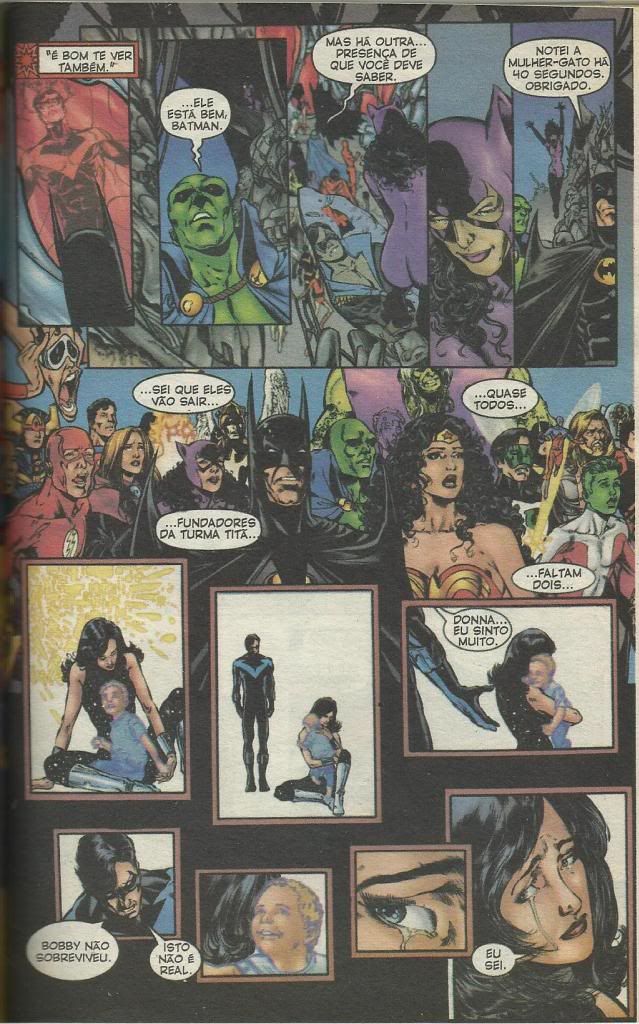
8. Donna Troy

Além de ter passado por muitos perrengues cronológicos (especialmente após Crise Nas Infinitas Terras) e ter mudado de aluna da Mulher Maravilha (como Moça Maravilha) para nada a ver com ela, ter se tornado Troia, depois Darkstar e de por fim ter se tornado irmã meio clone da MM para fatalmente ser sumariamente apagada da existência com o advento dos novos 52, Donna Troy sempre foi uma personagem feminina forte, especialmente após a fase dos Titãs escrita por Marv Wolfman.

Momento Marcante: JLA/Titans: The Tecnis Imperative
Durante uma minissérie crossover com a Liga, membros dos Titãs de diversas épocas são seqüestrados e colocados em uma realidade visual perfeita pelo Cyborg, o que causa uma cisão entre os membros clássicos dos Titãs e seus ex-tutores da Liga da Justiça sobre como proceder com a ameaça. Nesta realidade virtual perfeita, Donna Troy, que perdera o marido e o filho ainda pequeno, se vê com seu filho vivo e podendo estar com ele de novo. Quando Dick Grayson descobre a farsa e sai para remover todos de suas falsas vidas perfeitas, ele chega até Donna para dizer que, por pior que seja para ele dizer isso, aquilo não é real. A surpresa vem quando Donna Troy vira para ele, com lágrimas nos olhos e diz: “Eu sei”.

Por que é marcante:
Eu nunca perdi um filho, e espero nunca perder. Mas qualquer pessoa que já tenha perdido alguém próximo sabe o quanto daria para ter aquela pessoa de volta, mesmo que por um minuto, e como seria difícil aceitar que a visão é, na verdade, uma ilusão. Mesmo tendo sido uma das que mais perdeu entre os Titãs, ela se manteve forte o suficiente para saber que aquilo não era real, enquanto todos os outros se deixaram levar pela ilusão. É preciso muita coragem e muita, mas muita força, para tomar uma atitude dessas.

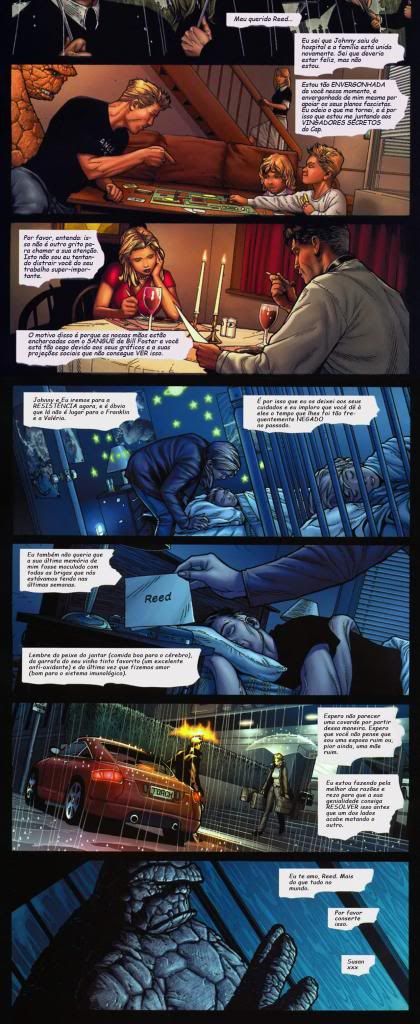
7. Sue Richards

Bem, polêmicas sobre sua fidelidade à parte, Sue sempre foi uma personagem importante do Universo Marvel para mim, principalmente por que os quadrinhos mainstream contém universos onde é particularmente difícil se manter bem casado por muito tempo. Agora imagina ter que aguentar um cara como Reed Richard que, como todo gênio, tem a ciência como sua “primeira esposa”. Não deve ser fácil.

Momento Marcante: Guerra Civil
Durante um momento crítico do Universo Marvel, onde amigos e famílias estavam sendo destruídas por diferentes ideologias, Sue ficou com Reed o máximo de tempo que pode (ele estava do lado do Homem de Ferro), mas as circunstâncias fizeram-na tomar a difícil decisão de deixar Reed e as crianças e se juntar ao Capitão América na resistência. A sequência em que a narração mostra o conteúdo do bilhete deixado para Reed é, para mim, um dos pontos altos deste período.

Por que é marcante:
Acho que o incidente já fala por si, mas ler a sequência do bilhete, ainda mais com tudo o que estava acontecendo ali, é impactante. Às vezes eu acho que os leitores de quadrinhos não se dão conta da profundidade que Guerra Civil teve, e do quanto a saga representa da realidade. A separação entre Sue e Reed é um ponto essencial para se entender isso, e a decisão de Sue é algo extremamente difícil – ir para o lado dos “subversivos”, deixar sua família e principalmente filhos por conta de algo que acredita. A história está cheia de incidente assim, de ideologias separando pessoas, e aqui Sue Storm mostra uma força moral exemplar.

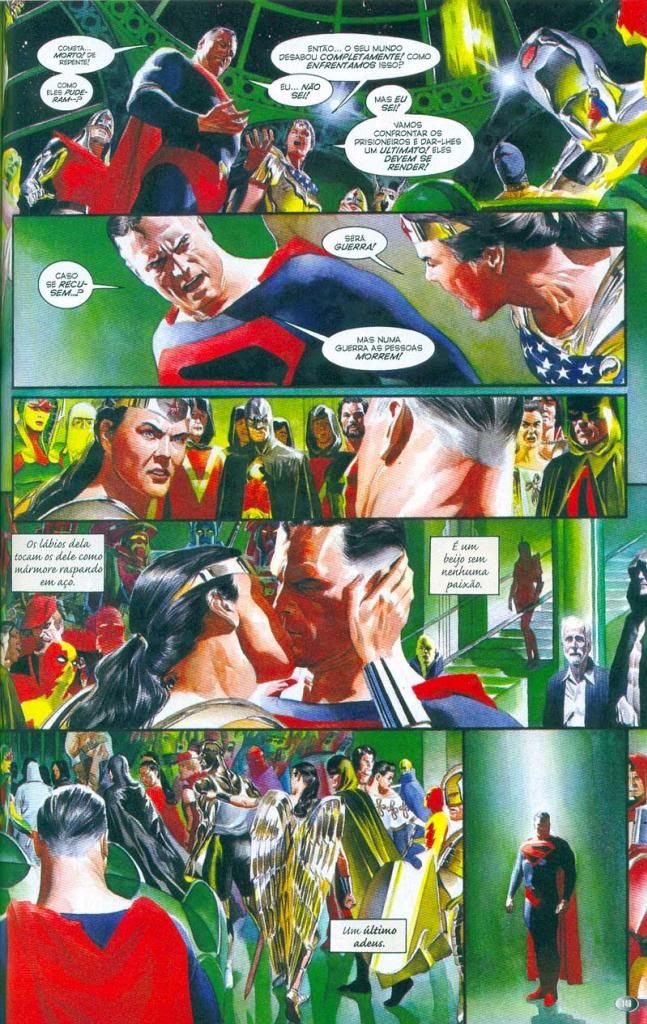
6. Mulher Maravilha

Talvez a personagem de quadrinhos mais injustiçada pelos membros da indústria, a Mulher Maravilha tem mais de 70 anos e raras vezes foi bem caracterizada, e poucas foram as vezes em que tivemos boas histórias com a personagem. Nem quando colocaram roteiristas mulheres para escrever a personagem funcionou. As raras ocasiões onde temos uma boa representação da Mulher Maravilha acabam sendo histórias alternativas.

Momento Marcante: O Reino do Amanhã
Bem, são nos momentos difíceis que mostramos quem realmente somos. Isso é particularmente verdade no caso dos Super-Heróis, que vivem momentos difíceis o tempo inteiro. Em O Reino do Amanhã, A Mulher Maravilha se encontra (assim como todos os principais personagens) num momento crítico da vida, onde falhou em sua missão de promover a paz e foi rejeitada, tanto pelas suas irmãs amazonas quanto pela humanidade. Numa cena específica, quando há uma rebelião de supereseres na prisão que construíram, o tumulto causa mortes e o Superman não sabe o que fazer. Mulher Maravilha resolve tomar a dianteira e liderar um pessoal para ir até lá resolver a pendenga. Superman pergunta o que vai acontecer se eles se recusarem a cooperar. Mulher Maravilha diz que aí será guerra. Superman diz: “Mas numa guerra pessoas morrem”. Mulher Maravilha apenas olha surpresa para ele, o beija e vai embora.

Por que é marcante:
Acho que toda a personalidade não explorada da Mulher Maravilha em 70 anos de personagem é resumida nesta minissérie. Nesta cena em particular, a ingenuidade do Superman é tamanha que deixa a heroína sem palavras. E ela faz aquilo que o Superman não consegue mais fazer, ou seja, tomar uma decisão com determinação. Esta cena específica para mim representa tudo aquilo que a Mulher Maravilha é – ou deveria ser.

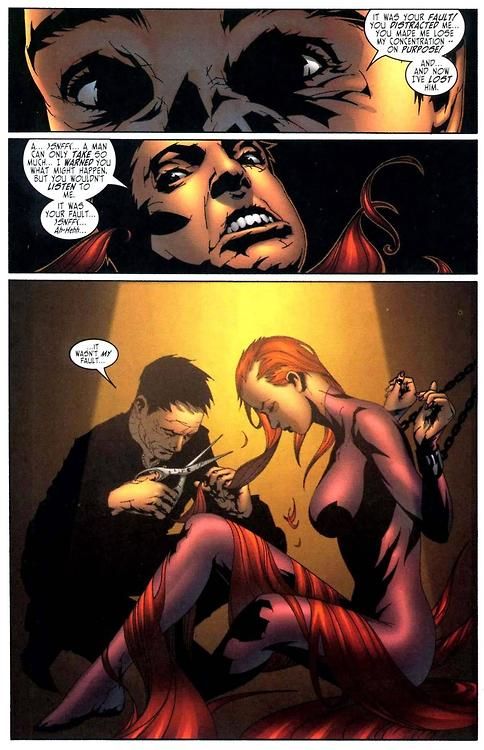
5. Medusa

Uma das maiores criações do rei (não o Roberto Carlos, porra!), os Inumanos sempre foram uma equipe que eu achava interessantíssma, muito embora até onde eu lembro as histórias não fossem nada diferente do resto das histórias da Marvel. Numa época em que eu cagava para a Marvel, Paul Jenkins conseguiu chamar minha atenção de volta com 3 obras: Origem e as minisséries do Sentinela e dos Inumanos. Esta última era particularmente interessante, por que lidava com os personagens de um jeito que eu nunca tinha visto e com uma profundidade que raramente eu via na Marvel naquela época. Todos os personagens me surpreenderam na abordagem de Jenkins, mas definitivamente tenho que dar destaque para a Medusa.

Momento Marcante: Minissérie Inumanos (de Paul Jenkins e Jae Lee)
Bem, como comentei antes, esta minissérie fez pelos personagens o que nenhuma outra história até então tinha feito, pelo menos para mim: trouxe personagens verossímeis e interessantes, cujas motivações, por mais sombrias ou dúbias que fossem, eram compreensíveis. Duas pessoas se destacam por terem que tomar as decisões mais difíceis: Raio Negro, por ser o rei, e Medusa, por ter de apoiar as decisões do marido. Destaque para a sequência em que Medusa deixa que o vilão, irmão do Raio Negro, corte todo o cabelo dela (que é a fonte do poder dela, sua “personalidade”, etc), pois isto faz parte do grande plano da história. Mais do que isso seria entregar desnecessariamente detalhes de uma história que merece ser lida.

Por que é marcante:
Durante a minissérie inteira vemos os personagens, e principalmente o Raio Negro tomando decisões questionáveis em meio a uma guerra. É preciso muita resiliência, força, determinação, e principalmente total confiança e entrega para ajudar a levar a cabo o plano visto na história. E Medusa prova ser a pessoa mais foda entre os inumanos (junto com seu marido, o Raio Negro), e merecedora do seu lugar junto ao rei.

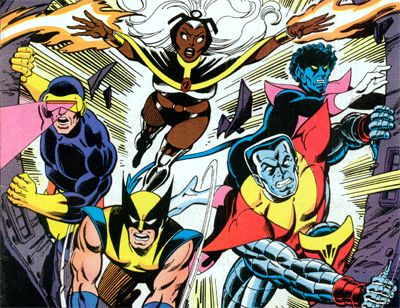
4. Tempestade

Tempestade parece aqueles personagens destinados a serem importantes. Como uma mulher negra (dois aspectos humanos sempre sujeito à preconceitos nos quadrinhos), Tempestade conquistou o devido espaço sem forçada de barra, colocando-se entre os membros mais importantes dos X-men, mais até que alguns membros originais (sim, Anjo, estou falando de você).

Momento marcante: Superaventuras Marvel 72 (no original, Uncanny X-men 169)
Acho que não poderia citar outro momento a não ser este, já que acho que é um divisor de águas na história da personagem. Nesta HQ, o Anjo é capturado pelos Morlocks (é um inútil mesmo) e os X-men precisam ir até os esgotos para resgatá-lo. Esta história é particularmente interessante por que, em dado momento, se percebe que a única forma de vencer os Morlocks é vencer a líder deles, Calisto. Tempestade (que se não me engano liderava os X-men naquela ocasião) mata essa no peito, vence Calisto e se torna líder dos Morlocks.

Por que é marcante:
O que eu comentei no caso da Mulher-Maravilha pode na verdade ser extendido para a grande maioria das personagens femininas de quadrinhos mainstream: É difícil uma história onde vemos mulheres com personalidade verossímil, fortes, e bem caracterizadas. Mais difícil ainda é ter nos comics um personagem negro bem representado. Esta história para mim marca um ponto que define a personagem e proporciona material para as interpretações subsequentes (que infelizmente não foram tão bem aproveitadas nos filmes dos X-men).

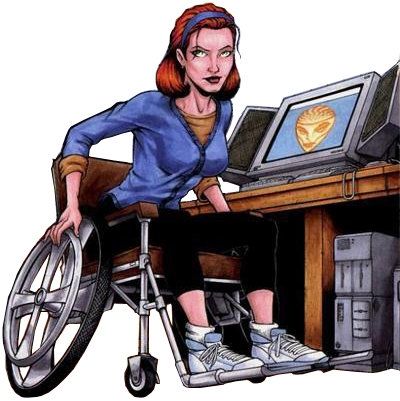
3. Oráculo

Durante muito tempo Bárbara Gordon, como Batgirl, foi apenas mais uma na “batfamília”, sem muita evidência a não ser a evidência que toda versão feminina de um personagem na DC costuma receber. Mas tudo isso mudou quando decidiram aposentar a persoangem, o que acabou levando-a a protagonizar uamd as cenas mais trágicas das histórias em quadrinhos quando ela foi aleijada pelo Coringa em A Piada Mortal. E fazer isso acabou se tornando a melhor decisão que a DC poderia ter tomado. Quer dizer, não exatamente a DC, mas John Ostrander (um dos meus autores injustiçados preferidos) e sua esposa, Kim Yale, que não admitiram que a personagem pudesse ter um fim tão trágico e acreditaram firmemente que haviam ainda muitas histórias para contar com uma Bárbara Gordon debilitada, mas não impotente.

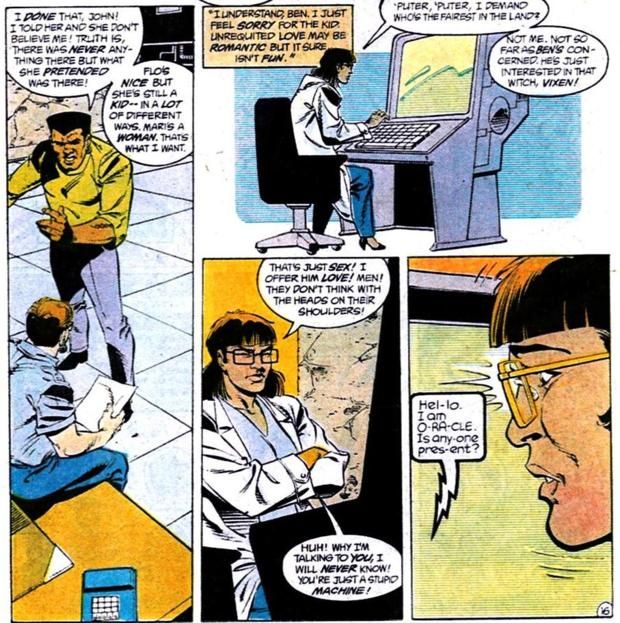
Momento marcante: Suicide Squad (Vol. 1) #23
Citei esta revista em específico por que é nela que Oráculo faz sua primeira “aparição” (entre aspas por que não é pessoalmente). Como to fazendo este post meio de cabeça, não lembro em qual das revistas da Liga da Justiça ela foi publicada, mas de qualquer maneira, serve como ponto de partida. Aqui vemos a visão “além do alcance” que o casal Ostrander e Yale tiveram, ao criar uma personagem com limitações físicas (não gosto muito de usar a palavra deficiente, por que não acho que define bem) que acabou se tornando, por muito tempo (até a DC cagar tudo de novo para torná-la “normal”), fundamental para o universo DC como um todo.

Por que é marcante:
Bem, acho que a própria personagem fala por si. Ter nos quadrinhos uma heroína que não se deixou abater pela tragédia e usou isso em seu favor para continuar fazendo o bem é uma grande contribuição para incentivar leitores, jovens ou não, que possuam limitações, a não desistirem de suas vidas e de seus sonhos. Além disso, tirou Bárbara da sombra do Batman e a amadureceu (meio que como o que aconteceu com o Dick ao se tornar Asa Noturna), fazendo-a se tornar uma mulher com muitas habilidades, e principalmente, muito mais interessante do que jamais havia sido. pE uma pena que os Novos 52 cagaram com tudo isso.

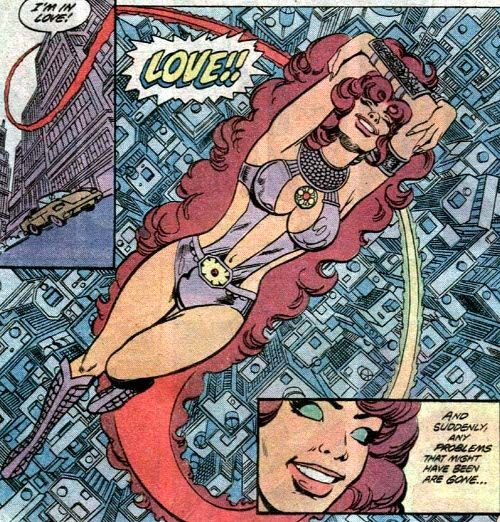
2. Estelar

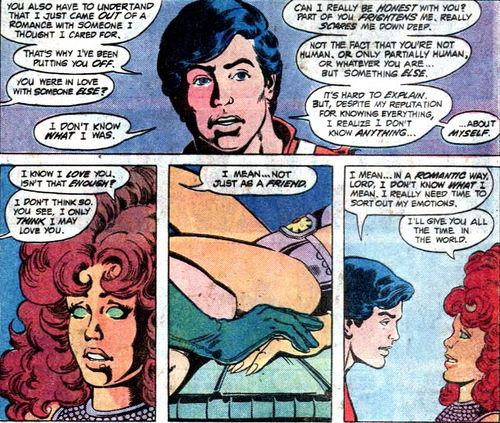
O segundo lugar vai para Estelar (mas não a Estelar pós novos 52, que fique bem claro). Uma personagem infelizmente pouco conhecida do público não leitor de quadrinhos (a única versão conhecida é a patética versão daquele desenho idiota Teen Titans), mas que para mim, junto com Donna Troy, representou muito bem as as mulheres durante os anos 80 e meados de 90.

Momento Marcante: Fase Wolfman/Pérez dos Novos Titãs
Neste período foi onde a Estelar mais brilhou (trocadilho não intencional), provavelmente por ter sido retratada justamente por seus criadores, Marv Wolfman e George Pérez. Estelar era uma alienígena aprendendo sobre nosso planeta, mas teve muito também a ensinar, tanto a seus colegas de equipe (em especial Dick Grayson, por quem se apaixonou perdidamente) quanto aos leitores que apreciavam as histórias dos Novos Titãs na época.

Por que é marcante:
Marv Wolfman foi muito feliz na caracterização de personagens femininas, e nesta lista tenho que dar destaque à Koriander. Embora ela, como a quase totalidade das heroínas de comics (criadas por homens) vestisse pouquíssima roupa e fosse gostosíssima, Wolfman não apelou para o obvio e não fez disso a base da personalidade da personagem. Pelo contrário, isto era apenas parte de uma caracterização muito mais aprofundada, onde Koriander aparecia como uma jovem independente, de personalidade forte, esquentada, à vontade com sua sexualidade e com uma maturidade em relação ao romance que raramente se vê em quadrinhos mainstream (ainda mais em quadrinhos com personagens adolescentes), sem deixar de mostrar, é claro, a fragilidade e muitas vezes ingenuidade da personagem. E a relação dela com Dick foi um dos romances mais bacanas que eu já vi em comics. Talvez essa seja minha marra com o desenho Teen Titans. Esta fase dos Titãs nos quadrinhos fez sucesso justamente por que levou os jovens a sério, e mostrou pessoas verossímeis, ao passo que o desenho foi um “novos titãs para retardados”, tirando tudo aquilo que fez a equipe ser bem sucedida nos quadrinhos.

1. Amanda Waller

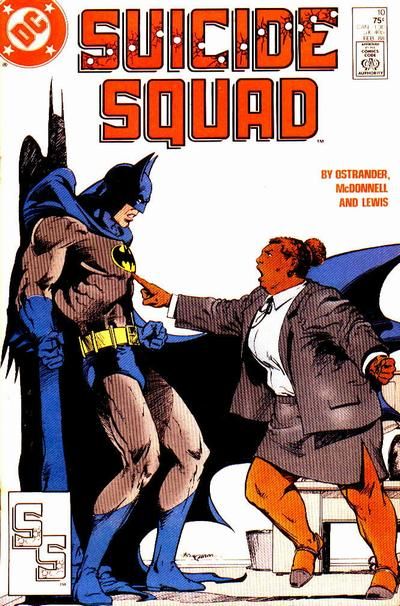
Acho que essa lista não tinha como terminar sem colocar em primeiro lugar a mulher mais badass das Hqs. Amanda Waller não é a típica personagem gostosoa das Hqs, não tem poderes, mas sempre colocou medo (e instilou muito ódio) em diversos superseres, muitos deles supervilões, por conta de sua personalidade forte e sua forma de lidar com as coisas. Muito antes de Jack Bauer, Amanda Waller era quem fazia o que tinha que ser feito, independente das consequências. E ela também peitava o Batman, porra! não é para qualquer um.

Momento Marcante: Liga da Justiça 40 (no original, Suicide Squad 39)
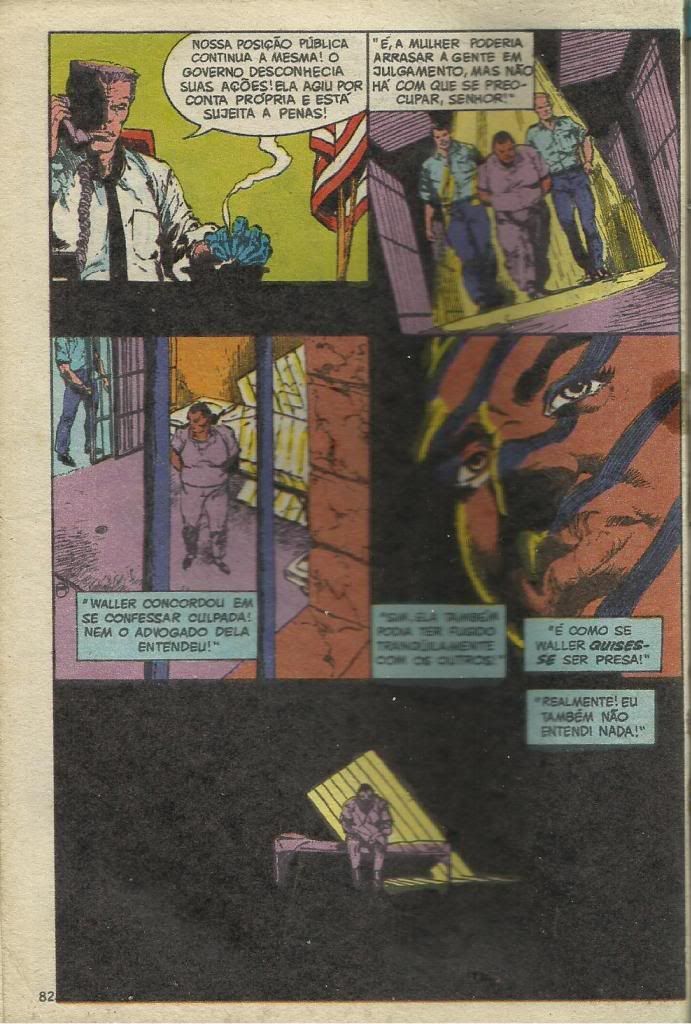
Bem, qualquer período da fase do John Ostrander à frente do Esquadrão Suicida poderia figurar aqui como momento marcante, mas escolhi esta história em específico por que ela resume bem a Amanda Waller. Depois que o Esquadrão Suicida (que era uma equipe secreta do governo formada por supervilões) é exposto ao público, Waller ignora ordens superiores, pega um pequeno grupo de vilões e sai à caça de uma gangue que traficava uma droga que tinha em sua mistura coisas vodus que tornava as pessoas zumbis. Após isso, ela se entrega para a polícia e vai presa, por livre e espontânea vontade, para a surpresa dos seus superiores, que não conseguem entender o por que dessa atitude. O motivo é muito claro: o governo precisa dela, e não demora para ela provar que está certa, quando seus ex-superiores e obrigam a tirá-la da cadeia e a reativar o esquadrão Suicida.

Por que é marcante:
Simplesmente por que a manobra da Waller é digna de um Jack Bauer, só que muito melhor. Waller sabe como o sistema funciona, sabe os motivos pelos quais o Esquadrão foi criado, e por que ele foi necessário. No fim das contas, ela sempre teve todo mundo na mão, praticamente um Lex luthor versão feminina (mas que, pelo menos, estava do lado dos mocinhos).


Bom, eu poderia citar outras, mas aí teria que fazer um top 40,5 o que acho que não é o caso. Fico meio triste de não incluir aqui, por exemplo, outras das várias personagens vistas no Esquadrão Suicida do John Ostrander (como Vixen, Magia, Sombra da Noite, etc), mas só essa equipe daria uma post inteiro de mulheres marcantes nos quadrinhos. Enfim, aproveitem para fazer suas pequenas listas nos comentários se quiserem.

Ah, e parabéns às mulheres pelo seu dia!