Shared posts
Posts from HLF
Here are the blog posts I’ve written so far for the Heidelberg Laureate Form blog:
Mathematics and art restoration
Studying algorithms to study problems
Cheap transistors, expensive wires
Two thirds of a million dollar prize?
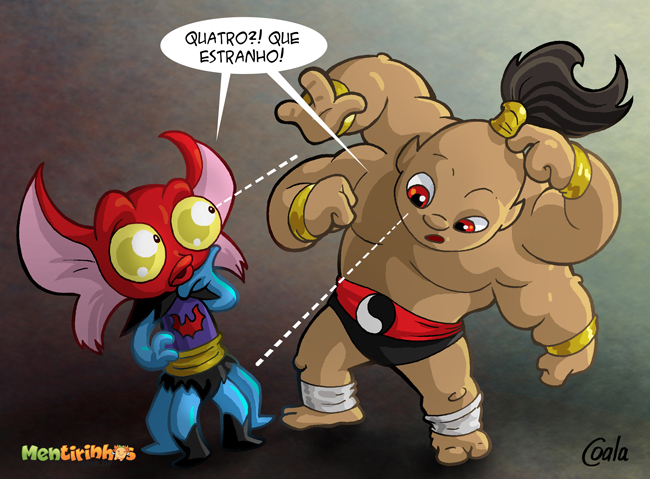
Muitirinhas #149
Tem sempre alguém mais estranho que você. Bom final de semana!
Acompanhe o Mentirinhas no TWITTER e no FACEBOOK
Animação – Space cat Hob
Reviews – lançamentos e afins no mundo dos quadrinhos
O post Muitirinhas #149 apareceu primeiro em Mentirinhas.
Property Mogul Recalls Apple Store Fifth Avenue Planning, Says Steve Jobs Wanted 40-Foot Cube [Mac Blog]
Ideas for a store on Fifth Avenue originally began in November 2003 when former Apple CEO Steve Jobs met with property mogul Harry Macklowe after being connected through Apple's former Vice President of Real Estate George Blankenship. Jobs initially wanted a store that "would be open 24/7", and worked with architects from architectural firm Bohlin Cywinski Jackson who designed Apple's store in SoHo, Manhattan.
It was at that point where Jobs, Macklowe, and the designers thought of placing a square glass cube in an unused basement within the GM Building's Plaza:
What happened next has long been the subject of speculation and some dispute: Who came up the idea of placing a 30‐foot square glass cube — the world’s “smallest skyscraper” — in the middle of the GM Building plaza? In that lightbulb moment, an unused basement that had caused headaches for its owners for more than 40 years morphed into what is arguably the most famous retail space in the world.Jobs initially wanted a 40-foot cube, leading the designers to set up a scaffolding mockup of the building. However, once Jobs and other Apple executives went to go see the mockup, all agreed that it was too big and obscured the vision for the store. However, Macklowe also showed off a 30-foot cube built secretly underneath, which caused Jobs and the Apple executives to agree to the size.
Said Macklowe: “[Jobs] presented to me and I presented to him. He had this cube, which was quite different from what you see there today, and I had a cube that was quite different from what we see today as well. It took us half an hour to make a deal.”
From there, Macklowe convinced retailers and a CBS studio residing in the area to move, as construction began while Jobs waited. The store eventually opened on May 19, 2006 to much public attention, and went on to become one of Apple's busiest and most iconic stores.
Macklowe's real estate attorney also later regretted not negotiating a higher "percentage rent" with Apple, which saw his client receiving a portion of the store's profits. Macklowe called the negotiations "horrendously low," and claims that Apple had no idea just how well the store was going to do in business per year.
Teach me how to find that person MASTER! #9gag

Teach me how to find that person MASTER! #9gag
Anthropomorphic Neuroscience Driven by Researchers with Large TPJs
For immediate release — SEPTEMBER 26, 2014
Research from the UCL lab of Professor Geraint Rees has proven that the recent craze for suggesting that rats have “regrets” or show “disappointment” is solely due to the size of the left temporal-parietal junction (TPJ) in the human authors of those papers (Cullen et al., 2014). This startling breakthrough was part of a larger effort to associate every known personality trait, political attitude, and individual difference with the size of a unique brain structure.
Cullen and colleagues recruited 83 healthy behavioral neuroscientists and acquired structural brain images using a 1.5-T Siemens Sonata MRI scanner. The participants completed the Individual Differences in Anthropomorphism Questionnaire (IDAQ), along with 698 other self-report measures. Factor analysis of the IDAQ yielded a two factor solution: anthropomorphism of 1) non-human animals, and 2) non-animals (technology and nature).
Voxel-based morphometry (VBM) was used to quantify gray matter volume from the structural MRIs. To do this, the authors constructed a “mentalizing mask” to divine which regions of interest (ROIs) would yield the best results.
Based on the intuitions of Psychic Love Doctor Anabella (and results from previous studies on theory of mind and social cognition), six 12 mm spheres were drawn in the left and right medial prefrontal cortices (x y z MNI coordinates = ±10, 51, 34), the temporal poles (±43, 8, −34), and the posterior superior temporal sulcus/TPJ (±52, −56, 23).
Separate analyses were done using another “mentalizing mask” with different coordinates as well as an anatomically-based mask. But the authors went with the Psychic Love Doctor mask after all. They also did a whole brain analysis, by the way.
“You’ll Never Believe What Happened Next.”
A tiny little cluster of 24 voxels in the left TPJ correlated with scores on the animal IDAQ scale. This means that the neuroscientists responsible for studies on regret (Steiner & Redish, 2014) and disappointment (Shabel et al., 2014) in rats had the largest L TPJs, by far. Besides publishing in Nature Neuroscience and Science, respectively, these participants were most inclined to attribute human mental states to non-human animals.
Fig. 1 (Cullen et al., 2014). The region where grey matter volume showed a correlation with anthropomorphism of non-human animals is shown overlaid on a T1-weighted MRI anatomical image. The cross hair identifies the cluster at the left temporoparietal junction (−45,−54, 27) showing a statistically significant (P < 0.05 FWE-corrected for volume examined) positive correlation with anthropomorphism of non-human animals as measured by the animal IDAQ.
However, readers of io9 and theNewerYork will be sorely disappointed that no areas of the brain were correlated with anthropomorphization of robots.
What does this mean for the future of neuroscience research? Given the prestigious outlets that publish papers in the hot new field of Anthropomorphic Neuroscience, here's what I envision: transcranial direct current stimulation (tDCS) labs will be overrun with modest scientists who study spatial memory, hoping a stimulating, L TPJ-induced portrayal of rats as taxi drivers will land them in the pages of Nature.
-----
Disclaimer: Although this post is based on a real study, some of the details are fictionalized. I leave it to the discerning reader to separate fact from fiction. My sincerest apologies to all the authors.
Further Reading
Of Mice and Women: Animal Models of Desire, Dread, and Despair – are they really adequate stand-ins for the human condition?
Post-modern Anthropomorphism – rat “regret” author A. David Redish, Ph.D. on the use of human cognitive terms for non-human animal behavior.
Rats Regret Making the Wrong Decision – accessible summary.
Scientists Discover “Dimmer Switch” For Mood Disorders – strains credulity to go from rat “disappointment” to a depression dimmer switch in humans.
Not tonight dear, I had zymosan A injected into my hind paw – Hypoactive Sexual Desire Disorder, in rats. You decide.
Liberals Are Conflicted and Conservatives Are Afraid – discusses the Colin Firth study on political orientation and brain structure (Kanai, Feilden, Firth & Rees, 2011).
References
Cullen, H., Kanai, R., Bahrami, B., & Rees, G. (2014). Individual differences in anthropomorphic attributions and human brain structure Social Cognitive and Affective Neuroscience, 9 (9), 1276-1280 DOI: 10.1093/scan/nst109
Shabel, S., Proulx, C., Piriz, J., & Malinow, R. (2014). GABA/glutamate co-release controls habenula output and is modified by antidepressant treatment Science, 345 (6203), 1494-1498 DOI: 10.1126/science.1250469
Steiner, A., & Redish, A. (2014). Behavioral and neurophysiological correlates of regret in rat decision-making on a neuroeconomic task Nature Neuroscience, 17 (7), 995-1002 DOI: 10.1038/nn.3740
Hammers

Dedicated to long-time reader John G. – happy birthday to you! Hope you have a hammer-free day!
Here’s more PROD3000.
From our, "You can't make this spy stuff up" file. - Spy Dolphins Defect
- The Ukraine Army has been using dolphins and seals since the 70s
- After the fall of the USSR, the 'dolphin spies' remained in the Ukraine
- The dolphins have been trained to hunt for mines and plant bombs
- They can also attack divers with knives or pistols attached to their heads
- Now, military dolphins in Crimea will be transferred to the Russian Navy
Last year three of five spy dolphins went absent without leave in the Black Sea - apparently in search of love, but returned to their duties shortly afterwards.
Yury Plyachenko, a former Soviet naval anti-sabotage officer, explained that this was something that had to be taken into account in working with the 007 mammals.
‘If a male dolphin saw a female dolphin during the mating season, then he would immediately set off after her. But they come back in a week or so.’ (more)
Weird Things Couples Do On Movie Night
Let’s stay in tonight… and argue over what to watch.
BuzzFeedYellow / Via youtube.com
On-line classes really do work, at least sometimes
There is a new report of interest, admittedly MIT physics-specific only:
…for the first time, researchers have carried out a detailed study that shows that these classes really can teach at least as effectively as traditional classroom courses—and they found that this is true regardless of how much preparation and knowledge students start out with.
The findings have just been published in the International Review of Research in Open and Distance Learning, in a paper by David Pritchard, MIT’s Cecil and Ida Green Professor of Physics, along with three other researchers at MIT and one each from Harvard University and China’s Tsinghua University.
“It’s an issue that has been very controversial,” Pritchard says. “A number of well-known educators have said there isn’t going to be much learning in MOOCs, or if there is, it will be for people who are already well-educated.”
But after thorough before-and-after testing of students taking the MITx physics class 8.MReVx (Mechanics Review) online, and similar testing of those taking the same class in its traditional form, Pritchard and his team found quite the contrary: The study showed that in the MITx course, “the amount learned is somewhat greater than in the traditional lecture-based course,” Pritchard says.
A second, more surprising finding, he says, is that those who were least prepared, as shown by their scores on pretests, “learn as well as everybody else.” That is, the amount of improvement seen “is no different for skillful people in the class”—including experienced physics teachers—”or students who were badly prepared. They all showed the same level of increase,” the study found.
For the pointer I thank Samir Varma
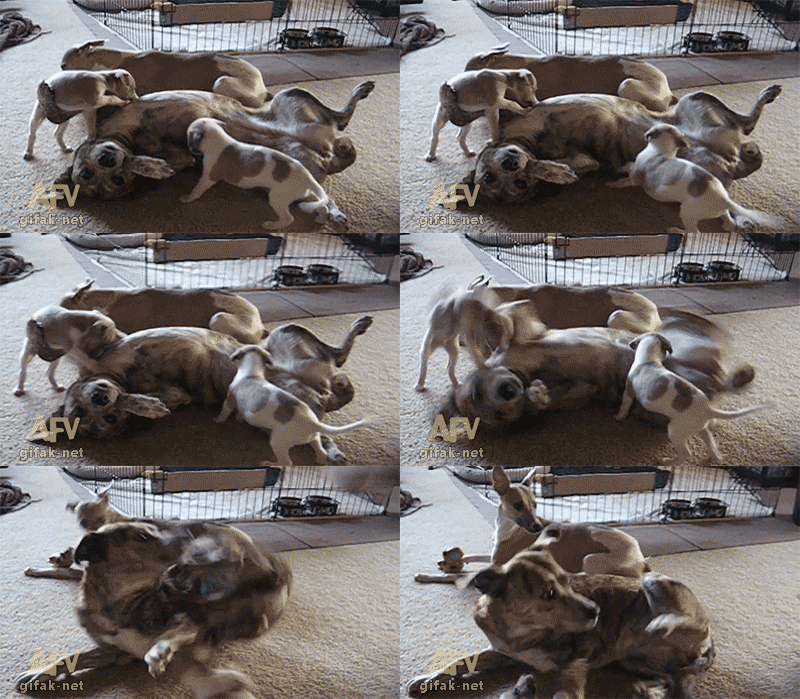
wtfisthinprivilege: flyingcuttlefish: carnivaldog: gifak-net: ...

PUPPY NO
LAUNCH
The more I watch this, the funnier it gets. Look at the worried dog behind them. Ahahaha “son!”
Another Fantastic Athlete Loses Their Ability to Procreate
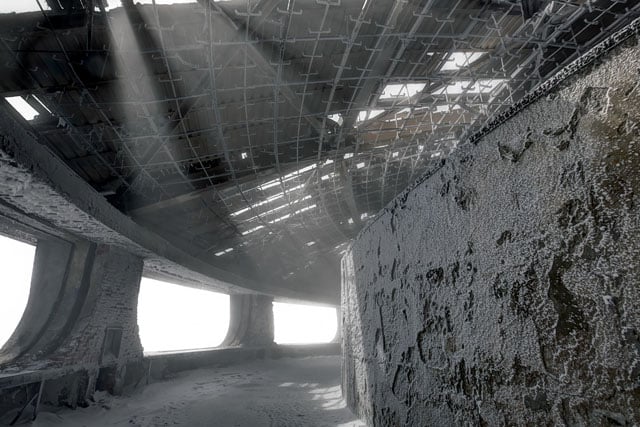
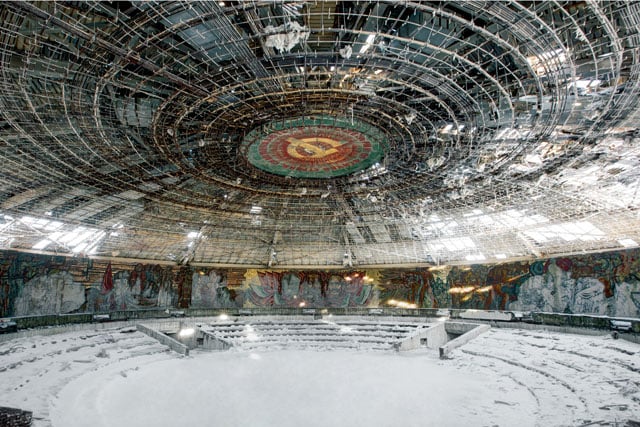
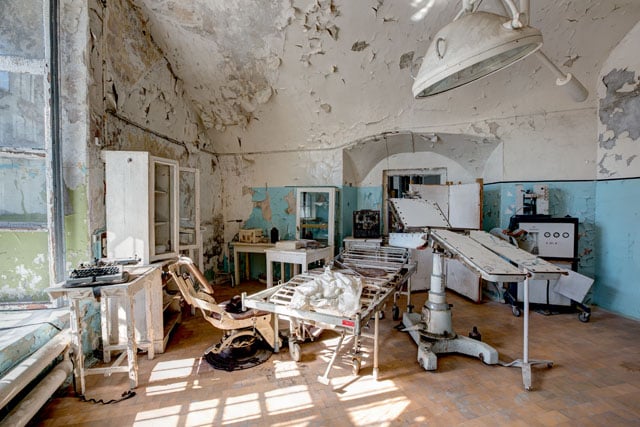
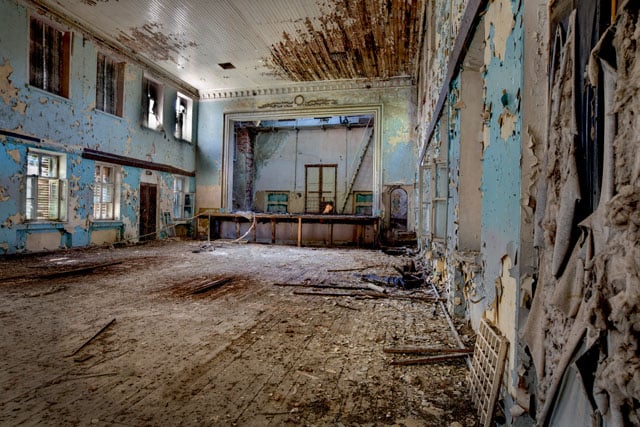
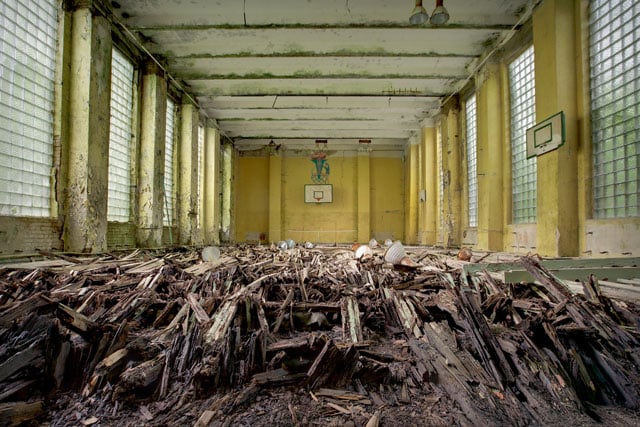
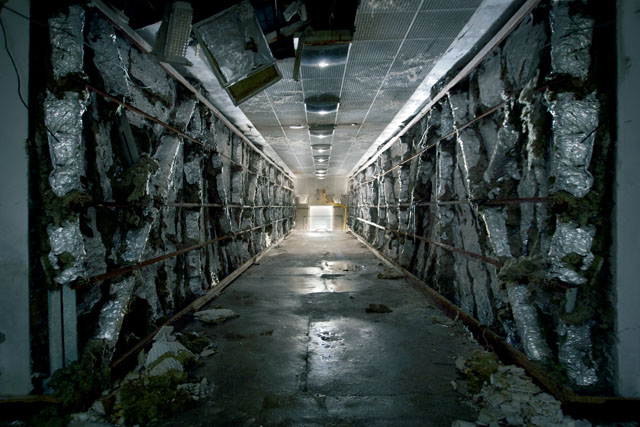
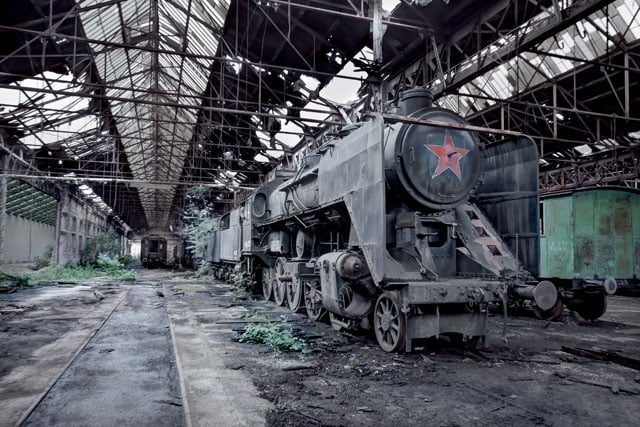
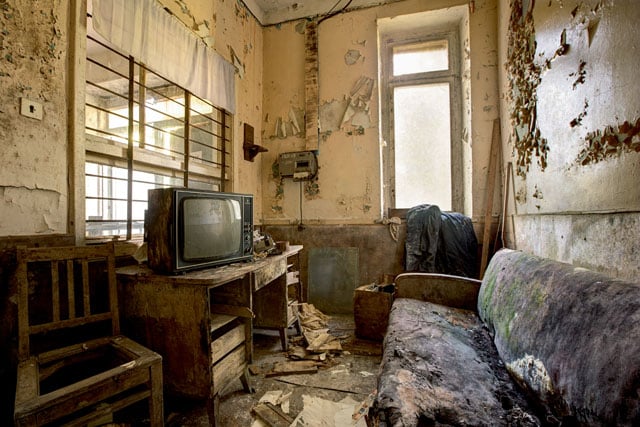
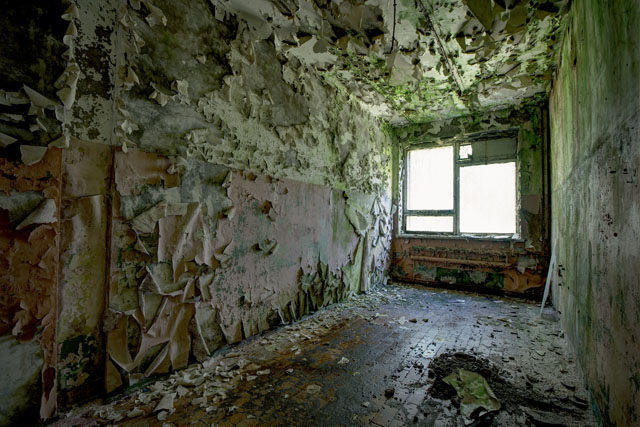
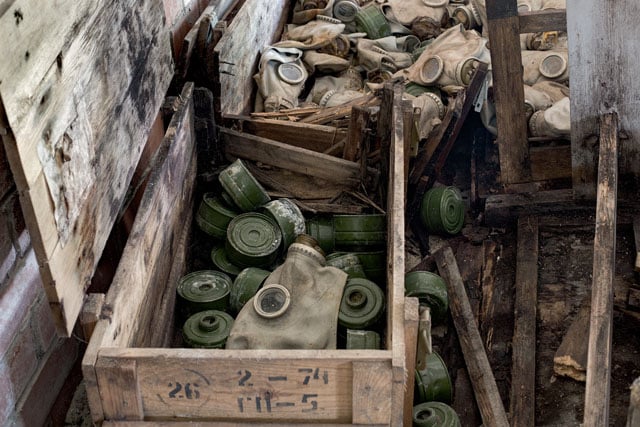
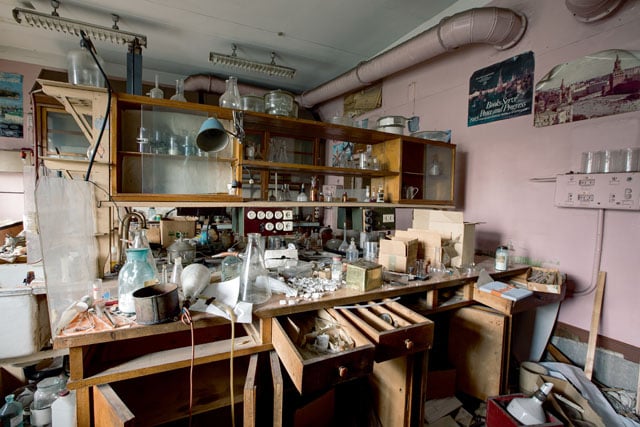
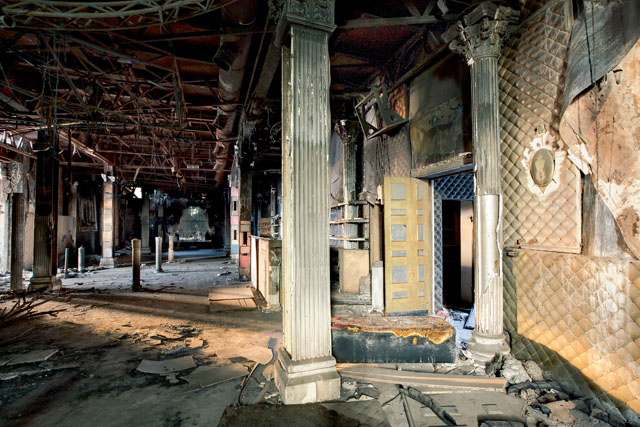
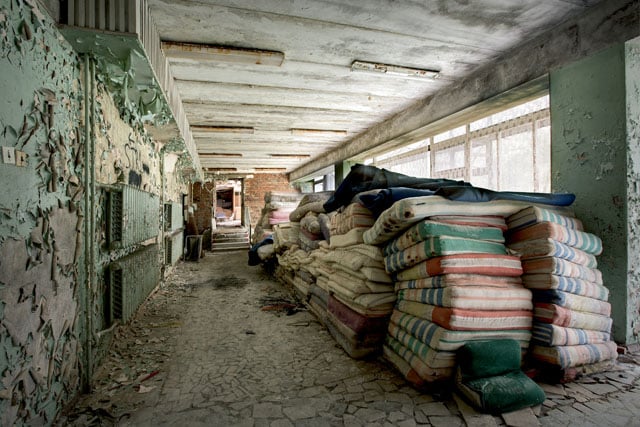
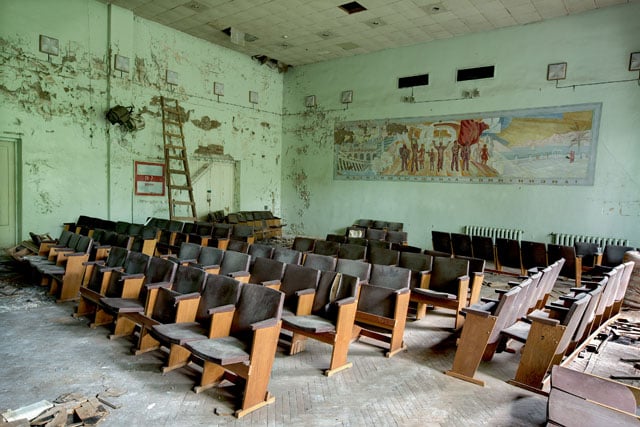
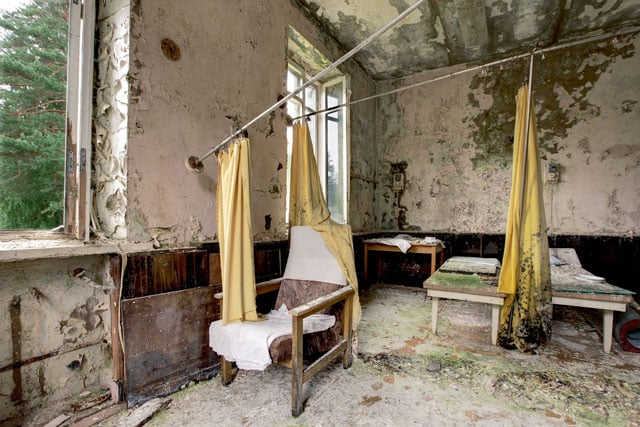
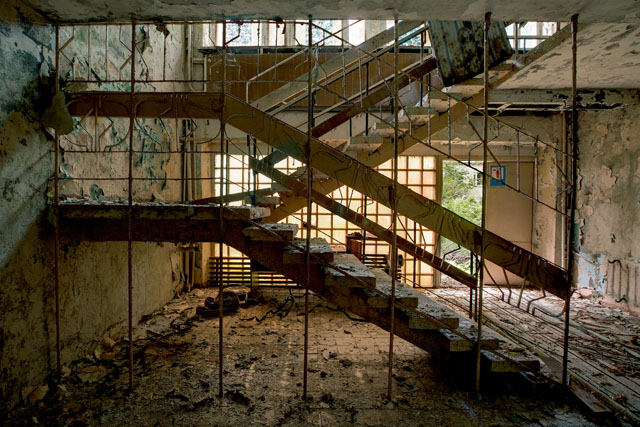
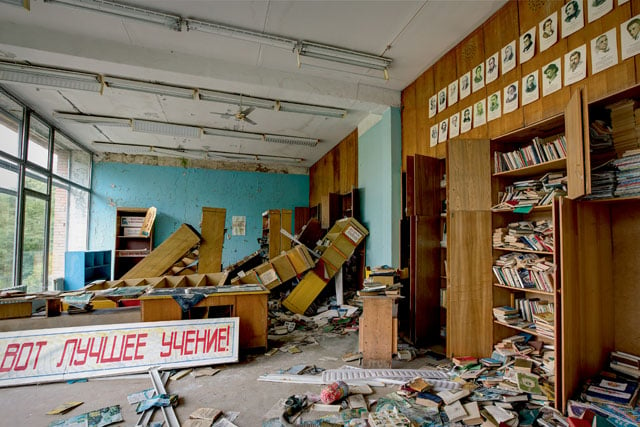
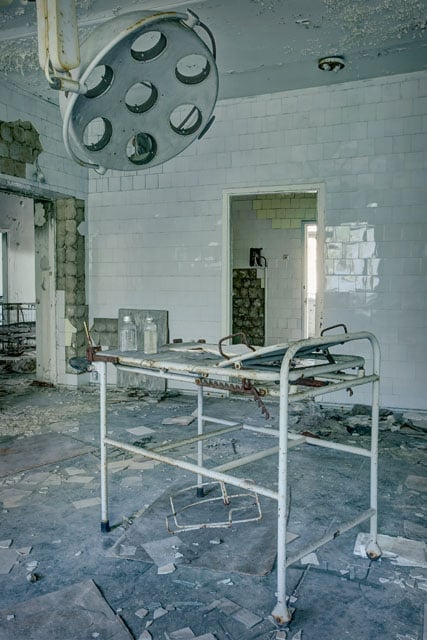
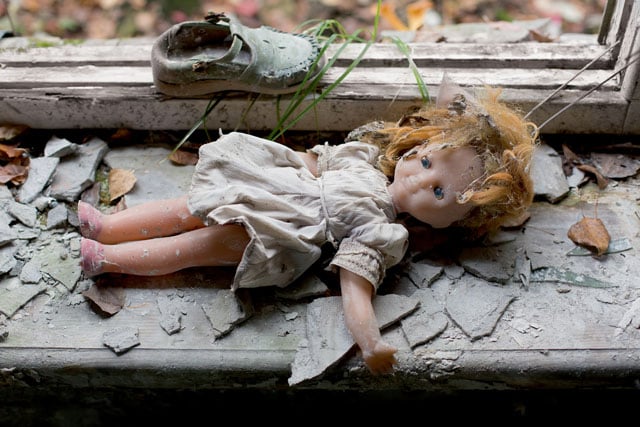
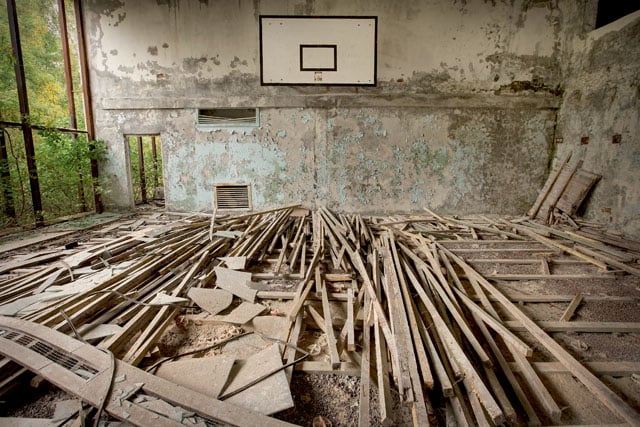
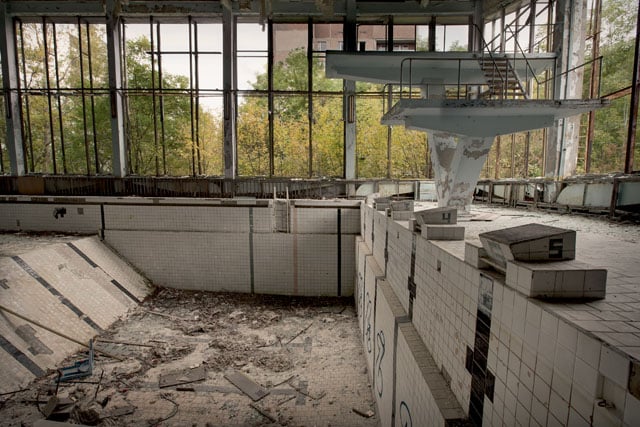
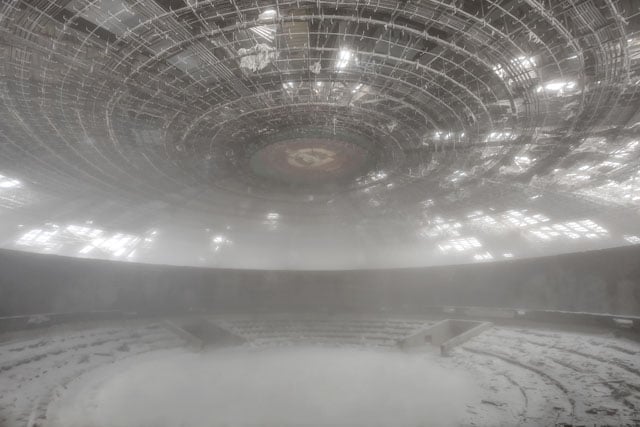
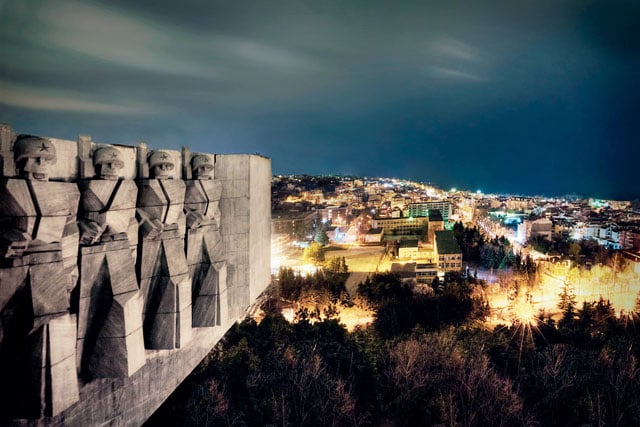
‘Soviet Ghosts’ Captures Post-Apocalyptic Scenes Left Behind by the Fall of the USSR
![]()
Rebecca Litchfield is a photographer who has faced radiation exposure risks, arrest and interrogations, and even accusations of espionage… all for the sake of her project “Soviet Ghosts.”
You see, Litchfield is an avid urban explorer who has been fascinated by scenes of decay found in countries that were formerly part of the USSR and the Eastern Bloc.
Photographing and exploring the old Iron Curtain isn’t the easiest thing to turn into a project, she says:
Not many explorers travel to Russia, where the rules are very different, locations are heavily guarded and a strong military presence exists everywhere. There are serious consequences for getting caught. We managed to stay hidden for all of the trip, we maximised our stealthiness, ducking and diving into bushes and sneaking past sleeping security. But on day three our good fortune ran out as we visited a top secret radar installation. After walking through the forest, mosquitos attacking us from all directions, we saw the radar and made our way towards it, but just metres away suddenly we were joined by military and they weren’t happy…
Fortunately for Litchfield, she was able to wiggle out of that tricky situation and continue her adventure through more than 10 different countries.
She says that her goal is to capture the scenes as they are, highlighting their beauty in decay, “like a memory hanging on that will soon be lost in a breeze, a museum that no one gets to see.”
Here are some of the haunting photographs in the project:
![]()
![]()
![]()
![]()
![]()
![]()
![]()
![]()
![]()
![]()
![]()
![]()
![]()
![]()
![]()
![]()
![]()
![]()
![]()
![]()
![]()
![]()
The photos in the project have also been published in a book that’s available from $28 over on Amazon. You can also find more of Litchfield’s work over on her website.
Image credits: Photographs by Rebecca Litchfield and used with permission