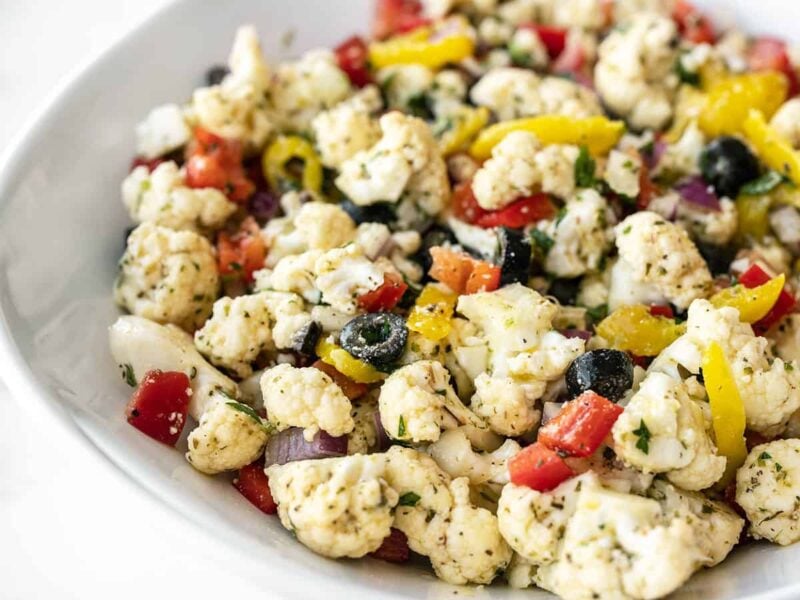
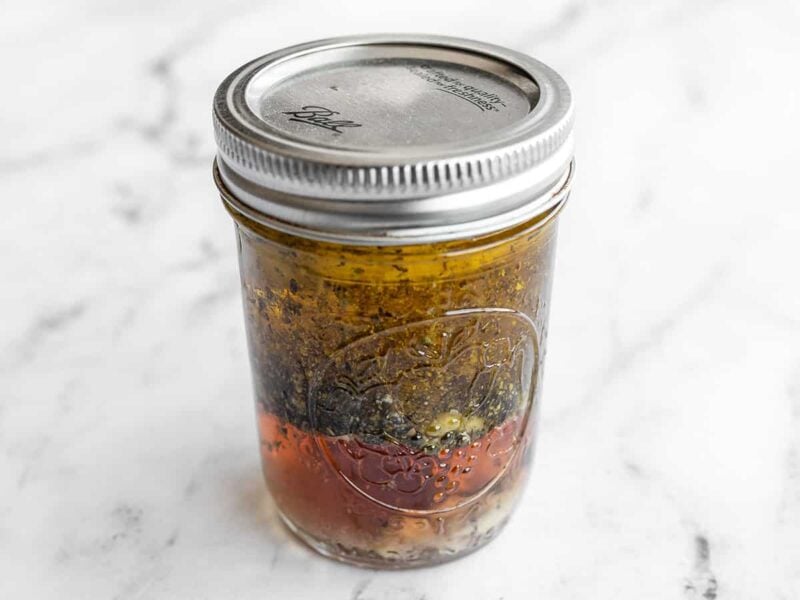
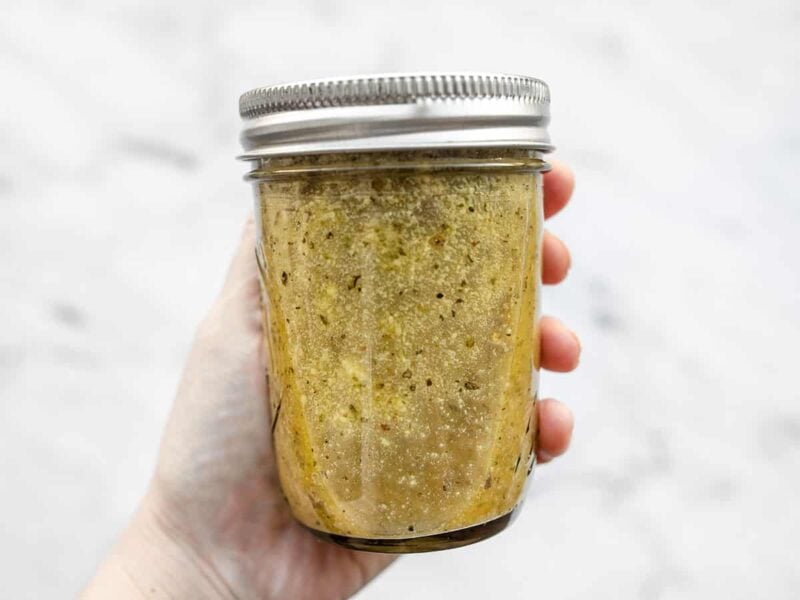
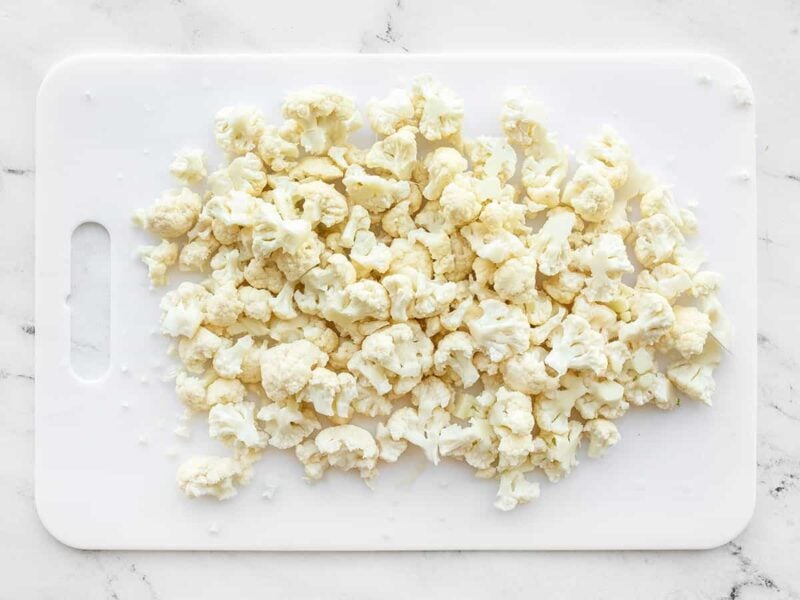
Shared posts

02 Apr 15:20

The Books Briefing: Beverly Cleary Saw Kids as They Are

by Kate Cray

In a 2011 Atlantic interview, Beverly Cleary shared what she believed to be the reason for her popularity: “I have stayed true to my own memories of childhood, which are not different in many ways from those of children today,” she said. “I don’t think children’s inner feelings have changed.” Cleary seems to have been right about that. The author, who died last week, drew from intense memories of her own early life to write about kids with rare understanding and care. She understood—and respected—children’s inner feelings. Many saw their own awkward experiences reflected in those of Cleary’s characters; they felt heard by her words. For my colleague Sophie Gilbert, the author’s depiction of mortification stood out the most. Learning that she was not alone in even her most humiliating moments, Gilbert writes, was one of the most potent lessons of Cleary’s work.

Many of the best children’s books work like this—by helping kids identify difficult emotions and then work through them. This week, I asked several of my colleagues to share the books that helped them through challenging moments early in life. Some wrote about small experiences that feel big, such as competing with siblings for attention and grappling with the constant discomfort that is puberty. Others wrote about more staggering tragedies, such as losing a friend. As I read these selections, and as I revisited my own favorite children’s books, I was struck by how powerful the experience of seeing one’s own emotion reflected on the page can be—especially for the first time. There’s a reason these stories still resonate even decades after we first read them.

Every Friday in the Books Briefing, we thread together Atlantic stories on books that share similar ideas.

Know other book lovers who might like this guide? Forward them this email.


What We’re Reading

illustration

ALAN TIEGREEN / RAMONA THE BRAVE

The Henry Huggins series, the Ramona series, and more, by Beverly Cleary

Beverly Cleary, who died last week at the splendid age of 104, has been heralded for the way she captured—sweetly, and with humor—all the ordinary ups and downs of childhood: sibling rivalry, misunderstandings, having a teacher who you can sense doesn’t like you. But for me, and I’d posit for millions of other kids who messed up everything all the time, the awkwardness of Cleary’s characters was everything. My memories of them are defined by their humiliations.

— Sophie Gilbert, staff writer. Read Sophie’s full review here.


Anastasia Krupnik, by Lois Lowry

I was nearly 5 when my brother was born, and when we were kids, that age gap sometimes felt enormous, as though we were different species. In our competition over a limited resource within our shared habitat—parental attention—he frequently came out on top. So when a babysitter gave me a copy of Lois Lowry’s Anastasia Krupnik, I was quickly taken by the protagonist’s dry humor and incorrigible moodiness, and I very much related to her irritation at her parents’ focus on her much-younger brother, Sam. Anastasia showed me that girls like us had to look out for ourselves, and maybe that wasn’t such a bad thing; even surrounded by familial frustration, one’s inner life was one’s own, after all, and worth tending.

— Amy Weiss-Meyer, deputy managing editor


Mona in the Promised Land, by Gish Jen

I first experienced kinship with a fictional character while reading Gish Jen’s Mona in the Promised Land. In it, Mona Chang (16, quiet, funny, boy-crazy, struggling with her parents’ vision of assimilation and her own) enthusiastically converts to Judaism, and dates a sort-of-Jewish hippie boy who wears a dashiki and enjoys the free life in a tepee in his rich parents’ backyard. I (13, quiet, desperately curious about dating anyone at all, struggling with my parents’ vision of assimilation and my own in an all-white rural town) saw people I knew in those characters. The 1997 book captured the awkward indignities of being a second-generation Chinese American teenager, and stirred in me an awareness of the complex dynamics of cultural appropriation, at a time when those words weren’t so readily discussed.

— Shan Wang, senior editor


The Care and Keeping of You, by Valorie Schaefer

For me, the most uncomfortable part of childhood was leaving it. American Girl’s “Body Book,” The Care and Keeping of You, made that transition less alien. Even after I’d committed most of it to memory, rereading the familiar passages soothed me with the proof of puberty’s scientific universality that even my mother’s best advice lacked. (Books can’t lie to make you feel better.) No matter how singular I felt staring into the bathroom mirror, with the page depicting different stages of breast development folded open on the sink, the book reminded me that growing up would never be as devastatingly unique to me as it seemed.

— Haley Weiss, assistant editor


Roxaboxen, by Alice McLerran

As a kid, I was terrified of growing up. I cried on my fifth birthday when my mom asked me to share my favorite memories from the year. I feared what I might lose as time passed and who I might become. Roxaboxen first drew me in with a group of characters who, unlike me, were delightfully occupied by the present; they created a town out of boxes, pottery scraps, and glass in shades of amethyst, amber, and sea-green. But in the novel’s final pages, those characters grew up and left their make-believe town behind. As I confronted my anxiety about loss, the book offered a soothing reminder of all that we have the capacity to hold on to, if we wish: “Roxaboxen was always waiting. Roxaboxen was always there.”

— Kate Cray, assistant editor


Jacob Have I Loved, by Katherine Paterson

Like the narrator of Jacob Have I Loved, one of Katherine Paterson’s two Newbery Medal–winning novels, I have a sibling who always seemed to be in the spotlight. Also like Louise, growing up I both begrudged and accepted my identity as the overshadowed sister; when you don’t yet know who you are, being adjacent to someone smart and talented and outwardly confident can feel like a decent place to settle. But when that identity felt too confining, I read, and reread, the book, taking comfort in the ending, which promises—truthfully, in my experience—that the world has a place for everyone, even if you don’t find yours right away.

— Karen Ostergren, deputy copy chief


The Little Prince, by Antoine de Saint-Exupéry

Growing up, I owned three copies of The Little Prince: one in French, passed down from my brother; one in English, purchased by my mother; and one in Spanish, gifted by an aunt in Mexico. It’s taught me so much each time I’ve read it, but the first and most formative lesson came when I was being bullied in elementary school; reflecting on that time, I had inklings that I was different from my classmates, but I didn’t have the vocabulary to describe my sexuality. All I knew was that I was lonely, in the “secret place, the land of tears,” which the narrator ponders while the prince cries in his arms and describes the pain of being consumed by worry for the object of his affection: a rose. The story of this prince and this rose that became his whole world taught me about self-love and perseverance, wisdom I have carried with me into the adult world.

— Christian Paz, assistant editor


Kira-Kira, by Cynthia Kadohata

In Japanese, kira-kira means “glittering” or “shining,” and this word describes the lens through which Cynthia Kadohata’s narrator, Katie, views the world, even as she grapples with her sister’s terminal illness and encounters racism in 1950s Georgia. I read Kira-Kira when I was in fourth grade, after a friend my age died in a car crash. The book’s exploration of death through a child’s eyes gave me the space I needed to grieve, while gently pointing me toward the path of healing.

— Morgan Ome, assistant editor


About us: This week’s newsletter is written by Kate Cray. She can’t wait to start First Person Singular, by Haruki Murakami.

Comments, questions, typos? Reply to this email to reach the Books Briefing team.

Did you get this newsletter from a friend? Sign yourself up.

31 Mar 14:08

The Fourth Surge Is Upon Us. This Time, It’s Different.

by Zeynep Tufekci

Across the United States, cases have started rising again. In a few cities, even hospitalizations are ticking up. The twists and turns of a pandemic can be hard to predict, but this most recent increase was almost inevitable: A more transmissible and more deadly variant called B.1.1.7 has established itself at the precise moment when many regions are opening up rapidly by lifting mask mandates, indoor-gathering restrictions, and occupancy limits on gyms and restaurants.

We appear to be entering our fourth surge.

The good news is that this one is different. We now have an unparalleled supply of astonishingly efficacious vaccines being administered at an incredible clip. If we act quickly, this surge could be merely a blip for the United States. But if we move too slowly, more people will become infected by this terrible new variant, which is acutely dangerous to those who are not yet vaccinated.

The United States has an advantage that countries such as Canada, France, Germany, and Italy, who are also experiencing surges from this variant, don’t. The Moderna, Pfizer, and Johnson & Johnson vaccines work very well against this variant, and the U.S. has been using them to vaccinate more than 3 million people a day. That’s more than 4 percent of our vaccine-eligible population every three days. An astonishing 73 percent of people over 65, and 36 percent of all eligible adults in the country, have already received at least one dose. More than 50 million people are now considered fully vaccinated, having received either their booster dose or the “one and done” Johnson & Johnson shot. Many states have already opened up vaccination to anyone over 16, and everyone eligible is expected to have a chance to get at least a first dose no later than May.

In addition, the United States has had one of the largest outbreaks in the world. This has caused us immense suffering and loss, but it also means that we are now less vulnerable to future waves. So far, 30 million people in the United States have had a confirmed SARS-CoV-2 infection, although the real (unmeasured) number is perhaps as high as 100 million. As expected, those people retain some level of immunity for a substantial amount of time. It’s hard to know exactly how long, because the virus is so new, but for SARS (the related coronavirus that almost sparked a pandemic in 2003), people who were infected retained an antibody response, and thus protection, for an average of two years. Though amazingly, the vaccines appear to provide better immunity than natural infection, those previously infected also gain defenses. Carefully done studies on large populations show a very low rate of reinfection for this coronavirus: less than 1 percent. Plus, many documented reinfections tend to be mild or asymptomatic, an unsurprising outcome given that in these cases the virus is no longer totally novel for the immune system, and thus not as catastrophic in its consequences.

[Read: We can now see a virus mutate like never before]

It’s pretty clear that large numbers of people in the U.S. already are, or will soon be, protected from COVID-19’s more severe outcomes, such as death and hospitalization, which the vaccines reduce so close to zero that clinical trials have reported hardly any such cases. And it gets better: Yesterday, the CDC released real-life data showing that, just two weeks after even a single dose, the two mRNA vaccines were 80 percent effective in preventing infection. The effectiveness rose to 90 percent after the second, booster dose. People in the study were routinely tested regardless of whether they had symptoms, so we know that vaccines prevented not just symptomatic illness—the vaccine-efficacy rate reported in the trials—but any infection. People who are not infected by a virus cannot transmit it at all, and even people who have a breakthrough case despite vaccination have been shown to have lower viral loads compared with unvaccinated people, and so are likely much less contagious.

All of this doesn’t mean that there will be zero deaths or illnesses among the vaccinated. The elderly, who tend to have weaker immune systems, are especially prone to having vaccines fail. In nursing homes, even the common cold can cause deadly outbreaks. But for the vaccinated, the risk from COVID-19 clearly has become comparable to “baseline risk”—it’s not zero, but just like the risks presented by the flu and other viruses, it’s not something for which most of us would put our lives on hold.

How do we square all this good news with what happened during a White House briefing yesterday, when CDC Director Rochelle Walensky interrupted the flow, saying, “I’m going to lose the script,” and talked of “the recurring feeling I have of impending doom.” She was visibly emotional and her voice cracked as she said was “scared,” and pleaded with Americans to “hold on a little longer.”

I can’t read her mind, but if I were Walensky, I’d be scared because those who are not protected through vaccination or past infection are still at grave risk, a fact that may be overshadowed by all the good news. Even as our vaccines continue to work very well against it, the particular variant we’re facing in this surge is both more transmissible and more deadly for the unvaccinated.

Throughout this pandemic, Americans have become used to asking one another to pull together and enact mitigations for everyone’s benefit. One of the slogans for mask wearing was “My mask protects you, and your mask protects me.” Although we were always polarized, and the effects were always unequal—our mitigations helped those who could work from home more than the essential workers who made that possible—at least theoretically, we were all in it together, even if some of us did not act like it.

[Read: America is now in the hands of the vaccine-hesitant]

You see this appeal to the collective good in the many discussions around achieving herd immunity, too: a goal that will protect us all. That’s still true to some degree, for the future, but it was always an oversimplification. Now, with uneven but increasing rates of vaccination, understanding how those divisions work is even more important, starting with herd immunity.

Herd immunity is sometimes treated as a binary threshold: We’re all safe once we cross it, and all unsafe before that. In reality, herd immunity isn’t a switch that provides individual protection, just a dynamic that makes it hard for epidemics to sustain themselves in a population over the long term. Even if 75 percent of the country has some level of immunity because of vaccination or past infection, the remaining 25 percent remains just as susceptible, individually, to getting infected. And while herd levels of immunity will eventually significantly drive down the number of infections, this may not happen without the epidemic greatly “overshooting”—infecting people beyond the levels required for achieving herd immunity, somewhat like a fire burning at full force even though it is just about to run out of fuel.

Worse, people’s infection risks are not distributed evenly: Some people have lots of contacts, while others have a few. People are also embedded in different social networks: Some may have a lot of friends and family members who are immune, others not so much. Some work in jobs that increase their risk, others not so much. So it’s perfectly possible for a country as a whole to have herd immunity against a pathogen, but for outbreaks to happen among communities that have a lot of unvaccinated people among them. That’s happened in California, Michigan, and New York for measles among vaccine-resistant communities. In addition, this coronavirus is highly overdispersed. Infections occur in clumps. A single event can result in dozens or even hundreds of people being infected all at once in a super-spreader event.

[Read: What if we never reach herd immunity?]

Compared with previous surges, case-for-unvaccinated-case, this surge has the potential to cause more illness and more deaths, infecting fewer but doing more damage among them. We can also expect to see more younger, unvaccinated people falling sick and dying. We’ve observed this in other places, including the U.K. and Israel, which started vaccinating the elderly after B.1.1.7 had already taken hold and then had many younger victims. This variant is also very hard to dislodge; the U.K., for example, was able to avoid more catastrophic outcomes by delaying booster doses to cover more people initially, but still battled lengthy surges, as did Israel. Even with the U.K.’s ongoing vaccination campaign, which started in early December, almost 50,000 people in the country died from COVID-19 in just January and February this year, equal to nearly two-thirds of the total for all of 2020.

Other complications have arisen, too. In some places, we could be seeing what pandemic denialists have been calling “casedemics”—a term that (falsely) implies that the large number of cases amounted to no big deal. In the past, those deniers were wrong because case numbers and infection rates were leading indicators of later hospitalization and death rates. This time, in many places, case upticks may not result in measurable hospital outcomes, because so many elderly people are vaccinated. However, this surge can’t be dismissed as a “casedemic” either, because this virus causes lingering long-term effects—known as “long COVID”—for some portion of the younger population, too. This effect has been observed for other viral diseases, such as influenza and nonbacterial pneumonia, and is clearly an important consideration, especially when so many people are encountering a novel virus for the first time as adults.

While we don’t have extensive genomic surveillance, we do have some, and every indication is that the upticks in cases are happening in places with a high percentage of B.1.1.7 variant among reported coronavirus infections: Michigan, New Jersey, Philadelphia, Florida, Southern California, and few others. Tragically, some of those places also have great vaccine inequities. In Michigan, for example, as of mid-March, a mere 28 percent of Black people over 65 had received one dose of vaccine—a number as low as 15 percent in Detroit—even though more than 60 percent of all senior citizens in the state have been at least partially vaccinated. Similar inequities have been reported all over the country, with great disparities in vaccination rates especially among the elderly, who are more vulnerable to severe disease. Frontline and essential workers, who tend to be poorer and are more likely to be Hispanic or Black than the average American worker, also have varying levels of vaccine coverage from state to state.

The solution is obvious and doable: We should immediately match variant surges with vaccination surges that target the most vulnerable by going where they are, in the cities and states experiencing active outbreaks—an effort modeled on a public-health tool called “ring vaccination.” Ring vaccination involves vaccinating contacts and potential contacts of cases, essentially smothering the outbreak by surrounding it with immunity. We should do this, but on a surge scale, essentially ring-vaccinating whole cities and even states.

A vaccination surge means setting up vaccination tents in vulnerable, undervaccinated neighborhoods—street by street if necessary—and having mobile vaccination crews knock on doors wherever possible. It means directing supply to places where variants are surging, even if that means fewer vaccine doses for now in places with outbreaks under control. It doesn’t make sense to vaccinate 25-year-olds in places with very low levels of circulation before seniors and frontline workers in places where there is an outbreak.

Another sensible step would be to delay opening up—especially places with surges and especially for high-risk activities that take place indoors—until the next 100 million Americans are vaccinated, which could be done as quickly as in a single month. It makes no sense to rush to open everything now, when waiting a few weeks could protect so many. In the meantime, we need to protect frontline and essential workers by providing high-filtration masks and paid sick leave while targeting their workplaces with vaccination campaigns. We have already asked so much of them, and they have already suffered so much.

I understand the impatience with restrictions—I’m fed up and tired, too—but our restlessness risks creating one last set of victims who could easily be spared. We should not condemn anyone to be the last person to die unnecessarily in a war that we will win, and shortly. The vaccinated can clearly do more, and safely, especially two weeks after their final dose. But it’s a particularly perilous time for the unvaccinated, who deserve our attention, resources, and continued mitigation measures as appropriate.

[Read: The coronavirus is evolving before our eyes]

More dangerous variants are going to be a huge problem around the world, too. Brazil is facing its own variant and surge, and is registering a record number of deaths day after day, as its hospital system faces a collapse from overload. Multiple countries in Europe are going into another round of shutdowns as they face B.1.1.7-driven surges without sufficient vaccine coverage or supply. Places like India that were relatively spared before are seeing a significant rise in cases and deaths, and once again, B.1.1.7 and other local variants appear to play a role. Many countries have yet to vaccinate a single person, and will now face potential surges driven by more difficult variants. In the HIV pandemic, we went through the same tragic moral failure: Poor countries didn’t get substantive supplies of effective—but expensive—antiviral therapies until almost 10 years after they became available in rich countries. Meanwhile, millions died.

Exponential growth—the hallmark of epidemics, but which the B.1.1.7 variant accelerates—is dangerous but also sensitive to small initial changes, giving an advantage to those who act quickly. A slight increase in transmissibility can make the difference between an epidemic petering out or being easy to control with a reasonable amount of mitigation measures, and that same epidemic ravaging a whole country. Starting vaccinations a few weeks earlier can make the difference between being able to largely outrun the virus and being swamped by its exponential growth instead.

We know what we should do—match variant surges with vaccines and keep up our mitigations for just a little longer. We have the vaccine supply and the infrastructure to do it. We just need to act—now.


The Atlantic's COVID-19 coverage is supported by a grant from the Chan Zuckerberg Initiative.

18 Mar 13:58

An Ode to Not Meditating

by James Parker
illustration: a needle not popping a smiling balloon
Tim Lahan

This article was published online on March 15, 2021.

I know, I know: It’s good for you.

It’s good for us, damn it. Good for the nation. You’re not going to open your blissfully de-focused eyes after 20 minutes of meditation, sigh, rise slowly to your feet, and then go charging off to sack the Capitol. Not immediately, anyway.

And I also know that a serious meditation practice is … serious. It’s not about gongs and white blankets. It’s not about smooth vibes. It’s not even about spiritual hygiene. What you get, instead, when you start to meditate—when you first sit with yourself—is a rather stunning immersion in the rawness and chaos of your own nature: the whirling thoughts, the howling needs, the funky wiring, the sacked Capitols, etc., etc. Light that stick of incense, by all means, but it’s the hell-smoke of your personality that you’ll be smelling.

I know all this because I sat with myself (and sometimes with other people, also sitting with themselves) for a number of years. It helped me enormously. It calmed me down. But now I’ve stopped. And I have to tell you, I think I prefer myself as a nonmeditator.

The feeling is not unrelated to the pandemic, probably, because nothing is unrelated to the bloody pandemic. As the world went flat as a pancake, I became less interested in leveling myself out. No steady drone of mental health for me, no thank you, not today. Let’s have the spikes, let’s have the troughs. But there’s more to it than that. The practice of not meditating, as I have pursued it over these past few months—not meditating first thing in the morning, not meditating during the day, and taking particular care not to meditate in the evening—has brought me home. Sensations, nice and nasty, possess me. Moods run me. I’m not observing my thoughts as they arise one by one, unbidden, from the ever-bubbling bed of the brain; I’m thinking my thoughts. I’m not groping toward the white light of nothingness that irradiates all phenomena; I’m stewing in the somethingness. Am I a tad less tranquil? Uh, probably. But it’s worth it.

So: Uncross those aching legs, solemn sitter. Open up. To the grand sensory flux, to the enthralling, windshield-filling present tense, to the zillion emotional-psychological tangles, to the distractions and inundations and (most glorious) to the plain fact of your incorrigible, temporary you-ness. Give it a shot. You can always ride them again, those glossy theta waves of deep meditation. They keep rolling; they roll forever. You, on the other hand, do not.


This article appears in the April 2021 print edition with the headline “Ode to Not Meditating.”

17 Mar 16:51

light and lithe

by noreply@blogger.com (Christy Shake)

i want to feel light and lithe. want to shed the layers required to fend against the bitter elements. want winter's frigid winds to end. want to loosen up the cinching in my shoulders. want to unclench my jaw and fists. want to feel warm breezes caress my neck and head. want to walk in the grass with no shoes. want to wear just jeans and tees.

i want to spring up and run for miles, if my heart and lungs and bones will still take me. i want to walk alone—no kid, no dog. give me wooded paths and fields and streets on which to thump and slap my feet. nothing is certain, but i want to try and see.

i want to feel light and lithe, want to float in the sun and read for hours, maybe fall asleep. want to be my only company. want to sip a glass of wine outside, watch the sun slip behind the trees as shadows stretch across a garden of green.

i want to get a damn vaccine. want to shed this inner angst and unease. want to drop pandemic rules which i've whole-heartedly embraced. i want to look into your eyes, see you face to face. want to gather—close—outside, not from six or eight or thirteen feet. want to hug until i'm breathless, dance until i drop, laugh until i weep (or pee.) want to see those maskless, beaming smiles dancing right in front of me. i want to party!

i want to feel light and lithe. want peace and quiet. want to release the weight of raising my disabled child, the kid who sends me up and around and upside down. and yet he helps me feel a sea of deep emotions—joy, sorrow, contempt, love, bitterness, despair, grief, pity—which make me feel so human and alive, though far from free.

Photo by Michael Kolster
17 Mar 16:40

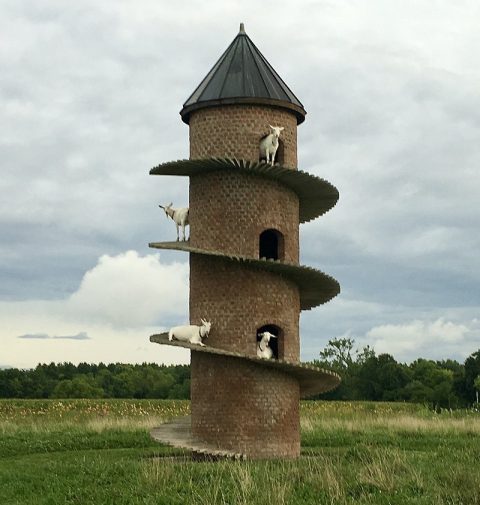
Goat Towers

by swissmiss

Goat towers are a thing?

10 Mar 16:24

Life Will Break You

by swissmiss

“Life will break you. Nobody can protect you from that, and being alone won’t either, for solitude will also break you with its yearning. You have to love. You have to feel. It is the reason you are here on earth. You have to risk your heart. You are here to be swallowed up. And when it happens that you are broken, or betrayed, or left, or hurt, or death brushes too near, let yourself sit by an apple tree and listen to the apples falling all around you in heaps, wasting their sweetness. Tell yourself that you tasted as many as you could.”
― Louise Erdrich

10 Mar 16:22

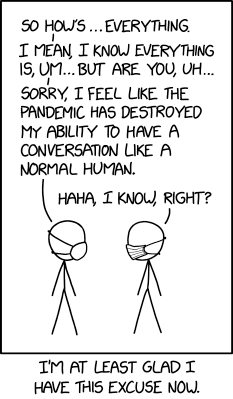
Normal Conversation

"I think I'll pass. These days I have a hard time feeling comfortable in crowded bars with loud music and lots of shouting." --me, after the pandemic, but now for a second reason
04 Mar 01:24

Live a life worth living

by Shaun Usher

On 19 March 2018, almost five years after being diagnosed with Stage IV colon cancer, thirty-eight-year-old Julie Yip-Williams died, leaving behind a husband and two daughters. Her early years had been anything but easy. Born blind in Vietnam, at two months of age she was almost euthanised on the orders of a grandmother who deemed her to be defective; years later, as an older child, she sailed to Hong Kong with her family and hundreds of other refugees in search of a more peaceful life, eventually settling down in the US where her life improved drastically. She was soon given partial sight by a surgeon, studied at Harvard, and became a successful lawyer, but then, in her thirties, she was struck down by the illness that would kill her. It was then that she began to write what would become a posthumously published memoir, The Unwinding of the Miracle. In July 2017, a year before she passed away, Yip-Williams wrote the following letter to her young daughters.

(This letter features in the book, Letters of Note: Mothers. If you would like similar correspondence sent to your inbox, subscribe to our newsletter.)

The Letter

Dear Mia and Isabelle,

I have solved all the logistical problems resulting from my death that I can think of — I am hiring a very reasonably priced cook for you and Daddy; I have left a list of instructions about who your dentist is and when your school tuition needs to be paid and when to renew the violin rental contract and the identity of the piano tuner. In the coming days, I will make videos about all the ins and outs of the apartment, so that everyone knows where the air filters are and what kind of dog food Chipper eats. But I realized that these things are the low-hanging fruit, the easy-to-solve but relatively unimportant problems of the oh so mundane.

I realized that I would have failed you greatly as your mother if I did not try to ease your pain from my loss, if I didn’t at least attempt to address what will likely be the greatest question of your young lives. You will forever be the kids whose mother died of cancer, have people looking at you with some combination of sympathy and pity (which you will no doubt resent, even if everyone means well). That fact of your mother dying will weave into the fabric of your lives like a glaring stain on an otherwise pristine tableau. You will ask as you look around at all the other people who still have their parents, Why did my mother have to get sick and die? It isn’t fair, you will cry. And you will want so painfully for me to be there to hug you when your friend is mean to you, to look on as your ears are being pierced, to sit in the front row clapping loudly at your music recitals, to be that annoying parent insisting on another photo with the college graduate, to help you get dressed on your wedding day, to take your newborn babe from your arms so you can sleep. And every time you yearn for me, it will hurt all over again and you will wonder why.

I don’t know if my words could ever ease your pain. But I would be remiss if I did not try.

My seventh-grade history teacher, Mrs. Olson, a batty eccentric but a phenomenal teacher, used to rebut our teenage protestations of “That’s not fair!” (for example, when she sprang a pop quiz on us or when we played what was called the “Unfair” trivia game) with “Life is not fair. Get used to it!” Somehow, we grow up thinking that there should be fairness, that people should be treated fairly, that there should be equality of treatment as well as opportunity. That expectation must be derived from growing up in a rich country where the rule of law is so firmly entrenched. Even at the tender age of five, both of you were screaming about fairness as if it were some fundamental right (as in it wasn’t fair that Belle got to go to see a movie when Mia did not). So perhaps those expectations of fairness and equity are also hardwired into the human psyche and our moral compass. I’m not sure.

What I do know for sure is that Mrs. Olson was right. Life is not fair. You would be foolish to expect fairness, at least when it comes to matters of life and death, matters outside the scope of the law, matters that cannot be engineered or manipulated by human effort, matters that are distinctly the domain of God or luck or fate or some other unknowable, incomprehensible force.

Although I did not grow up motherless, I suffered in a different way and understood at an age younger than yours that life is not fair. I looked at all the other kids who could drive and play tennis and who didn’t have to use a magnifying glass to read, and it pained me in a way that maybe you can understand now. People looked at me with pity, too, which I loathed. I was denied opportunities, too; I was always the scorekeeper and never played in the games during PE. My mother didn’t think it worthwhile to have me study Chinese after English school, as my siblings did, because she assumed I wouldn’t be able to see the characters. (Of course, later on, I would study Chinese throughout college and study abroad and my Chinese would surpass my siblings’.) For a child, there is nothing worse than being different, in that negative, pitiful way. I was sad a lot. I cried in my lonely anger. Like you, I had my own loss, the loss of vision, which involved the loss of so much more. I grieved. I asked why. I hated the unfairness of it all.

My sweet babies, I do not have the answer to the question of why, at least not now and not in this life. But I do know that there is incredible value in pain and suffering, if you allow yourself to experience it, to cry, to feel sorrow and grief, to hurt. Walk through the fire and you will emerge on the other end, whole and stronger. I promise. You will ultimately find truth and beauty and wisdom and peace. You will understand that nothing lasts forever, not pain, or joy. You will understand that joy cannot exist without sadness. Relief cannot exist without pain. Compassion cannot exist without cruelty. Courage cannot exist without fear. Hope cannot exist without despair. Wisdom cannot exist without suffering. Gratitude cannot exist without deprivation. Paradoxes abound in this life. Living is an exercise in navigating within them.

I was deprived of sight. And yet, that single unfortunate physical condition changed me for the better. Instead of leaving me wallowing in self-pity, it made me more ambitious. It made me more resourceful. It made me smarter. It taught me to ask for help, to not be ashamed of my physical shortcoming. It forced me to be honest with myself and my limitations, and eventually to be honest with others. It taught me strength and resilience.

You will be deprived of a mother. As your mother, I wish I could protect you from the pain. But also as your mother, I want you to feel the pain, to live it, embrace it, and then learn from it. Be stronger people because of it, for you will know that you carry my strength within you. Be more compassionate people because of it; empathize with those who suffer in their own ways. Rejoice in life and all its beauty because of it; live with special zest and zeal for me. Be grateful in a way that only someone who lost her mother so early can, in your understanding of the precariousness and preciousness of life. This is my challenge to you, my sweet girls, to take an ugly tragedy and transform it into a source of beauty, love, strength, courage, and wisdom.

Many may disagree, but I have always believed, always, even when I was a precocious little girl crying alone in my bed, that our purpose in this life is to experience everything we possibly can, to understand as much of the human condition as we can squeeze into one lifetime, however long or short that may be. We are here to feel the complex range of emotions that come with being human. And from those experiences, our souls expand and grow and learn and change, and we understand a little more about what it really means to be human. I call it the evolution of the soul. Know that your mother lived an incredible life that was filled with more than her “fair” share of pain and suffering, first with her blindness and then with cancer. And I allowed that pain and suffering to define me, to change me, but for the better.

In the years since my diagnosis, I have known love and compassion that I never knew possible; I have witnessed and experienced for myself the deepest levels of human caring, which humbled me to my core and compelled me to be a better person. I have known a mortal fear that was crushing, and yet I overcame that fear and found courage. The lessons that blindness and then cancer have taught me are too many for me to recount here, but I hope, when you read what follows, you will understand how it is possible to be changed in a positive way by tragedy and you will learn the true value of suffering. The worth of a person’s life lies not in the number of years lived; rather it rests on how well that person has absorbed the lessons of that life, how well that person has come to understand and distill the multiple, messy aspects of the human experience. While I would have chosen to stay with you for much longer had the choice been mine, if you can learn from my death, if you accepted my challenge to be better people because of my death, then that would bring my spirit inordinate joy and peace.

You will feel alone and lonely, and yet, understand that you are not alone. It is true that we walk this life alone, because we feel what we feel singularly and each of us makes our own choices. But it is possible to reach out and find those like you, and in so doing you will feel not so lonely. This is another one of life’s paradoxes that you will learn to navigate. First and foremost, you have each other to lean on. You are sisters, and that gives you a bond of blood and common experiences that is like no other. Find solace in one another. Always forgive and love one another. Then there’s Daddy. Then there are Titi and Uncle Mau and Aunt Nancy and Aunt Caroline and Aunt Sue and so many dear friends, all of whom knew and loved me so well — who think of you and pray for you and worry about you. All of these people’s loving energy surrounds you so that you will not feel so alone.

And last, wherever I may go, a part of me will always be with you. My blood flows within you. You have inherited the best parts of me. Even though I won’t physically be here, I will be watching over you.

Sometimes, when you practice your instruments, I close my eyes so I can hear better. And when I do, I am often overcome with this absolute knowing that whenever you play the violin or the piano, when you play it with passion and commitment, the music with its special power will beckon me and I will be there. I will be sitting right there, pushing you to do it again and again and again, to count, to adjust your elbow, to sit properly. And then I will hug you and tell you how you did a great job and how very proud I am of you. I promise. Even long after you have chosen to stop playing, I will still come to you in those extraordinary and ordinary moments in life when you live with a complete passion and commitment. It might be while you’re standing atop a mountain, marveling at exceptional beauty and filled with pride in your ability to reach the summit, or when you hold your baby in your arms for the first time or when you are crying because someone or something has broken your tender heart or maybe when you’re miserably pulling an all-nighter for school or work. Know that your mother once felt as you feel and that I am there hugging you and urging you on. I promise.

I have often dreamed that when I die, I will finally know what it would be like to see the world without visual impairment, to see far into the distance, to see the minute details of a bird, to drive a car. Oh, how I long to have perfect vision, even after all these years without. I long for death to make me whole, to give me what was denied me in this life. I believe this dream will come true. Similarly, when your time comes, I will be there waiting for you, so that you, too, will be given what was lost to you. I promise. But in the meantime, live, my darling babies. Live a life worth living. Live thoroughly and completely, thoughtfully, gratefully, courageously, and wisely. Live!

I love you both forever and ever, to infinity, through space and time. Never ever forget that.

Mommy

26 Feb 14:53

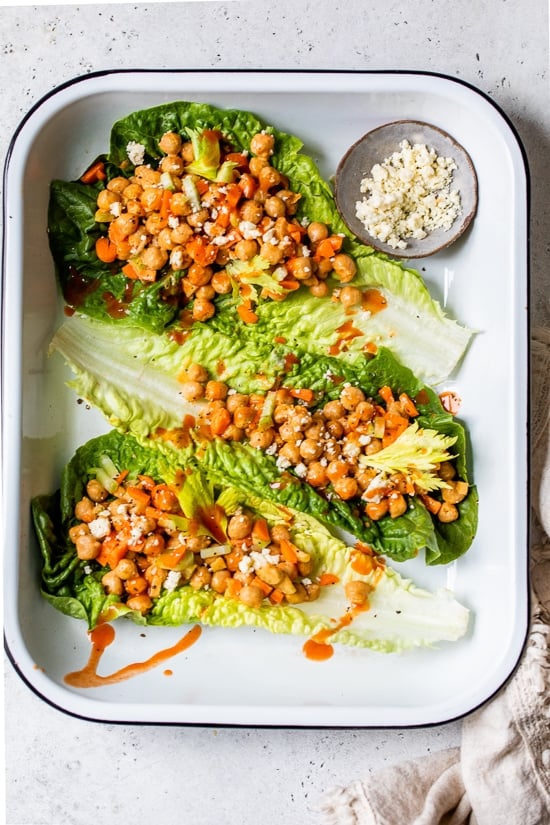
Buffalo Chickpea Salad

by Gina

Buffalo Chickpea Salad is a spicy chickpea salad with all the flavors of buffalo wings, only meatless, perfect for lunch!

Buffalo Chickpea Salad

This spicy Chickpea Salad is made with canned chickpeas tossed in a creamy, spicy buffalo sauce made with Greek yogurt, Frank’s Red Hot, lemon juice, and Tahini. The chickpeas are then topped with crunchy carrots and celery and sharp, tangy blue cheese. Buffalo flavor is one of my favorites, and I have tons of buffalo recipes on my site. I also love chickpea salad! For variations try my Chickpea Salad with Cucumbers and Tomatoes, Chickpea Avocado Salad, or my Greek Chickpea Salad.

(more…)

The post Buffalo Chickpea Salad appeared first on Skinnytaste.

19 Feb 12:29

marbled cheesecake hamantaschen

by deb
A.N

These look yummy

It’s almost too on-the-nose that I tried to make hamantaschen cookies that look like carrara marble and actually made cookies that evoke cow hides. Is the universe trying to tell me something about my kitchen hopes and dreams? Don’t worry, I’ve chosen to not read into this at all.

Read more »

28 Jan 13:49

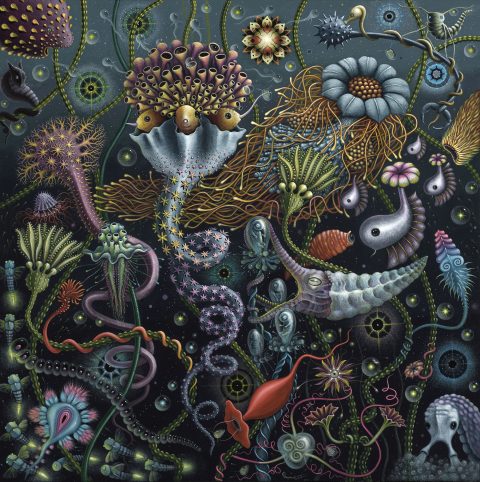
Space Plankton

by swissmiss

This Space Plankton painting by Robert Steven Connett made me look.

21 Jan 17:42

The Hill We Climb

by swissmiss

When day comes, we ask ourselves:
Where can we find light
In this never-ending shade?
The loss we carry, a sea we must wade.
We braved the belly of the beast,
We’ve learned that quiet isn’t always peace,
And the norms and notions of what ‘just is’
Isn’t always justice.
And yet the dawn is ours before we knew it,
Somehow, we do it.
Somehow, we’ve weathered and witnessed
A nation that isn’t broken, but simply unfinished.
We, the successors of a country and a time
where a skinny Black girl, descended from slaves
and raised by a single mother,
can dream of becoming president
only to find herself reciting for one.
The Hill We Climb, by Amanda Gorman

20 Jan 22:04

Amanda Gorman

by swissmiss

Amanda Gorman took my breath away during today’s inauguration.

I cried my eyes out when Kamala Harris was sworn in. Madame Vice President! What a moment!

18 Jan 19:15

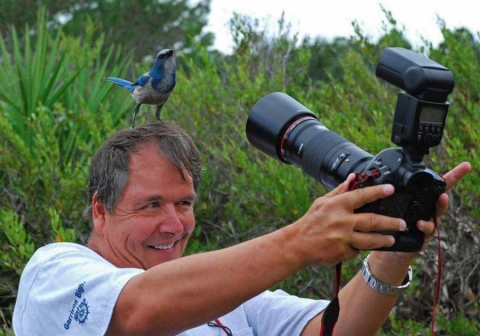
Animals Interrupting Wildlife Photographers

by swissmiss

These photos of animals interrupting wildlife photographers made me smile. So stinking adorable.

(via Chris)

18 Jan 19:15

Where Are My Chickens?

by swissmiss

I don’t have chickens, gut the sheer existence of this egg-pocket-apron makes me want to have chickens. It helps you collect the eggs in the chicken coop.

14 Jan 17:34

Car Choir Concert

by swissmiss

I love how resilient hoomans are. For members of Luminous Voices, a professional choir ensemble in Alberta, Canada, rehearsing and performing safely during the pandemic has meant getting into their cars, driving to an empty parking lot and singing with each other’s voices broadcast through their car radios.

12 Jan 21:34

#1305: “Please help me close up the proverbial ‘woodwork’.”

by JenniferP

Dear Captain Awkward,

I’m a heterosexual woman in her 30s. For the past several years my dating life consisted of various sporadic friends-with-benefits situations that lasted for years. This worked very well for me at the time (I was busy with school). But now I am in a committed relationship, it is rather serious, and now I have to figure out what to do with these quasi-exes who won’t go away.

Part of this is my fault; when COVID started I was still single and, out of “the pandemic has frozen me in singledom forever!!!” fear, reached out. The inevitable conclusion was them continuing that contact in non-platonic ways: flirting over text (nothing explicit, but it’s obvious what their intent is), texting me at like 3 AM that they’re thinking of me, sending me gifts/cards/etc, outright asking to meet up. I don’t reciprocate or engage the flirting, but it still creates suspicious optics. I would never cheat on my boyfriend and the thought appalls me. Even if the thought didn’t appall me, my boyfriend outdoes all of them on every axis — conversation, thoughtfulness, attractiveness, sex, and, uh, me being in love with him. But I can certainly see how someone might come to that conclusion based on the evidence.

I’m not sure what to do about this. I feel like I have an obligation not to ghost people I’ve known for years (regardless of how easy that would be and how much I’d like to). But I also feel like I have an equally strong obligation to stop this. I’ve tried many things, running the gamut from evasive one-word answers, to milking COVID as an excuse to be distant, to posting pictures of me with my boyfriend on social media where I know they’ll see it, to dropping references to him in conversation, to point-blank mentioning I’m in a relationship now. With exactly one person, that’s worked. More often what happens is that they say “hey, thanks for being honest and letting me know!” and other right things, but their behavior continues and would still look sketchy to an outside observer. My boyfriend does know about them but hasn’t seen their texts/etc. It doesn’t help matters that he’s been cheated on before; he’s never expressed any jealous tendencies but I can imagine him being especially sensitive/hurt if he thought it had happened again.

Hello! Thank you for sending this eminently solvable problem my way, since it allows me to do some of my favorite things, which include: 

  1. Taking an awkward social situation that seems like it should be simple and digging into why it feels harder than it “should.” “Tell them all to fuck off with that!” “Tell them all to fuck off and then block them!” “Just _________, already!” When there is an obvious path but it feels too scary or out of reach, there are probably some reasons that you’re reluctant to go there, so let’s examine them. 
  2. Examining the “why” usually reveals both the emotional landscape and some notions about power: Who has (relatively) more of it, who thinks they have it, what common stories does everyone know about it, how those stories connect up across different kinds of relationships and conflicts, what entitlements and expectations follow from those assumptions, how to reclaim or rebalance it, what the limits are, where previously untapped sources of it might lie. Sometimes when we talk about manners we’re talking about how to show kindness and consideration for others, but a lot of the time we’re talking about treading carefully around power, and any time I can combine your weird sexts with my obsessions with manners and moral philosophy is a good day at work for me!
  3. Suggesting strategies to help people get what they need in their relationships in the context of rebalancing power, where possible, and with clearer understanding of the risks and limits when it is not. Which means sometimes we return to the direct and simple approach (“You get to tell them to knock it the hell off and block the ones who won’t if you want to!”), but hopefully making the stakes clearer makes direct conversation feel more possible than it did before. 
  4. Lists! I just really like lists. Thank you for understanding. 

So, here are four reasons why this situation is extra-weird right now: 

  1. You’re aware of your good luck in finding a solid relationship in these unprecedented times™ and are trying not to be a tacky asshole to people who truly did get you through some dry and lonely times. “Survivor guilt” isn’t the right term for it, but it’s something like that. People are fucking lonely, they’re acting out in ways that their better selves will cringe at someday, and you do actually care about these people a whole lot and you don’t want to make them feel bad if you can possibly help it. 
  2. There is no official rule-book for converting a friends-with-benefits situation into a we’re-just-friends situation. The unofficial one probably does have stuff like “Have I mentioned lately that I am no longer single?” (The ‘knock it off’ is silent) and “Have you noticed that when you move your knight to ‘Looking sexy 2nite, I miss those lips!,’ I counter with queen’s bishop to ‘Evasive one-word answers’? Also, check.” (The ‘knock it off’ is, tragically, still silent, we’ll get to why in a moment). 
  3. You’ve been socialized like hell to protect men’s feelings at all costs and not say “no” in ways that might make them feel bad; doing so legitimately carries some anxiety and friction because you’ve absorbed a million messages about how when men hit on women it’s always either flattering or harmless, but when women don’t like that it’s best to assume they are paranoid, mean, and unfair. 
  4. Many cis men have been socialized to ignore both indirect and direct “no” signals from women, and some of them really lean into that and feel entitled to push their luck until they get a response they decide is clear enough, at which time they make it maximally weird and awkward in order to punish and dissuade future rude cock-blocking from the likes of you. Your former suitors don’t have to be the worst of the line-steppers to be influenced by the paradigm or subject you to its pressures. When ‘Say no to boys only if you absolutely have to and make it really gentle, more of a soft-maybe-with-a-hint-of-I’d-love-to’ meets ‘Well, she didn’t say no in precisely those words, clearly she must like it,’ trouble follows.

Here are four steps to stopping most of this: 

  1. Change all “I can’t” and “I shouldn’t” and “Because I have a boyfriend now” and “Someone might get the wrong idea” language into “I don’t like it/I don’t want to,” especially in your conversations with yourself. Your boyfriend has been cheated on in the past, he might think something is amiss if he saw the messages, okay, but you’re not cheating, so the fact that YOU don’t want these messages is good enough reason to stop them. That’s where a lot of your power lies, within your own subjective desires and affections. 
  2. Puncture your old ummmfriends’ bubbles of “Wait, why would you assume I was hitting on you when all I did was consistently hit on you?” plausible deniability. Use specific language to describe what is happening and what you want to be different in the future. If your friends and former lovers are legitimately confused about whether conversations that were welcome six months ago are no longer welcome, it’s past time to un-confuse them. 
  3. Include a request for specific actions. “I have a boyfriend” implies the “…who is Not You, so can you stop whatever ‘this’ is? It’s weird!” part. Since it’s not getting through, you’re going to have to actually say what you want them to do. 
  4. Work way less hard at protecting their feelings than you do at making your needs known. For starters, friends get to tell friends when jokes have stopped being funny. Friends respect it when other friends say “no thank you.” People who can’t treat you like a friend even after you’ve told them how are self-selecting out of your benefit of the doubt and your DMs, so it’s time to remind yourself that it’s not “ghosting” when you set a boundary and then stop engaging with people who ignore it. 

Here’s how to apply these steps, with actual scripts and some extra “why”: 

Say you get a flirty after-hours message of the kind you’d like to shut down. 

Instead of invoking the one-word-answer or the spectral presence of your boyfriend, try this: “Hi friend, it’s always nice to hear how you’re doing, but I’d really like you to stop with the flirty messages from now on, I’m not enjoying them.”  If you get more “Hey thanks for being honest and letting me know,” and they actually listen and stop, great. 

If you get more “Hey, thanks for being honest,” but the behavior doesn’t stop, it’s time to at least mute this person’s communications and stop responding. You told them what you needed in order to be friends, they weren’t interested in your friendship on those terms, that’s hardly “ghosting.” Some of this crowd will probably do your fading for you, which is a bummer, but I can’t fault a person who chooses to keep their distance from a crush or ex,  since it’s actually one way of both taking care of their own feelings around rejection and *respecting* your boundaries. 

The thing I want to dig into more is the chance that they’ll respond with wounded pride and minor gaslighting that makes you feel like you did something wrong, as in: “Wait, did you think I was hitting on you? Just because I sent a series of ‘just thinking about you 😉 😉 ;-)’  messages at the exact time of night when we used to constantly sext each other, after you told me you weren’t single anymore and kind of asked me not to? HOW DARE you read my present behavior in the light of past behavior!” 

This is a form of “negging,” or “typecasting,” i.e. a prompt designed to convert the conversation from one where you communicate a boundary into one where you reassure the other person that you didn’t actually mean it, feel bad about even mentioning it, and grant them an exception.

It may not be a conscious power play on the guy’s part, people say a lot of things when their feelings are hurt and egos are wounded. But it’s still a power play, one that relies on socialization, where your next line is supposed to be“No, NO, obviously I didn’t think you meant that! I’m so sorry to have misjudged your pure heart!” that lets him walk away feeling justified and leaves you uncertain about what just happened and (conveniently) more tentative about shutting down future bad behavior. After all, if he didn’t Mean It That Way, it can’t really be a problem, right?

Wrong.

Power loves ambiguity. It loves receiving and demanding the benefit of the doubt, because it almost always benefits whenever there is doubt, and it loves the things that are commonly understood (obeyed, accepted) without needing to be stated, e.g. Will no one rid me of this meddlesome priest?Power greatly prefers conversations about intent to conversations about outcomes and consequences, and it loves both euphemisms and the kind of “fairness” that pretends that historical facts and real-world power imbalances don’t exist, or if they exist, they probably don’t apply here, because power is always both example and exception, whichever one allows it to continue on without having to change anything about itself.

Power craves reassurance. It doesn’t only want compliance, it wants the performance of consent and reassurance that everything about itself is deserved and right and just. Power never means what it says, unless of course you agree, in which case, score! “Come on, I’m one of the good guys, really,” power whines, when challenged. “You’re taking this the wrong way!” 

These are two of power’s weaknesses. These are levers you can pull. 

Which is why one way to resist this type of manipulation is to look honestly at the power dynamics and assumptions around a conflict and deliberately set them aside for now. Whatever this relationship was supposed to be like, whatever we assumed it would be like, let’s deal with what it is like. That’s what every person who tries the #notall defense wants, right? To be treated as an absolute individual and not one of a set. Cool, you can work with that, which is why from now on you’ll meet plausibly deniable jokes and boundary-crossing pokes with complete sincerity. “Since we keep misunderstanding each other’s jokes and intentions, let’s stick to saying what we mean and meaning what we say. Things have changed, and I don’t want to flirt with you anymore, even as a joke. Can I trust you respect that?” 

A second way is to replace ambiguity and euphemism by accurately naming and describing behaviors. This comes up a ton in discussions about abuse and estrangement, where the wrongdoers pretend they don’t know why anyone is mad at them. “Why won’t you just make peace with your relative who loves you?” sounds a lot different when it’s accurately reframed as Wait, are you asking me to be okay with [specific terrible behaviors, inc. sexual assault]?” Every single “Come on, lighten up” or “You’re just too sensitive” neg coms under this one: “You’re right, I’m pretty sensitive about it, which is why I asked you to stop sending explicit messages to me late at night. If you didn’t know, now you do. If you did know and just wanted to test the limits, here they are. Flirting is only fun if everyone is having fun, and I’m not.” (Maybe it’s just me, but if accurate descriptions of your behavior make you feel embarrassed and bad, it’s probably time to stop whatever that is!)

A third way is to replace conversations about what they intended (a thing you cannot possibly know or prove for certain, so no need to spend time debating it!) with concrete instructions about what you need them to do now. They had the best of intentions? Wonderful, let that be a given, now let’s back those up with some better actions along with the reassuring carrot that everybody still gets to save face and walk away feeling like the good guy…as long as the boundary-crossing behavior stops right now.

To apply this, next time a former kissing friend sends up the “I was just thinking about you, and no, my hand definitely wasn’t inside my underpants the whole time I ‘thought’ about you, why would you even ask that? j/k You know I don’t wear underpants” midnight signal flare, wait until the cold light of day, and reply with some version of:

  • “Ha, it’s never weird or awkward to be reminded that we used to bone, definitely keep doing that forever, j/k it makes me wicked uncomfortable especially now that I am in a committed relationship, and if you really want to be my friend, you’ll stop now please.” 
  • “Well, if you ever happen to ‘think of me’ during normal business hours, and it’s in the context of [an article related to my field of study][a pop culture fan thing we share][literally any non-sexual or suggestive topic of any kind], do let me know, but I’m not a fan of these late night single entendres. Let’s keep it G-Rated from now on!” 
  • “Have you noticed that when you [bring past sexy thing up][effusively compliment me][are overly-familiar][drop suggestive comments like _______] I always change the subject? Can we have an official, permanent subject change? You’re an important friend to me and we have so much other stuff in common, surely we don’t have to revisit olden times to find something to talk about.” 
  • “Say, Old Bean,* I’ve tried gently hinting that I’m done with the flirty stuff, but maybe it’s not getting through. I’m sure you don’t mean anything by it, but it’s really time to stop. Thank you.”
  • *Old Bean! My friend just did a delightful audio read-through of the first Tommy & Tuppence book (The Secret Adversary, by Agatha Christie), and I wish Americans had more words for “this is a friendly chat right now, not a flirting chat, just a friendly one, thanks a million, Old Bean, you’re a brick.” The closest ones I can think of are “Buddy” and “Champ,” like, “Look, Champ, we had a good run, but I’ll cherish the fond memories of our glory days much more if you’ll stop dragging their carcasses onto the carpet of our present friendship and posing them like He-Men.”

Now, imagine you go for more directness and get the “Whoa, hold up! I was just joking/I wasn’t hitting on you/I realize you’re ‘taken’ now, thanks for rubbing it in/It was all in good fun/Don’t flatter yourself!” defensive response, with a side of more boundary-testing.

Future You: “Phew, that’s a relief! Thanks for clearing everything up and keeping it G-rated from now on.” 

Take them at their word, be sincere and specific about what you want from now on. Removing plausible deniability and giving them a constructive way forward means they have to make a concerted, deliberate effort to continue annoying you, which is the same thing as self-identifying as a person you do not have to coddle or tolerate in your precious free time anymore.

Thanking people in advance for things you hope and expect they’ll do is a a favorite strategy of Blog-Friend Ask A Manager. It means granting people an unearned grace, but it’s often quite effective when the other person in a conflict wants to look good and feel good slightly more than they wanted to actually do good. I think of it almost as benevolent gas-lighting. “Let’s both pretend you always intended to clear this extremely low bar for good behavior! If we give you lots of praise and credit for not being an asshole, perhaps ‘not being a asshole’ will become the path of least resistance.” 

When you follow that up with a reminder of the action you expect they’ll take, it’s like a seal on the deal. “Let’s both pretend that you never meant to be a jerk in the first place, and as long as you do _______________/stop doing ______________, we can drop this awkward topic like a hot rock and live in the bubble where you are a cool person indefinitely. It’s so nice in the bubble! Join me!” 

Let’s not be mistaken, this too is about power. It can be a way of being magnanimous in victory when you know that you’ll get what you want in the end, it’s just a lot easier for people to be nice when they feel good. But there is a large reckoning and some very careful consideration due around the question of who gets to be told that they’re fucking it up with maximum gentleness and consideration for how they’ll feel about it during and afterward, because the better they feel, the safer the person delivering the necessary corrections will be. Learning to hear “You messed up, here’s how, please don’t” without covering the person who told you in an angry shame volcano is at least as important as learning how to say it.

Let me leave you with some alternate reply scripts for your bevy of forlorn former beaux:

  • “Oh, I was pretty sure you were joking, but it was really starting to bother me. Now that that’s cleared up, what’s new with that [giant subject change?]”
  • “I usually hate being wrong, but this time I’m so glad to know I was misreading your intentions. So we’re agreed, no more late-night musings on ancient history or ‘joking’ sexts, that’s all I wanted to know. Perfect.” 
  • “Look, the friends-with-benefits to just-friends transition has no official rule book, it’s weird when topics that were welcome before suddenly becomes off-limits, and I know you weren’t trying to make it weirder. But things have really changed for me, and I need us to find a new conversational lane. Can I count on you?” 
  • For repeat offenders whom you’d nonetheless like to give one last chance: “What will it take for you to stop doing a thing I’ve already told you makes me uncomfortable? Stop. No, don’t explain or apologize again. Just stop!” You don’t owe them endless chances or attention, and anybody who keeps pressing you has more than earned the block button. 

To review:

  1. There is a pretty straightforward solution to making this stop. 
  2. There were probably reasons why the obvious thing felt weird and why hints and indirect messages weren’t getting through. 
  3. There are lots and lots of ways to tell entitled former make-out partners that they don’t have to go home but they can’t stay here. I hope your true friends in the bunch will be revealed quickly and painlessly and the rest will fuck off gently into that good night.
  4. Wait, not the DEATH-good-night, just the one that means restoring a passing “Good sailing, Old Bean!” kind of vibe between you. 
  5. #LISTS! ❤


02 Jan 16:11

Quickie Black Eyed Peas and Greens

by Beth - Budget Bytes

It’s said that eating black eyed peas on New Year’s Day brings you good luck. Now, I’m not usually superstitious, but after a year like 2020, I’m willing to try anything (just kidding, but I’m not). I have an awesome recipe for slow simmered black eyed peas and greens that I made years ago, but it’s a long process that starts with dry peas. So I wanted to make a “quickie” version, using canned black eyed peas, that’s a little faster and easier for times when you haven’t planned ahead.

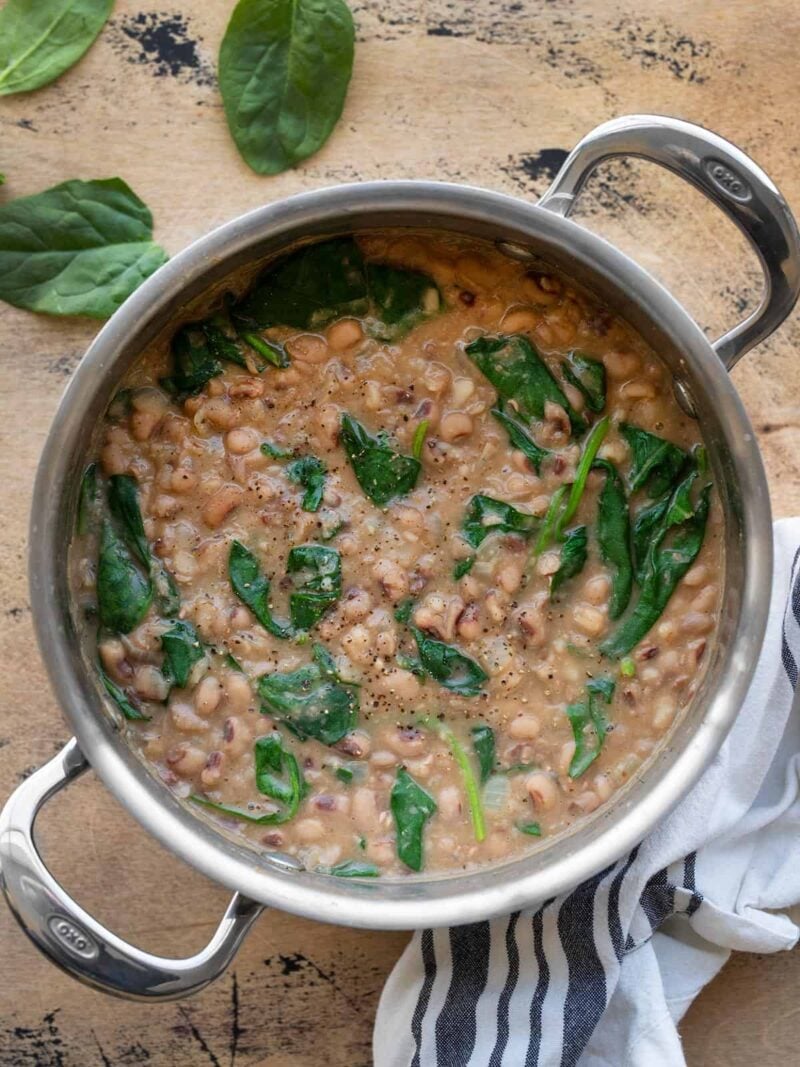
Overhead view of a pot of black eyed peas and greens on a wooden surface

How to Serve Black Eyed Peas and Greens

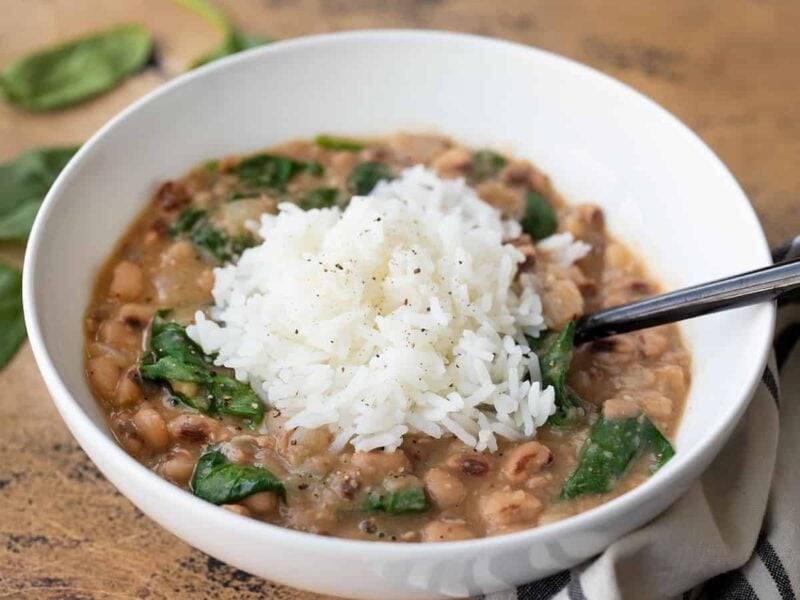
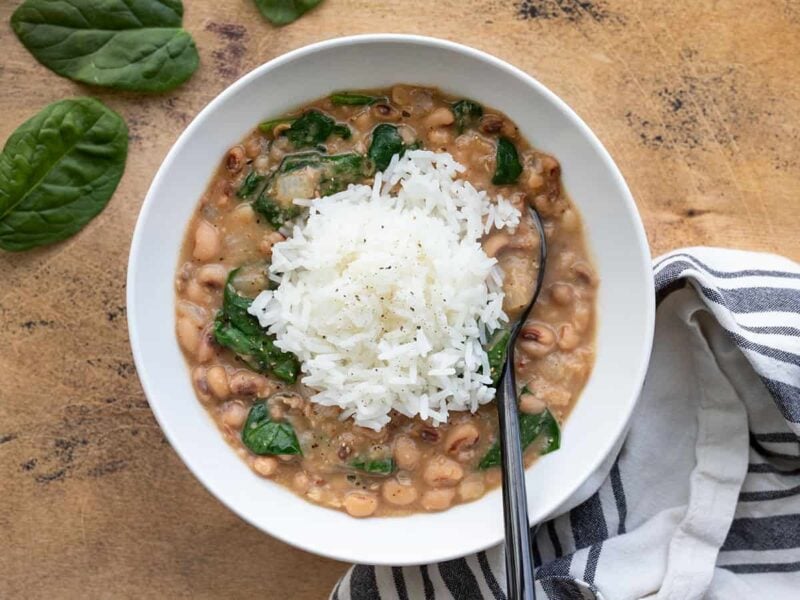
There are two basic ways that I like to serve a bit pot of beans or peas like this. Either in a bowl with rice, or in a bowl with a big chunk of crusty bread for dipping. Having some sort of starch to kind of balance the meal out makes it super satisfying and filling.

A little dash of hot sauce on top of your bowl or even a dollop of sour cream on top is also pretty awesome. ;)

Can I Use Dry Peas?

This recipe is specifically made for canned peas, which are already cooked. If you’d like to make something similar using dry peas, follow my recipe for Slow Simmered Black Eyed Peas and Greens.

Can I Add Meat?

The recipe below is vegetarian (vegan, actually), but it’s super easy to add meat to this meal. You have three easy options to keep this a “quick” meal: bacon, ham, or smoked sausage. Whichever one you decide to use, just sauté the meat in the pot before beginning with the onion and garlic in step one below.

Can I Freeze Black Eyed Peas?

Yes! This recipe is great for stocking your freezer. Just divide it into single portions, cool it in the fridge first, then once cool transfer it to the freezer for longer storage (about 3 months or so). Any freezer-safe container will do. To reheat, either use a microwave or heat in a sauce pot over medium-low, stirring often, until heated through.

Side view of a bowl of black eyed peas with greens and rice
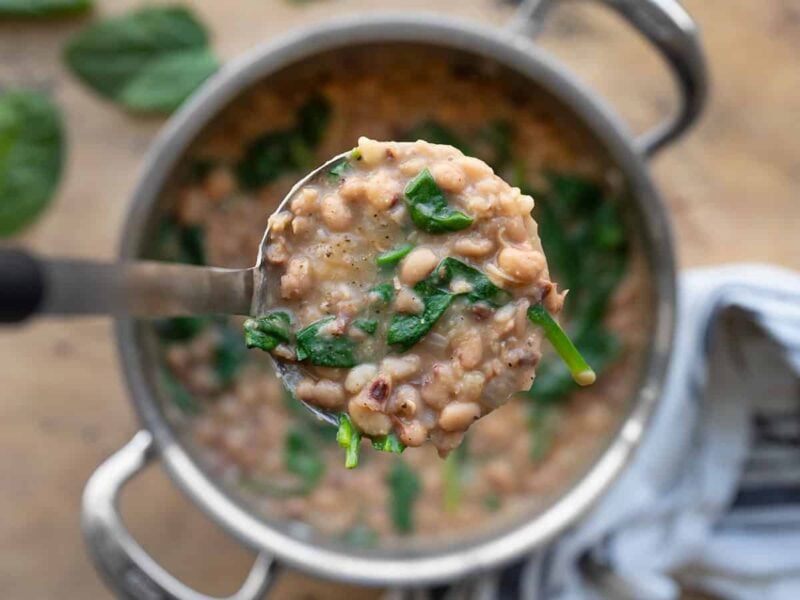
Side view of a ladle lifting some black eyed peas and greens from the pot

Quickie Black Eyed Peas and Greens

Ring in good luck for the new year with this quick pot of black eyed peas and greens. Vegetarian and meat options included!
Total Cost $4.43 recipe / $1.11 serving
Prep Time 10 minutes
Cook Time 25 minutes
Total Time 35 minutes
Servings 4 1.5 cups each
Calories 330.33kcal
Author Beth – Budget Bytes

Ingredients

  • 1 yellow onion $0.32
  • 2 cloves garlic $0.16
  • 2 Tbsp olive oil $0.32
  • 3 15oz. cans black eyed peas $2.37
  • 1/2 tsp dried oregano $0.05
  • 1/2 tsp smoked paprika $0.05
  • 1/8 tsp cayenne pepper $0.02
  • 1/4 tsp freshly cracked black pepper $0.03
  • 2 cups vegetable broth $0.26
  • 4 oz. fresh spinach $0.85

Instructions

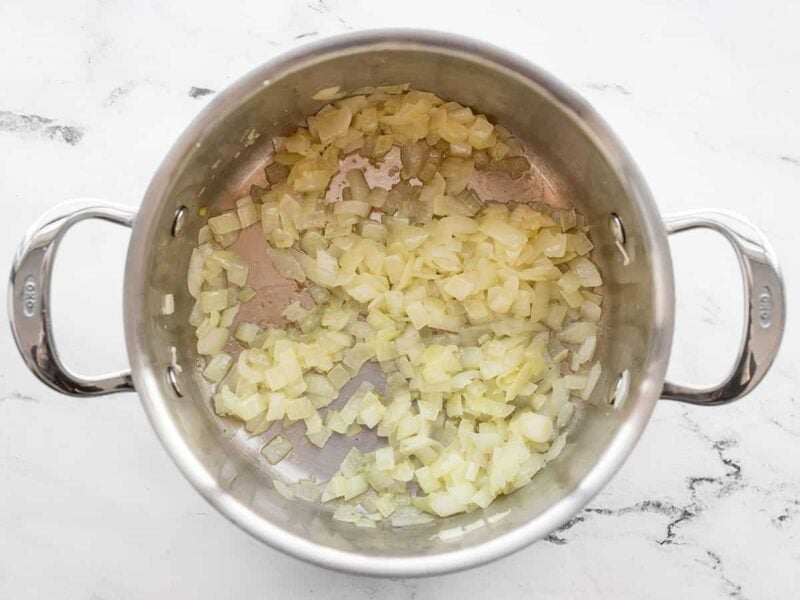
  • Dice the onion and mince the garlic. Add both to a large soup pot with the olive oil and sauté over medium heat until the onions are soft and translucent.
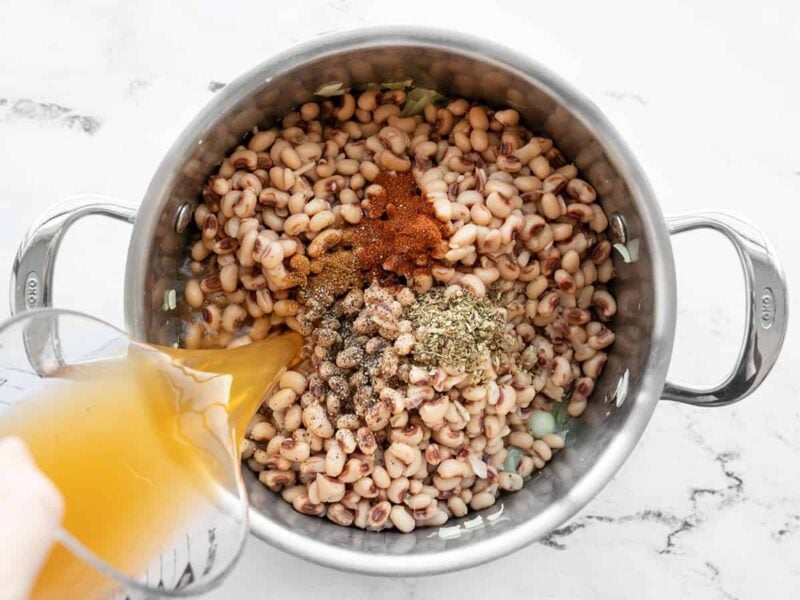
  • Drain the canned black eyed peas, then add them to the pot along with the oregano, smoked paprika, cayenne pepper, black pepper, and vegetable broth. Stir to combine.
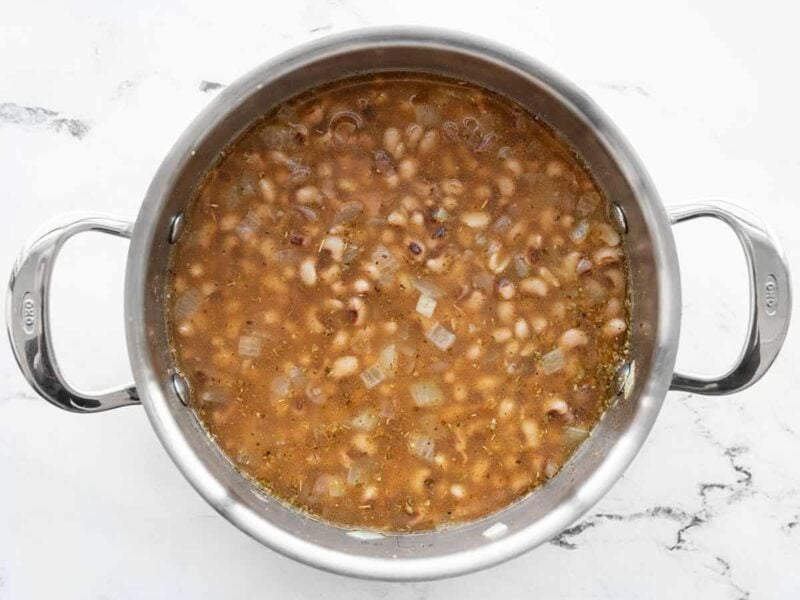
  • Place a lid on the pot, turn the heat up to medium high, and bring the pot up to a boil. Once boiling, reduce the heat to medium-low, and allow the peas to simmer for 15 minutes, stirring occasionally.
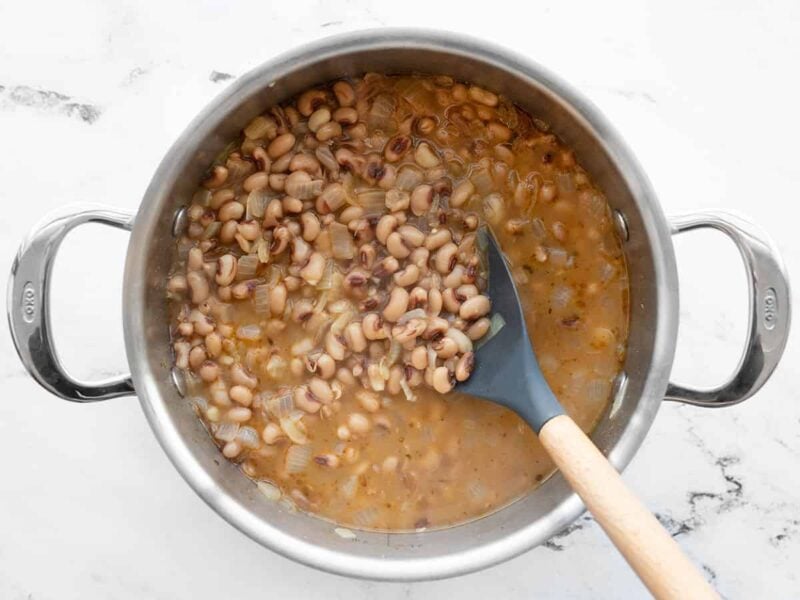
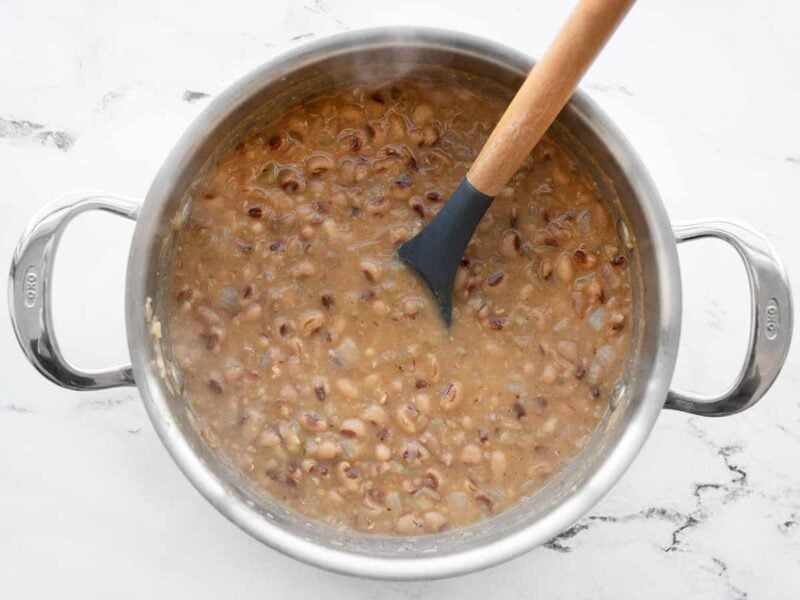
  • After the peas have simmered for about 15 minutes, use the back of a spoon to smash some of the peas against the side of the pot to thicken the broth (or use an immersion blender to blend a small portion of the peas).
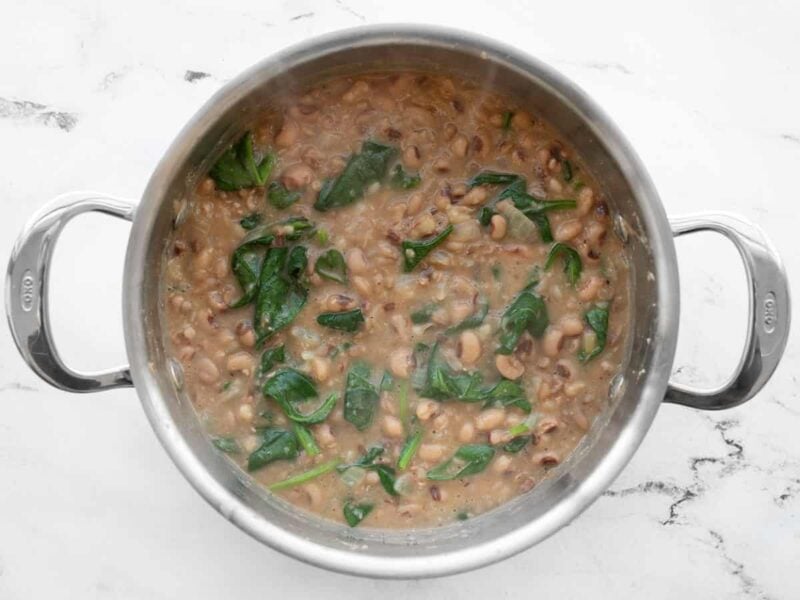
  • Add the fresh spinach to the pot and stir until it has wilted into the peas. Give the peas a taste and adjust the salt or seasoning to your liking. Serve hot with bread or rice.

Nutrition

Serving: 1.5cups | Calories: 330.33kcal | Carbohydrates: 56.3g | Protein: 19.88g | Fat: 7.18g | Sodium: 1414.65mg | Fiber: 14.68g
Close up of a ladle full of black eyed peas and greens with the pot in the background

How to Make Quickie Black Eyed Peas and Greens – Step by Step Photos

Onions and garlic in soup pot

Dice one yellow onion and mince two cloves of garlic. Add the onion and garlic to a large soup pot with 2 Tbsp olive oil and sauté over medium heat until the onions are soft and translucent.

Beans, seasoning, and broth added to the soup pot

Drain three 15oz. cans of black eyed peas and add them to the pot along with ½ tsp dried oregano, ½ tsp smoked paprika, ⅛ tsp cayenne pepper, ¼ tsp freshly cracked black pepper, and 2 cups of vegetable broth.

Black eyed peas before simmering

Stir the peas, broth, and seasoning together. Place a lid on the pot, turn the heat up to medium-high, and bring it up to a boil. Once boiling, reduce the heat to medium-low, and let it simmer for about 15 minutes, stirring occasionally.

Simmered black eyed peas in the pot with a spoon

After simmering, the peas will have swelled even a little bit more and they will be even more soft. Use a large spoon to smash some of the peas against the side of the pot, or use an immersion blender to purée a small amount of the peas.

Thickened peas in the pot

Smashing some of the peas makes the broth thick and creamy.

Spinach wilted into the peas in the pot

Add 4 oz. fresh spinach (½ of an 8oz. bag) and stir until it has wilted into the peas. Give the peas a taste and adjust the salt or seasonings to your liking.

Overhead view of a bowl of black eyed peas and greens with rice in the center

Serve with crusty bread or rice and enjoy your good luck in the new year! :)

The post Quickie Black Eyed Peas and Greens appeared first on Budget Bytes.

29 Dec 21:24

First Thing

Then I'm going to go on a weeks-long somatic hypermutation bender, producing ever-more targeted antibodies, while I continue to remain distanced and follow guidance from public health authorities.
28 Dec 15:18

Dear Therapist: I Can’t Accept My Father’s Death From COVID-19

by Lori Gottlieb

Editor’s Note: Every Monday, Lori Gottlieb answers questions from readers about their problems, big and small. Have a question? Email her at dear.therapist@theatlantic.com.

Dear Therapist,

I need help with grieving and my feelings of anger toward this microscopic virus that has taken my father. I know that even when somebody is terminally ill, there’s no way to be fully prepared for loss. But isn’t grieving even more difficult when death comes out of the blue, with no warning, in a matter of two weeks, and the person you know and love is suddenly no longer alive?

I was not there for his last breaths. I was not there for his last words. I’m trying to combat my guilt, because I have lived in a different country from my father for the past seven years, and have been able to see him for only a couple of weeks every year and a half or so. COVID-19 not only took away my father; it took away the opportunity to be home for my planned trip in April, when I would have spent time with him before what became his last few months. He was only 62, and was waiting for my sister to get married this year and have his first grandchild.

I need help with acceptance, because I cannot accept that I will not see his face, feel his warm embrace, and laugh at his silly jokes while he sings another Beatles tune.

How do I stop trying to find something or someone to blame in order to accept what has happened so I can stop being angry at the world?

Paulina
Valencia, Venezuela


Dear Paulina,

I’m so sorry that your father died ,and I can imagine the depth of your sorrow right now. You’re right that it feels profoundly unfair that one day you had a perfectly healthy father, and two weeks later he was dead. And along with him died your vision of the future, which included not just dancing with him at your sister’s wedding and seeing him experience grandparenthood but also decades of silly jokes and warm hugs and the sound of his voice singing those Beatles tunes—a voice that has felt like home for your entire life.

I have no magic words that can erase your pain, but even if I did, I wouldn’t try. That’s because your pain is the result of deep love. It’s your love for your father that creates the pain, and I can’t—nor would I want to—take away your love.

What I can do instead is help guide you through this profound heartbreak—which is, in essence, what grief is—so that instead of “accepting” your father’s death, you begin to accept your feelings in all their wild glory: the rage, the guilt, the sadness, the despair, the envy of people whose parents survived COVID-19 while yours did not. Because when you accept these feelings, fully and without judgment, you will slowly begin to heal.

Healing doesn’t mean that the pain goes away. It means that the pain becomes a sacred part of you that you carry inside forever. Often grieving people come to me hoping I can help them find “closure,” but I’ve always felt that closure was an illusion. Many people don’t know that Elisabeth Kübler-Ross’s familiar stages of grieving—denial, anger, bargaining, depression, acceptance—were conceived in the context of terminally ill patients learning to accept their own death. It’s one thing to “accept” the end of your own life, but for those who keep on living, the idea that they should be getting to acceptance, or what we think of as closure, might make them feel worse (“Why am I not ‘over this’ by now?”).

Besides, how can there be an end point to love and loss? Do we even want there to be? The price of loving so deeply is feeling so deeply—but it’s also a gift, the gift of being alive. If we no longer feel, maybe we should be grieving our own death. The grief psychologist William Worden takes into account this perspective by replacing Kübler-Ross’s stages with tasks of mourning. In his fourth task, the goal is to integrate the loss into your life and create an ongoing connection with the person who died while also finding a way to continue living.

Right now, though, the pain of your father’s death feels unbearable. A patient once told me that her grief made her feel “alternately numb and in excruciating pain.” Yours may feel like that or it may feel different. You might also experience a sense of surreality: How can people go on with their days as if nothing has happened? How can they binge-watch TV shows and share gingerbread-cookie photos on Instagram when the world seems to have stopped? And comparing your loss with others’ is natural, too: Is it worse if the death is sudden or expected? If the person is 62 or 80? If you saw the person regularly or hadn’t seen him in a year? But grieving is not a contest, because there are no winners when it comes to losing someone you love.

Still, while there’s no hierarchy of grief, the coronavirus has made the grieving process more complicated because the rituals that normally support human sorrow—being at a loved one’s bedside, saying goodbye, viewing the body, having a funeral, getting hugs and meals and sitting in the same room with people who care about us—have been taken away. And then there’s the experience of being constantly surrounded by COVID-19: seeing people wearing masks every time you go to the supermarket, hearing reports of more deaths on the news every day. These reminders can be retraumatizing, as if your loved one had died in an automobile accident and all you saw every day were endless images of car crashes.

So what can you do in the face of your loss amid these extra challenges? You can be kind to yourself and practice self-compassion. You can embrace the rage—because it’s valid. You can disinvite the guilt when it attempts to pay you a visit by reminding yourself that there’s nothing you could have done differently. (It wasn’t safe for you to travel. You didn’t know your father would get the coronavirus. Your father knew how much you loved him, even if the devastated part of you might suggest you believe otherwise.) And you can bear in mind the concept of impermanence. Sometimes in their pain, people believe that the agony will last forever. But feelings are more like weather systems—they blow in and they blow out. Just because you feel gutted this hour or this day doesn’t mean you’ll feel that way this afternoon or next week. Everything you feel—anxiety, anguish, joy—blows in and out again. There will always be pain. Hearing a Beatles song on the radio might even plunge you into momentary despair. But another song, or another memory, might bring intense joy minutes or hours later.

So when you do fall into self-blame, rumination over how things might have gone differently, and protesting the death itself—all of which are ways to not experience the more tender feelings of sadness and loss—be gentle with yourself. Get sleep, eat well, move your body, go outside, find emotional respite by engaging in hobbies you enjoy or watching a movie. Connect with others over Zoom, and create rituals to memorialize your father such as sharing memories or photos with friends and family, which you might even compile into something tangible, like a book or album or video.

There is no way around your grief, but there is a way to move through your pain. Be patient with yourself. Try to remember that eventually you will come to view the world as neither all good nor all bad. Hold a space for the fact that you hurt so deeply because you were loved so deeply. And let that braid of pain and love be a reminder that you are human, and you’re exactly where you need to be.


Dear Therapist is for informational purposes only, does not constitute medical advice, and is not a substitute for professional medical advice, diagnosis, or treatment. Always seek the advice of your physician, mental-health professional, or other qualified health provider with any questions you may have regarding a medical condition. By submitting a letter, you are agreeing to let The Atlantic use it—in part or in full—and we may edit it for length and/or clarity.

15 Dec 13:45

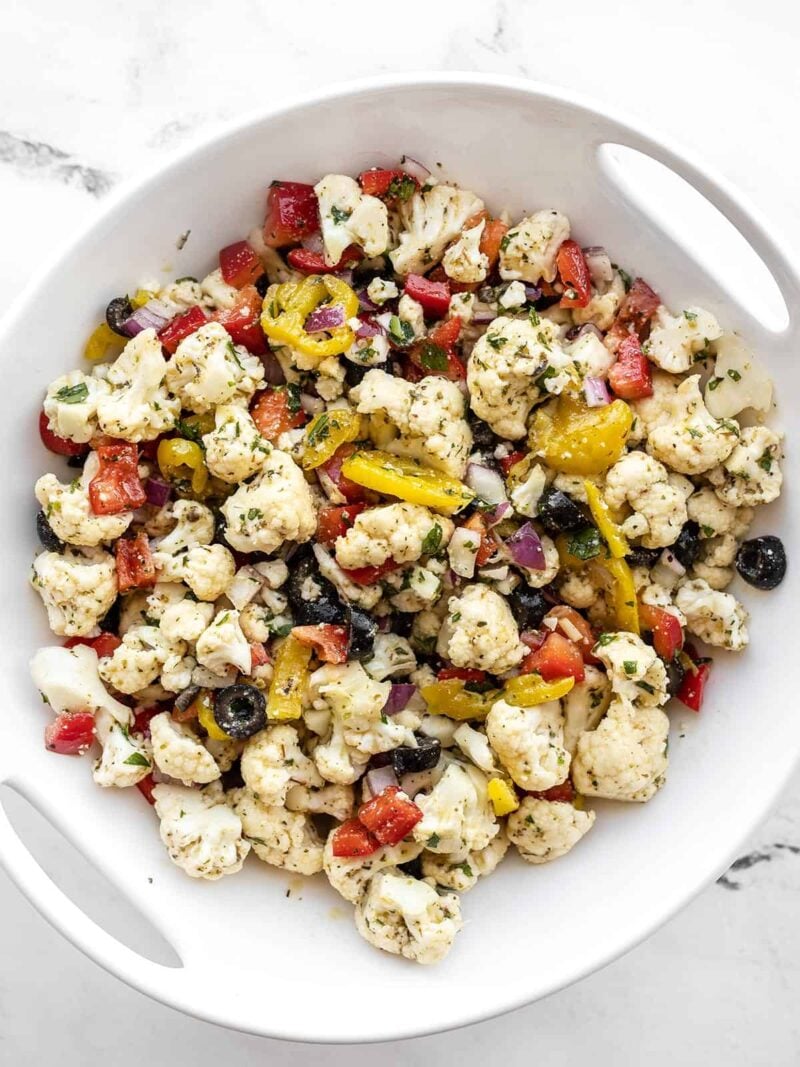
Marinated Cauliflower Salad

by Beth - Budget Bytes
A.N

just thought this looked good

Can’t stop, won’t stop with refrigerator salads! If you’re new here, refrigerator salads are salads that hold up really well in the refrigerator, so you can have delicious and colorful meals all week. This Marinated Cauliflower Salad is the perfect example. In fact, this salad gets better as it refrigerates. The flavors mix and mingle, and all those good flavors get soaked right up by the crunchy cauliflower. 👌

Overhead view of marinated cauliflower salad in a serving bowl

Take a Short Cut

I included a homemade Italian dressing in this cauliflower salad recipe, but if you want to make this salad even a little faster you can easily sub your favorite store-bought bottled Italian Dressing. You’ll need about one cup, but you can just add as much or as little as you’d like.

Make it Vegan

The recipe as written below contains Parmesan cheese, which does give the salad a little bit of body, but if you’d like to make this dish vegan you can easily leave the Parmesan out or add a little nutritional yeast in its place.

What to Serve with Marinated Cauliflower Salad

I served this cauliflower salad with my Garlic Marinated Chicken this week, but it would also go great with Herb Roasted Pork Tenderloin, Baked Ziti, Pizza Baked Chicken, or Easy Oven Baked Fish with Tomatoes. This would also be a great dish to bring to potlucks!

How Long Does It Stay Good?

As I mentioned in the introduction, this salad actually gets better with time in the fridge. …Up to a point. Haha. This salad will be good for about 4-5 days of refrigeration, with the peak flavor being on about day 2-3. As always your mileage may vary depending on the freshness of your ingredients and conditions inside your refrigerator.

Side view of marinated cauliflower salad in a serving bowl
Overhead view of marinated cauliflower salad in a white serving bowl

Marinated Cauliflower Salad

Marinated cauliflower salad is full of crunchy and colorful vegetables marinated in a homemade Italian dressing. Perfect for meal prep!
Total Cost $8.40 recipe / $1.05 serving
Prep Time 15 minutes
Marinate Time 30 minutes
Total Time 45 minutes
Servings 8 1 cup each
Calories 175.66kcal
Author Beth – Budget Bytes

Ingredients

Italian Dressing*

  • ½ cup olive oil $0.84
  • ¼ cup red wine vinegar $0.40
  • 1 tsp Dijon mustard $0.06
  • ¼ tsp garlic powder $0.02
  • 1 Tbsp Italian seasoning $0.30
  • ½ tsp salt $0.02
  • ¼ tsp freshly cracked black pepper $0.02
  • 2 Tbsp grated Parmesan $0.22

Salad

  • 1 head cauliflower $2.39
  • 1 2.25oz. can sliced black olives $1.49
  • ½ 12oz. jar banana pepper rings $0.90
  • 1 red bell pepper $1.50
  • ⅓ cup diced red onion $0.16
  • 2 Tbsp chopped fresh parsley $0.08

Instructions

  • Make the dressing first, so the flavors have time to blend. In a jar or bowl, combine the olive oil, red wine vinegar, Dijon, garlic powder, Italian seasoning, salt, pepper, and Parmesan. Whisk the ingredients together or close the jar and shake until combined. Set the dressing aside.
  • Remove the leaves and stem from the cauliflower, then chop it into very small florets (about the size of a grape). Place the chopped cauliflower in a large bowl.
  • Drain the black olives and remove the banana peppers from the jar. Add both to the bowl with the cauliflower.
  • Dice the red bell pepper and finely dice the red onion and parsley. Add them to the bowl.
  • Pour the prepared dressing over the salad, then toss to combine. Refrigerate the salad for at least 30 minutes to allow the flavors to absorb. Stir again just before serving. This salad gets better as it refrigerates and the cauliflower has more time to marinate. Always stir just before serving to redistribute the flavors.

Video

Notes

*Store-bought Italian dressing can be used in place of homemade.

Nutrition

Serving: 1cup | Calories: 175.66kcal | Carbohydrates: 8.06g | Protein: 2.69g | Fat: 15.6g | Sodium: 431.44mg | Fiber: 2.7g

How to Make Marinated Cauliflower Salad – Step by Step Photos

Dressing ingredients in a jar

Make the dressing first so it can have a few moments to blend. In a jar or bowl combine ½ cup olive oil, ¼ cup red wine vinegar, 1 tsp Dijon mustard, ¼ tsp garlic powder, 1 Tbsp Italian seasoning, ½ tsp salt, ¼ tsp pepper, and 2 Tbsp grated Parmesan.

shaken Italian dressing in a jar

Shake the jar or whisk the ingredients in a bowl until the dressing is combined. You can use a store-bought Italian dressing in place of homemade, if you prefer. You’ll need about 1 cup dressing.

Chopped cauliflower on a cutting board

Remove the leaves and stem from a head of cauliflower, then chop in to very small florets (about the size of a grape). Place the chopped cauliflower in a bowl.

Cauliflower and other vegetables in a bowl

Drain one 2.25oz. can of black olives, and remove ½ of the peppers from a 12oz. jar of banana pepper rings. Dice one red bell pepper, finely dice about ⅓ cup red onion, and chop about 2 Tbsp parsley. Add everything to the bowl with the chopped cauliflower.

Italian dressing being poured over salad ingredients.

Pour the Italian dressing over the salad ingredients in the bowl, then stir to combine.

Finished marinated cauliflower salad in the bowl with a spoon

Cover the salad and refrigerate for at least 30 minutes to give the salad time to absorb the flavors from the dressing. Always give it a stir before serving to redistribute the flavors throughout.

Overhead view of marinated cauliflower salad in a white serving bowl

The post Marinated Cauliflower Salad appeared first on Budget Bytes.

10 Dec 22:04

#1304: “Fox News stole my mom and replaced her with a ranting lady who won’t let me say or do anything without it setting her off. How do I get along with her until I can leave for college?”

by JenniferP

On calling bluffs, escape velocity, and the futile, necessary, but probably still futile, work of reclaiming some of our relatives from history’s flaming dumpster. Content note: Sometimes honestly talking about authoritarian stuff and white supremacy means describing it, so there are examples of actual racist and xenophobic statements from relatives herein.

Dear Captain, 

I (she/her,18) have a multifaceted problem that I would appreciate some help with. It stems from a larger more managed issue (Thanks Therapy), but I’ve been thinking a lot about it as I plan to essentially flee for college next fall, COVID-19 permitting. 

I am left-leaning and queer while my family is conservative. This is fine with most of my family, I’m in the closet and none of them are actively politically engaged conservatives, except for my Mother. She and I used to (Again, Thanks Therapy) get into Fights about politics among other things on an almost weekly basis. Fights would almost always be multi-hour affairs where both of us ended up in tears, have gotten physical a few times, and resulted in threats to not pay for my college. I made the safety decision to stop Talking Politics at home. 

I have managed to set up boundaries, though they have to be non-explicit as my Mother feels that any boundaries are a Personal Attack on her. I avoid watching the news with my family and have been forced to develop a Fox News Anchor Acceptability Ranker. I don’t bring up anything that might be construed as political. I do not express emotion when they try to talk politics or watch the news (No matter how much I want to beat Tucker Carlson’s head in with a heavy statue of Zora Neale Hurston). The issue is that literally anything I say can set my mother off on a political rant. All examples are paraphrased, but relatively accurate. 

Example One:

Me: “My friends and I are laughing at the fact that they are making a 2nd Tall Girl Movie” 

Mother: “What is Tall Girl?”

——–Captain Awkward, interjecting: What is Tall Girl? :googles: Ah, I see. Carry on. ——-

Me: (explains Tall Girl in its profound stupidity)

Mother: “See this is what Liberals do. Now everyone thinks they can complain about their life problems. It’s making our children weak, etc.”

Example Two: 

Me: Shows Father (who is normally Fine) picture of ugly bathroom in an expensive house “Isn’t it wild that people pay that much money to have a toilet on a two foot tall pedestal”

Father: (laughing) “Actually some basketball players have to do that for comfort.”

——-Captain Awkward: Tall people, tall toilets, sensing a theme here possibly? ;)———

Mother: (not previously in any way involved in this conversation) “Well doesn’t that make them entitled. How could any Black person in this country be oppressed if some basketball players have access to custom toilets?”

Example Three:

Me: (talking to mother on phone about sleep-away summer educational program pre-Covid) “… Anyway my class and I just vibe with each other.”

Mother: “Vibe, never use that word again. It is an un-Christian word. You’re being brainwashed by communists that want to destroy gender.”

    There are literally no topics I can safely discuss at home. What my friends are doing turns into they are actually all planning to secretly screw you over so you should never be friends with anyone. Media turns into you’re being brainwashed by liberal conspiracies. Clothes turn into weird weight shit. Cooking, my hobby, more weight shit. My feelings turn into why do you feel that way, are you saying I’m a Bad Mother.

    She gets upset when I don’t talk at home. Do you have any scripts or ideas for how to manage this? I want to be able to interact with my own family without it feeling like a puzzle that will zap me if I get it wrong. I somehow still love her, I just think that we are going to have to maintain a superficial relationship for the rest of our lives. This should be easier once I get to college, hopefully out of state, but I don’t want to piss her off enough in the coming months that she won’t pay for it. 

Thank You I know this is a lot, 

I Just Want to be Able to Make Small Talk Without Invoking the Wrath of God

Dear Small-Talk-Wrath,

Sometimes I’m making my to-do list for the day and have this whole plan and then a letter comes in, and I’m like, HELLO, I LOVE YOU, I HAVE TO ANSWER THIS RIGHT NOW, SORRY/YOU’RE WELCOME. So, hello, I love you, this sounds awful, and I’m so glad you wrote in. I offer both advice and commiseration. 

First things first: Commiseration, obviously. YOU ARE NOT ALONE in having a controlling, authoritarian relative who has embraced cruel, authoritarian ideologies. Listen to this podcast about Fox News and family estrangement and/or read this article. There is a definite Thing happening, where scary authoritarian propaganda and misinformation and conspiracy theories are combining with a failure to govern are combining with pandemic anxieties are combining with white supremacist awfulness are combining with toxic hierarchies in families are combining with… (etc. times infinity) Those links run through some of the whys and possible solutions for what’s happening. 

This isn’t just a 2020 thing or a 2016 thing or a generation-specific thing, or even a Facebook thing, this used to happen with my Grandpa, too, where we’d be talking about something I am an expert on, relative to him, and I’d refute some bizarre genocidal Islamophobic talking point he got from talk radio or Ye Olde Angry Old Man Internet, Home of Weird Animated Flags, ASCII Art Flags, Eagles, Crying Eagles, Eagle-Flags, Racist Flags, Jesus Flags, and Racist Jesus, On An Eagle-Flag, Exploding Out Of The Twin Towers, While (Racistly) Crying. Whenever I’d fact-check the content or push back on the overall theme of Mushroom Clouds + Racist Caricatures + Summary Executions of Abortion Providers/Havers = Patriotism?, Grandpa would say, “You’re very young, you just don’t know the truth of things” and I’d be like, I don’t have the same experiences you do, obviously, but I actually do know some things, would you like some articles? (I ❤ citations) and he’d suddenly need to get off the phone, because nobody in the box marked “granddaughter, woman, young” could possibly also live in the box marked “actual adult, who sometimes knows things.” 

Point being, if you currently have people in your family who cheer on suffering and mass death as long as it’s happening to the “right” sort of people, there’s probably a large overlap with the people in your family who already won’t take your word for anything, including your lived experiences, including your sexual orientation, including your gender and true name, including observations that the sky is blue, including your favorite chocolate chip cookie recipe. These people do occasionally accept corrections or new information, but only when delivered by someone with in-group status that they already see as an authority or peer.When I listened to the podcast I linked, it made me cry when Sarah Marshall described her hunger for her parents to just once believe what she has to say about literally anything, not just politics, because she said it. To take her at her word about a thing she knows, or feels, or something that happened to her, without second-guessing or dismissing her. I’m so sorry to everyone who asks me how to accomplish this with their families, because truthfully, I don’t know. When it was me trying to do the persuading, I failed, and not just with Grandpa.

Whenever Grandpa emailed everyone in my family (CC: all of our elected officials) with truly disgusting, vile rants, which got even worse when he started composing his own, many rolled their eyes and told him not to email them about “politics” anymore, but nobody said shit about the content, except when I spoke up, at which point everybody yelled at me for “antagonizing him” and admonished me to “just ignore it” and reminded me that “he has a right to his opinions” (the “unlike you” was silent but deadly). I do not think anyone in my family agreed with the things he wrote, but the hierarchy of obeying elders, of knowing my place, of “respect” as a thing I owed but was never owed in return, came more naturally than backing me up on “Hey, Grampa, what you’re describing here is war crimes avec un petit soupçon de genocide, actually, so, respectfully…no?” Is it “just an old man’s harmless ravings, ignore them” when our country goes to war(s) over those same ravings, when less than five years later a racist president signs a “No Muslims Allowed” travel ban on his first day at work? That too is white supremacy, deciding that somebody routinely saying violent, racist things is “embarrassing”  instead of dangerous, and only requires a polite subject change because none of it is entirely real to you. If I failed to reach my grandfather with passionate engagement, I’d argue that “just ignore it and it will go away” failed just as much. We lost him long before we lost him. 

“Let there be peace on Earth and let it begin with me” is a song and a way of being that he taught me. I was his favorite, all my life, the first grandchild, his pride and joy, his Scrabble partner and nemesis, the living proof that girls could do anything boys could do that he’d refused to grant his daughters, and I failed. I kept loving him and fact-checking him to the end, I asked him questions and listened to the answers, I tried to see where he was coming from and make allowances for an old soldier’s mind closing in on itself with age and the loss of my Grandma, and I failed. I constructed beautiful, researched, airtight arguments to appeal to logic and our shared humanity, and yet, I still failed. The absolute truth is that Grandpa both fought Nazis in the 1940s and sounded a whole lot like one by the time he died in 2011, courtesy of Fox News and Rush Limbaugh and Old Man Memesters, and also courtesy of whatever lived inside him that turned on certain media channels day after day because he just enjoyed his news more when it’s white and hysterical and has suggestions for who to hatemurder. Is that too harsh? The man sent me emails, plural, specifically calling for rounding up American Muslims and placing them in concentration camps after 9/11, in those words. If he were still here, he wouldn’t be a red hat cultist, mind, but he’d be one of the Lincoln Project or Susan Collins-y authoritarians who is like “ugh, so concerning!” while enabling every last vile shred of it. I hate it, and I hate knowing that there would be nothing I could do to change it. 

Letter Writer, you are not alone, the people who wrote me similar letters are not alone, none of us are alone, and nobody can fight or fix this alone by being pure of heart and sure of word, is what I think. We’re going to need sustained, widespread policies and content moderation tools and journalism standards and massive antitrust actions that force lucrative platforms to stop the toxic sludge at the source because it literally gets too unprofitable to be a bunch of fascism-enabling ubrovillains. Some people’s hearts can’t be fixed with better interpersonal communications or the tempting Sorkiny fantasy that, deep down, everybody wants the same things and can be reached with the right conversation, or, in Aaron’s case, stirring-monologue-with-cheesy-music-and-hallway-power-walk. “Everyone” clearly does not want the same things, people are dying, and if our shittiest relatives want us to believe in a shared inherent human decency, I’m all about it, but I’m gonna need them to stop keeping theirs “deep down” next to the oft-mentioned “racist bone” that is 100% definitely somewhere in their bodies. 

Now that that’s off my chest, Letter Writer, it’s advice time! I’d like to suggest a thought experiment/research project: If your mom did outright refuse to pay for college, what would you do? 

If people don’t know, the current financial aid system in the United States calculates college costs and aid based on parents’ income, and has many flaws. One glaring one is that it doesn’t account for financial abuse (not to mention other kinds of abuse). If your parent won’t fill out the form, or decides they don’t want to pay at the last minute, you’re out of luck until you jump through many hoops to have yourself declared independent. If one must have supportive, kind parents instead of controlling & abusive ones in order to access higher education, then it’s not exactly a right, and one way to describe many “left wing” social safety net policies is the belief that nobody’s survival, safety, health, dignity or future should be subject to the whims of their abusers. 

You have this year to think about and plan your future, and I think logistics are a good place to start, because in a situation where you don’t feel like you have any control, nailing down what you can do can be a way to reclaim some agency and freedom. Your choices (hide yourself and continuously find new ways to comply vs. jump out on your own at 18 during a pandemic and burgeoning recession) are not awesome, and they aren’t fair, but the more you understand them, the more choices you actually have within them. Some questions to get you rolling: 

-What are the projected costs of where you want to go to school? What are your options?

-Can you (on a walk outside the house where you cannot be overheard) have a confidential talk with a financial aid counselor at your college about your situation and see what kind of options there are for students who do not have financial support from home, as well as what you’d need to do to document that? What’s on offer may be scant, but knowing is better than not knowing, and you won’t be the first or only person who has needed information about this. 

-What alternate resources are there for paying for school? Think: In-state tuition at the least expensive state school, getting some requirements done at a community college and then transferring, scholarships, grants, student loans (which are not ideal, obviously, but researching federal loans vs. private ones and, again, figuring out what’s possible is a good idea). There are a lot of guides like this one out there that can give you a framework for further research, and the incoming administration is making lots of noises about free or vastly less expensive schooling that may be implemented by the time you actually start. You also need this info in case your mom pays for college in the beginning but keeps inventing reasons to threaten you and yank it away when you’re halfway through. 

-What allies do you have, inside and outside the family? If it came down to it and your mom refused to pay, would your dad back her up, or would he say “That’s ridiculous” and write the checks? What are your grandparents like? Do you have favorite teachers from high school who you’d trust to explain your home situation truthfully and who would write additional glowing recommendation letters for you as you go after scholarships and grants?

-If you had to move out of your house, are there friends or relatives who would take you in for a while? If you had to delay college for a while, could you apply to a program like AmeriCorps or other volunteer service that gets you out of your house, gets you job experience, and (sadly small) college scholarship benefits?

-Is it possible to get copies of your birth certificate and ID documents, vaccination records, and school transcripts and stash them at a friend’s house in case you had to move out in a hurry? 

-What options do you have for earning money and socking it away in a bank account your parents cannot see or access, and/or what skills can you pick up on the fly for free? Can you put the word out in the family that you’re trying to earn some extra money for college next year (which will be handy whether or not your mom comes through for you) and are willing to accept odd jobs?

Ideas: “Cousin-Small-Business-Owner, I will happily proofread and clean up your website if you’ll pay me a little something and be a professional reference for me.” “Aunt Tax Accountant, do you need a willing paper wrangler for tax season? Teach me your ways.” Home organizing, tech support, “For $X plus materials I will scan, print, and label all the family photos into albums and make a digital archive for everyone.” You love cooking, so maybe something like, “For $Y plus $Z for ingredients, I will plan and make you a week’s worth of individually-wrapped lunches you can pop in your freezer.” I don’t know what you should charge for virtual babysitting/tutoring, i.e. “I will hang with your child on FaceZoom and do an activity with them/help them with their homework/read them a story/let them chatter to me about Minecraft or The Titanic for half an hour every day,” but I know that this is a thing that working parents everywhere would throw some money at.

Becoming the family scribe or Meals-On-Wheels service isn’t just about money, it can also be a way of building loving, mutually supportive ties with your elders that aren’t mediated through your mom. She is not the only person in your family, she is not the only person who gets a say in how lovable you are (very!) and who you are allowed to be (yourself, only ever yourself). If your mom has siblings, it’s likely that they know or strongly suspect how she is as a parent even if they diplomatically stay quiet, and if you’ll allow me to be your personal Machiavelli for a moment, if the shit really does hit the fan next fall, your mom’s story about your sullen teen rebellion won’t match the actual bright, conscientious sweet pea who has been cleaning Granny’s house and helping her Zoom into her virtual church services for the past six months. It’s not the worst thing ever if your mom has to weigh “how much do I want to punish and control my daughter” vs. “how much do I care about looking like a huge asshole to everyone else in the family,” and reckon with associated networks of influence and peer pressure before she makes any regrettable decisions.

THIS ISN’T FAIR. You should not have to earn your place in your family and strategically plan your next year like an intergalactic space voyage. Not every parent is willing to pay for college or even can pay for college, lots of families make agreements around minimum grade point averages and timeframes and budgets as conditions for continued support, but there’s a word for using money to threaten your kids and make them walk on eggshells around you, and a word for verbally shaming and berating them every minute of every day, and that word in both cases is abuse. Your mom is making it impossible for you to have a harmonious or authentic relationship with her, and what she is choosing, ultimately, is a future where she is something you have to escape from, keep your distance from, and discuss only the weather (a liberal conspiracy, obviously) with until the day she dies. It is unfair, it is sad, it is not your fault, and unfortunately you are very limited in what you can do to change the vibe (clearly Satanic) in your home while you still live there.

So one way I want to help you is to give you every possible resource and avenue so that if it comes down to it, and your mom says “Do this or I won’t pay for your education” or “Do this or you can’t live here,” and you reach the point where you cannot endure the abuse anymore, you can call her bluff, calmly say “Okay, if that’s what you want, Mom,” quietly pack whatever things you haven’t already stored in a backpack at your best friend’s house, and go. It will never not be scary, but if you have a plan, if you know exactly what your line in the sand is and what it means to cross it, it may also give you courage to endure the situation a while longer and a little more confidence to press your luck with enforcing boundaries while you still live there.

I humbly suggest that your mom has overplayed her hand in more ways than one: 1) If she makes good on her threats, and you still won’t comply with her, she’s going to have to work to convince you to come back under her roof or talk to her at all. Once you call her bluff? She’s done. 2) If everything you say is disappointing, and silence is also disappointing, if there’s no way you can win, then maybe you can stop playing the game so much? She’s going to pick on you because she likes it and she’s decided that’s the best way to command your attention, but you’re not causing that. You know your own safety best, so don’t deliberately escalate situations or provoke her, but if she’s going to be shitty about everything you say, and equally shitty about everything you don’t say, maybe you can say more of what you actually think sometimes and keep on shrugging the rest of the time. 

If your mother really would withhold the educational help she promised you because you won’t crawl into Lou Dobb’s Neckless Hate Abyss with her all day, every day, that’s on her, that’s a choice she is making, to like the racist poison more than she likes you. And if your dad enables her? I guess he can either stand up for you or he can cry himself to sleep every night to the sound of Ann Coulter barking Nazi crap from your mom’s side of the room, which is also a thing he chose to value over his own daughter. Your parents do not own you, and this liminal period of time where you try to go along and get along and  exist politely with them is a grace you are extending to them, not something you owe. 

I don’t write about family estrangement for fun, and I don’t actually want people to have to choose between their families and survival and love and freedom. I know it’s jarring for people who come from accepting families or averagely-annoying families when I’m like “YOU CAN TRY TALKING IT OUT BUT YOU MIGHT HAVE TO REALLY LEAVE, THO,” and it’s heartbreaking for me, too, every time, because as much as possible, I badly want families to figure it out, to communicate, to forgive and trust and value each other, to grow to understand each other and see each other true. So, my dear, Letter Writer, I very badly want to screenwrite the future where your mom says one of the awful-and-yet-darkly-hilarious-because-you-are-a-great-writer examples you provided in your letter, and you say, “Really? Mom, when you say that stuff to me, what is it you hope will happen?” after which you and she will finally have a real, adult conversation where you hash it out, and mutually, respectfully decide that you don’t have to agree with each other in order to be kind to each other.

But in my opinion and experience, family dynamics like yours and parents like your mom do not change unless the power dynamics change, and sometimes the reminder that you could walk away if you really had to is the only thing that makes it safe or even possible to keep engaging. “Deep breaths, I’m going to take it one visit at a time, and if it’s terrible, I’m allowed to leave and try again another time” isn’t “Fuck you, parents, who needs ’em anyhow,” its “I am trying desperately to stay connected to people I love, in spite of everything.” Abusive parents are not created by disobedient children, there’s no amount of love and duty and compliance that turns an unkind person into a kind one, and sometimes there is no safe distance at which you can coexist. This is true in romantic relationships, this is true in friendships, and this is true in families. 

Right now, the bulk of the power lies with your mom. If she has the purse strings, and if she’s determined to use everything she has, including physical violence (past, sounds like, but still possible) and threats, to get you to undergo the Dutiful Daughter 3000 personality extraction procedure so she can finally own everything about you, including your sexuality, body shape, calorie intake, vocabulary, social interactions, political opinions, and frequent reassurances that she is a great mom, there is zero persuading her to behave differently until you have done something to rebalance the power between you. After going to therapy, you’ve already done some things to give her less power over you, but they all involve diminishing yourself, reacting less, hiding your feelings, holding in your opinions, trying to become so small and so harmless so maybe she won’t pounce today. That’s helped, some, but there are limits. You cannot sustainably remain this small and silent, and you cannot persuade someone who corrects every word that falls out of your mouth and every bite of food that goes into it to deliver basic kindness and respect until there is something she wants more than she wants your compliance.

“Please be nice to me because I need that from you, my Mom, a person I love and who says she loves me” = No.

“Please be nice to me because it’s the right thing to do and probably easier than dreaming up new ways to be a jerk” = Not good enough.

“Can we try a thing where you are at least as nice to me as you would be to a random coworker or possibly a houseplant”= Not getting it done, sorry.

I’m going to really try to stick to safe conversation topics and not set her off this time” = She’s going off at least twice a day like clockwork, you’re not the one causing any of this.

“Be a basic amount of nice to the daughter you have, or you’ll end up with no daughter, because I can withstand your disappointment, and I can grieve and survive your absence, but I won’t participate in your unkindness” = That’s a boundary that can’t be threatened or explained, it can only be enforced over time, but once you do start enforcing it, giving her time and attention when she is kind and removing it swiftly when she is not, it might get her attention, even if she never understands it or takes responsibility for what she did to cause it.

Since she wants your attention badly and wants to be seen as a good mom (way more than she wants to actually be a good mom to you, sadly),  it’s hard to reconcile “I am a wonderful mother!” with “Whatever happened to your daughter, does she ever visit?” and once you’ve had a chance to pull away and she learns that visits and phone calls are optional and happen on your terms, she might find that she can make an effort to be a little nicer and more respectful after all. You might be able to rebuild something from that. Nothing close, or self-aware, or real, or relaxing in any way, but something.

If you leave, and she still refuses to grant you the courtesy one would display when renting a car at an airport or dropping a package off at the post office, she can spin whatever story she wants about your sinful gay abandonment (and lots of estranged parents do, claiming they don’t understand what happened), but you – and she, on some level – will always know that the real story is “I threw a wrecking ball into my daughter’s economic future because she wouldn’t obey me, just because I could, and I could probably get her to visit anytime if I’d only apologize, turn off the hate-box, and stop criticizing her for five minutes in a row.” 

In the meantime,  you are very, very, smart to figure out what your boundaries are, to de-escalate and “grey rock” it wherever you can, to hold onto your friendships and support system, to try to have an independent relationship with your dad, and to try to wait it out for now. Beyond that, as much as you want authentic conversations with your mom and would settle for some neutral ones, she is some mix of incapable and unwilling to have those with you. From what I can see, you are already doing all the work you can conceivably do here just to survive another year in this house, and the status quo might be as good as it gets until you can get away. 

Your small quiet room is out there, somewhere, and if you can hang in long enough to find it, I have done my job today. Please know that I’m sending you all my corrupting Satanic influence, communist gay unicorns who hate rules, and proud antifa love.
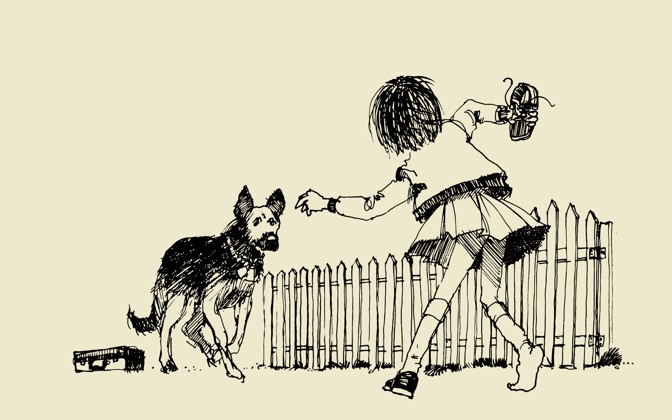
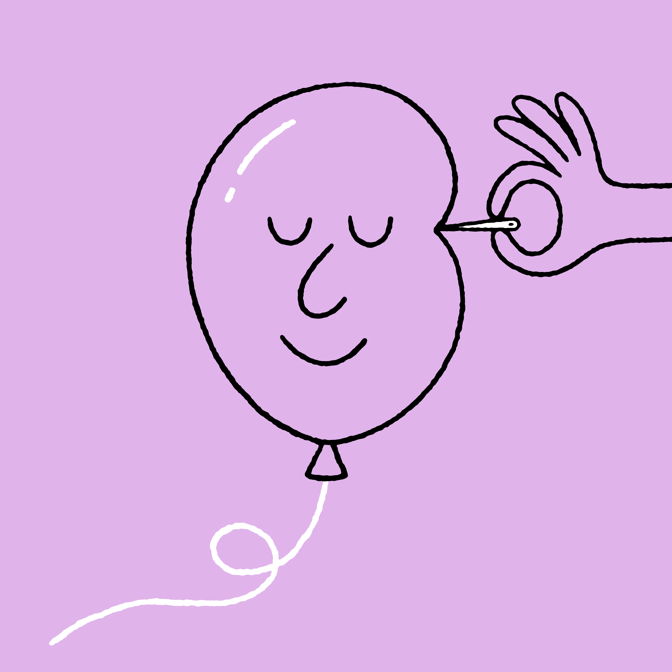
 

09 Dec 14:23

Ten Years

The ten-year cancerversary is traditionally the Cursed Artifact Granting Immortality anniversary.
09 Dec 14:19

Cyber Cafe

Since we haven't really settled on a name for those online hangout/work spaces that try to recreate the experience of cafes, and I love confusion, I'm going to start calling them 'cyber cafes' or 'internet cafes.'
09 Dec 14:18

Covid Precaution Level

It's frustrating to calibrate your precautions when there's only one kind of really definitive feedback you can get, you can only get it once, and when you do it's too late.
08 Dec 18:05

The Secret Internet of TERFs

by Kaitlyn Tiffany

Updated at 1:56 p.m. ET on Dec. 8, 2020.

Mary Kate Fain, a 27-year-old engineer and writer living in Houston, has always considered herself a feminist. Growing up, she told me, she had a pretty standard set of progressive values—her primary focus was animal rights, and her feminism was reflexive, mainstream. In college, however, her ideas about feminism shifted. After volunteering at a domestic-violence shelter and experiencing an abusive relationship herself, she committed to some of the radical feminist ideology most often affiliated with the second-wave icon Andrea Dworkin, which is focused on the roots and prevalence of male violence. Eventually, her beliefs radicalized further: She became convinced that trans women are men and trans-rights activism is just another weapon of the patriarchy.*

Like many, Fain’s political transformation was helped along by the internet. Though she’d never had much use for social media before, on Reddit she found a forum—or “subreddit”—where tens of thousands of members, predominantly women, were devoted to the insistence that trans women are not women. “I first found the community while I was still looking for answers,” Fain said. These women were asking the same questions that she was, going through the same uncomfortable situations with their friends, feeling the same moment of disenchantment. They had experienced the same guilt over breaking with their communities, and now they had one another.

Among other online feminists, the common name for this group Fain found is “trans-exclusionary radical feminists,” or TERFs. The name the community has chosen for itself is the somewhat more palatable “gender critical,” though, as other feminists often point out, that name means nothing; all feminism is critical of gender. TERFs constitute “a minority of a minority of feminists,” says Grace Lavery, a UC Berkeley literature professor and writer. Nevertheless, this tiny group has attracted a disproportionate amount of attention in the past several years, in large part thanks to social-media platforms. Anti-trans feminists have a presence in many mainstream online spaces, including Twitter, “radfem” Tumblr, the Black women’s beauty forum Lipstick Alley, and the British parenting forum Mumsnet.

On these sites and others, they use many of the same trolling tactics as other internet-based fringe political movements to disrupt conversation, skew reality, and make the internet another dangerous place for trans women through doxing and harassment. Anti-trans activists have used social media to call out specific trans women who use women’s bathrooms, for instance, labeling them “predators” and “pedophiles,” and promising to resist them by any means necessary—be it pepper spray or pistol. GLAAD has shown that these sorts of attacks have warped online discourse, turning focus away from discrimination and instead encouraging renewed debate about trans women’s bodies. (Fain insists that her views are “utterly mainstream” and “commonsense.” She denied that members of her community engage in doxing, harassment, or threats.)

For years, r/GenderCritical, the group Fain joined, was the internet’s largest and most recognizable anti-trans space, known on Reddit as a “major pipeline” into TERF ideology. That abruptly changed in June, however, when r/GenderCritical disappeared from Reddit. The cataclysmic events of 2020 had pushed all major social-media platforms into content-moderation crisis mode—compelling them to adopt a new dedication to removing misinformation and hate speech, adding friction to prevent harassment and viral conspiracy theories. Reddit responded to pressure from its users in the midst of the Black Lives Matter protests by introducing an overhauled content policy that contained specific rules about hate speech. Its implementation resulted in an automatic ban for r/GenderCritical. No warning. (The notorious pro-Trump forum r/The_Donald was removed the same day, along with about 2,000 other forums.)  

[Read: Reddit is done pretending The Donald Is Fine.]

Fain framed the ban flatly as persecution. “They use the label hate speech to silence speech they don’t want,” she told me. “Radical feminism does not come from a place of hate, nor anything even remotely near it. Radical feminism comes from a place of love for women and girls.” Almost immediately, she joined a core group of r/GenderCritical members in an effort to rebuild what they lost. In about a month, they came up with Ovarit, a new, invite-only Reddit-inspired platform. They’ve transferred over archived threads that were preserved before the ban and started inviting women one by one to a more secluded space. Freed from the constraints of a major platform and unwanted attention from a broader internet public, the site was built not just as a safe space to “protect” themselves and “carry on as before,” one r/GenderCritical moderator wrote after the migration, but to become even bigger.
TERFs are far from the only banned communities that have taken matters into their own hands in this way. For years, the conversation about online moderation has been about pressing major social-media companies to take responsibility for what happens on their platforms. But now that these companies are finally doing so, reactionary alternative platforms such as Ovarit are popping up like mushrooms. Many of the exiled groups behind them have little in the way of shared ideology or politics, but they do share a fixation on the way they’ve been persecuted. And they raise a whole new set of questions about how to break down the internet’s structural penchant for hate.


The phrase online echo chambers generally refers to self-created silos on websites that are enormous. On Facebook, you can find yourself in a right-wing or left-wing bubble, but the other side is there, engaging with the same algorithmically accelerated trends, occasionally getting fired up enough to jump into a fruitless debate. Now, though, there are early signs that the bubbles are moving even further apart. Pundits and politicians on the right have been threatening to migrate en masse away from the Big Tech platforms they view as censorial, and set up shop on a “free speech” site such as Parler or Gab. Activists on the left, who have their own disdain for Big Tech, have long been at the forefront of the push for decentralized social networks such as Mastodon. Meanwhile, getting banned from a social-media platform and creating a knockoff of it is effectively a rite of passage for toxic groups at this point.

All kinds of these groups have created their own independent havens. When Reddit started moderating r/The_Donald, which had nearly 800,000 members at the time it was banned, the community created TheDonald.Win as a home for its racist memes and indecipherable blend of “irony” and hatred. The notoriously violent incel community was also banned and moved on to a hate site of its own. The men’s rights activists in r/TheRedPill weren’t banned—only quarantined, which means the group doesn’t show up in Reddit search—but they made a new site as well. Fain, who’s now an icon in the online TERF community, has made a whole constellation of radical-feminist platforms. She created the blogging platform 4W after she was banned from Medium. She created Spinster.xyz, which she says has about 14,000 users, as an alternative to Twitter, “in response to the many radical feminists who were being silenced or banned.”

[Read: Reddit is finally facing its legacy of racism.]

To build Ovarit, Fain organized with the former moderators of r/GenderCritical and a handful of other collaborators in a Discord server. Making a new website from scratch would take too long, so they looked for a preexisting platform with open-source code. The team thought about using the open-source software behind Saidit, a popular Reddit alternative that hosts many banned Reddit communities—including the QAnon subreddit r/Pedogate and the snuff-film subreddit r/WatchPeopleDie—but it wasn’t secure enough.** (The group was worried about cyber attacks.) Another platform, Raddle, didn’t offer moderation tools, which would be important if outsiders ever came to Ovarit to cause trouble. They thought about Lemmy, a federated alternative to Reddit, which hosts the also-banned Reddit community dedicated to the popular left-wing podcast Chapo Trap House. Fain says that didn’t work out because the developers of Lemmy are “actively anti-feminist,” while the developers told me their code of conduct “contains a section against anti-trans bigotry, [which] means we wouldn’t help them in any way.”

Finally, Fain and the others settled on an open-source platform called Throat, run by the Argentinian developer Ramiro Bou. Throat was created in 2016 as an alternative to Voat, another Reddit alternative, which was hosting many of the most disgusting former subreddits and had already become unusably toxic—as might be expected of any site branded as a home for conversation too disgusting for 2015 Reddit. When I asked Bou about Ovarit’s use of his code, he told me, “They’re nice people,” and that they’re currently one of the most active communities on Throat.
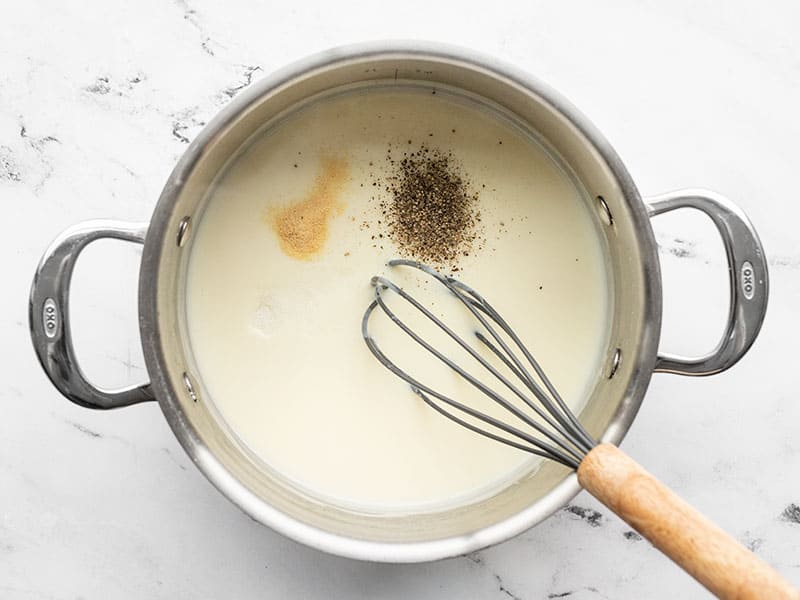
So r/GenderCritical set up shop on a new instance of an alternative to an alternative to Reddit. Ovarit looks exactly like Reddit, except it’s purple, and subreddits are called “circles.” There is a circle called “Cancelled,” which is specifically for talking about “attempts … to silence those who speak out against the queercult.” There is a circle called “TransLogic,” which is specifically for talking about “misogynistic and illogical things trans activists say and do.” There are general-interest circles for talking about books, television, science, and knitting. There is a circle called “Radfemmery,” which is for memes and jokes about how much the people in it do not like trans women.
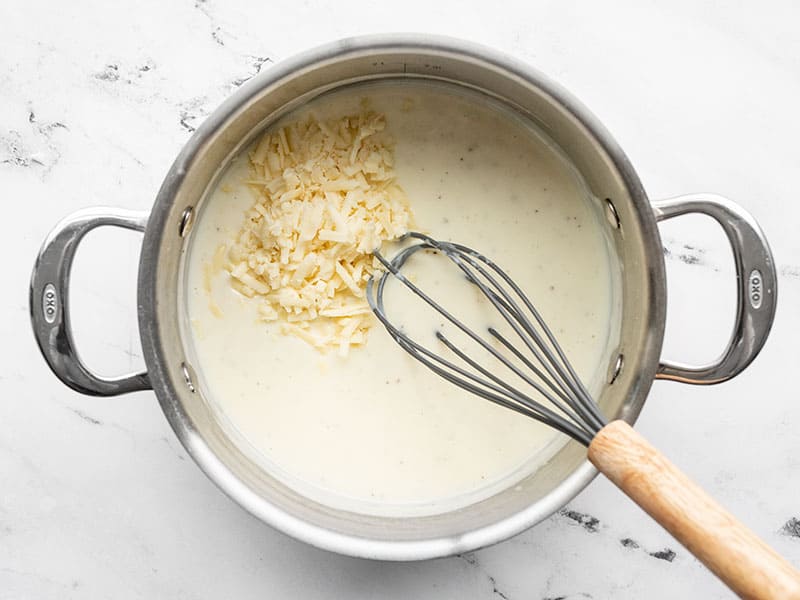
The tone of the discussions in most of the circles is insular and defensive. Much of it is about the way Big Tech is censoring radical-feminist thought by driving “wombyn”—a deliberately exclusionary term that prizes women with female reproductive organs—off of their platforms, as well as the way the mainstream media has been taken over by a “tiny minority of men,” which is how Ovarit’s members refer to trans women. The plight of J. K. Rowling is revisited often.

In a practice carried over from Reddit, members are encouraged to share their conversion stories, which they confusingly call their “peak trans” moments. In a typical exchange, one woman explains that she came to Ovarit after dragging herself out of a trans-rights-oriented Tumblr community and falling down a YouTube rabbit hole; another replies that her story is extremely similar, right down to her discomfort with her previous social circle’s expectation that she be supportive of “men in lipstick.” (Many of these stories are told “with a sense of excitement, guilt, fear … it’s disturbing but thrilling,” Lavery, the UC Berkeley professor, told me. “All the usual stuff that people who get involved in extremist groups find.”) The users joke and bicker, like all political groups, and then they come back together—bonded by their shared experience of being unwelcome most anywhere else.

So far, the only major difference between Ovarit and r/GenderCritical is that here, nobody challenges the members. There are no outsider “trolls” butting into the conversation to tell them that they’re wrong. On Reddit, some women were uncomfortable being totally candid, Fain told me. But here, they can be themselves. “It was really hard to be on Reddit as a woman,” she said. “Now on Ovarit … It’s a big breath of fresh air.”


In its early years, Reddit was known as a platform for free-speech absolutism. (As was Twitter, which called itself “the free-speech wing of the free-speech party.”) But as the site got larger, it was pushed by its own users to realize what that really means. Completely unimpeded speech for some—those who want to express hate—inherently limits speech for others. Most hate speech is protected by the First Amendment, but that obligation doesn’t apply to social-media companies. Getting banned from Reddit is not a legal consequence of speaking; it’s a social one.

The goal of online moderation can be thought of in two ways. The point can be to reduce hate speech or extremism on Reddit, Facebook, or any other specific platform, which has gotten much easier to argue for in terms of business interests and consumer preference. Or it can be to limit the spread of these things across the internet more broadly, which is a much more abstract project. As radical communities multiply on the outskirts of the internet, whose responsibility is it to worry about them?

[Read: Reddit quashed QAnon by accident.]

There is a case to be made that these communities should not be kicked off major sites in the first place. If you remove a group like r/GenderCritical from Reddit, that group will move on to a more lawless part of the web. The escalation of rhetoric there isn’t slowed by any platform rules, and it also isn’t hemmed in by any dissenting voices, says Luc Cousineau, an internet researcher at the University of Waterloo. There is not even the slightest pressure to dial back hateful speech in order to seem well intentioned and approachable. Keeping everyone near one another might come with a sort of “social content moderation,” Cousineau suggests. He hasn’t researched whether this works, but it’s an important point: You can’t de-radicalize anyone if they’re off in their own world.  

Lavery is sympathetic to this reasoning, but she emphasizes that keeping TERFs in close proximity to trans women comes with a severe price: continued harassment, bad-faith attacks, and implied or explicit threats of violence. Lavery has spent years observing the way anti-trans activists target and terrorize trans women, including herself. “Trans people deserve to be online,” she told me. This is often unbelievably difficult. The journalist Katelyn Burns wrote last year about how the internet is weaponized against trans people. She had personally been doxed, been harassed on Twitter, and watched members of r/GenderCritical dig up and mock pictures taken of her with her children before her transition.

So, the banning approach. The research about what happens when toxic groups are removed from Reddit is limited, but encouraging. Hate speech across the site went down after a purge of such communities in 2015, which made the site more usable for a more diverse group of people. A recent study of the new off-Reddit platforms for r/The_Donald and r/Incels found that the number of people who use those sites is substantially smaller than the number of people who participated in their respective subreddits, and growth is much slower. Without Reddit, these extremists struggle to recruit.

Still, there is reason to be concerned about what happens to the extremists who already exist when a group is banned. The collective identity of r/The_Donald was built around a shared fixation on external threats—mostly Muslims and leftists—according to a recent study. The “us versus them” attitude was requisite for feeling a sense of belonging there. After r/The_Donald was banned from Reddit, another group of researchers looked at how this attitude fared on their new site, TheDonald.Win, and found that it was exacerbated. The team traced the usage of words such as we and they, as well as instances of keywords they had added to a “fixation dictionary,” which could be used to approximate the toxicity of a community. “There are substantial increases in how toxic they became once they left the platform,” Manoel Ribeiro, a researcher at the Swiss Federal Institute of Technology and one of the study’s authors, told me. “There seems to be a trade-off.”

On Ovarit, us-versus-them language is everywhere. “They’ve been working for years now to censor and steer conversation on social media,” one recent comment read, underneath a post that warned “Be careful as they’re setting traps for us.” (The “they” refers to outsiders back on Reddit.) Ovarit may remain small, but the users who stay are spending more and more time talking about how they’ve been oppressed by popular opinion on trans women’s right to exist. As they spread out on the new site, there are entire discussion spaces reserved for these feelings. Many of the top-voted posts on the home page are screenshots cherry-picked from the outside world for ridicule or disdain. (“They’re self-aware lmao,” one user wrote recently above a screenshot of a playful meme ostensibly made by a trans woman about the transition experience.)  

If you spent hours a day on this site, it would be easy to forget what that broader world is really like. It would be easy to forget what other people are really like, too, and to lose any curiosity about what they experience.

After we spoke, I sent Fain a link to a thread on Ovarit, in which women were discussing their disdain for Transgender Day of Remembrance, an annual observance dedicated to the memory of people who were killed directly by anti-trans violence. In 2020, the number of deaths is at least 40 so far. “How many fucking invented holidays do they have at this point?” one asked. “They should change it to Every Day is a Trans Day because they don’t let us stop reading or hearing about them for even a minute,” wrote another.

I asked Fain if this kind of mocking, angry speech was concerning to her at all, and she wrote back to say no. “As I’m not a [moderator] on Ovarit, I don’t feel I’m in the best position to comment on specific content,” she said. “More generally, though, I think humor and anger are both very common ways for people to deal with pain and oppression.”


* This article has been updated to better reflect Fain’s beliefs.
** This article previously misstated that Fain and her team considered moving to Saidit. In fact, they considered using the open-source software behind Saidit.

08 Dec 17:18

What you should know about firing your physician

by Chanel White
A.N

Sharing, having found a PCP I really like - who doesn't weigh their patients, and only treats LBGTQ

This is a topic I don't often talk about because frankly, I don't like confrontation. However, it would be unrealistic of me to share life as a patient without mentioning this often uncomfortable situation. 

Firing your physician.

I can count on one hand the number of times I have had to remove myself from a physician's care. For someone with scores of doctors and nine years of constant medical care... that is a very small number. I am one of the lucky ones, truly. A doctor-patient relationship should be a partnership, never a dictatorship. Often new patients are blissfully naive, they honestly believe a doctor can do no wrong. They hand over their autonomy and let doctors make all the final decisions. This is what the system was built on. This is what the media shows us. This is what the providers are used to. The naivete makes the jobs easier - no questions, no interjections, just a followed treatment plan utilizing the drug companies that are likely funding them or their clinic. Often, this is a win-win scenery, the patient improves, the doctor gets paid, and everyone is happy. That is... until it doesn't. Until you have been a patient long enough to lose those rose-colored glasses; long enough to have experienced the negative side of medicine. The neglect. The disrespect. The dismissal. The inflated ego which put your life at risk.

Medicine is built for patients who take orders, not for patients who want a synergistic relationship in which they can exercise their right to choose without fear. Personally, I take a very active stance in my care. I want to be well educated on my conditions, their treatments, and the medical options available to me. I may bring potential new treatments up in office and request to review their pros and cons. When prescribed a new medication I may return home and read accredited medical journals and browse clinical trials to get a better idea of a drugs potential benefits and adverse reactions. I always ensure I know what is being prescribed and why. The knowledge necessary to make my final decision will come from open communication between me and my doctors as well as my own personal research. Both parties must be actively engaged and willing to see from each other's perspective. This can only be achieved through mutual respect.

Please note that many, in fact MOST medical professionals are good, honest people who genuinely want to help others. Or at least, many of them start that way. I have many doctors on my team who I would consider family at this point. Heck, I have added some of them to my Christmas list! I know my desires for autonomy and quality of life are respected at their practice. I also know I am profoundly safe and genuinely heard while under their medical supervision. However, that is not what this blog post is about. 

I want you to know that you do not have to stay in a negative relationship with a physician. While finding a new doctor is frustrating and often exhausting, it could save your life. You deserve to be with someone you trust - someone you feel safe to bring up your concerns with. While yes, the physician holds the expertise, training, and knowledge in theory, YOU and only you are the one that must inhabit the body in question. If a medical professional disregards your symptoms, uses derogatory remarks, or acts fictitiously during your appointments you have the right to decline further treatment with that provider. Your medical care is about you, your comfort, and your quality of life. You and your doctor should be a team with the same outcome in mind. While you of course should accept and head proper medical expertise... if that expertise comes at the cost of emotional abuse or repeated physical negligence you have every right to fire your physician.


19 Nov 19:16

Links: The Holidays and What To Do About Them

by JenniferP

Greetings!

As you can imagine, the “How do I get throughThe Holidays™ with weird family stuff?” questions are proliferating again, with a side of “My family is pressuring me to break COVID-19 safety protocols.” 

The VICE Life team has put together a thoughtful guide to the holidays during this weird year. I really love working with those folks, and my piece about the first Christmas I ever spent by myself and a pitch to do only the stuff you can safely do and actually want to do went live today. 

A smol black and white cat with a feather toy posing on a coffee table in front of a wee Christmas tree.
From Christmas 2009: It was just me, #smolcat Beadie (RIP) and my equally tiny Christmas tree.

Rachel Miller has advice for how to break the news that you’re not coming home for the holidays this year, and S. Bear Bergman and Amy Rose Spiegel have ideas for what TO do to celebrate, respectively: 

If you have the opposite problem, where you will be at home with family for the entire season and wish you weren’t, they’ve got that covered, too. 

Safety First, or, have you considered Just Not? Nothing has changed, pandemic-wise, since I wrote this, except for the body count and infection rates have grown exponentially. The case for not traveling or gathering has never been stronger.

Nicole Chung, joining the pretty great trend where everybody from The Toast becomes an advice columnist eventually, gives excellent advice to new parents about visits from enthusiastic-yet-risk-ignoring grandparents: 

“First, you and your husband should discuss and set the conditions under which you, together, would feel comfortable hosting. Maybe what you need to green-light a visit are flu shots, two weeks of aggressive social distancing, and negative COVID tests. Maybe you need all of that, plus masks, and no kissing the baby. My point is, you two need to decide on the conditions together, and your husband should then clearly explain them to your in-laws. They get to decide whether to go along. If they don’t? That’s their choice, but then they’re also making the choice not to visit you. (For the record, I also don’t think it’s wrong if you decide, as others have, that you want to just hold off on lengthy indoor visits indefinitely, or until there’s a vaccine, etc.)

Obviously your husband is worried about making his parents mad. But people who would visit you every weekend if they could aren’t going to cut you off over this. They may be upset at first, but they will also know exactly what they need to do if they want to see you—and you’ll have begun establishing the healthy boundaries you clearly need, better late than never.”

On the topic of general socializing (or lack of), Brandy Jensen’s most recent column hit me right in the empty, guilty spot where “How have you been?” texts go to die: 

“Covid has obviously eroded or destroyed countless things in all our lives including, for me and perhaps for your friend as well, the ease with which we maintain a lot of our relationships. That vast array of people you talk to somewhat frequently but not every day, the people you have dinner with every few months, the people you would see but not stay with if you are visiting their city. All of those relationships that add immeasurable texture to a life and are predicated on the simple joy of catching up.

The problem, for me, is that it feels like there is simply nothing to catch these people up on anymore. Too many things are happening but also nothing much is happening at all, and I find I have nothing particularly interesting to say about it. Life is dull and that has in turn made me a dullard. Even the things that qualify as events don’t feel like enough to sustain any real contemplation. How have I been? Well, I moved to a new city, and now I’m in a new place doing the same things as before, mainly dishes and fretting.”

A reader recommended Kat Vellos’s book Connected From Afar: A Guide for Staying Close When You’re Far Away, which I am adding to my reading list, and I concur with Jensen’s suggestion for how to replace texting to ask people how they are if you’re not getting the responses you want: 

“This is all to say that I wouldn’t be so quick to imagine you have done something that caused your friend to stop responding. These are strange times, and they cause us to do strange things. Or not-so-strange things, like become depressed in response to depressing circumstances. I certainly hope that some of the relationships I’ve let wither away through neglect can flourish again, when things are different and hopefully better. In the meantime, if you care about your friend you should can and should, on occasion, just tell her how you’ve been feeling. “I watched a great movie tonight and I think you would like it.” “Hey did you see that guy got caught cranking his hog on Zoom.” “I miss you.”

We may not all express it in the same way but we all miss each other. At least, I think that should be the operating assumption for as long as it remains difficult to tend to each other’s needs.”

John Paul Brammer of ¡Hola Papi! is on the loneliness beat this week as well, with Will Anyone Ever Love Me? and this stunning short film “How To Be At Home” from the National Film Board of Canada (whose app is now the best thing on my phone) is well worth four minutes of your time. 

And finally, because I am sure the inevitable “But how do I deal with loud Trump supporters in my family right now?” questions will be rolling in for a while (tbh they never stopped), I sadly do not have some secret advice for cult-deprogramming that I’ve been sitting on for five years. The same things that were true in June are true now, organizing with people who believe in reality to remove the cult’s power to harm people is still the best way forward, and it’s not over yet. Love and solidarity. 

Daniel Jason Mendoza Striped Tiger in a Santa costume from my Mother-In-Law
Daniel Jason Mendoza Striped Tiger, starring as “Betrayal” in 2019’s AwkwardHaus Christmas Pageant

17 Nov 15:23

Cheesy Loaded Cauliflower Casserole

by Beth - Budget Bytes

Thanksgiving is probably going to look a little different for a lot of us this year, but we can still celebrate, enjoy good food and each other’s company in new and creative ways. Since a lot of Thanksgiving gatherings will be a bit smaller this year, I’m going to take advantage of cooking less volume by adding a little more flare. Maybe go for that fancy cheese. Add that extra topping. Cook a sauce from scratch. It’s all easier and more affordable when you’re cooking for a smaller crowd. So that’s what I did with this super cheesy, Loaded Cauliflower Casserole. It’s a rich and indulgent side dish with tons of fun toppings and a smaller batch size, fit for a smaller 2020 Thanksgiving feast.

This post is sponsored by ALDI. Ingredient prices and availability may vary. Visit ALDI on FacebookTwitterPinterest, or Instagram.

cheesy loaded cauliflower casserole on a blue background with a striped napkin

Adding that extra flare is also more affordable thanks to the awesome selection at my local ALDI store. They have everything I need for a traditional Thanksgiving feast, plus those fun specialty ingredients that can take your meal to the next level, all for unbeatable prices. And their cheese selection? Ah-maz-ing. So, I had a little fun with the cheese in this dish and used two different varieties of cheddar. #noregrets

What Kind of Cheese is Best?

Cheddar is definitely the best choice for this Cheesy Loaded Cauliflower Casserole because it melts smoothly and has a rich and creamy flavor. But you can play around with different flavors of cheddar to give the dish more flare. I used Emporium Selection Vintage Selection White Cheddar from ALDI for the cheese sauce, and their classic Happy Farms Mild Cheddar for the topping. If you want to try something more fun, they have tons of seasonal flavored cheddars like smoked cheddar, hatch pepper cheddar, or Cajun spice cheddar, all of which would all be incredible in this casserole.

Use the ALDI store finder here to find a store near you, then tell me in the comments below what kind of cheese you tried, so I can go try it too. ;)

What Else Can I Add?

If you want to add even more to your already “loaded” cauliflower casserole, I have some ideas. I tend to like things spicy, so a few thinly sliced jalapeños would be awesome, especially if coupled with a few small dollops of cooling sour cream. Slices of avocado might also be nice. Or, if you want to take this a different direction, a light drizzle of sweet and tangy BBQ sauce would be an amazing compliment to the creamy, cheesy sauce.

Want to turn it into a meal casserole? Add some shredded chicken or browned Italian sausage before drenching the cauliflower with sauce.

What is the Serving Size?

While I could probably easily eat half of this myself, I don’t think that would be a reasonable serving size, considering how rich this casserole is. This recipe makes about six smaller Thanksgiving sized servings (serving sizes tend to shrink when you’re trying to fit more items on one plate), or maybe four regular weeknight-dinner-sized side dish servings. It all depends on how many other items you’re serving with your meal.

Can the Recipe be Doubled?

Yes, absolutely! I purposely made this a smaller batch size recipe, but if you do have more mouths to feed this recipe is easily doubled. As long as you use a 9×13″ casserole dish so that everything is still evenly spread out, the cook times should all remain the same.

close up of cheesy loaded cauliflower casserole being scooped out of the dish
Overhead view of cheesy loaded cauliflower casserole on a blue background

Cheesy Loaded Cauliflower Casserole

This rich and cheesy loaded cauliflower casserole is an indulgent Thanksgiving side dish with plenty of flare.
Total Cost $8.65 recipe / $1.44 serving (prices may vary by location)
Prep Time 5 minutes
Cook Time 50 minutes
Total Time 55 minutes
Servings 6 about ¾ cup each
Calories 418.13kcal
Author Beth – Budget Bytes

Ingredients

  • 4 oz. Appleton Farms Hickory Bacon $1.63
  • 1 head cauliflower $2.29
  • 3 Tbsp Countryside Creamery Salted Butter 0.42
  • 3 Tbsp Baker's Corner All-Purpose Flour $0.03
  • 2 cups Simply Nature Organic Whole Milk $0.75
  • 1/4 tsp salt $0.02
  • 1/4 tsp Simply Nature Organic Garlic Powder $0.02
  • 1/4 tsp Stonemill Black Pepper $0.02
  • 6 oz. Emporium Selection Vintage Cheddar, shredded $3.16
  • 2 oz. Happy Farms Mild Cheddar, shredded $0.42
  • 1/4 cup Chef's Cupboard French Fried Onions $0.16
  • 2 green onions, sliced $0.11

Instructions

  • Cook the bacon in a skillet over medium heat until brown and crisp. Use a slotted spoon to remove the bacon from the grease in the pan and let it drain on a paper towel lined plate while you prepare the rest of the dish.
  • Preheat the oven to 350ºF. Remove the leaves and stem from the cauliflower, then cut it into small florets. Add the cauliflower florets to a pot and cover with water. Place a lid on the pot and bring it to a boil over high heat. Let the cauliflower boil for about 5 minutes, or until it is fork tender. Drain the cauliflower well in a colander.
  • While the cauliflower is draining, prepare the cheese sauce. Add the butter and flour to a sauce pot. Melt the butter over medium heat, then continue to cook and stir the flour and butter for about two minutes more.
  • Whisk the milk into the flour and butter until it is fully dissolved, and no lumps remain. Continue to heat and stir over medium until the milk reaches a gentle simmer, at which point it will thicken to the consistency of heavy cream.
  • Season the white sauce with garlic powder, salt, and pepper. Remove the sauce from the heat, then begin adding the shredded vintage cheddar, one handful at a time, making sure it has fully melted in before adding the next handful. If the sauce becomes too cold to melt the cheese, place it over low heat only until all the cheese has melted into the sauce.
  • Place the boiled and drained cauliflower in a 2-quart casserole dish. Pour the cheese sauce over the cauliflower, making sure it is fully covered. Top with the remaining 2 oz. shredded mild cheddar and the French Fried onions.
  • Bake the cauliflower for only ten minutes, then switch the oven from bake to broil and broil for 3-5 minutes, or just until the top is slightly browned (broiling is optional). Do not over bake the casserole, or the cheese sauce will split.
  • Remove the casserole from the oven and top with the cooked bacon and sliced green onions. Serve hot.

Nutrition

Serving: 0.75cup | Calories: 418.13kcal | Carbohydrates: 16.67g | Protein: 21.08g | Fat: 30.43g | Sodium: 962.32mg | Fiber: 2.68g
close up side view of cheesy cauliflower casserole

How to Make Cheesy Loaded Cauliflower Casserole – Step by Step Photos

Bacon cooking in a skillet

Cook about 4oz. bacon in a skillet over medium heat until brown and crispy. Use a slotted spoon to remove it from the grease in the pan and let it drain on a paper towel lined plate while you prepare the rest of the dish.

cauliflower florets in a pot with water

Preheat the oven to 350ºF. Remove the leaves and stem from one head cauliflower, then cut it into florets. Add the florets to a large pot, cover with water, place a lid on top, then bring it up to a boil over high heat. Let the cauliflower boil until fork tender (about 5 minutes). Drain the cauliflower in colander.

flour and butter roux in a pot

Melt 3 Tbsp butter in a pot over medium heat (I used the same pot from the cauliflower to avoid dirtying another pot). Add 3 Tbsp flour and continue to cook and stir for about two minutes.

milk being poured into the pot

Whisk two cups of milk into the butter and flour mixture until it is fully dissolved, and no lumps remain. Continue to cook and stir the milk over medium heat until it comes to a gentle simmer, at which point it will thicken to about the same consistency as heavy cream.

Seasoning in white sauce

Season the sauce with ¼ tsp garlic powder, ¼ tsp pepper, and ¼ tsp salt.

shredded cheddar added to the pot

Remove the sauce from the heat and begin adding the shredded cheddar, one handful at a time, making sure it is fully melted in before adding more. If the sauce becomes too cold to continue melting the cheese, place it over low heat only as you melt in the rest of the cheese.

thick cheese sauce in a pot

When all of the cheese has been melted into the sauce it will be thick and cheesy.

cheese sauce being poured over cauliflower in casserole dish

Place the cooked and drained cauliflower in a 2-quart casserole dish, then pour the cheese sauce over top, making sure to fully cover the cauliflower.

shredded cheddar added to top of cauliflower

Add the final 2oz. shredded mild cheddar and ¼ cup French fried onions on top. Bake the casserole for ten minutes, then switch the setting on the oven from bake to broil. Broil for 3-5 minutes, or just until you get some slightly browning on top.

Final toppings added to casserole

After baking, add the final toppings: cooked bacon and sliced green onions. Serve hot and enjoy the creamy, cheesy goodness!

Overhead view of cheesy loaded cauliflower casserole on a blue background

The post Cheesy Loaded Cauliflower Casserole appeared first on Budget Bytes.

10 Nov 22:16

Losing Joy. Finding Joy. Literally.

by thebloggess
Okay, get ready for one hell of a story. So a few days ago I told you that my sweet granny was in the hospital with covid and wasn’t expected to make it. This was fraught with complicated feelings because she has dementia and wants her parents and was absolutely ready to go to seeContinue reading "Losing Joy. Finding Joy. Literally."