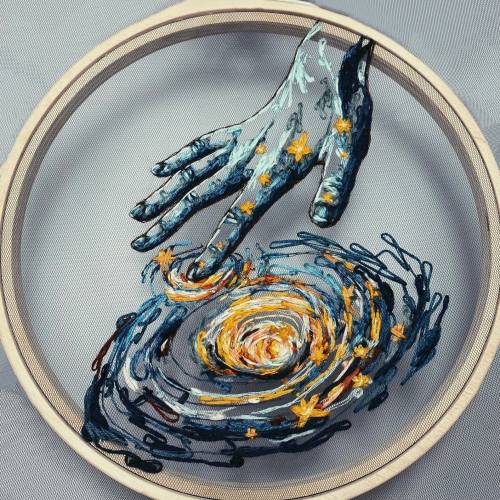
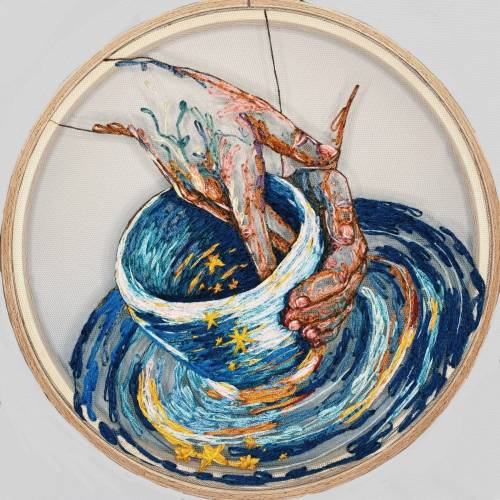
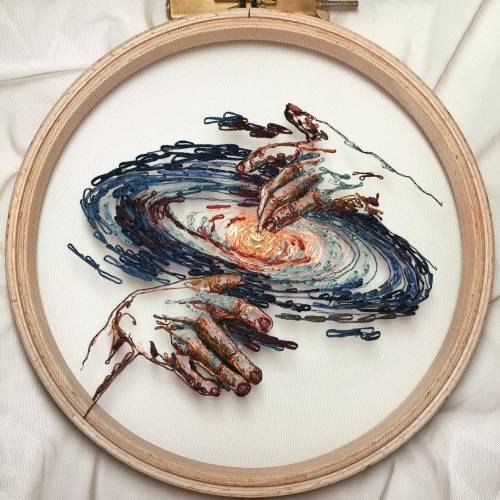
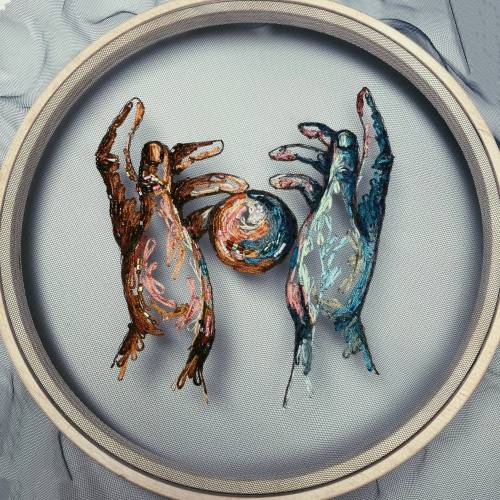
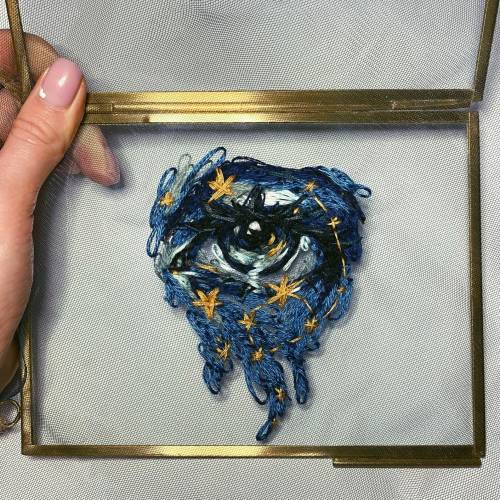
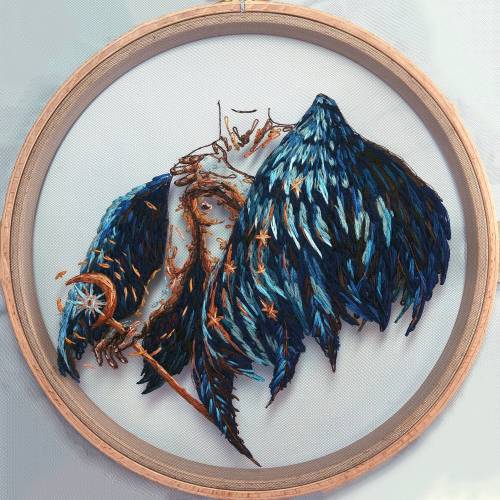
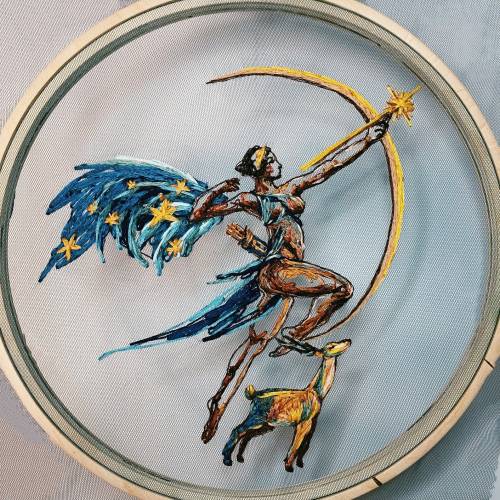
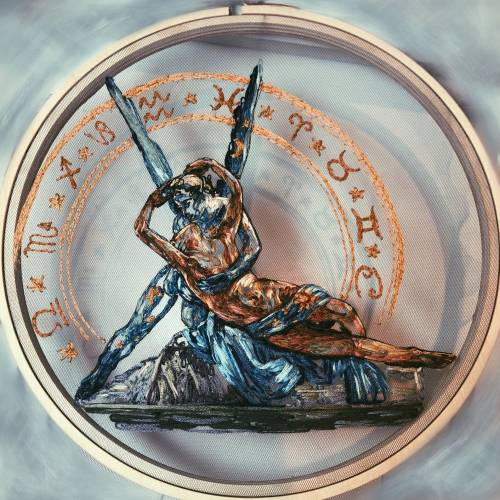
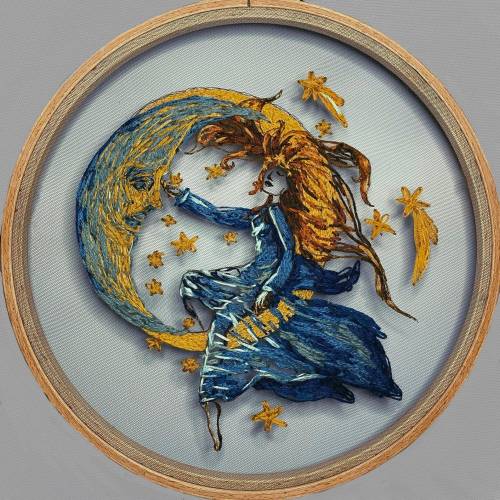
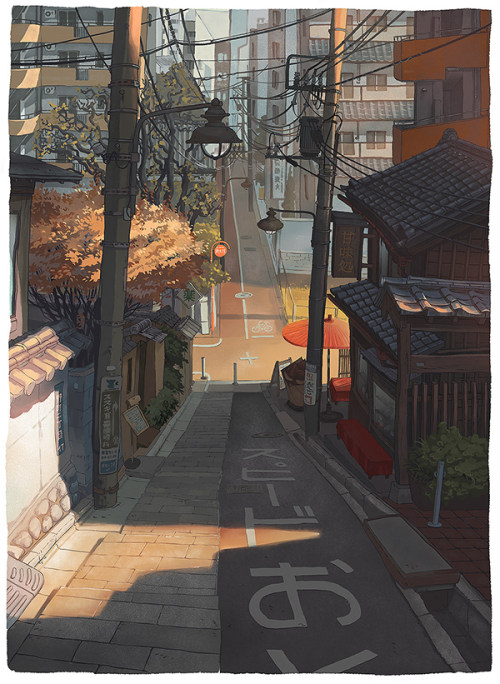
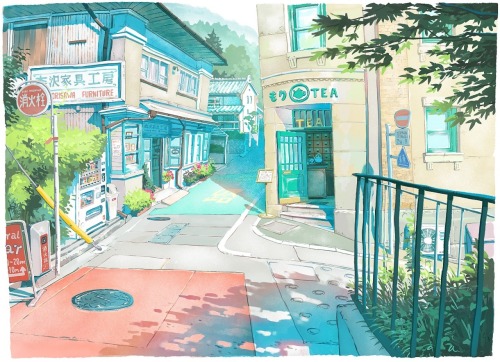
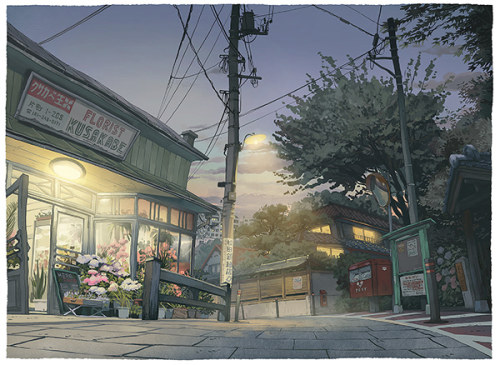
It’s not the first thing people notice about her, usually. The first thing is generally that she’s young, and female, and lovely–the first thing people notice about their entire party is that they’re all young, and female, and lovely, and that’s gotten more than one would-be thief or mugger in far over their head when they haven’t noticed the the paladin’s hammer or the ranger’s axe. It comes up rather quickly though, often enough. Whoever heard of a bard who can’t sing?
She plays a lute, mostly, or a lap-harp made of shell and sinew, string instruments she can pluck while she smiles in secret and watches everyone around her. She dances quick, except when she’s tired, when she’s scared, when she forgets to remember the feet at the ends of her legs.
She doesn’t tell her story to strangers, but enough of the other girls have learned to sign by now, and it’s easy enough to sketch out the outlines of the old bargain: the voice, the prince, the witch, the thousand shards of glass she walked upon on her way up the beach, the look in her sea-green eyes when they travel too near water. The thousand shards of glass she walked upon when she left the palace, and turned back towards the sea to throw herself upon the rocks, and then made her way up the road inland, and kept walking.
.
The warlock is beautiful and mild and self-effacing and shy, is tidy and generous and charming. She’s small with herself in exactly the right way to shout abuse to the half of her party who knows how to recognize that same look in the mirror in the morning. The bird on her shoulder is too small, too bright, too sweet for a real warlock’s familiar. The knife at her belt is sharp enough for anything that needs doing, though, cooking or otherwise.
Her fae patron visits sometimes, in the quiet hours between dusk and midnight, a sweetly old godmother made of moonlight and shadow. She’s kind to the whole lot of them in her own chaotic way, free-handed with transmutations and illusions that break halfway through the evening, for better or worse. She once spent three hours around their campfire drinking brandy and gossipping outrageously about the Feywild and teasing the wizard into fits of laughter.
She’s never told the story of how she met the warlock’s mother, or what debt was owed there, and the warlock doesn’t know herself. It was never meant to be a debt paid in power and violence and the deft will-sapping enchantments the warlock weaves now, but, well. The prince wasn’t meant to be cruel, the warlock says. The palace was meant to be warmer than the fireplace cinders in her stepmother’s house. The faerie was meant to be saving her from her lot, not throwing her into something worse. The power’s an apology of sorts.
.
The wizard is awkward and joyful and nervous. She has no fear of heights or small places, which just stands to be expected, she says, after all those years in that little tower, and she’s got no skill at lying or even edging around the truth at all, which is why she isn’t in the tower any more in the first place. She says too much or too little or the wrong thing entirely, always, but the most well-socialized member of the whole party is the ranger who walks around with a dire wolf at her hip, or maybe their mute bard, so who are any of them to judge.
There was nothing to do in that tower but read, and brush her hair, and sort through the witch’s endless stockpile of dried herbs and potions ingredients, and watch out the window as woodcutters and hunters and princes rode by, and dream. The reading was more interesting than the dreaming, most of the time, and the witch didn’t mind it as much when she talked about it. She never bothered to actually use any of the magic in the witch’s books until the thing with the prince and the haircut and the desert, which she’s told them all about in all the detail they could ever ask for, but most of the girls get uncomfortable when she starts talking about princes. It’s a little easier if she just starts rambling about conjuration and abjuration and illusion theory, about the 400-year-old history of a city that doesn’t exist any more, about the proper grammatical structure of Celestial, until maybe one of the quiet ones finally answers back.
Her hair is too short. She keeps an illusion up over it whenever she can, while it grows back slowly, tickling the side of her face and the back of her neck and leaving her head too light and unbalanced.
.
The ranger doesn’t care about princes, which makes one of them at least. Then again, the ranger doesn’t trust anyone, really, prince or no, not wolves or monsters or the men who kill them. She more or less trusts the rest of them by now, mostly, when the wind blows in the right direction.
She wears bright red in the middle of the woods and it shouldn’t help her slip into the shadows half as easily as it does, but most beasts can’t see color and red’s just another shade of gray if the light’s low enough. She never uses her axe against trees. She doesn’t need to. She can find a path through any brush without it. She picks flowers when she finds them, and tucks them into the other girls’ hair.
Her wolf’s mother killed the man who taught her to use the axe, and the man who taught her to use the axe killed that wolf’s mate before that, and the mate had an old woman’s blood on his teeth when it happened. The ranger’s blade found the wolf’s mother’s throat. The ranger’s mother sent her out into the woods in the first place. It’s not as though anywhere is really safe, cottage or forest, axe or teeth. One of these days maybe her wolf will turn and go for her in return, and maybe one of these days her axe will be faster and maybe it won’t. In the mean time, there’s flowers and berries and pastries and enough game to keep everyone sated, for a little while.
.
The paladin’s hair is raven black and her skin is chalky as a corpse. She’s not undead, mostly. The undead are her job. She knows that much.
She was sweet, once (they were all sweet, once) but apples are bitter now and so is she, and there’s judgment to lay out in the world. Her grip on her warhammer’s all wrong–she holds it like a mining hammer, but it hits as hard as it needs to. Her armor’s all dwarven make, and her shield’s black and red and white like snow.
She was sweet once, and frightened, and when she says it quietly around the campfire in the night when none of them can quite make out the glimmer of understanding on each others’ faces, everyone still nods. She took a bite of poison and somebody left her a full year in a glass coffin of Gentle Repose, dangling on the edge of the Raven Queen’s domain while all the other newly-arrived dead passed by and faded away. She woke up to somebody’s lips and hands and skin on her lips and her hands and her skin. She doesn’t like princes. She doesn’t like necromancers.
She likes sunlight, and summer, and colors that aren’t black and white and red. She likes the way the bard grins when she whirls into a dance, and the look in the warlock’s eye when she sets her feet to say no, and the wizard’s laughter on high with a Fly spell, and the ranger’s gentle fingers braiding flowers into everything she can touch.
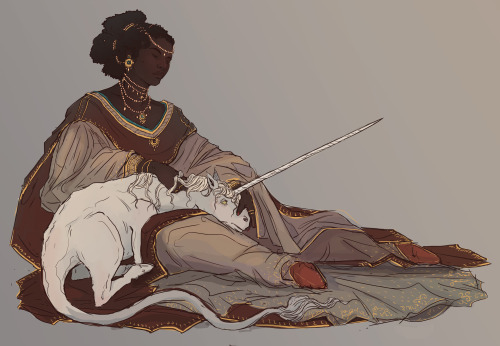
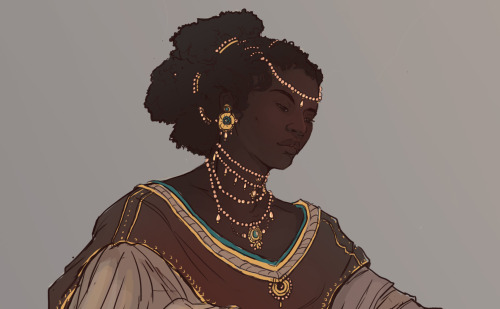
A Unicorn, a mythical beast captured and slaughtered after it comes out of the forest to greet a Virgin. Outside of its original metaphorical context, it is a disturbing story, the young nameless woman used as a part of the hunting game of the mob to murder a mythical conscious being. Instead, I wanted to show something soft and tender. The Lady as an adult woman closer to her thirties rather than the teenage years and being there by her own will, fully present. The little magic goat, the Unicorn, as safely resting and unharmed. Enough of the hunts and games.
(I wanted to draw this image for quite a while, but were finally inspired to do so after watching this video I found on Youtube when searching for the Lady and The Unicorn tapestries documentary to watch)
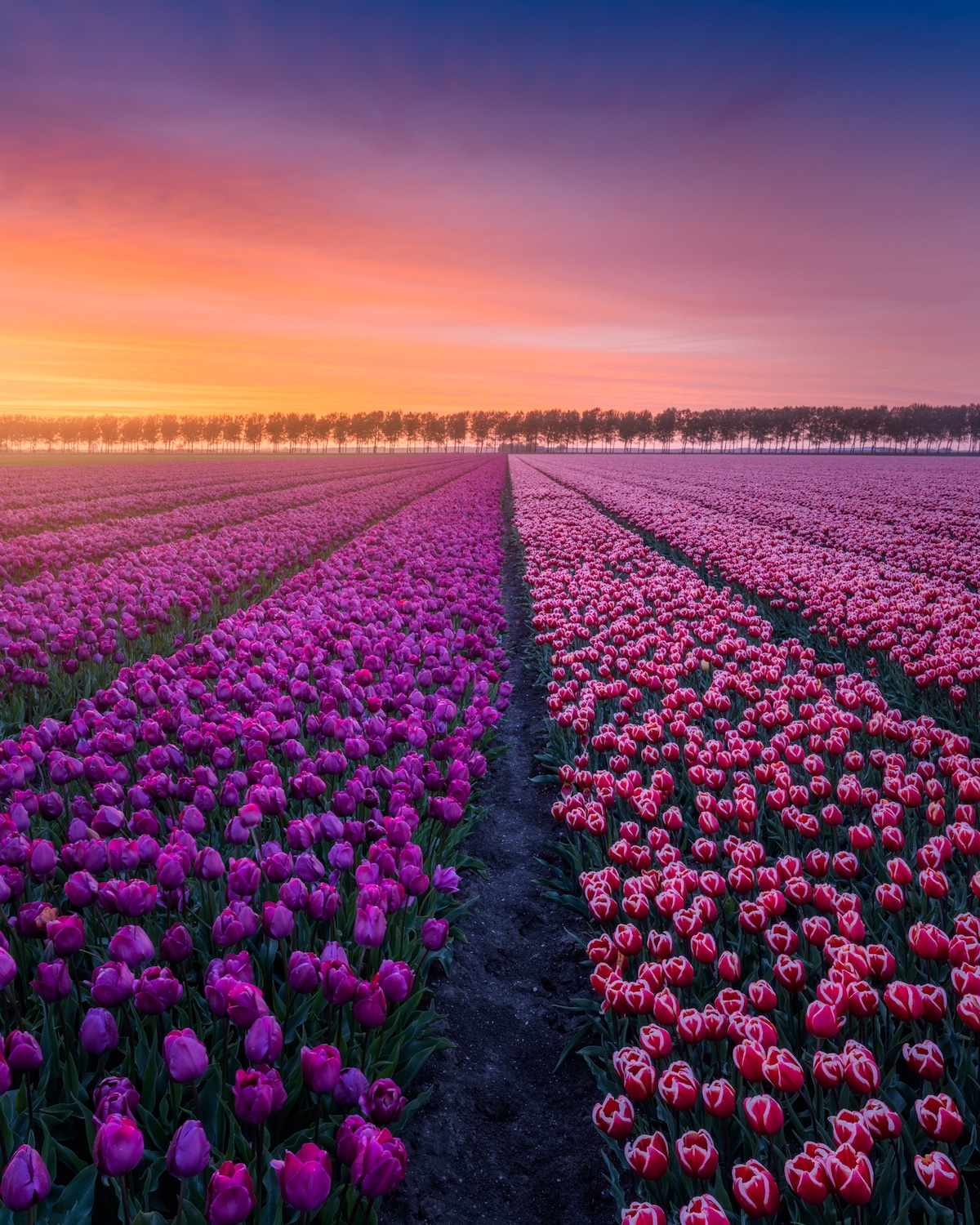
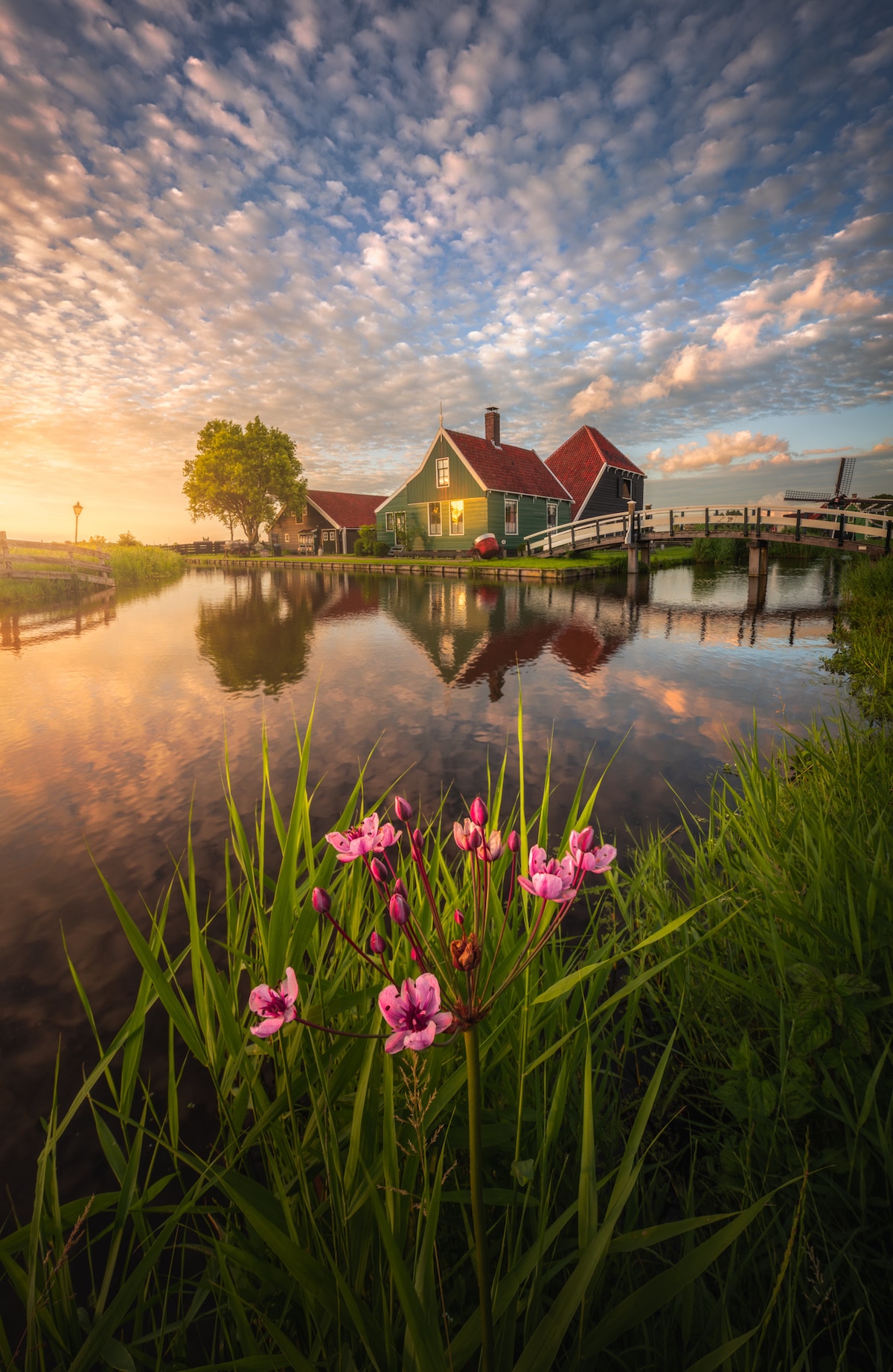
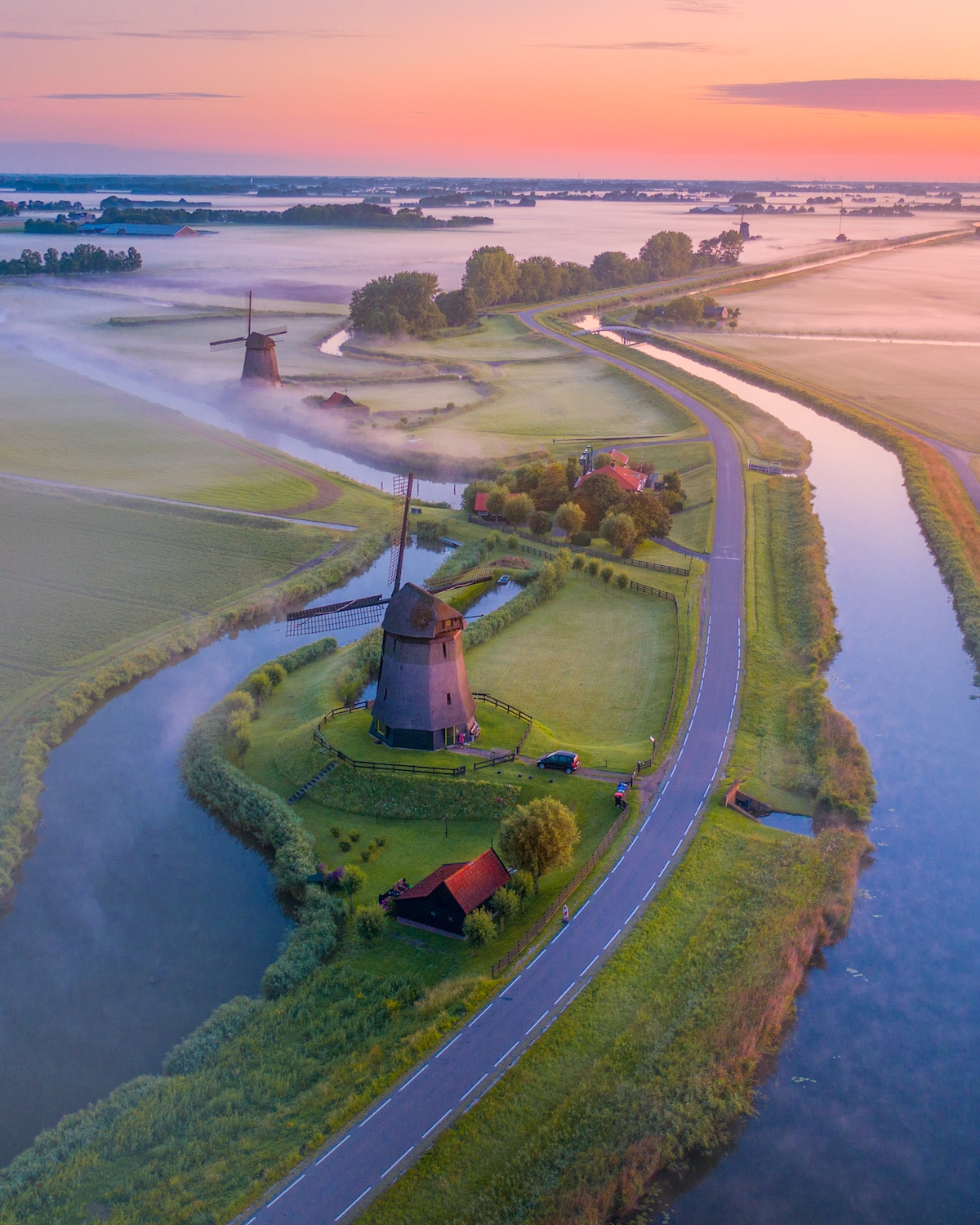
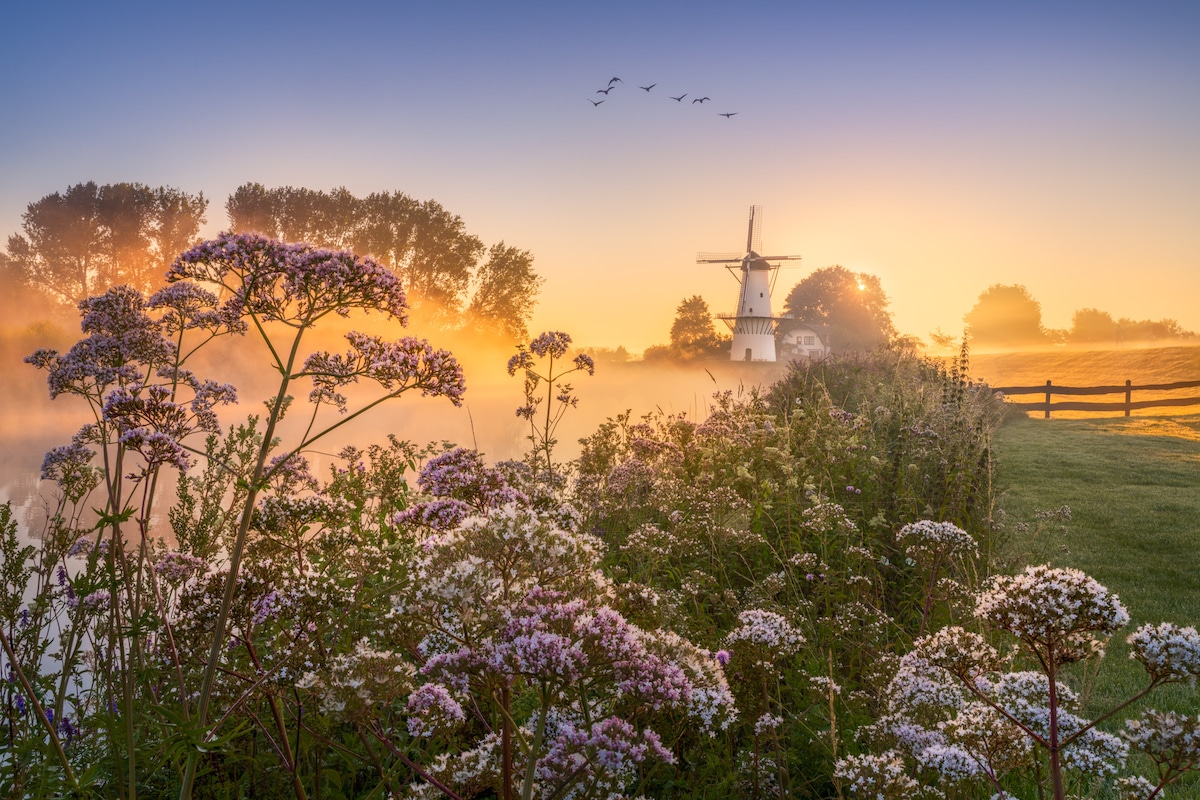
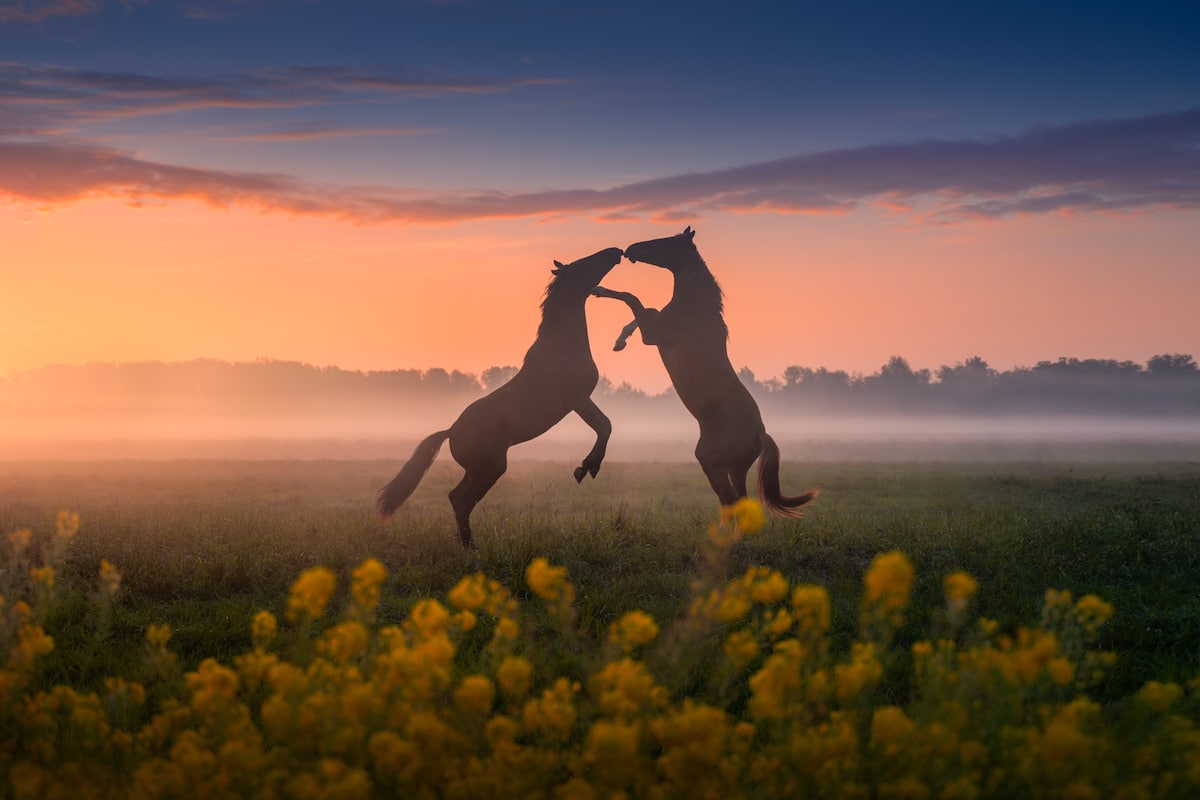
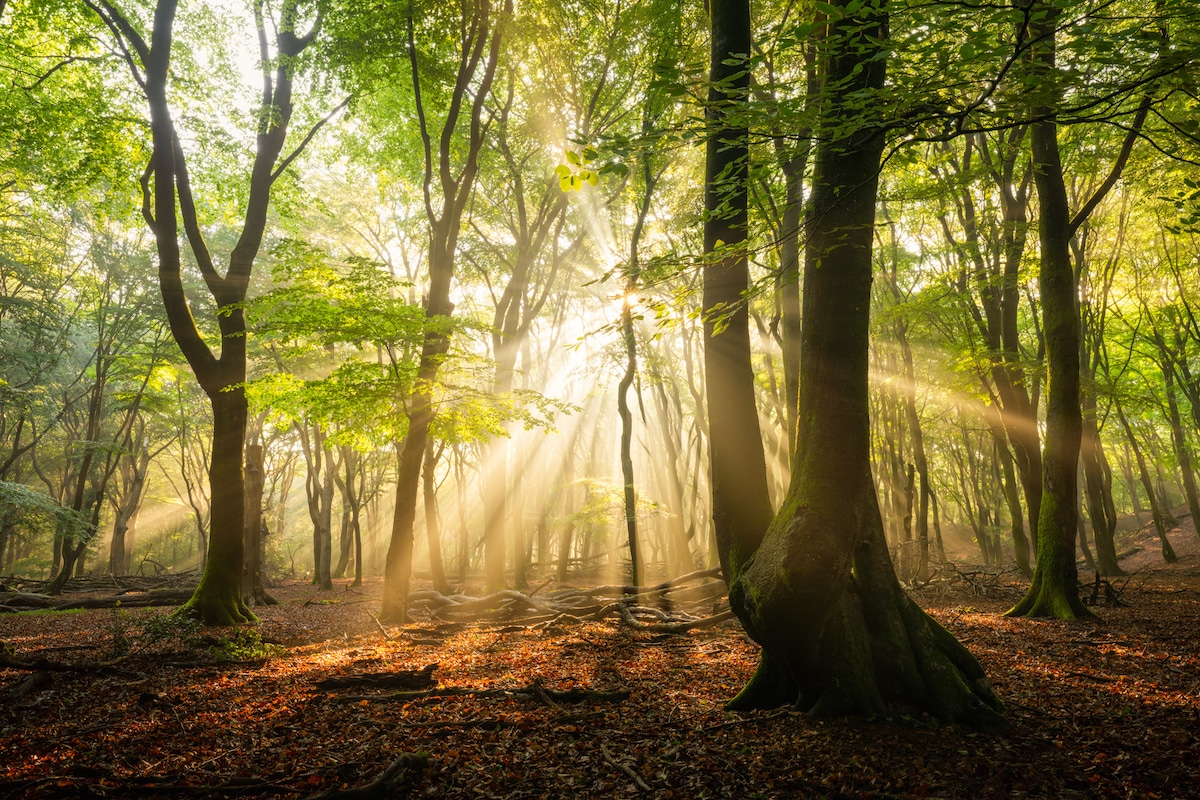
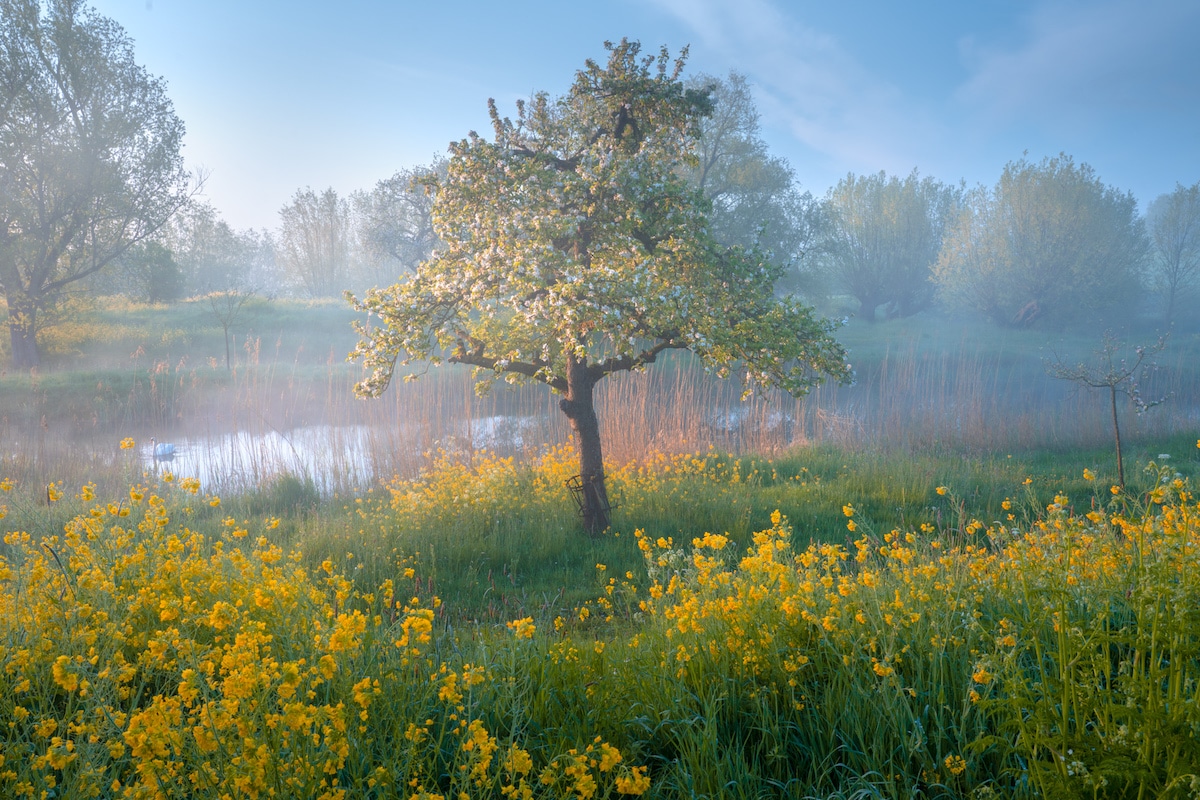
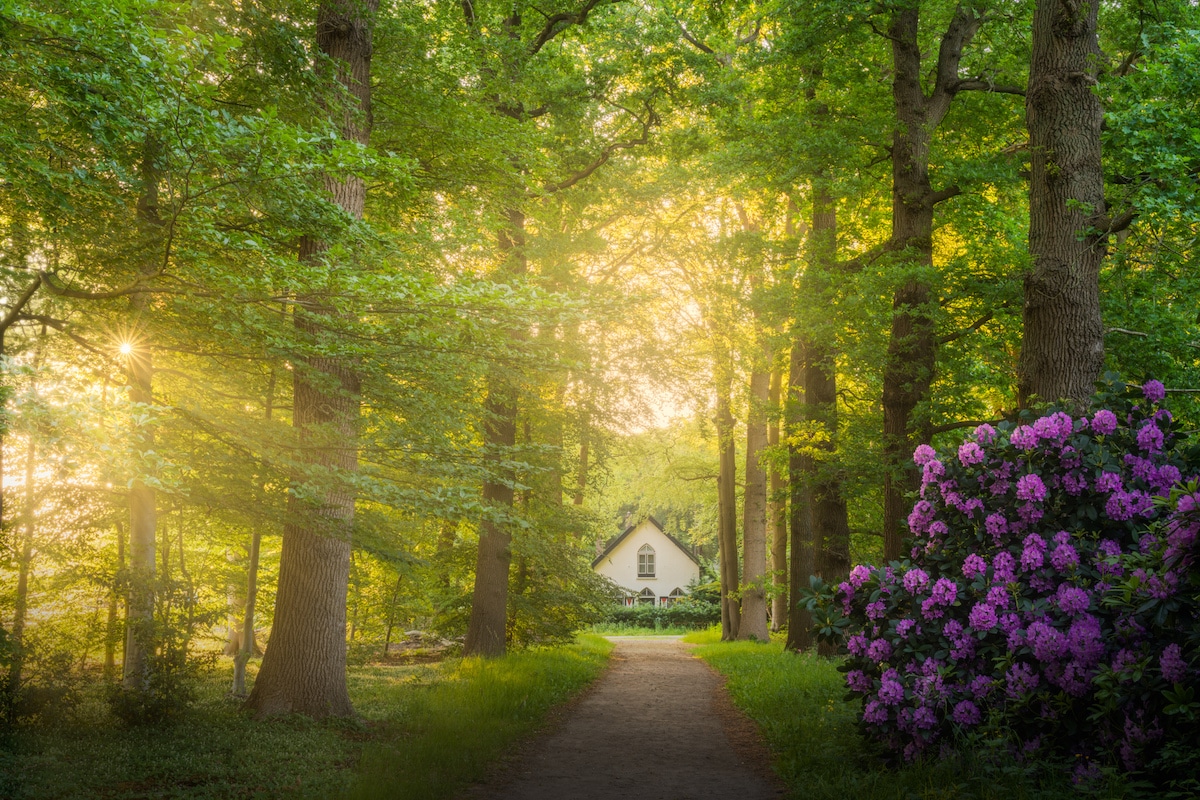
Landscape photographer Albert Dros continues to make good use of his time while curbing his international travel. As with most people, Dros has been forced to stay close to home this year, but that hasn't slowed his creativity. His latest portfolio is an homage to the beauty of springtime in the Netherlands. By showing off his home country, Dros reminds us that sometimes the best photographs don't require traveling very far.
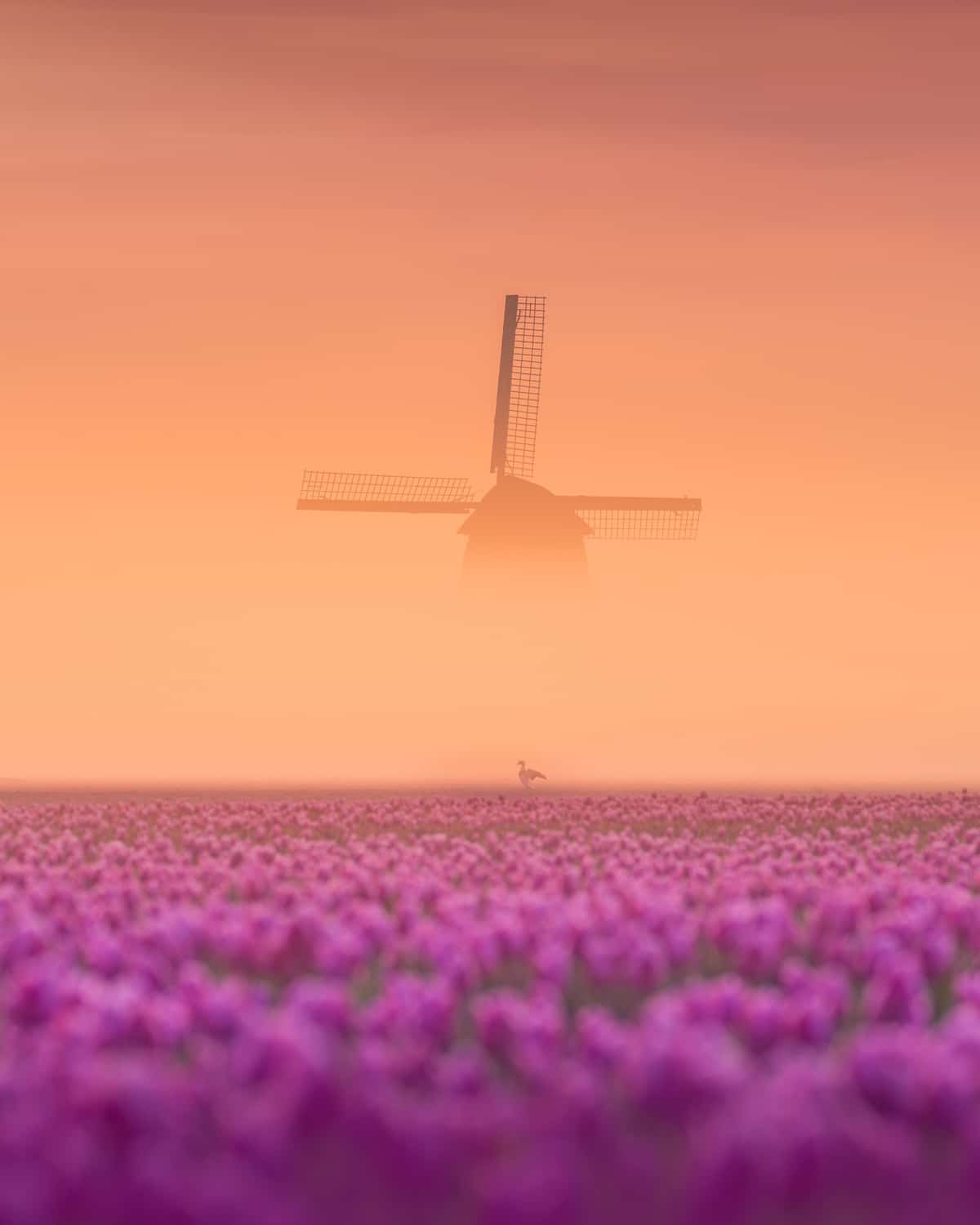
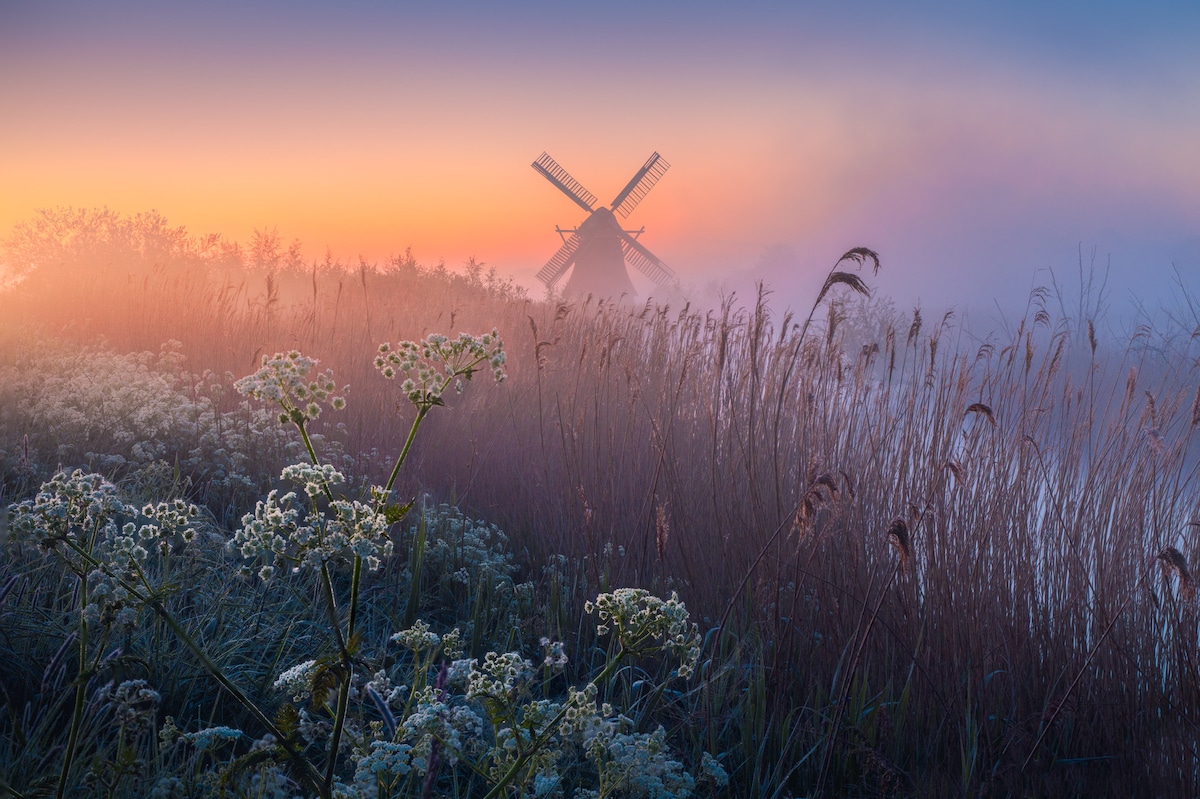
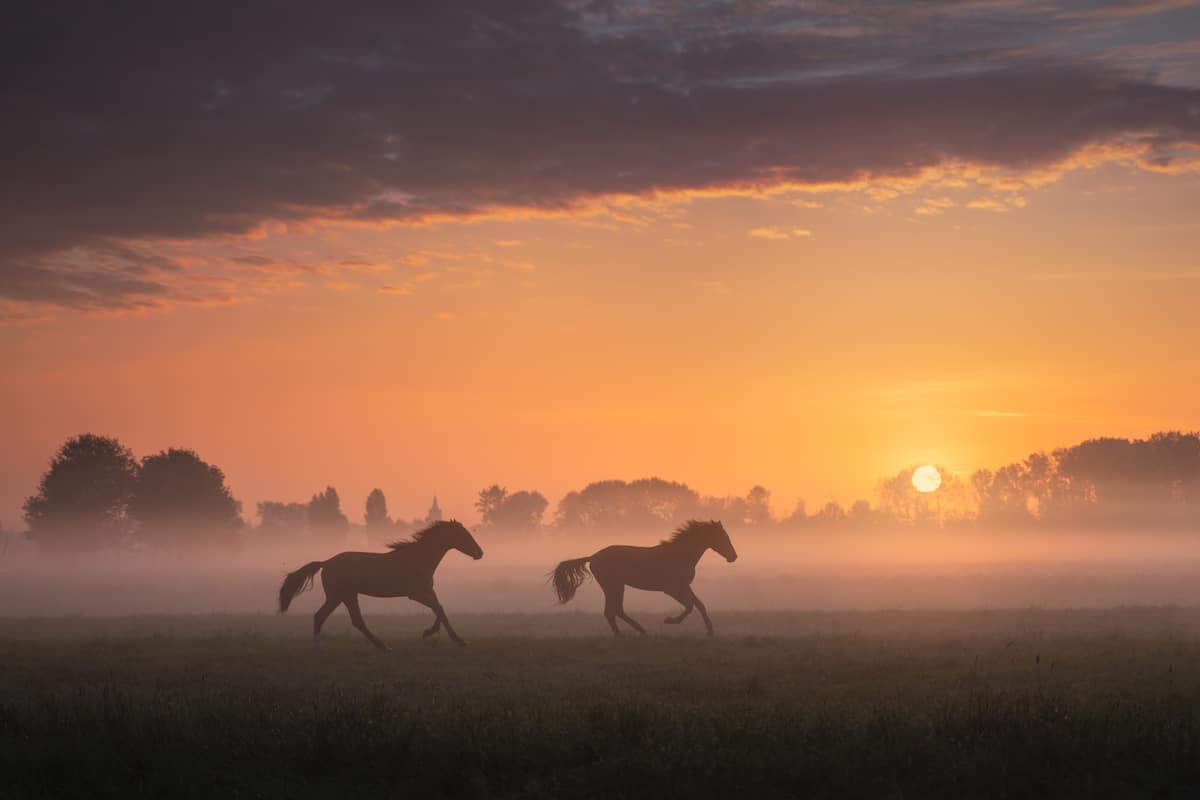
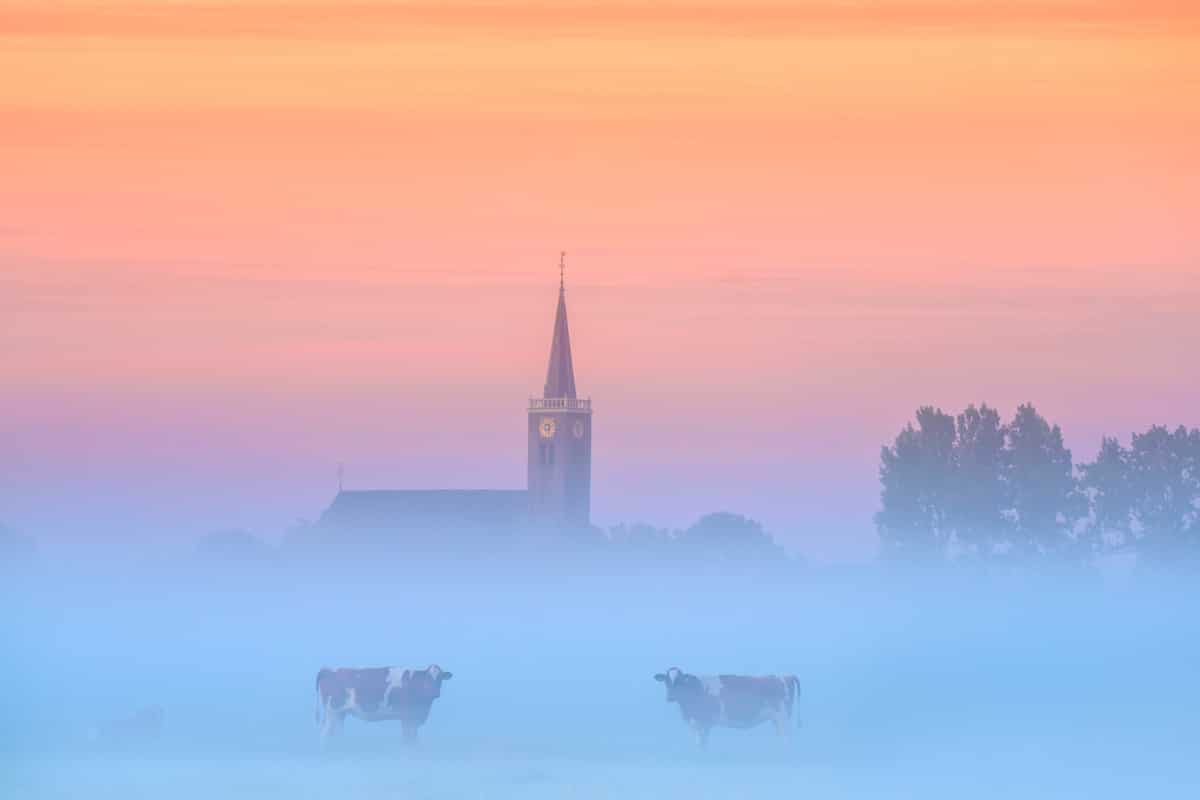
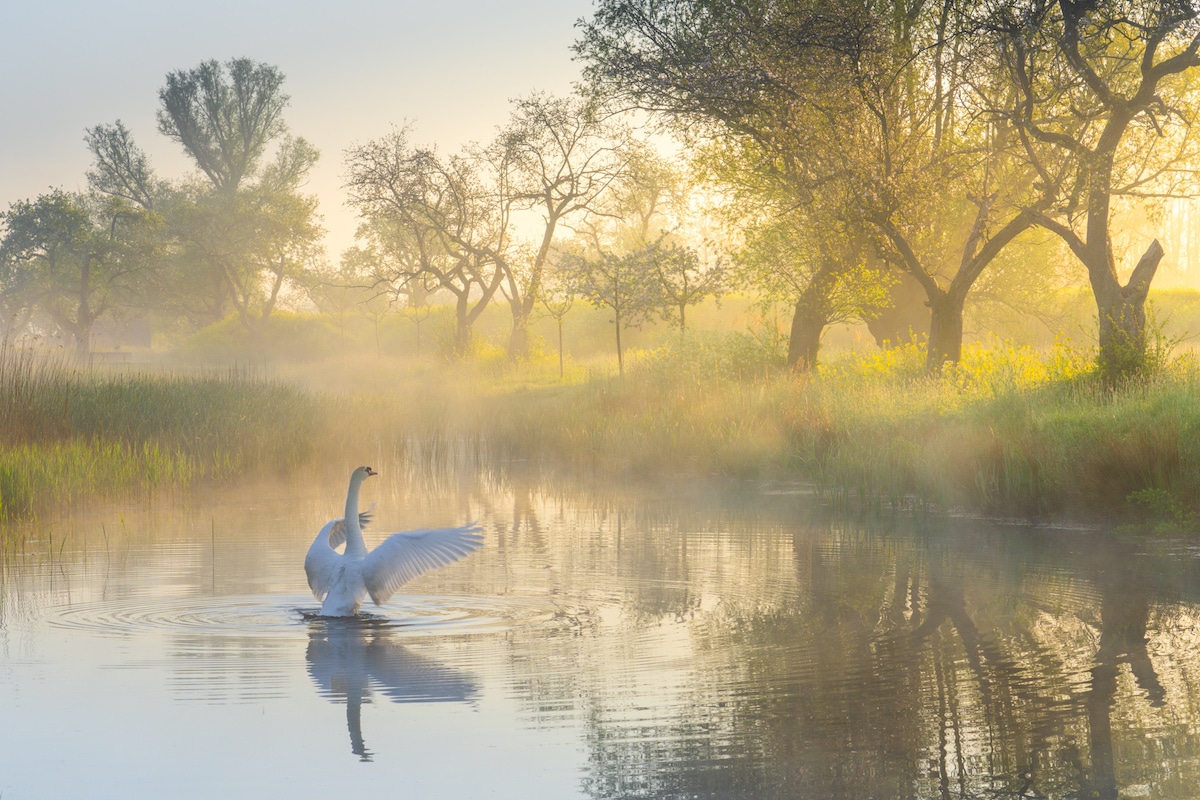
From tulip fields in bloom to picturesque windmills, Dros captures the magic of Holland in the spring. To get the best imagery possible, Dros woke early in the morning in order to photograph the landscape when it looked its best. “It’s the Netherlands, we’re not known for our ‘beautiful' weather,” Dros writes. “Because you’ll also often have grey days with much rain. But when you’re out there in the early morning and the first sunlight shows itself with a layer of fog covering the landscape, you forget all the previous rainy days.”
The layer of fog that dusts many of the photos truly adds an unforgettable touch. For instance, one image shows horses frolicking and playing amidst the fog as a colorful sunrise creates a dramatic backdrop. Another shows a windmill just barely emerging from the fog as rows of vibrant tulips fill the foreground. It almost looks like something straight out of a fairytale.
So sit back and drink in the ambiance as Dros takes us on a spectacular tour through springtime in the Netherlands.
While sticking close to home this year, Albert Dros created a beautiful homage to the Netherlands in the spring.
Tulips, windmills, and animals were all photographed in the early morning hours.
The landscape photographer has created a visual love letter to his country with this work.
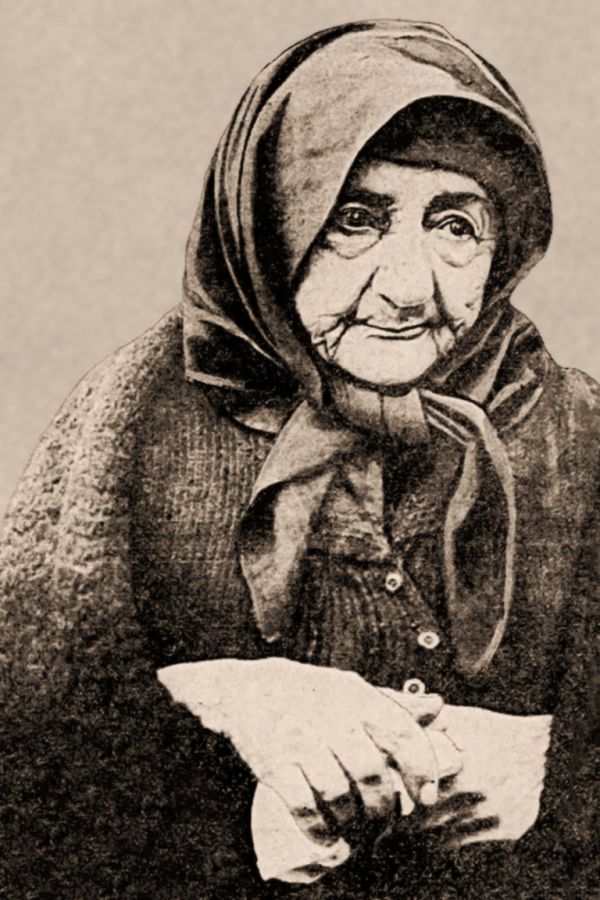
Ana di Pištonja was born in Vladimirovac, Yugoslavia (now Serbia) in 1838, or sometime thereabouts. Later in life, she became known as Baba Anujka. After a disastrous relationship when she was young, Anujka taught herself chemistry, particularly how to make poison.
Anujka made a laboratory in one wing of her house after her husband died, and she earned a reputation as a healer and herbalist in the late 19th century. She was popular with wives of farmers who sought her help for health problems, and she earned a respectable income which enabled her to live comfortably. She produced medicines and mixtures which would make soldiers ill enough to escape military service, and she also sold poisonous mixtures which she branded “magic water” or “love potions”. She sold the so-called “magic water” mostly to women with abusive husbands; they would give the concoction to their husbands, who would usually die after about eight days.
Anujka’s “love potion” contained arsenic in small quantities and certain plant toxins that were difficult to detect. When told about a marriage problem, Anujka would ask her client, “How heavy is that problem?”, which meant, “What is the body mass of the victim?” She was then able to calculate the dose needed. Anujka’s victims were usually men, typically young and healthy. Her clients claimed at her trial that they did not know that her “magic water” contained poison, but that they believed that she had some kind of supernatural powers to kill people using magic. Anujka’s potions killed between 50 and 150 people.
The reason she is known as "the world's oldest serial killer" is because she was 90 years old when she was finally arrested! Read the tale of Baba Anujka at Vintage Everyday. -via Strange Company
N.K. Jemisin is one of the titans of the science fiction and fantasy genre, but none of her works have been adapted for the screen as of yet—but that is about to change.
Deadline has shared that TriStar Pictures has “emerged from a bidding battle to win The Broken Earth sci-fi trilogy by N.K. Jemisin.” The biggest part of that announcement is that Jemisin will be the one adapting the books to screen.
Sssssso, folks have been asking me for updates on the Broken Earth tv/film adaptation for a while, and I haven’t been able to say anything… because a lot’s been happening. But at last, I can share: https://t.co/D9F9nDtN96
This is exciting news. All three books in the series, The Fifth Season, The Obelisk Gate, and The Stone Sky, won the Hugo Award for Best Novel. Jemisin became not only the first person to win the award three years in a row, but the first to win for all three books in a trilogy.
The Broken Earth trilogy takes place on a futuristic broken version of Earth and a continent called the Stillness. This world has semi-apocalyptic earthquakes that manage to shake the world. The people call these events “seasons.”
Humans then craft these communities (comms), and once the shaking stops, they rebuild with the help of magical beings called “orogenes,” who can control the energy of the ground and temperature. They are trained for the task from childhood in brutal fashion, by a societal order called the Guardians. The orogenes have amazing power, but are still very much bound to the state that controls them, weaponizes them, and brutalizes them.
I remember picking up the first book in the series and being blown away by the world building of it all. Jemisin brings together dystopian elements and the deeply emotional story of the lead character, Essun, a mother trying to reunite with her daughter while running from a complicated past. I loved unlocking each new layer of the story and was drawn into the journey.
The landscape of fantasy is still overwhelmingly white. Yes, adaptations have been changing things up to add more diversity onscreen, but the authors getting these glow-ups and rising sales from popular adaptations are still overwhelmingly white. I’m glad that will be changing. We can have more than one kind of fantasy series onscreen, and I think it is often best when we embrace the fullness of the genre and its possibilities.
Can’t wait to see what happens with this series, especially because the lead role of Essun will be a fantastic one for an older Black woman—a figure who certainly needs roles in the genre.
(via Tor, image: Bryan Bedder/Getty Images for ReedPOP)
Svend the Viking doesn't want to wear a helmet as he loots and pillages England. It makes his scalp itch and messes up his braids. But Hjalmar knows better. This delicious vignette is from the Danish Road Safety Council. -via Digg
Ranked number one on the World Happiness Report since 2018, Finland seems to have it all together. With a government that invests so highly in the overall wellbeing of its citizens, it is no wonder that the Nordic country is also listed as having the best governance in the world. In the interest of education, the highly-rated Finnish government makes it a special point to invest in public access to books and literature. Finland’s Library Act—making all library services free and open to everyone—seeks to promote equal access to civilization and culture, lifelong learning, and active citizenship and democracy. As a result, the country as a whole has quite the soft spot for libraries and was ranked the most literate nation in the world in 2016.
In a demonstration of its dedication to education and literacy, the Finnish government invested €98 million ($119.7 million) in a new central library in Helsinki back in 2018 and named it Oodi—the word for ode in Finnish. In the Oodi Library’s first year, it received a total of 3.1 million visits, and the total number of visits to libraries in Helsinki increased by 40% from the previous year. An important factor in that level of engagement may be that, in addition to books, the nation’s libraries also offer a wide variety of public services and items to check out—including musical instruments, power tools, games, sewing machines, and much more. And Finns make good use of these services, with the nation’s population of 5.5 million borrowing more than 68 million books per year.
The best part is that Finnish writers don’t have to be starving artists. The government—in addition to several independent foundations—supplies a variety of grants to support Finnish writing and literature. Furthermore, Finnish writers receive a percentage of library royalties for each borrowed book—which can be almost as much as the royalties they receive for each paperback sold. As a result of this cultivating environment, the country’s literary exports have boomed in the last decade, garnering the country much international literary success and recognition.
As put by Helsinki’s mayor, Jan Vapaavuori: “Library services are an investment in people. By developing our people we are preparing our society for the coming era, where knowledge, ideas and culture are the commodities that a successful city will trade with the world. The principle that knowledge is for everybody is a long-established component of the success of Finnish society and an essential foundation of a city built on trust between government and citizens.”
Finland has a soft spot for libraries—as demonstrated by the $119.7 million that the Finnish government invested in Helsinki's Oodi Library back in 2018.
Photo: Maarit Hohteri
Photo: Kuvio
Photo: Kuvio
The government considers library services to be “an investment in people” and also gives authors a percentage of library royalties for each borrowed book.
Photo: Kuvio
Photo: Jonna Pennanen
Watch this video to see why Finland's libraries are considered some of the best in the world!
Those are some pretty great fondant figures for the cake!
Tomorrow we’ll have a six year old, and like so many girls her age she insisted on a cake depicting the future Queen Elizabeth I witnessing the execution of Anne Boleyn by Henry VIII pic.twitter.com/4HC5khHjur
Anne Boleyn, a Queen of England under her husband, King Henry VII, lost her head when the king decided to move on to a new marital relationship. Some breakups are harder than others and Queen Anne definitely had a rough one.
The daughter of Edmund Kingsley, a stage actor and producer, appreciated the drama of that moment in history. It was the theme of her sixth birthday party. BuzzFeed reports:
“She said, ‘Well, my friend is getting unicorns, but I think what I'd really like is Henry VIII executing Anne Boleyn with Elizabeth I watching,” Kingsley told BuzzFeed News. [...]
Morrissey, a theater and movement director with a history background, was able to share with their daughter the details of the royal family who once occupied the Hampton Court Palace.
“I think that's where the seed was sown, seeing that castle and having a really fun day there. She just got really into the story of his big, fat, horrible king who had six wives," Kingsley said.
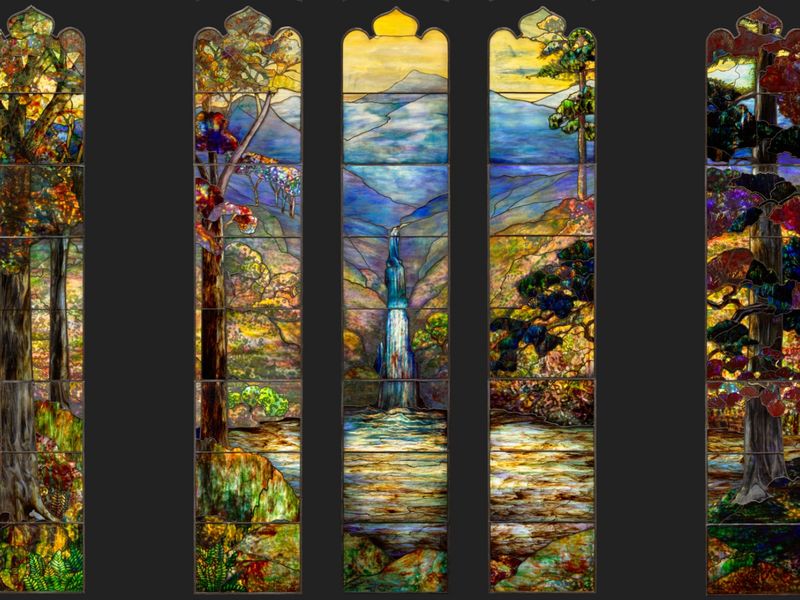
The iridescent tableau depicts a peaceful New Hampshire landscape full of lush, multi-colored trees. Dappled sunlight bounces off a flowing waterfall, while the imposing Mount Chocorua looms in the background. Per Steve Johnson of theChicago Tribune, Tiffany artists soldered 48 layered-glass panels together to produce the 23-foot-high by 16-foot-wide scene.
In the work, “[w]arm light emanates from the setting sun, catching on the rushing waves of the central waterfall and dancing through the trees—the transitory beauty of nature conveyed through an intricate arrangement of vibrantly colored glass,” writes AIC curatorElizabeth McGoey in a museumblog post.
When I decided to come out I expected to have to add homophobic slurs to my ongoing list of ways folks could hate on me (I already had racism, sexism, and fat-shaming on my mental bingo card). I honestly think a lot of us do this. We preemptively try and prepare ourselves for hate, whether it’s because we’ve witnessed it in person, or because we’ve seen a lifetime’s worth of gay-bashing in the media—both fictional and real-life “politicians keep passing discriminatory bills” moments.
What I wasn’t quite ready for was the variety of hate that gets tossed at the queer community. It’s not always a slur or an obvious attempt to set us back several decades, sometimes it’s said under the guise of concern.
One example of that concern? “Won’t somebody think of the children?”
It turns out Blues Clues & You DID think of the children, but as I watched the families marching one by one I realized that this song is very much for me, too.
The parade, hosted by Drag Race alum Nina West, features ten different families participating in a Pride parade. The song is a play on the classic, “The Ants Go Marching,” and celebrates a variety of queer families (and allies) waving around flags and wearing their corresponding colors via clothing and accessories. The parade, as others on Twitter noticed, added incredible details to highlight different identities within the community.
blues clues taking the time to give this beaver top scars makes me feel a lot of feelings ngl pic.twitter.com/tjYf70w5L0
— jacky is in DR fanfic hell (@WaferBiscuits) May 29, 2021
The parade also shows love to other marginalized groups within the queer community.
WHY DIDN’T ANYONE TELL ME THERE’S A LESBIAN HIJABI OWL IN THE BLUES CLUES PRIDE PARADE. pic.twitter.com/3BLW3MtUmh
As many have pointed out, this three-and-a-half-minute segment has provided the most quest representation we’ve seen in a long while – if ever!
This children’s cartoon segment has more queer representation than anything else out there and it is melting my cold gay heart 🥲🏳️🌈💜 pic.twitter.com/ppWns4UZEQ
So why is this such a big deal to my entirely grown self?
The truth is (as I’m sure the downvotes and comments I won’t read on YouTube indicate) there are people who feel that someone having two mommies or two daddies is too difficult to explain to children. Children are too young to understand it because family dynamics are now the second coming of Calculus. Even the language that’s used to express those worries is needlessly hurtful. Expose? As if a kid seeing a loving household is exposing them to a virus.
We often talk about how this “press R to pearl clutch” mentality is harmful to kids. The kid you’re trying to “protect” might, in fact, be queer, but even if they aren’t queer, they will, 1000%, cross paths with a gay person at some point in their life. Teaching tolerance toward someone who’s different than you is always a positive, and the earlier you spread that message, the better.
You know who else this “avert your eyes, child, because a gay is coming” mentality hurts?
Me and the rest of the adults in this community.
The kind of intolerance that makes people fear my existence because “children are watching” ends up nurturing bigoted adults. Hate like that isn’t something you’re born with, it’s taught, and passed down from generation to generation.
Furthermore, it really makes you question yourself. Like, am I really a danger to kids because I’m gay?
Should I stay away from them?
Should I lie when they ask me who the lady with the matching ring on her finger is? Even if I’ve been with that lady for almost twenty years?
As a Black queer woman who cosplays as characters like Princess Tiana, attends geek conventions, and who does panels on wanting more representation in the media, I don’t think I was prepared for the outright fear some adults have in regards to children being, ugh, exposed to the queer community. I remember it coming up in a Disney fan panel when someone mentioned wanting a queer Disney princess.
“How do I explain that to my kids?”
“Kids don’t need to see something so adult.”
As much as I preach the message of living your truth, the idea that my life, and my work, are too adult for kids stuck with me. As ridiculous as the notion sounded to me, it actually, for a while, WORKED on me. For a while, I didn’t think I could label my literary work as an indie author “young adult” because my characters are queer. I got over it eventually, but that mentality of “queer” automatically meaning “adult” convinces you that your entire lifestyle isn’t for kids, even if that lifestyle is “I’m a writer with a wife and three butthead cats.”
So when I see a children’s program taking the time to have a fun, brightly colored Pride celebration with several identities represented, it shows me that my life isn’t as threatening to younger generations as folks have made it out to be. Sometimes, people are queer, and those people just want to be treated with the same respect that everyone else gets.
Photo: Stock Photos from Imageinit/Shutterstock This post may contain affiliate links. If you make a purchase, My Modern Met may earn an affiliate commission. Please read our disclosure for more info.
When crafting, it's always a good goal to make your work as original as possible. That way, you're not just creating but expressing yourself, too. For fibers, it doesn’t get much more customized than when you dye your own fabric. Tie-dye is one of the most popular methods of coloring fabric, but there’s another approach that is beloved among dedicated DIYers: ice dyeing. This type of dyeing results in a similar look and feel to tie-dye, but it incorporates ice into the process.
The ice dye approach is great for beginners. It's easy to create swirling surface designs without fancy twisting or folding of your fabric. Instead, you’ll just place ice on top of the fabric and sprinkle dye on the ice. Then, you just have to let nature work its magic and you’ll have a colorful, one-of-a-kind piece of fabric when all is said and done.
In this article, we’ll introduce you to ice dyeing, an essential supplies list, and general instructions on how to do it.
Ice dyeing is an approach to fabric dyeing in which you place ice cubes on top of fabric and then sprinkle dye powder on top of the ice. The melting process will alter how the dye bleeds onto the fabric, as the dye is made up of multiple color pigments. We normally don’t notice it when using conventional methods, as the water unifies the powder into one color. But not with ice dyeing; all of those pigments separate to create interesting hues that come to life on fabric.
If you don’t like a little surprise in your crafting, ice dyeing might not be for you. The patterns and surface design that appear will be dictated by the ice melt—not by you.
Here’s an essential list that covers everything you need to get started on your next ice dye project.
Fabric — For dyeing, a fabric made from 100% natural fibers is going to give you the best outcome as these fibers will accept the pigment the best.
Ice — You don’t need anything fancy here; ice from your freezer will do.
Soda ash fixer— Soda ash changes the PH balance of fiber-reactive dye and ensures that it will permanently adhere to the fabric. You'll use this before applying your dye.
Fiber-reactive dye powder — You can use a variety of dyes in ice dyeing, but fiber reactive dye powder is colorfast and works well with cold water. Avoid liquid dyes.
Tutorials may vary, but here are the essential steps of ice dyeing. You’ll find that there is a good bit of passive time involved, but the nice thing about this method is that you’ll know when you need to rinse your fabric.
Step 1 — Pre-wash any fabric on the hot water setting to remove any chemicals that were added to it during the production process.
Step 2 — Soak items in a mixture of water and soda ash in your dishpan. (Make sure you are wearing gloves.) This will create a “permanent connection” to hold the dye to the fiber. Read manufacturer instructions for proper mixing ratios and soaking times.
Step 3 — Venture outdoors with your dishpan, metal rack, fabric, and ice. Put the dishpan on the ground, the metal rack on top of it, then the wet fabric, and finally the ice on top.
Step 4 — With a spoon, start sprinkling the dye on it in sections. Here’s where you can get creative and combine multiple colors and quantities of the pigment. Try using two to three colors and sprinkle them around the areas of the ice for color variation.
Step 5 — Allow your project to sit for several hours for the ice to melt. (The warmer the day, the faster this will happen.)
Step 6 — Once the ice has melted, rinse the fabric under water until the water runs clear. Then, place the fabric into a washing machine and tumble to dry.
For more ice dyeing instruction, check out this extensive tutorial taught by Anna Joyce.
It’s unlikely you had this on your 2021 Bingo card: a teenager’s Hannibal-themed art project was chosen by a New Jersey Congressman as his district’s winner for the Congressional Art Competition. The painting will hang in no less than the U.S. Capitol—and the story is the stuff that Internet phenomenons and fandom dreams are made of.
Allistair Palmer, a high school senior and talented young artist from New Jersey, is at the center of this delightful chaos. Palmer, who uses they/them pronouns (and appears to have recently shared via TikTok that their chosen name is Allistair), had their painting, which is titled “Dolce,” selected by NJ Congressman Andy Kim from 12 paintings in competition.
When Kim tweeted out the winning painting, however, he could not have anticipated the response. Kim said he had no idea of the Hannibal connection with Palmer’s work before his tweet started to go viral and garnered many fan reactions, including support from Hannibal creator and showrunner Bryan Fuller. “I didn’t know that it was related to a TV show,” Kim told The New York Times. “I just thought it was really beautiful, well executed, and it was really striking.”
I’m proud today to announce that Kathleen Palmer, a senior from Shawnee High School in Medford, is the winner of the Congressional Art Competition from our district. Her artwork, which you can see below, will now be displayed in the U.S. Capitol. pic.twitter.com/j7SlrDxsEd
Kim’s judgment regarding Palmer’s art is on the nose. The oil painting is lovely and evocative, and according to the Times, it took Palmer four weeks to complete. Some of those who advised on the competition’s art selections, like Kim, clearly only saw an intriguing, Cubist-style work of two men gazing at each other.
Making the scene surreal, one of the men has stag horns, and the other, dressed in blood-red, has a bloody raven perched on his shoulder. He also has a pen and notebook in hand, but in the world of art, that could mean anything. If you’ve never seen NBC’s 2013-2015 series Hannibal, there’s no reason you’d see anything more here than what meets the eye, with some intriguing symbolism to ponder.
But fans quickly identified the painting as an homage to the main characters on Hannibal—troubled FBI profiler Will Graham (Hugh Dancy) and his therapist/coworker/serial-killing cannibal/life-partner in crime Dr. Hannibal Lecter (Mads Mikkelsen), complete with recurring motifs of the show (like those stag horns). That’s when this story took on another life of its own. Hannibal fans, who remain active and ever hopeful of a resurgent 4th season, responded to and retweeted Kim’s tweet en masse. The tweet now has more than 12,000 likes, with popular responses and memes propelling the story’s virality all the way to the Times.
This also led to showrunner Fuller—who vocally supports fandom activities around the show, including the shipping of Will/Hannibal, or “Hannigram”—showing his enthusiasm for the unexpected Congressional spotlight on Hannibal. Fuller retweeted Kim’s original post, and has since been on something of a tear regarding the painting. Here are a few recent tweets from Fuller’s feed:
As for Palmer, they never imagined their project reaching such great heights. “It was just a casual art-class project,” Palmer told the Times. “I didn’t expect it to go this far.” Kudos to Palmer for seeming to take the explosion of interest and attention around their work in stride. I do not think I could have fielded a call from The New York Times about my fanworks when I was 17. But Palmer has clearly put a lot of thought behind their artistic choices:
The painting reflects the dynamic between the characters through its use of color, Palmer said. The warm red tones on Hannibal’s side of the painting evoke the serial killer’s bloodlust and passion, while Will’s cool blues signify how he is both hunting and being hunted in the pair’s cat-and-mouse game.
Further, the Times article makes for a fun read as it attempts to explain to New York Times weekend readers what things like fanart and “slashfic” are.
Sometimes the artwork is done in tribute, taking beloved characters and presenting them in a new light based on the artist’s personal style. At other times, fans take those beloved characters and thrust them into new contexts, remixing the source material as they desire.
A common form that takes appears in shipping, in which two characters are imagined in a romantic relationship or an audience supports them being together. It often happens with two characters who have undeniable chemistry, even if the source material doesn’t come right out and say it. (The term “slash” is used for same-sex relationships, and “slashfic” for art and writing that places them together.)
Ah yes, “slashfic” art, a common and well-known phrase those of us in fandom use often because it is currently 1999. Anyway! Here are some of our favorite reactions and memes that news of Palmer’s historic win generated across the Internet.
i would make a hannibal joke but i think we need to acknowledge that the artwork is, to understate, really good. i love it more than i love the fact that two gay cannibals are going to be displayed in the US capitol
I love everything about this story, and I absolutely adore the earnest coverage it is receiving from more mainstream media outlets. I love the support from the show’s creatives and from a U.S. Congressman. In the end, I’m left thinking about one of Fuller’s tags on his retweet—#FANARTISART. It is art, often incredibly accomplished, gorgeously wrought labors of love. More fanworks recognized for their sheer artistry, please.
i was re-reading artificial condition, and i got to the part where murderbot and art didn’t understand tapan’s mom’s “inspirational” thoughts on fear. so i decided to create some inspirational messages they might approve of.
Every year, MCC Theater’s production of Miscast is a beautiful celebration of theatre and performers that inspire other generations. I know because I was inspired to do my own Miscast in college because of past performances. And what I loved most about this year’s celebration, which helped raise money for the theater, was that the production values of the performances went up tenfold. Normally, Jon Groff and Jeremy Jordan have some terrible wigs and sing “Let Me Be Your Star” from Smash, or Gavin Creel and Aaron Tveit sing Rent at each other and it’s hot, but this year, everyone pulled out all the stops to perform from home, and it was beautiful.
But maybe the most beautiful of all was Rose Tico herself, Kelly Marie Tran, showing us that she’s a triple threat by performing a one-woman duet of “You and Me but Mostly Me” from Book of Mormon. As someone who ALSO chose to do “You and Me but Mostly Me” at my own version of Miscast, I have to say that I respect Kelly Marie Tran that much more for doing BOTH parts.
You can see Kelly Marie Tran’s performance here!
The song comes when Elder Price and Elder Cunningham are getting ready to spread the word of the Mormon church and Elder Price wants the fame and glory for himself. But obviously, Elder Cunningham is there. He’s just not as important as Elder Price. But what works with Kelly Marie Tran’s is that she showed that she not only could lead Book of Mormon as Elder Price, but she could be her very own Elder Cunningham, too.
There were some other fun performances throughout the night, too, like Annaleigh Ashford performing “The Magical Mister Mistoffelees” from Cats, the reunion of Aaron Tveit and Gavin Creel, Idina Menzel singing “Morning Glow” from Pippin, some of the cast of In The Heights singing “What You Own” from Rent, and a beautiful rendition of “Out There” from The Hunchback of Notre Dame by Jai’Len Josey.
Every year, Miscast shows us the joy that theatre brings to people everywhere. Performers love it so much that they have dream songs that they want to perform that they can’t because they’d “never be cast” as that role, so they get to shine at Miscast. It’s how we got Jordan Fisher singing “I’m Here” from The Color Purple or Jeremy Jordan performing “She Used to Be Mine” from Waitress. It’s how we got Eva Noblezada singing “Go the Distance” from Hercules.
It’s a beautiful celebration, and these performances just show us the power of musicals, and getting to see Kelly Marie Tran do a one-woman show? That’s just the icing on the cake. Who knew she could sing, dance, and act?!
Anyway, hurry up and cast Kelly Marie Tran in a musical.
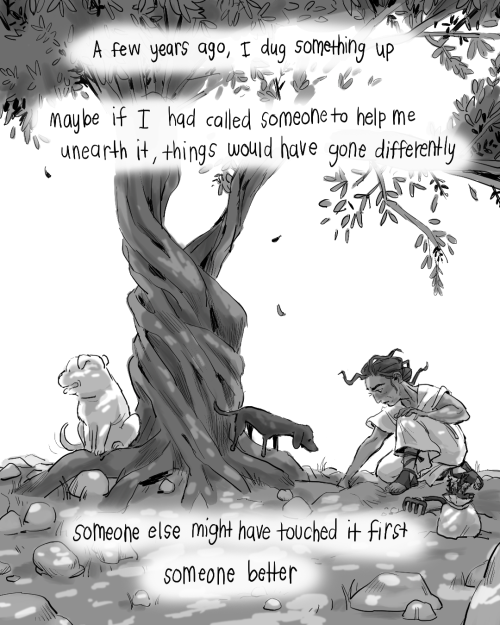
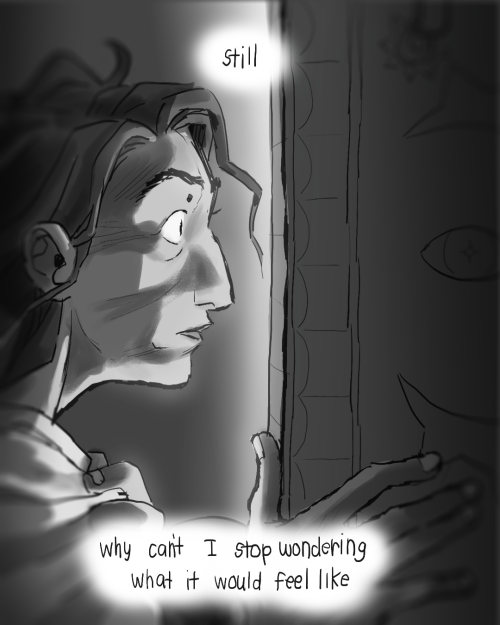
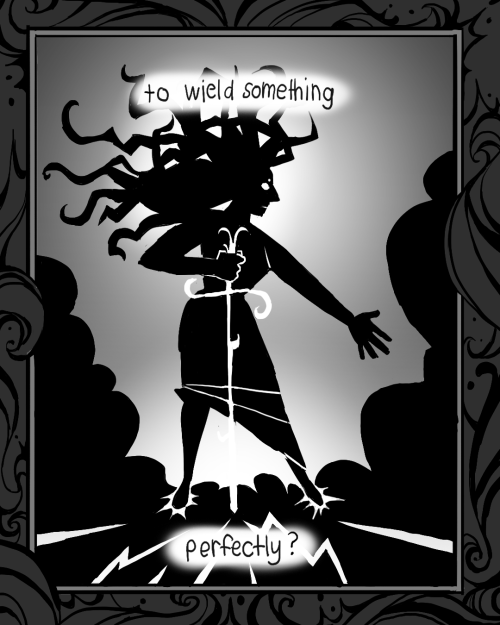
You must know this. You’re too smart not to know this. They paint the world full of shadows and then tell their children to stay close to the light. Their light. Their reasons, their judgments. Because in the darkness, there be dragons. But it isn’t true. We can prove that it isn’t true. In the dark, there is discovery, there is possibility, there is freedom.
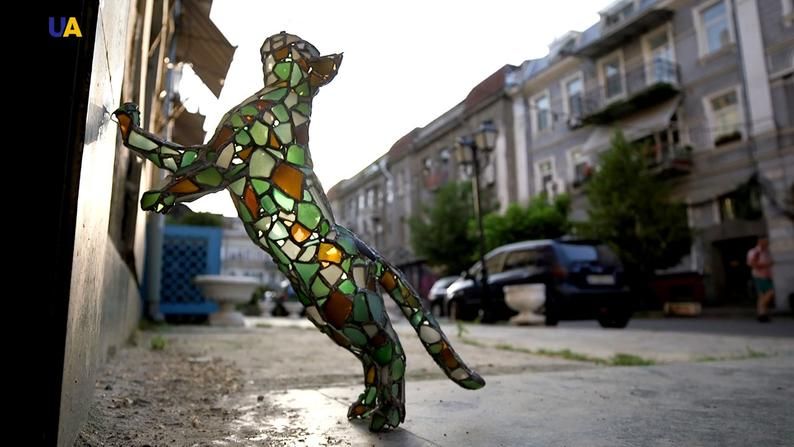
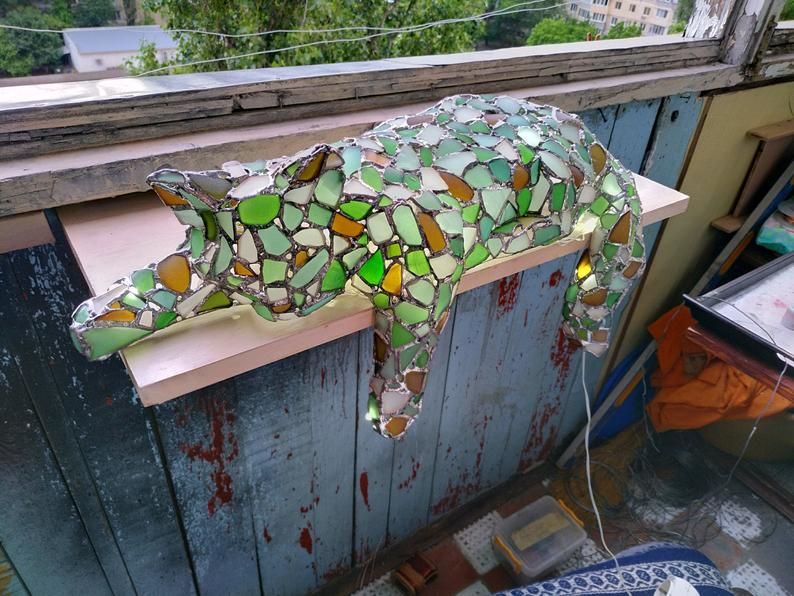
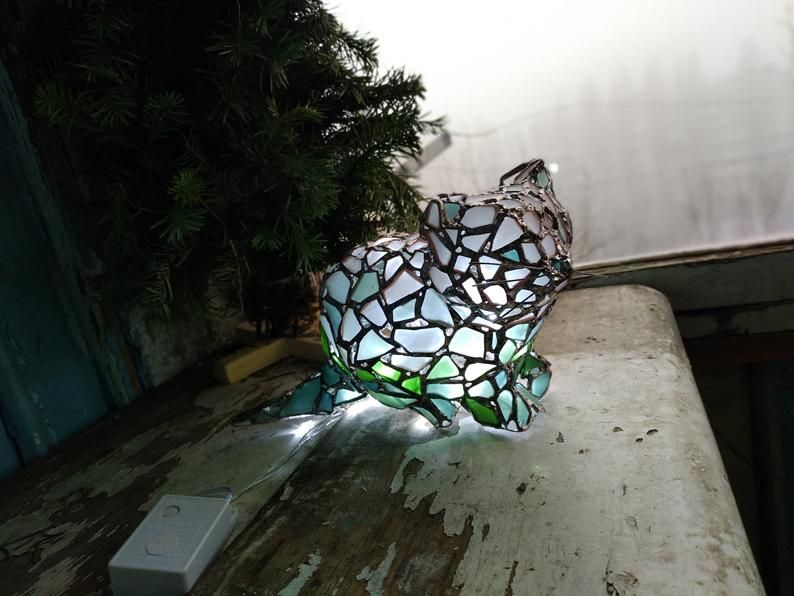
Katerina Murphy, an artist in Ukraine, makes three-dimensional stained glass sculptures. They're made, specifically, out of sea glass, which is weathered glass that washes up on beaches. Slide a light inside and they turn into vibrant cat lamps.

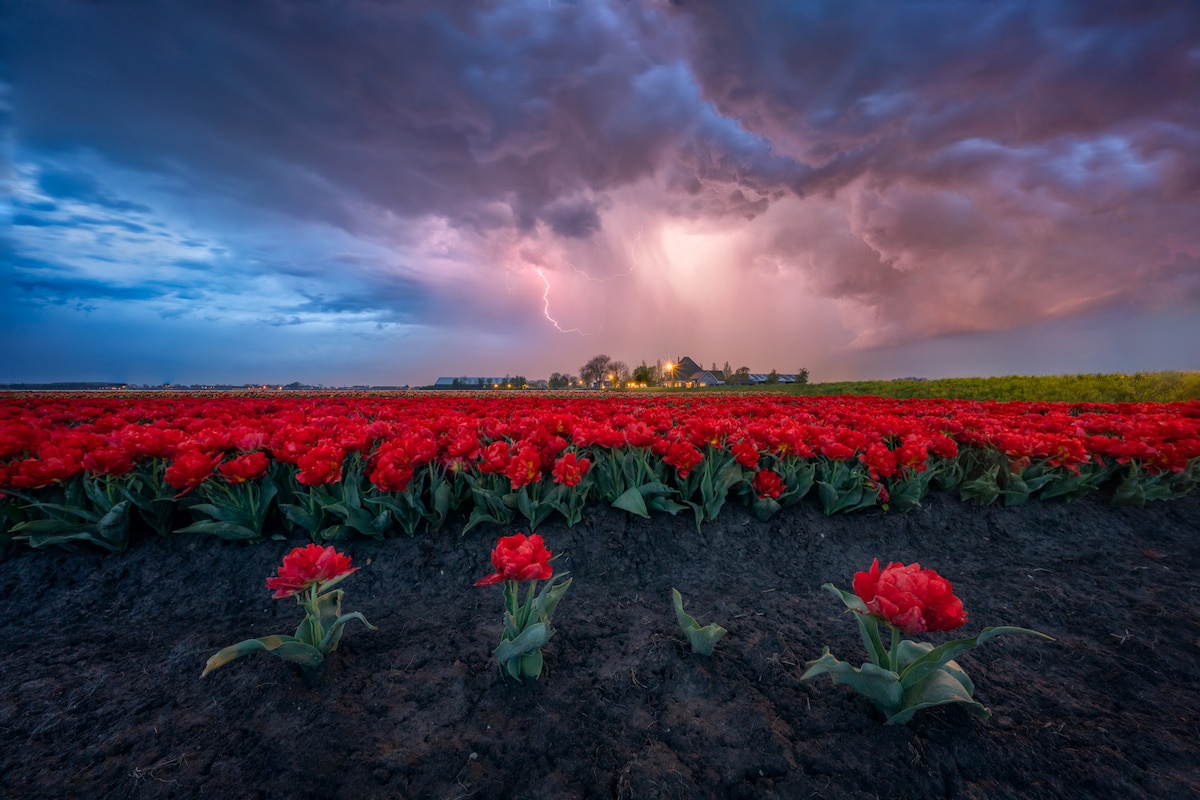
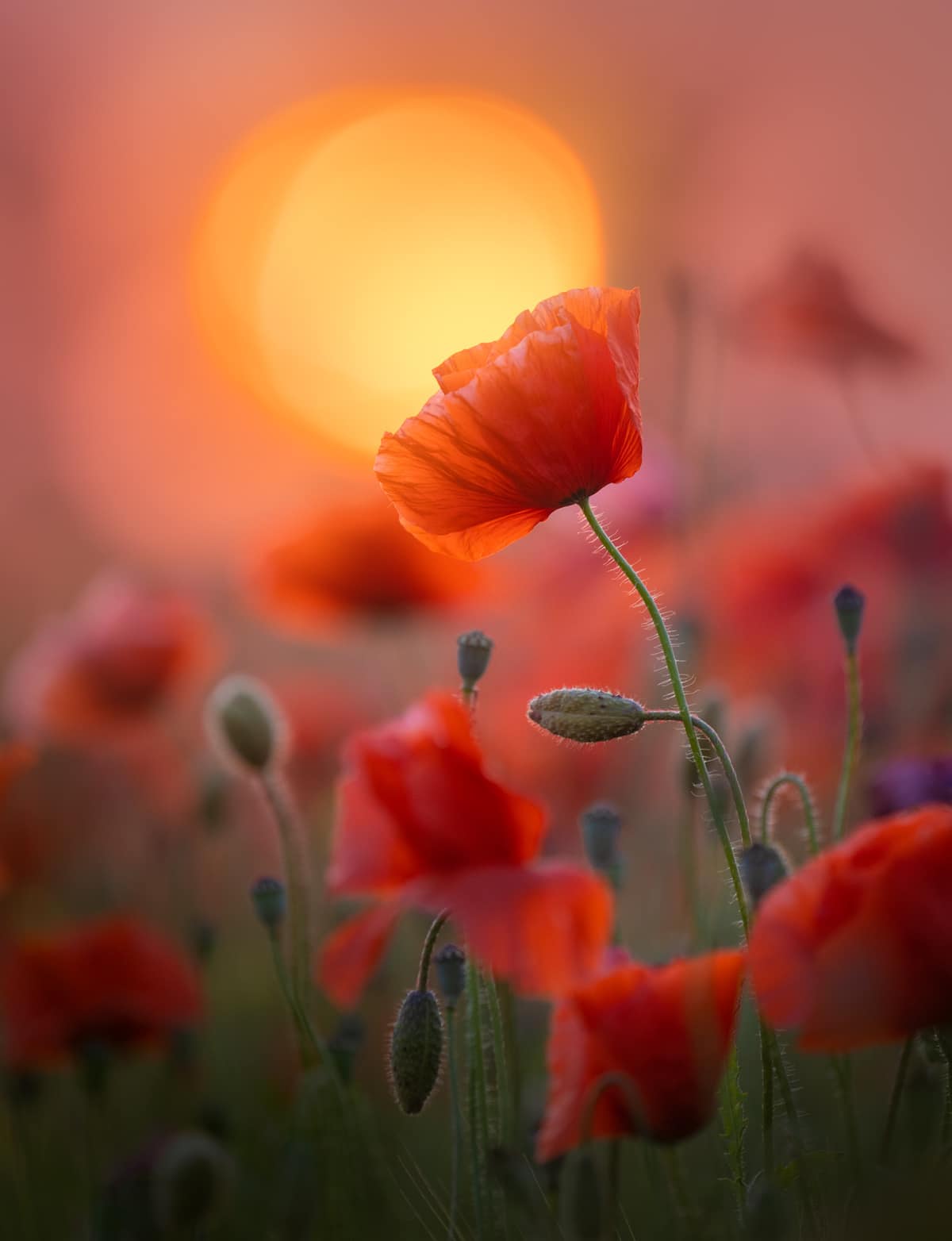

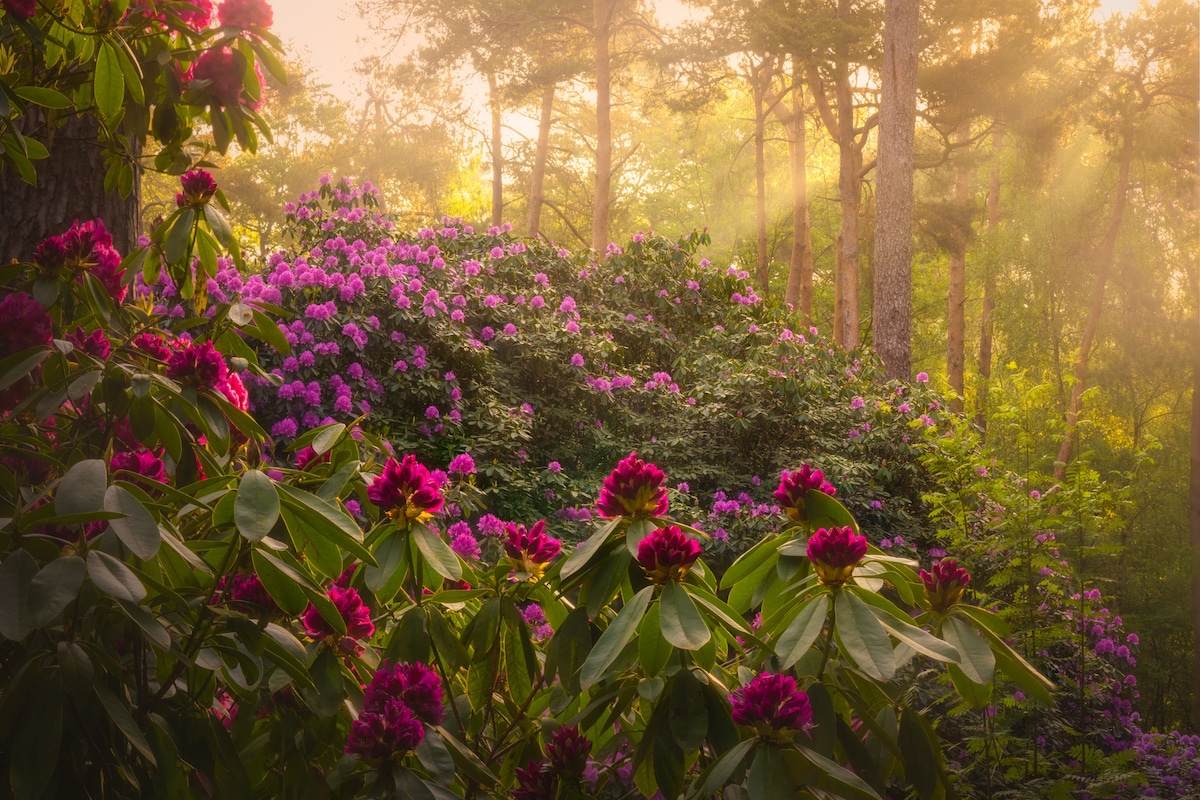
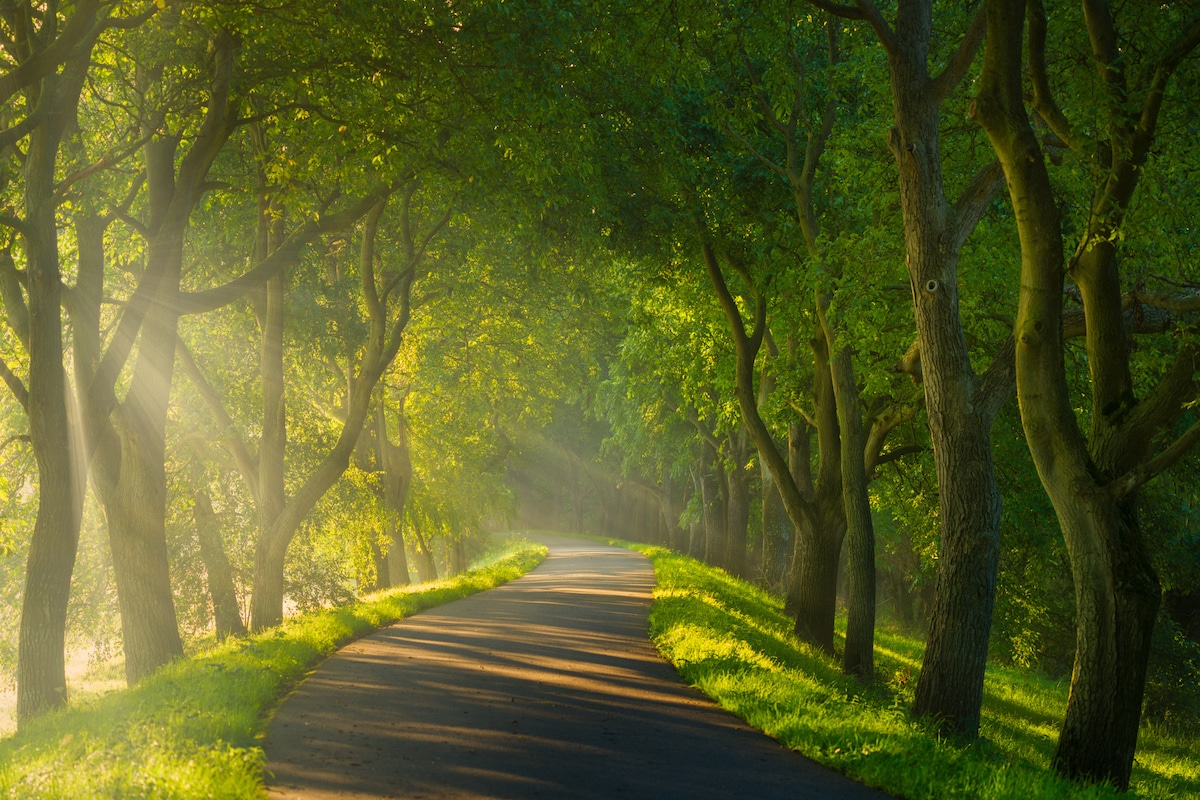



 Albert Dros: Website | Facebook | Instagram | YouTube

















![Just don't do things that will get you killed. [ID: Astronaut floating in front of moon in cloudy pink sky]](https://64.media.tumblr.com/49f25b1d2a13ab744dc6e7b2d0cc9e5a/f4f4356ef50e6219-50/s640x960/55f1fa50bd5950e6967b05dfeaa4ca3569953582.png)
![If you touch one of our humans with intent to harm, you will die. [ID: Corridor of a spaceship]](https://64.media.tumblr.com/0b092146d1478c9dbd842253cd836946/f4f4356ef50e6219-c0/s640x960/068dc55a7409445d0ad6b6a193dfb2d4a9bcb245.png)
![Planets suck. [ID: Sunrise over earth as seen from space]](https://64.media.tumblr.com/3ad1a746447426f54f5fafa034323a43/f4f4356ef50e6219-ad/s640x960/bcc148c0f7f4b580fb501824a971a6cc103d5488.png)
![Avoid getting eaten. [ID: Group of rock formations in desert with sand floating in air]](https://64.media.tumblr.com/269e89fffa5c3e4e70f52771b537c91b/f4f4356ef50e6219-61/s640x960/aacddaeffc7fa26c75e96826f4f0ad468ee418eb.png)