My girlfriend recently got a cornea transplant. Here is a high res image of the stitches in her eye
My girlfriend recently got a cornea transplant. Here is a high res image of the stitches in her eye

Houve uma época em que as melancias eram pontuais. As primeiras chegavam em agosto, tímidas. E, nem por isso, deixavam de ser aguardadas com ansiedade. As derradeiras, em novembro. Sabiam que aquele poderia ser o último frete de melancias, o caminhão se estacionava na rua lateral ao Cemitério São Pedro no Dia de Finados. Solenes, pai e filho se enfiavam em roupas adequadas a visitar seus mortos: nem tão quentes, porque fazia calor; nem tão desprotegidas, porque podia chover. Nunca calças curtas, nunca chinelos. O pai, já tomado pelas rugas do sofrimento e do tempo, e o filho, ainda imberbe, desciam a rua principal do cemitério lotado de vivos e mortos – naquele dia, mais vivos que mortos, diga-se – atravessavam duas quadras, passavam pelo cruzeiro, onde eram acesas as velas para todas as almas, e, no quarteirão seguinte, contavam seis túmulos até o da mãe, ao lado direito de quem desce (esquerdo para quem para saia em direção à rua). O jazigo era simples, tal qual imaginavam ser a vontade dela – apenas uma pedra de granito lisa, no canto esquerdo a placa sucinta (nome completo, data de nascimento, data de morte), sem foto, sem mensagens de saudade ou homenagem, sem símbolos religiosos –, espartano como convinha à senhora discreta e de olhos tímidos, sepultada poucos anos antes em um vestido azul safira, no inverno.
O túmulo sem extravagâncias desaparecia na vizinhança – e era curioso notar que a geografia do cemitério quase reproduzia com fidelidade a da cidade, já que aqueles que teriam compartilhado da mesma rua quando vivos também estariam próximos quando mortos. A situação não deixava de ser prosaica, porque, ainda vivos, falavam, aos risos nervosos, sobre isso nas conversas de calçada, e a proximidade post mortem parecia servir de alento ao desconhecido. Ter um lugar de repouso definitivo era tão importante quanto um teto naquela cidade onde se media a proeminência do outro até quando não mais passava de pó e memória. A ausência de arroubos tornava quase imperceptível o jazigo frente aos outros, que podiam ser divididos em seis grandes categorias: a) os ricos ou novo-ricos (estátuas de anjos, santos, Nossas Senhoras ou do corpo de Cristo, em bronze); b) os práticos (revestidos de pisos ou azulejos domésticos, estampados ou não); c) os antigos (de pedra, caiada ou coberta de musgo, anônimos); d) os histriônicos (muitas flores, muitas velas, recordações, fotografias, vasos); e) os japoneses (que, por sua vez, eram divididos em duas categorias: os de famílias budistas e os de famílias convertidas ao cristianismo, diferentes apenas por uma frase na parte posterior da lápide) e f) os ainda vazios. O túmulo da mãe não pertencia a nenhuma delas.
No Dia de Finados, o cemitério cheirava à parafina quente e crisântemos, muitos dos quais eram postos ao pé dos jazigos no dia anterior, decerto com duas finalidades: livrar as mãos do incômodo na célebre data e não provocar a impressão de abandono afetivo caso o túmulo fosse visitado por pessoas mais madrugadeiras. A movimentação, na verdade, já era vista no dia 1o, com famílias a lavar os túmulos e prepará-los para o dia seguinte. E, neste caso, havia dois tipos de diferentes de famílias na pequena cidade: as que limpavam seus próprios túmulos e as que pagavam para que isso fosse feito por alguém. A época era aguardada com ansiedade pela mulher de meia-idade que se encarregava do ofício, ao longo de todo o ano, mas era bastante requisitada no período. O sistema era simples, mas profissional: a lavagem dos túmulos era semanal, a cobrança, mensal. Em Finados, sozinha ela não dava conta do trabalho e era ajudada por seus filhos, cada qual com seu balde, vassoura e lata de Kaol, Silvo ou Brasso (o brilho do bronze era um aspecto importante da assepsia tumular; as placas de identificação reluziam sob o sol e, nas estátuas, apenas as mãos e pés dos santos e outras divindidades eram areados e polidos).
O périplo dos visitantes também obedecia a um roteiro determinado sabe-se lá por quem. Primeiro, o túmulo dos mais chegados (parentes de primeiro grau, pais, avós, filhos, irmãos etc). Segundo, os familiares laterais ou distantes (primos, tios, cunhados, genros etc). Terceiro, os amigos ou a parentela de amigos (companheiros de trabalho, conhecidos da vizinhança, colegas de infância, comprades ou comadres etc). Quarto, os defuntos célebres (padres, políticos, pessoas que morreram em desastres naturais ou automotivos, jovens tomados por doenças repentinas, milagreiros etc). Por fim, voltava-se ao túmulo primeiro, uma espécie de despedida antes do retorno à casa (na prática, neste momento verificava-se se as velas haviam sido apagadas pelo vento). Havia uma pragmática nesse roteiro, já que as velas eram acesas no primeiro e no segundo caso, a partir do terceiro grupo a visita de resumia a uma parada rápida e comentários. Aconteciam encontros que mudavam a liturgia. Por exemplo: ao visitar o túmulo de um amigo distante, poderia calhar de estarem ali seus visitantes de primeira grandeza, então o tempo de permanência era ampliado de modo a não produzir nos conhecidos uma impressão de desprezo ou pressa. É claro que o hábito trazia transtornos porque os jazigos não estão ordenados nas centenas de ruas e vielas de modo a facilitar a vida dos vivos e, muitas vezes, deixava-se de visitar um túmulo pertecente à categoria quatro, embora estivesse a uma ou duas quadras dali, porque restava um da terceira categoria ainda não visto. Era preciso alguma engenharia de trajeto que só se aprendia com os mais velhos – habituados há mais tempo ao périplo –, que tinham decor do roteiro mais econômico para poupar as pernas cansadas. Ao levá-los, a morte também arrancava dos vivos uma inteligência que só se aprendia com o passar dos anos e nem sempre os mais jovens tiveram o empenho para registrar os roteiros mais adequados. Muitos deles, aliás, sequer sabiam onde se encontravam os túmulos da primeira categoria de visitas, imprescindíveis. Para isso, o expediente mais útil era partir em busca do coveiro que, atencioso, sacava o livro de registros do cemitério e indicava a localização da tumba procurada.
Pai e filho, no entanto, restringiam-se apenas ao primeiro grupo de visitas (o trajeto completo, na verdade, era uma atividade mais feminina). Era tempo de melancias. Do lado de fora, na rua lateral, o pai, de punhos fechados, dava leves e ligeiros socos nas frutas, de ouvido encostado, para identificar as mais doces entre as derradeiras melancias da estação que, ao se despedirem, anunciavam as frutas de dezembro, festivas como mangas e nectarianas. “É esta”, dizia. Então partiam.
Foto: Cimetière du Père Lachaise, Paris. Esper Leon.
Andrew Hessel, Marc Goodman and Steven Kotler sketches in an article in The Atlantic a not-too-far future when the combination of cheap bioengineering, synthetic biology and crowdsourcing of problem solving allows not just personalised medicine, but also personalised biowarfare. They dramatize it by showing how this could be used to attack the US president, but that is mostly for effect: this kind of technology could in principle be targeted at anyone or any group as long as there existed someone who had a reason to use it and the resources to pay for it. The Secret Service looks like it is aware of the problem and does its best to swipe away traces of the President, but it is hard to imagine this to be perfect, doable for old DNA left behind years ago, or applied by all potential targets. In fact, it looks like the US government is keen on collecting not just biometric data, but DNA from foreign potentates. They might be friends right now, but who knows in ten years…
If personalised biowarfare done via Internet is not enough to give post-Halloween nightmares, consider the US expansion of “kill lists” into a “disposition matrix” system of people to kill or capture, and available means to do so. As noted by the Washington Post, this is a institutionalization of the practice of secret, targeted killing with very limited (if any) legal oversight. It is pretty obvious how future personalised biowarfare could be slotted into such a system right next to drone strikes, no doubt ably defended by a White House spokesperson as being constitutional and certainly within the presidential remit if it ever came to light.
Continuing to another domain, cyberwarfare is regarded by the US as a casus belli. Yet Obama appears to have ordered cyber-attacks against Iran’s nuclear program. Leaving aside the layers of hype of “cyber-” what is actually discussed is remote, technologically empowered sabotage. It might or might not be possible to use in a widespread society-disrupting fashion, but it certainly can be used against focused targets. It will also have collateral effects, not the least that the exploit tools now become available to the wider community of hackers who can turn them to their own ends.
It would be trivial here to continue in a standard rant about the failings of the US government to uphold various ethical or humanitarian principles, but it would be rather redundant – that can be found anywhere on the Internet. It is also obvious that many other governments are moving in similar directions: the US just happens to be the biggest, most advanced and most scrutinized government.
I think a more interesting angle is how governments and other groups handle the security implications of new and disruptive technologies.
Do they get it?
One interesting criticism of Obama’s decision to promote digital sabotage against Iran is that it might have been based on a faulty understanding of the technology and its consequences. It does not appear that he regarded himself as giving a potential casus belli to Iran, nor that spreading the technology of Stuxnet and Flame into the open would become used by enemies of the US (which, after all, has the most sensitive and expensive infrastructure to lose). He or his advisers likely did not see a big problem because they considered their tool as an ordinary tool or action (however sneaky). Normal tools don’t run away and become part of the threat ecosystem. But software is copyable, and once something is out it will remain out there: you need to protect yourself against it forever.
Similarly for drone technology. Since the US has demonstrated drone technology so well, it is now being copied by everybody. Not to be outdone by the Occupy movement’s occucopter, Hezbolla has launched their drone. Given these results, maybe the demonstration of Boeing’s CHAMP drone equipped to destroy electronics is not so good news for the US. How long before a counterpart is in the hands of groups the US would not want to have it? Again, it is an excellent weapon against high-tech infrastructure and societies dependent on it, just the thing to even the odds in a conflict against the US.
While military forces can be protected against drones or anti-electronic weapons, it is unlikely that this would be feasible for an entire civilian infrastructure. The situation is very similar to the Secret Service defence of the president against bioweapons: they have a single person to protect, so they can focus on him and have a reasonable chance of success. The same mechanisms they use, whatever they are, would be unlikely to protect an entire society. Same thing with computer security: it is certainly possible to protect the president’s computer, but the real threat is the unsecured computers out there, running the backbone of society.
Slowing down the spread of disruptive technologies is hard, as many governments are discovering. One reason is that most of them have positive uses: the Internet is enormously empowering, drones allow us to monitor our environment better, biotechnology will help medicine and the environment, 3D printing will enable massive customization and garage innovation, and numerous toxic and explosive chemicals are essential parts of our industrial infrastructure. Making use and co-opting them is often a better solution than trying to prevent the bad uses, since bad uses can rarely be predicted beforehand. As noted in The Atlantic article, some systems would help both the president and everybody else. Widespread monitoring for new pathogens, transparency and data-sharing to boost response abilities, and constant pursuit of better biodefenses, would make everybody safer. There are many more minds and much more resources out there interested in reducing risk than could ever be mustered by any government. It is just that we do not know if this is enough to counter the Moore’s law of mad science.
Recognizing there is a problem
The common point of the biohacking, drones and cyberwarfare is that they are technologies that fundamentally change the nature of national and personal security. Yet they currently are not handled differently by governments: they are certainly seen as strategic technologies, but that just implies to the decision-makers that We should get them before They get them, not that it would be risky to pursue them at all. It might be impossible to prevent them from eventually being invented and used, but it can be rational for a government like the US one to ask itself whether they want to have a world with these now rather than later.
Maybe the decision-makers are on top of things and do make sensible decisions about what strategic technologies to introduce. But past evidence speaks against it. The Nazi German military did not want computers for code-breaking. The Soviet establishment regarded radar stealth technology irrelevant and allowed Pyotr Ufimtsev to publish his findings in the open literature, where they were used by the US stealth program. The potential of the Internet for changing economics and politics seem to have passed most governments by until the 00′s. Decision-makers still do not seem to have understood the subversive potential of digital currencies.
If, as I think, decision-makers have a hard time getting the full implications of technologies they launch, then it seems that recognizing that there is a problem is the key issue. Yes, the technologies should also be used for good ends, but if you do not understand the consequences of your tool your intentions have a good chance of being swamped by unforeseen consequences. Yes, predicting technology is notoriously hard, especially for open-ended technologies like computers and biotechnology, but that doesn’t mean they are utterly beyond reason and foresight.
At the very least decision-makers should consider whether they ought to be pushing for technologies or practices that are likely to damage their strategic interests. If you are more vulnerable than your competitors to biowarfare, EMP, cyberwarfare or assassination politics it is irrational to promote them: you should attempt to slow their spread and development, and ideally culture technologies or institutions that reduce their impacts.

Thinking on this as my body crumbles slowly away. while it seems a strange tragic irony that as my self-possession, knowledge, persona and very soul deepen and ripen — i feel twice the human being i was at 18 or 20 — my body aches, burns and degrades as the tissues holding me together wear out through overuse, truly, the alternative to ageing is far worse.

An owl who is afraid of flying outside in big open spaces has been given his own red brick house. Gandalf the great grey owl gets scared flying out in the open so his owners have built his aviary inside a brick shed. He now spends his days watching the world go by out of his window. “He is a bit of a wuss as he doesn’t like flying in big open spaces,” said owner Janet Southard, who runs the Wild Arena photography company, based inside Knowsley Safari Park near Liverpool.
Picture: Mark Bridger / Rex Features (via Pictures of the day: 1 November 2012 - Telegraph)
Agoraphobic owl. AGORAPHOBIC OWL. AGORAPHOBIC OWL
Also, they named him “Gandalf.” I don’t know why that makes it extra perfect, it just does.
Adam Victor BrandizziAcho que o Pedro de Medeiros se interessaria. Talvez até já conheça.
E já está disponível: http://www.amazon.com/Scud-Whole-Shebang-Dan-Harmon/dp/1582406855/

Gastbeitrag von daMax, das Posting erschien ursprünglich hier.
 Scud ist einer der Comics, nach denen ich mir schon immer die Finger geleckt habe. Leider war es immer sauschwer an Scud-Hefte ranzukommen, die sind schon seit Jahrzehnten vergriffen. Waren! Jetzt endlich gibt es eine Neuauflage aller 24 je veröffentlichten Scud-Comics in einem fetten 800-seitigen
 Telefonbuch Band namens “THE WHOLE SHEBANG: BEGINNING-MIDDLE+END”.
Scud ist ein Einmalauftragskillerroboter aus dem Automaten. Er wird auf Jeff angesetzt, die nicht gerade das ist, was man ein leichtes Ziel nennen würde. Ja, richtig gehört: Jeff ist eine sie. Mit Armen als Beinen und fiesen Fressen in den Knien. Und angeschnalltem Tintenfisch. Und Mausefallen als Händen. Mit einem Stecker als Kopf. Egal, ich schweife ab. In einem 20-seitigen epic battle erfährt Scud die bittere Wahrheit über seine Existenz: nach Erledigung seines Jobs wird er von einer fest in sich verbauten Bombe zerfetzt werden.
Um diesem gar grimmigen Schicksal zu entgehen, schießt Scud Jeff kurzerhand die Extremitäten weg und verfrachtet sämtliche Einzelteile in ein Krankenhaus, wo sie am Leben gehalten werden. Das geht jedoch nur gegen Bares, und so muss Scud sich wohl oder übel dem Kapitalismus beugen und weitere Tötungsaufträge annehmen, um Jeffs Ableben und damit seinen eigenen sicheren Tod zu verhindern. Na, und dann kommt der ganze Irrsinn erst so richtig in Fahrt.
Scud the Disposable Assassin ist eines der besten und abgefahrensten Comickunstwerke, die mir je untergekommen sind. Rob Schrab ist verliebt in Perspektivzeichnungen und schafft es immer wieder aufs Neue, Kamerawinkel zu finden, bei denen man die einzelnen Panels erst mühsam decodieren muss. Dazu kommt ein derart grotesker und bizarrer Humor, dass man nie wissen kann, was einem auf der nächsten Seite entgegen springt. Scud liest sich definitiv nicht leicht, macht aber unglaublichen Spaß, wenn man sich auf diese Mischung aus Salvador Dalì und der Itchy&Scratchy-Show einlassen kann.
Es ist sinnlos, auch nur zu versuchen mit Worten zu beschreiben, was euch in diesem Tour-de-Force-Ritt von Comic erwartet. Ich muss diesen Artikel einfach mit ein paar Bildern schmücken. Wie solltet ihr euch dazu entschließen können dieses Meisterwerk erwerben zu wollen, wenn ihr es gar nicht gesehen habt? Ich habe mir das Ding jedenfalls mit Handkuss gekauft und 25 Tacken bei Amazon sind ein absolutes Schnäppchen für 2 Kilo geballten Comicwahnsinn. Natürlich habe ich Rob angeschrieben und um Erlaubnis gebeten und was soll ich euch sagen?
For sure. Just give me credit and tell them to follow me on twitter @robschrab
Best, Rob Schrab
Einen kleinen Kritikpunkt habe ich jedoch an diesem Reprint. Jeff redet den gesamten Comic über nur in Filmzitaten. Welche Filme hier zitiert werden, steht eigentlich in jedem Scudheft auf der dritten Seite. Leider haben es diese Seiten nicht die Neuauflage geschafft und damit geht für mein Empfinden eine wichtige Information verloren. Auch für sämtliche anderen Figuren hat sich Rob Schrab schon eine Stimmenbesetzung ausgedacht, so würde Scud beispielsweise von John Malkovich gesprochen. Mehr gibt es an diesem Meilenstein der Comickunst allerdings wirklich nicht auszusetzen. Zieht euch den Scheiß rein. Bis zum Anschlag.
Wer mehr sehen will: hier gibt es die ersten 25 Seiten als lores-Scans, nach dem Klick ein paar Pics aus dem Comic.


Rob Schrab im WWW:
http://www.robschrab.com/
https://twitter.com/robschrab
http://rob-schrab.deviantart.com/
Adam Victor BrandizziResumo da ópera: um discurso de Lana Wachowski sobre como ela se sente como transgênero: http://www.hollywoodreporter.com/news/lana-wachowski-reveals-suicide-plan-382169 http://www.hollywoodreporter.com/news/lana-wachowskis-hrc-visibility-award-382177?page=show
 Lana Wachowski (The Matrix, Bound, V for Vendetta) sprach auf einer Human Rights zum ersten mal seit forever. Die Dame (und ihr Bruder) geben seit dem Erfolg mit der Matrix keine Interviews und treten nicht öffentlich auf, jetzt haben sie das geändert und Lana erzählt auf der Gala über ihre Kindheit als Transgender, Mobbing, Identitätsprobleme und Akzeptanz durch die Gesellschaft.
Sie liefert mit der Rede einen der intelligentesten („The Pathology of a society that refuses to see acknowledge the spectrum of gender in the same blind way they refuse to see the spectrum of race and sexuality“) und bewegendsten („[My Mum] tells me to look at her but I don’t want to, because when I do I am unable to understand why she cannot see me“) Beiträge zum Thema seit „It gets better“… und einen der lustigsten („[My hairdresser's] seen the drunken pornographic pictures of our honeymoon in Mykonos“).
Ich empfehle, das komplette Ding anzusehen (Ab circa Minute 5) oder das Transkript zu lesen:
Invisibility is indivisible from visibility; for the transgender this is not simply a philosophical conundrum — it can be the difference between life and death.
A few short weeks ago after my coming out, the three of us, Tom, Andy and I were being interviewed, one of the reporters ventured away from the subject of the film towards my gender. Imagine that, a reporter. My brother quickly stepped in, “Look, just so we’re clear,” he says, “if somebody asks something or says something about my sister that I don’t like, understand that I will break a bottle over their head.” [applause] Few words express love clearer than these.
I am here because Mr. Henderson taught me that there are some things we do for ourselves, but there are some things we do for others. I am here because when I was young, I wanted very badly to be a writer, I wanted to be a filmmaker, but I couldn’t find anyone like me in the world and it felt like my dreams were foreclosed simply because my gender was less typical than others.
If I can be that person for someone else [pause, applause] then the sacrifice of my private civic life may have value.
Lana Wachowski Reveals Suicide Plan, Painful Past in Emotional Speech, Lana Wachowski’s HRC Visibility Award Acceptance Speech (Transcript) (via Boing Boing)
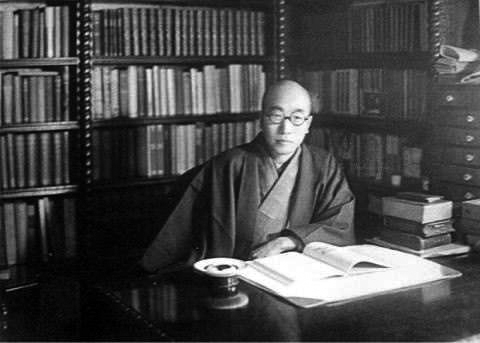
Japanese novelist Tarō Hirai wrote detective fiction under the pseudonym Edogawa Rampo.
That's a phonetic rendering of one of the genre's inventors -- Edgar Allan Poe.
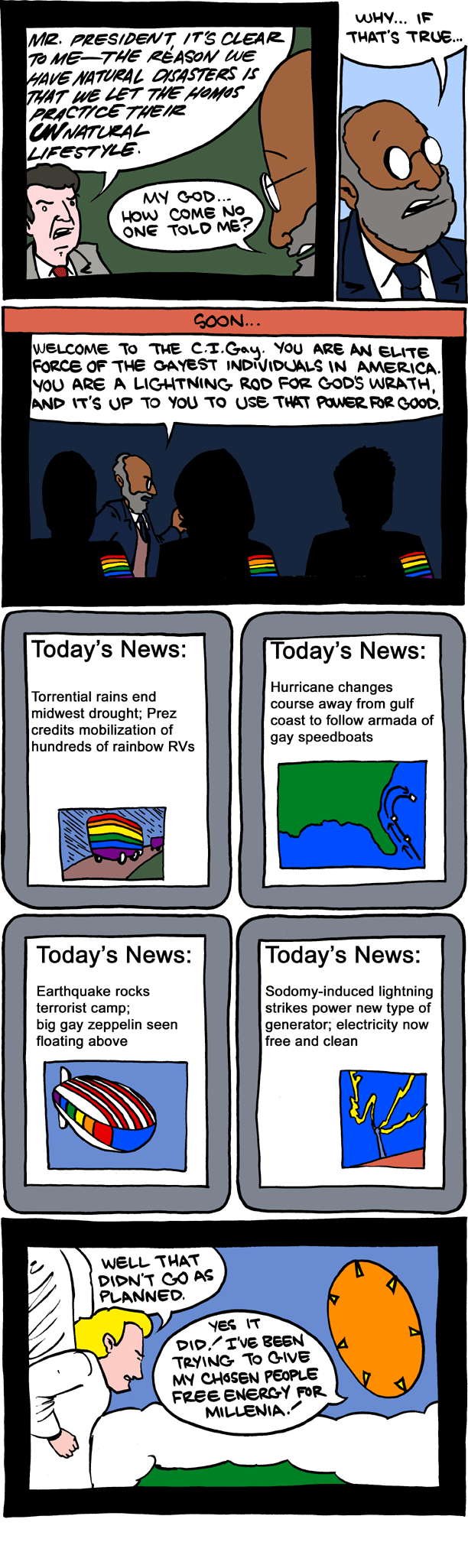
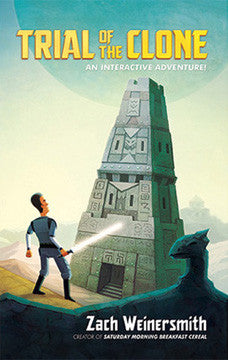

Met this man while crossing over the Williamsburg Bridge yesterday. He introduced himself as Circus, The Travelling Magician. He then handed me a Book of Spells. Allow me to share some of the highlights:
The Spell to Make Strangers Wish You “Happy Birthday:”
Make a sign that says “It’s My Birthday,” and hang it around your neck.
The Cuddle Inducing Spell:
Simply hang up a sign that says “Cuddle Zone.” Put a few soft pillows and blankets under it.
Spell to Make Objects Move Through The Air:
Make sure there is a nice person in close proximity both to you and the object you desire. Then simply stretch your arm out toward the object and, in less than a minute, it will float magically into your hand.
Adam Victor BrandizziMais uma versão do Monty Hall.
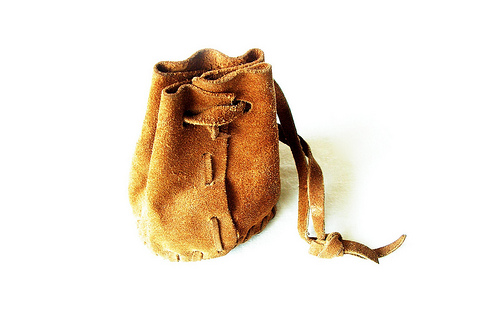
A puzzle by Lewis Carroll:
A bag contains one counter, known to be either white or black. A white counter is put in, the bag shaken, and a counter drawn out, which proves to be white. What is now the chance of drawing a white counter?
Youtube Direktlight, via Kill Screen
Das Game Lab am MIT hat ein Game mit Open Source-Engine entwickelt, das Einsteins Relativitätstheorie visualisiert und die Effekte sichtbar macht, die bei Lichtgeschwindigkeit eintreten: A Slower Speed of Light. Ein Game für Windows und Mac mit Dopplereffekt und allem. Dr. Dr. Sheldon Lee Cooper hätte da seinen Spaß dran.
A Slower Speed of Light is a first-person game in which players navigate a 3D space while picking up orbs that reduce the speed of light in increments. A custom-built, open-source relativistic graphics engine allows the speed of light in the game to approach the player’s own maximum walking speed. Visual effects of special relativity gradually become apparent to the player, increasing the challenge of gameplay.
These effects, rendered in realtime to vertex accuracy, include the Doppler effect (red- and blue-shifting of visible light, and the shifting of infrared and ultraviolet light into the visible spectrum); the searchlight effect (increased brightness in the direction of travel); time dilation (differences in the perceived passage of time from the player and the outside world); Lorentz transformation (warping of space at near-light speeds); and the runtime effect (the ability to see objects as they were in the past, due to the travel time of light). Players can choose to share their mastery and experience of the game through Twitter. A Slower Speed of Light combines accessible gameplay and a fantasy setting with theoretical and computational physics research to deliver an engaging and pedagogically rich experience.
Adam Victor Brandizzi"Fico impressionada que tanta gente no mundo seja ruim de matemática — uma habilidade muito mais básica — e assuma isso até com uma ponta de orgulho enquanto quem não sabe inglês tenha que trazer isso como um segredo sujo, uma mancha no currículo."
Uma parte considerável do meu trabalho atual consiste em escrever sobre pesquisas novas que têm sido feitas nas áreas de saúde e comportamento. A maior parte dessas pesquisas vem de países de língua inglesa por motivos que eu sempre questiono, mas raramente consigo mudar.
Em geral, são os países mais ricos, com mais cultura acadêmica e que mais se empenham em divulgar as pesquisas que fazem. O meio acadêmico brasileiro é, na minha percepção, mais fechado em si mesmo, com mais desprezinho por jornalistas e menos sedução pelo mercado, o que faz com que se importe menos com a imprensa leiga (oi).
Quando me vejo diante de uma dessas pesquisas gringas, meu procedimento é quase sempre o mesmo: tento entrevistar os autores de fora e falar com pesquisadores brasileiros que possam contrapor/reiterar o estudo gringo.

Só recentemente consegui entender por que um trabalho tão simples — enviar o estudo por e-mail aos pesquisadores brasileiros, esperar eles lerem, ligar e conversar com eles — acaba sendo sempre tão complicado.
A imensa maioria dos professores e médicos que eu entrevisto me dá um fora assim que recebe o e-mail com o estudo. Não dá para dizer que é falta de tempo porque eu explico o procedimento logo na primeira conversa, antes de enviar qualquer coisa.
Começo a acreditar que o motivo seja um só: eles não falam inglês e não querem admitir isso para mim.
Para a classe média brasileira, saber inglês deixou de ser uma ferramenta ou uma habilidade. Não é sequer um “diferencial”, como os RHs gostavam de falar. Saber inglês é visto como condição fundamental para que a pessoa seja merecedora do cargo que ocupa. Não falar inglês é humilhante, algo a ser escondido.
Na prática está longe de ser assim. A maior parte das pessoas que eu conheço e que ocupa cargos legais merece estar nesses empregos mesmo tendo um domínio precário do idioma. As pessoas que eu entrevisto — ou tento entrevistar — para o jornal são todas destacadas em seus meios e, se eu estiver certa, poucas delas falam inglês com desenvoltura.
Falar um idioma é uma habilidade como outra qualquer, como cozinhar e jogar tênis, diz uma das minhas melhores professoras da Letras. É uma pena que as pessoas tenham transformado essa habilidade tão legal em um motivo de humilhação mútua e de competição.
Aqui na redação a coisa mais rara do mundo é uma pessoa ter coragem de fazer suas entrevistas em inglês na frente dos colegas. Quase todos recorrem às salinhas reservadas. E quase ninguém admite que ainda estuda o idioma — ou que gostaria de estudar — porque, afinal, são repórteres da Folha, o que vão pensar deles se souberem que não têm um bom inglês?
Fico impressionada que tanta gente no mundo seja ruim de matemática — uma habilidade muito mais básica — e assuma isso até com uma ponta de orgulho enquanto quem não sabe inglês tenha que trazer isso como um segredo sujo, uma mancha no currículo.
O certo não seria meus entrevistados me dizerem: “Oh sua fulana, você trate de traduzir isso pra mim. Meu inglês é péssimo, mas você depende de mim do mesmo jeito porque eu sou é foda naquilo que faço”?


Winged goddess, Nemesis, who tilts the balance of our lives, dark-eyed goddess, daughter of Justice, who curbs with iron bit the foolish brayings of mortals, and who through hatred of man's destructive arrogance drives out black envy. Beneath your relentless and trackless wheel men's fortunes turn and twist; unseen you walk beside them, and bend low the proud man's neck. Beneath your arm you measure out his life-span, and stoop to gaze into the depths of his heart, your scales held firmly in your hand. Be benevolent to us, you who dispense justice, singed goddess Nemesis, who tilts the balance of our lives.Nemesis preceded even Zeus. Is she really the goddess of vengeance?
We sing in honor of Nemesis, immortal goddess, formidable Victory with wings outspread, joint counselor with Justice, who makes no mistakes, who punishes the arrogance of men, and bears it to the depths of Hades.
The city of Troy, Michigan got its first public library in 1962 and in 1970 that library got its first children’s librarian, Marguerite Hart. Early in her tenure, she launched a letter campaign to dozens of celebrities — authors, politicians, artists, and more — simply asking that they reply with their thoughts on the importance of libraries and books.
She received 97 replies, many of which can be seen at the library’s site. Here is a selection of six…


(via This Isn’t Happiness)