×You need to sign in to continue.

Shared posts

26 Jun 20:02

28 Strangers vs 600,000 DCers

by Andrew Sullivan
Adam Victor Brandizzi

Toma, trouxa.

That’s the measure of this country’s commitment to democratic self-government. The duly elected officials of Washington DC have been moving ahead with plans to decriminalize possession of marijuana, reducing the current penalties from $1,000 and a one-year jail-sentence to a $25 civil fine and a 60-day jail sentence for public smoking. The latest public opinion polls put support for outright legalization in the District at 63 percent:

Washingtonians of every age, race and ethnicity — teenagers and seniors, blacks and whites — registered double-digit increases in support of legalization. Even among those who oppose legalization, nearly half support relaxing punishment for marijuana possession to a fine of $100 or less.

So you have close to unanimity of the city’s residents and voters behind the current proposal. But in America – unlike any other democratic country on the planet – the voters in Washington DC can simply be over-ruled by a handful of congressmen from other parts of the country on the House Appropriations Committee. And so this condescending douchebag from Maryland gets to preach to Washingtonians as if we were incapable of running our own lives:

“Congress has the authority to stop irresponsible actions by local officials, and I am glad we did for the health and safety of children throughout the District,” Representative Andy Harris, the Maryland Republican who proposed the provision, said in a statement.

It’s all for the children! But wait! The House Committee can only remove funding for implementing any such change in the law; it cannot actually change the law. And the only parts of the new law that require funding for enforcement are – yep! -the penalties:

Eliminating the previous criminal penalties … costs nothing. So by preventing funding for DC’s decriminalization law, House Republicans could end enforcement for the few penalties that remain. That would leave DC with decriminalization but no ability to enforce civil fines or jail time — something that looks very similar to outright legalization.

Somehow I doubt that an act of brazen contempt for democracy will lead to a triumph of democracy. The full House will have to vote on this at some point. But, in the last days of Prohibition, you never know.

Update from a reader on Twitter:

@sullydish & don’t forget, they also ban DC from doing needlexchange, which spreads HIV & has caused 1000s of deaths

— Maia Szalavitz (@maiasz) June 26, 2014

26 Jun 19:59

Unquote

by Greg Ross

https://commons.wikimedia.org/wiki/File:Dante_and_beatrice.jpg

“If I love you, what business is it of yours?” — Goethe

26 Jun 18:21

A virada

 http://feeds.folha.uol.com.br/colunas/matiasspektor/rss091.xml

A cobertura internacional a respeito do Brasil começou a virar. Nos principais jornais, rádios e televisões do mundo, o tom negativo dos últimos meses está cedendo espaço a outro, mais positivo.

É impossível saber se essa onda vai durar, mas é possível olhar para trás e indagar quais lições ficam para a política externa.

Entre 2007 e 2009, o governo garantiu Copa e Olimpíadas numa ofensiva diplomática cheia de cálculo minucioso e trabalho árduo. O resultado é a mais intensa exposição do Brasil à opinião pública internacional em todos os tempos.

No entanto, se houve política externa de alto nível para conseguir os jogos, o mesmo não pode ser dito do que ocorreu depois.

O Planalto não instruiu as embaixadas brasileiras a criar um plano de ação, uma política de comunicação ou um cronograma de atividades para promover a imagem do país até o início dos jogos.

Ninguém pediu aos embaixadores uma avaliação de riscos potenciais, nem foram nomeados brasileiros notáveis para rodar o planeta fazendo propaganda.

O Itamaraty nunca consultou os marqueteiros pagos pelo governo a peso de ouro para montar uma estratégia da marca Brasil. Via de regra, o ministério tratou dos jogos não como oportunidade, mas como estorvo. A unidade responsável ficou sem orçamento e instruções.

Assim, quando a cobertura negativa tomou conta da imprensa internacional no início de 2012, o governo foi pego sem os instrumentos necessários para reverter o misto de preconceito e ignorância que ainda caracteriza o comentário global a respeito do Brasil.

Quando os protestos do ano passado eclodiram, a imagem sofreu um golpe do qual levará muito tempo para se recuperar. Nos últimos meses, algumas embaixadas brasileiras correram por conta própria.

A de Buenos Aires montou uma rede de relacionamentos que induziu uma dúzia de programas de televisão sobre as cidades-sede. A de Londres levou 25 mil pessoas a uma festa em Trafalgar Square, além de dar batalha nos jornais e na CNN.

Marketing não faz milagre. Não altera a reputação nem a imagem de um país castigado por políticas más ou ineficientes.

Porém uma estratégia de política externa talhada para pautar os meios de comunicação internacional faz toda a diferença.

Nova York aprendeu isso com a campanha "Big Apple". Sydney e Londres com suas Olimpíadas.

Em vez de se esconder com medo do turbilhão político que contagiou a sociedade brasileira, nossa diplomacia deveria tirar vantagem da energia cívica que daí emana.

Dos rolezinhos aos protestos, do embate pela desmilitarização da polícia às cotas raciais, da Lei de Responsabilidade Fiscal à da Ficha Limpa, somos um país em ebulição. Essa é a mensagem que vai nos ajudar a reduzir o deficit global de informação a respeito daquilo que somos e daquilo em que estamos nos transformando a passo acelerado.

26 Jun 18:13

Volunteer Coroners: Life At The Morgue

by Jessica Gentile

timeUnlike those who donate clothes to the homeless or ladle soup to the hungry, April gave her time to the dead. As a volunteer coroner, she’d hoist bodies into vans, transport corpses to the morgue and examine the flesh with scrupulous detail, as if to prove that those who are gone need help too.

I was unaware such community service even existed until April emailed me one day, ecstatic over her new gig.

“But what exactly does a volunteer coroner do?” I asked.

“Say your grandma dies,” said April, “except she’s not your grandma.”

“Um, okay,” I say.

“She has no family, right, she’s just a little old lady living by herself. But then one day a neighbor drops by to take her grocery shopping but instead they find her dead on the couch. That’s where we come in.”

“Huh?”

“When law enforcement authorities are made aware of dead bodies, they contact us. We’re the ones who bring them to morgue, notify next of kin, assist with the autopsy and death certificate. All that fun stuff.”

“Right,” I said. Fun stuff.

April just found out she passed the rigorous application and interview process, As part of her application, she was instructed to write a death-ography chronicling all the loss she had personally experienced as well as her reactions to them. At just twenty-six, April was no stranger to loss. I knew her for nearly two years, and over that time I learned of the deaths she endured during her youth – unrelated incidents, each more cruel and senseless than the next. During her senior year of high school, April’s childhood friend and first crush died in a freak car accident. Just eight months later, another friend, a girl of only seventeen, was brutally murdered by her stepfather, stabbed straight in the chest. It was these traumas that left tracks in her heart and ultimately lead April to devote her time to those gone well before their time.

I thought about what my own death-ography might entail. It was nowhere near as extensive or dramatic as April’s. Though not much of anything in my life was as extensive or dramatic as April’s. My great-grandmother died when I was only eight. It hadn’t elicited much of an emotional reaction, as I barely knew the ninety year-old woman. Though I was thrilled to see my cousins from upstate at the funeral. We usually only saw each other on holidays.

My only other brush with death came during high school when I held a short-lived stint as a recreation assistant at a nursing home. One evening during snack time, I entered  Joe Watkins’ room hoping to give him a sugar-free shortbread cookie before bedtime, as I usually did during my Sunday night rounds. He was a fairly quiet, anti-social man but he was always receptive to baked goods. Our conversations barely consisted of mere pleasantries “Here’s a cookie,” “Thank you!” “Have a good night!” But as I knocked on the door, which was already open a crack, I heard no reply. I entered the room, only to see a sheet pulled up to his nose, barely concealing his waxy corpse. I stared at his still chest and listened for his non-existent breath, scanning his body for any sign of life. I slowly backpedaled the snack cart out of the room in shocked silence. When I stopped by the nurse’s station and told them that I feared the worst, they said they already knew. Nobody bothered to tell me he was dead. An everyday occurrence that elicited a shrug from the rest of the staff left my sixteen-year old self nearly breathless.

April was thrilled at the work she was about to embark on, but I was paralyzed by the work I had done. Perhaps that only strengthened my admiration of her bold desire and conviction. Who willingly spends their spare time with corpses? Who willingly touches dead Joe Watkins and drives him to his almost-final resting place? Who willingly hangs around physical reminders of our impending mortality? April apparently.

“Our training begins on Monday. I can’t wait to watch my first autopsy!” She said as if it was a totally normal milestone, akin to getting engaged or graduating college. Her propensity towards death was just one of her many peculiarities that drew me towards her and in a perverse way I envied her bravery. I got a vicarious thrill every time I opened one of her emails.

At this point in our friendship, when she first started her volunteer shifts at the morgue, we’d chat online pretty regularly. We were united in our obsession over indie folk singers with admittedly silly names (Sufjan Stevens) and sillier affectations (on-stage antics that involved eagle wings and inflatable Santas).  But not much else. We initially connected via a music blog. The internet was probably the only way we’d ever find each other, considering we lived over 3,000 miles away on opposite coasts (I lived in New York. She lived in Washington State). However geography wasn’t the only form of distance between us. As illustrated by my bafflement over her volunteering at the morgue, sharp divisions existed in our outlooks towards not only death, but life and how to live it as well.

It’s funny to think about how our correspondence originated with simple record recommendations, as our musical taste served as a sole point of common ground, but there were even distinctions within that similarity.  While both obsessive fans of obscure musical acts, my fandom manifested itself in a more introverted form. I’d pore over liner notes and analyze lyrics in my dorm room, while April would scheme and plot to get backstage. However, as I grew more and more entranced by this woman who’d lived, loved and gone through more hair colors than I could ever fathom, our friendship soon evolved into something greater –the discussion and dissection of life moments that reminded us why the music mattered. I learned the songs she walked down the aisle to (The Beach Boys, Tori Amos) as well as the music that helped her mourn her friends (Jeff Buckley, and more Tori Amos). As is often the case, the soundtrack of our love and grief is often one in the same.

It was during one of our increasingly personal conversations that April informed me of another major absence in her life – the loss of physicality in her marriage. “I just don’t understand why he’s not interested in my body,” she wrote. I could practically hear the sighs in her texts. She had married John about a year earlier. Their relationship was rooted in deep camaraderie and spirited debate. They discussed the merits of everything from homemade chocolate frosting to prison reform with witty aplomb. From their detailed conversations, any casual observer could see their bond was strong. In every way, they were intellectual and emotional equals. And yet the spark of something sensual went missing since their college courtship days.

At the time I had only dated a handful of guys. April had slept with dozens and was far more accustomed to male attention. Clearly not in a position to relate, I could only offer the best of clichéd advice, suggesting romantic date nights which she’d already attempted myriad times. Much to her dissatisfaction, there wasn’t much April hadn’t tried. The inexplicable loss of touch in her marriage would not be accounted for until several years later, when his latent homosexuality would emerge, a surprise, but not a shock to either of them. But for now, they slept an ocean apart in bed.

After years of intriguing online banter and deeply revealed personal histories, I finally decided to meet April in person and flew out to Washington. That morning in the blue roofed breakfast temple of the International House of Pancakes, was my first time on her home turf – the hippie haven of Olympia. For the first time, I left not only the one time zone I’d ever known, but entered another realm completely, one detached from my black and white reality. It was in the cozy confines of a chain diner that the shades of gray that colored April’s world began to be revealed.

While at IHOP, I met April’s friend Darren and about five or six other volunteer coroners they worked with. Darren was tall, like an ostrich. The kind of tall you’re always straining to look up to. Decked in denim, a flannel button-up shirt, and his signature newsboy cap, he looked like a migrant worker straight out of a Steinbeck novel. He was just a gawky college kid, but I could see how his passion and wit would appeal to April. He wasn’t conventionally sexy by any means and yet there was a

glint of devious mischievousness in his eyes. He had the kind of eyes, that, when aimed right at you, could lead to bad ideas and even worse decisions. Despite half a century of ominous reports from the Surgeon General, he made smoking look cool.

Over pancakes and omelets, April and Darren spoke of the week’s cases — an elderly woman found alone in her Lazy Boy recliner (natural causes, probably a stroke) a teenage suicide (slit wrists) and a middle-aged man (unknown causes, though drugs were speculated). I wasn’t all that surprised by this odd topic of breakfast conversation. What does one expect half a dozen coroners to discuss in their spare time? But I was taken aback by the fluidness of their banter.

“Can you believe how we found her, with the cat still on her lap?” April asked.

“I know, we had to practically pry the poor thing off with a crowbar!” said

Darren was animated, wildly gesticulating as he spoke, as if imbued with the spirits of those he dissected on a daily basis. To speak of death with such casualness caught me off guard. They spoke with such ease. I watched as he swayed in his seat, dicing up waffles and scrambling his eggs with his fork, as if they weren’t already. Then I felt his hand on my knee.

April had previously spoke about Darren with a reverence that was almost mystical. From his meticulously thorough autopsy reports to his undergraduate psychology research, everything about him was a revelation to her. I thought it was a harmless crush, a mere attraction exacerbated during a marital rough patch and nothing more. After all, I too was charmed by Darren, and his exotic anecdotes about studying ornithology in New Zealand. I could easily imagine him with his lanky legs chasing emus in the sand and I envied those birds. I sympathized with April’s infatuation in the span of a morning.

Once I heard about the mix tapes, I knew she was a goner. I’m not sure who initiated the swapping of CDs, but one glance at the track listings told me all I needed to know about the events that were about to transpire. Loaded with the kind of pop songs expressly written to make girls and boys swoon, they contained everything from the Talking Heads’ jittery ode to fidelity “This Must Be the Place (Naive Melody)” to various Magnetic Fields’ ballads culled from the band’s classic triple album “69 Love Songs.” Over four decades of romantic anthems were being surreptitiously passed between their hands, as if they were shy high schoolers dropping love notes into lockers. As the seeds of an emotional affair were being sown, I knew the physical couldn’t be far behind. One week later, April informed me of the Justin Timberlake coffee mug Darren cheekily kept on his bedside table. Not much more needed to be said.

After we ate, they promised to give me a tour of the morgue, which was my end goal all along. I wanted to see the world they saw, as they saw it. Just what was the morbid environment that drew these two together? I suppose they could have met at a bar or a hotel, but that sort of ordinary location lacked the infinite quirks of coolness they exuded. Much to my naïveté, April’s behavior and the circumstances surrounding it both repulsed and appealed to me. I was only twenty-two at the time, and given my lack of experience in the romantic realm, I was a bit jealous. Beyond shy and socially inept, I could barely imagine being romantically involved with two people,  as April was, let alone two people simultaneously.

When Darren’s hand brushed against my leg, I got a glimpse of her reality. Like a magnet being pulled at both poles, I was again attracted and repulsed by his forwardness. It was a rare run-in with desire – a perverse one nonetheless and one I was too shy to act on (at the moment at least). But most of all it made me admire April’s confidence even more. She was bold and uninhibited and always had been. Her first sexual encounter was with a total stranger in Mazatlan, Mexico, the summer before college. Mine was with my boyfriend of over six months in my parents’ basement, the summer after.

Despite the questionable ethics of the situation, an affair of any nature would have seemed foreign and unknown to someone as unworldly as I was. But April’s affair began at place where most lives end, which made it doubly exotic, almost to the point of literary envy. It seemed so symbolically apt. What better place for a marriage to die?

But when I first arrived at the morgue I was immediately troubled by its bleak ordinariness.  I had envisioned dank crypts overflowing with decomposing corpses. Or at the very least a dimly lit laboratory with high tech futuristic gadgetry. I expected both the gothic-ness of Dr. Frankenstein’s lair and the glamour of Law & Order. What I got, was neither. The morgue’s exterior – just a non-descript brick office building. Its insides – just a maze of cubicles. Most of the desks were piled with mounds of paperwork. “That’s the one thing they never warn you about. They’ll prepare you for all the blood and guts, but not the bureaucracy behind it,” April joked, while putting the finishing touches on a death certificate.

Further down the hall was a series of medical examination rooms, which weren’t all that different from any other doctor’s office. As I walked in circles around a bare autopsy table, the surrounding chrome sinks and glass mirrors gleamed with a sterility miles away from the macabre. Turns out the Joe Watkins that terrified me so much was likely sent off to similar place. This soothed my teenage mind- how relieving to know he’d reside in an environment that was the antithesis of haunting. But it also disappointed me that my assumptions were so far off from the truth. I was just another victim of misguided expectations.

While April and Darren continued filing some paperwork, I played solitaire on a spare computer. Every previously conceived notion I had about the titillating nature of not only death, but sex faded away as well. Here April and Darren were just as dull as most office drones. Maybe they slept together on occasion, but despite their discretion, there was no real mystique. (Can mystique even exist in the throes of county government?)

Future events would lend credence to my intuition. Like most relationships, both of April’s would fizzle out. A subsequent divorce and cross-country move would end both her marriage and affair.  But for now, April was just another human trying to navigate the whims of her heart, mind and loins.  Turns out coroners were just as ordinary as the deaths they examined.

The morgue’s only breath of whimsy came in the form of Mr. Bones, a real human skeleton who wore a lab coat and goggles. He stood assembled in the corner of the lobby. I posed for a few photos with him. I made him wave. We even high-fived. Yet I still felt let down, betrayed by the mundane-ness of my surroundings. I tried to take solace in his toothy grin, despite feeling as hollow as his bones.

Read more Volunteer Coroners: Life At The Morgue at The Toast.

26 Jun 13:06

Drugs in Context

by John Payne
Adam Victor Brandizzi

Nossa, mas essa abordagem mais conservadora do livro do Hart focou nuns pontos interessantíssimos. Deu ainda mais vontade de ler o livro.

In 1989, President George H.W. Bush appeared on national television to address the country’s drug problem. As a means of demonstrating how widespread drug abuse had become, he held up a bag of crack cocaine that the DEA purposefully arranged to purchase in Lafayette Park across from the White House. “It is innocent looking as candy,” the President intoned, “but it is turning our cities into battle zones, and it is murdering our children. Let there be no mistake, this stuff is poison.”

For most of the 1980s and 1990s, drugs were portrayed as the driving force behind high crime rates, lack of educational achievement, and urban decay. Government propaganda during that time period consistently portrayed drug users more or less as zombies held in thrall to an addictive substance, against which they were powerless.

But, according to Columbia University neuroscientist Carl Hart, this is abject nonsense. In his new book High Price, Hart deftly combines his autobiography with his laboratory research into drug use to call into question the government line on drugs. Either aspect of the book would have been interesting enough on its own merits, but the almost seamless combination of the personal and the academic makes the book greater than the sum of its parts.

Hart is the first black tenured professor of sciences at Columbia, and that is all the more remarkable considering his unlikely path to the Ivy League. He grew up in Miami in the 1970s, and his immediate family was broken apart when Hart was seven, as a result of his father’s infidelity and domestic abuse of his mother. That split forced Carl and his siblings to live with either one parent or a rotating cast of aunts and grandparents. By the time he was a sophomore, Hart’s family was living in the projects, and he was just scraping through school.

As he tells his life story, Hart carefully considers the choices that allowed him to beat the odds and contextualizes them with psychological research. He acknowledges in many cases that he made positive choices mostly out of chance.

For instance, Hart excelled in sports as an adolescent, and his desire to compete ensured that he kept at least the minimum GPA. However, he was relatively short for a basketball player, so he was not recruited to play collegiately. Then Hart took the Armed Services Vocational Aptitude Battery, almost purely to avoid going to class the day the test was offered, but he ended up scoring well enough to gain entry into the Air Force. By enlisting, Hart was able to travel to both Japan and England and begin taking college courses.

On his first visit home from the Air Force over Christmas 1984, Hart started to hear more people in his old neighborhood talking about freebasing cocaine. In particular, he recalls a story about an acquaintance named Ronnie who owned a customized Monte Carlo that friends said had gone “in the pipe.” Over the next few years, Carl observed the “crack epidemic” explode across America from his posts abroad, and his desire to do something about the drug problem is part of what motivated him to pursue his undergraduate degree in psychology after leaving the Air Force.

However, as he moved on to graduate school, he began to question the prevailing view of drug addiction. Most scientists at the time endorsed the “dopamine hypothesis of addiction,” in which drugs that increase the amount of the neurotransmitter dopamine force addicts to constantly seek out this chemical reward.

Hart soon found that this simplistic, mechanical explanation for drug addiction was used to explain contradictory findings. Mice will self-administer cocaine, and if they are given a drug that blocks dopamine, they will initially respond even more before giving up entirely. On the other hand, rats given nicotine will stop responding immediately if the dopamine signal is blocked. Yet many researchers continued to proffer the dopamine hypothesis as an explanation for both responses.

Hart became interested in observing the use of illicit drugs in a controlled, laboratory setting. “It seemed to me,” Hart writes, “that it would be much more useful to study people’s actual decisions about whether to take drugs, rather than focus so much on what they said they wanted or craved in some hypothetical future.” What he discovered was that “[a]ddictive behavior follows rules and is shaped by situations just like other types of behavior. It’s not as weird or special as we make it out to be.”

When Hart was first hired for a postdoctoral stint at Columbia, he designed an experiment in which frequent cocaine users were given a dose of cocaine of varying strengths or a placebo, and then asked to choose between the same dose or vouchers for merchandise or cash. Not surprisingly, stronger doses of cocaine made participants more likely to choose the drug, which is consistent with the traditional, biologically deterministic view of addiction. However, participants were also less likely to choose the drug if offered $5 in cash instead of a voucher, and when the cash amount increased to $20, almost no participants chose the cocaine.

“Like the rest of us,” Hart argues, “people who are addicted to crack cocaine are sensitive not only to one type of pleasure but also to many. While severe addiction may narrow people’s focus and reduce their ability to take pleasure in nondrug experiences, it does not turn them into people who cannot react to a variety of incentives.”

Although Hart does not explore the connection, his results are consistent with the “rational addiction hypothesis” first put forward by economists Kevin Murphy and the recently-deceased Nobel Laureate Gary Becker in 1988. Under this view, drug addicts are not acting irrationally; they are maximizing their utility and will reduce their drug consumption if the price increases or will increase in the future.

How then does Hart explain the dire conditions in which the stereotypical drug addict lives? He argues that those dire conditions are more often the cause of drug addiction than the result.

A key problem is that poor people actually have few ‘competing reinforcers.’ Crack isn’t really all that overwhelmingly good or superpowerfully reinforcing: it gained the popularity that it achieved in the hood … because there weren’t that many other affordable sources of pleasure and purpose and because many of the people at the highest risk had other preexisting mental illnesses that affected their choices.

In other words, America’s drug problem is not primarily about drugs. Instead drug abuse is a symptom of a variety of other social problems, and, not surprisingly, those problems are worst in the poorest communities.

Hart stops short of calling for full legalization of all drugs, but he does recommend the decriminalization of drug possession. Portugal decriminalized drug possession in 2001 and has seen declines in drug-induced deaths and rates of drug use, particularly among the youth. “Portuguese continue to get high, just like their contemporaries and all human societies before them. But they don’t seem to have the problem of stigmatizing, marginalizing, and incarcerating substantial proportions of their citizens for minor drug violations.”

Refreshingly, Hart does not peddle any panaceas. His biography and research show drug abuse and the other social problems associated with it to be complex phenomena that will not be remedied or even ameliorated by simplistic solutions. However, Hart has at least demonstrated how we can begin to understand and substantively address those problems, instead of naively scapegoating certain politically convenient chemicals for all of society’s ills.

John Payne is the executive director of Show-Me Cannabis and lives in St. Louis, Missouri.

26 Jun 12:25

Why the Naysayers Were Wrong About Brazil's World Cup

by Rio Gringa
Adam Victor Brandizzi

Ih, teve Copa...

Ahead of the World Cup, there were several lines of thought about why having the World Cup in Brazil was a bad idea.

First, there was the idea that Brazil wouldn't be able to get its act together and finish in time. It wasn't just a concept from abroad and from portions of the international media, but also among some in Brazil that questioned the country's abilities and worthiness.

Next, there was the fear that protests would spiral out of control and overshadow the games, as well as the worry that general problems with violence would affect visitors.

Then there was the idea that the World Cup was a zero-sum game, and that by pouring billions into stadiums, money was being taken away from areas like education and health.

And there was the idea that the World Cup could be a panacea to modernize the country in the eyes of foreign visitors, particularly in infrastructure and airports.

And here's what actually happened.

Worldcupbrazil

Half of infrastructure projects were scrapped, and the lauded Rio-São Paulo bullet train never materialized. But stadiums were finished in time for the games, and a few long-delayed projects like Salvador's metro were miraculously finished. Overall, things have been going smoothly, by most reports. Airports, for example, have been running well with delays below the international average.

There have been protests with outbreaks of violence, but they've been small in comparison to last year's and haven't gained popular support. Instead, Brazilians for the most part have gotten into the spirit of the games.

There haven't been reports of mass muggings or major crime problems for tourists. Some of the worst human rights issues connected to the games, namely mass removals, have received plenty of coverage and awareness even though they happened well ahead of the opening match.

The focus has been, rightfully so, on the beautiful game and the incredible athletic performances themselves. Brazilian social media lit up when an American ESPN journalist wrote:

If the World Cup in Brazil is going to be like this, just have all the World Cups in Brazil.

— Jason Davis (@davisjsn) June 14, 2014

In some ways, the negative press ahead of the games lowered people's expectations, which were met with fewer problems than they'd thought. Unlike the Sochi Olympics, for example, there haven't been widespread complaints about conditions for visitors.

The government says that the World Cup investments won't impact the country's overall spending, and that it continues to spend billions on health and education as it normally would. Stadiums represent just a fraction of public spending on health and education, this line of thought goes.

And the truth about corruption and the validity of largely government-funded investments is something that's going to play out long-term, after all of the tourists and visiting journalists and players have all gone home. The so-called legacy of the games and the return on investment isn't something that will be immediate, but rather be something to watch for years to come.

In the end, the World Cup is a short-term victory for Brazil, whether the national team wins or not. The harder and definitive challenge is what will happen when visitors leave and the Brazil headlines fade, and Brazilians are stuck dealing with the consequences of a month-long event. The World Cup has been a definitive success, but if that success will last far beyond the games remains to be seen.

Image: Brazilian fans during Brazil's opening match. Governo da Bahia.

26 Jun 12:03

Instant câlin

(Source + merci à Robin pour la suggestion)

26 Jun 09:10

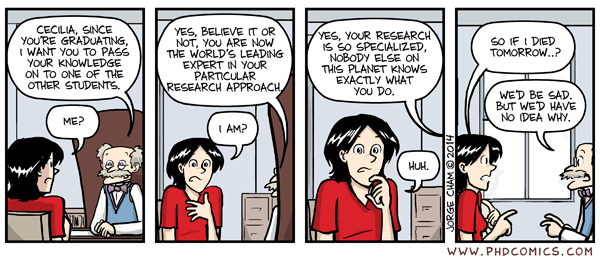
06/25/14 PHD comic: 'Leading Expert'

Piled Higher & Deeper by Jorge Cham
www.phdcomics.com
Click on the title below to read the comic
title: "Leading Expert" - originally published 6/25/2014

For the latest news in PHD Comics, CLICK HERE!

25 Jun 20:38

On Spiders: No.

by Brenna Hillier

imagesBrenna Hillier last compiled a catalogue of imaginary girlfriends for us.

What are spiders even for? Has anybody ever proved they fulfil a useful ecological niche? I ask this while covered in dozens of mosquito bites, and surrounded by the buzzing of flies, before you break in with that guff about them keeping insects under control. What possible use is a predator that sits around hoping the more stupid examples of its prey will just happen to fall into its web? Spiders are probably just making insects stronger, via survival of the fittest. A three dollar plug-in zapper is several thousands times more effective than a spider. My mother once told me the resident huntsman kept other spiders away. “Mother,” I said, with great patience under the circumstances, “That is like hiring a thief to guard your treasures, only the thief is terrifying and could kill you at any moment.”

I come from a long line of arachnophobes (and pyromaniacs and psychics, but that’s a story for another time). My father is terrified of spiders. My grandfather was terrified of spiders. My uncle is so terrified of spiders that he once slammed a log through the windshield of the bobcat he was driving at the time, just to slap away a huntsman. My father, surveying the damage, correctly concluded that he had acted rationally.

Family legend has it my first Australian forefather left Kent after being ordered by his master to get a spider out of the bathtub. Preferring to risk Penal Transportation, he cleared out the cutlery and legged it (bravely making it as far as the stables before being collared and hauled away). England is an old country, sagging with history and especially with cobwebby little corners in looming country mansions. Australia, he reasoned, is a roomy country. Plenty of space to get out in the open and build a spider-proof house with glass walls, so you can see them coming and load the trebuchets.

images-1If this does not demonstrate the need for wider education of the downtrodden masses I don’t know what excess of ignorance is required. In Australia the spiders bow the floorboards when they scuttle across the living room carpet; they are so big that, so the old gaming joke goes, they have health bars. The ones that aren’t gigantic are poisonous, and either kill you so fast you can’t get help or so painfully that you wish they’d just get on with it. (Nobody has died of spiderbite in Australia since the 1980’s, apparently, because of the wide availability of anti-venom. Possibly this is spider propaganda.)

While my defensive tactic against spiders is to lay down enough barrier spray to raise a visible welt at all entrances, my housemate prefers a reactive response. Many are the mornings I have awoken to the merry sound of him screaming in horror at whatever has crawled out of his bath drain, followed by the whirring of the vacuum, which goes on for several minutes in order to “break all their little legs”. (Yes, I’m sorry, but otherwise they might crawl back out and seek revenge, he says.)

There really are a lot of legs. Too many legs. Far too many knees. It’s unnerving. It was my theory for some time that spiders did not originate on Earth; they were the putrid offspring of Ridley Scott-style aliens and demons from some forgotten dimension accessible only in all-night shopping malls in the middle of convention season. Now that I am a modern enlightened woman I know that their offensively non-standard physiology has to do with the Earth’s lacklustre approach to mass extinction.

Earth is not a great place to be a species because it’s forever being hit by space rocks, having ice ages, letting bacteria fill the atmosphere with that radically poisonous “oxygen” stuff, and routinely setting off massive chains of volcanic explosions, the seismic equivalent of rolling over in bed and farting hard enough to blow your partner, pet and duvet across the room, where they explode.

Every time life starts really getting somewhere on Earth, really settling in as a dominant paradigm of megafauna, something horrible happens and it all goes back to the drawing board. That’s why pretty much everything* wandering about on the surface today is built to the same basic plan of “head and spine; limbs optional”: everything else is dead.

If you go to museums (I recommend the old-fashioned and perfectly lovely South Australian Museum, if you’re ever in the hemisphere) you can sometimes see slabs of sea bed covered in fossils from, for example, the Cambrian period, in which the great canvas that is evolution got into the hands of forces equivalent to you in your second year of art school, you know, that phase where you smoked a lot of clove cigarettes, wore berets and went out with a philosophy major (thank you) while turning in decomposing sandwiches draped over chrome-plated dildoes and sneering a lot.

images-2Most of those things went extinct, the way most of everything that has ever lived on Earth has gone extinct, but knowing they were there exposes the contingencies of evolution. If you don’t think about evolution that much – and why would you? You are behind on Hannibal – it’s easy to think of it as somehow purposeful; as having intentionality, or a plotline, with the end result of intelligent chimpanzees. Human beings are the perfect shape for human beings – mostly – so naturally this is how Things Are Supposed To Be. But life could have evolved in trillions of different directions and we could just as easily (if not more easily) have been seventeen-legged slug-like creatures who suck food up through holes on the back of their heads and consider it perfectly normal. Being the shape we are is exceedingly unlikely (this is one of many reasons why Star Trek is ridiculous but if you mention this while Captain Janeway is talking I will cut you) because being any shape is extremely unlikely.

In this context then, spiders make sense. They are a leftover from a time before our particularly attractive branch of terrestrial life rose to dominance. Unfortunately, they are not a dead end but a rather successful model. They hang around reminding us that if we could be transported into contingent realities populated by the never-born descendents of things that were less good at hiding when the rocks fell out of the sky we would be terrified and cry and run off cliffs. Probably while the seventeen-legged slug things laughed at our unwieldy shapes.

Something about a creature with eight legs and an exoskeleton reaches right down into my hindbrain – and the hindbrain of anyone likely to contribute increased life-expectancy to our gene pool – and flips all the switches marked “horror”. I often try to reason with spiders. “Please just don’t ever move, ever,” I beg them. “It will all be fine if you never move in that inexpensive stop-motion animation that makes me want to claw off my own skin and bleach my eye sockets.”

Later, the debate takes a different tone. “Please move, spider,” I plead. “Please don’t sit there, three feet from my face, staring with your ten billion tiny eyes and gently twitching your enormous fangs. Scuttle off. The momentary fear will be worth it. I just don’t want to see you at all.”

Then, perhaps encouraged by a few lobbed shoes, the spider goes away, and you no longer know where it is. “Where are you, you fucker,” I roar, perched on a carefully inspected stool in the center of the room, waving a can of Mortein and a lighter (a thing you must never do except in extreme cases of spidmergency). “Are you in my bed? Are you under the toilet rim? Are you crouched on the shelves ready to spring on my fingers as soon as I reach for a Margaret Atwood novel? I need to see you.”

I have heard it espoused that spiders would be much more bearable “if they would just make a high-pitched screaming sound, so you know where they are at all times.”

I patted the hand of the earnest-faced friend who suggested this. And then I went home, to cry in the shower. I will never sleep again.

*

*”Everything” by broadly recognisable type. There are more species of insects on Earth than there are human beings, let alone individuals – many of them in your mattress. Try not to think about that at two in the morning when you wake up worrying about the super volcanoes.

Read more On Spiders: No. at The Toast.

25 Jun 20:21

http://odyr.wordpress.com/2014/06/25/1711/

by odyr


25 Jun 19:22

ONU abre concurso para jovens profissionais | ONU Brasil

Foto: ONU/Mark Garten

Foto: ONU/Mark Garten

Todos os anos, as Nações Unidas procuram candidatos(as) altamente qualificados, que estão prontos para começar uma carreira como funcionários públicos internacionais. O Programa Jovens Profissionais (YPP, na sigla em inglês) é uma iniciativa que traz novos talentos para a ONU, por meio de um concurso anual.

Neste ano, o exame será em 4 de dezembro de 2014 em Economia, Direitos Humanos, Tecnologia da Informação, Fotografia, Assuntos Políticos e Produção de Rádio (em árabe, chinês, espanhol, suaíle e russo). Os candidatos devem ter 32 anos ou menos até o final de 2014.

Se você é graduado no ensino superior, fala inglês ou francês fluentemente, é cidadão de um dos países participantes do programa (acesse aqui a lista), saiba abaixo como participar. Entre os países deste ano estão Brasil e Angola.

O período para se candidatar ao exame vai de 14 de junho a 26 de agosto de 2014 (23h59, hora do leste dos Estados Unidos), por meio do portal de Carreiras da ONU (http://careers.un.org). As fases de inscrição são as seguintes:

  • 14 de junho a 13 de agosto: Tecnologia da Informação e Assuntos Políticos
  • 21 de junho a 20 de agosto: Economia e Produção de Rádio (em árabe, chinês, espanhol, suaíle e russo)
  • 27 de junho a 26 de agosto: Direitos Humanos e Fotografia

Saiba todas as informações em https://careers.un.org/ypp

Toda e qualquer dúvida deve ser enviada diretamente para o contato disponível na página do programa, também disponível aqui.


Comentários

Bookmarked at brandizzi Delicious' sharing tag and expanded by Delicious sharing tag expander.
25 Jun 19:22

Em Fortaleza, a história invisível do menino que sonha em ser turista

Garoto de 8 anos vibra com a passagem do ônibus da seleção da Costa do Marfim - Ruben Berta

FORTALEZA — Era noite do último domingo quando eu vi pela primeira vez o menino Neymar (chamemos ele assim porque é esse o nome de seu jogador de futebol predileto). De férias na escola, o garoto, de 8 anos, tem passado boa parte de seus dias durante a Copa do Mundo vendendo balas com a mãe — ainda jovem, mas que parece ter mais do que os 24 anos que tem —, e com a irmã, de 11 anos. A calçada onde costumam estar fica em frente a um hotel na Avenida Beira Mar, a mais famosa da orla de Fortaleza, onde já se hospedaram seleções como o México e Costa do Marfim. É a realidade da cidade passando bem perto de turistas, jogadores, mas que parece ser invisível a olhos desatentos.

De frente para o hotel das seleções, funciona uma lanchonete movimentada, de uma famosa rede. Neymar se aproxima e entra com sua caixinha de balas. O segurança o levanta pelo pescoço, quase como se o tivesse estrangulando. E diz:

— Já é a terceira vez que você entra aqui e eu falei que não é mais para entrar!

A cena do brutamontes levantando a criança pelo pescoço me chama a atenção. Neymar não chora, mas fica com os olhos vermelhos, cheios de lágrimas, e, como um menino de 8 anos que é, corre para a mãe. Revoltada, ela mostra a marca no pescoço do garoto, primeiro para o próprio segurança, depois para três policiais militares parados, na escolta de um ônibus de uma delegação. Um deles diz:

— Dê parte na delegacia.

Já são quase 22h e, depois do episódio, a mãe vai com as duas crianças para o ponto de ônibus. Eu me aproximo, digo que sou repórter, inicio uma conversa. Em questão de segundos, a mãe começa a chorar:

— Dói muito quando alguém bate num filho meu. Eu não tolero que encostem a mão num filho meu.

Os três entram no ônibus, mas digo que voltarei ali naquele local de novo para tentar revê-los. De dentro do ônibus, Neymar me dá tchau com um aceno e com um largo sorriso. Desta vez, sou eu que choro.

Na segunda-feira, dia de vitória do Brasil com dois gols do Neymar da Seleção, volto para o mesmo local, mais ou menos na mesma hora. Ando, ando, mas não os encontro. Na terça então, eis que numa ronda despreocupada pela Beira Mar, avisto a menina de 11 anos. Grito para ela. E ela avisa para a mãe, que desta vez está com outra menina no colo.

— Essa tem 11 meses. Hoje não tive como pagar os 10 reais que pago onde eu moro para ficarem com ela. Então, está aqui comigo.

Mas e o menino Neymar, onde está? São alguns minutos gritando por ele, sem sucesso, até que a irmã o acha e ele aparece. Ganho um aperto de mão e uma cara feliz. E como você está, menino?

— Ah, ontem eu fiquei doente, mas hoje estou bem já.

Ao reencontrar aquela família, as perguntas que ficaram na minha cabeça poderiam ser milhões. Mas na hora a primeira que me veio foi para o menino. E uma pergunta óbvia:

— Ei, mas me fala, cara, o que você quer ser quando crescer?

Ele me responde de forma genial:

— Moço, quando eu crescer, eu quero ser turista. É, turista. Gringo. Quem é turista vive muito bem, não vive? E sabe falar inglês também, não sabe?

Se, no dia em que nos conhecemos, ele tinha me feito chorar, ali me fez rir. Apesar de estar na escola (peço a ele que me diga o nome para que eu tenha certeza), Neymar admite que sabe ler, assim mais ou menos, diz ele gesticulando com as mãos. Ele queria saber falar inglês, porque assim conseguiria vender melhor.

— Os gringos só dizem para mim "no entendo". Não vendo nada para eles quase — diz o menino que exibe num dos pulsos uma pulseira laranja que ganhou de um holandês: — É da Colômbia — completa ele, com toda a sua ingenuidade.

A mãe do menino tem uma história que parece se repetir não só por Fortaleza, mas por todo o país. Cria só com a ajuda da mãe as três crianças. Conta que já morou na rua por dois anos, mas teve que sair "porque estava muito perigoso". Agora, aluga um cômodo numa periferia da cidade por 250 reais por mês, mas já admite que não poderá ficar por mais tempo.

— Cortaram a luz porque não tive como pagar mais de dois meses. Acho que a minha saída vai ser um abrigo da prefeitura, mas é ruim porque fica longe da escola das crianças — diz ela.

Faço outra pergunta óbvia, mas que é a que pode povoar a cabeça do leitor: você traz as suas crianças para orla e seu filho vende balas. Você não está explorando ele?

— Eu sei que as pessoas podem pensar assim. Podem pensar que eu sou uma vagabunda, como já me disseram um dia. Mas é muito difícil arrumar um emprego. Meu filho não se importa de vender não, ele diz que eu sou uma guerreira e que um dia vai comprar uma casa para mim. Mas minha filha não vende não. Tem vergonha. Ainda mais quando amiguinhos dela da escola me veem na rua vendendo balas. Ela tem vergonha de mim — diz a mãe, já com os olhos marejados.

Já são quase 22h de novo e está na hora de eles tomarem os dois ônibus para voltarem para casa. Ao ouvir a mãe falar sobre vergonha dela, a menina balança a cabeça negativamente, mas não fala nada. O menino não titubeia.

— Vergonha nada. A gente vai morar um dia ali, naquele lugar lá no alto! Bem bonito!

A frase ele diz olhando para o hotel onde minutos atrás a seleção da Costa do Marfim, mesmo eliminada, havia sido bastante assediada por turistas e moradores locais, enquanto chegava após o jogo perdido para a Grécia, na Arena Castelão. Vou embora no próximo dia 6 de julho de Fortaleza. Tentarei reencontrar com aquele menino que, em tão pouco tempo, vi sorrir e vi chorar, que me fez sorrir, e me fez chorar. Por enquanto, sua última frase pra mim foi:

— Vou ser turista! — garantiu ele, ainda olhando para o alto do prédio do hotel.

Bookmarked at brandizzi Delicious' sharing tag and expanded by Delicious sharing tag expander.
25 Jun 18:29

Why Didn’t They #BringBackOurGirls?

by Andrew Sullivan

bringbackourgirlstrend

Because, writes Max Fisher, “neither Boko Haram nor its kidnapping exist in a vacuum”:

There is the deep and growing economic and political marginalization of northern Nigerians, who happen to be mostly Muslim. There is the ever-worsening Nigerian government’s corruption and incompetence, which has included a military response to Boko Haram so heavy-handed and fumbled that it has killed and alienated a number of Nigerians who might otherwise be allies against the terrorist group. There are multiple, overlapping cycles of violence and distrust and resentment.

Then there was this:

Nigerian security forces, in their campaign against Boko Haram, have actually been detaining (some might say kidnapping) the family members of Boko Haram fighters since 2011. The family members, often women or girls, are not accused of crimes, but held for what appears to be simple leverage (some might say ransom). Of course this does not excuse Boko Haram for adopting the same tactic, but it helps shed some light on why the group might see this as a valid way to fight the government it so hates.

More than 200 of the girls remain missing, and while the Nigerian government has concluded an investigation into the incident, they won’t release its findings to the public. Meanwhile, Hayes Brown passes along the news of what looks like another mass kidnapping of women and children:

Militants reportedly attacked the village of Kummabza, located in Nigeria’s northeast Borno State, over the weekend, abducting more than 60 women and girls, as well as 30 boys. Local police have yet to confirm that the kidnappings took place and journalists have yet to independently verify the story on the ground. “Sources from the villages where the victims were taken, however, insisted that the victims included young girls and babies,” Nigeria’sPremium Times reported. Though no group has taken credit for the attack, fingers are being pointed at Boko Haram, the group who launched the kidnapping in neighboring Chibok in April.

As was the case in April, the lack of clarity on the ground and independent verification is leading to confusion over just who went missing and when.

25 Jun 18:22

This man knows how to ride a Segway… #9gag


This man knows how to ride a Segway… #9gag

25 Jun 17:10

Do Animals Get Depressed?

by Andrew Sullivan

3859862007_a130c1f64b_o

In a moving essay about her dog Oliver, who suffered from extreme anxiety and exhibited a number of strange, almost neurotic behaviors, Laurel Braitman considers the question of whether animals, like humans, can suffer from mental illness. One adherent to that view was William Lauder Lindsay, a 19th century Scottish physician and natural historian:

Lindsay is intriguing because, despite working as the medical officer at another British insane asylum, he didn’t limit his studies to crazy humans acting like animals. He also refused to see animals themselves as dumb beasts. Instead Lindsay believed that animals themselves could go insane. He was even convinced that some human lunatics were more mentally degenerate than sane dogs or horses.

In Mind in Disease, a sort of Victorian mental illness field guide, Lindsay posited many forms of animal insanity, from dementia and nymphomania to delusions and melancholia. Lindsay was also convinced that animals exhibited what he called “wounded feelings” of many kinds, and he tells story after story on the subject. There was a mother stork who “let herself” be burned alive rather than desert her young and a Newfoundland dog who was so sad after being scolded, then ceremoniously beaten with a handkerchief, and finally having a door shut in his face when about to leave the room with the nurse and the family children (his usual companions) that he “tried twice to drown himself in a ditch but survived … only to stop eating.” He died soon thereafter.

(Photo by Ink Hong)

25 Jun 15:10

We Miss You, Toni and Candace: Bring Back the Feminist Bookstore

by Corinne Purtill

Screen Shot 2014-06-23 at 3.29.56 PMThere are thirteen feminist bookstores left in the US and Canada, Paste Magazine says. Thirteen! I just spent thirty seconds on Google and found more than thirteen brick-and-mortar clown supply stores. Selling oversized novelty pants to aspiring child molesters is a more viable business model than selling feminist literature. That’s a bummer.

Why should this matter? No doubt some of the hundred-odd shops that have closed in the last 20 years were terrible self-parodies: spirit catchers and vagina pillows and an unpleasant fug of oolong and afghans. The survivors’ list doesn’t count the many independent bookshops that love and promote feminist authors but don’t limit their selection to them. Still, though. There is something fundamentally good about a place that exists to stock secondhand de Beauvoir and Virginia Woolf-quote coffee mugs, and something fundamentally sad about its loss. 

When I was 13 years old my aunt went to Austin, Texas and brought me back a T-shirt from Book Woman, one of the remaining thirteen. It had a cartoon of a bespectacled woman with crazy Cathy Guisewite hair in a room crammed hoarder-style with books. I don’t remember if there was a cat but there may as well have been. 

I loved this shirt. I wore it until the wash made the silkscreen fuzzy. If you cannot already picture the kind of 13-year-old girl I was, then maybe it would help to know that my seventh-grade teacher had the same shirt, and sometimes we wore it on the same day, and when I’d walk into the classroom and see that I was dressed like my 50-something middle school teacher we would give each other a double-thumbs hey! of recognition, and then I would sit at my desk and wonder, very sadly and quietly, why I did not have a boyfriend.

There were many things I did not understand about myself when I was 13, but one of the few things I did know was that reading made me feel happy and safe and present. This shirt, this emissary from some geeky paradise, was evidence that there were other women in the world who felt this way too, enough that physical structures had been built to welcome them and sell them stuff. The knowledge that such places existed, and that one day I would be old enough to drive to them myself, kept me going through an adolescence that often felt awkward and lonely. 

The decline of the feminist bookstore tracks with the decline of the bookstore, period, and of other independent retail shops that exist as a gathering place for people who love a very specific kind of thing. The Internet has, thankfully, made it much easier for girls who live miles from any kind of bookstore to find proof that they are not alone, and to find better reading than the bottom-selling authors favored by Portlandia’s Toni and Candace. (Could you put that away, please? Every time you point I see a penis.)

But the thing about the Internet is that you kind of need to know what you’re looking for. Something, anything has to go into that search box to get the journey started. I don’t know if I could have named the feelings that were satisfied by the knowledge that there were places that not only welcomed but celebrated women who lived in their own heads. Bookstores let you wander. The spines and back blurbs and staff picks offer the pleasure of coming across things you didn’t even know you wanted to know about. This is a precious and endangered thing in a tailored-content world. 

Also, if someone leaps out of the stacks at a bookstore and shouts that you should be raped or murdered as punishment for having spoken aloud, you get to mace them. This is another way that real life is better for women than the Internet. 

After college graduation I drove with a friend from California to our new home in Washington, D.C. We were looking for the freeway in Austin when I spotted a name on a purple strip mall awning and peeled into the parking lot. 

It was smaller than I thought it would be. The t-shirts were hanging above the cash register, including my seventh-grade shirt. I did not buy one, because by then I understood that there were ways to find your tribe without having to literally advertise the person you thought you were on your chest. When all else fails, though, it’s not a bad place to start. 

Photo via Celia White

Read more We Miss You, Toni and Candace: Bring Back the Feminist Bookstore at The Toast.

25 Jun 14:46

2014 FIFA World Cup Brazil | 3f2.gif

3f2.gif
25 Jun 11:09

Conheça as 25 empresas que mais receberam verba do BNDES em 2013

by Carlos Góes

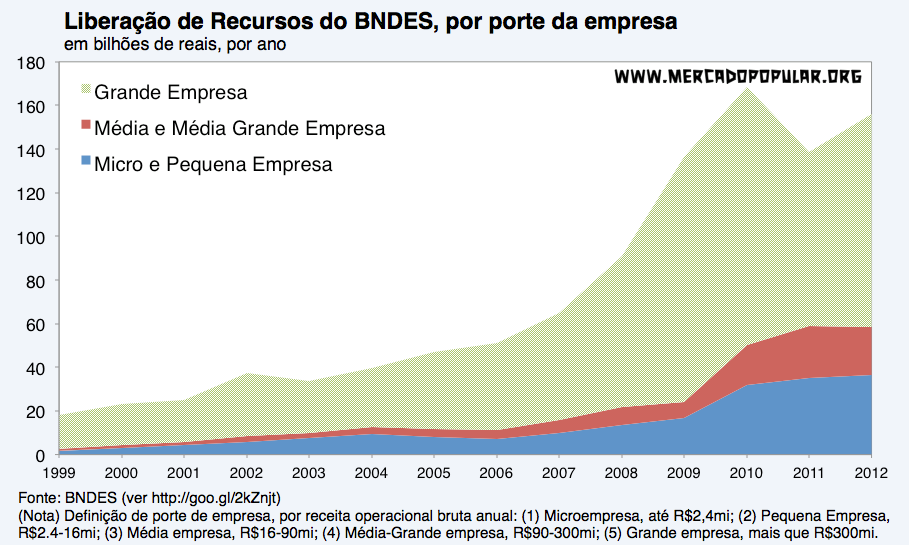
O  BNDES, o banco de desenvolvimento do governo brasileiro, gasta dois terços de seu orçamento total em grandes empresas. Veja como tem sido a distribuição nos últimos anos no gráfico abaixo.

 1475825_203294466521351_1736632617_n

As 25 grandes empresas que mais receberam verbas  em 2013 receberam, só elas, mais de 40 bilhões de reais do BNDES. Confira a lista. Baixe também a lista de todas as grandes empresas que receberam verbas do BNDES aqui.

25. Mercedes-Benz: R$562.347.000

25. mercedes-benz-logo-design

24. Fiat: R$601.173.000

 24. fiat

23. Volkswagen: R$602.900.000

23 vw

22. VIAPAR – Rodovias Integradas do Paraná S/A: R$614.257.000

 22 viapar

21. TOTVS S/A: R$658.601.000

21 totvs

20. COELBA: R$674.369.000

 20 COELBA

 19. TP Norte: R$691.440.000

 19 tp norte

18. CHESF: R$747.612.485

18 chesf

17. Fibria Celulose: R$747.612.485

17 fibria

16. Gerdau S/A: R$760.713.485

16 gerdau
15. Novartis Biociência: R$804.000.000

15 novartis

14. Eletronorte: R$819.393.000

14 eletronorte

13. TCA Tecnologia em Componentes Automotivos: R$843.543.000

13 tca

12. Braskem: R$863.563.000

12. braskem

11.  Santo Antônio Energia: R$995.000.000 

11. santo antonio energia

10.  COPEL: R$1.058.798.994

2-via-conta-copel-emissao

9.  Supervia: R$1.635.927.000

9. supervia

8.  All America Latina Logística: R$ 1.711.141.000

8. all america latina

7. SABESP: R$ 1.711.141.000


7. sabesp

6.  Concessionária do Aeroporto de Guarulhos: R$ 2.439.300.000


6. gru airport

5.  Eletrobrás: R$ 2.500.000.000

5. eletrobras

4.  Anglo American Minério: R$ 2.650.000.000


4. anglo

3.  FINEP: R$ 3.000.000.000
3. finep

2.  Tim Celular: R$ 5.700.000.000

2. tim

1.  Petrobrás: R$ 11.602.929.381

petrobras

Fonte: BNDES.

Nota: Os logos neste artigo foram utilizados conforme Artigo 46, inciso I, alínea (a) da lei Lei 9.610/98, para fins jornalísticos, e não constituem intenção de violação de direitos autorais.

25 Jun 11:07

Ram Prasad Joshi: Writing Wikipedia from the western hills of Nepal

by Joe Sutherland
Adam Victor Brandizzi

Velho, que história linda!

Ram Prasad Joshi

Ram Prasad Joshi doesn’t have a computer. His village may be beautiful but there is no electricity. It’s a three-hour walk to the nearest road. In spite of all this, Joshi has accumulated more than 6,000 edits to the Nepali Wikipedia using nothing more than a feature phone.

An image shot by Ram Prasad Joshi on his feature phone: Devotees paying homage to the Thama Mai Temple (replica of Badimalika, Bajura) in Dailekh

“On Wikipedia I write about geography, history and culture of my surroundings,” he said. “I am a Hindu so I write about the Hindu religion and Hindu culture. I edit and write new articles on the Sanskrit, Hindi, Fijian, Bhojpuri and Gujrati Wikipedias, as well as in Nepali. I can introduce my village, my locality and my culture to the world.”

An image shot by Ram Prasad Joshi on his feature phone: Stone script of Damupal near Kartikhamba in Dailekh established by King Prithivi Malla B.S. 1038 (981 A.D.). It is claimed to be the first stone script in the Nepali Language.

In addition to his writing, Joshi has contributed almost a hundred photographs to Wikimedia Commons. He took part in Wiki Loves Monuments 2013 and his images of archaeological monuments in his area won him the prize for best mobile contributor.

Due to its remote geography, his contributions may be the only representation his village will get online. “No newspapers, no magazines, nothing arrives here,” he explains. “In my village there are many people who have never seen a television. Now the mobile phone emerged, villagers watch videos on mobile, but no-one owns a television.”

For Joshi, his initial introduction to editing began on a somber note four years ago. While living and working in Haridwar, a small city in northeast India, his mother became seriously ill and passed away. “According to Hindu culture, all children should perform the rituals; they have to sit isolated for thirteen days in mourning,” he explained. “I was grieved greatly by her loss. My eyes still become wet when I remember her death. Parents are regarded as the almighty and holy in my culture.”

“I had to find ways to divert my thoughts from the memories of mom. As a way to vent my grief, I began to surf mobile internet more which helped me a lot. I explored the Nepali Wikipedia. I also saw the edit button in each article and the sub heading too. I then learned that I could edit these encyclopedia entries. When I remember my mom, I open Wikipedia and read or edit,” he added.

Fortunately, Joshi might no longer be alone in his editing endeavors; soon others will be able to benefit just as he did. Wikipedia Zero’s partnership with Nepali GSM mobile operator Ncell has given more people the opportunity to learn what Wikipedia is and how they can contribute to Wikimedia projects. “I have conveyed to my family and my villagers about Wikipedia,” said Joshi. “But for most people the Internet is out of reach, so it is a vague topic for them. After Ncell announced [their partnership with] Wikipedia Zero, some have given concern to it. Earlier when I started talking about Wikipedia they treated me as if I had gone mad.”

“Ncell broadcast advertisements for Wikipedia Zero through local radio. Many people now understand that Wikipedia is an encyclopedia of knowledge.”

Ncell’s partnership is ideal for those looking to access and contribute to Wikipedia from a mobile phone, in the same way Joshi has for so long.

“I don’t know how to use computers,” he explained. “I don’t have one. I feel joyful while editing through mobile. It asks for neither a table nor a chair to use it. My mobile handset is in my pocket for 24 hours.”

“I can use it sitting on a rock, taking break, while in isolation or laying down in bed. This work is really easy,” he asserts.

Joe Sutherland, communications volunteer for the Wikimedia Foundation.

To read the full interview, please see the text below.

Original transcript

Questions to Ram Prasad Joshi (Ramesh Tiwari):

  • Can you please tell me a little bit about yourself, who are you? What do you do? / १ मलाई तपाईंको बारेमा केही बताउनुहुन्छ? तपाईं को हो? के गर्नुहुन्छ?

मेरो नाम राम प्रसाद जोशी हो। म एक सामान्य लेखपढ गर्न जान्ने कृषक हुँ। मैले नेपालमा SLC पास गर्न सकिन त्यसपछि भारतमा गएर संस्कृतमा शास्त्री तह सम्म अध्ययन गरेको छु। कहिले कहिं भारतमा गएर केही समय काम गरेर कमाएर ल्याउँछु। अहिलेको मेरो दिनचर्या खेतबारीमा खेतीको काम गर्ने, (बाख्रा) गोठाला जाने, घरमा बालबच्चा र बुवाको हेरचाह गर्ने गर्दछु।

I am Ram Prasad Joshi. I am a basic literate person. I could not complete my School Leaving Certificate exam in Nepal so I went to India and studied up to Shastri level in Sanskrit. I often go to India for employment, earn some money and look after my family. In my current daily routine there are some household chores like farming works in the fields, herding goats in the nearby forest and looking after my kids and father etc.

  • Where do you come from? What’s it like there? / २ तपाईं कहाँ बस्नुहुन्छ? त्यहाँ के कस्तो छ?

म नेपालको पश्चिमी पहाडी जिल्ला दैलेखमा पर्ने एक दुर्गम गाउँमा बस्छु। मेरो गाउँ दुर्गम र अविकसित भए पनि प्राकृतिक छटाले भरिपूर्ण छ। यहाँ सधैं भरी जता ततै हरियाली नै हरियाली छाएको हुन्छ। यो बसन्तको मौसम भएकोले काफल, चुत्रो, ऐंसेलु, घँगारू, तितु जस्ता विभिन्न प्रकारका फलफूलहरू वनभरी फलेर लटरम्म पाकेका छन्। डाँडा पाखामा गोठालाहरूले बजाएको बाँसुरीको धुन गुन्जिएको सुनिन्छ। कोइली, न्याउली, ढुकुर इत्यादी चराहरूको स्वरले वनपाखा गुञ्जायमान छ। भौगोलिक रुपले दुर्गम भएता पनि प्राकृतिक दृष्टिले त यहाँ स्वर्गमा भएको अनुभुति हुन्छ।

तर यहाँ आधुनिक भौतिक सुविधाहरू उपलब्ध छैनन्। मेरो गाउँमा बिजुली र गाडीको सुविधा पनि छैन। उच्च शिक्षा हासिल गर्नको लागी धेरै टाढा जानुपर्छ। गाउँमा एक निम्न माध्यमिक विद्यालय मात्र छ। बत्तीको लागी घर घरमा सोलारहरू राखिएका छन्। गाडी चढ्न ३ घण्टा पैदल हिडेर जानु पर्छ।

I live in a very remote village of Dailekh District situated in the western hills of Nepal. Though my village is less developed, it is rich with natural phenomenas. This village is green in all seasons. Now, it is spring here, varieties of plants are loaded by their ripened varieties of wild fruits like raspberry, Berberis, Kafal (Myrica esculenta), Ghagaru, Titu etc. The hills are echoed with the melody of flute played by shepherds. Forests are musical with fauna and tweets of variety of birds like Cuckoo, Great Barbet, doves etc. The nature gives you a heavenly feeling causing you to forget the geographical remoteness from modern facilities.

But, no basic physical facilities are available here. No electricity, no road transportation. One has to travel by foot at least 3 hrs to see vehicles. There is a Lower-secondary school only. Kids have to travel a lot to reach to High school. Some people have installed solar panels in their houses for light.

  • How did you first discover Wikipedia? / ३ तपाईंले सबैभन्दा पहिले विकिपीडिया कसरी भेट्टाउनुभयो?

म पहिले भारतको हरिद्वारमा सानो प्राइभेट नोकरी गर्थें। मलाई थाहा भयो मोबाइलमा इन्टरनेट पनि चल्छ भनेर। मलाई इन्टरनेट हेर्ने पहिले देखी नै रहर थियो। मैले रेडियो र अन्य संचार माध्यमबाट विभिन्न साइटहरूको वेबसाइटहरू सुनेको र देखेको थिएँ। त्यसबेला म एउटा लजमा म्यानेजर थिएँ त्यो लजको पनि आधिकारीक वेब साइट बनेको थियो। यो थाहा पाएर मैले GPRS सुविधा उपलब्ध भएको मोबाइल फोन लिएँ। भारतमा मोबाइल इन्टरनेट सेवा सस्तो थियो। भा.रू. ९८ रूपियाँको रिचार्ज गरेमा एक महिना भरी चौबिस घण्टा इन्टरनेट चलाउन पाइन्थ्यो। मैले पनि ९८ को रिचार्ज गरें। त्यसपछी मैले याहु र गुगलमा आफ्नो गाउँको बारेमा खोज्न थालें। यसरी खोज्दा अंग्रेजी भाषाको विकिपीडियामा मेरो गाउँको बारेमा केही लेखेको देखें। यो देखेर मेरो मनमा विकिपीडिया के रहेछ भन्न खुल्दुली जाग्यो।

I was employed by a private firm in Haridwar, India. One day I learned that the internet could be used via mobile phones. I had heard about the internet through the radio and other media. I was working for a lodge which also had a website which I was eager to see. I then subscribed to a GPRS service with a data enabled handset. Mobile internet was cheaper in India, if you buy a 98 rupees package, you would subscribe to unlimited internet for whole month. I bought the package and began to search about my village on Yahoo and Google. Finally, I discovered an article about my village in English Wikipedia which increased my enthusiasm about Wikipedia.

  • When did you realize that you could edit Wikipedia? / ४ विकिपीडियामा तपाईंले पनि लेख्न मिल्छ भनेर कहिले थाहा पाउनुभयो?

जतिखेर म हरिद्वारमा थिएँ, त्यो बेला मेरो आमा सिकिस्त विरामी हुनुभयो। वहाँलाई उपचारको लागि हरिद्वार लगियो तर कुनै सुधार भएन वहाँको त्यहीं मृत्यु भयो। हिन्दु संस्कार अनुसार बाबु अथवा आमाको मृत्यु हुँदा छोराछोरीले क्रिया गर्नुपर्छ। १३ दिनसम्म अलग्गै बसेर अलिनु खाएर आशौच बार्नुपर्छ। आमाको मृत्युले म धेरै दुःखी थिएँ। मेरी दिवंगत आमाको सम्झना मेटाउन निकै गाह्रो भएकोले ध्यान अन्यत्र मोड्न म मोबाइलमा विकिपीडिया हेर्न थालें। त्यसरी हेर्दा हेर्दै मैले नेपाली भाषाको विकिपीडिया पनि भेटाएँ। त्यसमा मैले प्रत्येक लेख र लेखको खण्डमा सम्पादन गर्ने भन्ने लिंक देखें। विकिपीडियामा सबैले सम्पादन गर्न मिल्दो रहेछ भन्ने थाहा भयो।

While I was still in Haridwar, my mom became seriously sick. She was taken to Haridwar. We took her to a hospital but her condition was still degrading. She died there. According to Hindu culture, all offsprings should perform the rituals. Have to sit isolated for 13 days and mourn. I was grieved by the loss of my mom. I had to find ways to divert my thoughts from the memories of mom. As a way to vent my grief, I took asylum in the mobile internet and began to surf more, which helped me a lot. I explored the Nepali Wikipedia at that time. I also saw the edit button in each article and the sub heading. I then learned that I could also edit them.

  • I saw on your userpage that you like poetry, what kinds of things do you you write on Wikipedia? / तपाईंको प्रयोगकर्ता पृष्ठमा मैंले देखेँ तपाईं कविता पनि लेख्नुहुन्छ रे, विकिपीडियामा चैं कस्ता विषयहरूमा लेख्नुहुन्छ?

हो म साधारण खाले नेपाली कविता पनि लेख्छु। म कविता, मुक्तक र देउडा गित लेख्न मन पराउँछु र लेख्छु पनि तर मेरो कुनै पनि कृतिहरू आज सम्म प्रकाशन भएको छैन। विकिपीडियामा म आफ्नो ठाउँको भुगोल, इतिहास, संस्कृतिको बारेमा लेख्छु। म एक हिन्दु धर्मावलम्बी हुँ त्यै भएर म हिन्दुधर्म तथा हिन्दु संस्कृतिको बारेमा पनि लेख्छु। नेपाली विकिपीडियामा भैरहेका नयाँ परिवर्तनहरू नियालिरहन्छु। यदि नयाँ परिवर्तनमा कसैले लेख बिगारेको अथवा थपेको छ भने त्यो लेख जुनसुकै बिषय वस्तुको भए पनि हेर्छु र सकेसम्म विग्रेको जानकारी सच्याउँछु।

Yes, sometimes I do. I love to compose poems, muktak, Deuda songs but none of my works are published so far. In Wikipedia I write about geography, history and culture of my surroundings. I am a Hindu so I write about the Hindu Relligion and Hindu Culture. I watch the recent changes in Nepali Wikipedia. I try to improve any topic article if mistakes appear in those changes.

  • Can you talk about what kind of phone you have and why you edit only using your mobile phone? / तपाईं सँग कस्तो किसिमको फोन छ? बताउन सक्नुहुन्छ? अनि तपाईं किन आफ्नो मोवाइल फोन बाट मात्र सम्पादन गर्नुहुन्छ?

उसो त म मोबाइल सेट परिवर्तन गर्दै रहन्छु। जुन मोबाइलमा मलाई विकि सम्पादन गर्न सजिलो पर्छ त्यै मोबाइल राख्ने गर्छु। हाल मसँग नोकिया कम्पनीको X2 ब्राण्डको मोबाइल छ। मलाई कम्प्युटर आउँदैन र मसँग कम्प्युटर, ल्यापटप पनि छैन। अर्को कुरा मलाई मोबाइलबाट सम्पादन गर्न आनन्द हुन्छ। यसका लागी न बस्ने कुर्ची चाहिन्छ नत राख्ने टेबल। मोबाइलबाट सुतेर, बसेर, काम गर्दा गर्दै थकाइ मेटाउँदै एकान्त ठाउँमा बसेर सम्पादन गर्न सकिन्छ। यो काम निकै सजिलो छ, मोबाइल २४ घण्टा गोजीमा राख्न सकिने चिज हो। हाम्रो गाउँमा विजुलीको व्यवस्था नभएको कारणले पनि वाध्यतावश विकि सम्पादनको लागि मोबाइलको प्रयोग गर्नु परेको छ। यीनै विभिन्न कारणहरूले गर्दा पनि म मोबाइलबाट मात्र सम्पादन गर्छु।

Since I keep changing the mobile handset, I prefer a set that is convenient to edit wiki. Currently I am using a Nokia X2. I don’t know how to use a computer, I don’t have one. I feel joyful while editing through mobile. This neither asks for a table nor a chair to use it. Mobile handset is in my pocket for 24 hrs. I can use it sitting on a rock, taking break, while in isolation or laying down in bed. This work is really easy. On the other side, using mobile handset is my compulsion because there is no electricity. These are some reasons I prefer to edit via my mobile phone.

  • When did you first have a mobile phone? How common are phones like yours where you live? / तपाईंले सबैभन्दा पहिले कहिले मोवाइल फोन लिनुभयो? तपाईंको जस्तो फोन तपाईं बस्ने ठाउँमा कतिको प्रचलनमा छन्?

मैले पहिलो चोटी सन् २००३ मा मोबाइल किनेको थिएँ जुन बेला म भारतमा नै बस्थें। मेरो पहिलो मोबाइल चैं सादा थियो। मैले GPRS सेवा उपलब्ध भएको मोबाइल सन् २००८ तिर लिएको हुँ। मेरो ठाउँमा मैले चलाउने गरेको जस्तो फोन धेरै प्रचलनमा छ।

I owned my own mobile phone in 2003 while I was in India. The first mobile handset was a black & white set. I got GPRS data enabled handset around 2008. Such handsets are common in my surroundings.

  • Does your phone and the data on it cost a lot of money for you? / तपाईंको फोन र यसमा लाग्ने डाटा सेवा (इन्टरनेट)का लागि तपाईंको धेरै पैसा खर्च हुन्छ?

हो नेपालमा मोबाइलबाट इन्टर्नेट धेरै महँगो पर्छ। यसमा मेरो पैंसा त धेरै खर्च हुन्छ नै। मैले मोबाइलमा गर्ने खर्चको बढी भाग इन्टरनेटमा नै खर्च गर्छु कल गरेर भन्दा इन्टरनेट चलाएर बढी पैंसा खर्च गर्छु।

Yes, mobile internet is very costly in Nepal. A lot of my money is spent in it. I spend a major part of the total mobile cost in data. I use more data than voice.

  • Are you an Ncell customer? Are you aware that Wikipedia Zero (no charges for reading Wikipedia) is now available in Nepal on Ncell? / के तपाईं एनसेलको सेवाग्राही हो? एनसेलको मोवाइल मार्फत नेपालमा पनि फोनमा डाटाको शुल्क नलाग्ने विकिपीडिया शुन्य भन्ने सेवा उपलब्ध छ भन्ने कुरा तपाईंलाई थाहा छ?

हो म एनसेल ग्राहक हुँ। मैले हालैमा एलसेलले ल्याएको जिरो विकिपीडिया योजनाको बारेमा थाहा पाएको छु तर यसको फाइदा लिन सकेको छैन। किन भने मैले विकि सम्पादन गर्दा ओपेरा ब्राउजरको प्रयोग गर्छु। एनसेलले ल्याएको उक्त योजना ओपेरा प्रयोगकर्ताको लागी लागु हुन्न। मेरो हालको मोबाइल सेटको स्क्रिन सानो छ, त्यसैले मेरो मोबाइलमा विकिका ठुला पृष्ठहरू खुल्दैनन्। तै पनि एनसेलले यो योजना ल्याएकोमा म धेरै खुसी छु। हुन सक्छ म भविष्यमा ठुलो स्क्रिन भएको फोन लिएर यो सेवाको फाइदा लिन सक्ने छु।

Yes, I am a NCELL customer. I have heard about Wikipedia Zero offer recently brought by NCELL but am not being able to get advantage from it. Because I use internet via Opera browser and NCELL does not give such services for opera. The handset I currently use has a small screen, hence I cannot browse big pages in it. Anyway, I am very happy to know about Wikipedia Zero. I may use this services in the future if I’m able to buy a smartphone in the future, I am hopeful.

  • What’s the most interesting thing you have used Wikipedia for? / तपाईंले कुन चाहीँ सबैभन्दा रोचक कामका लागि विकिपीडिया प्रयोग गर्नुभएको छ?

विकिपीडिया एक ज्ञानको भण्डार हो यसबाट मैले धेरै ज्ञान हासिल गरें। साथै आफुसँग भएको ज्ञान पनि अरुको माझमा राख्न पाएँ। म नेपालीको साथै संस्कृत, हिन्दी, फिजी हिन्दी, भोजपुरी, गुजराती, भाषाका विकिपीडियामा पनि लेख्ने गर्छु। यसबाट मैले आफ्नो गाउँ ठाउँ र आफ्नो संस्कृतिको परिचय अन्य भाषामा संसार भर दिन सक्छु। मलाई विकि सम्पादन गर्न निकै रमाइलो लाग्छ। त्यै भएर म यसमा आवद्ध रहेको छु।

Wikipedia is the source of knowledge. I gained a lot of knowledge from it. At the same time I got a platform to share the knowledge with me. I edit and write new articles in Sanskrit Wikipedia, Hindi, Fiji Hindi, Bhojpuri, Gujrati as well as in Nepali language. I can introduce my village, my locality and my culture to the world. I enjoy editing in wiki a lot that’s whyI am here.

  • What does Wikipedia mean to you? Why do you care about it? / तपाईंको लागि विकिपीडियाले कस्तो माने राख्छ? तपाईं किन यसको ख्याल राख्नुहुन्छ?

विकिपीडिया मात्र नभएर विकिका सबै प्रोजेक्टहरू मेरोलागी ज्ञान आर्जन गर्ने किताब जस्तै हुन्। कुनै किताबमा नभेटिएको विषय पनि विकिपीडियामा भेटिन्छ। विकिपीडिया मेरो लागी मनको चौतारी हो। म आफ्नो मन विरक्त भएको बेला यसमा भएका सामाग्रीहरू पढ्ने र लेख्ने गर्छु। म जुन दिनदेखी यसमा जुटें त्यो दिनदेखी यसको धेरै ख्याल राख्ने गर्छु । यो मेरोलागी एक नशा जस्तो बनेको छ।

Not only Wikipedia but all projects of Wikimedia are like a knowledge book for me. Knowledge not found in books can be found here. Wikipedia is a place where I can share my heart. I take assistance by reading/writing in Wiki while I am nostalgic. From the very day when I joined Wiki, I take care of it. This has been an opium for me.

  • Do you have any questions for me? Is there anything I can do for you? / तपाईं मलाई केही सोध्न चाहनुहुन्छ? मैंले तपाईंका लागि गर्नसक्ने केही कुरा छ?

विक्टरजी यति दुर्गममा भएको मलाई खोजेर इमेल मा भएपनि मेरो अन्तरवार्ता लिएर संसारमा मलाई चिनाइदिनुभएकोमा धन्यवाद! तपाइँको र मेरो परिचय गराएर हामी दुइवीचको वार्तामा ठुलो भुमिका निभाउनु भएका गणेश पौडेललाई पनि धन्यवाद छ। वहाँले मलाई विकिमा पहिले देखी नै सहयोग र उत्साहित गर्दै आउनु भएको छ। मेरो भाषा तपाइँ नबुझ्ने तपाइँको भाषा म नबुझ्ने, वहाँले दोहोरो अनुवाद गरेर सहयोग नगरिदिएको भए यो असंभव थियो।

विकिपीडिया सम्पादन गर्नु अब मेरो नशा जस्तो भैसक्यो। तर बेला बेला हराउने मोवाइल नेटवर्कले यहाँ निकै कठीन हुन्छ। मलाई लाग्छ यदी मसँग एक ठुलो स्क्रिन भएको मोबाइल सेट भएको भए शुन्य सेवा प्रयोग गरेर मलाई विकि सम्पादन गर्न सजिलो हुन्थ्यो होला। मसँग तत्कालै त्यस्तो मोबाइल किन्न सक्ने क्षमता छैन भविष्यमा किन्न सकेँ भने “विकिपीडियाको लागी जिरो डाटा” योजनाको फाइदा लिन सक्छु होला।

मोवाइल बाट इन्टरनेट चलाउने नेपाली दाजुभाई दिदी बहिनीहरूलाई आफ्नो भाषामा जोसुकैले लेख्न मिल्ने विकिपीडियामा आफुले जानेको कुरा लेख्न थाल्नुहोला अप्ठ्यारो परे मद्दत गर्न हामी तत्पर छौं भन्न चाहन्छु।

Thank you Victor! Thanks a lot for exploring me in this remote village and introducing me to the world. Thanks also go to Ganesh Paudel who played a vital role in connecting me with you. He has been helping and encouraging me from the very beginning. I don’t understand your language and you don’t understand mine, without his double translation service, this could not happen.

Editing wikipedia has become a habit for me now. But, frequently disappearing mobile networks suck a lot. I think if I would own a wider screen mobile handset (smartphone?), I would edit more conveniently using the zero service. I don’t have the capability to buy it right now, when I’m able to purchase, I will be able to take advantage of Wikipedia Zero. To all Nepalese, especially those who have access to the internet only through their mobile phone, I request you to start editing Wikipedia. I am ready to assist you anytime when you face a problem.

Round 2 questions:

  • Your village sounds beautiful! Have you ever uploaded photos or video to Wikimedia Commons of your village using your Nokia x2? Why or Why not? / तपाईंको गाउँ सुन्दैमा धेरै सुन्दर छ जस्तो लाग्छ! तपाईंको गाउँका कुनै तस्वीर अथवा भिडियो विकिमीडिया कमन्समा अपलोड गर्नुभएको छ? किन?

प्राकृतिक र पयर्टकिय दृष्टीकोणले मेरो गाउँ र मेरो जिल्ला निकै सुन्दर छ। श्रोत र साधनको पहुँच नभएको कारणले गर्दा मैले मेरो ठाउँको भिडियोहरू विकिमिडिया कमन्समा अपलोड गर्न सकेको छैन साथै मोबाइलबाट विकिमीडिया कमनमा भिडियो अपलोड गर्न सकिन्छ या सकिन्न भन्ने पनि मलाई थाहा छैन। मेरो ठाउँको केही फोटोहरू विकिमिडिया कमन्स र नेपाली विकिपीडियामा अपलोड गरेको छु। मैले WLM Ne २०१३ को फोटो प्रतियोगितामा भाग लिएको थिएँ। त्यो बेला मैले मेरो ठाउँमा भएका केही पुरातात्विक सम्पदाहरूको फोटो खिचेर विकिमिडिया कमन्समा अपलोड गरेको थिएँ। र उत्कृष्ट मोवाइल तस्वीरको लागि नगद पुरस्कार पनि जितेको थिएँ। मैले मेरो यहाँ पाइने केही जंगली फलफूल, यहाँ गरिएको खेतीपाती, यहाँका कृषकहरूले पाल्ने गरेका घरपालुवा जनावरहरू, यहाँको दृश्य, यहाँको वन जंगलको फोटोहरू पनि विकिमिडिया कमनमा अपलोड गर्ने गरेको छु ती फोटोहरू मैले आफुले लेखेको लेखमा प्रयोग गर्नकोलागी अपलोड गरेको हुँ।

My village is beautiful. I am not able to upload videos to Commons because of connectivity. I even don’t know whether I can upload videos via mobile phone. I have uploaded some photos in Wikimedia Commons and Nepali Wikipedia. I had participated in WLM 2013 and had uploaded photos of the archaeological monuments of my area, where I won a cash prize for best mobile contributor. I have uploaded photos of some local wild fruit, local traditional farming activities, pets and cattle of farmers, scenes, forests etc to Commons. I’ve uploaded those pictures to illustrate articles that I’ve contributed to.

  • If you have uploaded any images can you send me links to them? I am sure that many people will want to see the things and places you are talking about! / यदि त्यस्ता फोटो वा भिडियोहरू अपलोड भएका छन् भने हामीलाई लिङ्क दिन सक्नुहुन्छ? तपाईंले भनेका आधारमा तपाईंका गाउँको तस्वीर हेर्न धेरैलाई जिज्ञासा भैरहेको होला।

उत्तर:- विकिमा मेरा २ वटा खाताहरू छन्। दुवै खाताबाट मैले विकिमीडिया कमन्समा फोटोहरू अपलोड गगरेको छु। ती यहाँ भेटिन्छन्। http://commons.wikimedia.org/w/index.php?title=Special%3AListFiles&limit=50&user=Rameshti अथवा http://commons.wikimedia.org/wiki/Special:ListFiles/राम_प्रसाद_जोशी तर मैले अपलोड गरेको अधिकांश फाइलहरूको नाम नेपालीमा राखेकोले तपाइँलाई त्यो चित्र केको हो भनेर थाह पाउन अप्ठ्यारो पर्छ होला। मैले नेपाली विकिपीडियामा अपलोड गरेका चित्रहरूको सूची हेर्न यो लिंकमा जानुहोला http://ne.wikipedia.org/wiki/Special:ListFiles/राम_प्रसाद_जोशी तर मैले अपलोड गरेको अधिकांश फाइलहरूको नाम नेपालीमा राखेकोले तपाइँलाई त्यो चित्र केको हो भनेर थाह पाउन अप्ठ्यारो पर्छ होला। मैले नेपाली विकिपीडियामा अपलोड गरेका चित्रहरूको सूची हेर्न यो लिंकमा जानुहोला http://ne.wikipedia.org/wiki/Special:ListFiles/राम_प्रसाद_जोशी

घरायसी कामकाजमा व्यस्तताको कारण मैले अपलोड गरेका कतिपय फोटोहरू त मैले सम्बन्धीत लेखमा प्रयोग गर्न पाएको पनि छैन।

भिक्टरजी तपाइँले दिएको लिंकमा मैले तपाइँले भनेको फोटो हेर्ने कोशिस गरेको थिएँ तर त्यो पृष्ठमा धेरै चित्रहरू अपलोड गरिएकोले मेरो मोबाइको ब्रौजरबाट कुनै पृष्ठमा धेरै चित्रहरू छन् भने त्यो देखाउन्न त्यै भएर तपाइँले अपलोड गरेको फोटोहरू देखिएनन्। साथै मैले तपाइँको प्रयोगकर्ता पृष्ठ पनि हेर्ने कोशिस गरें त्यहाँ पनि धेरै फोटोहरू राखिएका रहेछन् त्यसैले मैले तपाइँको प्रयोगकर्ता पृष्ठमा भएका तस्वीरहरू हेर्न सकेन। यसमा मलाई धेरै पश्चाताप भएको छ।

Yes, I have two accounts in Wiki, my image contributions can be found in the following links. http://commons.wikimedia.org/w/index.php?title=Special%3AListFiles&limit=50&user=Rameshti or http://commons.wikimedia.org/wiki/Special:ListFiles/राम_प्रसाद_जोशी But most of my uploads are titled in Nepali, that may cause difficulty to know what is what. You can find my contributions in Nepali here. http://ne.wikipedia.org/wiki/Special:ListFiles/राम_प्रसाद_जोशी Many pictures are not linked to articles yet.

Victor, Unfortunately I could not open the pictures on the link you provided. My mobile browser does not support a page if it contains a lot of images. I also could not open your user page. I regret not being able to view the images uploaded by you.

  • You described the area where you are from very well, I want to be more specific: What kinds of books, libraries, or news and information outlets (like newspapers, television and radio) are available to you and other people in your area? The more specific you can be the better. / तपाईंले आफ्नो गाउँको बारेमा सुन्दरतापूर्वक वयान गर्नुभयो। म अलिक प्रष्ट हुन चाहन्छु: तपाईंहरूलाई कस्ता किसिमका पुस्तकालयहरू अथवा सूचना पत्रपत्रिका पढ्ने सुविधा छन्? अथवा रेडियो, टेलिभिजन हेर्न सुन्न के सुविधा छ?

विक्टरजी मेरो गाउँ प्राकृतिक सुन्दरताले भरिपूर्ण भए पनि अती विकट छ यहाँ संचारको माध्यम भनेको रेडियो मात्र हो। पहिले त रेडियो नेपालका कार्यक्रम र समाचार मात्र सुनिन्थ्यो रेडियो नेपालको केन्द्रीय प्रसारण काठमाडौंबाट हुन्छ, काठमाडौं यहाँबाट करिब ७०० कि.मी. टाढा छ। रेडियो नेपाल क्षेत्रिय प्रसारण सुर्खेत र दिपायलका कार्यक्रम र समचारहरू सुन्न पाइन्थ्यो ति दुबै स्थान यहाँबाट करिब २५० किलो मीटर टाढा भएकोले हाम्रो यहाँको स्थानिय समचार कहिलै पनि सुन्न पाइन्नथ्यो । अहिले स्थिति केही फेरिएको छ। केही बर्ष यता यहाँ नजिकमा एफ.एम. रेडियोहरू संचालमा आएका छन्। तीनै एफ.एम.हरूबाट सूचना र मनोरञ्जन प्राप्त गर्नु बाहेक अरू कुनै संचार माध्यमको पहँच यहाँ छैन। यहाँ कुनै पनि पत्रिकाहरू आइपुग्दैनन् त्यसैले पढ्न पाइन्न । यदी एक दिन पैदल हिंडेर छिमेकी जिल्ला कालिकोटको सदरमुकाम मान्म गयो भने त्यहाँ टेलिभिजन र पत्रिकाहरू हेर्न पाइन्छ। मेरो गाउँमा धेरै जसो मान्छे यस्ता छन् जस्ले आजसम्म टेलीभीजन नै देखेका छैनन्। अब मोबाइलको जमाना आएकोले मोबाइलमा नै भिडियोहरू फ्लिमहरू हेर्ने गर्छन्। तर यहाँ टि.भी. कसैको घरमा पनि छैन। किनकी यहाँ बिजुलीको सुविधा छैन।

Victor, my village is very remote. Radio is the only medium of mass communication. Earlier, only Radio Nepal the national radio could be listened to. Radio Nepal Central broadcasts from Kathmandu approx. 700 KM from here. The regional transmission of RN from Dipayal and Surkhet were audible later. Both are 250 KM in distance from here so no local news was imagined. In the last couple of years things have changed. Few FM stations transmitted locally cover more local issues and entertain the locals. There are no other alternatives. No newspaper, no magazine nothing arrives here. You can see some outdated papers if you’d walk for a whole day to Manm, Kalikot District Headquarter. You can see Television there. In my village there are many people who have never seen the Television. Now the mobile phone emerged, villagers watch videos from mobile. No one owns a television here because we have no electricity.

  • Do you ever tell your family, friends and neighbors about Wikipedia? If so, what do they say? / तपाईंले कहिल्यै आफ्ना परिवार, साथीहरू र छिमेकीहरूलाई पनि विकिपीडियाको बारेमा भन्नुभएको छ?

मैले मेरो परिवार र मेरा गाउँलेहरूलाई विकिपीडियाको बारेमा भनेको छु। तर यहाँ इन्टरनेटको सुविधा लिन खोज्ने र यसको जानकारी भएका मान्छेहरू कम छन्। यदि कसैको इन्टरनेटमा पहुँच छ भने पनि त्यो फेसबुक, ट्विटर, जस्ता सामाजिक संजालहरूमा मात्र केही मात्रामा रुची राख्नेहरू छन् त्यो पनि धेरै कम। आजकल एनसेलले विकिपीडिया शुन्य योजना लागु गरे यता भने कुनै कुनैले यो विकिपीडिया भनेको के रहेछ भनेर चासो राखेको देखिन्छ। त्यो भन्दा पहिले त यहाँका मेरा गाउँले र मेरो घरका परिवारहरू सहितले मलाई नै पागल भन्थे। यता तिर या त कुनै जागिरेको मान्यता हुन्छ यात कुनै राजनेताको हुन्छ । हामीजस्तो विकिपीडियामा लेख्नेहरूलाई कसैले चिन्दैनन् त्यसमा पनि म एक साधारण मान्छे भएकोले मैले भनेको कुरामा कसैले विश्वास गर्दैनन्। गाउँकै पढेलेखेका मानिसहरूलाई विकिपीडियाको बारेमा भन्यो भने कुनै वास्तै गर्दैनथे उल्टो मलाई यो मान्छे किपीडियामा लागेर पागल भएको छ सम्म भन्थे। तर जुन दिन देखी एनसेलले विकिपीडिया शुन्य योजना सुरु गर्यो त्यो दिन देखी यहाँका रेडियोहरूले पनि एनसेलको विज्ञापन प्रसारण गर्दा एनसेलले विकिपीडिया शुन्य योजना सुरु गरेको छ भनेर प्रसारण गरेपछी केही व्यक्तिहरूले भने विकिपीडिया साँच्चै कुनै ज्ञानकोष रहेछ भन्ने बुझेका छन्। म आफ्नो फेसबुक पेज, गुगल+, आदीमा विकिपीडियाका लेखहरू नै सेयर गर्छु। दुई तिन दिन पहिले एक जना सञ्चार कर्मीले मलाई फेसबुक च्याटमा भनेका थिए -”तपाइँ जहिले पनि विकिपीडिया विकिपीडिया भन्नु हुन्छ तर यसको अर्थ मैले बुझ्न सकिन” उनले पठाएको यो सन्देश देखेर मलाई नै आश्चर्य लाग्यो। एक सञ्चार कर्मीलाई त विकिपीडियाको बारेमा थाह छैन भने इन्टरनेटको पहुँचबाट बन्चित मेरा परिवारका सदस्य र मेरा गाउँलेले मलाई जतिखेर पनी मोबाइलमै घोरिएर बसेको देख्दा किन पागल नभनुन्?

I have conveyed to my family and my villagers about Wikipedia. But most of the people are away from reach, the Internet is a vague topic for them. In case someone uses the internet via mobile phone, they use social networks like Facebook and Twitter etc. After the Ncell announced Wikipedia Zero, some have given concern to it. Earlier when I start talking about Wikipedia they treated me as if I had gone mad. Either a political leader or a government employee has prestige here. They do not count a simple person like me who writes in Wikipedia, they didn’t trust upon what I told. Even educated people have no interest. After the Wikipedia Zero, NCELL broadcast advertise through local radios, many people understood that Wikipedia was an encyclopedia of knowledge. Mostly I share Wikipedia articles on my Facebook and Google Plus pages. Recently in a chat a journalist asked me “Why do you always talk about Wikipedia? What is it about?” First I was surprised, but understood later. If a journalist does not understand what Wikipedia is, how can villagers?

  • I’m sorry to hear about the passing of your mother. When is it that that happened and you started editing Wikipedia? / तपाईंको आमाको निधनले मलाई दुःख लाग्यो। यो घटना कहिले भएको हो? अनि तपाईंले कहिलेदेखि विकिपीडिया सम्पादन गर्न थाल्नुभयो?

धन्यवाद मेरो आमाको मृत्युमा शोक व्यक्त गर्नु भएकोमा। मलाई पनि आमाको मृत्यु भएको सम्झदा आँखा रसाउछ। हाम्रो हिन्दु संस्कृतीमा त आमा बुवालाई ईश्वर अथवा तीर्थ भनिन्छ। संसारका सबै प्राणीहरूमा आमा र बच्चाको प्रेम देखिन्छ। “जन्म र मृत्यु भइ नै रहन्छ। एक दिन हामीले पनि मर्नु छ। त्यै सोचेर म त्यो घटनालाई विर्सिने काशिस गर्छु। अँझै पनि जतीबेला मलाई मेरो आमाको सम्झना आउँछ त्यो बेला विकिपीडिया खोलेर हेर्छु। मेरो आमाको मृत्यु सन २०१० को जनवरी २६ का दिन भएको हो। त्यसै बेला देखी म विकिपीडियालाई मेरो आमा जत्तिकै माया गर्छु र यसमा सम्पादन गर्छु।

Thank you for expressing sorrow. It had happened in January 2010. My eyes become wet when I remember my mother’s death. Parents are regarded as the almighty and holy in my culture. Mom-kid love is seen in all creatures of the world. I try to forget the event thinking – death is inevitable for all, it is a regular process so I must have to die one day. When I remember my mom, I open Wikipedia and read or edit.

  • I also wanted to say personally Ramesh, that it’s spring here too, and the animals have come out after a long winter. Here is an image of a snapping turtle and wood ducks by a pond near me / (तपाईंलाई म पनि एउटा निजी कुरा सुनाउन चाहन्छु, अहिले यहाँ पनि वसन्त ऋतु छ। जनावरहरू लामो शिषिर पछि बल्ल बाहिर निस्केका छन्। यहाँ मेरो नजीकैको एउटा पोखरीमा भेटिएका कछुवा र जंगली हाँसको तस्वीर छ।)

https://en.wikipedia.org/wiki/Lincoln_Park#North_Pond

  • Thank you both again! I will be sure to publicize your story. One more question – Does the Wikimedia Foundation have permission to publish your interview? / तपाईंको यो अन्तरवार्ता प्रकाशित गर्नका लागि विकिमीडिया फाउण्डेशनलाई अनुमति दिनुहुन्छ?

भिक्टरजी मेरो अन्तरवार्ता विकिमिडिया फाउन्डेसनमा प्रकाशन गर्नको लागी मेरो अनुमति छ। म जस्तो साधारण मान्छेकोलागी विकिमिडिया ब्लगमा अन्तरवार्ता प्रकाशन हुनु मेरालागी ठुलो उपलब्धि हो।

Yes Victor, the Wikimedia Foundation has full permission to publish my interview. Publishing interview in WMF blog is great achievement for an ordinary man like me.

Interview conducted by Victor Grigas, Visual Storyteller for the Wikimedia Foundation.

24 Jun 15:12

Longe da escola, menina aprende a ler e escrever no hospital

NATÁLIA CANCIAN, DE SÃO PAULO

Foram três dias de aula até que um exame revelou o diagnóstico: a pequena Lara, 6, teria que deixar temporariamente a nova escola para ser internada com urgência no Hospital Infantil Darcy Vargas, em São Paulo.

Tudo começou quando a mãe estranhou o pescoço e a barriguinha inchados e manchas nos braços da filha. Passou por consultas —no início, um médico sugeriu que ela tivesse apenas uma dor de garganta. Até que um exame trouxe o diagnóstico: leucemia.

“Não gosto nem de lembrar. Chorei muito. Ela brincava, pulava e de uma hora para outra ficou doente”, conta a manicure Juliana Roberto de Souza, 29.

Entraram no hospital em 14 de fevereiro. “Levei um susto tremendo. Ela chegou e foi direto para a UTI”, diz a mãe.

Foi lá, onde a menina ficou por 23 dias, que a mãe soube da existência de uma “escola” dentro do próprio hospital: uma chance para Lara, que havia iniciado o 1º do ensino fundamental, continuar a aprender a ler e escrever.

Aula no hospital

A garota começou a ter aulas ainda no quarto e, dias depois, no espaço de uma brinquedoteca. Por vezes, encontra a professora e faz exercícios de português e matemática até na quimioteca, onde recebe parte do tratamento.

A iniciativa, chamada de classes hospitalares, ainda é pouco conhecida no país. Hoje, ao menos 146 hospitais têm professores e salas de aula para atender crianças em tratamento de saúde, segundo levantamento coordenado pela professora Eneida Simões da Fonseca, da UERJ (Universidade do Estado do Rio de Janeiro).

O número ainda é baixo, se comparado à quantidade de hospitais existentes no país —são 5.552 unidades ligadas ao SUS, segundo o Ministério da Saúde.

‘NÃO ENTENDI NADA’

Um desses hospitais com aulas é o Darcy Vargas, onde está Lara, uma figura miudinha, de sorriso aberto.

Para iniciar as aulas, a mãe foi até a escola onde estudava Lara –a escola municipal Paulo Setúbal, na zona sul. Lá, buscou livros didáticos, provas e lições de casa. A partir daí, a sala de aula de Lara mudou de lugar.

Do alfabeto, a menina passou a aprender a formar palavras.

“No início ela relutou muito, porque ela achava que não sabia nada. Ela me olhava de cara feia e falava: ‘Eu já não disse que eu não sei, você não entendeu?’”, conta Dilma de Moraes, um dos sete professores da rede estadual de SP que atendem no Darcy Vargas.

“Quando ela viu que podia aprender, aí ela se empolgou. O dia que eu não dou nada para ela, ela vem na brinquedoteca e me cobra”, diverte-se a professora.

CONTINHAS E LÁPIS

Três meses depois, Lara vive de juntar as letras e resolver “continhas”, de lápis na mão. Mas gosta mesmo é de escrever o nome dela e das pessoas da família, uma forma de amenizar a saudade por ver os irmãos só aos finais de semana —um deles tem apenas dois anos e não pode ir ao hospital.

Nas horas livres, também solta a criatividade: neste mês, criou até uma bandeira do Brasil para colocar em cima do travesseiro enquanto assiste aos jogos da Copa. “Eu que fiz”, entrega, ainda tímida.

Na última quarta-feira (11), quando a Folha estava no local, ela também se revezava entre desenhos, livros e um caderno de caligrafia. De férias, faz as lições deixadas pela professora.

“Ela aprendeu a escrever aqui. Antes, só sabia o abecedário e os números. Agora, já junta as palavras, lê e faz frases curtas. Também adora caça-palavra e matemática”, conta, orgulhosa, a mãe. “Foi fundamental porque, quando ela voltar para a escola, já vai saber tudo”, completa.

Segundo a mãe, o retorno está previsto para agosto, após o último “bloco” de quimioterapia —quando Lara é internada por alguns dias para receber a medicação. O tratamento, no entanto, deve continuar.

“Sempre ouvia falar sobre câncer, mas jamais imaginei que pudesse acontecer com a minha filha. Pensei que ela fosse reagir de outra forma, mas está lidando bem. Ela nasceu de novo. Tenho fé que vai se curar”, diz a mãe, que já se prepara para convencê-la a voltar à escola nos próximos meses. “Ela não quer, quer ter aula aqui”, ri.

23 Jun 18:34

Women Listening To Men In Western Art History

by Mallory Ortberg

the_drinkers-largei keep drinking

but it’s not making him more interesting

11a_Jean-Beraud-Scene-de-cafewhat

yes

i’m still listening

you were talking about that 

i’m just resting my eyes

listen18ahhhahahhaha

that is so good

that is so funny

that is so funny and good 

no I’ve never heard that before from you
Nighthawks by Edward Hopper zoomedahh sorry i just

i really need to look at this matchbook right now 

sorrryyyy

how-to-recognize-painters-by-their-work-2-1mmm for sure 

no i definitely agree

you don’t have to keep arguing because i agree and you’re right so we are on the same 

we’re the same way, i agree

listen23So do you see what I mean

yeah i definitely understand 

because its kind of complicated

no I’m with you 

ill explain it again
listen22yayyyyy ahhh again again 

more playing more music

im so glad this turned into a concert even though nobody asked for one

yeah it just happened

it just happened to all of us
listen21ahh sorry but you really can’t move him 

if he stays there you better not come any closer

yeah sorry you better just stay over there where you are right now

listen20hooray

we’re kissing now

that’s the thing that is happening nowlisten19christ is he still behind us 

i don’t know

keep skating

listen17oh no i wasn’t doing anything, I’m not busy

just talking to all of my friends

but I’m so glad we’re doing this now insteadlisten15yeah thats terrible 

i can’t believe he said that

wow and after you basically saved the presentation too 

hang on i just gotta rest my neck for a minute

XIR63425sorry babe

you know i can’t hear anything when I’m powdering my nose 

ill let you know when I’m finished

listen13NO

REALLY???

GO ONlisten12how can you say that 

how can you say I’m not paying attention 

i just took off my clothes and threw the fruit basket to help me focus

listen10yeah it’s great it’s really great 

i just need to take a break from looking at it for a second 

to look at something else

listen9hey

hey

hey wake up

are you asleep or something

are you sleeping

mm no I’m still listening 

listening and awake and also listening

listen7don’t make eye contact

im not im not making eye contact

well you’re giving him some sort of encouragement

no im not im like lying down

well lie down harder 

“Okay, this next one is called Elegy in Amber”

oh my god how many elegies even are there in the world

is he going to play all of them

listen2right okay 

so where did he move the boat to next then

listen1I just–

sorry 

not quite finished with this matchbook 

sorry!!!

[Images via]

Read more Women Listening To Men In Western Art History at The Toast.

23 Jun 18:30

Fast-Talking Computer Hacker Just Has To Break Through Encryption Shield Before Uploading Nano-Virus | The Onion - America's Finest News Source

LOS ANGELES—After dashing off an indiscernible code on his laptop keyboard and sharply striking the enter key multiple times with his forefinger, a fast-talking, visibly tense computer hacker said that he just has to break through the encryption shield before he could upload the nano-virus, sources confirmed Tuesday.

The arrogant if socially awkward hacker, a 30-year-old software-programmer-turned-cyberpunk known only as “Cipher,” reportedly told his buttoned-up yet eager employers who were hovering over him and watching his every move that breaking into the supercomputer’s mainframe would be “child’s play.”

“The firewall’s a bitch, but I should be able to get around it,” Cipher said before swiftly wheeling his computer chair to an adjacent desk, clearing away the pile of empty pizza boxes and Maxim magazines and scanning the numbers and figures scrolling across two mounted flat-screen monitors. “Oh, what have we here? Looks like they updated their security system. Impressive. But not impressive enough.”

“And...I’m in,” he added as the words “ACCESS GRANTED” appeared on his laptop screen. “School’s in session, bitches.”

The efficiently executed hacking reportedly began at approximately 6:45 p.m. when Cipher, wearing a tight-fitting black hooded sweatshirt, skintight jeans, and black Converse with no laces, inserted a flash drive into his laptop’s USB port and said “Let the games begin” as an upload bar materialized on the screen.

Sources confirmed that over the next few minutes, Cipher industriously navigated between multiple computer monitors displaying 3D-rendered images, criminal profiles, warehouse floor plans, and HTML code before brusquely swinging his chair around.

“Don’t touch that!” he reportedly snapped at a client walking past a cluttered table of disassembled technological equipment, which he quickly scooped up in his arms and moved across the room. “This is expensive stuff, okay? Try to do me a favor and not break anything.”

“Amateurs,” he added under his breath.

When the upload bar reached a completion level of 68 percent, sources confirmed the screen froze and flashed a red message reading “TRANSMISSION ERROR,” causing a female client to ask a slyly grinning Cipher, “Is something wrong?”

“They’re smarter than I thought,” Cipher reportedly said while sliding a ballpoint pen between his teeth, brushing aside a wisp of hair from his face, and muttering, “I wonder if I can just bypass the SRM altogether.” “You think you’re a clever boy, don’t you? Well, let’s see how clever you really are.”

Reports indicate that after taking a swig from one of the six already opened Red Bulls on his desk, the visibly invigorated hacker quickly entered a series of memorized commands into the computer.

Following a tense moment in which the screen appeared to be frozen and Cipher’s clients nervously glanced at each other, the error message disappeared from the screen and the bar resumed uploading, prompting a triumphant and relieved Cipher to bang his desk, slide back from his table on his four-wheeled desk chair, and yell, “Boom.”

“Looks like someone forgot to input a certain attack signature file into a certain dynamic-link library. Such a pity,” Cipher said before explaining how he managed to determine the source of the error and improvise a solution, provoking his employers to respond, “In English, please.” “Am I moving too fast for you? You moneymen are all the same.”

After deactivating the encryption shield and gaining access to the remote server, sources confirmed that Cipher declared, “Now for the fun part,” and turned up the volume on a nearby stereo. As a heavy metal song blared from the speakers, the hacker reportedly leaned back in his seat, placed his hands behind his head, and waited for the nano-virus to transfer to the computer.

“Come on, come to Papa,” said a visibly pleased Cipher as the “Percentage of Virus Uploaded” bar went from 90 to 95, hovered at 99 percent for an uncomfortably long second, and then flipped to 100. “It’s a thing of beauty, my friends. Now, where’s my fucking money?”

At press time, sources confirmed this is why Cipher is the best in the business.

Bookmarked at brandizzi Delicious' sharing tag and expanded by Delicious sharing tag expander.
23 Jun 18:29

Latinha

by ricardo coimbra
Clique na imagem para aumentar
23 Jun 18:15

perfectlydreadful: Imam Mosque, formerly known as Shah Mosque...


perfectlydreadful:

Imam Mosque, formerly known as Shah Mosque is a mosque in Isfahan, Iran standing in south side of Naghsh-i Jahan Square.

I can’t believe this exists.

23 Jun 12:57

The Joke Is on Yo—and All Its Users

by Catherine Addington
Adam Victor Brandizzi

O pior é que gostei da ideia.

Breathy think pieces have lauded the latest viral app Yo as “merging the physical and digital worlds” with its focus on “context-based communication.” They naively praised its simplicity: “unlike most other messaging apps, Yo doesn’t collect any personal information from users.” They shouted into the void, “Yo…I am here. Is anybody out there?

Yo’s sole function is to allow the user to send the word “yo” to contacts. (The app calls this “zero-character communication,” previously manifested by buzzers, pagers, doorbells, and even Facebook “pokes.”) The app was born when the CEO of Tel Aviv company Mobli, Moshe Hogeg, asked his coworker and engineer Or Arbel to design it for personal communication. The pair released their app quietly on April Fools’ Day—and had to fight to get it on the App Store because Apple thought Yo lacked enough substance to be complete.

The app’s creators and investors describe its usefulness outright comically: “Yos are used as verifications (‘Yo, I made it home from school’), acts of thoughtfulness (‘Yo, I’m thinking of you’) and as alerts (‘Yo, I need your help’). Hogeg’s wife, for example, will Yo him daily to let him know she loves him.” Meanwhile, critics of the app like American tech blogger Robert Scoble point out that Yo’s success was largely facilitated by an excitable media. News outlets latched onto the absurdity of the concept and the app creators’ claim that investors have committed to putting $1.2 million into Yo, even though the startup currently has no money in the bank whatsoever.

The brilliant PR campaign for such a ridiculous business could normally be chalked up to amusement, and left at that. But as UpStart’s Alex Dalenberg put it, “When there’s actual money at stake, things start to get less funny.” Last week the fragile app, which was built in just eight hours, was hacked by college students. The hackers had full access to the only personal data solicited by Yo: users’ phone numbers. While Yo’s leak of personal data is not all that dangerous, the poorly crafted app exemplifies how quickly and passively tech consumers will open themselves up to vulnerabilities. Another app, Snapchat, had a similar hack and leak of personal data last year, while archetypally nefarious flashlight apps have been known to track users’ locations. In that sense, the Yo phenomenon is startling in how easily a less innocuous team could have done damage by exploiting consumers’ good humor and boredom.

Yo’s blatant willingness to tap into that boredom is what has won it such appreciation. Kia Kokalitcheva called Yo “a sign that at the end of the day, we want to feel connected to other humans, and sending someone a nudge and getting an acknowledgement in return actually helps, even just a little bit.” Boiling down genuine attempts to reach out into silly notifications of “yo” tries to circumvent the awkward self-awareness that comes with digital communication. If texting is the wrong medium for “I love you,” or Snapchat is an artificial way to say “I’m thinking of you,” then why not reduce the social din to its most absurd manifestation and send out a “yo”?

It is instinctively ridiculous, if momentarily funny and ironic. But as Ian Bogost suggests, “the problem with Yo isn’t what makes it stupid—its attempt to formalize the meta-communication common to online life—but what makes it gross: the need to contain all human activity within the logics of tech startups. The need to expect something from every idea, even the stupid ones, to feel that they deserve attention, users, data, and, inevitably, payout.” The creators, investors, and tech bloggers all outwardly call Yo “stupid” and make no effort to genuinely buy into its joking rhetoric of “context-based communication.” Yet they still went ahead and pursued it.

The culture that produced Yo is grappling with what Nathan Jurgenson has called “digital dualism,” the idea that “online” and “offline,” “physical” and “digital,” are meaningful and separate categories that can be mapped onto different parts of life. Yo is what happens when a creative economy spirals so far into self-parody that such distinctions are forgotten, and it takes the most absurd of reminders to reinforce them.

23 Jun 12:49

On fatherhood

Adam Victor Brandizzi

"Philosophers tend to be terrified of bodies, so having sex can be a problem. But some of us manage, only to have to face the question of parenthood." HAHAHA

Mas sério, muito bom o ensaio.

"Do you want to cut it?"

No. I wanted to run and hide. To find some quiet corner of the hospital that had nothing to do with pregnancy, labor, or children. Like the psychiatric ward. It didn’t even look like something that was meant to be cut—it looked like something between a vital artery and the nylon rope you buy at the hardware store. So cutting it was the last thing I wanted to do.

Instead, I wanted to point out to our lovely midwife that my father hadn’t even been in the delivery room when I was born. (In that moment, for the first time ever, I found myself not entirely blaming him.) I also wanted to tell her that I’d only very recently stopped calling her "the Wiccan Priestess," but that her question had once again convinced me that she clearly was one. Didn’t she know that I was a philosopher, not a surgeon, and therefore not schooled in this sort of occult ritual? More than anything, I wanted to state the obvious: that one end of that cord was attached to the only woman I’d ever really loved, and the other end was affixed to a total stranger. And that once I cut it, that little stranger would become its own person, and would be irreparably ours to take care of.

So, no. I definitely did not want to cut it.

As a young classics student, I’d learned from Sophocles that "children are the anchors of a mother’s life." He didn’t say anything about the fate of the fathers, and so I had assumed that they remained happily untethered. My own father had done little, if anything, to change my mind about the natural detachment of male parents. But my mere maleness wouldn’t explain why I would be especially bad with a pair of surgical scissors or the other obligations of fatherhood. And I was going to be worse than your average father. I just knew it.

Philosophers tend to be terrified of bodies, so having sex can be a problem. But some of us manage, only to have to face the question of parenthood.

I was, after all, a philosopher, and philosophers aren’t supposed to be parents. Or so I thought. Philosophers on the whole are awkward and bookish. And slightly terrified of bodies, especially the messy bits. We’re used to living in our heads—tidy little spaces that only occasionally provide enough room for meaningful relationships. In Kant’s words, making love "makes of the loved person an Object of appetite … and taken by itself it is a degradation of human nature." So getting to have sex, the very basis of procreation, can be a bit of a problem for philosophers as well. But some of us manage, only to have to face the question of parenthood with no small amount of fear and trembling.

Of course, as philosophers, we shroud our neuroses about parenthood in well-formed rationalizations. We’re doing everybody a favor by not having children in the first place. Our own lives are defined by anguish, despair, and existential crises—so obviously any offspring would face similar hardships. Why be complicit in that sort of suffering? Schopenhauer, who never raised kids, couldn’t think of a reason: "If children were brought into the world by an act of pure reason alone, would the human race continue to exist? Would not a man rather have so much sympathy with the coming generation as to spare it the burden of existence, or at any rate not take it upon himself to impose that burden upon it in cold blood?" That sounded reasonable to me.

Philosophers, with their special corner on self-knowledge, know that no one is ever fully equipped to become a father. That may have been one of many reasons that Nietzsche never became a parent. "Are you a man entitled to wish for a child?" he asks us. "Are you the victorious one, the self-conqueror, the commander of your senses, the master of your virtues? … Or is it the animal and need that speak out of your wish? Or loneliness? Or lack of peace with yourself?" Or, one wants to add, all of the above?

As fathers, we’re expected (by Nietzsche and other childless experts) to be "self-conquerors," to have ourselves fully in order before we start giving orders to children. That seems to be a reasonable expectation, but one that nobody seems able to meet: From what I’d heard, parenting meant never again having yourself in order, but muddling along through the chaos of human relations as best you can. That strikes most philosophers as unbearable. So, following Nietzsche, some head for the hills of perennial bachelordom.

I was well acquainted with those hills. They’re located around Sils Maria, a little Swiss village just north of the Italian border, where Nietzsche summered (all by himself) between 1883 and 1888. Who needs kids when you’re surrounded by a landscape that Nietzsche described as blutsverwandt—"related by blood"? The mountains there are singularly inviting, intimate without being smothering. I arrived when I was 20 and instantly loved them. I vowed I wouldn’t make Nietzsche’s mistake: I would never leave. Because when Nietzsche left Sils Maria for the last time, he became increasingly lonely and ended up hugging a horse in a Turin marketplace, which was the last thing he did before being institutionalized. Cautionary tales don’t get much more cautionary than that. So I was determined that I would remain happy and alone in Sils Maria.

"John. Do you want to cut it?"

Of course I didn’t.

I could tell the Wiccan was getting annoyed. So were the nurses. I couldn’t blame them.

They’d led my partner, Carol (who like me is a philosopher, but unlike me is brave), through 72 hours of medically induced labor. Finally, after three days, there was movement from the beast within, and now I was the one being squeamish.

But then, somewhere deep inside—in some fleshy place where philosophers aren’t supposed to have memories or realizations—I remembered a handful of lessons that I’d forgotten, or intentionally overlooked, in the process of becoming a professional philosopher. These lessons were, in fact, from the early days of philosophy, from a distant time before philosophers had retreated into the ivory tower and didn’t avoid the most important moments of everyday life, moments that might feature nylon cords and surgical scissors.

The ancient Greeks didn’t all want to have kids. "Raising children is an uncertain thing," Democritus says. "Success is reached only after a life of battle and worry." The confusion and ambiguity of parenting did not sit well with his strict determinism and materialism. For this pre-Socratic philosopher, the universe was atomistic, and things in such a universe—even things like humans—should stick to themselves. No one is sure, but I suspect that Democritus didn’t have kids. Maybe that’s why Socrates, father of three, had a special hatred for him, the type that some parents reserve for the childless.

Socrates would have deemed me a lousy philosopher, since for most of my life, I had regarded uncertainty as something to be avoided at all costs. In the Theaetetus, he tells his listeners that any philosophy worth having "begins in wonder"—in a tenuous moment of uncertainty—and after philosophy runs its course, the wonder remains.

Wonder. For Plato and Socrates, it isn’t just a matter of having a question. It’s a matter of being taken aback. Astonished. Flabbergasted. Surprised beyond belief, to the brink of sickness.

Did you know that the head of an average newborn is the size of a small cantaloupe? It looks much bigger when it is being pushed through a much smaller orifice, the integrity of which I’d always regarded as a little sacred. Did you know that childbirth is the metabolic equivalent of swimming seven miles? At the end of it, you expel a little person from that little passage but also enough blood to fill a pint glass. Sometimes this little person inhales its own poop. I didn’t know that. Like I said, surprised to the brink of sickness.

Wonder is exactly like that. And so, parenthood and philosophy really should begin at exactly the same place.

There’s a proper response to wonder, according to Plato and Socrates, and it’s not to escape as quickly as possible. It’s also not to pretend that the object of wonder makes perfect sense. It doesn’t. In his Apology, Socrates argues that the first step in handling existential confusion is to admit, as quickly as possible, that you’re confused. "I know one thing: that I know nothing." When Socrates says it, it almost sounds easy.

Philosophers, with their special corner on self-knowledge, know that no one is ever fully equipped to become a father.

This harmless-sounding paradox is the core of Socratic wisdom—the one thing that Socrates knows that others don’t—and amounts to renouncing any claim to perfection.

That renunciation was always hard for me to swallow, and, until now, I never had to. Of course no one, not even a childless philosopher, is perfect. But that didn’t keep me from spending much of my life pretending I could be. I also tended to avoid situations that might jeopardize the beautiful facade I’d managed to construct.

So I had no idea how I’d gotten into this mess with the Wiccan and the squalling stranger who was about to become our most intimate companion. From the outside, good parenting always looked a little tough but ultimately doable. So I wasn’t supposed to feel completely gutted, was I? Socrates knew better. There’s an unavoidable difference between semblance and reality, between what something looks like from the outside and what it actually is. When we stop pretending and avoiding, when we stop playing with appearances and actually tarry with reality, the truth of Socratic wisdom has the chance to sink in. And it turns out that when it does, we don’t have to go to pieces.

I tried to tell myself that things could be worse. At least I didn’t have to bite through it, which is what most mammals do with umbilical cords. So to say that I was completely ill-equipped to be a father isn’t exactly true: At least I had scissors.

According to Plato, "No man should bring children into the world who is unwilling to persevere to the end in their nature and education." But unlike Democritus, he says nothing about "success" in parenting, only that we should brace ourselves to "persevere to the end." If we foreclose the possibility of perfection—as we should, if Socrates is right about human fallibility—the best we can expect is a life of struggle.

The prospect of struggle in life and fatherhood is not an indication that we should opt out, but rather lean in—like Sisyphus, who is destined to push the boulder up a hill, only to have it roll down again. Lean in that way, for all eternity. Plato’s Republic suggests that we can grin and bear it. That centerpiece of Western culture can be boiled down to the burdensome question of how best to educate and cultivate the youth. Socrates is brought to trial for promoting a new philosophy of fatherhood in a culture that is pointedly uninterested. It is, after all, so much easier to let the kids raise themselves.

Obviously few interpret the Platonic dialogues this way anymore. Most philosophers have looked back at Socrates and Plato and seen themselves—thinkers interested in making arguments divorced from the business of living. But if you take a fresh look at what Plato is actually saying, it’s pretty clear: Socrates was condemned to death for the sake of the kids, for the chance to raise them in reflective and moral ways. This becomes clear in the Symposium as well, when Socrates explains that the vitality of the state depends on the cultivation of the youth, and that this task belongs collectively to the culture at large. In the 1980s, Allan Bloom, who took up Plato’s original concern in the The Closing of the American Mind, worried that a culture like ours tends to neglect this task at its own peril.

"Fathers and mothers," according to Bloom, "have lost the idea that the highest aspiration they might have for their children is for them to be wise. … Specialized competence and success are all that they can imagine." Children, as a product of such a culture, develop similar aspirations and imaginations, and they, for better or for worse, go on to have kids of their own. Mostly for worse, according to Socrates and Bloom.

These thinkers might be wrong about many things, but this isn’t one of them. As a professional philosopher, I found that my fixation on success, both real and imagined, had left me unprepared to see the value of anything else—like beauty, or wisdom, or justice. You could say that being a professional philosopher had made it difficult for me to be an actual one, never mind a person anyone would want to have as their father.

According to Plato, good philosophers and good fathers aren’t distracted by the allure of extrinsic or instrumental goods, the value of which is measured by their ability to achieve some other end. Instead, truly good ones doggedly pursue intrinsic goods in the form of ideals that are good in themselves. Those ideals are not achieved by individuals in the course of their relatively short lives, but rather preserved from one generation to the next by way of education. At least that is Plato’s hope when it comes to raising kids. At the end of the Apology, which describes his trial, Socrates begs his judges—the men of Athens—to raise his children as he would have raised them. Of course, they probably didn’t. They probably had more important, more professional things to do.

The philosopher once called the "American Plato," William James, never wanted kids. That is, until he did. Then he had five. Through his early 20s, James was convinced that his poor physical health wouldn’t allow him to be a father. And through his late 20s, he was convinced that his poor mental health should preclude him from being one. But then he met Alice Gibbens, married her at the age of 36, and sired a small brood.

I didn’t think about such biographical tidbits on the day that my daughter was born. I did, however, recall the lesson James gives us in "The Will to Believe," that when certain questions cannot be settled once and for all on the basis of empirical evidence, we are justified in answering them on the basis of what he calls "voluntarily adopted faith." When it comes to these questions, we are entitled to believe whatever we want. For a long time, I thought that such questions didn’t exist, or, if they did, they weren’t really worth asking. To me, James’s argument smacked of Pascal’s Wager. In the 17th century, he argued that in the absence of proof, it is safer to believe in God (since you lose relatively little if you are wrong about his existence) than to adopt atheism (and face eternal damnation on the day of judgment).

But I wasn’t worried about God. "Voluntarily adopted faith" struck me as a euphemism for willful ignorance.

But my first and only experience with surgical scissors taught me an important Jamesian lesson, which is that life’s most significant questions (theological, moral, and existential) don’t have definite, empirical answers. For James, any attempt to settle on final solutions will be, at best, provisional and incomplete. For example, there are no physical signs that you’re emotionally ready to become a father, no auguries that suggest you’ll be any good at it. In fact, just like the belief in the Almighty, there’s often a disturbing amount of countervailing evidence. But one still has to choose, to make practical decisions in the face of uncertainty.

Parenthood is what James would have called a "forced option"—you either choose to be a parent or you don’t. There’s really no middle ground. It would be convenient if science could make hard and fast choices for us, but James is happy to report that it can’t. "Science can tell us what exists," James writes, "but to compare the worths, both of what exists and of what does not exist, we must consult not science, but what Pascal calls our heart."

Philosophers usually regard the mandate to "listen to your heart" as a confused category error that’s appropriate for a schlocky Hallmark card but not much else. Hearts are not the sorts of things that can be listened to effectively. Intuition and instinct are viewed with similar suspicion—ineffable mental powers that are to be praised when they work and ignored when they don’t.

But I thought, for only the second time in my life, I would give it a try. I shouldn’t have been surprised by what I heard. No wise fatherly intuition emanating from the core of my being. No parental instinct to guide me through the hard times. No clairvoyant insight about the nature of infants. Just the unnerving sound of a muscle convulsing at 180 beats a minute.

The only other time I’d listened to a heart, I was waiting for it to stop. I’d like to be able to recount the death of my caring and attentive father. I’d like to be able to say that the halting chirp of the monitor drilled into me the desire to raise children, who would gather around their dying father in loving homage. I’d like to be able to tell you that, as my father’s heart skipped and slowed and slipped and slid away, I knew deep down in mine that he’d taught me all there was to know about being a parent. I’d like to be able to tell you that he’d been that sort of father. But he wasn’t. He drank too much. He was inattentive. He walked out on my mother when I was 3, and contracted esophageal cancer 23 years later. I ended my 15-year-long estrangement from him about six months before he died. I saw him twice in those six months: once in Manhattan, while he was getting treatment, and once in Buffalo, when the treatment finally failed.

On some subconscious level, one that philosophers generally ignore, I knew that the questions about my being a good father were the same as the ones that lingered about my losing a rather worthless one. I worried about repeating my father’s mistakes, about dying some day surrounded by children who hated me precisely to the extent that they didn’t know me.

My early readings of Nietzsche and Schopenhauer had only reinforced anxieties that I already had. I’d gravitated toward thinkers whose childless lives had generated life lessons that I could easily understand, lessons that were perfectly tailored to my own solitary existence. "It has gradually become clear to me," Nietzsche admits, "what every great philosophy up till now has consisted of—namely, the confession of its originator, and a species of involuntary and unconscious autobiography."

In the same way, the decision to read particular philosophers and not others is a deeply personal one, rooted in our most private fears and desires. Of course most of us deny this to maintain our pretensions of objectivity and perfection. For most of my life, such pretensions had worked quite well; I’d selectively consulted the philosophy bachelordom, which obviously suggested that the easiest way to avoid my father’s mistakes was never to become a father myself.

But with surgical scissors in hand, I realized there was another way. In my limited experience listening to hearts, I’ve heard only one thing, but I’ve heard it loud and clear: "You are living, but dying rather quickly." That is the most literal way to interpret a beating heart and the only one that ever made sense to me. Obviously, it’s not the sort of thing that goes on Hallmark cards, but maybe it should. Perhaps it could be a wake-up call to all the fathers who seem to think they will live forever—and therefore leave the hard questions of parenthood until it is much too late. Each beat passes as a type of irrevocable stroke.

In the span of an average human life, the little muscle in your chest expands and contracts 2.5 billion times. Every single beat belongs to exactly one person. In Goethe’s words, "My heart is all my own." That anatomical fact is obvious, but its philosophical implications are not. It means that the owner of that little clenching muscle is responsible for putting it to good use. It means that shouldering this responsibility is the hardest task of life. Really, it’s the only task. It means that "nothing is too late," in Longfellow’s weirdly silly rhyme, "til the tired heart shall cease to palpitate."

That’s 2.5 billion times to redeem an otherwise misguided life; 2.5 billion chances to be brave or humble or caring or insightful; 2.5 billion moments to make life worth living. Give or take. This qualification is important, since nobody knows exactly how many contractions have been allotted. As Socrates reminds us, the ambiguity about the timing of our death might be the most meaningful uncertainty of life. It is also, perhaps, the most difficult to accept. Doing so is to admit, once and for all, that time is of the essence. "I must do something," says Dickens, "or I shall wear my heart away."

So I did something.

I took the scissors, cut the cord, and became a father.

John Kaag is an associate professor of philosophy at the University of Massachusetts at Lowell and the author of the book Finding West Wind: A Story of American Philosophy, to be published in 2015 by Farrar, Straus and Giroux.

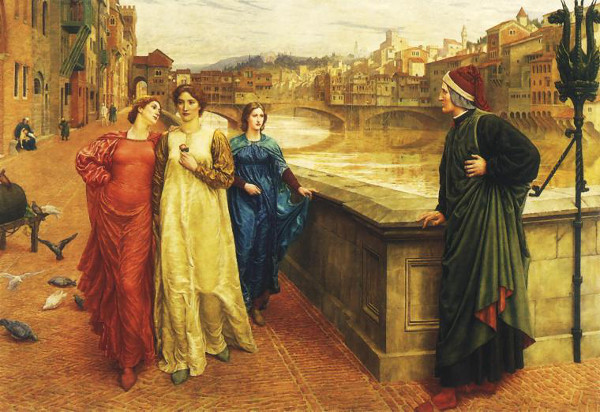
Shared by Arts & Letters Daily feed and expanded by Arts & Letters Daily feed expander pipe by Brandizzi.
23 Jun 04:44

A família Brennand rachou. E se deu bem

Divulgação

Parque eólico da Brennand Energia, do Grupo Ricardo Brennand

Brennand Energia, do Grupo Ricardo Brennand: 5 usinas hidrelétricas e três parques eólicos que somam 425 megawatts de capacidade com valor estimado de 1,8 bilhão de reais

Recife - O termômetro marca 35 graus enquanto centenas de operários assentam o piso de mármore, montam os armários, instalam a fiação elétrica. O ritmo de trabalho é intenso, e tem de ser. O compromisso é terminar o hotel cinco estrelas Sheraton , no município pernambucano de Cabo de Santo Agostinho, a tempo de receber turistas e delegações para a Copa, que começa em junho.

O Sheraton é o mais novo dos imóveis da Reserva do Paiva, um condomínio de 500 hectares que está sendo erguido 15 quilômetros ao sul de Recife. É o maior projeto imobiliário em andamento no país. Além do hotel, estão sendo construídos edifícios residenciais, escritórios e um centro comercial.

A construtora responsável pelas obras é a Odebrecht, que prevê investir 5,3 bilhões de reais em 30 anos. Mais de 40 000 pessoas deverão morar numa área que até dez anos atrás não passava de uma fazenda de coqueiros. A preços de hoje, o condomínio deverá gerar receitas de 14 bilhões de reais.

Se tudo der certo, ninguém tem tanto a ganhar quanto a família pernambucana Brennand, dona do terreno e sócia no empreendimento. Os Brennand deverão embolsar 2,8 bilhões de reais com a Reserva do Paiva. Ou, para ser mais exato, duas partes de 1,4 bilhão.

Donos de duas das maiores fortunas do Brasil, os Brennand foram divididos ao meio por uma briga familiar uma década atrás. Assim como boa parte das grandes riquezas do Nordeste, a da família Brennand começou com cana-de-açúcar. No fim do século 19, a família construiu as primeiras usinas.

Depois, expandiu os negócios para cerâmica, porcelana, cimento, vidro, bancos. Por décadas, o comando do grupo coube aos primos Ricardo e Cornélio. Em 1999, a coisa começou a desandar. Os primos venderam a fábrica de cimento ao grupo português Cimpor por 590 milhões de dólares. Foi a senha para a briga.

Os dois sócios se desentenderam sobre como dividir e investir tanto dinheiro — e Ricardo acabou vendendo suas ações ao primo. É o tipo de disputa que pode acabar com um grupo familiar. No caso dos Brennand, a divisão só fez bem aos negócios. Os grupos Cornélio e Ricardo começaram ali uma disputa bastante peculiar (levada muito a sério pelos filhos de ambos).

Quem entra em mais negócios? Quem ganha mais dinheiro? A rivalidade deu origem à fase mais profícua da história da família. Eles nunca empreenderam tanto — e nunca ganharam tanto dinheiro. “Um não quer ficar atrás do outro em nada”, diz um empresário próximo à família. 

O condomínio Reserva do Paiva é o único investimento em conjunto. E, ainda assim, as coisas são devidamente separadas. “O terreno foi dividido, e a construtora lança empreendimentos simultaneamente nas duas metades”, diz um executivo do setor. Contando todos os negócios dos dois grupos, eles são donos de empresas avaliadas em pelo menos 9 bilhões de reais.

As estruturas são semelhantes — e o ritmo de expansão também. Em 2011, o grupo Cornélio criou uma incorporadora, batizada de Iron House, que tem projetos de hotéis, condomínios e shopping center. No mercado de energia, o grupo tem seis centrais hidrelétricas.


Em janeiro, inaugurou uma das maiores fábricas de vidro do país, no município pernambucano de Goiana, com receita prevista de 500 milhões de reais.

O grupo Ricardo Brennand concentrou os investimentos na área de energia. Tem três parques eólicos e 15 pequenas centrais hidrelétricas, avaliados por concorrentes em pelo menos 1,8 bilhão de reais. Os dois grupos também voltaram a investir em cimento assim que terminou a quarentena de dez anos imposta no contrato com a Cimpor, em 2009. 

Nessa nova fase, os dois grupos têm, pela primeira vez, planos de expansão para além do Nordeste — num movimento que repete, com algumas décadas de atraso, o avanço de grupos nordestinos como Odebrecht e Queiroz Galvão.

O grupo Cornélio vai construir hidrelétricas no Chile e um hotel em São Paulo. Ricardo já está produzindo cimento em Minas Gerais e tem usinas de energia em todas as regiões do país. 

Os filhos no comando

Os filhos dos fundadores estão à frente dessa nova fase. Após o desentendimento de uma década atrás, Cornélio e Ricardo passaram o comando aos filhos mais velhos (e homônimos em ambos os casos). Cornélio Brennand começou a viajar com frequência para a Inglaterra e raramente participa de reuniões de negócios.

Procurado, ele não concedeu entrevista. Ricardo seguiu o caminho de outro primo — o artista plástico Francisco Brennand — e passou a se dedicar às artes. Aos 86 anos, ele só aceitou conversar com EXAME se a briga familiar não entrasse na pauta. O encontro foi no instituto Ricardo Brennand, um misto de museu e espaço de eventos, inspirado em castelos medievais.

Lá, ele guarda uma das maiores coleções de armas e armaduras do mundo — que vão de cintos de castidade a espadas de antigos reis do Egito. Também abriga uma das maiores coleções de arte do Brasil, com estátuas do colombiano Botero e telas do holandês Franz Post e do italiano Canaletto.

“Elas chegam a valer 5 milhões de dólares”, diz. No dia 15 de fevereiro, os dois grupos se reuniram num evento — um casamento que uniu um neto de Ricardo e uma neta de Cornélio. Pela primeira vez em muito tempo, os dois patriarcas foram forçados a deixar a inimizade do lado de fora por algumas horas. Deram suas bênçãos aos noivos e, ao fim da festa, já eram rivais de novo.

Bookmarked at brandizzi Delicious' sharing tag and expanded by Delicious sharing tag expander.
23 Jun 01:30

19-05-2014

by Laerte

23 Jun 01:29

Pond Weed