In brief: Temperatures bottomed out at 47 degrees in Houston at Bush Intercontinental Airport this morning. This will be our only cold night with this front, but our conditions should remain pleasant through the weekend before we warm up a fair amount next week. Fall, alas, is not here to stay for the present time.
Morning lows on Thursday nicely illustrate the nature of a “backdoor” front moving into Texas. (Weather Bell)
Thursday morning temperatures
It felt brisk in Houston this morning for the first time in six months. Officially, at Bush Intercontinental Airport, the low reached 47 degrees. Some inland areas reached the lower 40s, and even coastal areas dropped into the upper 50s. It was our region’s coldest night since March 28. If you liked it, well, I’m sorry to say the chilly air will be fleeting. We’re headed back to somewhat warmer conditions starting tomorrow. (This helps explains the lateness of this morning’s post—I took advantage of the cooler weather to enjoy a nice, long run this morning. OK, maybe enjoy is too strong of a word. But at least I survived it).
Thursday
Today will be a fine, fall day with highs generally in the low 70s and sunny skies. Winds will pick up a bit this afternoon, perhaps gusting to 20 mph from the east. Tonight will be warmer than Wednesday night, but the lows in much of Houston should still dip into the upper 50s. The coast will, of course, be warmer.
Friday, Saturday, and Sunday
The weekend looks quite nice, with high temperatures of around 80 degrees, lows in the 60s, and mostly sunny skies. Dewpoints will be rising with the return of the onshore flow, but our weather won’t exactly be sticky. Daily rain chances are not zero, but they’re probably less than 10 percent, so plan your outdoor activities with confidence.
Next week
We’ll start the week in the mid-80s, but will probably see highs reach the upper-80s toward the end of the week. We’re going to be fairly warm, with partly cloudy skies, for much of next week, with borderline high levels of humidity. In contrast to today, next week will definitely not feel particularly fall-like. There are hints of another front by around some time next weekend, with potentially some rain showers, but nothing I’d bet on with any confidence. I know we need rain, and we’ll have more to say about that tomorrow.
Space Happy Hour
This has nothing to do with weather, but the Space Happy Hour people are hosting their inaugural event in Houston later this month at Space Center Houston. This is a gathering of space industry professionals and they typically put on a first-class party. For their first Houston event the Space Happy Hour is featuring me, and a night of VIP networking, drinks, and access to iconic space artifacts. You can find out more information and purchase tickets here, if interested.
This post was written by Alison Green and published on Ask a Manager.
It’s five answers to five questions. Here we go…
1. Am I being too old-fashioned about how I schedule calls?
I work for a mid-sized media company. My job includes emailing people outside of the office to set up a time for me to interview them for content that I write. I keep an old-fashioned paper calendar, and I prefer phone calls over Zoom or Teams.
Increasingly, I’m asked to send a “calendar invite,” or if the interview will take place over Zoom or Teams. I don’t understand why Zoom or Teams is preferable to the phone; personally I don’t want the added stress of having to fiddle with technology. Also, my transcription program works best off a phone call. Is it okay for me to say that I won’t be sending a calendar invite, and that I prefer a phone call? So far, I’ve gotten my way, but I’m worried that I sound rude, stubborn and old-fashioned. Or should I give in?
Start sending calendar invites. You’re asking people to do something for you, and you should make it easy for them to do; since a lot of people have told you they want calendar invites, send the invites. They’re asking you to do it because it will save them time, and it’s in your interests to have it on their calendar. You can continue using your paper calendar to track your own stuff.
But it’s fine to keep using the phone. People are asking if it’s Zoom or Teams because so many work calls these days are, but that doesn’t mean they care if it’s not. They also might be asking so they can be prepared if you’re planning on video. It’s fine to say, “It won’t be Zoom or Teams; I’ll just give you a call on your regular number then.” Alternately, it would also be fine to say, “My transcription program works best off a phone call, so I’ll call you at (fill in number) then.”
2. Expecting presidential candidates to release medical records
I’m a (long-time) UK reader. It’s been in the news over here that Kamala Harris has released her medical records and that there’s a lot of criticism for Trump that he is refusing to release his.
Leaving aside the particulars of these two candidates, as a UK reader the expectation to release private medical records to prove you’re fit for a job seems … problematic at best? It’s not something that we would ever expect of our political leaders. I’ve been wondering how it impacts others in the workplace — say if one of them was diabetic or needed ADHD medication to be at their best, could that lead to the average person being judged for the same? Even though that wouldn’t be legal. Would the same be expected for a CEO of a massive multinational? And what about Supreme Court judges? The list goes on.
I’m really curious what you/your readers think about this practice in general (again, leaving aside the particulars of these two candidates as no one needs that in the comments!) and whether it has any impact on the average person.
It’s a practice specific to presidential candidates; it’s not something that’s expected outside of that one very specific situation.
Presidential candidates aren’t required by law to disclose their health information, but modern day candidates — until Trump — have done so anyway. The idea is to assure voters that they don’t have significant health problems that could interfere with their ability to carry out the responsibilities of the office or to serve a full term. The tradition started after questions were raised about whether Ronald Reagan’s Alzheimer’s had begun affecting him while he was still in office. (Of course, earlier history is full of examples of candidates and presidents who didn’t disclose medical information, like John F. Kennedy and, famously, FDR.)
Given the uniquely consequential responsibilities of the job, I’m fine with the practice. That said, disclosure should be restricted to factors likely to affect a candidate’s judgment or longevity in the role. Dementia is relevant; a Valtrex prescription is not.
3. Anonymous feedback said my enthusiasm can seem too aggressive
I recently received feedback in a performance evaluation (from an anonymous source) that my enthusiasm is great but can be taken as aggressive by coworkers and I need to be mindful of how others perceive me.
This has been puzzling to me because I am not someone who speaks up very much at all and when I do, I make an effort to be kind and clear in my communication. I rarely speak up in meetings and, if I do, it’s through chat. My interaction with coworkers is strictly through Slack and Zoom chat. Those interactions consist of asking questions to management, providing feedback to management (which they have thanked me for and made changes), or notifying coworkers that a customer reached out for them. These communications are through direct messages, not in the meetings, and it is mostly when asked unless I see a problem that is not being addressed that I feel they should be aware of. Sometimes I participate in team-building activities with my camera on and speak up but barely.
I use a lot of exclamation marks? I’m very puzzled by this feedback. What are your thoughts? Is this something I need to work on?
Anonymous feedback without any contextualizing by your boss is pretty useless. Did your boss indicate whether she also sees this as a concern? Or is she just passing along something she hasn’t personally seen without knowing if there’s any merit to it? If the latter, this could be one weird outlier person who doesn’t represent anyone else, and it could be feedback that’s nonsensical, baseless, or simply not worth acting on.
So can you go back to your boss and ask for her perspective? Say you took the feedback seriously but can’t figure out what it’s stemming from, and if changes are needed you can’t make them without understanding what’s happening, and ask for a couple of examples of where you’re coming across as aggressive.
4. My company wants me to share its posts on my personal LinkedIn
I have been at my job for two years in a junior role. Our senior management team is a huge fan of using LinkedIn to connect with clients. In particular, one member of that team will often share links to LinkedIn posts in my department’s Slack channel asking us to like, comment, and reshare with our network. They have also encouraged us, in business strategy meetings, to leverage our personal LinkedIn accounts to build our own “personal brand,” as well as promote the company.
Although I have an account, I despise LinkedIn, and mostly keep my profile up in case I need it for any future job searches or networking. I also am not a big poster on social media in general — I probably post on my personal Instagram account four times a year, and that is the only social media account I actively post on.
I don’t mind liking or commenting on company posts if asked, but I really don’t want to reshare posts onto my personal account, especially since I very rarely post any of my own content. Perhaps complicating things further, this job is in an industry that I don’t see myself in long-term (although nobody there knows this), so I don’t particularly want to build a huge LinkedIn presence in this industry.
I’ve mostly managed to fly under the radar with this, but there have been a couple times recently where this manager has mentioned me by name when asking people to reshare the post. Is there a graceful way to opt out of using my personal LinkedIn account for my company’s business purposes?
There are some industries where LinkedIn is so inherently a part of the work that it would be unreasonable to refuse to do this (for example, recruiting, some forms of PR, or LinkedIn itself). But assuming you’re not in one of them, they’re welcome to ask people to share posts, but you should be able to decline. That’s your social media, not theirs.
The easiest way to deal with it is to just keep ignoring it. If you’re mentioned by name when the request is made, nod and make a note on your to-do list and then … just don’t. If you’re directly asked about it in a more serious way, feel free to say you never use LinkedIn or even that you haven’t been able to log in the account recently.
5. When a business contact dies mid-project
In my job, I’m often the only connecting point between organizations — a combination of my clients, colleagues, vendors, regional stakeholders, etc. Recently, a project missed its deadline because I couldn’t get ahold of my contact, John, at a regular vendor, Acme. He had known we would need to be in heavy communication in the runup to a Friday deadline, but he stopped responding to emails or answering phone calls on Thursday, and we couldn’t finish the project without his input.
Over the weekend, I happened to get dinner with a friend who used to work at Acme. I mentioned that we’d blown a deadline, and that it was really unlike Acme to leave us hanging. My friend asked who I had been working with, and when I told her, she told me John had died on Wednesday night! She’d only heard about it that morning, and it sounded like it had been very unexpected and, understandably, things were chaotic at Acme in the wake of things.
I spent Sunday stressing about how to reach out to Acme. I worked with John a few times a year, and we weren’t close, but I respected him and was sad to hear the news. I could imagine that this has been really hard on Acme’s team, and wanted to express my condolences. But I also had my client and other stakeholders breathing down my neck to get the project done, and I was unsure what to say to them in the meantime. John was a department head, so I wasn’t really sure who to reach out to, either. Luckily, my friend had sent some of her old Acme contacts a heads-up, so someone reached out to me first thing Monday morning with an explanation, an apology to send to my client, and a new point of contact. I was able to just respond with condolences and thank them for their help.
But if I’m ever in this situation again, what’s the etiquette around someone’s death? Is there a script for when and how to reach out after hearing the news? Who do the messages go to? And if I hear that someone has died, is it fair to discreetly share that with someone like my client, as an explanation for the delay?
It would be fine to reach out to any other contact you have there and say something like, “I was so very sorry to hear about John. He was (insert something personal here about what you valued about John/the relationship, if possible). He was working on X for me; when we missed the deadline Friday, I hadn’t known what had happened, but now of course I understand. I’m so sorry to bother you with this right now, but when you’re able, would you let me know who I should be in touch with about the project? I understand it may take some time to sort out.” Depending on the context, you could add that if they’d like you to look for non-Acme resources for completing the work so they have time to sort out what will happen from here, you can do that.
It’s fair to share the situation with your client; most people will be a lot more understanding of delays in a situation like this than if they’re left in the dark.
I have received many messages from viewers saying that KHOU 11 Houston has canceled its 4:30am newscast.This week, the early Channel 11 morning newscast has been replaced by a full hour of "CBS News Mornings."But, fans of the KHOU 11 4:30am news, do not go back to bed just yet! I hear that the early newscast will return soon.In the meantime, here is some trivia for you. Did you know that
It will soon be easy to "click to cancel" subscriptions after the US Federal Trade Commission (FTC) adopted a final rule on Wednesday that makes it challenging for businesses to opt out of easy cancellation methods.
“Too often, businesses make people jump through endless hoops just to cancel a subscription,” FTC chair Lina Khan said in a press release. “The FTC’s rule will end these tricks and traps, saving Americans time and money. Nobody should be stuck paying for a service they no longer want.”
The heart of the new rule requires businesses to provide simple ways to cancel subscriptions. Under the rule, any subscription that can be signed up for online must be able to be canceled online. And cancellation paths for in-person sign-ups must be just as easy, offered either by phone or online.
94L in the Central Atlantic Ocean continues to putter along
Significant development is less likely as the system nears the Caribbean Sea
Parts of Central America could see heavy rainfall over the next week from tropicalmoisture
Overall there appear to be no threats to the United States over the forecast period
Seven-day tropical outlook as of Wednesday morning. (National Hurricane Center)
Invest 94L
We’re continuing to track an area of low pressure that is moving across the central Atlantic Ocean. Overall, this system is expected to continue moving more or less westward, or just north of due west, this week. This would put it in the vicinity of Puerto Rico or Hispaniola by this weekend. We can be fairly confident in this general track. What I’m less certain of this morning is whether anything actually develops.
Most of the ensemble members of the GFS model indicate there’s not much to see here. (Weather Bell)
The National Hurricane Center gives Invest 94L a 40 percent chance of becoming a tropical depression or storm during the next seven days, and frankly this feels a little generous. Most of the major models that we look at no longer develop 94L into a tropical system (a few still do). In any case, this is something for the Caribbean islands and possibly the Bahamas to continue to watch, but our overall concerns for significant impacts from 94L remain fairly low. If our thinking on this changes, we’ll of course provide a timely update.
Caribbean Sea blob
The National Hurricane Center has also begun highlighting an area that Matt has been talking about for awhile in the western Caribbean Sea. This mass of showers and thunderstorms is not particularly organized, nor do I think it probably will become a depression or named storm. However, this part of the Caribbean Sea remains very warm, so there is at least the potential for something.
10-day rainfall forecast for Central America from the European model. (Weather Bell)
Regardless of development, however, this system could prove a rainmaker for southern Belize, Guatemala, and Honduras over the next week or 10 days. Depending on whether the heaviest rains remain offshore or push further inland, rainfall from this tropical blob could potentially lead to some mudslides in the region.
Elsewhere
As we get deeper into October, the tropics are starting to wind down. The Atlantic season doesn’t officially end until November 30, of course, but at this point we don’t see any near-term threats to the United States. That’s a good thing as areas hard hit by hurricanes Helene and Milton continue to recover, and start to rebuild.
NEW YORK—With the struggling newspaper admitting this was the final nail in its coffin, The New York Times announced this week that it would permanently cease publication, saying there was no way it could compete with The Onion’s newly relaunched print edition.
In an internal memo sent to the paper’s 5,800 employees, publisher A.G. Sulzberger said that while he had done everything in his power to keep The New York Times afloat, The Onion’s latest expansion into physical media had forced the company to reevaluate all parts of its business—from its glaringly inaccurate reporting, to its comparatively low circulation numbers, to its deeply unpopular brand, to its completely inept columnists.
“Let me assure you, in the wake of The Onion’s recent decision to relaunch its print product, shutting down The New York Times was not a difficult decision,” said Sulzberger, adding that immediately shuttering all 53 Times bureaus around the world was tantamount to a “mercy killing.” “While we are devastated to see so many employees go, we are happy that we can finally put them out of their misery and no longer force them to work in an environment where The New York Times is out-scooped, out-reported, and outwritten by The Onion at every turn.”
“The truth is, in this modern publishing landscape, The Onion reigns supreme,” Sulzberger added. “There is no amount of time, money, or effort I could invest in this rag to save it from its ultimate, and frankly long overdue, demise.”
Have a written record of society’s collapse. Get the paper. Become a member.
The Onion, which was founded in 1756 by Friedrich Siegfried Zweibel and has a daily readership of 4.3 trillion readers, has been widely credited with decimation of the media industry, shutting down over 1,200 daily newspapers within the United States, including The Washington Post, the Los Angeles Times, The Wall Street Journal, and now The New York Times.
A spokesperson confirmed that upon the launch of The Onion’s newest venture, all 13 members of the New York Times Company’s board had immediately resigned in shame, placed the site’s domain name up for sale, and ordered all 173 years of the paper’s archives destroyed to conceal any evidence of their glaring inferiority.
“Being an employee of The New York Times was one of the most shameful, useless things I’ve ever done in my life,” said longtime columnist David Brooks, noting that while he had continually applied to work at The Onion over the years, he had been promptly rejected every time. “Compared to the editorial staff at The Onion, my intellectual faculties are that of a cockroach, and I wish I’d never tried to compete with what is so clearly a superior newsroom filled with brilliant, brave reporters who have a moral conviction I wholly lack.”
“My entire career has been a waste,” Brooks added. “I’ve spent decades of my life writing the most pathetic drivel here every day and never gotten a single story right.”
The New York Times was reportedly in early-stage talks to be acquired by The Onion’s parent company, Global Tetrahedron, but CEO Bryce P. Tetraeder swiftly declined to purchase the publication, citing its current standing as one of the least respected and most highly discredited newspapers in the world.
“For all its so-called accolades, The New York Times surrendered swiftly and painlessly to The Onion’s print relaunch,” said Tetraeder, who appeared delighted while speaking from a boardroom located in one of the company’s many covert black sites. “Global Tetrahedron currently dominates the world’s most lucrative industries, including weapons manufacturing, human trafficking, and child slavery. Now, after securing the demise of The Times, we control the booming print industry as well.”
“I advise anyone mourning this periodical to save their breath and instead subscribe to a superior product,” the media magnate continued. “I am simply happy I could assist The New York Times by ending its pathetic run once and for all.”
The Onion Is Back In Print. Get The Paper. Become A Member.
You should be using an RSS reader: The one thing you can choose to do that will make your internet life better and make the internet better for everyone else, too.
No matter how hard we all wish it were otherwise, the sad fact is that there aren't really individual solutions to systemic problems. For example: your personal diligence in recycling will have no meaningful impact on the climate emergency.
I get it. People write to me all the time, they say, "What can I change about my life to fight enshittification, or, at the very least, to reduce the amount of enshittification that I, personally, experience?"
It's frustrating, but my general answer is, "Join a movement. Get involved with a union, with EFF, with the FSF. Tell your Congressional candidate to defend Lina Khan from billionaire Dem donors who want her fired. Do something systemic."
There's very little you can do as a consumer. You're not going to shop your way out of monopoly capitalism. Now that Amazon has destroyed most of the brick-and-mortar and digital stores out of business, boycotting Amazon often just means doing without. The collective action problem of leaving Twitter or Facebook is so insurmountable that you end up stuck there, with a bunch of people you love and rely on, who all love each other, all hate the platform, but can't agree on a day and time to leave or a destination to leave for and so end up stuck there.
I've been experiencing some challenging stuff in my personal life lately and yesterday, I just found myself unable to deal with my usual podcast fare so I tuned into the videos from the very last XOXO, in search of uplifting fare:
Molly's talk was so, so good, but when I got to her call to action, I found myself pulling a bit of a face:
But the platforms do not exist without the people, and there are a lot more of us than there are of them. The platforms have installed themselves in a position of power, but they are also vulnerable…
Are the platforms really that vulnerable? The collective action problem is so hard, the switching costs are so high – maybe the fact that "there's a lot more of us than there are of them" is a bug, not a feature. The more of us there are, the thornier our collective action problem and the higher the switching costs, after all.
And then I had a realization: the conduit through which I experience Molly's excellent work is totally enshittification-proof, and the more I use it, the easier it is for everyone to be less enshittified.
This conduit is anti-lock-in, it works for nearly the whole internet. It is surveillance-resistant, far more accessible than the web or any mobile app interface. It is my secret super-power.
It's RSS.
RSS (one of those ancient internet acronyms with multiple definitions, including, but not limited to, "Really Simple Syndication") is an invisible, automatic way for internet-connected systems to public "feeds." For example, rather than reloading the Wired homepage every day and trying to figure out which stories are new (their layout makes this very hard to do!), you can just sign up for Wired's RSS feed, and use an RSS reader to monitor the site and preview new stories the moment they're published. Wired pushes about 600 words from each article into that feed, stripped of the usual stuff that makes Wired nearly impossible to read: no 20-second delay subscription pop-up, text in a font and size of your choosing. You can follow Wired's feed without any cookies, and Wired gets no information about which of its stories you read. Wired doesn't even get to know that you're monitoring its feed.
I don't mean to pick on Wired here. This goes for every news source I follow – from CNN to the New York Times. But RSS isn't just good for the news! It's good for everything. Your friends' blogs? Every blogging platform emits an RSS feed by default. You can follow every one of them in your reader.
Not just blogs. Do you follow a bunch of substackers or other newsletters? They've all got RSS feeds. You can read those newsletters without ever registering in the analytics of the platforms that host them. The text shows up in black and white (not the sadistic, 8-point, 80% grey-on-white type these things all default to). It is always delivered, without any risk of your email provider misclassifying an update as spam:
Did you know that, by default, your email sends information to mailing list platforms about your reading activity? The platform gets to know if you opened the message, and often how far along you've read in it. On top of that, they get all the private information your browser or app leaks about you, including your location. This is unbelievably gross, and you get to bypass all of it, just by reading in RSS.
Are your friends too pithy for a newsletter, preferring to quip on social media? Unfortunately, it's pretty hard to get an RSS feed from Insta/FB/Twitter, but all those new ones that have popped up? They all have feeds. You can follow any Mastodon account (which means you can follow any Threads account) via RSS. Same for Bluesky. That also goes for older platforms, like Tumblr and Medium. There's RSS for Hacker News, and there's a sub-feed for the comments on every story. You can get RSS feeds for the Fedex, UPS and USPS parcels you're awaiting, too.
Your local politician's website probably has an RSS feed. Ditto your state and national reps. There's an RSS feed for each federal agency (the FCC has a great blog!).
Your RSS reader lets you put all these feeds into folders if you want. You can even create automatic folders, based on keywords, or even things like "infrequently updated sites" (I follow a bunch of people via RSS who only update a couple times per year – cough, Danny O'Brien, cough – and never miss a post).
Your RSS reader doesn't (necessarily) have an algorithm. By default, you'll get everything as it appears, in reverse-chronological order.
Does that remind you of anything? Right: this is how social media used to work, before it was enshittified. You can single-handedly disenshittify your experience of virtually the entire web, just by switching to RSS, traveling back in time to the days when Facebook and Twitter were more interested in showing you the things you asked to see, rather than the ads and boosted content someone else would pay to cram into your eyeballs.
Now, you sign up to so many feeds that you're feeling overwhelmed and you want an algorithm to prioritize posts – or recommend content. Lots of RSS readers have some kind of algorithm and recommendation system (I use News, which offers both, though I don't use them – I like the glorious higgeldy-piggeldy of the undifferentiated firehose feed).
But you control the algorithm, you control the recommendations. And if a new RSS reader pops up with an algorithm you're dying to try, you can export all the feeds you follow with a single click, which will generate an OPML file. Then, with one click, you can import that OPML file into any other RSS reader in existence and all your feeds will be seamlessly migrated there. You can delete your old account, or you can even use different readers for different purposes.
You can access RSS in a browser or in an app on your phone (most RSS readers have an app), and they'll sync up, so a story you mark to read later on your phone will be waiting for you the next time you load up your reader in a browser tab, and you won't see the same stories twice (unless you want to, in which case you can mark them as unread).
RSS basically works like social media should work. Using RSS is a chance to visit a utopian future in which the platforms have no power, and all power is vested in publishers, who get to decide what to publish, and in readers, who have total control over what they read and how, without leaking any personal information through the simple act of reading.
And here's the best part: every time you use RSS, you bring that world closer into being! The collective action problem that the publishers and friends and politicians and businesses you care about is caused by the fact that everyone they want to reach is on a platform, so if they leave the platform, they'll lose that community. But the more people who use RSS to follow them, the less they'll depend on the platform.
Unlike those largely useless, performative boycotts of widely used platforms, switching to RSS doesn't require that you give anything up. Not only does switching to RSS let you continue to follow all the newsletters, webpages and social media accounts you're following now, it makes doing so better: more private, more accessible, and less enshittified.
Switching to RSS lets you experience just the good parts of the enshitternet, but that experience is delivered in manner that the new, good internet we're all dying for.
My own newsletter is delivered in fulltext via RSS. If you're reading this as a Mastodon or Twitter thread, on Tumblr or on Medium, or via email, you can get it by RSS instead:
Don't worry about which RSS reader you start with. It literally doesn't matter. Remember, you can switch readers with two clicks and take all the feeds you've subscribed to with you! If you want a recommendation, I have nothing but praise for Newsblur, which I've been paying $2/month for since 2011 (!):
Subscribing to feeds is super-easy, too: the links for RSS feeds are invisibly embedded in web-pages. Just paste the URL of a web-page into your RSS reader's "add feed" box and it'll automagically figure out where the feed lives and add it to your subscriptions.
It's still true that the new, good internet will require a movement to overcome the collective action problems and the legal barriers to disenshittifying things. Almost nothing you do as an individual is going to make a difference.
But using RSS will! Using RSS to follow the stuff that matters to you will have an immediate, profoundly beneficial impact on your own digital life – and it will appreciably, irreversibly nudge the whole internet towards a better state.
"Chokepoint Capitalism: How to Beat Big Tech, Tame Big Content, and Get Artists Paid, with Rebecca Giblin", on how to unrig the markets for creative labor, Beacon Press/Scribe 2022 https://chokepointcapitalism.com
"Attack Surface": The third Little Brother novel, a standalone technothriller for adults. The Washington Post called it "a political cyberthriller, vigorous, bold and savvy about the limits of revolution and resistance." Order signed, personalized copies from Dark Delicacies https://www.darkdel.com/store/p1840/Available_Now%3A_Attack_Surface.html
This work – excluding any serialized fiction – is licensed under a Creative Commons Attribution 4.0 license. That means you can use it any way you like, including commercially, provided that you attribute it to me, Cory Doctorow, and include a link to pluralistic.net.
Quotations and images are not included in this license; they are included either under a limitation or exception to copyright, or on the basis of a separate license. Please exercise caution.
Prosecutors said 59-year-old Mohamad Mokbel illegally paid for the identification numbers of Medicare recipients and their personal health and physician information.
I’m a well-informed Hobbit—a Boffin from Overhill, thank you very much—who is in a kerfuffle about whom to throw my Hobbit-sized support behind. For some, the choice is clear, but for a little guy like me, I’m feeling awfully torn up, like a tear-and-share cheese bread during Winter Solstice! I simply can’t seem to decide between the Dark Lord determined to return to power and stay there until shadows drown all of Arda, or the Elf Galadriel, who seems to be great and exceedingly normal, but I just wish I knew more about her.
I’ve tried my best to keep up with current events, but my day-to-day life is quite calamitous. Between dancing, eating until I can barely wobble home, the pestilence that wiped out my crop of pumpkins, and more dancing, I barely have the energy to host Elevensies let alone engage in public discourse! I know I need to listen, especially since the Shire could determine the future of Middle-earth. I’m here now, trying to catch up on the news before making this apparently earth-shattering decision.
But for these candidates to win my favor, I have to be clear that my concerns as a Hobbit center around one thing: pain at the pipe.
The prices of pipe-weed from the East Farthing are sky high. The Dark Lord Sauron has promised to lower those prices. No, he has not shared any stone-sure strategy on how he aims to accomplish this, but it’s more about the way he says it. Also, the fact that he has run a successful enterprise in Mordor for about an age makes me trust him. Oh? He inherited the mantle of Dark Lord from Morgoth, and Sauron has historically been a failure? Hmm, that should make me reevaluate if he deserves the power he has… but what really gets my knickers in a bunch is the price of pipe-weed.
Galadriel acknowledges that pipe-weed is too expensive. She promises to fight for me and make my life as a middle-class Hobbit easier by making the nobility (like Aragorn, son of Arathorn—hate that guy) pay their fair share. I guess she also released an agenda that’s eighty-two scrolls long, which details this plan. And I’m like, how am I supposed to find time to read that and practice my line-dancing for Bilbo’s 111th birthday?!
Another concern of mine is the weak borders between Rohan and Gondor. Sauron said that the Men of Gondor are crossing into Rohan and… eating Rohan’s horses? Sounds like a brazen lie and has been reported to be such. Galadriel said it’s the Dark Lord’s fault that the borders are open—that Sauron told Saruman to drive a wedge between the Men of the West, lie about it, and then blame the Elves. But why would someone make a problem worse or refuse a solution for political leverage? Sounds too evil to be true.
Last but not least, I’m concerned about the right to choose—if a Hobbit can live in a hole. The very notion that this is up for debate is alarming to me, the undecided Hobbit, because Hobbits live in holes. That’s what Hobbits do. Hole-living shouldn’t be up to anyone but the Hobbits who may or may not want to live in them and our furry-footed deity. Sauron has taken both positions on the matter. Recently, he said he would leave our holes in peace (and not burn the Shire to the grassy ground). Honestly, he’s sort of waffling on his answer—though I must say, waffles sound great right now. Then there’s Galadriel, who says very confidently that Hobbits should be allowed to choose to live in holes or not. Which is great, top marks. No notes. Which makes me nervous.
I’m torn. Both Galadriel and Sauron say the other is a threat to Middle-earth. One has to be wrong, so whom am I to trust? Should I trust the Dark Lord who attempted to topple the White City of Gondor, dominate all life, and attempt to stay in power for eternity? Or do I trust the Elf Queen representing the coalition of Men and Elves who defeated Sauron when he tried to enslave the Free Peoples… but could maybe do more meet-and-greets?
It’s a real Bombadil’s choice.
The struggle for power in Middle-earth is very intense. Somehow, there’s still a chance I’ll sit in my Hobbit-hole and not take any action even though my fundamental Hobbit rights are at stake. But hey, when deciding between a Dark Lord tyrant who hates me and an Elf who seems really reasonable but is a little mysterious, the choice could not be more difficult. Time to dance!
In brief: The first fairly strong front of fall has arrived in Houston, and dewpoints are plummeting this morning. We’ll see a rather cold night, with lows on Thursday morning reaching the upper 40s in parts of Houston. Temperatures start to recover by the weekend, and next week looks rather warm and muggy.
Update on record highs
Houston shattered another record high temperature on Tuesday, with a mark of 98 degrees. This broke the previous record of 92 degrees for October 15, set in 2019. Again, breaking a record by six degrees is remarkable, and not in a good way. This was the third record high of the month, after the city tied a previous record back on October 6. The average temperature so far this October is running 5.0 degrees above normal.
Daily temperatures so far in October. (National Weather Service)
Wednesday
Fortunately, we can put talk of record highs aside for a few days after a front blew into Houston overnight. This was a dry frontal passage so there was no rain accompanying it, and we are now seeing much drier and cooler air moving in. Temperatures this morning are generally in the mid- to upper-60s across Houston, with dewpoints around 40 degrees. Skies will be partly cloudy today, and with the influx of cooler air our highs will probably max out in the low- to mid-70s. Winds from the northeast will be brisk, maxing out at 25 mph or perhaps even a bit higher. Lows tonight will drop to around 50 degrees in central Houston, with cooler conditions for outlying areas.
Thursday morning’s low temperatures will be quite chilly. (Weather Bell)
Thursday
It will, dare I say, feel cold on Thursday morning? With sunny skies we should warm into the mid- to upper-70s however. This will simply be a fine, fall day. Lows on Thursday night should drop into the upper 50s for most locations except the immediate coast.
Friday
Expect mostly sunny weather and highs of around 80 degrees. Winds will be from the east at about 10 mph with higher gusts.
Saturday and Sunday
Expect partly to mostly sunny skies this weekend, with high temperatures generally in the low 80s. With the return of a southerly flow on Friday, humidity levels will be recovering. Nighttime temperatures drop only into the mid-60s.
Next week looks anomalously warm for Texas. (Pivotal Weather)
Next week
Most of next week looks fairly warm and humid. I’d expect highs in the upper 80s, with muggy nights in the upper 60s to 70 degrees. Skies will be partly to possibly even mostly cloudy, but I don’t see much of a chance of rain until at least the latter part of next week. That’s also when we might see another front, but that is far from certain.
The bottom line is that if you’re looking for fall-like weather, soak up the next few days. Because after that it’s going to feel fairly warm and muggy for awhile once again.
This post was written by Alison Green and published on Ask a Manager.
It’s five answers to five questions. Here we go…
1. Telling a new employee he’s not cut out for the job
I began managing a new team last month. The team is very green — over half graduated less than two years ago. In the last two years, this department only had a manager for nine months, and by all accounts she was completely unqualified. I was brought in as an experienced manager to provide technical oversight / development.
My field is one where you get a pretty generalized degree, and then choose a specialty that you receive on-the-job training for. It’s pretty easy to change specialties for early career folks.
One of my new direct reports, Tom, has … zero to negative natural talent for his chosen specialty. I know it’s pretty harsh to say that about someone I just began working with, especially one who has not received adequate training. But I have worked with a lot of early career people in this specialty, and he stands out as one of the worst of all time. Past interns have grasped core concepts and tools more quickly.
I’m not saying he’s not smart! He is! I can see ways he would be a great fit for other specialties, including available jobs within our company. But the more I talk through tasks with him, the more I realize that his brain is just not wired to understand this particular job. It’s like trying to explain to him that an apple and a snake are nothing alike … over and over again, with diagrams, while he grows increasingly agitated that I don’t understand they’re both smooth-skinned and therefore interchangeable. (He definitely has a touch of “defensive know-it-all-ism.”)
On the one hand, I just want to spare him. I can tell he’s really frustrated and burned out, working 10 times harder than he should have to on basic tasks. His teammates are thin on patience and try every trick to avoid being paired up with him. His peers in other departments don’t trust his advice and constantly find ways to circumvent him. I think it’s a disservice to lay out a training plan and have both of us invest significant effort into improvements that are unlikely to ever materialize, when the gap is so fundamental. On the other hand, I have no idea how to look an exhausted and low-confidence young man in the eyes and say, “You’re not going to make it here, why don’t I help you find a different job you’re a better fit for?” Especially since I suspect he will be so reluctant to “fail” that he will just double down on learning this job, now dragged down by the knowledge his manager doesn’t believe in him. What would you do?
Whether or not you can do this depends on whether your company’s internal policies will let you, but I’m a big fan of just having a really honest conversation along the lines of, “Here’s what I’m seeing. Your strengths are X but this job requires Y. In my experience, it’s very hard to move from where you are to where you need to be in the amount of time we have available, and I would recommend we instead think about other roles in the company that would be a better fit. If you don’t want to do that, the next step would be a formal improvement plan, which would mean ___. If you choose that path, I’ll try my best to help you succeed, but I want to be up-front about the concerns I have and the path I think would play more to your strengths in the long run.”
2. Off-site activity excluded me even though my boss knew about my disability
I am just home from a week of travel for work abroad, meeting both my own team and agency partners I work with.
The final evening of our trip was a secret planned event. As a disabled person (I have MS and have functional limitations in my leg muscles and use a cane), “secret” is not my favorite!
Ahead of traveling, I had a 1×1 over the phone with my boss (we live in different countries, but have met several times) to remind him that I’m not able to do a lot of physically activity, have difficulty with stairs, etc. so will need to, for example, take direct taxis instead of trams. He said of course and all was positive.
The final evening arrived, we were given a location to meet at, and when I turned up, it was a boat. With 10-12 steps to get to the dock, and then a ladder to get down into the boat. And while I may have awkwardly made it in, there was zero chance of me getting out of that boat with any dignity.
So I excused myself. And it was mortifying. The boss tried to convince me to go, got the organizer to try and find another boat, asked the driver if he could help (he offered to help lift me, which was so much worse). This went on for 15 minutes while my entire 25-person team looked on with pity, and I was overwhelmed with embarrassment. I put all my effort in to convincing them all I was fine on my own and they should go just so I could retreat to the hotel in utter shame. I missed out on the culmination of our week-long session, during which they announced we had won an award and had a champagne celebration. The next day my boss hugged me goodbye, looked at me with pity, and said sorry. And that was it.
What do I do? I will travel again. I missed out. I fear this experience has hurt me professionally. I shouldn’t have been put in that situation to begin with. I really am lost on how to manage. Any suggestions?
Oh no, I’m sorry, that never should have happened. And when it did happen, your boss and the organizer should have handled it differently, and then your boss should have followed up with you to let you know what will be done differently next time.
Absent any of that … do you have HR you can talk to? There’s no way to undo what already happened, but you might be able to ensure future events are more thoughtfully and inclusively organized.
I do emphasize to say that you aren’t the person who should be embarrassed; your boss and the event organizer should be, and your team should be irate with them, not pitying you. There’s nothing here that warrants shame on your side; you had medical needs that you disclosed ahead of time, and they should have been met. The embarrassment is on your boss and the organizer, not you.
3. Former supervisor blasts music from his cubicle
My former supervisor recently moved to a new position, and with that came a move from an enclosed office to working on the floor in a cubicle. Typically the office has been pretty quiet, as most of us are working on data requiring concentration. Unfortunately, my former supervisor apparently enjoys working with background music and blasts a collection of country and classic rock throughout the day from his cubicle! It’s highly distracting, and my noise canceling headphones are no match.
He is no longer under the “jurisdiction” of anyone working in the office, and our staff-supervisor relationship was challenging at best. I feel unable to say anything, nor do I want to, but am finding myself unable to concentrate and feeling angry as a result. I just can’t understand how anyone can think forcing the entire office to listen to their music all day is reasonable, and it’s seriously impacting an already shaky relationship.
Is this something I could reach out to a manager about, or am I being petty?
You’re not being petty. It’s generally considered rude to blast one’s own music around coworkers, unless everyone agrees on (a) having music in the first place and (b) general selection parameters. The fact that he’s doing this in a quiet space where people are trying to concentrate makes it worse.
Ideally you’d start by saying something to him yourself — for example, “Could you turn that down? It’s making it tough to focus.” Or, “Could you please use headphones? I’m having trouble focusing.” If you don’t want to do that because the dynamics around him being your former supervisor, any chance one of your other coworkers would be willing to?
But it’s also reasonable to ask a manager to handle it for you, and it’s okay to say, “I feel awkward about asking him myself since he was previously my manager.” They might suggest you say something yourself first, but they also might just handle it for you.
4. I’ve heard horrible things about the manager my company is considering hiring
My department has been without a manager for nearly a year. Applicants are scarce, because of massive time expectations and a frankly lowball salary. But my grandboss has finally interviewed someone they think is qualified, and I’m going to be in on a staff interview this week.
At this candidate’s last job, she happened to manage a few people I know from outside work. I reached out to these friends to ask what they know about her. Everything I’ve heard back has been shockingly negative.
It’s not just that her performance was bad and she micromanaged everyone to death. They’re also telling me stories of outright discrimination. Multiple staff members there went to HR with complaints of abusive language and racial slurs. The accusations were substantiated but she apparently resigned before being punished.
Obviously I don’t want to work for this person. But how can I report the problem to the hiring team in a believable, professional way? I don’t want them to ignore these issues. I worry they might hire her anyway out of desperation, because they have so few other prospects.
As a last resort, I suppose could confront the candidate about that situation in the staff interview. But because this person might end up being my manager, the power dynamic there makes me hesitant. I would need to stay on under her leadership for weeks or months while looking for a new job.
Relay what you heard to the hiring committee! That’s incredibly relevant information, and I’d be horrified if someone knew those things about a candidate I was considering hiring and didn’t tell me. Of course, be clear that you haven’t worked with the person directly and are hearing these things secondhand, but also be clear that you’ve heard it from multiple people whose judgement you trust (assuming you do). The framing you want is a matter-of-fact, “Jane Warbleworth has worked with several people I know and trust, and they’ve shared XYZ with me, which I thought I needed to pass on to you.”
Stress the discrimination and abuse more than the micromanaging; micromanaging can be in the eye of the beholder (and can sometimes be warranted in the short-term if an employee is struggling), but it’ll be hard for anyone to think “well, maybe the racial slurs and forced resignation weren’t so bad.”
5. Returning to my maiden name after a divorce
I recently got divorced and am now unsure what to do about my name. Personally, I’ve changed back to my maiden name. But I’m not sure how to handle it professionally. It was easier when I got married several years ago to explain it with, “I got married.” That’s a pretty positive one for people to respond to. But now? I’m happy to be divorced, but it’s a more complicated one for people to respond to. I’m hesitant to change my name at all because of it. What’s the way forward here? I work in construction and don’t have a lot of women to talk to about it.
“I’ve changed back to my maiden name, Mulberry, so am now Cressida Mulberry.” That’s it! Handle it exactly the way you would if you’d changed it for any other reason. Some people may ask if you got divorced, and you can just be breezily matter-of-fact if they do: “Yes, we split up earlier this year. I’m fine! Just going back to Mulberry.” You don’t need to get into it more than that.
“Musk’s Super PAC Offers $47 to Those Who Help It Find Trump Voters” — New York Times, 10/7/24
- - -
Please help. My brain is like the Cybertruck nav system. I know something’s wrong there, but no one can figure it out.
I’ve read all the psychology books, but none of them address desperately needing the validation of someone named “Catturd.”
Any therapists out there? What’s the name of the syndrome that causes you to turn into the MyPillow guy?
When I watch the movie Tremors, why do I identify with the worms?
Why is there a void in my soul bigger than the debris field of one of my rockets?
Why can’t I ever just shut up? Better to stay quiet and be thought a fool than to retweet #EndWokeness and remove all doubt.
I used to be smart. Now I’m on the same intellectual footing as Rudy Giuliani, Laura Loomer, and Trump’s campaign manager (not the one that was convicted of sexual battery, or the one that was convicted of bank fraud, but the one that was convicted of money laundering and tax fraud).
I have more in common with Marjorie Taylor Greene than Steve Jobs. How did that happen?!
When a Starlink transceiver goes haywire, engineers can get in there to figure out what’s wrong. But no one can go into my brain to figure out why I sit on the shower floor DM-ing Ian Miles Cheong.
I don’t like that my spirit animal is slime-fetus Voldemort from Harry’s final dream.1 Or that X’s stock price and my self-esteem are in a race to zero, and I think they’re both gonna win. Or that I’ve alienated everyone who’s never been warned to “stop making the waitress feel uncomfortable.”
Please, someone, tell me how to fix my brain. I’m too unfunny to go down in history as a joke.
- - -
1 COMMUNITY NOTE: Musk’s spirit animal is actually Voldemort’s rat subordinate, Wormtail.
In The Geometries of Afro Asia: Art Beyond Solidarity (2023), Joan Kee delves into the nuanced relationships between African and Asian artists, moving beyond simplistic notions of racial solidarity. Kee highlights historical connections between these continents, particularly pivotal moments like the 1955 Bandung Conference, which advanced principles of self-determination, coexistence, and sovereignty. She examines how these ideas surface in the work of artists like Senga Nengudi and Obiora Udechukwu, who navigate political and cultural autonomy through their art. Kee’s work suggests a form of fluidity in art, one in which an artist’s legacy is not solely determined by their racial or geographical identity.
Similar to some of the themes expressed in Kee’s book, Nicole Awai’s exhibition at Christian-Green Gallery, presents opportunities for audiences to engage with her practice in ways that transcend familiar themes of race and identity. While those elements remain a part of the conversation, Awai’s work expands into broader investigations of interconnectedness and existence. Reminiscent of the Bandung Conference leaders, who resisted the Cold War’s binary tensions, Awai’s art defies categorization, creating a space for expansive, nuanced interpretations that resist narrow or predetermined frameworks.
“Nicole Awai: In the thick of it,” installation view. Photo: Mark Doroba
In the thick of It, an exhibition curated by Philip Townsend presents a selection of Awai’s work from the past 20 years, offering glimpses into an artistic practice that delves deeper than surface-level discussions. Her range of wall and floor sculptures, along with her expansive paintings, sit prominently in the gallery space.
Distinguishing features of the exhibition are her large and medium-sized drawings, which highlight the artist’s technical skills. In many of the drawings, along the paper’s edges, is the presence of a color bar, composed of nail polish and the title of the polish color. Much like Pantone swatches in design or white balance cards in photography, these color bars act as a reference system, ensuring color consistency and balance throughout her compositions. Positioned at the margins, they guide the evolving forms and actions in her work, anchoring it in a process of continual exploration.
Nicole Awai, “Specimen from Local Ephemera: Drab Hanger,” 2008, graphite, acrylic paint, nail polish and glitter on paper, 50 × 38 inches. Courtesy the artist. Photo: Mark Doroba
The playful names of nail polish colors, such as Gogo Green and Pinpoint Black, further underscore how large capitalist social structures appeal to variegated American communities by codifying phrases and words through seemingly everyday tools of personal expression. By describing her color bars as a “codified language,” Awai captures the layered ways in which gender, desire, and the deeper symbolism of color come together in her work and the larger cultural and social sphere of the United States.
Nicole Awai, “I Vant to be An Alone Star,” 2011 nail polish, polyurethane resin, nylon netting, metal flashing, construction foam and wood, 95 × 100 × 17 inches. Courtesy the artist. Photo: Mark Doroba
Beyond the color bars, the theme of ooze plays a central role in Awai’s practice, offering an exploration of the fluid. In works such as I Vant to be An Alone Star, presented as a floor painting, the black ooze is the most visible artwork in the exhibition. The recurring theme and presence of a thick, uncontainable substance speaks to the idea of permeable boundaries between time, culture, materiality, and collective existence. In her work, ooze becomes more than just a visual idea; it symbolizes the interconnectedness of all things. Humans, she suggests, are not separate from the world around them but part of an ever-shifting, interconnected whole.
Awai’s use of ooze reflects this fundamental unity. It challenges the notion of fixed identities, presenting viewers instead with a position of fluidity, where boundaries between self, matter, and the world are constantly dissolving and reforming in a continuous state of misdirections and redirections.
In the thick of it is on view at the Christian-Green Gallery, Art Galleries at Black Studies, at the University of Texas at Austin, through December 7, 2024.
by By Lexi Churchill and Vianna Davila, The Texas Tribune and ProPublica, James Barragán, The Texas Tribune, and Natalia Contreras, Votebeat
An investigation by ProPublica, The Texas Tribune and Votebeat found that U.S. citizens were incorrectly labeled as noncitizens or removed from the rolls because they did not respond to letters about their citizenship.
In brief: Houston’s high reached a remarkable 99 degrees on Monday, smashing previous records. We’ll see one more very hot day before things cool off tonight with the passage of a cool front. Some areas may see lows in the 40s by Thursday morning. The only real blemish in the forecast is that the outlook remains very, very dry in terms of rainfall.
Record high
With slightly drier air in place, Monday’s high temperature soared to 99 degrees at Bush Intercontinental Airport. If you’re thinking this is crazy hot for mid-October, you’re not wrong. Houston’s record high for October 14 was just 92 degrees, set back in 2015. Shattering a record by 7 degrees—a record that has been set over the course of nearly 150 years of data—is definitely not normal. We’ll see another anomalously hot temperature today in the upper 90s for most of the area before a front arrives to provide some relief tonight.
Photo of Comet C/2023 A3 Tsuchinshan-ATLAS on Monday evening. (Jake Miller)
Comet is visible
Our clear skies continue to afford a view of Comet C/2023 A3 Tsuchinshan-ATLAS in the evening sky. It’s rather faint to the naked eye, but it can be easily seen with binoculars or a longer-exposure photograph. To find it, you should look to the western horizon within about an hour of sunset. The comet will have a fuzzy tail. You’ll need a clear view of the horizon and preferably be looking toward at least somewhat dark skies. Jake Miller, a reader from Fannett, a town between Houston and Beaumont, captured this photo last night.
Tuesday
With high pressure and a warm southerly flow, highs will again skyrocket into the mid- to upper-90s today, certainly breaking the record high of 92 degrees set in 2019. Skies will be sunny, with moderate humidity levels. By around midnight, or shortly after, we’ll start to see a pronounced wind from the northeast heralding the arrival of much drier air. Unfortunately, there will be no rain with this front. Lows tonight will drop to around 60 degrees.
Wednesday
This day will feel much different, with low humidity, sunny skies, and high temperatures in the mid-70s. Winds will be from the northeast, gusting to above 20 mph. Temperatures bottom out on Wednesday night, with much of Houston dropping into the low 50s, and outlying areas into the upper 40s.
Low temperature forecast for Thursday morning. (Weather Bell)
Thursday
A sunny day, with highs again likely in the 70s, and lows in the mid- to upper-50s and low-humidity. Winds continue from the northeast.
Friday, Saturday, and Sunday
A more southerly flow returns, so expect a few clouds in the sky. However, at this time, it does not look like we’ll see much in the way of rain chances, perhaps 10 percent each day. Highs will generally be in the lower 80s this weekend, with nights falling into the low 60s. If you have outdoor plans, you should have no concerns.
Next week
Most of next week is likely to see highs in the 80s, lows in the 60s, and partly sunny days. I’d love to be able to point to some healthy rain chances in the coming forecast, but for now I just don’t see them.
This post was written by Alison Green and published on Ask a Manager.
A reader writes:
Weird thing just came up at my work that I’d be curious to hear you weigh in on. I work at a university that is 100% in-person, on-the-ground. My colleague Fergus has an office in an obscure little corner of the building. We rarely see him come in and out, and he tends to be around for odd hours.
Recently, a grad student who works at our front desk mentioned that she sees Fergus’ wife Jane coming to work with him quite often. This was news to me — Fergus’ wife has a 100% remote job that we thought she was doing from home. What I’ve gathered is that Jane seems to be coming to work with Fergus to do her work in his office, and it’s regular enough that our grad students know who she is.
What are your thoughts on this? Our school requires us to be 100% in-person because we work with confidential student records and so that students can stop by to see us at any time, and Jane does work related to confidential medical data, so it seems like it’s inherently a problem if they’re working in the same room. At the same time, that’s a pretty common setup for couples where both partners work remotely. But it also seems … just kind of odd, especially because he hasn’t mentioned this to anyone and almost seems to be sneaking her in. Like, it would make sense if they only had one car and they were coming into the city together because she had an in-town appointment, but they both have their own separate vehicles.
What do you think?
Yes, this is weird and it’s almost certainly a problem.
In many jobs, it wouldn’t be a big deal if it happened occasionally — like for an afternoon a couple times a year when she needed to do something nearby, or for one day because, I don’t know, there was construction happening in their house. But it shouldn’t be happening regularly, for the same reasons that any other random person shouldn’t be regularly working from your office.
Your employer hasn’t agreed to provide office space and other resources to Jane, there are confidentiality issues, it’s likely to pose at least some distraction to Fergus, people stopping by to talk to him may be deterred by her presence, there’s potential legal liability to your employer if something happens to Jane while she’s there … the list of problems goes on and on.
Personally, I’d mention it casually to your boss and see if they know about it.
This post was written by Alison Green and published on Ask a Manager.
A reader writes:
I’ve just gone through a long interview process for a job I was referred to a while back. I have not been actively applying for jobs because I am pregnant but this one came to me. During the process, I realized this is the best job I’ve ever been considered for — both in regards to the work itself and the compensation — and I felt I had to take it if offered.
I did not disclose my pregnancy until after I got a verbal offer. The hiring manager freaked out — not so much in an angry way but more in a very stressed out way. Apparently, they’ve been grossly understaffed for a very long time and my maternity leave (company policy is to give five months fully paid despite me being new) will be a huge burden. He said some pretty offensive, sexist things:
• “I would’ve been pissed if I’d met you in person and saw your were about to pop.”
• “You should’ve told me this to begin with.”
• “I won’t hold a grudge. I would have lied to get this job too.”
• “We’ll just have to think this over and maybe revisit this job offer in a year.”
• “What, do you think you’re gonna have a six-month-old at home and just be like ‘See ya! Be back in 4 days’?” This job does require a fair amount of travel, but I have done this work for some time and I already have a child. I did this when he was a newborn too.
• In response to my saying I feel I’m in a tough spot and my husband will need paternity leave too although this has not affected his career advancement, he told me that he never took any parental leave for any of his eight (!) children.
This is in addition to repeatedly reiterating how overstretched and busy the team has been. He also tried to assure me that a job offer is binding and that if I just tell HR that I’d like to start in one year, they would be forced to hold the job for me since it would be signed by the CEO. He also said it WOULD NOT be binding for me. He was trying to get me to reach out to them myself and request this. This honestly would have been preferable to me as my current company gives longer maternity leave. However, I obviously did not trust him about a binding job offer. I think I’d have been okay with a little uncertainty on that, but he just seemed so full of it. I did consult with an employment attorney, who basically said I cannot sue when they did not actually rescind the offer.
Shortly after I spoke with him at length, talent acquisition called to tell me how excited they are for me to start immediately and seemed very confused when I explained the hiring manager does not want me to start immediately. I also told her I cannot see myself working under this manager. I assumed they already somewhat knew of the situation, but I think that was wrong.
Anyway, the company’s reaction was swift. The VP called me several times from his European vacation, immediately committed to move me under a different manager, and came up with a plan to arrange the departments so this won’t look weird. I met with the other manager and she seems lovely. She’s a mom too, which is great.
I’ve now accepted the job and given notice to my current employer, but my stomach is in knots about it. I’m terrified that everyone is going to hate me from day one because of what this guy has told them about how I “lied.” I’m also really wrestling with how to report the full context of what happened to HR. Any advice or a script for HR would be most appreciated. I’ve never accepted a job under such fraught conditions.
Whoa, this guy is unhinged — and the reason the VP called multiple times from his European vacation is that the company knows he put them in legal jeopardy, as well as just making the company look terrible. I can almost guarantee you that someone had Serious Words with him. (And yes, your attorney said you couldn’t sue unless they revoked the offer — but if you had started working there and experienced other forms of pregnancy discrimination or sex discrimination, the manager’s comments to you absolutely would have made legal action at that point significantly easier.)
Also, the hiring manager’s claim that job offers are “binding” was 100% false. Offers can be revoked at any time, as long as it’s not for an illegal reason (like that you’re pregnant).
People are very unlikely to hate you because this manager told them you “lied.” Anyone with any sense knows that you’re not obligated to disclose you’re pregnant when you’re interviewing, and that women have very good reasons for not disclosing it (this manager being exhibit #1). It also sounds extremely likely that the company will have schooled everyone involved about pregnancy discrimination and their legal obligations to ensure that you don’t face any hostility over it. (In fact, I wouldn’t be surprised if your new manager makes a point of ensuring it’s clear that they don’t harbor ill will toward you over it.)
You also didn’t act in any way aggressively here! When the talent acquisition person called you, all you said was that it seemed like the hiring manager would prefer you start in a year; you were pretty low-key about it! You would have had every right to take a more assertive approach, and the company knows that; the fact that you didn’t do that is likely to be helpful in terms of relationship-building when you start. (And yes, it is messed up that that’s the case; standing up to discrimination shouldn’t make relationship-building at a new job harder, but in reality it sometimes can. In your case, they’re probably quite aware that you gave them more grace than you had to.)
Regarding reporting the full context of what happened to HR: all else being equal, I’d probably wait until you’ve been there a couple of weeks and have seen how things are going and then check in with them. Hopefully you’ll be able to tell them that everything is going great with the new team, and then say that you want to fill them in on your conversation with the original manager, “since it seems like something you should know for other pregnant hires in the future.”
I’m sorry this happened, and I strongly suspect that after you’ve been working there for a while, you’re going to find out this guy sucks in other ways too … and I wouldn’t be surprised if your new colleagues already know it.
Gen Z voters ages 18 to 27 could tip the scale in a tight race for the White House. The Onion shares the issues that are most important to the nation’s youngest eligible voters heading into the 2024 election.
Economy: Like generations before them, Gen Z seems to prefer a good economy to a lousy one.
Surviving The Mass Shooting They’re Currently Trapped In: When polled, 86% of Gen Z respondents said they cared most about escaping the mass shooter currently attempting to mow them down with a semiautomatic weapon.
Anime For All: The bill proposed by Gen Z Rep. Maxwell Frost (D-FL) would nationalize the streaming platform Crunchyroll.
Abortion: A natural extension of the generation’s disillusionment with having been born. Some Basic Human Needs That Boomers Will Infantilize: Access to food? Housing? Grow up, you entitled little babies.
Putting An Acrylic Claw Clip On The Statue Of Liberty: And she should ditch that crown while we’re at it. It’s way too busy.
Maintaining A Failed World Order: Witnessing growing domestic wealth inequality and global hegemonic overreach, Gen Z is energized about upholding a hopelessly flawed system that works for no one but the most powerful.
CHICAGO—Observing the 300-pound captive ape from the other side of his enclosure, Lincoln Park Zoo guests expressed empathy this week for western lowland gorilla Nzinga, who looked bored out of his mind reading Wuthering Heights.
Concerned visitors reported seeing the 26-year-old silverback resting his head on his hairy fist as he stared down at the pages of the classic tale about social class, passion, and revenge, which, with the exception of a few plants and rocks, was seemingly the only enrichment item within the exhibit at his disposal. According to sources, Nzinga’s posture slumped lower and lower throughout the afternoon as he plodded through the turgid prose of the 1847 gothic novel by Emily Brontë.
“Poor thing. Imagine being forced to sit in a cage all day with nothing to do but read about Heathcliff pacing around a mansion and growing bitter with resentment through the years,” said 43-year-old Elmhurst, IL resident Angela Kreusler, who sighed and shook her head as she watched the great ape fidget with the corner of a page. “It’s such a shame. Gorillas need constant stimulus. You can tell he’s not engaged. Just look at the way he yawns every time he turns a page.”
“Can’t they at least give him a Jack Reacher book or something?” added Kreusler, crossing her arms in indignation.
Zoo visitors told reporters they feared that the inadequate living conditions in the enclosure would cause further suffering for the gorilla, observing that Nzinga was less than one-third of the way through the novel and had ahead of him hundreds of pages detailing the tedious and confusing lives of Cathy, Catherine, Heathcliff, Linton Heathcliff, Hindley, and Hareton, among numerous other impossible-to-keep-track-of characters.
“Locking up animals like this without any other entertainment options is simply immoral and cruel,” said 29-year-old William Torres, who pledged to never return to any zoo after taking in the depressing sight of the gorilla nearly nodding off while reading the novel. “I just wish I could reach in there and hand him the SparkNotes. He doesn’t even have access to a family tree explaining how those living at Thrushcross Grange and Wuthering Heights are related to each other. No wonder he’s so miserable.”
At press time, animal rights activists were demanding zookeepers give Nzinga an electronic device so he could watch videos or play Doodle Jump.
EDMONTON – NHL fans have made it clear that the Oilers starting the season by looking like one of the worst teams in the league will not fool them like it did last year. “I don’t know why the Oilers players seem to get off on playing like a peewee single A team for the […]
Invest 94L is in the middle of the central Atlantic, and has about a 50/50 chance to develop as it comes west this week.
Any development would likely be slow to occur and modest impacts to the Caribbean are possible by the weekend.
We anticipate that 94L would fall prey to copious amounts of wind shear in the southwest Atlantic and Gulf before it makes it to the U.S., and it is unlikely to ever be a serious threat to the Southeast.
No other noteworthy developments are expected.
Invest 94L: Worth watching, but not a very serious concern
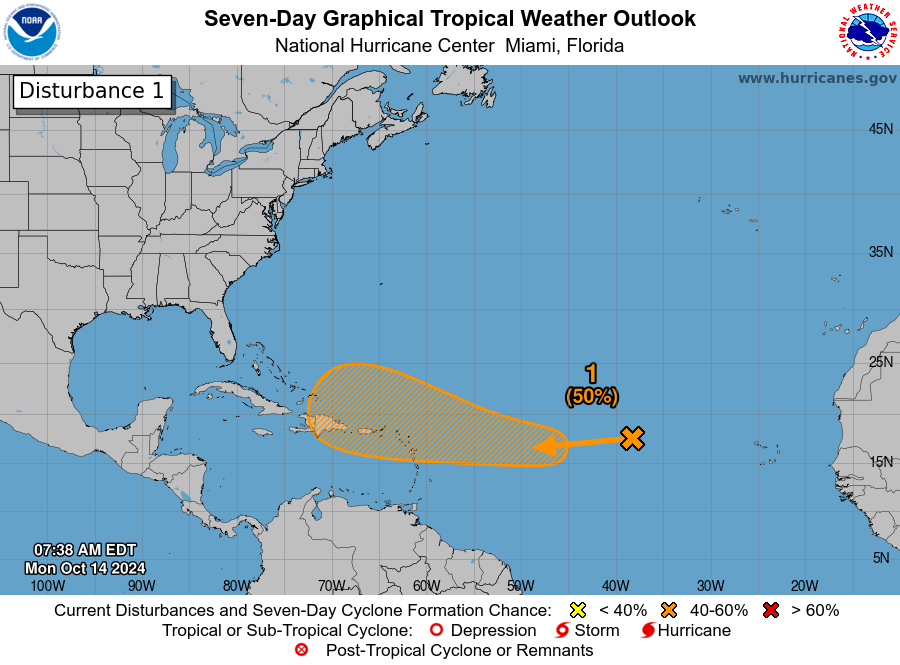
The next disturbance we have our eyes on is Invest 94L, a tropical wave moving through the Atlantic right now. The NHC is giving this about a 50/50 shot at development over the next several days.
A tropical system has about a 50/50 chance to develop in the Atlantic over the next few days. (NOAA NHC)
If you live in Florida, at first glance, your stomach may sink, but in reality it is mid-October, not mid-August. Storms generally do not form here and long track their way to the United States. Also, it’s important to note that the hatched area is not the track of a nascent system but rather the area in which the system may develop. In other words, Invest 94L may develop somewhere in that orange hatched region. If it develops.
So over the next several days, Invest 94L will come westward.
Where is Invest 94L? It’s the little area of thunderstorms in the middle of the image. (Weathernerds.org)
For now at least, 94L is located in a pretty hostile area with lots of dry air surrounding it, and a bit of shear in the vicinity too. Over the next couple days, that may back off some, and that’s when 94L could make an effort to develop slowly. If there is a point where 94L has its best chance of developing, it’s probably in about 3 days as it approaches the northern Leeward Islands and perhaps the Virgin Islands and Puerto Rico. Again, development is probably going to be sluggish here, so we aren’t expecting a Milton or Helene-esque blast of rapid intensification or anything. But if you are in the islands or planning to visit the eastern Caribbean islands this weekend, it’s something you’ll at least want to monitor. Most modeling keeps the ceiling on 94L low as it moves into the islands.
From there, it’s going to be difficult to see Invest 94L making it much farther west while remaining intact. There is a wall of wind shear forecast to be over the Gulf and Southeast this weekend which would almost certainly shred 94L or whatever it is at that point (provided Hispaniola doesn’t get to shred it first). In other words, by the time we get later into the weekend or early next week, it’s difficult to think that this one remains a major concern.
Copious wind shear should do the job on 94L/Nadine eventually. (Tropical Tidbits)
So bottom line on Invest 94L: Watch it in the Caribbean. Keep tabs on it to the west. But in general, we do not believe this one will be a major issue at this time.
Elsewhere
There’s nothing else we really have our eyes on. We are seeing some periodic signs of Caribbean development from the GFS model in particular. That seems to have very limited ensemble support or support from other models that have performed well this tropical season. At this point, the only organized system they seem to be picking up over the next 7 to 10 days is Invest 94L. So we anticipate that’ll be the only real game in town for a bit.
WASHINGTON—Despite polls that show the American public overwhelmingly supports keeping the ancient burial chamber sealed, the Supreme Court ruled 6-3 Friday to pry open the evil tomb of Batibat, a vengeful spirit who haunts the dream space of her victims and suffocates them in their sleep.
The ruling, which overturns a 1972 decision by the court that condemned the obese tree-dwelling demon to an impenetrable tomb for all eternity, has raised concerns that countless lives could be endangered by her release. In a majority opinion joined by his fellow conservatives on the bench, Justice Samuel Alito argued that while the Constitution guarantees certain inalienable rights for all U.S. citizens, it does not offer explicit protection against the merciless Ilocano devil.
“Today, a historic wrong has been righted, and the catacomb of the tempestuous Batibat will again be unsealed,” wrote Alito, laying out a scathing repudiation of Pell v. Bangungot, the highly publicized case that originally entombed the grotesque monster’s sulfurous form in a specially made osmium vault. “Contemporaneous accounts provide no evidence the Founding Fathers envisioned a role for the federal government in vanquishing this unholy entity from the face of the earth.”
In a full-throated dissent, Justice Elena Kagan argued that her colleagues in the majority had “grossly misinterpreted the Constitution” by claiming the 14th Amendment does not provide safeguards against having the very breath stolen from one’s body by a malevolent spirit. Kagan added that the pro-exhumation justices “outright ignored” the common-law basis of various enchantments, incantations, and exorcistic practices that have been used to subdue malignant wraiths since the founding of the United States.
“Precedent dictates that the American people have a right to be kept safe from sinister forces using any number of arcane binding hexes,” wrote Kagan, who observed that Alito failed to consider the social consequences inherent in unsealing vessels of the damned and unleashing supernatural forces like Batibat upon the public. “The fact that the Constitution makes no express reference to a right to remain free of demonic possession is irrelevant.”
“It is in the best interest of liberty, justice, and equality to ensure everyone is protected against fat Filipino ghosts who sit on people’s chests until they asphyxiate,” her opinion continued.
The White House issued a statement condemning the decision to awaken the insidious presence, calling it “a blatantly political and hubristic move” that will reverberate through the nation for years to come. The American Civil Liberties Union also disavowed the ruling, which came on the heels of the court voting 5-4 to uphold an obscure Louisiana law that permits the summoning of soul-devouring succubi on public property.
“The Americans hit hardest by these rulings will be those who cannot pay for expensive protection potions or afford to visit a local white witch,” ACLU spokesperson Will Longley said. “No language in today’s decision stops the federal government from setting free the banshees, dybbuks, and mogwais this nation has fought so hard to banish to the netherworld.”
He added, “We are calling on the Biden administration to do everything it can to codify into law the entombment of these accursed spectral creatures of the night for all Americans—not just the wealthy.”
The ruling has also spurned new debate over what will happen to other exiled spirits of hellish origin, many of whom are currently confined to ancient burial grounds, abandoned Victorian mansions, and similar haunted locales. According to top constitutional scholars, today’s groundbreaking court decision could result in these evil entities being released and plaguing the nation with vengeance anew.
Batibat, meanwhile, responded to the ruling with a statement issued through her attorneys.
“Our client’s only comment at this time is ‘Habang natutulog ka, kinakain ko ang hininga mo,’” said a legal representative for the demon, “which translates loosely to ‘While you sleep, I shall consume your breath.’”




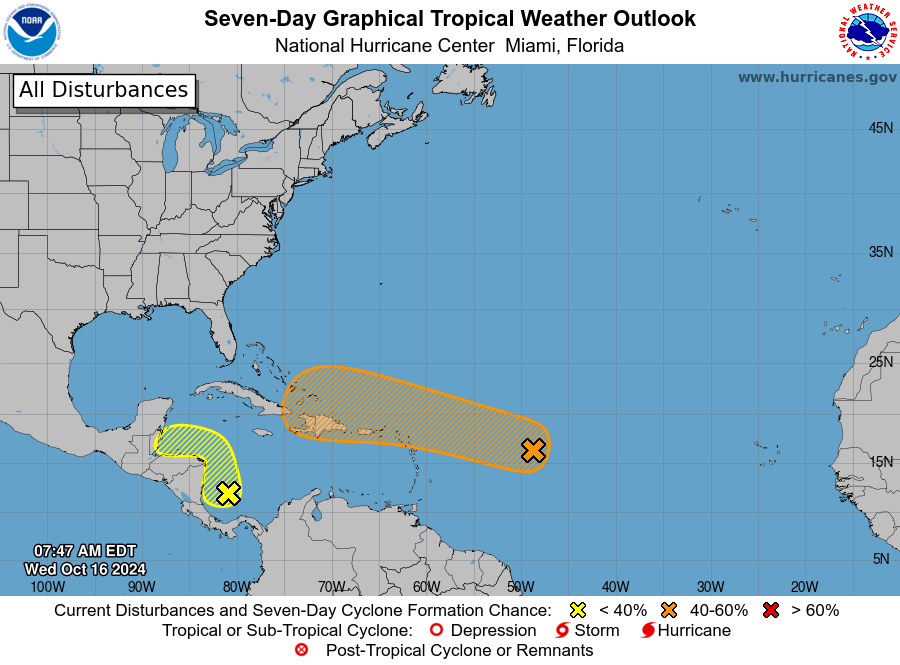






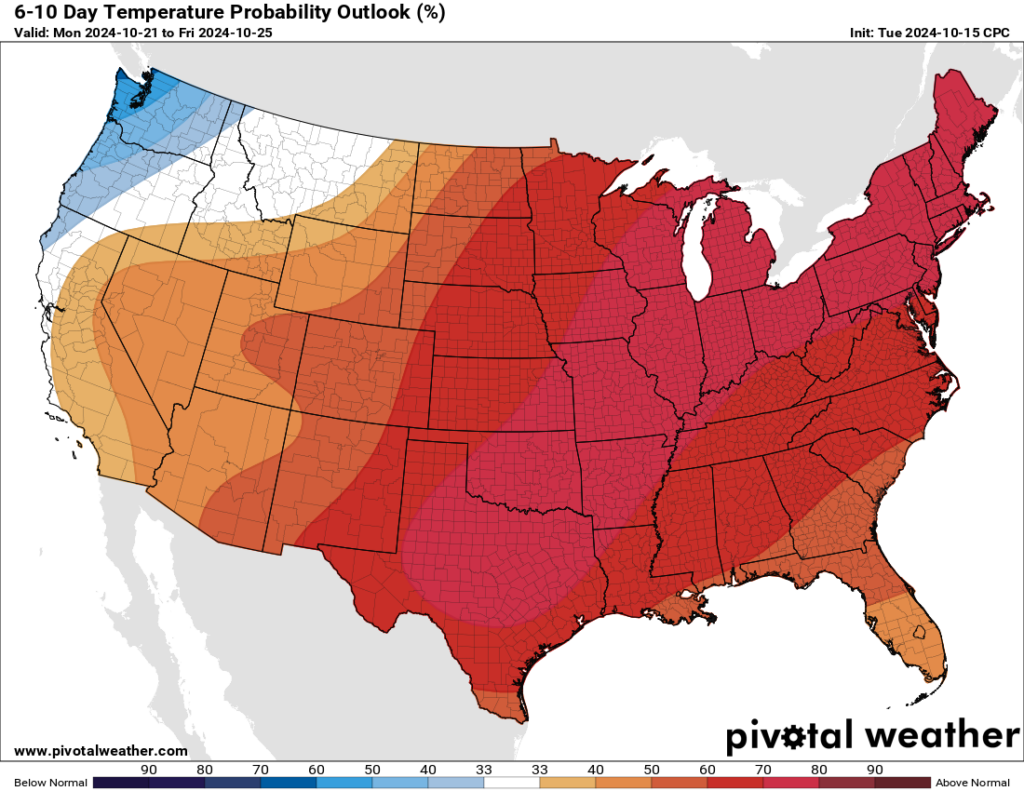



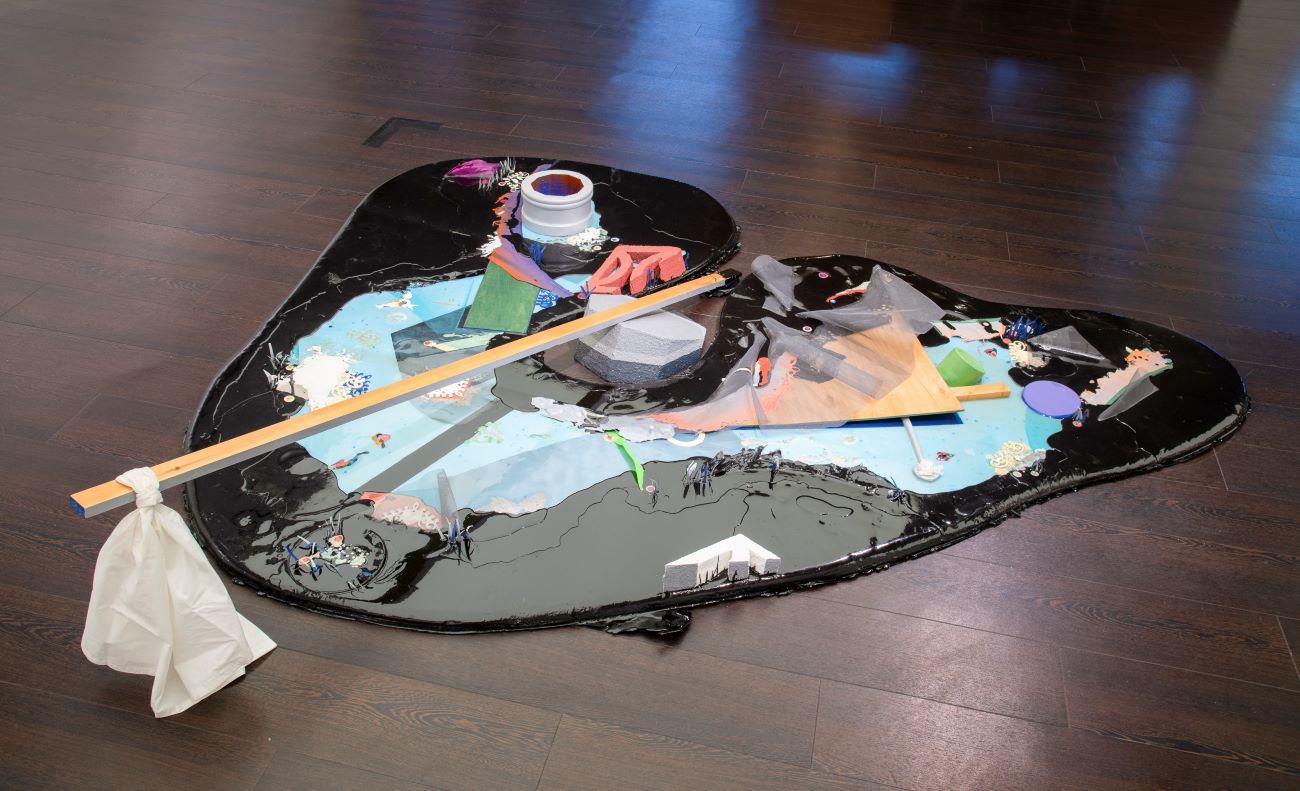

/https://static.texastribune.org/media/files/b83a314273c67c665503266d90217b5a/20240920-texas-voter-rolls_preview_maxWidth_3000_maxHeight_3000_ppi_72_embedColorProfile_true_quality_95.jpg)

/https://static.texastribune.org/media/files/540ad6146c5b1c80dfeae1bacff1ff80/0308%20Canadian%20Newspaper%20MR%20TT%2034.jpg)