I.
 Albert Abraham aveva guadagnato il secondo nome in omaggio a Lincoln quando questi, coi Democratici alle calcagna, aveva finalmente difeso i commercianti ebrei espulsi dal Tenneseee, dal Missisipi e dal Kentucky, con la revoca dell’Ordine n.11 del generale Ulysses Grant. Il generale si era incazzato per una storia di speculazione nel commercio di cotone tra l’esercito del Nord che ne aveva bisogno per le tende e il Sud che aveva bisogno di soldi per le munizioni e il 17 dicembre 1862 aveva messo in atto il primo esempio di azione antisemita su larga scala, prendendosela con i commercianti ebrei e solo con loro, probabilmente per il pregiudizio che già li accompagnava potente dall’Europa: “venditori ambulanti profittatori e corrotti”.
Nel 1855 Samuel e Rosalie erano scappati col piccolo Albert dalla Prussia per arrivare fino in California a cercar fortuna, presi dalla febbre dell’oro prima e poi, con più giudizio, vendendo attrezzature ai minatori. Col tempo si erano sistemati i Michelson e Albert riesce persino ad entrare all’Accademia Militare di Annapolis dove prende servizio nel 1869, a diciassette anni. Qui impara l’ottica e si dedica alla scienza ché di stare su una barca non ha proprio voglia. Nel 1877 realizza un esperimento che gli consente di misurare la velocità della luce in maniera estremamente accurata. Il risultato è talmente importante che ne parla persino la stampa nazionale. Lo stesso anno si sposa con Margaret e due anni più tardi torna in Europa – ché in America la scienza non è che abbia poi tutta questa considerazione – dove gira per le Università di Parigi, Berlino e Heidelberg. In Europa comincia a prendere confidenza con le questioni ancora oscure attorno alla reale natura della luce. Un europeo, lo scozzese Maxwell, aveva capito vent’anni prima che elettricità e magnetismo erano parenti stretti e che la luce non era altro che una collezione di onde elettro-magnetiche, oggetti misteriosi peraltro perché non si capiva ancora quale fosse il mezzo in cui si propagassero. Se uno pensa al suono, per dire, pensa alla vibrazione dell’aria attorno ad una sorgente sonora e alla propagazione dell’onda sonora in quel mezzo, aria che si agita ritmicamente dalla sorgente all’orecchio di chi ne può godere o soffrire. La velocità di propagazione di questa roba la si determina rispetto al mezzo in cui viaggia, circa 340 metri al secondo se il mezzo è aria tiepida. Ma la luce? La luce attraversa lo spazio che separa il Sole dalla Terra e cosa c’è tra il Sole, la Terra, gli altri pianeti e le Stelle? L’etere, dicono. Ma che è l’etere? Chi l’ha mai visto? Circa sessant’anni prima Fresnel aveva sostenuto che forse era una sostanza leggerissima e pressoché immobile, parzialmente trascinata dalla Terra nel suo moto e certi esperimenti parevano avergli dato in parte ragione. Quello che serviva era qualcuno in grado di mettere in piedi l’esperimento perfetto, il più accurato possibile, un lavoro per Michelson insomma.
 Ce l’aveva già in testa il suo interferometro Albert, era un affare in cui un fascio di luce veniva diviso in due parti che seguivano due percorsi diversi fino a raggiungere entrambi uno schermo. Se avessero percorso la stessa distanza lo avrebbero fatto nello stesso tempo ma se il loro moto fosse stato influenzato – frenato o accelerato – da un mezzo, il tempo impiegato sarebbe stato differente. Come due barche nell’acqua insomma: se l’acqua è ferma il tempo impiegato per andare e tornare in un punto è sempre lo stesso qualunque direzione si prenda, se l’acqua si muove no, un conto è andare e tornare nella direzione della corrente (prima in un verso e poi nell’altro), un conto è andare di traverso, i tempi saranno sempre differenti, lo si può sperimentare ed è anche facile farlo, il conto. Michelson usa la luce al posto delle barche, ché di stare su una barca non ha proprio voglia, lo sapete, e fa in modo che i percorsi dei due fasci di luce siano perpendicolari tra loro. Se l’etere c’è allora si comporta con la luce come l’acqua con le barche: la Terra lo attraversa e il vento d’etere che soffia contrario al suo moto non potrà che influire sui percorsi seguiti dalla luce nel suo interferometro. Gli esperimenti che fa in Europa non rilevano nulla e nel 1882 se ne torna in America, lascia l’Accademia e accetta di lavorare alla Case School of Applied Science a Cleveland in Ohio, dove lo riempiono di dollari perché proceda nelle sue ricerche.
II.
 Lavori in un luogo prestigioso, hai i soldi, le attrezzature, che ti manca ancora? La cosa più importante, i collaboratori giusti. Michelson, arrivato a Cleveland, ha la fortuna di imbattersi in Edward Morley, di quindici anni più vecchio e professore nella vicina Western Reserve University. Edward è molto diverso da Albert, è un tipo che si è fatto da sé, uno scienziato della vecchia generazione che il nuovo mondo della ricerca, quello in cui cominciano a entrare in gioco la politica e la necessità di comunicarla a un pubblico più vasto, soldi e pubblicità insomma, due cose che pare servano ancora oggi, non lo capisce. In quegli anni si sta occupando di misurare il rapporto tra i pesi atomici dell’ossigeno e dell’idrogeno – ci riuscirà alla grande – e dunque sembra che non vi sia nessun motivo per il quale i due debbano legare. L’occasione sono un paio di convegni frequentati assieme. I convegni, è ben noto, quando ancora erano il modo migliore per scambiare le idee, fornivano sempre una buona occasione per far nascere una collaborazione, far scoppiare una sana litigata o, da studenti, trovare una fidanzata. Albert e Edward non si fidanzano ma cominciano a pianificare, pare su un treno che torna a Cleveland, una campagna di nuove misure.
Nel frattempo le cose con Margaret non funzionano tanto bene, un rapporto di coppia è ben più complicato di un raffinato esperimento e Albert, anche per la responsabilità che sente verso chi ha investito tutto quel denaro sulle sue ricerche, comincia ad affrontare il lavoro in maniera ossessiva, si chiude in laboratorio e non ne esce più. Scoppia a un certo punto Albert e Margaret è costretta a rivolgersi a un medico (il dottor Hamilton, nipote di Alexander Hamilton, quello che sta sui dieci dollari) perché non ce la fa e lo vuole far internare. La reputazione di Michelson crolla a picco, gli amministratori della Case lo scaricano e trovano un sostituto temporaneo, pare un terremoto da cui non ci si potrà più risollevare insomma. Morley però gli sta accanto, lo conforta e Hamilton fa altrettanto, Sei sano, gli dice, ti devi solo rilassare. Ci prova e cerca di star lontano da moglie e lavoro ma non ci riesce, è costretto a tornare all’ovile, a stipendio dimezzato per giunta e siccome le disgrazie non vengono mai da sole, un incendio gli distrugge il laboratorio. Morley, al quale dovrebbe già ora dedicare una statua, gli mette a disposizione il suo alla Western: “sono gli uomini, non le mura, a fare una città” c’è scritto sulla lettera che lo invita. È il 1886, è tutto pronto per uno degli esperimenti più raffinati della storia della fisica, l’esperimento che non troverà nulla di quello che ci si aspettava di trovare.
III.
 “Albert, è tutto pronto, ho fatto tutto quello che mi hai detto e non so nemmeno io da quanto tempo son chiuso qua dentro a sistemare le cose. È ora che ti dai una mossa, troviamo questo maledetto etere e che non se ne parli più!”. Forse disse così Morley, forse no, chi può saperlo. “Va bene, son pronto, possiamo cominciare, un ultimo controllo però. La lente? È a posto la lente?” Voleva essere sicuro Michelson. “Si, è a posto” – era spazientito Morley – “è tutto a posto: il fascio di luce è collimato, arriva allo specchio semitrasparente senza problemi. I due che ne escon fuori si fanno 11 metri di cammino ciascuno rimbalzando tra uno specchio e l’altro e arrivano assieme sullo schermo del telescopio. Funziona tutto alla perfezione, cominciamo dai”. “Ma le frange si vedon bene? No perché Cornu (mai cognome fu più azzeccato), quando ero in Europa, mi ha rotto veramente l’anima, ho passato ore ed ore nel suo laboratorio per convincerlo”. “Albert, porca miseria, lo sai pure tu che ormai su questo non c’è discussione, è merito tuo se gli interferometri funzionano come orologi, non perdiamo altro tempo: i due fasci interferiscono e sullo schermo la figura di interferenza si vede benissimo ed è stabile, non è come l’altra volta che bastava che i cani qua fuori abbaiassero per non vedere più nulla”. “Ok, mi fido, accendi”.
Il sistema di Michelson era davvero ingegnoso, non misurava tempi ma spostamenti. Misurare il tempo di percorrenza di un fascio di luce dalla sorgente al telescopio era infatti impossibile, con quale orologio si può apprezzare una decina di miliardesimi di secondo? Figuratevi poi se era possibile misurare la supposta differenza nei tempi di percorrenza dei due fasci di luce dovuta all’eventuale presenza dell’etere, ma non scherziamo, neanche a pensarci. Come fare allora? Beh, la cosa migliore è osservare su uno schermo quanto è intensa la combinazione dei due fasci di luce, e cioè le zone dove l’intensità della luce ricombinata è massima (quelle più illuminate) e quelle dove è minima (le più scure). Non è così complicato dai: la luce è un’onda elettromagnetica, ce lo ha insegnato Maxwell, e le onde quando si combinano e si sovrappongono, fan cose strane e bellissime.
 Serviva, in ogni caso, un risultato che avesse un senso, che fornisse cioè dei numeri con cui poter giocare. Un modo c’era, bastava aggiustare l’apparato in maniera opportuna, trovare il modo di generare una serie di righe alternate chiare e scure piuttosto che una macchia. Si poteva ad esempio fare in modo i due fasci non arrivassero allo schermo esattamente paralleli, una cosa che aveva già fatto lo stesso Michelson nell’esperimento fallito del 1881, inclinando leggermente uno dei due specchi. Con le righe era tutto più semplice: quando i tempi di percorrenza dei due fasci variavano, magari spostando uno dei due specchi in basso o in alto, le righe si spostavano da destra a sinistra e viceversa. Apprezzare questo spostamento poteva permettere di apprezzare la presenza di un vento d’etere che, come il fiume con le barche, era in grado di influenzare il moto della luce dentro all’interferometro.
“Oh, Albert” ma tu la conosci la velocità del vento d’etere?”. “Beh, guarda Edward, la Terra gira attorno al Sole a circa trenta chilometri al secondo. L’etere è una nebbia immobile, attaccata alle stelle fisse, quale vuoi che sia questa velocità, eh? Te lo devo proprio dire?”. Ne era certo Michelson e sapeva già il risultato che avrebbe dovuto ottenere: lo spostamento delle righe da una situazione in cui un fascio di luce viaggiava nella direzione del vento d’etere e l’altro di traverso a quella in cui i posti si scambiavano, ruotando l’apparato di 90 gradi, doveva essere poco meno della larghezza di mezza riga. “Albert, ma io non lo vedo, qua mi pare che non ci siamo”. “Come no? Riprova”. “No guarda, niente”. “Vabè, riproviamo domani e magari pure dopodomani, poi tiriamo le somme”.
Il risultato dell’esperimento è entrato nella storia della fisica: uno spostamento c’era ma talmente piccolo che per spiegarlo in termini di vento d’etere la velocità di questo non poteva essere maggiore di un sesto della velocità della Terra attorno al Sole. Si provò a salvare l’ipotesi di etere, qualcuno riesumò la teoria che prevedeva un suo parziale trascinamento da parte della Terra, ma ormai si sapeva che non era così, altri esperimenti avevano chiarito che non era possibile. Sarebbe presto arrivato il nuovo secolo e Lorentz, Poincarè e poi Einstein avrebbero chiuso la faccenda, abbandonando le barche, Galileo e tutto il resto. L’esperimento nullo, così venne chiamato.
Due anni dopo quegli eventi Michelson, che aveva già divorziato da Margaret, si risposa con Edna, di diciannove anni più giovane. Nel 1907 si aggiudica il premio Nobel per la Fisica, il primo statunitense della storia, “per i suoi strumenti ottici di precisione e le indagini spettroscopiche e metrologiche effettuate con il loro aiuto”. Un po’ di sfiga se la porta pure a Stoccolma, Re Oscar II di Svezia tira le cuoia e la cerimonia di premiazione viene annullata. Morley si era ritirato dall’attività già da un anno, la sua unica fatica era ormai quella di curare i gladioli in giardino. Non aveva frequentato i circoli intellettuali prima, figuriamoci ora che era vecchio e stanco. Spesso lo potevate incontrare lì, seduto sull’erba, con la luce che rimbalza sul libro aperto e lui che socchiude gli occhi per non farla passare.
The post L’esperimento nullo appeared first on Peppe Liberti.






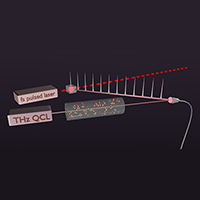

 The spectral purity of quantum cascade lasers (QCL) suggests their use in high-precision metrology applications at terahertz wavelengths. By combining a QCL with a THz frequency comb, scientists have been able to measure the frequency of a rotational transition of a gas (methanol) with a record-breaking precision of four parts in one billion.