Shared posts
360 Million Stolen Login Credentials Found Online
Bitcoin Bank Flexcoin Shuts Down After $620,000 Heist
Native American Tribe Adopts Its Own Bitcoin Clone

Payu Harris, a Bitcoin developer and activist at the Pine Ridge Indian Reservation in South Dakota, made a promise last year to continue his tribe's struggle against the United States.
"My family fought and died on this soil,” Harris told Forbes, surveying the land of his tribe, the Oglala Lakota Nation. “Suddenly the story of Custer’s Last Stand wasn’t just words on a page but something deeply personal. I looked at how things were for the tribe now and suddenly had an idea about how we might fix it."
That fix is a Bitcoin clone called MazaCoin, which Harris hopes his people can use to sidestep the federal government, and lift themselves out of poverty. Although exactly how that might happen is unclear. Harris convinced chiefs to accept it as the official national currency; it's the first time native people have launched their own cryptocurrency. It started like this, as Forbes noted:
After signing a joint venture agreement with the Oglala Sioux Tribe Office of Economic Development early in 2014, Harris immediately began mining his new currency to produce 25 million MazaCoins ahead of its launch to serve as a “national reserve” for the Lakota Nation, which can then be used in times of crisis (like the collapse of Mt. Gox) to help stabilize the currency. A number of these coins were handed out to interested businesses and individuals within the community, to encourage them to get involved in trading and speculating.
On Monday of this week, the genesis block of this new currency was hashed, so that all future transactions can be traced back to it, and 500 MazaCoins were produced and dedicated to the “Great Spirit and the prosperity and wealth of the Oglala Lakota Nation”. Now it is being traded on cryptocurrency exchanges around the world. What happens next is anyone’s guess.
The FBI allegedly phoned the Lakota chief to inform him that Bitcoin and other cryptocurrencies are still not legal, but Harris appears undeterred, and is launching an educational campaign as to how the alt-coin works, working along the same principles as Bitcoin. A few local businesses have agreed to start using the currency in addition to cash.

    
|
Stained Glass Windows That Double As Solar Panels

Solar panels usually get placed somewhere in the sun, but out of sight. Rooftops, deserts, mausoleums. But what if they were so beautiful we wanted to put them everywhere?
That could happen! Maybe. We've at least got the groundwork laid out, thanks to a University of Michigan research team that's making solar panels like stained-glass windows: translucent, colored panels filled with solar cells. The red and blue color you see on the American flag was formed by solar cells working at 2 percent efficiency--not the best, but if it's something you wouldn't mind sticking in your window, there's an aesthetic advantage: you can place them in more places, even if the efficiency is lower. (Standard black cells retain all the light; these let some of it pass through to show the color.) The colors, instead of being added with dyes, are formed by a layer of silicon in the cells. The size of the layer changes how the light is transmitted, altering the colors. The researchers say other cells will change colors depending on the angle they're viewed at, but these stay consistent, so can realistically be used for decoration.
You can see the idea in the video here. The researchers' work appears in a paper in Nature.

|
|
The First Mass-Produced Hydrogen Car

When it comes to alternate energy sources, most automakers think simply—battery power or bust. That’s what makes the Hyundai Tucson Fuel Cell an outlier. The SUV will be the first mass-produced hydrogen car in the U.S. when it debuts this spring.
Because hydrogen fuel infrastructure is more or less non-existent, Hyundai’s rollout will be small. The car will be available at select dealers in Southern California, all within range of the company’s sources of hydrogen, which include a nearby waste water treatment plant. Local drivers will be able to “gas” up for free at any of seven distribution stations. A fill-up takes less than 10 minutes and lasts for up to 300 miles. The company claims that the Tucson charges more quickly and has a longer range than traditional EVs. It’s also clean: The only exhaust is water vapor.
Hyundai Tucson Fuel Cell
Range: 300 miles
Top speed: 100 mph
Lease terms: $500/month; $3000 down
This article originally appeared in the March 2014 issue of Popular Science.

|
|
Internet darling Goat Simulator crashes into Steam on April Fool's Day
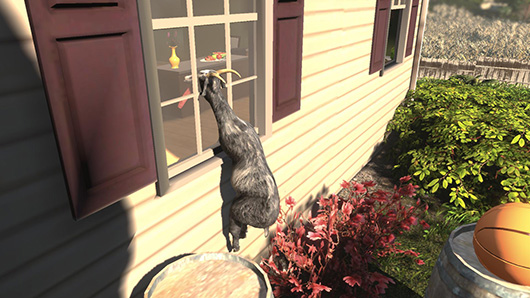 Coffee Stain Studios, the indie developers behind bizarre Joystiq fixation Goat Simulator, have revealed a release date for the odd little game: April 1 - appropriately, April Fool's Day.
Alongside the release date, the developers have also revealed...
Coffee Stain Studios, the indie developers behind bizarre Joystiq fixation Goat Simulator, have revealed a release date for the odd little game: April 1 - appropriately, April Fool's Day.
Alongside the release date, the developers have also revealed...
This Arduino-powered business card looks like a GameBoy and runs Tetris (video)
 Off-white business cards with Silian Grail lettering are so passé -- these days, it's all about creativity. This GameBoy look-alike, for instance, demonstrates its creator's skills in one fell swoop: it doesn't just display résumé, it's also a...
Pizza Hut's concept touch table lets you swipe your way to a perfect pie (video)
 With hundreds of mom and pop shops in the New York area, it's been upwards of a decade since I've stepped foot in a Pizza Hut. But the fast food giant's latest dining concept may just have me reconsidering that self-imposed chain pizzeria embargo....
UK patients' data uploaded to Google servers, serious privacy concerns ensue
 The National Health Service (NHS) of England has come under fire lately amid plans to share patient data with researchers and private companies, and today's revelation will only pile on the privacy concerns. The Guardian reports that extensive...
Twitter accidentally mass-resets user passwords, blames 'system error'
 Don't freak out, your Twitter account wasn't hacked. Well, probably. Many users were summarily locked out of their Twitter account on Monday evening, and were then sent an email requesting that they reset their password. However, it wasn't nefarious...

David Cameron's porn-filter advisor arrested for possession of images of sexual abuse of children

Patrick Rock, a Thatcherite who served as special advisor to UK Prime Minister David Cameron and played an influential role in the Prime Minister's national Internet censorship plan, has been arrested for possession of images depicting the sexual abuse of children. The National Crime Agency is conducting forensic analysis of the computer networks at the Prime Minister's office/residence, Number 10 Downing Street.
The Prime Minister brought him into Downing Street in 2011 to work in the Number 10 policy unit. He took responsibility for home affairs issues and was among officials who were involved in drawing up controls against internet images of child abuse.
A Downing Street spokesman said: “On the evening of February 12, Downing Street was first made aware of a potential offence relating to child abuse imagery. It was immediately referred to the National Crime Agency.
'The Prime Minister was immediately informed and kept updated throughout. Patrick Rock was arrested at his home in the early hours of February 13, a few hours after Downing Street had reported the matter.
'Subsequently, we arranged for officers to come into No 10 and have access to all IT systems and offices they considered relevant.
Senior Tory adviser Patrick Rock arrested on child pornography allegations [Nigel Morris/The Independent]
(via Super Punch) 
|
|
A Backstage Pass to Hidden London
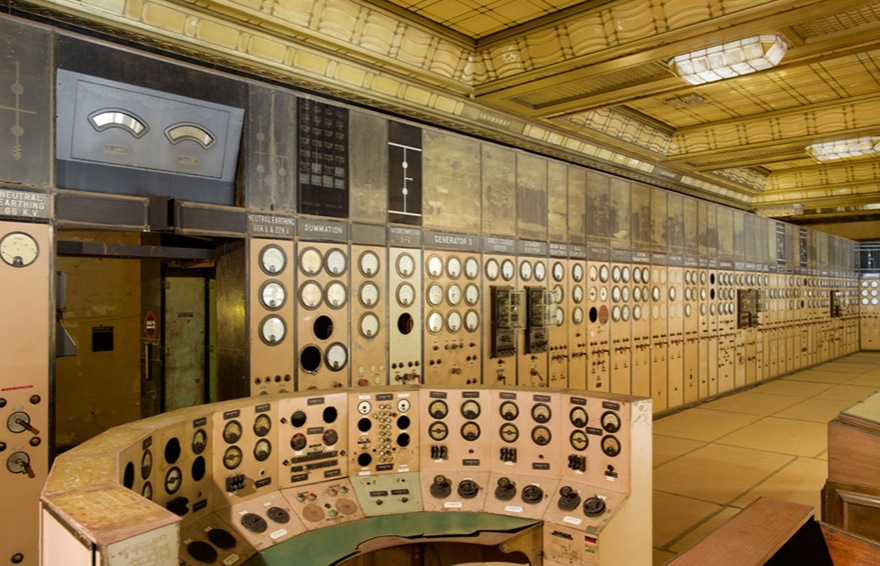
I lived in London for twenty-five years and never got to see the inside of the 1930s decommissioned Battersea Power Station. Nobody does! But the guy that took this picture (above), Peter Dazeley– he even got them to switch on the control room’s art deco lights for him. And it turns out, getting this kind of access wasn’t just a lucky coincidence. Peter Dazeley gets a backstage pass to hidden places all over London, because it’s his job. Veteran photographer, born and bred Londoner, Dazeley’s ongoing project “Hidden London” is about recording unseen, historic London buildings, their architecture and interiors as they stand in the 21st century. It’s an ongoing project that will soon be on show in both an exhibition and a book. For now, we get a little sneak peak of a selection of his discoveries so far, which he uploads onto his website and Twitter. So grab that backstage pass that Peter has so kindly offered us and let’s see his hidden London…
P.S. Most of the photograph’s locations were not identified, so I had to do a little digging of my own. If you have any fun facts about these hidden places, add them in the comments!
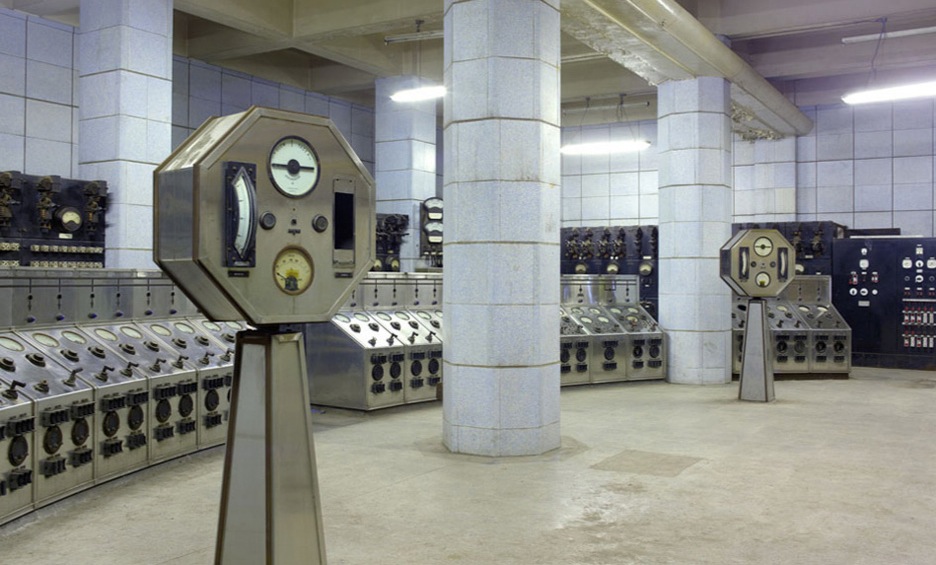
Inside the Battersea Power Station

The Whitechapel Bell Foundry, makers of the Big Ben and the Liberty Bell.
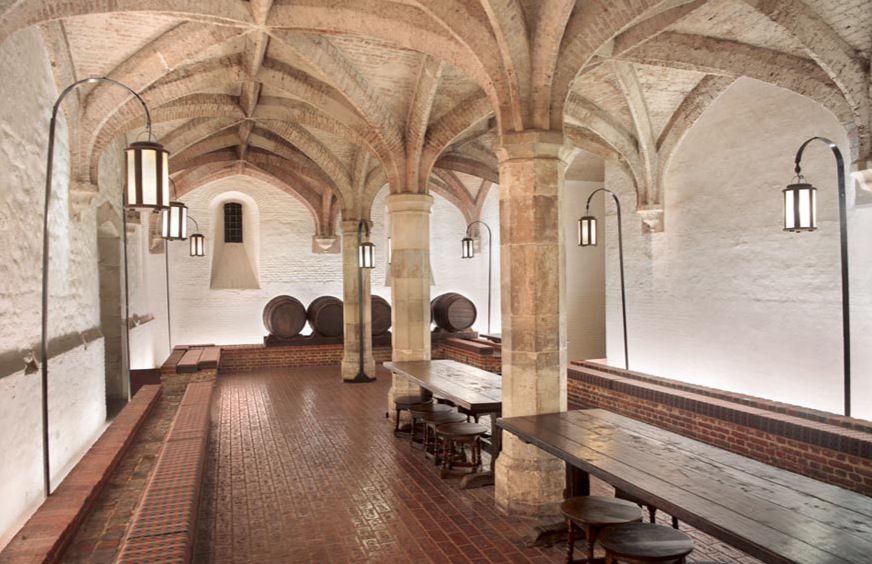
Henry VIII Wine Cellar under the Ministry of Defence. Perfectly preserved, this stone-ribbed, brick-vaulted undercroft was built in the early 1500s, more information here.
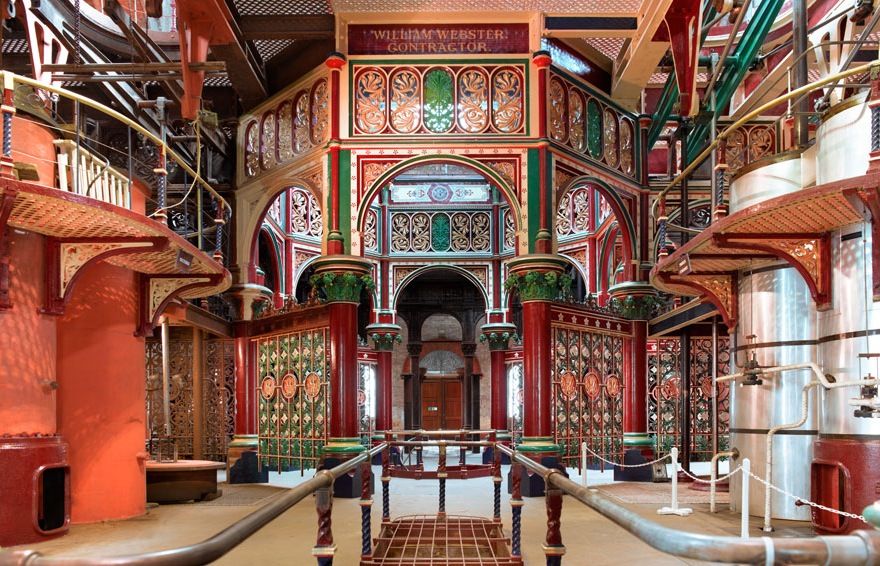
The main pump room of Crossness Pumping Station. The Beam Engine House is a Grade 1 Listed Industrial Building constructed in the Romanesque style and features some of the most spectacular ornamental Victorian cast ironwork to be found today.
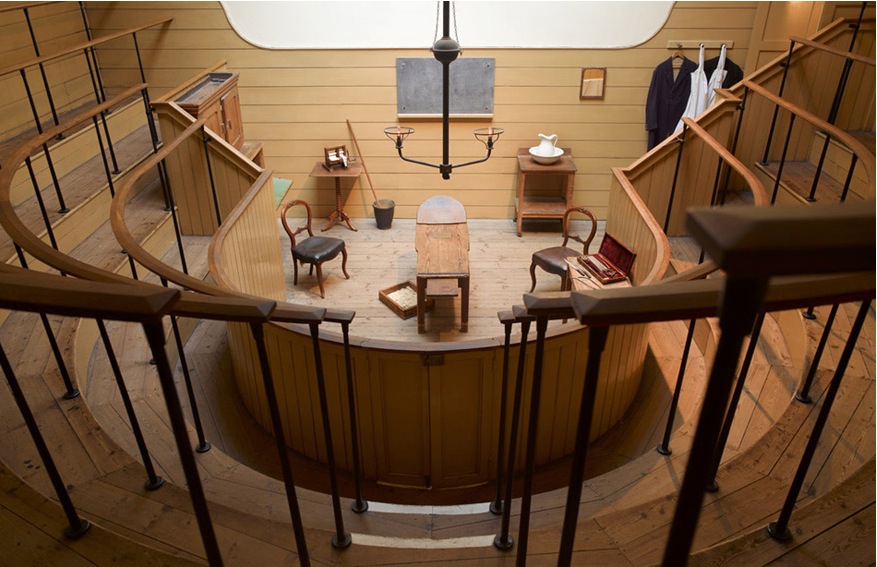
The old operating theatre at St. Thomas’ Hospital
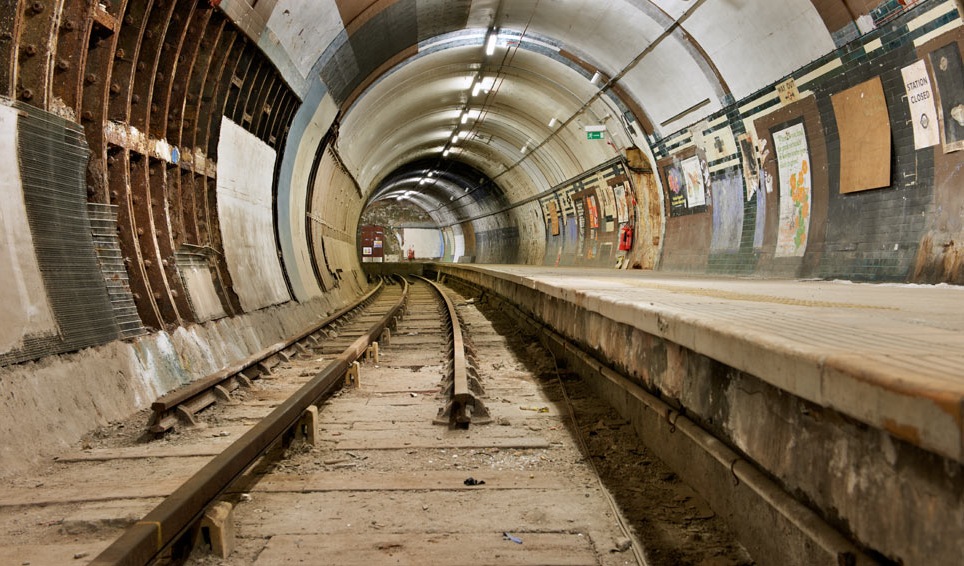
Aldwych Station disused platform. Opened in 1907, served by a shuttle train for most of their life and suffering from low passenger numbers, the station and branch were considered for closure several times. A weekday peak hours-only service survived until closure in 1994, when the cost of replacing the lifts was considered too high compared to the income generated. Disused parts of the station and the running tunnels were used during both World Wars to shelter artworks from London’s public galleries and museums from bombing.


Queens Club “real tennis” courts, (real tennis refers to the original racquet sport from which the modern game of lawn tennis is descended).
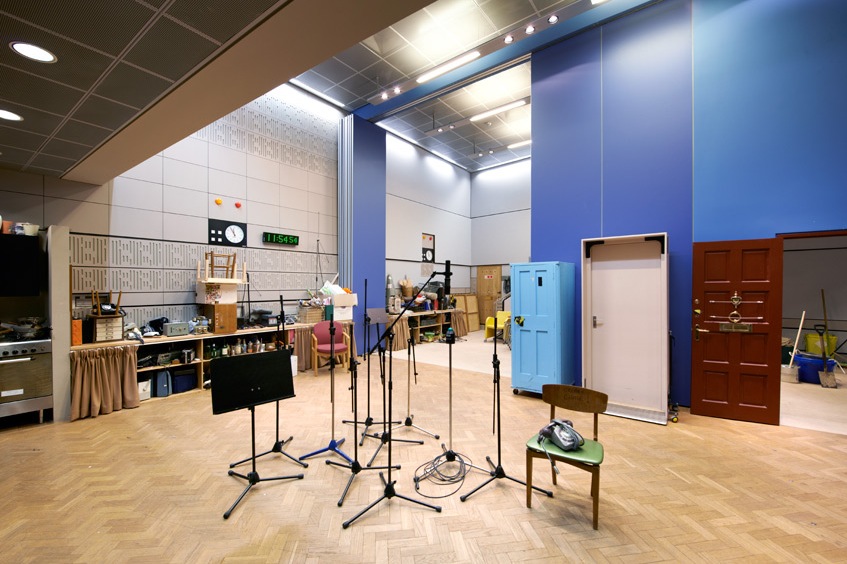
Sound Effects Drama Studio at the BBC Television Centre in White City

Transmitter Hall at the BBC Broadcasting House, Portland Place
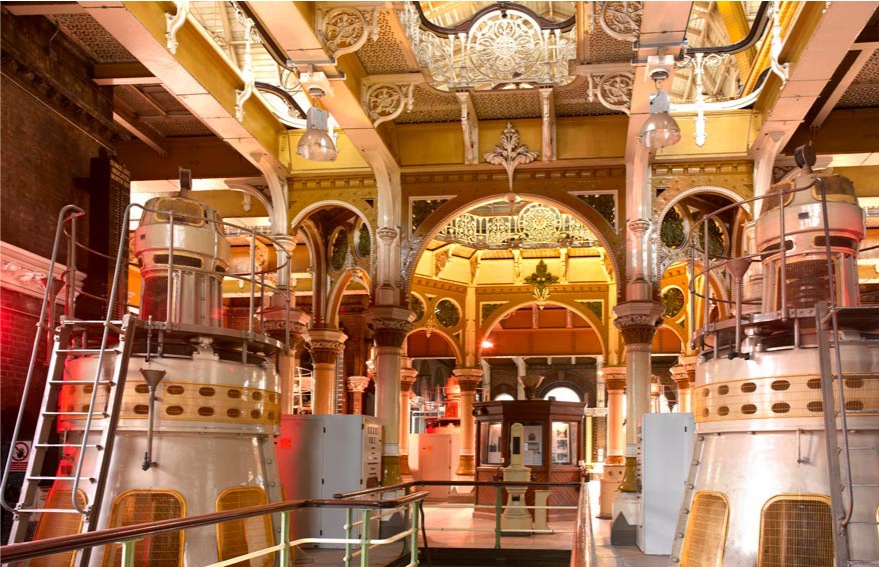
The original Abbey Mills Pumping Station, in Abbey Lane, London E15, is a sewage pumping station, designed by engineer Joseph Bazalgette, Edmund Cooper, and architect Charles Driver. It was built between 1865 and 1868.
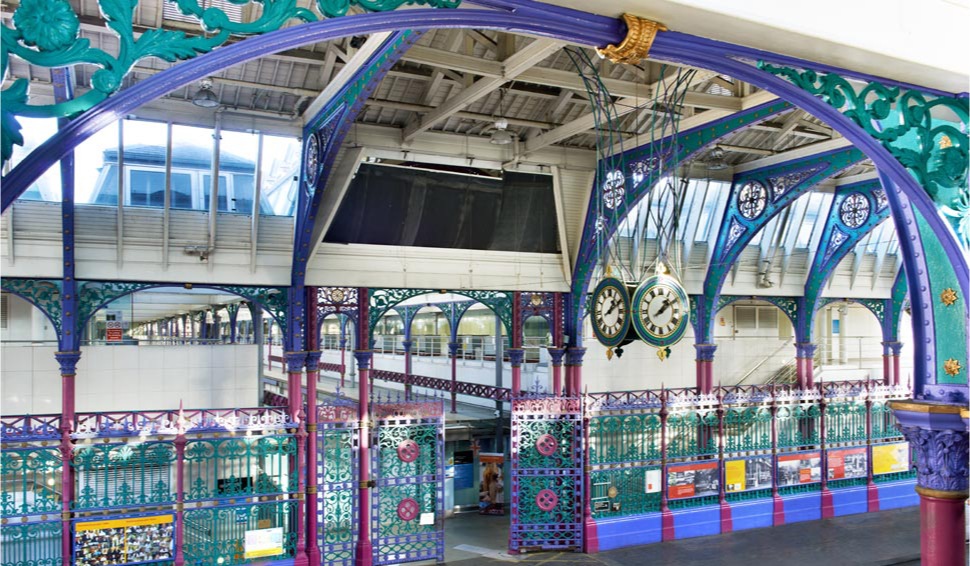
The Smithfield clock of Citigen Power Station. The buildings of Smithfield Market stand on top of a warren of tunnels: previously, live animals were brought to the market on the hoof (from the mid-19th century onwards they arrived by rail) and were slaughtered on site. The former railway tunnels are now used for storage, parking and as basements.
The Citigen cogeneration Power Station is now sited deep underground Charterhouse Street, converted from Smithfield Market’s former cold store. During World War II, it also served as the theatre of secret experiments led by Max Perutz on pykrete, a mixture of ice and woodpulp, alleged to be tougher than steel. The experiments were carried out by Perutz and his colleagues in a refrigerated meat locker in a Smithfield Market butcher’s basement, behind a protective screen of frozen animal carcasses. These experiments became obsolete with the development of longer range aircraft and the project was soon abandoned.An impressive cobbled ramp spirals down around the public park now known as West Smithfield, on the south side of the market, to give access to part of this area. Some of the buildings on Charterhouse Street on the north side have access into the tunnels from their basements. Since 2005, the General Market (1883) and the adjacent Fish Market and Red House buildings (1898), part of the Victorian complex of the Smithfield Market, have been facing a threat of demolition.
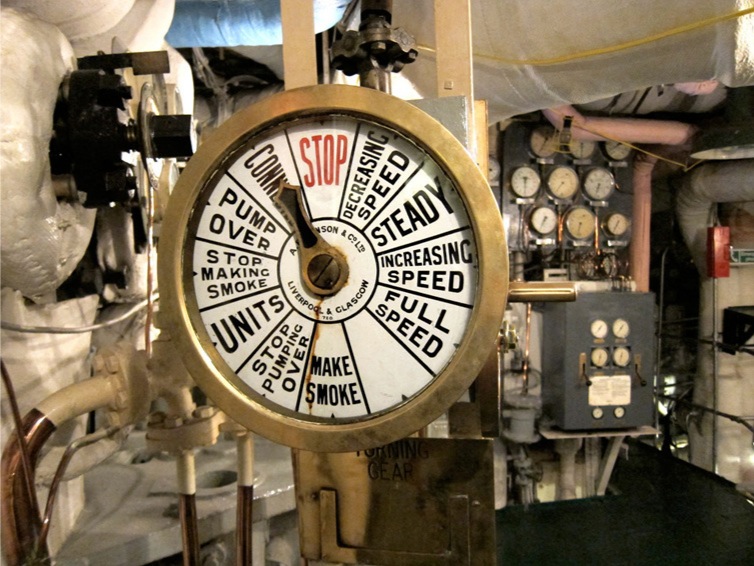
Inside the HMS Belfast at the Imperial War Museum
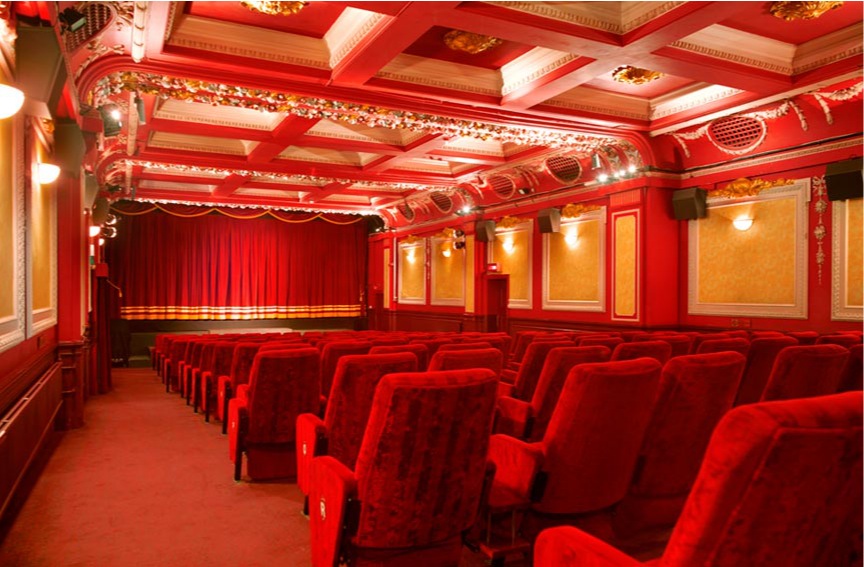
The Gate Cinema, Notting Hill
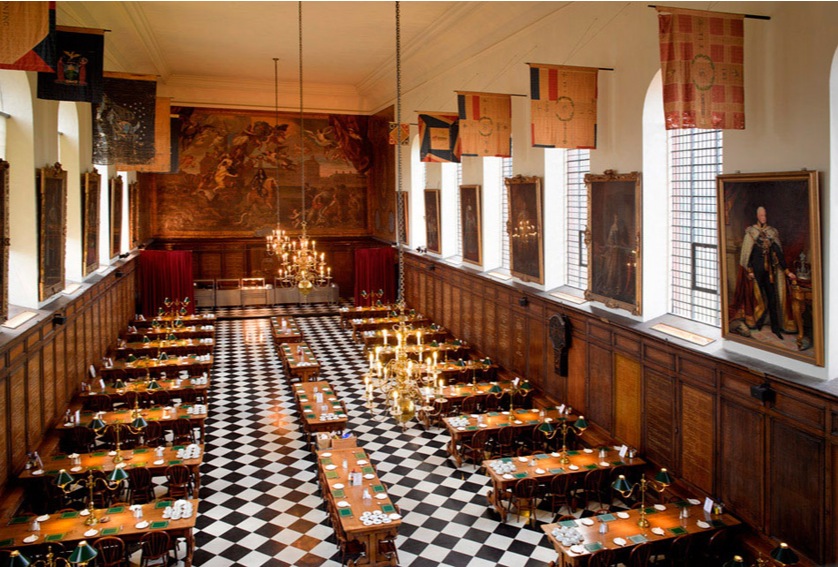
The Great Hall at the Royal Hospital Chelsea

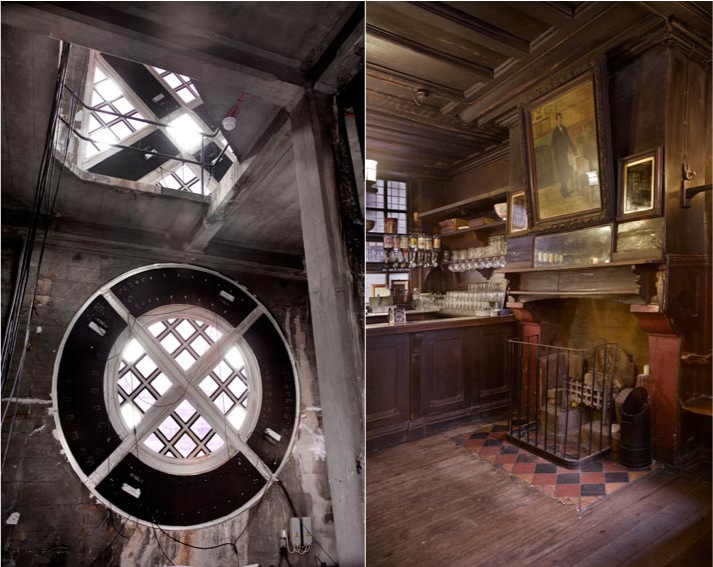
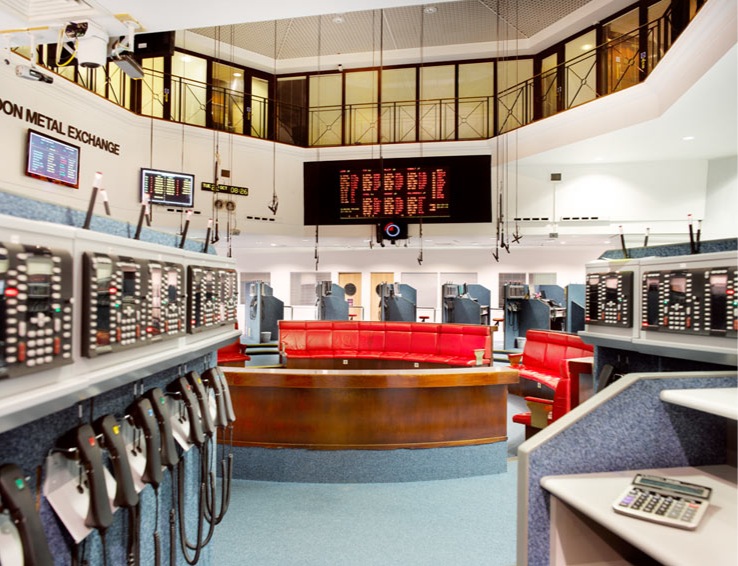
The London Metal Exchange, Aldgate
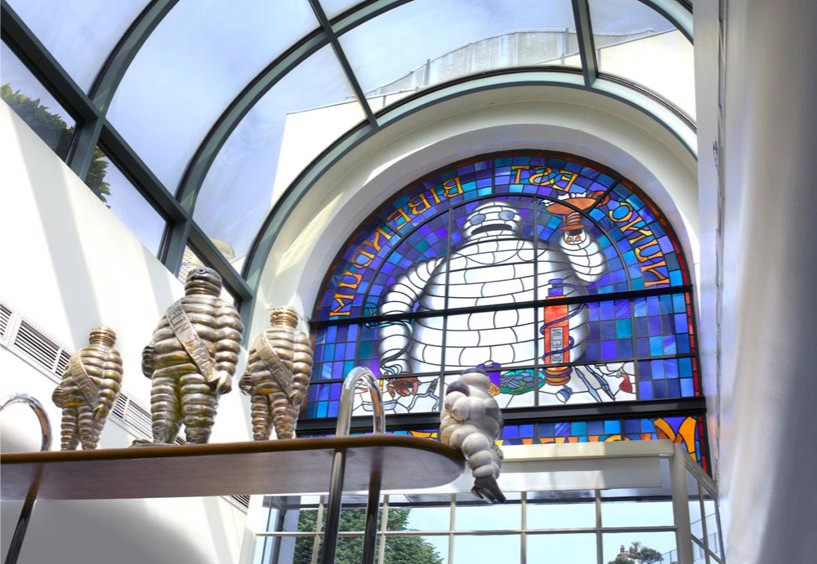
Bibendum Restaurant, South Kensington, former headquarters and tyre depot of Michelin. the building has three large stained-glass windows based on Michelin advertisements of the time, all featuring the Michelin Man “Bibendum”. Around the front of the original building at street level there are a number of decorative tiles showing famous racing cars of the time that used Michelin tyres. More tiles can be found inside the front of the building, which was originally a tyre-fitting bay for passing motorists.
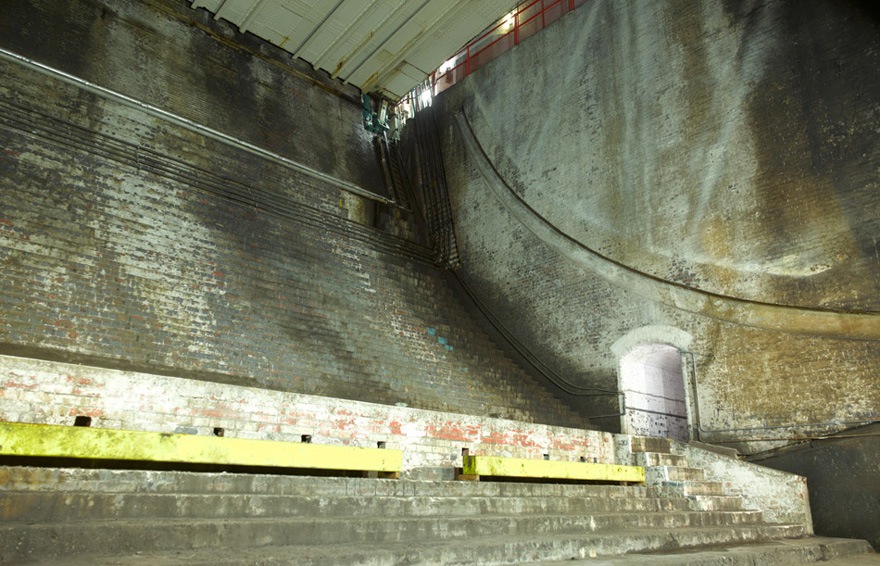
Tower Bridge Bascule Chamber
See more of Dazeley’s Hidden London photographs here and keep updated for the Hidden London exhibition and book release on his Twitter.
:::
YOU MIGHT ALSO LIKE:
.
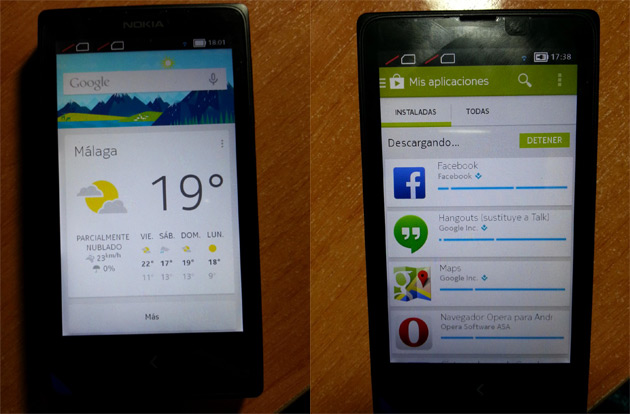
The Nokia X has already been hacked to load Google Apps, access the Play store
 There's a theory that if you make Android look enough like Windows Phone, that users will grow accustomed to the interface, and when it comes time to upgrade, seek to scratch that tile-shaped itch. That's the view Steven Elop gave us in our recent...
A Waterwheel That Picks Up Floating Trash

This spring, Baltimore’s Inner Harbor will become home to the first permanent waterwheel-powered trash interceptor. With energy from the Jones Falls River current and solar panels, the floating device sweeps litter up a conveyor belt and straight into a Dumpster for easy disposal.
The Parts
A) Booms direct trash onto the conveyor
B) Rake system breaks up the intertwined debris
C) Conveyor belt lifts the trash out of the water
D) Dumpster collects the waste for later disposal
E) Waterwheel turns the conveyor belt
F) Solar panel array provides supplemental power
Source: John Kellett of Clearwater Mills, LLC and Ziger/Snead Architects
This article originally appeared in the March 2014 issue of Popular Science.

|
|
CLAWFINGER: 'The Truth' Performance Clip From 'Deafer Dumber Blinder'

IRON MAIDEN's BRUCE DICKINSON Launches World's Largest Aircraft AIRLANDER

RSA 2014 security conference app has 'severe vulnerabilities'

Half a dozen security flaws uncovered

|
|
Prototype Washing Machine Orders Detergent Online

Here's another addition to the internet of things: London-based design firm Berg has created Cloudwash, a prototype cloud-connected laundry machine with a minimalist, customizable user interface that connects to a smartphone.
Because people typically only do laundry a few different ways, Cloudwash has three programmable presets for everyday use. More washer settings are available through a smartphone. Next to the presets is a delay toggle, with a screen showing when the load of laundry will be done.
Another concept tested in the Cloudwash? Ordering detergent right from the machine itself. There's a toggle for notifications, and one button is set up to directly order more detergent from Amazon, following an authorization from the connected smartphone.
In the growing internet of things, home appliances connected to the internet do more than just, say, wash clothes. Instead, a connected washer can order supplies and remember preferred washing configurations, while the human monitors all of this progress from a smartphone.
Watch a video about Cloudwash below:

|
|
Chinese Scientist Likens Beijing's Smog Problem To "Nuclear Winter"

A Chinese scientist said that the smog situation in the country is so bad that it resembles a "nuclear winter," preventing plants from producing energy from the sun's rays via photosynthesis, and presenting a possible disaster for the country's food supply. According to the Guardian:
New studies suggest that Chinese agriculture will see conditions "somewhat similar to a nuclear winter" if the smog continues, said He Dongxian, an associate professor at China Agricultural University. In one experiment, she germinated some seeds under artificial light in a lab, and others in a Beijing greenhouse. The former sprouted in 20 days, the latter took more than two months. "They will be lucky to live at all," He told the South China Morning Post newspaper. "Now almost every farm is caught in a smog panic," she added.
But air pollution isn't just a problem in Beijing. Chinese media reported this week that a man named Li Guixin in Shijiazhuang, the capital of Hebei province near Beijing, had sued the local environmental protection agency for not prioritizing the smog problem. The government hasn't yet responded. Li Yan, an analyst at Greenpeace East Asia, said the suit helps show that air pollution is also a major problem in cities outside of Beijing, and could pressure official to do more to reduce air pollution.

|
|
Microwave Listens To Your Popcorn Popping, For Perfect Timing

You're eating your popcorn in front of your home television and bite into an unpopped kernel. The deception! You put all of your faith in this popcorn, only to have it end like this. You may never love again. The solution: open your heart to another, more careful microwave.
The recently launced Whirlpool Microwave Hood Combo with TimeSavor (ha ha, as a savvy consumer, I get it) can listen to the sound of your food cooking, meaning it knows the rate that the kernels are popping, and can adjust the cooking time appropriately. (This probably has applications for other foods, but mostly popcorn.) The world as we knew it has irrevocably changed.
[via Food Beast]

|
|
Opinion: Reborn Identity: Why Amazon Prime and Netflix are breathing life into dead shows

It might not be making it but without Netflix there would be no reboot of 24. And I'm convinced that without Amazon Prime there is no way that Heroes would have been brought back from the dead.
Neither of these shows will be available through on demand, but it is the push by streaming services to bring back cult-worthy programming that has almost certainly spurred traditional broadcasters to do the same thing.
Usually when a show dies it dies. There is no reappraisal, no second chance - broadcasters have taken into account the ratings, the advertising spend, the price of the stars and come to the very cold conclusion that a programme simply isn't viable anymore.
This happened in the UK recently with Ripper Street. The show performed well for the BBC in its first series, averaging 7.1 million viewers (a 22.9% share), but the audience halved in the second series with some episodes reaching around 3.2 million viewers.
Despite this, Ripper Street was voted the best show on TV by readers of the Radio Times in 2013. The show in its short time has garnered the type of cult status that makes it Prime property, with Amazon announcing a third series will be made available through Prime Instant Video.
Ripper Street may be a BBC production but it has global appeal. It was shown on BBC America and the Ten network in Australia, so the idea is that its re-emergence will bag Amazon new users for its on-demand service.
This news came just a week after Amazon rebranded Lovefilm in the UK and wrapped it into its Prime service. While this move brought some criticism given that Prime is now £30 a year more expensive in the UK, it was inevitable it was going to happen.
The service is now perfectly aligned with its US counterpart - an alignment that needed to happen if Amazon wanted to have a chance against its main streaming rival Netflix.
The show must go on
Netflix is the pioneer of show resuscitation. Its resurrection of Arrested Development and The Killing made as many headlines when they were announced as its original programming did. As with Amazon, this two-pronged approach to TV programming is essential for these streaming service to not just standout from the television crowd but also stand up against the likes of HBO and AMC.
Cultivating the cult is not always a surefire way of getting viewers, however. We all know what happened when Snakes On A Plane used internet chatter about the film to add new lines for Samuel Jackson. It was great publicity but simply wasn't reflected at the box office.
You have to make sure that the crowd you are pandering to has the money and the means to pay to watch your stuff.
Reviving shows, though, is a surefire way to get people talking about your service. Ripper Street may not yet have the cultural kudos of Arrested Development but it is a savvy move by Amazon - and I won't be surprised if it is the first of many.
Amazon Studios - where Ripper Street now resides - is actively doing more than Netflix in garnering its users' opinion on what should and shouldn't be streamed. It's serving up show pilots at an impressive rate and asking for feedback.
Original gambler
Netflix has struck it lucky so far with House Of Cards but its original content costs a hell of a lot to make. House Of Cards is priced at around $4 million an episode - and it pays a similar amount for Hemlock Grove and Orange Is The New Black.
Amazon is spending about a quarter of this on its original shows but both studios are making huge gambles with their new properties.
This is why reviving older shows makes a great deal of sense - they've already got a loyal fan base and this should result in higher viewing figures.
While I hope original programming goes from strength to strength - it is certainly keeping HBO on its toes - it makes sense that Amazon and Netflix spread bet when it comes to the shows they add.
Technology has helped massively in this, though. Where TV studios pour money into advertising, Netflix and Amazon can rely to some extent on their on-demand algorithms - they can choose the programmes you should be watching, giving them a higher chance of success.
It's great to see on-demand services acting as the last chance saloon for old shows - anything that shakes the cobwebs off the TV industry is fine by me.

|
|
NYC mayor Bill de Blasio to appear on ‘The Good Wife’

Exclusive: Inside Google's Quest To Bring Polar Bears To You

Two hundred yards from the Churchill Airport in Manitoba, Canada, John Gunter pulls the van to the side of the road. There’s one, he says, pointing across the snow-speckled tundra to a small white smudge, purportedly ambling along a line of willows. I squint my eyes and think I see it, but to be honest I’m not totally sure. Aren’t polar bears supposed to be… bigger?
In town, I begin to see them everywhere: Polar bears bookend the sign above Gypsy’s Bakery (“The Place to Be in Churchill”), where the wait staff, plunking down croissants and hot coffee, wear polar bear nametags. A mural above the dining tables at the Seaport Inn shows the bears interacting with snowy owls. At the end of the main drag, populated by a handful of Arctic-themed hotels and souvenir shops, a polar bear statue stands sentinel. Churchill, population 813, calls itself the “polar bear capital of the world”—and for good reason. It’s been a thoroughfare for the animals since long before there were tourists here to appreciate them.
Churchill sits along the western shore of the Hudson Bay, which freezes up completely every winter. The bay also melts entirely every summer, and the last of that ice, moving counterclockwise with the currents, ends up adjacent to the western coastline. That’s where polar bears, which ride out their hunting platform as long as they can, hop off for a several-month-long fast. “When I was young, my exposure to polar bears was as world’s largest land-roving carnivore that wants to eat me,” says Gunter, the president of outfitter Frontiers North Adventures. “Parents make very clear places you shouldn’t walk alone or at night.”
The Park Service does the same for visitors: Avoid the coast, advises a cheerful ranger with a thick Canadian accent. Avoid areas with restricted mobility. You should be most aware leaving the bar at 2 a.m. “Polar bears are almost always lying around, yawning and passive,” she says, “but they can change speed in the blink of an eye and charge at 40 kilometer per hour.” If you must, sprint for someone’s front door; everyone in Churchill leaves theirs unlocked for that reason. Or call a hotline and, if it’s being cheeky, Manitoba Conservation officers will take the offender to “polar bear jail.”
Humans, of course, aren’t high on polar bears’ list of preferred menu items. Our nutritional value is far inferior to that of, say, ringed seals. But the bears are hungry. Because the Bay melts earlier every spring and freezes up later every winter, scientists have found that polar bears now spend 30 more days ashore than three decades ago. And data suggests they lose nearly two pounds of body weight a day while on land. Polar bears, in other words, are supposed to be bigger. The Earth’s rising temperature has induced a physical change so far captured in the field notes of scientists and the snapshots of tourists. And now, it’ll also be documented in the 360-degree panoramas of Google Street View, so the entire world can explore this moment in time.

Since outrunning polar bears is not an option, the best way to view them—whether a person or an expensive camera system—is from the relative comfort of a monster vehicle. That’s why, one late-October morning, BJ Kirschhoffer crouches on the roof of a Tundra Buggy—a three-ton truck frame covered by aluminum siding, with bench seats, school bus windows, a 366 big-block engine, and an Oshkosh fire truck drive train and differentials. It’s 24 degrees Fahrenheit, too cold for me to scribble in my notebook, but Kirschhoffer, the director of field operations for Polar Bears International (PBI), gamely attempts to attach Google’s Trekker to the roof.
“It’s fun doing stuff like this,” he says, as he tries unsuccessfully to drill a threaded hole for a fourth Rivnut. Next to him, James Wilson, a Google technician first described to me as “a human Swiss Army knife,” supports the Trekker’s improvised aluminum frame—only his nose is visible through the fur trim of his parka. “When I first got out here, I was working with a guy who had all this expensive equipment,” Kirschhoffer says. “He drilled a computer monitor right into his desk and I thought, Ah! You’re not supposed to do that! Well…maybe you can.”
The buggy is on permanent loan from Frontiers North, which manufactures the vehicles here in Churchill and, for a couple of months every fall, drives tourists out into the Churchill Wildlife Management Area east of town. That’s where polar bears, fanned out across the landscape during the summer, tend to converge as they wait for the ice on the Hudson Bay to freeze up again. PBI turns its Tundra Buggy into a roving broadcast studio, featuring a rotating cast of scientists, and uses it to connect remote classrooms to the tundra. This year, it will also spend several weeks gathering imagery as part of Google’s new Trekker loan program
A backpack version of the Street View camera system, the Trekker contains 15 cameras that peer out from a basketball-size geodesic dome. They snap photos every three seconds while low-power lasers collect 3D geometry data. Software later stitches the images together into 360-degree, street-level maps. Google staffers have traveled around the world with the Trekker on their backs and custom fit it to vehicles like boats and dogsleds. Recently, the company also partnered with Parks Canada to begin collecting imagery of national parks—many of which are remote and inaccessible even to Canadians.
“The best way to describe it is that we’d like to map the whole world,” says Karin Tuxen-Bettman, the project lead for Arctic Street View. “We want to have the most complete, comprehensive map. But we realize we can’t get everywhere. We also realize, with the places that are sometimes the most amazing, we don’t know them like the other groups do.”

Bundled in a red parka, emblazoned with a patch that has “Google” written in Inuktitut, Tuxen-Bettman climbs the rickety ladder to the buggy’s roof to check on the installation. She and Wilson are here to get the Trekker up and running and then train Kirschhoffer how to use it once Google leaves in a few days. A GIS specialist, Tuxen-Bettman’s job is to bridge the gap between mapping tools and the nonprofits that want to tell a story with their data. She’s excited about this challenge: “If people can go from their house, fly up and all the way down to just outside of Churchill, and see a polar bear? That is contemporary mapping. That’s the bleeding edge of technology, in my opinion.”
But as someone who also has a PhD in environmental science, she’s particularly excited to tell this story. “This is the first Street View project that has really involved climate-change science,” she tells me. “But even though I believe climate change is happening, I’m also someone who lets data and imagery speak for itself. I want to bring this up a year from now, five years from now, ten years from now, because I do believe it’ll look very different in ten years. And if PBI wants to take it to a completely different area in the future, that’s great. I feel like I’m an enabler for access to technology that could the change way they map an ecosystem.”
Is there an optimal speed we should be going?” Kirschhoffer has to shout to be heard over the noise of the engine as Tundra Buggy heaves along, rocking severely each time one of its massive tires drops into a pool of water filled with frozen slush.
“Less than 10 miles per hour,” Tuxen-Bettman replies. She suddenly looks nervous. “Are you going more? They have the Trekker set on ATV mode. More than 10 would be a raft…”
Kirschhoffer laughs. “Noooo,” he says. “We’re going like five.”
The landscape is flat and expansive, a palette of brown shrubs checkering a light layer of white snow. We’re tracing one of the old military trails that crisscross the Churchill Wildlife Management Area, forming a 20-mile network used by outfitters. Soon, we encounter two other buggies parked side by side with tourists crowded onto the rear decks. They’re furiously photographing a polar bear, and when they notice the Trekker mounted to our buggy’s roof, they swing their cameras toward us in unison, still clicking, and wave.
The bear sniffs up at the open windows and we all involuntarily take a step back.
The bear keeps moving and so do we, along a trail that’s headed in roughly the same direction. Kirschhoffer accelerates to a blistering 11 miles per hour—raft speed. I put my hand on the wall for balance as I try to keep binoculars focused on the polar bear, now picking its way around a low pond. The bear switches direction, and then again, as it tests the icy surface. It lies down for several minutes by some willows. Kirschhoffer idles the vehicle to assess the situation. If there was an award for the slowest-motion chase scene, I think, this would win it.
Kirschhoffer parks the buggy along a trail that he thinks lies in the bear’s path. He guesses correctly. The animal ambles our way. When it reaches the buggy, it hoists itself into a standing position and slaps its massive paws onto the vehicle’s aluminum siding. It easily stretches 11 feet tall. The bear sniffs up at the open windows and we all involuntarily take a step back. Then it swings its head over to the red strap anchoring the Trekker to the buggy’s frame and gives it a test chew.


The two polar bear scientists peering out the windows next to me seem equally awed. It turns out even they rarely get this close to the animals—at least while the bears are awake. “Polar bears are extremely intelligent and curious,” says a lanky biologist named Kevin Middel. “They like to know what’s around them and what’s going on. We can see that in trail cameras. They’ll put their nose right at them and sniff.”
In his job for the Ontario Ministry of Natural Resources, Middel studies polar bears in the Southern Hudson Bay population neighboring this one. His work involves tranquilizing female bears (the necks of males are so thick the collars would slide right off) and attaching GPS collars that email their locations every other day. Scientists have a fairly long history of tracking polar bears, Middel says, and that’s brought crucial insights regarding the bears’ behavior.
“They’re such a cryptic species because they go out onto the ice and move huge distances,” he says. “Before this, with hours and hours of observation, we didn’t know where they were. Now we can see where they’re traveling and what boundaries separate them into populations.” By comparing the tracking data to satellite imagery, scientists can also look at how they move with respect to changes in ice conditions.
Once thought to be a single sprawling population that moved throughout the Arctic, polar bears actually make up 19 distinct subpopulations, only five or six of which are well studied. Of those, some are declining, some are stable, and one even appears to be increasing (although it’s still reduced from its historic level). “People want simple answers and it’s often more complex,” says Jay Olson, a graduate student at Brigham Young University who studies bears along the Beaufort and Chukchi Seas in Alaska. “The main thing is that bears need ice.”
The Western Hudson Bay provides the easiest access to bears, and so it’s the best-studied population: Data stretches back nearly 40 years. Here, the number of animals has steadily declined, dropping 22 percent from 1987 to 2004, as the ice breaks up earlier each spring and the ice-free season stretches longer. If spring ice melt continues at its current rate, according to a 2013 paper published in Global Change Biology, polar bears in the Western Hudson Bay will struggle to persist after 2050.
Along the open waters of the Arctic coast, sea ice doesn’t melt completely in the summer, Olson says, but it does pull away from the continental shelf and the bears’ most productive hunting grounds. As a result, all polar bears go through a feast-fast cycle that forces them to live on fat reserves. But over the past several decades, the Arctic has warmed at twice the global rate, and sea ice loss has accelerated. Now, the ice edge moves farther and farther offshore, sometimes several hundred miles. Summer ice extent hit an all-time low in 2012, and though it bounced back slightly last year, it’s continued a 30-year dramatic overall decline.

In the morning, the Google team puts fresh batteries in the Trekker and we head back out in the buggy. As we approach the coast, we hear chatter over the radio. “Looks like Eleanor. Acts like Eleanor,” one driver says. When we pull up to the other buggies we see the bear in question. She’s nose-deep in mounds of kelp along the very edge of the Hudson Bay.
Denver Holt, a wildlife biologist from the Owl Research Institute, extends a fingerless-glove with his Nikon binoculars. “BJ, what’s the score?” he asks. Kirschhoffer lifts the lenses to his eyes. “Belly’s kind of rounded. Big Butt,” he says. “Think it’s a three.” For this time of year, a three out of five isn’t bad on the Polar Bear Condition Score Card, a scale jointly developed by PBI and WWF so that observers can assess a bear’s fitness on the fly. But when researchers like Middel get close enough to handle a sedated bear, they use a more precise body index based on length and girth and analyze fat samples to see what it's been eating.
In the Hudson Bay population, researchers have documented declining body condition over the past 20 years. With less time on the ice, bears come ashore lighter. And they have fewer, smaller cubs, which have a tougher time surviving until the ice reforms. As a result, the proportion of yearlings has declined; the polar bear population, in the Western Hudson Bay, at least, has grown older. Though less well studied, Southern Hudson Bay is beginning to show the same trends.
Eleanor is really hunkered down. A raven flits from rock to rock, interested in getting in on the meal, but the bear rarely lifts its head. Kelp strikes me as a poor appetizer to seal meat, and Middel confirms that it is. “They’ll do what they can and scavenge,” he says. But there’s no real nutritional value in kelp. Recent studies have shown that landlocked bears will diversify their diets to include snow geese and eggs. “But they can’t fill energy requirements with goose eggs,” Middel says. “They need 43 ring-seal equivalents throughout the winter to survive the summer without food. That’s a lot of eggs.”

I later ask Steve Amstrup, PBI’s chief scientist, about this. He’d been in charge of polar bear research at the US Geological Survey for 30 years and had done extensive fieldwork in Alaska. There, grizzlies roam the tundra, he told me, but at very low populations. “The Arctic coastal landscape can only support small numbers of small bears because it’s very nutrient poor from the standpoint of a bear,” he says. “There are ecological experiments that Mother Nature has already done for us that suggest that there’s a reason polar bars have become such sea ice specialists— because in the Arctic that’s where the environment is that can support a large predator.”
Sea ice supports a lot of other life too, including algae and phytoplankton that form the basis of the Arctic food web. Ringed seals and walruses need the ice to breed and to rear pups. A paper published in Science in August outlined indirect effects of ice loss too, including greater genetic isolation in some species, the spread of pathogens and diseases, and the enhanced warming of adjacent land. But Amstrup coauthored a study, published in Nature in 2010, that he said provides reason to be optimistic: It found no tipping point for sea ice—no point of no return for its recovery. Rather, there’s a linear relationship between global mean temperature and sea ice cover, so controlling the former will save the latter.
"If you build a fence around the sea ice, it’s still gonna melt," Kirschhoffer says.
That’s why PBI welcomes the Google team and its Trekker. The organization reaches thousands of students a year through its Tundra Connections program, but Google could reach millions with its Street View footage. “With a lot of other species it’s easy to build a fence around them to save them. If you build a fence around the sea ice, it’s still gonna melt. Polar bear habitat’s gone,” Kirschhoffer says. “The trade-off is that you don’t have to build a fence. People can directly impact the polar bears by reducing their carbon footprint.”
Eleanor doesn’t look like she’s going anywhere, so Kirschhoffer starts to convert the buggy into a studio for this afternoon’s class. He sets up a camera, adjusts studio lights, and queues B-roll. Everyone else takes a seat at a folding table behind a replica of a polar bear skull. When the classrooms connect, the biologists describe what they’ve learned about polar bears. Tuxen-Bettman tells them she wants to return in a few years for more Street View imagery, in order to provide a window into climate change. At one point, Kirschhoffer climbs on the roof with the camera to show off the Trekker. Eleanor chews on.
The PBI moderator opens the class up to a Q&A, and the scientists gamely field questions from fourth graders: How deadly is a polar bear? How far can they run? How long do they live? And then, one that catches them off guard: Will current technology stop sea ice from melting too fast and taking too long to refreeze?
Everyone pauses, thoughtful, and then Middel provides an answer. “Technology can record what’s happening, but it’s up to people to make the decisions to cut down on greenhouse gases,” he says. “Technology can help us with those decisions. But it’s not going to fix the problem.”

|
|


jtotheizzoe: sci-universe: Technology at it’s cutest — The...
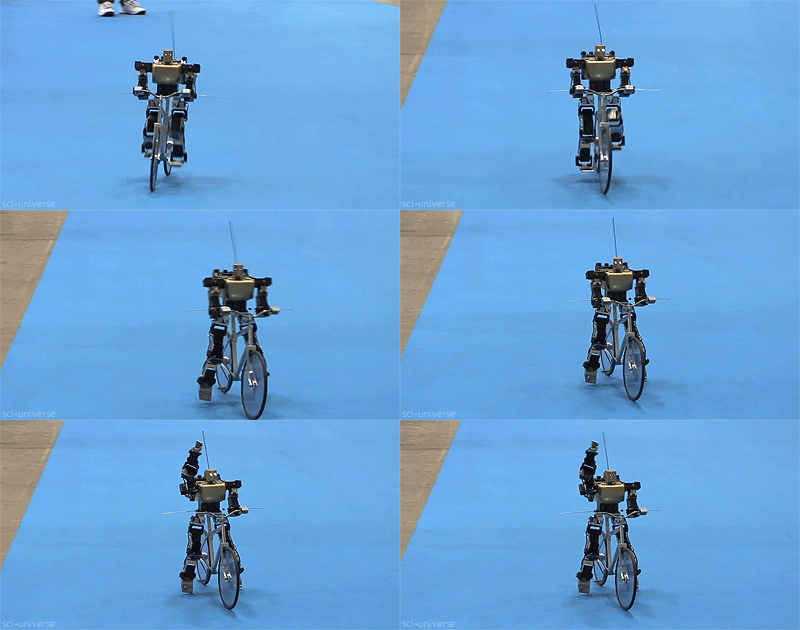

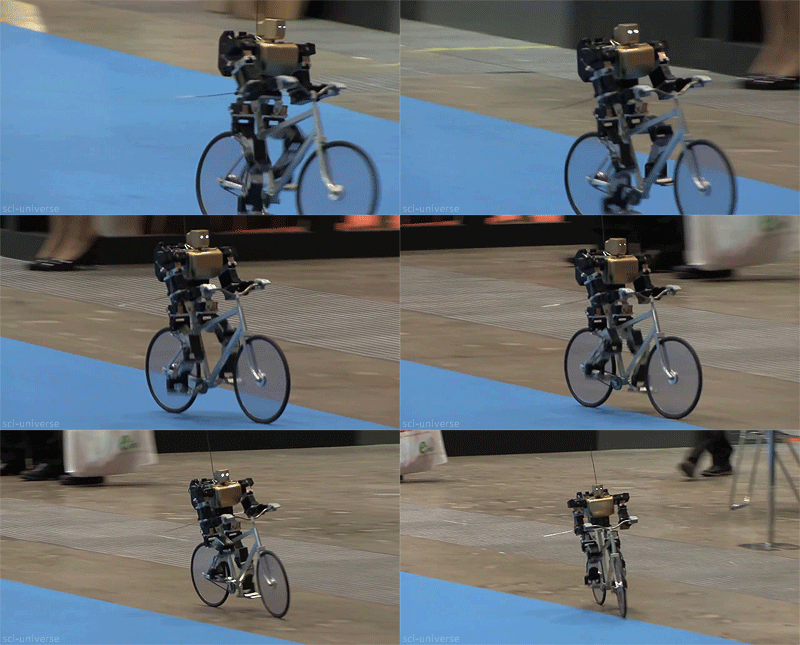
Technology at it’s cutest — The Bipedal Cycling Robot
In 2011, robot creator Masahiko Yamaguchi demonstrated a robot which can balance, steer and correct itself while riding a fixed-gear bike.
Full video with more information here.
Hipster-Bot 5000
oh, my, god.
First Contagious WiFi Computer Virus Goes Airborn
Should People Stop Filming Concerts With Their Phones?

Back when you wanted to tape a concert, you usually had to sneak in a bulky VHS camera, or a tape recorder, and the quality could be very dodgy at best. It was in the days before music was free everywhere and people didn’t pay for it. Today it’s surprising to realize that so many people are capturing concerts with their phones, and we see more glowing phones out there in concerts than cigarette lighters.

|
|
Google's Project Ara modular smartphone gets a trio of dev conferences
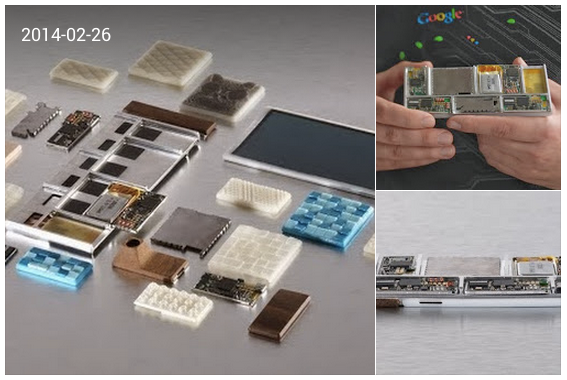 Google's got plenty of moonshots brewing in its Advanced Technology and Projects (ATAP), but one of the most intriguing is its modular smartphone design, called Project Ara. Because Ara's a platform designed to lets users swap out hardware...
Amazon 'pulls a Netflix,' revives cancelled BBC detective show
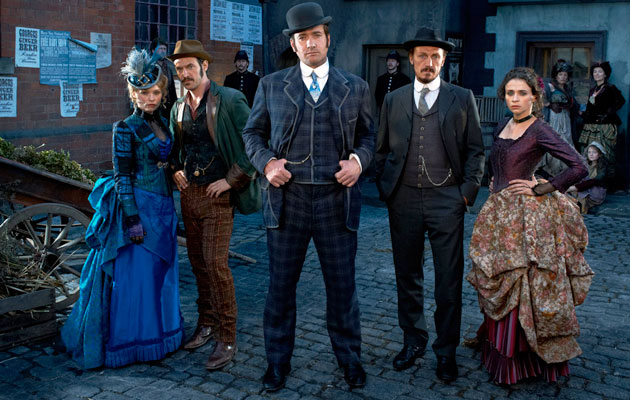 Did yesterday's news about Arrow coming to Lovefilm Amazon Instant Video UK disappoint you? This might just change your mind. The company, perhaps inspired by Netflix's revival of Arrested Development and The Killing, has signed a deal to save...