Randy Laue
Shared posts
03 Oct 00:49
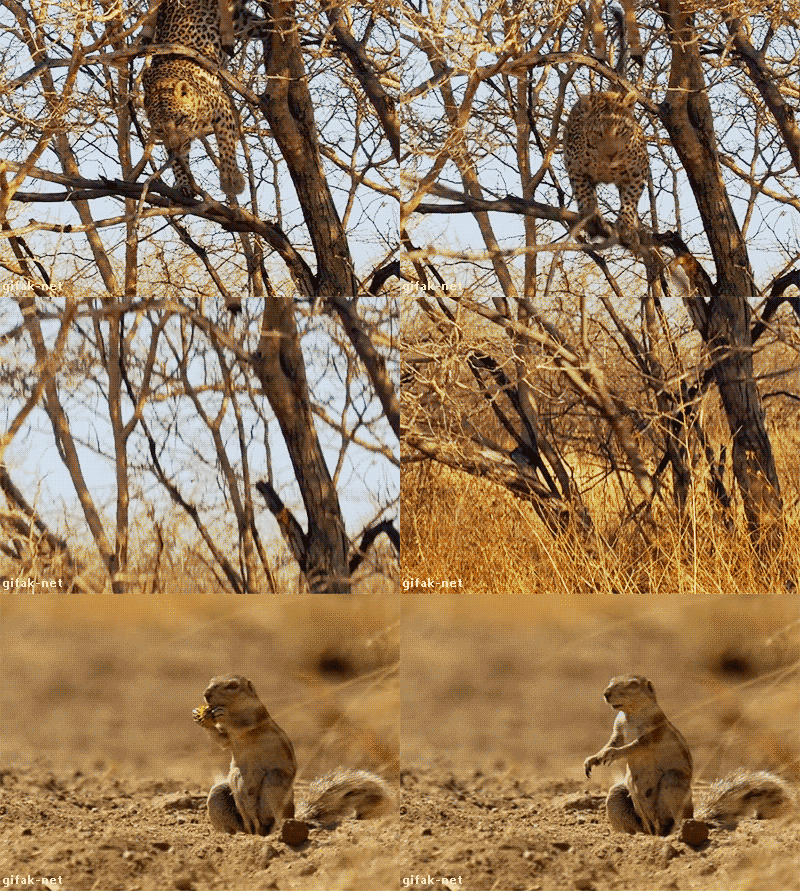
funniestpicturesdaily: "Dammit Bill, I said 3/8 in."

A.jetstream, Tertiarymatt and 3 others like this
02 Oct 14:24
Don’t Fall For It
by nedroid

Nicole Soltys, Jarrod Keone Montoya and 5 others like this

02 Oct 14:22


skylarkjanina: kaosunseen: THAT IS THE BEST USE OF THAT...
beatonna is amazing and this is hilarious
THAT IS THE BEST USE OF THAT PICTURE I HAVE SEEN IN A LONG TIME

Randy Laue, Vvicked and 2 others like this


02 Oct 14:13


Antimatter
by xkcd
Antimatter
What if everything was antimatter, EXCEPT Earth?
Sean Gallagher
This one doesn't end well for us. But—unlike most scenarios involving the word "antimatter"—the end is surprisingly slow and drawn-out.
The whole universe is matter, as far as we can tell. No one is sure why there's more matter than antimatter, since the laws of physics are pretty symmetrical, and so there's no reason to expect there to be more of one than the other.[1]Although when it comes down to it, there's no reason to expect anything at all.
It's possible that galaxies are made of antimatter, and we just haven't noticed because we haven't tried to touch them. This is a cool idea, but if there are zones of matter and zones of antimatter, we should see a telltale gamma-ray glow from the boundary between the zones. So far, we haven't seen that, although another telescope might help.
If the rest of the universe were swapped out for antimatter, we'd be in trouble. Outer space isn't really "space";[2]As far as I know, it really is "outer", for what that's worth. it's full of a thin gas.[3]Technically, plasma.[4]Technically, there's also a substantial quantity of solid grains of dust.[5]Look, there's a bunch of little bits that are hard to see, ok?.[6]Ok, they're not always hard to see.
The Earth's magnetic field protects us from the solar wind, and would protect us from an anti-solar wind, too. A tiny fraction of the particles from the Sun do reach the Earth, funneled down by our magnetic field, and create the aurora. In this scenario, the aurora would get a lot brighter, but most of the time not bright enough to really cause problems.
Meteorites would be the real problem.
The Earth sweeps up space dust as it travels around its orbit.[7]Unfortunately for us, antimatter is probably attracted to matter by gravity. About 100 tons of dust per day enters the atmosphere in the form of tiny grains, most weighing about 10^-5 grams. An additional similar average per-day amount arrives in giant clumps all at once.
This inflow of antimatter dust would collide with the top of our atmosphere and be annihilated. The interactions between the nuclei and antinuclei and protons and antiprotons would be complex,[8]A lot of the energy would be carried away by neutrinos. but the end result would be a lot of gamma rays, which would turn into a lot of heat. This steady flow of material would be worst around dawn, when your house was facing in the direction of Earth's motion.
The heat and light added by the antimatter would most likely be enough to tip the Earth into a "runaway greenhouse" scenario, turning the Earth into something resembling Venus.
But the big asteroids would get us first. Even a relatively small object like the Chelyabinsk meteor would deliver as much energy as the meteor that killed the dinosaurs.[9]Although it would deliver it to the top of the atmosphere, so in some ways it wouldn't be as bad. Fairly large asteroids enter the atmosphere every few months—mostly unnoticed. If they were all antimatter, each one would trigger a tremendous pulse of energy in the sky and ignite a massive firestorm.[10]If an antimatter meteor is large enough, encountering a cloud could launch some of it backward without completely destroying it. However, it's hard to come up with a practical scenario in which a meteor would exhibit this effect in Earth's atmosphere—unless it were so large that it would have basically destroyed the planet anyway.
Right now, it's still an open question whether any significant percentage of the stuff in the sky is made of antimatter. It's probably not, but we'd need to build another orbiting gamma-ray telescope to really be sure.
However, it's easy to use a telescope to rule out one possibility: That everything in the sky is antimatter.
If you have a telescope, maybe you can get that result published.
PheliX, Tony Gibson and 9 others like this


01 Oct 04:39


Dream Creatures: Reflected Images of Tree Bark Reveal the Faces Hiding in the Forest
by DL Cade
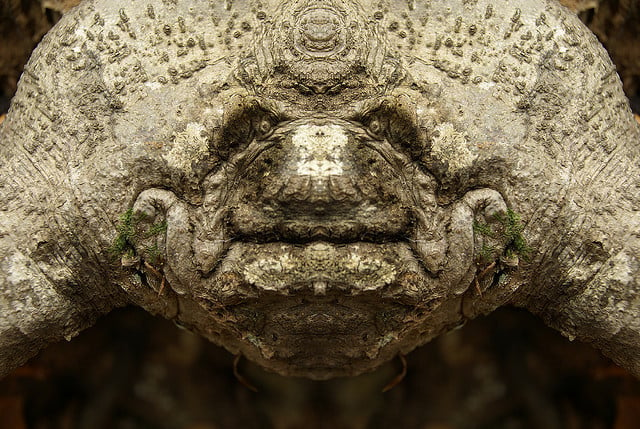
Italian photographer Elido Turco spent four years between 2004 and 2008 exploring a mirrored photography world that remains invisible to most of us. By taking photographs of tree bark and then mirroring the photographs he captured, he discovered a whole society of “Dream Creatures” were watching him each time he would take a stroll through the mountain paths.
Turco loves walking the mountain paths of his native Friuli with his wife, and for years he would use this time to try and find human forms and faces formed by the bark and roots of the trees in the forest.
The catches, he admits, were few and far between until, one day, curiosity got the best of him and he decided to mirror an image on his computer. What he discovered was “a world of… fantastic creatures” the he had never realized existed.
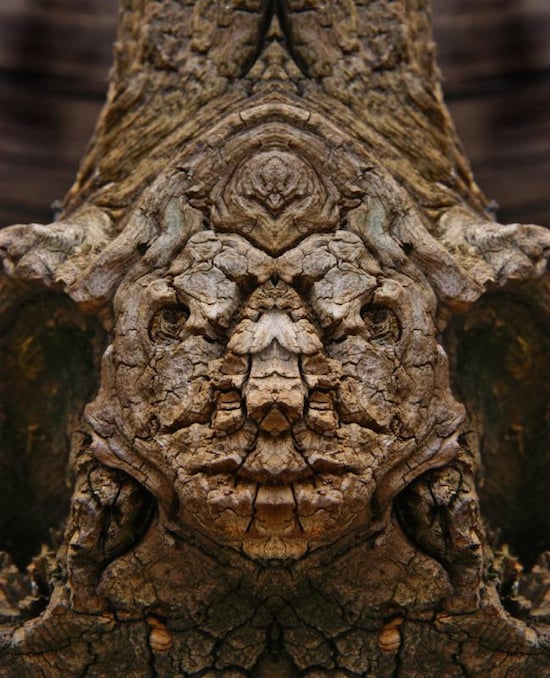
This birthed the series Dream Creatures, a study in mirrored tree bark images that lasted four years and introduced him to all manner of strange, scary and wondrous faces.
From the series’ description:
Silently, on tiptoe, within their universe I feel observed. A mutual understanding allows my presence in their world… an unreal world populated by entities created in the dense forests, in the shade of ancient trees and rocks.
Emblematic characters, grim, sinister, sweet, joyous… Each one with its own story to tell, so many stories and personalities engraved in the deep rough texture of their faces, expressions sometimes impenetrable.
Here’s a look at some of our favorites from the series:
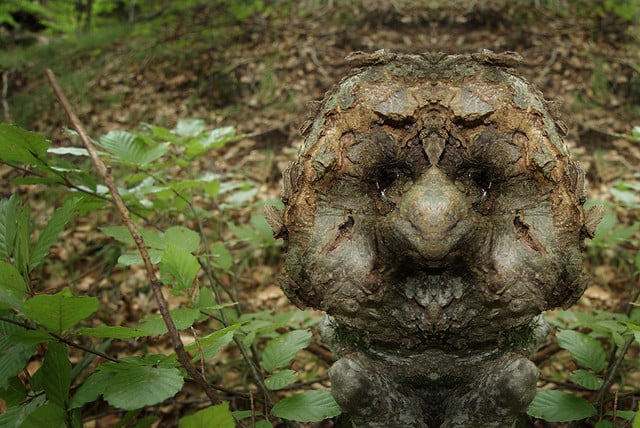
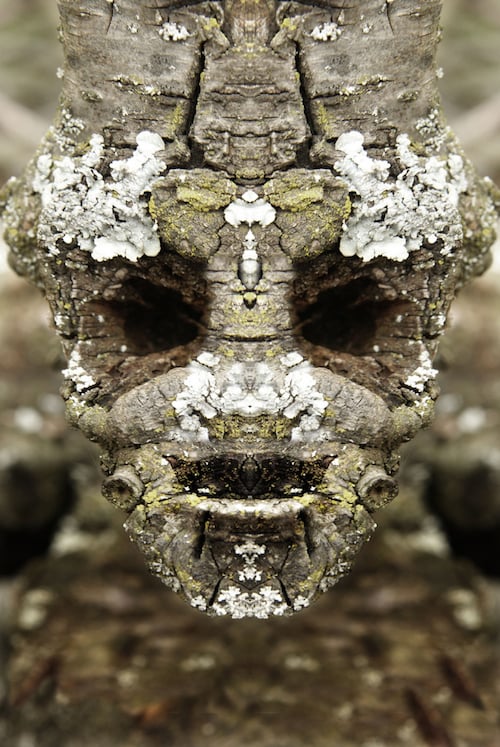
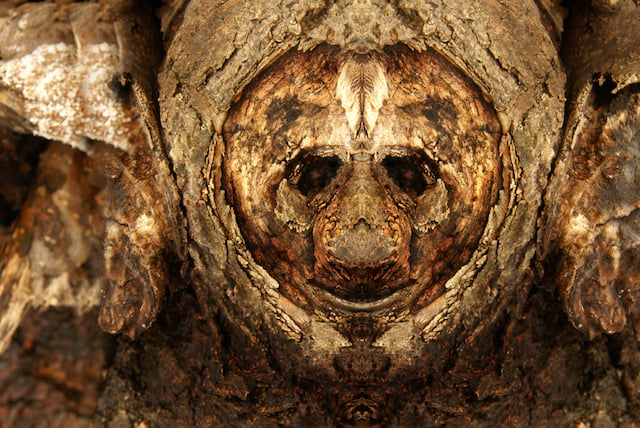
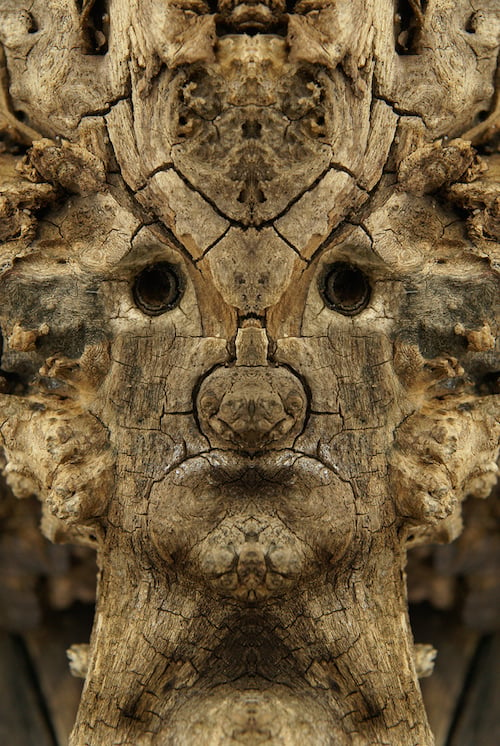
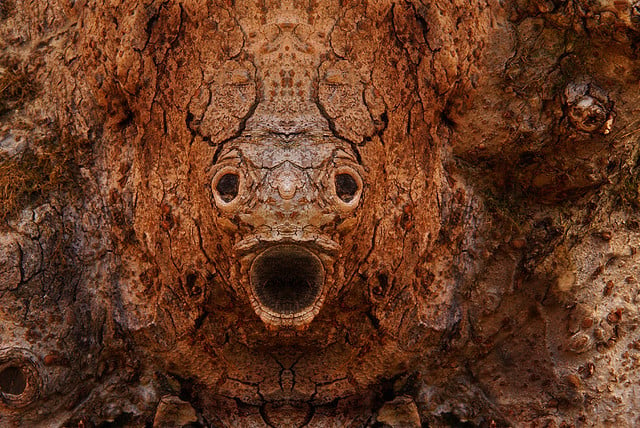
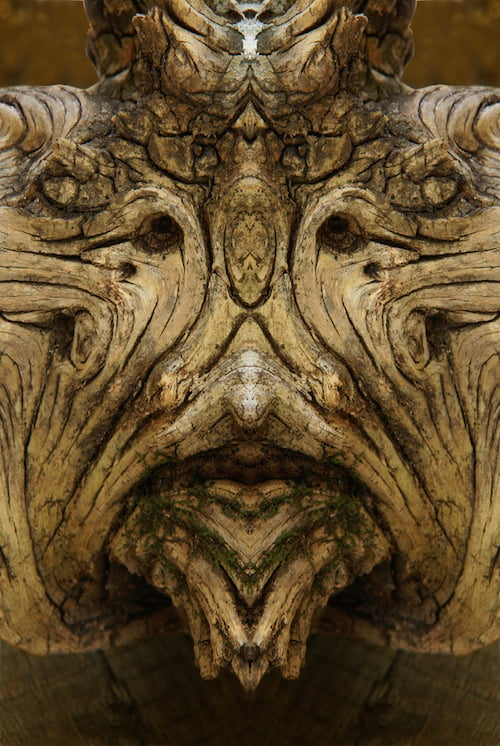
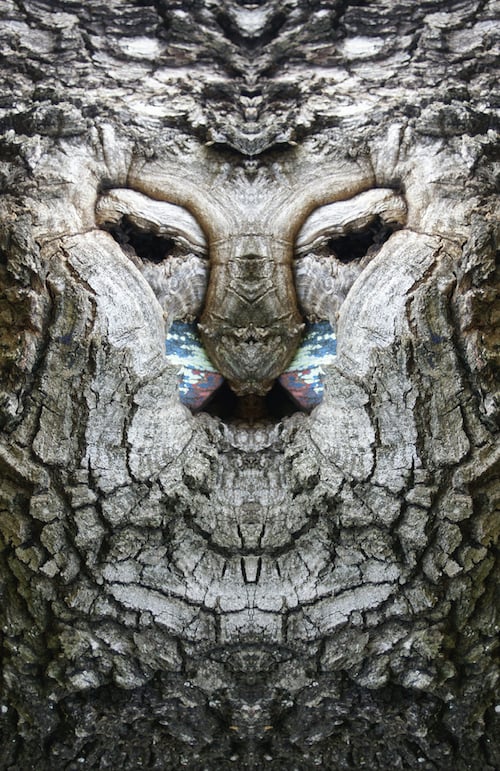
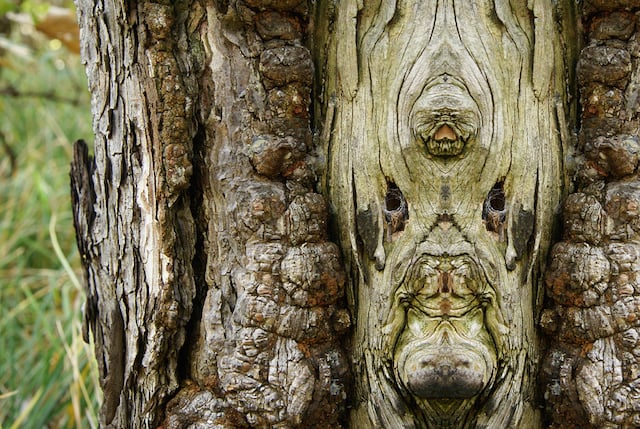
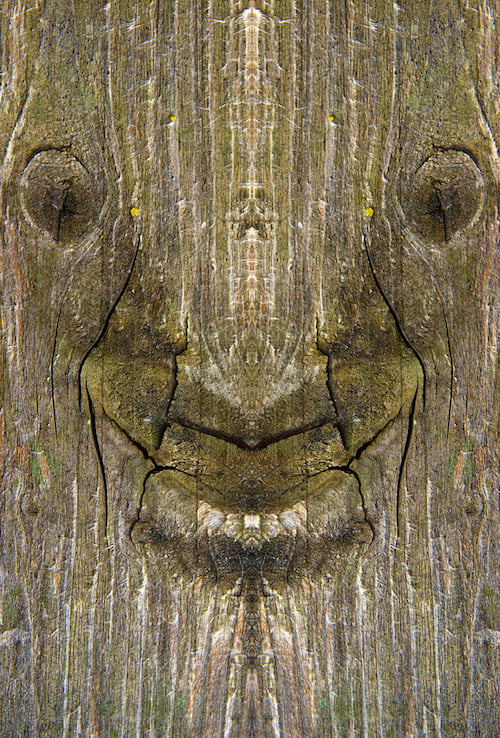
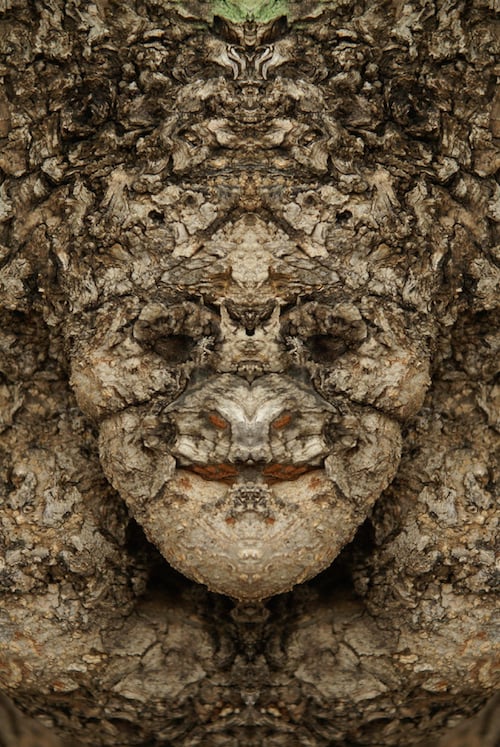
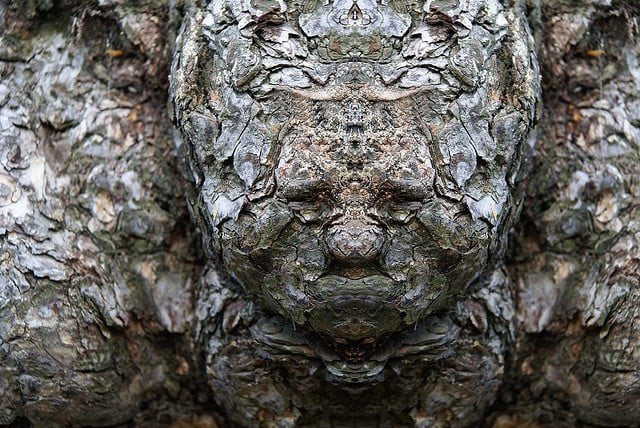
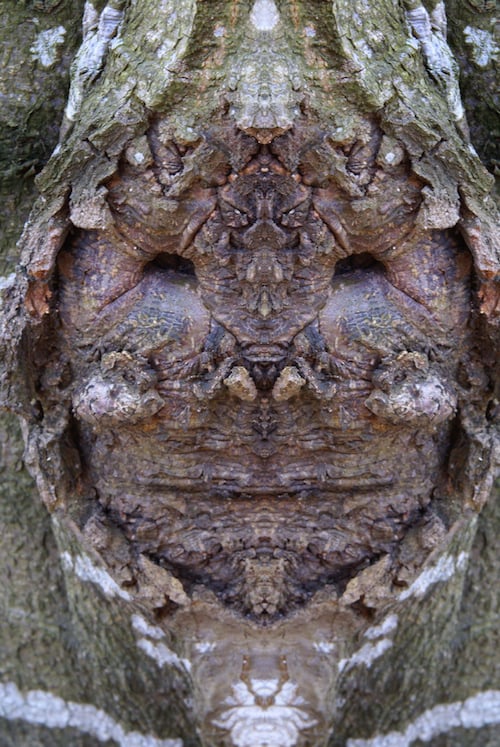
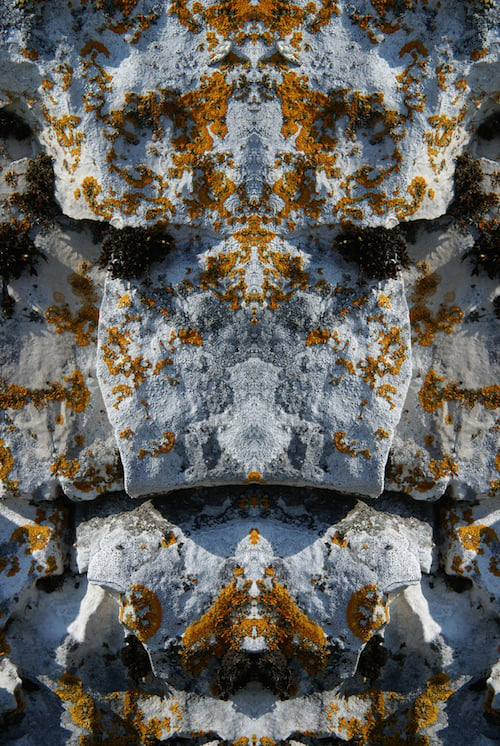
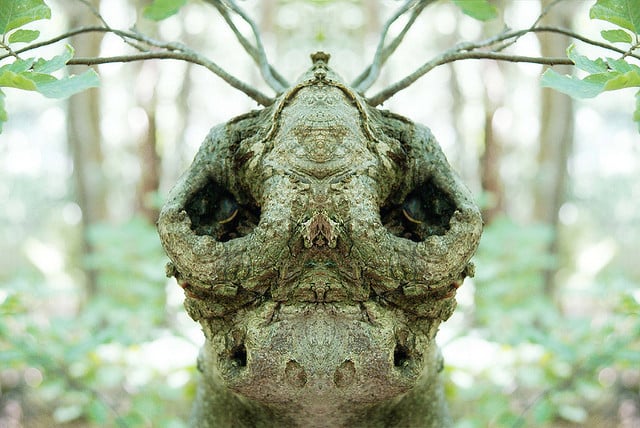
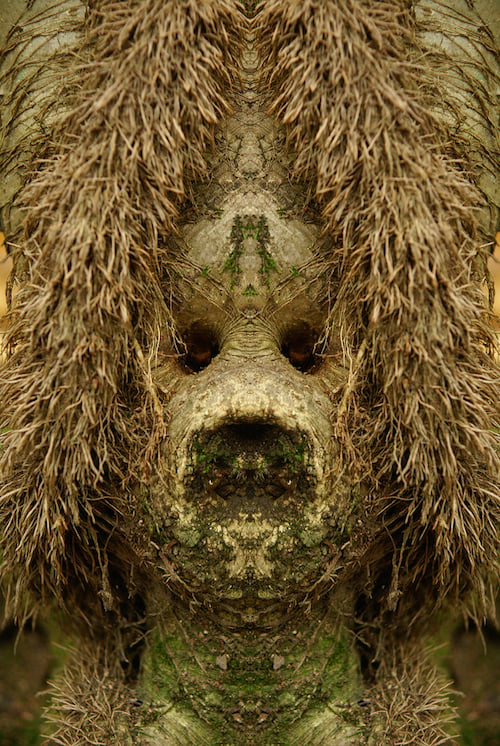
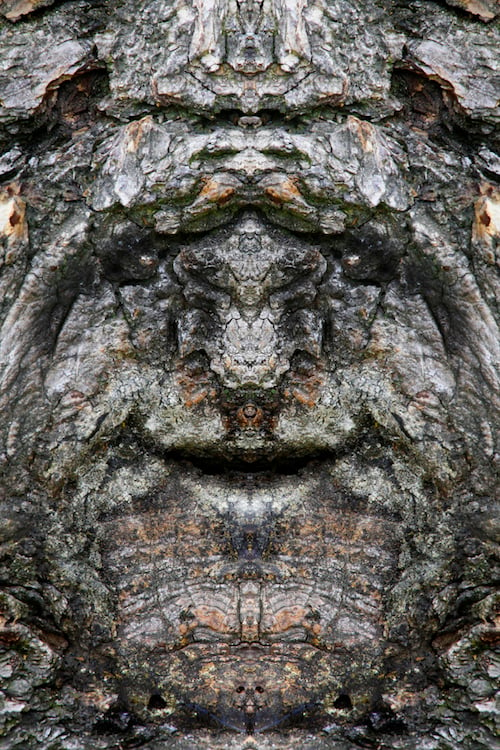
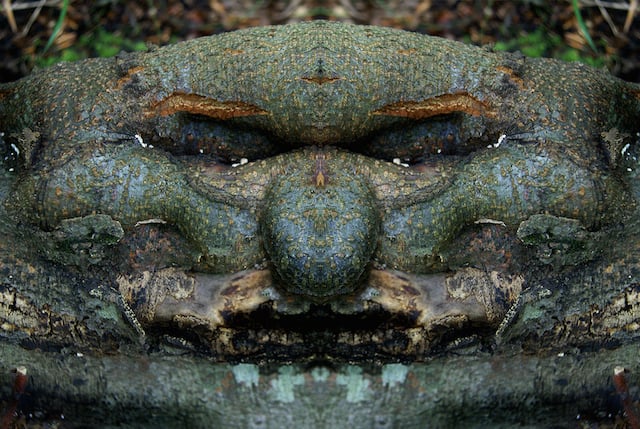
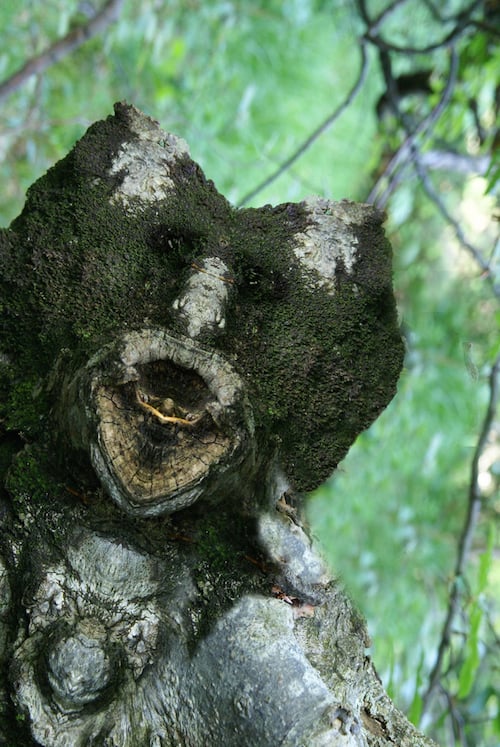
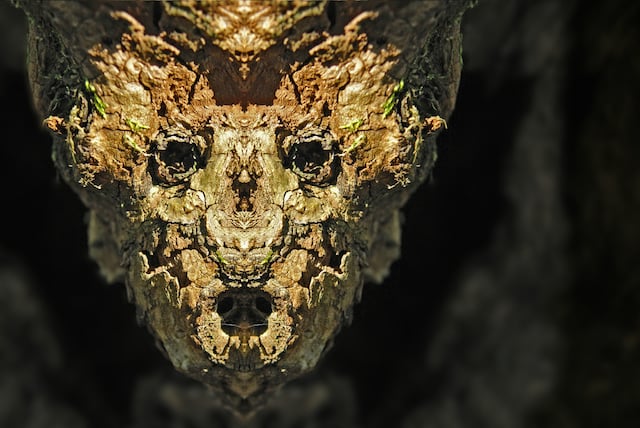
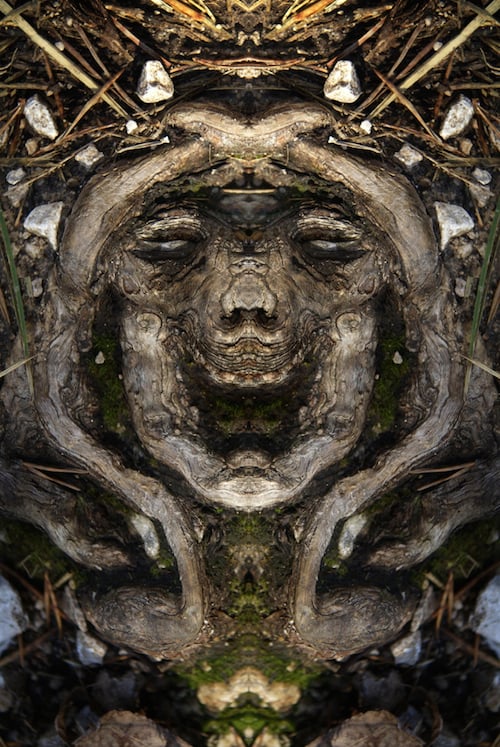
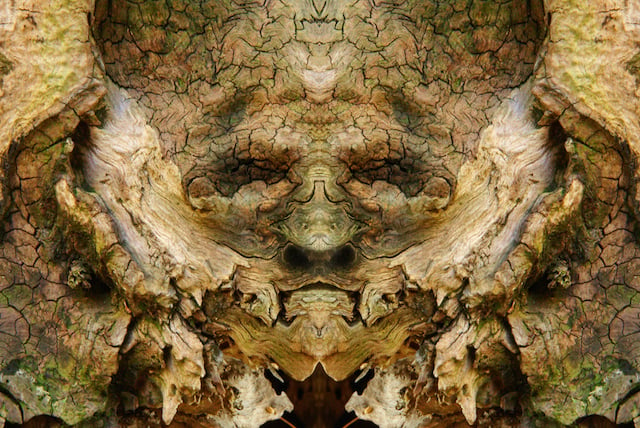
To see more of these Dream Creatures, head over to Turco’s Flickr set by the same name. And if you’d like to browse through the rest of his work, check out his Flickr and 500px accounts.
(via Visual News)
Image credits: Photographs by Elido Turco and used with permission
Stephane.Bura, Mitch Laue and one other like this
01 Oct 01:03

Beautiful LEGO 2: Dark, a New Book about the Dark Side of LEGO by Mike Doyle
by Christopher Jobson
Randy LaueVia Cooper Griggs

Ryan Rubino

Tobias Buckdahn

Ekow Nimako

Chris McVeigh

Jordan Robert Schwartz, Sean and Steph Mayo, Chris Maddison

Brian Kescenovitz

Ekow Nimako, Tyler Halliwell

LEGO artist and author Mike Doyle (previously) just announced a macabre sequel to his wildly popular 2013 book, Beautiful LEGO, titled Beautiful LEGO 2: Dark. The new book examines the darker, disturbing side of brick building with 325 pages of LEGO creations organized into chapters like Creepy Crawlers, Evil Attunement, Dark Towers, Indulgences, Pits of Fire, and Riot Girls. In total, the book contains the collected work of 140 LEGO enthusiasts from around the world. It’s currently available for pre-order.
Afishman126, Designby31216 and 6 others like this


28 Sep 07:58
Punk Accordion Player and some nuns
by David Spark
Cooper Griggs, Randy Laue and -1 others like this

25 Sep 21:58
Vaccine
by Wes + Tony

As far as I’m concerned, anyone who avoids such basic knowledge for such a long time deserves to be disappointed. He deserves worse, even! Maybe not, like, getting set on fire and pushed down a hill, but like, someone should flick him hard in the earlobe and give him a “you done did wasted yer life, ya goof!”
Hey, did you know sometimes I make videos for Dorkly? Of course you do, you know everything about me for some reason. It’s weird, your level of infatuation, but I’m not complaining. Anyway! Here’s my latest rambling monologue, where I pitch 5 remake ideas for movies that I like!
T
Randy Laue likes this
25 Sep 13:08
tumblr_mdhne3FkBL1qcbh43o1_500.jpg (imagen JPEG, 500 × 647 píxeles)
by kndll

Damiani.guilherme, Queridagaby and 9 others like this












24 Sep 05:22
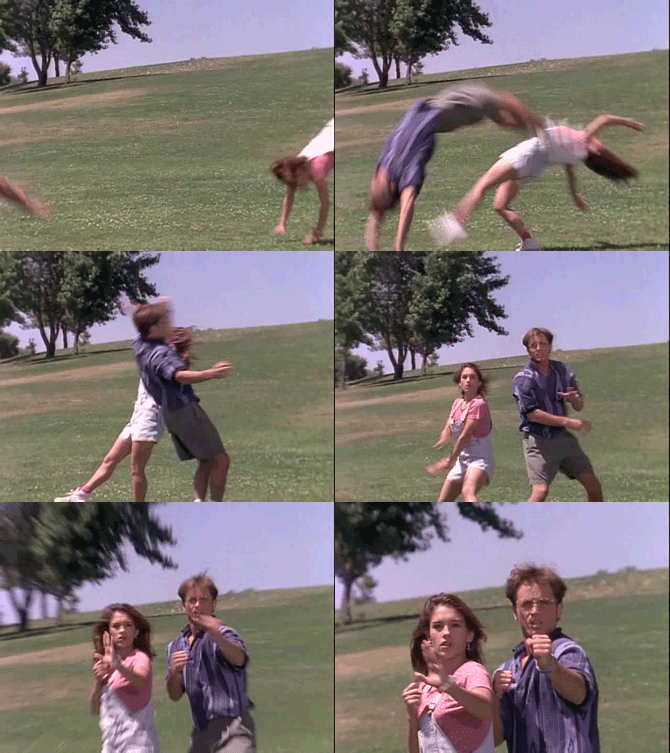
lx34e: me and my friend arriving at an all you can eat buffet
Infinull, Mitch Laue and 4 others like this