Announcing the September 2025 Inner Hive Drive: Join Tom the Dancing Bug's Inner Hive, and you'll not only get weekly emails with pre-publication access to each week's comic and other content, but the first year's fee (details at link) will be donated to Immigration Law & Justice New York to help fight Trump's illegal and horrific war on immigrants. — Read the rest
Trump's lapdog Attorney General, Pam Bondi, has vowed to go after people who employ "hate speech," where hate speech is any speech Donald Trump hates. Trump is already threatening journalists who ask about this clearly illegal move.
Trump is directly threatening a journalist, and it's a bad sign. — Read the rest
I mean, I'm not an expert on Nazis, but I think one of the big things they were about was killing people who didn't conform.
Fox & Friends co-host Brian Kilmeade shared his opinion that homeless people who refuse help should face "involuntary lethal injection." He made the comment during a discussion about the murder of Ukrainian refugee Iryna Zarutska, where Kilmeade and co-hosts Ainsley Earhardt and Lawrence Jones were debating solutions to homelessness and mental illness. — Read the rest
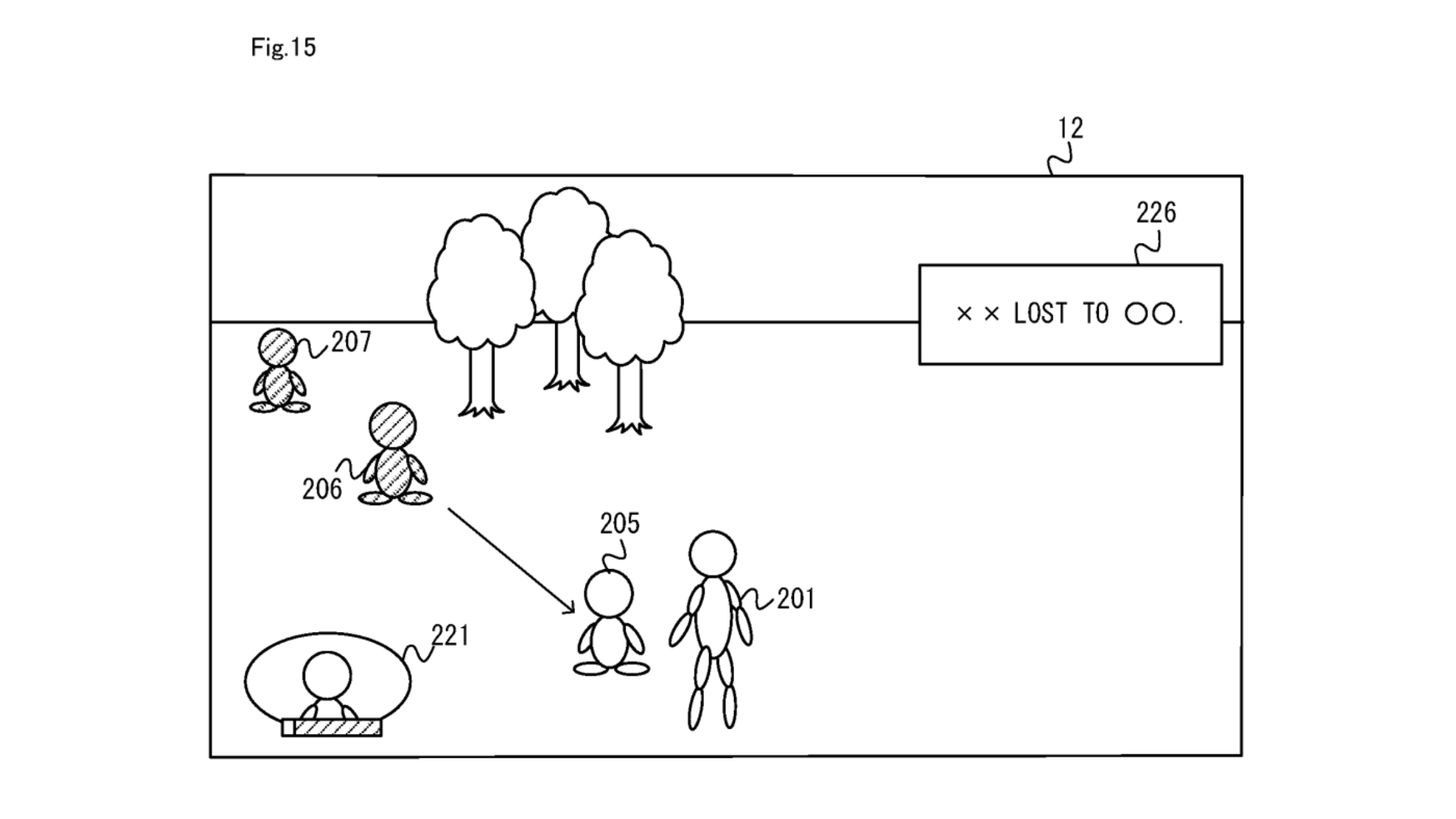
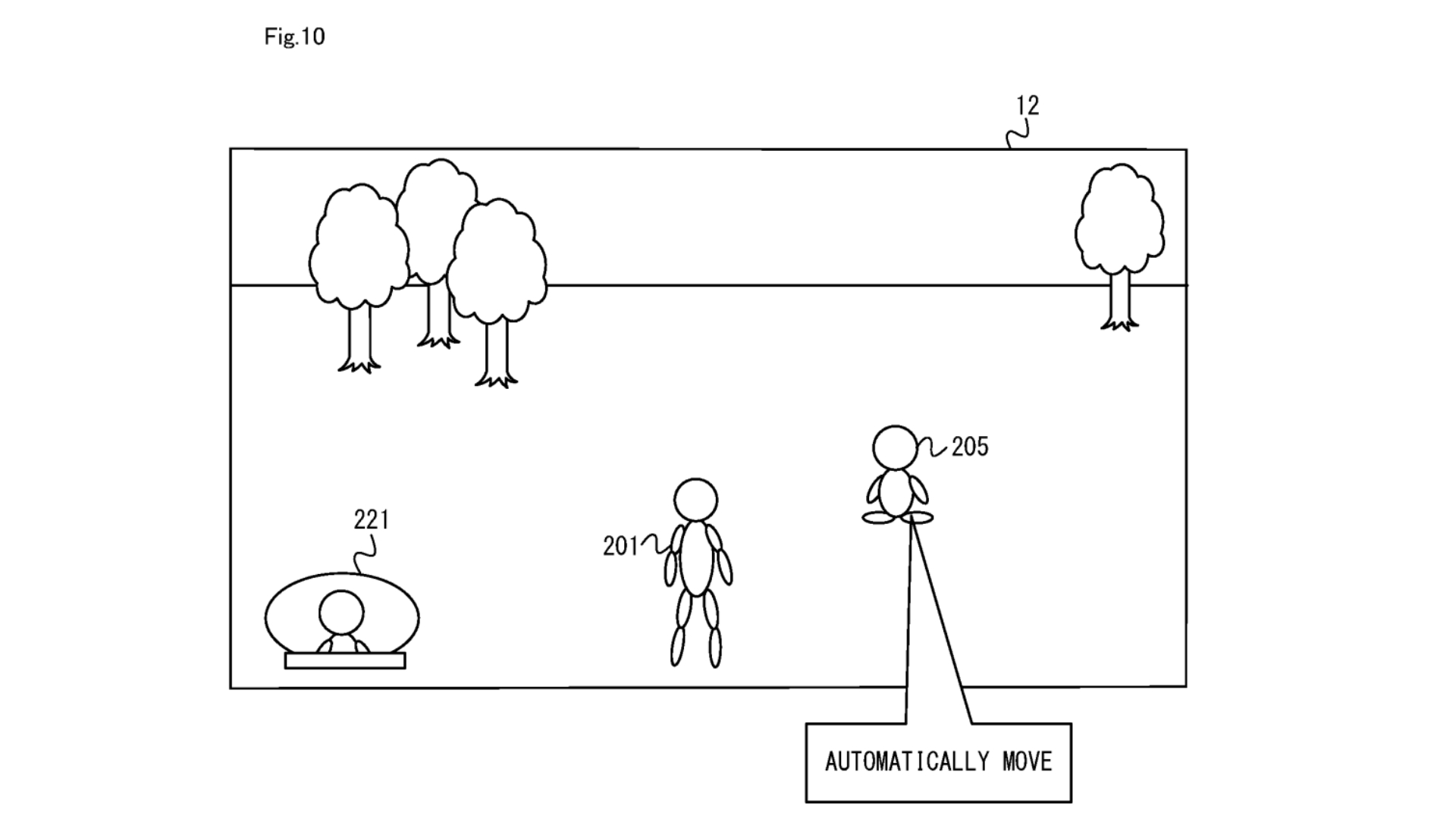
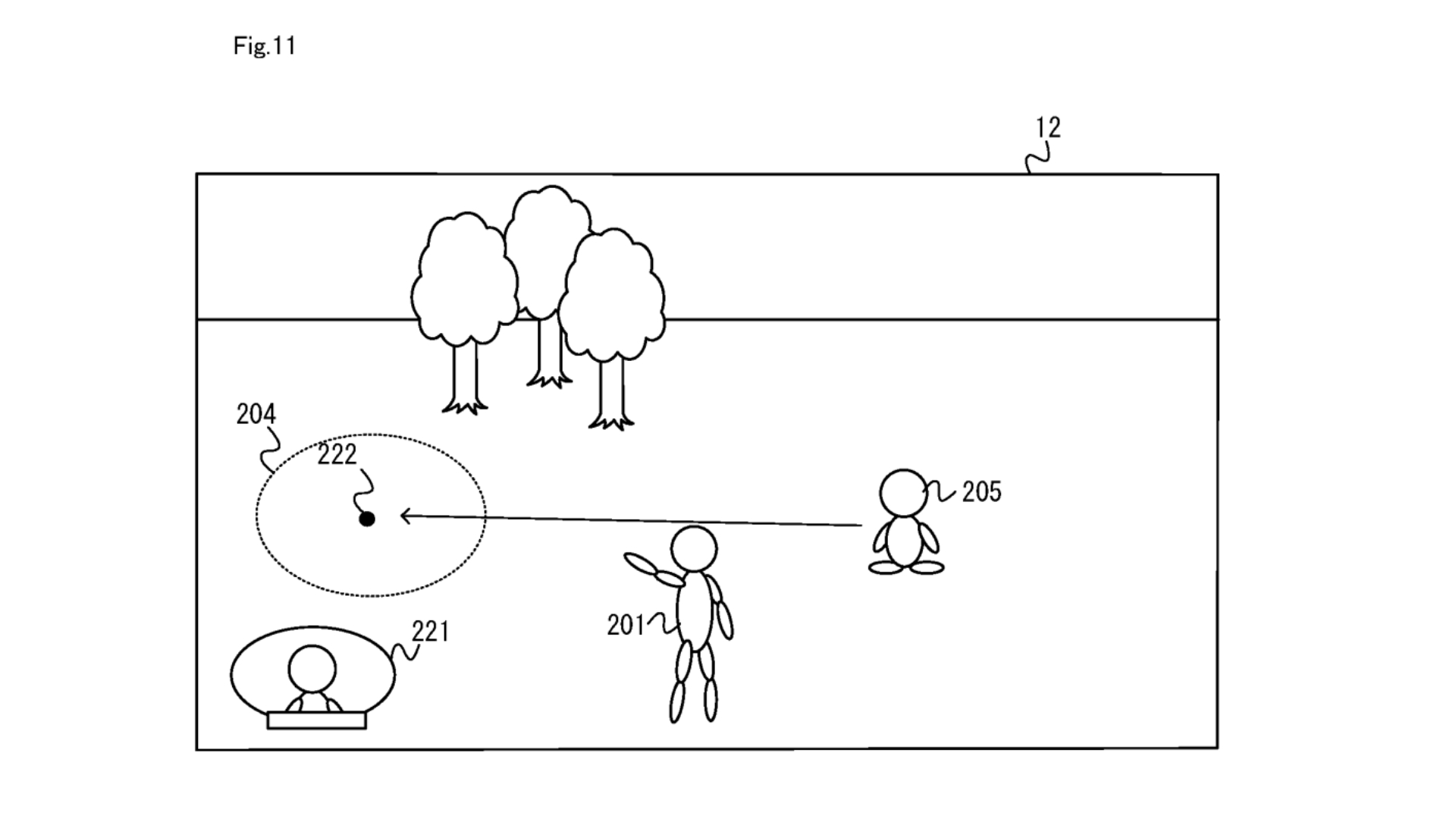
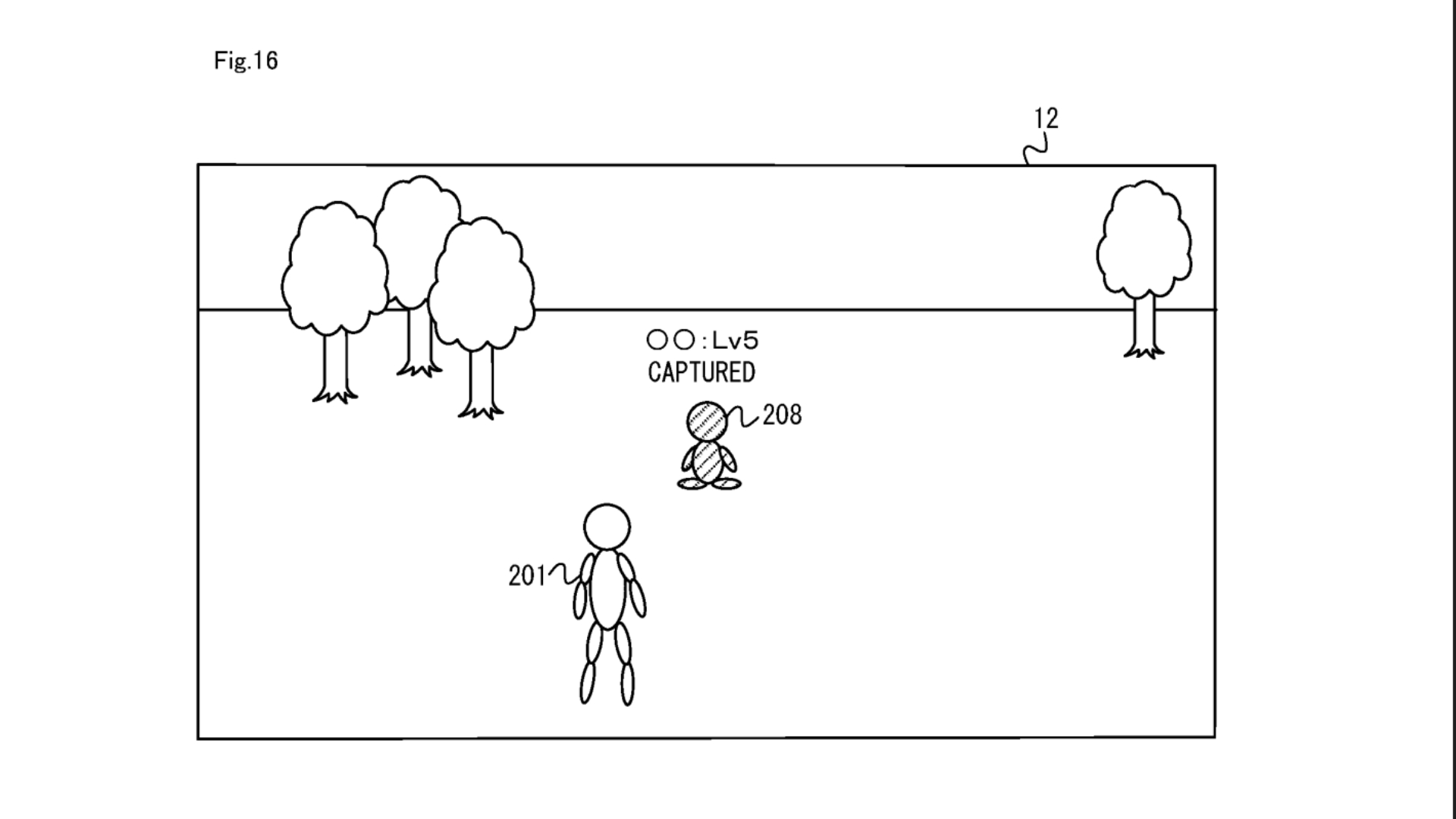
The last 10 days have brought a string of patent wins for Nintendo. Yesterday, the company was granted US patent 12,409,387, a patent covering riding and flying systems similar to those Nintendo has been criticized for claiming in its Palworld lawsuit (via Gamesfray). Last week, however, Nintendo received a more troubling weapon in its legal arsenal: US patent 12,403,397, a patent on summoning and battling characters that the United States Patent and Trademark Office granted with alarmingly little resistance.
According to videogame patent lawyer Kirk Sigmon, the USPTO granting Nintendo these latest patents isn't just a moment of questionable legal theory. It's an indictment of American patent law.
"Broadly, I don't disagree with the many online complaints about these Nintendo patents," said Sigmon, whose opinions do not represent those of his firm and clients. "They have been an embarrassing failure of the US patent system."
(Image credit: Nintendo, USPTO)
Sigmon, who we spoke with last year about the claims and potential consequences of Nintendo's Palworld lawsuit, said both this week's '387 patent and last week's '397 represent procedural irregularities in the decisionmaking of US patent officials. And thanks to those irregularities, Nintendo has yet more tools to bully its competitors.
The '387 patent granted this week, Sigmon told PC Gamer, "got a bit of push-back, but barely." After its initial application was deemed invalid due to similarities to existing Tencent and Xbox-related patents, Nintendo amended its claims based on interviews with the USPTO, which then determined that the claims were allowable "for substantially the same reasons as parent application(s)."
"That parent case," Sigmon said, "had an even weirder and much less useful prosecution history."
(Image credit: Nintendo, USPTO)
Most of the claims made in the '387 patent's single parent case, US Pat. No. 12,246,255, were immediately allowed by the USPTO, which Sigmon said is "a very unusual result: most claims are rejected at least once." When the claims were ultimately allowed, the only reasoning the USPTO offered was a block quote of text from the claims themselves.
"This seems like a situation where the USPTO essentially gave up and just allowed the case, assuming that the claims were narrow or specific enough to be new without evaluating them too closely," Sigmon said. "I strongly disagree with this result: In my view, these claims were in no way allowable."
To Sigmon, an IP attorney with extensive experience in prosecuting and teaching patent law, the '387 patent and its parent case rely on concepts and decisions that would have been obvious to a "Person of Ordinary Skill in the Art"—a legal construct that holds if a patent's claims would reasonably occur to a practitioner in the relevant field based on prior art, those claims aren't patentable.
(Image credit: Nintendo, USPTO)
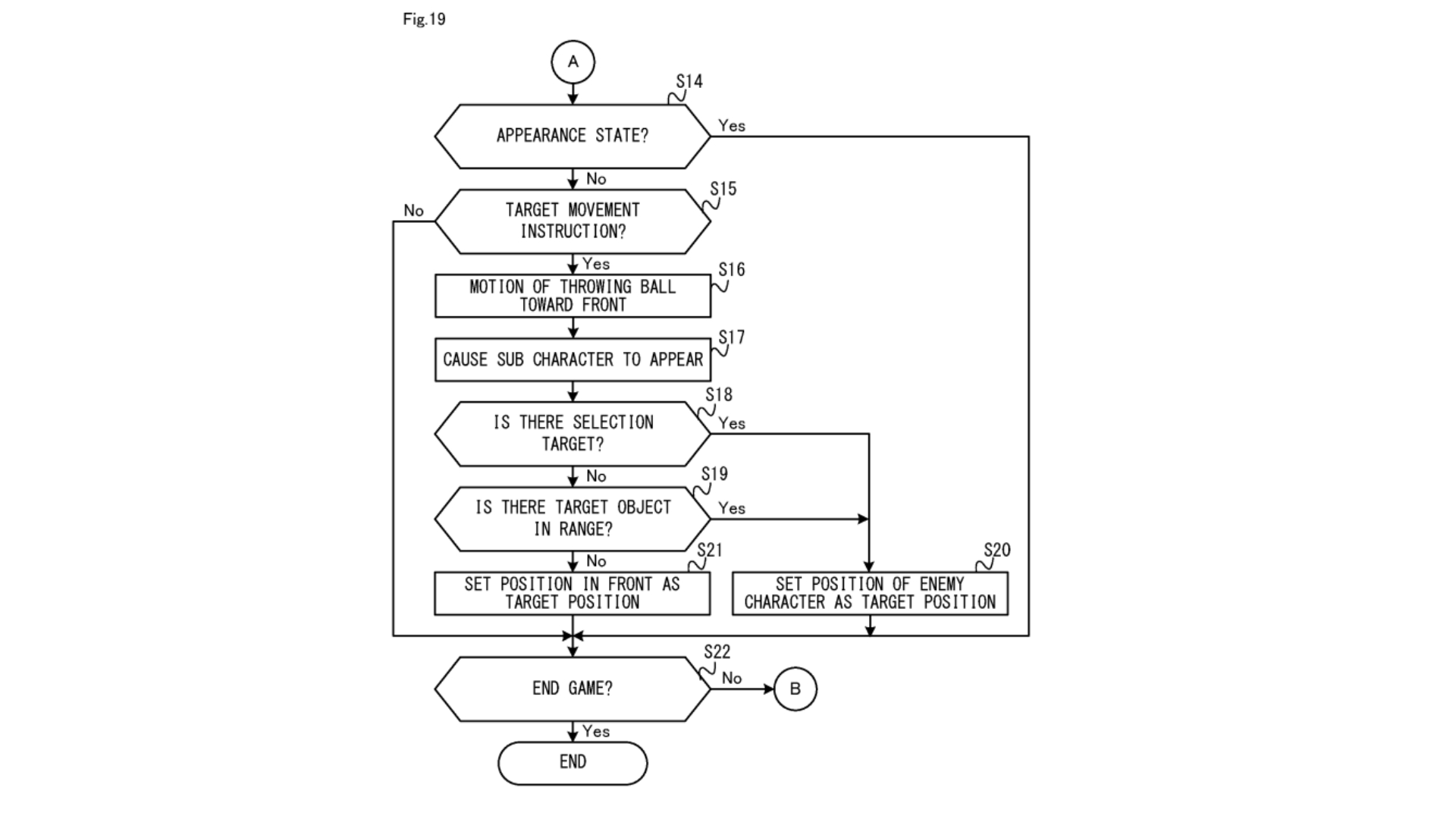
The '397 patent granted last week is even more striking. It's a patent on summoning and battling with "sub-characters," using specific language suggesting it's based on the Let's Go! mechanics in the Pokémon Scarlet and Violet games. Despite its relevance to a conceit in countless games—calling characters to battle enemies for you—it was allowed without any pushback whatsoever from the USPTO, which Sigmon said is essentially unheard of.
"Like the above case, the reasons for allowance don't give us even a hint of why it was allowed: the Examiner just paraphrases the claims (after block quoting them) without explaining why the claims are allowed over the prior art," Sigmon said. "This is extremely unusual and raises a large number of red flags."
According to Sigmon, USPTO records show that the allowance of the '397 patent was based on a review of a relatively miniscule number of documents: 16 US patents, seven Japanese patents, and—apparently—one article from Pokemon.com.
(Image credit: Nintendo, USPTO)
"I have no earthly idea how the Examiner could, in good faith, allow this application so quickly," Sigmon said.
Admittedly, the '397 case was originally filed as a Japanese patent application, which would allow the Examiner to use the existing progress in the Japanese case as a starting point for their review. But, Sigmon said, "even that doesn't excuse this quick allowance."
"This allowance should not have happened, full stop," he said.
On paper, the patent might not seem like a threat to Nintendo's competitors: The claims as constructed in the '397 outline a very specific sequence of events and inputs, and patent claims must be met word-for-word to be infringed.
"Pragmatically speaking, though, it's not impossible to be sued for patent infringement even when a claim infringement argument is weak, and bad patents like this cast a massive shadow on the industry," Sigmon said.
For a company at Nintendo's scale, the claims of the '397 patent don't need to make for a strong argument that would hold up in court. The threat of a lawsuit can stifle competition well enough on its own when it would cost millions of dollars to defend against.
(Image credit: Nintendo, USPTO)
"In my opinion, none of the three patents I've discussed here should have been allowed. It's shocking and offensive that they were," Sigmon said. "The USPTO dropped the ball big time, and it's going to externalize a lot of uncertainty (and, potentially, litigation cost) onto developers and companies that do not deserve it."
Sigmon, who says he's helped inventors protect their inventions from IP theft perpetrated by major companies, insists that the patent system still has merit. "That's the kind of thing that patents are meant to do," he said. "They were not made to allow a big player to game the system, get an overly broad patent that they should have never received in the first place, and then go around bullying would-be competition with the threat of a legally questionable lawsuit."
Unfortunately, Nintendo has gained these patents at a moment when the USPTO has made challenging bad patents more difficult. Currently, US patent officials under USPTO Acting Director Coke Morgan Stewart have been refusing to hear a huge number of Inter Partes Review cases—special proceedings in which parties can argue that a patent should never have been granted—for "discretionary" reasons.
"Realistically, this means that patent validity issues are being relegated to lawsuits: not a good situation, as that often entails millions of dollars in costs and a lot of risk," Sigmon said. "In practice, this means that bad patents get to fester on the market for longer and provide a bigger threat for the industry as a whole."
Americans have lost their constitutionally protected right to videotape law enforcement in public. From Prospect:
DHS Assistant Secretary for Public Affairs Tricia McLaughlin told the Center for Media and Democracy (CMD) that "videotaping ICE law enforcement and posting photos and videos of them online is doxing our agents," and added: "We will prosecute those who illegally harass ICE agents to the fullest extent of the law."
Two days ago, a new Banksy work appeared on London's Royal Courts of Justice. Though the mysterious street artist's work is customarily tolerated by authorities, not least for its high value at auction, this one was immediately hidden from view: it depicted a judge brutalizing a bloodied protestor with a gavel. — Read the rest
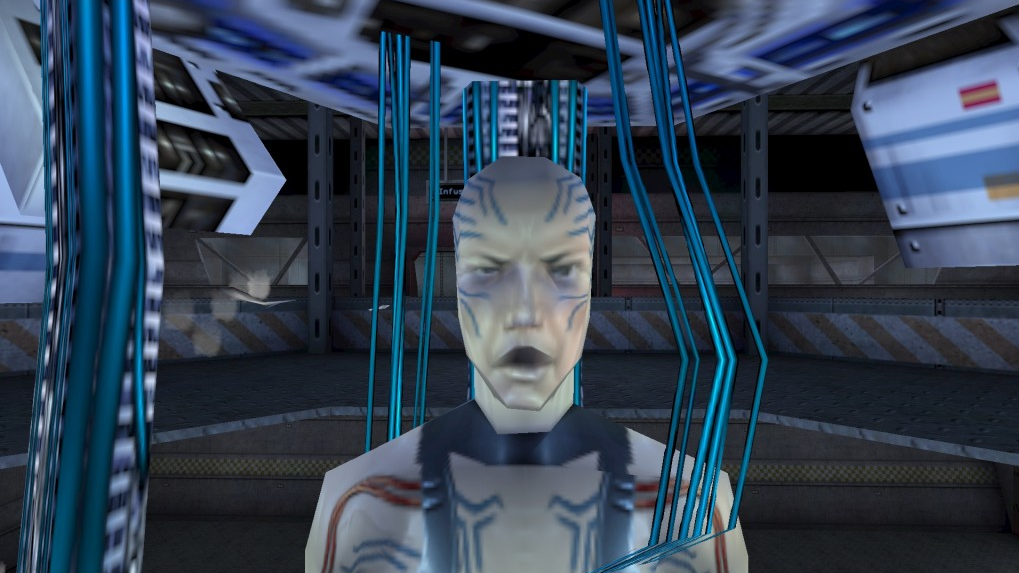
Elon Musk thinks Deus Ex is "one of the best games ever". It's not exactly a hot take. But his taste in games also displays an impressive lack of self-awareness. Musk sees himself as an outsider and heroic figure taking on the status quo, despite being the world's richest man, the owner of X, and a sometimes-ally of Donald Trump.
When Musk rails against 'the establishment', it's only when it threatens his vast fortune, his ability to indulge in hate speech, or when he's promoting conspiracies. Indeed, he posted multiple tweets during the Covid-19 lockdowns where he drew connections between essential measures to protect the vulnerable and the plot of Deux Ex, where a man-made pandemic is deployed by the world's richest man to advance a political power play.
Unsurprisingly, Austin Grossman, who wrote Deus Ex alongside Sheldon Pacotti and Chris Todd, is not a fan of Musk's take on the classic cyberpunk immersive sim.
Deus Ex—and Dishonored, which Grossman also wrote—is a game very much interested in the powerful, and the tools they use to control people. It's also an exploration of the ethics of transhumanism—an industry that Musk himself is extremely invested in.
"That kind of political weight and social satire is a real common thread between Deus Ex and Dishonored," Grossman tells us. "It is the thing that Elon Musk likes, creepily. It is creepily in Elon Musk's worldview. So that may be its longest, worst legacy."
Like most of us, Musk easily recognises who the villains of Deus Ex are—the problem is that he genuinely seems to believe that he is opposed to them, rather than being a more annoying, less capable, real-life version of AI-obsessed billionaire antagonist Bob Page.
"It's bizarre that Elon Musk would not recognise where he actually sits in the Deus Ex universe," says Grossman, "because it is not in the JC Denton role."
Criticising Musk always comes with some risk. Alongside a baffling Sardaukar of vocal fanboys on X, "The Everything App", Musk himself will happily target his detractors with a level of glee and pettiness that is particularly strange when it comes from a man in his 50s who is in charge of several high-profile companies—something Grossman is prepared to weather should his online harassment ticket get punched.
"I did an interview with The Independent in which I probably went a little over the top in my rant about Elon Musk," Grossman says. "Honestly, I hope Elon Musk never Googles me, because I'll then be murdered."
In said interview, Grossman told the site that "Musk plainly imagines he's the JC Denton of this world—a plainspoken everyman, standing up to the elite. As is obvious to everyone, Musk is the one with power and he's just pathologically incapable of honest introspection."
And even more scathing: "I would say Musk is like a Deus Ex villain, except that the franchise doesn't have any villains as whiny and self-servingly delusional as he's shown himself to be."
The context: soaring "terrorism" prosecutions of mostly-older Britons attending protests against Israel's war in Gaza (specifically those holding signs or otherwise mentioning Palestine Action, a group recently banned after spray-painting graffiti on a Royal Air Force plane) and British support for the war. — Read the rest
If Steve Wozniak had "only" designed the Apple II, one of the foundational computers of the early PC era, he'd still be a computing legend. But after leaving Apple in the mid-'80s Wozniak went on to help establish the Electronic Frontier Foundation, sponsored the Children's Discovery Museum of San Jose, and has spent the last four decades on philanthropy, public speaking and founding a truly wild range of tech companies, like one focused on minimizing orbital debris.
What makes him one of the all-time greats though, at least in my mind, is that despite decades in the tech business and access to fabulous wealth he by all accounts seems to have remained an almost absurdly chill and normal guy.
Or, at least, as normal as you can be while playing in a Segway polo league.
Wozniak has millions of dollars to his name, but clearly chose to walk a different path than his contemporary tech billionaires like Bill Gates or Larry Ellison who accrued billions. And he remains the kind of everyman, old school tech nerd who occasionally reads—and even comments on—Slashdot. A few days ago (on his 75th birthday, no less), Woz popped into a thread about his ongoing lawsuit against YouTube over internet scammers who'd used his likeness, though not to address the topic of the lawsuit.
One commenter had piggybacked on the thread to point out that back in the '80s Wozniak had sold his Apple stock, which would be worth about eleventy trillion dollars today by my quick back-of-the-napkin math. "Smart man. Great engineer. Bad decision. Happens to all of us," that Slashdotter wrote.
"I gave all my Apple wealth away because wealth and power are not what I live for," Wozniak wrote. "I have a lot of fun and happiness. I funded a lot of important museums and arts groups in San Jose, the city of my birth, and they named a street after me for being good. I now speak publicly and have risen to the top. I have no idea how much I have but after speaking for 20 years it might be $10M plus a couple of homes. I never look for any type of tax dodge. I earn money from my labor and pay something like 55% combined tax on it. I am the happiest person ever. Life to me was never about accomplishment, but about Happiness, which is Smiles minus Frowns. I developed these philosophies when I was 18-20 years old and I never sold out."
Smiles minus Frowns, man. Just try to imagine Elon Musk typing that into a computer and meaning it.
A man walking down a Washington D.C. street got stopped for carrying three ounces of marijuana — one ounce over the legal limit. Surrounding him weren't just local cops, but agents from five separate federal agencies, including the FBI and Secret Service, all for what amounts to a misdemeanor fine. — Read the rest
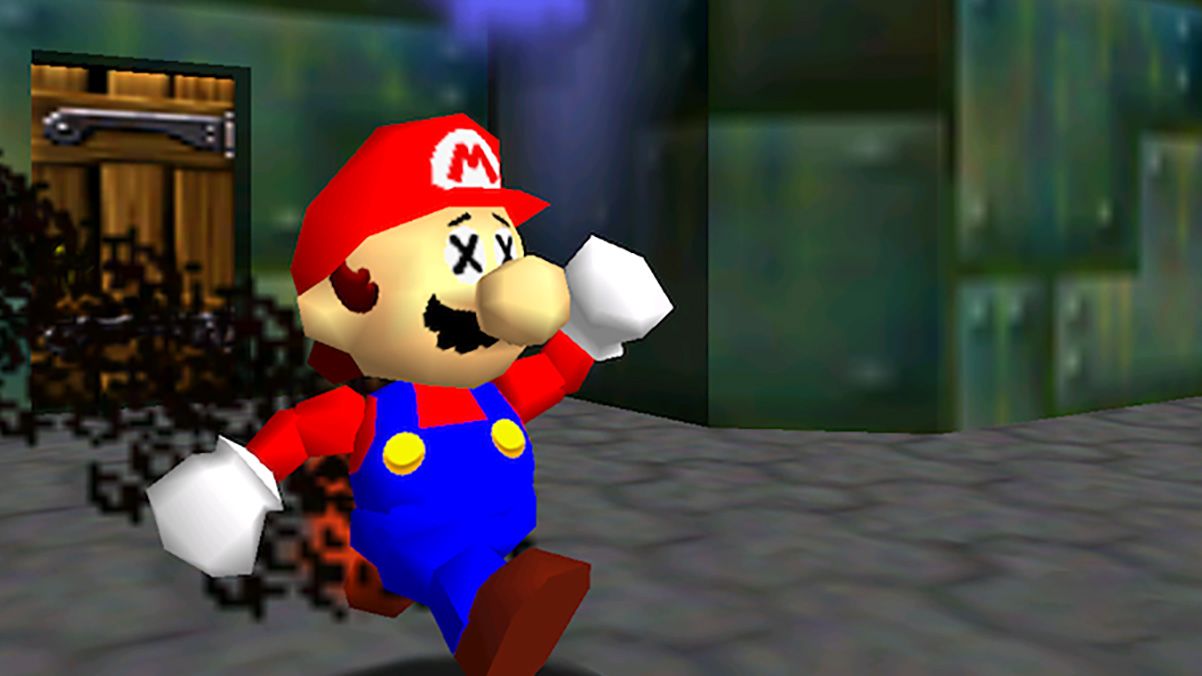
Does the idea of Mario eschewing the dev-intended carpets in Mario 64 keep you up at night? Do speedrunners, dedicating themselves to games like pro athletes, make you weep? Don't worry, Nintendo's here to protect you. You're safe now.
Teeing itself up for a fantastic own-goal, Nintendo has contacted the organisers of RTA, one of Japan's largest speedrunning charity events, and wagged their big legal finger (thanks, Automaton). RTA has been raising money since 2014, making this year's event the 9th of its kind. Well, Nintendo has had enough!
In a notice posted to the site, RTA explains (the following has been machine translated): "RTA in Japan has previously used Nintendo games, but on June 13, 2025, Nintendo Co., Ltd. pointed out that 'the use of Nintendo games by a corporation requires prior permission,' and that our previous use 'was without prior permission and constituted unauthorized use.'
RTA in Japan wishes to continue using Nintendo games, and has begun discussions with Nintendo Co., Ltd. regarding permission."
However, because RTA's next event is just around the corner, starting in August, Nintendo has successfully cajoled the organisers into just not using Nintendo games for this one—which is kind of a big deal, given how central games like Super Mario 64 are to the speedrunning community.
There's sort of a reason for all of this, beyond Nintendo continuing to be jerks. Japanese game publishers are often far stricter about what counts as copyright infringement when it comes to streaming their games on their home turf. In 2022, a man was even arrested for it by CODA, Japan's Content Overseas Distribution Agency.
Each publisher sets their own definitions for what is and isn't allowed, with entire websites popping up to collect this information in one place so the internet cops don't come a-knockin'. It's hard to say for certain (you might be shocked to discover I'm not a Japanese legal expert), but it does still feel like Nintendo's making the choice to be like this.
Either way—Mario is safe from being used to raise money for good causes in Japan. Phew, what a close one. At least SGDQ is safe.
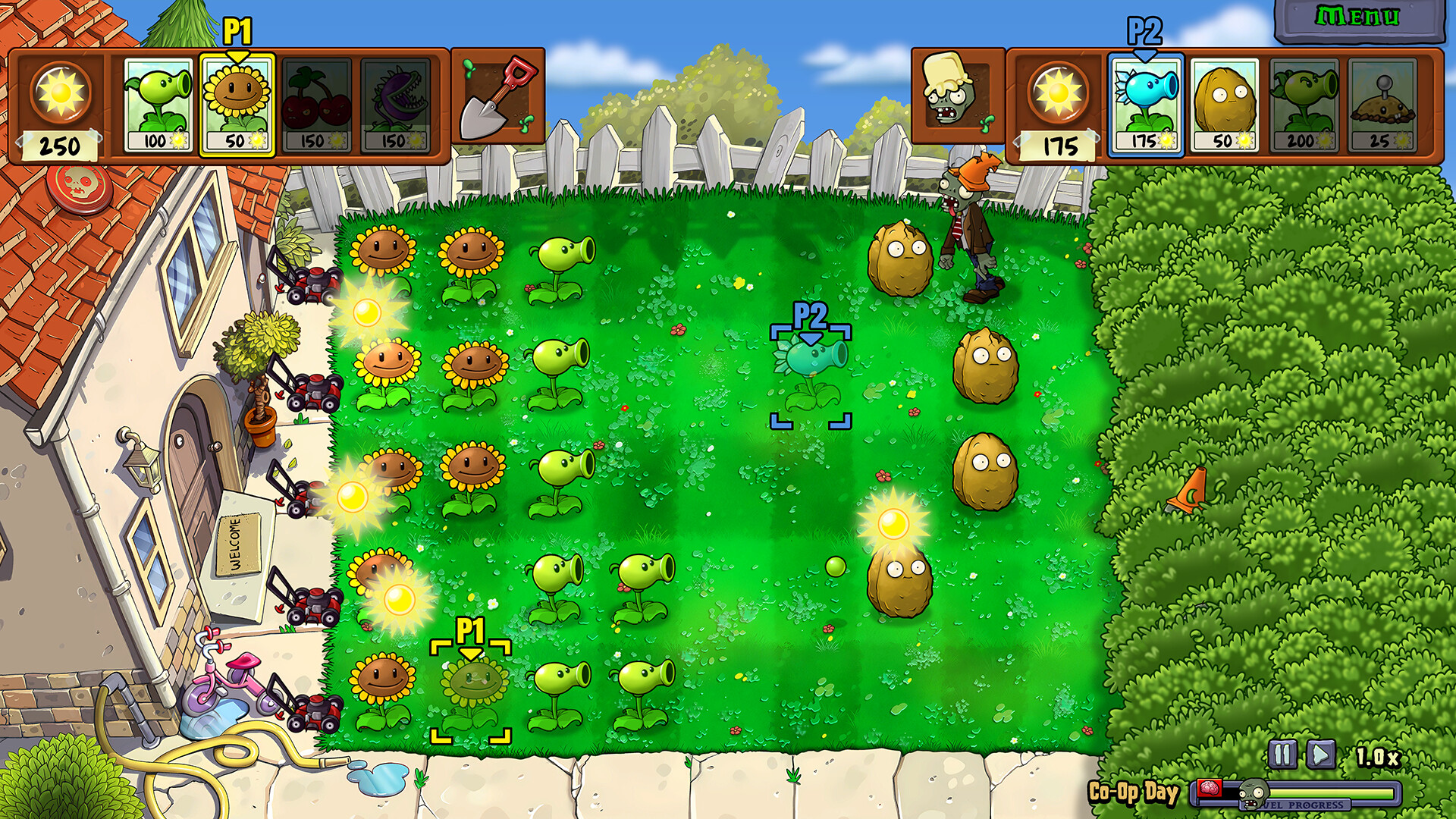
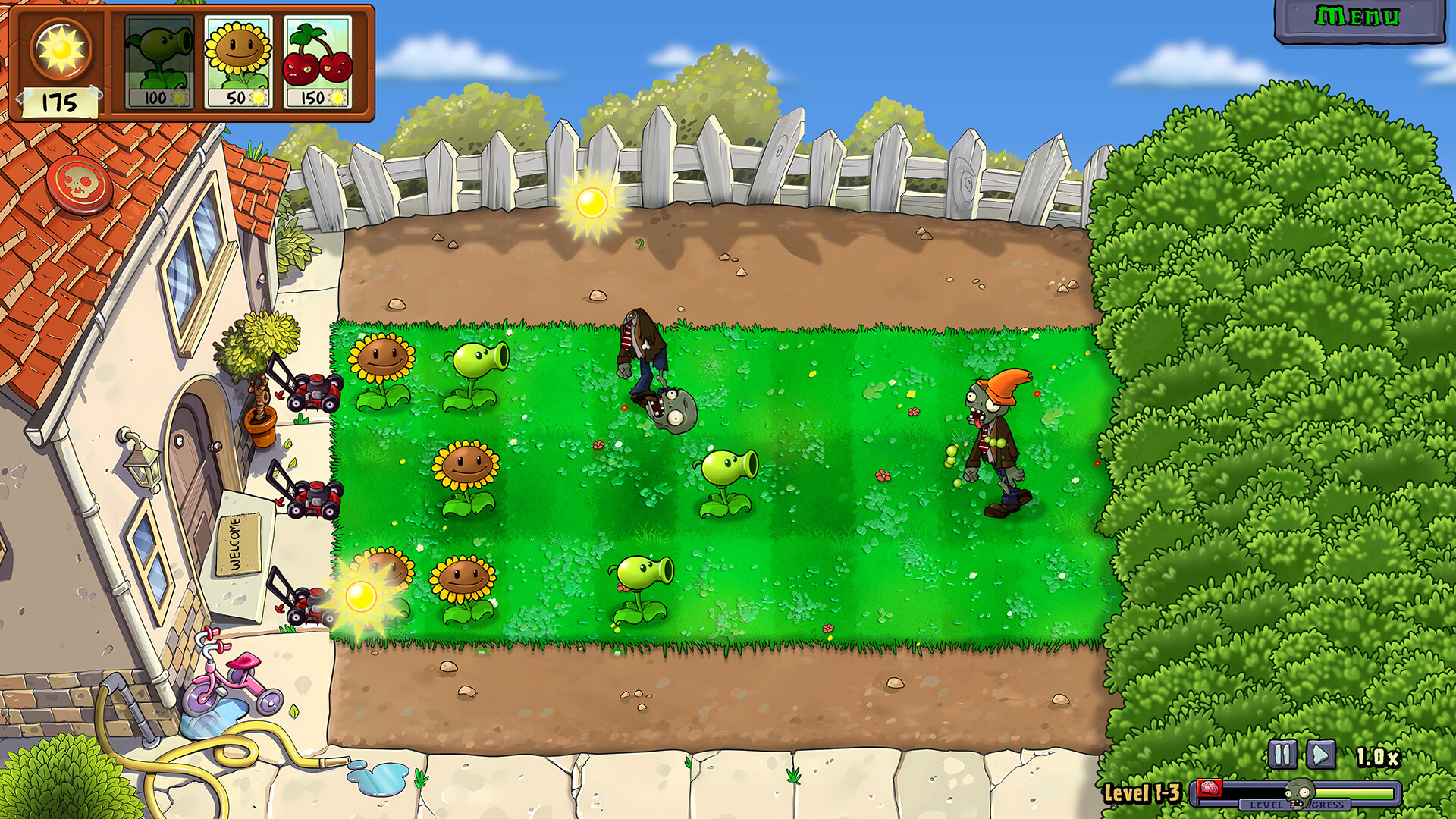
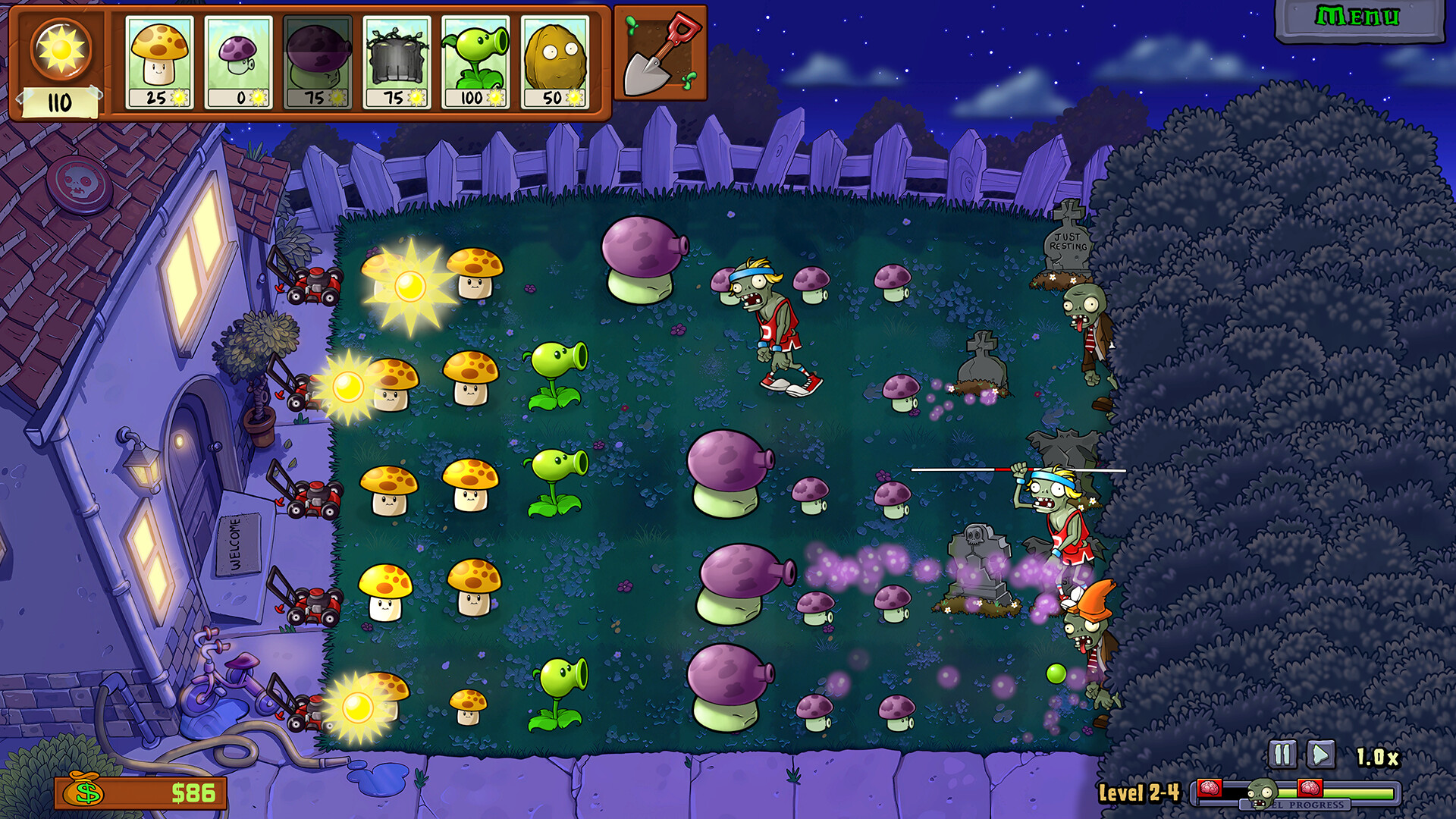
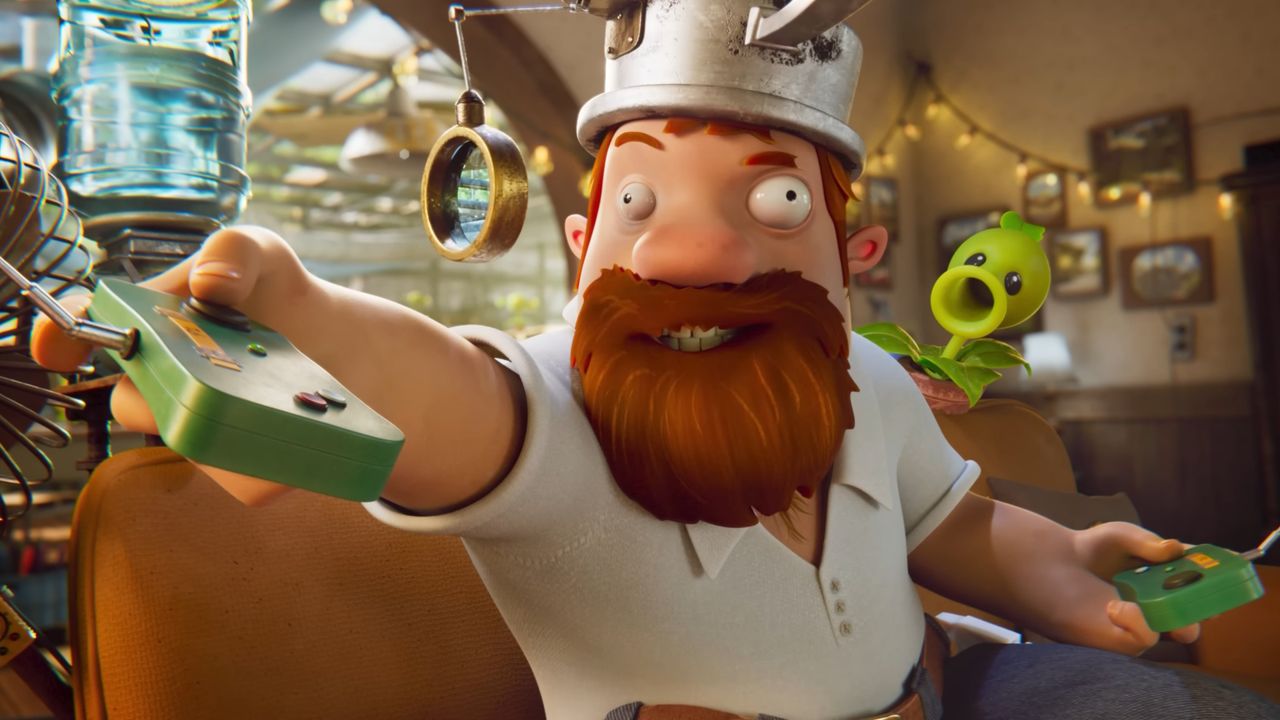
It took 16 long years, but Plants vs. Zombies is finally coming back. Unveiled during today's Nintendo Direct showcase (but yes, it's coming to PC, let's clear that up straight away), Plants vs. Zombies: Replanted is a full remaster of the original game, "with new levels, fresh twists, and 15 years of never-before-seen franchise history."
It's hard to overstate how big Plants vs Zombies was following its debut in 2009, and a big part of that was its universal appeal. At first glance it looks like a silly, casual diversion your early 2000s mom might play, but underneath the cheery cartoonishness of it all lay a pretty damn good strategy game: If you weren't properly upgrading and deploying your Peashooters, Wall-nuts, Sunflowers, and Squash, you were going to have a very bad time.
It was a massive success, quickly surpassing Bejeweled and Peggle as Popcap's fastest-selling game ever, leading to console and mobile ports, merchandise of all sorts (I have at least four different physical editions of PvZ), and even a World of Warcraft crossover. It was also undoubtedly a big driver of EA's decision to acquire the studio for $750 million in 2011.
Ah, but it hasn't gone especially well since then. EA decided to make Plants vs Zombies 2 a free-to-play mobile game, because of course it did; then came Plants vs. Zombies: Garden Warfare, a third-person shooter, and Plants vs. Zombies: Heroes, a digital card game, also mobile only. Plants vs. Zombies: Battle for Neighborville dropped in 2019—another shooter.
The original Plants vs. Zombies (technically the game of the year edition, but close enough) remains available on Steam and Epic, and lest there be any doubt about how beloved it really is, it's rocking an "overwhelmingly positive" rating on Steam with more than 130,000 user reviews. It still runs quite well but it's also pretty long in the tooth at this point, with a 4:3 aspect ratio and no adjustable visual options.
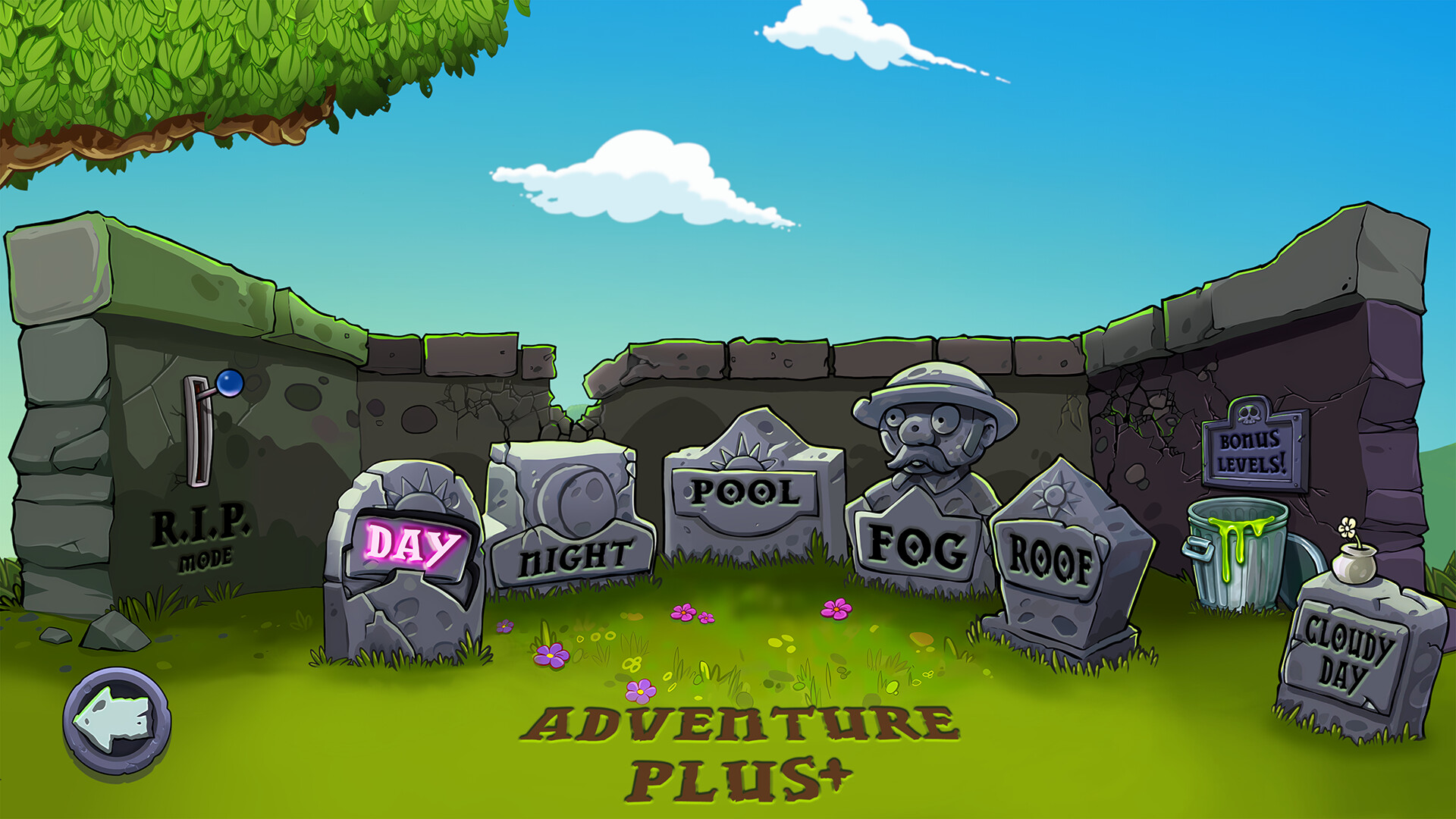
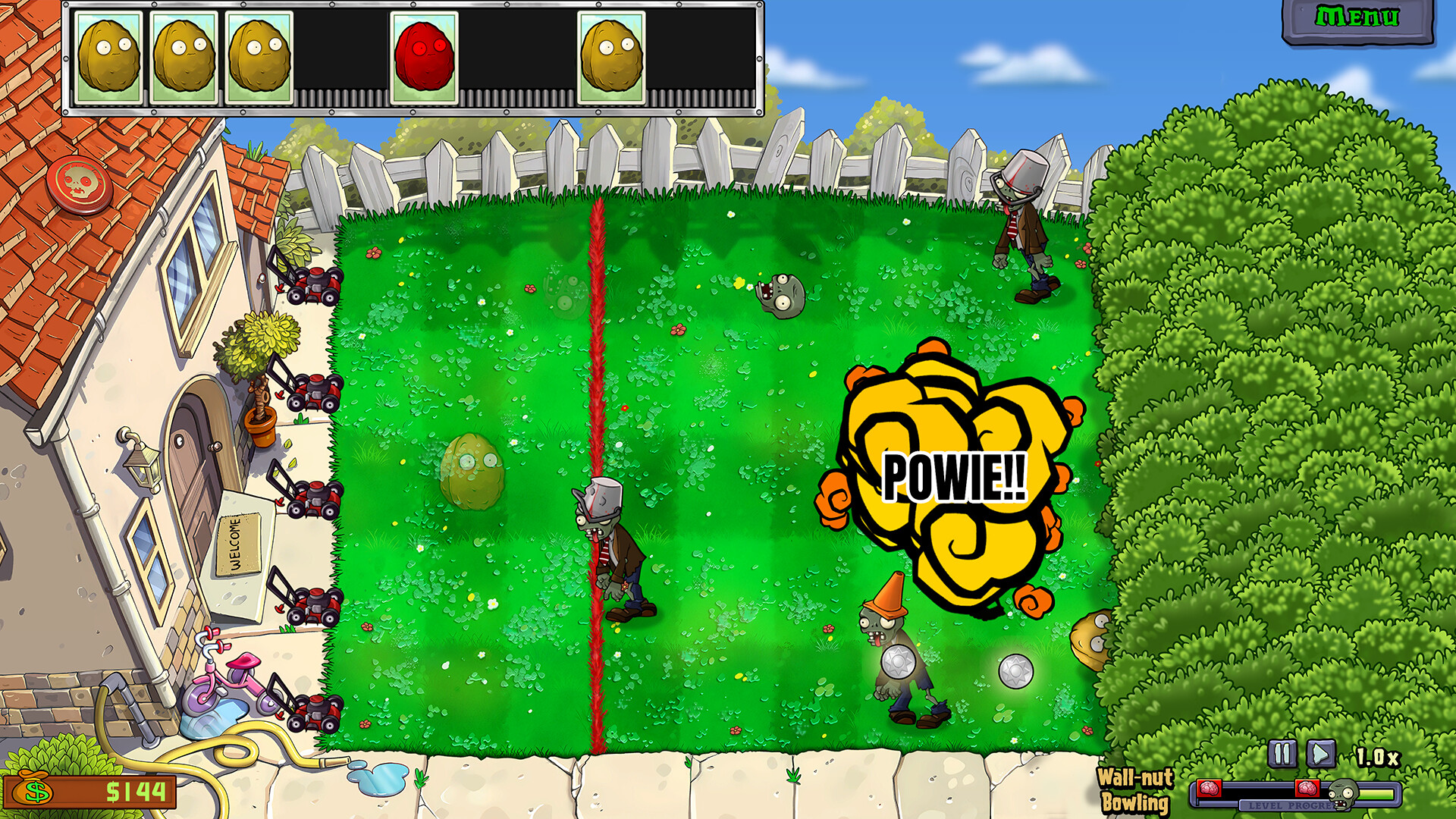
So yeah, this is long overdue. Plants vs. Zombies: Replanted will offer "upscaled HD graphics" with an unspecified range of new visual options, which is definitely a plus. But far more notable is the addition of new modes: Along with the original PvZ gameplay, Replanted will feature local co-play and PvP, a new permadeath Rest in Peace hardcore mode, a Cloudy Day mode with limited sunlight, and updated mini-games.
Image 1 of 5
(Image credit: Electronic Arts)
Image 2 of 5
(Image credit: Electronic Arts)
Image 3 of 5
(Image credit: Electronic Arts)
Image 4 of 5
(Image credit: Electronic Arts)
Image 5 of 5
(Image credit: Electronic Arts)
All told, it sounds like a pretty major upgrade—and given how long it's been since we've had a proper Plants vs. Zombies game on PC, you better believe I'm excited for it. Plants vs. Zombies: Replanted is set to launch on October 23 and will be available for PC on Steam and the Epic Games Store.
What if oxygen is poisonous and it just takes 75-100 years to kill us?
My science teacher said he thinks that’s true actually
Yeah this is actually pretty much exactly what is going on. It’s why anti-oxidants are such a big deal. Bonus fact: oxygen oxidizes stuff in your cells or, in other words, it’s not toxic, just setting you on fire
very very slowly.
What if there are aliens out there but they subsist on entirely different substances and they’re just scared as shit of us and our crazy ass hell planet? Once in a while some alien anthropologist type suggests checking out the people on this inhabited planet out towards the galaxy’s edge. The other aliens just look at the naive academic with horror. No!! We do not go to that world. That is where the DEATH BREATHERS live. They recreationally consume poisons and are more or less composed of biological fire. Their atmosphere is made of rocket fuel. We must leave the DEATH BREATHERS in peace. Do not go there. Do not.
I tend to always reblog posts about humans being terrifying weirdos to aliens.
okay but…that is actually what went down on earth about 2.5 billion years ago.
Earth was doing just fine with a mostly nitrogen/carbon dioxide atmosphere and everyone was happy to go on living in anaerobic bliss and then cyanobacteria suddenly hit the scene, altered the atmosphere composition so that there was a ton of oxygen gas and killed practically everything (97% or more of all species on earth).
We are literally descendants of the DEATH BREATHERS and cyanobacteria is our deadly mother.
The cyanobacteria holocaust is so big, it doesn’t even have a cool name; it’s just called “The Great Oxygenation Event”; the *second* most apocalyptic extinction event in our planet’s history is the one that’s called THE GREAT DYING (the Permian-Triassic event, about 252 million years ago).
This shit makes like the rock-throwing that wiped out the dinosaurs look like kindergarten.
OH HOW I LOVE THIS POST. It makes me so much happier about being alive. I AM BURNING VERY SLOWLY. *hugs it*
And once again, the internet makes learning history and science a thousand times more interesting than school ever did.
I love shit like this.
I was totally having thoughts along these lines and along comes tumblr to pretty much sum it all up. Bravo~
Tom the Dancing Bug 1748 hollingsworth hound 19 – devil
Please join the team ensuring that your friendly neighborhood independent comic strip survives: JOIN THE INNER HIVE and you'll get each week's Tom the Dancing Bug comic at least a day before publication. Plus other exclusive content like extra comics, commentary, juicy gossip, puzzles, jokes, and Otis pics. — Read the rest
A Batavia, Illinois company called Savor has figured out how to turn carbon dioxide drawn from the atmosphere and hydrogen from water into fat that is molecularly identical to the butterfat in sticks from the dairy aisle. The product browns, melts, and tastes like the real thing, the company says, and its ingredient label is short: the lab-made fat, water, sunflower lecithin, and natural flavor and color, reports CBS News. — Read the rest
Private therapy sessions, drug confessions, and intimate relationship details from ChatGPT users appeared in Google search results due to a controversial sharing feature that OpenAI has now removed.
Ars Technica reports that users who thought they were simply saving their ChatGPT conversations for later discovered their private chats were publicly accessible through Google searches. — Read the rest
well yeah i have a pet hydra and it only has one head. i’m not going to cut its head off just to make it look cooler, you asshole. that’s seriously unethical. and i’m not letting you cut its head off either. if you really want a hydra with multiple heads, you should go for a rescue- but if you want your pet to look cooler at the cost of its physical health, maybe you shouldn’t get any kind of pet at all. no, the hydra’s not for guarding my evil tower, it’s my pet. have you ever heard of a pet? like a puppy or a kitty? you think i can’t defend my evil tower by my self?