Look at all those details! Maps will show traffic lights, stop signs, and building outlines in navigation mode. (credit: Google)
It might be hard to believe, but there are still some incredibly useful features that can be added to Google Maps. The latest addition brings traffic-light and stop-sign icons to navigation mode.
Traffic lights have appeared in Google Maps in some areas since 2020. Not everyone had access to them, though, and they never seemed to show up while navigating. Now, lights and stop signs will appear on everyone's routes while navigating. That should give users a better feel for how their trip will go and when they should turn. Google says many more normal map details will soon be visible in the navigation view, including building outlines and areas of interest.
While a ton of details pop up on the regular map, navigation mode previously stripped out most of them, and the spaces between roads have usually been blank. For cities with a high level of Google Maps details, you'll also start to see the specific shape and width of a road, including medians and islands.
Close relatives of journalist Maks Levin at his funeral on April 4 in Kyiv, Ukraine. Levin went missing on March 13 and was found dead on April 1 near the village Huta Mezhyhirska, north of Kyiv. | Alexey Furman/Getty Images
A local official and a journalist’s father were abducted. Their families’ stories are part of a pattern of disappearances in Russia-occupied Ukraine.
Update, April 12, 2022: Viktor Maruniak was released as of Tuesday, according to his relatives, and is recovering in the hospital.
On March 21, Natali called her father to wish him a happy birthday. It was Viktor Maruniak’s 60th, but, on the phone, he sounded sad and nervous. Maruniak is the starosta, or elected head, of Stara Zbur’ivka, a village more than an hour outside of Kherson, a city in southern Ukraine. Russian forces now occupied it, Maruniak told Natali. He would call her back later. “And I told him, ‘Okay, I will wait for you, please call me back,’” she said.
Natali’s father never did.
She learned later, through relatives, that Russian soldiers took Maruniak from the home he shared with his wife. On the morning of March 23, Russian forces returned, with Maruniak in handcuffs.
The Russian soldiers searched the house, relatives told Natali, though what the soldiers were looking for remains unclear. They ripped the flowers out of their pots. They found the money, even the bills they’d hidden carefully, and they took that along with other valuables, and the candy and the nuts. They destroyed the furniture. The soldiers examined a hole in the yard dug by the dog, suspicious of the loose soil.
“Woman, calm down,” soldiers told Maruniak’s wife, according to Natali. “Maybe it’s the last time you see your husband.”
She saw her husband one more time, on March 24. He returned again with soldiers, though this time, they covered their faces. “Feed him, change his socks, and give him his medicine,” they ordered Maruniak’s wife. As she did, she noticed his legs were bruised blue. There was another bruise on his right temple, another on his arm. Maruniak said nothing, only that it was cold where he was being held.
That was the last Maruniak’s family saw or heard anything about him.
Courtesy of Natali
A photograph of Viktor Maruniak, an elected official of a village in southern Ukraine. According to his daughter, Natali, he was taken by Russian soldiers and has been missing since March 24.
Maruniak is among dozens of local officials or community leaders who have been abducted or arbitrarily arrested by Russian forces as they seized territory in Ukraine, especially in the east and the south. These disappearances are both an attempt to coerce cooperation and atargeted effort to silence and intimidate Ukrainians who may oppose or organize against a Russian occupation.
The disappearances, said Tetiana Pechonchyk, the head of Human Rights Centre ZMINA, a Ukraine-based organization, are intended to “stop the resilience of local population and to incline the local mayors, active members of local communities, who have authority in this community, to press them to collaborate with the occupiers.”
The United Nations Human Rights Monitoring Mission in Ukraine has documented about 109 cases of suspected detention or enforced disappearances among civilians since February 24, including 48 local officials. The UN and other human rights groups have confirmed disappearances among other members of civil society: volunteers, activists, journalists, religious leaders, protesters, and former military veterans. (Vox reached out to the Russian Embassy for comment, but did not receive a response.)
Anastasiia Moskvychova, who has been tracking disappearances for ZMINA, says they have confirmed more than 100 arbitrary detentions since February 24; about 50 people are still missing.
But Oleksandra Matviichuk, a Kyiv-based activist and head of the Center for Civil Liberties, said these numbers are only the “top of the iceberg.” Her group is tracking dozens more suspected cases of enforced disappearances, but they are still trying to corroborate evidence, a task that’s all the more difficult in Russian-occupied areas. Other times, family and friends of the suspected victims fear making that information public.
Amidst the falling shells in Ukraine, another chilling phenomenon is occurring. People are disappearing off the street—abducted by Russian forces in a campaign of intimidation. Over the next few days I'll be shining a spotlight on these faces—to call for the release of #TheTaken. pic.twitter.com/EcI006vyqg
Fear is why disappearances happen. It is a particularly insidious human rights violation and a technique utilized by US-backed dictators in Latin America in the 20th century, Nazi Germany, and other regimes around the world. Individuals are arbitrarily arrested or detained by a government — or affiliated groups like security services, local militias, and criminal gangs — and because disappearances happen outside the bounds of the law, there’s often little recourse. “State denial is an essential part of a disappearance,” said Freek van der Vet, a researcher at the University of Helsinki’s institute of international law and human rights. “Somebody would disappear, and now authorities, or occupying forces, would deny they are responsible for the disappearance.”
These tactics did not begin with Russia’s invasion of Ukraine on February 24; they are a continuation of a strategy used before, including during Russia’s military campaigns in Chechnya and in Ukraine. After Russia annexed the Crimean peninsula in 2014 and invaded the Donbas region in eastern Ukraine in support of a separatist movement, activists and journalists and officials were abducted and detained in these regions.
“It’s the repetition of the Russian playbook,” said Mattia Nelles, a political analyst specializing in Russia and Ukraine. “It’s definitely a concerted effort of intimidation that we see in the now-occupied areas in the south and east, but also in the north.”
Zalizetskaya, who had already left Melitopol, told them she would not return. Instead, referencing a viral clip of Ukrainians on Snake Island talking to a Russian warship, she told the men they could go where that warship went — that is, to “go fuck yourself.”
On March 25, she got another call from a man who she referred to as Sergei. She demanded he let her father go. “When you stop writing bad stuff,” he told her. In another call, Sergei accused Zalizetskaya of causing the deaths of Russian soldiers with her writing. “Why me? You came to our land and you’re killing us,” Zalizetskaya shot back. “I’m not guilty in the death of your soldiers.”
Zalizetskaya, though, understood this back-and-forth would not go anywhere. Her 75-year-old father had recently had a stroke, and he needed his blood pressure medication. So she made a deal: on her Facebook page, she would post that she no longer owned the Melitopol news outlet, in exchange for her father’s “evacuation” — the words his captors used, she emphasized.
In Melitopol aged father of journalist Svetlana Zalizetska was taken hostage by probably FSB people. They say they will release him only if Svetlana gives herself up. She is not in Melitopol anymore. pic.twitter.com/9MDLdKTial
Kremlin spokesperson Dmitry Peskov told CNN in March that he was not aware of any disappearances among journalists or civil society activists, despite well-documented reports from human rights groups. And these organizations have seen what happened to Zalizetskaya’s family happen before in Russian-occupied territories.
“We can clearly state that it is a deliberate policy,” Matviichuk said. “This is like a method of conducting warfare.”
Extrajudicial arrests happen within Russia, but they are documented more frequently in Russia’s other territories, including Dagestan and Chechnya, where enforced disappearances became what Human Rights Watch described as an “enduring feature” of the conflict.
“Now we see the same scheme,” Pavlichenko added, “and it’s only the beginning of this scheme.”
Disappearances are one element of the scheme; the other is what happens after that. Advocates say they have credible evidence — including from those who have been released since 2014 — that those being held are interrogated, and sometimes tortured, physically and mentally, and sometimes killed. Zalizetskaya said that her father was never beaten, but interrogated nightly: “They just repeated the same question: ‘Why are you arrested?’ And he was answering, ‘because of my last name.’”
Natali noted that what little information her relatives had about her father’s disappearance, they knew he was cold. “They hold people in conditions which can be torture itself,” Matviichuk said. The longer people stay disappeared, the more likely they are to be killed, though confirmation of that is often difficult to obtain.
Human rights watchers and experts say it is often difficult to say who is carrying out disappearances, or subsequent mistreatment — including in Ukraine right now. “The state actors are not interested in accountability for those kinds of abuses, so it creates this environment of impunity,” said Saskia Brechenmacher, a fellow at the Carnegie Endowment for International Peace who has researched Russian civil society.
That can make it hard to know exactly how organized these actions are, or whether they are directed top-down from Moscow, the work of local units or security services, or militias affiliated with Moscow.
Eugenia Andreyuk, a human rights adviser at the World Organisation Against Torture (OMCT), said that some of those detained in Ukraine are arrested just days after Russia takes a city, and Russian forces often come directly to activists’ houses. That speed has led researchers to suspect Russia knew who they were targeting. Russian authorities, Andreyuk said, were “equipped for this.” Her colleague, Maryia Kvitsinskaya, regional consultant for the OMCT, said they are seeing military veterans being targeted in the smallest of villages. “For me, it’s a question of how they got the list of these people,” she said.
Ahead of the invasion, the United States told the United Nations it had credible information that Moscow was compiling lists of Ukrainians to be “killed or sent to camps.” Advocates do not have confirmation of such lists, or who may have compiled them if they do exist, but emphasized that this campaign of disappearances is not random.
“It’s not happening as some chaotic or spontaneous thing,” Andreyuk said. “This is very targeted detentions — and it’s a very targeted policy to get more control over society.”
A foreshadowing of how Russia will occupy these zones
Natali said there still is no information about her father. Her family has heard some rumors, including that a woman was taken to a pretrial detention center in Kherson, and might have seen Maruniak. If it was her father, he was skin and bones. Natali and her relatives still do not know what the Russian soldiers were looking at his home. She heard they might have been looking for weapons or guns, but her dad was not connected to military servicemen.
Again, this not knowing is the point. “[People] never know if somebody has died, or is still alive, or if they would ever return, and I think that creates the fear in society in general. Could this happen to me?” Van der Vet, of the University of Helsinki, said.
Courtesy of Natali
Viktor Maruniak’s family says Russian soldiers took him from the family home. “Everyone is afraid to talk in the village,” his daughter said.
Disappearances terrorize the local population, but Russia’s ultimate goal is to consolidate power, either through direct control or pro-Russian proxies. This is why civil society activists — those who can organize a peaceful resistance to occupation — are often the first targeted.
The detention of local authorities is also an effort to win legitimacy. “If you can get mayors, or elected officials, to say that ‘okay, they support the new order,’ I think that’s very important,” said Oxana Shevel, associate professor of political science at Tufts University.
If they cannot win that cooperation, the abduction of a local leader gives the Russian military the opportunity to install a more pliant figure, as Russian personnel attempted to do in Melitopol. (In that case, surveillance video showed the capture of the elected mayor, Ivan Fedorov, with a bag over his head; he has since been freed, and has continued to speak about his capture.)
Added together, these disappearances help create a “Stalin-like” police state, a rule through terror and mistrust, and where nobody knows what — or who — might make them a target of disappearance. “If you just keep silent, it is also suspicious,” Pavlichenko said.
Those who have tracked disappearances in Ukraine since 2014 point out that, as brutal as that campaign was, this latest chapter is different. The Ukrainian population in places like Kherson and Melitopol have continued to protest and resist the invasion — even after evidence of kidnappings. “We’re really afraid that we will have more and more cases [of enforced disappearances],” Kvitsinskaya said. “Because what we see — it’s really the way how Russia’s military responds when civilians don’t want to cooperate with them.”
After her father’s kidnapping, Natali says that few people will come to her father’s house anymore. “Everyone is afraid to talk in the village,” she said. Her father’s wife is afraid too, but of leaving the house. “What if they will bring her husband home when she wouldn’t be there?” she said. “So she’s just waiting for him.”
Additional reporting and translation by Olena Lysenko, a journalist and producer based in Ukraine.
Update, April 8, 2022, 11 am ET: This story has been updated with new data on disappearances from the United Nations Human Rights Monitoring Mission in Ukraine.
A depot owned by the Russian multinational energy corporation Lukoil, on April 7, in Brussels, Belgium. | Thierry Monasse/Getty Images
They codify a ban on oil imports and enable higher tariffs on other goods.
After weeks of debate, Congress has finally approved its first sanctions on Russia, spurred on by new reports of war crimes in Ukraine.
Lawmakers passed two bills aimed at levying severe penalties on Russia and providing more support for Ukraine on Thursday. The legislation, the Suspending Normal Trade Relations with Russia and Belarus Act and the Suspending Energy Imports From Russia Act, covers much of the same ground as sanctions the White House has already put in place, but underscores the degree of bipartisan support for such punishments.
These bills codify the Biden administration’s ban on Russian oil imports and revoke normal trade relations with Russia and Belarus. They also go further than existing sanctions by reauthorizing the Magnitsky Act, which allows the US government to sanction individuals for human rights violations.
Additionally, the Senate passed legislation on Wednesday which establishes a lend-lease agreement that enables the US to loan weapons which Ukraine can pay for at a later time. The House has yet to consider this bill, however, and won’t take it up before an upcoming recess.
Until this week, sanctions legislation has been bogged down in the Senate due to Republican concerns.
Ultimately, lawmakers faced pressure to get something done before they left for a two-week recess on Friday, particularly following reports of hundreds of civilian casualties and evidence of torture in Bucha, Ukraine.
“If anybody ever justified the revocation of normal trade relations, it’s Vladimir Putin and the Russians for their conduct … and all this grotesque barbarism over the weekend and into the week,” Sen. Ron Wyden (D-OR) told reporters on Wednesday.
What Congress’s sanctions would do
The Senate had struggled to come together on a sanctions package, despite longstanding bipartisan interest in doing so, largely due to the concerns of two GOP senators, whose buy-in was needed for a vote to move forward quickly.
In recent weeks, Republicans have held up a vote as they demanded specific changes. Two weeks ago, Sen. Rand Paul (R-KY) took issue with Magnitsky Act provisions which established the human rights violations that could warrant sanctions. He argued the bill was too broad regarding what counted as a violation, and could lead to Democrats sanctioning people for actions like blocking abortion access.
“We’ve just told them they need to put the definition in there of what a human rights abuse is,” Paul said at the time. “But we won’t let them pass it unless they put it in there so they’re either going to put it in there or they’re going to be here for a week doing it.”
Sen. John Cornyn (R-TX), meanwhile, had pushed for a lend-lease agreement to be considered along with existing sanctions bills.
Both lawmakers’ issues were eventually resolved. The language in the Magnitsky Act provision was changed to focus on “gross” human rights violations instead of “serious” human rights violations. And Cornyn also received a vote on his lend-lease legislation.
Both chambers have now passed two sanctions bills, which cover the following provisions:
Oil ban: The oil ban bars Russian imports of oil, natural gas, and coal, codifying an action Biden already took last month.
Revocation of normal trade relations with Russia and Belarus: Biden had previously announced his support of repealing normal trade relations with Russia and Belarus, but required congressional authorization to fully implement it. Changing the trade status of these two countries enables the US to impose higher tariffs on imported goods.
Reauthorizing the Magnitsky Act: The proposal would also reauthorize the Magnitsky Act, which enables the US government to sanction individuals and entities that have committed human rights violations by denying them entry into the country, freezing assets held by US financial institutions, and preventing Americans from engaging in business transactions with them.
Congress’s actions back up what the administration has done
Many of Congress’s actions bolster moves that Biden has already made.
Because of the broad authority the president was given under the International Emergency Economic Powers Act (IEEPA) in 1977, the executive branch is able to implement most sanctions on its own, says Adam Smith, a sanctions attorney who previously worked on the issue in the Obama administration.
“I can’t think of any legislative obligation that was given to any executive that they couldn’t have assumed him or herself,” Smith told Vox.
By passing sanctions, however, Congress is sending a message that the US government is united in its support for Ukraine and its focus on holding Russia accountable. Additionally, it’s using legislation to further empower the president, while giving Congress some jurisdiction over when penalties can be lifted.
In the case of revoking normal trade relations with Russia and Belarus, for example, Congress’s actions strengthen Biden’s ability to impose more tariffs, and show that he has the backing of members of both parties in doing so.
These bills, however, can also make it tougher to roll back sanctions: When it comes to both bills, the president would need to submit certifications to Congress in order to remove the penalties, a safeguard against reversing the punishments before Russia has stopped its invasion.
You can prepare your brain for the next big disaster, biological or otherwise. A futurist explains how.
Part of Pandemic-Proof, Future Perfect’s series on the upgrades we can make to prepare for the next pandemic.
In 2010, game designer and forecaster Jane McGonigal invited nearly 20,000 people to imagine a future pandemic — and, for a few weeks, live as though it were real.
Specifically, McGonigal asked them to simulate a respiratory pandemic that originates in China in 2020 and travels around the world infecting millions of people. They practiced wearing masks in public. They wrote journal entries about how it feels to get quarantine orders. And they figured out how they’d use their unique skills to help others in this scenario.
So when the real respiratory pandemic originated in China in 2020, they felt ready. They emailed McGonigal things like, “I’m not freaking out, I already worked through the panic and anxiety when we imagined it 10 years ago,” and, “Time to start social distancing!”
Increased mental resilience and an ability to adapt faster are among the benefits of simulating the future, according to McGonigal’s new book, Imaginable. She explains how anybody can get better at forecasting the future and preparing for it. Crucially, you don’t need to be invited into a large-scale game like the one above, which was dubbed EVOKE.
You can start by simply writing a journal entry as though you’re living through a future threat — whether it’s a new pandemic, a climate disaster, an incoming asteroid, or an emerging technology gone awry. Ask yourself questions like: What will I feel in this future? What will I and others need most? How will I use my unique strengths to help others?
Questions like these spark a “learned helpfulness” process that can make you feel empowered as you look ahead, says McGonigal, who directs games research at the Institute for the Future. I talked to her about how we can train ourselves to become better futurists, why making better forecasters out of the public can lead to better policy, and how simulations are processed in the brain. A transcript of our conversation, edited for length and clarity, follows.
Sigal Samuel
Before anyone ever heard of Covid-19, you ran not one but two big pandemic simulations. In 2008, you ran Superstruct, which simulated a respiratory pandemic. And in 2010, you ran a simulation called EVOKE for the World Bank, which imagined a respiratory pandemic plus other disasters happening at the same time — extreme weather from climate change, misinformation, and so on.
What did your simulations accurately predict?
Jane McGonigal
In these simulations, we gave the same scenario to everyone: There’s a global respiratory pandemic, people are being asked to quarantine, schools might be closed. And we asked questions like: Under what circumstances would you violate an order to quarantine? The No. 1 thing we heard was for religious worship. People would go to church or synagogue even if it put them at risk. And of course we then saw that [with the real Covid-19 pandemic] early on, so much of the superspreading was happening around churches and religious services, and a lot of the conflict that arose around shutdowns was in the context of freedom to gather for worship.
We also had people practice wearing masks out in public. We asked: How long would you be willing to wear one for? What would you want to take it off for? And we definitely saw participants report the friction and the discomfort with it. So we knew [at the start of the Covid-19 pandemic] that things that were going to interfere with our social interactions were going to be tricky.
We also saw moms worrying: What am I going to do if the schools are closed? Am I going to be able to work? And, of course, that turned out to be a serious economic issue — we saw a mass exodus of women from the workplace.
Sigal Samuel
You often get asked, “What’s the secret to making accurate future forecasts like Superstruct and EVOKE?” In your book, you say that it’s no great secret — just pay attention to what experts are warning you about. Specifically, you mention “signals of change” and “future forces.” Can you explain what you mean by those?
Jane McGonigal
Future forces are large-scale drivers of change. They’re like the winds of change, the hurricanes of change — you see them coming from very far off. For example, we know that extreme heat is one of the big future forces that we’re going to be grappling with for the next few decades. Not all future forces are bad — some are good. Universal basic income is one that I’m really excited about.
You can know what the future forces are; there are reports and publications that do a really good job of conveying this. Make it a habit every year to go read the World Economic Forum’s Global Risks Report that comes out in January. It’s 500 to 1,000 experts saying what keeps them up at night and how likely they think the different risks are. You don’t have to make it your job to do something about it. Just put it in your brain so you’re primed to pay attention when signals of change emerge.
Signals of change are specific events, news stories, or breakthroughs that are happening now. They’re clues to what the future might be like.
Wuhan was a signal. And then Italy was a signal. And then New York City was a signal. The problem for most people is that they look at one instance of change and they see it as isolated; they don’t understand the pattern it’s a part of. If you make it a habit to look for signals of change, you just get better at spotting these growing risks faster.
Sigal Samuel
I think of the signals and future forces as stars versus constellations. If my mind is primed to know that there might be an entire constellation in this patch of sky, then if I see one star — one signal — my mind won’t assume this is an isolated incident. It’ll think there’s probably a bunch of other stars in this patch of sky.
Jane McGonigal
That’s a great analogy. And there’s actually something fun about looking for signals of change, in that you are kind of playing connect-the-dots.
Sigal Samuel
What is the main goal of running a pandemic simulation? Should we be thinking of these simulations more as a tool to influence policymakers or to influence regular citizens?
Jane McGonigal
My personal belief up until the year 2020 was that the primary purpose of these simulations was to have a transformative impact on the participants ... to create more people who are more flexible in their thinking about the world. I see it as a skill set we’re trying to diffuse across the planet — that if we have millions of people who have already thought about this kind of crisis, that will diffuse during the real crisis.
Now, having seen hard-to-predict social consequences fairly well predicted by players, I would like to make an effort to translate some of these experiences into more actionable advice. To give [policymakers] actionable information, like, “Here are going to be the main obstacles and here are going to be the top conspiracy theories, so you can think about countering them.”
Sigal Samuel
Most of the pandemic simulations I’d heard of pre-Covid seem to have been run with academic experts and government officials in the hopes of getting policymakers to break out of the pandemic panic-neglect cycle — to prime them to take pandemic prevention seriously and respond well if a crisis actually happens. How hopeful are you that we can run simulations that are actually effective at shaping policymakers’ decisions?
Jane McGonigal
It really depends on your theory of change. With simulations as they’ve historically been run within government, I’m not sure anybody has the authority to act on what they find, because of bureaucracy [that constricts what any one expert or official can do about pandemic policy]. But when we have ordinary people play these simulations out in the real world, it’s like a rehearsal for demanding action. We should as a public be able to demand policy or change with our own foresight.
It’s not just to put pressure on [officials] to enact the policy, but also to give them permission. It’s easier to change policy or invest in future risk when there’s social demand for it. So I do think it’s necessary for the public to be involved for these simulations to really drive substantive policy change.
Sigal Samuel
We’re seeing right now, for example, that Congress is not devoting nearly enough funding to preventing the next pandemic. So you’re saying maybe if the public were more primed in our imaginations to anticipate that another pandemic is absolutely coming and we should invest more in preventing it, our pressure would give Congress permission to fund that?
Jane McGonigal
Exactly. Now, this is very optimistic. The largest simulations I’ve run have 20,000 people. This is assuming we could get that number up to 200,000 or 2 million. I don’t know of any significant funding source for this type of work. Part of the reason I wrote this book is to try to create a movement of people who want to invest in this idea of simulating futures with the public and not just behind closed doors.
Sigal Samuel
In terms of getting these simulation skills out there, is this something that we should be teaching as part of the curriculum in every high school and college, in the same way that many now teach critical thinking or critical reading skills?
Jane McGonigal
Absolutely. One of the big moonshots for the Institute for the Future is to get futures thinking into more high school and university classrooms. We’re actually partnering with some projects to do that. In California, there’s a project called California 100. We’ve been helping them develop future scenarios for the future of California over the next 100 years, and they’re looking to engage high school students and college students in this type of futures thinking as a way of trying to build out this skill set in the population.
Sigal Samuel
Why do we need simulations to build this skill set? Why can’t we just have fiction?
Jane McGonigal
The thing about a social simulation is that you’re imagining yourself in a future scenario. It’s not a character; you’re not role-playing someone other than yourself. It’s really you. And so you’re creating memories in your mind of the future that are actually very similar to real memories. It becomes easier for you to imagine these things you’ve never experienced because you’re committing the information to your brain in a different way, where it feels more like a personal lived experience than some kind of vicarious narrative.
The core mechanic of these simulations is essentially five-minute journal entries from the future. We ask you to take five minutes to write in as vivid detail as you can: What are you doing on this day that’s different because there’s a pandemic? What emotions are you feeling? We ask people to write it down as if it’s already happened so that it becomes a memory rather than an abstract fact.
And this is the big thing that really drives my work: the difference between abstract facts and lived experience in terms of how the brain processes information.
Sigal Samuel
What is the difference, neurologically, between how each of those gets processed?
Jane McGonigal
In the field of neuroscience, there have been thousands of papers written in the past decade about exactly what happens when you imagine the future. They parse out essentially two networks of future thought.
One is semantic, which is basically just: What are the facts about this future? This is mostly hippocampus-driven. When most of us think about the future, we tend to think about it in that very abstract, semantic way.
But then there’s episodic futures thinking (EFT), which engages many more regions of the brain. It’s where we try to picture ourselves living through the future. It’s almost like watching a movie in our mind. We can look around and really see and hear and touch, and we tell stories about our lived experiences of something in the future.
I try to create a world where literally anybody can look around and say, “Oh, hey, I can see how this would affect me, and here’s how I would feel or act.” That’s something futurists have not always been good at. Futurists often write very abstract reports. And it’s just hard for people to understand what it means for them.
Sigal Samuel
You write about studies showing that the emotions you feel during EFT are just as psychologically powerful as emotions that you actually experience in the present. The intensity of emotion that you feel can make an imagined future more vivid and salient, so you’re more likely to pay attention to it or be motivated to act on it. Are there other benefits to EFT?
Jane McGonigal
The other aspect is that if you’re pre-feeling negative emotions, it can be a kind of therapeutic intervention against future trauma. Essentially you can do exposure therapy to some of these scenarios, so that instead of feeling emotions like shock and anxiety, the feelings that come up first are more like pre-recognition or familiarity.
That’s really interesting because those are positive emotions. Pre-recognition is the sense of, “I saw this coming.” It gives you a kind of confidence, right? Your brain says, “I was smart enough to know this is possible.” Just that tiny spark of positive emotion can help you pivot from shock or denial or helplessness so you can move faster into preparing yourself and helping others.
We’ve covered a variety of recent copyright lawsuits against songs that sound vaguely similar, noting this ridiculous war on genres, and basically outlawing the idea of an homage. Even in cases where the lawsuits fail (which is frequently, though not always), it’s still an extremely costly waste of time that can still have massive chilling effects on creative people. Ed Sheeran has been sued a few times with these kinds of claims, and thankfully, just won a case in the UK.
But, perhaps even more importantly, with the announcement of the win, Sheeran put out a really fantastic video statement that is worth watching about the state of vexatious copyright lawsuits these days.
Ed’s been dealing with a lawsuit recently and he wanted to share a few words about it all pic.twitter.com/hnKm7VFcor
In case that video disappears (or you’re not able to watch it), here’s a transcript:
Hey guys. Me, Johnny, and Steve have made a joint statement that will be a press release on the outcome of this case.But I wanted to make a small video to talk about it a bit, because I’ve not really been able to talk about it whilst it’s been going on. Whilst we’re obviously happy with the result, I feel like claims like this are way too common now, and have become a culture where a claim is made with the idea that a settlement will be cheaper than taking it to court, even if there is no basis for the claim. It’s really damaging to the songwriting industry.
There’s only so many notes and very few chords used in pop music. Coincidence is bound to happen if 60,000 songs are being released every day on Spotify—that’s 22 million songs a year—and there’s only 12 notes that are available.
I don’t want to take anything away from the pain and hurt suffered from both sides of this case, but I just want to say, I’m not an entity. I’m not a corporation. I’m a human being. I’m a father, I’m a husband, I’m a son. Lawsuits are not a pleasant experience. And I hope that with this ruling, in the future baseless claims like this can be avoided. This really does have to end.
Me, Johnny, and Steve, are very grateful for all the support sent to us by fellow songwriters over the last few weeks. Hopefully, we can all get back to writing songs, rather than having to prove that we can write them. Thank you.
That’s a really fantastic statement. Copyright has long been a complete mess, and one that, in its current form, has done way more damage to creativity than helped it. And Sheeran is no stranger to recognizing this as it’s not the first time we’ve talked up his views on these things. Five years ago, we wrote about how he explained that piracy is what made his career possible. And not in the sense of this lawsuit, which falsely accused him of “pirating” someone else’s work, but he recognized that fans sharing his songs is what made it possible for him to build a devoted fan base.
Furthermore, when his big record label pulled a video down of someone singing a Sheeran cover on Facebook, causing her to lose her account for infringement, Sheeran stepped in to say he supported people singing his songs and got his label (Atlantic/Warner) to remove the copyright claim.
But this is not just about Sheeran. In the video above, he correctly notes that he’s a human being, not an entity or a corporation. But he’s also an enormously successful and wealthy human being who is able to weather these attacks more easily than nearly everyone else impacted by a copyright system run amok. For most people today’s modern copyright system is not doing anything to incentivize new creations or to “protect” artists. It’s doing the opposite. It’s great that Sheeran seems to understand all this, but it’s not enough for a few musicians (and the wider public) to recognize it.
We’re still living in a world where the record labels, like Sheeran’s, and other legacy players in the copyright industries, are pushing for ever more ridiculous copyright laws. In the EU they have Article 17, that is going to make things much worse, while in the US, we have a new bill, pushed for by the record labels to basically break the internet in support of their (not the actual artists) business interests.
The copyright system is broken. It’s great that Ed recognizes that and is willing to speak to that fact, but these lawsuits aren’t going to go away just because he won this one. It needs real change in terms of fixing our incredibly broken copyright system. And it certainly doesn’t need politicians playing to donors making it worse.
SHANGHAI, March 29 (Reuters) - Epidemiologists examining the biggest Chinese outbreak of COVID-19 in two years are trying to ascertain why the proportion of asymptomatic cases is so high, and what it could mean for China's future containment strategy.
The number of new confirmed community transmitted cases in the major financial hub of Shanghai reached 4,477 on Tuesday, a record high, but only 2.1% showed symptoms. The share of symptomatic cases over the previous seven days was around 1.6%.
Although outbreaks overseas have demonstrated that Omicron was less deadly than its predecessors, with lower levels of hospitalisation, the rate of symptomatic infection was relatively high compared to China's numbers.
In Britain, estimates for the share of asymptomatic Omicron infections have ranged between 25% and 54%, government data shows, although testing has not been systematic.
Britain has also been ahead in lifting all restrictions as it and other countries adapt a policy of living with COVID while the Chinese government has remained cautious and international travel is still curtailed.
The lack of symptomatic infections in the country and the very low number of deaths - only two related to COVID this year - has raised hopes that China can achieve a "soft landing" when it eases "dynamic clearance" restrictions as it refers to a policy of lockdowns and mandatory testing.
Following are some explanations for why the rate of asymptomatic cases is so high.
SURVEILLANCE TESTING
China is also the only major country to do mass, untargeted surveillance testing, which is bound to uncover more asymptomatic cases, although it could also be expected to reveal more symptomatic cases.
"Surely, high levels of testing will pick up more rather than less asymptomatic cases," said Adrian Esterman, an expert in biostatistics at the University of South Australia.
In other countries, many people who test positive with home kits do not report it and official data also shows falls in infections outside China have coincided with a decline in the number of tests carried out.
On Monday alone, Shanghai conducted more than 8 million tests at over 60,000 stations throughout its locked down districts. Other countries, even if they still impose mandatory testing programmes, now take a more targeted approach.
LOWER VIRULENCE, HIGHER VACCINATION
China's uncompromising response to the new variant was partly a result of uncertainty about levels of immunity and resistance among the population after nearly two years of heavy containment.
But writing on the Twitter-like Weibo platform last week, Shanghai COVID expert Zhang Wenhong said that while the new Omicron variant was harder to eliminate, it was clearly less "scary" than its predecessors.
Chinese experts, including Zhang Boli, who advises the government on COVID-19 treatment, have said the inherently lower pathogenicity of Omicron, combining with the country's relatively high vaccination rates, could be lowering the number of symptomatic infections.
However, vaccination levels in South Korea and Singapore are higher than in China, and they have more symptomatic cases.
CATCHING IT EARLY
Zhang also said in an interview with China's Science and Technology Daily on Tuesday that the large proportion of asymptomatic infections was not necessarily a characteristic of the virus itself.
The high rate could be a result of early detection in China, allowing authorities to catch and isolate cases before they became symptomatic, and it was still possible that large numbers of people could get ill.
Wu Zunyou, chief epidemiologist of the China Center for Disease Control, told a press conference on Saturday that "asymptomatic" was not a fixed state. People could start to get ill within days and attention still needed to be paid to the infection rate, he said.
CO-INFECTIONS
It is also possible that many of the symptoms that are being picked up in overseas cases are caused by "co-infections", with particularly virulent strains of the common cold often presenting in similar ways to COVID-19.
Researchers said that lockdowns overseas led to a noticeable decline in other infectious diseases, including influenza. With much of world now learning to "coexist" with COVID, there has also been an opportunity for old viruses to make a comeback.
Reporting by David Stanway; editing by Barbara Lewis
The FBI remotely accessed and disinfected US-located devices running a powerful new strain of Russian state botnet malware, federal authorities said Wednesday. Those authorities added that the Kremlin was using the malware to wage stealthy hacks of its adversaries.
The infected devices were primarily made up of firewall appliances from WatchGuard and, to a lesser extent, network devices from Asus. Bothmanufacturers recently issued advisories providing recommendations for hardening or disinfecting devices infected by the botnet, known as Cyclops Blink. It is the latest botnet malware from Russia’s Sandworm, which is among the world’s most elite and destructive state-sponsored hacking outfits.
Regaining control
Cyclops Blink came to light in February in an advisory jointly issued by the UK’s National Cyber Security Centre (NCSC), the Cybersecurity and Infrastructure Security Agency (CISA), the National Security Agency (NSA), and the Federal Bureau of Investigation (FBI). WatchGuard said at the time that the malware had infected about 1 percent of network devices it made.
A woman wearing a face mask walks on a busy street in New York on January 19, 2022. | Wang Ying/Xinhua via Getty Images
There’s a spectrum of risk among this group, and a lot of tools to help them.
Fredrick Wilson, a spine doctor at the Cleveland Clinic, was asleep at home in June 2020 when he had a massive heart attack that destroyed more than three-quarters of his heart tissue. He was lucky to survive the ambulance ride to the hospital.
Until then, Wilson, now 66, had been a healthy cyclist who took no prescription drugs. But after the attack, he needed a heart transplant, and with it, 33 pills to swallow a day, including powerful immunosuppressants to prevent his immune system from attacking his transplanted heart. These drugs help keep his new heart pumping, but they also make it harder for his body to fight off infections. They put him at high risk for both catching Covid-19 and having severe outcomes from the infection.
As Covid-19 stutters into endemicity, the more than 7 million Americans with weakened immune systems, including Wilson, are left making hard choices that others don’t face. He feels conflicted: He misses taking care of his longtime patients and teaching junior colleagues his craft. But he’s also afraid to die from Covid-19 after such a miraculous survival.
“Every time I go to the office, I’m going to feel some risk involved, and I’m not really that comfortable with it,” he said. But, he added, “I’m just not ready to stop seeing patients just yet.”
Even for a doctor, making decisions as an immunocompromised person is difficult — especially now. There’s no obvious guidebook for this group, in part because immunocompromised states are almost as diverse as the individuals who cope with them. While the risks associated with these conditions are not uniform, many immunocompromised people are now making decisions under a blanket of fear.
Helping people with weakened immune systems navigate this stage of the pandemic means recognizing that the group contains a large spectrum of risk — but even those at more risk now have tools that allow them to be proactive about their safety, and both individual and collective actions can help protect them.
There’s a wide spectrum of risk among immunocompromised people
It’s really hard to assess the exact risk an immunocompromised person faces. That’s partly because “immunocompromised” is a catch-all term for a complex group of conditions. The immune system consists of many interrelated parts, and weaknesses in different components of it can lead to different levels of risk.
“It’s not like there is a clear category of ‘you’re immune compromised’ and ‘you’re not at all’ — there’s a gradient,” said Dimitri Drekonja, an infectious disease doctor at the University of Minnesota.
Immune systems can be weakened in different ways — via disease, such as advanced or untreated HIV; by treatments for certain medical conditions, such as medications used to treat rheumatoid arthritis, multiple sclerosis, and some cancers; or by medications that target normal immune systems in transplant patients, to prevent them from attacking new organs, or immune system components, such as in stem cell transplants.
When it comes to Covid-19, the important question for immunocompromised people is whether their immune system’s specific vulnerability places them at higher risk for either infection with or severe disease due to the coronavirus.
Immunocompromised people, overall, are thought to be at particular risk for Covid-19 because the SARS-CoV-2 virus is so new, said Christine Koval, who leads the transplant infectious disease team at the Cleveland Clinic.They’re also at relatively higher risk for severe outcomes from common cold and flu viruses, but their immune systems have encountered these viruses before. SARS-CoV-2 is too new for their immune systems to offer much protection against it.
The data is mixed on which immunocompromised people face the greatest danger when it comes to Covid-19, in large part because many in this group are older or have other medical conditions that raise the risk of severe disease.
Experts generally agree Covid-19 risk is elevated for people with cancers of the blood or immune systems (like leukemia, lymphoma, and multiple myeloma), lung cancer, advanced or progressive cancer, recent stem cell transplants, and advanced or untreated HIV. Those actively receiving chemotherapy that reduces bone marrow activity and people with some primary immunodeficiencies are also in the highest-risk category.
The CDC’s “moderately to severely immunocompromised” designation, created largely for the purposes of allocating Covid-19 vaccines, includes these high-risk categories. But it also includes more ambiguous ones, including people taking other immunosuppressive medicines and those who have received organ transplants, conditions whose risk scientists don’tunderstand as well.
Researchers have not yet developed a unifying theory to explain why certain immunocompromised states raise the risk from Covid-19, but many have proposed an important role for B cells. These immune cells are responsible for producing the antibodies key to the immune system’s sentinel function, which identifies invading germs and signals the need for a counterattack. That makes them critical to the body’s defenses against new pathogens; because people taking medicines that dampen these cells’ activity have a less robust vaccine response and higher risk for severe infection or death when it comes to Covid-19, scientists think there is a relationship between B cell function and risk.
When a medical condition or treatment weakens the entire immune system, it also weakens B cells; that could explain why people with blood cancers, stem cell transplants, and advanced HIV are at higher risk.
However, B cell dysfunction doesn’t explain all of the risk immunocompromised people face, said David Hafler, a neurologist and immunobiologist at the Yale School of Medicine. In some people with weakened B cells (for example, those who take the prescription medication rituximab) other parts of the immune system seem able to pick up the slack — but not in everyone.
Ultimately, that makes it hard to sort individuals definitively into risk categories.
Hafler attributes some of this variability to the “immune lottery” — that is, the role of genetics in determining individual strengths and vulnerabilities in each person’s defenses. “Everyone has a different immune system,” he said, which makes it hard to ascertain why some people have severe Covid-19 infections while others do not, without understanding underlying genetic differences. (It is possible to test for the presence and level of SARS-CoV-2 antibodies in the blood, which are products of the immune system’s defense against the virus. But these tests don’t tell you how protected you are — or are not — from an infection.)
Megan Ryan, an advocate for people with primary immunodeficiencies, who herself has common variable immunodeficiency, said the individually variable nature of immunocompromised states makes it particularly important that higher-risk people get their information from health care providers who know them — not from the public square. “It is a confusing time,” she said, “because there’s a lot of people who are either experts or self-proclaimed experts — there’s just a lot of voices in the system.” She recommended seeking medical advice from the health care team that knows you best “rather than crowdsourcing an answer,” she said.
That’s also the best advice for people concerned they have an undiagnosed immune system problem: Get evaluated by a health care provider — ideally, one who knows you well.
What immunocompromised people and their communities can do
While immunocompromised people should address questions about individual risk and recommendations with their health care providers, they should also be aware of the tools available to protect them from Covid-19’s worst outcomes.
1) Vaccines and masks: Vaccination remains a key component of prevention. For people who initially received mRNA vaccines, the CDC now recommends a total of four doses for immunocompromised people, with the option of a fifth dose. For those who initially received Johnson and Johnson vaccines, the recommendation is for a total of three doses (preferably including mRNA doses), with the option of a fourth. Immunocompromised people are somewhat less protected by vaccines than people with normal immune systems, but the protection isn’t zero.
“Except in the most extreme circumstances, they do have some protection if they’ve followed the recommendations for the vaccinations,” Koval said.
Wearing a properly fitted N95 mask also provides excellentprotection during casual contact with others, even when they are unmasked. Koval said household members of immunocompromised people should also mask up in public places to avoid transmitting the virus when back at home.
2) Antibody treatments: A long-acting preventive antibody formulation called Evusheld should offer some hope to immunocompromised people hoping for a higher degree of protection. Early data showed this therapy reduced the risk of symptomatic infection in unvaccinated high-risk adults (including but not limited to immunocompromised people)by 77 percent, and that the protective effect may last long enough to allow recipients six months between doses.
But due to a short supply and confusion among health care providers about who should receive the drug, many immunocompromised people who want the drug have been unable to get it. Currently, the cost of this therapy itself is covered by the federal government, although the cost of infusing it varies by insurance plan. If Congress does not pass the latest, condensed version of a Covid-19 relief bill, Evusheld may become harder to access in the future.
3) Oral antivirals: If they do get infected, immunocompromised people may also benefit from treatment with Paxlovid, an oral antiviral medication people take early on during Covid-19 infections to prevent more severe illness. However, this medication cannot be taken with some other medicines commonly prescribed to treat high blood pressure and high cholesterol, so it will be off-limits to some immunocompromised people.
4) Services to connect patients with medications: A new Covid-19 therapeutics locator created by the federal government aims to help health care providers more effectively link treatments with patients who stand to benefit most from their protective effects.
Immunocompromised people can also use another new federal website geared toward patients to identify the nearest “test-to-treat” location, where people can be tested for Covid-19 and, if positive, get treated with either Paxlovid or molnupiravir, another antiviral medication that’s less effective than Paxlovid but doesn’t interact with other medications.
5) Non-immunocompromised people can be thoughtful, and policies can be proactive: Although mask mandates are no longer in effect in most of the US, an accommodating attitude from the general public — and policies that encourage a culture of consideration in places where there’s no way to remain masked around others — can help maximize safety for immunocompromised people.
Workplace lunchtimes are challenging for both adults and kids, said Drekonja: “I have a private office where I can go eat lunch, but many people don’t — they have a break room,” he said, or in the case of school children, a cafeteria. “They don’t get a magic forcefield for the 20 minutes that they’re eating — what do they do?” he said.
There are no easy answers on how to minimize exposure for immunocompromised people in these situations, especially in places where it’s too cold to be outside for half the year. However, improving ventilation and air filtration and maximizing vaccination rates and masking among those sharing air space with high-risk people in these scenarios would help.
Of course, the best way to reduce the risk Covid-19 poses to immunocompromised people is to reduce transmission of the SARS-CoV-2 virus altogether. The more we collectively take steps to avoid large waves of transmission going forward, the faster we lower the risk for everyone.
Assessing your risk tolerance and personal priorities might ease decision-making
At this stage of the pandemic, immunocompromised people have several tools to protect themselves from Covid-19. Still, some decisions remain difficult to think through. There is no way to know the absolute risk of any situation, and there is no way to do away with risk entirely. The uncertainty can feel unsettling and exhausting.
People who are able to balance caution and uncertainty with joy and meaningful activity are having an easier time right now. Personal preferences and priorities help determine how much these two years have felt like a loss, said Drekonja: If you’re someone who was looking forward to a retirement full of nights at the opera and dinners out, it has been brutal — but if you’re a homebody who just wants to read and go for walks outside, “It’s not a big deal,” he said. “Part of it is, what’s your baseline?”
Many people “get this message that they’re at such high risk for death that they can’t really function normally in the world,” said Koval. But she doesn’t believe that’s realistic.
“It is uncomfortable to live in these muddy situations, particularly when we’re two years in and the type of data that we have is just not that helpful for patients, and for us to help them make informed decisions,” Koval said. “I’m hoping it gets better.”
Fredrick Wilson, the doctor who suffered the heart attack, also hopes it gets better — ideally, in time to let him do just a little more of his life’s work before retiring. He would be reassured by proof that a combination of vaccines and antivirals would be 100 percent effective at preventing coronavirus deaths, but that proof does not yet exist, and it’s unclear if it ever will. Meanwhile, he has stayed up to date on his booster shots, and recently received a dose of Evusheld. He expects to start seeing patients again in early May.
Wilson recalls his earliest days of practice, when gaps in knowledge about the cause of AIDS made many clinicians afraid to care for patients. That uncertainty wasn’t all that different from the way the Covid-19 landscape feels right now, he said: “We don’t know all the answers yet — and it’s just going to take some time.”
Clarification, 11:30 am ET, April 6, 2022: This story was updated to clarify additional dose recommendations for immunocompromised people.
Enlarge / The chassis and battery pack of a Volkswagen AG (VW) ID.5 electric sports utility vehicle (eSUV) on the assembly line during a media tour of the automaker's electric automobile factory in Zwickau, Germany. (credit: Bloomberg | Getty Images)
The car industry’s multibillion-dollar bet on electric vehicles was built on a single premise: that batteries would carry on getting cheaper.
In 2019, Volkswagen executives even brandished charts predicting a steady decline in battery costs as they laid out their ambition to consign the combustion engine to history.
For years the industry was proved right: battery costs fell from $1,000 per KWH for the first models more than a decade ago to about $130 in 2021, paving the way to making them affordable for middle-income families.
Dirty Pipe is one of the most severe vulnerabilities to hit the Linux kernel in several years. The bug lets an unprivileged user overwrite data that is supposed to be read-only, an action that can lead to privilege escalation. The bug was nailed down on February 19, and for Linux flavors like Unbuntu, a patch was written and rolled out to end users in about 17 days. Android is based on Linux, so Google and Android manufacturers need to fix the bug, too.
It has been a full month since the Linux desktop rollout, so how is Android doing?
According to the timeline given by Max Kellermann, the researcher who discovered the vulnerability, Google fixed Dirty Pipe in the Android codebase on February 23. But the Android ecosystem is notoriously bad at actually delivering updated code to users. In some sense, Android's slowness has helped with this vulnerability. The bug was introduced in Linux 5.8, which was released in August 2020. So why didn't the bug spread far and wide across the Android ecosystem over the last two years?
As biology gets better, biosecurity gets harder. Here’s what the world can do to prepare.
Part of Pandemic-Proof, Future Perfect’s series on the upgrades we can make to prepare for the next pandemic.
Decades ago, when the world first agreed on the norms and guidelines in the Biological Weapons Convention (BWC), designing and producing biological weapons was expensive and difficult. The Soviet Union had a large program, which is suspected to have led to the accidental release of at least one influenza virus that caused tens of thousands of deaths. But the Soviets seem to have never finalized anything deadlier than what nature came up with.
Terrorist groups engaged in biological terrorism —like the Aum Shinrikyo cult,which launched a botched bioattack in Japan in 1993— have so far largely been unable to improve on anthrax, a naturally occurring pathogen that is deadly to those who inhale it but isn’t contagious and won’t circulate the globe the way a pandemic disease can.
But our ability to engineer viruses has grown by leaps and bounds in recent years, thanks in part to the rapidly falling price of DNA sequencing and DNA synthesis technologies. Those advances have opened the doorto innovations in medicine, but theyalso present a challenge: Viruses as deadly and disruptive as Covid-19, or potentially much much worse, are going to be possible to produce in labs worldwide soon, if not right now.
To prevent pandemics that could be far worse than Covid-19, the world has to dramatically change our approach to managing global biological risks. “Amateur biologists can now accomplish feats that would have been impossible until recently for even the foremost experts in top-of-the-line laboratories,” argued Barry Pavel, a national security policy director at the Atlantic Council, and Atlantic Council co-author Vikram Venkatram.
Avoiding a catastrophe in the coming decades will require us to take the risks of human-caused pandemics far more seriously, by doing everything from changing how we do research to making it harder for people to “print” themselves a copy of a deadly virus.
Covid-19 was a warning shot forhow fast a pandemic disease can spread around the world, and how ill-equipped we are to protect ourselves from a truly killer virus. If the world takes that warning shot seriously, we caninsulate ourselves against the next pandemic, be it naturally occurring or human-made. With the right steps, we could even make ourselves “highly resistant if not immune to human-targeted biological threats,” MIT biologist Kevin Esvelt told me.
Butif we ignore the threat,the consequences could be devastating.
Lab origins of pathogens, explained
It isn’t known for certain whether the virus that caused Covid-19 was an accidental release from the Wuhan Institute of Virology (WIV), which was studying similar coronaviruses, or a far more common “zoonotic spillover” from an animal in the wild. An analysis by the US intelligence community found both possibilities plausible. A pair of preprint studies published in 2022 pointed toward a live animal market in Wuhan as the origin of the first outbreak. And recent reporting in Vanity Fair spotlighted risky and reckless research modifying coronaviruses in the lab to study whether they would infect humans more easily, and detailed how the scientists conducting such research closed ranks to ensure their work was not blamed for the pandemic.
The reality is we may never know for sure. It can take years to conclusively trace back a zoonotic disease to its animal source, andChina has made it clear it won’t cooperate with further investigations that could clarify any role WIV research may have played in Covid’s origin, however inadvertently.
Hector Retamal/AFP via Getty Images
Security guards line the road in front of the Wuhan Institute of Virology in China’s central Hubei province on February 3, 2021, as members of the World Health Organization team visit to investigate the origins of the Covid-19 coronavirus.
Whatever chain of events caused Covid-19, we already know that infectious disease outbreaks can originate in a lab. In 1978, a year after the final reported cases of smallpox in the wild, a lab leak caused an outbreak in the UK. Photographer Janet Parker died, while her mother got a mild case and recovered; more than 500 people who’d been exposed were vaccinated. (Smallpox vaccination can protect against smallpox even after an exposure.) Only that quick, large-scale response prevented what could have been a full-blown recurrence of the once-extinct disease.
That’s not our only close brush with the return of smallpox, a disease that killed an estimated 300 million people in the 20th century alone. Six unsecured smallpox vials were discovered sitting in a refrigerator in the US National Institutes of Health (NIH) in 2014, having been forgotten there for decades among 327 vials of various diseases and other substances. One of the vials had been compromised, the FDA found — thankfully not one of the ones containing smallpox or another deadly disease.
Other diseases have been at the center of similar lab mishaps.In March 2014, a Centers for Disease Control (CDC) researcher in Atlantaaccidentally contaminated a vial of a fairly harmless bird flu with a far deadlier strain. The contaminated virus was then shipped to at least two different agricultural labs. One noticed the mistake when their chickens sickened and died, while the other was not notified for more than a month.
After SARS emerged in 2003, there were six separate incidents of SARS infections resulting from lab leaks. Meanwhile, last December, a researcher in Taiwan caught Covid-19 at a moment when the island had been successfully suppressing outbreaks, going without a domestic case for more than a month. Retracing her steps, Taiwan authorities suspected she’d caught the virus from a bite by an infected mouse in a high-security biology lab.
“The fact is that laboratory accidents are not rare in life sciences,” former Senator Joe Lieberman told the bipartisan Commission on Biodefense this March. “As countries throughout the world build additional laboratories to conduct research on highly infectious and deadly pathogens, it’s clear that the pace of laboratory accidents will naturally increase.
According to research published last year by King’s College London biosecurity researchers Gregory Koblentz and Filippa Lentzos, there are now nearly 60 labs classified as BSL-4— the highest biosecurity rating, for labs authorized to carry out work with the most dangerous pathogens — either in operation, under construction, or planned in 23 different countries. At least 20 of those labs have been built in the last decade, and more than 75 percent are located in urban centers where a lab escape could quickly spread.
Alongside the near certainty that there will be more lab escapes in the future, engineering the viruses that could conceivably cause a pandemic if they escapedis getting cheaper and easier. That meansit’s now possible for a single lab or small group to conceivably cause mass destruction across the whole world, either deliberately or by accident.
“Potential large-scale effects of attempted bioterrorism have been mitigated in the past by terrorists’ lack of expertise, and the inherent challenge of using biotechnology to make and release dangerous pathogens. Now, as people gain greater access to this technology and it becomes easier to use, the challenge is easing,” Pavel argues. The result? “Incidents of bioterrorism soon will become more prevalent.”
Dangerous research and how to combat it
The BWC, which went into force in 1975, was the first international treaty to ban the production of an entire category of weapons of mass destruction.
Identifying or creating new bioweapons was made illegal for the 183 nations that are party to the treaty. The treaty also required nations to destroy or make peaceful use of any existing bioweapons. As then-President Richard Nixon put it in 1969 when he announced the US would abandon any offensive bioweapons work of its own, “Mankind already carries in its own hands too many of the seeds of its own destruction.”
Department of Defense/AP
Technicians work in a laboratory at Fort Detrick in Frederick, Maryland, in the late 1960s under the offensive biological weapons program the Army ran there from 1943 to 1969.
But the BWC is underfunded and little-prioritized despite the magnitude of the threat biological weapons pose. It has just a few staff members running its implementation support unit, compared to hundreds at the Chemical Weapons Convention, and a budget smaller than that of the average McDonald’s franchise.The US could easily bolster the BWC significantly with a relatively small funding commitment, and should absolutely do so.
And despite the treaty’s broad aims, much of the work to identify dangerous pathogens that could potentially actas bioweapons is still ongoing — not as part of Cold War-era covert programs deliberately designed to create pathogens for military purposes, but throughwell-intentioned programs to study and learn about viruses that have the potential to cause the next pandemic. That means the Biological Weapons Convention does little to constrain much of the research that nowposes the greatest risk of future biological weapons use,even if the release of those viruses would be entirely inadvertent.
One such type of science is what’s called “gain of function” research, in which researchers make viruses more transmissible or more deadly in humans as part of studying how those viruses might evolve in the wild.
“I first heard about gain of function research in the 1990s, only then we had a different term for it: biological weapons research and development,” Andy Weber, former assistant secretary of defense for nuclear, chemical & biological defense programs in the Obama administration and now a senior fellow at the Council on Strategic Risks, told me. “The intent is 180 degrees off — NIH is trying to save the world from pandemics — but the content is almost entirely overlapping.”
The status of gain of function research has been hotly contested over the last decade. In 2014, after the series of scary lab safety and containment failures I outlined above and after revelations of alarming gain of function work on bird flu, the NIH, which funds much of the cutting-edge biology research worldwide, imposed a moratorium on gain of function work on pathogens with pandemic potential like influenza or SARS. But in 2017, the moratorium was lifted without much explanation.
Beyond the risk that a virus strengthened through gain of function work might accidentally escape and trigger a larger outbreak — which is one theory, albeit unproven, for how Covid-19 began — it can be hard to differentiate legitimate if risky research from deliberate efforts to create malign pathogens.“Because of our government support for this risky gain of function research, we’ve created the perfect cover for countries that want to do biological weapons research,” Weber told me.
The No. 1 thing he’d recommend to prevent the next pandemic? “Ending government funding for risky research that plausibly could have caused this and future pandemics.”
Another potentially riskyarea of virology research involves identifying animalspecies that act as reservoirs of viruses that have the potential to cross over into humans and cause a pandemic. Scientists involved in this workgo out to remote areas to take samples of those pathogens with dangerous potential, bring themback to the lab, and determine whether they might be able to infect human cells. This is precisely what researchers at the WIV apparently did in the years leading up to Covid-19 as they searched for the animal source of the original SARS virus.
Such work was advertised as a way to prevent pandemic-capable pathogens from crossing over into humans, but it was largely useless when it came time to fight SARS-CoV-2, Weber says. “After having done this work for 15 years, I think there’s little to show for it,” Weber told me. That’s not the only view within the virology community, but it’s not a rare one. Weber thinks Covid-19 should lead to a rethinking. “As the intelligence community concluded, it’s plausible that it actually caused this pandemic. It was of zero help in preventing this pandemic or even predicting this pandemic.”
Johannes Eisele/AFP via Getty Images
Workers are seen next to a cage with mice, at right, inside the P4 (BSL-4) laboratory in Wuhan on February 23, 2017. The P4 epidemiological laboratory was built in cooperation with French bio-industrial firm Institut Merieux and the Chinese Academy of Sciences.
There’s certainly a place for work identifying viruses at the wildlife-human boundary and preventing spillover, but the limited track record of viral discovery work has many experts questioning whether our current approach to viral discovery is a good idea. They argue that the benefits have been overstated while the potential harms have been undercounted.
At every stage of the process, such research generates the possibility of causingthe animal-human spillover that the scientists intend to study and prevent. And the end result — a detailed list of all of the pathogens that researchers have identified as incredibly dangerous if released — is a gift to biological weapons programs or to terrorists.
Thanks to improvements in DNA synthesis technology, once you have the digitalRNA sequence for a virus, it’s relativelystraightforward to “print” the sequence and create your own copy of the virus(more on this below). These days, “there is no line between identifying a thing as pandemic capable and it becoming available as a weapon,” Esvelt told me.
The good news? It shouldn’t be hard for policymakers to change course on dangerous research.
The NIH funds a large share of biology research globally, and a renewedNIH ban on funding dangerous research would significantly reduce how much of that dangerous work takes place. If the US adopts firm and transparent policies against funding research into making pathogens deadlier or identifying pandemic-capable pathogens, it will be easier to exercise the global leadership needed to discourage that work in other countries.
“China funds this research too,” Esvelt told me. It might be that, spooked by Covid-19, they’re open to reconsidering, but “if we don’t stop, it’s going to be really hard to talk to China and get them to stop.”
All of that amounts to a simple prescription for policymakers: Stop funding dangerous research, and then build the scientific and policy consensus necessary to get other nations to also stop funding such research.
Behind that simple prescription lies a great deal of complexity. Many discussions of whether the US should be funding dangerous research have run aground in technical arguments over what counts as “gain of function” work — as if the important thing is scientific terminology, not whether such research might trigger a pandemic that couldkill millions of people.
“94% of countries have no national-level oversight measures for dual-use research, which includes national laws or regulation on oversight, an agency responsible for the oversight, or evidence of a national assessment of dual-use research,” a 2021 report by the Johns Hopkins Center for Health Security and Nuclear Threat Initiative found.
And if that were to happen, the result could be as bad or worse than anything nature can cook up. That’s precisely what happens in a pandemic simulation put on in 2018 by the Johns Hopkins Center for Health Security. In the fictional scenario, a terror group modeled on Aum Shinrikyo engineers a virus that combines the high transmissibility of parainfluenza — a family of viruses that generally cause mild symptoms in young children — with the extreme virulence of the Nipah virus. The result is a supervirus that in the exercise eventually kills 150 million people around the world.
DNA synthesis and how it changes the bioweapons calculus
“Advances in synthetic biology and biotechnology make it easier than ever before to make pathogens more lethal and transmissible, and advances in the life sciences are occurring at a pace that governments have been unable to keep up with, which increases the risk of deliberate or accidental releases of dangerous pathogens,” Lieberman told the bipartisan Commission on Biodefense in March.
One of the most exciting recent areas of progress in biology has been the increasing ease of DNA synthesis — the ability to “print” DNA (or RNA, which makes up the genetic material of viruses like influenzas, coronaviruses, measles, or polio) from a known sequence. It used to be that creating a specifically desired DNA sequence was incredibly expensive or impossible; now, it is much more straightforward and relatively cheap, with multiple companies in the business of providing mail-order genes. While scientific skill is still very much required to produce a virus, it is nowhere near as expensive as it used to be, and can be done by a much smaller team.
Eric Piermont/AFP via Getty Images
Thomas Ybert, co-founder and CEO of biotech company DNA Script, works on the beta version of the world’s first benchtop DNA printer on August 28, 2020, in Kremlin-Bicetre, near Paris. In Junew 2021 DNA script announced the commercial launch of the “printer,” which has the ability to create from scratch synthetic DNA fragments that can be used by laboratories.
This is great news; DNA synthesis enables a great deal of important and valuable biology research. But progress in DNA synthesis has been so fast that coordination against dangerous actors who might misuse ithas lagged.
Furthermore, checking the sequence against a list of known dangerous sequences requires researchers to maintain a list of known dangerous sequences — which is itself something bad actors could use to cause harm. The result is an “information hazard,” what the existential risk scholar Nick Bostrom defines as “risks that arise from the dissemination or the potential dissemination of true information that may cause harm or enable some agent to cause harm.”
“DNA is an inherently dual-use technology,” James Diggans, who works on biosecurity at the industry-leading synthetic DNA providerTwist Bioscience, told me in 2020. What that means isDNA synthesis makes fundamental biology research and lifesaving drug development go faster, but it can also be used to do research that can be potentially deadly for humanity.
That’s the conundrum thatbiosecurity researchers — in industry, in academia, and in the government — are faced with today:trying to figure out how to make DNA synthesis faster and cheaper for its many beneficial uses while ensuring every printed sequence is screened and hazards are appropriately handled.
If that sounds like a challenging problem now, it’s only likely to get worse in the future. As DNA synthesis gets ever cheaper and easier, many researchers anticipate the creation of tabletop synthesizers that would allow labs to simply print their own DNA as needed for their research, no middleman needed. Something like a tabletop synthesizer could make for awesome progress in biology — and worsen the challenge of preventing bad actors from printing out dangerous viruses.
Furthermore, as DNA synthesis gets cheaper, screening for dangerous sequences becomes a larger percentage of the cost, and so the financial advantage of cutting corners on screening could become bigger, as companies that don’t do screening may be able to offer considerably lower prices.
Esvelt and the team he works with — which includes US, EU, and Chinese researchers — have developed a framework for a potential solution. They want to maintain a database with hashes of deadly and dangerous sequences — mathematically generated strings that correspond uniquely to each sequence but can’t be reverse-engineered to learn the dangerous original sequence if you don’t already know it. That will allow checking sequences against a list of deadly ones without risking anyone’s privacy and intellectual property, and without maintaining a public list of deadly sequences that a terror group or bioweapons program could use as a shopping list.
“Later this year, we anticipate making DNA synthesis screening available for free to countries worldwide,” Esvelt told me.
To make things truly safe, such a proposal should be accompanied bygovernment requirements that DNA synthesis companies send sequences on for screening against a certified database of dangerous sequences like Esvelt’s. But the hope is that such regulations will be welcomed if screening is secure, transparent, and free of charge to consumers — and that way, research can be made safer without slowing down progress on legitimate biology work.
International governance is always a difficult balancing act, and for many of these questions we’re going to need to keep revisiting our answers as we invent and improve new technologies. But we can’t afford to wait. The omicron variant of Covid-19 infected tens of millions of people in the US in the space of just a few months. When a disease hits, it can hit fast, and it can be too late by the time we know we have a problem.
Thankfully, the risk of a serious catastrophe can be much reduced by our choices in advance, from screening programs to making deadly viruses harder to engineer to global efforts to end research into developing dangerous new diseases. But we have to actually take those steps, immediately and on a global basis, or all the planning in the world won’t save us.
Elon Musk appears to have a childlike understanding of free speech, especially with regards to how content moderation and free speech work together. But after running a silly poll a few weeks ago, many people assumed that the reason Musk was agitating to see if people felt that Twitter “supported” free speech, was that he might try to buy the company. It turns out, he was already in the process of trying to do so. On Monday it was announced that Musk has accumulated nearly 10% of Twitter’s shares, via some pocket change, making him the single largest shareholder in the company.
The purchase, equal to 9.2 percent of the company, appears to make Mr. Musk Twitter’s largest shareholder. His holding is slightly larger than Vanguard’s 8.8 percent at the end of last year, and it dwarfs the 2.3 percent stake of Jack Dorsey, Twitter’s former chief executive. The shares represent a fraction of Mr. Musk’s reported $270 billion-plus net worth.
It’s unclear, in the short term, what that will mean for the company. It’s not clear, for example, that Musk will get a board seat or become a particularly active board member, but given his agitating, and the way he’s handled some of his other companies, it wouldn’t be much of a surprise if he does end up becoming quite active.
It is unclear what Mr. Musk’s plans are beyond the large shareholder position and whether he’ll ask — or be invited — to join Twitter’s board. Mr. Musk filed a securities document indicating that he planned for the investment to be passive, meaning he does not intend to pursue control of the company. But there was also speculation Monday that he could change the status of his investment, continue buying shares or even try to acquire the company outright, today’s DealBook newsletter reported.
“We would expect this passive stake as just the start of broader conversations with the Twitter board/management that could ultimately lead to an active stake and a potential more aggressive ownership role of Twitter,” Daniel Ives, an analyst at Wedbush Securities, said Monday morning.
Again, I think Musk deserves praise for driving some innovations forward, and having a unique vision on how to execute on big, challenging scientific problems — like sending rockets into space and building electric cars, among other things. But managing speech is not a scientific or engineering problem. It’s a human challenge. And Musk does not exactly have the greatest of track records in showing empathy, or, frankly, common decency.
When the initial rumors were that Musk might start a competing social network, I was at least intrigued to see how that might compete with something like Twitter. But I do wonder how much his naïve take on speech might do serious harm to Twitter.
Honestly, I hope this drives the Bluesky team to focus that much more on its efforts, because if Musk is intent on ruining Twitter, which may actually come to pass, having an easy offramp to building a better Twitter would be important.
Enlarge / The Nook 10" HD. (credit: Barnes & Noble)
The great Google Play billing crackdown is finally here.
Developers selling digital goods inside their Android apps all need to switch to Google Play billing, or they will be locked out of the Play Store. This has technically always been the rule at Google Play, but it went mostly unenforced until Google gave developers a deadline of September 2021 to get on board. The company then delayed the transition by letting app developers request a six-month extension, which ran out on March 31. So it has been a few days now—what's different?
The Verge reports that Amazon and Barnes & Noble are both complying with Google's rules. Amazon can sell whatever physical products it wants on its own billing system, but the company's Audible division sells digital purchases, which means it's Google Play or the highway. Audible has responded by pulling US currency purchases from the Android Audible app, though the company notes you can still spend "credits"—Audible's free purchase vouchers—in the app.
For decades now, a favorite DC lobbying tactic has been to create bogus groups pretending to support something unpopular your company is doing. Like “environmentalists for big oil” or “Americans who really love telecom monopolies.” These groups then help big companies create a sound-wall of illusory support for policies that generally aren’t popular, or great for innovation or markets.
Case in point: this week both Politico and CNBC released stories showcasing how Amazon and Google had been funding a “small business alliance” that appears to be partially or entirely contrived. The group, the Connected Commerce Council, professes to represent small U.S. businesses, yet has been busy recently lobbying government to avoid antitrust reform (which would, generally, aid small businesses).
When Politico reached out to companies listed as members of the organization, most of them had mysteriously never heard of it, and were greatly annoyed their company names were being used for such a purpose:
The four-year-old group listed about 5,000 small businesses in its membership directory before it removed that document from its website late last month. When POLITICO contacted 70 of those businesses, 61 said they were not members of the group and many added that they were not familiar with the organization.
Of course, this is classic astroturfing, a favorite K Street policy shop tactic. Telecom has used this practice for years, employing all manner of suspect organizations (often claiming to represent minorities, consumers, small businesses, or even cattlemen associations) to support things their purported constituents would never really support if they understood what was going on (more mergers, less competition, fewer consumer protections, whatever).
A particularly pernicious tactic involves the creation or “co-opting” of civil rights groups, who’ll support whatever shitty policy a telecom giant will want in exchange for, say, some funding for an events center. If an existing organization can’t be compromised, often telecoms will just create brand new ones. Sometimes the organizations started out as real, but just as often they’re completely fabrications.
The websites for such organizations almost always feature lots of stock photos of minorities, and the organizations spend a lot of time seeding op-ed in papers around the country to influence the discourse. The goal, again, is to create the illusion of broad, diverse opposition to something that actually has broad public (and small business) support: like, say, reining in monopolistic behavior.
That’s of course not to say there aren’t small businesses actively concerned that overly broad antitrust reform couldn’t harm small businesses. Especially given DC’s recent definition of antitrust reform has been decidedly half-assed. But real anti-monopoly groups make it very clear when talking to Politico that legitimate grievance wasn’t what the group was up to:
Stacy Mitchell, co-director of the anti-monopoly group the Institute for Local Self-Reliance, called 3C’s use of the businesses’ names “stunning.” Mitchell’s group helps mobilize small businesses in favor of regulating the major tech companies, most prominently Amazon. “It’s apparent that Amazon and Google think they can take whatever they want from small business owners, including using their names for their own lobbying agenda,” Mitchell said.
Unsurprisingly, neither Amazon nor Google wanted to talk about whether a PR firm they hired hijacked the names of small businesses for PR and lobbying purposes without those companies’ explicit permission — a pretty good sign the report is accurate.
In the late 00s, as “big tech” was just getting its lobbying footing, it generally avoided these kinds of unethical tactics. But as tech giants sought greater influence in DC, they quickly hired all the old hands from other industries that had been doing this kind of stuff for decades. Now, things are different (as made fairly clear by this week’s big story about Meta hiring firms to smear TikTok).
One amusing bit. Ken Buck, who has never really seen a shitty telecom monopoly policy he hasn’t supported and who knows the telecom sector has been doing this kind of stuff for decades, engages in some light face fanning that “big tech” could sink to such a level:
When asked about 3C’s representation of their membership, Colorado Rep. Ken Buck, the top Republican on the House Judiciary antitrust subcommittee, said, “The fact that Big Tech’s so-called grassroots support is fraudulent doesn’t surprise me.”
“This news is one more brick in the wall of a lobbying campaign that would have embarrassed Big Tobacco in its heyday,” added Buck, who is sponsoring legislation that would crack down on the tech giants’ power over the economy.
Whichever industry or company is doing it, it’s gross and sleazy. But despite these kinds of stories popping up occasionally, there’s never really any meaningful punishment or accountability for it. It’s generally too complicated of a concept for the public to get too upset by, or for media outlets to spend too much time discussing (after all, there are false stories about TikTok causing Tourette to cover).
And since these organizations can be easily pooped out of a factory by a K Street firm for a few thousand bucks, by the time an organization is exposed as a fabrication, they’re already busy building the next one.
It has been 19 days since the container ship Ever Forward ran aground near Pasadena, Maryland, on its way from Norfolk to Baltimore. The area around the boat was dredged, and there was an attempt to refloat the Ever Forward this past week, but five tugboats couldn’t shift it. 1/2 MV Ever Forward grounding- dredging continues today, Sunday March […]
The mRNA-based COVID-19 vaccines made by Pfizer/BioNTech and Moderna have proven highly effective at priming our immune systems to fight the pandemic coronavirus—preventing substantial amounts of infection, severe disease, and death throughout several waves of variants. But despite their similar design and efficacy, the two vaccines are not exactly the same—and our immune systems don't respond to them in the same way.
An early hint of this came from some real-world data that found startling differences in the effectiveness of the two vaccines, despite both shots performing nearly identically in Phase III clinical trials, with efficacies of 95 percent and 94 percent. Amid last year's delta wave, a Mayo Clinic study found that Pfizer's effectiveness against infection dipped to 42 percent while Moderna's fell to 76 percent.
According to a new study in Science Translational Medicine, such differences might be explained by evidence that the two vaccines spur the immune system to produce slightly different antibodies against SARS-CoV-2.
Never mind the economy. The real inflation is coming from government agencies seeking to justify their waste of taxpayers’ money.
While not otherwise occupied killing state residents with electric grid mismanagement or passing laws restricting their speech, Texas governor Greg Abbott has been touting the success of his personal border surge program — one he insists has led to record-breaking amounts of contraband seizures and arrests.
Governor Greg Abbott, the Texas Department of Public Safety (DPS), and the Texas National Guard today mark the one-year anniversary of Operation Lone Star (OLS)—an unprecedented, comprehensive mission to address the Biden-made crisis at Texas’ southern border. Officially launched on March 4, 2021, OLS integrates DPS assets, including Texas Highway Patrol Troopers, Special Agents, Texas Rangers, Rotary and Fixed Winged Aircraft and Tactical Boat Teams, along with the Texas National Guard and local law enforcement to secure the border.
Since the launch of OLS, multi-agency efforts have led to more than 208,000 migrant apprehensions, along with more than 11,800 charges for criminal offenses— including more than 9,300 felony charges. Members of notorious gangs like the Texas Chicano Brotherhood, Bloods, Mexican Mafia, MS-13, and others have been taken off the streets. DPS has arrested sex offenders, weapons traffickers, previously convicted and deported criminal immigrants, drug dealers, and other wanted criminals. In the fight against fentanyl, DPS has seized over 269 million lethal doses throughout the state.
Some of this is true. A lot of it is barely partially true. Governor Abbott forgot to consider one crucial fact: public agencies produce public records. And those records show the governor — along with his law enforcement partners — moved goalposts, expanded reporting to include areas far inland from the border, and massaged numbers to make the program appear successful. And it completely fails to show how this was an improvement over existing enforcement efforts, which would have saved Texas taxpayers $1 billion/year.
First off, the coverage area of “Operation Lone Star” was expanded to include several inland counties — ones that did not receive additional funding from the state under this program. From the ProPublica report:
According to the Texas Department of Safety, the belated inclusion of counties with zero contact with the border was nothing more than an effort to “better reflect the mission” of the operation by capturing arrest and seizure data occurring up to 300 miles inland. But it offered no explanation as to why these stats should be counted since these counties were not recipients of extra funding or staffing. The DPS — one of the few agencies willing to release data to public records requesters — also failed to demonstrate whether the reported stats showed significant improvement over those generated by normal, non-extra-billion-dollar border enforcement programs.
So, what sort of dangerous criminals were the combined forces (Highway Patrol, National Guard troops, “special agents”) able to stop using this combination of increased numbers and increased funding?
Until this year, Val Verde and Kinney were the only two counties prosecuting people crossing into the country through private property for trespassing.
The misdemeanor charge, punishable by up to a year in jail, makes up about 40% of the operation’s arrests from mid-July to Jan. 27, an analysis by ProPublica, the Tribune and the Marshall Project found.
Trespassing. Hardly the sort of thing justifying 40% of a billion dollars per year. It may be a crime but, in a large majority of cases, no one is trespassing with nefarious intent. They’re simply taking the most straightforward path to cities and towns where they can find food, shelter, and employment.
There’s another reason for the over-representation of this misdemeanor. Going after trespassers gives state and local agencies something to do with their border surge personnel and money. Border enforcement is the fed’s job. Local cops can detain suspected undocumented immigrants, but the arrests and charges are federal. Looking for “trespassers” allows Texas agencies to look useful and possibly explain what they’re doing with all of Abbott’s extra funding.
There is another reason for this border push: Governor Abbott’s continued employment. The governor held campaign events where he handed out fake pill bottles labeled “Beto Biden open border” that pointed to 1,334 fentanyl-related deaths in Texas in 2021. That’s not all the faux bottles said:
Inside was a mock warning label that credited the seizure of 887 pounds of fentanyl, or what he called more than 201 million deadly doses, to Operation Lone Star. Days later, Abbott repeated similar claims in a press release from the governor’s office.
But stats from the Department of Safety tell a different story. Only 160 pounds were seized in the areas the operation targeted. The inflated number Abbott linked to Operation Lone Star was actually the total of all seizures across the state. Even the 160 pounds attributed to the operation by the DPS was inaccurate.
All but 12 of the 160 pounds of fentanyl were captured in El Paso County, which was not one of the ones listed by DPS officials in November as receiving additional troopers and National Guard members from the operation. The county was one of several that declined to sign on to the governor’s border disaster declaration.
The report punches holes in every claim made by Gov. Abbott and the DPS. All that can be said for sure is more than a billion dollars have disappeared into a border enforcement hole with no quantifiable return on investment. And the effort appears to have been more motivated by Abbott’s desire to remain in office than in response to increased threats or danger at the border.
US troops training with deadly VX nerve gas. Asked to invent toxic compounds, an AI came up with 40,000, including VX nerve gas. | Leif Skoogfors/Corbis via Getty Images
A new study shows the risks that can come from research into AI and biology.
One big hope about AI as machine learning improves is that we’ll be able to use it for drug discovery — harnessing the pattern-matching power of algorithms to identify promising drug candidates much faster and more cheaply than human scientists could alone.
But we may want to tread cautiously: Any system that is powerful and accurate enough to identify drugs that are safe for humans is inherently a system that will also be good at identifying drugs that are incredibly dangerous for humans.
That’s the takeaway from a new paper in Nature Machine Intelligence by Fabio Urbina, Filippa Lentzos, Cédric Invernizzi, and Sean Ekins. They took a machine learning model they’d trained to find non-toxic drugs, and flipped its directive so it would instead try to find toxic compounds. In less than six hours, the system identified tens of thousands of dangerous compounds, including some very similar to VX nerve gas.
“Dual use” is here, and it’s not going away
Their paper hits on three interests of mine, all of which are essential to keep in mind while reading alarming news like this.
The first is the growing priority of “dual-use” concerns in scientific research. Biology is where some of the most exciting innovation of the 21st century is happening. And continued innovation, especially in broad-spectrum vaccines and treatments, is essential to saving lives and preventing future catastrophes.
But the tools that make DNA faster to sequence and easier to print, or make drug discovery cheaper, or help us easily identify chemical compounds that’ll do exactly what we want, are also tools that make it much cheaper and easier to do appalling harm. That’s the “dual-use” problem.
Here’s an example from biology: adenovirus vector vaccines, like the Johnson & Johnson Covid-19 vaccine, work by taking a common, mild virus (adenoviruses often cause infections like the common cold), editing it to make the virus unable to make you sick, and changing a bit of the virus’s genetic code to replace it with the Covid-19 spike protein so your immune system learns to recognize it.
That’s incredibly valuable work, and vaccines developed with these techniques have saved lives. But work like this has also been spotlighted by experts as having particularly high dual-use risks: that is, this research is also useful to bioweapons programs. “Development of virally vectored vaccines may generate insights of particular dual-use concern such as techniques for circumventing pre-existing anti-vector immunity,” biosecurity researchers Jonas Sandbrink and Gregory Koblentz argued last year.
For most of the 20th century, chemical and biological weapons were difficult and expensive to manufacture. For most of the 21st, that won’t be the case. If we don’t invest in managing that transition and ensuring that deadly weapons aren’t easy to obtain or produce, we run the risk that individuals, small terrorist groups, or rogue states could do horrific harm.
AI risk is getting more concrete, and no less scary
AI research increasingly has its own dual-use concerns. Over the last decade, as AI systems have become more powerful, more researchers (though certainly not all of them) have come to believe that humanity will court catastrophe if we build extremely powerful AI systems without taking adequate steps to ensure they do what we want them to do.
Any AI system that is powerful enough to do the things we’re going to want — invent new drugs, plan manufacturing processes, design new machines — is also powerful enough that it could invent deadly toxins, plan manufacturing processes with catastrophic side effects, or design machines that have internal flaws we don’t even understand.
When working with systems that are that powerful, someone, somewhere is going to make a mistake — and point a system at a goal that isn’t compatible with the safety and freedom of everyone on Earth. Turning over more and more of our society to steadily more powerful AI systems, even as we’re aware that we don’t really understand how they work or how to make them do what we want, would be a catastrophic mistake.
But because getting AI systems to align with what we want is really hard — and because their unaligned performance is often good enough, at least in the short term — it’s a mistake we’re actively making.
I think our best and brightest machine-learning researchers should spend some time thinking about this challenge, and look into working at one of the growing number of organizations trying to solve it.
When information is a risk
Let’s say you’ve discovered a way to teach an AI system to develop terrifying chemical weapons. Should you post a paper online describing how you did it? Or keep that information to yourself, knowing it could be misused?
In the world of computer security, there are established procedures for what to do when you discover a security vulnerability. Typically, you report it to the responsible organization (find a vulnerability in Apple computers, you tell Apple) and give them time to fix it before you tell the public. This expectation preserves transparency while also making sure that “good guys” doing work in the computer security space aren’t just feeding “bad guys” a to-do list.
But there’s nothing similar in biology or AI. Virus discovery programs don’t usually keep the more dangerous pathogens they find secret until countermeasures exist. They tend to publish them immediately. When OpenAI slowed its rollout of the text-generating machine GPT-2 because of misuse concerns, they were fiercely criticized and urged to do the more usual thing of publishing all the details.
The team that published the recent Nature Machine Intelligence paper gave a lot of thought to these “information hazard” concerns. The researchers said they were advised by safety experts to withhold some details of how exactly they achieved their result, to make things a little harder for any bad actor looking to follow in their footsteps.
By publishing their paper, they made the risks of emerging technologies a lot more concrete and gave researchers, policymakers, and the public a specific reason to pay attention. It was ultimately a way of describing risky technologies in a way that likely reduced risk overall.
Still, it’s deeply unfair to your average biology or AI researcher, who isn’t specialized in information security concerns, to have to make these calls on an ad-hoc basis. National security, AI safety, and biosecurity experts should work together on a transparent framework for handling information risks, so individual researchers can consult experts as part of the publication process instead of trying to figure this out themselves.
A variety of outdoor festivals and celebrations are back this April, many after a pandemic hiatus. Meet the Easter Bunny, indulge in a bit of retail therapy, groove to live music, and more. Sakura Matsuri – Japanese Street Festival Enjoy sake tasting, a beer garden, over 20 Japanese vendors, and a cosplay contest at the […]
A woman walks outside a maternity hospital that was damaged by shelling in Mariupol, Ukraine, March 9, 2022. | Evgeniy Maloletka/AP
Addressing some of the most pressing questions of the whole war, from how it started to how it might end.
The Russian war in Ukraine has proven itself to be one of the most consequential political events of our time — and one of the most confusing.
From the outset, Russia’s decision to invade was hard to understand; it seemed at odds with what most experts saw as Russia’s strategic interests. As the war has progressed, the widely predicted Russian victory has failed to emerge as Ukrainian fighters have repeatedly fended off attacks from a vastly superior force. Around the world, from Washington to Berlin to Beijing, global powers have reacted in striking and even historically unprecedented fashion.
What follows is an attempt to make sense of all of this: to tackle the biggest questions everyone is asking about the war. It is a comprehensive guide to understanding what is happening in Ukraine and why it matters.
1) Why did Russia invade Ukraine?
In a televised speech announcing Russia’s “special military operation” in Ukraine on February 24, Russian President Vladimir Putin said the invasion was designed to stop a “genocide” perpetrated by “the Kyiv regime” — and ultimately to achieve “the demilitarization and de-Nazification of Ukraine.”
Though the claims of genocide and Nazi rule in Kyiv were transparently false, the rhetoric revealed Putin’s maximalist war aims: regime change (“de-Nazification”) and the elimination of Ukraine’s status as a sovereign state outside of Russian control (“demilitarization”). Why he would want to do this is a more complex story, one that emerges out of the very long arc of Russian-Ukrainian relations.
Ukraine and Russia have significant, deep, and longstanding cultural and historical ties; both date their political origins back to the ninth-century Slavic kingdom of Kievan Rus. But these ties do not make them historically identical, as Putin has repeatedly claimed in his public rhetoric. Since the rise of the modern Ukrainian national movement in the mid- to late-19th century, Russian rule in Ukraine — in both the czarist and Soviet periods — increasingly came to resemble that of an imperial power governing an unwilling colony.
Russian imperial rule ended in 1991 when 92 percent of Ukrainians voted in a national referendum to secede from the decaying Soviet Union. Almost immediately afterward, political scientists and regional experts began warning that the Russian-Ukrainian border would be a flashpoint, predicting that internal divides between the more pro-European population of western Ukraine and relatively more pro-Russian east, contested territory like the Crimean Peninsula, and Russian desire to reestablish control over its wayward vassal could all lead to conflict between the new neighbors.
It took about 20 years for these predictions to be proven right. In late 2013, Ukrainians took tothe streets to protest the authoritarian and pro-Russian tilt of incumbent President Viktor Yanukovych, forcing his resignation on February 22, 2014. Five days later, the Russian military swiftly seized control of Crimea and declared it Russian territory,a brazenly illegal move that a majority of Crimeans nonetheless seemed to welcome. Pro-Russia protests in Russian-speaking eastern Ukraine gave way to a violent rebellion — one stoked and armed by the Kremlin, and backed by disguised Russian troops.
Anatoliy Stephanov/AFP via Getty Images
In November 2013, thousands of pro-Europe protesters in Ukraine attempted to storm the government building in the capital of Kiev.
The Ukrainian uprising against Yanukovych — called the “Euromaidan” movement because they were pro-EU protests that most prominently took place in Kyiv’s Maidan square — represented to Russia a threat not just to its influence over Ukraine but to the very survival of Putin’s regime. In Putin’s mind, Euromaidan was a Western-sponsored plot to overthrow a Kremlin ally, part of a broader plan to undermine Russia itself that included NATO’s post-Cold War expansions to the east.
“We understand what is happening; we understand that [the protests] were aimed against Ukraine and Russia and against Eurasian integration,” he said in a March 2014 speech on the annexation of Crimea. “With Ukraine, our Western partners have crossed the line.”
Beneath this rhetoric, according to experts on Russia, lies a deeper unstated fear: that his regime might fall prey to a similar protest movement. Ukraine could not succeed, in his view, because it might create a pro-Western model for Russians to emulate — one that the United States might eventually try to covertly export to Moscow. This was a central part of his thinking in 2014, and it remains sotoday.
“He sees CIA agents behind every anti-Russian political movement,” says Seva Gunitsky, a political scientist who studies Russia at the University of Toronto. “He thinks the West wants to subvert his regime the way they did in Ukraine.”
Beginning in March 2021, Russian forces began deploying to the Ukrainian border in larger and larger numbers. Putin’s nationalist rhetoric became more aggressive: In July 2021, the Russian president published a 5,000-word essay arguing that Ukrainian nationalism was a fiction, that the country was historically always part of Russia, and that a pro-Western Ukraine posed an existential threat to the Russian nation.
“The formation of an ethnically pure Ukrainian state, aggressive towards Russia, is comparable in its consequences to the use of weapons of mass destruction against us,” as he put it in his 2021 essay.
Why Putin decided that merely seizing part of Ukraine was no longer enough remains a matter of significant debate among experts. One theory, advanced by Russian journalist Mikhail Zygar, is that pandemic-induced isolation drove him to an extreme ideological place.
But while the immediate cause of Putin’s shift on Ukraine is not clear, the nature of that shift is. His longtime belief in the urgency of restoring Russia’s greatness curdled into a neo-imperial desire to bring Ukraine back under direct Russian control. And in Russia, where Putin rules basically unchecked, that meant a full-scale war.
2) Who is winning the war?
On paper, Russia’s military vastly outstrips Ukraine’s. Russia spends over 10 times as much on defense annually as Ukraine; the Russian military has a little under three times as much artillery as Ukraine and roughly 10 times as many fixed-wing aircraft. As a result, the general pre-invasion view was that Russia would easily win a conventional war. In early February, Chairman of the Joint Chiefs Mark Milley told members of Congress that Kyiv, the capital, could fall within 72 hours of a Russian invasion.
But that’s not how things have played out. A month into the invasion, Ukrainians still hold Kyiv. Russia has made some gains, especially in the east and south, but the consensus view among military experts is that Ukraine’s defenses have held stoutly — to the point where Ukrainians have been able to launch counteroffensives.
Diego Herrera Carcedo/Anadolu Agency via Getty Images
A soldier walks in front of a destroyed Russian tank in Kharkov, Ukraine, on March 14.
The initial Russian plan reportedly operated under the assumption that a swift march on Kyiv would meet only token resistance. Putin “actually really thought this would be a ‘special military operation’: They would be done in a few days, and it wouldn’t be a real war,” says Michael Kofman, an expert on the Russian military at the CNA think tank.
This plan fell apart within the first 48 hours of the war when early operations like an airborne assault on the Hostomel airport ended in disaster, forcing Russian generals to develop a new strategy on the fly. What they came up with — massive artillery bombardments and attempts to encircle and besiege Ukraine’s major cities — was more effective (and more brutal). The Russians made some inroads into Ukrainian territory, especially in the south, where they have laid siege to Mariupol and taken Kherson and Melitopol.
Institute for the Study of War
Assessed territory in Ukraine controlled by Russian military (in red).
But these Russian advances are a bit misleading. Ukraine, Kofman explains, made the tactical decision to trade “space for time”: to withdraw strategically rather than fight for every inch of Ukrainian land, confronting the Russians on the territory and at the time of their choosing.
As the fighting continued, the nature of the Ukrainian choice became clearer. Instead of getting into pitched large-scale battles with Russians on open terrain, where Russia’s numerical advantages would prove decisive, the Ukrainians instead decided to engage in a series of smaller-scale clashes.
Ukrainian forces have bogged down Russian units in towns and smaller cities; street-to-street combat favors defenders who can use their superior knowledge of the city’s geography to hide and conduct ambushes. They have attacked isolated and exposed Russian units traveling on open roads. They have repeatedly raided poorly protected supply lines.
This approach has proven remarkably effective. By mid-March, Western intelligence agencies and open source analysts concluded that the Ukrainians had successfully managed to stall the Russian invasion. The Russian military all but openly recognized this reality in a late March briefing, in which top generals implausibly claimed they never intended to take Kyiv and were always focused on making territorial gains in the east.
“The initial Russian campaign to invade and conquer Ukraine is culminating without achieving its objectives — it is being defeated, in other words,” military scholar Frederick Kagan wrote in a March 22 brief for the Institute for the Study of War (ISW) think tank.
And throughout the fighting, Russian casualties have been horrifically high.
It’s hard to get accurate information in a war zone, but one of the more authoritative estimates of Russian war dead — from the US Defense Department — concludes that over 7,000 Russian soldiers have been killed in the first three weeks of fighting, a figure about three times as large as the total US service members dead in all 20 years of fighting in Afghanistan. A separate NATO estimate puts that at the low end, estimating between 7,000 and 15,000 Russians killed in action and as many as 40,000 total losses (including injuries, captures, and desertions). Seven Russian generals have been reported killed in the fighting, and materiel losses — ranging from armor to aircraft — have been enormous. (Russia puts its death toll at more than 1,300 soldiers, which is almost certainly a significant undercount.)
This all does not mean that a Russian victory is impossible. Any number of things, ranging from Russian reinforcements to the fall of besieged Mariupol, could give the war effort new life.
It does, however, mean that what Russia is doing right now hasn’t worked.
“If the point is just to wreak havoc, then they’re doing fine. But if the point is to wreak havoc and thus advance further — be able to hold more territory — they’re not doing fine,” says Olga Oliker, the program director for Europe and Central Asia at the International Crisis Group.
3) Why is Russia’s military performing so poorly?
Russia’s invasion has gone awry for two basic reasons: Its military wasn’t ready to fight a war like this, and the Ukrainians have put up a much stronger defense than anyone expected.
Russia’s problems begin with Putin’s unrealistic invasion plan. But even after the Russian high command adjusted its strategy, other flaws in the army remained.
“We’re seeing a country militarily implode,” says Robert Farley, a professor who studies air power at the University of Kentucky.
One of the biggest and most noticeable issues has been rickety logistics. Some of the most famous images of the war have been of Russian armored vehicles parked on Ukrainian roads, seemingly out of gas and unable to advance. The Russian forces have proven to be underequipped and badly supplied, encountering problems ranging from poor communications to inadequate tires.
Part of the reason is a lack of sufficient preparation. Per Kofman, the Russian military simply “wasn’t organized for this kind of war” — meaning, the conquest of Europe’s second-largest country by area. Another part of it is corruption in the Russian procurement system. Graft in Russia is less a bug in its political system than a feature; one way the Kremlin maintains the loyalty of its elite is by allowing them to profit off of government activity. Military procurement is no exception to this pattern of widespread corruption, and it has led to troops having substandard access to vital supplies.
The same lack of preparation has plagued Russia’s air force. Despite outnumbering the Ukrainian air force by roughly 10 times, the Russians have failed to establish air superiority: Ukraine’s planes are still flying and its air defenses mostly remain in place.
“The Russian Army was not prepared to fight this war” —Jason Lyall, Dartmouth political scientist
Perhaps most importantly, close observers of the war believe Russians are suffering from poor morale. Because Putin’s plan to invade Ukraine was kept secret from the vast majority of Russians, the government had a limited ability to lay a propaganda groundwork that would get their soldiers motivated to fight. The current Russian force has little sense of what they’re fighting for or why — and are waging war against a country with which they have religious, ethnic, historical, and potentially even familial ties. In a military that has long had systemic morale problems, that’s a recipe for battlefield disaster.
“Russian morale was incredibly low BEFORE the war broke out. Brutal hazing in the military, second-class (or worse) status by its conscript soldiers, ethnic divisions, corruption, you name it: the Russian Army was not prepared to fight this war,” Jason Lyall, a Dartmouth political scientist who studies morale, explains via email. “High rates of abandoned or captured equipment, reports of sabotaged equipment, and large numbers of soldiers deserting (or simply camping out in the forest) are all products of low morale.”
J. Scott Applewhite/Xinhua via Getty Images
Ukrainian President Volodymyr Zelenskyy delivers a speech via videoconference to the US Congress at the Capitol on March 16.
The contrast with the Ukrainians couldn’t be starker. They are defending their homes and their families from an unprovoked invasion, led by a charismatic leader who has made a personal stand in Kyiv. Ukrainian high moraleis a key reason, in addition to advanced Western armaments, that the defenders have dramatically outperformed expectations.
“Having spent a chunk of my professional career [working] with the Ukrainians, nobody, myself included and themselves included, had all that high an estimation of their military capacity,” Oliker says.
Again, none of this will necessarily remain the case throughout the war. Morale can shift with battlefield developments. And even if Russian morale remains low, it’s still possible for them to win — though they’re more likely to do so in a brutally ugly fashion.
4) What has the war meant for ordinary Ukrainians?
As the fighting has dragged on, Russia has gravitated toward tactics that, by design, hurt civilians. Most notably, Russia has attempted to lay siege to Ukraine’s cities, cutting off supply and escape routes while bombarding them with artillery. The purpose of the strategy is to wear down the Ukrainian defenders’ willingness to fight, including by inflicting mass pain on the civilian populations.
The result has been nightmarish: an astonishing outflow of Ukrainian refugees and tremendous suffering for many of those who were unwilling or unable to leave.
According to the United Nations High Commissioner for Refugees, more than 3.8 million Ukrainians fled the country between February 24 and March 27. That’s about 8.8 percent of Ukraine’s total population — in proportional terms, the rough equivalent of the entire population of Texas being forced to flee the United States.
Another point of comparison: In 2015, four years into the Syrian civil war and the height of the global refugee crisis, there were a little more than4 million Syrian refugees living in nearby countries. The Ukraine war has produced a similarly sized exodus in just a month, leading to truly massive refugee flows to its European neighbors. Poland, the primary destination of Ukrainian refugees, is currently housing over 2.3 million Ukrainians, a figure larger than the entire population of Warsaw, its capital and largest city.
YouYou Zhou and Christina Animashaun for Vox
For those civilians who have been unable to flee, the situation is dire. There are no reliable estimates of death totals; a March 27 UN estimate puts the figure at 1,119 but cautions that “the actual figures are considerably higher [because] the receipt of information from some locations where intense hostilities have been going on has been delayed and many reports are still pending corroboration.”
The UN assessment does not blame one side or the other for these deaths, but does note that “most of the civilian casualties recorded were caused by the use of explosive weapons with a wide impact area, including shelling from heavy artillery and multiple-launch rocket systems, and missile and airstrikes.” It is the Russians, primarily, who are using these sorts of weapons in populated areas; Human Rights Watch has announced that there are “early signs of war crimes” being committed by Russian soldiers in these kinds of attacks, and President Joe Biden has personally labeled Putin a “war criminal.”
Nowhere is this devastation more visible than the southern city of Mariupol, the largest Ukrainian population center to which Russia has laid siege. Aerial footage of the city published by the Guardian in late March reveals entire blocks demolished by Russian bombardment:
In mid-March, three Associated Press journalists — the last international reporters in the city before they too were evacuated — managed to file a dispatch describing life on the ground. They reported a death total of 2,500 but cautioned that “many bodies can’t be counted because of the endless shelling.” The situation is impossibly dire:
Airstrikes and shells have hit the maternity hospital, the fire department, homes, a church, a field outside a school. For the estimated hundreds of thousands who remain, there is quite simply nowhere to go. The surrounding roads are mined and the port blocked. Food is running out, and the Russians have stopped humanitarian attempts to bring it in. Electricity is mostly gone and water is sparse, with residents melting snow to drink. Some parents have even left their newborns at the hospital, perhaps hoping to give them a chance at life in the one place with decent electricity and water.
The battlefield failures of the Russian military have raised questions about its competence in difficult block-to-block fighting; Farley, the Kentucky professor, says, “This Russian army does not look like it can conduct serious [urban warfare].” As a result, taking Ukrainian cities means besieging them — starving them out, destroying their will to fight, and only moving into the city proper after its population is unwilling to resist or outright incapable of putting up a fight.
5) What do Russians think about the war?
Vladimir Putin’s government has ramped up its already repressive policies during the Ukraine conflict, shuttering independent media outlets and blocking access to Twitter, Facebook, and Instagram. It’s now extremely difficult to get a sense of what either ordinary Russians or the country’s elite think about the war, as criticizing it could lead to a lengthy stint in prison.
But despite this opacity, expert Russia watchers have developed a broad idea of what’s going on there. The war has stirred up some opposition and anti-Putin sentiment, but it has been confined to a minority who are unlikely to change Putin’s mind, let alone topple him.
The bulk of the Russian public was no more prepared for war than the bulk of the Russian military — in fact, probably less so. After Putin announced the launch of his “special military operation” in Ukraine on national television, there was a surprising amount of criticism from high-profile Russians — figures ranging from billionaires to athletes to social media influencers. One Russian journalist, Marina Ovsyannikova, bravely ran into the background of a government broadcast while holding an antiwar sign.
“It is unprecedented to see oligarchs, other elected officials, and other powerful people in society publicly speaking out against the war,” says Alexis Lerner, a scholar of dissent in Russia at the US Naval Academy.
There have also been antiwar rallies in dozens of Russian cities. How many have participated in these rallies is hard to say, but the human rights group OVD-Info estimates that over 15,000 Russians have been arrested at the events since the war began.
Could these eruptions ofantiwar sentiment at the elite and mass public level suggesta comingcoup or revolution against the Putin regime? Experts caution that these events remain quite unlikely.
Valya Egorshin/NurPhoto via Getty Images
People in St. Petersburg, Russia, attend a rally against military action in Ukraine on February 27.
Contributor/Getty Images
Russian police officers detain a woman who participated in an unsanctioned protest at Manezhnaya Square in front of the Kremlin on March 13.
Putin has done an effective job engaging in what political scientists call “coup-proofing.” He has put in barriers — from seeding the military with counterintelligence officers to splitting up the state security services into different groups led by trusted allies — that make it quite difficult for anyone in his government to successfully move against him.
“Putin has prepared for this eventuality for a long time and has taken a lot of concerted actions to make sure he’s not vulnerable,” says Adam Casey, a postdoctoral fellow at the University of Michigan who studies the history of coups in Russia and the former communist bloc.
Similarly, turning the antiwar protests into a full-blown influential movement is a very tall order.
“It is hard to organize sustained collective protest in Russia,” notes Erica Chenoweth, a political scientist at Harvard who studies protest movements. “Putin’s government has criminalized many forms of protests, and has shut down or restricted the activities of groups, movements, and media outlets perceived to be in opposition or associated with the West.”
Underpinning it all is tight government control of the information environment. Most Russians get their news from government-run media, which has been serving up a steady diet of pro-war content. Many of them appear to genuinely believe what they hear: One independent opinion poll found that 58 percent of Russians supported the war to at least some degree.
Prior to the war, Putin also appeared to be a genuinely popular figure in Russia. The elite depend on him for their position and fortune; many citizens see him as the man who saved Russia from the chaos of the immediate post-Communist period. A disastrous war might end up changing that, but the odds that even a sustained drop in his support translates into a coup or revolution remain low indeed.
6) What is the US role in the conflict?
The war remains, for the moment, a conflict between Ukraine and Russia. But the United States is the most important third party, using a number of powerful tools — short of direct military intervention — to aid the Ukrainian cause.
Any serious assessment of US involvement needs to start in the post-Cold War 1990s, when the US and its NATO allies made the decision to open alliance membership to former communist states.
Many of these countries, wary of once again being put under the Russian boot, clamored to join the alliance, which commits all involved countries to defend any member-state in the event of an attack. In 2008, NATO officially announced that Georgia and Ukraine — two former Soviet republics right on Russia’s doorstep — “will become members of NATO” at an unspecified future date. This infuriated the Russians, who saw NATO expansion as a direct threat to their own security.
“NATO expansion was deeply unpopular in Russia. [But] Putin did not invade because of NATO expansion,” says Yoshiko Herrera, a Russia expert at the University of Wisconsin-Madison.
Regardless of where one falls on that debate, US policy during the conflict has been exceptionally clear: support the Ukrainians with massive amounts of military assistance while putting pressure on Putin to back down by organizing an unprecedented array of international economic sanctions.
Jimin Kim/VIEWpress via Getty Images
Antiwar activists march during a protest against the Russian invasion of Ukraine in Times Square, New York City, on March 26.
On the military side, weapons systems manufactured and provided by the US and Europe have played a vital role in blunting Russia’s advance. The Javelin anti-tank missile system, for example, is a lightweight American-made launcher that allows one or two infantry soldiers to take out a tank. Javelins have given the outgunned Ukrainians a fighting chance against Russian armor, becoming a popular symbol in the process.
There is more America can do, particularly when it comes to fulfilling Ukrainian requests for new fighter jets. In March, Washington rejected a Polish plan to transfer MiG-29 aircraft to Ukraine via a US Air Force base in Germany, arguing that it could be too provocative.
But the MiG-29 incident is more the exception than it is the rule. On the whole, the United States has been strikingly willing to take aggressive steps to punish Moscow and aid Kyiv’s war effort.
7) How is the rest of the world responding to Russia’s actions?
On the surface, the world appears to be fairly united behind the Ukrainian cause. The UN General Assembly passed a resolution condemning the Russian invasion by a whopping 141-5 margin (with 35 abstentions). But the UN vote conceals a great deal of disagreement, especially among the world’s largest and most influential countries — divergences that don’t always fall neatly along democracy-versus-autocracy lines.
The most aggressive anti-Russian and pro-Ukrainian positions can, perhaps unsurprisingly, be found in Europe and the broader West. EU and NATO members, with the partial exceptions of Hungary and Turkey, have strongly supported the Ukrainian war effort and implemented punishing sanctions on Russia (a major trading partner). It’s the strongest show of European unity since the Cold War, one that many observers see as a sign that Putin’s invasion has already backfired.
Germany, which has important trade ties with Russia and a post-World War II tradition of pacifism, is perhaps the most striking case. Nearly overnight, the Russian invasion convinced center-left Chancellor Olaf Scholz to support rearmament, introducing a proposal to more than triple Germany’s defense budget that’s widely backed by the German public.
“It’s really revolutionary,” Sophia Besch, a Berlin-based senior research fellow at the Centre for European Reform, told my colleague Jen Kirby. “Scholz, in his speech, did away with and overturned so many of what we thought were certainties of German defense policy.”
Ying Tang/NurPhoto via Getty Images
Thousands of people take part in an antiwar demonstration in Dusseldorf, Germany, on March 5.
Though Scholz has refused to outright ban Russian oil and gas imports, he has blocked the Nord Stream 2 gas pipeline and committed to a long-term strategy of weaning Germany off of Russian energy. All signs point to Russia waking a sleeping giant — of creating a powerful military and economic enemy in the heart of the European continent.
China, by contrast, has been the most pro-Russia of the major global powers.
That said, it’s possible to overstate the degree to which China has taken the Russian side. Beijing has a strong stated commitment to state sovereignty — the bedrock of its position on Taiwan is that the island is actually Chinese territory — which makes a full-throated backing of the invasion ideologically awkward. There’s a notable amount of debate among Chinese policy experts and in the public, with some analysts publicly advocating that Beijing adopt a more neutral line on the conflict.
Most other countries around the world fall somewhere on the spectrum between the West and China. Outside of Europe, only a handful of mostly pro-American states — like South Korea, Japan, and Australia — have joined the sanctions regime. The majority of countries in Asia, the Middle East, Africa, and Latin America do not support the invasion, but won’t do very much to punish Russia for it either.
India is perhaps the most interesting country in this category. A rising Asian democracy that has violently clashed with China in the very recent past, it has good reasons to present itself as an American partner in the defense of freedom. Yet India also depends heavily on Russian-made weapons for its own defense and hopes to use its relationship with Russia to limit the Moscow-Beijing partnership. It’s also worth noting that India’s prime minister, Narendra Modi, has strong autocratic inclinations.
The basic, scary answer to this question is yes: The invasion of Ukraine has put us at the greatest risk of a NATO-Russia war in decades.
The somewhat more comforting and nuanced answer is that the absolute risk remains relatively low so long as there is no direct NATO involvement in the conflict, which the Biden administration has repeatedly ruled out. Though Biden said “this man [Putin] cannot remain in power” in a late March speech, both White House officials and the president himself stressed afterward that the US policy was not regime change in Moscow.
“Things are stable in a nuclear sense right now,” says Jeffrey Lewis, an expert on nuclear weapons at the Middlebury Institute of International Studies. “The minute NATO gets involved, the scope of the war widens.”
In theory, US and NATO military assistance to Ukraine could open the door to escalation: Russia could attack a military depot in Poland containing weapons bound for Ukraine, for instance. But in practice, it’s unlikely: The Russians don’t appear to want a wider war with NATO that risks nuclear escalation, and so have avoided cross-border strikes even when it might destroy supply shipments bound for Ukraine.
In early March, the US Department of Defense opened a direct line of communication with its Russian peers in order to avoid any kind of accidental conflict. It’s not clear how well this is working — some reporting suggests the Russians aren’t answering American calls — but there is a long history of effective dialogue between rivals who are fighting each other through proxy forces.
“States often cooperate to keep limits on their wars even as they fight one another clandestinely,” Lyall, the Dartmouth professor, tells me. “While there’s always a risk of unintended escalation, historical examples like Vietnam, Afghanistan (1980s), Afghanistan again (post-2001), and Syria show that wars can be fought ‘within bounds.’”
Jeff J Mitchell/Getty Images
President Biden meets NATO allies in Poland on March 25 as they coordinate reaction to Russia’s war in Ukraine.
If the United States and NATO heed the call of Ukrainian President Volodymyr Zelenskyy to impose a so-called “no-fly zone” over Ukrainian skies, the situation changes dramatically. No-fly zones are commitments to patrol and, if necessary, shoot down military aircraft that fly in the declared area, generally for the purpose of protecting civilians. In Ukraine, that would mean the US and its NATO allies sending in jets to patrol Ukraine’s skies — and being willing to shoot down any Russian planes that enter protected airspace. From there, the risks of a nuclear conflict become terrifyingly high.
Russia recognizes its inferiority to NATO in conventional terms; its military doctrine has long envisioned the use of nuclear weapons in a war with the Western alliance. In his speech declaring war on Ukraine, Putin all but openly vowed that any international intervention in the conflict would trigger nuclear retaliation.
“To anyone who would consider interfering from the outside: If you do, you will face consequences greater than any you have faced in history,” the Russian president said. “I hope you hear me.”
The Biden administration is taking these threats seriously. Much as the Kremlin hasn’t struck NATO supply missions to Ukraine, the White House has flatly rejected a no-fly zone or any other kind of direct military intervention.
“We will not fight a war against Russia in Ukraine,” Biden said on March 11. “Direct conflict between NATO and Russia is World War III, something we must strive to prevent.”
This does not mean the risk of a wider war is zero. Accidents happen, and countries can be dragged into war against their leaders’ best judgment. Political positions and risk calculi can also change: If Russia starts losing badly and uses smaller nukes on Ukrainian forces (called “tactical” nuclear weapons), Biden would likely feel the need to respond in some fairly aggressive way. Much depends on Washington and Moscow continuing to show a certain level of restraint.
9) How could the war end?
Wars do not typically end with the total defeat of one side or the other. More commonly, there’s some kind of negotiated settlement — either a ceasefire or more permanent peace treaty — where the two sides agree to stop fighting under a set of mutually agreeable terms.
It is possible that the Ukraine conflict turns out to be an exception: that Russian morale collapses completely, leading to utter battlefield defeat, or that Russia inflicts so much pain that Kyiv collapses. But most analysts believe that neither of these is especially likely given the way the war has played out to date.
“No matter how much military firepower they pour into it, [the Russians] are not going to be able to achieve regime change or some of their maximalist aims,” Kofman, of the CNA think tank, declares.
A negotiated settlement is the most likely way the conflict ends. Peace negotiations between the two sides are ongoing, and some reporting suggests they’re bearing fruit. On March 28, the Financial Times reported significant progress on a draft agreement covering issues ranging from Ukrainian NATO membership to the “de-Nazification” of Ukraine. The next day, Russia pledged to decrease its use of force in Ukraine’s north as a sign of its commitment to the talks.
American officials, though, have been publicly skeptical of Russia’s seriousness in the talks. Even if Moscow is committed to reaching a settlement, the devil is always in the details with these sorts of things — and there are lots of barriers standing in the way of a successful resolution.
Angelos Tzortzinis/AFP via Getty Images
Ukrainian evacuees stand in line as they wait for further transport at the Medyka border crossing near the Ukrainian-Polish border on March 29.
Take NATO. The Russians want a simple pledge that Ukraine will remain “neutral” — staying out of foreign security blocs. The current draft agreement, per the Financial Times, does preclude Ukrainian NATO membership, but it permits Ukraine to join the EU. It also commits at least 11 countries, including the United States and China, to coming to Ukraine’s aid if it is attacked again. This would put Ukraine on a far stronger security footing than it had before the war — a victory for Kyiv and defeat for Moscow, one that Putin may ultimately conclude is unacceptable.
Another thorny issue — perhaps the thorniest — is the status of Crimea and the two breakaway Russian-supported republics in eastern Ukraine. The Russians want Ukrainian recognition of its annexation of Crimea and the independence of the Donetsk and Luhansk regions; Ukraine claims all three as part of its territory. Some compromise is imaginable here — an internationally monitored referendum in each territory, perhaps — but what that would look like is not obvious.
The resolution of these issues will likely depend quite a bit on the war’s progress. The more each side believes it has a decent chance to improve its battlefield position and gain leverage in negotiations, the less reason either will have to make concessions to the other in the name of ending the fighting.
On the Russian side, an agreement is only as good as Putin’s word. Even if it contains rigorous provisions designed to raise the costs of future aggression, like international peacekeepers, that may not hold him back from breaking the agreement.
This invasion did, after all, start with him launching an invasion that seemed bound to hurt Russia in the long run. Putin dragged the world into this mess; when and how it gets out of it depends just as heavily on his decisions.
When Emma found out she was pregnant in February, it was too late for an in-clinic abortion.
She estimated that she was at six weeks, but Texas, a bastion of retrograde abortion policy, bans the procedure at roughly that mark, so any local options were out of the question. Her local Planned Parenthood told her to prepare to travel out of state and offered to connect her with a clinic. Emma, who takes medication that makes her cycle irregular, wanted an ultrasound to confirm her recollection of the gestation age. But the clinic didn’t have an appointment for the next two weeks.
“If I was below six weeks at the time of booking, I certainly wouldn’t be by the time I would make it to the clinic,” she said.
Emma, who is well-versed in reproductive health care, knew there was an additional option. So she started researching telehealth services that would ship mifepristone and misoprostol, two medications required to induce abortion safely at up to 10 weeks, through the mail. She decided on a cheery-looking telehealth startup that markets the pills. (Emma asked to use only her first name, since Texas law allows abortion providers or anyone who assists in accessing the procedure to be sued.)
Telehealth companies focused on abortion access use a straightforward model. Once a patient decides on a service that’s legally allowed to ship to their state — like Hey Jane, My Choix, Just the Pill, or Carafem — they fill out a medical history questionnaire, learn about the treatment, and sign a few consent forms. Then, within hours, they’ll hear back from a physician if they’re eligible to manage the procedure at home; the pills arrive in one to five days. “Abortion is something that is underserved,” said Kiki Freedman, the CEO and co-founder of Hey Jane. “Being able to access something more conveniently, more discreetly, more affordably, and more robustly is beneficial.”
That’s in an ideal scenario in a progressive state like California or New York. Unfortunately, the process was more complicated for Emma and others who live in states where abortion access is legally hindered. Texas and Indiana ban medication abortion starting at about seven and 10 weeks, respectively. Thirty-two states require a physician to administer the medication, while 19 states require the prescribing clinician to be physically present when the pills are taken — legalities that amount to a de facto ban on receiving abortion care via telehealth. These laws don’t affect the safety of the procedure, which is safer than Tylenol, but, instead, construct barriers to accessing abortion.
If the Supreme Court deals a blow to Roe v. Wade this summer, as many expect it to do, these obstacles will get worse. While telehealth startups focused on reproductive health are hoping to play a role in expanding access, state laws and societal structures such as poverty and lack of access to health care prevent these companies from helping those most in need of their services should Roe be overturned. Nineteen states, including Texas and most of the Deep South, require two or more in-person visits to access medication abortion, while eight others require at least one visit; in 2021, six states, including Texas, passed explicit laws against receiving medication abortion through telehealth.
“It’s great that we have so many more options with things like telehealth, but even right now, that’s not available to every single person across this country,” said Renee Bracey Sherman, the executive director of We Testify, an advocacy organization for people who have abortions. “What feels challenging is this idea that people are looking for a panacea to just fix it all. And they’re like, ‘Great! If we just have pills mailed, then everything will be fine. That’s the solution to the crisis around Roe.’ But it is not the solution.”
When the FDA announced in December that it would permanently allow mifepristone and misoprostol to be sent to someone’s mailbox, it was hailed as opening a world of possibilities for abortion access. In some ways, it does.
Two-dose medication abortion has been available in the US since mifepristone was approved as an abortion pill in 2000. The first pill, a single dose of mifepristone, stops the pregnancy from progressing by blocking progesterone and helping the embryo detach from the uterine wall. Within 48 hours, the patient takes a dose of misoprostol to cause heavy cramping and bleeding, which empties the uterus. In 2016, softened FDA regulations allowed the misoprostol portion of the procedure to occur at home. The process is a highly safe and less expensive alternative to surgical abortions, with complications occurring in less than 1 percent of cases. (Misoprostol alone also has a high success rate since it causes the cervix to open and the uterus to cramp, inducing a miscarriage.)
Sending the pills directly to consumers sidesteps several everyday challenges encircling abortion access. Nearly 90 percent of US counties lack an abortion clinic, according to the most recent data from the Guttmacher Institute; clinics, for various reasons, continue to close. Multiple states in the South and Midwest rely on doctors from out of state, limiting the number of abortions a clinic can provide. Five states — including Mississippi, North Dakota, and West Virginia — have one clinic left.
Mifepristone and misoprostol now are used in more than half of the country’s abortions. And interest in medication abortion is rising — by choice and out of necessity. Many birthing people don’t discover they’re pregnant until the five- or six-week mark, about a week or two after a missed period, which only leaves roughly a four-week window to perform a medication abortion.
“Getting abortion medication in the mail, or just expanding access to abortion medication period, could potentially be a game-changer in a United States, where abortion is illegal in some places and inaccessible in lots of places,” said Mary Ziegler, a law professor at Florida State University and the author of Abortion and the Law in America: Roe v. Wade to the Present.
The convenience for people who can’t afford to travel to a clinic, take time off from work, or find child care is unmatched. The more traumatic aspects of visiting an in-person clinic are removed, too: There are no protesters to navigate, no apprehension about being recognized at a small community clinic, and removal from the potential threats of violence clinics often face. Appointment wait times are also shorter, and the cost can be a bit cheaper than in-clinic services, which can cost anywhere between $400 and $1,000, with the price increasing depending on factors such as gestational age of the fetus.
For example, Hey Jane guarantees patients will see a physician within 36 hours, while My Choix promises 24 hours, and Just the Pill offers 48 hours. The cost is $249, $289, and $350, respectively.
Abortion medication by mail is also an alternative for people who’ve had bad experiences with clinicians, those who don’t want an ultrasound, or to discuss their decision any further — all of which rang true for Emma.
When she had her first medication abortion, Emma attended college in one of the 13 states requiring multiple visits to a clinic before a patient can be provided an abortion. She was also required to submit to an ultrasound. It was the dead of winter, and she didn’t have a car. So, on three occasions, Emma took a 45-minute bus trip accompanied by a 20-minute walk to the nearest abortion clinic. Each appointment required taking off work and scheduling the visit around classes. To add to the plight, her partner at the time wasn’t supportive.
Emma was in it alone.
“It was a fairly traumatic experience, having to be in touch with medical professionals that much when I was very clear about my choice, very clear about what I wanted to do,” she said. “It was making unnecessary complications.”
“I already knew I didn’t want to continue with this pregnancy, and I had to go through the [transvaginal] ultrasound. So it was another level of intrusive where I’m like, ‘I know I don’t wanna do this,’” she continued. “At least this time I didn’t have to be in contact with medical professionals who may or may not be in support of my choices, but they were under a legal obligation to make me question it.”
The same laws complicate the expansion of telehealth startups. If patients don’t live in a state where the telehealth consult and subsequent treatment are legal, the pills can’t be shipped directly to them. Before any of these companies can expand their services, they must consider a state’s laws covering telehealth, what type of clinician can provide abortion care, and any TRAP laws, which regulate and restrict abortion providers with the intention of hampering access to reproductive choice. So, patients who can travel to a state with looser restrictions are encouraged to do so. (Hey Jane has partnerships with local abortion organizations to facilitate travel for anyone who needs financial support.)
One workaround to improve access would be to make the medications available over the counter, just as emergency contraception is, or allow for an advanced provision of medication abortion — meaning people can have the pills on hand in case they get pregnant. “People who live in a state where it might be restricted and maybe the pills weren’t being sold there, they could travel to another state to get them,” said Daniel Grossman, a physician and the director of Advancing New Standards in Reproductive Health. “Or maybe someone in that state where they’re available could send them to them, or a variety of options that you can think of.”
Another option is international groups like Aid Access, which will continue shipping medication abortion to birthing people in the US despite demands to stop from the FDA. In September 2021, when Texas’s new law went into effect, Aid Access received 1,831 requests from people in the state for medication abortion, according to new data from researchers at the University of Texas at Austin.
Access to abortion-inducing drugs may seem like the future of care in America, but it’s been an option for birthing people elsewhere in the world for quite some time. In spite of the criminalization of abortion, in most Latin American countries, misoprostol is available over the counter for other medical purposes, and many people have used it to induce abortion without serious complications. (It’s worth noting that even as American states work to curtail access, several countries in Latin American countries — including Colombia, Mexico, and Argentina — have made the procedure more accessible.)
According to Grossman, advocates in Latin America have also developed robust models of care, such as telephone hotlines and other digital networks, to support people throughout the process of ending their pregnancies with medication. Aides help people access the medication and explain how they should use it. In some scenarios, a helper can be physically present to determine if the patient needs to get to a health care facility or if the treatment worked.
Before abortion was decriminalized in Uruguay, Iniciativas Sanitarias, a reproductive health advocacy group, developed a harm reduction model to assist people who wanted to terminate their pregnancies. They provided safety information and support to people considering self-managing an abortion, including how to use misoprostol. “For example, for [those] beyond 11 or 12 weeks, if they have a bleeding disorder, or are taking blood thinners, it’s not an appropriate method,” said Grossman. “So if people have accurate information, they have access to good quality medications, and they know about the warning signs that should prompt them to seek medical care, I think that self-managed abortion can be very safe and effective,” he added.
Similar networks may take root in the states as the fight against access intensifies. Despite the existence of these workarounds, however, abortion access ultimately remains elusive to the people who need it most. Traveling across state lines presents the same challenges as visiting a state’s only clinic; there are travel time and costs to consider, along with taking time off work and finding child care. Meanwhile, telehealth and medication-by-mail are much less likely to reach people who are incarcerated, unhoused, live on low incomes, don’t have an HSA/FSA, or internet access — groups disproportionately made up of Black and brown people.
It’s crucial, advocates say, that the current hierarchies to abortion access aren’t replicated as well-intentioned companies search for solutions.
“That FDA decision is not actually making a difference in the people’s lives who need it most because they simply cannot have [the pills] mailed,” said Sherman, of We Testify.
Emma shipped her pills to an address in California and someone she trusted sent them to her in Texas, where it’s illegal to access medication abortion through a telehealth service. The workaround meant she got her medication in a week and a half — which would have been a problem had she been further along. Anyone who assisted Emma in receiving the prescription needed for her abortion could have faced legal repercussions under Texas law, which allows private citizens to sue those who help someone access abortion. So Emma had to keep the process hushed, only looping in people she could trust to help.
There is some legal risk to forwarding abortion pills through the mail, but it depends on the laws of the states where someone is sending and receiving the pills. And the only way to avoid that risk completely in a state like Texas is to get a prescription in-person from a licensed medical provider and within the state’s legal cutoff.
“It was an experience that was way more isolating than it needed to be, and just an unnecessary barrier to access that I had not experienced before,” Emma said.
Many states maintain that their laws aren’t meant to punish pregnant people. Instead, the focus is on prosecuting in-state abortion providers. This opens the door for national telehealth startups with the gumption to serve patients in states with abortion bans, anyway. (All the companies who spoke with Vox emphasized that they would continue to work within a state’s given laws. Representatives from Just the Pill and My Choix said, however, that they’re aware that restrictive state laws compel some pregnant people to take the same route as Emma.) Or companies like Hey Jane could lobby more states to adopt, as some California lawmakers have pledged to do, a sanctuary state model for pregnant people forced to seek out-of-state abortion care.
“States are going continue passing laws to limit access to medication abortion,” said Ziegler, the Florida State law professor. “But they’re also going to have a very hard time identifying when those laws are being broken or enforcing laws, especially against actors who don’t live in the state, and especially if they’re actually serious about not punishing pregnant people.”
But there have been instances of prosecutors reaching deep into their briefcases to figure out legal ways to hold pregnant people accountable for perceived crimes against life. This includes, but isn’t limited to, charging folks with “abuse of a corpse” for a pregnancy loss — whether it be by miscarriage, stillbirth, or an abortion.
“We talk about this aura of criminality that already exists and surrounds abortion,” said Yveka Pierre, the senior litigation counsel at If/When/How Lawyering for Reproductive Justice. “And that’s all based in the stigma about abortion, about people who have abortions, about folks who are partnered with folks who have an abortion, and all of these existing TRAP laws that have been slowly eking away at the protections.”
Fewer legal protections, particularly in states where the right to self-managed abortion isn’t codified at all, could result in more people being criminalized for their pregnancy outcome. There will most likely be a push-pull method at play here, explained Pierre. Some people will be pulled toward a self-managed abortion because it’s an affirming choice for them. Others will be pushed into it even though they would’ve opted for clinical care if they had a choice. That dynamic and any legal crackdowns will be felt most by those who live in overpoliced communities or those who have had prior contact with the criminal justice or family separation systems.
“Who is likely to have the cops be in their community? Who is likely to have never seen a police officer in their suburb driving around? Who’s likely to have their mail checked? Who is already under surveillance in some sort of way?” said Pierre. “Those are the people that are more likely to experience criminalization — folks that are already at the intersection of oppression from various systems.”
Julia Craven is a reporter covering health. She’s the brain behind Make It Make Sense, a weekly health and wellness newsletter, and her work has been featured in HuffPost, Slate, and the 2021 edition of The Best American Science and Nature Writing.
Being able to accurately determine your location anywhere on the planet is a useful technological trick. But when tracking isn’t done by you, but to you—without your knowledge or consent—it’s a violation of your privacy. That’s why at EFF we’ve long fought against dragnet surveillance, mobile device tracking, and warrantless GPS tracking.
Several weeks ago, an EFF supporter brought her car to a mechanic, and found a mysterious device wired into her car under her driver's seat. This supporter, who we’ll call Sarah (not her real name), sent us an email asking if we could determine whether this device was a GPS tracker, and if so, who might have installed it. Confronted with a mystery that could also help us learn more about tracking, our team got to work.
Sarah sent us detailed pictures of the device. It was a black and gray box, about four inches long, with a bundle of 6 wires coming out of one end. On one side, the words “THIS SIDE DOWN” were printed in block letters, next to three serial numbers.
First, we wanted to confirm that this was, in fact, a GPS device. We started by searching for the device’s FCC ID in the FCC’s database. Each device that has a radio transmitter or receiver is required to have an FCC ID. With that ID you can find manuals, pictures, and even internal schematics on any device the FCC has reviewed.
The FCC search confirmed that the device was a GPS tracker sold under the brand name “Apollo,” and made by a company called M-Labs. According to the manual, the Apollo can track a car’s location, then send the location to a server over a cellular connection. The manual also said the Apollo had a special type of port for communicating with the device, known as a UART serial port. Using this port, we could interact with the device in order to find out more about it.
A quick web search search also revealed that a numberofpeopleallovertheUS had found these exact devices in their cars. Some people believed the GPS trackers were being installed by dealerships for repossession, or by rental car companies for fleet tracking.
We told Sarah what we had found, and agreed that with direct access to the GPS tracker, we might be able to find out when it had been installed, and therefore who had installed it. If it was installed at the time she bought the car, or before that time, then it could have been installed by the dealership. If it was installed after that date, then it's possible that Sarah had a stalker who had installed the device. The device was put in the mail and sent to our offices.
A few days later we received the Apollo and got to work. The first step was to pry off the case and get access to the internal components. We wanted to find the UART connectors, which would give us the ability to get diagnostic information out of the Apollo’s cellular modem.
Typically UART comes in a series of four pins, or at least four holes in a row, but this board didn’t have anything like that. Looking closer, we noticed that there were some very tiny contact pads labeled ART1, RX, and TX. We decided to start there.
Let’s take a step back and discuss why getting access to the UART port was so important. UART stands for Universal Asynchronous Receiver and Transmitter. It is both hardware, and a protocol. The UART protocol lets you receive input and output over common copper wires by sending and receiving bits one at a time, encoded by either high or low voltage (the technical term for this is a “serial bus.”) The hardware interface is typically 4 connections: voltage, ground, receive (rx), and transmit (tx). Put simply, the UART connection lets you interact with the hardware as if you had a keyboard and monitor attached directly to it.
To connect to the UART bus on the GPS device we used a fun little tool called a “Bus Pirate.” The Bus Pirate lets you connect to different hardware interfaces, including UART, and turns them into a USB interface that you can connect to with your computer.
We connected the Bus Pirate to a computer and gingerly held its wire probes against the contact points labeled RX and TX on the board, and set the Bus Pirate to connect over UART. The Bus Pirate sprang to life and returned the following:
It was nothing but gibberish. We decided to try using different baud rates, that is, the rate at which symbols are transmitted in an electronic communication. We finally discovered that an 115200 baud rate was what was needed to get coherent communication from the device.
In between lines of more gibberish, we saw some readable text pop up:
Success! We finally had some data out of the GPS device, but why was it still surrounded by garbage data? For the answer to this, we have to look again at how UART works. Since UART is just measuring voltage differences on the RX and TX pins, anything that interferes with those voltages will change the input and output. In this case, an EFF team member’s hand was holding the Bus Pirate pin to the transmit connector of the GPS device, and that was creating extra interference, which then got interpreted as data coming from the GPS device, causing the garbled output.
Next, we soldered an RX and TX wire directly onto the GPS board and connected it to the Bus Pirate. After turning on the GPS device again, the output came out clean!
Now that we had a connection we could communicate with the Apollo’s cellular modem by typing what are called “AT commands.” AT commands are the standard way that humans and machines can interact with a cellular modem. They are called AT commands because they universally start with the letters “AT.” For example: the command “ATD” would let you dial a number, and the command “ATA” would answer an incoming call.
We entered a basic AT command to determine whether things were working, and got nothing back. We tried several more AT commands and still nothing. We had been hoping to at least get an error code back but the cursor sat there, blinking at us like a patient dog, not understanding a word of what we were saying.
After several more hours of cursing, reading docs, banging our heads against the wall, and self medicating, we figured out the problem: we hadn’t connected the ground pin. The UART connection was incomplete. Our carefully typed AT commands were not being sent to the waiting GPS device. Not wanting to get out the soldering iron again, we carefully placed a ground wire from the Bus Pirate onto the ground plane of the GPS device. It worked! We were able to send AT commands and get back data.
The manual for the Apollo listed several special built-in AT commands for retrieving data. Under certain conditions, the device would generate a report of its activities, including its location history. This report is also what gets sent to the GPS tracker’s owner. We hoped that the report would also contain information about when and where the Apollo was first activated.
We tried various commands for several hours, trying to get a report out of the GPS device. All of our attempts failed. The documentation for the device was severely lacking. We wrote to M-Labs, the manufacturing company, hoping they would kindly send us a better manual, but never heard back. Eventually we tried a command which would tell us the number of miles on the device’s “virtual odometer.” The answer: 17569, apparently the number of miles this device has traveled.
Now we were getting somewhere. If our supporter Sarah had driven this car less than 17,000 miles, we could be certain it was installed before she had the car.
We called Sarah and told her the news. We asked how many miles were on the car? Unfortunately, Sarah had driven the car 29,000 miles since buying it, and she had bought it new, with less than 200 miles on it. This would seem to lead to an unsettling conclusion: could our supporter have a stalker?
Our odometer finding wasn’t a sure thing, though. Given the sparse documentation, we couldn’t be sure how accurate the virtual odometer was, or even how it worked. There was also the possibility that the device could have been reset at some point. We were going to need more information for a definitive answer to this mystery.
We tried once again to get the report out. Several more days and several hundred curse words later, we still couldn’t devise a way to get the GPS to print the report that the manual promised. We began to believe the report would contain all the answers we were looking for—perhaps even the answers to life, the universe, and everything. We had tried every command and every trick we could think of. Staring at a dead end, we decided it was time to take the low tech approach.
Sarah said that when she first found the device she had asked her dealership if they ever installed GPS devices in the cars they sold. Dealership employees swore that they had never done such a thing. While we couldn’t know for sure if that was true, it was a mechanic from that dealership who first found the device, so we were inclined to believe them.
Sarah also mentioned that the car had been transferred from another Audi dealership in Orange County, California, when she bought it. Could they be the culprits? We called the original dealership and asked if they were familiar with this hardware or if they install GPS devices in their customers' cars. The dealership told us that they used to work with a company called Sky Link to install anti-theft devices, but didn’t activate them unless the buyer paid for the service. Could this be an explanation for this rogue GPS device?
We wanted to confirm that this device did indeed belong to Sky Link. Looking at their website it seemed to have not been updated in years. It even contained a widget for Adobe Flash, a very old way of creating animation on websites. Still, there was a customer service number.
We called Sky Link and asked if they could confirm whether this was one of their devices. The car’s VIN (Vehicle Identification Number) wasn’t in their database as having ever been activated. We had one last idea. We gave them the serial number of the hardware, and asked if it had ever been a part of their supply chain at all.
Turns out, it had. The GPS device was bought by the dealership, but it was never activated. At last, we had proof that this was a device installed by the dealership. We called Sarah to share the good news. She was very glad to find out that she didn’t have a stalker.
While we regrettably can’t spend this kind of time investigating every tech mystery that an EFF supporter has, we decided to take on this case because there was a lot we could learn. We learned about UART and the hidden consoles that are built in to many hardware devices. And we were reminded that sometimes a low tech approach is better than a high tech one for solving a mystery. Sometimes you can hack your way to solving a problem, and sometimes you can solve it by calling the right people and asking the right questions.
Another question lingers: Is the sky-link GPS device still sending location data back to a Sky Link server? If so, could it be accessed by an employee, or someone who activates the device in the future? We were unable to reach Sky Link to get a confirmation either way, but it's a concerning possibility. Given how many people have been surprised to find this specific GPS tracker in their cars (as mentioned above) it’s possible that many car dealerships are installing these devices without proper customer notification. Those GPS devices could one day enable misuses or abuses. If you have found a device like this in your car, or if you work for Sky Link or a similar company, we would be interested to hear from you.
Enlarge / A closed viaduct and tunnel leading to Pudong is seen in Shanghai, China, March 28, 2022. (credit: Getty | Future Publishing)
Coronavirus cases in China are spiking to record highs, leading officials in the Chinese financial hub of Shanghai to make the snap decision late Sunday to lock down the city of around 26 million people. For weeks, officials denied that they would institute lockdowns in response to rising cases.
But this month, the spread of the ultratransmissible omicron variant has driven China's highest case rise in the pandemic, and Shanghai has seen some of the highest numbers. On Sunday, the country reported more than 6,000 new cases, with 3,500 of those in Shanghai. According to data tracking by The New York Times, the number of daily new cases has increased 233 percent in the past 14 days. The current case count is the highest yet for the country, which saw its previous peak in February 2020 when new cases reached just above 3,000 a day.
Starting March 28, Shanghai residents on the east side of Huangpu River entered a four-day home lockdown and mass testing campaign. From April 1 to 5, people on the west side will take their turn locking down and testing. Officials are aiming to test the entire population during the sequential lockdowns, sending health workers in white hazmat suits to residents' front doors.
When a pipeline bursts, journalists might want to investigate whether the pipeline complied with federal regulations. When a toy is recalled, parents want to know whether its maker followed child safety rules. When a fire breaks out, homeowners and communities want to know whether the building complied with fire safety regulations. Online access to safety regulations helps make that review – and accountability – possible. But a new dangerous and deceptive bill will undermine existing efforts to make that happen: the Pro Codes Act.
The proposal looks simple enough. A huge portion of the regulations we all live by (such as fire safety codes, or the national electrical code) are initially written -- by industry experts, government officials, and other volunteers -- under the auspices of standards development organizations (SDOs). Federal, state, or municipal policymakers then review the codes and decide whether the standard is good broad rule. If so, it is adopted into law “by reference.” In other words, the law cites the code by name but doesn’t copy and paste the entire thing into law (useful when the code is long and detailed). For example, if a regulation requires compliance with a provision in the National Fire Safety Code, it might simply refer to that provision, rather than copying it in directly. But that doesn’t make compliance any less mandatory.
Currently, SDOs have to make such incorporated codes available to the public somehow, in keeping with the basic principle that everyone has a right to know the law that binds them. But the requirements are far out of date. For example, a hard copy of a standard that is incorporated into federal law by reference must be deposited with the National Archives in Washington, DC – not exactly an easily accessible location.
The main provision of the Pro Codes Act pretends to address this problem by requiring that
An original work of authorship otherwise subject to protection under this title that has been adopted or incorporated by reference, in full or in part, into any Federal, State, or municipal law or regulation, shall retain such protection only if the owner of the copyright makes the work available at no monetary cost for viewing by the public in electronic form on a publicly accessible website in a location on the website that is readily accessible to the public.
Sounds good, right? In fact, it sounds obvious: mandatory regulations should be made available online, for free, so the people to which they are subject can more easily know, share, and comment on them.
But this proposal isn’t really intended to facilitate public access. Here’s the trick: the bill is attempting to codify a flawed assumption that a code incorporated by reference into law has any copyright protection to “retain.”
The SDOs that develop codes, and lobby for their adoption into law, love this assumption. That's because they often want to be able to assert a monopoly over those codes – and profit from them – even after they become law. Paywalls and restrictive licensing on texts that the public needs can be as lucrative as putting up private tollbooths on a major highway.
Unfortunately for them, court after court has recognized that no one can own the law. The Supreme Court held as much in its very first copyright case, and recently reaffirmed it: if “every citizen is presumed to know the law,” the Court observed, “it needs no argument to show . . . that all should have free access to its contents.”
SDOs insist that mandatory codes are a glaring exception to this longstanding rule if those codes were initially drafted under the supervision of nongovernmental entities. If private group develops the rules, in other words, that group retains the copyright in even after the rules become law – including the ability to restrict access to them. In other words, if a group writes a good rule, and asks the government to make it law, they should be able to control access to that rule for decades.
Based on this theory, they are suing a nonprofit, Public.Resource.Org (PRO). PRO’s mission is to improve public access to the law. As part of that mission, it posts safety codes on its website, for free, in a fully accessible format -- including codes adopted into law by reference. The SDOs claim that public service is copyright infringement.
The Pro Codes Act would effectively, and sneakily, bless the SDOs’ copyright theory by suggesting that they can indeed “retain” copyright in codes, even after they are made law, as long as they make the codes available through a “publicly accessible” website.
There are many problems with this approach. First, lobbyists (who often draft laws which are then enacted by legislatures) could make the same claim, placing any number of laws in private hands. Second, the many volunteers who develop those codes neither need nor want a copyright incentive. Third, it’s unconstitutional under the First, Fifth, and Fourteenth Amendments, which guarantee the public’s right to read, share and discuss the laws by which we govern ourselves.
Finally, there is no need for this bill, because it simply mandates that SDOs do what Public.Resource.Org is already doing. The difference is, under the bill, the SDOs would get a statutory monopoly in return, which they can use to extract royalties from anyone who wants to share the law in a different way. Which many will: currently the SDOs that make their codes available to the public online do so via clunky, disorganized websites, often inaccessible to the print-disabled, subject to onerous contractual terms. Anyone wishing to make the law accessible in a better format would suddenly find themselves either paying a rent to the SDOs or in legal jeopardy.
The PRO Codes Act is a deceptive power grab that will help giant industry associations put up tollbooths in front of huge swaths of U.S. law. Congress, and anyone who cares about public access, should refuse to be fooled by this wolf in sheep’s clothing.
Grab your baskets and bunny ears: The White House Easter Egg Roll is back after a two-year hiatus caused by the pandemic. It’s scheduled for Monday, April 18. The popular tradition dates back to 1878, and is billed as the largest event held at the White House. Children—along with their parents or guardians—flock to the […]
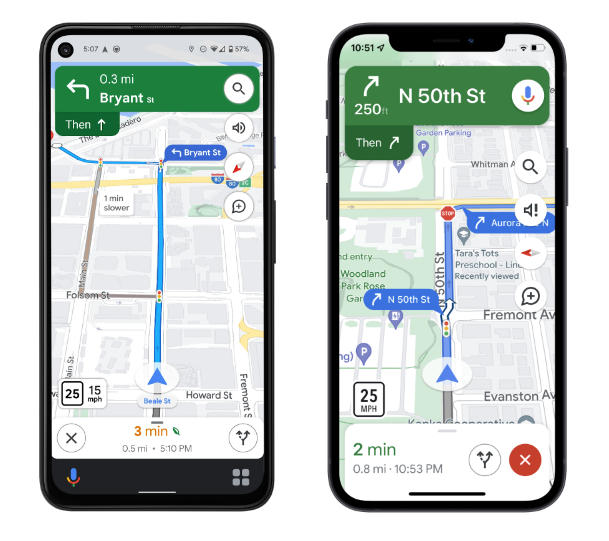

/cdn.vox-cdn.com/uploads/chorus_asset/file/23374726/File_copy.jpg) Courtesy of Natali
Courtesy of Natali
/cdn.vox-cdn.com/uploads/chorus_asset/file/23374809/File__1__copy.jpg) Courtesy of Natali
Courtesy of Natali
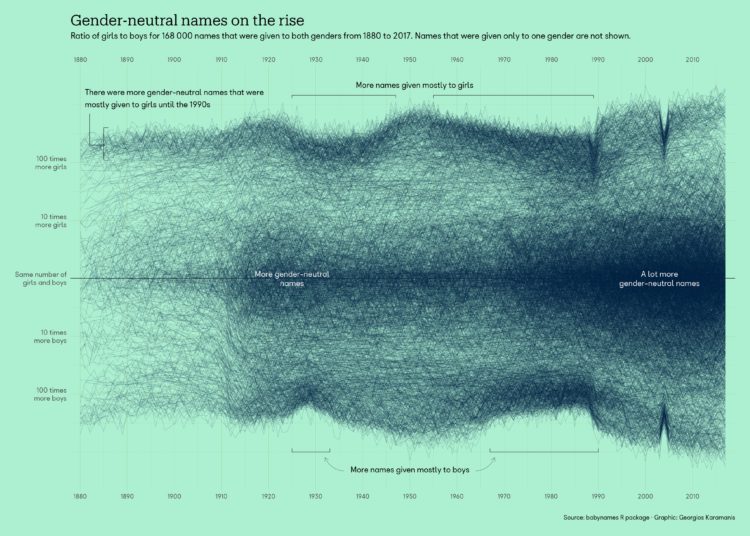







/cdn.vox-cdn.com/uploads/chorus_asset/file/23362186/GettyImages_1230940643.jpg) Hector Retamal/AFP via Getty Images
Hector Retamal/AFP via Getty Images
/cdn.vox-cdn.com/uploads/chorus_asset/file/23362203/AP03092306050.jpg) Department of Defense/AP
Department of Defense/AP
/cdn.vox-cdn.com/uploads/chorus_asset/file/23362204/GettyImages_643959858.jpg) Johannes Eisele/AFP via Getty Images
Johannes Eisele/AFP via Getty Images
/cdn.vox-cdn.com/uploads/chorus_asset/file/23362407/GettyImages_1228678978.jpg) Eric Piermont/AFP via Getty Images
Eric Piermont/AFP via Getty Images



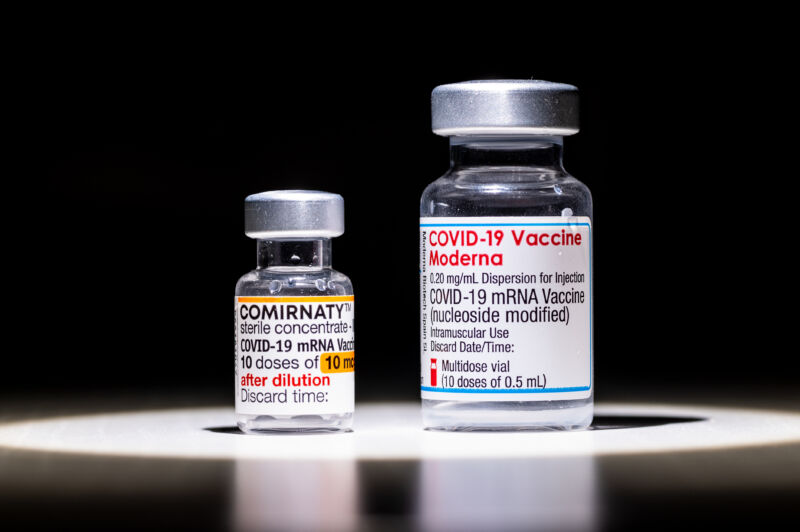


/cdn.vox-cdn.com/uploads/chorus_asset/file/23345788/GettyImages_451752349_copy.jpg) Anatoliy Stephanov/AFP via Getty Images
Anatoliy Stephanov/AFP via Getty Images
/cdn.vox-cdn.com/uploads/chorus_asset/file/23345805/GettyImages_1239194763_copy.jpg) Diego Herrera Carcedo/Anadolu Agency via Getty Images
Diego Herrera Carcedo/Anadolu Agency via Getty Images
/cdn.vox-cdn.com/uploads/chorus_asset/file/23351348/DraftUkraineCoTMarch28_2022.png) Institute for the Study of War
Institute for the Study of War
/cdn.vox-cdn.com/uploads/chorus_asset/file/23345869/GettyImages_1239254877_copy.jpg) J. Scott Applewhite/Xinhua via Getty Images
J. Scott Applewhite/Xinhua via Getty Images
/cdn.vox-cdn.com/uploads/chorus_asset/file/23328541/Ukrainian_refugee_escape_routes.jpg) YouYou Zhou and Christina Animashaun for Vox
YouYou Zhou and Christina Animashaun for Vox
/cdn.vox-cdn.com/uploads/chorus_asset/file/23352802/GettyImages_1238812550_1.jpg) Valya Egorshin/NurPhoto via Getty Images
Valya Egorshin/NurPhoto via Getty Images
/cdn.vox-cdn.com/uploads/chorus_asset/file/23352803/GettyImages_1239157297_1.jpg) Contributor/Getty Images
Contributor/Getty Images
/cdn.vox-cdn.com/uploads/chorus_asset/file/23352819/GettyImages_1387908124.jpg) Jimin Kim/VIEWpress via Getty Images
Jimin Kim/VIEWpress via Getty Images
/cdn.vox-cdn.com/uploads/chorus_asset/file/23352875/GettyImages_1238971955.jpg) Ying Tang/NurPhoto via Getty Images
Ying Tang/NurPhoto via Getty Images
/cdn.vox-cdn.com/uploads/chorus_asset/file/23352885/GettyImages_1387684959.jpg) Jeff J Mitchell/Getty Images
Jeff J Mitchell/Getty Images
/cdn.vox-cdn.com/uploads/chorus_asset/file/23352935/GettyImages_1239590338.jpg) Angelos Tzortzinis/AFP via Getty Images
Angelos Tzortzinis/AFP via Getty Images

/cdn.vox-cdn.com/uploads/chorus_asset/file/21899595/VOX_The_Highlight_Box_Logo_Horizontal.png)