Shared posts

30 Aug 14:22

Eli Lilly raises price of Zepbound while trumpeting discount on starter vials

by Beth Mole
An Eli Lilly & Co. Zepbound injection pen arranged in the Brooklyn borough of New York, US, on Thursday, March 28, 2024.

Enlarge / An Eli Lilly & Co. Zepbound injection pen arranged in the Brooklyn borough of New York, US, on Thursday, March 28, 2024. (credit: Getty | helby Knowles)

Pharmaceutical giant Eli Lilly earned praise this week with an announcement that it is now selling starter dosages of its popular weight-loss drug tirzepatide (Zepbound) at a price significantly lower than before. But the cheers were short-lived as critics quickly noticed that Lilly also quietly raised the price on current versions of the drug—a move that was notably missing from the company's press release this week.

In the past, Lilly sold Zepbound only in injectable pens with a list price of $1,060 for a month's supply. Several dosages are available—2.5 mg, 5 mg, 7.5 mg, 10 mg, 12.5 mg, or 15 mg—and patients progressively increase their dosage until they reach a maintenance dosage. The recommended maintenance dosages are 5 mg, 10 mg, or 15 mg. The higher the dose, the more the weight loss. For instance, people using the 15 mg doses lost an average of 21 percent of their weight over 17 months in a clinical trial, while those on 5 mg doses only lost an average of 15 percent of their weight.

On Tuesday, Lilly announced that it will now sell Zepbound in vials, too. And a month's supply of vials with the 2.5 mg doses will cost $399, while a month's supply of 5 mg doses is priced at $549—a welcome drop from the $1,060 price tag. These prices are for a self-pay option, meaning that patients with a valid, on-label prescription can buy them directly from Lilly if they have no insurance or have insurance that does not cover the drug.

Read 7 remaining paragraphs | Comments

30 Aug 14:06

They like big buns

by Store Reporter

Bao Bei, a Taiwanese restaurant whose owners recently competed on the Food Network, will open its first brick-and-mortar location at Rockville’s Montrose Crossing. Chef/owner Kevin Hsieh launched the business two years ago, working out of a shared commercial kitchen and fulfilling online orders via delivery apps. Hsieh is known for his pork belly bao buns, but he also showcases Taiwanese street food like braised eggs, pickled cabbage and brown sugar swirly buns. Earlier this year, Hsieh and his partners competed on Food Network’s The Great Food Truck Race — and made it all the way to the finals. Now they are back at work in Rockville, where they hope to open Bao Bei this winter between Honey Pig and Kosmo Nail Bar.

The post They like big buns appeared first on Store Reporter.

29 Aug 17:54

Stranded

At least they're not alone down there.
28 Aug 18:26

Feds award $521 million in EV charger funds, but rollout remains slow

by Jonathan M. Gitlin
A logo of an EV painted on the ground

Enlarge (credit: Getty Images)

The federal government awarded another $521 million in EV charger funding today. It's the latest tranche of money to be awarded from a $7.5 billion program authorized by the 2022 Inflation Reduction Act, which aims to build out fast chargers along interstate highways as well as bringing charging infrastructure to underserved communities.

$321 million from today's announcement will be spent on 41 different projects across the country—these projects are a mix of level 2 AC chargers as well as DC fast chargers. The remaining $200 million will continue funding DC fast chargers along designated highway corridors.

The Joint Office of Energy and Transportation, which administers the federal funding, called out a $15 million project to install chargers at 53 sites in Milwaukee and a $3.9 million project to install publicly accessible chargers on the Sioux Reservation in North Dakota as examples of the latest awards.

Read 4 remaining paragraphs | Comments

28 Aug 11:57

Turns out Martin Shkreli copied his $2M Wu-Tang album—and sent it to “50 different chicks”

by Nate Anderson
Martin Shkreli—he's back, and he's still got copies of that Wu-Tang Clan album.

Enlarge / Martin Shkreli—he's back, and he's still got copies of that Wu-Tang Clan album. (credit: Getty | Eduardo Munoz Alvarez )

The members of PleasrDAO are, well, pretty displeased with Martin Shkreli.

The "digital autonomous organization" spent $4.75 million to buy the fabled Wu-Tang Clan album Once Upon a Time in Shaolin, which had only been produced as a single copy. The album had once belonged to Shkreli, who purchased it directly from Wu-Tang Clan for $2 million in 2015. But after Shkreli became the "pharma bro" poster boy for price gouging in the drug sector, he ended up in severe legal trouble and served a seven-year prison sentence for securities fraud.

He also had to pay a $7.4 million penalty in that case, and the government seized and then sold Once Upon a Time in Shaolin to help pay the bill.

Read 14 remaining paragraphs | Comments

26 Aug 19:19

US grid adds batteries at 10x the rate of natural gas in first half of 2024

by John Timmer
US grid adds batteries at 10x the rate of natural gas in first half of 2024

(credit: DOE)

While solar power is growing at an extremely rapid clip, in absolute terms, the use of natural gas for electricity production has continued to outpace renewables. But that looks set to change in 2024, as the US Energy Information Agency (EIA) has run the numbers on the first half of the year and found that wind, solar, and batteries were each installed at a pace that dwarfs new natural gas generators. And the gap is expected to get dramatically larger before the year is over.

Solar, batteries booming

According to the EIA's numbers, about 20 GW of new capacity was added in the first half of this year, and solar accounts for 60 percent of it. Over a third of the solar additions occurred in just two states, Texas and Florida. There were two projects that went live that were rated at over 600 MW of capacity, one in Texas, the other in Nevada.

Next up is batteries: The US saw 4.2 additional gigawatts of battery capacity during this period, meaning over 20 percent of the total new capacity. (Batteries are treated as the equivalent of a generating source by the EIA since they can dispatch electricity to the grid on demand, even if they can't do so continuously.) Texas and California alone accounted for over 60 percent of these additions; throw in Arizona and Nevada, and you're at 93 percent of the installed capacity.

Read 9 remaining paragraphs | Comments

26 Aug 13:50

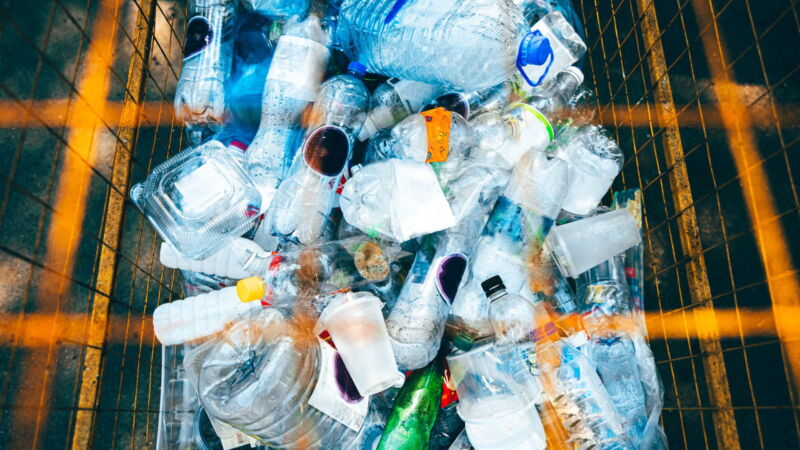
From recycling to food: Can we eat plastic-munching microbes?

by Undark Magazine
From recycling to food: Can we eat plastic-munching microbes?

Enlarge (credit: Olga Pankova/Moment via Getty Images)

In 2019, an agency within the US Department of Defense released a call for research projects to help the military deal with the copious amount of plastic waste generated when troops are sent to work in remote locations or disaster zones. The agency wanted a system that could convert food wrappers and water bottles, among other things, into usable products, such as fuel and rations. The system needed to be small enough to fit in a Humvee and capable of running on little energy. It also needed to harness the power of plastic-eating microbes.

“When we started this project four years ago, the ideas were there. And in theory, it made sense,” said Stephen Techtmann, a microbiologist at Michigan Technological University, who leads one of the three research groups receiving funding. Nevertheless, he said, in the beginning, the effort “felt a lot more science-fiction than really something that would work.”

That uncertainty was key. The Defense Advanced Research Projects Agency, or DARPA, supports high-risk, high-reward projects. This means there’s a good chance that any individual effort will end in failure. But when a project does succeed, it has the potential to be a true scientific breakthrough. “Our goal is to go from disbelief, like, ‘You're kidding me. You want to do what?’ to ‘You know, that might be actually feasible,’” said Leonard Tender, a program manager at DARPA who is overseeing the plastic waste projects.

Read 17 remaining paragraphs | Comments

25 Aug 12:27

Why It’s So Hard to Find a Therapist Who Takes Insurance

by by Annie Waldman, Maya Miller, Duaa Eldeib and Max Blau, photography by Tony Luong, special to ProPublica, design by Zisiga Mukulu

by Annie Waldman, Maya Miller, Duaa Eldeib and Max Blau, photography by Tony Luong, special to ProPublica, design by Zisiga Mukulu

America is in the midst of a mental health crisis. 

But finding a therapist who takes insurance can feel impossible.

Insurers say that’s because there aren’t enough therapists. 

That’s not entirely true.

Carter J. Carter became a therapist to help young people struggling with their mental health.

Rosanne Marmor wanted to support survivors of trauma.

Kendra F. Dunlap aspired to serve people of color. 

They studied, honed their skills and opened practices, joining health insurance networks that put them within reach of people who couldn’t afford to pay for sessions out of pocket. 

So did more than 500 other psychologists, psychiatrists and therapists who shared their experiences with ProPublica.

But one after another, they confronted a system set up to squeeze them out.

17 Aug 13:20

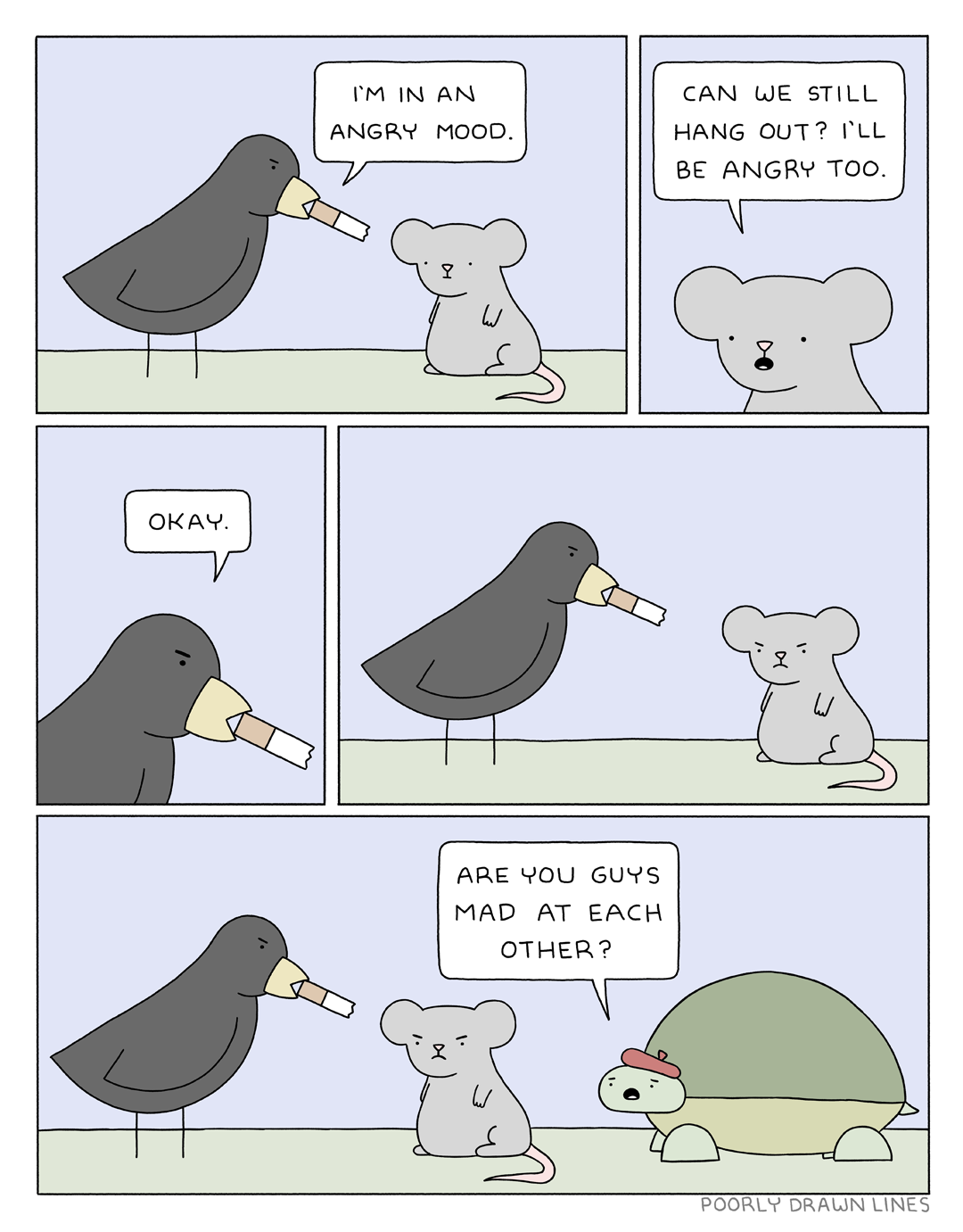
An Angry Mood

by Reza
16 Aug 19:31

Smart sous vide cooker to start charging $2/month for 10-year-old companion app

by Scharon Harding
Anova Precision Cooker 3.0

Enlarge (credit: Anova)

Anova, a company that sells smart sous vide cookers, is getting backlash from customers after announcing that it will soon charge a subscription fee for the device's companion app.

Sous vide cooking, per Ars Technica sister site Bon appétit, "is the process of sealing food in an airtight container—usually a vacuum sealed bag—and then cooking that food in temperature-controlled water." Sous vide translates from French to "under vacuum," and this cooking method ensures that the water stays at the desired temperature for the ideal cook.

Anova was founded in 2013 and sells sous vide immersion circulators. Its current third-generation Precision Cooker 3.0 has an MSRP of $200. Anova also sells a $149 model and a $400 version that targets professionals. It debuted the free Anova Culinary App in 2014.

Read 16 remaining paragraphs | Comments

16 Aug 19:19

ISP to Supreme Court: We shouldn’t have to disconnect users accused of piracy

by Jon Brodkin
A pair of scissors cutting an Ethernet cable.

Enlarge (credit: Getty Images | Bosca78)

A large Internet service provider wants the Supreme Court to rule that ISPs shouldn't have to disconnect broadband users who have been accused of piracy. Cable firm Cox Communications, which is trying to overturn a ruling in a copyright infringement lawsuit brought by Sony, petitioned the Supreme Court to take up the case yesterday.

Cox said in a press release that a recent appeals court ruling "would force ISPs to terminate Internet service to households or businesses based on unproven allegations of infringing activity, and put them in a position of having to police their networks—contrary to customer expectations... Terminating Internet service would not just impact the individual accused of unlawfully downloading content, it would kick an entire household off the Internet."

The case began in 2018 when Sony and other music copyright holders sued Cox, claiming that it didn't adequately fight piracy on its network and failed to terminate repeat infringers. A US District Court jury in the Eastern District of Virginia ruled in December 2019 that Cox must pay $1 billion in damages to the major record labels.

Read 17 remaining paragraphs | Comments

16 Aug 14:34

Report: Low Earth Orbit (LEO) Satellite Systems Like Starlink Cause Environmental Harm Regulators Didn’t Prepare For

by Karl Bode

Last June scientists warned that low-Earth orbit (LEO) satellites constantly burning up in orbit could release chemicals that could undermine the progress we’ve made repairing the ozone layer. Researchers at USC noted that at peak, 1,005 U.S. tons of aluminum will fall to Earth, releasing 397 U.S. tons of aluminum oxides per year to the atmosphere, an increase of 646% over natural levels.

Numerous companies, most notably Elon Musk’s Starlink and Jeff Bezos’ Blue Origin, are working on launching tens of thousands of small LEO satellites in the coming years. A new report by U.S. PIRG adds to concerns that these launches haven’t been thought through environmentally, noting that the disposable nature of such satellites means 29 tons of satellites will re-enter our atmosphere every day at peak.

After years of delays, the FCC did recently release rules requiring that satellites be removed from orbit within five years to help minimize “space junk.” But the organization notes that very little if any thought was given by innovation-cowed regulators toward the environmental impact of so many smaller satellites constantly burning up in orbit:

“We shouldn’t rush into deploying an untested and under-researched technology into new environments without comprehensive review. Over just five years Starlink has launched more than 6,000 units and now make up more than 60% of all satellites. The new space race took off faster than governments were able to act.”

The steady launches are also a notable pollution concern, the report notes, releasing “soot in the atmosphere equivalent to 7 million diesel dump trucks circling the globe, each year.” Space X has consistently played fast and loose with environmental regulations, with regulators even in lax Texas starting to give the company grief for releasing significant pollutants into nearby bodies of water.

These concerns are on top of additional complaints that the light pollution created by these LEO satellites are significantly harming astronomical research in a way that can never be fully mitigated. And again, the problems we’re seeing now are predominately caused by Musk’s Starlink. Bezos and other companies plan to launch hundreds of thousands of more satellites over time.

SpaceX’s Starlink service can be a game changer for those completely out of range of broadband access. It’s also proven useful during environmental emergencies and war. Getting several hundred megabits per second in the middle of nowhere is a decidedly good thing, assuming you can afford the $120 a month subscription cost and up front hardware costs.

But while Starlink is great for global battlefields, vacation homes, yachts, and RVs, it’s not truly fixing the biggest problem in U.S. broadband right now: affordability. It lacks the capacity to really drive competition at the scale it’s needed to drive down rates, and as its userbase grows it’s inevitably going to require more and more heavy-handed network management tricks to ensure usability.

So while these LEO services are a helpful niche solution to fill in the gaps, they come with some fairly notable caveats, and it’s generally more economically and environmentally sound to prioritize the deployment of fiber and then fill in the rest with 5G and fixed wireless. It’s a major reason why the Biden FCC retracted a wasteful billion-dollar Trump handout to Starlink, something that made MAGA cry.

16 Aug 13:54

Asian buffet arrives in Rockville

by Store Reporter

After 17 months of construction — and several confusing name changes — Umi Hotpot Sushi & Seafood Buffet has opened its doors on Rockville Pike. Crowds have been lining up nightly for the $39.95 all-you-can-eat dinner menu, which features individual stations for seafood, soup, sushi, hotpot, ramen, desserts and bubble tea. Umi also offers a weekday lunch buffet for $22.99, with lower price points for kids. You’ll find it in the former Miller’s Ale House space, around the corner from Aldi at the Congressional North Shopping Center.

The post Asian buffet arrives in Rockville appeared first on Store Reporter.

15 Aug 12:14

When Is “Recyclable” Not Really Recyclable? When the Plastics Industry Gets to Define What the Word Means.

by by Lisa Song

by Lisa Song

ProPublica is a nonprofit newsroom that investigates abuses of power. Sign up to receive our biggest stories as soon as they’re published.

Is there anything more pathetic than a used plastic bag?

They rip and tear. They float away in the slightest breeze. Left in the wild, their mangled remains entangle birds and choke sea turtles that mistake them for edible jellyfish. It takes 1,000 years for the bags to disintegrate, shedding hormone-disrupting chemicals as they do. And that outcome is all but inevitable, because no system exists to routinely recycle them. It’s no wonder some states have banned them and stores give discounts to customers with reusable bags.

But the plastics industry is working to make the public feel OK about using them again.

Companies whose futures depend on plastic production, including oil and gas giant ExxonMobil, are trying to persuade the federal government to allow them to put the label “recyclable” on bags and other plastic items virtually guaranteed to end up in landfills and incinerators.

They argue that “recyclable” should apply to anything that’s capable of being recycled. And they point to newer technologies that have been able to remake plastic bags into new products.

I spent months investigating one of those technologies, a form of chemical recycling called pyrolysis, only to find that it is largely a mirage. It’s inefficient, dirty and so limited in capacity that no one expects it to process meaningful amounts of plastic waste any time soon.

That shouldn’t matter, say proponents of the industry’s argument. If it’s physically capable of being recycled — even in extremely limited scenarios — it should be labeled “recyclable.”

They are laying out their case in comments to the Federal Trade Commission as it revises its Green Guides, documents that define how companies can use marketing labels like “recyclable” or “compostable.” The guides are meant to curb greenwashing — deceptive advertising that exaggerates the sustainability of products. They were last updated in 2012, before the explosion of social media advertising and green influencers; the agency declined to answer questions about the revision or give an idea of when it will be done.

The push for a looser definition of “recyclable” highlights a conundrum faced not just by companies represented by the Plastics Industry Association, but by members of the Consumer Brands Association, whose plastic-packaged products fill grocery shelves across the world. (Neither trade group, nor ExxonMobil, wanted to elaborate on their positions advocating for a more liberal use of the word “recyclable.”)

Under increasing pressure to reckon with the global plastics crisis, companies want to rely on recycling as the answer. But turning old plastic into new plastic is really, really hard.

Products made with dyes, flame retardants and other toxic chemicals create a health hazard when they’re heated for recycling. That severely limits the types of products you can make from recycled plastic. And most items are too small for companies in the recycling business to bother sorting and processing, or they are assembled in a way that would make it far more costly to strip them down to their useful elements than to just make new plastic. Plastic forks? Straws? Toys given out in fast food meals and party favor bags? Never actually recycled. In fact, only 5% of Americans’ plastic finds new life.

Environmental experts worry that if the FTC sides with the industry, companies could slap the “recyclable” label on virtually anything.

Though the agency only pursues a few greenwashing cases a year, its guides — which are guidelines instead of laws — are the only national benchmark for evaluating recycling claims.

They’re used by companies that want to market their products in an honest way. They also serve as a reference for state officials who are drafting laws to try to reduce plastic waste.

By 2032, for example, most single-use packaging sold in California will need to be recyclable or compostable.

What good will such laws be, environmental experts worry, if those words mean nothing?

For at least three decades, the industry has misled the public about what really is recyclable.

Take a close look at any plastic product and you’ll likely see a little number stamped on it called a resin identification code; it distinguishes what kind of plastic it’s made of. Plastic bags, for example, are labeled No. 4. Only some No. 1 and No. 2 plastics are widely recyclable. In each case, the number is surrounded by the iconic “chasing arrows” symbol, which has come to denote recyclability, regardless of whether that product can actually be recycled.

The design was created in the 1980s by a group of chemical companies working with Exxon and BP; Grist recently published a fascinating story about the effort.

Around that time, the plastic industry was contending with the nation’s growing awareness that its products were the root of an intractable pollution problem. States were weighing legislation to deal with it. And the American Plastics Council was convening meetings to head off threats. The council discussed the arrows, which they described as “consumer tested,” according to meeting notes obtained by the Center for Climate Integrity, an advocacy group that works to hold the fossil fuel industry accountable.

The industry persuaded 39 states to require the use of the symbols. Their purpose, the notes said: “to prevent bans.” They pursued the strategy despite warnings from state regulators who predicted the arrows would lead consumers to overestimate the recyclability of plastic packaging.

By 1995, state attorneys general were telling the FTC that’s exactly what was happening.

The agency ruled in 1998 that brands could continue using the codes with the recycling symbol, but could only display them prominently — by printing them next to the brand name, for example — if the product was recyclable for a “substantial majority” of consumers. If not, the symbols could be stamped in a less obvious place, like the bottom of containers.

These mandates did little to ease consumers’ confusion. “You mean we’re not supposed to throw plastic bags in recycling bins?” a colleague recently asked me.

During a tour of the New York facility that sorts the city’s recyclables, I saw the result of a million well-intentioned mistakes — countless bags sloshing over conveyor belts like the unwanted dregs at the bottom of a cereal bowl.

A conveyor belt at the Brooklyn facility that sorts most of the material collected via curbside recycling in New York City (Sharon Lerner/ProPublica)

They’re notorious for clogging equipment. Sometimes, they start fires. And when they get stuck between layers of paper, the bags end up contaminating bales of paper that are actually recyclable, condemning much of it to the landfill.

If companies started printing the word “recyclable” on them, I wondered, how much worse could this get?

When you see something labeled as “recyclable,” it’s reasonable to expect it will be made into something new after you toss it in the nearest recycling bin.

You would be wrong.

The current Green Guides allow companies to make blanket “recyclable” claims if 60% of consumers or communities have access to recycling facilities that will take the product. The guides don’t specify whether facilities can just accept the item, or if there needs to be a reasonable assurance that the item will be made into a new product.

When the agency invited the public to comment in late 2022 on how the guides should be revised, FTC Chair Lina M. Khan predicted that one of the main issues would be “whether claims that a product is recyclable should reflect where a product ultimately ends up, not just whether it gets picked up from the curb.”

Strangely, that statement ignored the agency’s own guidance. An FTC supplement to the 2012 Green Guides stated that “recyclable” items must go to facilities “that will actually recycle” them, “not accept and ultimately discard” them.

The industry disagrees with the position.

“Recent case law confirms that the term ‘recyclable’ means ‘capable of being recycled,’ and that it is an attribute, not a guarantee,” said a comment from the Plastics Industry Association. Forcing the material to be “actually recovered” is “unnecessarily burdensome.”

Citing a consumer survey, ExxonMobil told the FTC that the majority of respondents “agreed that it was appropriate to label an item as recyclable if a product can be recycled, even if access to recycling facilities across the country varies.” The company’s comments argued against “arbitrary minimum” thresholds like the 60% rule.

The FTC also received comments urging the agency to tighten the rules. A letter from the attorneys general of 15 states and the District of Columbia suggested increasing the 60% minimum to 90%. And the Environmental Protection Agency told the FTC that “recyclable” is only valid if the facilities that collect those products can reliably make more money by selling them for recycling than by throwing them away in a landfill.

The industry argues that recycling is never guaranteed. Market changes like the pandemic could force facilities to discard material that is technically recyclable, wrote the Consumer Brands Association. There is “simply no consumer deception in a claim that clearly identifies that a product is capable of being recycled,” the group wrote, despite the fact that “an external factor several times removed from the manufacturer results in it ultimately not being recycled.”

And what if consumers stopped seeing as many products marketed as recyclable? That could “dramatically” lower recycling rates, the group wrote, because consumers would get confused, seeming to imply people wouldn’t know if they could recycle anything at all.

“Wow, that’s some weird acrobatics,” Lynn Hoffman, strategic adviser at the Alliance for Mission-Based Recycling, said of the industry’s uncertainty argument. The group is a network of nonprofit recyclers that supports a zero-waste future.

Hoffman acknowledged the inefficiencies in the system. The solution, she said, is to improve the true recyclability of products that can be reliably processed, like soda bottles, by tracking them as they pass through the supply chain, being transparent about where they end up and removing toxic chemicals from products.

Calling everything “recyclable” would be a huge mistake, she said. “We have to be realistic about the role that recycling plays,” she added.

No matter how well done, it doesn’t fix the bigger crisis. Not the microplastics infiltrating our bodies or “plastic smog” in the oceans or poisoned families living in the shadow of the chemical plants that produce it.

In fact, research has shown people can produce more waste when they think it will be recycled. When North Carolina began rolling out curbside recycling in different towns, researchers analyzed data on household waste before and after the change. They found that overall waste — the total amount of trash plus stuff in the recycling bin — rose by up to 10% after recycling became available, possibly because consumers felt less guilty.

“They get their blue bins, and they worry less about the amount of trash they generate,” said one of the researchers, Roland Geyer, a professor of industrial ecology at the University of California-Santa Barbara. “I’m probably guilty of that too.”

Do You Have Experience in or With the Plastics Industry? Tell Us About It.

15 Aug 02:05

Disney fighting restaurant death suit with Disney+ terms “absurd,” lawyer says

by Ashley Belanger
Raglan Road Irish Pub at Disney Springs in Orlando, Florida, USA.

Enlarge / Raglan Road Irish Pub at Disney Springs in Orlando, Florida, USA. (credit: JHVEPhoto | iStock Editorial / Getty Images Plus)

After a woman, Kanokporn Tangsuan, with severe nut allergies died from anaphylaxis due to a Disney Springs restaurant neglecting to honor requests for allergen-free food, her husband, Jeffrey Piccolo, sued on behalf of her estate.

In May, Disney tried to argue that the wrongful death suit should be dismissed because Piccolo subscribed to a one-month free trial of Disney+ four years before Tangsuan's shocking death. Fighting back this month, a lawyer representing Tangsuan's estate, Brian Denney, warned that Disney was "explicitly seeking to bar its 150 million Disney+ subscribers from ever prosecuting a wrongful death case against it in front of a jury even if the case facts have nothing to with Disney+."

According to Disney, by agreeing to the Disney+ terms, Piccolo also agreed to other Disney terms vaguely hyperlinked in the Disney+ agreement that required private arbitration for "all disputes" against "The Walt Disney Company or its affiliates" arising "in contract, tort, warranty, statute, regulation, or other legal or equitable basis."

Read 24 remaining paragraphs | Comments

14 Aug 14:45

Ex-Twitter staffer wins $600K over Musk’s click-yes-or-resign ultimatum

by Ashley Belanger
Ex-Twitter staffer wins $600K over Musk’s click-yes-or-resign ultimatum

Enlarge (credit: Craig T Fruchtman / Contributor | Getty Images Entertainment)

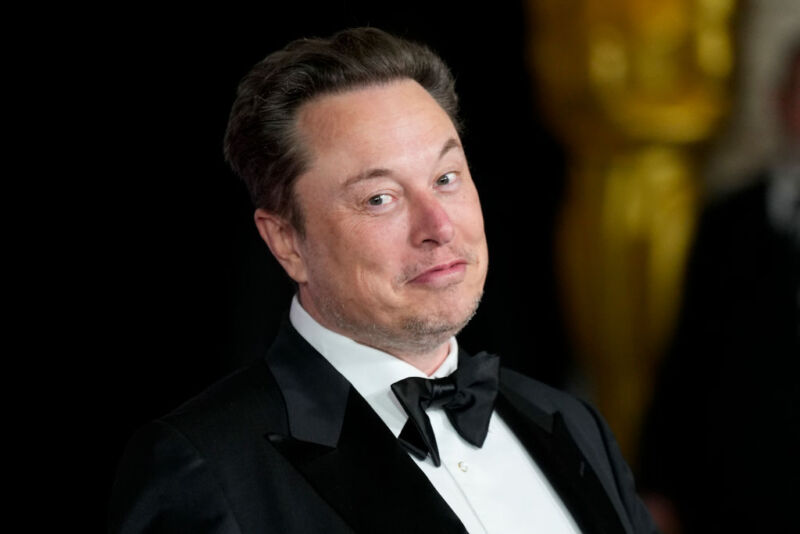
Elon Musk had no business sending Twitter employees an email giving them 24 hours to click "yes" to keep their jobs or else voluntarily resign during his takeover in 2022, an Irish workplace watchdog ruled Monday.

Not only did the email not provide staff with enough notice, the labor court ruled, but also any employee's failure to click "yes" could in no way constitute a legal act of resignation. Instead, the court reviewed evidence alleging that the email appeared designed to either get employees to agree to new employment terms, sight unseen, or else push employees to volunteer for dismissal during a time of mass layoffs across Twitter.

"Going forward, to build a breakthrough Twitter 2.0 and succeed in an increasingly competitive world, we will need to be extremely hardcore," Musk wrote in the all-staff email. "This will mean working long hours at high intensity. Only exceptional performance will constitute a passing grade."

Read 14 remaining paragraphs | Comments

14 Aug 14:43

Self-driving Waymo cars keep SF residents awake all night by honking at each other

by Benj Edwards
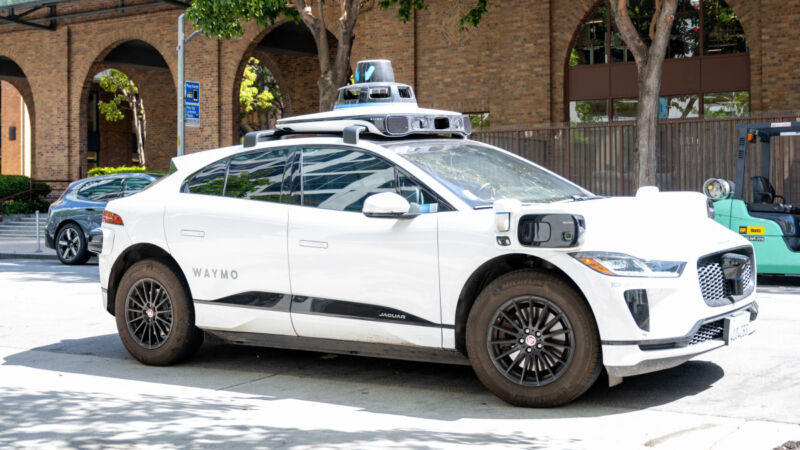
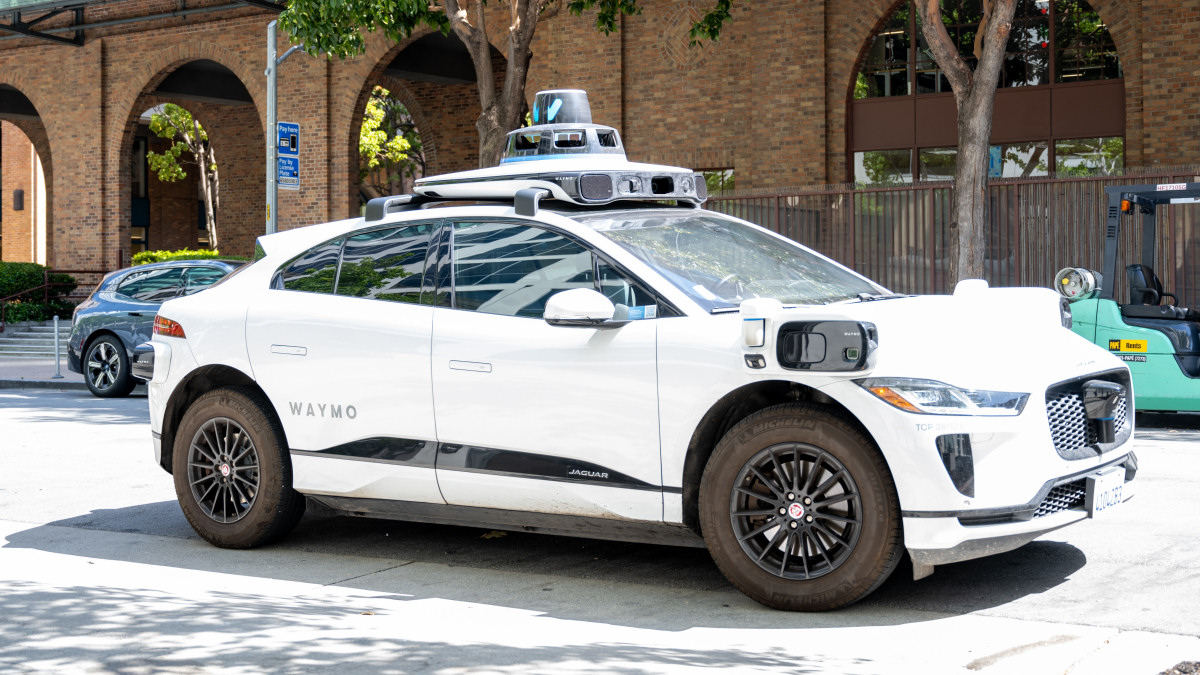
A Waymo self-driving car in front of Google's San Francisco headquarters, San Francisco, California, June 7, 2024.

Enlarge / A Waymo self-driving car in front of Google's San Francisco headquarters, San Francisco, California, June 7, 2024. (credit: Getty Images)

Silicon Valley's latest disruption? Your sleep schedule. On Saturday, NBC Bay Area reported that San Francisco's South of Market residents are being awakened throughout the night by Waymo self-driving cars honking at each other in a parking lot. No one is inside the cars, and they appear to be automatically reacting to each other's presence.

Videos provided by residents to NBC show Waymo cars filing into the parking lot and attempting to back into spots, which seems to trigger honking from other Waymo vehicles. The automatic nature of these interactions—which seem to peak around 4 am every night—has left neighbors bewildered and sleep-deprived.

NBC Bay Area's report: "Waymo cars keep SF neighborhood awake."

According to NBC, the disturbances began several weeks ago when Waymo vehicles started using a parking lot off 2nd Street near Harrison Street. Residents in nearby high-rise buildings have observed the autonomous vehicles entering the lot to pause between rides, but the cars' behavior has become a source of frustration for the neighborhood.

Read 3 remaining paragraphs | Comments

14 Aug 14:43

5th Circuit rules geofence warrants illegal in win for phone users’ privacy

by Jon Brodkin
Illustration of map pins on a cityscape in an abstract representation of network connections

Enlarge (credit: Getty Images | )

A federal appeals court ruled on Friday that geofence warrants, which are used to identify all users or devices in a geographic area, are prohibited by the Fourth Amendment's protection against unreasonable searches.

The ruling was issued by the US Court of Appeals for the 5th Circuit, which is generally regarded as the most conservative appeals court. The 5th Circuit holding creates a circuit split with the 4th Circuit, which last month rejected a different Fourth Amendment challenge to geofence warrants.

"This court 'cannot forgive the requirements of the Fourth Amendment in the name of law enforcement.' Accordingly, we hold that geofence warrants are general warrants categorically prohibited by the Fourth Amendment," the August 9 ruling from the 5th Circuit said.

Read 27 remaining paragraphs | Comments

13 Aug 19:35

Disney Experiences Unveils Unprecedented Expansions at its Parks and Resorts at D23

“Disneyland will never be completed. It will continue to grow as long as there is imagination left in the world.”

Those were the words of Walt Disney at the opening of Disneyland on July 17, 1955. Nearly 70 years later, Walt’s words are truer than ever as Disney Experiences has grown beyond the gates of Disneyland and into the hearts and minds of millions around the world.

On Saturday, Disney Experiences Chairman Josh D’Amaro at D23: The Ultimate Disney Fan Event Presented by Visa® unveiled an unprecedented slate of projects including new attractions, lands, and more that demonstrate why Disney remains the undisputed leader and trailblazer of the experiences industry. The announcements showcase the ambitious vision for Experiences segment over the next decade.

“Only Disney can create the kind of timeless experiences that entertain and inspire people of all ages, across generations and geographies,” D’Amaro said. “At Disney Experiences, we invest in stories that stand the test of time and bring them to life in ways that surprise our guests and fans every day.”

Here are some of the exciting announcements that Disney Experiences revealed at D23 on Saturday:

Villains, Cars, and the Largest Expansion at Magic Kingdom Ever

The world’s most-visited theme park will be getting its largest land expansion ever with Disney’s iconic villains and its hit franchise Cars moving into the Magic Kingdom.

The expansion at Magic Kingdom — the keystone park of Walt Disney World Resort in Orlando, Florida — will bring new and beloved stories to life as Disney Imagineers craft a land based on the wickedly wonderful Disney villains you just love to loathe. While more details are coming, this new land is underway with two new attractions planned as well as dining, shopping and more.

“Since the beginning, our Disney Villains have given us endless possibilities to tell new stories,” D’Amaro said. “In this new land, you’ll see storytelling on a grand scale that only Disney can deliver.”

Away from those vicious villains, Cars is also racing into the Magic Kingdom. In a reimagined section of Frontierland, guests will leave Radiator Springs behind and head off into the wilderness with two new Cars attractions — one that will be an off-road thrilling rally race, and a family-friendly attraction that even the youngest racers will love.

Cars is one of Disney’s most popular franchises, bringing in $1.4 billion at the global box office and inspiring the beloved Radiator Springs at Disney California Adventure Park in Anaheim, California.

“As we develop the next generation of Disney Experiences, we’re always looking for new ways to tell the stories people love,” D’Amaro said. “We’re thrilling Cars fans by building on this incredibly successful franchise and creating the next chapter in this story.”

Esperanza, Encanto, and the Exciting Adventures of Indiana Jones

Speaking of major expansions at Walt Disney World, Disney’s Animal Kingdom is also getting a new land, which will take guests on adventures in Tropical Americas.

Guests will enter the land through Pueblo Esperanza, a fictional village in heart of the rainforest that will feel lived-in, with a long, rich history.

On the outskirts of the town, an adventure awaits with pop culture’s most beloved archeologist, Indiana Jones. The attraction takes place inside a mysterious Maya temple and will be an all-new adventure, unlike any of the existing Indy attractions around the world.

The land will also feature a new attraction based on one of Disney’s most popular franchises, Encanto. The experience — which is the first ride-through attraction of the film for a Disney park — takes place inside Casita on the day after young Antonio receives his gift of communicating with animals.

“With Tropical Americas, we’re bringing huge projects to life for generations of fans,” D’Amaro noted. “This is the type of signature storytelling that our Disney Imagineers have been creating for 70 years.”

Tropical Americas is set to open in 2027.

Monsters, Inc. at Disney’s Hollywood Studios

Disney’s Hollywood Studios at Walt Disney World is the home to attractions from some of cinema’s biggest blockbusters, such as Toy Story and Star Wars. Now, another popular film franchise is coming to life: Monsters, Inc.

The Pixar franchise is getting a new land, which will welcome guests to tour the Laugh Factory with an amazing new attraction that what will be the first suspended coaster ever in a Disney Park.

“The power of friendship and laughter is at the heart of so many Disney stories – especially Monsters, Inc,” D’Amaro said. “Now we’re giving fans a whole new way to experience this world in a Disney theme park and connect with the characters they love.”

Avengers and Avatar

New lands and attractions are also coming to Disneyland Resort.

On Saturday, D’Amaro announced that two new thrilling E-ticket Marvel-themed attractions are coming to Disney California Adventure. Avengers Campus will expand, doubling its current size to house the new attractions.

Marvel — which has already made  more than $30 billion at the global box office — is not the only popular film brand that is coming Disneyland Resort.

Avatar — the innovative science fiction series that has brought in more than $5 billion at the global box office — will come to Disney California Adventure including an innovative new attraction that will bring all the action, the excitement, and the wonder of Avatar to life in a completely new and thrilling way.

The new destination is inspired by the second Avatar film, Avatar: The Way of Water, as well as the upcoming films.

For D’Amaro, the announcements at D23: The Ultimate Fan Event on Saturday are just the beginning of what Disney Experiences can do.

“Disney Experiences is embarking on an accelerated path of ambitious growth and innovation,” he said. “With so many great Disney stories to tell, we’re excited to bring an unprecedented number of new projects to life in the near future.”

He continued, “Today we unveiled an extensive slate of new experiences that only Disney can deliver. Work is well under way on all of the new projects we announced, and fans will start to see them come to life in the near future.”

13 Aug 17:27

Some DC Neighborhoods Will Experience Quieter Skies Thanks to an FAA Rule Change

by Arya Hodjat

The skies over Northwest DC are a lot quieter now, thanks to a July rule change by the Federal Aviation Administration, first reported by Axios D.C., that changes the routes airplanes take on their way to Ronald Reagan Washington National Airport. Since a 2015 change in FAA policy, some residents of neighborhoods alongside the Potomac […]

The post Some DC Neighborhoods Will Experience Quieter Skies Thanks to an FAA Rule Change first appeared on Washingtonian.

13 Aug 13:06

It’s Not Just Giant Flying Spiders: Pests in the News

by Helen Huiskes

Has it seemed lately like creepy-critter news just keeps on coming? Arachnophobes from Arlington to Annapolis got a recent fright due to alarming reports of four-inch Joro spiders flying up the Atlantic coast. The freaky creatures—which don’t actually fly but rather ride wind currents—have already been spotted in Maryland and are expected to soon become […]

The post It’s Not Just Giant Flying Spiders: Pests in the News first appeared on Washingtonian.

09 Aug 16:34

31% of Republicans say vaccines are more dangerous than diseases they prevent

by Beth Mole
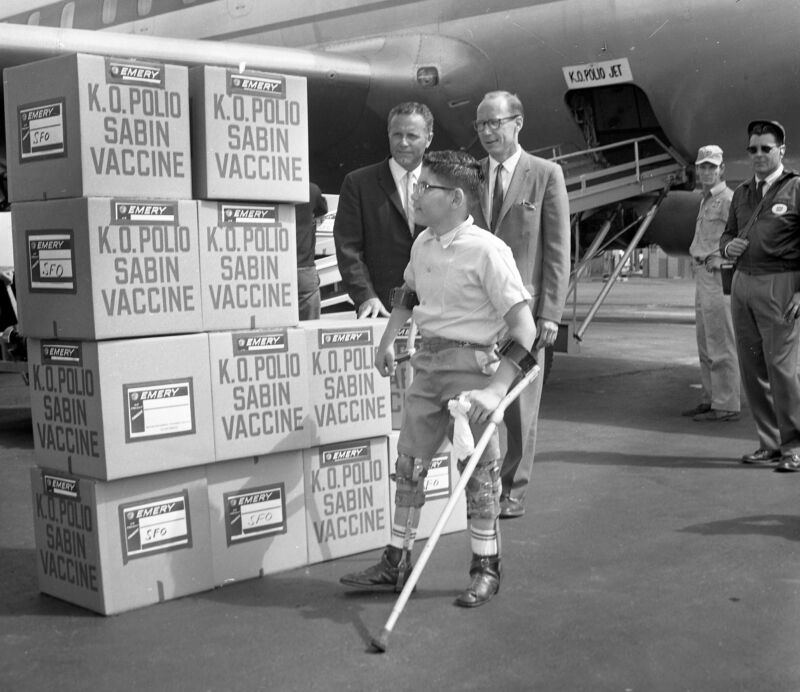
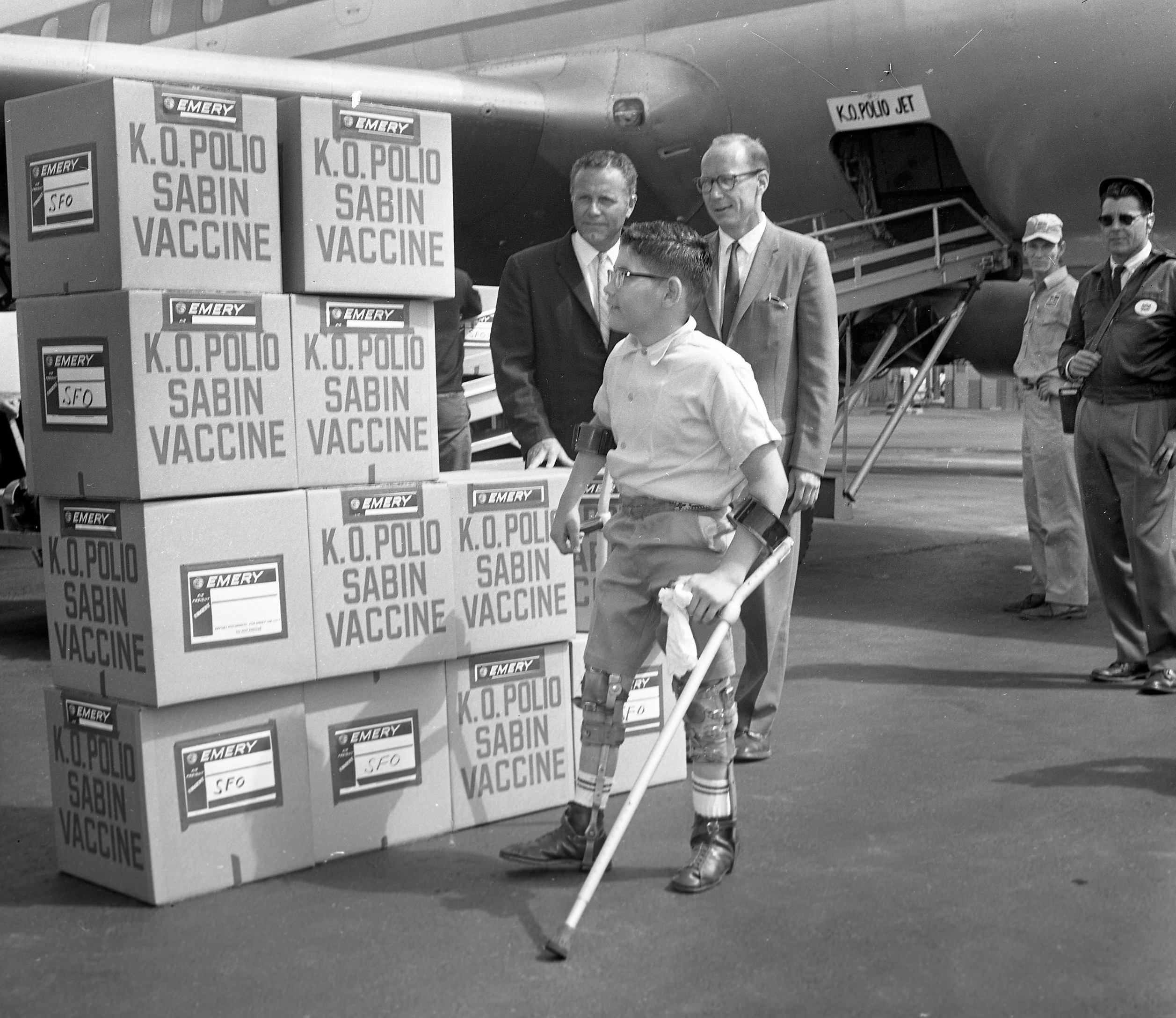
Polio victim Larry Montoya is at the airport for the arrival of cases of vaccine, which were distributed as part of the KO Polio campaign, September 5, 1962.

Enlarge / Polio victim Larry Montoya is at the airport for the arrival of cases of vaccine, which were distributed as part of the KO Polio campaign, September 5, 1962. (credit: Getty | John McBride)

Public sentiment on the importance of safe, lifesaving childhood vaccines has significantly declined in the US since the pandemic—which appears to be solely due to a nosedive in support from people who are Republican or those who lean Republican, according to new polling data from Gallup.

In 2019, 52 percent of Republican-aligned Americans said it was "extremely important" for parents to get their children vaccinated. Now, that figure is 26 percent, falling by half in just five years. In comparison, 63 percent of Democrats and Democratic leaners said it was "extremely important" this year, down slightly from 67 percent in 2019.

Overall, only 40 percent of Americans now say it is extremely important for parents to vaccinate their children, down from 58 percent in 2019 and 64 percent in 2001.

Read 6 remaining paragraphs | Comments

09 Aug 16:33

NASA official acknowledges internal “disagreement” on safety of Starliner return

by Eric Berger
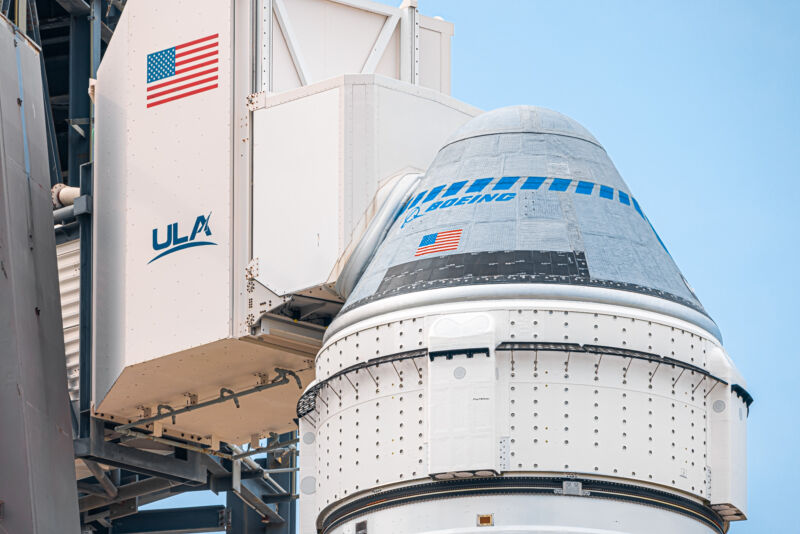
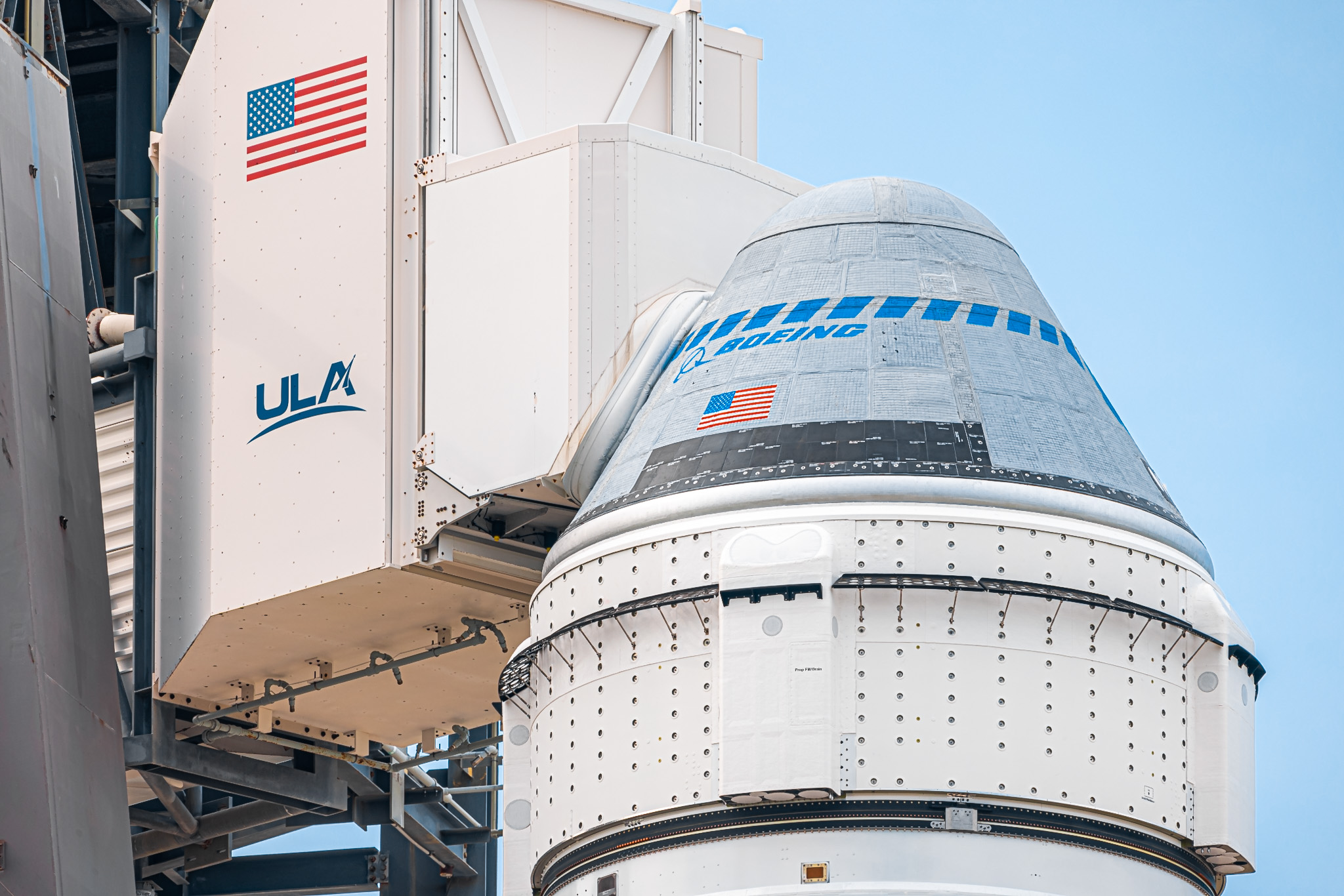
Boeing's Starliner is seen atop an Atlas V rocket at Cape Canaveral Space Force Station in Florida.

Enlarge / Boeing's Starliner is seen atop an Atlas V rocket at Cape Canaveral Space Force Station in Florida. (credit: Trevor Mahlmann)

During a news conference on Wednesday, NASA officials for the first time publicly discussed divisions within the agency about whether the Starliner spacecraft is really reliable enough to return two veteran astronauts—Butch Wilmore and Suni Williams—back to Earth from the International Space Station.

The space agency also confirmed key elements exclusively reported by Ars over the last week, chiefly that NASA has quietly been working for weeks with SpaceX on a potential rescue mission for Wilmore and Williams, that the Crew-9 mission launch has been delayed to September 24 to account for this possibility, and that Starliner is unable to undock autonomously with the current software configuration on the vehicle.

The chief of space human spaceflight operations for NASA, former astronaut Ken Bowersox, said no final decisions have been made on how Wilmore and Williams return to Earth. He said there were reasonable disagreements among engineers at NASA, which is the customer for the spaceflight, and Boeing, which developed and operates Starliner, about the viability of the 28 reaction control system thrusters that are used for delicate maneuvering and pointing of the vehicle.

Read 15 remaining paragraphs | Comments

09 Aug 16:33

The Many Reasons Why NCMEC’s Board Is Failing Its Mission, From A NCMEC Insider

by Mike Masnick

Yesterday we posted our latest podcast, with guest Don McGowan, former board member at NCMEC (the National Center on Missing and Exploited Children) and former general counsel or chief legal officer at Bungie and the Pokemon Company (where he would sometimes disagree with our coverage). In the podcast, he goes into great detail about why he left the NCMEC board, and why he felt the board had become rotten, captured by interests not aligned with the underlying mission of NCMEC, and more focused on making it look like they’re protecting kids than actually protecting kids.

Multiple people reached out to me last night after listening to it, noting that McGowan’s whistleblowing here is both explosive and extremely important for more people to know about. NCMEC is an important organization, and the work that it does is fundamental to actually helping to protect children. But its board has apparently been captured by extremists who support political positions and ideologies at odds with that mission.

Therefore, after receiving a few requests for a transcript, I put one together, and have highlighted some of the key points. In particular:

  • The board has effectively zero technical expertise and is easily misled because of this. Its support for bills like FOSTA and KOSA were simply because it did not have the expertise to understand how those bills would function.
  • A significant number of board members have motivations driven by wanting to be associated with the organization more than actually protecting kids. This includes some people who see “protecting the children” as being about “protecting the children from accessing content” the board members don’t like.
  • Because NCMEC is funded each year by Congress, the board is wary of ever doing anything that might upset those in government, so it will not speak out on anything the government is doing that might lead to missing or exploited children.
  • In the interview, McGowan calls out many failures of NCMEC, including its unwillingness to speak out on key issues like (1) protecting trans kids (who are some of the most at risk children in the country, which NCMEC knows and ignores), (2) protecting kids from being exploited in the workplace under what amounts to modern day slavery, and (3) protecting asylum-seeking kids who were being locked in cages and separated (sometimes permanently) from their families. Instead, it chose to support dangerous bills like FOSTA and KOSA, for which he apologizes.

The whole thing is incredibly damning and worth either listening to or, now, reading:

Mike Masnick:
Hello and welcome to the Techdirt Podcast. I’m Mike Masnick. A few months ago on the podcast, we had Shelby Grossman and Riana Pfefferkorn from Stanford talking about their really incredible and detailed report on the CyberTipline, its opportunities and its challenges. As we noted in talking about that, it really highlighted both some of how important the CyberTipline is, but also how there were a bunch of challenges not necessarily because of the CyberTipline itself, or NCMEC, or anyone in the process, but just the basic realities of how the CyberTipline works, how the Fourth Amendment works and laws around that. The CyberTipline, of course, is run by NCMEC, the National Center for Missing and Exploited Children, and they do some really great work with the CyberTipline being one example of a few.

But over the years, I’ve had a few moments where I’ve grown somewhat frustrated by some aspects of NCMEC, including and maybe especially around its advocacy, in particular on some bills that I think were really problematic and actually, I think, put people in danger. For example, NCMEC advocated vigorously on behalf of FOSTA, which was a very problematic bill that became law and which I think has been a complete disaster since then, putting people’s lives at risk.

There are reports suggesting that many people have died because of this law. As far as I can tell, NCMEC has never commented on what a failure FOSTA has been and how it almost certainly did real harm to some of the people that NCMEC claims to want to protect. Similarly, NCMEC has advocated on behalf of KOSA, the Kids Online Safety Act that we’ve discussed many times and how it put many kids at risk, especially LGBTQ kids, by the nature of the way that KOSA is written. I’ve long wished that NCMEC would just focus on the actual good work that it does in the world rather than pushing for dodgy legislation.

So it caught my attention recently when Don McGowan wrote a thread on Blue Sky about quitting the NCMEC board. McGowan is a well-known lawyer who was most recently the general counsel at the video game company Bungie, and before that at the Pokemon company, and has also worked at Microsoft over the years. In his thread, he wrote about leaving NCMEC’s board for a variety of reasons regarding both the advocacy that the organization does and also some of the advocacy that it refuses to do, such as its refusal to come out against Project 2025 and its plan for opening up child labor laws to enable more kids to take dangerous jobs.

He also noted that in all the media interviews he’s done since leaving Bungie, few have asked him about this. So that struck me as something of a challenge to have him come on and talk about exactly this. So Don, welcome to the podcast.

Don McGowan
Thanks, Mike.

Mike Masnick
So I wanted to start out with the baseline of making it clear that I think both of us agree that NCMEC does some really good important work that does in fact save lives. So this is not a trashing of…

Don McGowan
That’s incredibly correct. I do my best when I go off about NCMEC to try and draw a bifurcation between the organization and its staff and the board. My off-going is against its board, which I think has been entirely captured by MAGA positions, and uses itself to make sure that no criticism will be drawn to those positions in ways that it can, and not to take action, not to say bad things with the CyberTipline, or any of the Code Adam work that the organization does, or any of the other great stuff that it does to help actual kids at actual risk. And if this was a video podcast, you folks listening to it would see, I am drinking from my NCMEC mug, or my NCMEC tumbler that was given to me by NCMEC for my time as a board member.

Mike Masnick
And how long were you on the board for?

Don McGowan
I was on the board for, well, I had a little hiatus in the middle because my first few years were on the board as a rep of Pokemon. And then after that, when I stopped being at Pokemon, I stopped being on the board for a few months. And then I went back on as just a regular civilian board member for about three more years. So my total years there were seven. I started my association with NCMEC during Pokémon Go.

Mike Masnick
That makes sense. I was looking at it, and it’s a fairly large board. And so how is the board constructed?

Don McGowan
In the charity world, are two types of boards, working boards and fundraising boards. The NCMEC board is more of a fundraising board than a working board. As for how does one get on it, I’m not on actual over the air radio, so I can use the technical term. It’s got a lot of people that are the usual DC-area cop fuckers. And a lot of people who want to be law enforcement adjacent. And some people who are there because their organizations have a relationship with NCMEC, like I was when I was at Pokemon. Although somewhat amusingly, Pokemon didn’t want me to talk about that association publicly, which will be a story in my upcoming book.

Mike Masnick
Wow, okay, okay.

Don McGowan
Yeah, I’m writing a book about my Pokemon years,

Mike Masnick
Interesting, very interesting. That will be something to look forward to. So let’s talk about the sort of advocacy that NCMEC has done. And I think, in my experience, as I mentioned in the intro, it really came to my attention when NCMEC came up very strongly in favor of FOSTA…

Don McGowan
I want to speak to that for a second, I’m sorry to interrupt you. You mentioned FOSTA at the jump. I was involved in the NCMEC work on FOSTA. I barely remember any of it because it was long ago, but I was involved. And I say this to say, feel free to take shots at it because I wouldn’t want you to get to the end and be like, ‘oh shit, I didn’t know, and I took shots at him right to his face.’ Nope, do it.

Mike Masnick
Okay. Okay. Excellent.

Don McGowan
I will spend my life expiating the sins of what I did in my past, and that’s a big one.

Mike Masnick
Okay, so it struck me as surprising, right? I mean, I had been aware of NCMEC. And in fact, at some point, a long time ago, I’d spoken to a board member at NCMEC in the early 2000s, I’d had a conversation with someone who was sort of explaining how NCMEC was functioning. And that person had indicated to me some dysfunction, but I hadn’t seen them really engage as much on the policy side outside of things directly related to NCMEC. Like I understood advocacy around things related to the CyberTipline. And, there was, as we mentioned, this report that Stanford did earlier this year, which recommended some legislative changes to help the CyberTipline, one of which was actually voted on and signed by the President a few weeks after that report came out.

That kind of advocacy, I totally get and make sense. It’s like, ‘how do we make the CyberTipline more effective, get around some of these problems that were discussed…’

Don McGowan
And that was a very good report. As somebody who knows how the sausage gets made. I read that report and I was like, damn, these folks, they did well.

Mike Masnick
Yeah. They put in a lot of work. I know they spent time at NCMEC for a few days and were watching over the shoulders of people working on the CyberTipline, understanding all of that, talking to people on all sides, all the different stakeholders. So that was great. And that kind of advocacy I get.

What surprised me specifically when the FOSTA situation came out was having, I think at the time it was NCMEC’s general counsel, go and testify before Congress that FOSTA was like this perfect solution and necessary and really, really helpful. And I felt personally that kind of misrepresented the law.

And I was kind of wondering why NCMEC, given the position it’s in, which is that it is a private nonprofit, but it is the only organization that is granted by law to be able to process child sexual abuse material as part of the CyberTipline, which leads to some people and some courts occasionally giving it quasi-governmental status. But it’s in this sort of unique position. I thought it was odd that it would then go out and publicly advocate for a law that seemed slightly tangential to its overall mission and what it was working on. And then that it was taking such an extreme position on it that went against what a whole bunch of other civil society folks were talking about and raising the concerns of this law. So I know that you said that was a long time ago and you might not remember the specifics…

Don McGowan
I’ll go back in. I’m hitting the memory banks as you were talking, and I’ve got some details.

Mike Masnick
So I’m curious if there was anything that you were aware of at the time that sort of led NCMEC to decide that they were going to go public and advocate for a bill like FOSTA?

Don McGowan
I’ll come at this a little bit obliquely. So, NCMEC is, as an organization, driven by its board. And aspects of NCMEC’s board are somewhat difficult to unpack unless you know the personalities of the humans sitting in the room and or if you’ve been in the room. And that’s always a shitty thing to say because you don’t get to be like, ‘you don’t understand because you’re not there.’ But there’s a little bit of it, except I was there, so I can tell you. How this stuff came about is: go back to what FOSTA was supposed to be and pretend you don’t understand what it turned into.

Mike Masnick
Okay.

Don McGowan
Okay, now remember, at the time it was a bill to cut down on human trafficking for the sex trade. And if it was that, I mean, one, protecting children is never a vice in American politics, and two, if it was that, that would have been a great thing to support.

Mike Masnick
Yes.

Don McGowan
And so you had people going, speaking up in support of it, who were speaking from the perspective of what they thought it would be. Now you and a lot of the civil society groups that spoke to it understood the actual mechanics of the law and what it would… You had a little bit of seeing into the future that you could do. You’re a little Nostradamus sometimes, Mike. A lot of us try to be, some of us succeed, a lot of us don’t.

I remember, you know, like that was one of the things was this bill, especially at that time and to a certain degree even today, NCMEC has no technical expertise in the building. They have a relationship with Thorn, which is Ashton Kutcher’s child protection charity. And Thorn does a lot of their technical work and carries the technical load in that space in a way that NCMEC’s just not set up to. And I chaired their tech committee for a few years, right? And so I actually co-chaired it with a guy who was a marketing manager at Charter. And he considers himself the tech brains of NCMEC, and he’s a marketing manager for an ISP.

So there was a guy in there, a guy on the board who ended up no longer being on the board, who was advocating for this geolocation app to help you know, like you’re walking down the street and it’ll ping your phone and say, a child was abducted here. And he thought this was such a fantastic idea, because it’d be great for awareness. I’m like why would anybody put this into your phone? This guy styled himself as the technical expert, right? So think about that. A guy who thinks that app is the greatest idea ever and should be the technical focus of the organization, is out there trying to set the guidelines.

This was a guy who we… there were a few of us who actually had a bingo game during board meetings of at what point is Lou going to bring up porn? And then we would work the word bingo into our next thing we said, and that would be how you would win bingo. If Lou mentioned porn at a time that you were ready to talk, you’d work it in and you’d win. If you’d picked that slot in the Squares game, you had first right to claim it for your victory, right? So we’re dealing with that level of sort of, you could write a script by this guy’s focus on this issue, fairly tangential to NCMEC’s mission. And so you had people setting that as a priority.

And so obviously, FOSTA was red meat to them.

Mike Masnick
Right. I mean, this is the problem with so many bills, right? You position them in one way. And if you don’t understand the mechanisms of how they’re actually gonna work, the bill sounds good. And even people today, the same with KOSA, right? You look at it and on its face, it sounds good. People want kids to be safe online. People want to stop sex trafficking. So these bills sound good. I guess I had assumed, apparently incorrectly, that NCMEC would have more sophistication than that regarding sort of the nature of these bills.

Don McGowan
You’d hope. There were traditionally a couple of board members from Facebook. And they were fairly displeased when NCMEC took that public position because that sort of happened without a lot of us knowing what was going on.

Mike Masnick
Interesting. The other thing that I had seen and I had written about this at the time and, maybe it was a little bit conspiracy theoryish on my part. But I did notice that the person who was chair of the board at that time was a lobbyist who happened to be lobbying for all of the major motion picture studios in Hollywood.

Don McGowan
Because that was Manus’s year, right?

Mike Masnick
Yeah, it was Manus. And that was coming out of what had been revealed…. I mean, all of these things connect in such weird ways, but had been revealed through the Sony Pictures hack years earlier that there had been this Project Goliath plan by some of the major motion picture studios to focus on sex trafficking as a way to pass laws that would undermine Section 230 and thereby harm Google. And so there’s this know, corkboard with red strings on it, where you could pull this Hollywood lobbyist connected to NCMEC, pushing for the bill that Hollywood had been talking about a few years earlier as its plan to get back at Google. I don’t know if you…

Don McGowan
Now, I’m going to interrupt Mike, because speaking of red meat, Mike and I have had some discussions over time. I have a slightly different attitude towards Section 230 than Mike does. I’m not going into that because it’s orthogonal to today’s conversation. But I can tell you, if there was an Always Sunny in Philadelphia murder stringboard going on anywhere, I never saw it. I don’t think that was Manus doing client work on the board. Manus was always very a two solitudes guy, right? And the streams never crossed.

Mike Masnick
So let’s get to this thread that you wrote on Bluesky. You posted about Project 2025, which…

Don McGowan
Well, yeah, didn’t specifically mean to be talking about Project 2025. It was more the thing that underlies that section of Project 2025, which is the let’s let kids do labor.

Mike Masnick
Right. So on the off chance that listeners aren’t unfamiliar with Project 2025, very quickly, it’s the Heritage Foundation’s plan for a new Trump administration. It’s basically a whole bunch of ex-Trump admin people, and they have this whole plan to like, these are going to be the policies, these are going to be the people that we’re going to put in place. Many, many of the policies are horrible in all sorts of ways. But specifically, the part that you called out, which is in there and is somewhat shocking, is this idea of changing child labor laws to allow for more kids’ access to dangerous jobs.

Don McGowan
It is to facilitate kids doing work that we thought we were done with in the 1800s.

Mike Masnick
Yes. And specifically, the way it’s framed is really kind of incredible because it says “some young adults show an interest in inherently dangerous jobs,

Don McGowan
The children yearn for the mines…

Mike Masnick
… but current rules forbid many young people, even if their family is running the business.” So, it’s can you exploit your kids in the mines doing such dangerous jobs? And so they want to say, with parental consent and proper training young adults should be allowed to work in more dangerous occupations. So you called this out in particular. Do you want to describe what was your view on…

Don McGowan
Sure, so I’ll speak to that. I come at it from a slightly unusual perspective, which I’m not going to go deeply into except to say, as a child, my old man was a miner. He ran mining companies. And so I somewhat, legendarily to my friends at least, was airlifted into northern Canada and left by the side of a lake for two months to help my old man find places to mine.

Mike Masnick
My goodness. Wow. That is quite a background story.

Don McGowan
That’s exactly. So I got a background story of living off the land in Northern Canada as a 12 year old. So speaking of dangerous jobs, I feel like I got a perspective. But so I remember, because obviously this Project 2025 thing didn’t come out of nowhere. And I think we’re all aware that there’s been some amount of permissiveness coming into labor laws, especially in what I always euphemistically refer to (because it bugs the crap out of them) as Central America, otherwise known as the middle of the country, and not what we usually refer to as Central America. But so in the middle part of the country, there’s been some relaxation of labor laws. I noticed this while I was still on the NCMEC board and put forward… We had this board platform for board discussions. It’s called Boardable. Anybody who’s worked on a board may know it. And it’s basically a discussion board back and forth. And so I found one of these bills and I was like, hey, shouldn’t we be taking a stand on this?

And somebody came back and said, ‘why?’ And I said, well, it’s right there in the fucking name. National Center for Missing and Exploited Children, to which a different board member, the aforementioned comms manager at Charter Communications, came back and was like, ‘well, there’s no sexual exploitation in this bill.’ I was like, ‘Oh, I didn’t really know that the org’s name was the National Center for Sexually Missing and Sexually Exploited Children. Do we only help families after hurricanes when the hurricane raped the child?’

Mike Masnick
Oh gosh.

Don McGowan
And that got another board member to say, ‘you know, listen, like you’re going off on one of your crusades again,’ which I’ll come back to in a second. ‘But, you need to understand, I want my kids to be able to get a paper route. So it’ll teach kids responsibility.’ And I was like, ‘One, no, you don’t. You’re a corporate executive. And two, we all know this isn’t about paper routes. This is about teenagers working in meatpacking plants. And they’re gonna lose their fingers, like they’re gonna lose their arms, because it’s gonna get cut off in the meat cutting machines. And we should be taking a stand on this. I’m sorry that many of you support a political party that thinks it’s politically expedient to do this. But we should, this is exactly the kind of thing we should care about.’

If we have a policy as an advocacy committee, and we did at the time, I don’t know if they do still, but if we have a policy and advocacy committee, this is exactly the type of thing on which the nation’s legislators would look to us for guidance. We should provide it. To which the answer was me getting a call from the chair of the board saying, ‘Hey dude, step off. Be a little more collegial if you would please.’ I was like, ‘all right, fine.’

So at that point, that was when I reached the conclusion we were coming up on the… that NCMEC has three board meetings a year. We’re coming up on the April board meeting of last year. And I sort of put in my head like, okay, let’s see how this board meeting goes. It’ll probably be my last one at this point.

I mentioned a few minutes ago about how people made a reference to me going on one of my crusades. I had a separate issue that I was fairly vocal on, which is, as I would describe it, I think it’s terrible that we have a political party that in this country has decided it’s politically expedient to set aside a group of children, namely trans kids, for state-sponsored political persecution. We should care about this and we should be speaking out about it. I’m sorry some of you don’t like this. I’m sorry trans kids make you feel icky. But this is the kind of thing on which we should be providing moral leadership to the legislators of the country. And we should be saying wrong is wrong.

You know, there was a fair amount of disagreement at that last board meeting, that April board meeting, NCMEC got a grant from the state of Texas and the grant was subject to return if the money was unused or misused. And I was like, we got to find out what “misused” means. If the state of Texas has decided there is an entire population of children that should not receive any support… and if we use this money and some of it goes to their benefit, they may want their money back. And one of the board members looks over and he goes, ‘Thunk! You know what that is? That’s the sound of you beating a dead horse.’

Mike Masnick
Wow.

Don McGowan
I was like, OK, you know what? In my mind, I said, I just quit. Didn’t speak for the rest of the meeting. Let the meeting end. Said goodbye to everybody. Walked out. Never went back. Got home. Flew back to Seattle. Got home, walked in, wrote up a note of resignation to the general counsel of NCMEC. Went to that Boardable software, posted a note saying, ‘This was my last board meeting. There’s going be a lot of you that are going to be happy to see the back of me. What you may not realize is I’m just as happy to see the back of you.’ Send. Send resignation. Peace out.

Mike Masnick
Wow.

Don McGowan
I mean, NCMEC has data in its stat banks that say some of the kids most at risk in the world are trans kids. And they ignore that data.

One other thing, a thing that underlay my feelings about the child labor issue is, I mean, who are the kids that are gonna get put in the meatpacking plants? Two categories of them. One is kids of undocumented people who’ve been brought in and have to pay off the debt to the coyote that brought them across the border. And the second one, and I hate to say it because we said at the jump, NCMEC does a lot of great work. There’s another group of people in America who does amazing things, and that’s foster parents. But there are some really shitty foster parents out there who get the kids from the foster agencies so they can use them for sex trafficking and so they can use them for labor. Give those kids what I’ll euphemistically call access to a meatpacking plant, and now they can be put to work in what we would traditionally understand to be slavery.

And that’s exactly what I expect to see happen, is those bad foster parents who are there to use these kids as a way to make money for themselves and wreck those kids’ lives. We need the state to protect them, because those kids literally have nobody else. And instead, those state legislatures have decided to make it easier for those kids to be persecuted.

You can probably even hear it in my voice, but if you can’t, I’ll say it. And that’s the kind of thing that makes me just outraged to my core that a group of people who receive 90% of their budget from the United States federal government can’t bring themselves to say slavery is bad.

Mike Masnick
Yeah. That’s astounding. We talked about the states in the in the center of America. Arkansas in particular, I had written something about this because it was kind of incredible: at the very same time that they were pushing a law to allow kids to work in meatpacking plants, right after there had been some scandals regarding kids getting hurt in meatpacking plants. So the governor there was pushing this law for to allow kids to work in meatpacking plants. At that very same time, she was also pushing a law for kids internet safety. And so I couldn’t believe that they couldn’t put two and two together. They were saying we have to protect the children, we have to put in place all these laws to protect them from Facebook, but in order to send them into meatpacking plants to work. And the disconnect….

Don McGowan
Yeah. Protecting children takes on a very specific meaning in these circles.

It’s protect the children from the things we don’t want the children to see and have access to. Right? That was an, and I don’t even like using the word insight. That was a thing I discovered spending time among them. I now can process how they think. And it gives me, you know I mentioned earlier that you’re kind of a Nostradamus? It gives me the ability to see around some corners.

Mike Masnick
I sort of understood that there were activists who felt that way and definitely pushed kid safety as an excuse to keep certain information away from kids. I totally understood that. What is kind of shocking to me in this discussion is recognizing that those people are on the NCMEC board.

Don McGowan
That’s the thing, they go somewhere. It’s because a lot of them, the personality trait that goes along with it, is a lot of them are all cop fuckers.

I sit slightly on the left. I’m certainly going to tell you I was to the window to the walls yesterday. Certainly, you’ve mentioned earlier that I use a lot of Bluesky. I actually blew up my Twitter account one day picking a fight with the alt-right. And so I now spend my time on a niche left-focused microblogging site. It’s fun. But the idea of a lot of these folks… like I’m a lot more cop positive than a lot of people I know, because I’ve spent time with the cops that are doing the work at NCMEC, right? Like I have sympathies for those folks because I know what their job is and what they’re going through. I mean, these are cops who are out there trying to save kids from sex trafficking, right? There are liaison officers at NCMEC from most of the three-letter agencies. And you know, until I started this podcast, I had pretty good relationships with them. I hope I still will afterwards…

Mike Masnick
I think that’s sort of an important point that is worth underlining, and often gets lost in these discussions, which is, and we started out the podcast by talking about how there is good work that NCMEC does. And a lot of that is coordinating with law enforcement, doing the actual good things that you want law enforcement to do. This is not a universal condemnation of either law enforcement or NCMEC itself.

But within that, that opens up opportunities for people with sort of problematic viewpoints to abuse that system to their advantage. And that has always been my problem with… like going back to FOSTA. It was presented as, you know, you can present these things in a good way. Like stopping sex trafficking is obviously a good and important and virtuous goal overall.

But when you have people whose real mission, and this was true of many of the backers of FOSTA, was not to stop sex trafficking, but to stop all pornography, all adult content entirely, and as part of that, to end encryption and a bunch of other things. And they were using FOSTA and some of these other laws as a kind of stalking horse to begin that process. And they were not subtle about this. I mean, the National Center, what is it? Oh gosh, what’s NCOSE? It’s, they have a name that sounds like, kind of like NCMEC, the National Center on Sexual Exploitation, I think, which is this nonprofit that, I think they used to be called like the Moral Majority or something like that, who had very strong belief that that there should be no pornography anywhere ever. And they were huge supporters and lobbied very strongly in favor of FOSTA and were quite open.

I mean, somehow I’m on their mailing list. So they send me all their press releases in which they are very explicit that that this was Step One in their goal of ending all pornography everywhere. They have a very very strong view on things, but the fact that they sort of wrap it around this idea of ‘we’re stopping sex trafficking’ when it’s really this other thing. But I had always sort of mentally separated out there are groups like that, which you know where they’re coming from and you know are staffed by crazy people. And I had hoped that NCMEC just wouldn’t have been captured by that side of things.

Don McGowan
So I’m going to speak obliquely to that by going to an entirely different topic, but you’ll see why I draw the connection in a minute. So a few years ago, we were under the regime of the host of Celebrity Apprentice, and there was a government policy to put children in cages. One might wonder, where was NCMEC on that?

Mike Masnick
That’s a good question.

Don McGowan
I’m about to give you the answer to that question.

Where NCMEC was on that was there were a collection of us inside who put some fairly significant pressure on the CEO at the time, who was a guy named John Clark, who had come to NCMEC after being the head of the US Marshals, to say, ‘hey, apparently the government is having trouble finding these kids’ families. Isn’t that what we specialize in? Let’s go do that.’

And so John eventually, you know, there were a number of board members at the time. I was not as alone as I was at the end, but there were a number of board members at the time who sort of shared that opinion and asked John like what the hell’s going on? And he finally came back and said, which is true, ‘we can only go where we’re asked.’ Right. Kind of like, you know, vampires and lost boys. We can’t come in the house unless you ask us. We couldn’t go because we weren’t asked. And we were like, well, please go start sending correspondence to the heads of the agencies to tell them: ‘We would like to become involved in this and help you find the families for these kids.’

Almost immediately, there became a board schism on that. And the board schism came from people who said, many of them turned out to be my adversaries in the discussions around where are we on the child labor issue. Their stalking horse for it was, ‘listen, our budget is funded by Congress. Congress is implementing these policies. Let’s not piss them off.’ And so we punched through that. And John Clark finally reached out to DHS and all the various agencies. And their answer was, ‘Yeah, thanks. We’ll ask you if we need you. If we’re interested, we’ll call. Did we call? No. So we don’t want your help. Thanks. If we need you, we’ll reach out.’

So that’s where NCMEC was on that issue, was very much a… those of us on the board who saw things a little differently than the other folks pushed to try and get involved but you know, obviously there was no discussion of let’s take a public stance. Because the people would have the number of votes on the board would have overpowered taking a public stance.

I remember there was some very strong advocates and some very some people who are my very good friends on the board stepped off after that because they were like, ‘You know what? I don’t want to be involved here anymore because my advocacy and my money can be used better elsewhere. And my time can be better used than flying into DC for these meetings.’ And so, sort of obliquely, I think that’s the answer to the, ‘where were they on a lot of these issues?’ Why would they take such a strong stance on FOSTA? Well, because you have board members who were ideologically aligned with the people who were proposing the bills.

And so, what I said earlier about the board member who was obsessed with porn, right? Do we think that guy was ever going to vote against us taking a stance in favor of FOSTA? No. And, you know, I mentioned earlier, one of the things I’m doing now is expiating my sins. In particular, it’s the, did I not see it? Like, did I get played by these motherfuckers? And I think I did. Right? And that’s a terrible thing you to realize about yourself is I got played by people. And I got played, you know, there were some of them that I still like as humans, and I have to sort of wrap my head around that, you know what, I got played by these motherfuckers. Because they had an ulterior motive, but they didn’t know how to achieve it. But what they did know is how to use me to achieve it.

Mike Masnick
Huh. I mean, that’s a little harsh on yourself…

Don McGowan
But it’s true. So, you know, that’s one of the reasons I took such a… ‘Let me start burning it down around KOSA.’ Was, well, because, you know what? I’m not gonna get played twice. You know, how did George W. Bush put it? Fool me once, won’t get fooled again.

Mike Masnick
Right. It’s interesting as I’m thinking about it.. the argument that because so much of the funding for NCMEC comes from Congress… one sort of throughline in all of this is that NCMEC is unwilling to challenge child exploitation that is effectively blessed by the government, and is only willing to challenge it when it’s outside the government that is the problem. And some of that could be tied to the fact that so much of its funding comes from the government.

Don McGowan
I think that’s accurate.

And that to me is almost an argument of, then shut the fuck up about everything.

Mike Masnick
Yeah, yeah. I mean, that’s sort of how I feel…

Don McGowan
If you’re only ever gonna support government policy, shut the fuck up…

Mike Masnick
Yeah, because that leads you to bad places.

Don McGowan
Yeah, don’t try and pretend you’re taking a stance. ‘Yeah, we take stances on issues that protect kids, so long as the government likes them.’ Or more directly, so long as the Republican Party likes them. This is the point where I say out loud, I was around NCMEC for the QAnon years. Those fuckers did nothing for actual child protection. Right? The QAnon people don’t care about children.

What they care about is being able to say they care about children.

And so, you know, they never cared about actual children because the actual children who were at highest risk during those years were the children of undocumented immigrants. And they could not have wanted more to round those kids up, put them in cages, and send them back outside of the United States.

Mike Masnick
Are you suggesting that the board was sort of QAnon captured itself or just afraid to…

Don McGowan
I mean, we didn’t take any public stances against QAnon. And that was the one that made me start first thinking like, huh, what the fuck is going on here?
Like, why? We all know these people aren’t actually helping actual kids. Why are we not saying anything about that?

And it’s funny, given what we all think, I’ll tell you, some of the most aware of the problem directors were the ones from Facebook. Given what the internet thinks… It’s funny, I mentioned my Bluesky habit, and you mentioned my Bluesky habit a little while ago. Jess Miers showed up on Bluesky and started to talk about tech issues and immediately got hammered by a collection of scolds who all thought they knew better than she did about the issue that she had spent her career working on and chased her away. And so, you know, I sort of watched that and I was like, okay, that’s what happens to the people who are willing to stand up and say, ‘hey, let’s look at this because it had the same name as an issue that these people cared about.’ And, you know, we all use words based on our experience of them. And not everybody always uses the word in a dictionary definition, et cetera. We are all at risk of that particular problem, I guess is where I’m going.

Mike Masnick
Fair enough. So I think to sort of round out the conversation, is there anything that can be done? Again, noting the good that NCMEC has done and the importance of the CyberTipline? Is there a way to fix NCMEC?

Don McGowan
I think there is. I think the challenge is, as a private nonprofit, it’s always going to have to have a board. And its board members are going to be the people who are attracted to those kinds of boards. And especially when it’s a fundraising board, it’s going to be people with a certain political bent. Not always, but it’s likely to be, especially given how law enforcement adjacent it is. And so I would say what should happen is the organization should be properly captured by the federal government, become an agency of the federal government, stand as an independent agency of the federal government, similar to the way so many of the boards, et cetera, are statutorily say that it stands separate from the federal government so you don’t end up with people, with the agency worried about, for example, ‘oh crap, we shouldn’t protect kids in meatpacking plants because we might lose our congressional funding.’ Hypothecate the funding, to use the technical term, and then the funding is just there, hypothecated, not subject to annual reauthorization.

Right now, I think that’s one of the biggest issues with NCMEC, is that it has its annual funding resolution that has to go through, and one of the great sponsors of NCMEC was a person who isn’t always loved on the internet, but Senator John McCain. Senator John McCain could always be counted upon to sponsor the NCMEC funding resolution. And somebody would sponsor in the House.

I’ll tell you the other thing. When I was at Pokemon and I was handling government affairs for that company, you’d think the Pokemon name would do it, but there was not a member of Congress on Earth that wouldn’t take a meeting with a member of the board of NCMEC. Right? That organization, carries a lot of weight in DC. Democrats right through Republicans, nobody wouldn’t take my meeting. The entire organization is under the halo of, I said earlier, I’ve got people that I still like there, even though I have remember that they weren’t always aligned with the way I think. That organization sits under the halo of John Walsh.

John Walsh, who is, by the way, one of the greatest people I know, and two, exactly like that in real life. If you’ve seen him on America’s Most Wanted or any of his other shows, he is exactly like that. My wife and I sometimes look at each other and go, ‘get those dirt bags!’ Because that was the great John Walsh expression, ‘dirt bags!’ That man in my mind is one of the good men on earth. His wife is one of the great Americans. I think segregating out the organization and its mission from the organization and its public persona, I think is the way to rescue and save it.

Mike Masnick
We could go down a rabbit hole, which is not worth it. I just want to note that like, the challenge of making it actually an independent government agency is then, especially for the CyberTipline, you start to run into Fourth Amendment issues over…

Don McGowan
The Fourth Amendment issues are already there. There’s already case law on NCMEC and the Fourth Amendment.

Mike Masnick
Yes, but not in every circuit, so there’s a possibility that it will… but yes, you’re right that they are already dealing with some of that already because it has been determined by Neil Gorsuch, in fact, that that they’re a wing of the US government…

Don McGowan
And so I’ll say two things to that. One, if you think Supreme Court Justice Neil Gorsuch would say something different, and two, as is the issue for so many private organizations, the fact that it’s not in every circuit doesn’t leave anybody thinking that it’s not going to be. Any circuit court decision, take it from a guy who was general counsel slash chief legal officer for 20 years. Any circuit court decision is the law of America.

Because you don’t pray for circuit splits. Because circuit splits are expensive

Mike Masnick
That is that is absolutely true.

All right. Well, I will let you go. But this has been a…

Don McGowan
Thanks for giving me the chance to come on, Mike. I really appreciate…

Mike Masnick
Yeah, it’s a really fascinating discussion, a really interesting look into NCMEC. And, I hope that that this gets sorted out, because I would like the organization to continue to do the good work that it does. And it worries me when they when they start promoting this nonsense or not protesting against other nonsense.

Don McGowan
This stuff needs to have somebody who is on the inside who’s willing to talk.

Mike Masnick
Yeah. Yeah. And so thank you so much for being willing to step up and to explain it.

Don McGowan
Can I take one last minute of this to do a thing that I would appreciate being able to do?

To the folks out there who were hurt by FOSTA, I don’t have another way to put it, I’m sorry. I will spend my life trying to fix that sin.

Mike Masnick
Well, thank you. Thank you for saying that. Thanks again for doing this and for speaking out and hopefully making more people aware of all this.

Don McGowan
Thanks to you, Mike.

Mike Masnick
And thanks to everyone for listening as well. And we will be back next week with another podcast.


09 Aug 16:31

Ad industry initiative abruptly shuts down after lawsuit filed by Elon Musk’s X

by Jon Brodkin
The X logo displayed on a smartphone next to Elon Musk's profile picture

Enlarge (credit: Getty Images | SOPA Images)

An advertising industry initiative targeted by an Elon Musk lawsuit is "discontinuing" its activities and has deleted the member list from its website.

On Tuesday, Musk's X Corp. sued the World Federation of Advertisers (WFA) over what X claims is an illegal boycott spearheaded by a WFA initiative called the Global Alliance for Responsible Media (GARM). The WFA isn't disbanding but is halting GARM's activities, and the GARM member page now produces a 404 error. An archived version of the page from yesterday shows the initiative members, including X.

X's antitrust lawsuit has drawn skeptical responses from law professors, who say it will be difficult to prove that companies violated antitrust laws by stopping advertisements. But while X may never obtain financial damages from the advertising group or corporations like CVS and Unilever that it also named as defendants, fighting the lawsuit could be costly.

Read 15 remaining paragraphs | Comments

08 Aug 19:49

String of record hot months came to an end in July

by John Timmer
Image of a chart with many dull grey squiggly lines running left to right, with an orange and red line significantly above the rest.

Enlarge / Absolute temperatures show how similar July 2023 and 2024 were. (credit: C3S/ECMWF)

The past several years have been absolute scorchers, with 2023 being the warmest year ever recorded. And things did not slow down in 2024. As a result, we entered a stretch where every month set a new record as the warmest iteration of that month that we've ever recorded. Last month, that pattern stretched out for a full 12 months, as June of 2024 once again became the warmest June ever recorded. But, despite some exceptional temperatures in July, it fell just short of last July's monthly temperature record, bringing the streak to a close.

Europe's Copernicus system was first to announce that July of 2024 was ever so slightly cooler than July of 2023, missing out on setting a new record by just 0.04° C. So far, none of the other major climate trackers, such as Berkeley Earth or NASA GISS, have come out with data for July. These each have slightly different approaches to tracking temperatures, and, with a margin that small, it's possible we'll see one of them register last month as warmer or statistically indistinguishable.

How exceptional are the temperatures of the last few years? The EU averaged every July from 1991 to 2020—a period well after climate change had warmed the planet significantly—and July of 2024 was still 0.68° C above that average.

Read 4 remaining paragraphs | Comments

08 Aug 17:26

Google and Meta ignored their own rules in secret teen-targeting ad deals

by Financial Times
Kids using cellphones

Enlarge (credit: Maskot via Getty)

Google and Meta made a secret deal to target advertisements for Instagram to teenagers on YouTube, skirting the search company’s own rules for how minors are treated online.

According to documents seen by the Financial Times and people familiar with the matter, Google worked on a marketing project for Meta that was designed to target 13- to 17-year-old YouTube users with adverts that promoted its rival’s photo and video app.

The Instagram campaign deliberately targeted a group of users labeled as “unknown” in its advertising system, which Google knew skewed toward under-18s, these people said. Meanwhile, documents seen by the FT suggest steps were taken to ensure the true intent of the campaign was disguised.

Read 33 remaining paragraphs | Comments

08 Aug 17:07

This new charger lets all EVs plug in without an adapter

by Jonathan M. Gitlin
A person holds an EV charging plug

Enlarge / The new ChargePoint Omni Port is actually a pair of cables. (credit: ChargePoint)

Last year, a remarkable thing happened in the car world. Just as it looked like everyone other than Tesla had settled on an industry-standard charging plug, the industry moved en masse to the smaller, more elegant plug designed by Tesla.

But native ports won't start showing up in non-Tesla EVs until next year, and more than half of the EVs already on North American roads use J1776 (for AC) and CCS1 (for DC) charge ports. For many drivers, the future will probably involve keeping an adapter in the trunk. ChargePoint's Omni Port, which debuted this morning, will let drivers forget about their dongles.

"With Omni port, ChargePoint solved the challenges associated with a multiple-connector environment, ensuring Tesla and non-Tesla drivers can continue to expect a world-class driver experience. We are giving drivers and site hosts assurance that ChargePoint will continue to meet all their charging needs now and in the future,” said Rick Wilmer, ChargePoint CEO.

Read 2 remaining paragraphs | Comments

07 Aug 12:42

A Visit With DC’s Quarantined New Cherry Trees

by Jessica Ruf

Right now, the four saplings aren’t much to look at. Their foliage is sparse; their scrappy trunks are hardly thicker than a pinkie. Yet someday, if all goes well, thousands of people will wander beneath their blooming canopies each spring. The saplings are among the 250 cherry trees that Japan plans to give to the […]
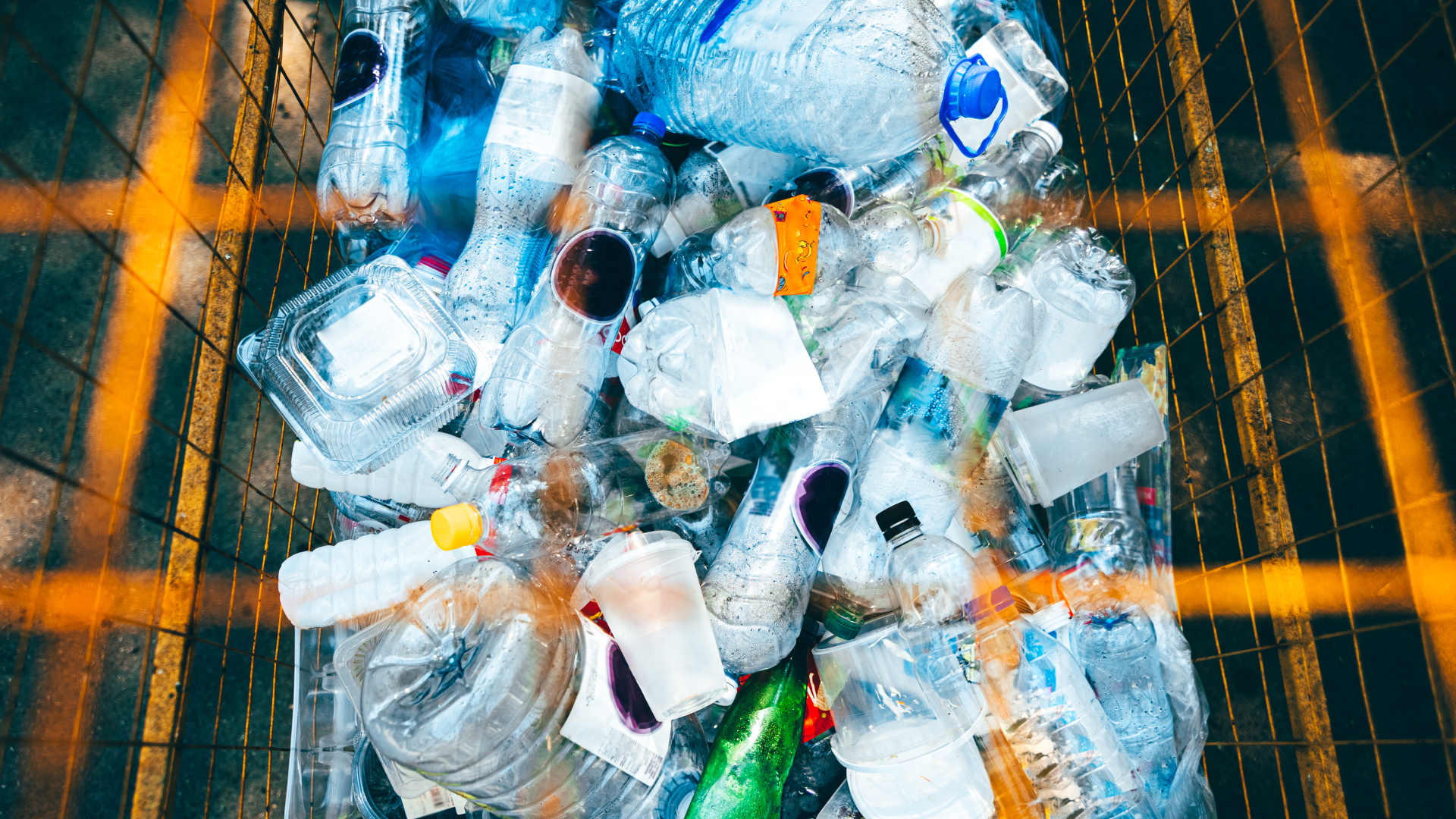

The post A Visit With DC’s Quarantined New Cherry Trees first appeared on Washingtonian.

06 Aug 19:47

Return-to-office mandates hurt employee retention, productivity, survey says

by Scharon Harding
Businessman leaning on corridor wall

Enlarge (credit: Getty)

US workers who work remotely are 27 percent more likely to look forward to doing their job, according to a survey of over 4,400 employees aged 18 and older.

The survey from Great Place to Work took place in July 2023, which was "the third year of an ongoing market study of US workplaces," according to the report entitled "Return-to-Office Mandates and the Future of Work" (PDF). Of the participants, 51 percent were female, 49 percent were male, and less than 1 percent were "non-binary or other gender," according to Great Place to Work. In terms of roles, half were "individual contributors," 25 percent were "frontline managers," 20 percent were mid-level managers, and 5 percent were executives. Eighty-eight percent were full-time workers versus part-time.

The survey also found that remote workers were 23 percent more likely to say they have "a psychologically and emotionally healthy workplace," 19 percent were more likely to cite "high levels of cooperation," and 18 percent were more likely to say that people avoid office politics and backstabbing.

Read 16 remaining paragraphs | Comments