Shared posts

18 Apr 01:15

Funny 'Avengers' Manga Introduces Earth's Mightiest Heroes To Japan

by Chris Sims

'Marvel Avengers' Manga by Fujiminosuke Yorozuya

On the off chance that you thought there was anywhere you could go to escape the presence of The Avengers now that they were the stars of a series of films that have taken in roughly 48 trillion dollars, don’t fret: They are everywhere. Or, to be slightly more accurate, they’re now in Japan, thanks to a series of comics designed to introduce Japanese children to Marvel’s team of superheroes.

Created by Fujiminosuke Yorozuya as part of an effort to promote Marvel and Toie’s new Marvel Disk Wars: The Avengers anime, Marvel Avengers ran as a twelve-page one-shot in Monthly Korokoro Comic for kids, introducing Captain America, the Wasp, Iron Man, Thor, the Hulk and Spider-Man to younger readers in a lighthearted comedy.

Marvel Avengers by Fujiminosuke Yorozuya

One of the biggest gags in the story comes from the idea that the Avengers introduce themselves to kids, only to find out that the youth of Japan has no idea who they are. That’s not too surprising, given that “saving the world” in the Marvel Universe tends to mean “saving Manhattan and occasionally a small part of Queens,” but really, now. You’d think they’d at least remember Spider-Man, alias Takuya Yamashiro, from that time he defeated a truck.

Japanese Spider-Man/Supaidaman

Since the story was done as a 12-page one-shot, it’s doubtful that it’ll see an American reprint, which is a real shame, because I desperately want to read this, if only to see whether Captain America acquires a talking motorcycle.

Read Our 'Japanese Spider-Man' Episode Recaps

[Via Kotaku]

18 Apr 01:02

Sext

18 Apr 01:02

Chinese Firm 3D Prints 10 Homes in 24 Hours | Via Chinese...


Chinese Firm 3D Prints 10 Homes in 24 Hours | Via

Chinese companies have been known to build major real-estate projects very quickly. Now, one company is taking it to a new extreme.

Suzhou-based construction-materials firm Winsun New Materials says it has built 10 200-square-meter homes using a gigantic 3-D printer that it spent 20 million yuan ($3.2 million) and 12 years developing.

Such 3-D printers have been around for several years and are commonly used to make models, prototypes, plane parts and even such small items as jewelry. The printing involves an additive process, where successive layers of material are stacked on top of one another to create a finished product.

Winsun’s 3-D printer is 6.6 meters (22 feet) tall, 10 meters wide and 150 meters long, the firm said, and the “ink” it uses is created from a combination of cement and glass fibers. In a nod to China’s green agenda, Winsun said in the future it plans to use scrap material left over from construction and mining sites to make its 3-D buildings.

17 Apr 23:31

(via Mondo: Info)


(via Mondo: Info)

17 Apr 22:40

Ubuntu 14.04 will power “first commercially available Ubuntu tablets”

by Jon Brodkin
firehose

pretty strongly considering moving my server from 12.04 to CentOS

From May 2013, a tablet running an early version of Ubuntu Touch.
Andrew Cunningham

Canonical today is releasing Ubuntu 14.04, a Long Term Support (LTS) edition for desktops and servers and an update to the versions of Ubuntu for phones and tablets.

LTS editions are released once every two years and receive five years of support from Canonical and thus gain wider adoption in businesses than the less stable server and desktop editions that come out every six months.

Canonical eventually wants to create a single operating system that can be installed across desktops, phones, and tablets, with a different interface presented on each device. That convergence hasn't been completed yet, so with 14.04 (codenamed "Trusty Tahr") there will be separate downloads for the mobile editions. "Full convergence means that the same code for operating systems and applications will be running on all types of devices, from phones to tablets to desktops, and even both smaller and larger devices," Ubuntu Engineering VP Rick Spencer told Ars in an e-mail. "Convergence is still a work in progress, and we will continue to move the code to the desktop as it is ready in each release."

Read 17 remaining paragraphs | Comments

17 Apr 21:53

Gabriel Garcia Marquez: 'He made a reader of me' - BBC News

firehose

Gabriel Garcia Márquez dies aged 87


BBC News

Gabriel Garcia Marquez: 'He made a reader of me'
BBC News
The author was best known for his masterpiece of magic realism, One Hundred Years of Solitude, for which he was awarded the Nobel Prize for Literature in 1982. Gabriel Garcia Marquez's other works include Love in the Time of Cholera, Chronicle of a ...
Gabriel Garcia Marquez dies at 87The Hindu
Twitterati remember Garcia Marquez's literary geniusFirstpost

all 1,209 news articles »
17 Apr 21:51

Confirmed: Nasty Heartbleed bug exposes OpenVPN private keys, too

by Dan Goodin
firehose

great

Private encryption keys have been successfully extracted multiple times from a virtual private network server running the widely used OpenVPN application with a vulnerable version of OpenSSL, adding yet more urgency to the call for operators to fully protect their systems against the catastrophic Heartbleed bug.

Developers who maintain the open source OpenVPN package previously warned that private keys underpinning VPN sessions were vulnerable to Heartbleed. But until Wednesday, there was no public confirmation such a devastating theft was feasible in real-world settings, said Fredrik Strömberg, the operator of a Sweden-based VPN service who carried out the attacks on a test server. An attacker carrying out a malicious attack could use the same exploit to impersonate a target's VPN server and, in some cases, decrypt traffic passing between an end user and the real VPN server.

Wednesday's confirmation means any OpenVPN server—and likely servers using any other VPN application that may rely on OpenSSL—should follow the multistep path for recovering from Heartbleed, which is among the most serious bugs ever to hit the Internet. The first step is to update the OpenSSL library to the latest version. That step is crucial but by no means sufficient. Because Heartbleed may have leaked the private key that undergirds all VPN sessions, updated users may still be susceptible to attacks by anyone who may have exploited the vulnerability and made off with the key. To fully recover from Heartbleed, administrators should also revoke their old key certificates, ensure all end user applications are updated with a current certificate revocation list, and reissue new keys.

Read 4 remaining paragraphs | Comments

17 Apr 21:49

Apache OpenOffice Reaches 100 Million Downloads. Now What?

by timothy
firehose

mind that there are still critical bugs, especially with saving large docs and change tracking, that haven't been fixed

We're thankfully long past the days when an emailed Word document was useless without a copy of Microsoft Word, and that's in large part thanks to the success of the OpenOffice family of word processors. "Family," because the OpenOffice name has been attached to several branches of a codebase that's gone through some serious evolution over the years, starting from its roots in closed-source StarOffice, acquired and open-sourced by Sun to become OpenOffice.org. The same software has led (via some hamfisted moves by Oracle after its acquisition of Sun) to the also-excellent LibreOffice. OpenOffice.org's direct descendant is Apache OpenOffice, and an anonymous reader writes with this excellent news from that project: "The Apache Software Foundation (ASF), the all-volunteer developers, stewards, and incubators of more than 170 Open Source projects and initiatives, announced today that Apache OpenOffice has been downloaded 100 million times. Over 100 million downloads, over 750 extensions, over 2,800 templates. But what does the community at Apache need to do to get the next 100 million?" If you want to play along, you can get the latest version of OpenOffice from SourceForge (Slashdot's corporate cousin). I wonder how many government offices -- the U.S. Federal government has long been Microsoft's biggest customer -- couldn't get along just fine with an open source word processor, even considering all the proprietary-format documents they're stuck with for now.

Share on Google+

Read more of this story at Slashdot.


17 Apr 21:48

Dropbox acquires Loom, will shut down its cloud photo service on May 16th

by Chris Welch

Loom, a popular service that offers cloud-based photo storage, has just been acquired by Dropbox. "We look forward to this transition as the next step in creating a home for all of your photos and videos, seamlessly organized, while still keeping them at your fingertips," said founder Jan Senderek in a blog post announcing the deal.

Dropbox and Loom share many of the same ambitions when it comes to preserving your photo library and protecting those memories, Senderek said. That's embodied by the recently launched Carousel app, which Senderek describes as "a single home for all your photos and videos, automatically organized and always with you." Loom's team plans to help push Dropbox's photo services forward.

But unfortunately, the agreement also spells the end for Loom as customers know it today. The company has immediately halted new signups, and the service will shut down permanently on May 16th. Users can choose to automatically export their photos to Dropbox — and they'll automatically receive the same amount of cloud storage they previously had with Loom. But customers can also opt to receive a .zip file containing every image they've uploaded to Loom's servers. "We know this is a big deal," Senderek said. "After spending some serious time investigating if this was the right move for us, we realized that Dropbox has solved many problems around scaling infrastructure and at Dropbox the Loom team will be able to focus entirely on building great features with a fantastic user experience."

17 Apr 21:46

R2-Detailed: X-Wing Alliance Resurrected

by Alec Meer
firehose

god stop making me want to do this RPS
STOP IT RPS PLEASE STOP

By Alec Meer on April 16th, 2014 at 1:00 pm.

Now that I’ve got a massive and over-complicated joystick, the only games I’m interested in playing are games which are best-suited to a massive and over-complicated joystick. Yes, yes, I’ll get to Freespace and its total conversions, but first I had some unfinished business to take care of. TIE Fighter was my last substantial experience with Totally Games and Lucasarts’ revered series of Star Wars-themed space combat sims, and I had only a dim sense of how the flighty-fighty games had progressed afterwards. I elected to skip X-Wing vs TIE Fighter and go straight to the end, 1999′s full 3D X-Wing Alliance.

Pre-dating the dread age of the prequel movies by a whisker, it’s one of the last artifacts of a Star Wars universe centred purely around the original trilogy. As a result, flashing back to X-Wing Alliance hits the appropriate nostalgia buttons not just in terms of relatively rudimentary 3D games, but also in terms of recapturing a degree of the nerdly naviety and excitement so many of us were going through in 1999. A prequel movie! A new hope! Childhood revisited! How wrong we were. I wonder how those who still tie themselves to a Lucasian mast will be feeling come next Christmas: I myself am almost completely unthered from it now, so it is bittersweet to return to a time when I cared so deeply.

Ah, let’s move on from my own personal long time ago and far, far away. Point is that X-Wing Alliance was the last great Star Wars space combat game, and a morning’s tinkering reveals it holds up fairly well today. It supports my X52 Pro, analogue throttle and all, and there are assorted fan projects to make look it a little better and play nice with our fancy modern PCs and their messy modern operating systems.

Let’s do this step-by-step before I chat more about the game itself.

1) Hurdle the first: installing the thing, especially if you’re running 64-bit Windows. Follow this guide, basically. It’s a lot quicker and less involved than it looks like, promise.
2) Run the game’s launcher from its icon – you should be presented with a launcher. Dive into Hardware settings to set your control method (in my case, the X52 pro) and then create a new Pilot (which is your game profile). It’s very important to do this at this stage because you probably won’t be able to get the launcher to load at the end of this process. Play, grumble at olden graphics and possible display issues.
3) Go to this site, click downloads, grab the XWAU Craft Pack. Install it, see it grumble that you don’t have the 2.02 patch install, agree to let it install it for you, then run the XWAU Craft Pack installer again.
4) Now the slightly more complicated and risk-strewn bit. First, make a backup of XWINGALLIANCE.EXE and keep it somewhere safe.

Then you’ll be after the widescreen hack (which also sorts out a couple of other issues). Extract its contents somewhere, then make another copy of XWINGALLIANCE.EXE and drop it into the same folder as the widescreen hack files. Run 32bitmode.bat first, though please be aware that these will make in-flight menu and briefing screens all but unreadable. Not much of an issue in practice, though. Then run fixedclear.bat, which sorts out some display issues. Then the fiddlier one, changeres.bat. Pick one of the listed resolutions to change to your desired resolution – I found that changing the 640×480 entry to 2560×1440 or 1920×1080 didn’t work, but all was fine and dandy when I replaced 1600×1200.

Copy the now-altered XWINGALLIANCE.EXE back into the game’s install directory, overwriting the old one (which you remembered to take a backup of, right?) Then give ‘er a whirl by running XWINGALLIANCE.EXE – you might want to create a desktop shortcut for it too, as the official ones may not work now.

All good? No? Well, try different resolutions. There are also undo BATs for the other stuff, so try a process of elimination. For further issues I can only point you at wise old Mr Google, I’m afraid.

Finally, if you’re playing on an NVIDIA card you’re probably going to want this font patch too.

Oh, and to make it look even nicer you’ll need to manually fiddle with anisotropic and antialiasing in your graphics card driver settings. For the record Vsync and triple buffering stopped the game from working for me.

An additional step for me and my ridiculous flight stick was to create a profile that had its assorted buttons emulate most of XWA’s keyboard commands. A few did work straight out of the box, as it were, but my poor hands had to stray back to the keyboard constantly and rebinding with the in-game menu still left the majority of buttons unrecognised and unused. So using the original keyboard layouts here for reference, I got everything programmed and running just dandy, though it was a long-winded process with Saitek’s not-great profile editing program. If your joystick/gamepad/HOTAS/whatever doesn’t have a profile too, I believe joy2key is the way to go, though I haven’t used it myself.

There you go. It looks… okay. Certainly a lot better than it did, but it’s not exactly a glorious modern rebirth. I also found that a lot of the ships’ cockpits occluded far too much of the screen, but as Alice pointed out to me, you can’t screw with Lucas lore if want to make a Star Wars game, and Lucas lore is that you can’t see shit when you’re sat in A TIE Fighter.

As for how it plays, how it feels, it’s a completely different animal from the seat of the pants space japes of Elite Dangerous. Not that I’m claiming the two should be compared, but the dividing line between the space fantasies of the past and those of the near future is very plain to see. The starkness and emptiness of the skies is part of it for sure, but it’s the incidental stuff that keeps it feeling overtly like a simulation rather than reality – not much ambient noise, no sense of shaking and rumbling, complete reliance on meters rather than any other visual clues to show damage or danger…

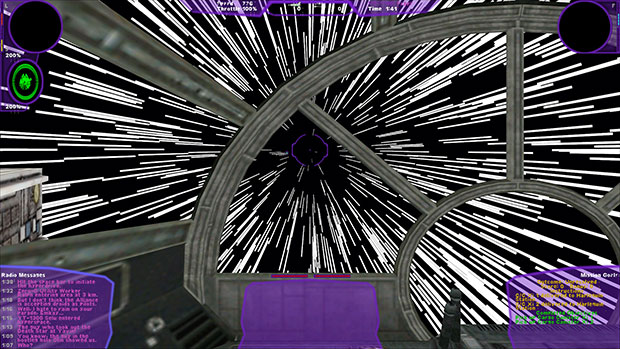
Not that it’s sterile – not by a long shot. Familiar theme tunes play, familiar ships streak across the screen, cockpit controls look familiarly retro, lasers familiarly, reassuring, go pew-pew, and hyperspace contains all the iconic, elongating white lines it needs to. There’s a cleanness to the visual design too, none of the fussiness which blighted later space games. It’s Star Wars, y’know? As abused a brand as it is, those familiar elements still mean something, still reach something, even to one as jaded by it all as I am. Consider it an itch scratched, satisfyingly.

Next up, that Battlestar mod for Freespace, I think.

17 Apr 21:45

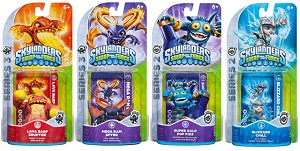
Toys for Bob and the story behind Skylanders

by Colin Campbell
firehose

wherein I learned that Star Control and Skylanders are by the same damn people

Beasts are peeking out of every nook and cranny in the office, a crazy infestation of plastic chaos.

The figurines sit on shelves, hang on walls, tumble on desks in states of unpainted nakedness, dismantled and incoherent. They gurn, snarl and claw in an infinity of static poses.

This is the place where the little plastic creatures of Activision's breakout monster hit Skylanders are conceived and birthed, the headquarters of Toys for Bob, a tiki-pirate-ship-themed ex-aircraft hanger in Marin County, California.

Since its introduction back in 2011, the Skylanders video game and toy series has generated upwards of $2 billion in lifetime sales. It is one of the top 20 game franchises of all time, with 175 million toy sales. The Skylanders monsters have captured the imaginations of millions of children, by creating a magical illusion.
Spyro-on-portal-of-power-450x253


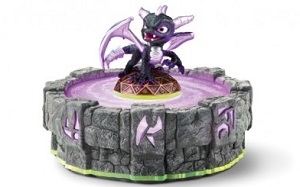
Players place monsters on a plastic tray that is connected to a console, (called a Portal of Power). The same monster appears on-screen, in game. The toys "remember" their in-game achievements and modifications. These dragons, imps, elves and griffins are portable and playable both with, and without the game.

Skylanders bridged the gap between video games and toys. It caught the snoozing toy industry completely by surprise. It vindicated publisher Activision's expansion plans. It also saved Toys for Bob, which is currently celebrating its 25th year in business.

"Really all the stars lined up for us," says co-founder Fred Ford. "Activision had the appetite to take a risk. They had the money to make toys. They let us do a skunkworks development. We took the opportunity."

If you had been asked, say, ten years ago, to pick the most successful extant game developers of the future, it is doubtful that you'd have chosen Toys for Bob. Back in the 1990s the development house had chugged along and created a decent and eclectic portfolio of games published by so-so entities like Accolade.

In order to pay its bills, the firm became a dependable little house churning out children's licensed action adventures for Activision. When the licensed business went to hell around 2008, at the same time as the global economy bombed, Toys for Bob was faced with the problem of creating a hit new franchise, deep into a console generation, a time when "new IP" faces the steepest of uphill battles.
Tfb_paul_reiche_and_fred_ford

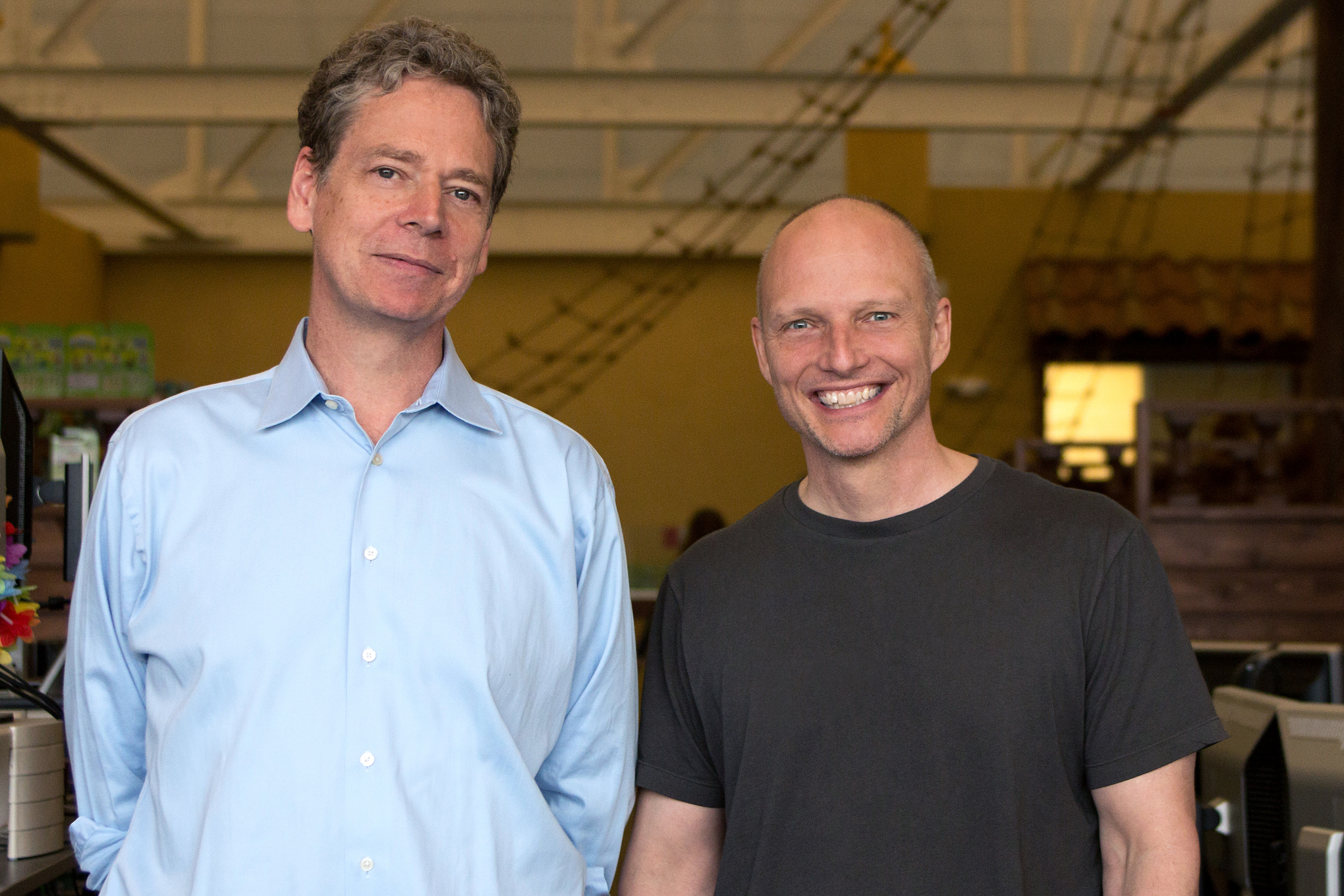
Ford (right) and fellow co-founder Paul Rouse (left) are that rare thing, a business partnership that has lasted. A quarter of a century after they met, while as students at U.C. Berkeley, they still share an office.

Interviewed together, they return again and again, almost with a sense of wonder, at the kismet of Skylanders, the way everything came together. They make the conventional obeisances to their creative staff members, and they accept their own part in the success. But they love to talk about how good fortune also played its part. "Skylanders is a game we have been teaching ourselves to make for over 25 years," says Rouse.

It is the culmination of things that happened in their lives, and events over which they had no control. It would be too much to pin this success on luck or fate, but those two skallywags played their part.

This is the story of how an unfancied development house made one of the biggest gaming hits of all time, and the list of weird stuff that helped to make it all happen. Beginning with...

Paul Rouse is the game design part of the founding duo, while Ford is the programming guy. Rouse was always a fan of games, but as a bright student, he had other ambitions. He wanted to be a geologist, he wanted to dig around in the dirt.

Poisonoakleaves


"I love geology and geography," he says. "To be able to see a piece of rock or a waterfall and see a story. It's like when you're a kid, standing on a hillside, and being told that it was all once under thousands of feet of ice."

But his aspirations were thwarted by toxicodendron diversilobum, aka poison oak. "Field geology is best done near faults, where there are lots of ravines," he says. "Poison oak loves ravines. I was rolling around in this stuff. I am deathly allergic to poison oak. I mean hospital-visit-allergic. I puffed up like a giant bright red marshmallow. I had to do something else, so I started making games."

Both of the founders are of that pre-videogame generation that grew up playing Gary Gygax's tabletop fantasy D&D. But their interest in the world went way beyond a teenage phase. Rouse created richly detailed fantasy books about D&D, lovingly dwelling on the powers and mythos of individual creatures.
Dd-basic-set


"I like wizards and humans, but monsters are so passionate," says Rouse. "They have a lot more excitement, enthusiasm and energy. The variation that you get in size and scale and material ... I really like complicated set-ups that are rich, heterogeneous things. I like the sense of stuff that is almost out of control."

He and Ford connected through a shared passion for gaming and fantasy. They were both nuts about monsters. "With monsters, kids can use their imaginations," says Ford.

"Having a group of soldiers who will do exactly what I say is way less interesting to me than having this crazy band of monsters who can't be contained," adds Rouse. "That madness and variation is appealing. We found a way to make a profession out of that."

Rouse worked on writing some games in the early 1980s, including the still-admired Archon, an early hit for a then fresh-faced start-up called Electronic Arts. Ford worked for a variety of games companies through the 1980s.

Sc1_1


When they reconnected and decided to launch Toys for Bob (the name has nothing to do with toys; it was chosen so it would stand out from the many other new development houses of the time) the company's first game was a space-shooter Star Control for the Commodore Amiga and MS-DOS PC.

The game is stuffed with back-story and fantastical narratives, very much of its time. But it also featured a combat complexity that was unusually layered, especially in its melee mode, which introduced deep strategical elements. The units had balanced strengths and weaknesses. "We were really learning about combat," says Ford. "From the beginning our fighting games had a more rock-paper-scissors feel about them. Your choice about who is in your team starts to really matter. Skylanders has that same thing. It's all asymmetric combat."

For the next decade Toys For Bob worked on a variety of genres including a 3D fighter (The Unholy War), a platformer (Pandemonium) and an action strategy hybrid with FMV elements (The Horde). They were all received with moderate enthusiasm, though none were major hits. The company was dabbling and learning, but it wasn't making a great deal of money.

"As we got bigger we needed to have solid work," recalls Rouse. "The success of licensed games was just undeniable. They were making tons of money. We needed to participate with what was going on. There was a predictable thing about licensed games."

He picked up contracts to work on licensed games, beginning with Eidos' 102 Dalmations in 2000. Activision gave the firm Disney's Extreme Skate Adventure in 2003. Flush with licensed games booty, Activision bought Toys for Bob in 2005, and had the company work on key property Madagascar.

Madagascarwallpaper1024

Toys for Bob, it turned out, was pretty good at making these fairly formulaic kids' games. They scored solid numbers in reviews and they sold very well. "There is actually a real joy about the craft of coming into work and making something that makes kids happy," says Rouse.

"Those games were training grounds for us. Before then, we were largely ignorant of how to make roaming 3D platform games. Madagascar also taught us the most about how kids relate to these worlds. For example, you can't give kids a branching path. They stop. They get frustrated. They don't know what is being asked of them."

But there were a lot of games like Madagascar at the time, and kids grew tired of the formula. The market deflated. "Even the best licenses were making a half or a third of what they had made," adds Rouse. "It didn't make sense for Activision to have an expensive studio doing that. So there was a conversation along the lines of 'so, guys, why don't you figure out an idea and really make it good and get it done soon'. There was an underlying 'or else' because studios are born and then they live and then they go away. It's like life."

After a comfortable few years making licensed games, the Toys for Bob team needed to come up with an entirely fresh, new idea. They had to magic up something they hadn't really produced in 20 years; a big, self-generated hit.

Bosses will always say nice things about their staff, especially when they have been working together for a long time. And Toys for Bob has a lot of talented people. But there were some who had exactly the right skills to create something as outside-the-box as Skylanders.

The team gathered together and began brainstorming. Inevitably, ideas graduated towards the skills and interests of the leading players. A lot of bad notions were entertained and then rejected.


But they kept coming back to monsters, strategy, kids. Lead animator I-Wei Huang was tossing out images of creatures and monsters. Everyone liked them. He had a side-interest creating physical toys and robots. He knew how to take his pictures and turn them into models. When the idea first came up, of selling the game with attendant 3D toys, he was able to make the models.

The team could see how these characters might appeal to children. He was diligent about making the models exactly right, endlessly perfecting pose and facial expressions. "In the beginning I was just drawing characters and modeling," says Huang. "We were constantly hacking the toys and tinkering. The whole Skylanders thing came out of tinkering.

"The most important thing is thinking like a child," he adds. "It could be a certain kind of dragon or a sword or even a look. If it makes you chuckle when you see it, then we got you. They had a heroic likeability as well as power and humor. A lot of it is instinct."

Huang shares a section of the office with Robert Leyland, a programmer who, like Huang, had a side-hobby that turned out to be fortuitous for the team. Leyland's passion is fiddling around with electronics junk, taking stuff apart and putting it back together.

When the team started talking about pulling toys and games together, they needed a conduit between the two, a portal that connected the real world and the virtual world. Leyland went to work.

"They were looking for new ways to interact with the consoles, alternate ways to connect with the device," explains Leyland. "I said, I can do that. I dug up cables and wires and electronics stuff from my basement."
Shutterstock_151107941


He had already been interested in finding new ways to interact with Nintendo's motion-control Wii. That machine's universal input systems and its massive popularity with kids made it an ideal test platform. He created a portal, using RFID [radio frequency identification) technology that would allow the toys to interact with the game.

"We got some RFID stuff and glued it to the bottom of toys," he says. "It worked. They told me to keep going. It was all a hodgepodge but it worked, and next thing, we were presenting it to Activision."

"No-one knew that he had this little bit of genius in him, this touch of Nicola Tesla," says Rouse. "People don't really acknowledge how amazing it is to put these toys on the portal and have them glow, and have them remember the adventures they have been in."

There was a wild card in Toys for Bob's planning. Following Activision's merger with Vivendi in 2008, the new company had acquired a hatful of old gaming franchises. Nervous about the prospect of launching an entirely new IP, Activision invited Toys for Bob to take its pick of any of the properties that were available.

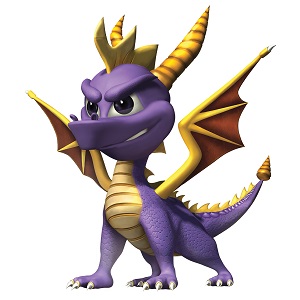
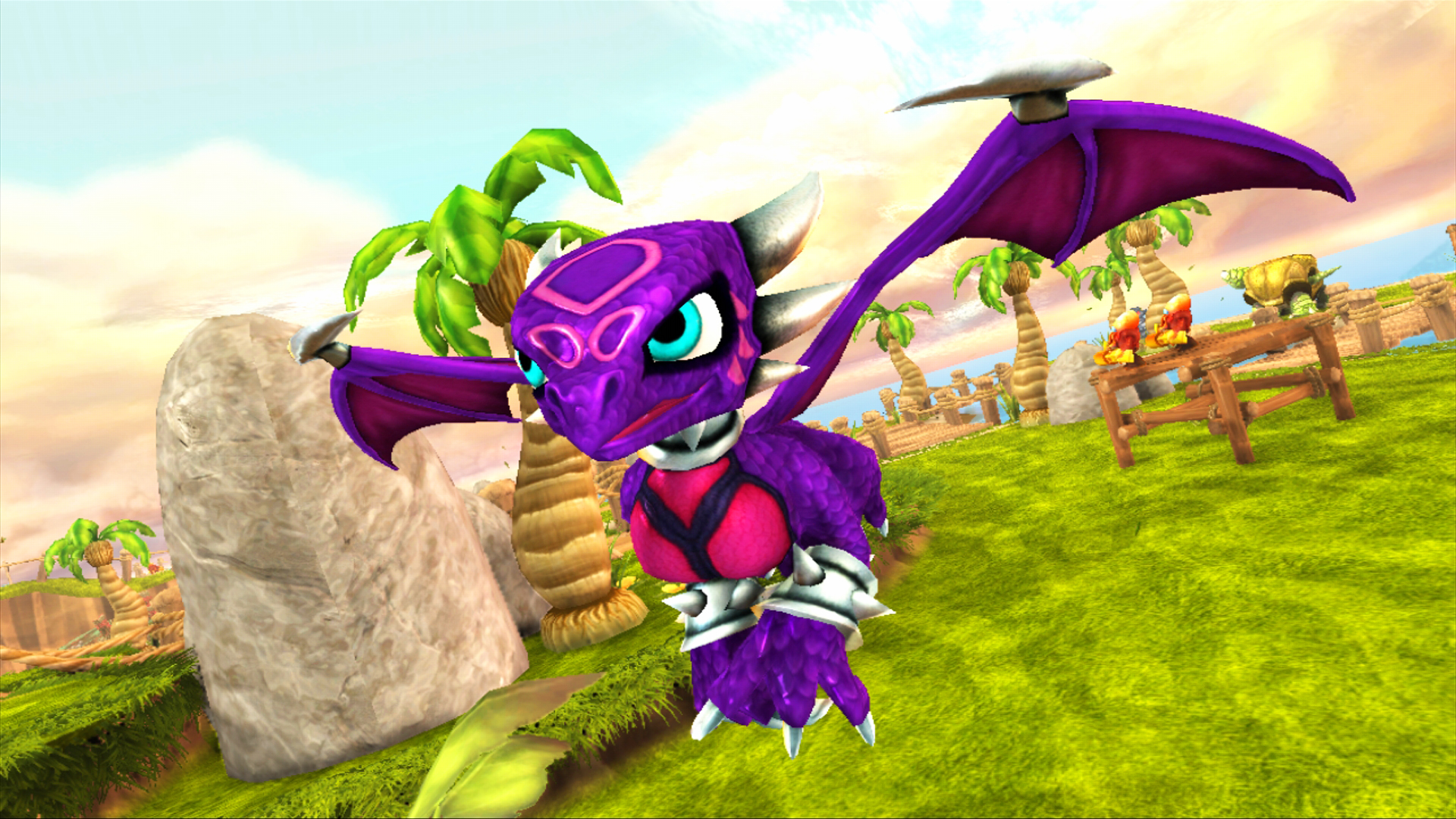
With the Skylanders concept vaguely in mind, they chose Spyro, a purple dragon who had been the star of some well-regarded Insomniac actions adventures in the 1990s, followed by sequels and spin-offs in the following decade that attracted mixed reviews.
Spyro_005666


Certainly, by the time Ford and Rouse selected Spyro, the dragon was well past its prime, and there wasn't much in the way of online demand for a return. But the team saw the creature's potential. "A cute little fire breathing dragon was pretty awesome for us," says Rouse. "He is a solid character. He had a good name."

The choice was based on commercial and presentation calculations. Toys for Bob and Activision were worried that retail and media wouldn't really get their new idea. A hook was required, something familiar. The first game was called Skylanders: Spyro's Adventure. Today, Rouse credits Spyro with a lot of the franchise's subsequent success.

"It was a foot in the door for the press and for consumers because it was something that they could relate to," he says. "Spyro's world also defined a level of humor and silliness that was part of what Skylanders stands for. Spyro gave us that."

Skylanders: Spyro's Adventure was branded as a reboot for the dragon. But the magic was in the toys.

When Activision CEO Bobby Kotick hosted Toys for Bob's internal pitch for the game's release, he only made one suggestion. It was not a popular one with executive underlings seated around the conference table. He wondered if the developers could use another year to polish their idea.

Bobby_kotick_in_nyc_photographed_by_jordan_matter


"He said, 'this game is okay now, but I think it could be amazing in another year'," recalls Rouse. "Every single person underneath him said, 'we disagree, it should go out this year,' because all their plans was based on the money that it was going to bring in and the teams it would free up. He just went [bangs table] 'nope'."

It was an unusual move in a business that moves fast, when new ideas are rarely unattended by at least one competitor, innovating along similar lines. Everyone in the meeting understood that entering the toy business would be extremely risky. Timing was key.

"It takes a lot of guts to say, yeah, we can handle making millions of toys. Safe, economical, fun toys," says Rouse. "We were terrified that one day all these millions of unsold toys would come back and fill our offices. It would have been the last thing we would have done."

"At that point our electronics didn't allow write-back to the toy so you wouldn't have been able to store your character on your toy. We had a really screwy way of emulating it," adds Ford, who believes the extra year made a huge difference.

"We got the price down and the toys looked better," adds Rouse. "Whatever people say about Bobby, he made a big difference with that decision. It cost a lot of money and it made a lot of people nervous but he made a good call there."

Activision was pursuing a strategy of 'less is more", focusing on a small number of franchises. At the time, Call of Duty was bringing in billions of dollars in revenue. Bobby had a lot of money to invest. He had also acquired a taste for the toy business.

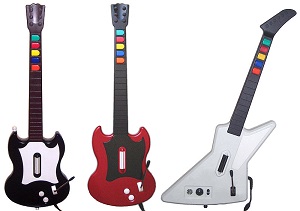
Activision had recently accrued a new expertise in the manufacture and distribution of plastic artifacts due to the success of one particular franchise, Guitar Hero.
800px-guitar_hero_series_controllers


At the time of Skylanders' development, the pretend-guitar games were at the peak of their popularity. Plastic guitars added valuable profits. Guitar Hero taught Activision a great deal about sourcing and manufacturing in China, and about securing retail space in toy stores, outside the standard box-sized video game sections.

"Activision had learned all about manufacturing plastic toys in bulk as well as all the problems of importing, warehousing etc," says Rouse. "We could not have done Skylanders on our own. As much as we might sit here and say, wow, two billion dollars, if that was all ours that would be great ... but we didn't have the know-how on the plastics and manufacturing side to say, yeah, we can make millions of toys. Not many companies in gaming know how to do that."

The toy business is a harsh tutor. Lucky for Toys for Bob, the sharp decline in music gaming's popularity had yet to come.

Despite Leyland's best efforts, early prototypes of Skylanders had technical problems. There were delays between the toy being placed on the portal and actions on-screen. Because the tech was still developing, there were different options to choose from. RFID chips were expensive, adding to the cost of the toys. They were struggling to get the price down to a level that would work for cash-strapped parents.
Beckmap1


Worst of all, the most expensive aspect of the project were RFID chips that could be written to, so that the toys could remember what modifications and achievements they had unlocked in-game. Rouse and Ford agreed that without this element, the toys might be seen as irrelevant, getting in the way of the game experience.

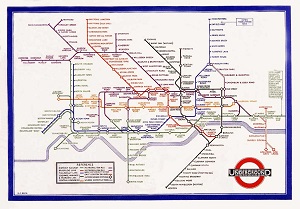
But RFID chips prices were coming down, rapidly, and the tech was improving fast. This was due to metro systems like the London Underground moving away from cash and tickets and towards RFID-based Oyster cards. "So there were billions of these cards being made and there was this race down in price," says Rouse. "Bless the London Underground because I think that was what did it for us."

The RFID reader is in the turnstiles. For every turnstile there are thousands of cards. But with Skylanders it's about three RFIDs to every reader. Skylanders has returned the favor. Activision is now the biggest distributor of RFID reader units in the world, with over 10 million portals sold "Now the RFID people come and talk to us when they have advances they want to make," says Ford.

Despite its confidence and its cash, Activision was looking for a partner to help spread the risks of the new venture.

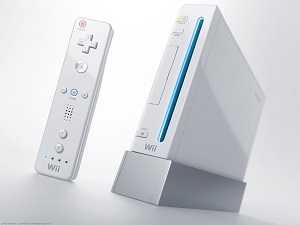
Nintendo, flush with the success of Wii, also with experience of the toy business, and with a reputation for "blue sky thinking," seemed like the perfect choice. Toys for Bob journeyed to Nintendo of America's offices to present the idea, very early in its development cycle.

"We had been directed towards thinking about something that would play well with Nintendo," says Ford. "I think there was some co-marketing money and the Wii was doing well. They had some success with peripherals."
Nintendo_wii


"They spent a long time looking and looking," says Rouse. "They were just like 'we have never seen anything like this before.' I've always wondered about the full meaning of that comment [laughs]." Although there was a limited co-marketing deal, Nintendo did not want to make a full commitment to Skylanders. "We have no idea why," says Rouse. "Clearly, they have got properties well suited to this world. Why it is that they didn't rush in here will probably haunt them for the rest of their days."

A Nintendo-exclusive would have changed the shape of the project considerably, as well as adding the complexity of a business partner with a reputation for desiring granular control. It was a disappointment, at the time. Now, it looks like a fortunate escape.

Rouse is still surprised that the entertainment giant which reacted most quickly was Disney, which launched Disney Infinity in 2013 and is looking to expand the franchise. "Nintendo could have kicked Disney's ass," says Rouse. "If I was running Nintendo I would have jumped on this."

As the project neared completion, the big fear was that the Skylanders world, the concept of the portal, and the design of the monsters, would somehow fail to connect with children. The kids market is notoriously capricious. Worse, the toy business was sewn up between a small number of manufacturers with immense power at retail level. There would be no second-chances. Skylanders would need to be a hit, from day one.
Skyinsert4


Activision's executives were looking at all the data to justify the money being spent on manufacturing and on marketing. But, in the end, their own kids had the final say. "Most of the executives had kids in this age range," says Rouse. "So the execs took these handmade toys that we had made out of sculpting clay and had hand painted and had their kids play with them. We never got one back. Not one. They flowed into the kids and they were gone.

"We were like, that's a good sign. These were tough guys [the execs] but because their kids loved the experience, that opened them up in a way that I don't think we could have done otherwise. So besides losing all our prototypes, it was amazing."

Those children, and the consumers who bought the first game and its sequels, saw the same thing that Ford and Rouse had seen, that Kotick had seen, and that parents of kids who play Skylanders also see. The figure sitting on the portal isn't just some hunk of plastic that gets between the player and the experience. It is alive. The toy inhabits the game, and is somehow imbued with the game, even when it is detached.
32755873_01_0054_20110915-6l3b1

"It's a magician's trick," says Rouse. "You just have to make that trick really, really good for people to believe it, to feel like you are going in there together."

Skylanders has been through two further iterations since launch. In Skylanders: Giants, larger toys were introduced. In Skylanders: Swap Force, the toys came with interchangeable parts. Later this month, Toys for Bob will unveil the new generation.

The basic ethos will not change. "It is about having a companion in the world of imagination," says Rouse. "When you are a kid it's not an object, it's a character. This isn't just a toy."


17 Apr 21:43

Tales from inside the Diversity Lounge: PAX's half-baked experiment

by Royel Edwards
firehose

'Mike Krahulik and a bunch of his fans stopped by to play Thornwatch, Penny Arcade’s tabletop card game. It was the most bizarre thing seeing him there after saying hurtful words towards transgender people. Maybe it was his chance to show up before PAX was done to say that he was actually in the room. I found it extremely awkward, but his being there filled the room to the point where your shoulders were rubbing against those next to you.

Soon the game was finished, he left and the people went with him.'

I figured volunteering at a booth for PAX's first Diversity Lounge would give me the opportunity to see what it was about from the inside. I knew what people were saying, but the reality might be very different.

The lounge had already become controversial when documents describing the initiative were leaked onto the internet. I didn’t know if I was horrified, proud or somewhere in the middle. Why does PAX need this? Wasn’t the whole show supposed to be safe? There weren’t any actual diversity specialists involved to my knowledge; it was made up of volunteers, who had booths of their own inside the lounge. A bit misleading, but the intent was still commendable.

PAX should be a safe place where people can be themselves and enjoy the things that make them happy, to meet new people or show off their games to the public. No matter your interests or how you identify yourself, no one deserves to be treated differently or be given the impression that the convention was anything but secure.

Why does PAX need this? Wasn’t the whole show supposed to be safe?

I am a gay man. I’ve had my share of harassment and, if I’m going to be at PAX, I want to make sure that I don’t have to put up with harassment from attendees or to put up a front to conceal my identity.

I'm comfortable and proud of who I am; giving my time at the Queer Geek booth inside the Diversity Lounge was no complication. I’m accepting of all people and the idea of shunning anyone who identified as LGBTTIQQ2SA (Lesbian, Gay, Bisexual, Transsexual, Transgender, Intersex, Queer, Questioning, 2-Spirited and Allies) or anyone with any sort of mental or physical disability has and will never cross my mind. I wanted to show people who visited the lounge that it was a place for you and I to be comfortable.

The reality

The first day of PAX was a bit of a rough experience. I wanted the room to be flowing with people who wanted to network, communicate and discuss topics that plague cons and communities, but it didn’t seem like any of that was happening.

The foot traffic was scarce throughout the room most of the day. My time was well spent twiddling my thumbs. The only buzz was from people from booths talking to each other rather than people who were interested in what the booths had to offer. I was scared.

Is the Diversity Lounge always going to be this quiet?

It would pick up, but not much. Some of the con-goers who stopped by were friendly, curious and seemed to be in good spirits. I felt that somehow it was too good to be true, that soon someone would burst through the doors shouting hate speech. I was afraid that someone would come in and ask sarcastic questions. I'm happy that no such thing happened.

I’m not sure what kind of special training the PAX Enforcers achieved in preparation of the lounge’s debut, but they too were extremely approachable for help if you need it. Hell, they came to me more often asking if I needed anything. It was encouraging and that was something that I really needed to feed off of during the lounge’s dry spell.

Being from Toronto, it was nice to walk into the lounge and see a giant banner that said Toronto Gaymers on the wall. Seeing familiar faces from my city was great. I was buoyant and thrilled at the idea that people from my own city would come this far to promote community in Boston. But not just Toronto — all the people who took the time to travel to tell others about building inclusive relationships and communities with like-minded people made me happy.

Do people even know that we’re here?

Upon arriving at the Boston Convention Center bright and early Friday morning, I did a double take by the restrooms on my way to the lounge. This year’s PAX East boasted a gender-neutral restroom. Yes, finally! I considered it as a step forward for inclusiveness.

Having gender neutral washrooms is crucial because it allows people who identify as queer, trans or anyone else from being subject to physical or different kinds of emotional harassment because of their decision on which gender-segregated restroom they choose to use. No one wants to hear people talking about you or judging you because of which you choose and you sure as hell don’t want to be a victim of people who become violent because of it.

While I walked around, I also noticed that there seemed to be more male restrooms than women’s. The Massachusetts Convention Center Authority reportedly ordered Robert Khoo to change six women’s restrooms into men’s restrooms.

The venue has 40 restrooms: 20 women’s and 20 men’s. There were only 14 women’s restrooms available to the crowd, and only one gender neutral bathroom.

I would have preferred the collection of booths to be on the show floor itself to benefit from the foot traffic and to introduce attendees to the volunteers and individuals who represented such a broad range of human experiences. On the other hand, many people in the lounge loved the location. They said it was away from the noise and frenzy of the show below them.

The traffic was great, the interest was piqued and collaboration was everywhere

I could understand where they’re coming from. They wanted a relaxing environment of solitude, but I feel as the lounge was excluded from the show itself. If PAX is supposed to be about inclusion, you shouldn’t have to search for a place to belong.

My only hope is that one day PAX itself will be its own Diversity Lounge or get to a point where one is not needed. There were many people who visited the booth talking about how they had no safe space to go to in their home. It’s unfortunate to not have a safe outlet to turn to in order to talk about things you’re going through or to play games with other individuals with similar interests without being judged, and it's heartening that people who didn't have that place in their "normal" lives find one at a show like PAX.

A larger crowd

Saturday was a different world entirely. The room was packed and buzzing with laughter, music and the sound of weary attendees plopping into bean bag cushions trying to catch a quick nap before taking on more of the frenzy that was the show floor. I couldn’t believe it. The traffic was great, the interest was piqued and collaboration was seen everywhere.

Mike Krahulik and a bunch of his fans stopped by to play Thornwatch, Penny Arcade’s tabletop card game. It was the most bizarre thing seeing him there after saying hurtful words towards transgender people. Maybe it was his chance to show up before PAX was done to say that he was actually in the room. I found it extremely awkward, but his being there filled the room to the point where your shoulders were rubbing against those next to you.

Soon the game was finished, he left and the people went with him.

I don’t want the public to think that the Diversity Lounge is the haven PAX has always been looking for and I don’t want to say that the whole idea is worthless. The fact that people who had no idea that the lounge was a thing and thought it was a "neat idea for a start" shows that not only does it need more room to grow, but also that PAX needs to be more vocal about its existence.

This is just the beginning.

The views expressed in this article are those of the author and do not necessarily represent the views of, and should not be attributed to, Polygon as an organization.

17 Apr 21:40

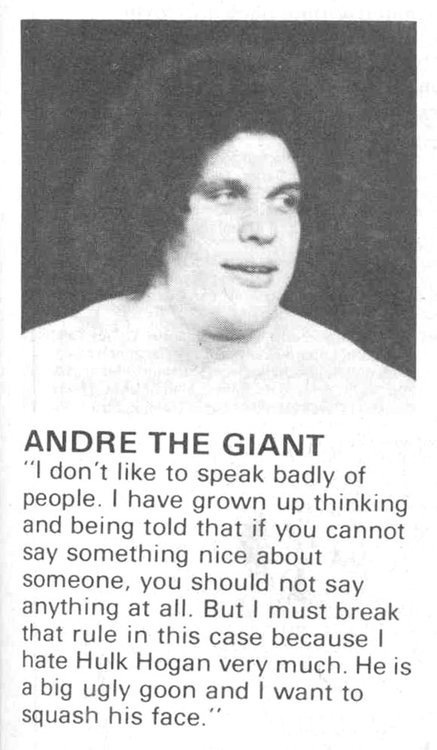
If you and Frank Miller *did* get into a fight, who would win?

firehose

daaaaaaaaaaaaaaaamn

He is afraid of women. I win in a landslide.

17 Apr 21:39

pastel pigs - Linda Cube Again (PSX - Alfa System - 1997)


pastel pigs - Linda Cube Again (PSX - Alfa System - 1997)

17 Apr 21:36

Despite Early Sales Slump, Comics Retailers Remain Upbeat

firehose

'Chip Mosher, Comixology’s v-p, communications and marketing, confirmed that 20% of its new customers in the third quarter of 2013 were females ages 17–26.'

Despite Early Sales Slump, Comics Retailers Remain Upbeat:

project-blackbird:

Retailers are also seeing a need to adjust their ordering to accommodate some of the new groups they see coming into their stores. While many stores report that their children’s comics sections continue to grow, the demographic that seems to be growing the fastest is young women, aged 17–33. Image titles like The Walking DeadSaga, and Pretty Deadly have gotten their attention, but Wayne Wise reports that at Phantom of the Attic there are “a lot of young women who are really invested in Marvel and DC titles, as well as the Indies. New titles aimed at this group are an important part of this. Books like Captain Marvel, Ms. Marvel, and Young Avengers have been particularly successful.” Data from a reader survey by digital comics vendor Comixology supports what retailers are seeing. Chip Mosher, Comixology’s v-p, communications and marketing, confirmed that 20% of its new customers in the third quarter of 2013 were females ages 17–26.

It’s so nice to see vindication of WHAT WE’VE BEEN SAYING FOR YEARS.

17 Apr 21:35

Photo


17 Apr 21:34

joequinones: Hey you! Yes, you. Are you interested in owning...


joequinones:

Hey you! Yes, you. Are you interested in owning some original Joe Quinones artwork? Well you’ve browsed by the right place! 

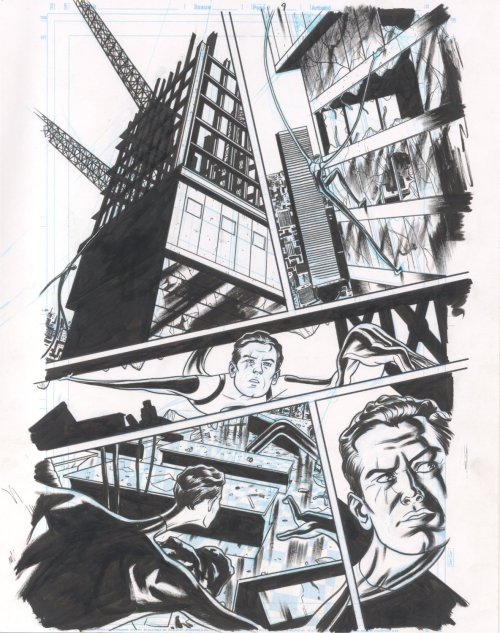
Some new artwork was just posted up by my art rep Mark Hay on Splash Page Art, including work from my recent SURVIVE! one-shot as well as a recent Robocop cover I did. Also pictured here are some pages from my issue of Batman ‘66 and a Captain Marvel cover. All of which and more are available for sale on his site.

Please do check them out. Thanks!

http://www.splashpageart.com/ArtistGalleryRoom.asp?Details=1&ArtistId=253

17 Apr 21:32

Knife and Fork? Check!

firehose

GET IN MY FUCKING MOUTH

17 Apr 21:29

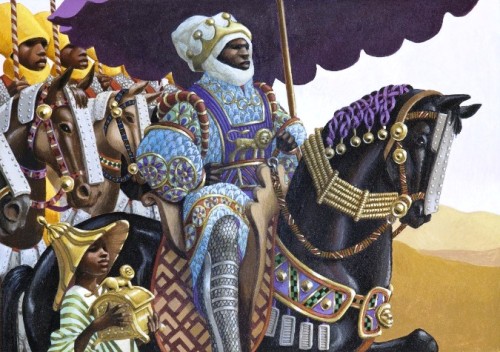
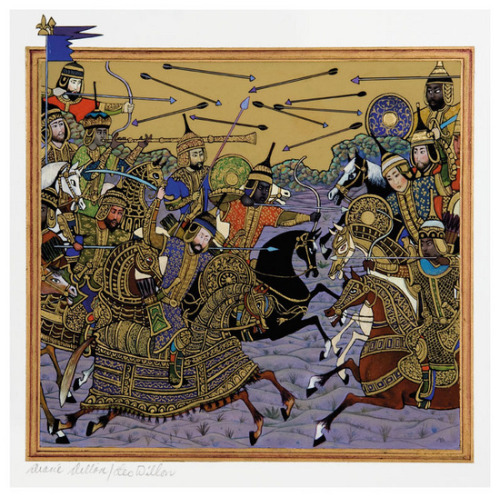
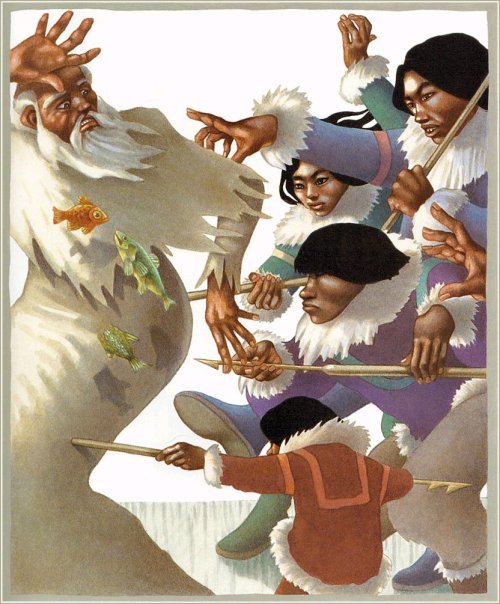
medievalpoc: Contemporary Art Week! Leo and Diane...


medievalpoc:

Contemporary Art Week!

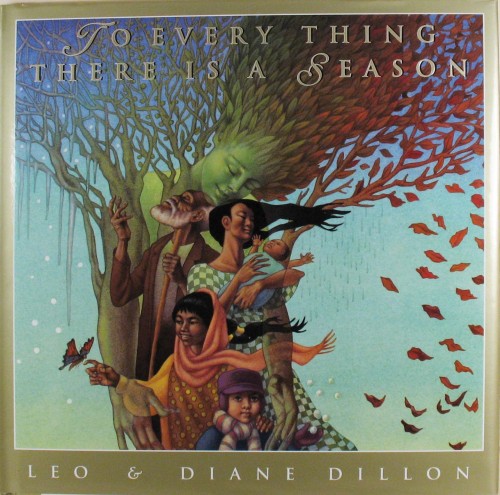
Leo and Diane Dillon

Various Illustrations

Leo and Diane Dillon were one of the greatest illustration teams in the history of Fantasy Art. Books that have used their illustrations for cover or inside art include an edition of the Narnia books, Garth Nix’s Sabriel, Lirael and Abhorsen, Her Stories and The Girl Who Spun Gold by Virginia Hamilton, The Earthsea Trilogy by Ursula K. LeGuin, Aida by Leontyne Price, The Girl Who Dreamed Only Geese by Howard A. Norman, and many, many more.

There is a blog dedicated to archiving their work here.

17 Apr 21:28

Andries Jacobsz Stock after Jacob de Gheyn II, Vanitas, ca....


Andries Jacobsz Stock after Jacob de Gheyn II, Vanitas, ca. 1610-20

17 Apr 21:26

Photo


17 Apr 21:26

Photo

firehose

fuck off you weak-ass customer we don't want you anyway


17 Apr 21:21

FSU Response to NY Times Article

by gguillotte
firehose

tl;dr: fuck you

State and federal privacy laws govern the university's ability to comment on a particular student or disciplinary matter. This is particularly crucial in cases of sexual assault, where victims may request privacy to heal. To interpret the university's silence as a lack of interest or an insufficient "level of energy" is utterly wrong.
17 Apr 21:21

How quirky is Berkeley? The Giant Orange of Spruce St.

by Tom Dalzell
firehose

via Overbey

Giant orange at 722 Spruce St.  Photo: Colleen Neff.

The Giant Orange at 722 Spruce St. Photo: Colleen Neff.

Of the thousands of examples of quirky material culture that I have seen in Berkeley, my favorite is a giant orange on Spruce Street. It has nothing to do with Roald Dahl, but everything to do with old, weird America, a brilliant phrase coined by Berkeley’s extraordinary cultural writer Greil Marcus.(...)

Read the rest of How quirky is Berkeley? The Giant Orange of Spruce St. (553 words)


By tomdalzell. | Permalink | 8 comments |
Post tags: Bruce Dodd, Giant Orange of Spruce Street, Greil Marcus, Quirky Berkeley, Tom Dalzell

17 Apr 18:47

Lawsuit Accuses X-Men Director Bryan Singer of Sexual Misconduct With Underage Boy

firehose

great

The Wrap has obtained copies of federal court documents which reveal a lawsuit accusing Bryan Singer, director of many of the films in the X-Men franchise, Superman Returns, and others, of sexually abusing a seventeen year old boy.
17 Apr 17:52

When China drinks less cognac, France gets a headache

by Jason Karaian

Remy-Cointreau-annual-revenue-Group-Remy-Martin-division_chartbuilder

The numbers: Like a bad hangover. Sales in Rémy Cointreau’s latest fiscal year, ending in March, fell by 13.5%, missing already-lowered analyst expectations. When the French drinks group publishes its full financial results in June, it expects operating profits to fall by 35-40% versus the previous year, the latest in a series of profit warnings.

The takeaway: Rémy Cointreau, which traces its history back to 1724, has grown incredibly reliant on China in recent years. The Rémy Martin cognac brand accounts for half of the group’s sales, and more than half of Rémy Martin’s sales come from Asia. Pricey bottles of premium cognac were, until recently, a popular gift for courting favor with Chinese officials. An anti-corruption crackdown is now beginning to bite—over the past six months, Rémy Martin’s revenue has fallen by 35%, twice the rate of decline in the previous six months and a far cry from the double-digit growth regularly recorded by it and other cognac makers before the “anti-extravagance” crackdown by Beijing.

What’s interesting: Rémy Cointreau isn’t giving up on China yet. Although selling down excess stock will weigh on its results for some time, CFO Luca Marotta is confident that cognac’s appeal in China is not just as a conspicuously expensive gift for bureaucrats. On average, the company currently sells one bottle for each dollar-millionaire household in mainland China, Marotta says. As the ranks of the rich rise rapidly—particularly in third- and fourth-tier cities (those smaller than metropolises like Beijing or provincial capitals like Chengdu)—huge scope for growth remains. He had better hope he’s right; disagreements over the firm’s faltering China strategy earlier this year reportedly cost the head of Rémy Martin and the group’s CEO their jobs, the latter only three months into his tenure.

17 Apr 17:22

Russian Firefighter Floats on a Platform in the Air With the Help of Six Fire Hoses

by Rollin Bishop
firehose

imagine six firehoses
this is a good stopping point, be back later

A Russian firefighter floats on a platform in the air thanks to the power of six fire hoses in this 2013 video.

via Koreus, Daily Picks and Flicks

17 Apr 17:21

Beau Biden readies 2016 bid for governor of Delaware - CBS News

firehose

beauy beau biden?


CBS News

Beau Biden readies 2016 bid for governor of Delaware
CBS News
Attorney General of Delaware and son of Vice President Joe Biden, Beau Biden,speaks at the Time Warner Cable Arena in Charlotte, North Carolina, on September 6, 2012 on the final day of the Democratic National Convention (DNC). US President Barack ...
Joe Biden's Son Beau Running for Governor in Home-State DelawareBusinessweek
Beau Biden, son of US VP, to run for governor of DelawareReuters
Beau Biden says he plans to run for governor in DelawareCNN (blog)
USA TODAY -RTT News -Daily Mail
all 133 news articles »
17 Apr 17:20

Nespresso “open-sources” coffee pod business under government pressure

by Casey Johnston
firehose

ha ha, christ

France's antitrust authority has persuaded Nespresso to change its anti-competitive practices in the coffee-pod market and open its espresso machine to third parties, reports the Wall Street Journal. The deal comes after Nespresso's long, losing battle to shut out competitors with patents and customer warnings.

In France, Nespresso controls 78 percent of the coffee pod market, according to the Journal. Two competitors complained to the French Autoritée de la Concurrence two years ago, and Nespresso lost a patent covering its machines last year.

As part of the new agreement, Nespresso will remove language on its pods and machines that suggest only Nespresso products can be used together. Nespresso will also provide support to users of its machines who use third-party pods and will "abstain from negative comments about other capsules."
Read 1 remaining paragraphs | Comments

17 Apr 17:19

Frame-by-frame — Why the kid taking a selfie was kicked in the head by the train engineer [17 pics]

by Joey White
firehose

this fucking guy, analyzed

Yesterday, we shared a video of a train engineer putting his boot to Jared Michael’s head when Jared tried to take a selfie as the train passed. There’s been a lot of speculation as to why the engineer did what he did. Sure, the kid even admitted he was stupid to be standing so close to the train, but two wrongs don’t make a right… Did the engineer really need to kick Jared in the head?

Frame-by-frame evidence from the video seems to indicate that the train engineer had a very good reason for kicking Jared. Redditor karolisalive pointed out an object that appears to be protruding from the train right where Michael’s head was…

Passing Train 01

If that’s not enough evidence to convince you that the engineer is a hero, here’s the complete frame-by-frame evidence. If nothing else, Jared’s transition from careless selfie to a ruined day is comical to watch…

Jared’s having a good day…

Passing Train 02

His earbuds are putting down a good beat…

Passing Train 03

The train he’s been waiting for is coming… What could go wrong?

Passing Train 04

What’s that? A train’s right behind him? You’d never know with that cool, calm, collected look…

Passing Train 05

Does Jared hear that horn blaring? Probably not… Those earbuds are cranked up a little too loud…

Passing Train 06

Is that a boot? Jared can’t see it, because Jared is still taking a selfie…

Passing Train 07

Jared still doesn’t realize there’s a boot connecting with his face…

Passing Train 08

Now he’s beginning to grasp the situation, though he still has no idea he’s being saved from the metal object protruding from the train…

Passing Train 09

And there go the earbuds…

Passing Train 10

Yep, he definitely feels the boot now…

Passing Train 11

The engineer’s ability to kick Jared’s head out of the way with a work boot while operating a moving train is actually really impressive…

Passing Train 12

At least Jared got a chance to show off that flow on top of his head…

Passing Train 13

Those are some impressive gymnastics from the engineer…

Passing Train 14

And just as quickly, the train is gone…

Passing Train 15

Passing Train 16

Passing Train 17

It’s even more impressive that the engineer was able to save Jared without completely knocking him out with the boot. That engineer is a hero!