Adam Victor Brandizzi
Shared posts


12 Jan 13:51
IBM's Watson Gets a Swear Filter After Learning the Urban Dictionary
by samzenpus
redletterdave writes "IBM's super-computer Watson briefly went from smart to smart ass with the help of the Urban Dictionary. According to Eric Brown, an IBM research assistant, he and his 35-person team wanted to get Watson to sound more like a real human. After teaching IBM's super-computer the entire Urban Dictionary, however, Watson simply couldn't distinguish polite discourse from profanity. Watson unfortunately learned all of the Urban Dictionary's bad habits, including throwing in overly-crass language at random points in its responses; in answering one question, Watson even reportedly used the word 'bullshit' within an answer to one researcher's question. In the end, Brown and his team were forced to remove the Urban Dictionary from Watson's vocabulary, and additionally developed a smart filter to keep Watson from swearing in the future." 


Read more of this story at Slashdot.
Tadeu and -1 others like this
12 Jan 13:50
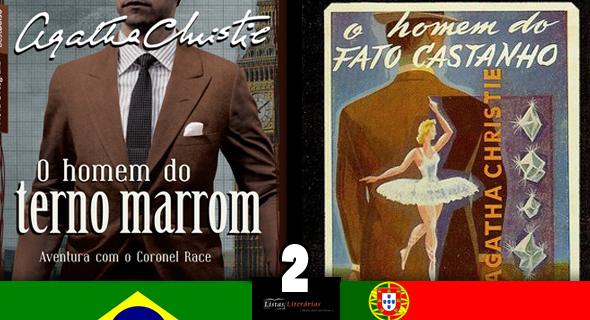
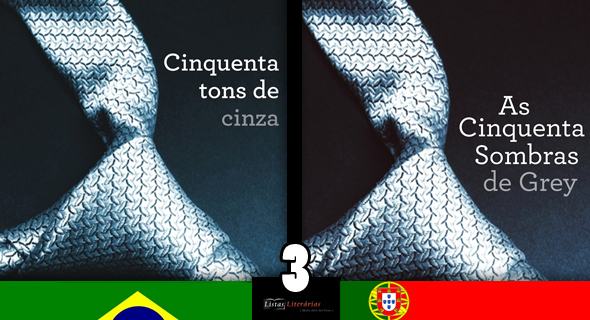
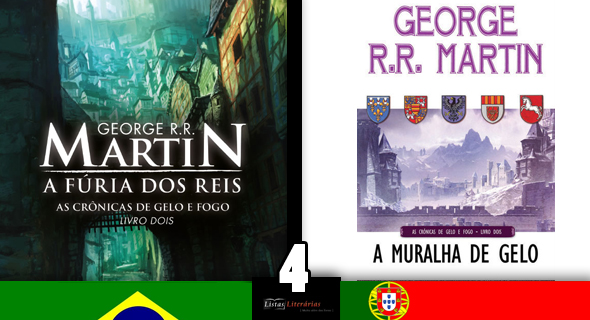
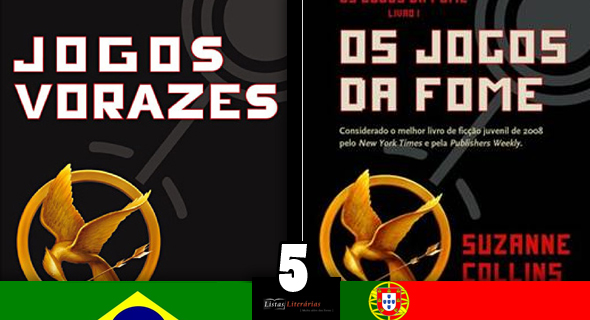
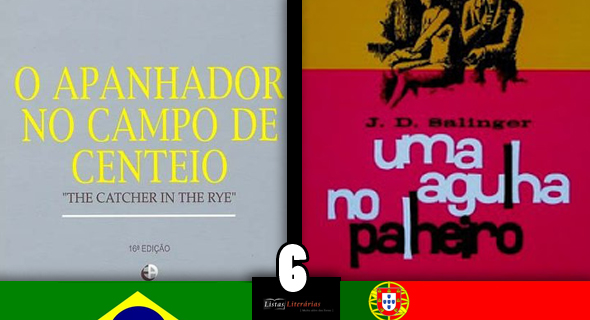
10 Diferentes traduções de livros, no Brasil e em Portugal
by noreply@blogger.com (Douglas Eralldo)
Brasil e Portugal tecnicamente falam a mesma língua, mas sabemos que nem sempre é bem assim. E uma boa forma de compreender como estes dois países são diferentes é através das traduções que os livros ganham nos respectivos países. Algumas delas são até bem curiosas. Nesta lista, uma seleção com 10 diferentes traduções de livros no Brasil, e em Portugal:





Tadeu and -1 others like this

12 Jan 13:47

Photo
Adam Victor BrandizziWenn du lange in einen Kuchen lecker denkst, denket der Kuchen auch, dass du lecker bist.
Masha Vorslav and -1 others like this
11 Jan 08:28
brandizzi: RT @MrtinTalbot: Joe Biden wants to meet with video game developers about gun control. This is like meeting with Hot Wheels about car sa ...
brandizzi: RT @MrtinTalbot: Joe Biden wants to meet with video game developers about gun control. This is like meeting with Hot Wheels about car sa ...
11 Jan 01:52




BEST FOURTH WALL BREAK IN TV HISTORY
by aishiterushit
BEST FOURTH WALL BREAK IN TV HISTORY
10 Jan 21:17
 Ernst Haeckel, portrait by Minouette
The renowned German scientist Ernst Haeckel (1834-1919) was an early proponent of Darwinism who did much to popularize the work of the English naturalist in his home country.
His scientific works were praised by Darwin, even though their ideas diverged on several important points,
and his books outsold On the Origin of Species. A member of more than 90 learned international societies,
he was selected as one of the consultants to the Challenger Expedition, the first non-commercial
exploration of deep-sea environment. He coined the terms "philum", "phylogeny", "Darwinism",
and "ecology", and was the first to postulate a missing link between ape and man.
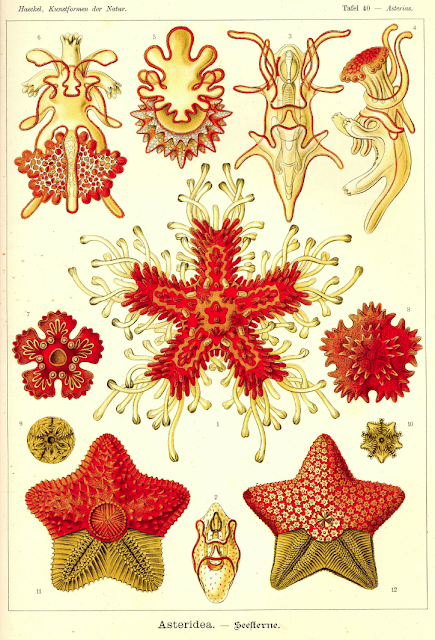
Haeckel was a prolific writer and natural history illustrator, and focused his work on various invertebrates
such as sponges, medusae and annelids. During the 1860s he published numerous taxonomic
volumes describing hundreds of species of radiolarians, an order of unicellular marine microorganisms
that forms part of the Ocean's zooplankton. His 1868 volume Natürliche Schöpfungsgeschichte
(The Natural History of Creation) was a great success and gained him world recognition.
Other titles include Systematic Phylogeny, The Riddle of the Universe, Last Words on Evolution,
and The Last Link. As a scientist and accomplished artist, Haeckel was fascinated with patterns
and symmetry, and found his inspiration in Goethe's belief that both art and science
can lead us to understand the underlying truths of nature.

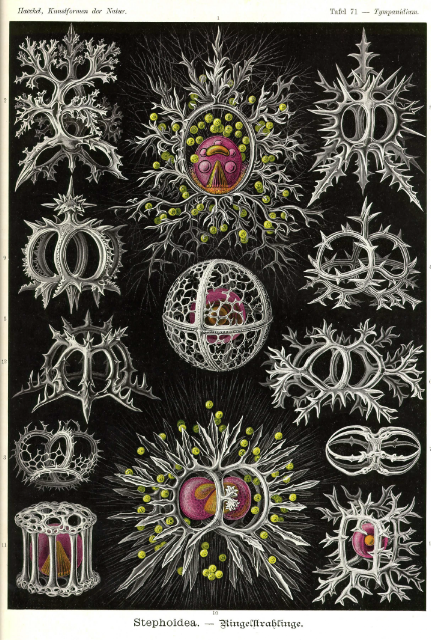
Haeckel traveled around the world on his scientific expeditions, obsessively observing
and drawing aquatic life forms and other creatures. From a series of more than 1000 engravings,
100 colored lithographic plates were chosen to be published between 1899 and 1904 in Kunstformen der Natur
(Artforms of Nature), one of the masterpieces of 19th century naturalist illustration.
While Heackel's depictions of higher animals look rather stiff when compared to the work of other
artists/naturalists, the intricate forms of microorganisms allowed him to display his elegant, dazzling
graphic talent and indulge in his inclination towards order, organization and geometry.
Haeckel's delicate pencil and ink drawings were beautifully adapted for the book by the lithographer
Adolph Giltsch. The subjects of each lithograph were carefully selected and elaborately arranged
to emphasize the organisms' organization and symmetry.
.png)


There was debate at the time on whether Hackel's marvelous life forms were over-embellished
and idealized. Their sinuous lines are in fact closely reminiscent of the contemporary Art Nouveau style, and he certainly utilised distortion, stylization and geometry in his descriptions of organic
phenomena, often discarding scientific accuracy in favor of beauty and decorative effect.


Art Forms in Nature was aimed at the general public rather than specialists, and each plate
was accompanied by a short and accessible commentary. The stunning illustrations gave the book
appeal to a wide audience, and in the decades before World War I the tome was a huge success. Haeckel's scientific reputation was tarnished when some of his theories were questioned and discarded
due to lack of empirical support, misleading information, and possible data fabrication. However, his natural obsessions have never ceased to fascinate and inspire artists around the world.
Radiolarian Glory
by noreply@blogger.com (Laura Ottina)
 Ernst Haeckel, portrait by Minouette
 The renowned German scientist Ernst Haeckel (1834-1919) was an early proponent of Darwinism who did much to popularize the work of the English naturalist in his home country.
His scientific works were praised by Darwin, even though their ideas diverged on several important points,
and his books outsold On the Origin of Species. A member of more than 90 learned international societies,
he was selected as one of the consultants to the Challenger Expedition, the first non-commercial
exploration of deep-sea environment. He coined the terms "philum", "phylogeny", "Darwinism",
and "ecology", and was the first to postulate a missing link between ape and man.

Haeckel was a prolific writer and natural history illustrator, and focused his work on various invertebrates
such as sponges, medusae and annelids. During the 1860s he published numerous taxonomic
volumes describing hundreds of species of radiolarians, an order of unicellular marine microorganisms
that forms part of the Ocean's zooplankton. His 1868 volume Natürliche Schöpfungsgeschichte
(The Natural History of Creation) was a great success and gained him world recognition.
Other titles include Systematic Phylogeny, The Riddle of the Universe, Last Words on Evolution,
and The Last Link. As a scientist and accomplished artist, Haeckel was fascinated with patterns
and symmetry, and found his inspiration in Goethe's belief that both art and science
can lead us to understand the underlying truths of nature.

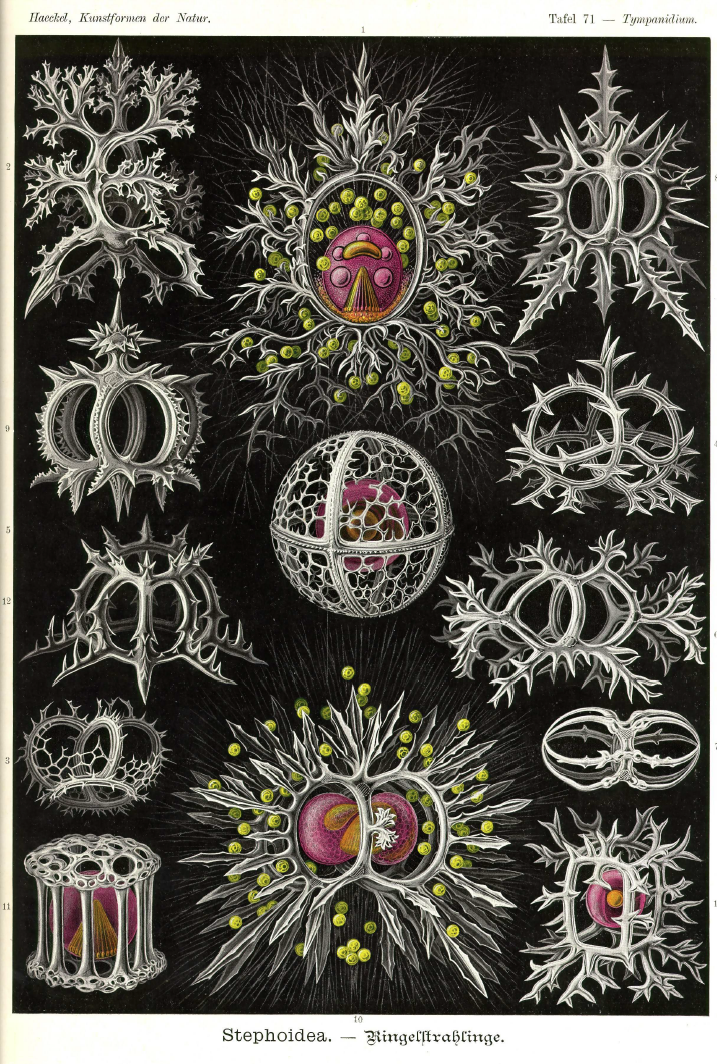
Haeckel traveled around the world on his scientific expeditions, obsessively observing
and drawing aquatic life forms and other creatures. From a series of more than 1000 engravings,
100 colored lithographic plates were chosen to be published between 1899 and 1904 in Kunstformen der Natur
(Artforms of Nature), one of the masterpieces of 19th century naturalist illustration.
While Heackel's depictions of higher animals look rather stiff when compared to the work of other
artists/naturalists, the intricate forms of microorganisms allowed him to display his elegant, dazzling
graphic talent and indulge in his inclination towards order, organization and geometry.
Haeckel's delicate pencil and ink drawings were beautifully adapted for the book by the lithographer
Adolph Giltsch. The subjects of each lithograph were carefully selected and elaborately arranged
to emphasize the organisms' organization and symmetry.
.png)


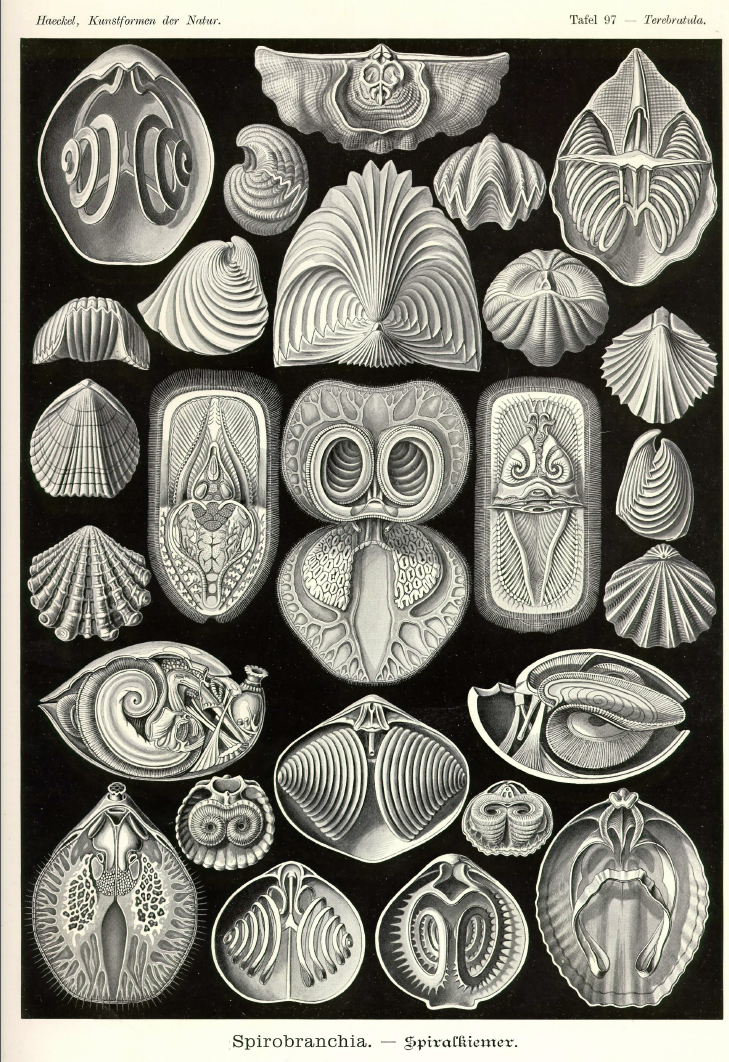

There was debate at the time on whether Hackel's marvelous life forms were over-embellished
and idealized. Their sinuous lines are in fact closely reminiscent of the contemporary Art Nouveau style, and he certainly utilised distortion, stylization and geometry in his descriptions of organic
phenomena, often discarding scientific accuracy in favor of beauty and decorative effect.
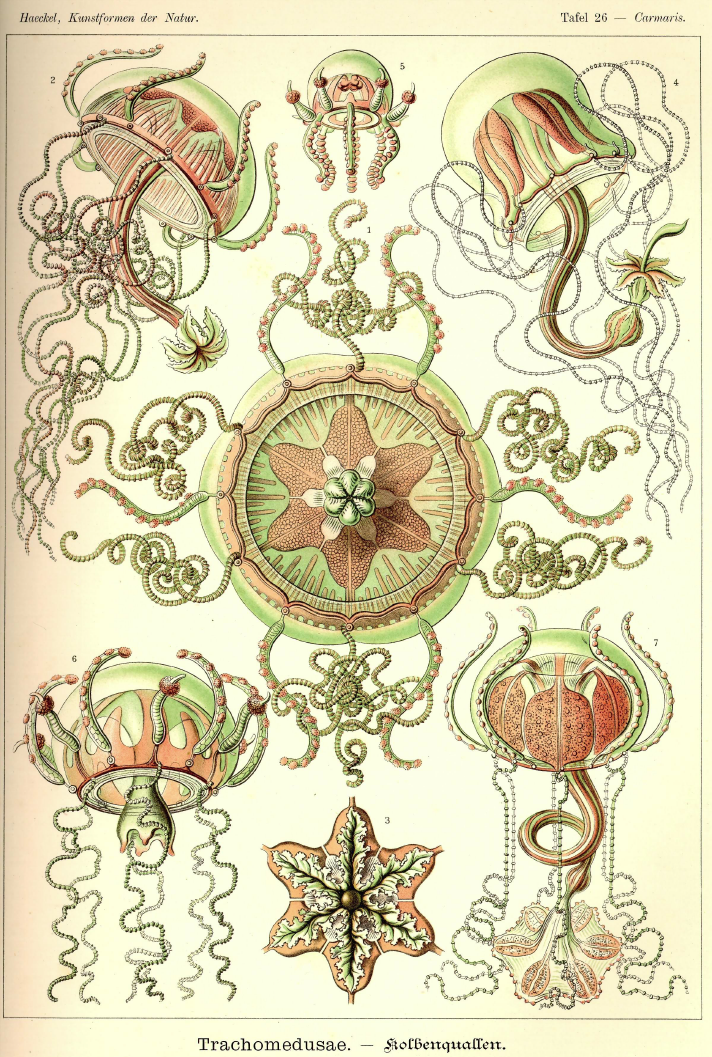

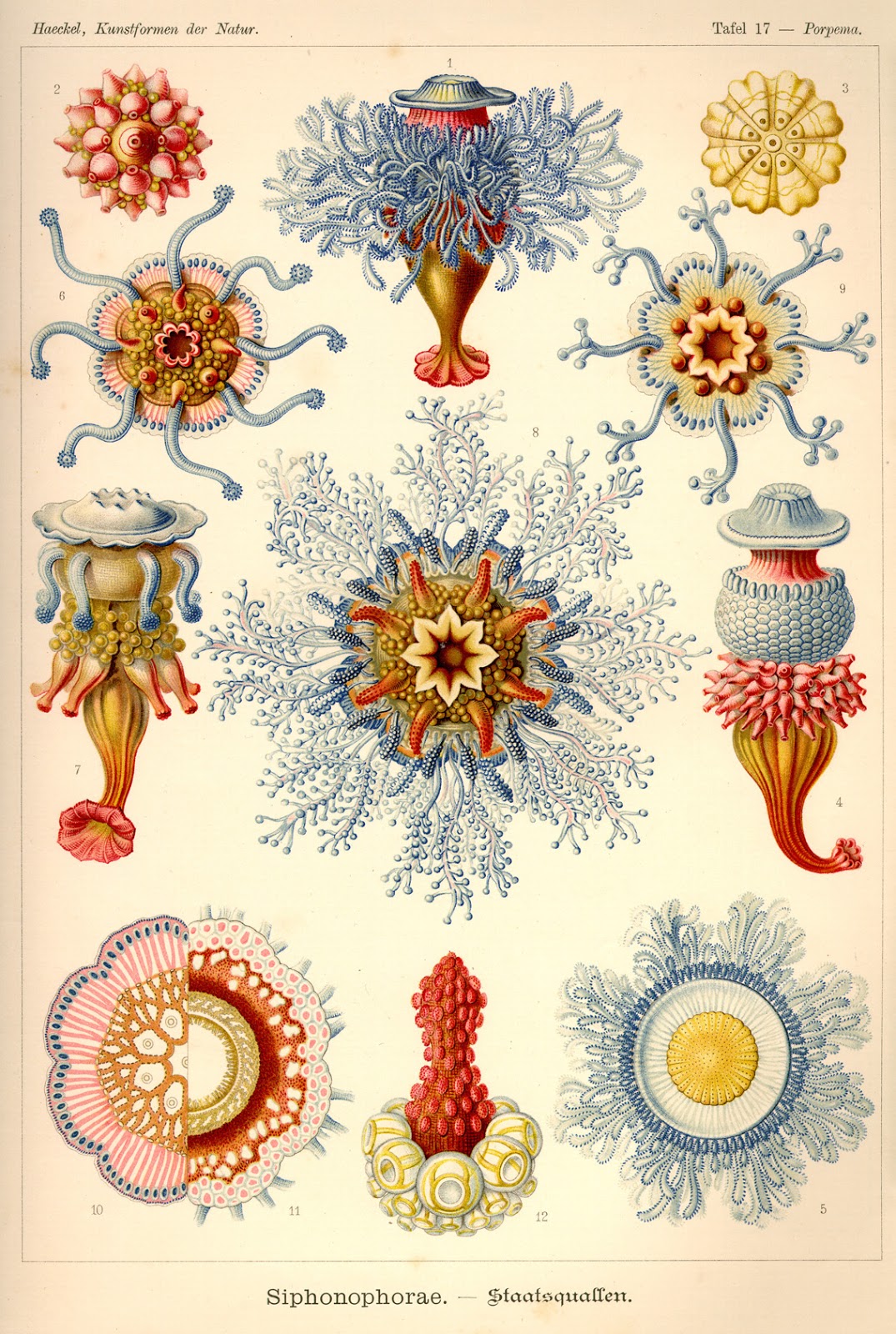

Art Forms in Nature was aimed at the general public rather than specialists, and each plate
was accompanied by a short and accessible commentary. The stunning illustrations gave the book
appeal to a wide audience, and in the decades before World War I the tome was a huge success. Haeckel's scientific reputation was tarnished when some of his theories were questioned and discarded
due to lack of empirical support, misleading information, and possible data fabrication. However, his natural obsessions have never ceased to fascinate and inspire artists around the world.
Tadeu, Adam Victor Brandizzi and -1 others like this
10 Jan 08:43


I Want You….To Put Away Your Smartphone: Propaganda Posters for the Modern Age
by Brett & Kate McKay
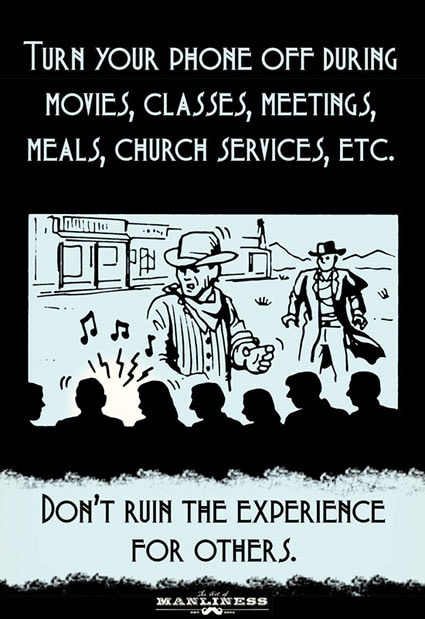
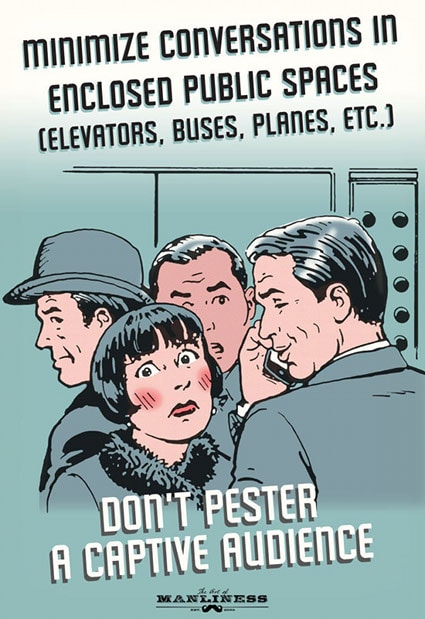
During the 1920s, 30s, and 40s, the use of “propaganda posters” were popular for encouraging good behavior — teaching safety, boosting worker morale, and rousing wartime sacrifice. I’ve always enjoyed the art and design of these posters, and decided to have Ted whip up a set of originals to address an area of behavior where modern society is often lacking: smartphone etiquette. Enjoy.




Posters illustrated and designed by Ted Slampyak
Related posts:
- A Manly Handshake: An Illustrated Guide
- Motivational Posters: Founding Fathers Edition
- Motivational Posters: Winston Churchill Edition (Part I)
- Announcing Art of Manliness Posters
- Motivational Posters: Theodore Roosevelt Edition
 |
 |
Tadeu, Adam Victor Brandizzi and one other like this
10 Jan 08:38

Pièce de Résistance
by Greg Ross
Adam Victor BrandizziDor de cabeça só de pensar em calcular. Eu tinha muita preguiça de calcular resistências em paralelo...
Take an ordinary magic square and replace its numbers with resistors of the same ohmic value. Now the set of resistors in each row, column, and diagonal will yield the same total resistance value when joined together end to end.
This paramagic square, by Lee Sallows, is similar -- except that the resistors must be joined in parallel:

08 Jan 08:47
Estimule sua Criatividade #2
by Ricardo Bittencourt
Nesse segundo post sobre criatividade, vou contar outra história do tempo do colégio técnico. As aulas regulares do curso de Eletrônica começavam à tarde, mas duas vezes por semana tinha aula de Educação Física às 7am. Entre essas aulas tinha um intervalo de várias horas, onde muita gente voltava para casa para almoçar.
Eu ficava lá pelo colégio mesmo. Nesses intervalos sem aula eu adquiri vários hábitos, como ler ficção científica da Editora Aleph, gibis do Conan e dos X-Men, Diários de Bordo da Frota Estelar Brasileira, livros-jogos do Steve Jackson, jogar RPG (desde Tagmar até AD&D), ir ao fliperama da esquina jogar Street Fighter 2, enfim, aprendi tudo que não presta.
E quando não tinha mais nada para fazer, eu jogava Jogo da Velha.

Qualquer um que tenha se dedicado um pouquinho ao Jogo da Velha sabe que é um jogo chato. Se o primeiro jogador começar no centro, ele pode forçar um empate. Mas nós éramos sobreviventes do Atari, então conhecíamos o jogo 3-D Tic-Tac-Toe, criado pela Carol Shaw (a programadora mulher do sexo feminino que também foi responsável pelo clássico River Raid).
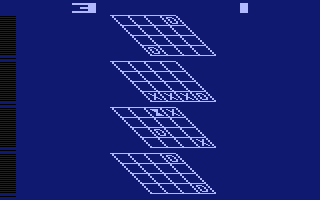
O Jogo da Velha 3D é como o tradicional, mas agora você joga em um tabuleiro cúbico. O objetivo ainda é completar uma linha antes do seu oponente. Note que o jogo do Atari era 4x4x4, e não 3x3x3. No jogo 3x3x3, o primeiro jogador sempre pode forçar a vitória, então é uma variação sem graça.
Depois de algum tempo jogando o Jogo da Velha 3D, tivemos uma idéia: se a versão 3D é mais divertida que a 2D, será que o Jogo da Velha 4D não seria mais legal ainda? Nós desenhamos um tabuleiro 4D no papel e, realmente, era divertido mesmo! Nós desenhávamos o tabuleiro a caneta e jogávamos com lápis, assim era só apagar com borracha para jogar de novo. No fim, ficamos tão viciados que os papéis rasgaram de tanto apagar!
Hora da segunda idéia: os alunos de Eletrônica tinham acesso à sala dos computadores, cheio de PC-XTs rodando DOS. Eu aproveitei que tinha acabado de aprender Pascal, e fiz um tabuleiro eletrônico para jogar direto no computador, sem ter que ficar apagando o tabuleiro a cada jogo. (Você pode pegar esse source no github: 4dvelha.pas)

Essa versão nos divertiu um monte. Eventualmente tivemos outra idéia: por que não jogar o Jogo da Velha 5D? Essa idéia não foi para frente, depois de algumas partidas nós percebemos que o 5D tinha o mesmo problema do 3D, o primeiro jogador conseguia forçar a vitória.
E o 6D? Um dos amigos usou o plotter do pai para desenhar um monstruoso tabuleiro de Jogo da Velha 6D, que só coube em um papel A2. Mas esse também não tinha graça: o jogo era muito esparso, sempre acabava antes que conseguíssemos utilizar todas as seis dimensões.
No fim, o Jogo da Velha 4D era o ponto ótimo, e jogamos essa variação até o fim do colégio. Mas quando eu entrei na faculdade, topei com um problema diferente.
A biblioteca da Poli era enorme e cheia de cheia de títulos legais, como o livro de Inteligência Artificial do Peter Norvig. Ali eu conheci o algoritmo minimax para jogos competitivos, e naturalmente bateu a vontade de implementá-lo no meu Jogo da Velha 4D. (A versão com minimax também está no github: 4dvelha2.pas)
Infelizmente, o branching factor do Jogo da Velha 4D é muito alto: começa em 256, quase a mesma dificuldade do jogo de Go. Nos computadores da época (isso foi por volta de 1994), eu conseguia no máximo descer um único nível da árvore. Eu fiquei bastante frustrado com isso. Será que eu conseguiria bolar alguma variação do Jogo da Velha que tivesse um branching factor menor?
Alguns anos depois eu consegui uma solução: ao invés de mudar o número de dimensões, eu mudei a geometria do tabuleiro! Se você pegar um Jogo da Velha 3D, esticar as pontas, e depois torcer o tabuleiro sobre si mesmo, o resultado é um Jogo da Velha 3D não-Euclideano.
.jpg)
Essa versão eu implementei como um applet Java, então você pode jogar online, ou pegar o source no github. Com o branching factor menor, deu para colocar três níveis de dificuldade, desde o Easy (abre um nível da árvore), até o Hard (abre três níveis da árvore).

Ganhar do computador no Hard não é impossível, mas você vai precisar de muito treino para conseguir :)
Dessa vez quem cantou a moral da história foi o Douglas Hofstadter. Em um dos seus livros ele conclui que "variações sobre um tema são o ponto crucial da Criatividade". Pode parecer anti-intuitivo para a maioria: ser criativo não é o mesmo que ser original? Então como pode a criatividade estar baseada na variação?
O problema é que quem está de fora só vê uma pessoa girando um botãozinho: esse Jogo da Velha está na posição 2D, eu giro o botão aqui e tenho 3D, giro mais e tenho 4D. Mas criatividade não é girar o botão, criatividade é achar um botão que não estava lá! Quando eu notei que tinha um botão que girava a geometria, aí sim eu estava sendo criativo.
Em resumo, para expandir a sua criatividade você precisa achar variáveis onde antes só haviam constantes. E isso vale tanto para arte quanto para computação :)
Eu ficava lá pelo colégio mesmo. Nesses intervalos sem aula eu adquiri vários hábitos, como ler ficção científica da Editora Aleph, gibis do Conan e dos X-Men, Diários de Bordo da Frota Estelar Brasileira, livros-jogos do Steve Jackson, jogar RPG (desde Tagmar até AD&D), ir ao fliperama da esquina jogar Street Fighter 2, enfim, aprendi tudo que não presta.
E quando não tinha mais nada para fazer, eu jogava Jogo da Velha.

O Jogo da Velha
Qualquer um que tenha se dedicado um pouquinho ao Jogo da Velha sabe que é um jogo chato. Se o primeiro jogador começar no centro, ele pode forçar um empate. Mas nós éramos sobreviventes do Atari, então conhecíamos o jogo 3-D Tic-Tac-Toe, criado pela Carol Shaw (a programadora mulher do sexo feminino que também foi responsável pelo clássico River Raid).
3-D Tic-Tac-Toe no Atari 2600
O Jogo da Velha 3D é como o tradicional, mas agora você joga em um tabuleiro cúbico. O objetivo ainda é completar uma linha antes do seu oponente. Note que o jogo do Atari era 4x4x4, e não 3x3x3. No jogo 3x3x3, o primeiro jogador sempre pode forçar a vitória, então é uma variação sem graça.
Depois de algum tempo jogando o Jogo da Velha 3D, tivemos uma idéia: se a versão 3D é mais divertida que a 2D, será que o Jogo da Velha 4D não seria mais legal ainda? Nós desenhamos um tabuleiro 4D no papel e, realmente, era divertido mesmo! Nós desenhávamos o tabuleiro a caneta e jogávamos com lápis, assim era só apagar com borracha para jogar de novo. No fim, ficamos tão viciados que os papéis rasgaram de tanto apagar!
Hora da segunda idéia: os alunos de Eletrônica tinham acesso à sala dos computadores, cheio de PC-XTs rodando DOS. Eu aproveitei que tinha acabado de aprender Pascal, e fiz um tabuleiro eletrônico para jogar direto no computador, sem ter que ficar apagando o tabuleiro a cada jogo. (Você pode pegar esse source no github: 4dvelha.pas)

Jogo da Velha 4D, rodando no PC-XT
Essa versão nos divertiu um monte. Eventualmente tivemos outra idéia: por que não jogar o Jogo da Velha 5D? Essa idéia não foi para frente, depois de algumas partidas nós percebemos que o 5D tinha o mesmo problema do 3D, o primeiro jogador conseguia forçar a vitória.
E o 6D? Um dos amigos usou o plotter do pai para desenhar um monstruoso tabuleiro de Jogo da Velha 6D, que só coube em um papel A2. Mas esse também não tinha graça: o jogo era muito esparso, sempre acabava antes que conseguíssemos utilizar todas as seis dimensões.
No fim, o Jogo da Velha 4D era o ponto ótimo, e jogamos essa variação até o fim do colégio. Mas quando eu entrei na faculdade, topei com um problema diferente.
O Jogo da Velha Minimax
A biblioteca da Poli era enorme e cheia de cheia de títulos legais, como o livro de Inteligência Artificial do Peter Norvig. Ali eu conheci o algoritmo minimax para jogos competitivos, e naturalmente bateu a vontade de implementá-lo no meu Jogo da Velha 4D. (A versão com minimax também está no github: 4dvelha2.pas)
Infelizmente, o branching factor do Jogo da Velha 4D é muito alto: começa em 256, quase a mesma dificuldade do jogo de Go. Nos computadores da época (isso foi por volta de 1994), eu conseguia no máximo descer um único nível da árvore. Eu fiquei bastante frustrado com isso. Será que eu conseguiria bolar alguma variação do Jogo da Velha que tivesse um branching factor menor?
Alguns anos depois eu consegui uma solução: ao invés de mudar o número de dimensões, eu mudei a geometria do tabuleiro! Se você pegar um Jogo da Velha 3D, esticar as pontas, e depois torcer o tabuleiro sobre si mesmo, o resultado é um Jogo da Velha 3D não-Euclideano.
.jpg)
Essa versão eu implementei como um applet Java, então você pode jogar online, ou pegar o source no github. Com o branching factor menor, deu para colocar três níveis de dificuldade, desde o Easy (abre um nível da árvore), até o Hard (abre três níveis da árvore).

Jogo da Velha não-Euclideano
A Criatividade
Dessa vez quem cantou a moral da história foi o Douglas Hofstadter. Em um dos seus livros ele conclui que "variações sobre um tema são o ponto crucial da Criatividade". Pode parecer anti-intuitivo para a maioria: ser criativo não é o mesmo que ser original? Então como pode a criatividade estar baseada na variação?
O problema é que quem está de fora só vê uma pessoa girando um botãozinho: esse Jogo da Velha está na posição 2D, eu giro o botão aqui e tenho 3D, giro mais e tenho 4D. Mas criatividade não é girar o botão, criatividade é achar um botão que não estava lá! Quando eu notei que tinha um botão que girava a geometria, aí sim eu estava sendo criativo.
Em resumo, para expandir a sua criatividade você precisa achar variáveis onde antes só haviam constantes. E isso vale tanto para arte quanto para computação :)
Osiasjota and -1 others like this

07 Jan 01:20
Pakistani One Pound Fish Singer takes Charts by Storm
by Juan
Adam Victor BrandizziNada mal para o propósito, mas o Tajik Jimmy é muito mais legal: http://suspensao.blog.br/juizo/tajik-jimmy/
Muhammad Shahid Nazir had a hero’s welcome at Lahore airport last week. The fishmonger had gone to the UK last summer and worked in an east London fish market. His boss asked him to do something to attract attention to his sale of fish (one per British pound, $1.60 US). So he made up a ditty and sang it.
A customer made a video, put it up on Youtube and it attracted millions of hits. Nazir then got a record deal, made a video, and it went to 29 on the British pop charts.
this is the professional video
It is said that Nazir’s return was treated as such breaking news that a Pakistani channel interrupted its commemoration of the assassination of former prime minister Benazir Bhutto for it.
This story is a mirror image of Psy’s “Gangnam Style,” which satirized the tony Gangnam district of Seoul and was done by a long-time professional musician who had been in a punk band in the early zeroes.
Nazir is just a working class immigrant, and his video was promoted as a form of street cool. The phenomenon tells us about the global flows of celebrity and pop culture’s penchant for self-parody.
07 Jan 01:18
The World in 1013 AD: China Rising, Militant Islam in Kabul, & Sunni-Shiite Struggles in Mideast
by Juan
Just for fun: What was our world like a thousand years ago? Of course, technologically very different, but Song China and Muslim Spain had made real advances in science, technology and infrastructure. If CNN had existed then, what major events would they have listed and passed around by carrier pigeon? Some of the themes salient then are still recognizable today.
1. Among the more advanced societies in 1013 was the Umayyad caliphate of Spain, with its capital at al-Zahra near Cordoba. In that year, the renowned physician Abu al-Qasim al-Zahrawi, the father of operative surgery, died near Cordoba in the new artificial city of al-Zahra. His medical textbook, al-Tasrif, was translated into Latin and used for 500 years in Europe. He discusses 200 surgical instruments, some of which he invented. Cordoba at the time had 3000 mosques, 300 public baths, 70 libraries, and a population estimated between 400,000 and a million. It was the largest city in the world and among the more advanced. 1013 however marked the beginning of its decline. A rival Umayyad claimant attacked it in 1010-1013, and his Berber troops looted it and nearby al-Zahra. Many prominent and wealthy citizens had to flee, including some members of the Jewish community.

Great Mosque of Cordoba, photo by Juan Cole, June, 2011
The Umayyads also built a nearby sister city, al-Zahra, in the 900s, which was also a marvel, but in 1013 and again after the Umayyad caliphate ended in 1031 al-Zahra was attacked, looted, and sank beneath the sands, becoming mere legend. Spanish archeologists rediscovered it in 1908 or so and have excavated 10% of it. It is a day trip from Cordoba and has an excellent museum, and is well worth the trip.

Al-Zahra, Photo by Juan Cole, June, 2011
2. The Song period in China was in many ways a harbinger of our own modernity, witnessing significant urbanization and industrialization. Some observers suggest that its capital, later known as Kaifeng, surpassed Cordoba in size in 1013, though that is only true if we take the lower estimates for the latter city’s size at that time. In any case, in 1013, as in 2013, China was poised to become the world’s leading economy.
3. 1013 AD in the Middle East was the apogee of Shiite power. The Ismaili Shiite dynasty, the Fatimids, ruled North Africa, Egypt, and much of the Levant. The Shiites of Lebanon, the Alawites of Syria, the Druze of both countries, and some of the strength of Zaydi Shiite Islam in Yemen today all have their historical origins in part in Fatimid Shiite dominance. The Fatimids belonged to the Ismaili branch of Shiism.
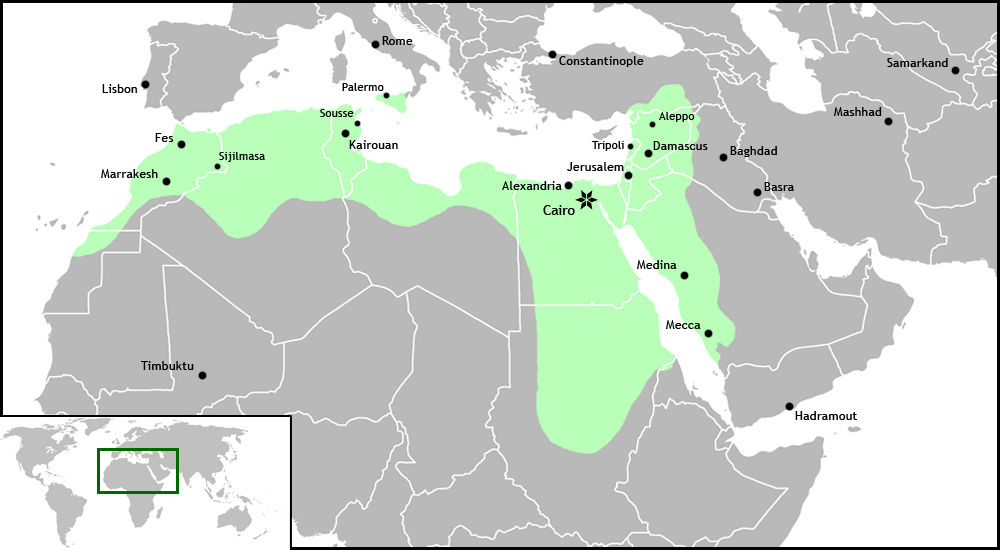
Fatimid Empire
Shiite Muslims believe that after the Prophet Muhammad’s death in 632, power should have been put in the hands of the closest thing he had to a living son, his son-in-law and first cousin, Ali b. Abi Talib. After Ali, it should have gone to the descendants of Muhammad through Ali and Fatimah (the Prophet’s daughter). The schism came with the succession to the sixth such successor to the Prophet, or Imam, Imam Ja`far al-Sadiq. The Ismailis follow his eldest son Isamil and his descendants.
In the 800s and 900s, Ismaili proselytizers had success among North African Berber tribes, who formed the backbone of the armies that took Tunisia, Egypt and much of the Middle East. The Fatimids founded Cairo under the astrological sign of Mars, to indicate success in War, in 969. The al-Azhar seminary, which the new Egyptian constitution has just made an arbiter of Islamically-derived laws in Egypt, was founded as an Ismaili university in 970-972. Some scholars have argued that the al-Azhar became influential on the European idea of the university. In 1017, the Fatimids completed the building of the al-Hakim Mosque, which is still a tourist attraction in Cairo. Fatimid-era Shiite movements survived the later revival of Sunnism in the Levant, which is what makes Lebanon and Syria so religiously complex today. But in Egypt and North Africa, the later Sunni revival made these areas religiously monochrome. I argued Tuesday that in contrast to 1013, in 2013 we are seeing a revival of Sunni Muslim religious parties and power.
4. Iran and Iraq were dominated by the Iranian Shiite Buyid dynasty, though most subjects were Sunni Muslims and the Buyids kept the Sunni Abbasid caliph, the sort of pope of the Sunnis, in office even as they deprived him of most temporal power. The Buyids may have originally been Zaydis from Mazandaran in Iran (as are many tribes of northern Yemen today), but they converted to Twelver Shiism over time.
.PNG%20)
Twelver Shiites followed the younger son of Imam Ja`far al-Sadiq, Musa al-Kazim, whose shrine is in north Baghdad and lends its name to the neighborhood of Kazimiya. They believe the line ended with the Twelfth Imam. The Twelfth Imam is hidden and will one day reappear, sort of like the return of Christ, as the conquering Mahdi or promised one. Gradually, the Shiite clergy were given some of the prerogatives originally belonging to the Imams, but in 1017 there still wasn’t much in the way of a professional Shiite clergy. The situation in 1013 in Iraq, with a Shiite dynasty ruling, is similar to that in 2013, though of course Iraq is now a republic with a Shiite majority. The discontents of Sunni Iraqis under Shiite rule, however, have some resemblances (and although they are not now ruled by Iran, many assert that they may as well be!). Historian Richard Bulliet has argued that cotton cash-cropping, made possible by the medieval warming period (900-1250) underpinned the economic efflorescence of Iran in that era. Today, Iraq and Iran depend heavily on petroleum exports rather than agricultural goods (cotton instead is a staple of the Egyptian economy today).
5. 
Mahmoud of Ghazni, the great Turkic Muslim conqueror from Central Asia, in 1013 took Kabul and Punjab from the Hindushahiya rajas who had formed a coalition to keep him from coming down into India.

This was one episode in a long history of interaction between Central Asian Islam and Hindu South Asia that continues in Indo-Pak relations. But geopolitically, the threat of the tribes beyond the Hindu Kush to the plains of Punjab is still salient in the struggle of urbane Punjabis against frontier Taliban today.
6. Although it probably wasn’t very important then, some things did happen in Europe. King Sweyn 1 of Denmark and his son Canute invaded England and briefly dethroned Ethelred (who thereby got the sobriquet “the Unready.” He fled for a while to Normandy, which was probably unwise. It may have suggested to the Normans that the king of England was weak and ripe for the plucking. In Ireland, in 1013 Mael Morda, King of Leinster, allies with the head of the Dublin Vikings Sigtrygg Silkbeard against Ireland’s High King, Brian mac Cennétig (Kennedy).
Modern parallels? Well, tongue in cheek: Denmark is today light years beyond Britain in green energy, and if the Tories go on wavering on green policy, they will eventually be branded “Unready” by a British public that suffers from climate change. And, well, US politics has a Kennedy on Capitol Hill again, who probably is safe from the Republican silkbeards in 2014.
Adam Victor Brandizzi likes this
07 Jan 01:18

Din Minimum
by Greg Ross
Adam Victor BrandizziSó lembrando que Futility Closet é mui legal.
In 1958, acoustician William MacLean of the Polytechnic Institute of Brooklyn answered a perennial question: How many guests can attend a cocktail party before it becomes too noisy for conversation? He declared that the answer, for a given room, is
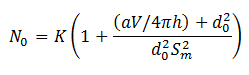
where
N0 = the critical number of guests above which each speaker will try overcome the background noise by raising his voice
K = the average number of guests in each conversational group
a = the average sound absorption coefficient of the room
V = the room's volume
h = a properly weighted mean free path of a ray of sound
d0 = the conventional minimum distance between speakers
Sm = the minimum signal-to-noise ratio for the listeners
When the critical guest N0 arrives, each speaker is forced to increase his acoustic power in small increments ("I really don't know what she sees in him." -- "Beg your pardon?" -- "I say, I REALLY DON'T KNOW WHY SHE GOES OUT WITH HIM") until each group is forced to huddle uncomfortably close in order to continue the conversation.
"We see therefore that, once the critical number of guests is exceeded, the party suddenly becomes a loud one," MacLean concluded, somewhat sadly. "The power of each talker rises exponentially to a practical maximum, after which each reduces his or her talking distance below the conventional distance and then maintains, servo fashion, just the proximity, tête à tête, required to attain a workable signal-to-noise ratio. Thanks to this phenomenon the party, although a loud one, can still be confined within one apartment."
(William R. MacLean, "On the Acoustics of Cocktail Parties," Journal of the Acoustical Society of America, January 1959, 79-80.)
Adam Victor Brandizzi likes this
07 Jan 01:12
 E, de bonus track, veja o Facebook da editoria de Internacional do Portal do Estadão, aqui.
A “Manobra Karageorgevich” aplicada ao “Caso Chávez”
by Ariel Palacios

O rei Pedro II Karageorgevich (ou Petar II Karađorđević ou ainda Пеtар II Карађорђевић) da Iugoslávia (1923-1970)
 O presidente da Assembleia Nacional, o parlamento venezuelano, Diosdado Cabello, afirma que o presidente Hugo Chávez não necessariamente tem que tomar posse em Caracas, capital do país, no dia 10 de janeiro. Segundo ele, a ausência de posse nesse dia não determina a ausência absoluta.
Cabello diz que a constituição deixa claro que, se o presidente não pode comparecer à Assembleia no dia da posse, ele pode prestar juramento no Tribunal Supremo de Justiça.
Essa tese também foi defendida pelo vice-presidente Nicolas Maduro, ex-líder sindical do metrô de Caracas, que em dezembro, antes da partida do líder bolivariano para sua 4ª operação em Cuba, foi designado por Chávez seu virtual delfim político.
Segundo Cabello e Maduro, as normas não especificam nem quando nem onde deveria ser essa posse perante os integrantes do Supremo.
Isto é, ambos deixaram o caminho aberto para os rumores que indicam que Chávez, se estivesse relativamente bem para sair do hospital, poderia ir até a embaixada da Venezuela em Havana e juramento na representação diplomática, já que trata-se de solo venezuelano encravado em território cubano.
Mas, digamos que Chávez não possa prestar juramento na embaixada, porque poderia ser difícil para que o convalescente líder bolivariano saia do hospital. Nesta hipótese, uma alternativa seria usar a UTI do Centro de Investigaciones Médico Quirúrgicas (CIMEQ), o hospital em Havana.
No entanto, nem a UTI nem o resto do Cimeq são território venezuelano.
Neste caso, poderia ser usado um precedente peculiar para isto, a “Manobra Karageorgevich”, com a qual poderiam transformar a sala do hospital temporariamente em território venezuelano em Cuba.

O rei Pedro e sua mulher, a rainha Alexandra, com bebê/príncipe herdeiro Alexandre, nascido no menor encrave que a Iugoslávia já teve…na Inglaterra.
O MENOR E MAIS EFÊMERO ENCRAVE DO MUNDO: Em 1945 o rei Pedro II Karageorgevich da Iugoslávia, que estava exilado em Londres desde 1940 por causa da invasão nazista a seu país, estava em um dilema. Sua mulher, a rainha Alexandra, com a qual havia casado em 1944, estava a ponto de dar a luz.
Mas, segundo a lei dinástica de seu reino, se o príncipe herdeiro não nascesse em território nacional iugoslavo, perderia o direito à coroa.
O rei Pedro não podia voltar a seu país. Ele estava em uma sinuca e tentava encontrar uma solução na suíte 212 do Hotel Claridge, em Londres, onde residia no exílio.
A Grã-Bretanha, aliada do Reino da Iugoslávia, decidiu não deixar o rei Pedro na mão.
O rei Jorge VI, o primeiro-ministro britânico Winston Churchill e o rei Pedro assinaram um acordo pelo qual a soberania da suíte 212 do Hotel Claridge seria cedida por 24 horas à Iugoslávia, para logo em seguida voltar à Grã-Bretanha. Ali seria o parto real.
A lenda diz que os empregados do hotel espalharam terra especialmente levada da Iugoslávia para que o herdeiro nascesse – literalmente – sobre solo iugoslavo, e não somente sobre os macios tapetes transitoriamente “iugoslavizados”.
Desta forma, a suíte 212 do Claridge foi o menor encrave territorial de toda a História mundial, além de ser o mais efêmero de todos. Uma espécie de Bálcãs em pleno coração de Londres.
No entanto, o príncipe Alexandre, ali nascido, nunca conseguiu ser rei. Mas, por outro motivo: a Iugoslávia foi governada a partir do fim da guerra pelo líder comunista Josep Brioz Tito, que aboliu a monarquia. E, nos anos 90, a Iugoslávia deixou de existir, dividindo-se entre vários países independentes.
Baseado neste precedente, uma alternativa é que o presidente de Cuba, Raúl Castro, ceda à Venezuela o território da UTI durante 24 horas, transformando-o em um minúsculo encrave venezuelano na ilha de José Martí, Bola de Nieve e Ernesto Lecuona. Assim, Chávez poderia prestar juramento em território venezuelano.

O elegante hotel Claridge, em Londres. Sua suíte 212 foi uma mini-Iugoslávia por 24 horas.
E falando em Cuba, um pouco de Ernesto Lecuona, “Vals de los mares”:

 PERFIL: Ariel Palacios fez o Master de Jornalismo do jornal El País (Madri) em 1993. Desde 1995 é o correspondente de O Estado de S.Paulo em Buenos Aires. Além da Argentina, também cobre o Uruguai, Paraguai e Chile. Ele foi correspondente da rádio CBN (1996-1997) e da rádio Eldorado (1997-2005). Ariel também é correspondente do canal de notícias Globo News desde 1996.
Em 2009 “Os Hermanos“ recebeu o prêmio de melhor blog do Estadão (prêmio compartilhado com o blogueiro Gustavo Chacra).
 Acompanhe-nos no Twitter, aqui.
 …E leia os supimpas blogs dos correspondentes internacionais do Estadão:
E, the last but not the least, siga o @inter_estadão, o Twitter da editoria de Internacional do estadão.com.br .
Conheça também os blogs da equipe de Internacional do portal correspondentes, colunistas e repórteres.
E, de bonus track, veja o Facebook da editoria de Internacional do Portal do Estadão, aqui.
.………………………………………………………………………………………………………………………………………………….
Comentários racistas, chauvinistas, sexistas, xenófobos ou que coloquem a sociedade de um país como superior a de outro país, não serão publicados. Tampouco serão publicados ataques pessoais aos envolvidos na preparação do blog (sequer ataques entre os leitores) nem ocuparemos espaço com observações ortográficas relativas aos comentários dos participantes. Propaganda eleitoral (ou político-partidária) e publicidade religiosa também serão eliminadas dos comentários. Não é permitido postar links de vídeos. Os comentários que não tiverem qualquer relação com o conteúdo da postagem serão eliminados. Além disso, não publicaremos palavras chulas ou expressões de baixo calão (a não ser por questões etimológicas, como background antropológico).


Adam Victor Brandizzi likes this
06 Jan 18:13

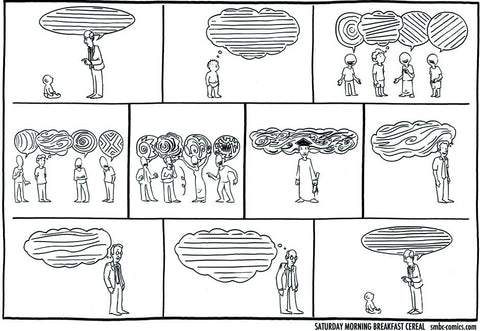
Maybe the most evil comic I've done in a while...
Also, this image his been goung around the internet a lot. So, I thought I'd let you know we have a poster of it for sale:

January 06, 2013
Maybe the most evil comic I've done in a while...
Also, this image his been goung around the internet a lot. So, I thought I'd let you know we have a poster of it for sale:


05 Jan 01:54

Distilled Spirits
by Greg Ross
Adam Victor BrandizziMuito legais.
When Germany occupied Denmark in 1940, physicist Piet Hein published an innocent-seeming poem:
Losing one glove
is certainly painful,
but nothing compared to the pain
of losing one,
throwing away the other,
and finding the first one again.
The German censors let it go, not understanding its meaning -- that while enduring occupation was bad, ceasing to resist would be worse. "It said that what happens to you from outside is less important than how you take it," he explained later. "The Danes knew what I meant."
In later years Hein cultivated a talent for such tiny aphoristic poems, which he called "grooks":
Problems worthy
of attack
prove their worth
by hitting back.
There is
one art,
no more,
no less:
to do
all things
with art-
lessness.
The road to wisdom? -- Well, it's plain
and simple to express:
Err
and err
and err again
but less
and less
and less.
Put up in a place
where it's easy to see
the cryptic admonishment
T.T.T.
When you feel how depressingly
slowly you climb,
it's well to remember that
Things Take Time.
In all he wrote more 7,000 grooks, which have become a part of Scandinavian culture. "I cannot really say where my activity as a scientist ends and where my activity as a man of letters begins," he said. "Whether I am writing a poem or solving some technical problem, I think the same."
Adam Victor Brandizzi likes this


04 Jan 22:05
Maneater, Aaron Jasinski - - - Follow Aaron Jasinski on...

Adam Victor Brandizzi and -1 others like this

04 Jan 22:02

Zeca Pagodinho no resgate
by pattoli
É por essas e por outras que o Zeca Pagodinho é idolatrado e considerado muito mestre. O cara pegou seu quadriciclo e foi ajudar a galera atingida pelo temporal em Xerém. Para quem não sabe, o Zeca tem um sítio por lá, onde ele reúne amigos para famosas rodas de samba com churrasco.

Aqui dá para ver o vídeo.
Adam Victor Brandizzi likes this