Weston Brown thought he had fully come to terms with his mother’s anti-LGBTQ beliefs. Then he saw the video of her speaking at a school board meeting. “I couldn’t stay quiet about that.”
O’Rourke confronted a heckler at a campaign event Wednesday who laughed while he was talking about the Uvalde school shooting, telling the person, “It may be funny to you, motherfucker, but it is not funny to me.”
During Robert “Rich” Richman’s short tenure, he oversaw the investigation of parents who provide gender-affirming care to their transgender children and the mishandling of allegations of sex abuse at a foster care facility.
Australia's public broadcaster interviewed a virologist who "played a key role in mapping the evolution of COVID-19" (and was also "the first person to release the sequence of SARS-CoV-2 to the world.")
But interestingly, this Australian virologist also visited the Wuhan market in 2014, "and recognised the risk of virus transmission between animals and humans and suggested taking some samples."
"While I was there, I noticed there were these live wildlife for sale, particularly raccoon dogs and ... muskrats" he said. "I took the photographs because I thought to myself: 'God, that's, that's not quite right'." Raccoon dogs had been associated with the emergence of a different coronavirus outbreak, SARS-CoV-1, in 2002-04, which became known worldwide as the SARS virus.
Even in 2014, Professor Holmes believed the market could become a site of virus transmission between animals and humans. The monitoring that Professor Holmes suggested never took place but, in the early days of COVID-19, he was still convinced that a market like the one in Wuhan was the logical origin of the virus. "They are the kind of engine room of [this sort] of disease emergence ... because what you're doing is you're putting humans and wildlife in close proximity to each other," he said.
The professor also describes the theory that the virus some how leaked from a Chinese lab as "horrendous, blame-game finger-pointing," noting that the nearest lab is miles away. And he cites other reasons the market is where the virus originated:
Aside from the geographic clustering, he also points to the fact that two different strands emerged almost simultaneously in humans, something that is much more likely if the virus had already been mutating in animals. "They're sufficiently far apart that they were probably independent jumps.
"It means there was a pool of infected animals in the market and it's mutated amongst them before it jumped to humans."
All of this has led Professor Holmes to conclude that the question of how COVID-19 emerged is settled. "I'm extremely confident that the virus is not from a laboratory. I think that's just a nonsensical theory," he said. Detailed mapping of where samples were detected inside the Huanan seafood wholesale market allowed Professor Holmes and his colleagues to even pinpoint to a few square metres where COVID-19 was likely to have jumped between humans and animals.
"It's extraordinary," he said. "And I took a photo in 2014 of one of the stalls that was the most positively tested in the whole market."
Enlarge / A truck delivery of fiber conduit and other materials for Jared Mauch's broadband network. (credit: Jared Mauch)
Jared Mauch, the Michigan man who built a fiber-to-the-home Internet provider because he couldn't get good broadband service from AT&T or Comcast, is expanding with the help of $2.6 million in government money.
When we wrote about Mauch in January 2021, he was providing service to about 30 rural homes including his own with his ISP, Washtenaw Fiber Properties LLC. Mauch now has about 70 customers and will extend his network to nearly 600 more properties with money from the American Rescue Plan's Coronavirus State and Local Fiscal Recovery Funds, he told Ars in a phone interview in mid-July.
The US government allocated Washtenaw County $71 million for a variety of infrastructure projects, and the county devoted a portion to broadband. The county conducted a broadband study before the pandemic to identify unserved locations, Mauch said. When the federal government money became available, the county issued a request for proposals (RFP) seeking contractors to wire up addresses "that were known to be unserved or underserved based on the existing survey," he said.
This channel is supported through viewer contributions on Patreon. Thanks to the generous support of people like you, Technology Connections has remained independent and possible. If you'd like to join the amazing people who've pledged their support, check out the link below. Thank you for your consideration! https://www.patreon.com/technologyconnections
Oh, and look at these wonderful patrons! Bob D'Errico, Bill Wert, Brian Lalonde, John Kuras, Alabammy Skwirl, Joshua Shearer, Justin Ward, Marco Eberhard, Benjamin Mitchell, VerySerious, TecknicGamer, ARadioGurl, Jonathan Reilly, Schuyler Thompson, Nick Evans, Vojtech Trefny, Ben Maron, Nick Dawson, Morerandom, Kendric Evans, Dean Gallea, Christian Löwel, Sathale, Scott Stokes, Eric Shalosky, Krzysztof Parzyszek, Connor Nicholson, רועי סיני, Dan ''Spiffy'' Neuman, Justin Voss, Richard Ertel, Eric Bridgeford, Andrew Swab, Tibor Kovács, Lori Reeder, Colm Byrne, Hector Martin, Xyon of Calhoun, William Hilton, Matt Barber, Brian Zimmerman, Clinton Peterson, Kenneth Garrett, Phil Roberts, Rob C, Hannah Ward, Tiziano Santoro, Aubron Wood, Tyler Nichols, Eric Wood, Christian Pionke, Zach, Andreas G, Trevers Astheimer, Tommy D, Russell Peto, Bruce Petty, Myles Johnson, Eric Barch, Carlo B, Tim Turner, Scott Reynolds, augs, Random Jones, thoughtdreams, Hexapuma, Ryan McQuillen, Jordan Byron, Christy Ramsey, Nick Wharff, Harrison Diamond, Pat Stahl, Natalie Cummins, PAC, Eelke, Jason White, Anthony Gargiulo, Tommy Hetrick, Zach Hartman, Paul Stoetzer, Austin Crawford, Microwaive, Andrew Conner, Keith Burzinski, Owen Lane, Anton Markov, KH, Peter Hing, Kyle Cuzzort, Ross Vegas, Donovan Smith, Robert Bouchoux, Wes Brown, Matt Wright, John Kelley, Nathan M, Christopher Meszaros, Ryan, Michael Latham, Scott Kemp, Luke Hess, Dipak Patel, Pablo Fernández, Evan Minsk, Matt Tatum, nsqueen119, Devin Swenson, Eric Christensen, Torstein , Gareth Molyneux, Alan Nash, Ricky Munroe, Kenneth M Lorthioir Jr., Michael Goulding, Doug Johnson Productions, Camron H., Abdiel Salazar, Joe Mitchell, Wayno Guerrini, Olav , Dennis Schubert, Richard Clayton, dee, Roy Hines, Olle Kelderman, Michel van den Brink, Leah & Tyler Moser, Thomas Winget, Joshua Doades, Anthony Brownmoore, Duncan Brown, Kelsair, Robert Thurston, Christopher Osborn, Haruka Takahashi, Chris Lomond, chylex , John Lee, Ryan Everett, Archjelly, Lixun Chen, KodiTheFox, Michael Haugaard, Eric Hoch, Bob Cross, Salanth , Michael Gregg, Ryan Helinski, Joshua T Corbin, Robert Sanges, Robert L. O'Hagan, Zachary Wander, Stefan, Jason and Gena, Michael Kobb, Ryan Tranchilla, Narien, Adrian's Digital Basement, John Weeks, lego_met, Adam Ruth, Tom Seago
00:00 Intro 01:05 Kettles are Confusing 02:20 Why kettles don't make our coffee 04:51 Introducing Mr. Coffee 08:12 Exploring a vintage Mr. Coffee machine 10:57 Brewing Temperature and Control 16:19 Modern design and theory of operation 21:25 Speed comparison and taste test 23:20 Coffee Saver feature test 26:37 The cost-saving hot plate 28:59 These things are stinkin' cheap 30:21 Coffee Pragmatism 31:21 Some advice for cheap drip brewers 32:08 More Pragmatism and the Flavor to Effort Ratio 33:23 The drip brewer's reliability weakness 34:27 Conclusion 35:22 Bloopers
While we lacked any organized storms on Thursday, there were some neighborhoods that saw a smattering of rain. Other places saw rain or heard thunder in the middle of the night. Rain chances will stick with us through Sunday, but the focus is going to lean more to our south or along the coast.
Today & weekend
Radar this morning is buzzing from Houston to points southeast. Scattered downpours are with us.
Radar this morning shows showers and storms near Hobby Airport and Pearland, as well as more along the coast as of 7 AM. Click to enlarge. (RadarScope)
As the day progresses, the focus will continue to likely back down to areas closer to the coast. Inland areas will still carry a chance for rain as well, but most modeling (and the morning radar imagery) suggests the bulk of today’s showers will remain south and east of Houston. Low rain chances doesn’t mean no rain chances, and any rain that does fall could be heavy and add up to an inch or so over a short amount of time.
Highs will be variable today, ranging from the 80s near the coast to the low or mid 90s inland and perhaps near 100 in the Brazos Valley.
One wild card in the forecast the next few days is what’s happening in the Gulf. Recall from Tuesday’s Eye on the Tropics post, we noted that the Gulf would be the area to at least monitor.
A disturbance in the Gulf is not currently expected to develop into anything significant, but it will likely act to focus thunderstorm activity offshore at times this weekend as it tracks toward far South Texas. (Weathernerds.org)
Well, as of Friday morning, there is a disturbance in the Gulf, and while it’s not currently expected to develop, what it may do is focus shower and storm activity offshore at times this weekend. The system itself will track toward Corpus Christi or Brownsville, pushing inland on Sunday. Assuming showers and storms do focus closer to that system, that could mean that we see relatively low rain chances in the Houston area for Saturday.
So, for both weekend days, expect to see sun, clouds, and at least a few showers and storms in the area. The greatest coverage and highest chances will be along the coast, with chances dropping off significantly as you head north or west from Highway 59. All of us have some chance at rain this weekend, but your odds increase south and east of Houston. Sunday could see higher rainfall coverage a little more inland as winds become less parallel to the coast and more onshore. But we’ll assess that through the weekend and keep you posted.
Total forecast rainfall this weekend (ending Monday morning) is shown below. While some areas will see more rain than this and others less, this map is a good average of where we think things will end up over the coming days.
Rainfall will hug the coast this weekend, resulting in higher totals for Galveston, Freeport, and the Matagorda Bay area than inland areas. Some places may see more rain than this, while others will see none at all, but this map suffices as an average. (Pivotal Weather)
Temperatures will be quite variable this weekend, perhaps only in the low 80s with clouds and showers on the coast, mid-90s in Houston proper, and upper 90s to near 100 well inland.
Early next week
We revert back to the usual Summer 2022 fare Monday through Wednesday of next week. We will likely see mid to upper-90s in Houston, with 100+ farther inland and lower 90s at the coast.
Wednesday’s forecast high temperatures look fairly standard for Summer 2022, with lots of higher 90s and definitely some 100s peppered in there too. (Pivotal Weather)
Rain chances should drop to about 10, maybe 20 percent each day.
Later next week
I’ve been watching the weather model forecasts all week with some curiosity for late next week or weekend. There have been hints of a cooler, wetter pattern arriving across all of Texas on both the GFS & European models. While it’s too soon to get into details, it does appear we will see a chance at a front in the area, some “less hot” (not cool) weather, and potentially some higher rain chances than normal by next weekend. We have been burned by these scenarios more than once this summer, so I’m not exactly jumping in with both feet here. But there’s a healthy amount of evidence that rain chances will pick up further in 8 to 10 days. More on this Monday.
We’ll keep you posted on the rain chances this weekend with a post or two tomorrow or Sunday.
1. My mentor won’t acknowledge my family member’s death
I recently started a new job where I took over for a very high-profile and beloved person, Baxter. To help me transition, they were asked to stay on for a year in an advisory/mentor capacity. It became clear that Baxter had complicated feelings about retiring, as over the course of the year they have veered wildly between acting supportive and actively hostile. I’ve tried to have empathy for what I know must be a difficult life change. I have responded rationally when they send passive-aggressive emails, I kept my cool when they lost their temper in a public meeting, and I responded calmly when they went above my head to the president about decisions that are now mine to make. They have a wealth of experience and knowledge, and they deeply care about the organization. I respect them a lot and have gone out of my way to communicate that.
However, this week a close family member died. It was not an immediate family member — think aunt/uncle/first cousin — but it was sudden, tragic, and untimely. I was close to them and we are reeling from the shock. I sent an email out to the relevant folks, including Baxter, to let them know that I would be leaving town for the funeral and to be with my family. In the days that have followed, Baxter and the company president have been in touch by email about work things but have not acknowledged my email. I thought it was possible they didn’t see it, but then the president asked about an event that was to take place while I was away. I reminded them that I would be out of town for the funeral and did not receive a reply. I continued to get emails about other things.
I don’t need a flurry of condolences about this, but … can’t they at least have summoned up a stock “I’m sorry for your loss”? I feel stupid about feeling so annoyed about this, because in the scheme of things it doesn’t really matter if two people from work drop the ball on something that is probably more based on etiquette than personal feeling — at least on their end. But on top of trying to navigate Baxter’s mood swings, passive aggression, and periodic undermining, this small lapse has sent me into a place of intense resentment that I know isn’t healthy. I have been trying really hard to keep an optimistic outlook because this is my dream job, and I want to do it well. But I’m sad, I’m at the end of my rope with the Baxter minefield, and I find myself in a place where I worry I might actually say something I regret and jeopardize all of my good capital with the company.
Should I say anything about their lack of acknowledgement of my family member’s death? Should I let this go and continue to ride the wave of Baxter-isms until they get used to the new normal? They will be in a decision-making capacity with the company for the next year at least, so I need to retain a good relationship with them.
Yeah, this is crappy. Unquestionably. When someone tells you a family member died, you acknowledge that in some way.
I’m curious, though, how this fits in with what you already know about Baxter … and the company president too, for that matter. Is this out of character? Or unsurprising when you consider what you’ve seen of their emotional intelligence/emotional fluency previously? My hunch is that it’s in character and should be interpreted through that lens.
That’s not to say you don’t have grounds to be hurt but it sounds like it might be the final straw after you’ve already had to deal with a slew of crap from Baxter. Your tolerance has already been strained by their bad behavior … and so during a terrible time personally, something that might have been easier to brush off earlier no longer feels that way. It’s so understandable.
If you can, I would try to set aside your reactions about Baxter and the president for now. Give yourself a few weeks to just focus on your family and check back in with yourself on this a month from now. I think there’s a decent chance you won’t feel the same urgency to do something about this in particular at that point (although if you do, you can deal with that then). But at some point, it’s also worth thinking about whether you should talk with your boss about the bigger issues with Baxter. Not now — you have more important things to deal with right now — but when you’ve got more bandwidth for it.
2. I have to do extra work because of my disorganized boss
I have been working for my current boss, “Maggie,” for about four years and have served as the number two in our department for the last two years. Maggie is generally a good boss who cares about her employees and has a ton of experience in our field (she has been with the company for nearly 30 years). However, she struggles with staying focused and organized, something that has gotten worse in recent years amid the shift to a hybrid workplace. These issues range from losing her cellphone, keys, credit card, etc. to constantly missing emails and messages (or reading them but forgetting to reply) to starting a task but getting distracted and forgetting about it until someone reminds her. She has also remarked to me that she believes she has undiagnosed ADHD.
As a result, I do the vast majority of the planning and project management in our department and frequently have to serve as an assistant of sorts for her, reminding her of deadlines and meetings and to respond to emails. The situation is becoming increasingly frustrating. When I’ve brought up issues around communication or organization, Maggie immediately apologizes and promises to do better but nothing changes. When I try to ask more specific questions (“what’s the best method and times for me to communicate with you on days when we’re working remotely?”), I get general “whatever works for you” or “it doesn’t matter” responses. I do really like her as a person and we get along well, but it feels unfair that so much of the mental load of the department falls on me because she can’t remember anything. Is there anything I can do to fix this situation? I have been casually job hunting but I like my current department and company a lot, and I generally enjoy the job and would like to stay if I can.
You can try, but it may or may not work. You could talk with Maggie and tell her that your current communication and organization methods aren’t working, you’ve tried everything you can think of, and at this point the two of you need to come up with different solutions. For example, does she need an actual assistant? Can the two of you have twice-weekly standing meetings so you’ll have locked-in times when you know you’ll be able to reach her? Would she delegate more authority to you so that you’re less dependent on her responses to move things forward?
If that doesn’t change anything, though, I think you’ve got to figure this is the job and decide if you want it — not the job as you wish it was or as it should be, but the job as it really is.
You should also think about whether there are things you might want to ask for in exchange for taking on so much of the mental load. Would a raise make you more willing to pick up Maggie’s slack? A better title and a job description that formalizes the extra responsibilities you’ve taken on? An assistant for you or the team to help with the pieces of this that you could delegate? You might have more luck going after those things than in trying to change Maggie.
3. How to post salary in job listings
My small nonprofit is planning to (finally!) begin posting salary ranges on our job listings. For several years, we have openly discussed salary expectations and targets with candidates during the screening and interviews. But we have hesitated to post up-front up until now. Can you provide any tips or best practices? For example: all our positions have salary ranges, but we typically have a target budget for each job we’re recruiting for. People with a variety of educational levels and experience amounts can be successful in some of our roles, so some people come in at the lower end and we train them up over the years, others come in close to the top. If someone is great, we’ll go higher than our budget target, but rarely, and NEVER over the position salary range. So say that the range for a position is $50,000-$75,000 but our target is $60,000-$65,000. What should we post?
We also have very, very generous benefits like a TON of PTO, flexible schedules and family-friendly practices, an outstanding 401K match, really good EAP, cover health insurance premiums for employees, and have even started doing some technical assistance for employees to get their federal student loans forgiven that has worked. All those things are definitely a conversation when we are courting good candidates. Should we mention any of that in the posting?
Yes, definitely mention the benefits! Be specific, too. A lot of employers say they have great PTO when it’s actually pretty average, so sharing the details can set you apart.
For the salary example you gave, since you rarely go over the target range, I’d word it this way: “The salary range for this position is $50,000-$65,000, depending on your experience (although we can go up to $75,000 for an exceptionally qualified candidate).” Generally, the more transparent you can be, the better. So if you’re able to easily explain what determines where in that range someone will land, that’s helpful too (like “candidates with less than X years of experience generally come in at the lower end of that range”) — although that’s not strictly necessary if the factors that go into that aren’t easily captured in a sentence or two.
4. Reference check after rejection notice
I’ve been on the job hunt for a while and am no stranger to rejection letters, but something happened that I’ve not yet come across. I applied for a position, did assessments, sent work samples, and had a first interview. After the first interview, I received a rejection letter stating that while I had a lot to offer, they would be pursuing other candidates. I thanked them for their time and for notifying me, and asked for feedback on my interview process, stating that I understood if they could not provide any, and wished them luck in hiring for the position. I received my rejection letter on a Friday afternoon and sent my response about an hour later.
Monday evening, I received notification from my number one reference saying the company contacted her that morning for a reference check. Why would a company pursue a reference check for a rejected candidate? Could it be that I have a similar name for another applicant and they have contacted my references by mistake? Does that ever happen? Did I potentially get rejected as a mistake? I do not want to get my hopes up, but would love more insight as I’ve never heard of this happening before.
It’s possible that the rejection was a mistake; that does happen. It’s also possible the reference call was a mistake, due to crossed wires somewhere. That’s less likely, but it could happen. If the rejection was a mistake and they end up wanting to hire you (or move you forward to another interview), they’ll contact you at some point. For now, though, the safest thing is to assume that the rejection was correct … and let it be a pleasant surprise if you do hear from them. (In fact, that’s the best approach even if this confusing situation hadn’t happened.)
But if you really want to, it would be fine to contact the hiring manager to say, “I just want to make sure we didn’t cross wires somewhere — I’d received a rejection email on Friday, but my reference was contacted a few days later so I wasn’t sure if I was still under consideration or not.”
For decades, Techdirt has highlighted the wide array of incredibly stupid anti-piracy ads the entertainment industry has used to try and steer people away from piracy. Usually these ads were being run at the same time the industry was busy fighting against evolution (providing less expensive, more convenient alternatives piracy) or demonizing new technologies (Home Taping Is Killing Music!).
Would you be shocked to learn that these ads not only didn’t work, they, in some instances, resulted in people pirating content more? That’s the finding of a new paper (hat tip, TorrentFreak and Motherboard) that studied several decades of anti-piracy advertising by the entertainment industry.
The study is filled with advice for industry, such as don’t bother to run anti-piracy ads in the theater (pirates just cut them out), don’t use rich spokespeople to profess poverty from piracy (users won’t buy your claims of financial harm), and don’t throw too many (often ludicrous) claims at a user lest the message get lost in transmission:
“The most striking example might be the (in)famous ‘You would not steal a car’ awareness video aired in cinemas and on DVDs worldwide during the 2000s. It compared downloading a movie to various forms of stealing, including reasonably relevant ones (stealing a DVD in a store) and somewhat absurd others (stealing handbags, TVs, cars), which diluted down the message.”
“All videos starred well-known actors, whose net worth is estimated to be $22–$400 million dollars, in a country where the annual per capita income is a bit less than $2,000. This can offer to pirates a moral justification: they only steal the rich to ‘feed the poor’, a form of ‘Robin Hood effect’ that makes even more sense with some cultural or sport-related goods,” the researchers add.
In short, a lot of these ads may make entertainment executives feel like they’re doing something productive in fighting piracy, but in reality the ads were often busy doing something else: either making pirates feel morally justified, making the industry look stupid and out of touch, or turning the message into little more than meme fodder.
Greg Davis, “El Orgullo de Juxtlahuaca,” 2019, Santiago Juxtlahuaca, Mixteca, archival museum canvas pigment print.
The Art Center Waco serves as the debut venue for Greg Davis’ photographic project Oaxacan Gold: Illuminating Mystical Mexico. With vivid, large-scale images, Davis, a contributing photographer to National Geographic, sought to transport viewers into the heart of the spiritual and communal events he experienced in Oaxaca, Mexico.
When an artist sets out to document communities of which they are not a member, particularly communities of color, they risk evoking a time-worn ethnographic feel. One example of this possibility is Davis’ 2018 archival museum rag pigment print Sol de Vega, an intimately close view of an older Oaxacan man framed by trees. At first glance, the image calls to mind anthropological portraits in an ethnographic display. The subject wears a white polo shirt, its age indicated by brown stains and a tear near the collar, while a woven straw hat protects his face from the harsh sun. The context of the image is difficult to deduce. The man’s rumpled collar and what appear to be the bright blue straps of a drawstring sack slung around his shoulder suggest a level of informality, that he was engaged in another activity before he stopped to pose for this photograph. That the piece’s title refers only to the region in which the photo was captured, rather than the name of its subject, suggests that an individual can serve as a representative type for a place.
Yet, there is an alternate reading of this portrait. The man intensely stares straight into the camera, creating a dynamism that moves through the image straight to the viewer. Because of this direct connection bypassing the photographer, Sola de Vega avoids the passive consumption and lack of agency associated with historical ethnographic images.
Greg Davis, “Sola de Vega,” 2018, Sola de Vega, Sierra Sur, archival museum rag pigment print.
Although individual portraits are sprinkled throughout the exhibition, one of the central themes in Oaxacan Gold: Illuminating Mystical Mexico is religious festivals. Davis documented celebrations of communities that sustained cultural values through generations following colonization. In a black and white image titled El Orgullo de Juxtlahuaca, viewers are confronted with a procession. A group of costumed people, predominantly men, approach in long-haired chaps, blazers, and bandanas capped off with devil masks. The figures are rendered more intimidating by Davis’ choice to capture the image from a crouched vantage point, from in front of the lead figure’s legs as his body extends forward in stride. The man in front is flanked by two others, who also press forward in full costume, while peripheral figures engage the crowd, presumably just out of frame. This parade of figures dressed as devils is derived from a Catholic story of triumph over the Moors, an occupying power in Spain for more than 700 years.
Alejandro-Vera-Guzmán, “Devil Masks,” Santiago Juxtlahuaca, Mixteca, cypress wood
To enhance the experiential quality of the exhibition, Davis acquired artisan works during his travels through Oaxaca to complement his photographs. The display of art in this manner is not novel in an exhibition focused on documenting communities abroad. However, the artisan works are thoughtfully handled, labeled with the name of each artist and a QR code linking to the artisan’s social media page, where works can be purchased directly from them. For example, facing El Orgullo de Juxtlahuaca, a viewer is confronted with devil masks carved by Alejandro Vero Guzmán, a renowned mask sculptor. Far too often, folk art has been divorced from its original context, and its makers have been denied acknowledgement as artists. This inclusion of folk artists indicates Davis’ alignment with efforts to decolonize what have long been traditional methods of display.
While Davis’ project aims to highlight the particularities of Oaxaca, his section on the Dance of the Devils beautifully captures the complicated legacy of colonization. The continued celebration of this festival refashions Spain’s resistance to colonization as Mexico’s own resistance to Spain, illustrating the complexities of post-colonial identification. Further, festival’s inclusion of masks illustrates the influence of African heritage in Mexico, which still lacks acknowledgement. In the colonial era, Spanish cultural traditions were foregrounded, while Indigenous and African customs were suppressed and appropriated. Efforts are being taken to reclaim the cultural roots of practices like the wearing of masks, but there is work to be done in post-colonial communities still grappling with embedded White supremacy. This body of work sparks many rich areas of conversation on the legacies of colonialism, on histories passed down, and whose stories are represented.
Greg Davis, “Los Colores de Oaxaca,” 2018, Sola de Vega, Sierra Sur, archival museum rag pigment print.
One tradition that should feel familiar to many in the United States is the Day of the Dead, given the Mexican holiday’s inclusion in mainstream popular culture. Davis provides striking images of Oaxacan Day of the Dead celebrations, however he clearly intends to illuminate other, less widely known festivals that bring Oaxacan communities together.
Los Colores de Oaxaca thrusts viewers into a parade for the Feather Dance. In this image, Davis capitalizes on the color that makes these festivals so vibrant. In the foreground, two women dance across the image, one in a bright blue dress, and the other in a yellow floral dress that captures the energy of the moment as she fans her skirt upward in front of her. Behind them, men in large feathered headdresses move forward in a line, clearing the way for the next rows of dancers and musicians that fill the background. Warmth emanates from this image as the woman at center soaks in the celebration and flashes a confident smile to parade goers just beyond the camera.
Ultimately, Davis introduces viewers to traditions and stories that might be new to them. Considering the diversity found in Waco, and Texas more broadly, a more important issue to consider is how diverse audiences connect with this exhibition. Exhibitions can be an effective tool for arts organizations and museums to amplify representation of people of color, but shows alone cannot eliminate barriers that have persistently disconnected visitors from these institutions. Also, this disconnection can be exacerbated if communities of color see others improperly telling their stories.
Davis’ exhibition thoughtfully negotiates this delicate balance. His carefully selected vantage points, rich colors, and balanced compositions compel viewers to engage with those represented in a meaningful way. The distanced, objective gaze that could make a project like this problematic is eliminated. Instead, Davis invites viewers to immerse themselves in the spectacular events of Oaxaca.
Oaxacan Gold: Illuminating Mystical Mexico is on view through August 13, 2022 at Art Center Waco.
Editor’s note: This article is also published in English on Glasstire. Find that here.
Traducción de Yolanda Fauvet y Paulina H. Marroquín.
Nota del editor: Este artículo se publicó originalmente en inglés en Glasstire el 19 de julio del 2022. Este es el primer acto, escenas i-viii, de un ensayo narrativo en dos actos.
El pánico de 1819 marcó la primera crisis duradera y extendida en los Estados Unidos. Este colapso económico motivó a algunos estadounidenses a emigrar a lo que hoy es Texas, en ese entonces el estado de Coahuila y Tejas en un México recientemente independizado. Para 1824 el gobierno mexicano, con la esperanza de establecer una zona neutral frente a los grupos comanches (comprensiblemente) antagónicos al norte, estaba ofreciendo a los inmigrantes estadounidenses tierra fértil sin costo para cultivar algodón. Y México, a pesar de que era ilegal en el resto del país, permitió que los estadounidenses trajeran a sus esclavos, pero con la estipulación de que la práctica se eliminara progresivamente en los siguientes años.
Al mismo tiempo un periodo de reavivamientos protestantes se extendió como la pólvora por la parte oeste del estado de Nueva York. Los protestantes “avivados” rehuyeron de la burocracia vertical de la Iglesia católica a favor de una salvación altamente personalizable y personalizada. Y donde el catolicismo recetaba con severidad la pobreza como si fuera una virtud, estos evangelistas celebraban una teología de la prosperidad, fomentando un protestantismo apropiadamente estadounidense en el que la acumulación de riqueza era el resultado de la voluntad divina de Dios. Brotaron tantas ramas “especializadas” del protestantismo que, después de que pasara la emoción, la región adquirió el nombre de “el distrito quemado”. Es decir, el combustible para este fuego espiritual —el pueblo— había sido transformado por completo.
Tal manía espiritual poscrisis tiene sentido. Como bien expresó Mark Fisher en su libro Capitalist Realism (traducido como Realismo capitalista), en tiempos de crisis económica, política y ambiental, la gente siente que “la acción no sirve de nada; sólo la esperanza sin sentido tiene sentido”. De este modo, proliferan “la superstición y la religión, los primeros recursos de los indefensos”.
Fueron muchos los ejemplos. En 1827, en las afueras de Palmyra, Nueva York, el profeta ambulante Joseph Smith declaró que el ángel Moroni lo guio a descubrir en el bosque las planchas de oro que luego transcribiría en el Libro de Mormón. El distrito quemado también dio lugar a los adventistas, o milleritas, seguidores del predicador bautista William Miller, quien predijo la inminente segunda venida de Cristo. Diversas e imprecisas ventanas de tiempo para el segundo advenimiento fueron y vinieron, pero estas invalidaciones sólo les dieron más fuerza a los milleritas y su determinación de evangelizar y reclutar. Para cuando, por fin, se predijo una fecha específica, el 22 de octubre de 1844, el número de seguidores había crecido a más de un millón. Pero de nuevo no hubo parusía. Después, en lo que se conoce como el Gran Chasco, varios creyentes desertaron. Otros mantuvieron su lealtad y formaron grupos descendientes, como la Iglesia adventista del séptimo día. Más de un siglo después un hombre llamado Benjamin Roden estableció una escisión adventista en las afueras de Waco, Texas, que probablemente conozcas: la rama de los davidianos. Hablaré más sobre ellos más adelante.
ii. UNA TRINIDAD DE TEXAS
Para 1836, Jesucristo se le había revelado a Joseph Smith en Ohio. Mientras tanto, en lo que actualmente es el centro de San Antonio, Texas, se dice que un grupo de patriotas intrépidos pero exponencialmente superados en número, liderados por William B. Travis, James Bowie y Davy Crockett y guiados por la imperiosa moral de proteger la libertad de todos los texanos, murió heroicamente defendiendo El Álamo del presidente dictatorial mexicano Antonio López de Santa Anna y su enorme ejército. Es bien sabido que este acto desinteresado le dio a Sam Houston el tiempo para reunir tropas para la batalla de San Jacinto, en la que el ejército texano venció a Santa Anna y aseguró la independencia de la República de Texas.
Cuestionar esta valerosa historia de creación es, para ciertas generaciones de texanos, blasfemia.
Sin embargo, entre 1824 y 1836, el gobierno mexicano (incluido el propio Santa Anna después de 1833) otorgó una asombrosa suma de libertad de acción y buena voluntad a inmigrantes estadounidenses. Cuando Saltillo, la capital de Coahuila y Texas, eventualmente buscó el monitoreo y la disolución gradual de la esclavitud en el estado que previamente habían acordado, los estadounidenses, quienes no querían tener que trabajar en realidad, lanzaron un tiro traicionero. Como lo han señalado repetidamente académicos, historiadores y activistas contemporáneos: la rebelión de Texas fue, inequívocamente, por la esclavitud.
¿Y la heroica Santísima Trinidad de El Álamo?
Travis era un soldado sifilítico y sin experiencia que ignoró las repetidas advertencias de la inminente llegada de Santa Anna, sólo para darse cuenta demasiado tarde en lo que se había metido. No dibujó ninguna línea en la arena y trató de rendirse formalmente. Santa Anna rechazó su petición. Bowie fue un estafador de tierras, un borracho empedernido y un traficante de esclavos que ni siquiera luchó en El Álamo; todo el tiempo estuvo confinado en una cama. Y Crockett fue un político fallido y un leñador que probablemente no peleó hasta el final, sino que se rindió.
Aquí radica la disonancia cognitiva fundamental, el punto clave de lo que llamaré la política de identidad anglotexana dominante. Cuando se presenta evidencia irrefutable, amplia y de fácil acceso que niega la narrativa de creación del estado, aquellos para quienes la mitología es confort identitario actúan como los milleritas actuaron cuando las primeras fechas de advenimiento fueron y vinieron: redoblaron la apuesta.
iii. LOS BUSCADORES
Sesenta kilómetros al este de Waco, cerca de Groesbeck, Texas, se encuentra un facsímil de Fort Parker, uno de los primeros asentamientos pioneros donde, en 1836, menos de un mes después de la batalla de San Jacinto, una niña blanca de nombre Cynthia Ann Parker fue secuestrada durante un asalto comanche. Cabe mencionar que la familia Parker sabía que había invadido la Comanchería; su recinto fortificado incluía muros de casi cuatro metros y blocaos de defensa en las esquinas, aunque habían dejado las puertas abiertas de par en par el día del asalto. El tío de Cynthia Ann, el beligerante John Parker, pasó muchos años buscándola sin éxito en la Comanchería, así como a otros miembros secuestrados de la familia Parker.
Veinticuatro años más tarde, los Rangers de Texas capturaron a Cynthia Ann y a su hija, Flor de la Pradera, durante la masacre del río Pease. En contra de su voluntad, Cynthia Ann fue regresada a su familia blanca. Los estadounidenses del siglo XIX se maravillaron con la negativa de Cynthia Ann a reintegrarse y se obsesionaron con su matrimonio consensuado con el jefe comanche Peta Nocona. El hijo de ambos, Quanah, agregó más intriga a la historia de Cynthia Ann: escapó del río Pease y después dirigió asaltos a colonias blancas durante otra década. Eventualmente Quanah se rindió, asentándose en una reserva en Oklahoma, y se convirtió así en una celebridad extraña, el muy discutido “buen salvaje”, que contó al presidente Theodore Roosevelt entre sus muchos admiradores blancos.
La saga de Cynthia Ann inspiró la novela del oeste publicada en 1954 por Alan Le May, The Searchers (traducida como Centauros del desierto), así como la adaptación cinematográfica homónima de John Ford de 1956 protagonizada por John Wayne.
La narrativa de la familia Parker es inseparable del Segundo Gran Despertar en Nueva York que ocurrió en la misma época. El anciano John Parker, el patriarca de la familia que fue asesinado durante el asalto de 1836, era un pastor bautista de la predestinación. Esta secta hipercalvinista de protestantes defendió la teoría de la predestinación de las “dos semillas”, una especie de eugenesia espiritual que afirma que todas las personas están marcadas al nacer como buenas o malas semillas. Las buenas, coincidentemente, parecían ser todas semillas protestantes blancas.
iv. EL PROGRESO ESTADOUNIDENSE
La predestinación y la creencia de merecer ciertos derechos eran centrales para el Destino Manifiesto, que articuló por primera vez en 1984 la noción de que los protestantes estadounidenses tenían el derecho divino a este continente y a todos sus recursos naturales, ¡que se jodan los pueblos indígenas! La famosa pintura de John Gast American Progress [El progreso estadounidense] (1872) ofrece una torpe representación del concepto. En la orilla oeste del lienzo los pueblos indígenas, las nubes oscurecidas y los bisontes son ahuyentados de las planicies por las tecnologías del este bañadas de sol, entre las que se encuentran las infraestructuras telegráficas, los carruajes, la agricultura y el ferrocarril.
El Destino Manifiesto hibridó el modelo de extracción colonial europeo con las doctrinas de salvación individualizadas, introducidas por primera vez durante la reforma protestante original de los años 1500. Pero la innovación verdadera del manifiesto fue la inyección de las teologías de la prosperidad del siglo XIX que emergieron en el distrito quemado del Oeste de Nueva York. No sólo el proyecto nacional mereció expandirse y enriquecerse, sino los actores individuales también. Aquellos que prosperaron fueron elegidos por Dios para hacerse ricos y los pecadores fueron condenados a la pobreza. Era su voluntad.
Pero para los estadounidenses no blancos que seguían a Cristo, cuya historia se transmite en el Nuevo Testamento, hay una disonancia cognitiva entre la idea de amasar dinero y las virtudes que el hijo de Dios predicaba.
Bienaventurados ustedes, los pobres, porque de ustedes es el Reino de Dios. Bienaventurados ustedes, los que ahora pasan hambre, porque serán saciados. Bienaventurados ustedes, los que ahora lloran, porque al fin reirán. -Evangelio de San Lucas 6, 20-21
¿Cómo pueden, entonces, los estadounidenses reconciliar este dilema?
v. ELI, TE VOY A ENTERRAR BAJO TIERRA
La película del 2007 de Paul Thomas Anderson There Will Be Blood (traducida como Petróleo sangriento) aporta una respuesta instructiva. Nota: mientras que la narración de Anderson sucede en el Sur de California, las fotografías principales se tomaron en los pastizales en las afueras de Marfa, Texas; la película es, por lo tanto, texana. There Will Be Blood se centra en una colisión ideológica entre un capitalista hurtador, Daniel Plainview (el personaje de Daniel Day-Lewis que quiere extraer petróleo del suelo) y un predicador empobrecido, Eli Sunday (de Paul Dano, bajo cuya tierra familiar reside tal petróleo). Pero luego vemos que esta fricción es sólo una fachada cuando, en el acto final, el mesiánico Sunday, que se ha vuelto un radiopredicador, visita la mansión del impredecible Plainview para ofrecerle en venta una granja vecina para la extracción de petróleo.
Como Eli Sunday, parece que los estadounidenses dejan pasar las evidentes contradicciones de la teología de la prosperidad mediante el uso de una dialéctica hegeliana nacionalista.
Tesis:
Estados Unidos es una nación cristiana y Jesús condenó la exaltación de la abundancia material.
Antítesis:
Estados Unidos es una nación capitalista y su principio animador es obtener ganancias.
Síntesis:
Los estadounidenses son el pueblo elegido de Dios y Dios los ha premiado con prosperidad.
Los multimillonarios de hoy son seculares, o por lo menos en público; sólo los fanáticos de derecha verbalizan abiertamente las escrituras en la actualidad. Aquí, entonces, el Plainview de Day-Lewis personifica un auténtico evangelio “ateo” de la prosperidad del capitalismo posindustrial. Las industrias extractivas, ya sea si chupan el petróleo, los datos personales o los metales raros para baterías de vehículos eléctricos, nunca han tenido dios.
Antes de que Plainview quebrara y matara a golpes a Sunday, lo menosprecia, como si estuviera regañando a un niño, de la misma manera que el gobierno estadounidense y los capitalistas industriales les siguen hablando de forma condescendiente a las poblaciones indígenas. Plainview emplea una analogía juvenil (representada exhaustivamente en memes) que explica que no necesita permiso para capitalizar lo que ofrece el paisaje natural.
Yo bebo tu malteada. Me la tomo toda.
vi. LA MENTALIDAD DE ABUNDANCIA
En 1954 un radiopredicador pentecostal de Oklahoma llamado Oral Roberts cambió las reglas del juego al dar un salto a la televisión con el programa Your Faith is Power [Tu fe es poder], que introdujo el evangelio modernizado de la prosperidad a los millones de estadounidenses blancos que disfrutaban del crecimiento económico de la posguerra. Roberts sugiere que sus casas suburbanas, carros grandes y cuentas de ahorros hinchadas no eran el resultado del desplome de la industria europea después de la Segunda Guerra Mundial, ni la marginalización urbana de estadounidenses no blancos del medio siglo; eran regalos predestinados de Dios.
En 1980 Texas produjo a dos mesías televisados: a Kenneth Copeland (quien había estudiado bajo Oral Roberts) y a Robert Tilton. Estos telepredicadores ascendieron en medio de una década tumultuosa que comenzó con la Revolución iraní y la posterior crisis internacional de petróleo, seguidas por el desplome de la economía estadounidense de 1981-1982 y también, mientras la década pasaba sin prisa, los temores a la Guerra Fría, la cocaína en piedra y la epidemia de VIH/SIDA. Los años 1980 fueron particularmente difíciles en Texas. Cuando se vino abajo el petróleo de Texas, la infraestructura financiera del estado se derrumbó y el desempleo cayó a 9%. Las audiencias televisivas texanas estaban desesperadas por cambiar su suerte. Copeland y Tilton les sacaron el jugo a sus temores económicos con la promesa de solvencia espiritual y financiera a través de “juramentos” monetarios hechos a sus ministerios, que se embolsaron por completo sin pagar impuestos.
La automitificante mentalidad carismática de manifestar riqueza en la edad de oro del teleevangelismo (que coincidió con una era de extrema precariedad económica) proveyó un encuentro entre el espiritualismo y la infraestructura de marketing multinivel, no sólo para los estafadores del siglo XXI, como Joel Osteen de Houston, Texas, sino también para el exceso actual de influencers de bienestar, entrenadores de vida, criptoevangelistas, manipuladores de QAnon y líderes de sectas cristianas New Age de YouTube.
Porque, ¿qué pasa en tiempos de crisis económica, política y ambiental? La gente siente que “la acción no sirve de nada; sólo la esperanza sin sentido tiene sentido”. De este modo, “proliferan la superstición y la religión, los primeros recursos de los indefensos”.
vii. APOCALIPSIS DE RANCHO
Cuando el teleevangelismo encendió las pantallas a principios de los 1980, un músico de Houston de 22 años llamado Vernon Howell se unió a la rama apocalíptica de los adventistas del séptimo día que mencionamos antes, conocidos en inglés como Branch Davidians, en Monte Carmelo, su recinto en las afueras de Waco. A través de una extraña pero calculada serie de sucesos, Howell finalmente asumió el papel de profeta, esposó a varias mujeres y en 1990 cambió legalmente su nombre a David Koresh. En preparación para el fin de los tiempos, Koresh y esta rama de davidianos acumularon armas de fuego. Obviamente esto no es ilegal en Texas, pero las fuerzas del orden, ansiosas por atrapar a esos bichos raros por cualquier cosa, filtraron rumores a la prensa de que Koresh se había casado con menores de edad. Koresh entró a la conciencia cultural colectiva el 28 de febrero de 1993 cuando la Oficina Federal de Alcohol, Tabaco y Armas de Fuego (ATF por sus siglas en inglés), que no tiene jurisdicción en la protección infantil, realizó una desastrosa redada en Monte Carmelo que dejó cuatro agentes y seis davidianos muertos. Después de eso el FBI se hizo cargo de la operación y así comenzó un enfrentamiento televisado a nivel nacional que duró 51 días.
El 19 de abril de 1993, con la aprobación de la fiscal general Janet Reno y el presidente Bill Clinton y a sabiendas de la cantidad de familias dentro del lugar, el FBI lanzó un ataque militar. A las seis de la mañana, los tanques embistieron los muros del recinto y lanzaron bombas lacrimógenas. Más tarde dispararon a Monte Carmelo granadas de gas lacrimógeno de uso bélico con elementos pirotécnicos. A medio día el edificio estalló en llamas. El fuego, que el gobierno federal mantiene que iniciaron los davidianos, mató a 76 miembros de la iglesia, entre ellos 25 niños, dos mujeres embarazadas y el propio Koresh.
La revista Texas Monthlyrápidamente condenó la postura de Koresh como “anti-Álamo”. Su extenso editorial empleó unas maromas mentales alucinantes para argumentar que un grupo marginal de familias de bichos raros religiosos masacradas por los operativos del gobierno federal eran, en términos de magnitud, peores que mercenarios que cometen traición para mantener esclavizadas a personas negras. Tal negación es irónica, tomando en cuenta que Koresh practicaba mucho de lo que la mayoría de los anglotexanos predica: una fe evangélica inquebrantable, una predilección por las armas automáticas y un antagonismo por las autoridades federales.
Quizá Koresh era demasiado concreto representando la conclusión lógica (como praxis) de la militancia espiritual (teórica) de los evangélicos. Sin duda estaban doblemente escandalizados por su sexualidad libertina. Lo que sospecho que realmente los molestó fue el desinterés de Koresh en las teologías de prosperidad material. Durante lo que él creía que era literalmente el fin de los tiempos, Koresh estaba más preocupado por convertirse en Cristo que por acumular capital. Y, señal de alarma en un nativo de Texas, mostró poca o nula reverencia por las mitologías del estado. Él estaba generando las suyas propias.
¿Por qué las fuerzas federales intensificaron el asalto a Waco? El periodista de investigación Dick J. Reavis, autor del libro Ashes of Waco [Las cenizas de Waco], ha señalado que la ATF estaba haciendo malabares con múltiples demandas de agentes que alegaban discriminación y acoso racial y de género, y era probable que las próximas revisiones presupuestarias con un congreso liderado por demócratas serían antagónicas. Tomar medidas duras contra grupos blancos marginados podría favorecerlos. Al mismo tiempo el FBI estaba envuelto en una pesadilla de relaciones públicas tras estropear el asedio de Ruby Ridge. Un golpe táctico a Waco realizado de manera competente podría haberlos redimido. ¿Pero por qué había equipos de filmación tan profesionales en el lugar? Básicamente las agencias estaban organizando un episodio de COPS de gran presupuesto, con el objetivo de parecer heroicos y capaces en una pieza de propaganda dirigida al congreso para asegurar sus presupuestos inflados.
viii. EL NUEVO MONTE CARMELO
Visité Monte Carmelo (que lleva el nombre de la cordillera en Israel) en mayo. Un puñado de partidarios davidianos restantes todavía vive ahí. Dentro de su sencilla capilla las paredes estaban adornadas por vertiginosos carteles, tapices y fotografías. Una de ellas retrataba a un Bill Clinton pixeleado, con los pulgares arriba, editado digitalmente para estar junto a Jeffrey Epstein, una elección de diseño intrigante considerando que existen fotos de ellos juntos. Bloques de texto en negritas y mayúsculas testifican que en años previos a 1993, en túneles debajo de Monte Carmelo, las familias Clinton y Bush en secreto habían fabricado armas de fuego, procesado cocaína y, por supuesto, operado una mazmorra sexual infantil. Koresh planeaba exponerlos. El llamado Deep State (el Estado dentro del Estado) lo asesinó como parte del encubrimiento.
Claramente existe una disonancia cognitiva entre este intrincado hilo alineado con la corriente Q y los eventos comprobables y documentados que incentivaron la extralimitación federal que resultó en decenas de davidianos muertos. Pero para la rama davidiana de hoy, el asedio de Waco de 1993 no era el anti-Álamo sino un super-Álamo, significó tomar una postura no sólo en contra del gobierno opresivo, sino contra una camarilla satánica y profana de pedófilos que tragan adrenocromo. Para las personas sin poder, esa es una narrativa poderosa.
La superstición y la religión, los primeros recursos de los indefensos, proliferan.
The Carl & Marilynn Thoma Foundation, a private foundation that supports various art-related initiatives across the United States, announced yesterday that it has given the New York and Marfa-based Judd Foundation $60,000 in support of the organization’s Donald Judd Library Project.
For the project, the Judd Foundation plans to photograph the shelves of its library buildings in Marfa, and will eventually build a “robust digital
viewing platform for the existing catalog” of publications, which will, according to the Thoma Foundation’s announcement, allow “users to freely browse or conduct targeted searches.”
Visitors to Marfa can see Judd’s massive library of over 13,000 books at La Mansana de Chinati/ The Block, the artist’s former home and studio compound in the town. The collection is broad and was uniquely cataloged by Mr. Judd, and covers everything from art to science to natural history. However, on tours of the complex, visitors are restricted to specific areas of the artist’s libraries — they’re not allowed to browse the books or walk between shelves.
The Donald Judd Library Project intends to open the artist’s library up to digital visitors across the world, and also serve as a sort of prototype for how other institutions can deal with similarly inaccessible archives and collections.
In a press release about the project, Rainer Judd, President of the Judd
Foundation, noted: “Don’s library provides a deeper understanding of his work and the lens through which he viewed the world. Through this generous support, we are able to again share this treasured resource.” Holly Harrison, Director of the Thoma Foundation, said: “At the Foundation, we seek to honor the value of rural places and people, and to help them share their stories. This grant does exactly that.”
Each book cataloged will be linked to the WorldCat catalog system, which can direct interested individuals to local, physical copies of the publication. According to the Thoma Foundation, “This searchable online catalog will serve as an essential tool for Judd scholars across the world by making a remote collection easily discoverable.” The project is expected to be completed in 2023.
“In The Future Is Behind Us, Rachel Wolfson Smith focuses our attention on the essential and grounding effect of beauty in nature. In portraying constructed, intricate, and imagined landscapes, Smith creates an antidote to the imbalance many of us experience as we lurch from impulse to impulse in our tech-laden, consumer-driven, modern existence.
The scope of The Future Is Behind Us includes a series of floral cyanotypes that could be at home in the Victorian era, large scale graphite drawings alluding to the complexities of the modern self, and an imagined future where landscapes arrive in sci-fi-esque pre-packaged boxes.
It is in these historical and cultural influences that we observe history repeating itself, and better understand our relationship to natural beauty and the role it will undoubtedly play in the digital future. Smith invites us to pass through time, searching landscapes for beauty and finding guidance in eras past, present, and imagined.”
Gil Rocha’s curatorial statement, from the Laredo Center for the Arts:
“The agony of separation is something that unites us. Leaving or getting away from something or someone, whether we want to or not, is part of the negotiation to improve our lives; although many times the opposite turns out.
At the border between the United States and Mexico we are witnesses to migratory undertakings, legal and illegal. We are accomplices or we are part of the group of people who cross our lands in the hope of achieving their dreams.
Wars and political treaties divided the territories that today strategically frame the dividing line. Government leaders and communication platforms continually use our border as a weapon to cause panic and corrupt the peace of the country in order to remain in power. The dividing line emerges in the form of a river and a fragmented wall between deserts and mountains. Most obstructing still, it exists in the mind due to lack and manipulation of information. Even so, these temporarily divided territories are also united by bridges, stories, foods, languages, the air, the arts, and in short, a unique culture; a culture that adapts to the differences of two countries and makes it one.
This exhibition of visual art tries to take control of our own voices to clarify what is professed in the north of the United States about us. Our intention is to show things as they are and dismantle “The Weapon.” Things are not entirely admirable, but the country’s problems are not ours or those of the immigrants. The problem arises because of the founding of a country developed in injustices. In order to understand each other, let’s listen to each other without prejudice.
As artists, we observe and shape our testimonies. This group of works is a small sample to reflect and analyze ourselves. It is also a way to unmask myths and show our strengths and weaknesses. We use the gallery as a platform for those willing to meet us and enter into dialogue. Perhaps yes, the border is a weapon, but loaded with hopes and dreams.”
McKay Otto, “Ever Dream Ever,” 2022 acrylic on mixed media and acrylic on fabric, 96 x 14 inches
The artist on his work, via Nancy Littlejohn Fine Art:
“My work sets the stage for asking, do we ever reach the unreachable ever …
In consideration of the dimensional relationships that exist between painting and sculpture, my work is obsessed with the expression of color, light, and the way we perceive these things.
In this latest series, the black assemblage sculptures maintain a focus on structure and design with shifts in dimension that demonstrate the possibilities of black paint — all the while unifying the form.
While gazing upon the matte-black outer surface, viewers are led to discover the quietness inherent within an inner infinity of possibilities manifested by each ethereal light box. These semi-transparent surfaces provide the opportunity to transform traditional ways of looking. My process creates work that blurs the distinction between the material and immaterial.
Despite what your eyes are telling you, the notion of being able to see beyond the surface changes preconceived ideas of pictorial space.
And it’s beyond black — the absorption of light in the material world leads to the discovery of what is reflected by the universal truth.”
Blake Weld, “Kick the Can,” on view in “Third Coast Biennial”
“Third Coast Biennial is a national juried competition and exhibition of contemporary works of art from across the U.S. This year, the competition was juried by Mark L. Smith, PhD, owner and operator of Mark Smith Studio and Gallery in Johnson City, Texas. Smith is a member of the Austin Arts Hall of Fame, co-founder of Flatbed Press in Austin, and co-author of Flatbed Press at 25. Currently, he is serving as an art advisor to the Lyndon B. Johnson National Historical Park’s Cabinet Oak Project, and he is exhibiting his Hope Suite prints at the Neil-Cochran House Museum in Austin.
“I was impressed by the quality of the works submitted. Most showed a high range of talent and excellence in concept and in presentation. Also, I was encouraged that so many of the artists addressed current social issues in their work. It is difficult for any artist juror to eliminate good works that one likes personally. One must choose between respect and pleasure. There is a finite amount of space for the exhibition, so, not all outstanding works could be included. Hopefully, there is some aesthetic coherence to those selected, a commonality of beauty, intelligence, craftsmanship, and mindfulness.” – Mark Lesly Smith, PhD, June 16, 2022
Smith reviewed 552 works of art submitted by 199 artists. Of these, he selected 53 works of art by 49 artists for exhibition. “
5. HOT & SWEATY 2022
500X Gallery (Dallas)
August 13 – 21, 2022
Opening August 13, 7-10 PM
From 500X:
“500X holds this uncurated open show every summer, and anything is fair game. Hot and Sweaty is a salon-style, non juried exhibition of works of any medium made by Texas Artists. If we have the space for it, we will hang it! Proceeds from Hot and Sweaty goes to continue exhibition opportunities and events that support local and emerging artists in the state of Texas.”
As expected, a line of storms moved through Houston on Wednesday evening, bringing 0.5 to 3 inches of rain across much of the region in addition to damaging winds. In some of the strongest storms, wind gusts reached as high as 50 to 60 mph. The atmosphere remains pretty worked over after these storms, but it should recharge in time for additional rainfall on Friday and Saturday before the region returns to a hotter and sunnier pattern for a few days.
Thursday
Skies will be partly to mostly sunny today, with high temperatures likely climbing into the low- to mid-90s for much of the Houston area. Winds will be light, generally out of the north at about 5 mph. While the atmosphere is moist, it also remains a little bit more stable after Wednesday’s storms. That could start to change this afternoon or evening, however, with the sea breeze perhaps initiating some precipitation. At this point I would peg rain chances at about 50 percent area-wide.
Friday’s high temperature forecast looks pretty good for mid-August. (Weather Bell)
Friday and Saturday
These days should see healthy rain chances as an atmospheric disturbance moves in from the Gulf of Mexico. Showers should start offshore and propagate inland during the morning hours on Friday. With a moist atmosphere in place, these should be partly cloudy and cooler days, with highs generally ranging from 90 to 95 degrees, and light northerly or easterly winds. Rain chances are above 50 percent both days, as storms generally move from east to west. Right now I don’t expect thunderstorms to be as organized or intense as they were on Wednesday evening, but it’s something we’re watching for. Overall the region will probably pick up an additional 0.5 to 2 inches of rain, with coastal regions favored for the higher end of those totals.
NOAA rain accumulation forecast for now through Saturday. (Weather Bell)
Sunday
At some point this weekend, perhaps on Saturday afternoon or perhaps not until Sunday, high pressure will start to have more of an influence on our weather. This will tamp down rain chances and bring back the sunshine. As a result, for Sunday, I expect to see partly to mostly sunny skies, with highs in the mid-90s.
Next week
Beyond Sunday, the early part of next week looks fairly hot and mostly sunny, with high temperatures in the mid- to upper-90s for most of the Houston metro area. However, by Thursday or so a front will be approaching the region from the north. And while this front is unlikely to push into Houston, it should help to destabilize the atmosphere, bringing healthy rain chances back to the forecast by Thursday or Friday, and probably knocking highs back into the low 90s.
1. Asking to meet in person when you’re normally remote
I hope you can give me an outsider’s position on the current dispute that my husband and I are having. He recently started a new job at a well-known tech company less than two months ago. It appeared to be a fantastic move and was a great bump in salary, and he would be working with a few former coworkers who he loved working with in the past, including one who would be his new manager. Well, his new manager/former coworker was suddenly put on leave, and then let go. (He was let go due to a very complicated crazy series of events that ended with him being accused of stealing trade secrets from one company and bringing it to the new company. There’s a lot more to it than that, but that’s the gist. My husband was not involved in what was happening and wasn’t aware of any of this until after his manager was let go two weeks ago.) Now my husband is a lot less enthusiastic about this new role and has major concerns about his future in the company.
So here’s the question: My husband’s job is 100% remote and we live three hours away from his office headquarters. He reached out to his new manager (who was his manager’s manager until two weeks ago) and asked for an in-person meeting. His manager was fine with this, but I asked my husband why he would spend six hours in the car to meet with his manager for an hour or so when there is such a thing as a telephone or Zoom. He said he wanted his manager’s full attention because he wanted to discuss his future at the company and believes you do not have anyone’s full attention when you are talking through a screen. He feels this is a good use of his (and the company’s) time and resources. I understand the seriousness of this conversation, but it seems tone-deaf to me and may make his manager question how my husband prioritizes things, especially since his job is considered fully remote, and we’re so far away. If you were his manager, would you feel this request was really odd? What would be your concerns if he was your employee and did this? Would you feel differently if we lived closer to the office? Or am I wrong and this is a perfectly fine request due to the crazy circumstances that led up to this meeting request?
If he were driving six hours for routine meetings, I’d question that for the reasons you mention (and would be concerned that he wasn’t a great fit for remote work). But I definitely understand him wanting to do it for very important meetings, like an annual performance review — and I’d put “some highly alarming stuff went down right after I started, my manager is gone, and I now have serious questions about my future here” in that category! It’s not that he has to drive in for it, but it’s reasonable that he wants to. Some people feel they connect better in-person, or just feel more comfortable having important conversations in person, especially when the stakes are as high as this one sounds. I don’t agree that it’s the only way to have someone’s full attention, but showing up for an in-person meeting when you’re normally remote does change the vibe, and it sounds like he wants that. I rule in his favor!
2. Can I ask for tuition reimbursement for a degree I finished before starting my job?
I’ve been offered a job, and I think they are at the top of their salary range. They do offer $2,400 tuition reimbursement every year. Since I already have my degree (and I need the degree to do this job), would it be inappropriate of me to ask for this as a student loan payment instead?
It’s an interesting proposal that would benefit a ton of people, but I’ve never known a company where it would fly. That doesn’t mean they don’t exist, but typically companies offer tuition reimbursement at least in part because they believe they’ll benefit if you get more education than you started with… and aside from that, the benefit is usually written to clearly cover current classes but not ones you took before coming to the company. Also, if word got out they offered that retroactively, it would end up costing a lot more than it costs them right now because a ton of people would want it (which further lowers your odds).
3. I feel guilty about how much I’m charging my former company for freelance work
I quit my job and then decided to offer to stay part-time, which they were eager to accept. I threw out a much higher hourly rate than what I was previously getting, and they accepted. Now I feel guilty. I feel like I asked too much, feel like I don’t deserve that much hourly, feel greedy, and feel like other coworkers deserve more than me. Should I go back and lower my rate even though they signed off on it? Why do I feel like this?
Good lord, no. If they didn’t think paying you that rate was in their best interests, they wouldn’t have agreed to. They’re not offering you charity, after all; they negotiated a business deal with terms they felt were acceptable. And you noted they were eager to accept — that’s not a company with concerns about what you’re charging.
Also, I don’t know how the new rate compares to what you were earning there previously, but it’s typical for freelancers to double the hourly rate they were earning as an employee because you’ll be responsible for your own payroll taxes (which are significant), won’t get benefits like health care or paid time off, and won’t have the protections of a regular job. Very often people who agree to freelance for a company they’ve just quit undercut themselves by asking for their former hourly rate or something close to it — because they figure “hey, this is what I’ve been earning” — and then lose money on the deal because of the factors above.
4. Should I warn my boss against promoting my colleague?
I recently resigned from my company to take a new position. After my grandboss sent a note to the larger team letting them know, someone I work with from another department reached out asking questions about what my role involves.
Having worked with this person over the years, I know they would be terrible in the role. I and my other colleagues have expressed concern to our manager in the past about this person’s performance, so they are aware to some extent of our team’s issues with them. However, our manager is very hands-off and doesn’t fully understand just how bad this person is.
I’m on the fence about whether I should share my concerns with my manager before I leave. I worry about coming across as unprofessional and also I know they’re not pleased that I’m leaving.
For the sake of your coworkers if not your manager, please do tell your manager! It’s not unprofessional as long as you frame it objectively and from the perspective of what’s best for the team, rather than about a personal dislike. For example: “Jane told me she’s interested in applying for my role. Candidly, I’ve worked closely with her over the last few years and I’d have serious concerns about her ability to do the work because of XYZ.” If your manager seems unconvinced, you could add, “If you do interview her, I’d recommend probing into X and Y, which are my two biggest areas of concern.”
5. Taking vacation at the end of my notice period
My company has a four-week notice policy. I can get my unused PTO paid out up to a certain amount. PTO accumulates every week and I am over the amount I can get paid out, so I want to take some time off to get the benefit.
How do I word my letter and timing of my resignation letter so I give four weeks AND take another week or two of PTO? Is this what I should say? “My last day will be Friday, September 30. I have accumulated PTO and will be using time the weeks of September 19 and 26, so effectively my last working day will be Friday, September 16.”
There’s a good chance they won’t let you do this, unfortunately, and instead will just tell you that your last day will be September 16. A lot of companies have policies against using PTO during your notice period (check your handbook) and even those that don’t might figure this plan is a violation of the “we only pay out up to X days of accrued time” policy. You can try it because they might let you, but it would be safer to take the time off before you give notice if you can. (This assumes, of course, that you’re in a state where your employer’s policy on not paying out all accrued PTO is legal; some states permit that and some don’t. Google your state name and “vacation time payout” if you want to check.)
The Windows Registry is a magical place that I love to research because there's always something new and fun to find, and apply to detections and DFIR analysis! Some of my recent research topics have included default behaviors with respect to running macros in Office documents downloaded from the Internet, default settings for mounting ISO/IMG files, as well as how to go about enabling RDP account lockouts based on failed login attempts.
Not long ago I ran across some settings specific to nested VHD files, and thought, well...okay, I've seen virtual machines installed on systems during incidents, as a means of defense evasion, and VHD/VHDX files are one such resource. Further, they don't require another application, like VMWare or VirtualBox.
"VHDs can be contained within a VHD, so Windows limits the number of nesting levels of VHDs that it will present to the system as a disk to two, with the maximum number of nesting levels specified by the registry value HKLM\System\CurrentControlSet\Services\FsDepends\Parameters\VirtualDiskMaxTreeDepth.
Mounting VHDs can be prevented by setting the registry value HKLM\System\CurrentControlSet\Services\FsDepends\Parameters\VirtualDiskNoLocalMount to 1."
Hhhmmm...so I can modify a Registry value and prevent the default behavior of mounting VHD files! Very cool! This is pretty huge, because admins can set this value to "1" within their environment, and protect their infrastructure.
- VHD/VHDX files downloaded from the Internet do not propagate MOTW the way some archive utilities do, so even if the VHD is downloaded from the Internet and MOTW is applied, this does not transfer to any of the files within the VHD file. This behavior is similar to what we see with ISO/IMG files.
- AV doesn't scan inside VHD/VHDX files.
So, it may be worth it to modify the VirtualDiskNoLocalMount value.
To check the various settings from a DFIR perspective, I use RegRipper:
From what's in the Registry (above), we can see what's possible. In this case, per the Analysis Tip in the output of the RegRipper plugin, this system allows automatic mounting of the virtual disk file. You can look for access to .vhd/.vhdx files in the user's RecentDocs key. Also from a DFIR perspective, look for indications of files being mounted in the Microsoft-Windows-VHDMP%4Operational Event Log.
I am a Junior X, which is an entry-level employee in higher education. In my specific industry within higher ed, people in my role stick around for two to three years before they get promoted or leave. I am approaching that three-year mark in a few months. I talked to my manager several months ago about getting promoted to a Senior X, which she said was a possibility, and began giving me the job duties and workload of a Senior X for my career growth.
Several months later when I brought up the topic of being promoted again, she said that I wasn’t ready but gave me helpful feedback that I have put into action. I’ve improved so much within the past several months that my successful projects have gotten attention from people in other departments, and I have received nothing but praise from my manager and her boss on these projects. In other departments, these are all projects a Senior X would have taken on and I went far beyond expectations on these projects.
Recently, I talked to my manager again about my career growth and she said indicated that I’m still not ready to get promoted. I am getting frustrated that I am doing the workload of a Senior X (successfully enough that it’s gathered attention from our peers!) without the pay or the title. How do I continue the conversation on revisiting my pay and title given these circumstances? (Also, for what it’s worth, when I was hired I was told that there was career growth within my organization and I know for a fact that lack of funds is not an issue at my organization.)
Since your manager is saying you’re not ready to be promoted, ask her specifically what you need to demonstrate in order to be promoted.
Be careful, though, that she’s not moving the goalposts — telling you to do X and Y, and then when you do that telling you that you also need to do Z. That’s not always a sign that a manager is intentionally not being straight with you — it could be that she’s not thoroughly thinking through everything she wants to see from you, or that she’s spotting weaknesses she hadn’t seen before as she watches you do higher level work — but if it happens more than once, you should name it and ask what’s going on. (“We’ve talked several times about what I’d need to do to get promoted and you agree that I’ve now done those things successfully. Is there something else standing in the way of my being promoted?”)
In general, you should be wary of doing the duties of a Senior X at the pay of a Junior X for very long. In some orgs, you’ve got to do that to get promoted — but it should be for a limited period of time, not indefinitely, so it’s also reasonable to ask about that. (“My understanding is that projects like X and Y would normally go to a Senior X but I’ve done them successfully for four months now and I’m concerned about continuing to do Senior X projects at Junior X pay.”) That said, be aware that this can be more nuanced than it looks; sometimes you’re doing an abbreviated version of what a Senior X would do or not doing it with the same skill, and your manager is using it to get you ready to work at Senior X levels even though you’re not quite there yet. But other times, they’re just getting Senior X work from you for cheaper. It’s worth a conversation about exactly what’s going on, so you have a better sense of which of those possibilities it is.
If none of that gets you closer to a promotion, the rest of the answer may be in this part of your letter: “people in my role stick around for two to three years before they get promoted or leave.” If they’re not making real moves toward promoting you, at that point it’s likely time to look at promoting yourself by leaving the organization.
As the first of several defamation trials against Alex Jones comes to an end, we should never lose sight of the suffering of the plaintiffs, the Sandy Hook families. Jones, creator of the Infowars media empire, has made a career out of spreading lies and conspiracy theories. The mental torture, stalking, and death threats received by the survivors in Newtown, Connecticut, at the hands of Jones and his fans, are a reminder of the terrible power of disinformation.
“A lot of folks are centering Alex when they should be centering the bravery and catharsis of Neil Heslin and Scarlett Lewis,” said Dan Friesen, cohost of the Knowledge Fight podcast, which has devoted more than 700 episodes to critically examining Jones.
This is a tall order, because making himself the center of attention is one of Jones’ most carefully honed skills. He’s an expert at saying and doing things so outrageous that the progressive left can’t help but share them—always in horror and disgust, but reaping him new viewers and more clicks nonetheless. (Even the Texas Observer is not immune from dwelling on Jones’ antics.)
The media showed restraint in covering the Jones v. Heslin trial—Friesen described it as the opposite of a media circus. Even so, most of the coverage focuses on Jones’ moment by moment behavior in court, from chewing gum to the incredible ineptitude of his legal defense team in inadvertently releasing two years of Jones’ text messages to the plaintiffs. This is understandable: Jones is as terrible as a bloody car crash, and we can’t look away. However, along the way, we forget the victims of his carnage—in this case, Sandy Hook parents Neil Heslin and Scarlett Lewis. It’s also important to recognize the tactics Jones used for years while avoiding taking responsibility for the harm he caused so we can be less susceptible to them in the future.
(Infowars did not respond to the Observer’s request for comments.)
Michael Edison Hayden, senior investigative reporter and spokesperson for the Southern Poverty Law Center, told me he struggles to put into words his disgust at Jones and those who followed him in spreading the Sandy Hook conspiracy after the 2012 mass shooting. The massacre claimed the lives of 26 people at the Newtown, Connecticut elementary school, with the majority of the victims between the ages of six and seven. Jones and Infowars popularized the preposterous idea that the shooting had been faked to promote gun control measures; he and his guests repeatedly claimed the children may have been “crisis actors” who were still alive and unharmed.
Scarlett Lewis, mother of 6-year-old Sandy Hook shooting victim Jesse Lewis, appears in court during the trial for Alex Jones, Tuesday Aug. 2, 2022, at the Travis County Courthouse in Austin. Briana Sanchez/Austin American-Statesman via AP, Pool
“Imagine you’re a parent and you lose your child in that way and then, in the darkest moment of your life, this man comes along and leads what is essentially a mob to torment you, and he does it for money,” said Hayden, who has kids of his own.
In the immediate aftermath of the tragedy, many of Jones’ followers and fans harassed and even stalked the survivors. The threats continue to this day. Lewis and Heslin reportedly went into hiding during the trial after multiple disturbing acts of intimidation, including one in which a driver forced a car carrying Lewis’ son JT and his girlfriend off the road. Lewis told CT Insider that, while initially fearful of confronting Jones in court, she ultimately relished the chance.
“Sitting across from him, and looking into his eyes and literally speaking directly to him gave me my confidence,” Lewis told reporter John Moritz. “I felt just tremendous, I felt courage.”
To her credit, Lewis even described feeling compassion for Jones: “I don’t think that he has a lot of love in his life. I don’t think he’s a very happy person. I know that hurt people hurt people, and the amount of hurt that he’s caused, I think is reflective of the amount of pain that he’s in.”
Jones seemed determined to maximize victims’ families’ suffering by dragging out every stage of his many trials for years. He interfered with the discovery phase, sent unprepared and incompetent people to represent his companies at depositions, and delayed legal proceedings through numerous other means, including repeatedly firing his legal counsel. The courts finally served up default judgments against him in the Sandy Hook cases—a rare occurrence and a sign of how radically he violated legal norms.
“It’s painfully obvious that, at every step of the way, there was an attempt to push this down the road, hoping the plaintiffs would just say, ‘This is too much,’” Friesen said.
It got to the point that even the judge in the current case, Maya Guerra Gamble, was visibly fed up with Jones during the livestream of proceedings. At one point last week before Jones took the stand, she declared, “If at any time I feel like a performance is being given, or this is being used for some purpose other than the trial, I will potentially throw out the news media.”
“At every step of the way, there was an attempt to push this down the road, hoping the plaintiffs would just say, ‘This is too much.’”
“She’s been incredibly fair given the circumstances, because for years there has been constant disrespect of the legal process by Alex and his attorneys,” Friesen said. “If you know the fuller picture, she was showing the patience of a saint.”
Jones uses the same delay and distract tactics repeatedly whenever he’s in legal trouble. In another case against Infowars, Jones and editor Kit Daniels misidentified the 2018 shooter who killed 17 people at Marjory Stoneman Douglas High School in Parkland, Florida as Marcel Fontaine. Fontaine died in an apartment fire in May 2022 while awaiting the resolution of his defamation case. His estate plans to continue the lawsuit.
“That was another case [Jones] was very much set to lose,” Friesen noted. During a deposition, Daniels burst into tears, acknowledging his and Jones’ guilt.
Although plaintiffs Heslin and Lewis won a substantial sum of money—over $40 million in compensatory and punitive damages—Friesen emphasized that it wasn’t about profit for the parents.
“Their hope was to affirm their child’s existence and create a consequence for Alex that was meaningful enough that he won’t do this to other families in the future,” he told the Observer.
“Is someone willing to foot the bill for what Jones has done, to keep him going?”
However, both Friesen and Hayden believe that Jones is incapable of learning his lesson. He’s already spread dangerous lies about the Uvalde shooting.
In this regard, the effectiveness of the lawsuits will come down to their ability to cause financial damage to Jones—and whether they send a signal to others of his kind about the consequences of slander and libel. Infowars’ parent company, Free Speech Systems, recently filed for bankruptcy, but the Southern Poverty Law Center documented that Jones received 8 million dollars in Bitcoin donations between April and May. Although many Bitcoin transactions can be publicly tracked, Hayden said Jones took significant steps to obfuscate the donation’s final destination.
“Jones’ ability to survive financially hinges on two things,” Hayden said. “One, how successful will he be at being able to hide and obscure his money.”
The second factor, Hayden explained, is Jones’ value to the well-funded fascist movement that’s gathering power in the U.S. With Infowars successfully spreading the GOP’s anti-LGBTQ+ and anti-public education talking points, and with a hotly contested election months away, Hayden fears there could be rich donors willing to spend millions to keep them in operation.
“Is someone willing to foot the bill for what Jones has done, to keep him going? Are people willing to throw him a lifeline?”
While the financial consequences might be dire for Jones, Hayden noted that many others will continue to emulate the toxic media techniques they learned from Infowars.
“I don’t necessarily see an end to this whole corrupt economy on the right in which the worst possible people are constantly being pushed in [our] faces to create a reaction and to generate all kinds of social media attention. That doesn’t seem to be going away.”

/https://static.texastribune.org/media/files/a108a54069d82457f83cc3f2d287f551/20220809%20texas%20book%20banning%201.jpg)

/https://static.texastribune.org/media/files/3f0674a7fb4f7d6425f8abaaf09f5139/Beto%20Dallas%20Town%20Hall%20ST%2008.jpg)

/https://static.texastribune.org/media/files/4a858e703df71e7254c7135957c258d0/DFPS%20Trans%20Youth%20Hearing%20JV%20TT%2019.jpg)






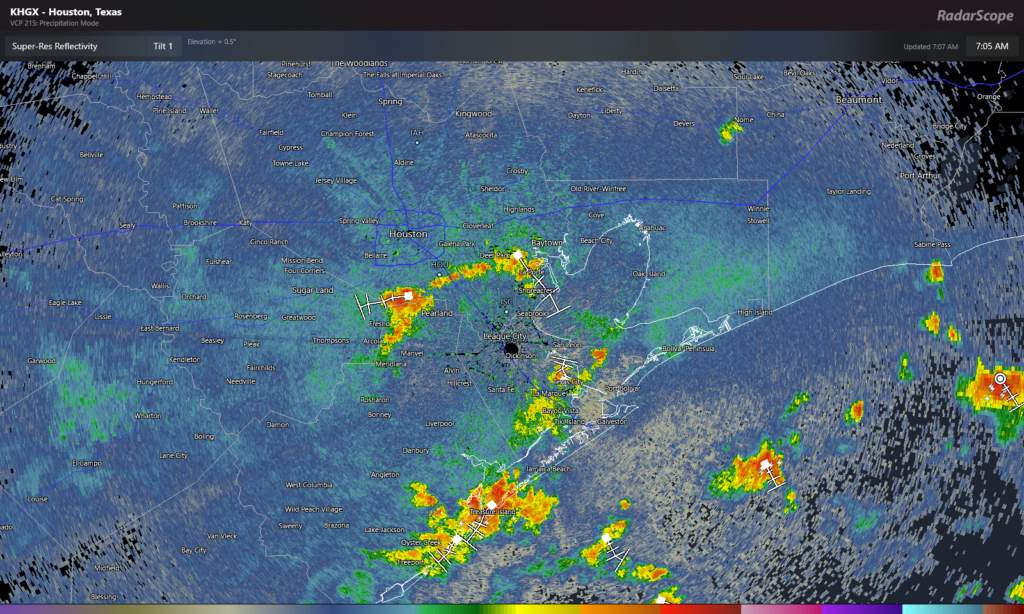
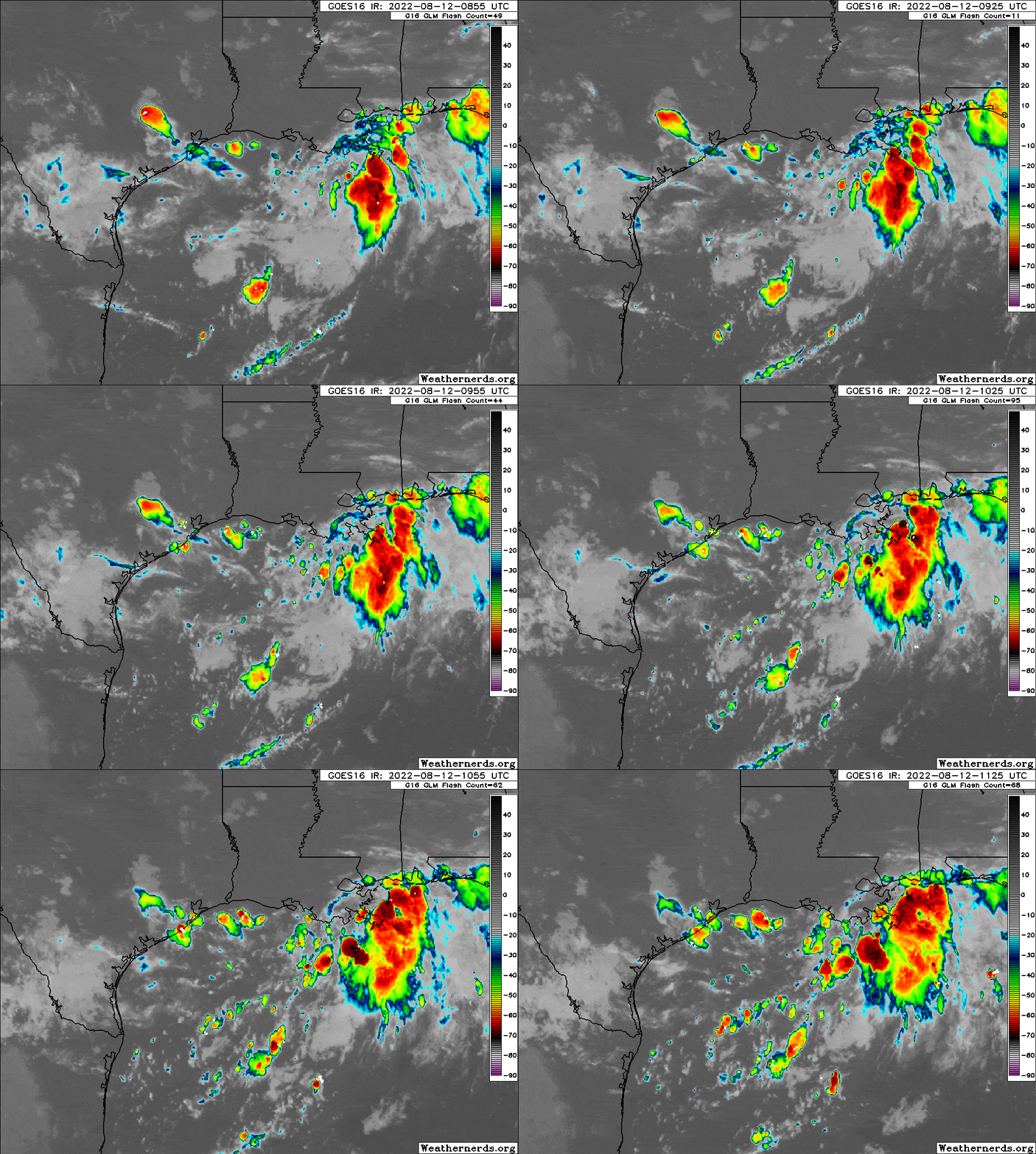
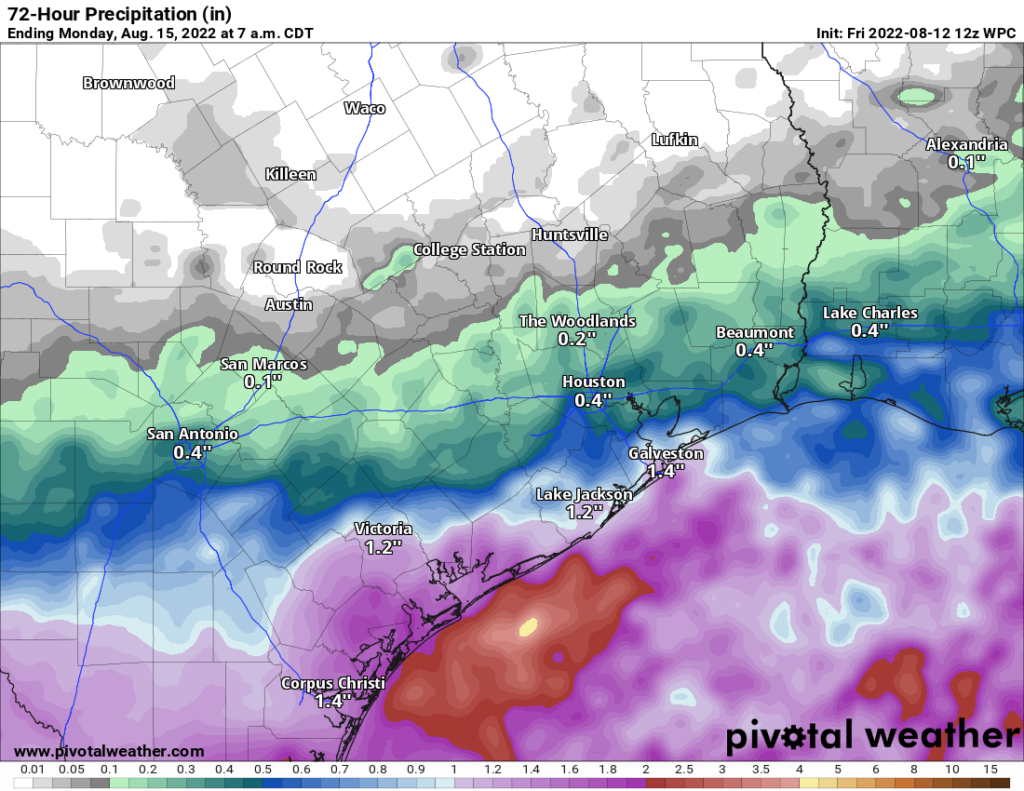
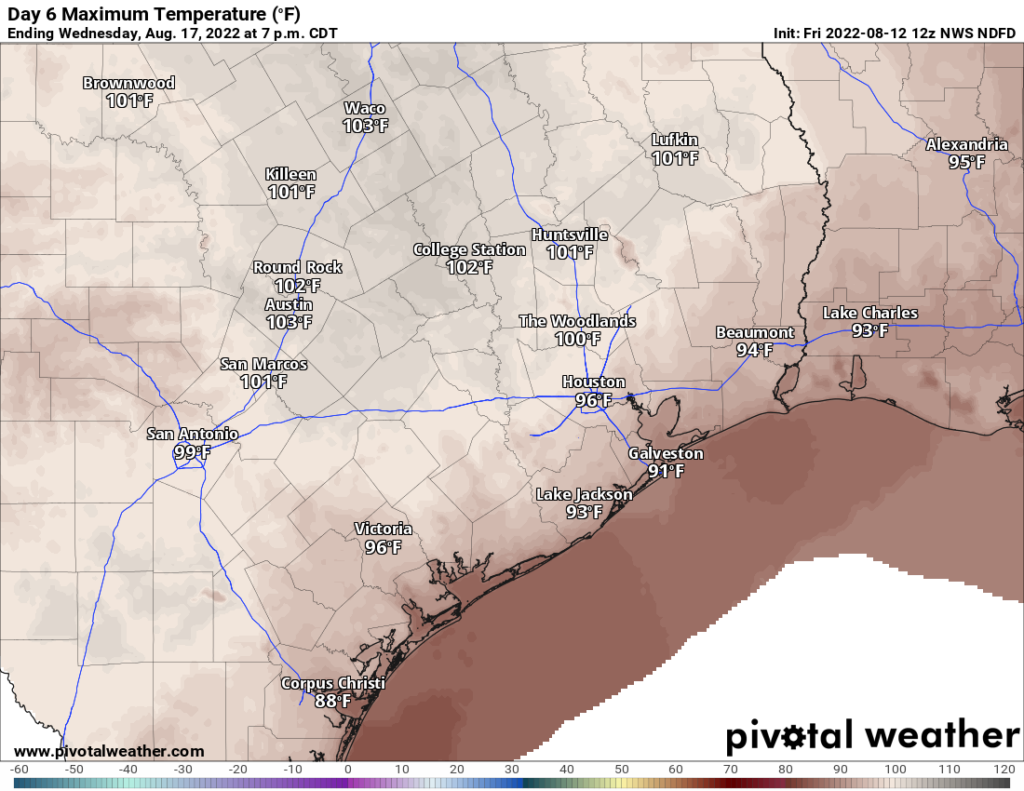


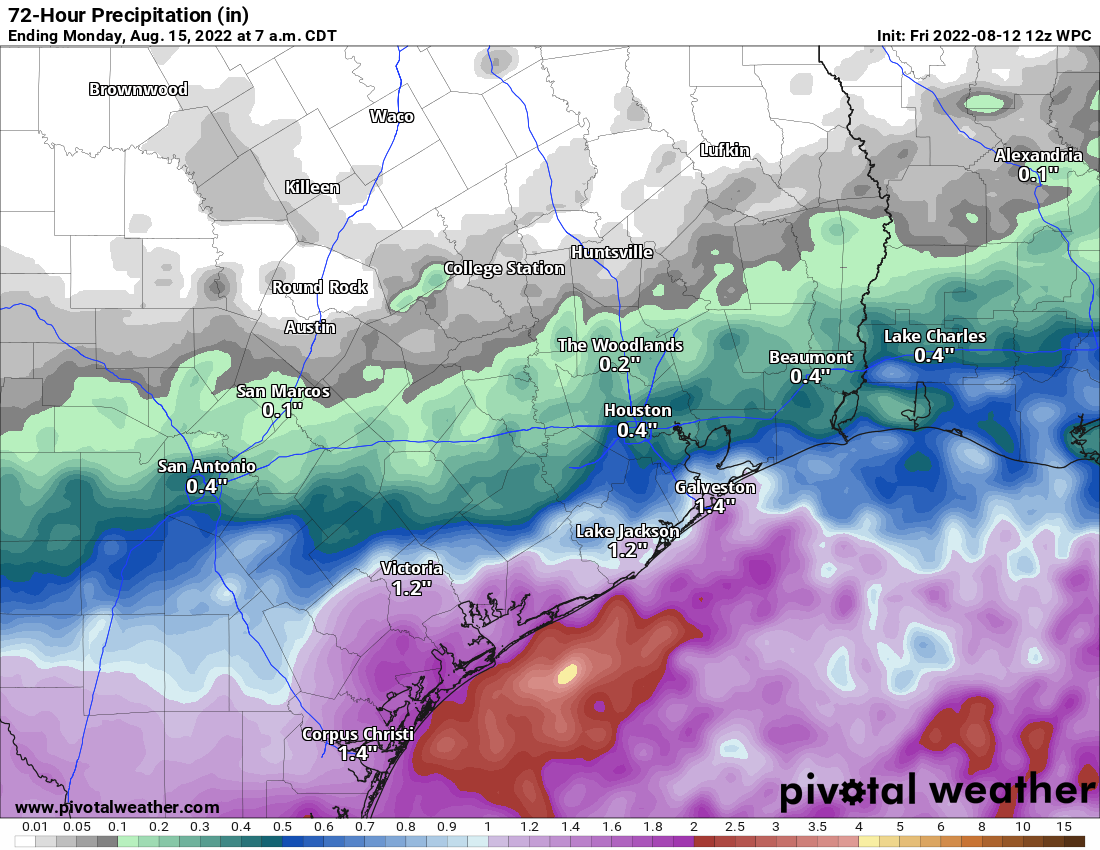
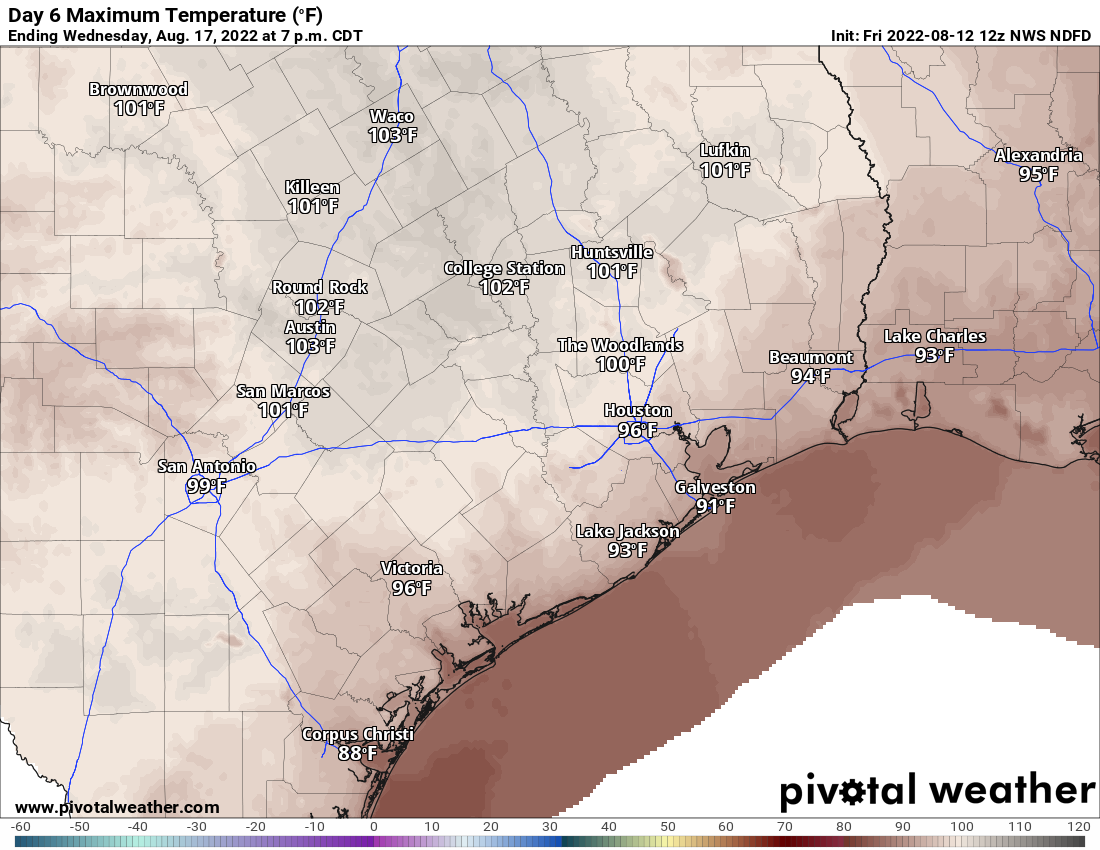


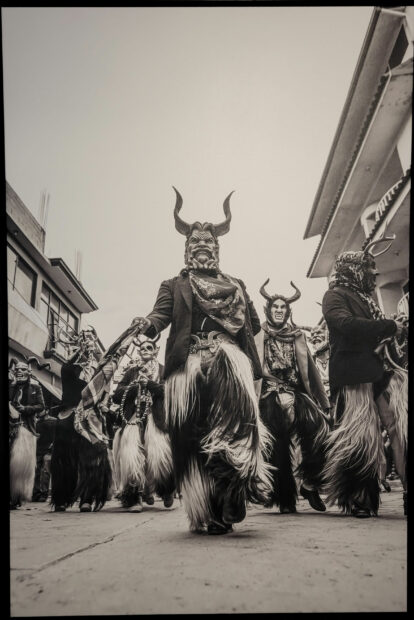
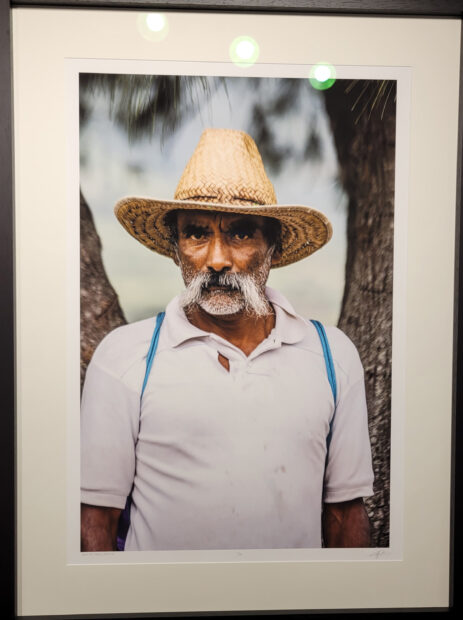


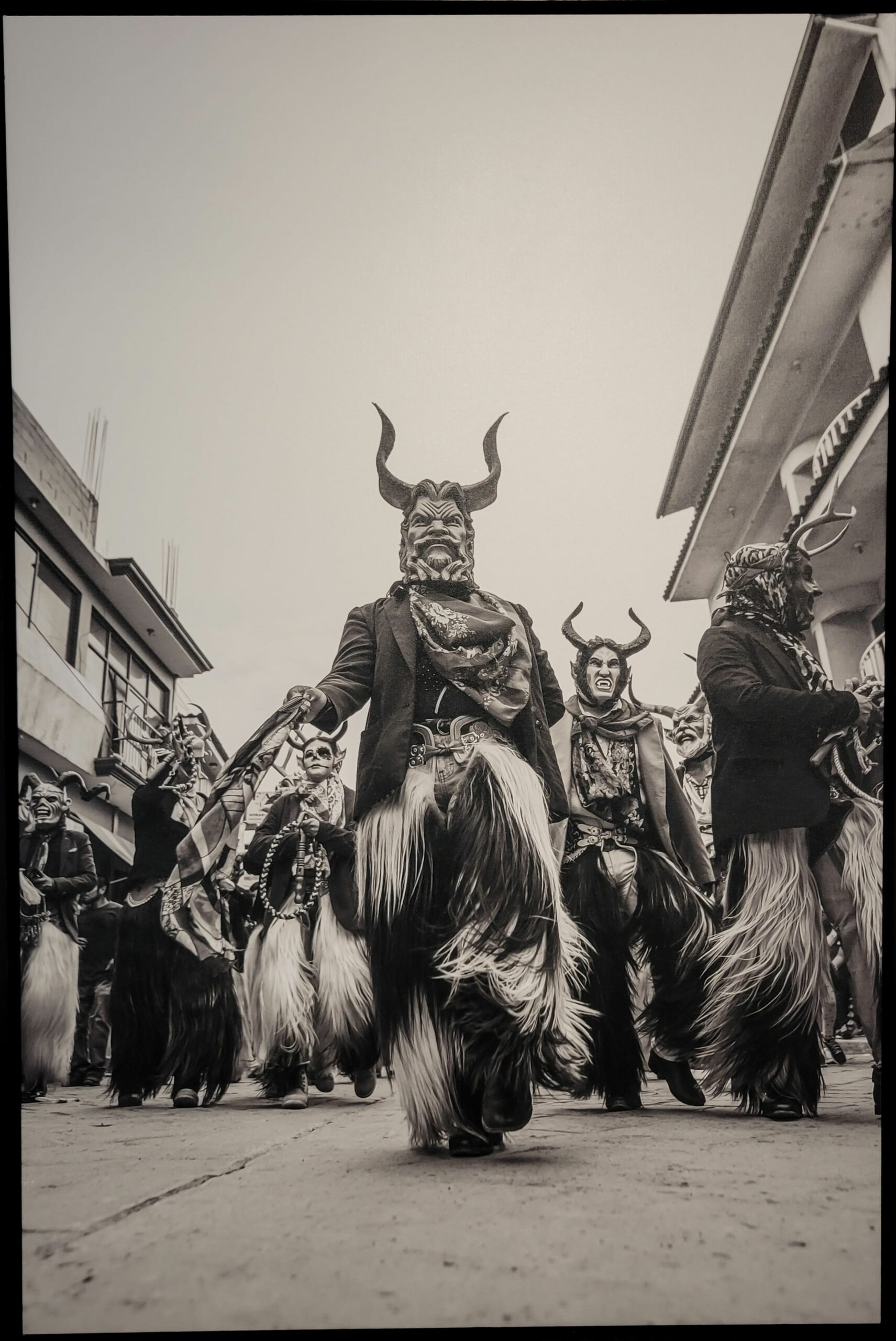
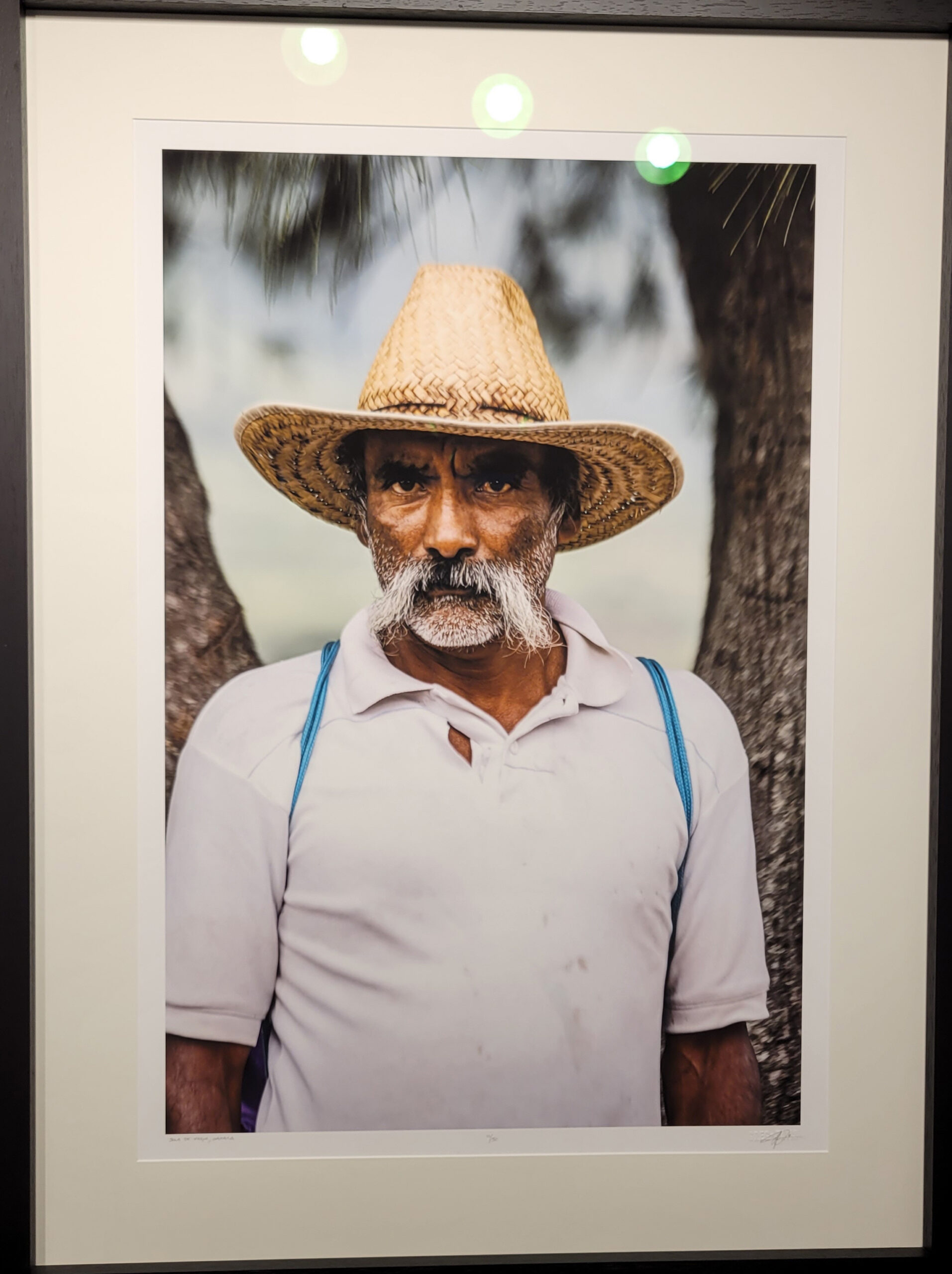



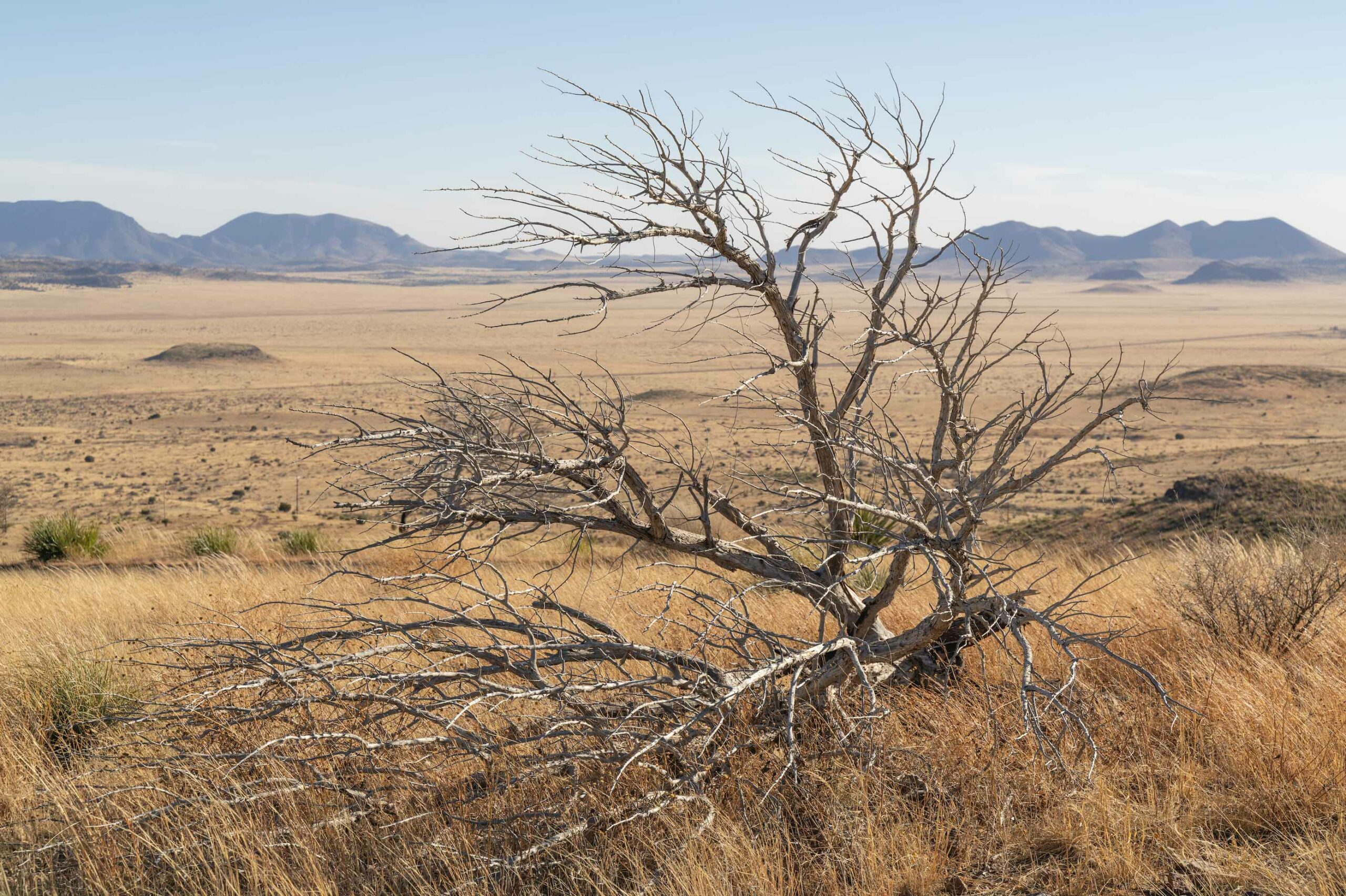



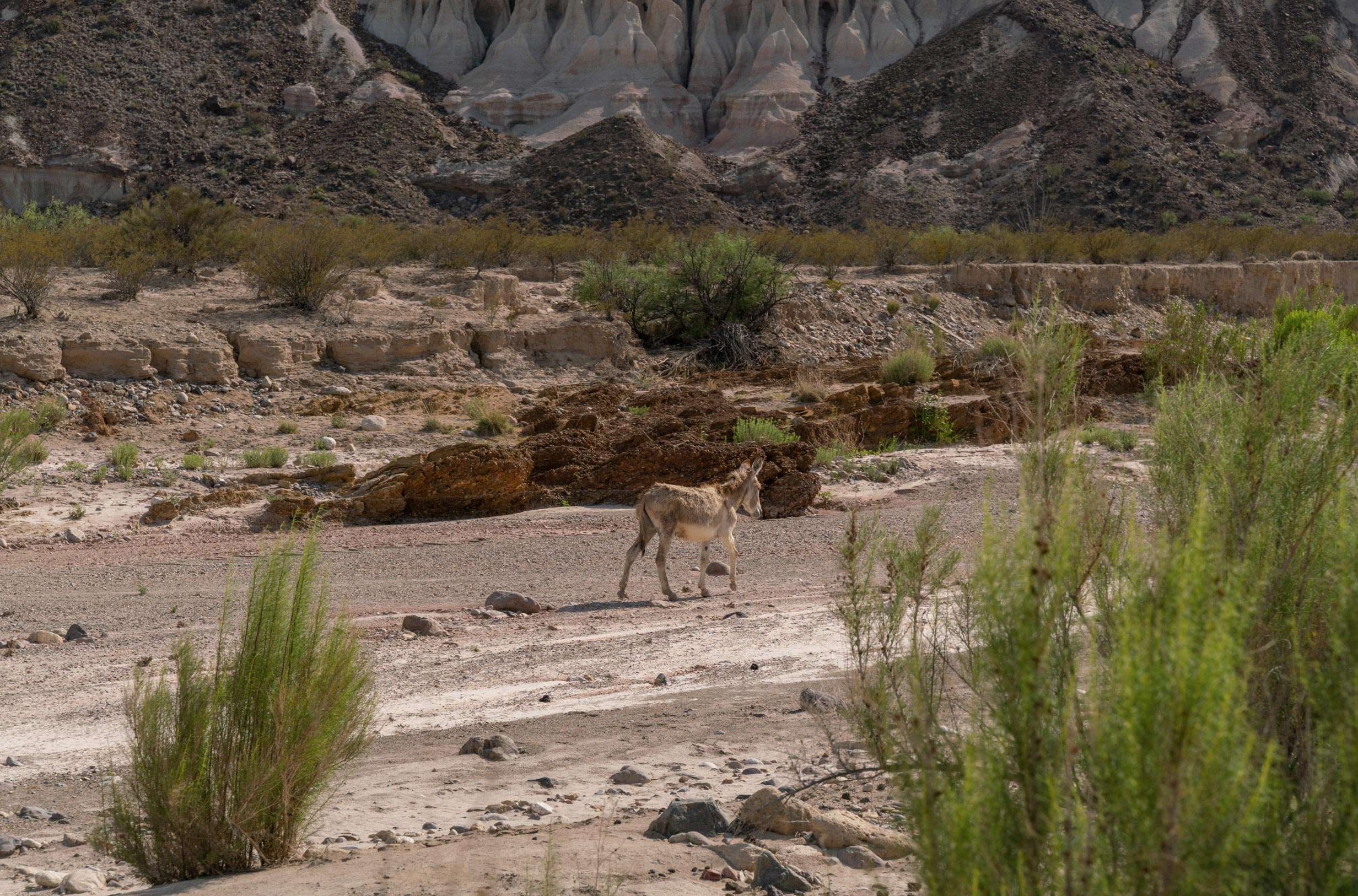





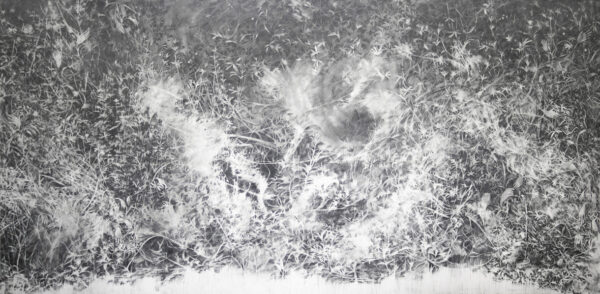



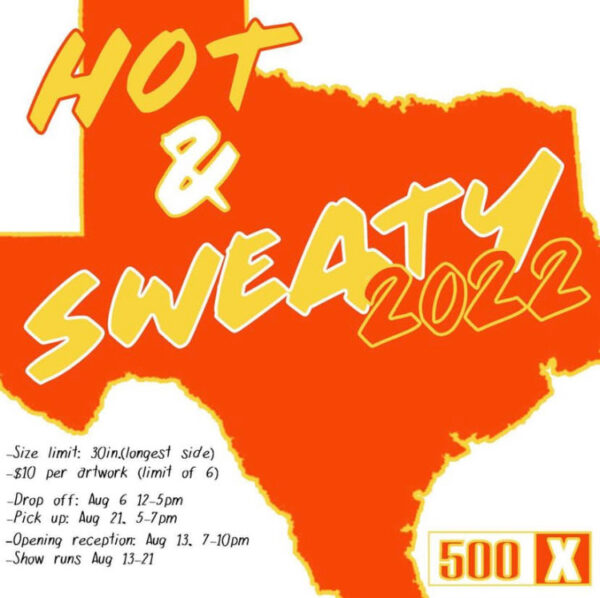
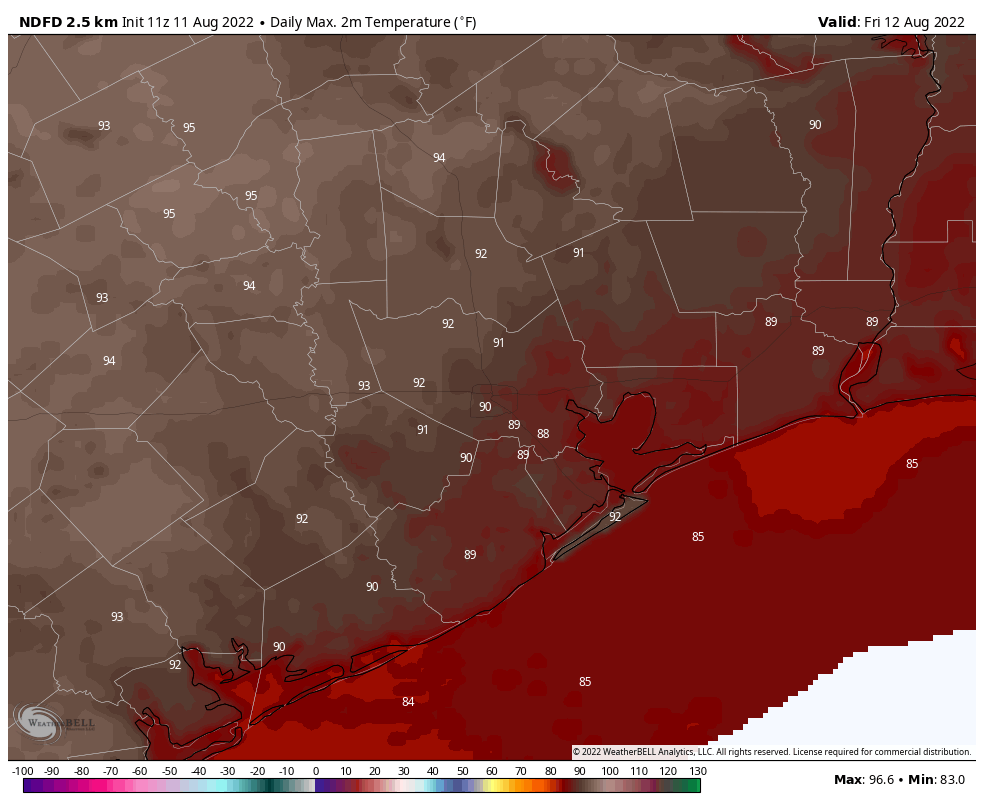
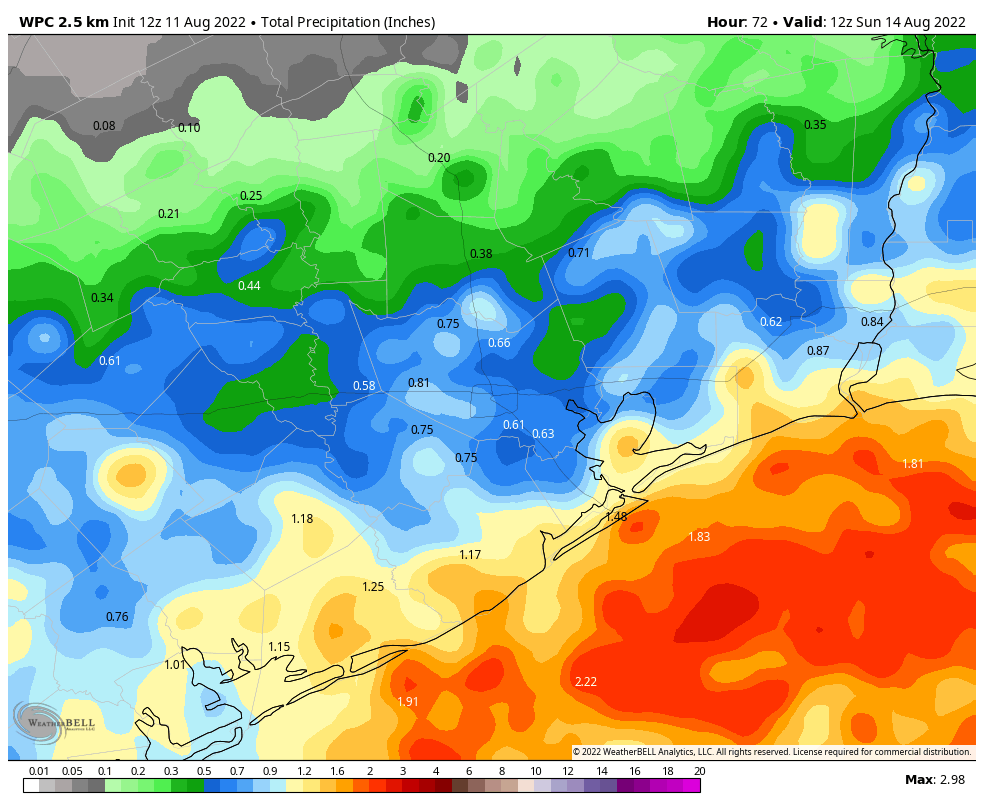

![Pronouncing [ṡṡċċḣḣẇẇȧȧ] is easy; you just say it like the 'x' in 'fire'.](https://imgs.xkcd.com/comics/complex_vowels.png "Pronouncing [ṡṡċċḣḣẇẇȧȧ] is easy; you just say it like the 'x' in 'fire'.")


.jpg)