State District Court Judge Jessica Mangrum on Friday issued a temporary exemption to Texas’ abortion ban. Hours later, the attorney general’s office filed an appeal, which blocked the order.
Some members of the university system’s board of regents said they wanted to promote conservative causes at the flagship campus and resisted efforts to hire journalism professor Kathleen O. McElroy, who they believed would work counter to those goals.
A Texas judge is temporarily blocking the state's abortion bans from being enforced against doctors who perform abortions in cases of medical emergencies and fetal anomalies.
Fighting for Breaks on Multiple Fronts: The thirst strike is only the beginning, according to organizers interviewed by Staff Writer Michelle Pitcher. They plan to continue to pressure both OSHA and state governments to protect workers from the heat.
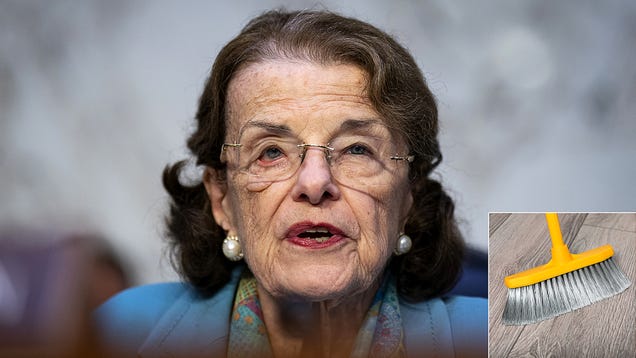
WASHINGTON—Granting the cleaning implement full legal authority over her personal affairs, Sen. Dianne Feinstein (D-CA) reportedly ceded her power of attorney on Friday to a broom resembling her daughter. “At my age, it’s important to have a dependable family member I can rely on, and there’s no one I trust more than…
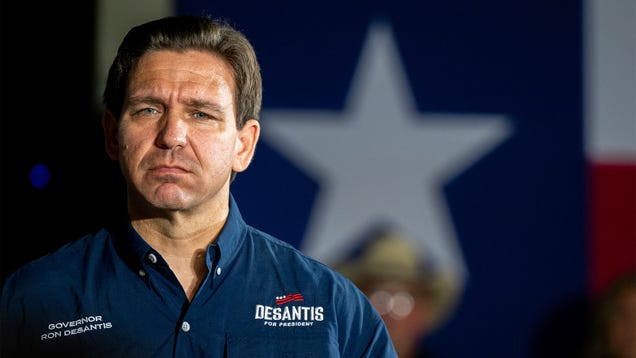
TALLAHASSEE, FL—Explaining that the course would teach thousands of high schoolers harmful information about identifying psychological disorders, Florida Gov. Ron DeSantis announced Friday that the state would ban AP Psychology out of fear that people might figure out what precisely is wrong with him. “If students…
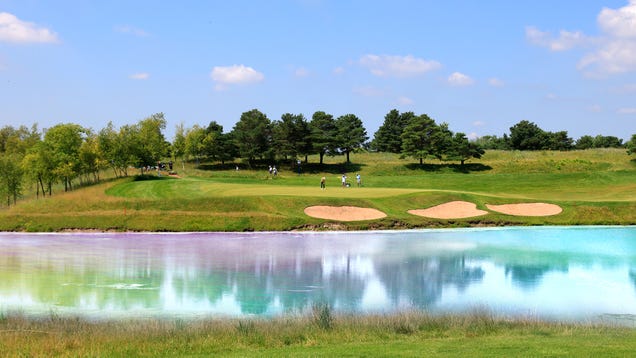
SACRAMENTO, CA—In an effort to abide by emergency conservation measures issued by the State Water Resources Control Board, golf courses in California have been forced to use insulin to maintain their fairways and greens, sources confirmed Friday. “Unfortunately, the state’s restrictions on water usage have left us…
Canadian prime minister Justin Trudeau announced on social media Wednesday that he and his wife Sophie are separating after 18 years of marriage. What do you think?
Supporters of President Donald Trump participate in a boat rally in Fort Lauderdale, Florida, on October 3, 2020. | Chandan Khanna/AFP/Getty Images
In David Brooks’s new column, he asks the American elite if they’re the baddies. But he’s actually telling them a comforting fiction.
The question of why Donald Trump manages to maintain such a grip on the Republican base, to the point where he can remain a nationally viable candidate despite all of his misdeeds and legal woes, is one of the most important issues in American politics. It’s a subject that has been explored extensively, with the best evidence converging on the same general story: Trump is the avatar of a kind of resentful reactionary politics, one uncomfortable with a changing America, that defines the worldview of a plurality (if not a majority) of the GOP faithful.
But this answer offers few easy solutions and makes some people uncomfortable, as it feels a bit too much like a judgment of Trump supporters. So we get efforts to reject the evidence, often relying on long-debunked alternative arguments.
The latest example of this phenomenon is David Brooks’s new column in the New York Times. In a piece titled “What if We’re the Bad Guys Here?”, Brooks criticizes those that would explain Trump’s persistent political support as a product of racism and anxious attachment to hierarchy. This explanation has some truth, he concedes, but is “also a monument to elite self-satisfaction.”
In its place, Brooks urges his readers “to try on a vantage point in which we anti-Trumpers are not the eternal good guys.” In this counterstory, Trump represents a boiling up of decades of working-class frustration with an economic system rigged in favor of those with college degrees. The elite’s unwillingness to face this hard truth, Brooks argues, is both a failure of introspection and a social disaster in the making.
“We can condemn the Trumpian populists all day until the cows come home, but the real question is when will we stop behaving in ways that make Trumpism inevitable,” Brooks writes.
Brooks’s column has been widelycelebratedbyAmericanelites since its publication, reflecting the fact that — contrary to Brooks’s depiction — economic explanations for right-wing populism’s rise have long been the preferred theory of the elite. The guy who runs the annual global elite confab at Davos — Klaus Schwab, the head of the World Economic Forum — has embraced them. So have leading Democrats and many writers at America’s top journalistic outlets, including some of Brooks’s New York Times colleagues. J.D. Vance went from obscure venture capitalist to US senator entirely because he could sell a version of this narrative in his book Hillbilly Elegy (recently made into a Ron Howard movie starring Amy Adams and Glenn Close).
But the popularity of a narrative among the elite does not determine its truth or falsity; evidence does. And the data supporting this narrative is weak at best.
Rather, the best evidence typically points toward identity-based explanations: Racial and cultural conflicts are far, far more important than the kind of economic alienation Brooks wants to highlight. This is true not only in the United States but in other countries facing similar challenges from far-right populist movements — important comparison points that Brooks entirely leaves out.
Brooks’s column makes some important points, particularly about the flaws in the American economic model. But it’s one thing to point out those flaws, and another thing to posit that (as a matter of fact) they are behind the great divides in our politics — when in fact they are not.
And if we keep getting this wrong, we will never fully understand the nature of our democratic crisis — or what can be done to address it.
What Brooks gets wrong about Trump's support and the economy
Since Trump’s surprise victory in 2016, people have been positing that “economic anxiety” drove his success, arguing that (for example) job loss from increased trade with China has been at the heart of Trump’s support. To Brooks’s credit, he puts a somewhat novel spin on these arguments, describing Trump’s support as a kind of class-based ideological resentment: a sense that the economy and society are rigged against people without college degrees.
“It’s easy to understand why people in less-educated classes would conclude that they are under economic, political, cultural and moral assault — and why they’ve rallied around Trump as their best warrior against the educated class,” he writes.
This is plausible in theory, but Brooks does nothing to support it. And when I say nothing, I mean literally nothing. His argumentative strategy is to note a series of ways in which the American socioeconomic model favors college-educated elites, and then assert that Trump support must be rooted in those factors without bothering to cite evidence that this is something Trump voters really care about.
This leads him to very odd places. Brooks asserts, for instance, that working-class voters have been alienated from the elite due to a divergence in child-rearing practices. “Members of our class still overwhelmingly married and then had children within wedlock. People without our resources, unsupported by social norms, were less able to do that,” he writes.
This illustrates a contradiction at the heart of the column. Brooks is trying both to critique America’s unequal political economy and explain why Trump’s support has proven durable. The problem is that things that are relevant to the first goal might not be relevant to the second one, and Brooks never bothers to distinguish between the two.
Even at times when Brooks does hit on economic structures that could plausibly matter, he does no work to show that they do.
Take the rural-urban divide, one of the most important features of American (and global) politics. Brooks suggests that the reason that Republicans are gaining in the hinterland is because it’s being left behind economically. “In 2020, Biden won only 500 or so counties, but together they are responsible for 71 percent of the American economy. Trump won over 2,500 counties, responsible for only 29 percent,” he writes.
A 2022 paper by two political scientists, Kristin Lunz Trujillo and Zack Crowley, examined this theory explicitly: testing a sense of political and cultural alienation (what they call “symbolic” concerns) versus a sense of economic deprivation in predicting rural voter support for Trump.
They found that “only the symbolic subdimensions of rural consciousness positively and significantly correlate with Trump support.” If anything, they found, rural voters who feel more economically deprived are less likely to vote for Trump than their peers.
Similarly, a 2020 paper found that Trump supporters in poorer areas tend to be the “locally affluent whites:” people whose incomes might not put them in the national one percent, but who are doing a fair sight better than others in the same zip code. Think plumbers and auto dealers, not laid-off factory workers.
The distribution of resources in modern America is indeed unfair, and poverty in rural America is something to take seriously — perhaps more seriously than some urban liberals do.
But the mere fact that an inequality exists, and is bad, does not mean it is What Caused Trump.
The overwhelming evidence for a cultural explanation
Let me propose an alternative theory — one that aligns much better with the available evidence than the economic anxiety idea.
This story starts with the late 20th-century revolution in social values: the end of segregation, mass nonwhite immigration, feminist challenges to patriarchy, a decline in traditional Christianity, and the rise of the LGBTQ movement. This revolution has transformed America at fundamental levels: the kinds of people who hold positions of power, the ideas that command cultural respect, and even the kinds of food Americans eat and languages they speak in public.
For millions of Americans, these changes made them feel unmoored from their country— “strangers in their own land,” as the sociologist Arlie Hochschild put it. Whether because of pure bigotry or a more diffuse sense of cultural alienation from the mainstream, a large number of Americans came to believe that they are losing America. For historical reasons owing largely to the legacy of the civil rights movement, these voters became concentrated in the Republican party — forming at least a plurality of its primary electorate. The election of Barack Obama, a self-described “Black man with a funny name,” pushed their sense of social alienation to the breaking point.
This cultural anxiety created room for Trump, who rode this group’s collective resentments to control of the Republican party. It is not the only reason he won the presidency — in a close election like 2016, a million different things likely made the difference — but it is the most important reason why he has maintained a lock on the Republican party for the better part of a decade.
We know this, primarily, because social scientists have been testing the theory since 2016 — and comparing it with Brooks’s preferred explanations rooted in resentment at a rigged economic game. Again and again, the cultural theory has won out.
Jeff Swensen/Getty Images
A Trump rally in Erie, Pennsylvania, on July 29, 2023.
For example, in 2018, a trio of scholars used survey data to compare explanations of Trump support based on racism, sexism, and a sense of economic alienation. The former two are far more powerful predictors than the latter, almost entirely explaining Trump’s surge in support among white non-college voters. “Controlling for racism and sexism effectively restores the education gap among whites to what it had been in every election since 2000,” they write.
A 2018 report from the Voter Study Group, authored by pollster Robert Griffin and political scientist John Sides, tested what they called the “prevailing narrative” of the 2016 election that “focused heavily on the economic concerns of [the white working class].” They found that typical methods of measuring economic distress were flawed and that more precise measurements show little effect on the 2016 outcome. “Instead,” they write, “attitudes about race and ethnicity were more strongly related to how people voted.”
A 2018 paper by Alan Abramowitz and Jennifer McCoy, two leading political scientists, tested correlations between white voters’ favorable views of Hillary Clinton and Trump and a battery of different variables. What they found, at this point, shouldn’t surprise you.
“After party identification, racial/ethnic resentment was by far the strongest predictor of relative ratings of Trump and Clinton — the higher the score on the racial/ethnic resentment scale, the more favorably white voters rated Trump relative to Clinton,” they write. “The impact of the racial/ethnic resentment scale was much stronger than that of any of the economic variables included in the analysis, including opinions about free trade deals and economic mobility.”
These are three studies from a single year. There are dozens of other papers, reports, and even entire books coming to similar conclusions. These studies don’t explain everything about Trump or Republican support — such as the party’s recent gains among Black and especially Latino voters — but they do an excellent job answering the question that Brooks poses in his column: Why does Trump maintain such a hard core of support despite everything that he’s done?
There’s also vital global context.
The United States is not the only country to be experiencing a rise in far-right populism. Countries that have very different economic trajectories — like Israel, Brazil, and India — have all seen the rise of Trump-style politics. That alone should raise questions about a narrative focusing on the specific economic problems of the United States, especially since those countries are wracked by significant cleavages surrounding ethnicity, race, religion, and gender.
Western European countries which have seen the rise of far-right parties are also a useful comparison. Like the US, those countries have experienced rising inequality — albeit to a lesser degree. But they’ve also experienced the same cultural convulsions in the second half of the 20th century alongside mass nonwhite migration that fundamentally challenged white Europeans’ sense of place and self.
And there’s a reason that immigration has been the number one most important issue for European far-right parties. Rigorous statistical studies of these peer countries, such as the conservative scholar Eric Kaufmann’s book Whiteshift, suggest cultural anxiety about Europe’s changing demographic makeup, rather than any fears about wage competition or economic inequality more broadly, is the key issue for those parties’ supporters.
“A comprehensive review of the academic literature on immigration attitudes in the West ... found that personal income and economic circumstances explained little,” Kaufmann writes. “Cultural attitudes emerged as the most consistent predictor of anti-immigration attitudes. Survey experiments can prove causation rather than mere correlation.”
So, on the one hand, there is Brooks’s largely unevidenced theory — and, on the other, an absolute mountain of social scientific research.
Why Brooks’s column matters
I try to be fairly forgiving of newspaper columnists: Coming up with an actually interesting and original column idea multiple times a week is a lot harder than you think. But this Brooks column is important to talk about on its own, for at least two reasons.
First, Brooks’s column contributes to a false perception that non-college voters form a uniform bloc that moved entirely into the Republican corner. In reality, as the Washington Post’s Greg Sargent points out, a majority of Biden’s supporters did not have college degrees — owing primarily to his strength among nonwhite, non-college voters. The racial split among non-college voters has lessened but are still pronounced — a testament both to the diversity of the American working class and the primary salience of race in American politics.
Second, Brooks’s column is frustrating because it turns an important factual debate into a conversation about elite Americans’ feelings.
In his column, Brooks talks a lot about “narratives” and “stories” one could tell about Trump’s enduring popularity. What he wants, his stated objective, is to get his readers to feel differently about both Trump supporters and themselves.
“Let me try another story on you. I ask you to try on a vantage point in which we anti-Trumpers are not the eternal good guys. In fact, we’re the bad guys,” Brooks writes.
But this isn’t literary analysis. We’re talking about questions of fact: Competing social scientific theories about why a particular phenomenon, Trump’s persistent and enduring hard core of political support, exists out in reality. The question is not how David Brooks and his friends feel about Trump’s base, but whether what they believe about them is true.
To figure out how to get the country past its current impasse, we need to look at reality as it is, not as we imagine it might be. And the reality is that our deep political divide is rooted, first and foremost, in profound and largely irreconcilable views of who America is for and what its social hierarchy should look like. That may be unpleasant for Brooks — and all of us — to contemplate, but reality’s ugliness doesn’t provide an excuse for ignoring it.
Several Hyundai and Kia models are being recalled over faulty oil pumps that can overheat and cause fires — less than five months since the two automakers recalled vehicles due to another fire hazard.
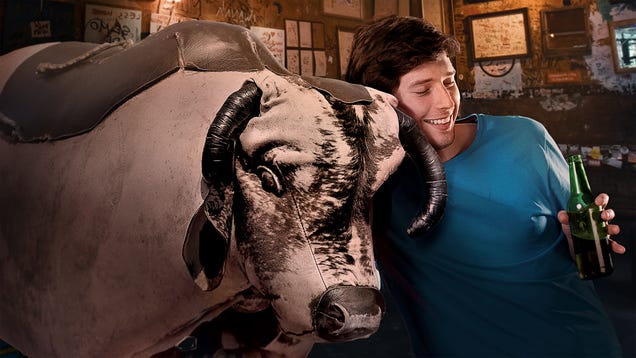
ABILENE, TX—Swaying as he put his arm around the machine, local drunk man Todd Bondy reportedly attempted Friday to talk some sense into a mechanical bull. “Hey man, be cool—no reason to freak out,” said Bondy, slurring his words as he explained to the electrically powered device that simulates riding a bucking animal…
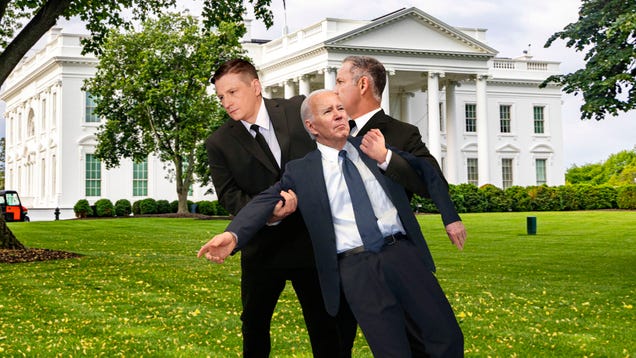
WASHINGTON—In an effort to lay to rest questions concerning his health, President Joe Biden attempted to prove his fitness Friday by having his Secret Service detail drag his limp body around the South Lawn of the White House. “As you can clearly see, I have more than enough stamina to serve another four-year term,”…
I want to start my Friday post on a positive note. For weeks it feels like, Eric or myself have been writing these posts saying “we honestly don’t know when this excessive heat is going to meaningfully end.” We all know it will still be hot; it’s August after all, but it would be nice to tone it down just a little and maybe bring some rain back into the picture.
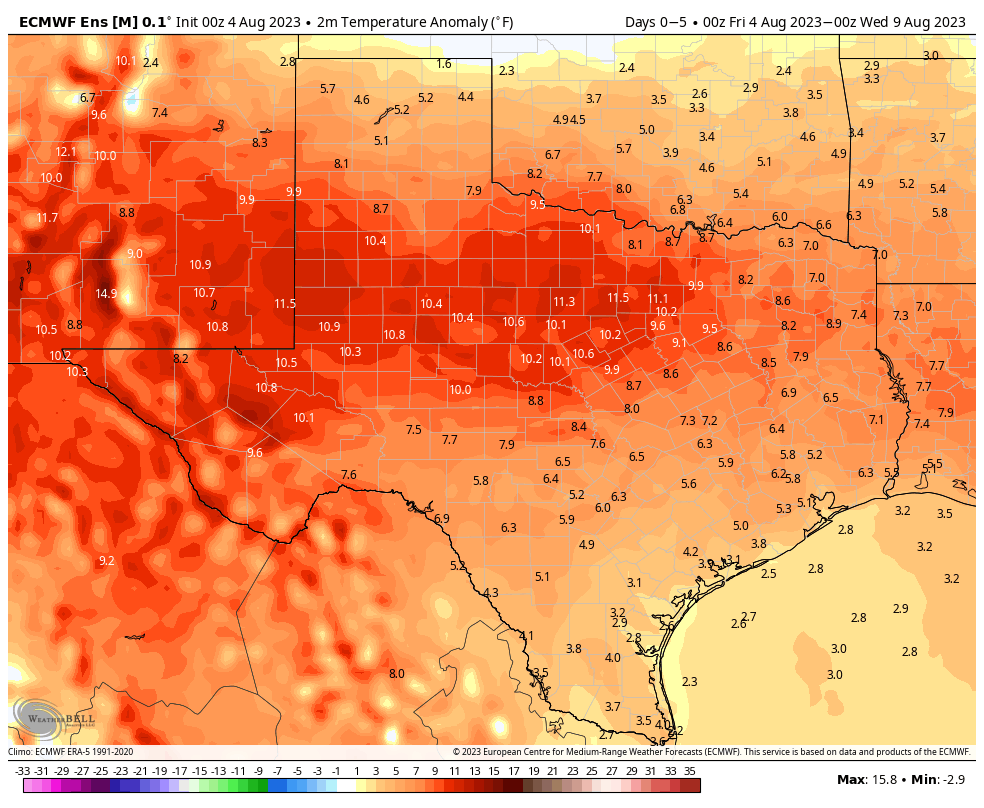
Temperatures over the next 5 days are certainly going to be a good deal above average, even for August across all of Texas. (Weather Bell)
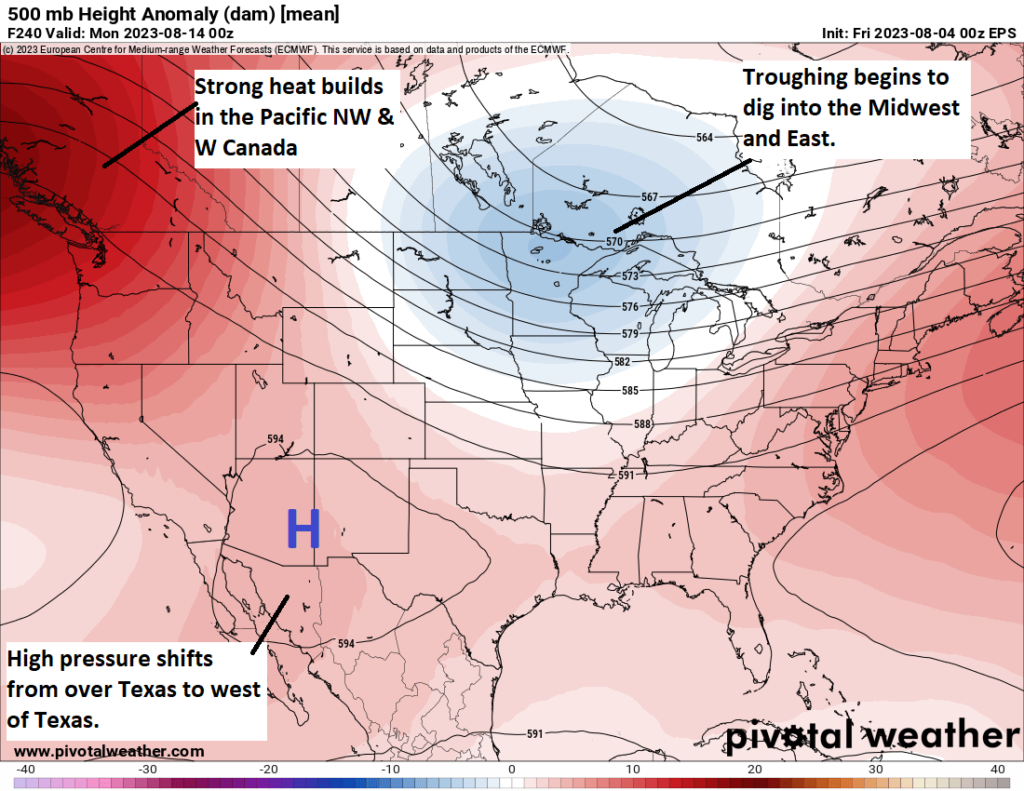
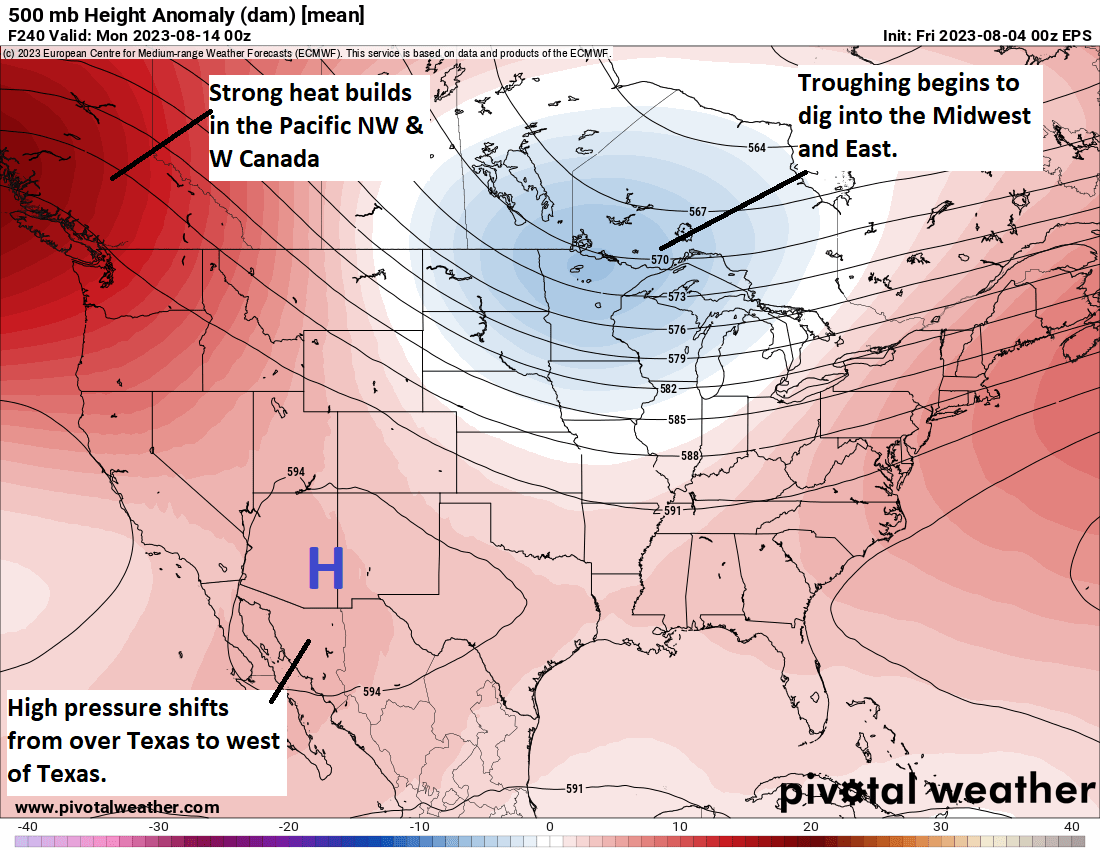
Eric has alluded to some potential change at the end of posts the last day or two, and I think we’re starting to build some legitimate momentum for this to occur. As we move beyond days 7 to 10, we begin to see a bit of a shift in the pattern showing up in modeling. High pressure in the Southwest & Texas shifts just a little more to the west. Heat is established now in the northwestern corner of the country and parts of Canada.
Some changes evolve late and beyond day 10, which include big heat in the Pacific Northwest and western Canada, a cooler trough digging into the eastern half of the country, and high pressure just drifting a little to the west from Texas into Arizona and New Mexico. (Pivotal Weather)
What this may do is help carve out a trough in the eastern half of the U.S. This is helpful for us in Texas because if this happens, it sort of puts us in the middle. Meaning, yes, it will still be fairly hot here, but not at record levels (think upper-90s instead of low-100s). It would also probably allow for the door to the Gulf to swing back open again and bring back at least some rain chances.
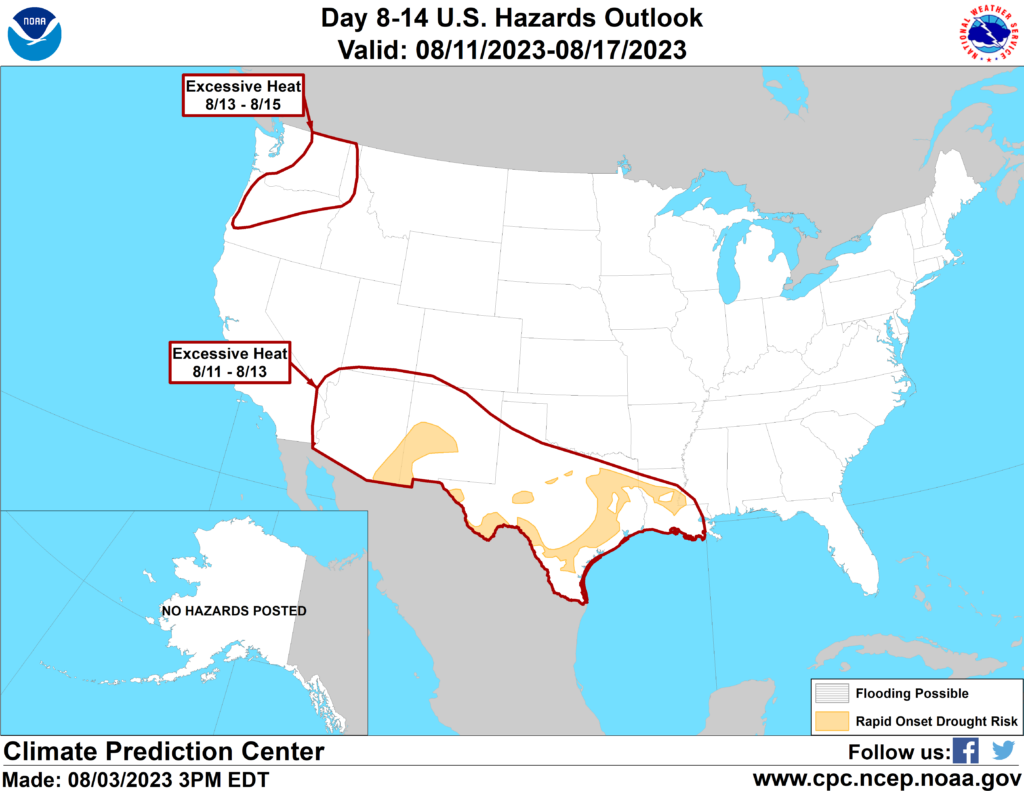
This is good news because drought continues to gradually worsen in Texas. The Climate Prediction Center hazards map for August 11-17 shows that many areas in Texas are at risk for “rapid onset drought.”
The Climate Prediction Center has noted continued excessive heat risk for Texas on August 11-13, but they also have highlighted much of East & South Texas for being at risk for “rapid onset drought.” (NOAA CPC)
What exactly are they talking about? Essentially “flash drought,” which is what happened in the Central Plains in 2012. Drought quickly goes from kind of bad to very bad very fast. This can have implications on agriculture, water supply, lake levels, etc. We really don’t want to be dealing with a flash drought here, but given the recent issues with wildfire flare-ups, as Eric noted yesterday, we may already be descending that path.
This is why we are really, really hoping that what we see beyond day 10 can hold. Fingers crossed.
Today and the weekend
Meanwhile, yes, it’s more of the same. More heat. More advisories or excessive heat warnings. More humidity. Drink more water and try to limit outdoor exposure when possible. Please also check on your neighbors. There have been a couple instances of showers popping up in recent days in central part of the Houston area. That could happen again today or tomorrow, but consider yourself extremely lucky if it does.
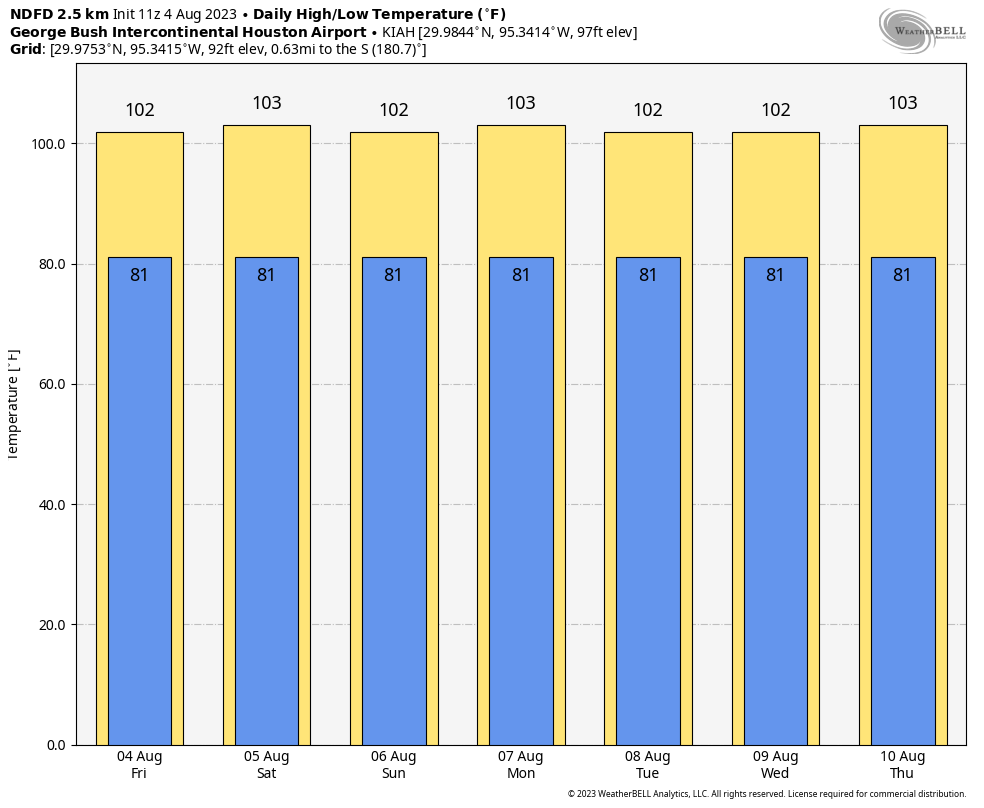
Summer to date, we’ve just tied 2009 for the 3rd hottest on record in Houston. We are only a couple tenths of a degree behind 2011 for 2nd hottest, and over the next 7 to 10 days, we’re likely to go neck and neck with that summer. I suspect 2011 will pull away in the end, assuming our pattern does change some later in the month.
“Hey Siri, show me what stability looks like in a weather forecast.” (Weather Bell)
Next week
Copy and paste. More heat and more sun. Look for a slight rain chance Tuesday afternoon and then maybe again by Friday. Any changes that take place in the weather pattern would not materialize before next weekend. So buckle in.
While there are a few things to keep tabs on heading into later next week, there is nothing currently expected to develop over the next three to five days.
Happening now: Central & Eastern Atlantic popping off
One look at satellite over the Atlantic, and you’ll probably ask how many storms we may see develop over the next few days. The answer is probably none.
The bright colors on the satellite image above indicate various areas of thunderstorms and tropical waves coming west across the Atlantic. While they look menacing, there is little to no organization expected from these waves over the next several days. (Weathernerds.org)
Yes, we have several beefy looking tropical waves out there, but the combination of shear and dry air will probably inhibit these waves from developing. That doesn’t mean they can’t develop. Stranger things have happened, but over the next five days or so, there is evidence enough to believe they will not develop. So let’s enjoy a quiet August weekend in the tropics!
The medium range (days 6 to 10): What will that wave do?
Where things get a bit more interesting is the medium range. What will these waves do? As they comes west, they’ll eventually run into the Caribbean. From there there are some options. We could see something go into the Caribbean, in which case it may struggle due to wind shear. It could go across the islands, in which case it may struggle due to land interaction. Less likely but possible, it could track just north of the islands, which, who knows. Either way, none of these scenarios is likely to lead to a significant storm developing at this point. But, if it can maintain coherence through the period, then maybe it threatens to develop in the “fantasyland” portion of the forecast.
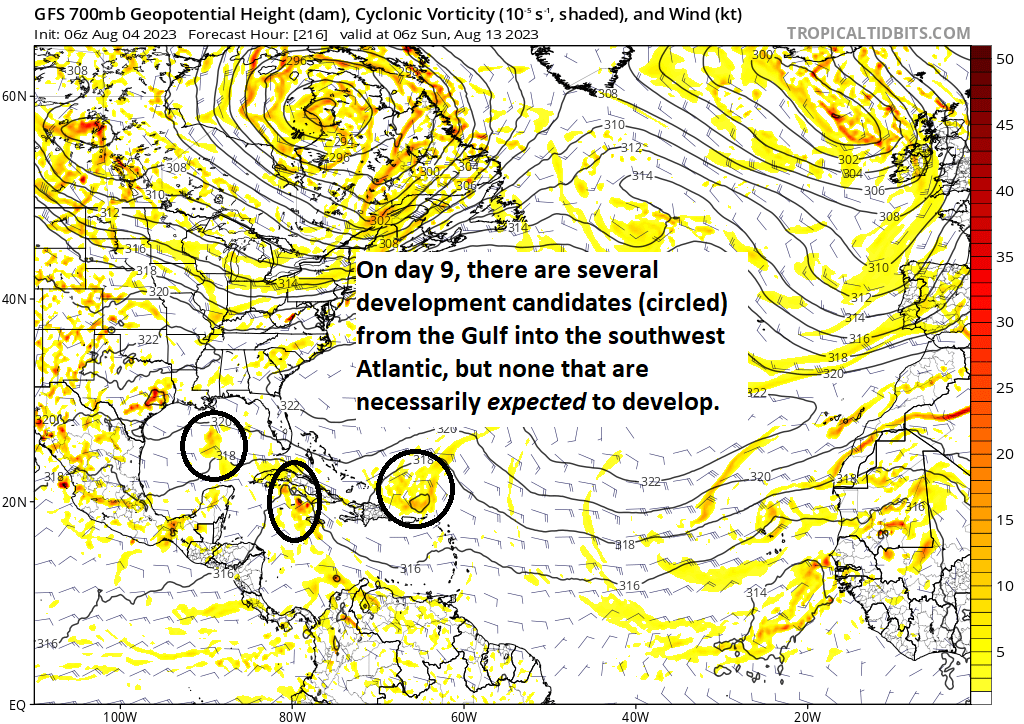
Just to emphasize what we’re talking about, here is the GFS model forecast on day 9, which show three distinctive areas of possible development, ranging from the Gulf to the southwest Atlantic. None of these are likely to develop by this point, but they are worth watching.
There are a few things to watch, but nothing that is necessarily likely to develop in the medium range. (Tropical Tidbits)
Any of these is a development candidate beyond day 10. Maybe.
Fantasyland (beyond day 10): Behind this wave is _____?
The bulk of our fantasyland period will be dictated by the wave in the medium range as noted above. Aside from that, it actually looks kind of quiet beyond day 10, which is somewhat surprising. There seems to be a fair bit of wind shear and dry air still holding court across the Atlantic, which may keep further development in check. The best “forcing” for tropical development may remain in the Pacific, which is actually pretty standard for El Niño. We will see how it all shakes out in the days ahead.
“Co-conspirator 1 is described in the indictment as an ‘attorney who was willing to spread knowingly false claims and pursue strategies that the defendant’s 2020 re-election campaign would not.’” — The New York Times
- - -
“A Time Person of the Year somewhere between 2000 and 2002.”
“A formerly revered mayor-cum-sloven crony best described as a sentient portrait of Dorian Gray.”
“Toady whose marriage to his own cousin constitutes a mouse-sized corpse in his airplane hangar of skeletons.”
“The love child of an adult bookstore and a crematorium.”
“A conspiracy-peddling disgraced lawyer who would call 9/11 an inside job if he hadn’t been the mayor of New York when it happened.”
“Contestant on the seventh season of The Masked Singer who was not Kirstie Alley, Shaggy, Penn or Teller, En Vogue, Cheyenne Jackson, Duff Goldman, Joe Buck, Jorge Garcia, Jordan Mailata, Duane Chapman, Jennifer Holliday, Hayley Orrantia, Teyana Taylor, or Christie Brinkley.”
“A co-conspirator who will just be glad to be #1 at something again.”
“Butt-dialing ghoul for whom getting caught with his hand down his pants by a character actor famous for wearing a banana hammock is one of the least embarrassing life events of his last decade.”
LISBON ― Accusations have been flying in the world of men’s track and field that one of the competitors from Portugal, Tiago Silva, does not really have gender dysphoria, and only transitioned because it is easier to make a living off of men’s prize money than off women’s. “Wokeism was always going to lead here. […]
LOS ANGELES—In a last-ditch effort to turn a profit on the lackluster feature, Paramount Pictures managed to salvage a terrible film’s box-office numbers by promoting it as the movie liberals don’t want you to see, sources within the studio confirmed Wednesday. “We thought slapping the title Sweet Land Of Liberty on…
NEW YORK—Taken aback by the pop-up that had appeared on the screen before him, local man Don Hedrick told reporters Wednesday he was in a panic after receiving a notice from JazzTimes.com that informed him this was the first of his three free articles on the website. “Oh God, only three? So I’ve already burned through…
Twitter’s new X sign has been taken down after complaints from residents about intense light shining into homes and the sign lacking safety permits from the city. What do you think?
EL PASO, TX—Asking if it was possible that he had it backwards the entire time, border patrol agent Ralph Forte was reportedly starting to worry Thursday that he was the rapist stealing taxpayer money. “My whole career, I thought migrants were the ones in this country committing sexual assault and taking our nation’s…
WASHINGTON—Making an emphatic appeal to the court in the wake of yet another indictment, former President Donald Trump reportedly asked Judge Tanya Chutkan on Thursday to throw out the case so as not to ruin his future swimming career. “If I may make one humble request from the court, your honor, it’d be that you…
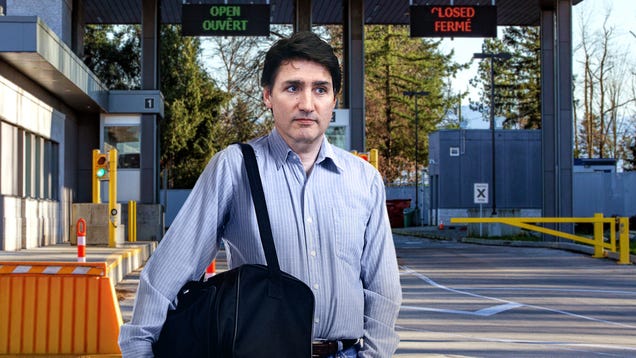
WINDSOR, ON—After formally announcing that he was separating from his wife Sophie Gregoire Trudeau after 18 years of marriage, Canadian Prime Minister Justin Trudeau reportedly showed up at the U.S. border Thursday with a duffel bag. “Hey, so, things have been a little rough at home, so could I stay a few nights in…
Former President Donald Trump has been indicted for his attempts to overturn the 2020 election, the third time in four months that the former U.S. president has been criminally charged. What do you think?

/https://static.texastribune.org/media/files/7d45bf5b9f2f64834730bb2839db8717/0719%20Abortion%20Hearing%20Presser%20JT%2001%20TT.jpg)

/https://static.texastribune.org/media/files/2d1e99b0e04f212c3c8cd25944cacf50/1115%20TAMU%20Achieve%20CTE%20Program%20EL%20TT%2009.jpg)



/cdn.vox-cdn.com/uploads/chorus_asset/file/24830081/1563684944.jpg) Jeff Swensen/Getty Images
Jeff Swensen/Getty Images