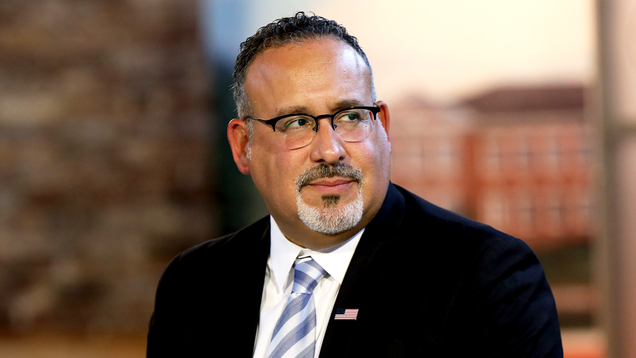
WASHINGTON—Having acknowledged that his behavior was completely uncalled for no matter how rude the U.S. populace had acted, Education Secretary Miguel Cardona was fired Wednesday after he reportedly threw a chair at the nation. “Unfortunately, Secretary Cardona got into an argument with the nation yesterday that…
The NFL completely overhauled its kickoff rules, taking elements used in the XFL in an effort to make the play a more integral part of the game and decrease the number of touchbacks to keep the ball in play. What do you think?
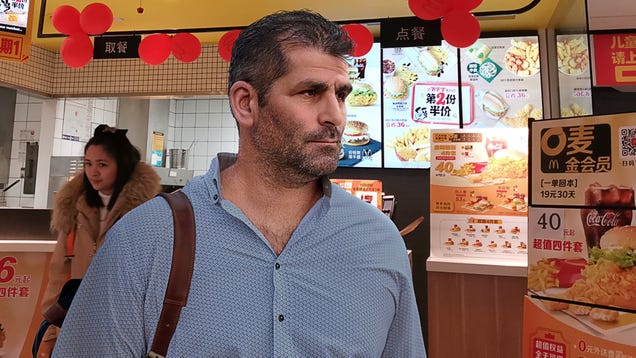
YICHANG, CHINA—Feeling an unfamiliar tinge of emptiness midway through his 117-nation excursion, Indiana resident Larry Hough reported Wednesday that abandoning his family back in Fort Wayne in order to visit a McDonald’s in every foreign country was not as satisfying an endeavor as he had imagined. “Huh, is it…
In the restaurant game, you need to make the most of every table every minute you are open. And you need to make sure your guests are happy, comfortable, and want to come back.
If you're a restaurateur, your gut tells you "more seats, more money," but, in this episode, restaurant design expert Stephani Robson upends all that and more. She helps Roni Mazumdar, owner of the casual Indian spot Adda in New York's Long Island City, rethink how a customer behaves at a table, and how small changes can lead to a lot more money.
It's a data-driven restaurant makeover.
This episode was originally produced by Darian Woods and Alexi Horowitz-Ghazi. James Sneed and Sam Yellowhorse Kesler produced this update. Engineering by Isaac Rodrigues and Maggie Luthar. Alex Goldmark originally edited the show and is now Planet Money's executive producer.
March Madness is in full swing as Men's and Women's college basketball teams across the country compete for the NCAA championship. However, the Dartmouth Men's Basketball team made headlines just before the tournament for its successful unionization vote.
Today, we break down why the Dartmouth men are pushing to unionize and what a college athletics union could mean for the future of college sports.
Related episodes: The monetization of college sports (Apple / Spotify)
For sponsor-free episodes of The Indicator from Planet Money, subscribe to Planet Money+ via Apple Podcasts or at plus.npr.org.
This post was written by Alison Green and published on Ask a Manager.
It’s five answers to five questions. Here we go…
1. Should we really have “fun” out-of-office messages?
At a company-sponsored women’s networking event last year, a speaker suggested that people should make their out-of-office messages more “fun” — i.e., include details about where you’re going, who you’re going with, fun facts about the location, etc. The thought was it would make you seem more human to the receiver, and they would then be more likely to respect your time off.
I find this advice grating for a few reasons:
– It’s too much information to read through. I just need to know when you’ll be back and who to contact in the meantime.
– I don’t think you should need to know what I’m doing with my time off in order to respect it.
– The fact that this advice was given at a women’s event for a very conservative, male-dominated industry adds an extra layer of ick I’ve not been quite able to put words to.
I’ve talked to a few folks around the office, and reactions have been mixed — some feel it’s too much, and others think it’s fun and I’m being a fuddy-duddy. This is obviously something I can just opt of of, but I just need to know: Is this a thing? Am I totally off-base here? Am I a fuddy-duddy?
You are not a fuddy-duddy.
People rarely read an out-of-office message and think, “Why didn’t she say more about why she’s out sick?” or “But who is going on vacation with her?” or “I wonder why she chose Yellowstone.” And while some people might enjoy reading that your destination in the Bahamas is “home to the world’s largest underwater sculpture,” a lot of other people are going to think, “Cool, but I really just want to know when you’ll be back.” There’s nothing wrong with including something personal (within reason — “I’m on my honeymoon! I’ll be back on the 23rd” is fine) but what the speaker is recommending is overkill and likely to come across as cheesy or odd.
The idea that people will be less likely to respect your time off if you don’t include extra info is bizarre — and it feels like the speaker is telling on themselves a bit there.
It’s extra gross at a women’s event because it plays into the deeply problematic idea that women need to put in extra effort to soften or pep up their communications (“humanize yourself! the most important thing for you is to make other people feel good so be warm! but not too warm or someone will take it the wrong way! no, not like that!”), a burden that’s placed on men far less often.
2. My new managers trash-talk my old job
I started a new job at a charity recently, after leaving the government sector where I’d worked for 10 years. My two managers keep referring to my past experience in negative terms, like “you’ll find things are very different here, we don’t do things the slacker way like where you used to work.”
My new job is actually extremely similar to my old job with the exact same software and processes (and I have a qualification in this area). I’m trying hard to learn the way of the charity and have been getting great feedback. Despite this, comments are made about how I feel to be working in “the real world, where we actually work hard.” But I’m a diligent worker and put in a lot of effort at my old government job and likewise in my new job.
My manager once worked at the government department I’ve just left, so I think he has a chip on his shoulder from his experience there many years ago. In my interview, he asked whether I’m a self-starter because everyone he knew at my old workplace couldn’t think for themselves and was lazy. I was taken aback at this, but I just calmly explained what a diligent worker I am.
I’m getting upset at the constant digs, and this is still being brought up six months after I started. It’s especially frustrating that I’ve been getting great feedback but feel I constantly have to prove myself because of my employment history.
This is Extremely Weird.
It might be interesting to say something like, “You keep mentioning that. Do you have concerns about my work ethic? I’d want to be able to address it if so.” Sometimes taking something like this very much at face value and responding accordingly will highlight how weird the other person is being, and it’s possible that framing it that way could nudge them to stop.
Or you could say, “I can’t speak for other teams, but the team I was on wasn’t like that. I’m surprised to hear you say that so often.”
Or you could just internally roll your eyes and keep in mind that while it’s possible that they had bad experiences with your old department, their constant harping on it is a tell that there’s something weird going on with them and it’s not about you.
3. How can I help an employee without money for food?
I am a supervisor of a team of about 15 in a large organization. One of my direct reports has disclosed to me that she is experiencing food insecurity and relies on charity for her groceries. I suspect she is not eating three meals a day. I would like to assist her but I don’t know how to go about it. I am not able to give her a raise and due to medical issues she is not able to work more hours. An added layer to this situation is that she used to be in the role which I am now in but had to step down due to these medical issues. I don’t want to come across as patronizing and I don’t want to break her confidence by reaching out to anyone in our organization about her circumstances. Are you able to give me advice about how I can help?
Would you be up for giving her an occasional gift card to grocery stores or similar? If you think it would make her feel more comfortable, you could say that someone gave it to you but you don’t normally shop there, or it showed up in your mail and you thought of her … or you could just say, “People helped in me in the past and I’d be grateful to be able to pay it forward.”
Beyond that, is your sense that your organization would assist her in some way if they knew? If so, I think it’s okay to talk to someone discreetly (someone who you trust to also handle it discreetly) and find out what options might be available. I appreciate you not wanting to break her confidence, but I’d put this in the category of “manager acting to help an employee” and sometimes that does involve looping someone else in (assuming she didn’t explicitly say you shouldn’t share it with anyone).
4. Can I ask to be laid off with severance?
I’ve been working for my employer for seven years, with three in a specialized role that did not exist before I pushed for its creation. We provide marketing services for other agencies, and I am the lone employee who creates any kind of marketing content for our organization.
Yesterday, I was told by the CEO that the marketing department (which consists of me, my manager, and a C-suite exec) was being restructured and my role was essentially being eliminated. I was told that I would be transferred to an operations role that I have virtually no experience in and that is, in my opinion, a huge step back professionally. My salary will remain the same, but this role has significantly less autonomy and is far below my skill set. Typically, it’s more of an entry-level role.
While my CEO says the hope is that this move is only temporary, I have no faith that that’s true. The company has historically struggled with lead generation and they’ve cited that the lack of leads is prompting this move. (For the record, I have never been held responsible for this or had any indication in my overwhelmingly positive performance evaluations that this was under my purview.) I fail to see how eliminating this marketing role will help them turn things around, but my larger concern is that this move will take a massive toll on my mental health and my ability to even look for new employment opportunities. The role has unrealistic productivity performance metrics with a high probability of burnout, and I would essentially have to learn an entirely new role that isn’t aligned with my experience or professional goals.
I have it on good authority that the company recently offered severance to an underperforming employee (far less senior than me) as an alternative to a demotion. This former employee ended up taking neither option, which makes me wonder whether there might be an opportunity for me to suggest a layoff with severance instead. The company has been actively trying to avoid layoffs, and part of me feels that the CEO is trying to do the “right” thing by finding a way to keep me employed. I recognize this might not be the smart thing to do, given the current state of the job market, but I do wonder whether there’s any precedent for this. If the worst they can say is no, do I really have anything to lose by asking? I don’t want to let my ego convince me to make the wrong decision, but I feel so depressed about the idea of having to make this transition at work, even temporarily.
You can absolutely try to negotiate a layoff with severance! You could frame it as, “I appreciate you trying to find another role for me, but I’m not sure this one makes sense for me professionally. Would you be open to structuring this as a layoff with severance instead?”
You will probably lose a bit of your leverage on the amount of severance since they know you don’t want the other job, but not necessarily. And you could ask for a specific amount up-front so you’re anchoring the discussion with a specific number from the get-go. Or if they’ve done layoffs before and you’d be happy with the amount of severance people got then, you could ask for it to be matched now.
5. Do I have to tell my interviewers if I’m fired in the middle of a hiring process?
I have been put on an action plan at work. I don’t think they sincerely wish me to improve and I’ve also lost motivation. I am looking for a new job. My question is, if I get let go and I am in the middle of an interview process, do I have to disclose I am no longer working? I know I should be truthful if directly asked, but what if they don’t ask me?
You don’t need to proactively disclose it. If they ask if you’re still employed there, you should be honest — and you shouldn’t talk about the job in the present tense if you’re no longer there — but you don’t need to go out of your way to announce it either.
Mai Tran began catsitting in 2021 while Tran was on pandemic unemployment, often staying overnight in people’s homes. Tran has now cared for twenty-two cats and traveled to ten apartments all over New York City, observing the interior lives of cat owners and appeasing their neuroses. From home vet visits to black eyes to refugee cats, Chronicles of a Catsitter documents the most memorable days on the job.
- - -
L.,
Happy birthday! Remember a few months ago when I asked for permission to write about Mars? Well, this is it! I thought I’d write this episode in the epistolary / birthday card form just to switch things up. Of course, your real card is in the mail right now. That one was harder for me to write, as you know I have trouble expressing my feelings (screams and rolls on floor). I think our friendship is the best thing to have come out of catsitting. And let’s be honest, I’ve never had a column and have no idea what I can get away with. Public declarations of love in front of an audience of an unknown number, perhaps?!
We met when you put out a call for catsitters in the grad school Slack. (Bear with me as I do the classic second-paragraph exposition for the dear, imagined readers. I guess I still need to work on varying my writing.) I remember standing on your stoop, trying to figure out how to get into your building to pick up the apartment keys, when I heard someone call my name from behind me. I turned to see you wearing your beat-up farmer boots and a flannel. You seemed to have emerged from the community garden down the block, the way a siren emerges from the sea.
You led me to the third floor, and I met Mars. She was still a baby and had just gotten spayed, her little tummy pink and shaven. She was unlike any cat I’d seen before. She was smaller than average but had large, pointed ears and white fur with gray patches and spots, like a cow. We sat on the floor and threw some toys around for Mars. I wasn’t scared of her yet. I let her sniff my hand and tried to pet her, but she ducked her head and seemed unbearably shy.
You showed me around the apartment and asked if I wanted to hang out more. I was like, right now? It was late summer of 2021, and we were still in the early years of the pandemic. It had been a while since I engaged in improvised socializing, so I made some excuse about having to go back downtown. On the train ride home, with your spare set of keys in my pocket, I mulled the invitation over and doubted myself for fleeing.
I returned to the apartment while you were traveling. For three days, Mars and I lived in relative peace. I enjoyed watching her engage in her hobbies: tracking birds from the window, peeing in the large planters, and chasing bugs that got into the apartment. Mars became more confident as time passed and allowed me to pet her. I chose to sleep on the couch, and she would nap above me or wedge herself under my arm before waking up early to play. She emanated extremely large yowls that disrupted my sleep, but that was small potatoes.
On day four, I figured we were comfortable enough that I could try holding her. I scooped Mars up and slung her over my shoulder, bouncing her up and down. All was well, so the next day I picked her up again. I took a mirror selfie to send to you, then turned my face toward Mars to check in on her. It was at that moment that she reared her head back, her neck kind of receding into her body, and I saw a flash of paw. BAM! I keeled over and dropped her. My eye was watering and I stumbled from the bathroom to the living room, a few tears starting to stream from my left eye. I cupped the cool of my palm against it, turning to see where the cat had gone. She looked at me from the hallway, her neck and ears alert. I checked my reflection in my darkened phone screen. My eye was swelling. In a few hours it would turn green and blue.
The rest of the trip was spent tiptoeing around Mars. I texted you about the black eye, and we both lauded her ability to assert her rights and practice self-defense. I thought I knew my way around cats, but it was my inability to read her that scared me. We could never go back to our age of innocence.
When you returned, I was stunned to watch you chase Mars around the apartment and speak to her in your loud cat voice. She side-hopped and scrunched her back, and you were like, she’s playing! We debriefed and made actual plans this time, then you picked up Mars in order to walk me out. Her neck suddenly receded into her body again. WHAM! She slapped your mouth and drew blood. In the doorway, you wiped it away with your hand and acted like it was nothing, so I also pretended to be unphased. Inwardly, my respect for you bloomed.
No one really asks what my “type” of person is, probably because it’s a stereotypical and outdated question, but in my head I keep a general list: leather daddies, dom tops, women who know they’re hot, women with RBF, women who scare me, transmascs, butches, nonbinary runners, and people who are thirty-one. You were in a few / helped form some of those categories. It didn’t surprise me when we took the ferry to the New York City Poetry Festival and you showed me all the scratches Mars had left on your hands, or when you taught me how to deadlift at the YMCA and randomly shouted in the quiet weight room. Or when you demonstrated how to manage a classroom (which also involved a well-timed shout), or how to post millennial thirst traps, or how to text people back when you’re mad at them. There’s also your self-awareness, your persistence, and the way you consistently gravitate to those guys on the street who try to make you switch to renewable energy. I’ve never seen you waste anything in my life.
I’m glad we still see each other so often, although I don’t make the trek to your apartment as much as I used to. When I do visit, I feel compelled to bring Mars a toy or some other form of sacrifice, as if she were a tiny god. She once lunged at me and made a spitting noise that I didn’t know cats could make, so perhaps she is an otherworldly creature?
When I think about people with animal familiars, I think about you and Mars or this lesbian surfer I know who has a really mean chihuahua. The dog is perpetually growling and once bit my shoe while my foot was still in it. There’s also the lesbian critic who brought her dachshund to the reading at the bookstore. I asked if she ever put her dog in clothes, even though I already knew the answer was no. There’s the notion that people’s pets look like them or are similar in personality, but I wouldn’t say that’s the case here because you wouldn’t punch me in the face, and Grace wouldn’t bite my shoe. What all your familiars do have in common, though, is autonomy, and maybe that’s what I’m trying to say I like. I like that you let your animals spit and bite.
Chevron operates a major refinery in Richmond, Calif. It also owns the city's dominant news site, putting its own spin on events, and runs similar sites in Texas and Ecuador.
The Francis Scott Key Bridge collapsed yesterday after a 948-foot cargo ship struck it departing the port, causing the governor to declare a state of emergency. What do you think?
This post was written by Alison Green and published on Ask a Manager.
A reader writes:
I would like to ask you and your readers about a discussion my organization had about working late. I don’t work in the office late. I have worked late at home occasionally, but I do not stay in the office longer than close of business. Some team members do though, to a ridiculous extent. In other teams it varies. One team during the pandemic worked late frequently, but I understand that they’ve now returned to normal.
In a staff meeting and in my own team’s meetings, I’ve suggested that the organization could use a policy set by the controversial entrepreneur Alan Sugar. His rule was that work ends at 5 pm and that everyone had to be out of the building at 5:15. The book I read said that he enforced this rule by having security always lock up at 5:15. However, the wording I’ve used in meetings is that Sugar had staff kicked out of the office at 5:00.
I presume that any part-time employees would have their hours strictly enforced too, but the book only seems to cover the full-time staff.
Whichever way you phrase it, the rule was that staff were only allowed to work in their contracted hours. Everyone had five working days, 9-5 each week and no more. If they hadn’t finished a task by close of business on Friday, they’d have to finish on Monday. Apparently, it encouraged good timekeeping at the expense of making everyone nervous in the last 10 minutes of the day.
My organization’s staff network believes that such a policy would not always be practical, but it would certainly encourage staff to consider work-life balance and to think carefully before working late.
Just so that you know, I have never missed a deadline and I have often received compliments for the standard of my work. So, what do you think of this policy?
I like the intent, but the execution is impractical.
For one thing, it would make flexibility completely impossible. A lot of people like being able to flex their hours — coming in late after an appointment and staying a little later to make up that work, or to working a different schedule than 9-5 if the nature of their work permits it.
Plus, in many jobs, there’s an ebb and flow to the work — this week is busy so I’m going to be staying later, but next month is slower so I’ll knock off early a bunch of days. A lot of people want the autonomy to manage their own schedules and workflow that way, and the nature of many jobs permits it.
There are also jobs where it’s inherent to the work is that sometimes something urgent will come up at the end of the day and it has to be dealt with or there could be serious consequences (think PR, law, tech, and a zillion other fields — although I’m guessing you’re not in one of those or this would be an obvious no-go).
This is also likely to just spur people to work from home at night when they might prefer to just stay a little later to finish and then have a clean break once they go home.
All that said … is a strict 9-5 system better than jobs that expect people to work unsustainably long hours and have no time to themselves? Of course, and I can see how it would look really good to people who are dealing with the latter. But the choice isn’t between those two starkly different options. A healthy organization can ensure workloads are sustainable and people are able to disconnect from work, without employing this kind of rigidity. If your organization isn’t doing that, that’s a problem … but it can be solved with a less blunt instrument.
This post was written by Alison Green and published on Ask a Manager.
A reader writes:
I really need some unbiased advice here as I am really struggling with a situation at my job but at the same time love my position and don’t want to leave.
I’ve been at my current job for just over two years. Initially, I really enjoyed my job and my coworkers, but over the past few months the office secretary, Marcia, has started to make multiple comments regarding my appearance and what I eat. She has made comments regarding dresses I wear, claiming they are not work appropriate ( even though they are turtleneck, maxi, sweater dresses), made comments about how much I eat, comments about how little I eat, and so on.
These comments had started to chip away at my morale, but the most recent incident has me completely baffled.
We were having a company luncheon at which all of my colleagues were present. Midway through the lunch, I notice Marcia making odd looks at my plate, motioning to her boss (the VP) to look at my plate, and such. Finally, I asked her what she was looking at as I could genuinely feel her stare from across the table. She proceeded to tell me, in front of all of my colleagues and the VP (!) that I reminded her of a girl she knew with bulimia. I was so taken aback that I stood up, threw my food out, and left.
Multiple lower-level managers, including my boss, asked me about the incident and I responded that I was obviously offended and would not be attending any food-related work events. I did hear from my boss that when Marcia was spoken to (by him, not her boss) she said the only reason I was offended was because I must actually have bulimia!
Fast forward a few weeks, I am finally starting to forget about the incident, and suddenly Marcia storms into my office, raises her voice at me, and tells me that I need to stop discussing her comments regarding my bulimia (!) and that people do not like that I keep bringing it up. An important fact to note is that I’ve only ever discussed the incident when asked about it. Her boss, the VP, then came over to my office to state that while the way she “apologized” was not acceptable, he really needs to work culture here to remain good! From his statement I sort of got the feeling he was telling me to stop talking about the issue as well.
A few weeks have passed and I’m really having trouble getting over this. Is there anything I can do about to make sure Marcia doesn’t continue spreading these hurtful rumors even though multiple weeks have passed since the initial incident? It seems the VP and the rest of the office (minus my boss and immediate coworker) have her back and are doing nothing to rectify the situation. Furthermore, I have lost all trust in the local leadership and am not sure how to move on from this. Note, we do have a small HR team but they are not local.
What is up with Marcia?!
Aside from being off-the-charts rude and obnoxious, Marcia’s actions are also creating a legal liability for your company. If you actually were bulimic, Marcia would be creating a hostile environment over a disability — and in fact, the law protects you even if you’re just perceived as having a disability (regardless of whether or not you actually do). By attempting to convince people that you have an eating disorder, Marcia risks triggering the Americans with Disabilities Act, and that could have significant ramifications for your company.
Two next steps:
1. Go back to your VP and say this: “I thought about our conversation and I’d love to put this to rest — but to do that, Marcia needs to stop commenting on my food and clothing and spreading false rumors about my health. Can you help with that?”
2. I also suggest getting in touch with HR. It doesn’t matter that they’re not local; this is the type of thing that any decent HR department wants to be looped in on, and they would want to hear about it now, not after Marcia has handed you a legal cause of action.
I’m also curious about your other coworkers and whether you can enlist any of them in shutting Marcia down if they hear her talking about you. Ideally you’d have a few — or even just one very assertive one — who will say things like “that’s really inappropriate” and “wow, why would you say something like that?” if she tries commenting on your food or clothing again.
Last, where’s your boss in all this? If there was ever a time for a manager to advocate for someone on her team, it’s when they’re being harassed by a coworker and no one else thinks it’s a big deal.
DANVILLE, KY—Determined to complete the task though her progress was slowed by the root vegetable continually slipping from her arthritic grasp, local grandmother Dolores Wheeler reportedly spent all of Wednesday peeling a single potato. “We really want to help her, but anytime one of us goes in there, she shoos us…
This post was written by Alison Green and published on Ask a Manager.
It’s five answers to five questions. Here we go…
1. Potential job wants me to tell my current job I’m interviewing with them
I had an initial phone interview today with one of current company’s vendors. This vendor provides the software that tracks all the manufacturing and inventory activities for the product we make.
They told me that because I work for one of their clients and they want to maintain good relationships and not have people think they poach employees, at some point in the process they will require that I tell our COO and CEO. I didn’t fully clarify at this point when they would want me to do that, but it was said to be before the offer stage.
I understand their point of view, but if the COO (who is my grandboss and previous direct boss) and CEO find out that I applied for this job and I don’t then get the position and stay at my company, I will be iced out. It will be a subtle icing out, but it would torpedo any of my chances of advancement. They are absolutely the type where once you do something that they feel crosses them in some way, you are written off. I would be okay telling them if I knew I was going to get an offer and that I was going to accept said offer, but I don’t want to tell them before that. Oddly, if I just got the job and left, they would be fine and no bridges burned. It’s more if they know you want out but then don’t leave that things become a problem.
How do I go about navigating this with the company I’m interviewing with? I’d like to tell them I have to have something concrete before I tell the COO and CEO. But what if they insist I can’t move forward without doing this first?
Yeah, it’s absolutely not in your interests to agree to that. It may be in theirs, but you’re the one who needs to worry about your livelihood and quality of life at work. You should stand firm on this. Tell them, “I understand where you’re coming from, but sharing that we’re talking before anything is finalized could make my life here very difficult if I don’t ultimately end up coming to work for you. I’d need to wait until we’re at the offer stage before talking with them, but of course at that point I’d be happy to assure them that I approached you and you didn’t try to recruit me.”
2. Telling a former intern she needs to honor time commitments
I recently received a message from a former intern — I was not her manager, but rather associate-level in the same workplace — who wanted to ask me about a former employer. Specifically, she’s interested in an entry-level program that I participated in and wanted to get my perspective. I agreed and we scheduled a time for her to call me.
She did not call, nor did she respond to the message I sent her about eight minutes after the start time asking her if she’d still planned to call me. The kicker: I half expected this, because a few months ago, she did the same thing to another colleague. They agreed on a time to meet for coffee, and she showed up 22 minutes late and did not apologize.
This person is smart and was a good performer during her internship. She is also young and may not realize that she’s coming off as having a callous disregard for other people’s time. How can I gently tell her that while she might have a promising career ahead of her, she needs to honor time commitments (and that when she doesn’t, word gets around)?
A few years ago, I would have said that if she gets in touch with you again, you could say something like, “Since you’re early in your career I hope I can give you some advice: it’s really important that you show up on time for appointments you request — always, but especially when you’re asking someone for a favor. If you don’t honor time commitments when people set aside time to help you, it can really come back to bite you.”
But frankly, I’m pretty skeptical that she’s unaware that she should honor her commitments, and I don’t think it’s your job to remind her. If you were her manager, absolutely. If you were a former manager who had really invested in her development, maybe. But otherwise, she’ll figure it out through natural consequences. (Or she won’t. But you have better things to invest your energy in — like helping people who do respect your time.)
3. My interview got cancelled the day before it was scheduled for
I’m writing this in utter frustration and confusion as I don’t know if it’s my bad luck or did I do anything wrong.
I applied for a position of graduate control engineer. I was first asked for a phone interview. It went well and I was asked for a in-person interview after six days. It also went well, and I proceeded to the personality and attitude test three days later. I passed that test and then my second interview with the director was scheduled more than a week later. I was preparing for that final interview but then just a day before it was supposed to happen, I got a email that they found a better candidate and they cancelled my last interview.
It took me around three weeks to go through all of these interviews and assessments, but in the end I did not even get a chance to appear in my final interview to prove myself. They didn’t tell me what did wrong. But shouldn’t they have given me a chance in the final interview to see if really the other candidate is better than me? If they had failed me after the interview, I wouldn’t have been feeling this disheartened.
That’s not really how hiring works. Sometimes it’s obvious that one candidate is head and shoulders above everyone else, and when that happens, it doesn’t make sense to go through the motions with remaining interviews just to create a sense of fairness for the candidates. When it’s clear that no one else will be competitive (and we’ve got a letter coming on that later today!) they don’t really owe you a chance to “prove” yourself; their obligation is to use their time and candidates’ time well to try to identify the strongest person for the role. If they were confident they’d done that and an additional interview wasn’t going to change that assessment, it’s actually more courteous to you not to waste your time.
(If I were advising them, I’d emphasize that “we found a better candidate” needs to include “and that person is accepting our offer” — since it doesn’t make sense to stop interviewing people until you know that person you’re most excited about is actually going to take the job — but that’s advice for them rather than for you.)
4. Why does my employer want my emergency contact info?
I work for a medium-sized nonprofit and was recently informed that HR cannot provide emergency contact information in a timely way to my leadership. Leadership thus asked for our personal contact information and that of our emergency contact. It was one of those “asks” that’s not really an ask, based on the multiple times it was requested and the language requiring it be completed ASAP.
I have a personal policy not to rock the boat in these situations, and it’s easier to put down the phone number for a Jiffy Lube in lieu of my partner’s number and move on, but am I off-base thinking this is contact information for THEIR emergencies not mine?
Emergency contact information is usually stored for things like: you have a medical emergency at work and they need to contact someone, you don’t show up for days and they’re concerned about your well-being, there’s a natural disaster in your area, etc.
If an employee recently had an emergency and there was no way to reach them/a contact for them, I could see them wanting to collect it for everyone with some urgency.
But have they given you a reason to think they plan to use it for their own work emergencies instead? The answer to your question really depends on that — on whether there’s something going on that’s made you assume this is to contact you when they just need a file pulled quickly or something. If you’re not sure, you could clarify what the info will be used for (“so I know the best contact to include”).
If they are asking for an outside emergency contact so they can call that person when they need to locate you to do outside-of-hours work, that’s a pretty outlier level of dysfunction.
5. Listing resume achievements when you don’t have metrics
I’m trying to update my resumé since I’ve been fired and have read your suggestions, but I’m having a hard time figuring out what to write on achievements, and here’s why: I worked as a proofreader/copy editor (don’t know if that’s important or not) as part of a team. Every material would go through at least three team members, and I find it hard to specify my contribution to the overall product in these cases. The company was awful at providing feedback, so I don’t really have an idea of what exactly I was doing right. There was also no way to measure productivity and stuff like that, so I also don’t have metrics. I was told I was the best proofreader on the team, but I don’t know how to express that on my resumé, because my achievements really feel like the general responsibilities of my job (correct spelling mistakes, punctuation, syntax etc.). Can you help me with this?
Think about outcomes. For example, you “ensured all materials were meticulously proofread and final versions presented a polished and professional image” and “copy-edited to improve flow, clarity, and voice.” You could also say, “was called the strongest proofreader on a three-person team by team manager” and, if available, you can supplement that with details like “regularly requested as the editor of choice for high-profile materials” or “known for fast turnarounds and high degree of accuracy” (assuming you can back those up).
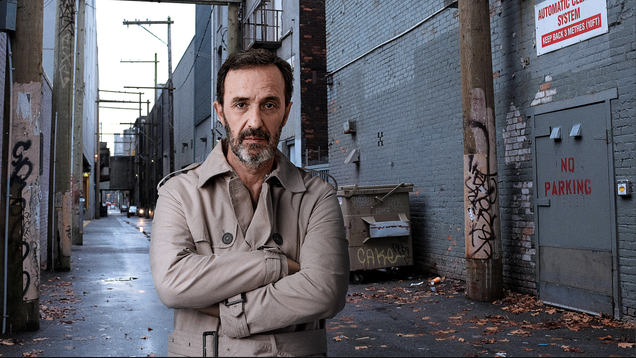
NEW YORK—Sighing deeply as he closed his overcoat yet again and kicked in dismay at the scattered alleyway trash, local man Frank Pendrowski told reporters Tuesday he wasn’t sure what more he could possibly do to make women he flashes love him. “For years I’ve put myself out there, exposing my genitals to passersby,…
INDIANAPOLIS—Let down by the absence of spectacle and suspense she had come to expect from the show, longtime Chicago Fire fan Tina Berk told reporters Tuesday she was disappointed by the new season’s focus on nothing but the characters nonchalantly responding to false alarms. “So far it’s mostly been driving,” said…
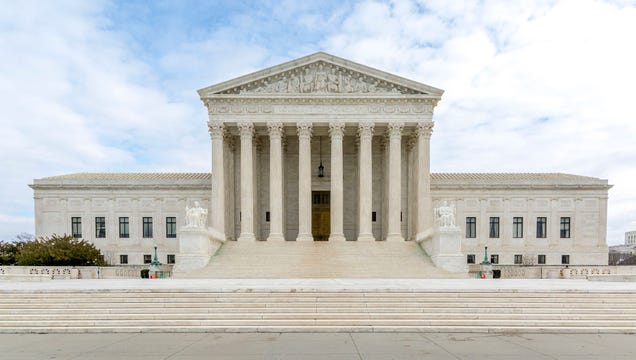
Two years after overturning Roe v. Wade, the Supreme Court is this week hearing arguments in a case that could curtail or eliminate nationwide access to mifepristone, commonly known as the abortion pill. Here are some of the things that could happen when the court eventually issues its decision.
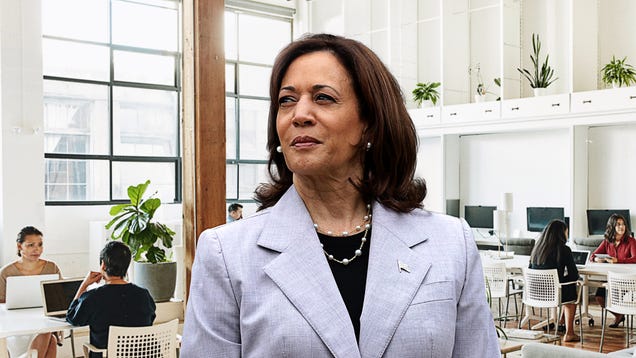
WASHINGTON—Saying it was “high time” she made a more serious investment in her career, Vice President Kamala Harris confided to reporters Tuesday that she had joined a coworking space in the D.C. area. “It’s a pretty big expense to take on, but it ought to be worth it for the networking opportunities, which I’m hoping…
Close on the heels of King Charles III’s cancer diagnosis, Catherine, Princess of Wales, revealed that she has also been diagnosed with cancer and has begun chemotherapy. What do you think?
A New York appeals court ruled that it would accept a bond of $175 million, reduced from $454 million, from Donald Trump, preventing the attorney general from collecting the former president’s assets while he appeals the judgment against him. What do you think?
Three years ago, Texas House Speaker Dade Phelan unveiled a set of bills that he declared would improve the health of millions of Texans, largely by expanding access to healthcare.
The measures, authored by Republicans and Democrats, were applauded by health advocates such as the Texas Medical Association. This month, an updated version of one of the most noteworthy bills took effect, extending postpartum Medicaid coverage for new mothers from two months after giving birth to a year.
The reforms—most of which passed—fell short of full Medicaid expansion, but they cast the newly elected House speaker in a milder light: a conservative Texas GOP leader willing at times to prioritize the state’s serious healthcare gaps.
Phelan toes a conservative line, including supporting one of the country’s most restrictive abortion bans. But some advocates were hopeful that Phelan’s “Healthy Families, Healthy Texas” plan, which included bills from Republicans and Democrats, might signal openness to Medicaid expansion approval to cover more low-income adults. Texas is one of 10 states that haven’t expanded the program and has the nation’s highest rate of residents without health insurance, at nearly 19 percent for those under age 65.
But Republican leaders, including Phelan, haven’t budged. Asked in 2021 why his health reform agenda didn’t include expansion, Phelan said, “That’s a different conversation than what we’re discussing right now.” He didn’t rule it out, however. “We will have that debate,” he said.
Now, if he ever seemed like a willing listener on expansion, the prospect could soon vanish.
Phelan is fighting to keep his House seat in a primary runoff on May 28 in his far southeast Texas district. In the March primary results, Phelan trailed his Trump-endorsed challenger David Covey by three points. Another candidate, Alicia Davis, came in third and has since endorsed Covey. It was the first time Phelan had faced an opponent since he was elected to the House in 2014.
The high-profile face-off and other challenges to incumbents have spotlighted a power struggle among Texas Republicans that could push the Legislature further to the right.
Other than abortion, healthcare issues are not dominating the debates in Texas campaigns. Phelan’s office declined to talk to Public Health Watch for this story or provide a statement on Medicaid expansion.
But back home in his district—state House District 21, a vertical stretch of rural, metro, and industrial communities sandwiched between Houston and Louisiana—the needs for affordable healthcare are high.
District 21 represents all of Jasper and Orange counties and about a quarter of Jefferson County’s population, including part of Beaumont, Phelan’s hometown. Nearly 19 percent of District 21 residents younger than 65—or about 28,500 people—are uninsured, according to the Census Bureau’s 2022 five-year estimates.
Like much of Texas, the district has a shortage of primary care providers. Hospital services are tenuous. In rural Jasper County, there’s only one hospital—Jasper Memorial, part of Christus Southeast Texas—and it no longer has a labor-and-delivery unit. The next closest is an hour northwest to Lufkin or an hour south to Beaumont.
Bluebonnets near the Jasper County Courthouse on March 5 Kim Krisberg
Orange County, a major hub for chemical manufacturing, lost its only hospital in 2017, making it the most populous county in Texas without a hospital until Christus opened one there in January.
The lack of access isn’t for lack of need. Federal, state and university research data show counties in District 21 are among the least healthy in the state, with high rates of cancer, diabetes, mental distress, and stroke deaths.
A handful of safety-net providers are available to the area’s thousands of uninsured, but their medical capacity is limited. And one—the Jasper Newton County Public Health District—is struggling to maintain its primary health-care program, its director said.
The health district started offering free and low-cost primary care about 30 years ago to help address the region’s access gap. Its clinic, located inside the agency’s century-old building near Jasper’s town square, sees hundreds of primary care patients a year, all of them uninsured and living on low incomes.
Services include preventive screenings, lab work, and chronic disease management, but providers can do little if patients need help beyond basic care.
“The majority do without anything we can’t provide here,” said Patty Barthol, clinic director at Jasper Newton County Public Health District. “Most can’t afford even the discounted rate for a CT scan.”
Transportation is also a major barrier in the rural area. “If you’re living in poverty, the disparity starts with just trying to get to the clinic,” said Diane Rashall, the health district’s administrative director.
Rashall said the area had a “[health] insurance deficiency” before COVID-19 and its related job losses made the problem worse. Nearly one-fifth of Jasper County adults younger than 65 are uninsured, according to Census Bureau data. The poverty rate is above 19 percent.
If the health district closes its primary care program, it would leave a sizable gap in the local safety net and vulnerable patients without a medical home. But Rashall said the financial strain of keeping it open is getting too big to bear.
The program is funded through a state grant, which means that if the funding pays for 600 primary care patients in a given fiscal year, the health district will lose money when someone needs more than a single visit. The cost of any additional clients is also unreimbursed.
At the same time, the only way to increase the grant amount is to demonstrate community need by accepting unfunded patients for treatment, Rashall said. It leaves the program in a chronic deficit, and it’s why many local public health departments stopped offering direct primary care, she said.
“Luckily, we have a board that has said it’s important in our county, and as long as we can pay the deficit, we’re going to do it,” she said. “But, to be honest with you … I really don’t know how long we’re going to be able to absorb that.”
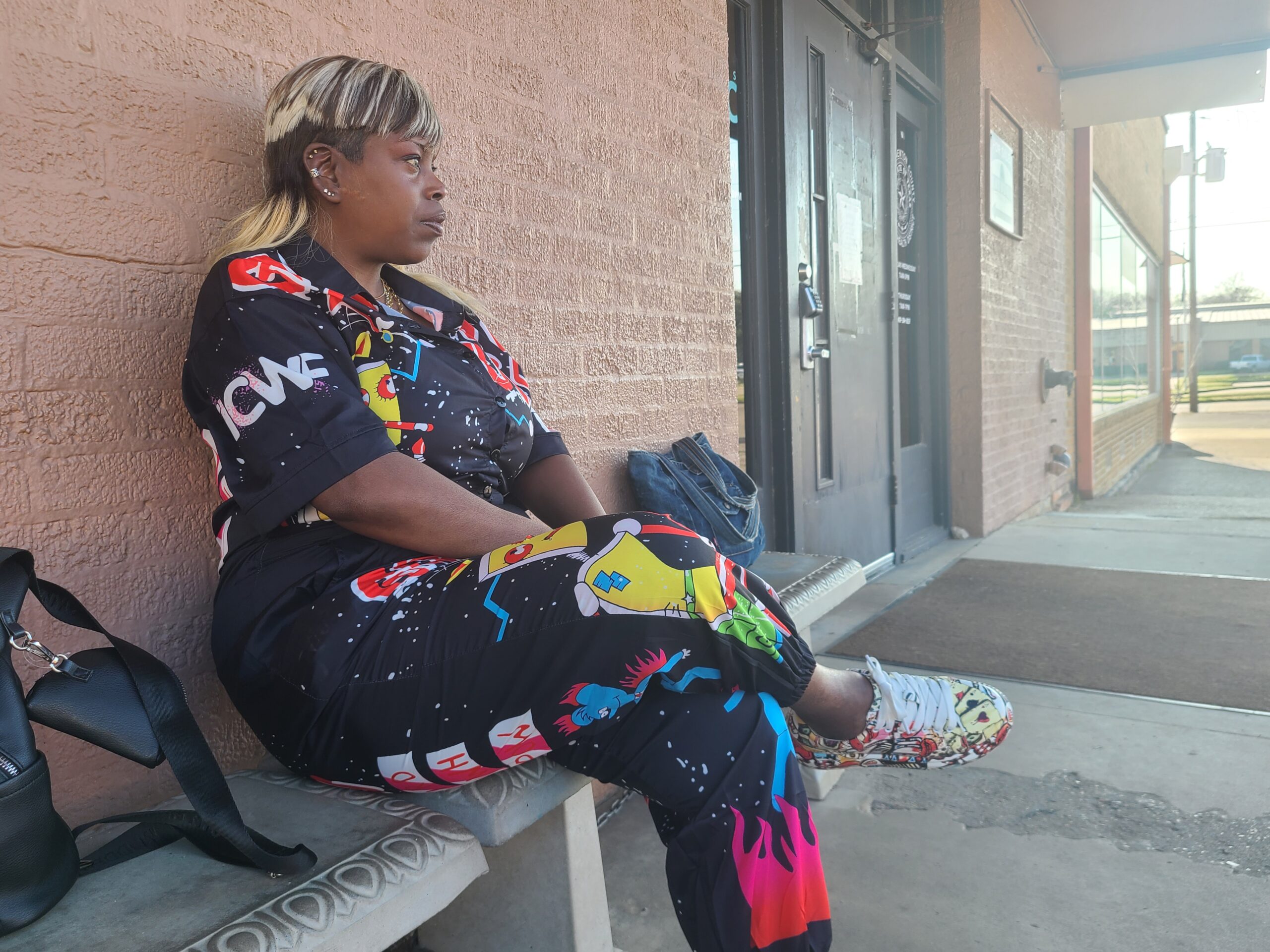
Jasper resident Joycelyn Sampson Kim Krisberg
Jasper resident Joycelyn Sampson, 52, doesn’t think she would be alive today without the health district’s primary care program. Unable to afford insurance, she doesn’t know where she would turn if the clinic program were shuttered.
Sampson, who works a part-time night shift at Walmart, has been a patient there for eight years. Last year, during a clinic visit, her blood pressure was so high that a staff member drove her straight to the emergency room.
“I thought I was just not feeling good that day,” she said. “Come to find out, I was almost about to stroke out.”
Sampson is lucky. Research shows uninsured patients are at a higher risk of experiencing and dying from a severe stroke, partly because they lack access to primary care.
Now, she’s on medication to manage her blood pressure.
“I could have really been gone if it weren’t for this place and these people,” Sampson said.
In addition to being House speaker, Dade Phelan works for his family’s fourth-generation commercial real estate and investment company.
The family is a fixture in Beaumont; its wealth traces back to the Texas oil boom of the early 1900s and a wholesale grocery business. A main thoroughfare through the city is named for the Phelan clan.
Philanthropy is part of the family’s profile. Phelan has served on the board of Catholic Charities of Southeast Texas, and his wife, Kim, a lawyer, once represented children and parents in Child Protective Services cases and is involved in charities promoting mental health services.
The area’s serious health needs have knocked repeatedly on Phelan’s door.
In 2016, Jessica Hill, then executive director of the Orange County Economic Development Corporation, was attending a Commissioners Court meeting when she got a text message: Baptist Hospital in Orange, which had been cutting its services for years, was closing its ER, citing financial strains that included the state’s failure to expand Medicaid. That left the county without a single hospital.
“It was a shock,” she said.
The next closest hospital was at least a 30-minute drive to Beaumont or Port Arthur, both west of the Neches River—hardly ideal. In the 2021 freeze that shut down Texas, the bridges to and from Port Arthur were too icy to safely cross.
The hospital’s closure not only deepened the health gap and cost about 100 jobs, Hill said it also made her role—attracting new businesses and jobs to improve the economy—much harder.
“Most young families won’t move to a community that doesn’t have those services, and most large employers won’t locate in communities that can’t offer employees that,” said Hill, who left the job in 2022.
In late January, after years of grassroots work and a 20-acre donation from a local philanthropist, Christus opened a new hospital in Orange with around-the-clock ER services.
Phelan offered “critical” support in bringing a hospital back to Orange, Hill said, and attended the opening-day celebration.
“I think he sees [healthcare] as a very important issue,” Hill said. “I think he understands why it’s important … what it means to a community.”
Phelan’s House district cuts across a range of county-level uninsured rates. In Jefferson County, where Beaumont sits, the uninsured rate is almost 23 percent; in Orange County, it’s 16 percent, and in Jasper County nearly 19 percent. The district’s uninsured rate for children alone—those 18 and under—is in double digits, at 10.4 percent, despite Medicaid’s Children’s Health Insurance Program. One of Phelan’s “Healthy Families” priority bills, House Bill 290—which ultimately was folded into another bill signed into law in 2021—was aimed at streamlining CHIP enrollment so kids don’t churn in and out of coverage.
If Texas lawmakers passed Medicaid expansion—which extends eligibility to adults with incomes up to 138 percent of the federal poverty level, or less than $21,000 a year for a single person—researchers estimate that more than 1.2 million Texans could gain health insurance.
Phelan hasn’t endorsed expansion, despite evidence of its positive health and financial benefits. But his healthcare work in the House—such as shepherding the Medicaid postpartum extension through two legislative sessions, benefitting 137,000 Texans—has signaled his interest in addressing systemic health issues.
It’s unclear if that focus will continue. If he loses his runoff—or even if he wins—healthcare issues could take a back seat to others dominating the campaigns.
“Well, it’s certainly not better for Medicaid expansion if Phelan loses,” said state Senator Nathan Johnson, a Democrat from Dallas, who’s filed bills to expand Medicaid during multiple sessions.
Luis Figueroa, chief of legislative affairs at the progressive nonprofit Every Texan, said the District 21 GOP runoff could help determine if healthcare issues remain a top priority in the Texas House—“because healthcare access hasn’t been a priority in the [state] Senate.”
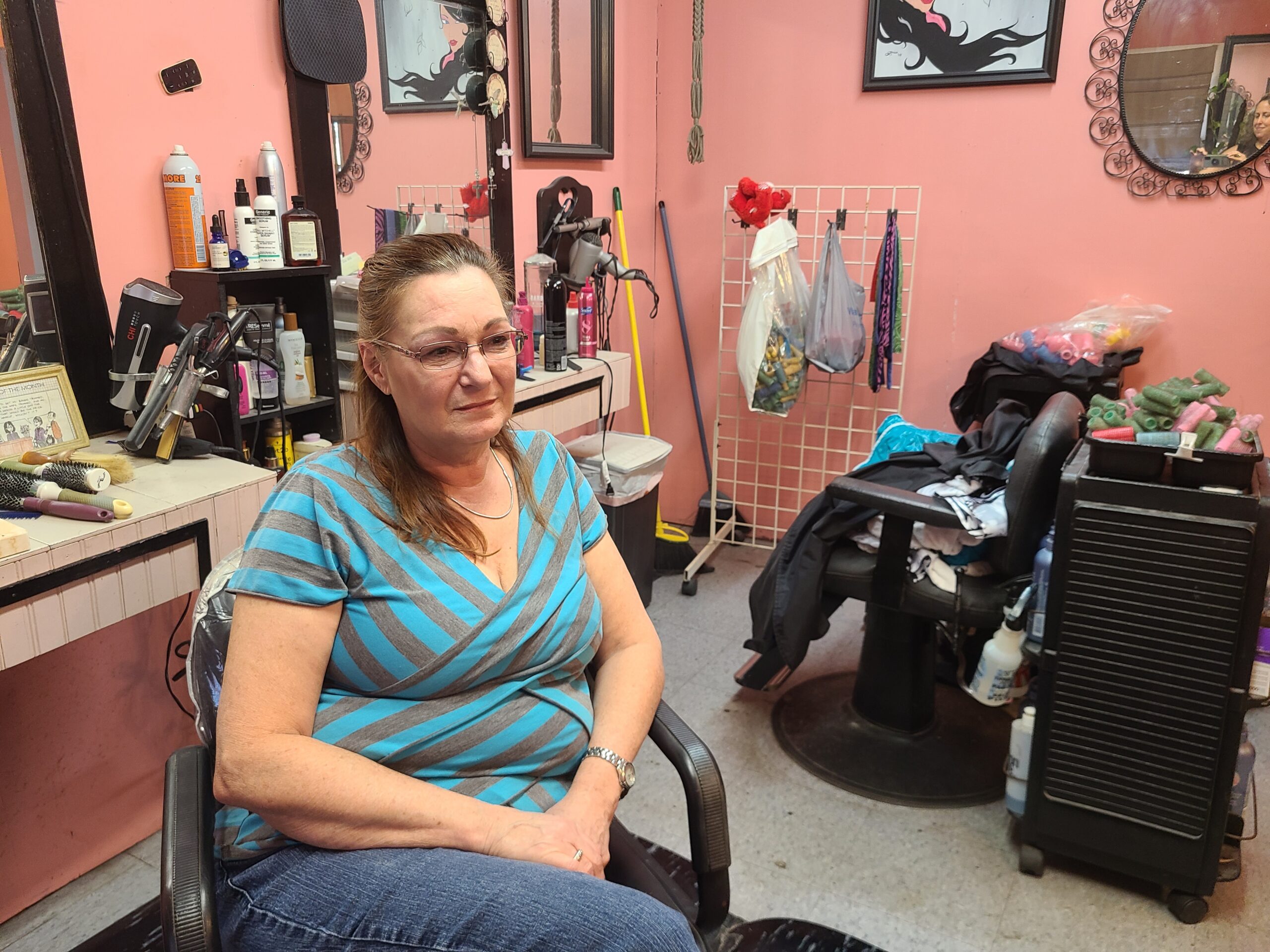
In Kirbyville, a small town in Jasper County, Nancy Davis will turn 65 in five years. She doesn’t plan to retire, but she said it will be a relief to qualify for Medicare and have health insurance.
Davis, who owns a beauty salon and alterations shop, last had insurance in the early 2000s, when she briefly qualified for Texas Medicaid as a single mother raising three children.
Since losing Medicaid, she’s been a patient at the Jasper Newton County Public Health District. There, she’s been able to access a range of primary care services, such as mammograms and blood pressure checks—which she credits for keeping her healthy and out of medical debt.
“There are lots of single women out there, working, trying to take care of their kids—they need to stay healthy, too,” Davis said. “At least if they had Medicaid, they could go to the hospital and not have to worry about debt they can never repay.”
Longtime Kirbyville resident Nancy Davis in her beauty salon on Main Street Kim Krisberg
Medicaid expansion would help many, but it won’t solve the access gap, partially because of the state’s low Medicaid reimbursement rates. Many doctors don’t accept the insurance.
TAN Healthcare, a federally qualified health center in District 21, takes Medicaid, but its providers regularly have trouble finding nearby specialists willing to take Medicaid referrals, said Dena Hughes, TAN’s chief executive officer. Sometimes the closest available specialist is more than an hour away in Houston, which is especially difficult for people with limited incomes and transportation.
About 40 percent of patients at TAN—which has sites in Beaumont and Orange and a mobile medical clinic that travels to Jasper and Newton counties—have no coverage, and most of its insured patients qualify for Medicaid.
MyEisha Clifton, lead nurse practitioner and director of medical services at TAN, said the center can help people access low-cost primary care and discounted prescriptions. But if uninsured patients need higher-level care—for example, TAN has recently seen a lot of cancer cases, Clifton said—the costs can be devastating.
“It’s hard for a provider to tell a patient that there’s nothing else that I can do for you because you don’t have health insurance,” Clifton said.
Medicaid expansion wouldn’t plug every gap, Hughes said, but more coverage would matter for patients and providers.
“It would still make a huge difference,” Hughes said. “Huge difference.”
The story is part of “The Holdouts,” a collaborative project led by Public Health Watch that focuses on the 10 states that have not expanded Medicaid, which the Affordable Care Act authorized in 2010.
NEW YORK—Issuing a public statement for immediate release, Weight Watchers announced they had gone totally ham on some nachos at approximately 10 p.m. Monday and that’s okay, they’re not going to beat themselves up over it. “Just so everyone knows, last night we absolutely housed a huge plate of nachos, they were…